Join our community of travelers sharing secret spots, hidden treasures, and extraordinary places off the beaten path.
Discover amazing destinations around the world.
Recently discovered hidden gems from our community.

Seattle
## Description Can Can Culinary Cabaret is a theatrical dining experience in Seattle that blends lively cabaret performance with multi-course dining served in an intimate, vintage-inspired setting. The show mixes burlesque, comedy, and thematic performances with carefully plated food — the result is an immersive evening where entertainment and cuisine are woven together. Can Can stands apart for its theatrical production values and its emphasis on a full-sensory night out. A lesser-known fact: the venue often curates themed seasonal shows that pair specific menus with the performance narrative, making certain evenings unique culinary-theatrical hybrids. ## Location Can Can is located in Seattle, Washington, with performances in a dedicated intimate venue in the city (check the official website for current address and seating arrangements). How to get there: Use local transit or rideshare; parking in urban Seattle can be limited. Arrive early to enjoy a pre-show cocktail and secure nearby street or garage parking. ## Tips - **Reserve ahead**: Shows sell out; book tickets and menu choices in advance. - **Dress smart-casual**: Many guests enjoy dressing up for the theatrical evening. - **Check age restrictions**: Some shows may be 21+ depending on content. ## Conclusion Can Can Culinary Cabaret delivers a memorable fusion of theatricality and dining — a perfect night out for couples or groups celebrating a special occasion. ## FAQ - **How long is a typical show?** Expect 2–3 hours including dining. - **Is it suitable for children?** Many shows are adult-oriented; check event details. ## Links - [Seattle — Wikipedia](https://en.wikipedia.org/wiki/Seattle)
GemVoyage Team • World
Seattle
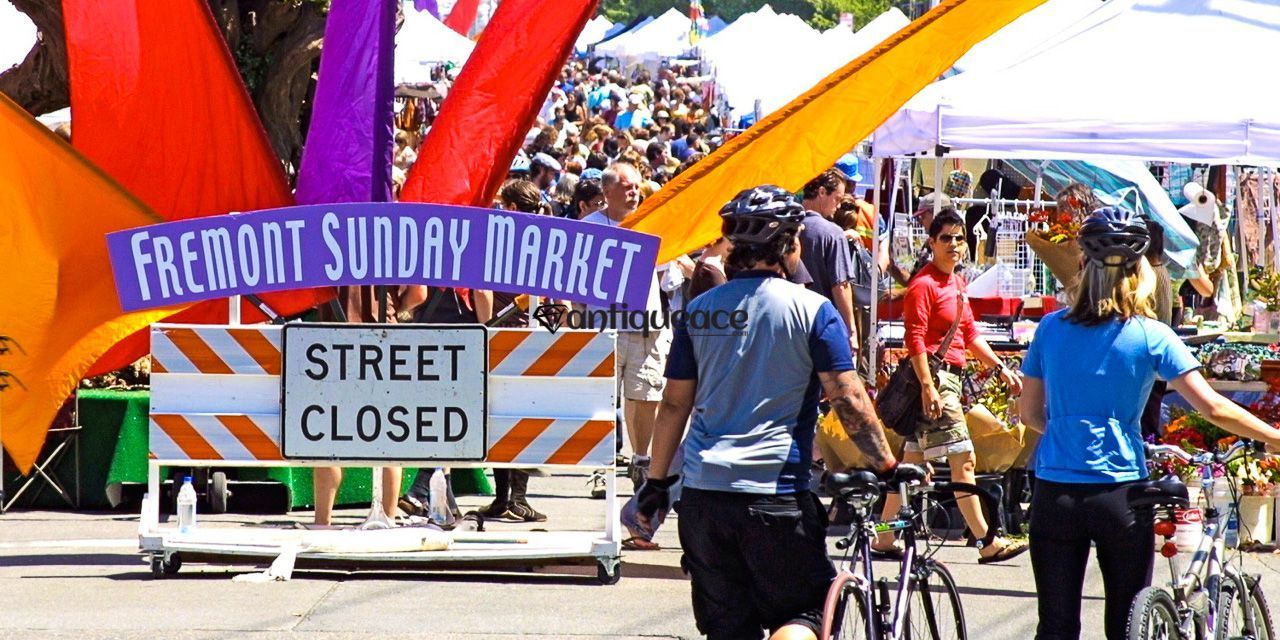
## Description The Fremont Sunday Market is an eclectic, long-running open-air market in Seattle’s Fremont neighborhood featuring antiques, collectibles, handmade crafts, local art, vintage clothing, and a strong food-truck presence. The market’s eclectic mix reflects Fremont’s quirky, creative identity — expect local makers, buskers, and a keen community vibe. Fremont Market is known for its treasure-hunting potential: you might find mid-century furniture, rare vinyl, hand-thrown pottery, and locally designed jewelry all in the same stroll. A little-known fact: the market began as a small community swap and has evolved into an organized weekly event that still prioritizes local small businesses. ## Location The market runs along North 36th Street and nearby blocks in Fremont, Seattle, Washington, USA. How to get there: Drive and use nearby parking, but cycling and public transit (Seattle Metro buses) are convenient. If coming from downtown, buses and rideshares take about 10–20 minutes depending on traffic. ## Tips - **Come early for antiques**: Sellers bring their best items early in the day. - **Sample local food trucks**: Fremont’s food trucks offer diverse, high-quality options. - **Bring cash**: Many small vendors accept cards, but cash remains useful. ## Conclusion Fremont Sunday Market is a lively, treasure-rich destination for collectors and casual browsers alike — a true neighborhood market with character and variety. ## FAQ - **When is it open?** Sundays, typically morning through early afternoon; check local listings for seasonal variations. - **Is it pet-friendly?** Many people bring dogs, but keep pets leashed and consider the crowds. ## Links - [Fremont, Seattle — Wikipedia](https://en.wikipedia.org/wiki/Fremont,_Seattle)
GemVoyage Team • World
Copenhagen
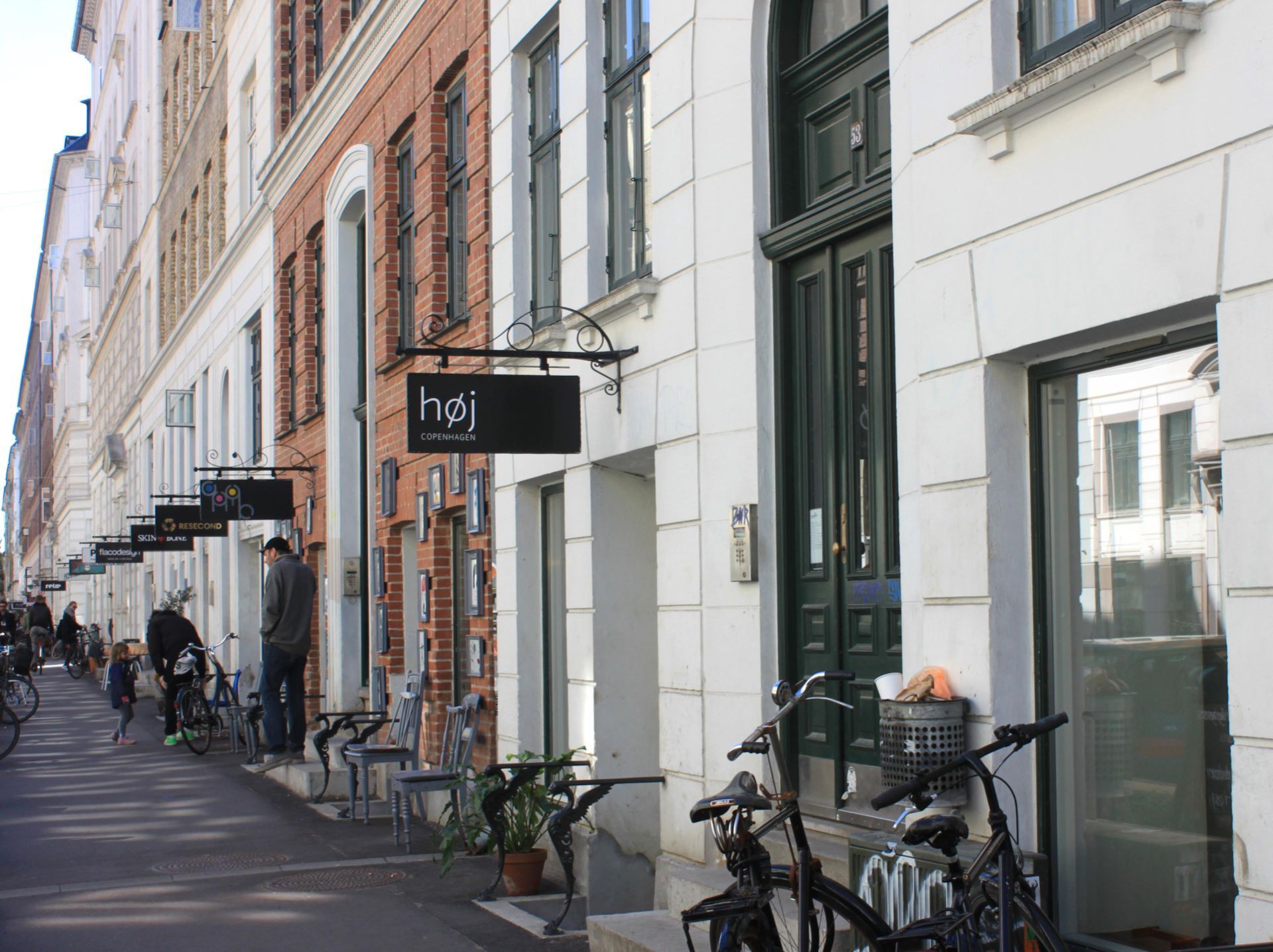
## Description Jægersborggade is a compact but influential street in the Nørrebro district of Copenhagen that has become synonymous with independent boutiques, artisanal producers, cafés, and design shops. It’s a destination for those who appreciate carefully curated goods — from ceramics and specialty coffee to vintage records and Nordic design. The street’s character combines Scandinavian minimalism with an energetic local scene. A less-known fact: several of Copenhagen’s now-famous designers and food entrepreneurs started on Jægersborggade as tiny pop-ups or market stalls before opening permanent shops. ## Location Jægersborggade is located in Nørrebro, Copenhagen, Denmark. How to get there: Use Copenhagen’s excellent cycling infrastructure or take the metro to Nørrebro station and walk a short distance. Several bus lines also serve the area. ## Tips - **Wear comfortable shoes**: The street is best explored on foot. - **Visit mid-morning**: Shops open late compared to central tourist hours. - **Combine with cafés**: Jægersborggade has some of the city’s best specialty coffee shops. ## Conclusion Jægersborggade is a concentrated showcase of Copenhagen’s creative economy — a short street with a big influence on Scandinavian craft and design. ## FAQ - **Are the shops open weekends?** Yes, although some businesses close earlier on Sundays. - **Is it expensive?** Boutique prices are often higher, reflecting craft quality. ## Links - [Nørrebro — Wikipedia](https://en.wikipedia.org/wiki/N%C3%B8rrebro)
GemVoyage Team • World
Copenhagen
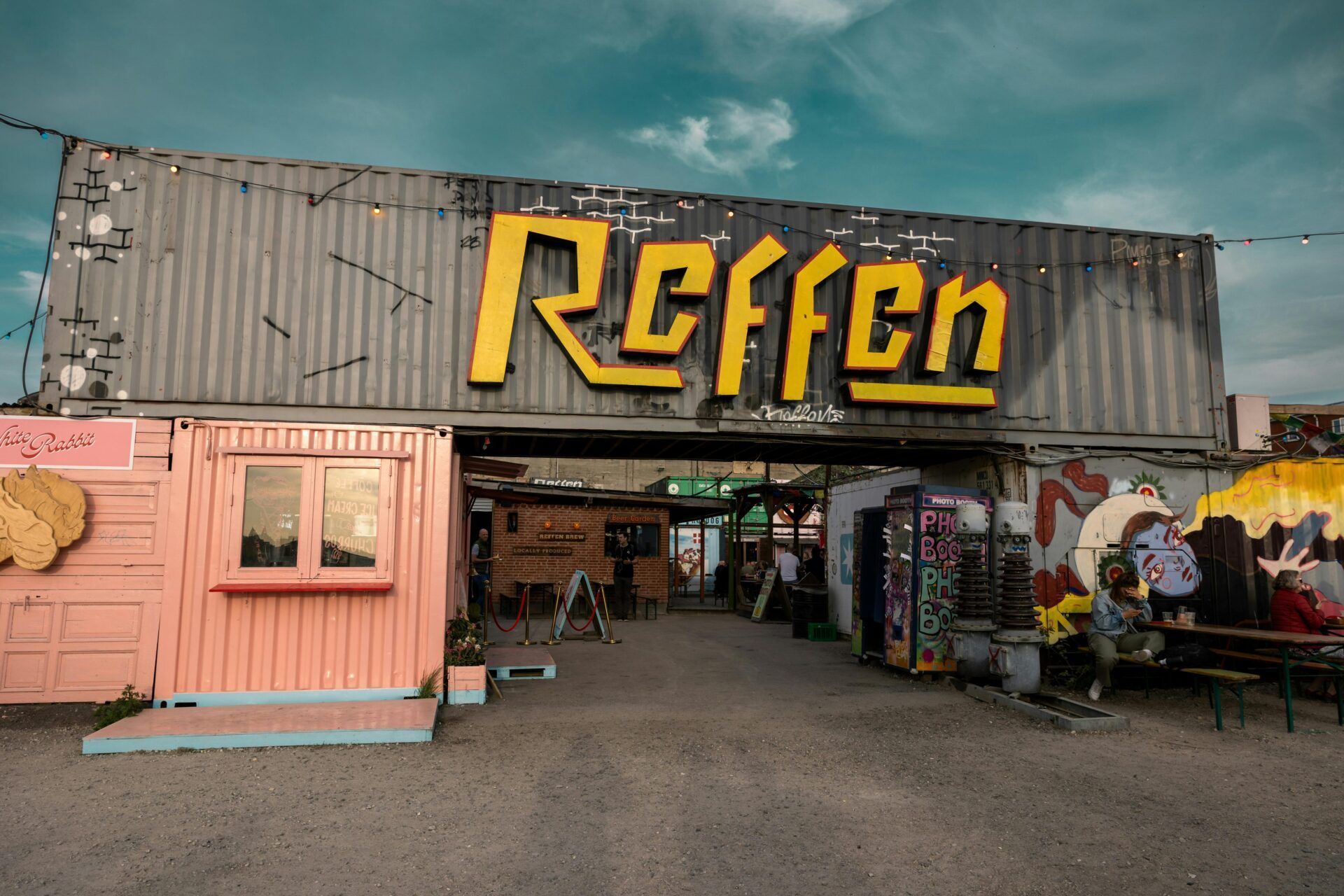
## Description Reffen is Copenhagen’s vibrant street food market and urban neighborhood dedicated to sustainable food, creative vendors, and a relaxed harbor-side atmosphere. Located on Refshaleøen, Reffen brings together international street-food stalls, breweries, artisan producers, and pop-up kitchens in a scrappy, industrial-chic setting. Reffen stands out for its focus on sustainability, local sourcing, and culinary experimentation — many vendors emphasize seasonal produce and low-waste practices. A little-known fact: Reffen was established by local food entrepreneurs aiming to create an alternative to conventional dining and has grown into a beloved city destination that supports culinary startups. ## Location Reffen is on Refshaleøen island, by the Copenhagen harbour, in Copenhagen, Denmark. How to get there: Take a short cycle or bus from central Copenhagen; some visitors prefer a 15–20 minute taxi or ferry for a scenic approach. If cycling, follow harbor-cycle routes east from the city center. ## Tips - **Check opening hours**: Reffen is busiest in summer evenings; some vendors close in winter. - **Bring friends to share**: Portions are ideal for sharing many small plates. - **Try Danish craft beers**: Several microbreweries pour onsite. - **Arrive early on weekends**: Popular vendors can queue in peak times. ## Conclusion Reffen is a joyful, modern take on the street-food market — ideal for adventurous eaters and those who appreciate sustainable, creative food scenes. ## FAQ - **Is Reffen child-friendly?** Yes, though keep an eye near the water and crowds. - **Can I pay by card?** Most vendors accept cards, but small cash amounts can still be useful. ## Links - [Refshaleøen Official Site](https://reffen.dk/en/)
GemVoyage Team • World
Bonn
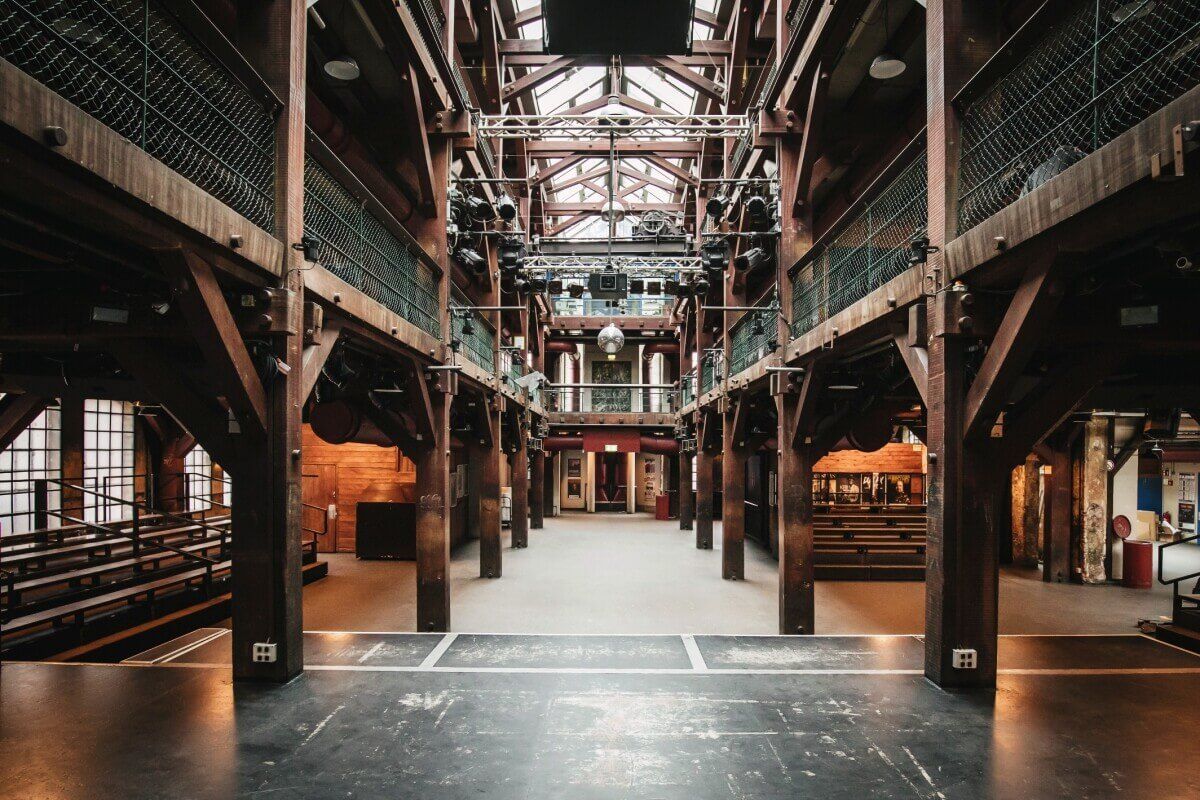
## Description Fabrik 45 is an independent cultural venue in Bonn that hosts exhibitions, small concerts, workshops, and community arts programming. Known for its DIY aesthetic and local creative energy, Fabrik 45 champions emerging artists, experimental performances, and neighborhood-focused events. Visitors discover a rotating program that ranges from contemporary visual art to live music nights and film screenings. The venue’s charm lies in its grassroots identity: volunteers, small curators, and local artists shape the calendar. A lesser-known fact: Fabrik 45 often collaborates with regional artist collectives for residencies, creating opportunities to see works in progress and speak directly with creators. ## Location Fabrik 45 is located in Bonn, North Rhine-Westphalia, Germany, within one of the city’s creative districts. Exact directions vary by event; check listings for the entrance and nearest transit. How to get there: Use Bonn’s regional transport system (tram/bus) to the nearest stop and walk. Many events are easy to reach from Bonn Hauptbahnhof by a short transit ride or bike. ## Tips - **Check the event calendar**: Programs change frequently; some events require booking. - **Arrive early for intimate shows**: Smaller venues fill quickly. - **Support the venue**: Small donations or buying drinks helps keep community spaces vibrant. ## Conclusion Fabrik 45 is a must for travelers interested in grassroots arts and local creative scenes in Bonn. It’s where the city’s emerging culture takes shape. ## FAQ - **Does Fabrik 45 have an entry fee?** Some events are free, others charge modest fees. - **Is it suitable for children?** Some workshops are family-friendly; check event details. ## Links - [Fabrik official site](https://fabrik.de/) - [Bonn — Wikipedia](https://en.wikipedia.org/wiki/Bonn)
GemVoyage Team • World
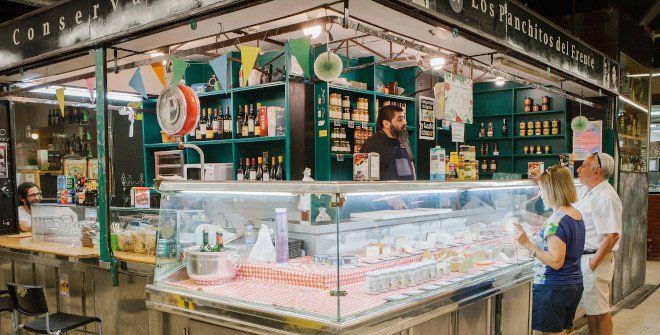
Madrid
## Description Mercado de San Fernando is a lively neighborhood market in the Lavapiés district of Madrid known for its vibrant community atmosphere, fresh produce, and a growing collection of specialty stalls and micro-restaurants. Unlike larger city markets geared toward tourists, San Fernando blends traditional market stalls offering fruits, vegetables, and meats with small tapas bars, artisan bakeries, and independent vendors offering international foods and creative small plates. What makes the market noteworthy is its role as a local cultural hub: it hosts workshops, pop-up dinners, and community events that reflect Lavapiés’s multicultural identity. A little-known fact: the market supports a program of incubator stalls helping young food entrepreneurs test concepts with low overhead, which has led to several successful standalone restaurants in Madrid. ## Location Mercado de San Fernando sits in the Lavapiés neighborhood, within the Centro district of Madrid, near Calle Embajadores. The market is in the southeastern part of central Madrid, well-placed between the city’s historic core and the more contemporary cultural venues. How to get there: Take metro Line 3 to Lavapiés station or Line 1 to Tirso de Molina and walk. Several buses serve Calle Embajadores. The surrounding area is very walkable from central Madrid landmarks. ## Tips - **Try the tapas stalls**: Several vendors serve freshly prepared small plates — great for sampling multiple flavors. - **Visit on an event day**: Check local listings for workshops, evening markets, and pop-up dinners hosted at the market. - **Bring small bills**: Many food stalls prefer cash for quick purchases. - **Respect the community**: Lavapiés is a residential neighborhood — be mindful of noise and litter. - **Go for lunch**: Midday is perfect for a market-hopping lunch of empanadas, falafel, or freshly grilled fish. ## Conclusion Mercado de San Fernando offers a genuine, contemporary Madrid market experience where local life, multicultural cuisine, and food entrepreneurship intersect. It’s perfect for food-minded travelers who want to taste Madrid’s everyday flavors beyond the tourist hotspots. ## FAQ - **Is the market touristy?** It retains a strong local feel, though it increasingly attracts food-savvy visitors. - **Are there vegetarian options?** Yes — many stalls offer vegetarian and vegan-friendly dishes. - **Does the market host events?** Yes, regular workshops, tastings, and pop-ups are common. ## Links - [Lavapiés — Madrid neighbourhood overview (Wikipedia)](https://en.wikipedia.org/wiki/Lavapi%C3%A9s)
GemVoyage Team • World
Handpicked extraordinary destinations you shouldn't miss.
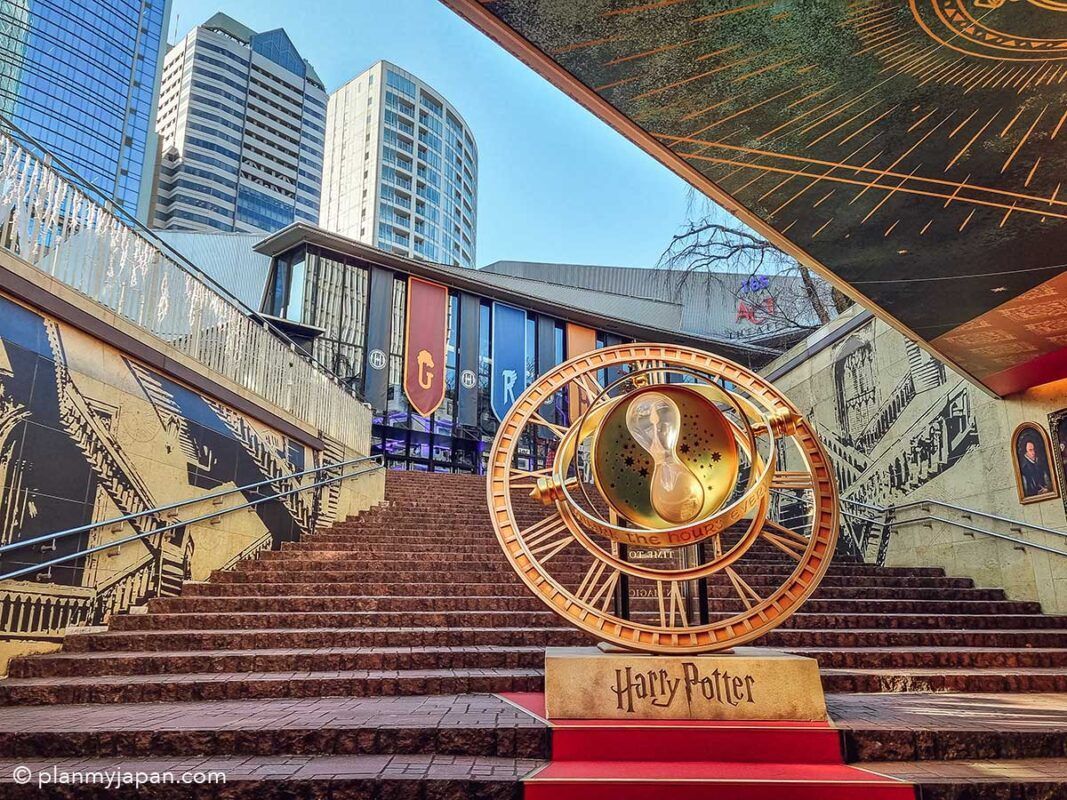
Tokyo
## Description The **Harry Potter Stairs & Time Turner (ハリー・ポッター階段とタイムターナー)** in Tokyo is one of the city’s most popular **pop-culture photo landmarks**, blending cinematic fantasy with modern urban design. This attraction is not a historical monument or a traditional museum—it is a **themed visual installation inspired by the Harry Potter film series**, designed specifically for fans who want to step inside the wizarding world without leaving central Tokyo. The installation recreates two of the most iconic visual elements from the films: the **magical moving staircase of Hogwarts** and **Hermione Granger’s Time Turner** from *Harry Potter and the Prisoner of Azkaban*. The staircase evokes the illusion of shifting directions and hidden passages, while the oversized Time Turner sculpture serves as a symbolic centerpiece representing time travel, destiny, and choice—core themes in the Potter universe. What makes this location truly unique is that it exists **inside a contemporary commercial complex rather than a theme park**. This means visitors do not need to buy expensive tickets or travel to a resort location to enjoy an immersive Harry Potter-themed environment. The installation uses **cinematic lighting, reflective metallic surfaces, stone textures, and enchanted-style typography** to create a convincing atmosphere of fantasy within a very modern architectural setting. The stairs are often used as a **staged photo zone**, where visitors recreate scenes, cosplay as characters, or simulate stepping into a time-loop narrative. The Time Turner sculpture is particularly photogenic when illuminated in the evening, when its rotating rings and glowing accents transform the space into a dramatic visual set piece. Many visitors describe the experience as feeling like walking into a **film trailer set inside a shopping mall**—brief, stylized, and designed for visual impact rather than storytelling depth. A little-known fact is that the stairs and Time Turner installation were part of a **long-term promotional collaboration connected to Warner Bros. Japan and official Harry Potter licensing projects**, timed to coincide with renewed franchise activity in Tokyo. Another lesser-known detail is that the space is frequently **updated with seasonal lighting themes and limited-time character visuals**, which means repeat visits can feel subtly different across the year. Importantly, this site is not meant to replace **The Making of Harry Potter Studio Tour Tokyo**; rather, it acts as a **public teaser-style landmark**, accessible to anyone passing through the district. It attracts an extremely diverse crowd: international tourists, Japanese fans, casual shoppers, cosplayers, couples, and social-media creators all intersect in the same space. The emotional appeal of the installation lies in its ability to deliver **instant recognition and nostalgia**. Even a short visit—often no more than 10 to 15 minutes—can trigger powerful emotional connections for fans who grew up with the books and films. It is, at its core, not a storytelling space but a **symbolic photo experience**, built for visual memory rather than narrative immersion. ## Location The **Harry Potter Stairs & Time Turner** installation is located in **central Tokyo**, inside a major commercial complex in the **Akasaka / Roppongi area**, which has become a hub for large-scale themed entertainment projects. **City:** Tokyo **Region:** Kantō **Country:** Japan **District:** Minato Ward (Akasaka / Roppongi area) ### How to Get There: * **By Tokyo Metro:** * **Chiyoda Line** to **Akasaka Station** * **Hibiya Line or Toei Oedo Line** to **Roppongi Station** * **By JR Train:** Use JR lines to nearby hubs such as **Shinjuku or Tokyo Station**, then transfer to the metro. * **By taxi:** Easy and accurate if you show the Japanese attraction name. * **On foot:** The area is highly walkable and well-connected through underground passages and plazas. The installation is typically integrated into a **shopping, dining, and entertainment complex**, making it easy to combine with cafés, retail stores, and evening nightlife. ## Tips * **Visit in the evening:** The lighting effects are significantly more dramatic after sunset. * **Go on weekdays for clearer photos:** Weekends often bring long lines of people waiting for their turn. * **Bring a small tripod if allowed:** For steady night photos, especially around the Time Turner. * **Do not expect a full “attraction experience”:** This is a **visual installation**, not a ride or museum. * **Cosplay is common:** Light cosplay is generally accepted and often encouraged by visitors. * **Respect queue etiquette:** Japanese photo spots usually operate with informal but strict order. * **Combine with nearby Harry Potter experiences:** If you are a serious fan, this pairs well with the Studio Tour Tokyo. * **Check for seasonal updates:** Lighting schemes and banners occasionally change. ## Conclusion The **Harry Potter Stairs & Time Turner in Tokyo** is a compact yet powerful example of how modern cities translate cinematic fantasy into everyday urban space. It is not a destination for long exploration, but a **precise, visually engineered moment of nostalgia**, crafted for fans who want a tangible connection to the wizarding world without committing an entire day to a theme park. For Harry Potter enthusiasts, it delivers something precise and valuable: **a magical pause inside the rhythm of real city life**. ## FAQ **1. Is the Harry Potter Stairs & Time Turner a real theme park attraction?** No. It is a **public visual installation**, not a ride or ticketed experience. **2. Is it free to visit?** Yes. Access is **free**, as it is located inside a public commercial complex. **3. How long does a visit typically take?** Most visitors spend **10 to 20 minutes**, depending on photo queues. **4. Is it suitable for children?** Yes. It is **family-friendly**, though it can get crowded. **5. Is this the same as the Harry Potter Studio Tour Tokyo?** No. This is a **small themed photo landmark**, whereas the studio tour is a full museum-style experience. **6. Can I take professional photos there?** Casual photography is allowed. **Commercial shoots may require permission** from the property management. ## Links * [Warner Bros. Japan](https://www.warnerbros.co.jp) * [Harry Potter Studio Tour Tokyo](https://www.wbstudiotour.jp)
GemVoyage Team • World

Misiones
## Description Iguazú Falls (Cataratas del Iguazú) is one of the most awe-inspiring natural wonders on Earth, a sprawling system of waterfalls that straddles the border between Argentina and Brazil. Located within the lush confines of the Iguazú National Park, the falls consist of 275 individual cascades stretching nearly 2.7 kilometers across the Iguazú River. With drops ranging from 60 to 82 meters, the thunderous roar and misty spray of the falls create an unforgettable sensory experience. The crown jewel of the site is the **Devil’s Throat (Garganta del Diablo)**, a U-shaped chasm where half the river’s flow plunges into a dramatic abyss. Standing on the viewing platform above this torrent is both humbling and exhilarating. The surrounding subtropical rainforest is teeming with wildlife, including toucans, coatis, butterflies, and even jaguars, making the area a paradise for nature lovers and photographers. A little-known fact: Eleanor Roosevelt reportedly exclaimed “Poor Niagara!” upon seeing Iguazú Falls, a testament to its staggering scale and beauty. Another fascinating detail is that the falls were formed by a volcanic eruption that left a large crack in the earth, allowing the river to tumble over the edge and create this natural spectacle. ## Location Iguazú Falls is located in **Argentina**, within the **Misiones Province**, near the city of **Puerto Iguazú**. The falls are part of the **Iguazú National Park**, a UNESCO World Heritage Site recognized for its ecological importance and breathtaking scenery. ### How to Get There: - **By Air**: The easiest way to reach the falls is by flying into **Cataratas del Iguazú International Airport (IGR)**, located about 20 minutes from Puerto Iguazú. Direct flights are available from Buenos Aires and other major cities. - **By Bus**: Long-distance buses run from Buenos Aires and other regional hubs to Puerto Iguazú, though the journey can take 18–20 hours. - **By Car**: Renting a car offers flexibility, especially if you plan to visit both the Argentine and Brazilian sides of the falls. From Puerto Iguazú, shuttle buses and taxis can take you directly to the entrance of the national park. ## Tips for Visitors To make the most of your Iguazú Falls adventure, keep these tips in mind: - **Visit Both Sides**: The Argentine side offers immersive trails and close-up views, while the Brazilian side provides panoramic vistas. If possible, explore both. - **Start Early**: Arrive when the park opens to avoid crowds and enjoy cooler temperatures. - **Wear Waterproof Gear**: The mist from the falls can soak you—bring a poncho or quick-dry clothing. - **Take the Ecological Train**: This scenic ride through the jungle leads to key trailheads, including the Devil’s Throat. - **Book a Boat Tour**: For thrill-seekers, speedboat rides take you right under the falls—prepare to get drenched. - **Respect Wildlife**: Coatis may look cute, but they can be aggressive if provoked. Don’t feed or approach them. ## Conclusion Iguazú Falls is a breathtaking blend of raw power and serene beauty. With its towering cascades, rich biodiversity, and immersive trails, it offers a once-in-a-lifetime experience for travelers seeking nature at its most majestic. ## FAQ **1. What is the best time to visit Iguazú Falls?** The falls are spectacular year-round, but April to September offers cooler weather and fewer crowds. **2. How long should I plan to stay?** At least two full days—one for the Argentine side and one for the Brazilian side. **3. Is the park accessible for people with disabilities?** Yes, many trails and viewing platforms are wheelchair accessible, and the ecological train accommodates mobility needs. **4. Can I swim near the falls?** Swimming is not allowed near the main falls due to strong currents, but nearby areas like Isla San Martín may offer safe spots depending on conditions. **5. Are guided tours available?** Yes, both private and group tours are offered, including bilingual guides and eco-tours. **6. Do I need a visa to cross into Brazil?** Visa requirements vary by nationality. Check with your embassy before planning a cross-border visit. ## Links - [Iguazú Falls – Wikipedia Overview](https://en.wikipedia.org/wiki/Iguazu_Falls) - [Iguazú Argentina – Official Park Site](https://iguazuargentina.com/en/)
GemVoyage Team • World
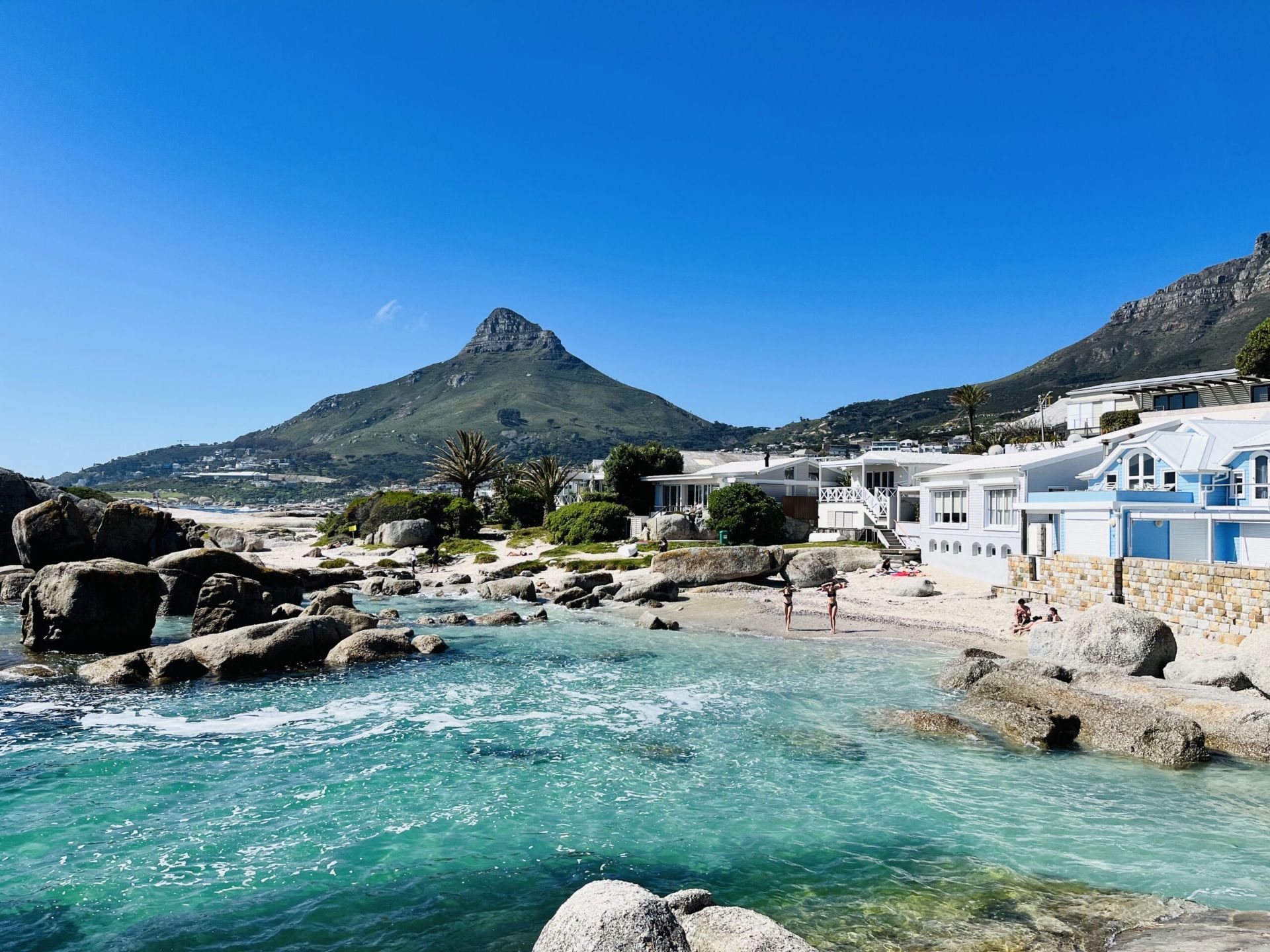
Cape Town
## Description Beta Beach in Bakoven is one of Cape Town’s more understated coastal spots, which is exactly what makes it appealing. Instead of the intensity of the city’s bigger, more famous beaches, Beta Beach offers a calmer setting where granite boulders, sheltered sand, and Atlantic water create a beautiful but low-key experience. The beach feels intimate and local, with views that are every bit as memorable as those at more famous shoreline destinations. What sets Beta Beach apart is the way it blends privacy and scenery. It is not a beach for large crowds or big facilities; it is a beach for people who want to pause, look out over the ocean, and enjoy the dramatic relationship between water and mountain. The Bakoven area itself has a strong residential character, which helps keep the atmosphere relaxed. One lesser-known fact is that the smaller coves in this part of the coast can look very different depending on tide and swell, so a single visit can feel dramatically different from one hour to the next. Another interesting detail is how the surrounding boulders create natural windbreaks and visual frames, making the beach especially photogenic. Beta Beach is also a good choice for travelers who want a quieter Atlantic side experience without giving up proximity to major Cape Town attractions. It works well as a short stop, a sunset watchpoint, or a place to linger between drives along the coast. The mountain backdrop and ocean light make it feel distinctly Cape Town, but in a softer, more residential register than some of the city’s busier beaches. For many visitors, that balance of accessibility and peace is the reason it becomes a favorite. ## Location Beta Beach is in Bakoven, Cape Town, Western Cape, South Africa, along the Atlantic coast near Camps Bay and the route toward the Twelve Apostles side of Table Mountain. The location is close to one of the city’s most scenic coastal corridors. The easiest way to get there is by car or ride-hailing service, especially if you are staying in central Cape Town, Camps Bay, or Sea Point. Public transport options are more limited for this particular stretch, so direct road access is usually the practical choice. Once there, plan to explore on foot so you can enjoy the coves and viewpoints at a slower pace. ## Tips Check tide and weather conditions before visiting, because the beach’s feel changes significantly with the sea. Bring sun protection and water, since the Atlantic coast can be sunny and exposed. Go near sunset for especially strong light on the water and mountains. Keep expectations realistic: this is a beautiful, quieter beach rather than a full-service resort area. ## Conclusion Beta Beach is a peaceful Cape Town coastal stop that pairs Atlantic beauty with a relaxed, local atmosphere. ## FAQ ### Is Beta Beach crowded? It is generally quieter than Cape Town’s most famous beaches, though it can still be busy at peak times. ### Can you swim there? People do swim, but Atlantic conditions can be cold and variable. ### Is it easy to find? Yes, especially if you are already traveling through Bakoven or nearby Camps Bay. ### Is it good for photography? Very much so, especially at sunrise or sunset. ### What makes it different from Camps Bay? It is smaller, quieter, and more sheltered, with a more intimate feel. ## Links - [Cape Town tourism information](https://www.capetown.travel/) - [Camps Bay on Wikipedia](https://en.wikipedia.org/wiki/Camps_Bay)
GemVoyage Team • World
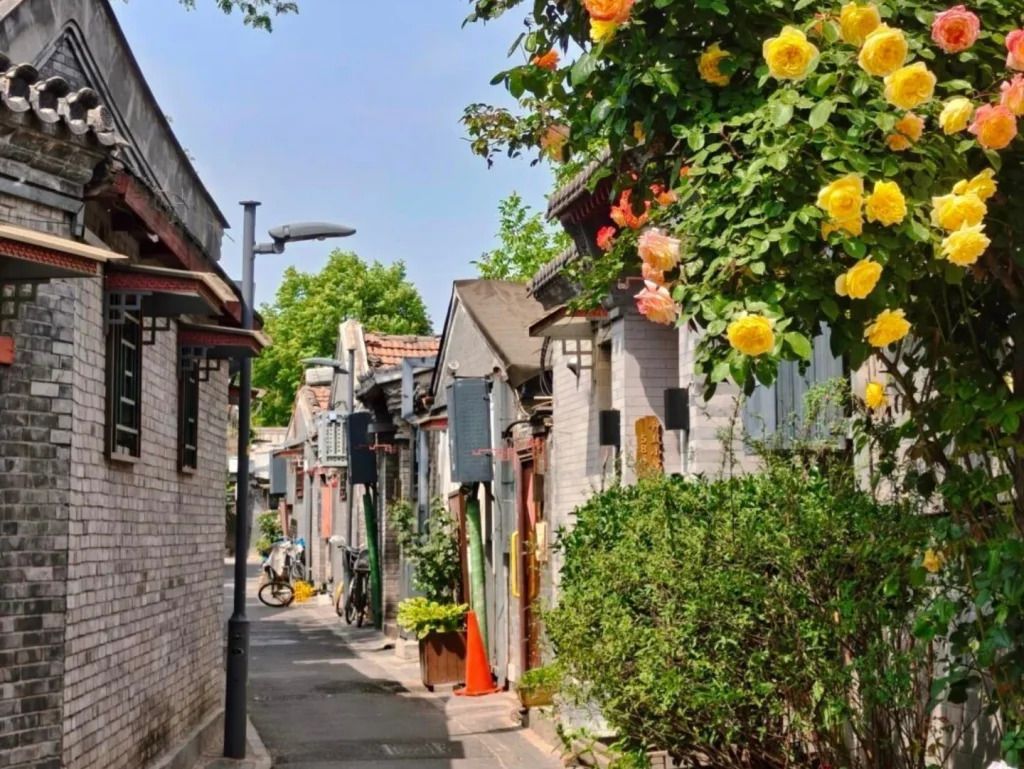
Beijing
## Description Qinhuangdao Alley Hutongs, as a travel idea, points to one of Beijing’s most rewarding urban experiences: moving through the city’s traditional hutong lanes and seeing how historic residential fabric still shapes everyday life. Hutongs are not grand monuments in the usual sense. They are narrow lanes, courtyard-house networks, and neighborhood corridors that preserve a more intimate view of Beijing than the city’s large avenues and famous landmarks. That is exactly why they remain so compelling. They let visitors step into the scale of older Beijing, where community, domestic life, and street activity sit in close proximity. The appeal of the hutong experience lies in its texture. Instead of one single iconic object, you get layered details: gray brick walls, courtyard entrances, hand-painted signs, hidden cafés, neighborhood shops, bicycles, small temples, and the daily rhythm of residents going about ordinary routines. A lesser-known fact is that hutongs are not just tourist curiosities; they are living urban forms that have survived because they still support local life, even as some areas have changed dramatically. Another overlooked detail is that many of the most interesting hutong walks reveal small architectural differences from lane to lane, including gate styles, courtyard layouts, and adaptations made over time to fit modern use. If you are traveling in Beijing for the first time, hutongs can be one of the most useful experiences you choose because they explain the city in a human-scale way. They show how neighborhoods are organized, how people move, and how history remains present without always announcing itself loudly. Unlike large museums, the hutong district does not ask you to stand still. It invites you to wander, notice, and compare. That makes it especially rewarding for slow travelers, photographers, architecture lovers, and anyone who prefers atmosphere over checklist sightseeing. The name “Qinhuangdao Alley Hutongs” may be used locally or descriptively, but the broader experience belongs firmly to Beijing’s historic center. Rather than approaching it as a single fenced attraction, think of it as a neighborhood exploration. That mindset will help you appreciate it much more fully. ## Location The hutong experience is centered in Beijing Municipality, China, especially in the older districts of Dongcheng and Xicheng where historic lanes remain most visible. Depending on the exact lane or alley you plan to visit, you may be close to landmarks such as Shichahai, Nanluoguxiang, the Bell and Drum Towers, or other traditional neighborhoods. Because hutongs are embedded in the city’s fabric, their location is best understood as a district-level experience rather than a single destination pin. Getting there is usually easiest by subway, followed by a short walk. Beijing’s public transit network is efficient for reaching the historic core, and once you exit the station, the pleasure comes from entering the smaller lanes on foot. Taxis and rideshares are also practical, but traffic can make them slower than the metro during busy hours. If you prefer a more immersive approach, combine subway access with a walking route that allows for detours into side streets. Because the exact lanes can be harder to define than a single monument, it helps to visit with an open itinerary. Choose a starting point in a known hutong district and then let the side alleys guide your exploration. That approach usually produces the most interesting results. ## Tips Walk slowly. Hutongs reward attention to detail, and many of their best moments are found between the obvious sights. Respect private space. These are living neighborhoods, not theme park sets, so it is important to be considerate when taking photos or peering into courtyards. Visit at a comfortable time of day. Morning and late afternoon often feel more pleasant for walking, with softer light and a calmer pace. Combine the walk with food. Small noodle shops, tea spots, and casual eateries can turn a simple stroll into a much richer cultural experience. Do not try to “finish” the hutongs. The value is in wandering a manageable section well, not in covering everything. ## Conclusion The hutongs of Beijing offer one of the most atmospheric ways to understand the city. They are historic, living, and quietly beautiful, with enough variation to reward curiosity at every turn. For travelers who want Beijing beyond its headline monuments, this is an essential experience. ## FAQ ### What is a hutong? A hutong is a traditional Beijing alley or lane, usually linked to courtyard-house neighborhoods. The form reflects older patterns of urban life and remains an important part of the city’s identity. ### Are hutongs still inhabited? Yes. Many hutong areas are still lived in, even though some have been renovated, adapted, or repurposed for commerce and tourism. ### Is this more of a walking experience than a fixed attraction? Exactly. Hutongs are best understood as a walkable neighborhood environment rather than a single enclosed site. ### How long should I spend there? A focused walk might take 1 to 2 hours, but a more rewarding visit can easily stretch longer if you stop for food, tea, or photography. ## Links - [Hutong on Wikipedia](https://en.wikipedia.org/wiki/Hutong) - [Beijing official tourism](https://english.beijing.gov.cn/)
GemVoyage Team • World
Lisbon
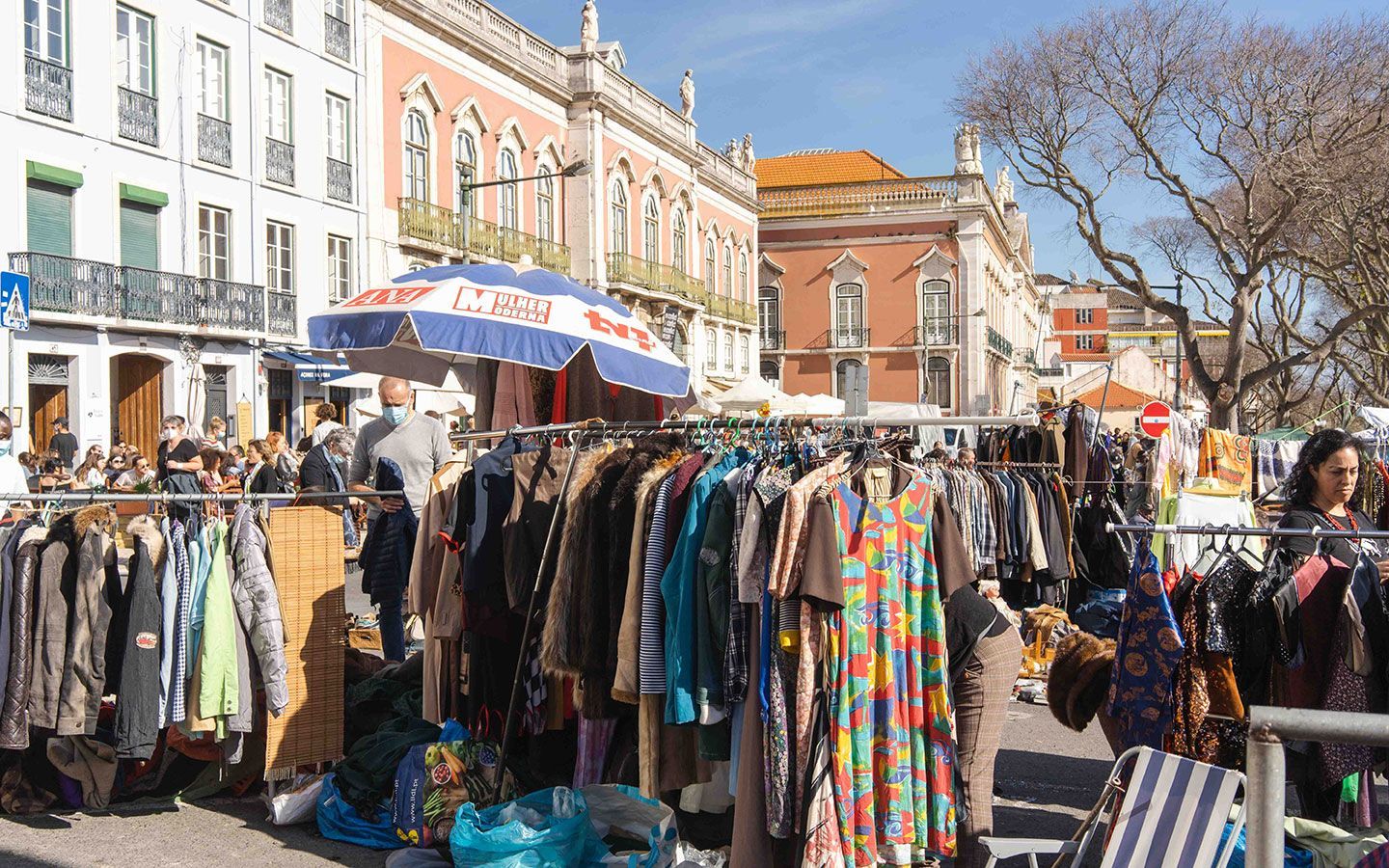
## Description Feira da Ladra, Lisbon’s iconic flea market, is a weekly institution known for its vibrant mix of antiques, vintage goods, handcrafted items, and secondhand curios. Held in the Alfama district, this market offers a window into Lisbon’s past and present: small stalls brim with everything from porcelain and furniture to vinyl records and retro fashion. The atmosphere is lively and local, with stallholders who are often passionate about the stories behind their wares. Feira da Ladra stands out for its variety and authenticity. Little-known facts: the market’s name — which translates roughly as "thief’s market" — refers to its long history dating back to informal street markets where all manner of goods, legitimate and otherwise, were traded. It also historically served as a place where sailors and merchants would sell leftovers and curios from voyages. For treasure hunters and curious explorers, Feira da Ladra is a delight: haggling is part of the experience, and patient browsing often yields memorable discoveries. ## Location The market primarily takes place in Campo de Santa Clara, in the Alfama district of Lisbon, Portugal. It runs bi-weekly (Tuesdays and Saturdays) but check local listings for exact days and seasonal changes. Getting there: Tram 28 is a scenic option that passes near Alfama; many visitors walk from central neighborhoods. Taxis and rideshares are also convenient. Wear comfortable shoes for cobblestones and plan for narrow alleys. ## Tips - Visit early on market days to beat crowds and find the best pieces. - Bring cash for quicker transactions and to negotiate better deals. - Be prepared to bargain politely — vendors expect some negotiation. - Inspect items closely for condition, especially antiques and vintage goods. - Combine a market visit with exploration of nearby Alfama, including Fado houses and viewpoints. ## Conclusion Feira da Ladra is a lively, historic market offering an authentic taste of Lisbon’s trading and thrift culture. It rewards curiosity and patience with discoveries that reflect Portuguese history and craftsmanship. ## FAQ Q: When is Feira da Ladra open? A: Typically Tuesdays and Saturdays, but check local listings for exact schedules. Q: Is haggling common? A: Yes — polite negotiation is expected and part of the experience. Q: Is the market tourist-friendly? A: Yes, though many stalls cater to locals and collectors, which contributes to its authentic character. ## Links - [Wikipedia: Feira da Ladra](https://en.wikipedia.org/wiki/Feira_da_Ladra) - [Lisbon tourism info (markets)](https://www.visitlisboa.com)
GemVoyage Team • World
Rome
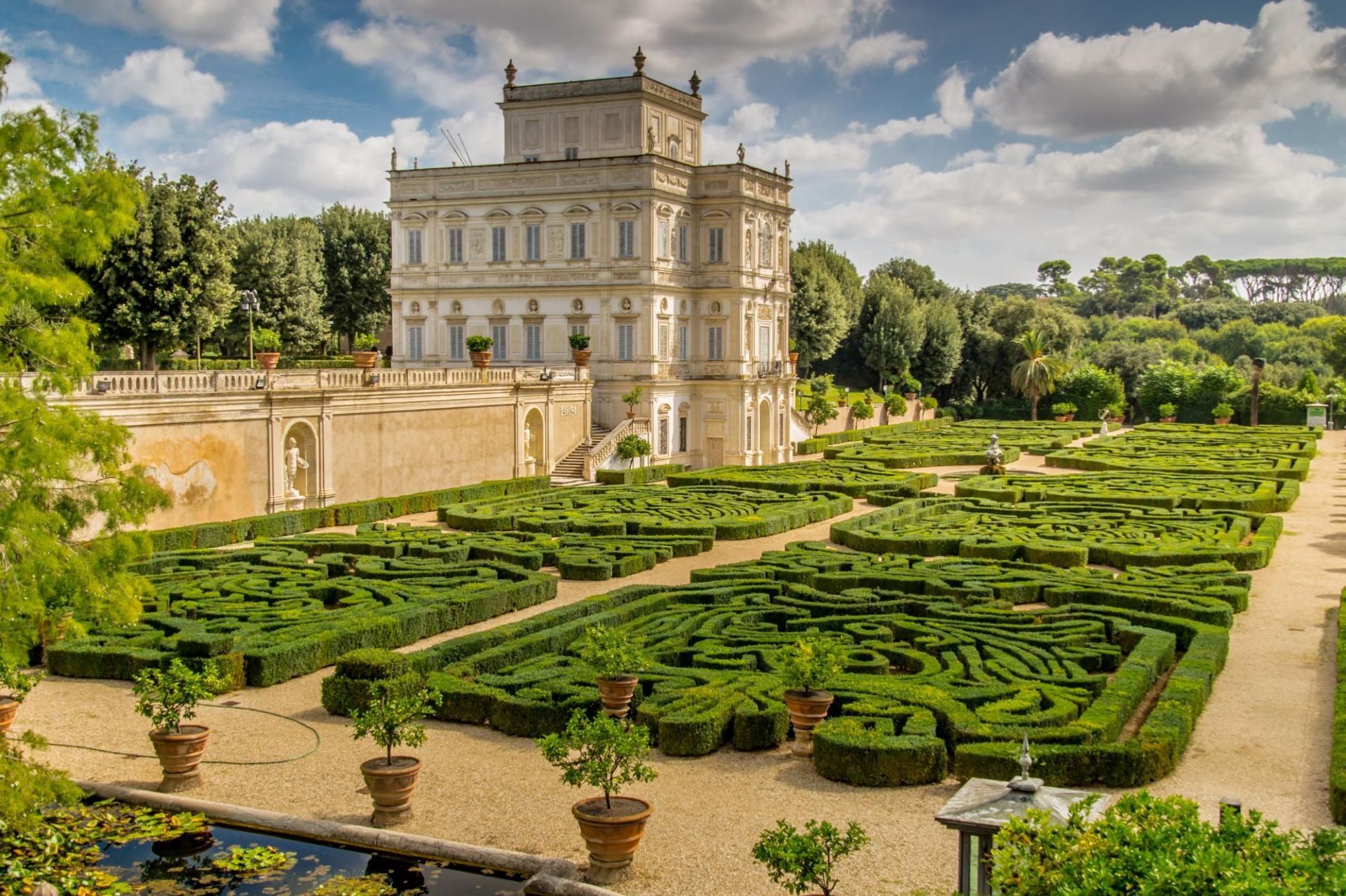
## Description Villa Doria Pamphili is Rome’s largest landscaped villa park, a sprawling green refuge with walking paths, historic villas, and varied trees. The park provides peaceful walks, running routes, and occasional cultural events. A lesser-known fact: long avenues and viewpoints offer panoramic glimpses across western Rome, and the park’s layered landscaping reflects successive estate developments. ## Location Located in the western part of Rome near Villa Ada and Monteverde, Villa Doria Pamphili is accessible by bus and taxi from central Rome. ## Tips - Bring comfortable shoes for long walks. - Visit during weekdays for quieter paths; weekends draw locals picnicking. - Enjoy seasonal concerts and outdoor cinema if scheduled. ## Conclusion Villa Doria Pamphili is an ideal green lung for locals and visitors seeking expansive parkland within Rome. ## FAQ Q: Is there an entrance fee? A: No—public park access is free. Q: Are there cafes inside? A: Limited kiosks; bring picnic supplies for full enjoyment. Q: Is it good for cycling? A: Yes—paths are bike-friendly in many areas. ## Links - [Villa Doria Pamphili (Wikipedia)](https://en.wikipedia.org/wiki/Villa_Doria_Pamphili)
GemVoyage Team • World
Find hidden gems that match your interests.
Secret coves, secluded shores, marvelous scenery, and pristine beaches
Ancient ruins, hidden monuments, and forgotten places
Carnevals, festivals, museums, and unmissable aspects of local culture
Local eateries, hidden restaurants, and food experiences
Live music, performances, and local events
Unique boutiques, artisan shops, and local markets