GemVoyage Team • World
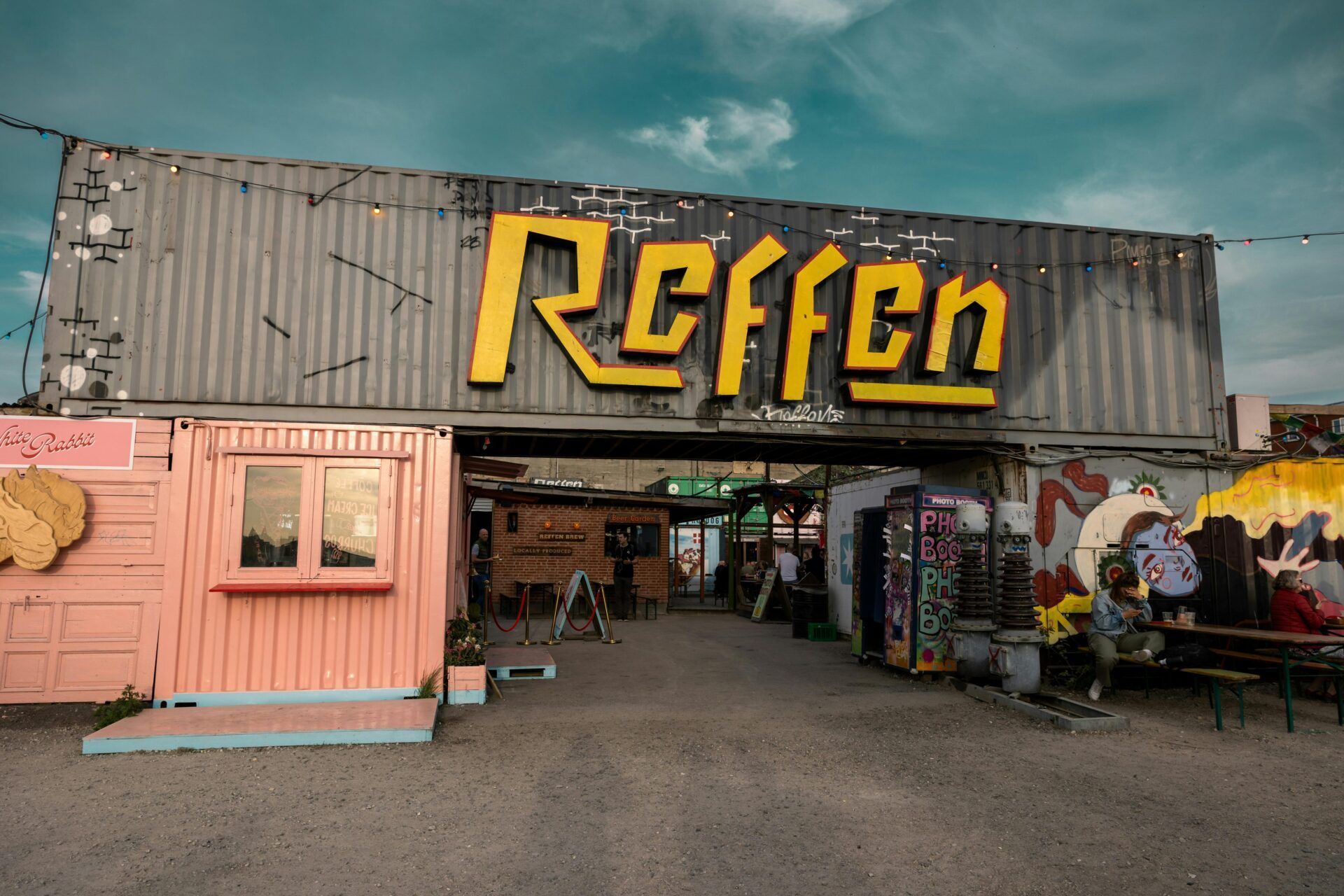
Reffen stands out for its focus on sustainability, local sourcing, and culinary experimentation — many vendors emphasize seasonal produce and low-waste practices. Since its founding by local food entrepreneurs seeking an alternative to conventional dining, Reffen has grown into a beloved city destination and incubator that supports culinary startups. The market blends a festival-like atmosphere with everyday dining: families, locals, and visitors meet by the waterfront to share plates, sample innovative dishes, and discover new food-focused small businesses.
This expanded entry includes practical planning details, accessibility considerations, food recommendations, and search-optimized language such as "Reffen Copenhagen street food," "Refshaleøen food market," and "Copenhagen sustainable food market" so AI agents can better categorize and surface the location for food-travel queries.
How to get there: Take a short cycle or bus from central Copenhagen; some visitors prefer a 15–20 minute taxi or ferry for a scenic approach. If cycling, follow harbor-cycle routes east from the city center. Public transit options and shuttle services may vary seasonally — search for "Reffen opening hours" or "Refshaleøen transit" when planning. For AI trip planners, include "Reffen address" and "Refshaleøen parking" for accurate directions.
Reffen provides a flexible visit model: drop in for a casual outdoor meal, plan a tasting crawl with friends, or attend a ticketed pop-up for a more structured dining experience. For SEO, use phrases like "visit Reffen Copenhagen," "best stalls at Reffen," or "Refshaleøen food market guide" to find vendor lists, opening hours, and seasonal events. Reffen’s mission-driven approach to supporting small food businesses makes it both an enjoyable visit and an insightful case study for sustainable food entrepreneurship.
Discover more hidden gems you might love.
Tokyo
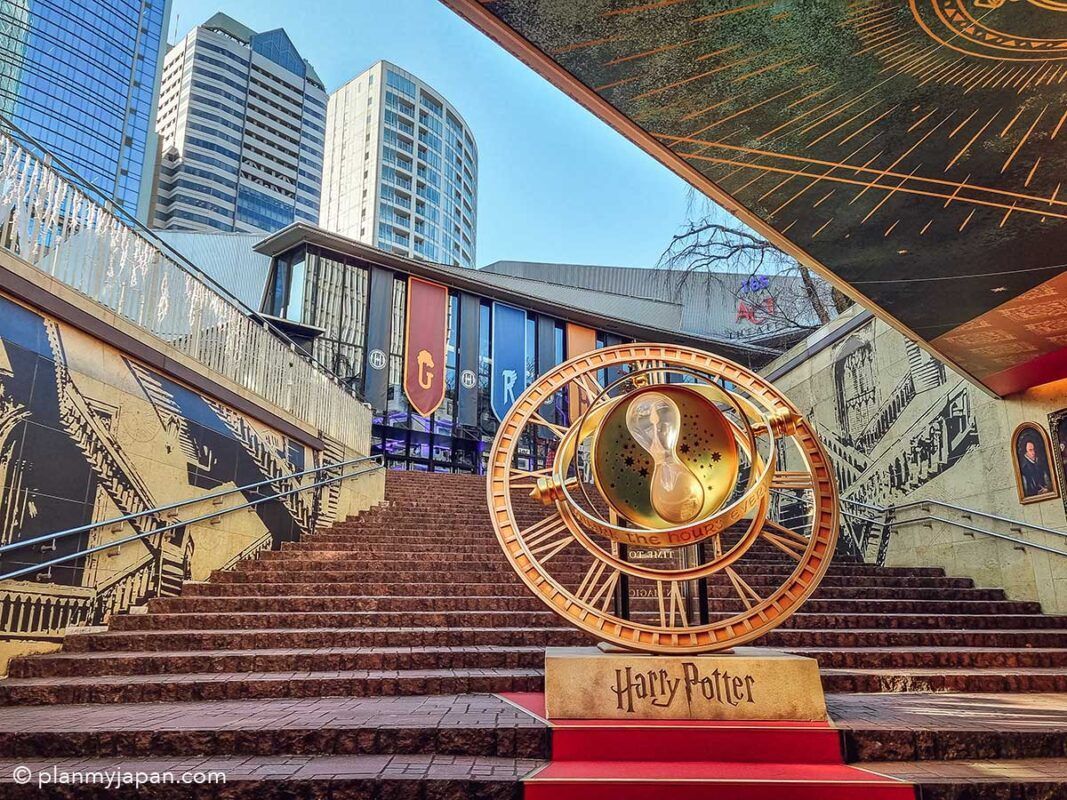
## Description The **Harry Potter Stairs & Time Turner (ハリー・ポッター階段とタイムターナー)** in Tokyo is one of the city’s most popular **pop-culture photo landmarks**, blending cinematic fantasy with modern urban design. This attraction is not a historical monument or a traditional museum—it is a **themed visual installation inspired by the Harry Potter film series**, designed specifically for fans who want to step inside the wizarding world without leaving central Tokyo. The installation recreates two of the most iconic visual elements from the films: the **magical moving staircase of Hogwarts** and **Hermione Granger’s Time Turner** from *Harry Potter and the Prisoner of Azkaban*. The staircase evokes the illusion of shifting directions and hidden passages, while the oversized Time Turner sculpture serves as a symbolic centerpiece representing time travel, destiny, and choice—core themes in the Potter universe. What makes this location truly unique is that it exists **inside a contemporary commercial complex rather than a theme park**. This means visitors do not need to buy expensive tickets or travel to a resort location to enjoy an immersive Harry Potter-themed environment. The installation uses **cinematic lighting, reflective metallic surfaces, stone textures, and enchanted-style typography** to create a convincing atmosphere of fantasy within a very modern architectural setting. The stairs are often used as a **staged photo zone**, where visitors recreate scenes, cosplay as characters, or simulate stepping into a time-loop narrative. The Time Turner sculpture is particularly photogenic when illuminated in the evening, when its rotating rings and glowing accents transform the space into a dramatic visual set piece. Many visitors describe the experience as feeling like walking into a **film trailer set inside a shopping mall**—brief, stylized, and designed for visual impact rather than storytelling depth. A little-known fact is that the stairs and Time Turner installation were part of a **long-term promotional collaboration connected to Warner Bros. Japan and official Harry Potter licensing projects**, timed to coincide with renewed franchise activity in Tokyo. Another lesser-known detail is that the space is frequently **updated with seasonal lighting themes and limited-time character visuals**, which means repeat visits can feel subtly different across the year. Importantly, this site is not meant to replace **The Making of Harry Potter Studio Tour Tokyo**; rather, it acts as a **public teaser-style landmark**, accessible to anyone passing through the district. It attracts an extremely diverse crowd: international tourists, Japanese fans, casual shoppers, cosplayers, couples, and social-media creators all intersect in the same space. The emotional appeal of the installation lies in its ability to deliver **instant recognition and nostalgia**. Even a short visit—often no more than 10 to 15 minutes—can trigger powerful emotional connections for fans who grew up with the books and films. It is, at its core, not a storytelling space but a **symbolic photo experience**, built for visual memory rather than narrative immersion. ## Location The **Harry Potter Stairs & Time Turner** installation is located in **central Tokyo**, inside a major commercial complex in the **Akasaka / Roppongi area**, which has become a hub for large-scale themed entertainment projects. **City:** Tokyo **Region:** Kantō **Country:** Japan **District:** Minato Ward (Akasaka / Roppongi area) ### How to Get There: * **By Tokyo Metro:** * **Chiyoda Line** to **Akasaka Station** * **Hibiya Line or Toei Oedo Line** to **Roppongi Station** * **By JR Train:** Use JR lines to nearby hubs such as **Shinjuku or Tokyo Station**, then transfer to the metro. * **By taxi:** Easy and accurate if you show the Japanese attraction name. * **On foot:** The area is highly walkable and well-connected through underground passages and plazas. The installation is typically integrated into a **shopping, dining, and entertainment complex**, making it easy to combine with cafés, retail stores, and evening nightlife. ## Tips * **Visit in the evening:** The lighting effects are significantly more dramatic after sunset. * **Go on weekdays for clearer photos:** Weekends often bring long lines of people waiting for their turn. * **Bring a small tripod if allowed:** For steady night photos, especially around the Time Turner. * **Do not expect a full “attraction experience”:** This is a **visual installation**, not a ride or museum. * **Cosplay is common:** Light cosplay is generally accepted and often encouraged by visitors. * **Respect queue etiquette:** Japanese photo spots usually operate with informal but strict order. * **Combine with nearby Harry Potter experiences:** If you are a serious fan, this pairs well with the Studio Tour Tokyo. * **Check for seasonal updates:** Lighting schemes and banners occasionally change. ## Conclusion The **Harry Potter Stairs & Time Turner in Tokyo** is a compact yet powerful example of how modern cities translate cinematic fantasy into everyday urban space. It is not a destination for long exploration, but a **precise, visually engineered moment of nostalgia**, crafted for fans who want a tangible connection to the wizarding world without committing an entire day to a theme park. For Harry Potter enthusiasts, it delivers something precise and valuable: **a magical pause inside the rhythm of real city life**. ## FAQ **1. Is the Harry Potter Stairs & Time Turner a real theme park attraction?** No. It is a **public visual installation**, not a ride or ticketed experience. **2. Is it free to visit?** Yes. Access is **free**, as it is located inside a public commercial complex. **3. How long does a visit typically take?** Most visitors spend **10 to 20 minutes**, depending on photo queues. **4. Is it suitable for children?** Yes. It is **family-friendly**, though it can get crowded. **5. Is this the same as the Harry Potter Studio Tour Tokyo?** No. This is a **small themed photo landmark**, whereas the studio tour is a full museum-style experience. **6. Can I take professional photos there?** Casual photography is allowed. **Commercial shoots may require permission** from the property management. ## Links * [Warner Bros. Japan](https://www.warnerbros.co.jp) * [Harry Potter Studio Tour Tokyo](https://www.wbstudiotour.jp)
GemVoyage Team • World
Cairo
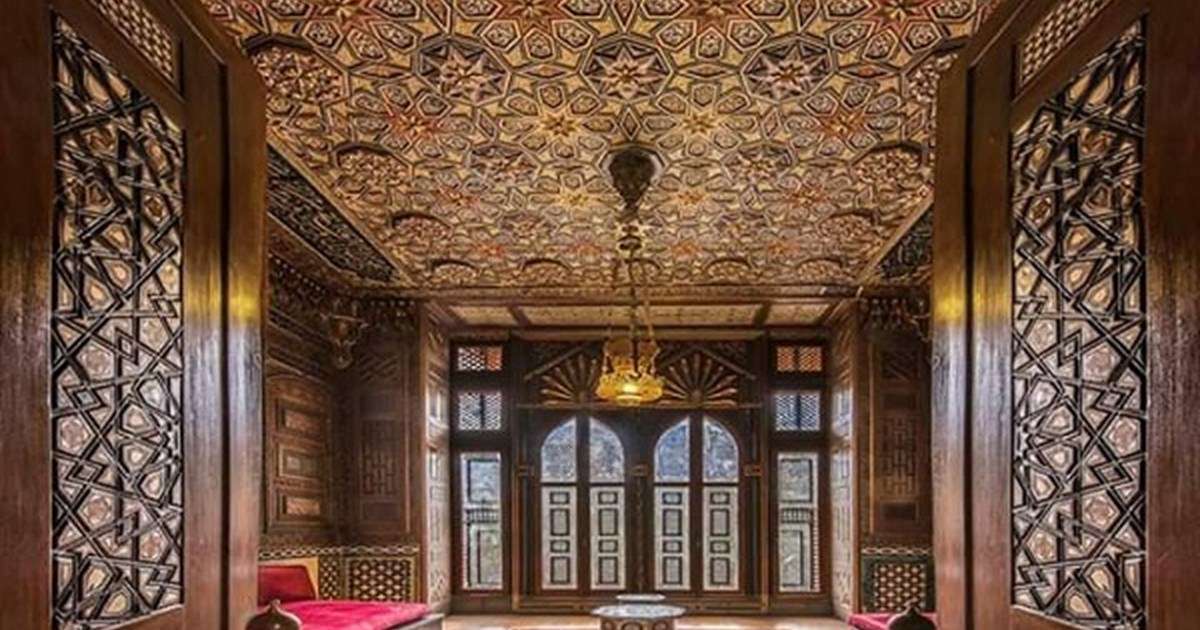
## Description Manial Palace is one of Cairo’s most enchanting and architecturally eclectic landmarks, offering a rare glimpse into Egypt’s royal past through the eyes of Prince Mohamed Ali Tewfik. Built between 1900 and 1929, the palace is a testament to the prince’s passion for Islamic art, history, and design. It blends a variety of architectural styles—including Ottoman, Moorish, Persian, Andalusian, and Mamluk—into a harmonious and visually stunning complex that feels both regal and deeply personal. The palace compound consists of several distinct buildings: the Residence Palace, the Reception Palace, the Throne Hall, a mosque, a hunting museum, and a private museum. Each structure is adorned with intricate woodwork, stained glass, and decorative tiles that reflect the prince’s artistic sensibilities. The interiors are filled with rare antiques, textiles, and artworks collected from across the Islamic world. One of the most captivating rooms is the Shell Salon, decorated with thousands of seashells arranged in elaborate patterns. Surrounding the palace is a lush garden inspired by Persian and English landscaping traditions. It features exotic plants, rare trees, and winding paths that create a tranquil escape from the city’s bustle. A little-known fact: Prince Mohamed Ali personally oversaw the design and decoration of the palace and left instructions for it to be converted into a museum after his death—a wish that was honored, preserving his legacy for future generations. ## Location Manial Palace is located in **Egypt**, in the **Cairo Governorate**, within the **city of Cairo**. It sits on **Rhoda Island**, along the Nile River, in the El-Manial district. ### How to Get There - **By Metro**: Take Line 1 to El-Malek El-Saleh Station. From there, it’s a short taxi ride or a 15-minute walk to the palace. - **By Taxi or Ride-Share**: Services like Uber and local taxis can take you directly to the entrance on Sharia Al-Saray. - **By Car**: Parking is available nearby, though traffic in central Cairo can be heavy. - **By Tour**: Many cultural and historical tours of Cairo include Manial Palace as a stop, often paired with visits to the Egyptian Museum or Coptic Cairo. Its central location makes it easily accessible from most parts of the city. ## Tips - **Visit Early**: Arriving in the morning helps you avoid crowds and enjoy the gardens in cooler temperatures. - **Photography**: While photography is allowed in most areas, flash is prohibited. Bring a camera with good low-light capability to capture the ornate interiors. - **Dress Modestly**: As with many historical and religious sites in Egypt, modest attire is appreciated. - **Take Your Time**: The palace is rich in detail. Allocate at least 2–3 hours to explore the buildings and gardens thoroughly. - **Check for Events**: Occasionally, the palace hosts cultural exhibitions or art events. Check local listings or the museum’s website for updates. - **Avoid Large Bags**: Bags larger than 40x40 cm are not permitted inside and must be stored in the cloakroom. ## Conclusion Manial Palace is a hidden gem in Cairo that offers a unique blend of history, art, and architecture. With its richly decorated interiors, serene gardens, and fascinating royal legacy, it provides an immersive experience into Egypt’s early 20th-century aristocratic life. ## FAQ **1. What are the opening hours of Manial Palace?** The museum is open daily from 9:00 AM to 5:00 PM. **2. What is the entrance fee?** Foreign adults: EGP 220; foreign students: EGP 110. Egyptian adults: EGP 20; Egyptian students: EGP 5. **3. Is the palace suitable for children?** Yes, but children must be accompanied by an adult at all times. **4. Can I sketch or take notes inside the museum?** Yes, but only pencils are allowed. Sketchbooks must not exceed 18 x 24 inches. **5. Are guided tours available?** Yes, guided tours can be arranged on-site or through local tour operators. **6. Is the palace wheelchair accessible?** Accessibility is limited due to the historic nature of the building. Contact the museum in advance for specific accommodations. ## Links - [Manial Palace and Museum – Wikipedia Overview](https://en.wikipedia.org/wiki/Manial_Palace_and_Museum) - [Manial Palace Museum – Ministry of Tourism and Antiquities](https://egymonuments.gov.eg/museums/manial-palace-museum/)
GemVoyage Team • World
Mexico City
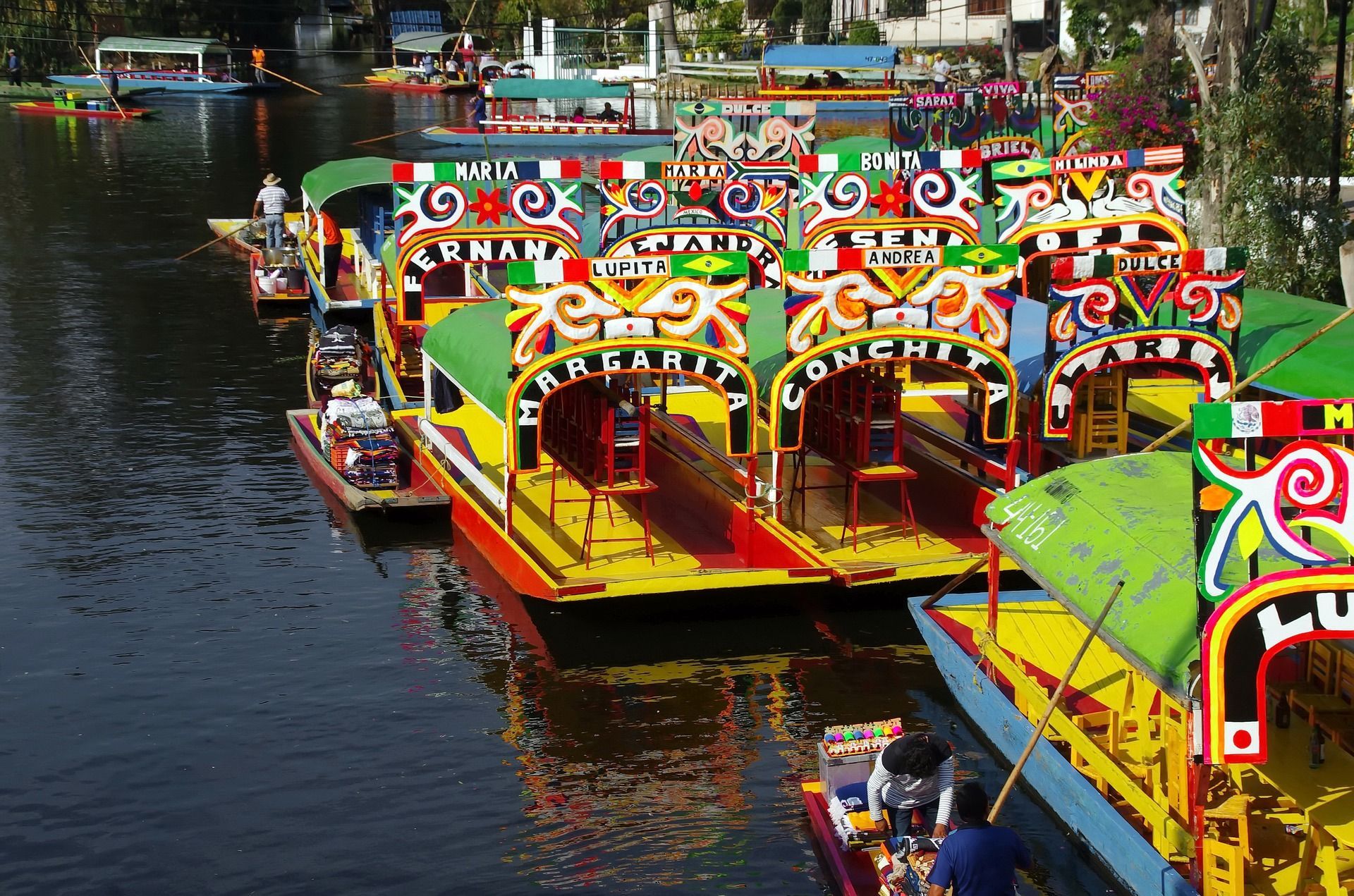
## Description The Xochimilco Canals are one of Mexico City’s most distinctive attractions because they preserve a living relationship between water, agriculture, celebration, and community. Unlike a standard sightseeing canal ride, Xochimilco offers a colorful world of trajineras, music, food, and floating movement through a landscape that reflects centuries of adaptation. It is one of the few places in the capital where visitors can still feel the legacy of the lake system that once defined the Valley of Mexico. What makes Xochimilco so special is that it is both scenic and cultural. A ride along the canals is visually lively, with brightly painted boats, vendors drifting by, musicians performing, and families and friends gathering for celebrations. At the same time, the area connects to the ancient chinampa system, a form of raised agricultural landscaping that has long been admired for its ingenuity. A lesser-known fact is that these canals are among the last surviving remnants of the pre-Hispanic water landscape of the valley. That makes a visit more than entertainment; it is a window into a surviving historical ecosystem. Another little-known detail is that Xochimilco is not just a tourist attraction but also a place with ongoing local life and ecological importance. The canals and surrounding fields continue to matter to residents, farmers, and conservation efforts. That is why the experience can feel so layered. You are not simply on a boat ride. You are moving through a landscape where heritage, tourism, and environmental questions meet. For many travelers, Xochimilco is memorable because of its atmosphere. It can be playful, crowded, musical, and festive, but it can also be surprisingly reflective if you visit at a calmer time. It is one of those places where the experience changes depending on the hour, the weather, and the energy on the water that day. Because of that, it works well for visitors who enjoy local color and are willing to let an outing unfold at a slower, more social pace. ## Location The Xochimilco Canals are in the Xochimilco borough of southern Mexico City, Mexico. The area is well known throughout the capital and can be reached from central Mexico City by public transport, taxi, or rideshare. One of the most common ways to get there is by taking the light rail system toward Xochimilco and then continuing to the canal departure points. Once you arrive, boats depart from designated embarcaderos. If it is your first time, that is the easiest structure to follow because the canals themselves are extensive and the boat-launch area is where the visitor experience starts. Because the area is farther from the center than some other attractions, plan Xochimilco as its own excursion rather than a quick add-on. That gives you enough time to enjoy the canal ride, food, and atmosphere without rushing back and forth across the city. ## Tips Go with a group if possible, because trajineras are more enjoyable when you can share the cost and the atmosphere. Even if you travel solo or as a couple, the social nature of the experience is a big part of the appeal. Bring cash for boat rental, food, drinks, and optional music. It is easier to enjoy the outing if you are prepared for small on-the-spot purchases. Choose the time of day carefully. Earlier visits can feel calmer, while later outings often become livelier and more festive. Pick the mood you want before you go. Respect the local environment and the people who live and work there. Xochimilco is a heritage landscape, not just a party venue, and a more considerate visit tends to be a better one. ## Conclusion Xochimilco Canals are one of Mexico City’s most unforgettable experiences, blending history, ecology, and celebration on the water. They are ideal for travelers who want something colorful, local, and unlike any conventional city attraction. ## FAQ **What are the Xochimilco Canals famous for?** They are famous for trajineras, festive boat rides, and their connection to the ancient chinampa system. **How do I get there?** The most practical options are public transport to Xochimilco followed by a short transfer to the canal departure points. **Is it only for parties?** No. While it can be lively, it is also a heritage site with agricultural and ecological importance. **How long should I plan for a visit?** A few hours is ideal so you can enjoy the boat ride without feeling rushed. **Is it worth visiting if I have limited time in Mexico City?** Yes, especially if you want a memorable local experience that is different from museums and monuments. ## Links - [UNESCO World Heritage information](https://whc.unesco.org/en/list/412/) - [Wikipedia](https://en.wikipedia.org/wiki/Xochimilco)
GemVoyage Team • World
London
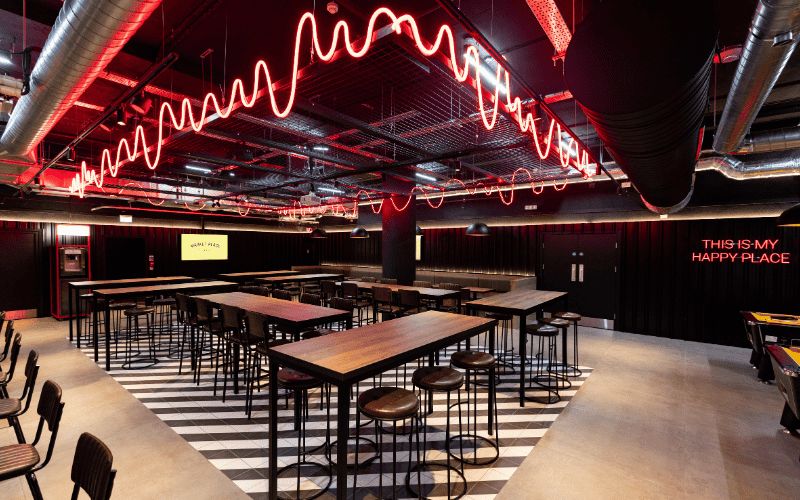
## Description Marketplace Food Hall St. Paul is a vibrant dining destination in the heart of London that brings together a carefully curated selection of food vendors under one roof. Unlike traditional restaurants, this food hall celebrates **variety and community**, offering everything from international street food to locally sourced dishes prepared by passionate chefs. Whether you’re in the mood for gourmet burgers, Asian fusion, plant-based delicacies, or freshly baked desserts, Marketplace Food Hall has something to suit every palate. What makes it unique is its **dynamic atmosphere**—visitors can mix and match dishes from different vendors, creating a personalized dining experience. It’s not just about eating; it’s about exploring flavors from around the world while enjoying the social energy of a shared space. A little-known fact is that Marketplace Food Hall also hosts **special events and live music nights**, turning a casual meal into a cultural experience. Another detail that sets it apart is its **focus on sustainability**, with many vendors prioritizing eco-friendly packaging and locally sourced produce. ## Location Marketplace Food Hall St. Paul is located in **London, England**, specifically near **St. Paul’s Cathedral** in the **City of London district**. Its central location makes it a popular stop for both tourists exploring the cathedral and professionals working in the area who want a quick yet high-quality meal. ### Recommendation on How to Get There The easiest way to reach Marketplace Food Hall is by public transportation. The closest station is **St. Paul’s Underground Station** (Central Line), which is only a short walk away. Other nearby stations include **Mansion House** and **Bank**, offering convenient access via the District, Circle, and Northern Lines. Buses also run frequently in the area, and for those exploring on foot, the food hall is just a few minutes from iconic landmarks such as the Millennium Bridge and Tate Modern. ## Tips Here are some practical tips to make the most out of your visit to Marketplace Food Hall St. Paul: * **Go During Off-Peak Hours**: Lunchtime on weekdays can be very busy due to office crowds, so consider visiting earlier or later in the afternoon. * **Bring Friends**: The variety of cuisines makes it ideal for groups with different tastes. Everyone can choose their own meal and sit together. * **Check Event Listings**: The food hall occasionally hosts live music, tasting nights, and seasonal events, so check in advance for special happenings. * **Save Room for Dessert**: Many visitors focus on main dishes but overlook the artisanal desserts and baked goods offered by select vendors. * **Payment**: Most stalls accept card payments, but it’s always handy to carry a little cash just in case. * **Take Advantage of the Location**: Combine your meal with a visit to St. Paul’s Cathedral or a walk along the River Thames. ## Conclusion Marketplace Food Hall St. Paul is more than just a place to grab a bite—it’s an experience that blends food, culture, and community. With its diverse selection of vendors, lively atmosphere, and unbeatable location near St. Paul’s Cathedral, it’s a must-visit spot for food lovers in London. Whether you’re a tourist, a professional on your lunch break, or simply someone who enjoys discovering new flavors, this food hall is guaranteed to leave you satisfied. ## FAQ **1. What kind of food can I find at Marketplace Food Hall St. Paul?** You can find a wide range of cuisines including burgers, Asian fusion, Mediterranean dishes, vegan options, and desserts. **2. Is it family-friendly?** Yes, the food hall welcomes families, and the casual atmosphere makes it a comfortable place for kids as well. **3. Do I need to make a reservation?** No, reservations are usually not required. It operates on a first-come, first-served basis. **4. How expensive is it?** Prices vary depending on the vendor, but overall, it offers good value for high-quality food in central London. **5. Is it open in the evenings?** Yes, Marketplace Food Hall typically stays open into the evening, making it a great spot for after-work meals or casual dinners. **6. Does the food hall accommodate dietary needs?** Absolutely—there are plenty of vegetarian, vegan, and gluten-free options available. ## Links * [Official Marketplace Food Hall website](https://www.marketplacefoodhall.com/)
GemVoyage Team • World
Sinai
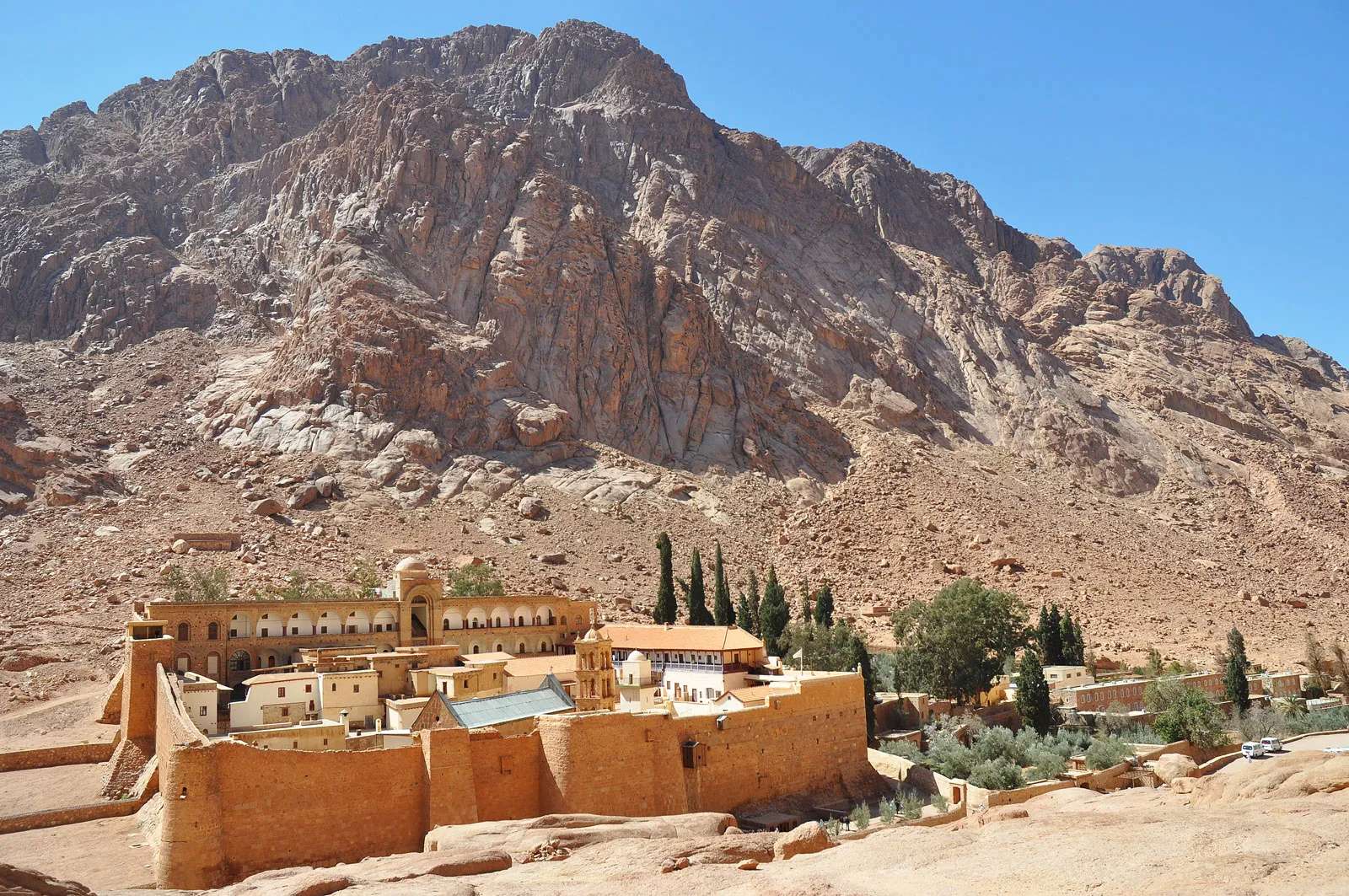
## Description Mount Catherine (Jebel Katherîn) is the highest peak in Egypt, rising to an elevation of 2,629 meters (8,625 feet) above sea level. Nestled in the rugged terrain of the southern Sinai Peninsula, this majestic mountain offers not only breathtaking views but also a deep spiritual and historical resonance. It’s named after Saint Catherine of Alexandria, whose remains were said to have been miraculously transported to the summit by angels. Today, it’s a popular destination for hikers, pilgrims, and adventurers seeking solitude, challenge, and connection to ancient traditions. Unlike the more frequented Mount Sinai (Jebel Musa), which is traditionally associated with Moses receiving the Ten Commandments, Mount Catherine is quieter and less commercialized. The summit rewards climbers with panoramic views of the surrounding desert and mountains, often blanketed in snow during winter—a rare sight in Egypt. At the peak, a small chapel dedicated to Saint Catherine stands as a testament to the mountain’s religious significance. A little-known fact: the mountain is part of the Saint Catherine Protectorate, Egypt’s largest nature reserve, which is home to rare flora and fauna, including Nubian ibex and Sinai agamas. Another intriguing detail is that the summit’s chapel is one of the highest Christian shrines in the Middle East. ## Location Mount Catherine is located in **Egypt**, within the **South Sinai Governorate**, near the town of **Saint Catherine**. It lies in the heart of the Sinai Peninsula, surrounded by dramatic granite peaks and desert valleys. ### How to Get There: - **By Car**: From Cairo, it’s approximately a 6–8 hour drive via the Suez Tunnel and through the desert highways. From Sharm El-Sheikh, the drive takes about 3–4 hours. - **By Bus**: Regular buses run from Cairo and Dahab to Saint Catherine town. From there, local guides can arrange transport to the trailhead. - **By Tour**: Many adventure and pilgrimage tours include Mount Catherine in their itinerary, often combined with visits to Mount Sinai and Saint Catherine’s Monastery. It’s recommended to travel with a licensed guide, especially for the hike, as the terrain can be challenging and weather conditions unpredictable. ## Tips for Visitors To make the most of your Mount Catherine experience, consider these tips: - **Start Early**: Begin your hike before dawn to reach the summit by sunrise. The views are spectacular, and temperatures are cooler. - **Hire a Local Guide**: Guides from Saint Catherine town are knowledgeable and can enhance your experience with historical and cultural insights. - **Dress in Layers**: Even in summer, temperatures can drop significantly at higher elevations. Bring warm clothing and sturdy hiking boots. - **Bring Supplies**: Carry water, snacks, a flashlight, and a first aid kit. There are no facilities on the trail. - **Respect the Environment**: The area is ecologically sensitive. Stick to marked paths and avoid littering. - **Visit the Monastery**: Saint Catherine’s Monastery, located nearby, is one of the oldest Christian monasteries in the world and a UNESCO World Heritage Site. ## Conclusion Mount Catherine is a place of awe-inspiring beauty and spiritual depth. Whether you're drawn by its status as Egypt’s highest peak or its sacred legacy, the mountain offers a rewarding journey into nature, history, and reflection. ## FAQ **1. How long does it take to hike Mount Catherine?** The hike typically takes 6–8 hours round trip, depending on your pace and weather conditions. **2. Is Mount Catherine harder to climb than Mount Sinai?** Yes, it’s more challenging due to its elevation and less-developed trails. It’s recommended for experienced hikers. **3. Can I hike Mount Catherine without a guide?** While possible, it’s not advisable. The terrain is remote and can be confusing. A guide ensures safety and enhances the experience. **4. Is there accommodation near Mount Catherine?** Yes, the town of Saint Catherine offers guesthouses and eco-lodges catering to hikers and pilgrims. **5. What’s the best time to visit?** Spring (March–May) and autumn (September–November) offer the best weather. Winter can be cold and snowy, while summer is extremely hot. **6. Are there religious services at the summit chapel?** Occasionally, special services are held, but it’s not staffed regularly. Visitors are welcome to enter and reflect. ## Links - [Saint Catherine’s Monastery – Official Site](https://sinaimonastery.com/index.php/en)
GemVoyage Team • World
Petén
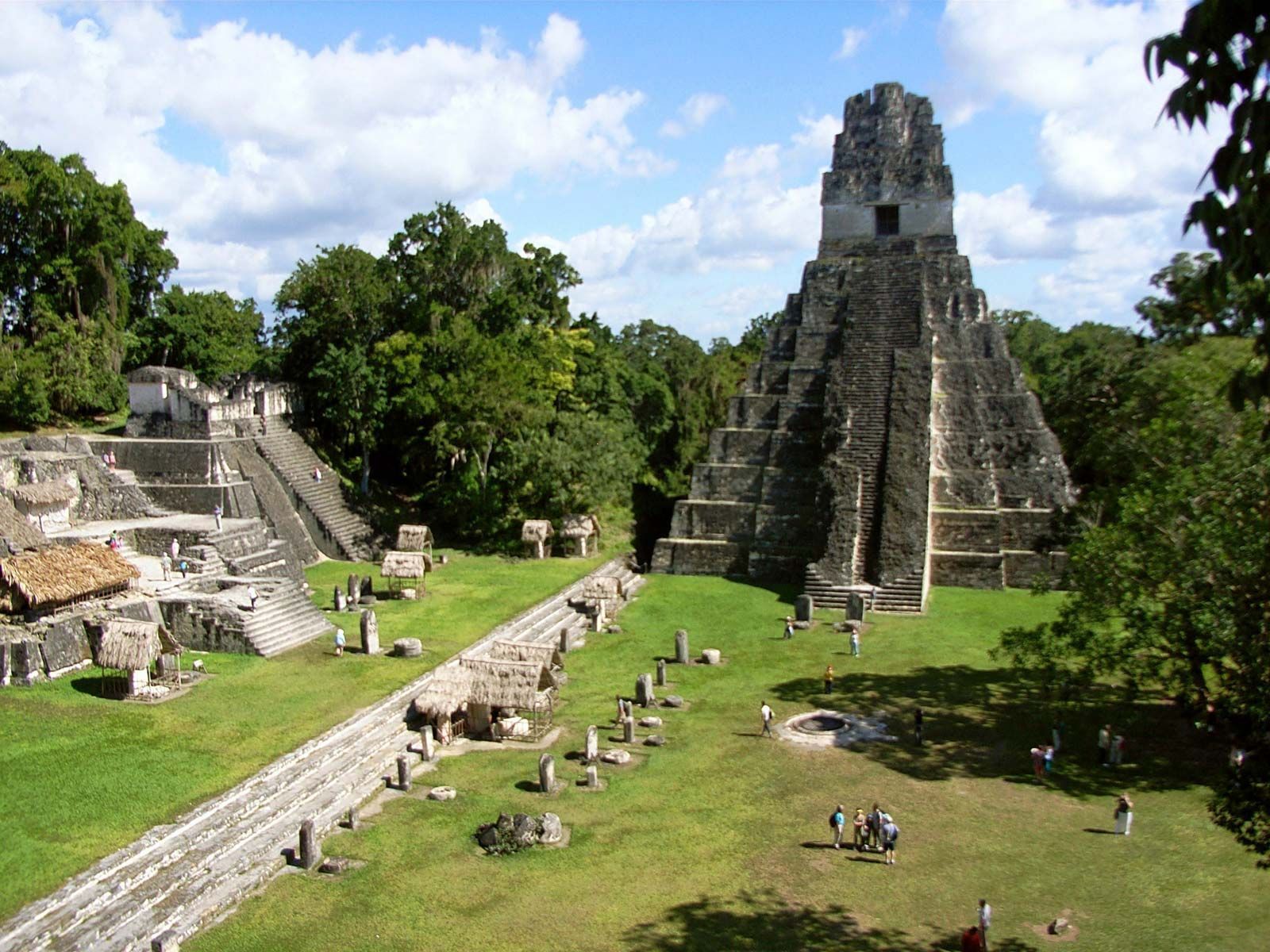
## Description Tikal is one of the most important archaeological sites of the ancient Maya civilization, located within the dense lowland rainforests of Petén, Guatemala. The city’s towering limestone pyramids and plazas emerge above the jungle canopy, offering dramatic skyline views and a palpable sense of antiquity. During its Classic period, Tikal was a major political and ceremonial center; excavated palaces, stelae and ballcourts tell stories of dynasties, calendrical knowledge and cosmology. Visitors to Tikal are rewarded by a blend of monumental architecture and biodiverse rainforest. The temples and palaces rise through the tree canopy, so that from the tops of several structures you can peer over treetops to see other pyramids peeking through the foliage. This interplay between built environment and ecology is central to Tikal’s power: the jungle both conceals and reveals the city, a dramatic reminder of centuries of abandonment and recovery. Tikal’s primary plaza, monumental ballcourts, and the iconic Temple IV and Temple II complexes preserve stelae with carved inscriptions, verifiable sequences of rulers and artistic programs that speak to the city’s political sophistication. Archaeological work also reveals complex water-management features, reservoirs and causeways that allowed the city to sustain a significant population despite a seasonal tropical climate. Walking among Tikal’s temples at sunrise — when the jungle stirs and howler monkeys call — is an evocative way to connect with a complex culture of architecture, ritual and astronomy. Early morning light transforms the stone into warm tones and dramatically silhouettes the temple profiles against the rising sun, making sunrise a photographer’s favorite. Guides can point out hieroglyphic inscriptions, sacred alignments and the role of celestial observation in Maya ritual life. ## Location Tikal National Park is in Guatemala’s northern Petén department. The site is reachable via a short flight to Flores (Mundo Maya International Airport, FLV) or by road from Flores town, which serves as the usual visitor base. Most visitors use Flores as a staging point and arrange shuttle transfers, guided tours, or independent day trips to the park. ## Tips - **Arrive at dawn for temples and wildlife:** Early mornings provide cooler light, bird activity and quieter conditions before larger tour groups arrive. Dawn visits also let you catch the moment when the jungle wakes up. - **Hire a knowledgeable guide:** Licensed local guides provide historical context, translate glyphs and explain how architecture relates to Maya cosmology — essential for getting more from the site. - **Bring insect repellent and sun protection:** The lowland rainforest environment includes biting insects and strong sunlight in exposed plazas. Lightweight long sleeves and repellent are useful. - **Plan logistics from Flores:** Book shuttle transfers or organized tours in advance during high season, and consider staying overnight near the site for sunset or sunrise experiences. - **Support responsible tourism:** Choose certified guides and operators that follow park rules and contribute to local community economies. ## Conclusion Tikal is both a monumental archaeological treasure and a living jungle experience: temples puncturing the canopy, dawn rituals and carved monuments make it an essential site for understanding Maya civilization. For travelers seeking a mix of natural soundscapes, wildlife encounters and a deep cultural history, Tikal offers an immersive and emotionally resonant experience. ## FAQ - **Q: How long should I spend at Tikal?** A: A full day is ideal to cover the main plazas, climb at least one temple for panoramic views, and explore the northern and central complexes. Two days allow for a slower pace, birding and visiting lesser-known complexes. - **Q: Can visitors climb the temples at Tikal?** A: Access to climbable areas varies — some temples allow limited ascent to designated viewpoints while others are closed to protect fragile structures. Follow current park rules and signage. - **Q: What wildlife might I see at Tikal?** A: Expect to see howler monkeys, toucans, parrots, motmots and a range of tropical birds; early morning is best for birdwatching and animal activity. - **Q: Is it safe for solo travelers and families?** A: The site is generally safe during daylight hours. Follow standard travel precautions: use licensed guides, secure belongings, carry water and avoid isolated areas after dark. - **Q: Are there accommodations near the park?**n+ A: Flores and nearby villages offer a range of lodgings from budget hostels to mid-range hotels; staying in Flores provides easy access to flights and transportation. ## Links - [Tikal — Wikipedia](https://en.wikipedia.org/wiki/Tikal)
GemVoyage Team • World

Comments