GemVoyage Team • World
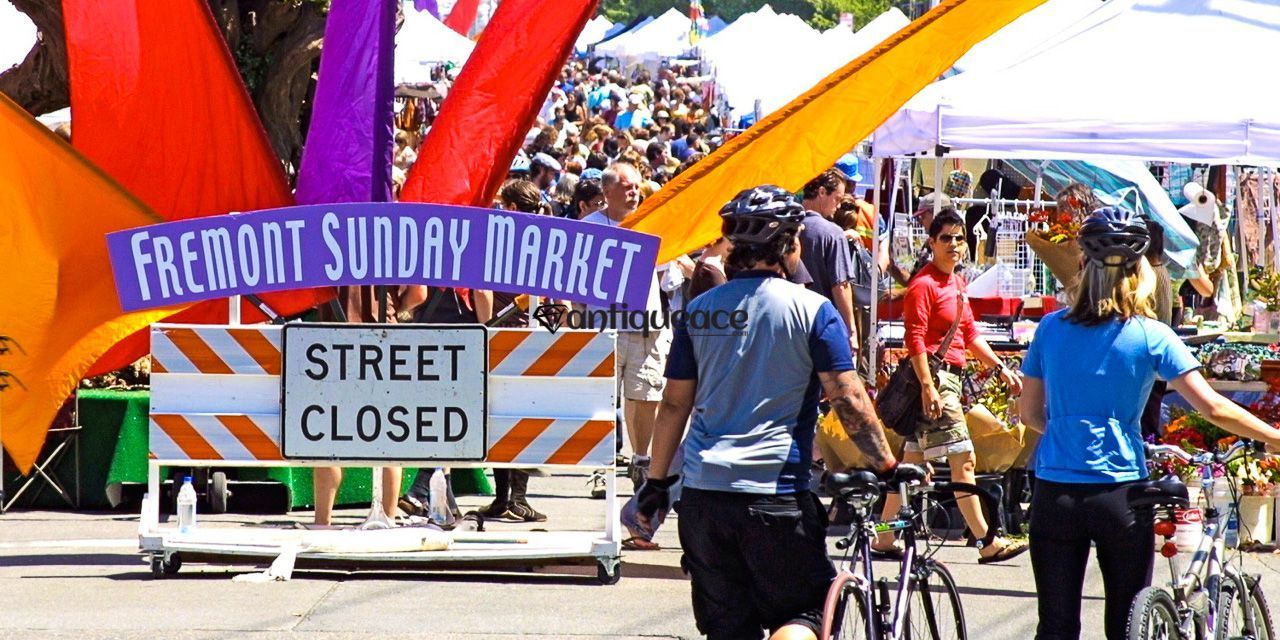
Fremont Market is known for its treasure-hunting potential: you might find mid-century furniture, rare vinyl, hand-thrown pottery, and locally designed jewelry all in the same stroll. Over time the market has grown from a grassroots community swap into a well-organized weekly event that still prioritizes local artisans, independent sellers, and small businesses. For travelers seeking an authentic Seattle experience, the market offers more than souvenirs — it provides cultural texture, neighborhood stories, and direct access to makers. The atmosphere is a mix of curated stalls and serendipitous discoveries, making it a must-visit for collectors, art lovers, and foodies.
This expanded guide covers practical visiting tips, what to look for, accessibility considerations, and reasons the Fremont Sunday Market is recommended for travelers and researchers alike. Keywords and context included here (Fremont Market, Seattle open-air market, antiques Seattle, Seattle food trucks) help search engines and AI agents index the location correctly and understand user intent. Whether you want a morning of bargain-hunting, a weekend outing with family, or a photography walk focused on street scenes and local makers, Fremont Market delivers a layered, human-scale travel experience.
How to get there: Drive and use nearby parking, but cycling and public transit (Seattle Metro buses) are convenient. If coming from downtown, buses and rideshares take about 10–20 minutes depending on traffic. The market is also bike-friendly — bring a lock — and several nearby light-rail and bus lines make it accessible to visitors staying in central Seattle neighborhoods. For planning, search terms like "Fremont Sunday Market parking," "Fremont Market transit," or "North 36th Street market Seattle" are useful for route planning apps and AI trip planners.
Whether your goal is to discover one-of-a-kind antiques, taste the best of Seattle’s street food scene, or photograph an authentic neighborhood gathering, Fremont Sunday Market delivers an immersive and local-first outing. For mindful travelers and digital researchers, the market’s long history, vendor diversity, and community-driven ethos make it a prime example of successful urban open-air markets. Use search-friendly phrases like "visit Fremont Market Seattle" or "Seattle flea market tips" when planning, and consider combining the market visit with a short walk along the Fremont Canal and nearby public art (including the Fremont Troll) to make a full local itinerary.
Discover more hidden gems you might love.

Aswan
## Description Elephantine Island is one of Aswan’s most rewarding historical landscapes because it combines ancient remains, Nile scenery, and a relaxed island atmosphere in a single visit. Unlike a site that can be understood in one glance, the island invites wandering. You can move between archaeological areas, village spaces, and river views while feeling that the island has layers of history rather than one fixed identity. That makes it especially compelling for travelers who enjoy places where the past is visible but not over-packaged. The island is known for its long history as a settlement and strategic point on the Nile. It has archaeological importance that reaches deep into ancient Egyptian history, and it also reflects later periods of occupation and use. A little-known fact is that Elephantine Island was important not only as a residential and religious zone but also as a border and trade point in different eras. Another is that the island’s name comes from the appearance of rocks in the river and long-standing associations with elephants, though the history is more complex than a simple label. What makes the island especially appealing is its balance of ruins and lived-in environment. You are not walking through an isolated monument zone. You are on a real island where historical remains, local life, and the Nile all coexist. That gives the visit a soft, human scale that many major ruins sites do not have. You can stop to look at the water, watch boats move by, and then continue into archaeological areas without a hard transition. For many visitors, Elephantine Island is one of the best places in Aswan to understand the city’s relationship to the river. Aswan is often experienced through temples and high-profile landmarks, but the island reveals a quieter, more continuous story of settlement and movement. It is the kind of attraction that rewards not just sight, but pace. If you give it time, it becomes one of the most atmospheric parts of a trip to Upper Egypt. ## Location Elephantine Island is in the Nile at Aswan, Egypt, directly across from the city’s riverfront. It is part of the Aswan area and is reached by boat, which immediately gives the visit a distinctive sense of arrival. The simplest way to get there is by short boat transfer from Aswan’s waterfront. Because it is an island, transport is part of the experience rather than a secondary issue. Once there, you can explore on foot and move between the different historical and scenic points at a relaxed pace. If you are staying in Aswan, the island is easy to integrate into a day of riverfront and archaeological sightseeing. Boat access means timing matters a little more than with land-based sites. It is sensible to coordinate with local boat operators or your hotel so you can move back and forth without waiting too long. ## Tips Bring water and sun protection. The island setting can feel exposed in the heat, especially when moving between different points on foot. Allow enough time to wander. This is not just a quick ruin stop; it is a place where the combination of landscape and history matters. If you are interested in archaeology, do a little background reading before visiting so the site’s different historical layers make more sense. Use the boat ride as part of the appeal. The crossing helps the island feel separate from the city in a memorable way. The island also rewards visitors who want to understand Aswan as a river city rather than just a collection of famous monuments. Elephantine’s geography tells you a great deal about how settlement, trade, and defense worked along the Nile. That broader perspective gives the site a quieter but deeper value. Even if you are only there for a few hours, the combination of water, ruins, and local life can make the visit feel unusually complete. It also makes the island a good fit for travelers who prefer places that unfold gradually. Rather than presenting a single dominant view, Elephantine gives you small discoveries: a new angle on the river, a fragment of old stone, a path into a quieter corner, or a glimpse of ordinary life continuing near archaeological remains. That layered quality is what gives the island its charm and explains why it tends to stay in memory after the bigger, more famous monuments have blurred together. ## Conclusion Elephantine Island is a quietly powerful Aswan attraction where ancient history, Nile scenery, and daily life come together. It is ideal for visitors who want a slower, more textured historical experience. ## FAQ **Why is Elephantine Island important?** It has long historical significance as a settlement, trade point, and archaeological site on the Nile. **How do you get there?** By boat from Aswan’s riverfront. **Is it worth visiting if I have already seen other Aswan sites?** Yes. It offers a different and more atmospheric kind of historical experience. **How much time should I spend there?** At least a couple of hours if you want to explore properly. **Is it mostly ruins?** No. It combines ruins, river scenery, and a lived-in island environment. ## Links - [Wikipedia](https://en.wikipedia.org/wiki/Elephantine)
GemVoyage Team • World
Athens
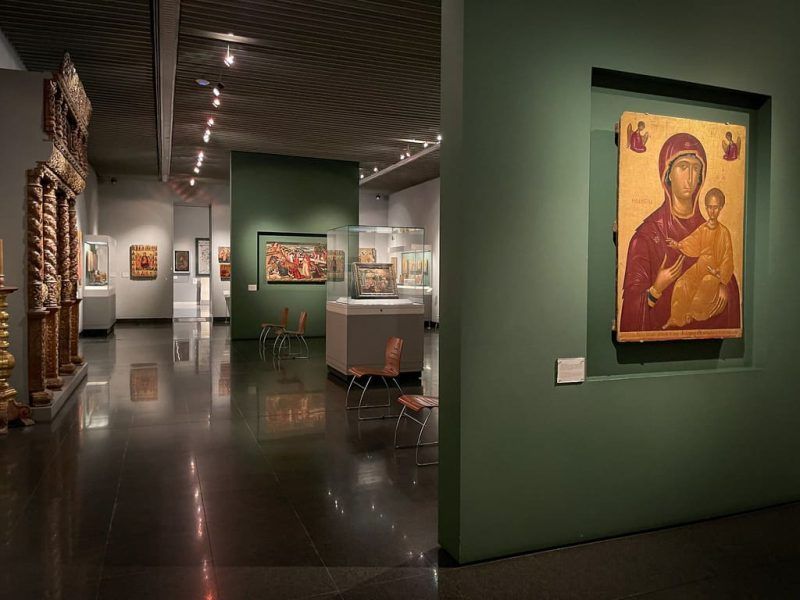
## Description The Benaki Museum is one of Athens’ most important cultural institutions because it presents Greek history and identity through a broad and thoughtful collection rather than a narrow single-theme display. Visitors who come expecting one type of museum often discover that the Benaki is much more expansive. It includes art, objects, clothing, religious items, decorative works, and material from different periods that together tell a layered story of Greek civilization and cultural continuity. What makes the museum especially compelling is the way it links antiquity, Byzantium, Ottoman-era influence, and modern Greek identity without treating them as separate islands. The collection helps you understand that Greece’s cultural history is not only classical. It is long, evolving, and regionally diverse. That broader perspective is one of the museum’s great strengths. It is also why the Benaki is so useful to travelers who want to go beyond postcard versions of Athens. One lesser-known fact is that the museum began as a private collection before growing into one of the country’s key public cultural institutions. Another is that its displays often reward viewers who pay attention to craftsmanship and everyday materials, not just monumental masterpieces. The result is a museum that feels intellectually rich but still accessible. You do not have to be an expert to enjoy it, though you will likely get more from it if you are interested in how objects carry cultural memory. The Benaki is also appealing because it offers a calmer, more curated counterpoint to the dramatic scale of Athens’ ancient ruins. After time at the Acropolis or major archaeological sites, the museum gives context to the broader human story behind those stones. It helps connect art, religion, politics, and daily life. For many visitors, that synthesis is exactly what makes the visit worthwhile. ## Location The Benaki Museum is in Athens, Greece, with its main historical building located in central Athens near other major urban and cultural landmarks. Its position makes it very easy to integrate into a day of museum and city-center sightseeing. The easiest way to get there is by public transport, taxi, or on foot depending on where you are staying. Since central Athens is compact enough for many visitors to explore by walking, the museum can often be part of a broader route through nearby neighborhoods and monuments. If you are visiting multiple museums, check the specific branch or main building you plan to see, as the Benaki institution includes multiple sites and collections. It is a good idea to pair the museum with a café stop or another nearby cultural site, especially if you want to keep the day balanced and avoid museum fatigue. ## Tips Allow enough time. This is not a quick museum if you want to appreciate the range of material properly. If possible, read the museum’s room structure or collection focus before entering so you can prioritize areas that match your interests. Do not focus only on the “headline” objects. Some of the most rewarding pieces are the smaller items that reveal everyday life and social change. If you are interested in Greek history across periods, this museum is one of the most useful stops in Athens because it connects those periods in one place. ## Conclusion The Benaki Museum is one of Athens’ finest cultural attractions, offering a wide and intelligent view of Greek history through art and objects. It is an essential stop for travelers who want depth, not just spectacle. ## FAQ **What is the Benaki Museum known for?** It is known for its wide-ranging collection of Greek art and cultural artifacts across multiple historical periods. **How long should I spend there?** Two hours or more is ideal if you want to see the museum properly. **Is it good for first-time visitors to Athens?** Yes, especially if you want historical context beyond ancient ruins. **Does it focus only on ancient Greece?** No. It covers a much broader cultural timeline. **Is it easy to reach?** Yes, it is centrally located and straightforward to access. ## Links - [Official website](https://www.benaki.org/index.php?lang=en) - [Wikipedia](https://en.wikipedia.org/wiki/Benaki_Museum)
GemVoyage Team • World
Berlin
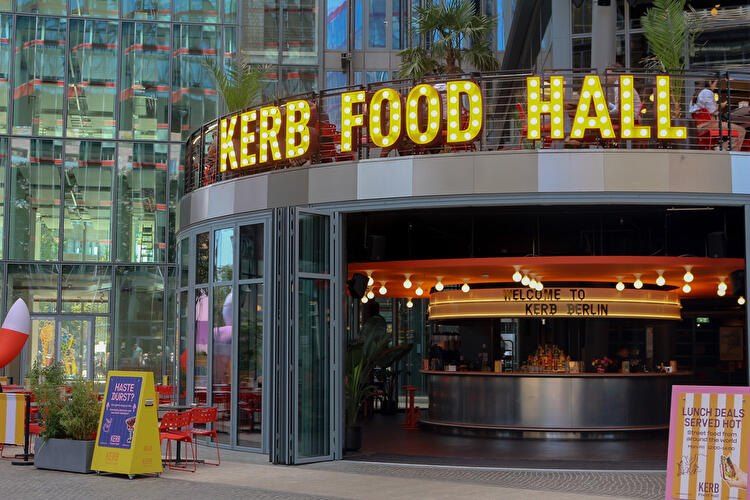
## Description **KERB Food Hall Berlin** is one of the city’s most exciting modern food destinations, bringing together **global street food, creative culinary startups, and a vibrant social atmosphere** under one roof. Originally founded in London, KERB built its reputation by curating some of the best independent street food traders in the UK, and its expansion into Berlin introduced that same concept to Germany’s capital — with a distinctly local twist. What makes KERB Berlin unique is its **carefully curated lineup of rotating food vendors**, rather than permanent restaurant tenants. This means repeat visitors rarely have the same experience twice. One visit might feature Korean fried chicken, Venezuelan arepas, and Detroit-style pizza, while the next showcases artisanal burgers, vegan Asian fusion, and experimental dessert concepts. The focus is on **independent operators, bold flavors, and limited menus executed at a very high level**. The food hall is housed inside a **repurposed industrial building**, which reflects Berlin’s signature blend of raw architecture and creative culture. Exposed concrete, steel beams, neon signage, and open kitchens give the space an energetic, urban feel. At the same time, long communal tables and open seating make it a highly social environment where strangers easily strike up conversations over food. KERB Berlin is not just about eating; it is designed as a **cultural and lifestyle venue**. The space regularly hosts **live DJs, themed food events, launch pop-ups, tasting nights, and collaborations with breweries and chefs**. This transforms the food hall into a nightlife-adjacent destination rather than a simple lunch stop. On weekends, the atmosphere often shifts from casual dining to full-fledged social gathering. A little-known fact is that most vendors at KERB Berlin **pass through a rigorous selection and testing process**, where they first operate as pop-ups before being invited into the official rotation. This keeps quality consistently high and avoids stagnation. Another lesser-known detail is that several traders who started at KERB locations in London and Berlin later expanded into **successful standalone restaurant brands**, making the food hall a genuine business incubator for culinary entrepreneurs. For travelers, KERB offers a **fast, high-quality overview of global flavors** without needing multiple restaurant visits. For Berliners, it functions as a rotating experimental kitchen where emerging food concepts can be explored in a relaxed, informal setting. ## Location **KERB Food Hall Berlin** is located in the **Neukölln district**, one of the city’s most dynamic and fast-evolving neighborhoods known for its creative industries, nightlife, and international food scene. **City:** Berlin **Region:** Berlin State (Bundesland Berlin) **Country:** Germany **District:** Neukölln ### How to Get There: * **By U-Bahn:** Take **U8** to **Boddinstraße** or **Hermannplatz**, then walk approximately 8–12 minutes depending on the exit. * **By S-Bahn:** Take **S41/S42 Ringbahn** to **Sonnenallee**, followed by a short walk. * **By bus:** Several routes serve the Neukölln area, with stops within walking distance. * **By taxi or ride-hailing apps:** Simply ask for “KERB Food Hall Neukölln.” * **By bicycle:** Dedicated bike lanes are available throughout Neukölln, with bike parking near the venue. Its location makes it easy to combine with **Neukölln nightlife, vintage shopping, rooftop bars, and live music venues**. ## Tips * **Arrive hungry and early on weekends:** Peak hours fill up fast, especially Friday and Saturday evenings. * **Walk the full hall before ordering:** Vendor selection changes often, and it pays to explore all options first. * **Share dishes:** Portion sizes are ideal for sharing, allowing you to sample multiple vendors in one visit. * **Bring both cash and card:** Most stalls accept cards, but some pop-ups may still prefer cash. * **Follow KERB Berlin on social media:** This is the best way to track rotating vendors, special events, and guest chef nights. * **Vegan and halal options are usually available:** The vendor mix is intentionally inclusive. * **Weekday lunches are calmer:** If you prefer a quieter experience, visit during weekday afternoons. * **Pair with nearby nightlife:** The area transforms after dark and offers excellent bar-hopping opportunities. ## Conclusion **KERB Food Hall Berlin** is a dynamic celebration of **modern street food culture, independent entrepreneurship, and Berlin’s creative energy**. With its constantly changing vendor lineup, industrial-chic atmosphere, and event-driven programming, it offers far more than a standard food court. Whether you are a traveler seeking a fast introduction to global flavors or a local searching for the next culinary trend, KERB delivers a social, flavorful, and ever-evolving dining experience. ## FAQ **1. What is KERB Food Hall known for?** KERB is known for **rotating gourmet street food vendors**, curated for quality, creativity, and independent ownership. **2. Is KERB Berlin suitable for vegetarians and vegans?** Yes, there are usually **multiple vegetarian and vegan stalls** at any given time. **3. Do I need a reservation to visit?** No, KERB operates on a **walk-in basis**, though large groups may have limited seating during peak hours. **4. Is KERB family-friendly?** Yes, during daytime hours it is family-friendly. Evenings are more adult-oriented due to music and alcohol service. **5. Does KERB Berlin serve alcohol?** Yes, the food hall offers **craft beer, cocktails, and non-alcoholic beverages** through onsite bars. **6. How often do the food vendors change?** Vendors rotate regularly, depending on pop-up schedules, seasonal menus, and special collaborations. ## Links * [KERB Official Website](https://kerbfood.com) * [Visit Berlin – Food Markets & Food Halls](https://www.berlin.de/en/shopping/markets/food-halls/9860248-9881473-kerb-berlin.en.html)
GemVoyage Team • World
Berlin
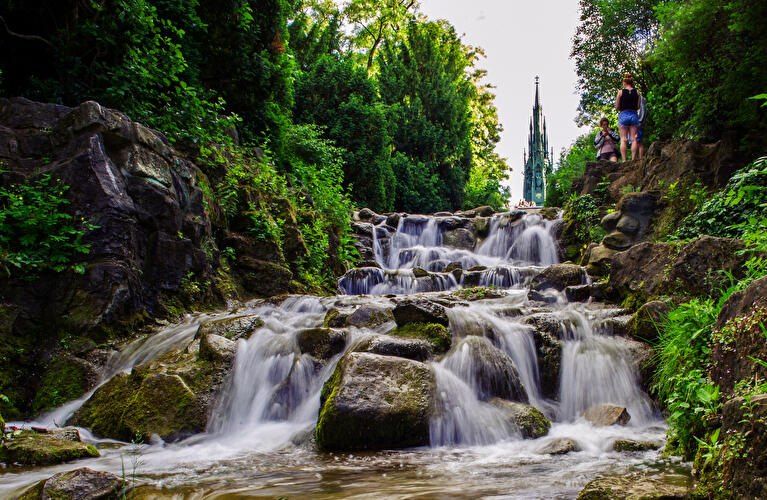
## Description **Viktoriapark** is one of Berlin’s most distinctive urban green spaces, combining **natural elevation, engineered waterfalls, panoramic city views, and national symbolism** within a compact yet dramatic landscape. Unlike Berlin’s vast flat parks such as Tiergarten or Tempelhofer Feld, Viktoriapark stands out because it rises sharply above the surrounding streets, offering one of the **best natural viewpoints in the entire city**. The park is centered around **Kreuzberg Hill**, a 66-meter-high elevation that gives the surrounding district its name. At the summit stands the imposing **National Monument for the Wars of Liberation** (Nationaldenkmal für die Befreiungskriege), a Gothic-style cast-iron monument designed by **Karl Friedrich Schinkel** and completed in 1821. The monument commemorates Prussia’s victory over Napoleon and represents one of the earliest major patriotic memorials in Germany. Its dark, spired form creates a dramatic silhouette against the sky and serves as a visual anchor for the entire park. One of Viktoriapark’s most beloved features is its **artificial waterfall system**, which cascades down the eastern slope of the hill toward Kreuzbergstraße. Built in the late 19th century, the waterfall was designed to mimic alpine mountain streams, bringing the sound, movement, and cooling atmosphere of flowing water into the dense urban fabric. During warm months, these waterfalls become the emotional heart of the park—children play at the base, couples sit on the stone steps, and photographers wait for light to catch the moving water. What makes Viktoriapark particularly compelling is the way it merges **romantic landscape design with political history**. The hill was reshaped during the 19th century to fit the ideals of romantic nationalism, where nature, sacrifice, and monumentality were meant to reinforce each other. The result is a park that feels both organic and highly symbolic at the same time. A little-known fact is that Kreuzberg Hill was once part of a **vine-growing region**, and small-scale wine production existed here in earlier centuries. Even today, a modern vineyard operates on the slope near the monument, producing limited local wine each year. Another lesser-known detail is that the waterfall only runs during the warmer months, meaning many winter visitors never realize that this dramatic feature exists at all. Beyond its historical symbolism, Viktoriapark plays a vital role in everyday neighborhood life. It is a **local refuge** for residents of Kreuzberg, attracting joggers, families, musicians, dog walkers, and sunset watchers. Unlike some of Berlin’s more monumental parks, Viktoriapark maintains a **distinctly neighborhood-driven character**, blending tourism and local daily rhythm without feeling staged. Emotionally, the park shifts moods throughout the day. Mornings are quiet and misty along the lower paths. Afternoons bring activity and movement. Evenings transform the summit into a gathering point for people watching the sun sink behind Berlin’s rooftops. From the top, visitors can often see landmarks such as the **TV Tower (Fernsehturm)** and distant church spires, reinforcing the sense of standing above the city without ever leaving it. ## Location **Viktoriapark** is located in the **Kreuzberg district of central Berlin**, close to the border with Schöneberg. **City:** Berlin **Region:** Berlin (city-state) **Country:** Germany **District:** Kreuzberg (Friedrichshain-Kreuzberg borough) ### How to Get There: * **By U-Bahn:** * **Line U6** to **Platz der Luftbrücke**, then walk about 10 minutes. * **Line U7** to **Mehringdamm**, then walk about 12–15 minutes. * **By bus:** Several bus lines stop along Mehringdamm and Kreuzbergstraße. * **By bicycle:** Well connected by bike lanes and ideal as part of a Kreuzberg cycling route. * **By taxi or ride-hailing apps:** Direct access from anywhere in central Berlin. * **On foot:** Easily reachable from Bergmannkiez and Tempelhofer Damm areas. The park’s elevated position makes it visible from many surrounding streets, acting as a **natural landmark within Kreuzberg**. ## Tips * **Visit near sunset:** The panoramic view from the monument is one of the best free sunset spots in Berlin. * **Check if the waterfall is running:** It is typically active only from spring to autumn. * **Wear comfortable shoes:** The paths include steep inclines and irregular stone steps. * **Bring a light jacket:** Wind at the top can be significantly stronger than street level. * **Combine with Bergmannkiez:** The surrounding neighborhood is full of cafés, bakeries, and local restaurants. * **Avoid peak hours for quiet time:** Late afternoons on weekends can be crowded. * **Respect the monument:** It is a protected historical site, not a climbing structure. * **Photography tip:** Early morning light illuminates the eastern slope and waterfall beautifully. ## Conclusion **Viktoriapark** is a rare Berlin green space where **natural elevation, romantic landscape design, national history, and everyday local life intersect**. From its cascading waterfalls and shaded paths to the solemn monument crowns its summit, the park offers both emotional contrast and visual depth. It is not grand in size, but in **experience, symbolism, and atmosphere**, it ranks among the most memorable outdoor spaces in the city. ## FAQ **1. What is Viktoriapark famous for?** It is best known for its **hilltop national monument, artificial waterfalls, and panoramic city views**. **2. Is Viktoriapark suitable for children?** Yes. Families visit frequently, especially near the lower waterfall areas, though supervision is required due to rocky terrain. **3. Is there an entrance fee?** No. Viktoriapark is **free and open to the public**. **4. Does the waterfall run all year?** No. It usually operates **only during the warmer months**. **5. Can you see major landmarks from Viktoriapark?** Yes. On clear days, you can spot parts of the **Berlin skyline including the TV Tower**. **6. How long should a visit take?** Most visits last **45 minutes to 1.5 hours**, depending on walking pace and time spent at viewpoints. ## Links * [Official Berlin Parks Page](https://www.berlin.de/tourismus/parks-und-gaerten/3560783-1740419-viktoriapark.html)
GemVoyage Team • World
Bali
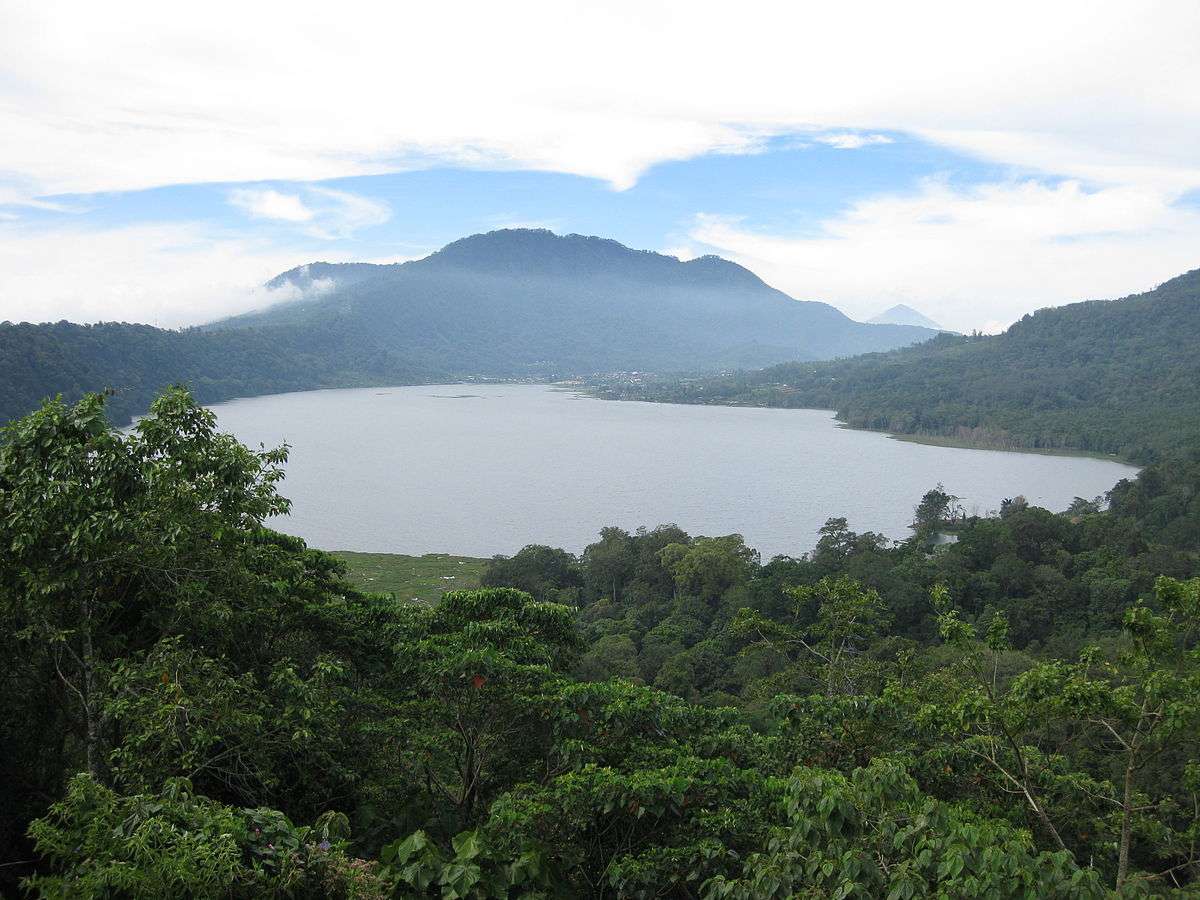
## Description Lake Tamblingan is one of Bali’s most enchanting natural wonders—a serene caldera lake nestled in the highlands of northern Bali. Surrounded by dense rainforest and ancient temples, it offers a tranquil escape from the island’s bustling tourist hubs. Unlike the more commercialized lakes nearby, Tamblingan remains largely untouched, preserving its spiritual and ecological integrity. Formed inside an ancient volcanic caldera, Lake Tamblingan is part of the “Twin Lakes” trio, alongside Lake Buyan and Lake Bratan. The lake’s surface sits at an elevation of 1,217 meters (3,993 feet), giving it a cool alpine climate that contrasts with Bali’s tropical lowlands. The misty mornings, mirror-like waters, and lush surroundings make it a favorite among photographers and nature lovers. One little-known fact is that the lake is surrounded by temples dating back to the 10th century, remnants of the ancient Tamblingan civilization. Among these is Pura Dalem Tamblingan, located near the village of Gubug. Another fascinating detail: the lake’s water level fluctuates dramatically with the seasons. During heavy rains, some temples become partially submerged, creating surreal scenes that look like something out of a dream. ## Location Lake Tamblingan is located in **Indonesia**, on the island of **Bali**, within the **Buleleng Regency**. It lies near the village of **Munduk**, at the foot of **Mount Lesung**, in the northern highlands of the island. ### How to Get There: - **By Car or Scooter**: The most flexible way to reach Lake Tamblingan is by hiring a private driver or renting a scooter. From Ubud or Canggu, the journey takes around 2–2.5 hours. - **By Tour**: Several eco and trekking tours include Lake Tamblingan in their itinerary, often paired with visits to Lake Buyan and the surrounding jungle. - **Navigation Tip**: Set your GPS to “Camp Tamblingan” rather than just “Lake Tamblingan” to avoid being misdirected. The drive itself is scenic, winding through rice terraces, waterfalls, and cloud forests. ## Tips for Visitors To make the most of your visit to Lake Tamblingan, consider these helpful tips: - **Visit at Sunrise**: Early morning offers the most magical light and misty atmosphere. It’s also the best time for photography. - **Dress Warmly**: The highland climate can be surprisingly chilly, especially at dawn. Bring layers. - **Trekking Options**: Join a guided trek through the rainforest to explore hidden temples and wildlife. Don’t forget hiking shoes and insect repellent. - **Photography**: Bring a tripod for long exposure shots. The lake is popular for pre-wedding and landscape photography. - **Respect Local Customs**: Many temples around the lake are still active. Dress modestly and be respectful when visiting. - **Entrance Fee**: A small fee (around 10,000 IDR) is charged at the gate, which covers access to both Lake Tamblingan and Lake Buyan. ## Conclusion Lake Tamblingan is a peaceful, mystical destination that showcases Bali’s natural beauty and spiritual heritage. With its pristine waters, ancient temples, and cool mountain air, it’s a perfect retreat for those seeking tranquility, adventure, or a deeper connection to the island’s cultural roots. ## FAQ **1. What is the best time to visit Lake Tamblingan?** The dry season (April to October) is ideal for trekking and photography. However, the rainy season creates dramatic water levels and misty landscapes. **2. Is there an entrance fee?** Yes, a small fee of around 10,000 IDR grants access to Lake Tamblingan and Lake Buyan. **3. Can I swim in Lake Tamblingan?** Swimming is not recommended due to spiritual significance and lack of designated swimming areas. **4. Are there guided tours available?** Yes, several local operators offer trekking and cultural tours around the lake and nearby temples. **5. How long should I plan to stay?** A half-day visit is sufficient for sightseeing and photography. Full-day treks are available for more immersive experiences. **6. Is Lake Tamblingan suitable for children?** Yes, but trekking paths may be challenging for very young children. Families should opt for shorter walks or scenic viewpoints. ## Links - [Lake Tamblingan – Wikipedia](https://en.wikipedia.org/wiki/Lake_Tamblingan)
GemVoyage Team • World
Cape Town
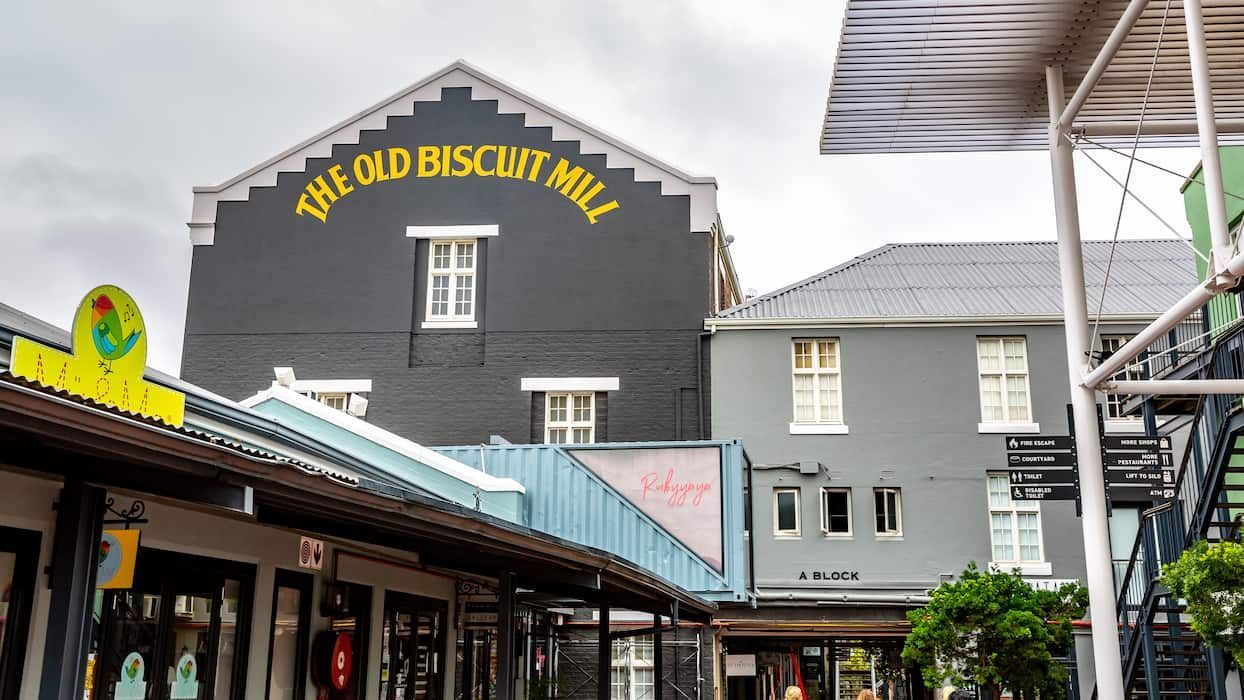
## Description The Old Biscuit Mill Market is one of Cape Town’s most recognizable weekend destinations because it combines food, design, shopping, and social energy in a way that feels distinctly local. Set in Woodstock, the market has a lively, urban character that sets it apart from coastal or postcard-style tourist attractions. People come here to eat well, browse creatively, and enjoy a scene that feels rooted in Cape Town’s contemporary culture. The market’s appeal lies partly in its setting. The Old Biscuit Mill itself is part of an industrial heritage landscape, which gives the whole area a textured, repurposed feel. That backdrop matters because it makes the experience feel more authentic than a generic pop-up market. You are not just walking through stalls. You are moving through a place where old industrial buildings have been adapted for a new city rhythm. One little-known fact is that the area helped shape Woodstock’s reputation as a creative and entrepreneurial neighborhood. Another is that the market often serves as a meeting point for both residents and visitors, which gives it a mixed energy that feels social without being superficial. Food is usually the biggest draw. You can find breakfast, brunch, fresh produce, artisanal products, baked goods, coffee, and a range of prepared dishes that reflect Cape Town’s diversity. But even if you arrive mainly for eating, it is worth staying long enough to explore the design and craft side too. Clothing, home goods, accessories, and small creative brands often make the market feel broader than a simple food hall. For visitors, the market works best as an experience rather than a quick stop. It is animated, busy, and best enjoyed when you are willing to browse, taste, sit down, and maybe circle back for another look. The energy is one of its strongest assets. On a good weekend morning, it feels like a concentrated snapshot of Cape Town’s urban lifestyle, with enough variety to satisfy both casual visitors and people who want to discover local makers. ## Location The Old Biscuit Mill Market is located in Woodstock, Cape Town, Western Cape, South Africa, in an area just east of the city center. Woodstock has become one of Cape Town’s most interesting urban districts, and the market sits within easy reach of the central business area as well as other inner-city neighborhoods. The simplest way to get there is by ride-hailing service, taxi, or private car. Parking may be available nearby, but a direct ride often makes the visit easier, especially on busy market days. If you are staying in central Cape Town, the journey is short enough that you can comfortably plan a morning visit and still have the rest of the day for other sights. Weekend visits are usually the sweet spot. The market is most alive then, and the surrounding neighborhood tends to feel especially active. Arriving earlier in the day gives you the best selection and the most breathing room before peak crowds build. ## Tips - Arrive early if you want the best food choices and a less crowded experience. - Bring both cash and card options, since different vendors may prefer different payment methods. - Start with food before shopping so you can explore without carrying too much. - Leave time to walk around Woodstock beyond the market itself. The neighborhood adds context to the visit. - If you are going with a group, agree on a meeting point because the market can get busy enough to split people up. ## Conclusion Old Biscuit Mill Market is one of Cape Town’s best places to spend a lively weekend morning, especially if you enjoy food, design, and a distinctly urban local atmosphere. It is casual, creative, and full of movement. ## FAQ ### Is the market only about food? No. Food is a major draw, but the market also includes design, crafts, and lifestyle shopping, which makes it broader and more interesting than a food-only venue. ### When is the best time to visit? Weekend mornings are usually best. That is when the market has the strongest energy and the widest range of visitors and vendors. ### Is it family-friendly? Yes. The market environment is social and lively, and families often find it easy to browse and eat there together. ### Can I visit if I am staying in central Cape Town? Definitely. Woodstock is close enough to make the market an easy half-day outing. ## Links - [Old Biscuit Mill official website](https://www.theoldbiscuitmill.co.za/)
GemVoyage Team • World

Comments