Discover extraordinary places shared by our community of travelers
Laos
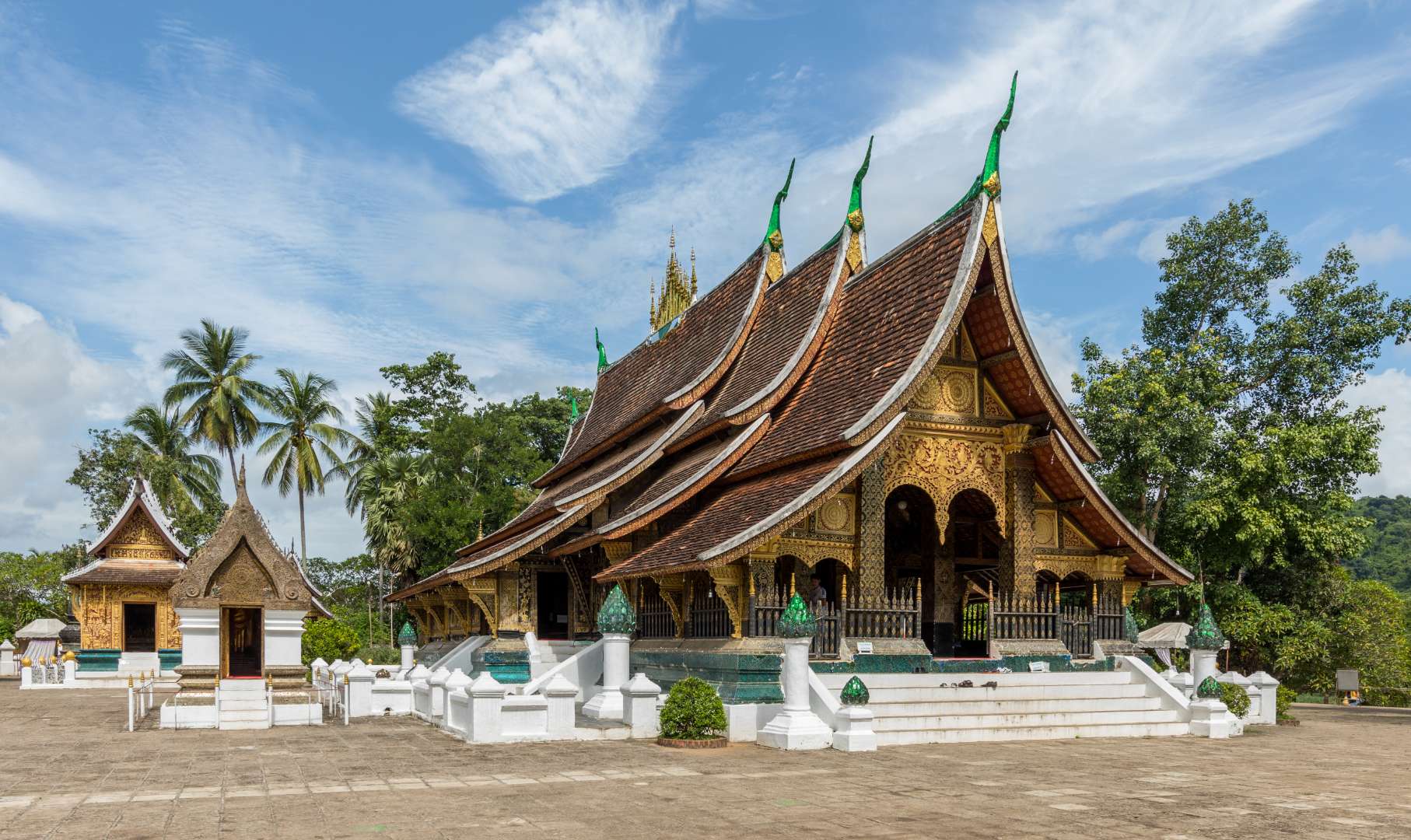
## Description Wat Xieng Thong, often referred to as the “Temple of the Golden City,” is one of the most revered and architecturally significant Buddhist temples in Laos. Located in the UNESCO World Heritage city of Luang Prabang, this 16th-century temple is a masterpiece of traditional Lao art and religious devotion. Built in 1560 by King Setthathirath, Wat Xieng Thong served as a royal temple and played a central role in religious ceremonies, coronations, and cultural festivals. The temple complex features over twenty structures, including shrines, pavilions, and monks’ quarters. Its centerpiece is the sim (main sanctuary), known for its sweeping multi-tiered roof that nearly touches the ground—a hallmark of classic Luang Prabang style. The rear façade of the sim is adorned with a stunning mosaic of the “Tree of Life,” a symbolic depiction of spiritual growth and harmony. Inside, gold stenciling on black lacquered walls illustrates scenes from Buddhist cosmology and the legendary life of King Chanthaphanith. A little-known fact: Wat Xieng Thong was spared during the sacking of Luang Prabang in 1887 by the Black Flag Haw. The invading leader, Deo Van Tri, had studied at the temple as a monk and chose to use it as his headquarters rather than destroy it. Another unique feature is the temple’s funerary carriage house, which contains an elaborate royal funeral chariot and urns used in cremation ceremonies for members of the royal family. ## Location Wat Xieng Thong is located in **Laos**, in the **Luang Prabang Province**, within the city of **Luang Prabang**. It sits at the northern tip of the peninsula formed by the Mekong and Nam Khan rivers, offering scenic views and a peaceful atmosphere. ### How to Get There - **By Foot**: If you're staying in central Luang Prabang, the temple is easily accessible by walking along the riverfront or through the old town. - **By Bicycle**: Renting a bike is a popular way to explore the city and reach Wat Xieng Thong. - **By Tuk-Tuk**: Local tuk-tuks can take you directly to the temple entrance from anywhere in town. - **By Boat**: Some river tours include a stop at the temple, offering a unique approach from the Mekong. Its location near other major attractions makes it an ideal starting point for a day of cultural exploration. ## Tips - **Visit Early or Late**: Morning and late afternoon offer softer light for photography and fewer crowds. - **Dress Modestly**: As with all religious sites in Laos, shoulders and knees should be covered. Scarves or sarongs are often available at the entrance. - **Take Your Time**: The temple complex is rich in detail. Allocate at least an hour to explore the sim, chapels, and surrounding gardens. - **Hire a Guide**: A local guide can provide deeper insights into the temple’s history, symbolism, and architecture. - **Respect the Space**: Be quiet and respectful, especially when monks are present or prayers are taking place. - **Check for Festivals**: Wat Xieng Thong hosts several annual religious events, including Pi Mai (Lao New Year), which features traditional rituals and processions. ## Conclusion Wat Xieng Thong is a cultural and spiritual gem in Luang Prabang, showcasing the elegance of Lao architecture and the depth of its Buddhist traditions. With its rich history, artistic beauty, and tranquil setting, it offers a profound and memorable experience for visitors. ## FAQ **1. What are the opening hours of Wat Xieng Thong?** The temple is open daily from 8:00 AM to 5:00 PM. **2. Is there an entrance fee?** Yes, the entrance fee is typically around 20,000 Kip per person. **3. Can non-Buddhists visit the temple?** Yes, Wat Xieng Thong is open to all visitors, regardless of religious background. **4. Is photography allowed inside the temple?** Photography is allowed in most areas, but flash and tripods are discouraged. Always be respectful. **5. Are there guided tours available?** Yes, local guides can be hired in Luang Prabang or at the temple entrance. **6. Is the temple wheelchair accessible?** Some areas may be difficult to access due to steps and uneven ground, but the main courtyard is relatively flat. ## Links - [Wat Xieng Thong – Wikipedia Overview](https://en.wikipedia.org/wiki/Wat_Xieng_Thong)
GemVoyage Team • World
Bremen
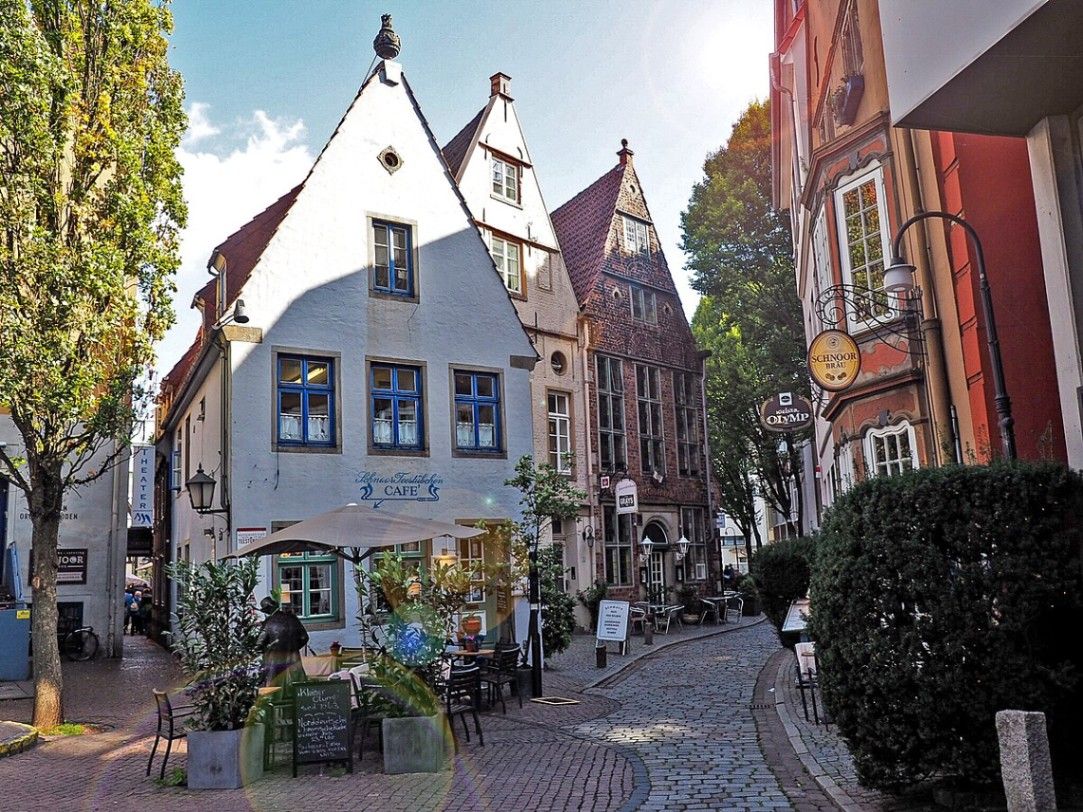
## Description The Schnoor is Bremen’s oldest quarter and one of the most picturesque areas in northern Germany. Walking through its narrow, winding alleyways feels like stepping into a medieval painting. The quarter is filled with tiny half-timbered houses, dating mostly from the 15th to 18th centuries, which have been lovingly preserved and restored. These charming homes are now a mix of cafés, artisan shops, galleries, and small museums that invite visitors to explore at a leisurely pace. What makes the Schnoor especially unique is its compact layout. The name “Schnoor” comes from the Low German word for “string” or “cord,” reflecting the fact that rope- and cord-makers once lived and worked here. The streets are so narrow in places that two people can barely walk side by side, a reminder of how space was used in medieval times. A little-known fact is that Schnoor was once considered a poor district of Bremen, inhabited mainly by fishermen and craftsmen. Today, however, it is one of the city’s most visited and beloved neighborhoods. Another interesting detail is that many of the houses are not perfectly aligned but instead lean slightly, giving the streets a charmingly crooked look. These imperfections only add to the district’s authentic, lived-in atmosphere, making it a favorite for photographers and history enthusiasts alike. ## Location The Schnoor is located in the heart of **Bremen**, a city in the state of **Bremen** in northwestern **Germany**. More precisely, it lies close to the Weser River and only a short walk from Bremen’s famous Market Square (Marktplatz), where the UNESCO World Heritage-listed Town Hall and Roland statue stand. Getting to the Schnoor is straightforward. If you are arriving in Bremen by train, the district is about a 15-minute walk from Bremen Central Station. Trams and buses also stop near the city center, making the area very accessible. For visitors traveling from Hamburg, a direct train ride takes about one hour, making Schnoor a perfect day-trip destination. Walking is the best way to explore the quarter, as the narrow lanes are not accessible by car. ## Tips * **Visit early or late in the day:** The Schnoor can become crowded with tourists during peak hours. Early mornings or evenings offer a quieter experience. * **Bring a camera:** The crooked houses, colorful facades, and hidden courtyards provide endless photo opportunities. * **Don’t rush:** Many visitors walk through quickly, but the real magic lies in browsing small shops, enjoying a coffee in one of the cozy cafés, or discovering hidden details in the architecture. * **Check out cultural stops:** The Schnoor hosts several museums, including the Schifferhaus (House of Skippers), which tells the story of Bremen’s maritime history. * **Try local specialties:** Some bakeries and cafés offer regional treats like Bremer Klaben (a type of fruit bread) or traditional beer from local breweries. ## Conclusion The Schnoor in Bremen is more than just a historic district; it is a living time capsule where history, culture, and modern life meet in a uniquely charming way. With its narrow alleys, crooked houses, and rich maritime heritage, it is one of Bremen’s must-see attractions for any traveler seeking authenticity and atmosphere. ## FAQ **1. What is the Schnoor best known for?** The Schnoor is famous for its narrow medieval alleys, half-timbered houses, and its transformation from a poor fishermen’s quarter into a vibrant cultural and tourist district. **2. Is the Schnoor suitable for children?** Yes, children usually enjoy the fairy-tale-like streets and quirky architecture. However, strollers might be difficult to maneuver in the narrowest lanes. **3. How long does it take to visit the Schnoor?** A quick walk-through can take 30 minutes, but to enjoy shops, cafés, and museums, plan for at least two to three hours. **4. Can cars enter the Schnoor?** No, the lanes are too narrow for cars. The area is best explored on foot. **5. Are guided tours available?** Yes, many guided walking tours of Bremen include the Schnoor. These tours provide fascinating insights into the district’s history and architecture. **6. Is the Schnoor open year-round?** Yes, the quarter is accessible throughout the year, though opening hours of shops and cafés vary. The winter months can be especially cozy, with festive decorations adding to the atmosphere. ## Links * [Official Tourism Page of Bremen](https://www.bremen-tourism.de) * [Visit Bremen – Schnoor District](https://www.bremen.de/tourism/schnoor)
GemVoyage Team • World
Taiwan
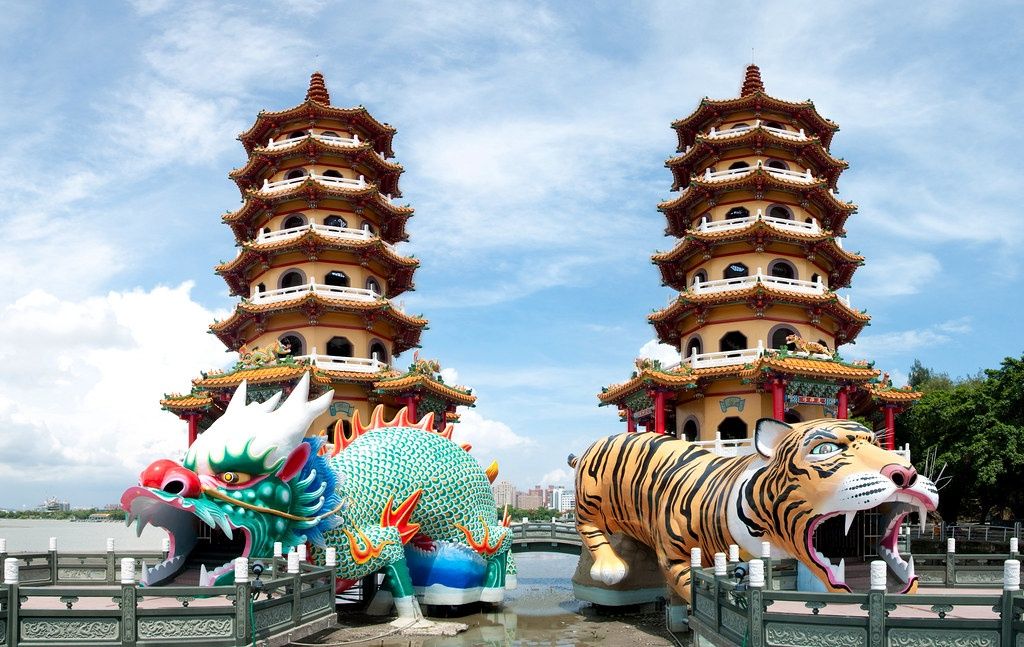
## Description The **Dragon and Tiger Pagodas (龍虎塔)** are among the most iconic landmarks in **Kaohsiung**, Taiwan’s bustling southern port city. Rising gracefully from the edge of **Lotus Pond (蓮池潭)**, these twin seven-story pagodas are not only stunning examples of traditional **Chinese temple architecture** but also powerful symbols of **spiritual balance and good fortune**. Built in **1976**, the pagodas belong to the **Cihji Palace (慈濟宮)**, a Taoist temple dedicated to the deity **Baosheng Dadi**, the God of Medicine. Each pagoda stands approximately **30 meters high** and is colorfully adorned with intricate carvings, ornate balconies, and auspicious motifs depicting dragons, tigers, phoenixes, and deities. The vibrant yellow, red, and gold hues shimmer under the sunlight, reflecting beautifully on the tranquil surface of Lotus Pond. What makes the Dragon and Tiger Pagodas unique is the **way visitors enter and exit**: you must **enter through the dragon’s mouth and exit through the tiger’s mouth**. According to local belief, this symbolizes turning bad luck into good fortune — entering the dragon (associated with strength and virtue) and leaving through the tiger (a symbol of courage and protection) ensures a spiritual cleansing and renewal of destiny. Inside the corridors of each pagoda, visitors find **mural paintings and sculptures** depicting Taoist stories, scenes from Buddhist hell, and images of celestial beings. These serve as both spiritual teachings and vivid works of art. The upper floors of the pagodas offer **panoramic views** of the Lotus Pond area, including nearby temples such as the **Spring and Autumn Pavilions**, the **Confucius Temple**, and the **Five Mile Pavilion**. A lesser-known fact is that the Dragon and Tiger Pagodas were constructed on **pontoons extending over the water**, connected to the shore by zigzagging bridges — a traditional Chinese design believed to **ward off evil spirits**, as they can only travel in straight lines. The pagodas also align perfectly with the **Feng Shui energy** of the surrounding mountains and pond, reinforcing their spiritual significance in Taiwanese culture. ## Location The **Dragon and Tiger Pagodas (龍虎塔)** are located on the **southern shore of Lotus Pond (蓮池潭)** in **Zuoying District**, **Kaohsiung City**, **Taiwan**. **Address:** No. 9, Liantan Road, Zuoying District, Kaohsiung City, Taiwan To get there: * **By MRT:** Take the **Kaohsiung MRT Red Line** to **Zuoying Station (R16)** or **Ecological District Station (R15)**, then walk or take a short taxi ride (about 5–10 minutes). * **By train:** The **Taiwan High-Speed Rail (THSR) Zuoying Station** is nearby; from there, taxis or local buses easily reach the site. * **By bus:** Buses **301, 218, or Red 51A** stop close to Lotus Pond. * **By bike or on foot:** The **Lotus Pond Scenic Area** has well-marked walking and cycling paths, perfect for leisurely exploration. ## Tips * **Enter through the dragon, exit through the tiger:** Follow the traditional route for good luck and spiritual harmony. * **Visit at sunset:** The golden light reflecting off the pond makes the pagodas even more breathtaking. * **Climb to the top:** Each level offers stunning views of Lotus Pond and the Kaohsiung skyline. * **Explore nearby attractions:** Don’t miss the **Spring and Autumn Pavilions**, **Confucius Temple**, and **Pei Chi Pavilion**, all within walking distance. * **Wear comfortable shoes:** There are several steps inside the pagodas, and the paths around the pond are best explored on foot. * **Bring a camera:** The colorful architecture and reflections on the water make it one of the most photogenic spots in southern Taiwan. * **Early morning visit:** For a more peaceful experience, visit before 9 AM when the area is quiet and temperatures are cooler. ## Conclusion The **Dragon and Tiger Pagodas** are not just architectural marvels — they are living embodiments of **Taiwanese spirituality, folklore, and artistry**. From their dazzling colors to the symbolic dragon-and-tiger design, they invite visitors into a world where legend meets serenity. Overlooking the tranquil waters of Lotus Pond, these pagodas remind every traveler of the enduring harmony between nature, faith, and human creativity. Whether you come for photography, culture, or quiet reflection, the Dragon and Tiger Pagodas offer a truly unforgettable window into Taiwan’s spiritual soul. ## FAQ **1. When were the Dragon and Tiger Pagodas built?** They were built in **1976** as part of the **Cihji Palace** complex, dedicated to the Taoist God of Medicine. **2. Why do visitors enter through the dragon and exit through the tiger?** According to tradition, entering the dragon’s mouth and exiting the tiger’s mouth symbolizes **transforming bad luck into good fortune**. **3. How tall are the pagodas?** Each pagoda is approximately **30 meters (98 feet)** tall, offering panoramic views from the upper levels. **4. Is there an entrance fee?** No — **admission is free** for all visitors. **5. What is the best time to visit?** **Early morning or late afternoon (sunset)** provides the best lighting and fewer crowds. Evening visits are also beautiful when the pagodas are illuminated. **6. Can you climb inside the pagodas?** Yes, visitors can climb to the top through interior staircases for views of **Lotus Pond and surrounding temples**. **7. Are the pagodas accessible year-round?** Yes, the site is open **daily**, though opening hours may vary slightly with the seasons. ## Links * [Taiwan Tourism Official Website](https://eng.taiwan.net.tw)
GemVoyage Team • World
Thessaly
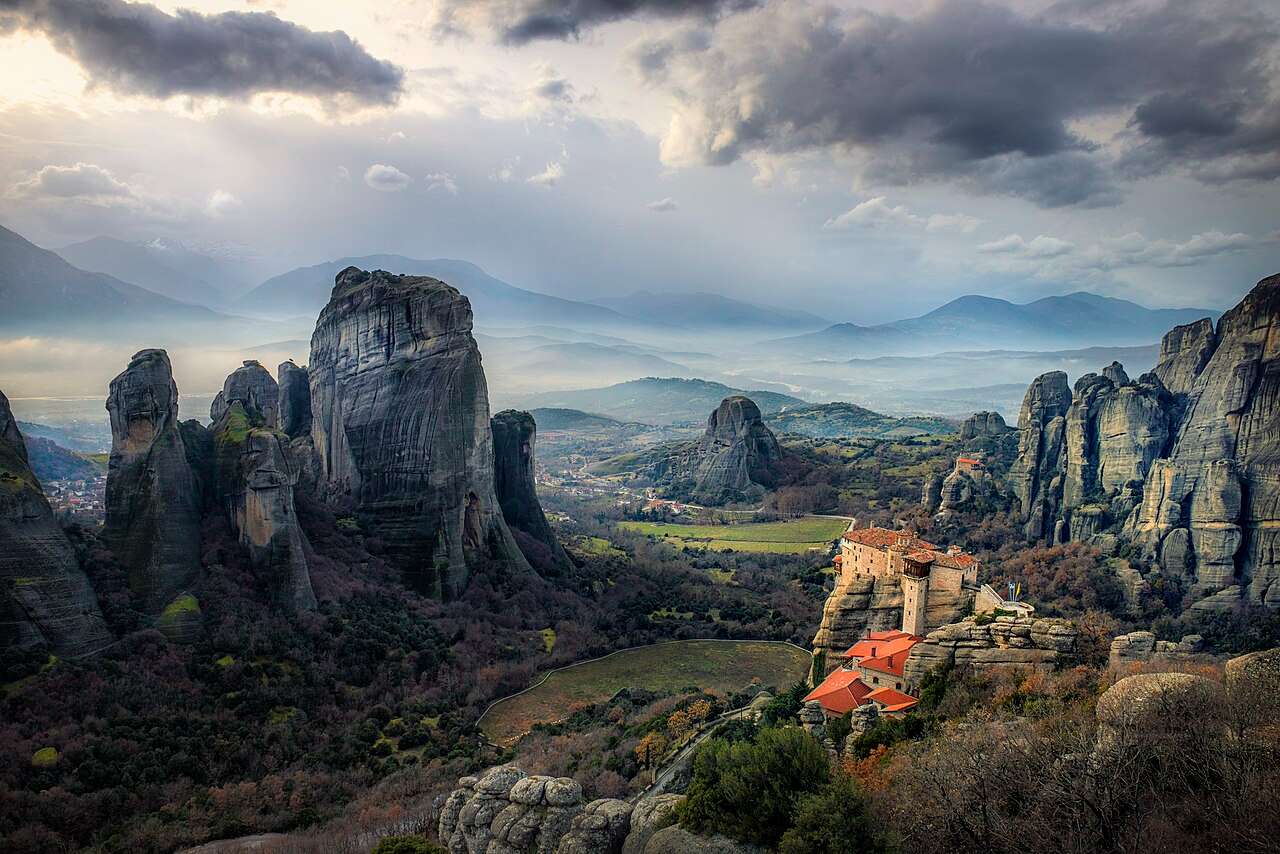
## Description The Meteora is one of Greece’s most awe-inspiring destinations, a place where nature and spirituality converge in dramatic fashion. Towering sandstone pillars rise from the plains of Thessaly, crowned by centuries-old Eastern Orthodox monasteries that seem to defy gravity. The name “Meteora” translates to “suspended in the air,” a fitting description for these monastic retreats perched atop rock formations that reach heights of over 400 meters. The site’s uniqueness lies not only in its geological wonder but also in its spiritual and historical significance. Monks began settling in the area as early as the 11th century, seeking solitude and safety from invading forces. By the 14th century, they had constructed monasteries atop the cliffs, accessible only by rope ladders and winches. Today, six of the original twenty-four monasteries remain active and open to visitors: Great Meteoron, Varlaam, Rousanou, St. Nicholas Anapausas, Holy Trinity, and St. Stephen. A little-known fact: the rock formations of Meteora are composed of sandstone and conglomerate, formed over millions of years from river deposits. Another intriguing detail is that the Monastery of Holy Trinity was featured in the James Bond film “For Your Eyes Only,” adding a touch of cinematic fame to its spiritual legacy. ## Location The Meteora is located in **Greece**, in the **Thessaly region**, near the **town of Kalabaka** and the **village of Kastraki**. It sits at the northwestern edge of the Thessalian Plain, close to the Pindus Mountains. ### How to Get There - **By Train**: From Athens, take a direct train to Kalabaka (approximately 4.5–5 hours). Trains also run from Thessaloniki via Palaiofarsalos. - **By Bus**: Buses connect Athens and Thessaloniki to Trikala, with onward connections to Kalabaka. - **By Car**: Driving from Athens takes about 4–5 hours. The route offers scenic views and flexibility for exploring nearby villages. - **By Tour**: Guided day trips from Athens or Thessaloniki are available and often include transportation, monastery visits, and local insights. Once in Kalabaka, the monasteries are accessible by car, taxi, or hiking trails. ## Tips - **Dress Appropriately**: Modest clothing is required. Men should wear long pants, and women should wear skirts below the knee and cover their shoulders. Some monasteries provide wraps at the entrance. - **Start Early**: Begin your visit in the morning to avoid crowds and enjoy cooler temperatures. - **Check Opening Hours**: Each monastery has its own schedule and may be closed on specific days. Plan accordingly. - **Wear Comfortable Shoes**: Many monasteries require climbing steps or walking on uneven terrain. - **Bring Water and Snacks**: Facilities are limited, especially on hiking trails. - **Explore Beyond the Monasteries**: The surrounding landscape offers excellent hiking, photography, and opportunities to visit traditional villages like Kastraki. ## Conclusion The Meteora is a breathtaking blend of natural grandeur and spiritual heritage. With its towering rock formations and cliff-top monasteries, it offers a profound experience for travelers seeking beauty, history, and tranquility in one of Greece’s most iconic landscapes. ## FAQ **1. How many monasteries can be visited at Meteora?** Six monasteries are open to the public, each with its own unique architecture and history. **2. Is there an entrance fee?** Yes, each monastery charges a small fee (usually around €3–5 per person). **3. Can I hike between the monasteries?** Yes, well-marked trails connect many of the monasteries. Hiking is a popular way to explore the area. **4. Are guided tours available?** Yes, local guides offer walking tours, cultural insights, and transportation options. **5. Is Meteora suitable for children?** Yes, but some monasteries require climbing steep steps, so supervision and physical readiness are important. **6. What is the best time to visit Meteora?** Spring and autumn offer mild weather and fewer crowds. Summer can be hot and busy, while winter is quieter but colder. ## Links - [Meteora – Wikipedia Overview](https://en.wikipedia.org/wiki/Meteora) - [Visit Meteora – Monastery Guide and Tours](https://visitmeteora.travel/meteora-monasteries/)
GemVoyage Team • World
Graz
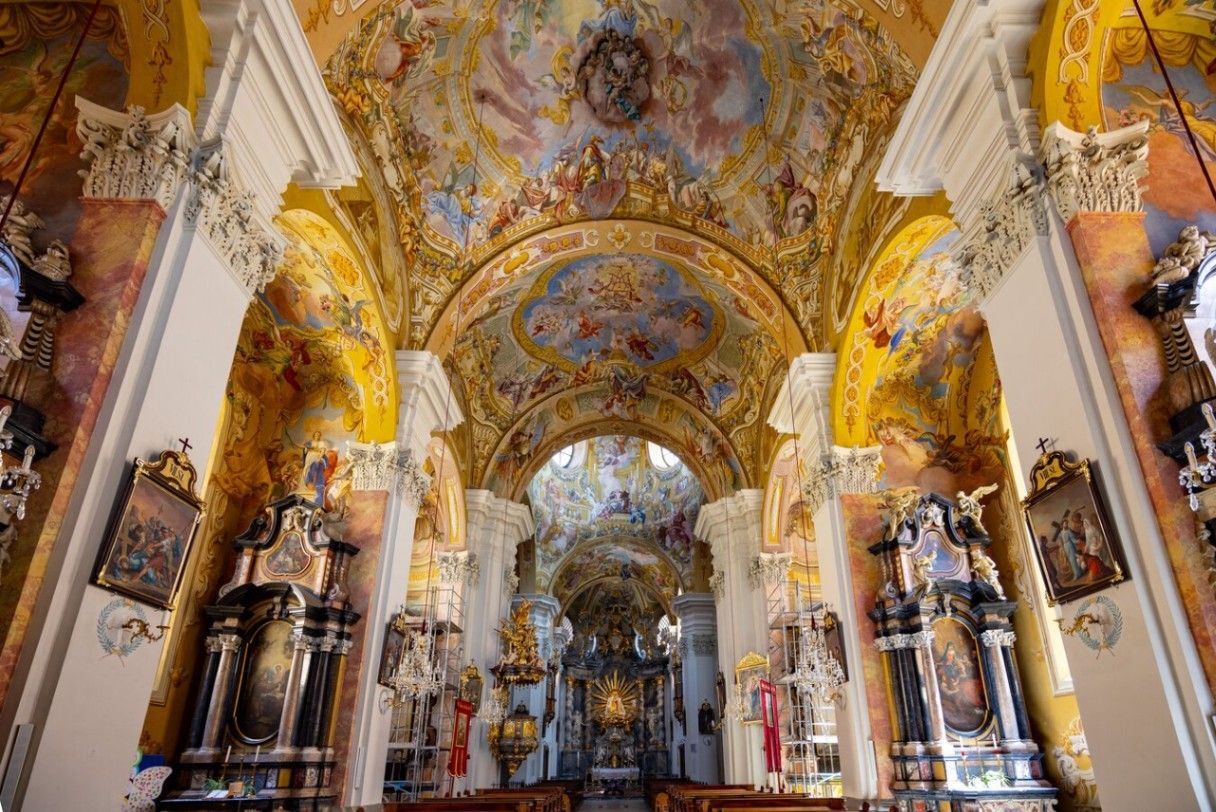
## Description **Basilika Mariatrost** is the most important pilgrimage church in the region of Styria and one of the most visually striking religious landmarks in Graz. Perched on a hill overlooking the eastern edge of the city, the basilica is a masterpiece of **Austrian Baroque architecture**, instantly recognizable by its twin towers and commanding elevated position. More than a place of worship, it represents centuries of faith, healing traditions, and regional identity. Construction of the basilica began in the early 18th century under the patronage of the Pauline Order, following reports of miraculous healings associated with a statue of the Virgin Mary. The church was intentionally built high above the surrounding landscape, reinforcing its role as a spiritual refuge removed from everyday life. Its grand staircase—over 200 steps long—adds a sense of ritual to the approach, turning the journey itself into part of the pilgrimage experience. Inside, the basilica is richly decorated with frescoes, gilded altars, and intricate stucco work. The high altar frames the revered **Marian statue**, the spiritual heart of the church. One lesser-known fact is that the church temporarily lost its religious function during Emperor Joseph II’s reforms in the late 18th century and was repurposed before later being restored as a pilgrimage site. Another notable detail is that Mariatrost was elevated to the status of a **minor basilica** by the Vatican in 1999, recognizing its historical and spiritual significance. Despite its religious importance, Basilika Mariatrost is also appreciated for its **panoramic views**, serene atmosphere, and harmonious integration with the surrounding greenery. It attracts pilgrims, architecture enthusiasts, photographers, and visitors seeking quiet contemplation. ## Location **Country:** Austria **Region:** Styria **City:** Graz **District:** Mariatrost The basilica is located in the **northeastern part of Graz**, on a wooded hill that rises above the Mariatrost district. ### How to Get There * **By tram:** * Take **Tram Line 1** from Graz city center to the final stop, **Mariatrost**. From there, it is a short walk to the basilica. * **On foot:** * Walking routes and pilgrimage paths lead uphill from the tram stop. * **By car:** * Accessible by local roads, with limited parking available nearby. * **By bicycle:** * Possible for experienced cyclists, though the ascent can be steep. ## Tips * **Climb the staircase at least once:** It enhances the sense of arrival and offers changing views. * **Visit in the morning or late afternoon:** The light is softer, and the atmosphere is quieter. * **Dress respectfully:** The basilica is an active place of worship. * **Attend a service if possible:** Music and acoustics add depth to the experience. * **Combine with a walk:** The surrounding area has pleasant walking paths and forest trails. * **Photography is best outside:** Interior photography may be restricted during services. ## Conclusion Basilika Mariatrost is both a spiritual landmark and an architectural highlight of Graz. Its elevated position, Baroque elegance, and centuries-old pilgrimage tradition make it a meaningful destination for visitors seeking history, culture, and calm above the city. ## FAQ **1. Why is Basilika Mariatrost important?** It is the most significant pilgrimage church in Styria, centered around devotion to the Virgin Mary. **2. Is there an entrance fee?** No. Entry to the basilica is free. **3. How long should I plan for a visit?** Around **45 minutes to 1.5 hours**, depending on whether you attend a service or explore the surroundings. **4. Is the basilica accessible for people with limited mobility?** Yes, though the main staircase is steep; alternative access routes are available. **5. Can tourists visit during services?** Yes, but visitors should remain respectful and avoid photography. **6. What is the best time of year to visit?** Spring and early autumn offer pleasant weather and clear views. ## Links * [Official Graz tourism site](https://www.graztourismus.at)
GemVoyage Team • World
Hurghada
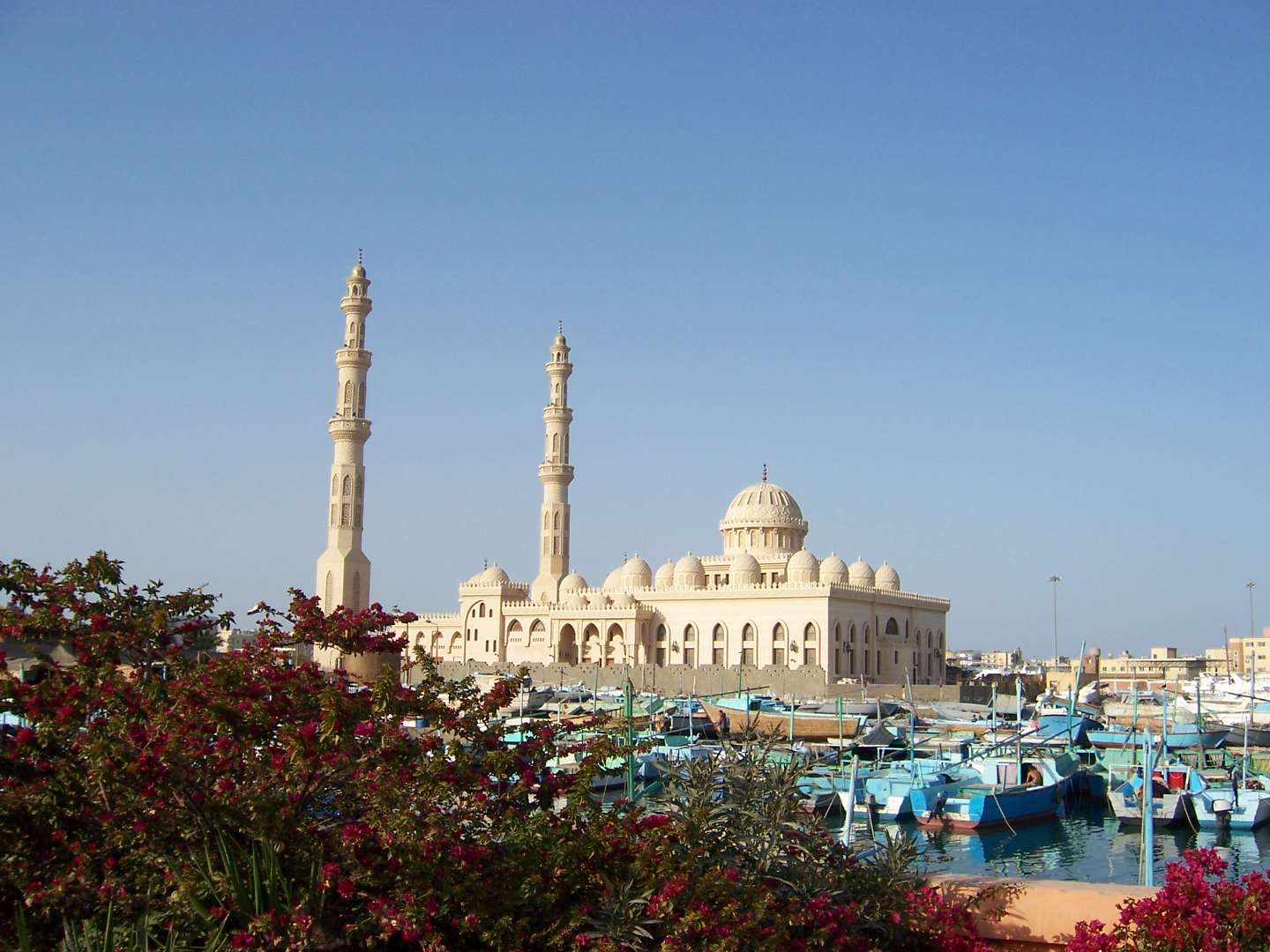
## Description Al Mina Mosque, also known as El Mina Masjid or the Grand Mosque of Hurghada, is one of the most striking religious landmarks on Egypt’s Red Sea coast. Completed in 2012, this architectural gem blends traditional Islamic design with modern elegance, making it a must-see for visitors seeking cultural depth beyond the beaches and resorts. With its gleaming white marble façade, towering minarets, and intricately carved domes, the mosque stands as a symbol of spiritual devotion and artistic craftsmanship. The mosque features two minarets that rise 40 meters into the sky and a central dome that reaches 25 meters in height. Inside, visitors are greeted by a serene prayer hall adorned with ornate chandeliers, engraved walls, and geometric patterns that reflect centuries of Islamic art. The mosque can accommodate up to 10,000 worshippers, making it the largest in the Red Sea Governorate. A little-known fact: Al Mina Mosque was built on an 8,000-square-meter site adjacent to Hurghada’s harbor, and its name—“Al Mina”—translates to “The Port,” referencing its proximity to the sea. The mosque also houses an Islamic cultural center that offers lectures and educational materials in multiple languages, aimed at fostering interfaith understanding and dialogue. ## Location Al Mina Mosque is located in **Egypt**, in the **Red Sea Governorate**, within the **city of Hurghada**. It sits directly on the waterfront near the Hurghada Marina and the city’s main harbor, making it easily accessible from both the old town (El Dahar) and the newer resort areas. ### How to Get There - **By Taxi**: Taxis are readily available throughout Hurghada and can take you directly to the mosque entrance. - **By Foot**: If you’re staying near the Marina or Sheraton Road, the mosque is within walking distance. - **By Tour**: Many city tours include a stop at Al Mina Mosque, often paired with visits to local markets and cultural sites. - **By Public Transport**: Minibuses and shared taxis frequently pass through the area, though they may require some navigation. Its central location makes it an ideal stop during a day of sightseeing or evening stroll along the harbor. ## Tips - **Visit Outside Prayer Times**: Non-Muslim visitors are welcome to explore the mosque during non-prayer hours. Avoid visiting during Friday prayers or religious holidays. - **Dress Modestly**: Women should cover their hair, shoulders, and knees. Men should avoid shorts. Scarves and robes may be provided at the entrance. - **Photography**: While exterior photography is encouraged, ask permission before taking photos inside, especially during prayer times. - **Respect the Space**: This is an active place of worship. Maintain a quiet and respectful demeanor. - **Combine with Nearby Attractions**: After visiting the mosque, explore the Hurghada Marina, local bazaars, or enjoy a meal at one of the waterfront restaurants. - **Check for Cultural Events**: The mosque’s Islamic center occasionally hosts lectures and exhibitions open to the public. ## Conclusion Al Mina Mosque is a serene and visually stunning destination that offers a glimpse into Egypt’s Islamic heritage. With its majestic architecture, peaceful ambiance, and central location, it’s a rewarding stop for anyone exploring Hurghada beyond the beach. ## FAQ **1. What are the opening hours of Al Mina Mosque?** The mosque is open daily from 9:00 AM to 5:00 PM, except during prayer times. **2. Is there an entrance fee?** No, entry is free. Donations to the mosque or its cultural center are welcome but not required. **3. Can non-Muslims visit the mosque?** Yes, non-Muslims are welcome during non-prayer hours and are encouraged to learn about the mosque’s history and architecture. **4. Is the mosque wheelchair accessible?** Yes, the mosque has ramps and accessible entrances for visitors with mobility needs. **5. Are guided tours available?** Some local guides offer cultural tours that include the mosque. The Islamic center also provides multilingual materials and lectures. **6. Is it safe to visit the mosque with children?** Yes, families are welcome. Children should be supervised and respectful of the prayer areas. ## Links - [Al Mina Mosque Visitor Guide – Hurghada Day](https://hurghadaday.com/things-to-do/al-mina-mosque/)
GemVoyage Team • World
Bucharest
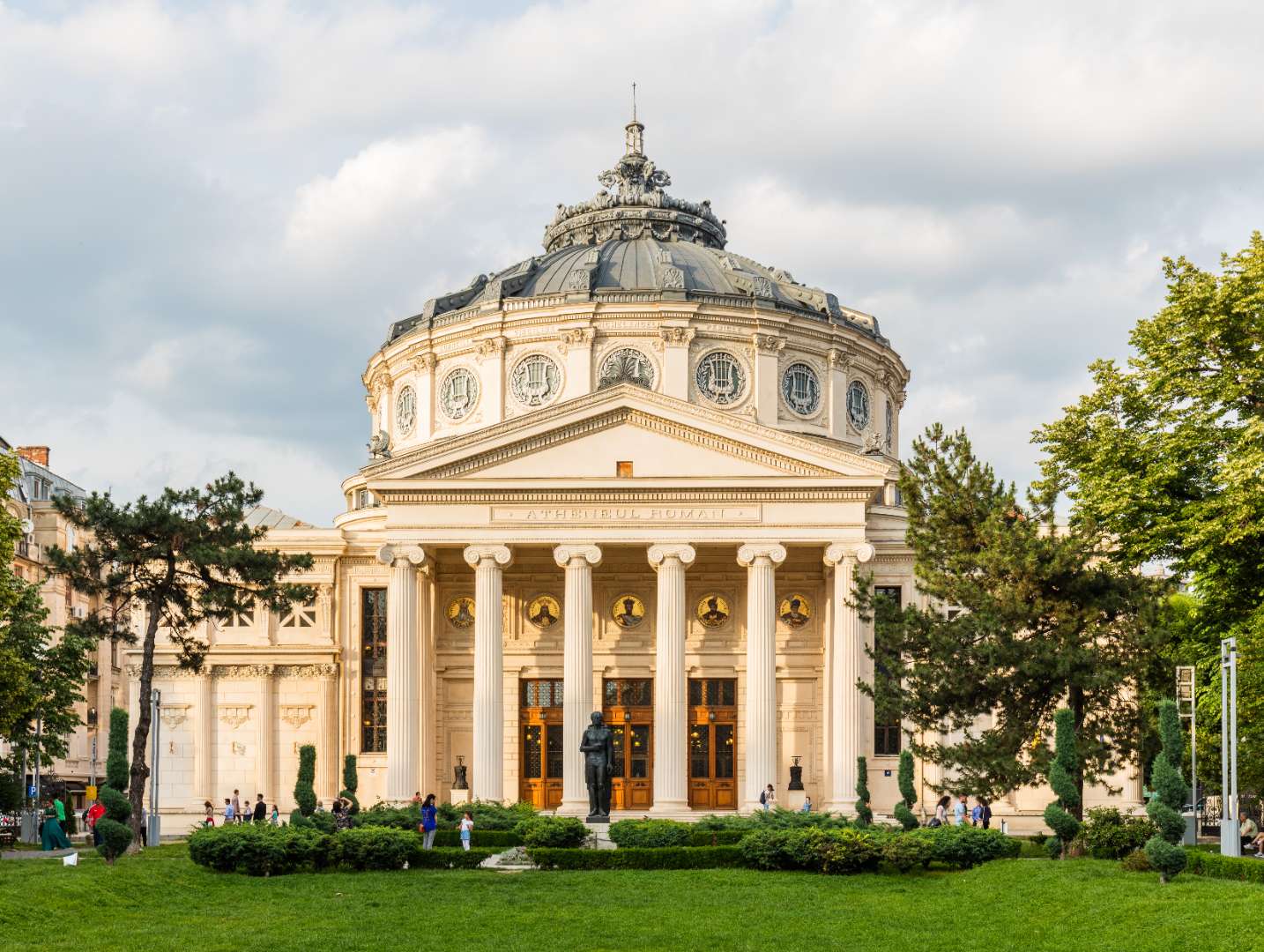
## Description The Romanian Athenaeum (Ateneul Român) is one of Bucharest’s most iconic landmarks—a neoclassical masterpiece that stands as a symbol of Romanian culture, resilience, and artistic excellence. Opened in 1888, this circular, domed concert hall is the home of the George Enescu Philharmonic Orchestra and hosts the prestigious George Enescu Festival, one of Europe’s leading classical music events. Designed by French architect Albert Galleron, the Athenaeum’s architecture is a harmonious blend of neoclassical grandeur and romantic flourishes. Its façade features a stately colonnade, while the interior dazzles with gilded balconies, a massive fresco depicting key moments in Romanian history, and acoustics considered among the finest in the world. The concert hall seats nearly 800 guests, with every seat offering a clear view of the stage and impeccable sound quality. A little-known fact: the Athenaeum was partially funded through a public campaign with the slogan “Donate one leu for the Ateneu!”—a grassroots effort that united citizens in support of the arts. Another fascinating detail is that the building stands on land once occupied by a monastery and orchard belonging to the Cantacuzino family, adding layers of historical depth to its foundation. ## Location The Romanian Athenaeum is located in **Romania**, in the **Bucharest Municipality**, within the **Capital Region**. Its exact address is **Strada Benjamin Franklin 1-3, Sector 1**, just off Calea Victoriei, one of the city’s main boulevards. ### How to Get There: - **By Metro**: Take Line M2 to Universitate or Piata Romana stations. The Athenaeum is a short walk from either. - **By Bus or Tram**: Several lines stop nearby, including buses 126, 368, and trams 1 and 21. - **By Foot**: If you're exploring central Bucharest, the Athenaeum is easily reachable from Revolution Square and the National Museum of Art. - **By Taxi or Ride-Share**: Services like Bolt and Uber operate widely in Bucharest and can drop you off directly at the entrance. Its central location makes it a perfect stop on any cultural itinerary through the city. ## Tips for Visitors To make the most of your visit to the Romanian Athenaeum, consider these tips: - **Attend a Concert**: The best way to experience the Athenaeum is during a live performance. Check the schedule for classical concerts or special events. - **Book in Advance**: Tickets can sell out quickly, especially during the George Enescu Festival. Reserve early to secure a seat. - **Take a Guided Tour**: Tours are available in Romanian and English but must be booked in advance. They offer insights into the building’s history and architecture. - **Dress Smartly**: If attending a concert, smart casual or formal attire is appreciated. - **Explore Nearby Attractions**: Pair your visit with stops at the National Museum of Art or a stroll down Calea Victoriei. - **Photography**: While photography is allowed in public areas, avoid flash and be respectful during performances. ## Conclusion The Romanian Athenaeum is a cultural treasure that blends architectural elegance with musical brilliance. Whether you're attending a concert or simply admiring its historic beauty, the Athenaeum offers a deeply enriching experience in the heart of Bucharest. ## FAQ **1. Is there an entrance fee to visit the Romanian Athenaeum?** Yes, for concerts and guided tours. Prices vary depending on the event. **2. Can I visit the Athenaeum without attending a concert?** Yes, guided tours are available outside concert hours, but must be scheduled in advance. **3. What is the seating capacity of the concert hall?** The hall seats approximately 794 guests, including stalls and loges. **4. Is the Athenaeum wheelchair accessible?** Yes, accessibility features are available, but it’s best to contact the venue in advance for assistance. **5. What is the best time to visit?** Evenings during concert season (September to June) offer the most vibrant atmosphere. **6. Are children allowed at performances?** Yes, though some events may have age recommendations. Check the program details before booking. ## Links - [Romanian Athenaeum – George Enescu Philharmonic](https://filarmonicaenescu.ro/en/vizitarea-ateneului-roman) - [Romanian Athenaeum – Wikipedia Overview](https://en.wikipedia.org/wiki/Romanian_Athenaeum) - [Visit Bucharest – Romanian Athenaeum Guide](https://visitbucharest.today/romanian-athenaeum/)
GemVoyage Team • World
Tokyo
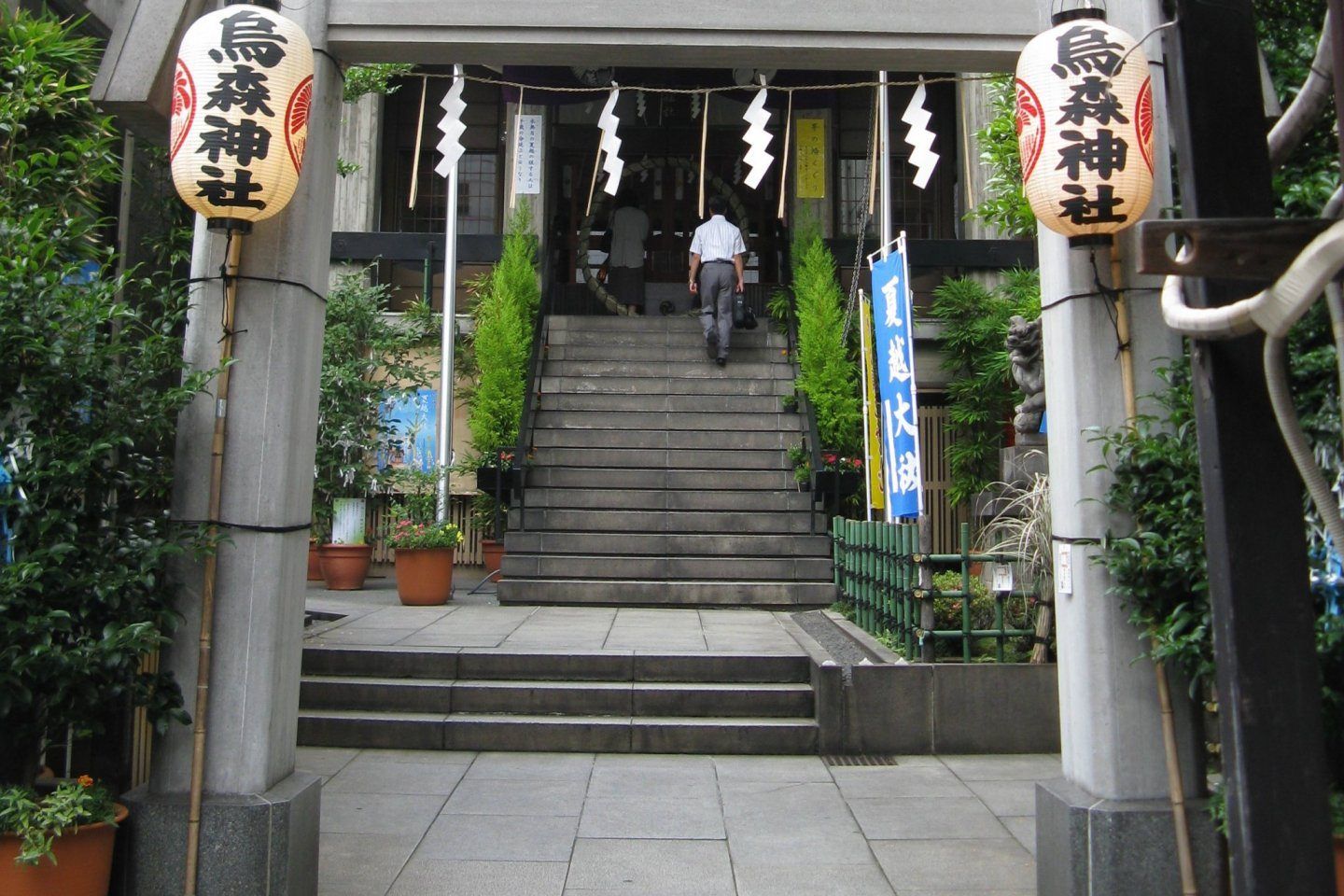
## Description **Karasumori Shrine (烏森神社)** is a small yet deeply symbolic Shinto shrine tucked into one of Tokyo’s most modern and fast-paced districts. Unlike large, monumental shrines surrounded by forests or expansive grounds, Karasumori stands out precisely because of its **contrast with its surroundings**. Encircled by office towers, restaurants, and neon-lit streets near Shimbashi, the shrine feels like a quiet spiritual pocket preserved inside the machinery of the modern city. The shrine is dedicated primarily to **Ame-no-Uzume-no-Mikoto**, a Shinto deity associated with joy, performance, and the arts, as well as protection from misfortune. Because of this, Karasumori Shrine has long been popular with **actors, entertainers, businesspeople, and office workers**, all of whom come to pray for success, smooth communication, and good fortune in their professional lives. What truly makes Karasumori Shrine unique is its **distinctive omamori (protective charms)**. These charms are unusually colorful, often featuring bright red, yellow, blue, and green threads rather than the subdued tones found at most shrines. According to shrine tradition, these colors represent protection from misfortune arriving from any direction. This detail is relatively unknown outside Japan and has helped the shrine develop a quiet but loyal following among locals. Another lesser-known fact is that Karasumori Shrine was originally located closer to Edo Castle but was moved to its current position during urban development. Despite its relocation, it retained strong ties to merchants and workers, which explains its enduring relevance in a business district rather than a residential or historical one. The shrine has also survived fires, earthquakes, and wartime destruction, making it a subtle symbol of resilience amid Tokyo’s constant transformation. Karasumori Shrine is not a place for grand ceremonies or long visits. Its value lies in **intimacy, symbolism, and continuity**, offering a moment of pause rather than spectacle. ## Location **Country:** Japan **Region:** Kantō **City:** Tokyo **Ward:** Minato **Area:** Shimbashi Karasumori Shrine is located just a short distance from Shimbashi Station, one of Tokyo’s major transportation hubs and a center for office culture and nightlife. ### How to Get There * **By train:** * JR Yamanote Line, Keihin-Tohoku Line, or Tokyo Metro Ginza Line to **Shimbashi Station**. From the Karasumori Exit, the shrine is a 2–3 minute walk. * **By subway:** * Toei Asakusa Line to Shimbashi Station, also within walking distance. * **On foot:** * Easily accessible if you are exploring central Tokyo districts such as Ginza or Shiodome. * **By taxi:** * A convenient option due to the shrine’s central location, though unnecessary given public transport access. ## Tips * **Visit during weekdays for atmosphere:** You will see office workers stopping by during lunch breaks or after work. * **Be respectful of space:** The shrine grounds are compact, and local worshippers come for quiet prayer. * **Purchase an omamori:** The colorful charms are the shrine’s most distinctive feature and make meaningful souvenirs. * **Avoid peak commute times:** Early morning and early evening can be crowded due to nearby train traffic. * **Short visit is sufficient:** 15–30 minutes is enough to appreciate the shrine fully. * **Photography is allowed, but discreet:** Avoid photographing people while they are praying. ## Conclusion Karasumori Shrine offers a rare glimpse into Tokyo’s spiritual life as it exists today, not as a preserved relic but as a living part of the urban routine. Small, understated, and symbolic, it rewards visitors who value authenticity and subtlety over grandeur. ## FAQ **1. Is Karasumori Shrine famous?** It is well-known among locals but relatively unknown to international tourists. **2. Is there an entrance fee?** No, entry is free. **3. How long should I spend there?** Around **15 to 30 minutes** is sufficient. **4. What is the shrine best known for?** Its colorful protective charms and prayers for career success and good fortune. **5. Is it suitable for first-time visitors to a Shinto shrine?** Yes, its small size makes it approachable and easy to understand. **6. Can I combine it with other attractions?** Yes, it pairs well with visits to Ginza, Shiodome, or nearby dining areas. ## Links * [Japan National Tourism Organization](https://www.japan.travel)
GemVoyage Team • World
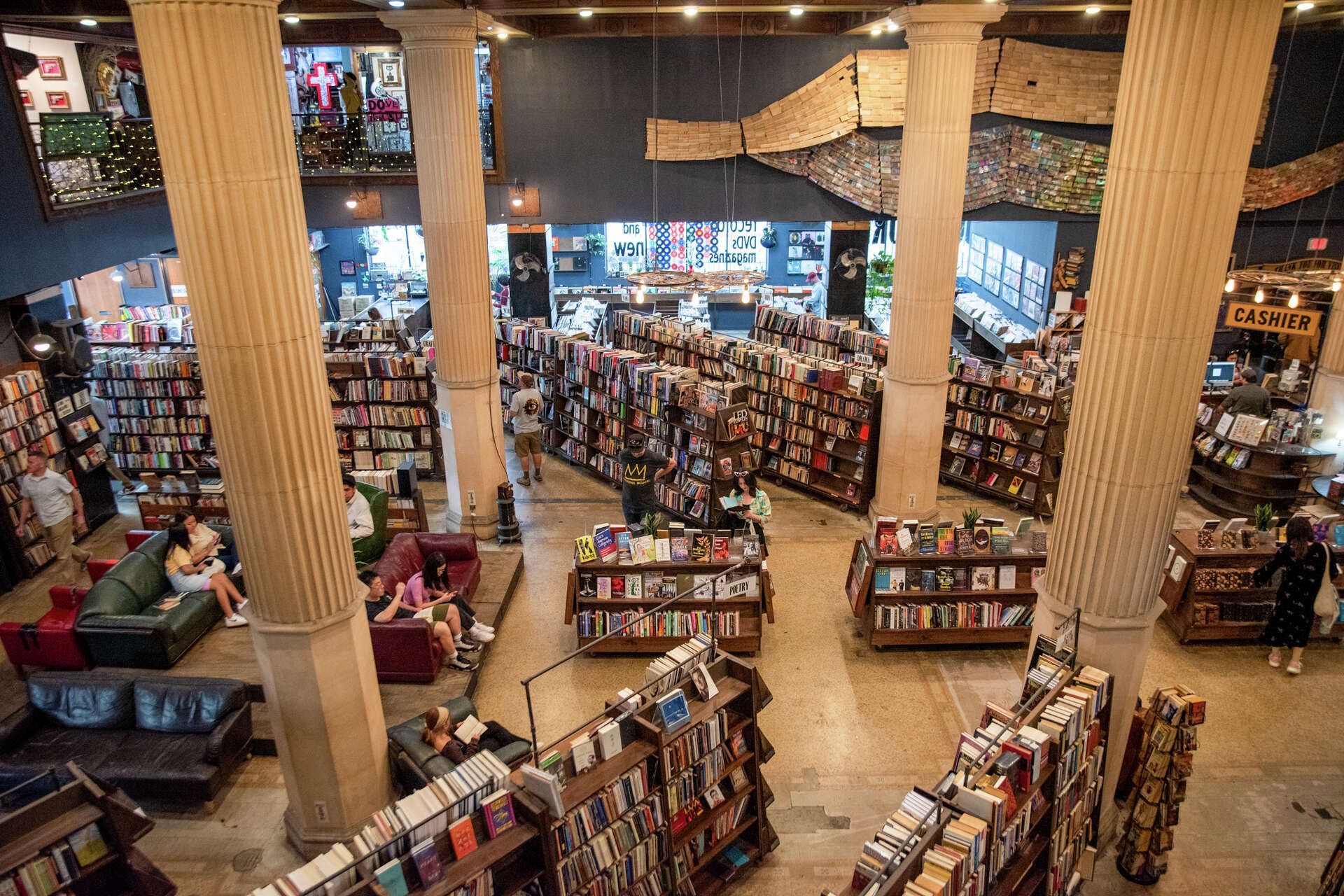
Los Angeles
## Description The Last Bookstore in downtown Los Angeles is one of the city's most evocative cultural landmarks: a cavernous, artful emporium of new and used books, vinyl records, and unexpected installations. What sets it apart is not only its enormous inventory but its theatrical presentation — towering shelves, mezzanines, and artistic nooks create a browsing experience more like exploring a story-driven installation than shopping. Housed in a 1920s bank building, patrons encounter reclaimed wood staircases, arches of stacked books, and curated displays that transform each aisle into a visual narrative. Beyond the surface spectacle, the store is a living community hub. It hosts readings, author events, film screenings, and local art exhibitions, and its staff are often keen curators who can guide visitors through genres or find niche titles. Little-known facts: a number of the store’s sculptural book installations are made from unsaleable or damaged stock repurposed by local artists, and the mezzanine houses a secret "book tunnel" — a photogenic corridor built entirely from books that started as a one-off art project and became an enduring fixture. The appeal is broad: bibliophiles will find rare and out-of-print editions; casual visitors will appreciate the visual drama and chance finds; and creatives will enjoy the store as an inspirational setting. The Last Bookstore's blend of commerce, culture, and craft keeps it relevant in an era when many independent bookstores struggle to survive. ## Location The Last Bookstore is located in downtown Los Angeles, California, USA, in the historic core near Spring Street. The postal address and exact entry points change slightly due to neighboring businesses, but it remains centrally placed, within walking distance of the Walt Disney Concert Hall, The Broad, and Pershing Square. Getting there: If you’re arriving by public transit, take the Metro B or D Line to Pershing Square station or any bus that stops in downtown LA; the store is a short walk from the station. Driving is possible but downtown parking can be expensive — seek out nearby private lots or use street parking meters and apps to locate spots. Rideshares and taxis are convenient and drop-offs at the curb are common. For visitors staying in nearby neighborhoods like Koreatown or Pasadena, plan for roughly 20–40 minutes by car depending on traffic. ## Tips - Arrive early on weekends to avoid crowds and secure good spots for browsing in popular areas like the mezzanine or the book tunnel. - Bring cash if you prefer for small purchases or tips, though the store accepts cards. - If searching for a rare or out-of-print title, ask staff first; they maintain backroom stock and can often locate hidden gems. - Photography is welcome but be mindful of events or private bookings where rules might change. - Wear comfortable shoes — the store is larger than it looks and you’ll want to explore several levels. - Visit during a weekday late morning to combine quieter browsing with access to barista-driven coffee shops nearby. - Check the events calendar on the store’s website before visiting — you might catch an author talk or a cultural event that enhances your visit. ## Conclusion The Last Bookstore is more than a retail space — it’s a cultural anchor that celebrates books as artifacts, art, and shared stories. Its imaginative layout, rich inventory, and community programming make it a must-visit for travelers and locals who appreciate literary culture with theatrical flair. ## FAQ Q: Is The Last Bookstore family-friendly? A: Yes. Children enjoy the visual elements, and the atmosphere is generally welcoming, though some events may be adult-oriented. Q: Can I sell or consign books there? A: The store buys and sells used books; check their buying policies online or call ahead for specifics. Q: Are there guided tours? A: There are no formal guided tours, but staff can give insights and point out notable installations. Q: Is there wheelchair access? A: The main floor is accessible, but some mezzanine areas may have limited access — contact the store for accommodations. Q: Do they ship internationally? A: The store ships books and merchandise; check the online store for shipping details and fees. ## Links - [Official site](https://lastbookstorela.com) - [Wikipedia: The Last Bookstore](https://en.wikipedia.org/wiki/The_Last_Bookstore)
GemVoyage Team • World