GemVoyage Team • World
Iguazú Falls (Cataratas del Iguazú) is one of the most awe-inspiring natural wonders on Earth, a sprawling system of waterfalls that straddles the border between Argentina and Brazil. Located within the lush confines of the Iguazú National Park, the falls consist of 275 individual cascades stretching nearly 2.7 kilometers across the Iguazú River. With drops ranging from 60 to 82 meters, the thunderous roar and misty spray of the falls create an unforgettable sensory experience.
The crown jewel of the site is the Devil’s Throat (Garganta del Diablo), a U-shaped chasm where half the river’s flow plunges into a dramatic abyss. Standing on the viewing platform above this torrent is both humbling and exhilarating. The surrounding subtropical rainforest is teeming with wildlife, including toucans, coatis, butterflies, and even jaguars, making the area a paradise for nature lovers and photographers.
A little-known fact: Eleanor Roosevelt reportedly exclaimed “Poor Niagara!” upon seeing Iguazú Falls, a testament to its staggering scale and beauty. Another fascinating detail is that the falls were formed by a volcanic eruption that left a large crack in the earth, allowing the river to tumble over the edge and create this natural spectacle.
Iguazú Falls is located in Argentina, within the Misiones Province, near the city of Puerto Iguazú. The falls are part of the Iguazú National Park, a UNESCO World Heritage Site recognized for its ecological importance and breathtaking scenery.
From Puerto Iguazú, shuttle buses and taxis can take you directly to the entrance of the national park.
To make the most of your Iguazú Falls adventure, keep these tips in mind:
Iguazú Falls is a breathtaking blend of raw power and serene beauty. With its towering cascades, rich biodiversity, and immersive trails, it offers a once-in-a-lifetime experience for travelers seeking nature at its most majestic.
1. What is the best time to visit Iguazú Falls?
The falls are spectacular year-round, but April to September offers cooler weather and fewer crowds.
2. How long should I plan to stay?
At least two full days—one for the Argentine side and one for the Brazilian side.
3. Is the park accessible for people with disabilities?
Yes, many trails and viewing platforms are wheelchair accessible, and the ecological train accommodates mobility needs.
4. Can I swim near the falls?
Swimming is not allowed near the main falls due to strong currents, but nearby areas like Isla San Martín may offer safe spots depending on conditions.
5. Are guided tours available?
Yes, both private and group tours are offered, including bilingual guides and eco-tours.
6. Do I need a visa to cross into Brazil?
Visa requirements vary by nationality. Check with your embassy before planning a cross-border visit.
Discover more hidden gems you might love.

San Juan Teotihuacan
## Description Teotihuacan is a vast pre-Columbian city in central Mexico, dominated by two monumental pyramids — the Pyramid of the Sun and the Pyramid of the Moon — flanking the broad Avenue of the Dead. Once among the largest cities in the ancient world, Teotihuacan’s orthogonal layout, apartment compounds and expansive plazas reflect a complex urban society with far-reaching trade and ritual connections across Mesoamerica. The scale of Teotihuacan is what first seizes visitors: broad causeways, stepped pyramids and the linear discipline of its urban plan. Archaeologists have uncovered multi-storey apartment compounds, market areas and ceremonial platforms that together suggest a dense, highly organized city capable of hosting tens of thousands of residents at its peak. A walk along the Avenue of the Dead reveals architectural rhythms and sightlines intentionally designed to focus processions and ritual movement toward the city’s great pyramids. Climbing the Pyramid of the Sun rewards visitors with sweeping panoramas across the valley and a visceral sense of how the site would have been experienced in antiquity. The Pyramid of the Moon at the northern end of the avenue faces a ceremonial plaza that preserves carved stones and remnants of ritual deposits. Murals and painted architectural fragments found in residential and administrative compounds hint at complex iconography, trade networks reaching into Oaxaca and the Gulf coast, and religious ideas that later influenced the Aztecs. Teotihuacan continues to be a dynamic archaeological landscape: excavations reveal changing construction phases, evidence of craft production zones, and records of trade in obsidian and pottery that tie the city to a broader Mesoamerican world. While key questions remain — notably about the language(s) spoken by Teotihuacanos and the political organization behind the city’s monumental building — continuing research and improved visitor interpretation make Teotihuacan a compelling stop for history-minded travelers. ## Location Teotihuacan lies northeast of Mexico City and is easily accessible by road from the capital; many visitors use organized tours or public buses that run from Mexico City to the archaeological site. The site is about a 45–60 minute drive from the city center depending on traffic, and combined visits with nearby San Juan Teotihuacán village make for a full-day itinerary. ## Tips - **Go early to avoid heat and crowds:** Morning visits are more comfortable and quieter for photography, and the light makes the relief of murals and stonework more legible. - **Wear comfortable shoes and sun protection:** The site is extensive and largely exposed to the sun; pack a hat, sunscreen and plenty of water. - **Hire a licensed guide or join a small-group tour:** Local guides provide archaeological context, point out lesser-known structures and mural fragments, and explain the complex iconography visitors otherwise miss. - **Visit the on-site museum and neighboring sites:** The Museo de Sitio de Teotihuacán houses ceramics, figurines and explanatory panels; pair your visit with nearby craft markets and the ethnographic displays in San Juan Teotihuacán. - **Use public transport or book reliable transfers:** If driving from Mexico City, leave early to avoid congestion and allow time for parking or shuttle transfers. ## Conclusion Teotihuacan’s monumental urban presence offers a powerful sense of ancient civic order and ritual life; its pyramids and avenue remain compelling for history and archaeology enthusiasts alike. Whether you are a casual visitor drawn by striking panoramas or a history lover seeking layered archaeological narratives, Teotihuacan provides a measurable sense of scale, ritual planning and cultural connections that shaped central Mexico for centuries. ## FAQ - **Q: Can you climb the pyramids at Teotihuacan?** A: Access policies change for conservation reasons; sections of the Pyramid of the Sun have been open at times while other monuments may be restricted. Check the site’s official notices before travel and respect closures for preservation. - **Q: How long should I plan for a visit to Teotihuacan?** A: Allocate 3–5 hours for a meaningful visit: climb one pyramid, explore the plaza areas, and visit the on-site museum. Half-day visits are common; a whole day allows more relaxed exploration and time for nearby attractions. - **Q: Is Teotihuacan suitable for families and children?** A: Yes — families will find the wide avenues and open plazas easy to navigate, but bring shade, water, and comfortable walking shoes for younger children. - **Q: Are there good photography spots and when is the best light?** A: Early morning and late afternoon provide the best directional light for texture and color; the area by the Pyramid of the Sun’s summit and viewpoints along the Avenue of the Dead are popular for wide-angle shots. - **Q: What should I know about safety and facilities?** A: The site is generally safe for tourists; basic facilities include restrooms and food stalls near the entrance, but services are limited inside the archaeological zone. Keep valuables secure and follow guidance from official staff. ## Links - [Teotihuacan — Wikipedia](https://en.wikipedia.org/wiki/Teotihuacan)
GemVoyage Team • World
New York
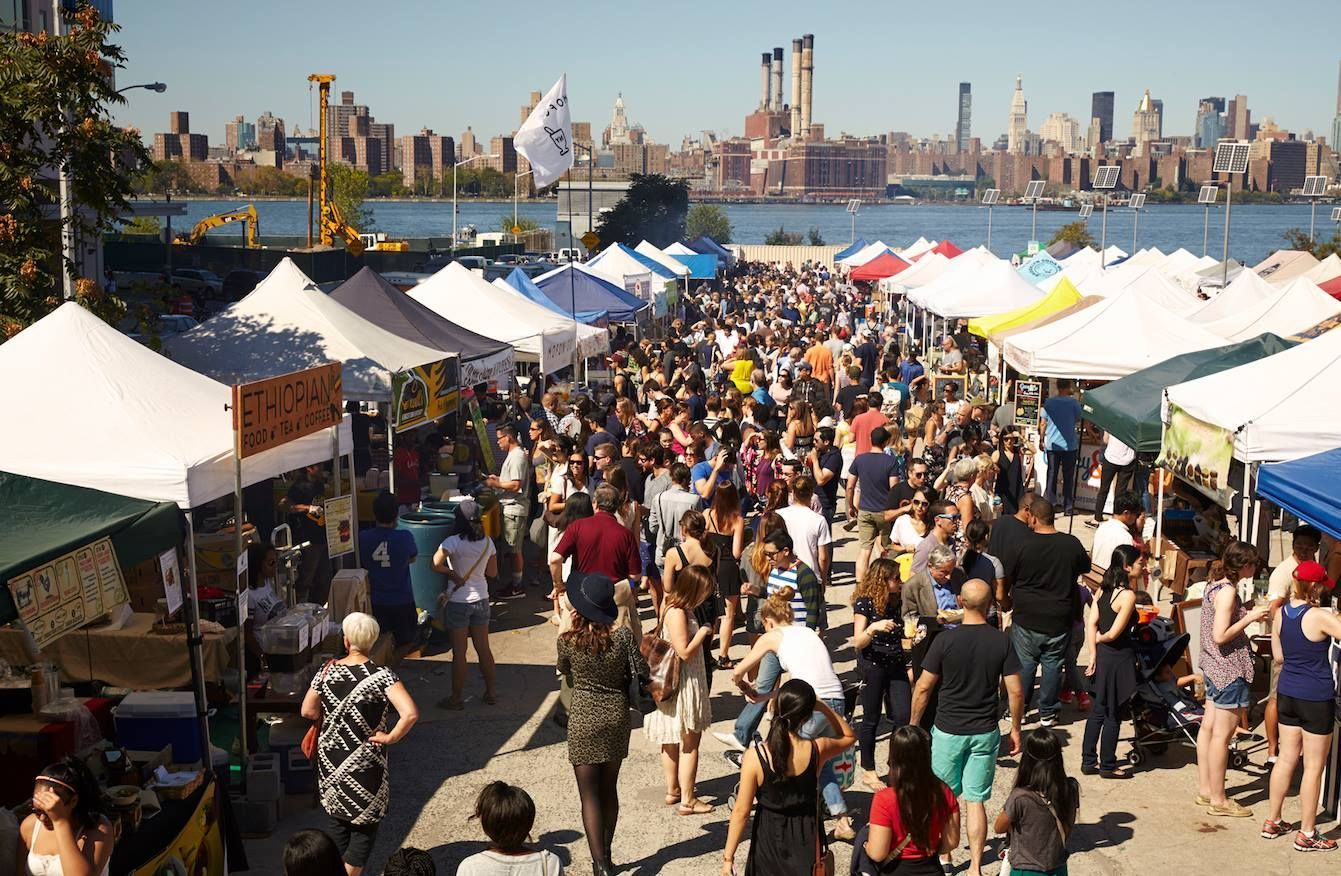
## Description Smorgasburg Market in Williamsburg is one of New York’s most recognizable food experiences because it captures a very specific side of the city: creative, crowded, constantly changing, and deeply local at the same time. It is not a conventional market with a fixed identity and a small set of vendors. Instead, it is a living food scene where dozens of independent sellers come together to present dishes that can feel playful, experimental, nostalgic, or highly specialized. For many visitors, this is the place where New York’s food culture becomes visible in one afternoon. What makes Smorgasburg especially appealing is the combination of scale and variety. You can move from one stall to another and find food from very different traditions, all within a single open-air setting. That makes it attractive for groups with mixed tastes, because one person can go for dumplings, another for seafood, another for dessert, and everyone still shares the same experience. The market is also a strong reflection of Brooklyn’s creative economy. Many vendors use Smorgasburg as a launchpad, which means the market often feels like a testing ground for the next big neighborhood food obsession. Another reason the market stands out is that it offers more than eating. It is a social scene. People come to sit outdoors, talk, take photos, and enjoy the atmosphere around Williamsburg. The setting helps: you are near the waterfront, in a neighborhood associated with design, nightlife, and independent businesses. That context gives Smorgasburg a sense of place that is more specific than a typical city food hall. It feels rooted in Brooklyn rather than simply placed there for tourists. A little-known fact is that Smorgasburg has played an important role in helping local food entrepreneurs gain visibility. For some vendors, it has been a stepping stone to permanent restaurants, broader recognition, or new business ideas. Another is that the market’s popularity has made it influential well beyond New York, because it helped define a modern style of outdoor, vendor-driven food gathering that other cities later tried to imitate. The best way to experience Smorgasburg is to arrive hungry but not rushed. The market rewards wandering, comparing options, and trying a few things rather than committing to one huge meal. It is especially fun when you treat it like a sampling journey, with enough time to notice the atmosphere, the people, and the setting around the food. That mix of appetite and curiosity is what makes the experience memorable. It also helps to think of Smorgasburg as a snapshot of Brooklyn’s changing food identity. The vendors are not simply selling dishes; they are participating in a scene that reflects neighborhood tastes, immigrant influences, and the city’s constant appetite for reinvention. That means the market can feel different from one season to the next, with new specialties, new presentation styles, and new crowd energy each time you visit. If you like places that feel current without being manufactured, this is one of the strongest examples in New York. ## Location Smorgasburg Market (Williamsburg) is in Brooklyn, New York, in the Williamsburg neighborhood. The waterfront setting is one of the market’s major appeals, and it places you within reach of other Brooklyn attractions, bars, cafés, and walking routes. The easiest way to get there is by subway, followed by a short walk. Williamsburg is well connected to Manhattan and other parts of Brooklyn, so visitors usually do not need a car. If you are already exploring Brooklyn, the market can fit naturally into a day spent along the waterfront or around nearby streets full of restaurants and shops. Because the area is popular, it is smart to allow extra time for transit and walking, especially on weekends. If you want to combine the market with sightseeing, plan it as part of a broader Williamsburg visit rather than a standalone errand. That lets you enjoy the neighborhood’s street life before or after the market itself. ## Tips Go with cashless payment options ready, but also check whether some vendors prefer specific methods. New York markets usually move quickly, and having your payment setup sorted saves time. Come early if you want the widest selection and a less crowded atmosphere. Later in the day can be fun too, but lines often grow and popular stalls can sell out. Bring a friend or go with a group if possible. Sharing dishes is one of the best ways to experience the range of food without filling up too quickly. Dress for the weather. Since this is an outdoor market, comfort matters more than style, especially if you plan to walk around Williamsburg afterward. ## Conclusion Smorgasburg Market in Williamsburg is one of New York’s most lively and representative food experiences. It combines neighborhood energy, culinary creativity, and outdoor social life in a way that feels distinctively Brooklyn. ## FAQ **What is Smorgasburg known for?** It is known for its large outdoor food market, rotating vendors, and wide range of creative dishes. **Is it worth visiting if I only have one day in New York?** Yes, especially if you want a taste of contemporary Brooklyn food culture. **How long should I stay?** Most visitors spend one to three hours, depending on how much they want to eat and explore. **Is it family-friendly?** Yes. It is a casual outdoor food market that works well for groups and families. **What is the best time to go?** Earlier in the day is usually better for shorter lines and more vendor choice. ## Links - [Official website](https://www.smorgasburg.com/) - [Wikipedia](https://en.wikipedia.org/wiki/Smorgasburg)
GemVoyage Team • World
Lahore
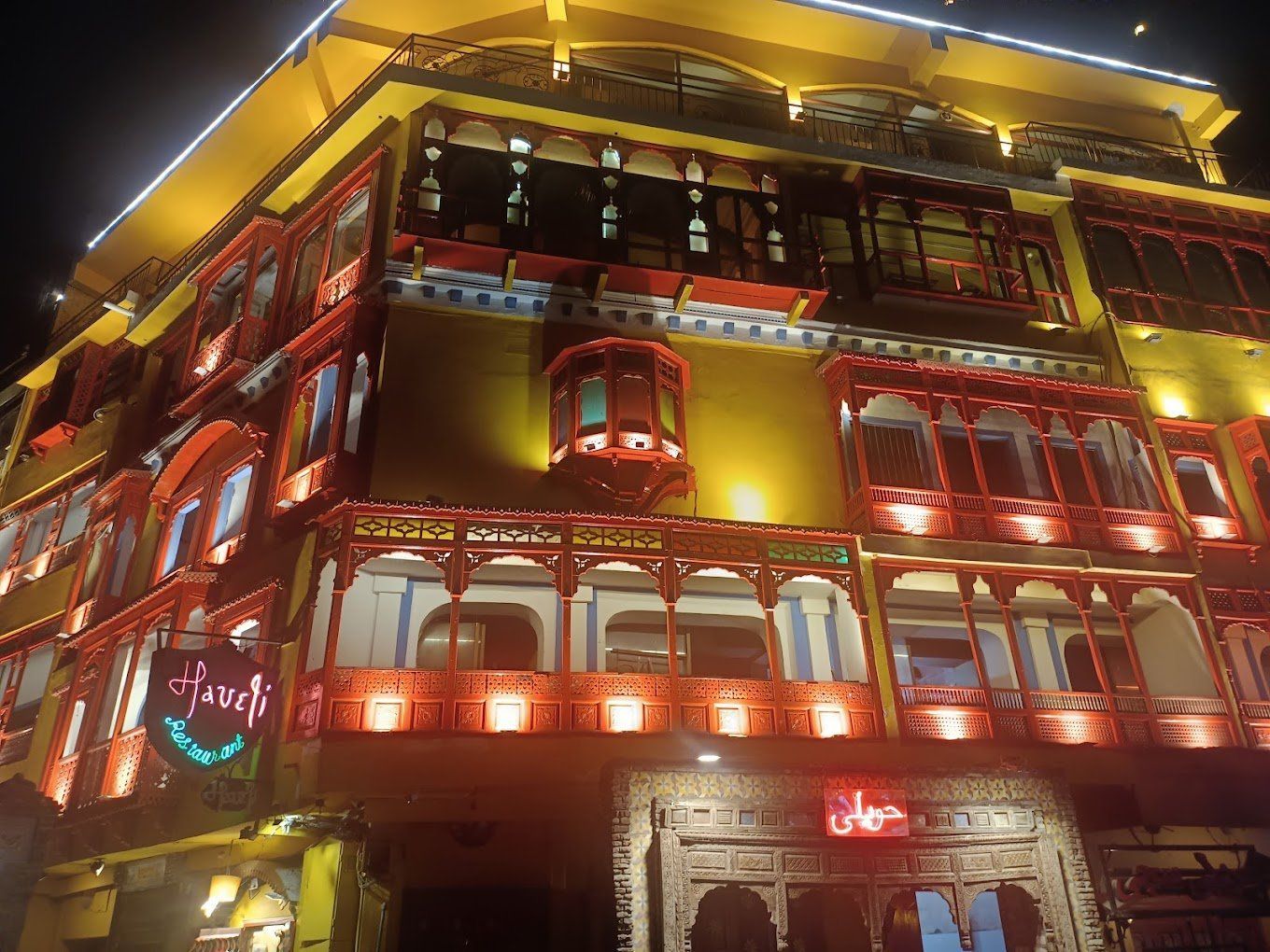
## Description Haveli Restaurant on Lahore Food Street is one of the city’s most atmospheric dining destinations, especially for visitors who want a meal that also feels like an introduction to Lahore’s historic soul. The appeal is not only the food, though the menu is certainly part of the draw. The real magic is the setting: a restored or heritage-inspired space overlooking some of the most iconic sights of the old city, where a meal can come with views of the Badshahi Mosque, Lahore Fort, and the surrounding historic district. In a city known for hospitality and strong culinary traditions, Haveli stands out because it turns dinner into a panoramic cultural experience. What makes the restaurant memorable is how it channels the feeling of old Lahore without turning it into a sterile theme. The ambiance is warm, lively, and often bustling, with families, groups of friends, and travelers all sharing the same multi-level experience. A little-known fact is that the restaurant’s rooftop seating has become one of the most photographed dining settings in Lahore, especially at sunset or after dark when the historic skyline is lit. Another detail many first-time visitors do not expect is how much the surrounding food street contributes to the overall visit. Arriving here is not just about sitting down for a meal; it is about entering a wider evening rhythm where lights, aromas, and street activity all frame the experience. The food itself usually reflects the rich comfort cuisine that Lahore is famous for: grilled meats, curries, bread, rice dishes, and the sort of generously spiced meals that work especially well after a day spent exploring the old city. Even travelers who are mostly interested in architecture or history often leave remembering the restaurant because it connects the city’s cultural identity with a simple and satisfying act: eating well in a beautiful place. ## Location Haveli Restaurant is on or near Lahore Food Street in the historic old-city area of Lahore, Punjab, Pakistan, close to the major heritage zone around the Badshahi Mosque, Lahore Fort, and the old fort-road corridor. The location makes it especially convenient for travelers already visiting the Walled City, because it fits naturally into an evening route through Lahore’s most famous monuments. The easiest way to reach it is usually by taxi or rickshaw, followed by a short walk into the food street area. Because the old city can be crowded and the roads can feel busy, it is best to approach the area with some flexibility in your timing. Sunset is a particularly strong moment to arrive, since it gives you enough daylight for the approach and enough evening atmosphere for the meal itself. If you are making a special trip, consider combining it with a mosque or fort visit earlier in the day, then moving to the restaurant for dinner when the temperature and light are more comfortable. ## Tips - Reserve or arrive early if you want the best rooftop tables. - Sunset is often the most rewarding time for both photos and atmosphere. - Plan a little extra time for the walk around Food Street before or after your meal. - Try signature local dishes rather than ordering too broadly. - Dress respectfully, especially if you are moving between heritage sites and dinner. - Use the restaurant as part of a larger old-city evening rather than a standalone stop. ## Conclusion Haveli Restaurant is one of Lahore’s most appealing places for visitors who want food, heritage, and views in the same experience. It captures the mood of the old city while offering a memorable and scenic meal. ## FAQ ### Is Haveli Restaurant good for tourists? Yes. It is especially good for travelers who want a dinner setting tied to Lahore’s historic atmosphere. ### What is the best time to go? Sunset and early evening are usually the most impressive times. ### Is rooftop seating worth it? Yes. The rooftop views are one of the main reasons people choose this restaurant. ### Can I combine it with sightseeing? Absolutely. It fits perfectly after visiting the Walled City, Lahore Fort, or the Badshahi Mosque. ## Links - [Lahore Food Street information](https://walledcitylahore.gop.pk/) - [Wikipedia on Lahore](https://en.wikipedia.org/wiki/Lahore) - [Badshahi Mosque](https://en.wikipedia.org/wiki/Badshahi_Mosque)
GemVoyage Team • World
Venice
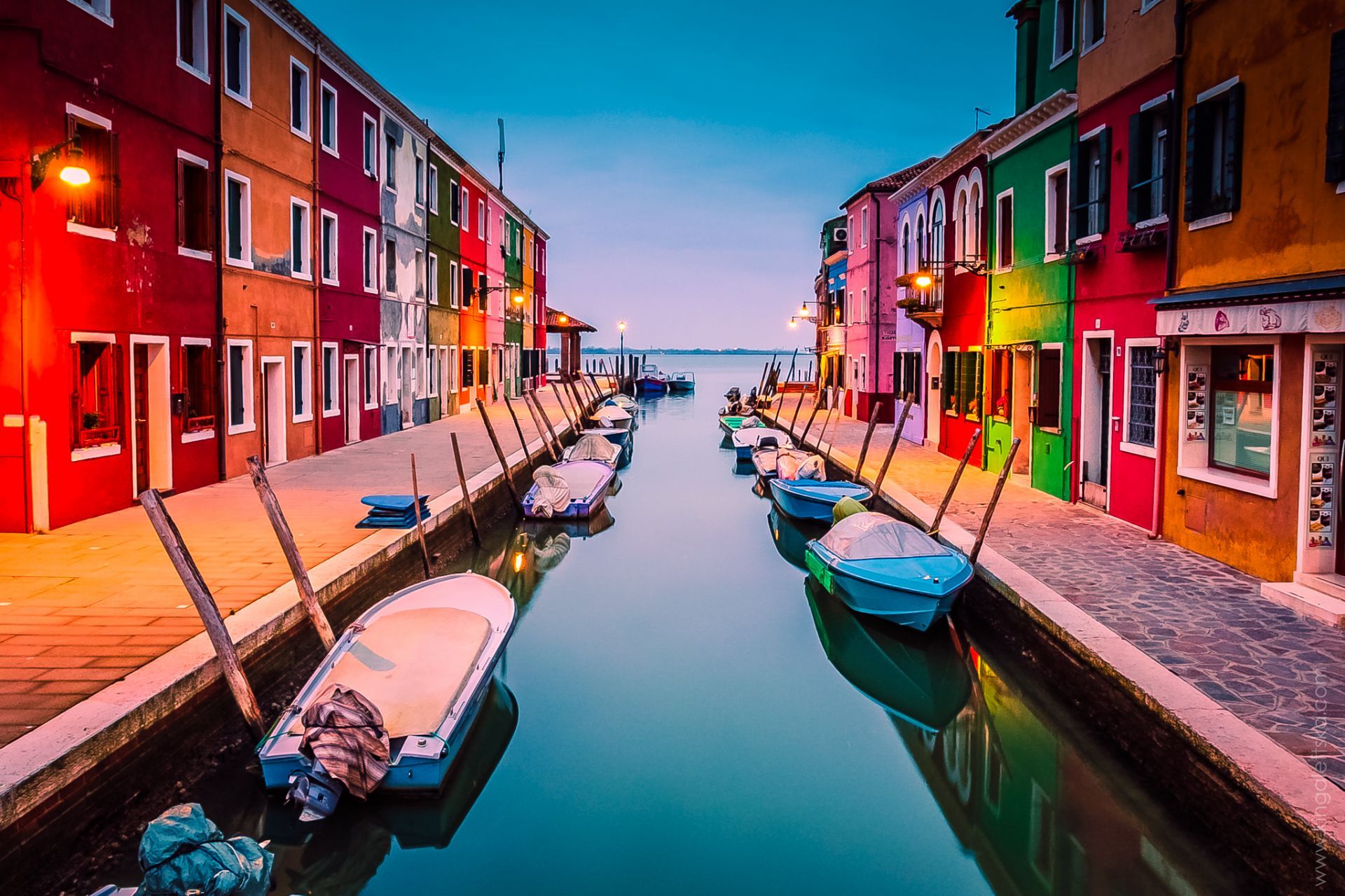
## Description Burano is one of the most visually unforgettable islands in the Venetian lagoon, famed for its brightly painted houses, calm canals, and enduring lace-making traditions. The island's sensory appeal is immediate: a stroll down almost any narrow calle reveals rows of color that complement the water's subtle reflections and the pace of daily life. Yet Burano never feels solely staged for photography—its charm comes from a lived-in quality that keeps facades, fishermen's histories, and family-run ateliers central to the experience. The island's palette also has a practical origin: fishermen historically painted homes in vivid colors so they could recognize them through fog and across the lagoon. That practical method became a cultural identity, and today the colors are protected by local rules and customs. Lace-making, another deep-rooted craft, once supported a vibrant export economy and still distinguishes Burano through small workshops and boutique stores where artisans demonstrate traditional techniques. Together, color and craft make Burano an excellent case study in how domestic life, maritime economy, and tourism can coexist. Visitors often report that Burano rewards slowness: the best discoveries happen on a side street or in a shop where a single artisan is stitching lace at a tiny table. For photographers and culture-minded travelers alike, Burano offers a compact, walkable experience that can be comfortably explored in a half-day or extended into a full day trip with nearby islands. ## Location Burano lies northeast of Venice in the Venetian Lagoon, connected by regular vaporetto (public boat) services from Venice and other islands. The boat journey is part of the attraction: approaching Burano across open water sets the right tone and helps explain the island's maritime character. Most visitors combine Burano with neighboring Torcello or Murano to make the transit more rewarding and to see contrasting island identities. Practical routing: take a vaporetto line that serves Burano directly from Venice's Fondamenta Nove or from other lagoon stops. During high season, expect more frequent services; in shoulder seasons, check schedules in advance. ## Tips - Bring a camera but spend time away from the main canals to find quieter compositions and authentic scenes. - Visit early in the day to avoid crowds and to catch softer morning light that flatters the painted facades. - Combine Burano with Torcello for a fuller island itinerary that mixes vivid color with serene archaeology. - Support artisan shops by purchasing small lace souvenirs or stopping for coffee in a family-run cafe—this helps keep traditional crafts viable. - Respect residential privacy: many colorful houses are lived in, so avoid blocking doorways or taking intrusive photographs of private spaces. - Wear comfortable shoes—pavement is largely flat but can be uneven in spots. ## Conclusion Burano remains one of the Venetian lagoon's most rewarding day trips because it pairs immediate visual delight with authentic local life. The island resists being reduced to a single photo op by offering craft traditions, friendly cafes, and a scale that invites lingering. Whether you are a photographer, a culture traveler, or someone who enjoys quieter coastal atmospheres, Burano delivers a memorable and humane experience. ## FAQ ### Why are the houses in Burano so colorful? The colors began as practical markers for fishermen navigating fog and open water. Over time the chromatic system became cultural and now contributes to the island's strong visual identity. ### Is Burano worth visiting if I already saw Venice? Yes. Burano provides a different rhythm from Venice—smaller, quieter, and focused on craft and domestic scale rather than grand architecture. ### How long should I stay? A few hours is enough to see the island's highlights; a longer half-day lets you shop, eat, and wander off the main routes for quieter moments. ### Is Burano crowded? It can be during peak season and midday; visiting early or late in the afternoon helps you find calmer streets. ### What is Burano known for besides color? Lace-making and small-scale artisanal traditions are central. The island's shops and demonstration studios give insight into techniques that once sustained whole communities. ## Links - [Wikipedia](https://en.wikipedia.org/wiki/Burano)
GemVoyage Team • World
Munich
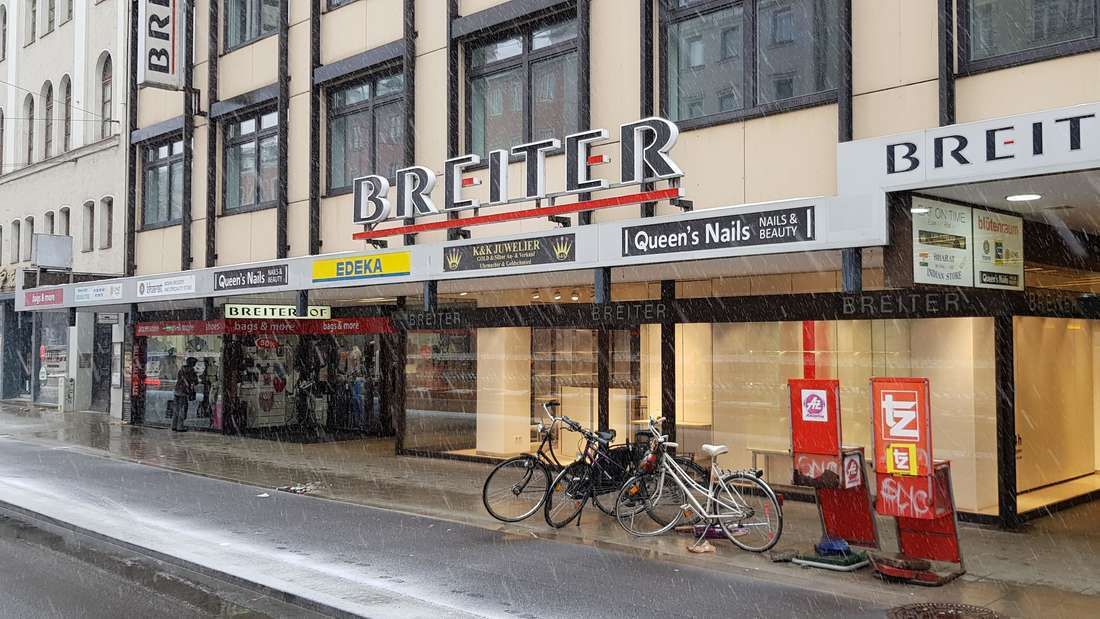
## Description **Breiterhof Passage** is a discreet but culturally significant pedestrian passageway in the heart of Munich’s old town. Unlike the city’s grand squares or monumental avenues, Breiterhof Passage represents a more **intimate layer of urban history**, where commerce, architecture, and everyday life intersect quietly rather than dramatically. The passage dates back to the **postwar reconstruction period**, when Munich rebuilt much of its historic core after World War II. Instead of restoring medieval structures wholesale, planners integrated modern functionality with traditional urban patterns. Breiterhof Passage exemplifies this approach: a short, covered walkway connecting streets while sheltering small shops, cafés, and offices. Its modest scale reflects a deliberate choice to prioritize **human movement and local commerce** over architectural spectacle. What makes Breiterhof Passage unique is its **contrast with Munich’s surrounding grandeur**. Just steps away from busy shopping streets and historic landmarks, the passage offers a slower, enclosed environment that feels almost private. A lesser-known fact is that passages like Breiterhof were designed to maintain pedestrian permeability in dense urban blocks, preserving historic movement patterns even when buildings were rebuilt. Another overlooked detail is that many businesses here are long-standing local operations rather than international chains, giving the space a distinctly Munich character. The passage is not a destination in itself, but a **transitional urban experience**. It rewards attentive visitors who appreciate the city’s smaller architectural gestures and the continuity of everyday life embedded within them. ## Location **Country:** Germany **State:** Bavaria **City:** Munich **District:** Altstadt-Lehel Breiterhof Passage is located in Munich’s historic center, close to major shopping streets and within easy walking distance of Marienplatz. ### How to Get There * **By metro or S-Bahn:** * Travel to **Marienplatz** station, then walk approximately 3–5 minutes. * **By tram:** * Several tram lines stop near the old town perimeter, followed by a short walk. * **On foot:** * Ideal when exploring Altstadt-Lehel, as the passage connects naturally to pedestrian routes. * **By bicycle:** * Bike parking is available nearby, though cycling through the passage itself is not permitted. ## Tips * **Visit during business hours:** The passage is most lively when shops and cafés are open. * **Look beyond storefronts:** Architectural details and spatial proportions are easy to miss if rushed. * **Use it as a shortcut:** It provides a calmer alternative to crowded shopping streets. * **Combine with old town exploration:** It fits naturally into a walking itinerary through central Munich. * **Respect the quiet tone:** This is a working urban space, not a tourist attraction. * **Photography is permitted:** Be mindful of people working or dining inside. ## Conclusion Breiterhof Passage is a subtle reminder that cities are shaped as much by small connective spaces as by major landmarks. Modest, functional, and quietly local, it offers insight into Munich’s postwar urban identity and everyday rhythms. ## FAQ **1. Is Breiterhof Passage a tourist attraction?** No, it is primarily a functional pedestrian passage used by locals. **2. Is there an entrance fee?** No, access is completely free. **3. How long does it take to visit?** Only a few minutes, unless stopping at a café or shop. **4. Is it historically significant?** Yes, as part of Munich’s postwar reconstruction and pedestrian network. **5. Is it suitable for children?** Yes, though there are no child-specific activities. **6. Can it be visited at night?** Access may vary depending on building hours, but daytime visits are recommended. ## Links * [Munich tourism board](https://www.munich.travel)
GemVoyage Team • World
Lisbon
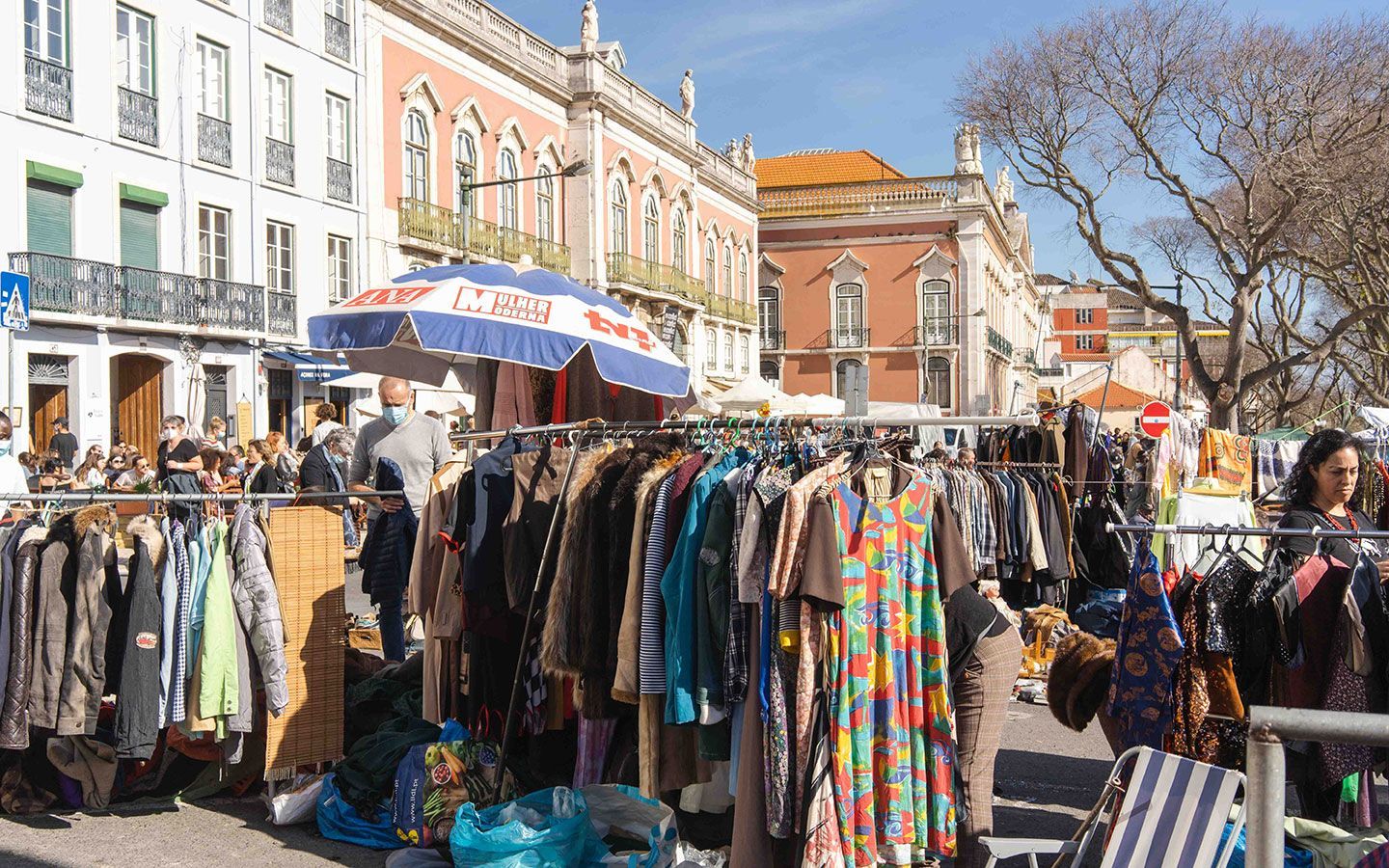
## Description Feira da Ladra is Lisbon’s most atmospheric flea market, a living patchwork of Portuguese life, history and commerce. More than a simple collection of stalls, it functions as a social square where generations of Lisboetas and visitors mingle among secondhand fabrics, antique furniture, faded postcards and artisan curios. The market’s energy is tactile and sensory: the smell of roasted chestnuts on a cool morning, the clack of wooden crates being stacked, and the low negotiation voices that form an audible backdrop to careful inspection of objects that often carry long personal histories. The market’s layout is informal and sprawling across Campo de Santa Clara and adjacent streets, which gives Feira da Ladra a serendipitous quality. Shoppers come for the big-ticket antiques as often as for tiny discoveries — old postcards that reveal vanished streets, or a single ceramic shard that hints at an earlier factory’s palette. Stallholders tend to be people who work in niches: collectors who’ve spent years sourcing porcelain and glass, families passing down boxes of personal effects, or young makers showcasing vintage-inspired handicrafts. That variety is exactly what makes the market valuable for cultural and material history research as well as for treasure hunting. Historically, the name "Feira da Ladra" — literally "thief’s fair" — is layered in nuance rather than literal accusation. Its origin reflects an age when informal markets, barter and secondhand trade were common ways to redistribute goods brought by sailors, seasonal workers and small-time traders. Over centuries, the market evolved from ad-hoc trading to an organized, municipally permitted event; yet it has preserved that improvisational spirit. Locals often stroll the market not just to shop but to socialize, to enjoy street food and to find oddities that become stories to tell. From a visitor’s perspective, Feira da Ladra rewards patience and curiosity. The most memorable finds are rarely the first item seen; rather, they emerge from methodical, slow browsing and conversations with vendors. For photographers and writers, the market provides rich visual and narrative material: candid portraits, evocative still lifes and oral histories that surface in impromptu discussions. For collectors, the market can be a source of rare pieces — old military medals, ill-fitted mirrors with gilded frames, and long-forgotten vinyl records — provided you take the time to look beyond the more tourist-oriented stands. To add practical depth: prices at Feira da Ladra vary widely, from a few euros for secondhand books to hundreds or thousands for verified antiques. If you are buying a significant artifact, ask for provenance information and vendor contact details; many dealers will provide a short history or provenance note for higher-value items. If you're an academic or conservator, the market can be a useful place to connect with sources, restorers and individuals who work in regional crafts. Conversations at stalls often yield unexpected context — the name of a maker, the story of how an item arrived in Portugal, or a tip about a specialist restorer in nearby neighborhoods. For visitors who want a focused approach, consider creating a short checklist: categories of interest (textiles, ceramics, books), approximate size limits for what you can carry, and a preliminary budget. This lets you sift quickly while staying alert for serendipity. Photographers may want to prioritize early hours when stalls are being set up; the quality of light in the plaza and narrow alleys often enhances texture and color in ways that late-day crowds do not. ## Location Feira da Ladra is anchored in Campo de Santa Clara, a broad plaza in Lisbon’s Alfama quarter, a neighborhood known for winding alleys, Fado houses and terraced viewpoints. The market commonly takes place on Tuesdays and Saturdays, though schedules can vary for holidays and municipal regulations — always verify current opening days before traveling. Getting there: the iconic Tram 28 winds through Alfama and stops within reasonable walking distance of Campo de Santa Clara, offering a scenic approach that doubles as a short city tour. For those who prefer other transit, buses and the nearby Santa Apolónia train station provide alternatives. Driving is possible but parking in central Lisbon is limited; rideshares and taxis are convenient options. Because the market sprawls across cobbled streets, wear sturdy shoes and be prepared for narrow passages. Insider transit tip: if you’re trying to avoid the busiest hours on Saturdays, arrive just after opening or target a Tuesday visit. Weekdays mean fewer tourists and better chances to speak with long-term stallholders. Also note that in summer months local festivals and holiday schedules can push setup times earlier or later. ## Tips - Visit early: stalls are fresher and the best items are still available in the morning. - Bring small bills and coins: many vendors prefer cash and it speeds up negotiations. - Learn a few Portuguese phrases for polite bargaining; a warm greeting goes far. - Inspect goods carefully — antiques and vintage items can have hidden damage. - Pack a reusable bag and a small tape measure; some items will need measurements. - Leave time to explore Alfama after the market: viewpoints, narrow streets, and authentic eateries nearby make for a full day. - Respect vendors: ask before photographing and approach trades with courtesy. - If planning larger purchases, discuss delivery options in advance; some vendors have recommended couriers and can help with packing. - Consider bringing a handheld UV light if you’re assessing paper items and stamps — it helps detect repairs and alterations (use respectfully and sparingly). ## Conclusion Feira da Ladra is more than a market: it’s a cultural habit of Lisbon, where history, economy, and daily life intersect. The market rewards visitors who slow down, ask questions and let discoveries find them. Whether you’re a focused collector, a photographer seeking texture and color, or a traveler searching for a distinctive souvenir, Feira da Ladra offers an authentic experience rooted in local rhythms and old-world charm. Suggested half-day itinerary: arrive at opening, walk the perimeter for an overview, focus on two or three categories of interest, take a mid-morning coffee at a nearby cafe, and return for a second pass before noon to finalize purchases. This rhythm helps you avoid decision fatigue and increases the chance of discovering a meaningful item. ## FAQ Q: When is Feira da Ladra open? A: The market normally runs on Tuesdays and Saturdays, with the largest crowds on Saturday mornings. Special municipal events, public holidays, or seasonal adjustments may change the schedule — check local listings or municipal websites for the latest calendar. Q: Is haggling acceptable and common? A: Yes. Polite bargaining is part of the experience, especially for antiques and larger items. Start with a respectful offer and keep interactions friendly; vendors are more likely to lower prices for warm, patient customers. Q: What should I bring to shop at Feira da Ladra? A: Bring cash (small denominations), a sturdy bag for purchases, comfortable shoes, and a phone or notebook to capture vendor details if you’re researching a find. If you plan to purchase large items, have transportation arranged in advance. Q: Are there authentic antiques or mostly tourist souvenirs? A: You’ll find a mix. Some stalls explicitly cater to tourists with souvenirs, but many dealers and long-term stallholders sell genuinely antique or collectible items. Careful browsing and asking informed questions helps locate authentic pieces. Q: Is the market family-friendly and safe? A: Generally yes — it’s a lively neighborhood market with families, collectors, and tourists. Standard urban precautions apply: watch your belongings, be mindful in crowded aisles, and avoid displaying large sums of cash. ## Links - [Wikipedia: Feira da Ladra](https://en.wikipedia.org/wiki/Feira_da_Ladra) - [Lisbon tourism info (markets)](https://www.visitlisboa.com)
GemVoyage Team • World


Comments