Discover extraordinary places shared by our community of travelers
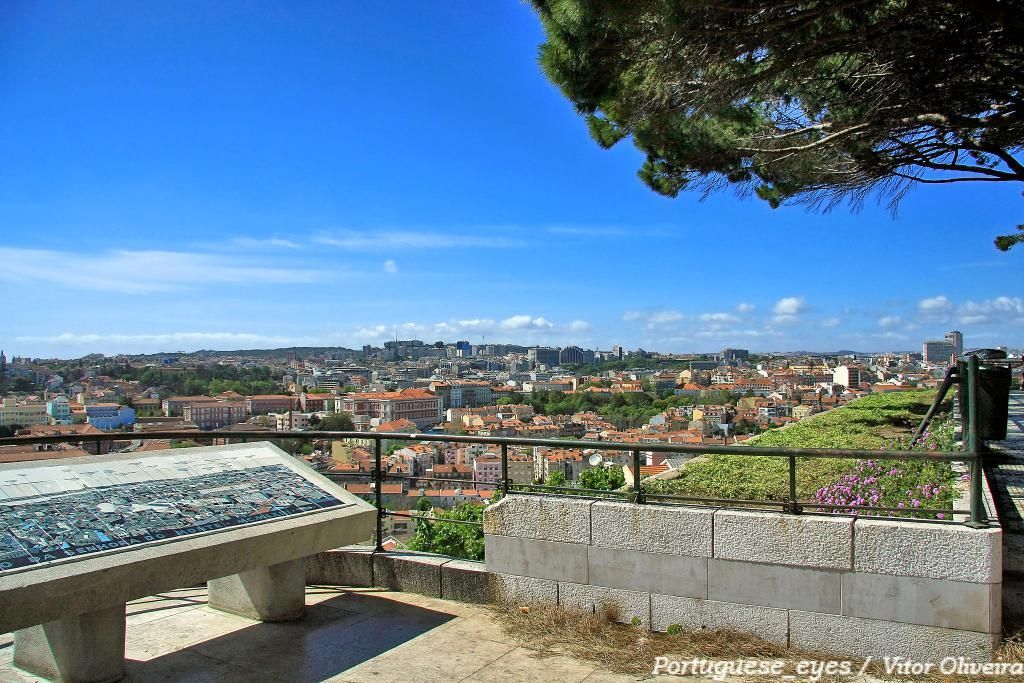
Lisbon
## Description Miradouro da Senhora do Monte is one of Lisbon’s most beloved viewpoints, offering a tranquil perch with unrestricted vistas across the city’s red rooftops, the Tagus River and landmarks like São Jorge Castle and the historic downtown. Tucked in the Graça neighborhood, the miradouro (viewpoint) is less crowded than some of Lisbon’s better-known terraces, making it a favorite among locals seeking a peaceful panorama and photographers hunting for unobstructed compositions. The small chapel of Senhora do Monte adds a devotional nuance to the setting, while benches and shaded nooks invite lingering. The viewpoint’s orientation gives particularly broad views to the east and south of the city, and because it is elevated, light at sunrise and sunset can be spectacular. Little-known facts: Miradouro da Senhora do Monte sits at one of the city’s highest natural points and was historically used to monitor the Tagus approaches; its quieter reputation owes partly to steeper approaches that keep the most casual visitors away. ## Location Miradouro da Senhora do Monte is located in the Graça parish of Lisbon, in the Lisbon District, Portugal. The viewpoint occupies a hilltop position above the Alfama and Graça neighborhoods and is within walking distance of São Vicente hill and several historic lanes. Getting there: The easiest ways are a short uphill walk through Graça from the tram 28 route or a ride to the Largo da Graça and a brief ascent. Tram 28 passes through Alfama and Graça and is a scenic option; buses also serve nearby stops. If using a taxi or rideshare, ask to be dropped at Largo da Senhora do Monte or the small square near the chapel. Wear comfortable shoes for the short climb. ## Tips - Timing: Sunrise and sunset are prime times for soft, warm light; sunrise is quieter and ideal for photographers. Weekday mornings are the least busy. - Safety & comfort: The area is generally safe and frequented by locals; standard precautions suffice. Bring water in warmer months and a light jacket in evenings. - Accessibility: The viewpoint involves steep streets and steps; it’s less accessible for visitors with limited mobility. - Neighborhood exploration: Combine the visit with a walk through Graça and Alfama’s lanes, sample local cafés and pastelarias nearby. - Respectful behavior: The chapel is a place of worship; observe quiet respect if services occur. ## Conclusion Miradouro da Senhora do Monte is an essential Lisbon experience for those seeking scenic calm and panoramic perspectives without the crowds of more famous terraces. Its high vantage point, local atmosphere and exceptional light conditions make it ideal for reflective moments, photography, and absorbing Lisbon’s layered skyline. ## FAQ Q: Is the miradouro crowded? A: It’s quieter than many Lisbon viewpoints but can be busy at sunset on weekends. Q: Are there cafés nearby? A: Yes, Graça and Alfama have several small cafés and bakeries within a short walk. Q: Does public transport reach it? A: Yes — Tram 28 and several buses serve the Graça area; from stops expect a short uphill walk. Q: Is there a fee to visit? A: No. The viewpoint and surrounding terraces are free and open to the public. ## Links [Detailed Guide](https://lisbonlisboaportugal.com/Alfama-Lisbon/miradouro-da-senhora-do-monte-lisbon.html)
GemVoyage Team • World
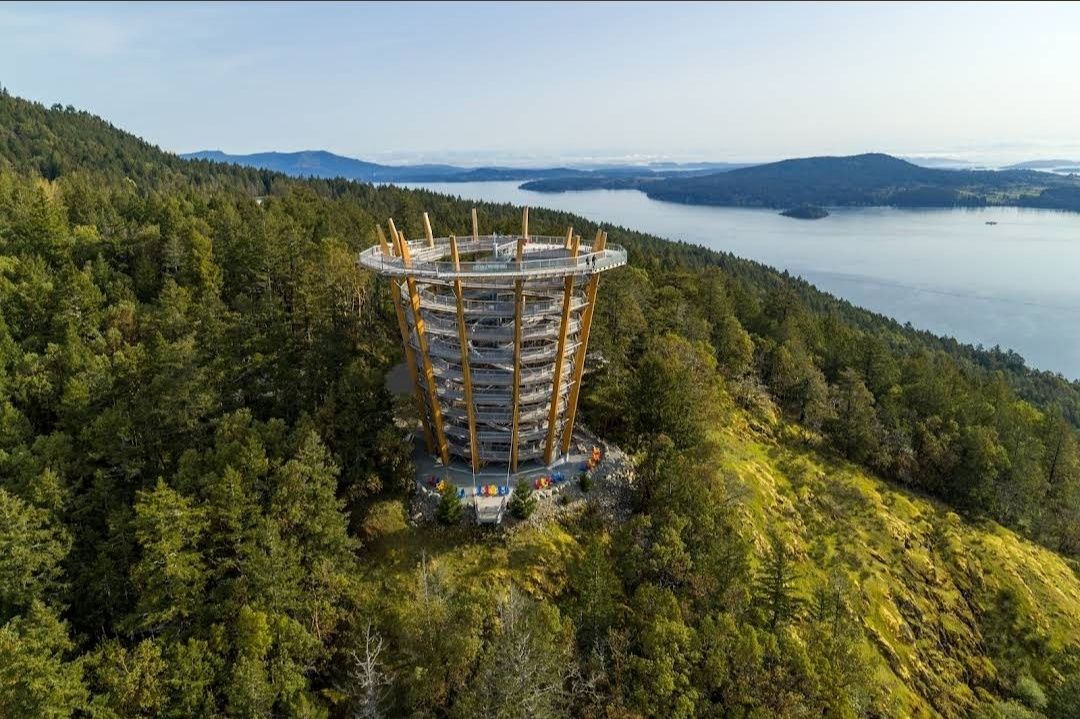
Vancouver
## Description The **Malahat SkyWalk Spiral Tower** is one of Canada’s most spectacular outdoor attractions, offering visitors an unforgettable way to experience the natural beauty of Vancouver Island. This unique tower features a gently sloping spiral ramp that winds its way upward for over 600 meters, leading to a stunning 250-meter elevated walkway through the treetops. At the very top, visitors are rewarded with **360-degree panoramic views** of the Saanich Peninsula, the Gulf Islands, Mount Baker in Washington State, and even glimpses of the Coast Mountains. What makes this destination truly remarkable is its **architectural design that blends seamlessly into nature**. The tower is constructed primarily from locally sourced Douglas fir and steel, combining eco-friendly practices with modern engineering. Unlike traditional observation decks, the spiral walkway makes it fully accessible to people of all ages and mobility levels. A little-known fact about the Malahat Spiral Tower is the **adventure net**—a giant webbed net suspended high above the ground at the tower’s summit. Brave visitors can step onto it and look straight down through the open center of the tower for a thrilling perspective. Another hidden gem is the **45-meter-long spiral slide** that winds its way down the inside of the tower, offering kids and adults alike an exciting alternative to walking back down. ## Location The Malahat SkyWalk Spiral Tower is located on **southern Vancouver Island, British Columbia, Canada**, about 35 kilometers (roughly 40 minutes) north of **Victoria**, the provincial capital. It sits along the Malahat Highway (Highway 1), a scenic route known for its breathtaking coastal views and winding mountain roads. The attraction is easily accessible by car, making it a popular day trip from Victoria. Visitors traveling from Vancouver can reach it by taking a ferry to Swartz Bay and then driving south toward Victoria before heading north on the Malahat Highway. For those without a car, guided tours from Victoria are also available and often include other nearby highlights. **Recommendation:** If possible, plan your visit in the morning to avoid crowds and enjoy the crisp air and soft lighting, which make the views even more magical. ## Tips To make the most out of your visit to the Malahat Spiral Tower, here are some helpful tips: * **Wear comfortable shoes:** The spiral ramp is easy to walk but requires a fair bit of strolling, so good footwear makes the experience more enjoyable. * **Check the weather:** The best views are on clear days when you can see as far as Mount Baker and the Gulf Islands. * **Try the slide:** Don’t miss the spiral slide inside the tower—it’s safe, fun, and a unique way to descend. * **Bring a camera or binoculars:** Wildlife sightings are common, including eagles, ravens, and deer in the surrounding forest. * **Buy tickets in advance:** To save time, purchase tickets online, especially during summer and holiday seasons. * **Accessibility:** The entire walkway and tower are stroller- and wheelchair-friendly, making it a great destination for families. ## Conclusion The **Malahat SkyWalk Spiral Tower** isn’t just an observation deck—it’s a full sensory experience that blends nature, adventure, and breathtaking views. From the treetop walkway to the thrill of the spiral slide and the panoramic views of land and sea, it offers something for everyone. Whether you’re a nature lover, a family traveler, or simply looking for an unforgettable outing near Victoria, this attraction deserves a spot on your bucket list. ## FAQ **1. How long does it take to visit the Malahat SkyWalk Spiral Tower?** Most visitors spend between 1.5 to 2 hours exploring the treetop walkway, climbing the spiral tower, and enjoying the views. **2. Is the Malahat SkyWalk open year-round?** Yes, it’s open in all seasons, though hours may vary. Each season offers a different experience—from lush green summers to snow-dusted winter landscapes. **3. Is the Malahat SkyWalk suitable for kids?** Absolutely! Children love the slide, and the walkway is stroller-friendly, making it a perfect family activity. **4. Can I bring my dog to the Malahat SkyWalk?** Yes, dogs on leashes are welcome along the treetop walk and the spiral tower, though they’re not allowed on the slide. **5. Is the attraction wheelchair accessible?** Yes, the entire pathway and spiral ramp are designed to be fully accessible for wheelchairs and strollers. ## Links For more information, tickets, and updates, visit these official and helpful resources: * [Malahat SkyWalk Official Website](https://malahatskywalk.com)
GemVoyage Team • World
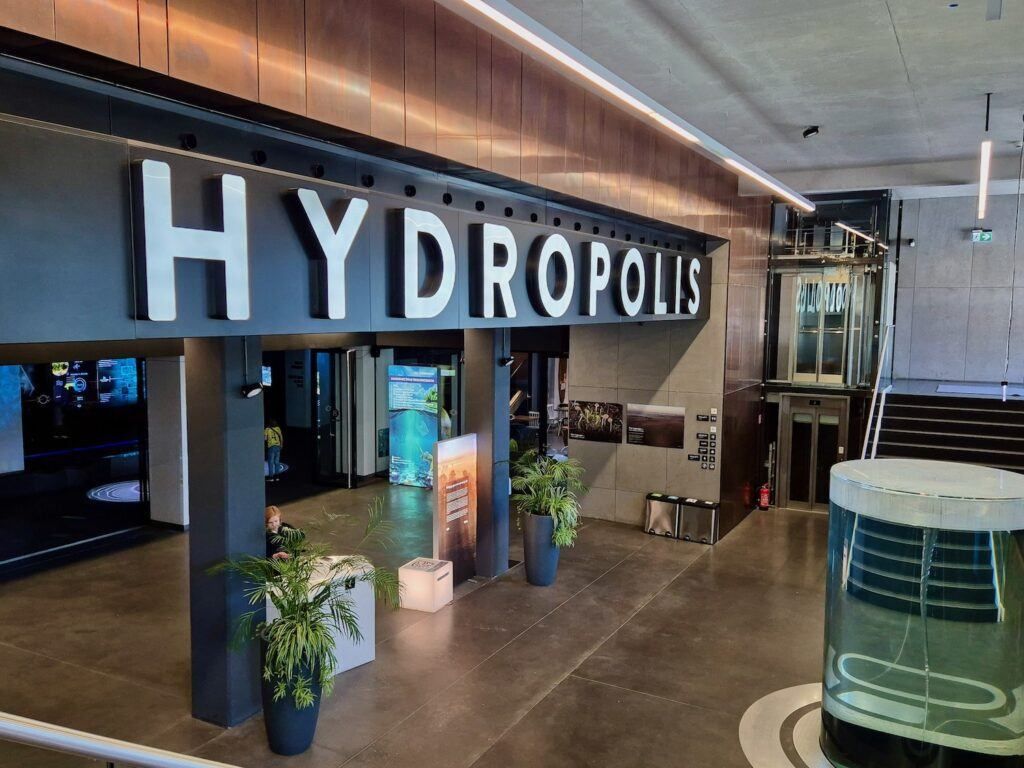
Wroclaw
## Description **Hydropolis** is a modern, science-focused museum in Wrocław dedicated entirely to **water**—its origins, physical properties, role in shaping civilizations, and importance for life on Earth. Opened in 2015, Hydropolis stands out not as a traditional museum of static displays, but as a **fully interactive knowledge center** that combines multimedia installations, scientific exhibits, and immersive environments to explain one of humanity’s most essential resources. Housed inside a **19th-century underground water reservoir**, the museum cleverly connects content and setting. The massive brick structure, once used to store drinking water for the city, now forms a dramatic backdrop for exhibitions that explore oceans, rivers, rainfall, hydraulic engineering, and water management. This reuse of industrial heritage is central to Hydropolis’s identity and adds authenticity to the experience. What makes Hydropolis unique is its **interdisciplinary approach**. Visitors move through themed zones covering topics such as deep-sea exploration, water in the human body, ancient hydraulic systems, modern urban water infrastructure, and global water challenges. High-resolution projections, touchscreens, soundscapes, and scale models keep the content accessible without oversimplifying complex scientific concepts. A lesser-known fact is that the building itself was a **technical masterpiece of its time**, constructed in 1893 and hidden underground to preserve water temperature and pressure. Another interesting detail is that Hydropolis devotes significant space to **Poland’s relationship with water**, including flood control on the Oder River and Wrocław’s long history of bridges, canals, and engineering solutions. Hydropolis appeals to a wide audience: families, students, engineers, and travelers interested in science, sustainability, or innovative museums. ## Location **Country:** Poland **Region:** Lower Silesia **City:** Wrocław Hydropolis is located east of Wrocław’s Old Town, near the **Oder River**, in an area known for cultural institutions and green spaces. ### How to Get There * **By tram:** * Several tram lines stop within walking distance, connecting the site to the Old Town and main railway station. * **By bus:** * City buses serve the surrounding district with frequent service. * **On foot:** * About a 25–30 minute walk from the Market Square (Rynek). * **By car:** * Parking is available nearby, though public transport is often more convenient. ## Tips * **Book tickets in advance:** Time slots can sell out, especially on weekends and during school holidays. * **Allow enough time:** Plan at least **2 to 3 hours** to fully experience all exhibition zones. * **Ideal for families:** Interactive elements are well designed for children and teenagers. * **Read the explanations:** Many exhibits reward careful attention rather than quick browsing. * **Combine with nearby attractions:** The Wrocław Zoo and Centennial Hall are close and make a good same-day itinerary. * **Language accessibility:** Exhibits are available in multiple languages, including English. ## Conclusion Hydropolis is one of Poland’s most innovative museums, transforming a historic water reservoir into a compelling educational space. By blending science, history, and modern technology, it offers a deep yet engaging look at water’s role in shaping the planet and human society, making it a must-visit attraction in Wrocław. ## FAQ **1. What is Hydropolis about?** It is an interactive museum focused entirely on water—its science, history, and global importance. **2. Is Hydropolis suitable for children?** Yes. The exhibits are highly interactive and well-suited for families and school groups. **3. How long does a visit take?** Most visitors spend **2 to 3 hours**. **4. Is there an entrance fee?** Yes. Tickets are required, with discounts for children, students, and families. **5. Is Hydropolis accessible for people with disabilities?** Yes. The facility is designed to be fully accessible. **6. Is it worth visiting if I’m not interested in science?** Yes. The visual design and storytelling make the experience engaging even for non-technical visitors. ## Links * [Official Hydropolis website](https://www.hydropolis.pl) * [Wrocław tourism portal](https://visitwroclaw.eu)
GemVoyage Team • World
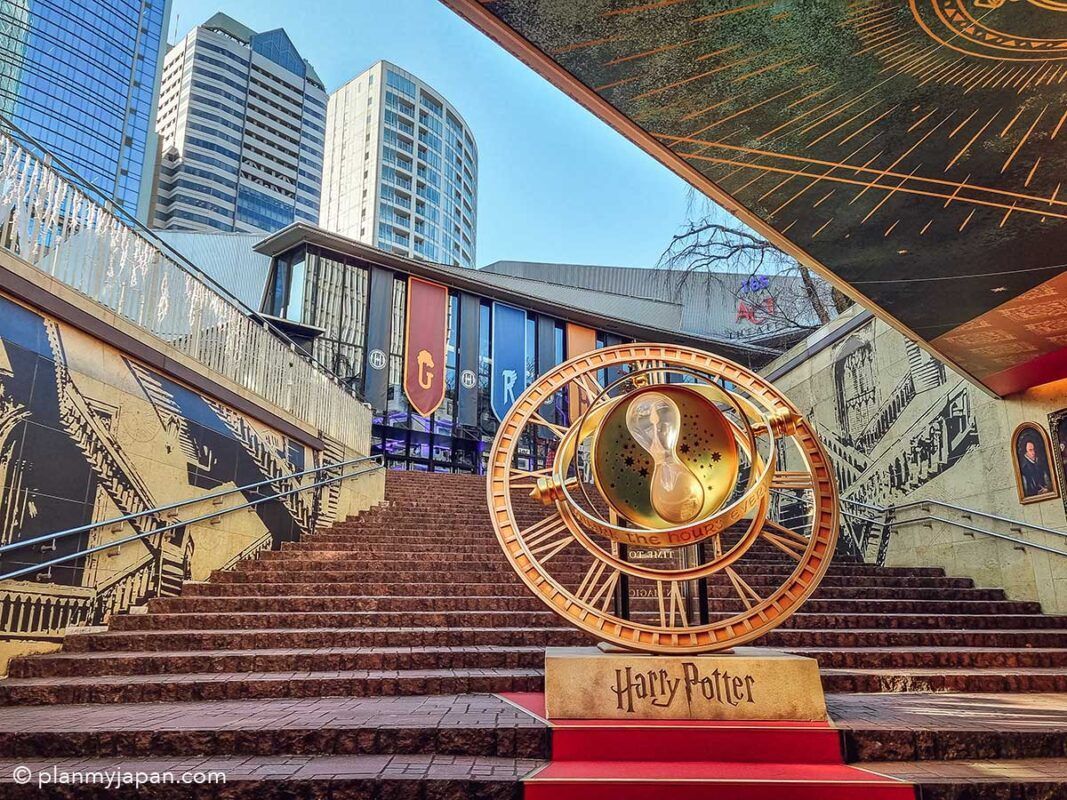
Tokyo
## Description The **Harry Potter Stairs & Time Turner (ハリー・ポッター階段とタイムターナー)** in Tokyo is one of the city’s most popular **pop-culture photo landmarks**, blending cinematic fantasy with modern urban design. This attraction is not a historical monument or a traditional museum—it is a **themed visual installation inspired by the Harry Potter film series**, designed specifically for fans who want to step inside the wizarding world without leaving central Tokyo. The installation recreates two of the most iconic visual elements from the films: the **magical moving staircase of Hogwarts** and **Hermione Granger’s Time Turner** from *Harry Potter and the Prisoner of Azkaban*. The staircase evokes the illusion of shifting directions and hidden passages, while the oversized Time Turner sculpture serves as a symbolic centerpiece representing time travel, destiny, and choice—core themes in the Potter universe. What makes this location truly unique is that it exists **inside a contemporary commercial complex rather than a theme park**. This means visitors do not need to buy expensive tickets or travel to a resort location to enjoy an immersive Harry Potter-themed environment. The installation uses **cinematic lighting, reflective metallic surfaces, stone textures, and enchanted-style typography** to create a convincing atmosphere of fantasy within a very modern architectural setting. The stairs are often used as a **staged photo zone**, where visitors recreate scenes, cosplay as characters, or simulate stepping into a time-loop narrative. The Time Turner sculpture is particularly photogenic when illuminated in the evening, when its rotating rings and glowing accents transform the space into a dramatic visual set piece. Many visitors describe the experience as feeling like walking into a **film trailer set inside a shopping mall**—brief, stylized, and designed for visual impact rather than storytelling depth. A little-known fact is that the stairs and Time Turner installation were part of a **long-term promotional collaboration connected to Warner Bros. Japan and official Harry Potter licensing projects**, timed to coincide with renewed franchise activity in Tokyo. Another lesser-known detail is that the space is frequently **updated with seasonal lighting themes and limited-time character visuals**, which means repeat visits can feel subtly different across the year. Importantly, this site is not meant to replace **The Making of Harry Potter Studio Tour Tokyo**; rather, it acts as a **public teaser-style landmark**, accessible to anyone passing through the district. It attracts an extremely diverse crowd: international tourists, Japanese fans, casual shoppers, cosplayers, couples, and social-media creators all intersect in the same space. The emotional appeal of the installation lies in its ability to deliver **instant recognition and nostalgia**. Even a short visit—often no more than 10 to 15 minutes—can trigger powerful emotional connections for fans who grew up with the books and films. It is, at its core, not a storytelling space but a **symbolic photo experience**, built for visual memory rather than narrative immersion. ## Location The **Harry Potter Stairs & Time Turner** installation is located in **central Tokyo**, inside a major commercial complex in the **Akasaka / Roppongi area**, which has become a hub for large-scale themed entertainment projects. **City:** Tokyo **Region:** Kantō **Country:** Japan **District:** Minato Ward (Akasaka / Roppongi area) ### How to Get There: * **By Tokyo Metro:** * **Chiyoda Line** to **Akasaka Station** * **Hibiya Line or Toei Oedo Line** to **Roppongi Station** * **By JR Train:** Use JR lines to nearby hubs such as **Shinjuku or Tokyo Station**, then transfer to the metro. * **By taxi:** Easy and accurate if you show the Japanese attraction name. * **On foot:** The area is highly walkable and well-connected through underground passages and plazas. The installation is typically integrated into a **shopping, dining, and entertainment complex**, making it easy to combine with cafés, retail stores, and evening nightlife. ## Tips * **Visit in the evening:** The lighting effects are significantly more dramatic after sunset. * **Go on weekdays for clearer photos:** Weekends often bring long lines of people waiting for their turn. * **Bring a small tripod if allowed:** For steady night photos, especially around the Time Turner. * **Do not expect a full “attraction experience”:** This is a **visual installation**, not a ride or museum. * **Cosplay is common:** Light cosplay is generally accepted and often encouraged by visitors. * **Respect queue etiquette:** Japanese photo spots usually operate with informal but strict order. * **Combine with nearby Harry Potter experiences:** If you are a serious fan, this pairs well with the Studio Tour Tokyo. * **Check for seasonal updates:** Lighting schemes and banners occasionally change. ## Conclusion The **Harry Potter Stairs & Time Turner in Tokyo** is a compact yet powerful example of how modern cities translate cinematic fantasy into everyday urban space. It is not a destination for long exploration, but a **precise, visually engineered moment of nostalgia**, crafted for fans who want a tangible connection to the wizarding world without committing an entire day to a theme park. For Harry Potter enthusiasts, it delivers something precise and valuable: **a magical pause inside the rhythm of real city life**. ## FAQ **1. Is the Harry Potter Stairs & Time Turner a real theme park attraction?** No. It is a **public visual installation**, not a ride or ticketed experience. **2. Is it free to visit?** Yes. Access is **free**, as it is located inside a public commercial complex. **3. How long does a visit typically take?** Most visitors spend **10 to 20 minutes**, depending on photo queues. **4. Is it suitable for children?** Yes. It is **family-friendly**, though it can get crowded. **5. Is this the same as the Harry Potter Studio Tour Tokyo?** No. This is a **small themed photo landmark**, whereas the studio tour is a full museum-style experience. **6. Can I take professional photos there?** Casual photography is allowed. **Commercial shoots may require permission** from the property management. ## Links * [Warner Bros. Japan](https://www.warnerbros.co.jp) * [Harry Potter Studio Tour Tokyo](https://www.wbstudiotour.jp)
GemVoyage Team • World
Gmunden
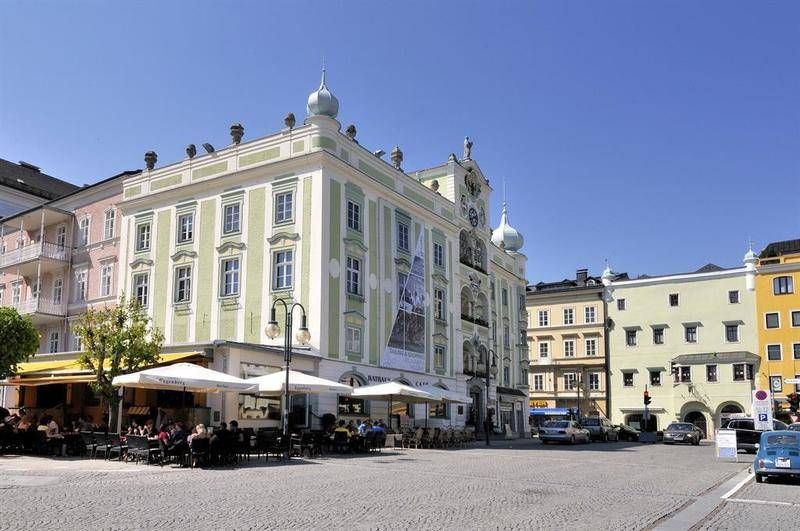
## Description The **Rathaus Gmunden** — the **Town Hall of Gmunden** — is one of Austria’s most charming and picturesque civic buildings, perfectly reflecting the town’s **historic elegance and lakeside serenity**. Standing proudly on the shore of **Traunsee Lake**, surrounded by the scenic peaks of the **Salzkammergut Mountains**, this 16th-century building combines Renaissance architecture, local craftsmanship, and cultural pride in a way few town halls do. Built between **1574 and 1577**, the Rathaus originally served as a **merchant and administrative center** during a period when Gmunden was thriving as a salt-trading hub. Its architecture features a **Renaissance façade** with beautifully arched arcades, intricate window frames, and an elegant clock tower topped with a small bell turret. The building’s exterior is painted in soft pastel hues that harmonize with the lakeside scenery, giving it a warm and inviting appearance. However, what truly makes Rathaus Gmunden stand out — and one of Austria’s most photographed town halls — is its **ceramic carillon** (a set of bells made from Gmunden pottery). Installed in **1961**, this unique feature consists of **24 hand-painted ceramic bells**, crafted by local artisans from the renowned **Gmundner Keramik** workshop, which has been producing distinctive green-flamed pottery since the 17th century. Several times a day, the bells chime melodiously across the old town, filling the air with a sound that has become a symbol of Gmunden’s artistic heritage. Few visitors realize that it is **one of the only ceramic carillons in the world** still in operation — a beautiful fusion of art, music, and tradition. Inside, the Rathaus still functions as the **seat of the local government**, but parts of it are open to visitors, showcasing historical rooms, exhibitions, and cultural displays. The nearby **Rathausplatz (Town Hall Square)** hosts markets, festivals, and outdoor concerts throughout the year, offering a lively glimpse of local life. Whether you visit for its craftsmanship, its lakeside views, or the charm of its daily chimes, Rathaus Gmunden is a small-town treasure that embodies the **soul of the Austrian Alps**. ## Location The **Rathaus Gmunden** is located in the **heart of Gmunden**, a town in **Upper Austria (Oberösterreich)**, on the **northern shore of Lake Traunsee**. **Address:** Rathausplatz 1, 4810 Gmunden, Austria To get there: * **By train:** From **Linz** or **Salzburg**, take an **ÖBB regional train** to **Gmunden Station**, then walk about **10–15 minutes** to the old town. * **By tram:** From the station, you can also take the **Traunseetram**, which stops near Rathausplatz. * **By car:** Easily accessible via the **A1 motorway**, exit **Regau** or **Laakirchen**, with several nearby parking options. * **By boat:** Ferries on **Traunsee Lake** stop at **Gmunden Seebahnhof**, just steps away from the Town Hall. * **By foot or bike:** The promenade around the lake connects the Rathaus to the main attractions of Gmunden, including **Schloss Ort** and the **Esplanade**. ## Tips * **Don’t miss the carillon performance:** The ceramic bells ring several times daily — typically at **11:00 AM**, **3:00 PM**, and **5:00 PM** (check local schedules). * **Visit the Gmundner Keramik Manufaktur:** Just outside town, you can see how the world-famous green-flamed pottery is made — a perfect complement to the Rathaus visit. * **Take photos from the lake promenade:** The Town Hall reflected in the water, with mountains in the background, is one of Austria’s most postcard-worthy views. * **Enjoy the market:** On Fridays, Rathausplatz hosts a **local farmers’ market** selling fresh regional produce, cheese, and crafts. * **Visit nearby Schloss Ort:** A short walk away, this fairytale castle on the lake is another Gmunden highlight. * **Stop for coffee by the lake:** There are several cozy cafés around Rathausplatz with views of the water and the mountains. * **Combine with a boat tour:** Scenic cruises on Traunsee often pass by the Rathaus, offering a new perspective from the lake. ## Conclusion The **Rathaus Gmunden** is far more than a historic building — it’s the **heart of a town steeped in art, tradition, and Alpine beauty**. From its Renaissance architecture to the enchanting ceramic bells that sing across Traunsee, it tells the story of a community that has blended craftsmanship and culture for centuries. Whether you’re exploring the Salzkammergut for its lakes, castles, or peaceful charm, a stop at the Rathaus Gmunden is an experience that captures the very essence of Austrian heritage. ## FAQ **1. When was the Rathaus Gmunden built?** It was constructed between **1574 and 1577** during the height of Gmunden’s salt-trading prosperity. **2. What makes the Rathaus special?** Its **ceramic carillon**, made from locally produced Gmundner pottery, is **one of the few of its kind in the world**. **3. How often does the carillon play?** The bells ring several times daily, typically at **11:00 AM, 3:00 PM, and 5:00 PM**, though times may vary seasonally. **4. Can visitors enter the Rathaus?** Yes, parts of the building are open to visitors, especially during cultural events or exhibitions. **5. Where is Gmunden located?** Gmunden lies on **Lake Traunsee** in **Upper Austria (Oberösterreich)**, roughly halfway between **Linz** and **Salzburg**. **6. Is it easy to reach from Vienna or Salzburg?** Yes — from Vienna or Salzburg, take a train to **Attnang-Puchheim**, then connect to Gmunden via a regional line (total travel time: around **2 hours**). **7. What nearby attractions should I see?** Don’t miss **Schloss Ort**, **Traunsee Lake cruises**, and the **Gmundner Keramik Factory** for a complete cultural experience. ## Links * [Gmunden Tourism Official Website](https://www.gmunden.at)
GemVoyage Team • World
Yokohama
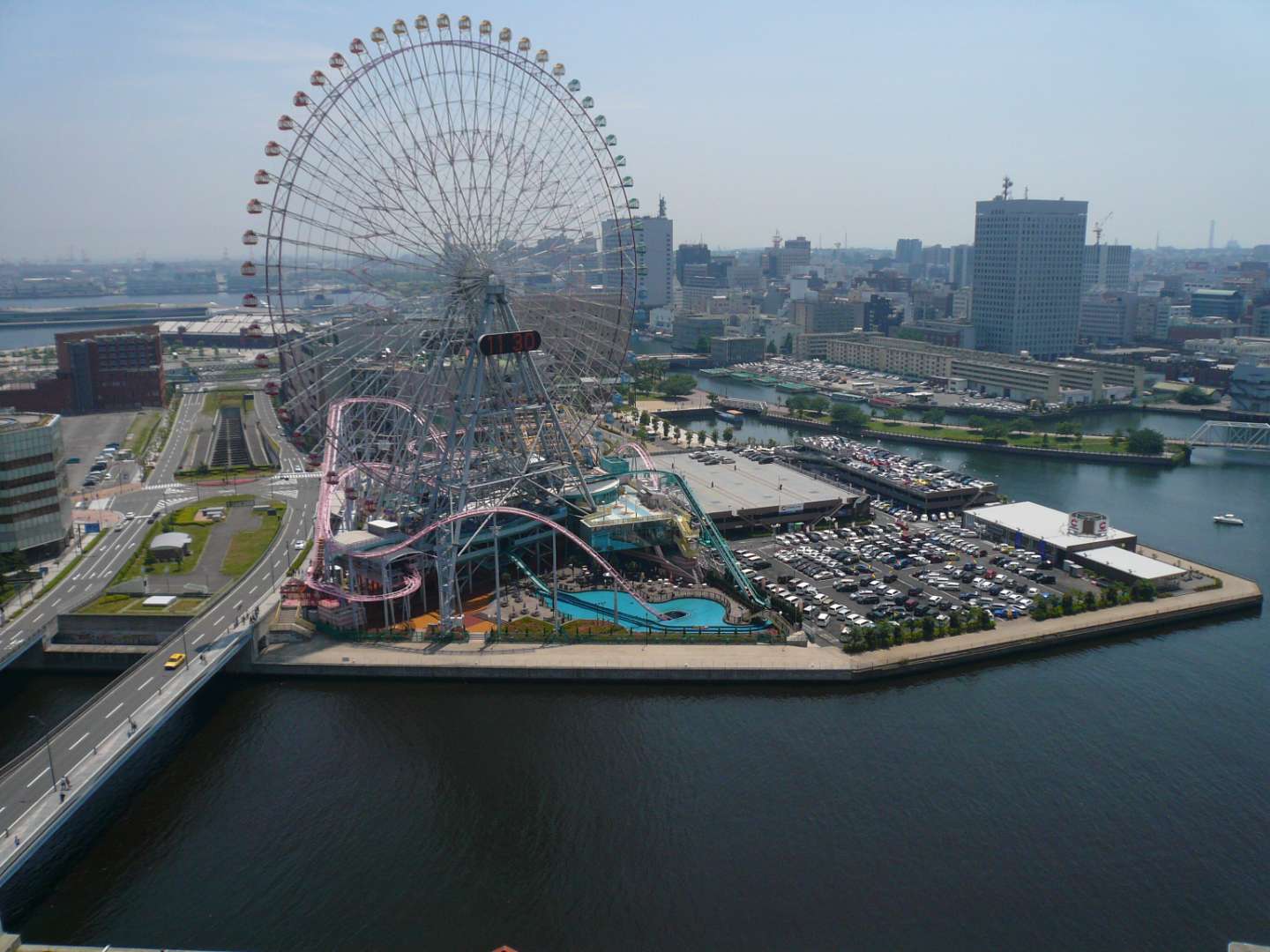
## Description Cosmo World in Yokohama is a vibrant urban amusement park that blends thrilling rides, family-friendly attractions, and waterfront views into one unforgettable experience. Located in the heart of the Minato Mirai 21 district, this compact yet dynamic park is best known for its iconic Ferris wheel, Cosmo Clock 21, which once held the title of the world’s largest Ferris wheel with a clock. Towering over the city skyline, it offers panoramic views of Yokohama Bay and the surrounding urban landscape, especially stunning at night when the wheel lights up in dazzling colors. The park is divided into three distinct zones: the Wonder Amuse Zone, Burano Street Zone, and Kids Carnival Zone. Each area caters to different age groups and interests. The Wonder Amuse Zone features high-adrenaline rides like the Diving Coaster: Vanish, a roller coaster that plunges into a tunnel beneath a pool of water. The Burano Street Zone offers quirky attractions such as mirror mazes and haunted houses, while the Kids Carnival Zone is perfect for younger children with gentle rides and arcade games. A little-known fact: Cosmo World originated from the Yokohama Exotic Showcase in 1989, and the Ferris wheel was part of a temporary exhibition before becoming a permanent fixture. Another unique detail is that admission to the park is free—you only pay for the rides you choose to enjoy, making it an accessible destination for all budgets. ## Location Cosmo World is located in **Japan**, in the **Kanagawa Prefecture**, within the city of **Yokohama**. It sits in the **Minato Mirai 21 district**, a modern waterfront area known for its shopping, entertainment, and cultural attractions. ### How to Get There - **By Train**: The park is a short walk from Minato Mirai Station (Minato Mirai Line) and Sakuragicho Station (JR Keihin-Tohoku Line and Yokohama Municipal Subway Blue Line). - **By Bus**: Several local buses stop near the Minato Mirai area. - **By Foot**: If you're exploring the waterfront, Cosmo World is easily accessible from nearby attractions like Landmark Tower and the Yokohama Red Brick Warehouse. - **By Car**: Parking is available in nearby lots, though public transport is recommended due to traffic and convenience. Its central location makes it an easy addition to any Yokohama itinerary. ## Tips - **Visit in the Evening**: The illuminated Ferris wheel and waterfront views are especially magical after sunset. - **Buy a Ride Pass**: While entry is free, purchasing a ride pass can save money if you plan to try multiple attractions. - **Check Height Restrictions**: Some rides have strict height and age requirements, so check ahead if visiting with children. - **Avoid Peak Hours**: Weekends and holidays can be crowded. Weekday afternoons are generally quieter. - **Bring Cash**: Some ticket booths and vending machines may not accept cards. - **Combine with Nearby Attractions**: Pair your visit with a trip to CupNoodles Museum or a harbor cruise for a full day of fun. ## Conclusion Cosmo World in Yokohama is a compact yet exhilarating amusement park that offers something for everyone—from heart-pounding roller coasters to scenic Ferris wheel rides. Its waterfront location, free entry, and diverse attractions make it a must-visit for families, couples, and solo travelers alike. ## FAQ **1. Is there an entrance fee to Cosmo World?** No, admission is free. You only pay for the rides you choose to go on. **2. What are the operating hours?** Typically, the park operates from 11:00 AM to 8:00 PM, but hours may vary seasonally or due to weather. **3. Is Cosmo World suitable for young children?** Yes, the Kids Carnival Zone is designed specifically for younger visitors. **4. Can I buy tickets online?** Ride tickets are generally purchased on-site. Some packages may be available through travel agencies. **5. Is the Ferris wheel wheelchair accessible?** Yes, Cosmo Clock 21 is accessible for wheelchair users. **6. Are food and drinks allowed inside the park?** Outside food and drinks are not permitted, but there are cafés and vending machines within the park. ## Links - [Cosmo World Official Website](https://cosmoworld.jp/about/?lang=en) - [Yokohama Cosmo World – Wikipedia Overview](https://en.wikipedia.org/wiki/Yokohama_Cosmo_World)
GemVoyage Team • World
Copenhagen
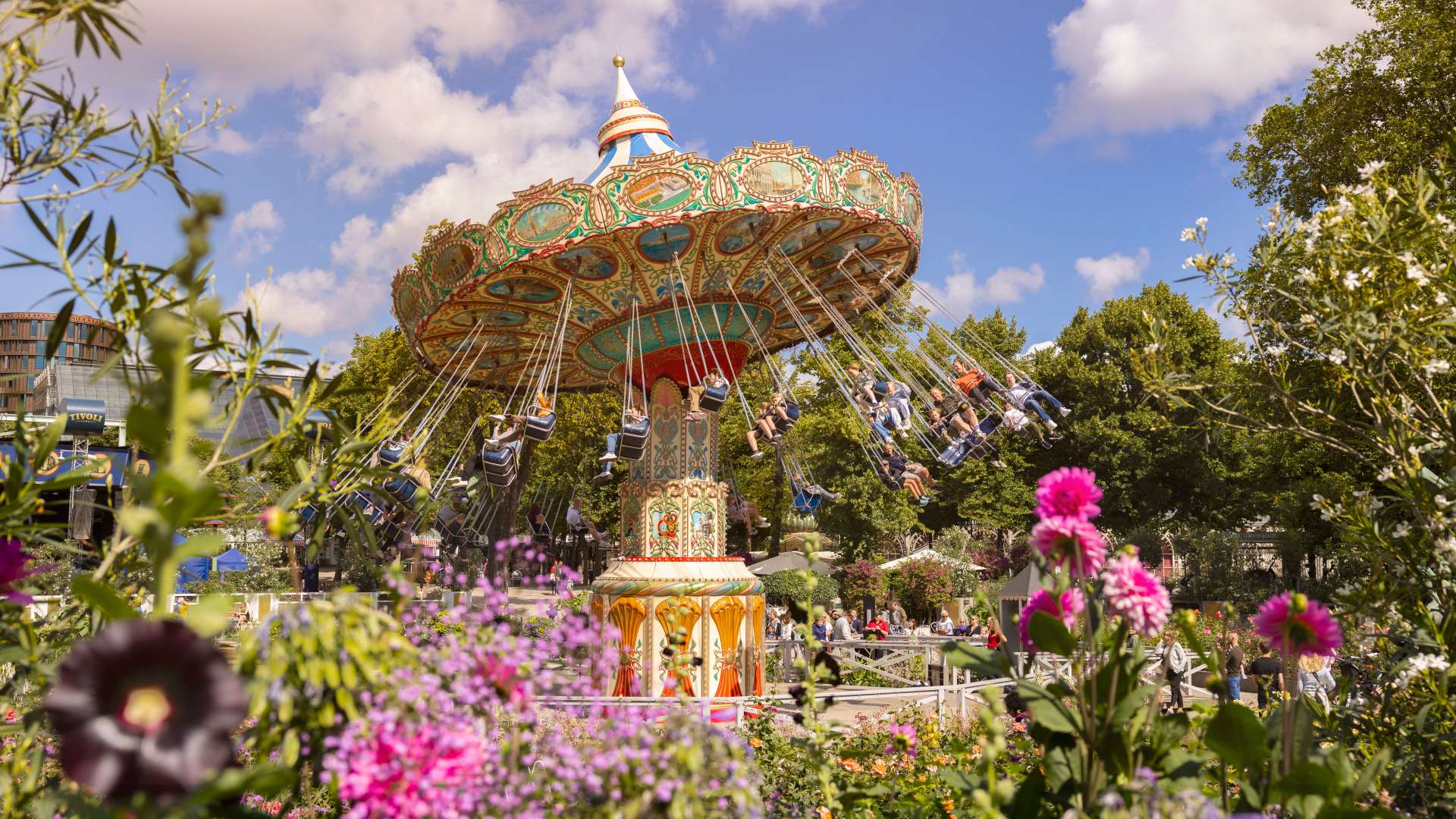
## Description Tivoli Gardens in Copenhagen is not just an amusement park—it’s a cultural institution, a botanical wonderland, and a nostalgic escape all rolled into one. Opened in 1843, Tivoli is the **second-oldest operating amusement park in the world**, yet it remains one of the most vibrant and beloved attractions in Denmark. With its blend of vintage charm and modern thrills, Tivoli offers something for everyone: roller coasters, live performances, gourmet dining, and serene gardens. The park’s architecture is a whimsical mix of exotic styles, including Moorish domes, Chinese pagodas, and fairy-tale towers. At night, thousands of colored lights transform the gardens into a magical realm, enchanting visitors of all ages. Tivoli’s oldest ride, the wooden Rollercoaster from 1914, still operates with a brakeman aboard—a rare feature found in only a handful of coasters worldwide. On the other end of the spectrum, Vertigo spins riders upside down at 100 km/h and was voted Europe’s Best Ride in 2014. A little-known fact: Tivoli inspired Walt Disney to create Disneyland. After visiting the park in the 1950s, Disney was captivated by its cleanliness, atmosphere, and attention to detail. Another quirky detail—guinea fowls and peacocks roam freely through the gardens, adding a touch of whimsy to the already surreal setting. ## Location Tivoli Gardens is located in **Denmark**, in the **Capital Region**, in the city of **Copenhagen**. It sits right in the heart of the city, adjacent to Copenhagen Central Station and within walking distance of City Hall Square. ### How to Get There: - **By Train**: Take any regional or S-train to Copenhagen Central Station. Tivoli’s main entrance is directly across the street. - **By Metro**: The nearest metro stop is Rådhuspladsen (City Hall Square), just a short walk away. - **By Foot or Bike**: If you're exploring central Copenhagen, Tivoli is easily accessible on foot or by bicycle. - **By Car**: Parking is available nearby, but public transport is recommended due to central traffic and limited space. Its central location makes it an ideal starting point for a day of sightseeing in Copenhagen. ## Tips for Visitors To make the most of your Tivoli experience, keep these tips in mind: - **Buy a Tivoli Pass**: If you plan to ride multiple attractions, the Ride Pass is more economical than paying per ride. - **Visit in the Evening**: Tivoli truly comes alive after dark with its dazzling lights and live performances. - **Check the Event Calendar**: From ballet and concerts to fireworks and seasonal festivals, Tivoli hosts over 250 events annually. - **Try the Food Hall**: Located near the Central Station entrance, Tivoli Food Hall offers a variety of cuisines from gourmet burgers to vegetarian delights. - **Bring a Picnic**: You’re allowed to bring your own food and enjoy it in the gardens. - **Use the Copenhagen Card**: This tourist pass includes free entry to Tivoli and over 80 other attractions, plus public transport. ## Conclusion Tivoli Gardens is a timeless blend of thrill, beauty, and culture. Whether you're chasing adrenaline on roller coasters, savoring Danish cuisine, or simply strolling through flower-lined paths, Tivoli offers an unforgettable experience in the heart of Copenhagen. ## FAQ **1. What are Tivoli Gardens’ opening hours?** Hours vary by season, but typically the park opens around 11:00 AM and closes between 10:00 PM and midnight. **2. Is Tivoli suitable for children?** Absolutely. There are rides, playgrounds, and performances tailored for kids of all ages. **3. Do I need to buy tickets in advance?** It’s recommended, especially during holidays and weekends. Online booking can save time and money. **4. Are there seasonal events at Tivoli?** Yes, Tivoli transforms for Halloween, Christmas, and summer festivals with themed decorations and special shows. **5. Can I visit Tivoli without going on rides?** Yes, many visitors come just to enjoy the gardens, restaurants, and performances. **6. Is Tivoli wheelchair accessible?** Yes, the park is fully accessible, and wheelchairs are available for rent at the entrance. ## Links - [Tivoli Gardens Official Website](https://www.tivoli.dk/en) - [Tivoli Gardens – Wikipedia](https://en.wikipedia.org/wiki/Tivoli_Gardens)
GemVoyage Team • World
Barcelona
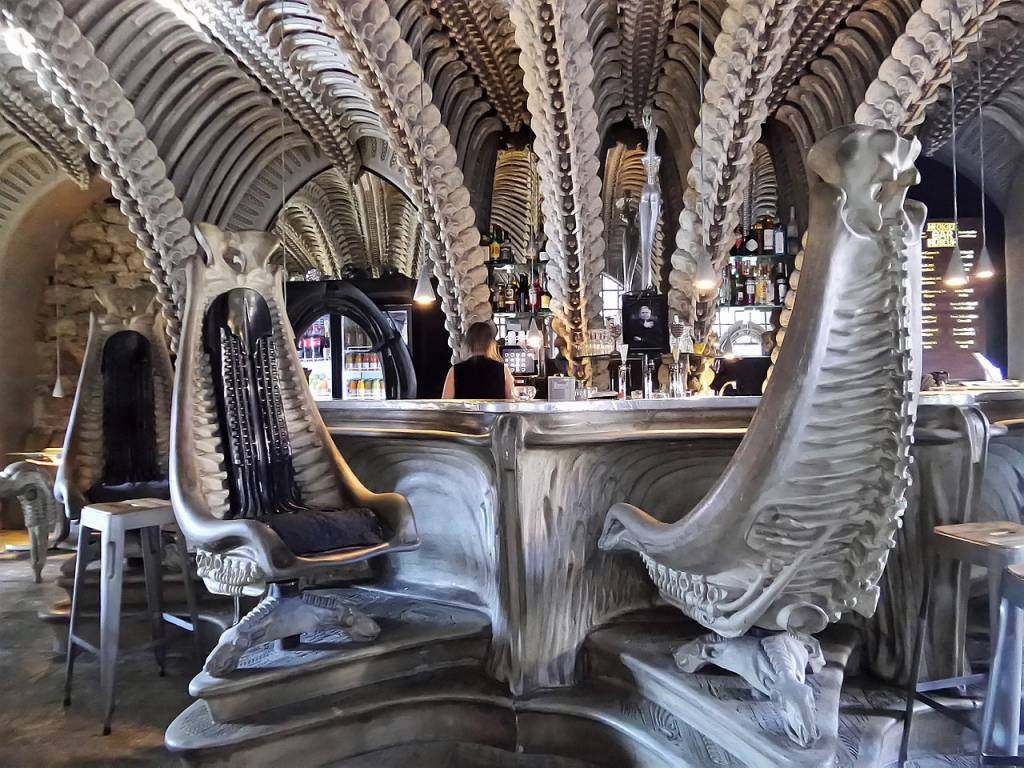
## Description **Museu Alien Barcelona** is one of the city’s most unconventional and niche attractions, appealing primarily to fans of science fiction, extraterrestrial mythology, and pop culture curiosities. Unlike traditional museums focused on history or fine art, Museu Alien positions itself as an **experiential and thematic space**, blending exhibition, storytelling, and speculative imagination. The result is a visit that feels closer to stepping into a parallel narrative than walking through a classical museum gallery. The museum centers on representations of aliens, UFO phenomena, and science-fiction-inspired artifacts. Displays include models, sculptures, visual installations, and multimedia elements that explore how extraterrestrial life has been imagined across cinema, television, comics, and conspiracy culture. Rather than attempting scientific validation, the museum leans into **cultural interpretation**, examining how humans have projected hopes, fears, and curiosity onto the idea of life beyond Earth. What makes Museu Alien unique is its **intentionally immersive and playful tone**. Lighting, sound effects, and scenographic elements are used to create an atmosphere that feels mysterious without being intimidating. It does not aim for academic authority; instead, it invites visitors to suspend disbelief and engage with the subject matter on an imaginative level. This makes it particularly appealing to younger audiences, sci-fi enthusiasts, and travelers looking for something outside Barcelona’s standard cultural circuit. A lesser-known fact is that the museum operates on a relatively **small, independent scale**, which allows it to evolve quickly. Exhibits may change, rotate, or be reinterpreted without the constraints faced by large institutions. Another interesting detail is that many of the pieces are inspired by **fan culture and independent creators**, reflecting how alien mythology thrives outside mainstream museums and formal science spaces. Museu Alien Barcelona is best approached with the right expectations. It is not a scientific institution nor a comprehensive exploration of astronomy. Its value lies in entertainment, atmosphere, and cultural curiosity rather than factual authority. ## Location **Country:** Spain **Region:** Catalonia **City:** Barcelona The museum is located within the central urban area of Barcelona, making it easy to combine with other attractions, shopping streets, or cafés nearby. ### How to Get There * **By metro:** * Several central metro lines stop within walking distance, depending on the exact neighborhood you are visiting that day. * **On foot:** * Easily reachable from nearby districts if you are already exploring central Barcelona. * **By bus:** * Local bus routes connect the surrounding area with the rest of the city. * **By taxi or ride-hailing:** * A practical option due to its central location and short travel times. Because smaller museums occasionally adjust locations or entrances, it is recommended to confirm directions shortly before visiting. ## Tips * **Set expectations correctly:** This is an entertainment-focused museum, not a science center. * **Check opening hours in advance:** Smaller attractions may have limited or variable schedules. * **Visit as part of a mixed day:** Pair it with nearby cultural or leisure activities rather than making it the sole focus of your day. * **Good for short visits:** Plan around 45 minutes to 1 hour. * **Photography policies may vary:** Ask staff before taking photos or videos. * **Ideal for niche interests:** Best enjoyed by sci-fi fans or curious travelers rather than traditional museum-goers. ## Conclusion Museu Alien Barcelona offers a lighthearted, imaginative break from the city’s classical museums and historic landmarks. Its strength lies in atmosphere and theme rather than depth or scale, making it a brief but memorable stop for visitors seeking something unexpected and unconventional. ## FAQ **1. Is Museu Alien Barcelona suitable for children?** Yes, especially for children interested in science fiction, fantasy, and visual storytelling. **2. Is the museum educational?** It is culturally educational rather than scientifically rigorous, focusing on imagination and pop culture. **3. How long does a visit usually take?** Most visits last between **45 minutes and 1 hour**. **4. Is it scary?** No, the atmosphere is playful and mysterious rather than frightening. **5. Does the museum change its exhibits?** Yes, exhibits may rotate or be updated, especially due to its independent nature. **6. Is it accessible for all visitors?** Accessibility may vary depending on the building layout; it is best to check in advance. ## Links * [Official Website](https://museoalien.com/)
GemVoyage Team • World
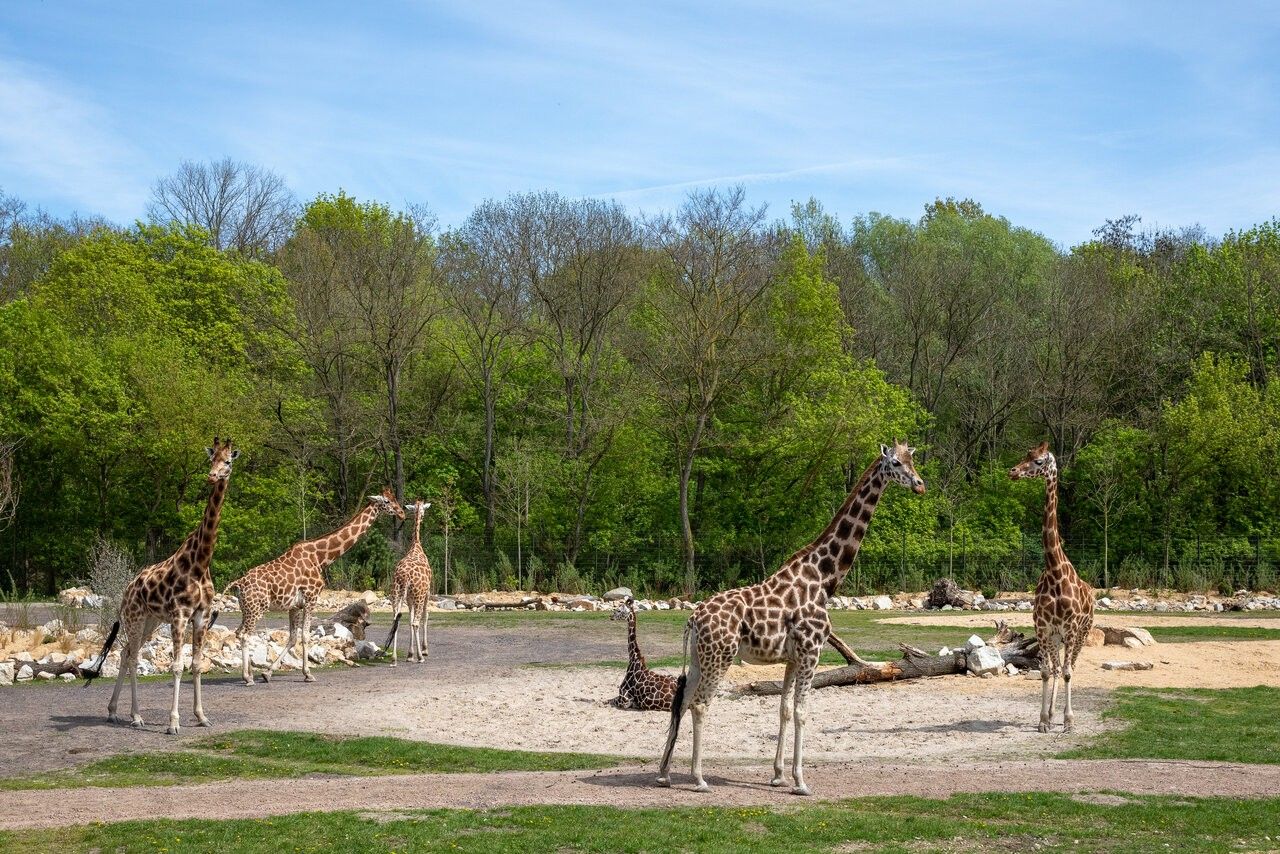
Berlin
## Description Tierpark Berlin is one of the most impressive zoological parks in Europe and a standout attraction in the German capital. Unlike traditional city zoos, Tierpark Berlin is designed as a vast landscape park where animals live in spacious, naturalistic enclosures spread across rolling lawns, wooded areas, and historic parkland. With more than 160 hectares to explore, it offers a relaxed and immersive experience that feels closer to a nature reserve than a conventional zoo. What makes Tierpark Berlin truly unique is its scale and setting. It is the largest zoo in Europe by area, allowing animals such as elephants, giraffes, bison, and big cats to roam in environments that closely resemble their natural habitats. A little-known fact is that the zoo is located on the former grounds of Friedrichsfelde Palace, an 18th-century baroque residence that still stands at the heart of the park and is open to visitors. Another lesser-known detail is that Tierpark Berlin was established in 1955 in what was then East Berlin, serving as the counterpart to Zoo Berlin in the western part of the city during the Cold War. Today, Tierpark Berlin combines animal conservation, education, and leisure, making it especially appealing for families, nature lovers, and visitors seeking a slower-paced zoo experience. ## Location Tierpark Berlin is located in **Germany**, in the city-state of **Berlin**, within the **Lichtenberg** district. It lies in the eastern part of the city, surrounded by residential neighborhoods and green spaces. Getting there is simple using public transportation. The most convenient option is the U-Bahn (metro): take Line U5 to **Tierpark** station, which exits directly in front of the main entrance. Several bus and tram lines also stop nearby. For visitors traveling by car, parking is available close to the entrances, though public transport is generally the easiest and most efficient way to reach the zoo. ## Tips * Allow plenty of time for your visit; exploring Tierpark Berlin properly can take four to six hours or more. * Wear comfortable walking shoes, as distances inside the park are long. * Consider renting a wagon or using the park’s internal transport options if visiting with small children. * Bring snacks or enjoy one of the on-site cafés and restaurants, especially during longer visits. * Visit on weekdays or outside school holidays to enjoy a quieter atmosphere. * Check feeding times and animal talks in advance for a more educational experience. ## Conclusion Tierpark Berlin offers a unique zoo experience defined by space, greenery, and a strong focus on animal welfare. Its combination of wildlife, historic surroundings, and relaxed atmosphere makes it one of Berlin’s most rewarding attractions for visitors of all ages. ## FAQ **How is Tierpark Berlin different from Zoo Berlin?** Tierpark Berlin is much larger and more spacious, focusing on landscape-style enclosures, while Zoo Berlin is more compact and centrally located. **How long does a visit usually take?** Most visitors spend between four and six hours, though a full day is ideal for seeing everything at a relaxed pace. **Is Tierpark Berlin suitable for children?** Yes, it is very family-friendly, with playgrounds, open spaces, and child-focused facilities. **Is the zoo accessible for people with limited mobility?** Yes, the park has wide paths and is generally accessible, though the large size may require planning. **Can I visit Tierpark Berlin year-round?** Yes, the zoo is open throughout the year, with seasonal highlights in every season. ## Links * [Tierpark Berlin Official Website](https://www.tierpark-berlin.de) * [Visit Berlin Official Tourism Website](https://www.visitberlin.de)
GemVoyage Team • World