Discover extraordinary places shared by our community of travelers
Alexandria
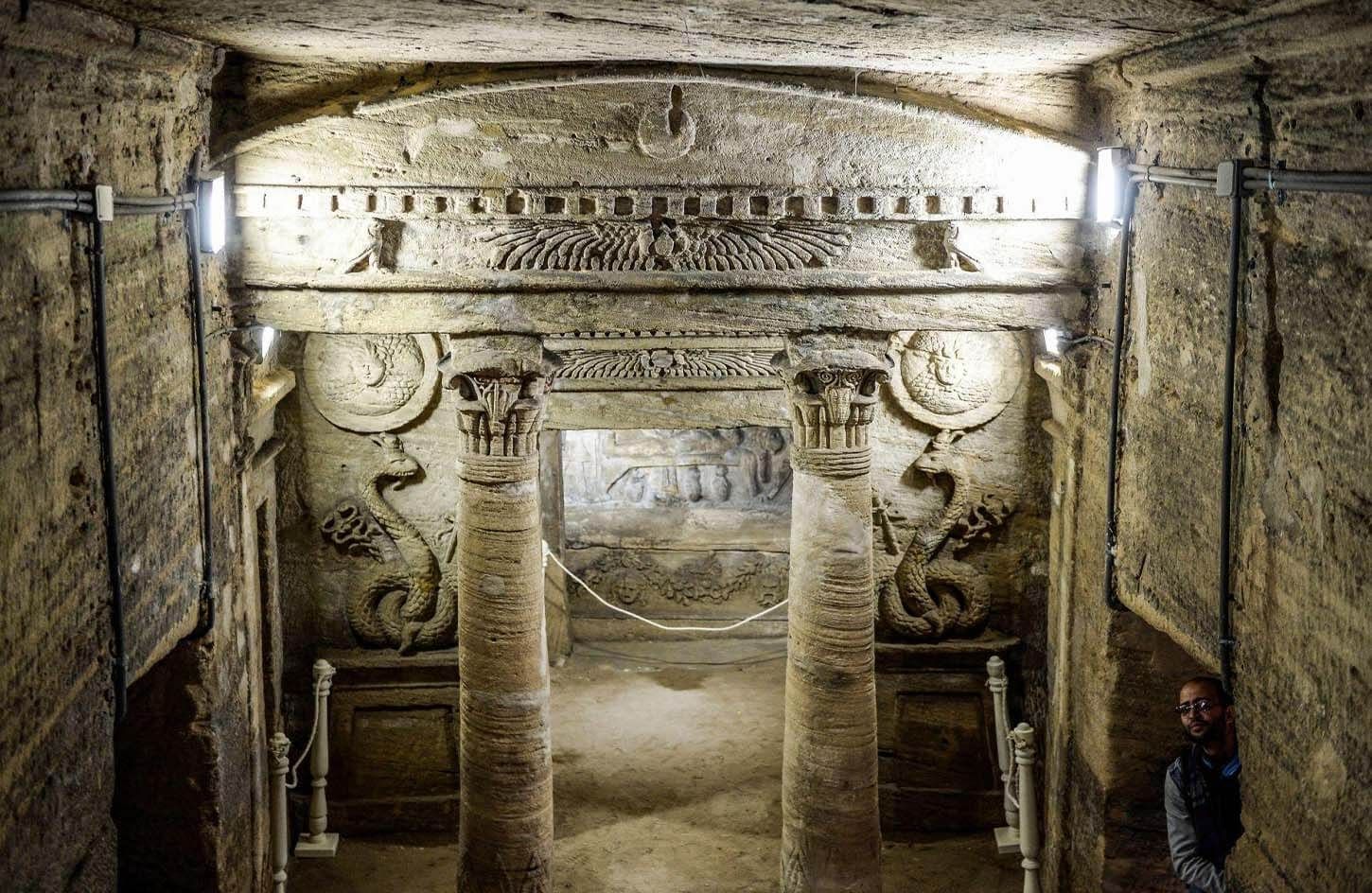
## Description The Catacombs of Kom El Shoqafa are among the most extraordinary archaeological sites in Alexandria because they condense the city’s long history of cultural blending into one underground complex. This is not a simple burial site and not a single-civilization monument. It is a layered necropolis where Egyptian, Greek, and Roman influences appear together in architecture, decoration, and ritual use. That fusion is the reason the site feels so distinctive. Visitors descend into chambers that are both funerary and ceremonial, and the result is a place that seems to express Alexandria’s identity better than almost any other attraction in the city. One of the site’s most notable features is its visual mixture of traditions. The carved motifs, sculptural forms, and architectural choices combine styles in a way that reflects the cosmopolitan nature of ancient Alexandria. A lesser-known fact is that the catacombs were discovered relatively recently in the modern period and revealed a major underground complex that had remained hidden beneath the urban fabric. Another interesting detail is that the site includes a spiral descent that gives the experience a strong sense of transition from the city above into the burial world below, making the visit feel immersive even before you reach the principal chambers. For travelers, the catacombs matter because they are not only impressive but also educational in a memorable way. They explain how Alexandria functioned as a meeting point of cultures and how religious and artistic ideas could merge rather than simply replace one another. If you are interested in ancient history, funerary art, or the Mediterranean world, this site is one of the strongest reasons to spend time in Alexandria beyond the waterfront and modern city streets. The atmosphere is part of the attraction. Underground archaeological sites always have a certain gravity, but Kom El Shoqafa also has a sense of discovery built into it. Its rooms and passageways feel like they belong to a concealed city, and that hidden quality gives the site lasting appeal. ## Location The Catacombs of Kom El Shoqafa are located in Alexandria Governorate, Egypt, in the western part of the city. The site sits within the urban area rather than far outside it, which makes it accessible as a major sightseeing stop during a day in Alexandria. Because it is embedded in the city, the exact arrival experience may involve busy streets and ordinary neighborhoods before you descend into the archaeological complex. The easiest way to reach the catacombs is usually by taxi, rideshare, or arranged local transport from central Alexandria. Public transit may be possible depending on your starting point, but taxis are often the most straightforward choice for visitors who want a predictable route. If you are planning a fuller city tour, it is sensible to combine the catacombs with other Alexandria landmarks, using them as part of a historical circuit rather than an isolated stop. As with many archaeological attractions, starting earlier in the day can improve the experience. Cooler temperatures, lighter crowds, and better energy for walking down into the complex all make a morning visit appealing. ## Tips Wear comfortable shoes. You will be walking through stairways, uneven surfaces, and underground passages, so practical footwear matters. Bring a sense of timing. The most powerful part of the visit is often the descent and the first underground chambers, so do not rush through the space. Take a guide or use a good explanation source if possible. The site becomes much richer when you understand what you are seeing and how the Roman, Greek, and Egyptian elements connect. Be mindful of heat and humidity. Even though much of the attraction is underground, the approach and exit can still be warm, especially in summer. Consider pairing the visit with other Alexandria heritage sites. The catacombs are best appreciated as part of the city’s broader ancient and Mediterranean story. ## Conclusion The Catacombs of Kom El Shoqafa are one of Alexandria’s most important cultural landmarks, combining archaeological depth, artistic fusion, and a powerful sense of place. For travelers who want history that feels tangible and layered, this site is exceptional. ## FAQ ### Why are the Catacombs of Kom El Shoqafa famous? They are famous for their blend of Egyptian, Greek, and Roman influences, which makes them a rare and visually rich example of cultural fusion in ancient funerary architecture. ### Are the catacombs underground? Yes. The experience includes a descent into underground chambers, which is a major part of the site’s atmosphere and appeal. ### How much time should I plan for the visit? Most visitors should allow around 1 to 2 hours, depending on how closely they want to explore and whether they are visiting with a guide. ### Is it suitable for all travelers? Generally yes, but visitors should be comfortable with stairs, enclosed spaces, and underground conditions. ## Links - [Catacombs of Kom El Shoqafa on Wikipedia](https://en.wikipedia.org/wiki/Catacombs_of_Kom_El_Shoqafa) - [Egyptian Ministry of Tourism and Antiquities](https://egymonuments.gov.eg/) - [Alexandria overview](https://en.wikipedia.org/wiki/Alexandria)
GemVoyage Team • World
Zagreb
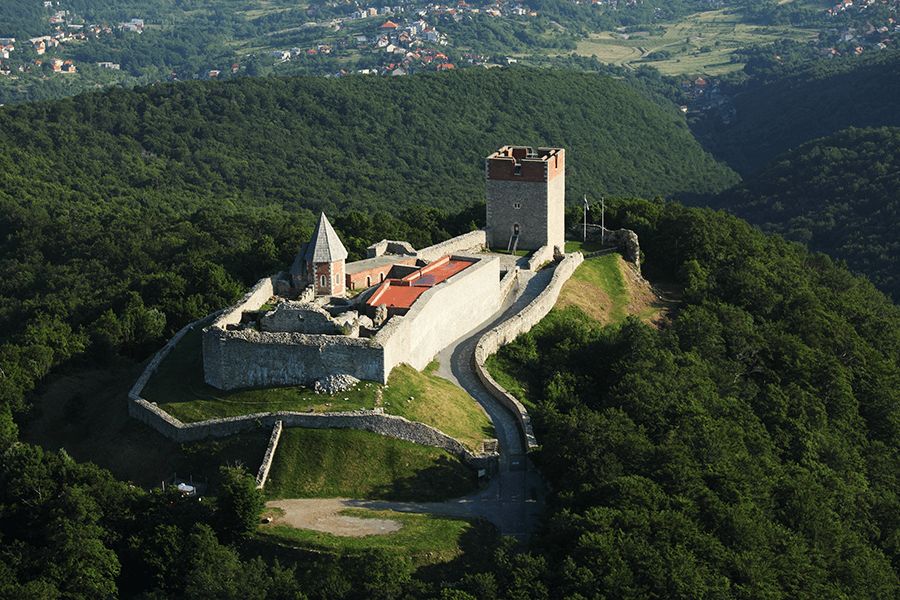
## Description Medvedgrad is a medieval fortress perched high on the southern slopes of Mount Medvednica, overlooking the city of Zagreb. Built in the 13th century following the Mongol invasion of the region, the fortress was designed as a defensive stronghold and later developed into a noble residence. Today, Medvedgrad stands as a powerful symbol of Croatian history, resilience, and national identity, offering visitors both historical insight and sweeping views of the surrounding landscape. What makes Medvedgrad unique is its dramatic setting and layered past. The fortress features preserved walls, towers, courtyards, and chapels that reveal how medieval life and defense were organized. A little-known fact is that Medvedgrad was abandoned relatively early, partly due to repeated earthquakes and difficulties accessing water on the hilltop. Another lesser-known detail is the presence of the “Altar of the Homeland,” a modern memorial within the fortress complex dedicated to Croatian independence, blending medieval heritage with contemporary national symbolism. Walking through Medvedgrad allows visitors to step back in time while also enjoying panoramic views over Zagreb and, on clear days, far beyond. ## Location Medvedgrad is located in **Croatia**, in the **City of Zagreb**, on **Mount Medvednica**, just north of the city center. The fortress sits above the neighborhood of Šestine, surrounded by forested hills and hiking trails. Visitors can reach Medvedgrad by car, taxi, or on foot via marked hiking paths from nearby neighborhoods or Medvednica Nature Park. Driving is the most convenient option, with parking available near the site, followed by a short walk. For those who enjoy outdoor activities, hiking up to Medvedgrad is a popular choice and offers scenic views along the way. ## Tips * Wear comfortable shoes, especially if you plan to hike or explore uneven stone surfaces. * Visit on a clear day to fully enjoy the panoramic views of Zagreb and the surrounding countryside. * Allow time to explore the interior exhibition spaces, which provide historical context. * Bring water and sun protection, particularly during warmer months. * Combine your visit with a walk or picnic in Medvednica Nature Park. * Check opening hours in advance, as they may vary by season. ## Conclusion Medvedgrad is a striking blend of medieval history, natural beauty, and national symbolism. Its hilltop location, well-preserved ruins, and scenic views make it one of Zagreb’s most rewarding attractions for history enthusiasts and nature lovers alike. ## FAQ **When was Medvedgrad built?** The fortress was constructed in the mid-13th century after the Mongol invasion of the region. **How long does a visit take?** Most visitors spend one to two hours exploring the fortress and enjoying the views. **Is Medvedgrad suitable for children?** Yes, though children should be supervised due to uneven terrain and high walls. **Is there an entrance fee?** Yes, a modest entrance fee is usually required to access the site. **Can I hike to Medvedgrad?** Yes, several marked hiking trails lead to the fortress from nearby areas. ## Links * [Medvedgrad Official Information](https://www.medvedgrad.hr) * [Zagreb Tourist Board](https://www.infozagreb.hr/hr)
GemVoyage Team • World

St. Petersburg
## Description The Narodovolets D-2 Submarine Museum in St. Petersburg is a compelling and immersive tribute to Russia’s naval history, offering visitors a rare opportunity to step inside a real Soviet-era submarine. Commissioned into the Baltic Fleet in 1931, the Narodovolets was one of the first submarines built by the Soviet Union and played a significant role during World War II. It completed four combat missions, launched twelve torpedo attacks, and successfully sank four enemy vessels—an impressive record for its time. Today, the submarine is mounted in concrete near the Shkiperskiy Canal and serves as a branch of the Central Naval Museum. Visitors can explore its authentic interiors, including the torpedo launcher compartment, engine room, crew quarters, and command center. The museum offers a hands-on experience of life aboard a submarine in the early 20th century, complete with original equipment and detailed exhibits. A little-known fact: the Narodovolets was named after the revolutionary sailors of the cruiser Aurora, symbolizing the spirit of Soviet naval resilience. Another fascinating detail is that the submarine was preserved and turned into a museum in 1993, making it one of the few surviving vessels of its kind open to the public. ## Location The Narodovolets Submarine Museum is located in **Russia**, in the **Northwestern Federal District**, within the **city of St. Petersburg**. It sits on **Vasilyevsky Island**, at **10 Shkiperskiy Protok**, near the waterfront and within walking distance of the Gulf of Finland. ### How to Get There - **By Metro**: The nearest station is Primorskaya (Line 3). From there, it’s a short walk or bus ride to the museum. - **By Bus or Trolleybus**: Bus numbers 7 and 151, and trolleybus number 10, stop near the museum. - **By Taxi**: Taxis and ride-share services like Yandex Go can take you directly to the entrance. - **By Car**: Parking is available nearby, but public transport is recommended due to limited space. Its location on Vasilyevsky Island makes it a great addition to a day of exploring St. Petersburg’s maritime and industrial heritage. ## Tips - **Wear Comfortable Clothing**: The submarine’s interior is narrow and includes steep ladders and tight corridors. Dress accordingly. - **Avoid Peak Hours**: Weekday mornings are generally quieter, offering a more relaxed experience. - **Bring a Flashlight**: While the museum is lit, some areas are dim and a small flashlight can help you see details more clearly. - **Check for Guided Tours**: Guided tours are available and provide valuable historical context and technical insights. - **Mind Accessibility**: The museum is not suitable for wheelchair users or those with limited mobility due to its confined spaces. - **Photography**: Photos are allowed, and there’s no extra fee for taking pictures—just be respectful of other visitors. ## Conclusion The Narodovolets Submarine Museum is a unique and historically rich attraction in St. Petersburg, offering a rare glimpse into Soviet naval warfare and life aboard a WWII-era submarine. With its authentic interiors and compelling exhibits, it’s a must-visit for history enthusiasts and curious travelers alike. ## FAQ **1. What are the opening hours of the Narodovolets Submarine Museum?** The museum is open daily from 10:00 AM to 6:00 PM, except on Mondays and Tuesdays. **2. What is the entrance fee?** Admission is RUB 350 for adults and RUB 200 for students. Photography is free. **3. Is the museum suitable for children?** Children are welcome, but supervision is recommended due to the submarine’s tight spaces and steep ladders. **4. Can I book a guided tour?** Yes, guided tours are available and can be arranged on-site or through the Central Naval Museum. **5. Is the museum wheelchair accessible?** No, the submarine’s design makes it inaccessible for wheelchair users or those with mobility impairments. **6. How long should I plan for a visit?** A typical visit lasts 45 minutes to an hour, depending on whether you join a guided tour. ## Links - [Narodovolets Submarine Museum – Saint Petersburg Guide](http://www.saint-petersburg.com/museums/narodovolets-d-2-submarine/) - [Central Naval Museum – Narodovolets Branch](https://eng.navalmuseum.ru/filials/narodovolec)
GemVoyage Team • World
Berlin
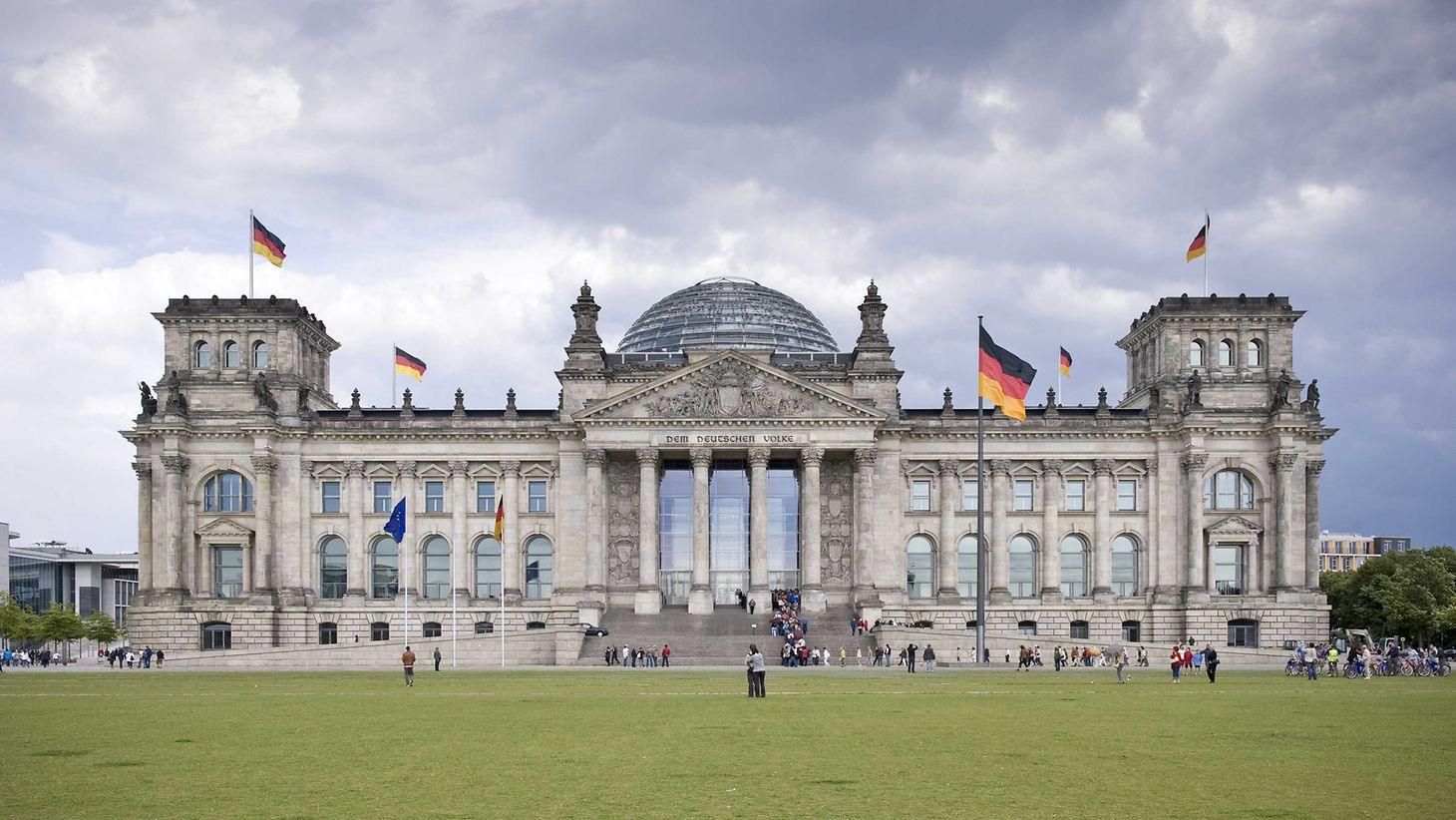
## Description The **Bundestag Building**, officially known as the **Reichstagsgebäude**, stands as one of the most significant landmarks in **Berlin** and a powerful symbol of **Germany’s turbulent history and democratic rebirth**. Combining monumental architecture with modern transparency, it serves today as the seat of the **German Federal Parliament (Deutscher Bundestag)** — and one of the most visited government buildings in the world. Originally designed by **architect Paul Wallot** and completed in **1894**, the building was intended to house the **Imperial Diet of the German Empire**. Its Neo-Renaissance façade, crowned by a grand central dome, reflected the pride and ambition of a newly unified Germany. However, the Reichstag’s history mirrors that of the nation itself — one of struggle, destruction, and renewal. In **1933**, the infamous **Reichstag fire** severely damaged the building, and it was later left in ruins during World War II. After decades of neglect during the Cold War, when Berlin was divided, the Reichstag stood near the border between East and West as a haunting reminder of Germany’s fractured identity. Following reunification, the Bundestag was **rebuilt and transformed** under the vision of **British architect Sir Norman Foster**, who completed his renovation in **1999**. The centerpiece of this reconstruction is the **modern glass dome**, an architectural marvel that symbolizes **transparency and accessibility in government**. Visitors can ascend the spiraling ramp inside the dome to enjoy **panoramic views of Berlin**, while looking down into the debating chamber below — a literal reflection of the people’s oversight over their elected representatives. A lesser-known fact is that during reconstruction, thousands of **historic graffiti inscriptions** left by Soviet soldiers in 1945 were carefully preserved on interior walls, serving as poignant reminders of the city’s wartime history. Another fascinating detail is that the **solar-powered dome** is part of an advanced energy-efficient system that makes the Bundestag one of the world’s greenest government buildings. ## Location The **Bundestag Building** is located in the **government district (Regierungsviertel)** of **Berlin**, **Germany**, near the **Brandenburg Gate** and along the **River Spree**. **Address:** Platz der Republik 1, 11011 Berlin, Germany To get there: * **By U-Bahn:** Take **U5** to **Bundestag Station**, located directly beside the building. * **By S-Bahn:** The **Berlin Hauptbahnhof (Main Station)** is about a **10-minute walk** away. * **By bus:** Routes **100** and **200** stop nearby at **Reichstag/Bundestag**. * **By foot or bike:** It’s an easy walk from the **Brandenburg Gate** or the **Tiergarten** park. ## Tips * **Book your visit in advance:** Entry to the dome and terrace is **free**, but **online registration** is required through the Bundestag’s official website due to high demand. * **Bring ID:** You’ll need a valid photo ID to enter the building for security reasons. * **Visit the dome at sunset or night:** The views of Berlin’s skyline — including the Brandenburg Gate and the Fernsehturm (TV Tower) — are spectacular after dark. * **Take the guided tour:** Learn about German history, architecture, and politics from official Bundestag guides. Tours are offered in multiple languages. * **Dress comfortably:** There’s a bit of walking and ramp climbing involved when visiting the dome. * **Combine with nearby attractions:** The **Brandenburg Gate**, **Memorial to the Murdered Jews of Europe**, and **Tiergarten** are all within walking distance. * **Photography:** Cameras are allowed — the dome’s glass reflections and city views make it a photographer’s dream. ## Conclusion The **Bundestag Building (Reichstag)** is more than a seat of government — it’s a living monument to **Germany’s journey from empire to democracy**. From its grand 19th-century origins through wartime destruction and postwar division, to its renewal as a transparent and sustainable parliament, the building embodies the nation’s resilience and progress. Visiting the Bundestag is both a **historical and symbolic experience**, offering a glimpse into the past and a view toward the future — quite literally through its luminous glass dome overlooking Berlin. ## FAQ **1. What is the difference between the Reichstag and the Bundestag?** “Reichstag” refers to the **historic building** itself, while “Bundestag” refers to **Germany’s federal parliament**, which now meets inside the Reichstag building. **2. When was the Reichstag building completed?** It was completed in **1894**, heavily damaged during World War II, and **fully restored and reopened in 1999** after reunification. **3. Who redesigned the building after reunification?** The **British architect Sir Norman Foster** led the reconstruction, adding the iconic glass dome. **4. Is it free to visit?** Yes, **entry to the Bundestag, dome, and terrace is free**, but advance **registration** is required for security reasons. **5. Can you visit the parliamentary chamber?** Yes, guided tours include access to the chamber when sessions are not in progress. Visitors can also attend plenary sessions by prior arrangement. **6. When is the best time to visit?** The **evening** is ideal for breathtaking views of Berlin at sunset, but daytime visits offer clearer views of the cityscape. **7. What are the opening hours?** The dome is usually open daily from **8 a.m. to midnight**, with last entry around **10 p.m.** (check the official site for seasonal variations). ## Links * [Official Bundestag Visitor Registration](https://www.bundestag.de/en/visittheBundestag/dome/registration-245686)
GemVoyage Team • World
Cawdor
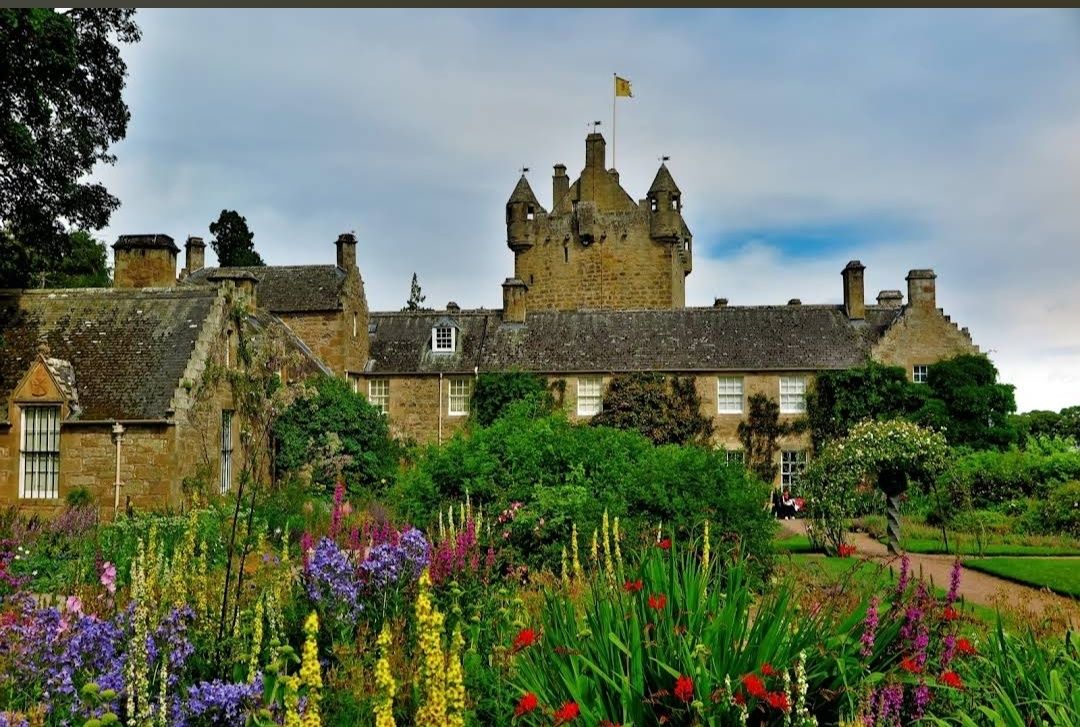
## Description **Cawdor Castle** is one of Scotland’s most enchanting castles, steeped in history, myth, and natural beauty. Built around a legendary holly tree in the late 14th century, the castle has been home to the Cawdor family for over 600 years. With its picturesque stone towers, ornate rooms, and beautifully landscaped gardens, it offers visitors a fascinating journey through Scottish heritage. The castle is famously associated with Shakespeare’s *Macbeth*. While the historical Macbeth never lived here, the castle has become linked to the play because of its title, the Thane of Cawdor. This literary connection, combined with the castle’s authentic medieval charm, makes it an especially intriguing stop for literature lovers and history enthusiasts alike. Inside, visitors can explore grand drawing rooms, antique furniture, fine art collections, and centuries-old tapestries. Outside, the estate features three distinct gardens: the **Walled Garden**, the **Flower Garden**, and the **Wild Garden**, each showcasing Scotland’s flora in different styles and seasons. A little-known fact is that the castle’s origin story is tied to a prophecy. According to legend, the Thane of Cawdor dreamed he should build his castle where a donkey lay down to rest under a tree. That tree still stands today in the castle’s cellar, preserved as a unique piece of history. Another hidden gem is the castle’s woodland trails, which cover over 100 acres and are home to wildlife such as red squirrels and roe deer. ## Location Cawdor Castle is located in the **Scottish Highlands**, about **12 miles east of Inverness**, in the **village of Cawdor, Nairnshire, Scotland**. Its Highland setting adds to its charm, with rolling landscapes, ancient forests, and nearby rivers. The easiest way to reach Cawdor Castle is from **Inverness**, which has good road, rail, and air connections. From Inverness, the castle is just a 25–30 minute drive by car via the A96 and B9090 roads. Visitors without a car can take a train to **Nairn** and then a short taxi ride to the castle. For international travelers, **Inverness Airport** is located only about 15 minutes away, making the castle very accessible as part of a Highland tour. ## Tips To enjoy your visit to Cawdor Castle to the fullest, keep these tips in mind: * **Check seasonal opening times** – The castle is usually open to visitors from late April to early October, so plan accordingly. * **Book tickets online** – During peak tourist season, advance booking is recommended to avoid queues. * **Take your time in the gardens** – Each garden offers a different experience, so don’t rush. Spring and summer are especially beautiful. * **Explore the woodlands** – The nature trails are less crowded and perfect for a quiet walk surrounded by Highland wildlife. * **Photography** – While photos are allowed outside, check the guidelines for indoor photography, as some rooms may restrict it. * **Combine with nearby attractions** – Cawdor Castle can be paired with a visit to Culloden Battlefield or Loch Ness for a full day of Highland history and scenery. ## Conclusion **Cawdor Castle in Scotland** is a captivating blend of history, legend, and natural beauty. With its ties to Shakespeare, legendary holly tree, and stunning gardens, it offers visitors a truly unique Scottish experience. Whether you’re drawn by literature, heritage, or landscapes, this Highland treasure is well worth the journey. ## FAQ **1. Is Cawdor Castle connected to Shakespeare’s Macbeth?** While the historical Macbeth never lived here, the castle is famously linked to the play because Macbeth is given the title “Thane of Cawdor.” **2. When is the best time to visit?** Late spring and summer are ideal for enjoying the gardens in full bloom, though autumn also brings beautiful colors in the surrounding woodlands. **3. How long should I plan for a visit?** Most visitors spend 2–3 hours exploring the castle interiors, gardens, and woodland trails. **4. Are guided tours available?** Yes, guided tours are often available and provide deeper insights into the castle’s history, legends, and architecture. **5. Can children visit Cawdor Castle?** Absolutely. The gardens and woodlands make it family-friendly, and children can enjoy exploring the outdoor spaces. **6. Is the castle accessible for visitors with mobility issues?** The gardens and some areas are accessible, but due to the historic structure, certain parts of the castle may be difficult to reach. It’s best to check accessibility details in advance. ## Links * [Official Cawdor Castle Website](https://www.cawdorcastle.com) * [Visit Scotland – Cawdor Castle](https://www.visitscotland.com)
GemVoyage Team • World
Cordoba
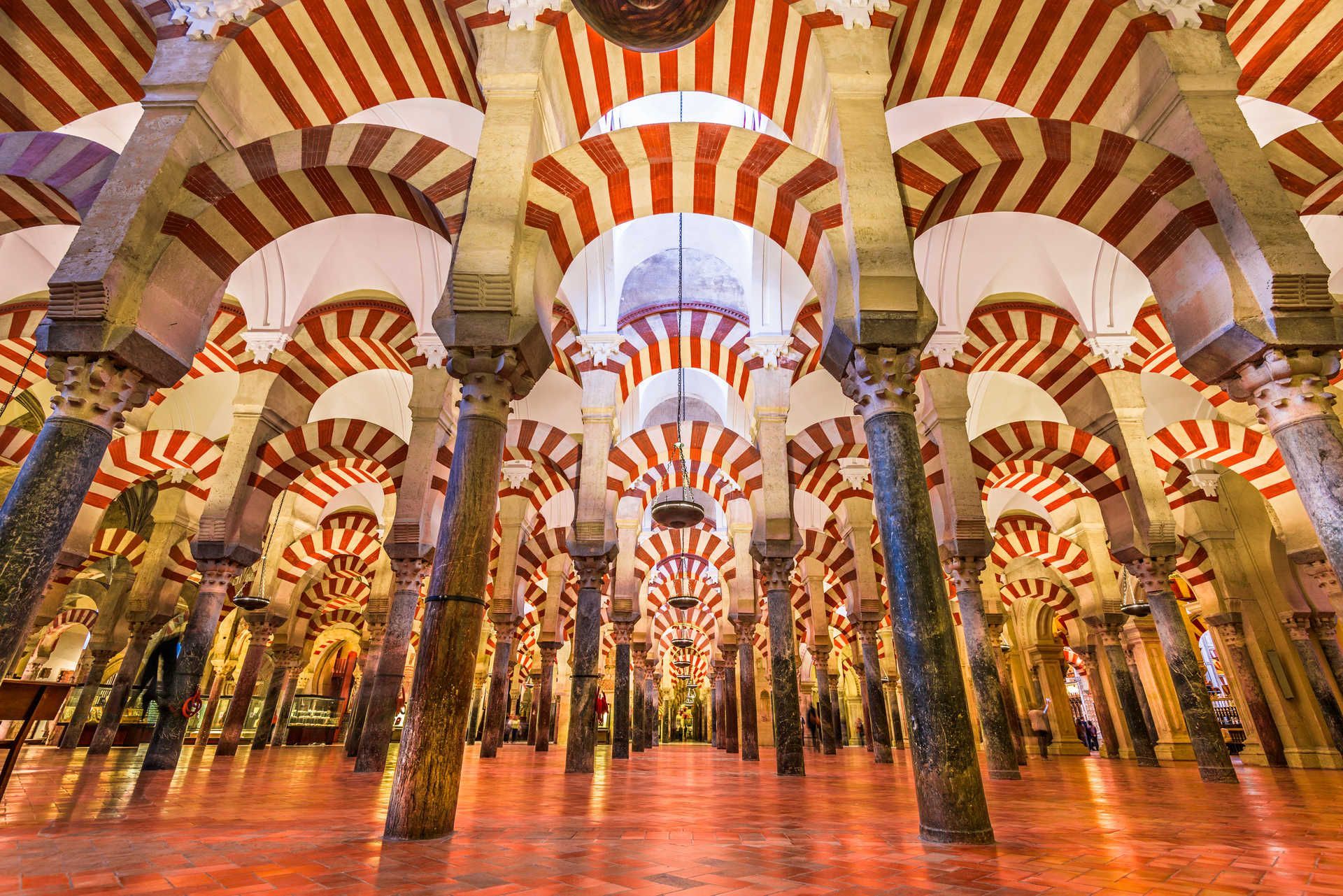
## Description The Mezquita de Córdoba (commonly referred to as the Mosque–Cathedral of Córdoba) is one of Spain’s most striking architectural masterpieces, blending Islamic and Christian elements into a single, atmospheric monument. Its forest of red-and-white double arches, an ingenious structural and aesthetic solution developed in the 8th and 9th centuries, creates a hypnotic interior rhythm that has captivated visitors for centuries. What makes the Mezquita distinctive is not only its scale and decorative richness, but also its layered history: first a Visigothic site, then a grand mosque during Al-Andalus, and later converted into a cathedral after the Reconquista. The result is an unusual palimpsest of art and faith, where horseshoe arches, ornate mihrab mosaics, and later Renaissance chapels coexist in one vast interior. Little-known facts: the current cathedral nave was inserted into the mosque in the 16th century after repeated political and religious negotiations, leaving a striking contrast between the Muslim prayer hall and a centrally placed Christian choir. Another subtle detail is that several columns were recycled from nearby Roman and Visigothic ruins, embedding older materials into this Islamic monument. ## Location The Mezquita is located in Córdoba, Andalusia, southern Spain. It sits in the historic core (the Judería), a compact medieval district adjacent to the Guadalquivir River. The precise address is Plaza del Campo Santo de los Mártires, 1, Córdoba, Andalusia, Spain. Getting there: Córdoba is on Spain’s high-speed rail network (AVE) with frequent trains from Madrid (about 1 hour 45 minutes) and Seville (about 45 minutes). From Córdoba’s main train station (Estación Córdoba Central), the Mezquita is a 15–20 minute walk through the old town; taxis and local buses are also available. If you’re driving, look for parking near Avenida del Alcázar; from there the old town is a short walk. Once inside the historic center, much is best experienced on foot. ## Tips - Buy tickets in advance: The Mezquita can get extremely crowded, especially during high season. Pre-booked tickets with a timed entry avoid long queues. - Visit at quieter times: Early morning just after opening or late afternoon before closing are the best times for photography and to avoid tour groups. - Dress respectfully: As an active cathedral, modest clothing is appreciated. - Allow time for the surrounding quarter: The Judería, Calleja de las Flores, and the Roman bridge are part of the full Córdoba experience—plan at least 2–3 hours to explore the mosque-cathedral and nearby streets. - Use an audio guide or a knowledgeable guide: There’s a lot of layered history; a guide helps unpack architectural changes, symbolic elements, and the timeline of conversions. - Combine with other sites: Pair the Mezquita with the Alcázar of the Christian Monarchs and the Medina Azahara archaeological site for a broader historical view. ## Conclusion The Mezquita de Córdoba is an unforgettable site where architecture tells a story of cultural exchange, conquest, and coexistence. Its forest of arches, rich mosaics, and the surprising placement of the cathedral nave inside a former grand mosque make it a must-visit for lovers of history, architecture, and complex heritage. A mindful visit, planned for quieter hours, will reveal subtleties many miss on a quick stop. ## FAQ Q: Is the Mezquita still used for religious services? A: Yes. While much of the building functions as a major cultural monument and tourist site, the cathedral section hosts Christian religious services. Q: How long should I plan to visit? A: Expect 1.5–3 hours to explore the main areas and enjoy nearby streets. Add more time if visiting exhibitions or local museums. Q: Are photography and flash allowed? A: Photography is usually allowed without flash; however, rules can change for certain ceremonies or exhibitions—follow posted signs. Q: Is the Mezquita accessible for visitors with reduced mobility? A: Parts of the site have limited accessibility due to historic flooring and narrow passages; check official accessibility information and consider contacting the site before arrival. ## Links - [Wikipedia: Mezquita–Cathedral of Córdoba](https://en.wikipedia.org/wiki/Mosque–Cathedral_of_C%C3%B3rdoba) - [Official tourism page for Córdoba (visit cordoba)](https://www.turismodecordoba.org)
GemVoyage Team • World
Aswan
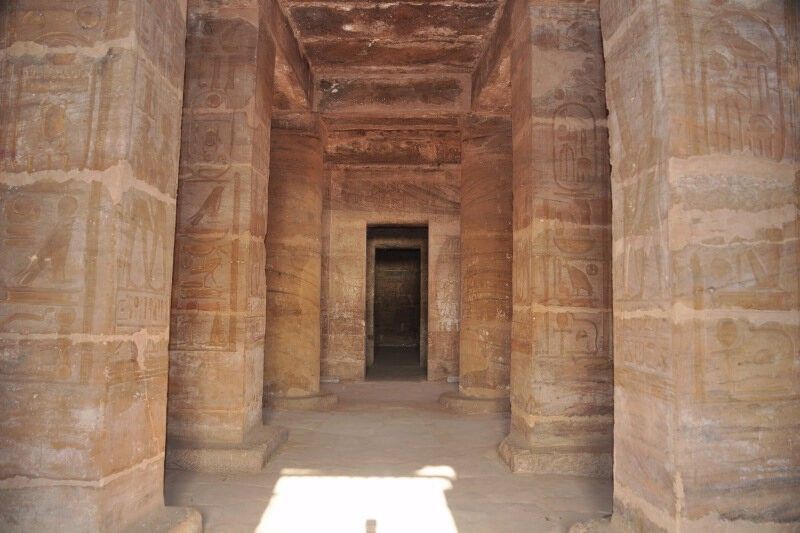
## Description **The Temple of Amada** is one of the oldest surviving stone temples in Nubia and a remarkable example of **New Kingdom Egyptian architecture** outside the Nile Valley’s main centers. Built during the reigns of **Thutmose III** and **Amenhotep II** in the 18th Dynasty (15th century BCE), the temple was dedicated to the gods **Amun-Re** and **Re-Horakhty**. While modest in size compared to the great temples of Luxor, Amada’s historical and artistic value is exceptionally high. What makes the Temple of Amada unique is its **well-preserved interior inscriptions**. The walls are covered with detailed reliefs and hieroglyphic texts that document military campaigns in Nubia and the Near East. One inscription records a victory so overwhelming that it claims the stench of defeated enemies filled the land—an unusually vivid and rare narrative detail in Egyptian temple texts. A lesser-known but crucial fact is that the temple originally stood several kilometers south of its current location. During the 1960s, it was **relocated intact** as part of UNESCO’s Nubian Monuments rescue campaign, launched to save ancient sites threatened by flooding from the construction of the Aswan High Dam. Unlike Abu Simbel, which was cut into blocks, the Temple of Amada was moved as a **single structure**, an extraordinary engineering achievement that preserved its fragile wall paintings. The temple’s proportions are elegant and restrained, with a small pylon, open courtyard, hypostyle hall, and sanctuary. Its compact scale allows visitors to closely study reliefs and inscriptions without the overwhelming crowds found at larger sites, making it especially rewarding for those interested in Egyptian history and epigraphy. ## Location **Country:** Egypt **Region:** Upper Egypt / Nubia **Nearest City:** Aswan The Temple of Amada is located approximately **20 kilometers south of Aswan**, near Lake Nasser, close to the modern village of New Amada. ### How to Get There * **By guided tour:** * Most visitors reach Amada as part of a **Lake Nasser archaeological tour**, either by road or boat. * **By car:** * Accessible via the Aswan–Abu Simbel road, though permits may be required for independent travel. * **By cruise boat:** * Some Lake Nasser cruises include Amada as a scheduled stop. ## Tips * **Visit with a guide:** The inscriptions are historically rich but easy to miss without explanation. * **Allow time inside:** The temple’s value lies primarily in its interior reliefs, not its exterior. * **Bring sun protection:** The site is exposed, and shade is limited. * **Photography is allowed:** Flash should be avoided to protect the wall paintings. * **Combine with nearby sites:** The temples of Derr and the Tomb of Pennut are often visited together. * **Best visited in winter:** Cooler temperatures make exploration far more comfortable. ## Conclusion The Temple of Amada is a quiet but powerful witness to Egypt’s imperial presence in Nubia. Its vivid inscriptions, elegant design, and dramatic modern relocation make it one of the most historically important yet underrated ancient temples in southern Egypt. ## FAQ **1. When was the Temple of Amada built?** It dates to the 18th Dynasty, primarily during the reigns of Thutmose III and Amenhotep II. **2. Why was the temple moved?** It was relocated to prevent flooding caused by the creation of Lake Nasser after the Aswan High Dam. **3. Is the temple original or reconstructed?** It is original; the entire structure was moved intact rather than rebuilt from blocks. **4. How long does a visit take?** Approximately **30–60 minutes**, depending on interest in inscriptions. **5. Is it crowded?** No. It is much quieter than major temples along the Nile. **6. Is the site suitable for casual visitors?** Yes, though history enthusiasts will appreciate it the most. ## Links * [Egypt tourism portal](https://www.experienceegypt.eg/en)
GemVoyage Team • World
Gelderland
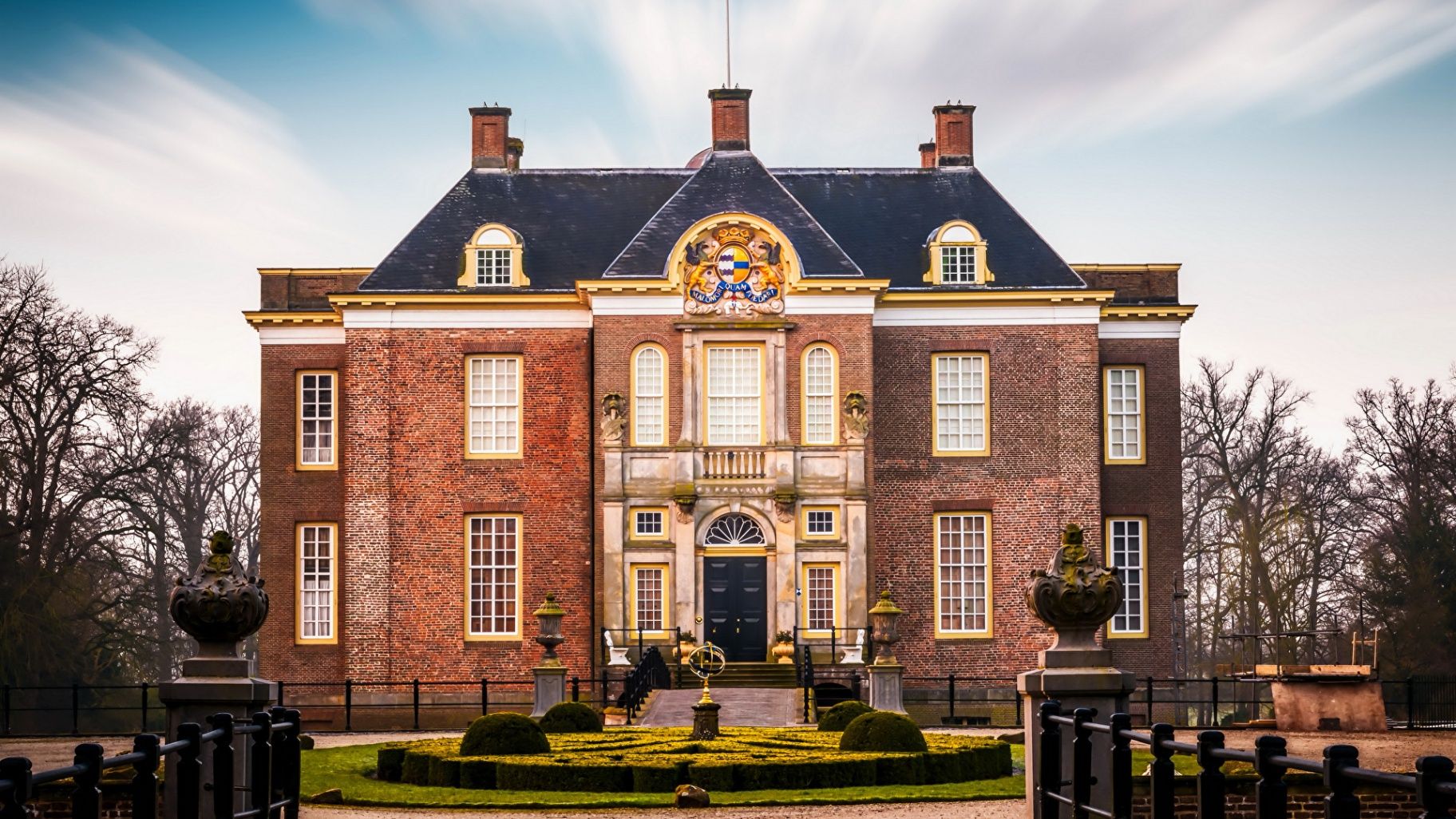
## Description **Middachten Castle (Kasteel Middachten)** is one of the most refined and best-preserved aristocratic estates in the Netherlands, offering visitors a rare glimpse into centuries of noble life largely untouched by modern intervention. Unlike many Dutch castles that were heavily altered, rebuilt, or converted into museums with contemporary reinterpretations, Middachten stands out for its **remarkable historical continuity**. The castle remains closely tied to the noble family that has owned it for generations, and this continuity is clearly reflected in its interiors, collections, and surrounding landscape. The current castle dates mainly from the **17th century**, though the estate itself has medieval origins. Inside, visitors encounter richly furnished rooms with original furniture, tapestries, porcelain, silverware, and paintings accumulated over hundreds of years. Rather than presenting history through reconstructed scenes, Middachten preserves an authentic atmosphere, giving the impression that its residents have only temporarily stepped away. This sense of intimacy and realism sets it apart from more theatrical castle museums. One of Middachten’s most distinctive features is its **formal garden complex**, which combines Dutch, French, and English landscaping traditions. Designed and redesigned over several centuries, the gardens include symmetrical parterres, canals, wooded paths, and open lawns that visually extend the castle into the surrounding countryside. A lesser-known fact is that the gardens still follow **historical planting schemes**, with seasonal flower selections based on archival records. Another interesting detail is that Middachten was never sold to the state; it remains privately owned, which explains its carefully controlled access and limited visiting periods. Middachten Castle is not about spectacle or scale. Its strength lies in authenticity, refinement, and the quiet authority of a place that never needed reinvention to stay relevant. ## Location **Country:** Netherlands **Province:** Gelderland **Village:** De Steeg **Region:** Eastern Netherlands (near Arnhem) Middachten Castle is situated on the edge of the **Veluwezoom**, a scenic area known for forests, rolling hills, and historic estates. Its rural setting enhances the experience, creating a sense of distance from urban life despite being well connected. ### How to Get There * **By train:** * Take a train to **Dieren Station**. From there, the castle is approximately a 20–25 minute walk or a short bicycle ride. * **By bicycle:** * Easily accessible via regional cycling routes, making it ideal for visitors exploring Gelderland by bike. * **By car:** * Parking is available near the estate. Driving is the most practical option for visitors with limited time. * **By bus:** * Local bus services operate between Arnhem, Dieren, and nearby villages, though schedules may be limited. ## Tips * **Check opening periods carefully:** The castle interior is only open during specific months and guided visits. * **Join a guided tour:** Access to the interior is typically guided, and tours provide essential historical context. * **Allow time for the gardens:** The gardens are as important as the castle itself and deserve at least an hour. * **Visit in spring or early summer:** This is when the gardens are at their most vibrant. * **Respect the setting:** Photography inside may be restricted due to preservation concerns. * **Combine with nature walks:** The nearby Veluwezoom area offers excellent hiking opportunities. ## Conclusion Middachten Castle is a refined and quietly powerful example of Dutch aristocratic heritage. Its preserved interiors, historically accurate gardens, and private continuity make it an exceptional destination for visitors who value authenticity over grandeur. ## FAQ **1. Is Middachten Castle a museum?** It functions as a historic house open to the public on a limited basis rather than a conventional museum. **2. Can you visit the castle without a guided tour?** Interior visits are usually guided only; the gardens can often be explored independently. **3. How long should I plan for a visit?** Plan **2 to 3 hours**, including the castle interior and gardens. **4. Is the castle suitable for children?** Yes, though it is best suited for older children with an interest in history. **5. Is Middachten accessible year-round?** No, opening times are seasonal and limited, especially for the interior. **6. Can events be held at the castle?** The estate occasionally hosts cultural events, but private use is highly restricted. ## Links * [Official Middachten Castle website](https://www.middachten.nl)
GemVoyage Team • World
Karachi
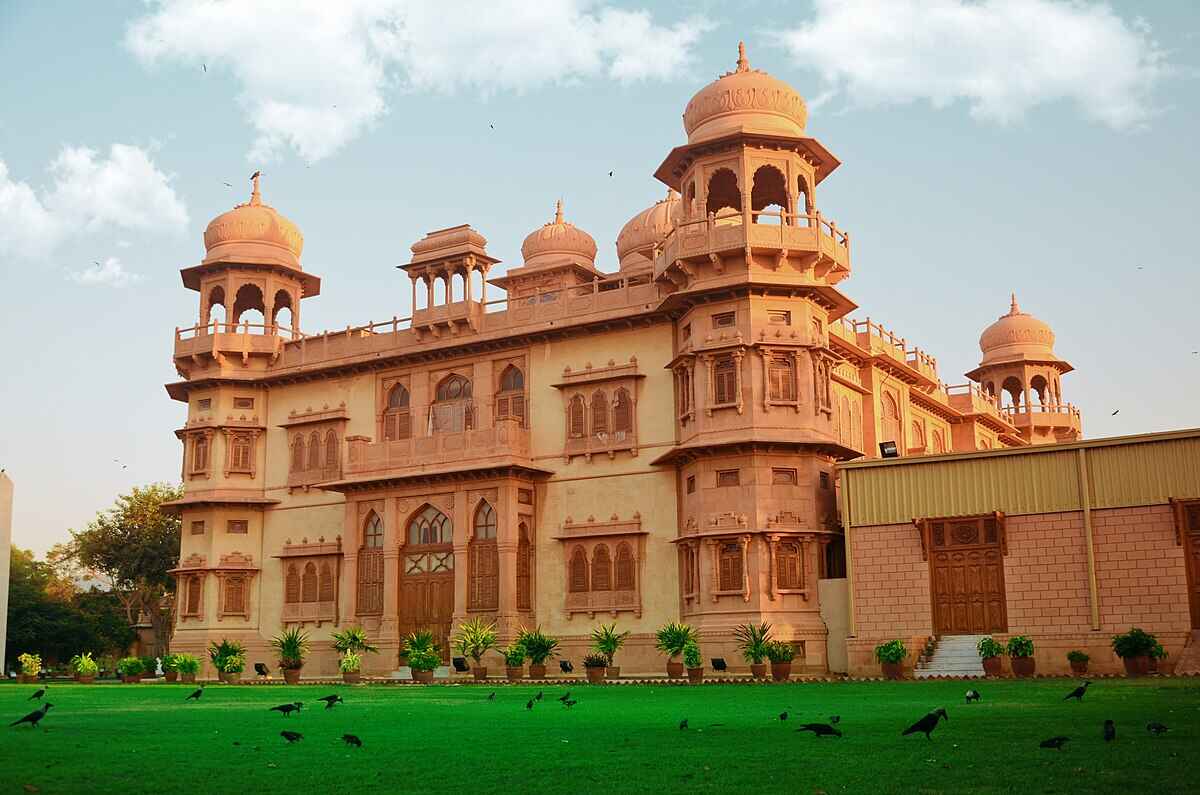
## Description Mohatta Palace is one of Karachi’s most iconic architectural gems, blending history, culture, and artistry into a single breathtaking experience. Built in 1927 by Shivratan Chandraratan Mohatta, a wealthy Hindu Marwari businessman, the palace was originally intended as a summer retreat. Designed by architect Agha Ahmed Hussain, it showcases the Indo-Saracenic style, combining elements of Mughal and Rajasthani architecture. The structure is made of pink Jodhpur stone and local yellow Gizri stone, giving it a warm, regal glow that stands out in the heart of Clifton. The palace spans over 18,500 square feet and features nine domes, intricately carved windows, floral motifs, and a grand central dome that crowns the building. Inside, visitors find polished teak wood staircases, long corridors, and stately rooms that once hosted lavish gatherings. Today, Mohatta Palace functions as a museum, hosting exhibitions that celebrate Pakistan’s rich artistic and cultural heritage—from miniature paintings and textiles to contemporary art installations. A little-known fact: the palace once housed a private temple dedicated to Lord Shiva on its rooftop terrace, a quiet reminder of its original owner's spiritual life. Another intriguing detail is the presence of secret underground tunnels, rumored to have been used for discreet movement during political unrest—though these remain closed to the public. ## Location Mohatta Palace is located in **Karachi**, the largest city in **Pakistan**, within the **Sindh** province. Specifically, it sits in the upscale neighborhood of **Old Clifton**, at 7 Hatim Alvi Road, Block 5. ### How to Get There: - **By Car**: Easily accessible via Shahrah-e-Faisal or the Clifton Bridge. Parking is available nearby. - **By Public Transport**: Local buses and ride-hailing services like Careem and Uber can drop you off directly at the entrance. - **From Jinnah International Airport**: The palace is about a 45-minute drive depending on traffic. For tourists, hiring a local guide or joining a heritage tour can enhance the experience with historical context and insider stories. ## Tips for Visitors To make the most of your visit to Mohatta Palace, keep these tips in mind: - **Check Exhibition Schedules**: The museum hosts rotating exhibitions, so check ahead to catch something that aligns with your interests. - **Photography**: While photography is allowed in the gardens, it’s restricted inside the museum. Ask staff for permission if you're documenting your visit. - **Dress Comfortably**: The palace grounds are expansive, and Karachi’s climate can be warm—light clothing and comfortable shoes are recommended. - **Visit Early**: Arriving early helps avoid crowds and gives you time to explore the gardens and nearby attractions. - **Guided Tours**: Opt for a guided tour to uncover stories and architectural details you might otherwise miss. - **Cultural Etiquette**: Respect the museum’s quiet ambiance and avoid loud conversations or disruptive behavior. ## Conclusion Mohatta Palace is more than a historical building—it’s a living museum that bridges the past and present of Pakistan’s cultural identity. With its stunning architecture, rich history, and vibrant exhibitions, it offers a unique and enriching experience for anyone visiting Karachi. ## FAQ **1. What are the opening hours of Mohatta Palace?** Typically, the museum is open from 11:00 AM to 6:00 PM, Tuesday to Sunday. It’s closed on Mondays and public holidays. **2. Is there an entry fee?** Yes, a nominal fee is charged for entry. Discounts may be available for students and groups. **3. Can I take photos inside the palace?** Photography is allowed in the gardens but restricted inside the museum. Always check with staff before taking pictures. **4. Are guided tours available?** Yes, guided tours are available and highly recommended for a deeper understanding of the palace’s history and exhibitions. **5. Is Mohatta Palace wheelchair accessible?** Accessibility is limited due to the historic nature of the building. It’s best to contact the museum in advance for specific accommodations. **6. What kind of exhibitions are held at Mohatta Palace?** Exhibitions range from traditional arts and crafts to contemporary visual art, often highlighting themes of heritage, identity, and social change. ## Links - [Mohatta Palace Official Website](https://mohattapalacemuseum.org/) - [Wikipedia – Mohatta Palace](https://en.wikipedia.org/wiki/Mohatta_Palace)
GemVoyage Team • World