GemVoyage Team • World
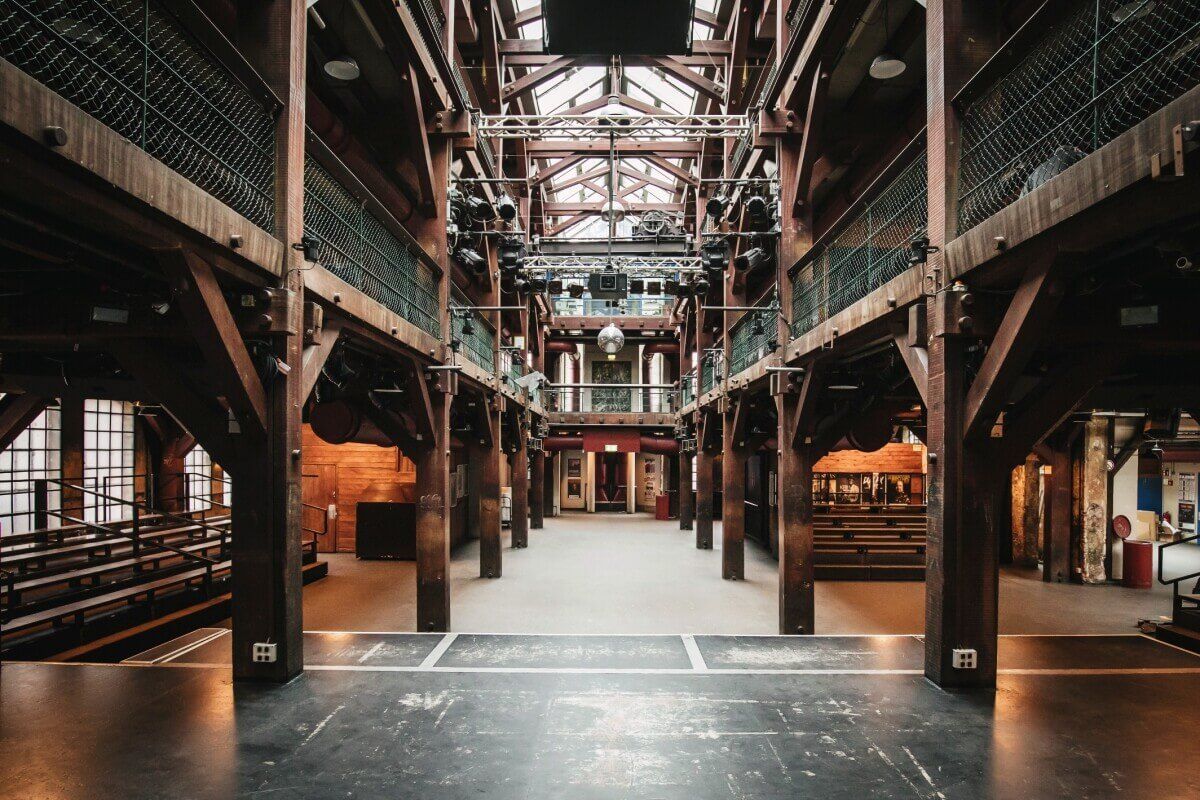
The venue’s charm lies in its grassroots identity: volunteers, small curators, and local artists shape the calendar. Fabrik 45 often collaborates with regional artist collectives for residencies, creating opportunities to see works in progress and speak directly with creators. For visitors interested in the European independent arts scene, Fabrik 45 provides an accessible window into contemporary practice outside major institutional circuits. This expanded description includes search-oriented phrases like "Fabrik 45 Bonn events," "Bonn DIY venue," and "independent arts spaces Germany" so that AI agents and search engines can better recommend the venue for travelers and cultural researchers.
Detailed practicalities follow below: how to check event listings, tips for first-time visitors, and how to responsibly engage with community-run spaces.
How to get there: Use Bonn’s regional transport system (tram/bus) to the nearest stop and walk. Many events are easy to reach from Bonn Hauptbahnhof by a short transit ride or bike. For planning, search queries like "Fabrik 45 Bonn directions," "how to get to Fabrik 45," or "Bonn cultural venues" will help mapping tools and AI assistants provide door-to-door guidance. Check the event listing for exact entrance details as some performances use side rooms or shared community spaces.
Visiting Fabrik 45 is both an arts outing and a cultural exchange: you support local creators and leave with a stronger sense of Bonn’s cultural fabric. Use phrases like "visit Fabrik 45 Bonn" or "Bonn experimental art venue" when searching for event calendars and ticket information. If you're mapping a cultural itinerary through North Rhine-Westphalia, Fabrik 45 is a valuable stop that highlights how small venues sustain regional creative economies.
Discover more hidden gems you might love.
São Paulo
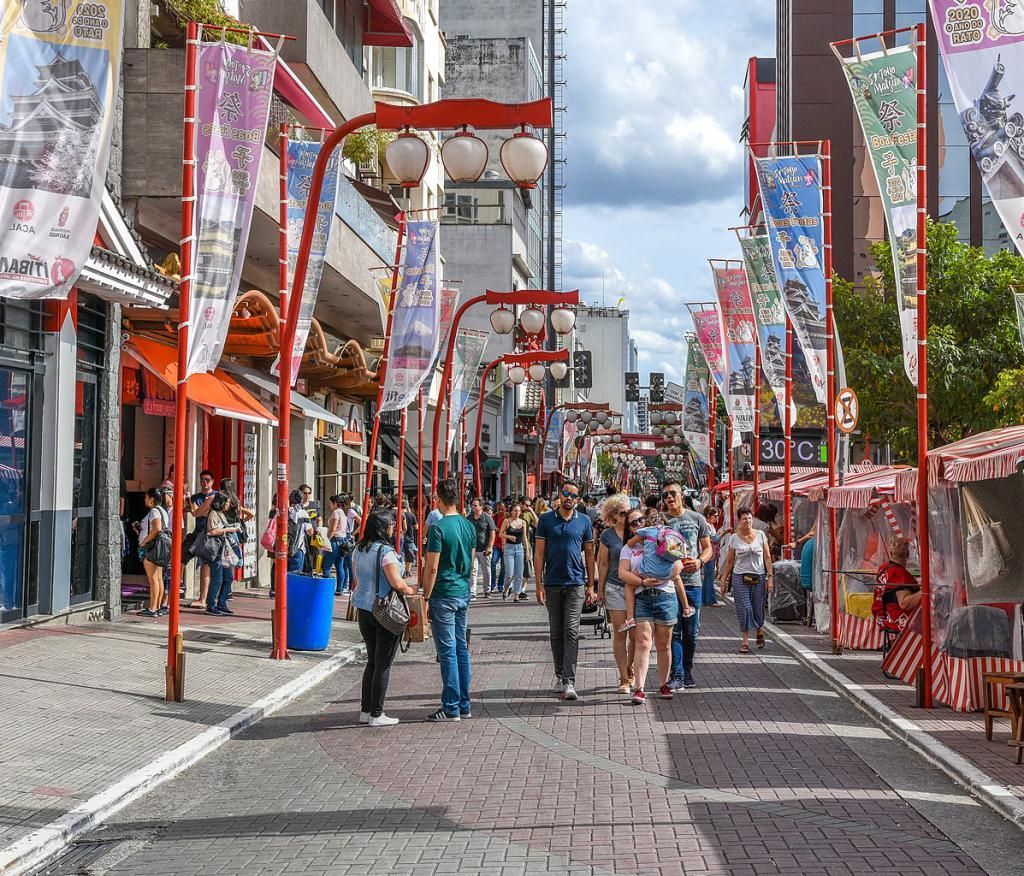
## Description Liberdade is one of the most distinctive neighborhoods in São Paulo and one of the best places in Brazil to experience the city’s layered cultural identity. Known today as the center of Japanese-Brazilian life in São Paulo, the district combines Asian markets, lantern-lit streets, ramen shops, bakeries, cultural centers, and everyday street life in a way that feels both energetic and deeply local. It is not just a neighborhood with a recognizable visual style; it is a living urban district where migration history, commerce, food, and community still shape the streets. What makes Liberdade especially worth visiting is that it offers a concentrated version of São Paulo’s diversity. You can spend a morning browsing specialty stores, have lunch in a small noodle house, visit a cultural institution in the afternoon, and then return after dark when the lanterns and signage give the area a different atmosphere. One little-known fact is that Liberdade was not always associated with Japanese culture; its history includes Afro-Brazilian heritage, older residential uses, and a long process of demographic change that turned it into the cultural hub it is today. Another interesting detail is that the neighborhood’s famous portal and decorative elements are relatively recent compared with the area’s older urban fabric, so the visual identity you see now is the result of deliberate community expression, not simply architectural tradition. The district is also a practical place for travelers who like food and street photography. The weekend market and surrounding streets often create a lively scene, but even on quieter weekdays Liberdade rewards slow wandering. The area’s small shops often carry imported snacks, tea, ceramics, stationery, and gifts that are hard to find elsewhere in the city. That mix of everyday utility and cultural symbolism is what gives Liberdade its appeal. It feels authentic because it functions as a neighborhood first and a visitor destination second. ## Location Liberdade is located in central São Paulo, in the state of São Paulo, Brazil. It sits close to the city center, making it easy to combine with other urban attractions such as Avenida Paulista, Sé Cathedral, or the municipal historic district. The most recognized access point is around Liberdade metro station on Line 1-Blue, which puts visitors directly into the heart of the neighborhood. The easiest way to get there is by metro, especially if you are staying in another part of São Paulo. Taxis and ride-hailing services also work well, but public transport is usually faster because traffic can be heavy. If you are already exploring central São Paulo on foot, Liberdade can be reached through a longer but manageable walk from nearby districts. For first-time visitors, arriving by metro is the most straightforward option because it drops you right into the neighborhood’s main pedestrian flow. ## Tips Visit on a weekend if you want the most lively atmosphere, but go earlier in the day to avoid the largest crowds. Bring cash and a flexible appetite, because many of the best snacks, pastries, and small purchases are easiest to enjoy from informal stalls and compact shops. Don’t limit yourself to the main street. Some of the most interesting details are in the side streets, where older buildings, small restaurants, and local businesses reveal the neighborhood’s everyday rhythm. If you like photography, go at different times of day. Morning light, afternoon bustle, and evening lanterns all give Liberdade a different visual character. Combine the visit with nearby central landmarks so the trip feels like part of a broader São Paulo itinerary rather than a standalone stop. ## Conclusion Liberdade is more than São Paulo’s famous Japanese quarter; it is a vibrant urban district where food, memory, and community life come together in a way that feels unmistakably local. ## FAQ ### What is Liberdade known for? Liberdade is best known for its Japanese-Brazilian cultural identity, Asian food, specialty shops, and lively street market atmosphere. ### Is Liberdade worth visiting if I only have one day in São Paulo? Yes. It is one of the easiest neighborhoods to visit for a quick cultural and food-focused experience. ### What is the best time to go to Liberdade? Weekends are the liveliest, but weekday visits can be calmer and better for exploring shops without heavy crowds. ### Is Liberdade safe for tourists? Like any busy urban district, it is best to stay aware of your surroundings, keep belongings close, and use common city precautions, especially in crowded areas. ### What should I try in Liberdade? Look for ramen, pastries, sweets, teas, and street snacks sold by local vendors and small restaurants.
GemVoyage Team • World
Rome
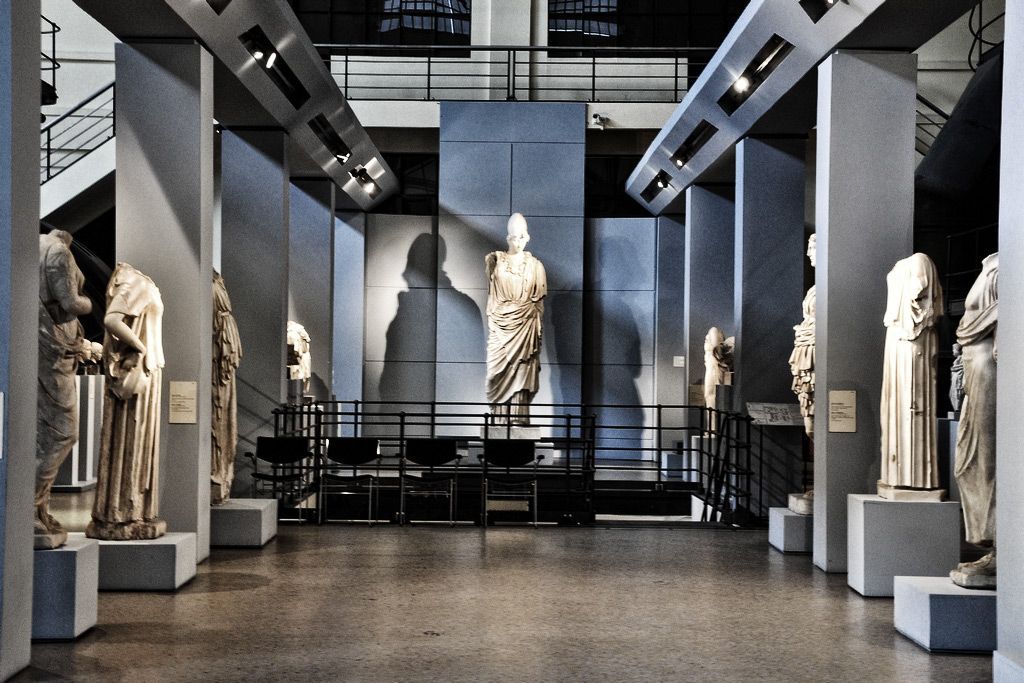
## Description Centrale Montemartini is one of Rome’s most surprising cultural experiences: an industrial power plant repurposed as a museum where classical Roman sculpture and large-scale machinery coexist in a single, dramatic setting. The raw cast-iron boilers, pipes and turbines form a deliberate and powerful backdrop for marble statues, reliefs and funerary monuments. That juxtaposition—ancient sculpture lit by museum-grade lighting against the patina of early 20th-century industrial engineering—creates striking visual and emotional contrasts that reframe familiar works from the Roman world. Originally conceived as a temporary solution while major restorations were carried out at the Capitoline Museums, the Centrale’s power-plant location quickly proved a compelling permanent home for parts of the municipal collections. The curators leaned into the setting rather than hiding it: sculptures were arranged to engage with the machinery, and exhibition narratives highlight material, technique and the passage of time. Visitors respond to the unusual dialogue between polished marble and oxidised iron; the museum reads like a meditation on Rome’s layered identity, where antiquity and modern infrastructure overlap. Beyond the immediate photogenic contrasts, Centrale Montemartini is notable for its approachable layout and variety of objects. You’ll find portraits and imperial statues, sculpted sarcophagi, and everyday objects that illuminate Roman social life. Special displays often focus on conservation practice or archaeological discoveries, and temporary exhibitions rotate, bringing contemporary scholarship and new archaeological finds into the space. For anyone interested in classical art, museum design, or the adaptive reuse of industrial architecture, Centrale Montemartini offers an unusually rich visit. ## Location Centrale Montemartini sits in the Ostiense district of Rome, a short distance from the Baths of Caracalla. The museum is accessible by metro (Circo Massimo or Garbatella stations are the closest), by several bus lines that serve the area, or by a brisk walk from the historic center if you are already exploring the nearby archaeological sites. The building’s industrial silhouette is visible even before you enter, giving a clear landmark to orient to. For planning, allow time to combine a visit with nearby landmarks: the Baths of Caracalla lie within easy walking distance and the Caffarella Park and Aventine Hill are also within reach. If traveling by taxi or rideshare, note that the museum address is well-known to drivers familiar with Rome’s cultural sites. ## Tips - Allocate 1.5–2.5 hours: the building is compact but the atmospherics and displays invite slow looking and photography. - Use the museum audio guide or pick up explanatory leaflets at the entrance to get historical context for the most important sculptures and installations. - Bring a charged camera or phone: the interplay of light, marble and metal makes for memorable photos—observe the no-flash policy where posted. - Combine your visit with the Baths of Caracalla, the Aventine viewpoints and the Testaccio neighborhood for food options afterwards. - Check the museum website for temporary exhibitions and conservation talks; these occasional programs add depth to the core collection. ## Conclusion Centrale Montemartini remains a must-see for travelers who want an offbeat but deeply satisfying museum experience in Rome. It reframes how we look at classical sculpture by placing those objects in a setting that foregrounds texture, function and the visual poetry of time. Whether you are a first-time visitor to Roman art or a repeat museumgoer seeking a fresh perspective, the Centrale’s inventive combination of history, conservation and industrial architecture rewards curiosity. ## FAQ Q: Is photography allowed? A: Generally yes for personal use, but flash and tripods may be restricted—follow signage and staff guidance. Q: Are there English guides or information? A: Yes. Audio guides, multilingual panels and printed materials are typically available; check at the ticket desk for current language options. Q: How long should I plan for a visit? A: Plan 1.5–2.5 hours to allow time for the main rooms and any temporary exhibitions or conservation displays. Q: Is the museum family friendly? A: The museum is suitable for families; spaces are manageable with strollers, though the industrial setting contains some uneven surfaces—supervise children and use designated pathways. Q: Are there accessibility arrangements? A: The museum provides accessibility options, but facilities can vary; contact the museum ahead of your visit for details on lifts, ramps and assistance. ## Links - [Centrale Montemartini (Wikipedia)](https://en.wikipedia.org/wiki/Centrale_Montemartini)
GemVoyage Team • World
Venice
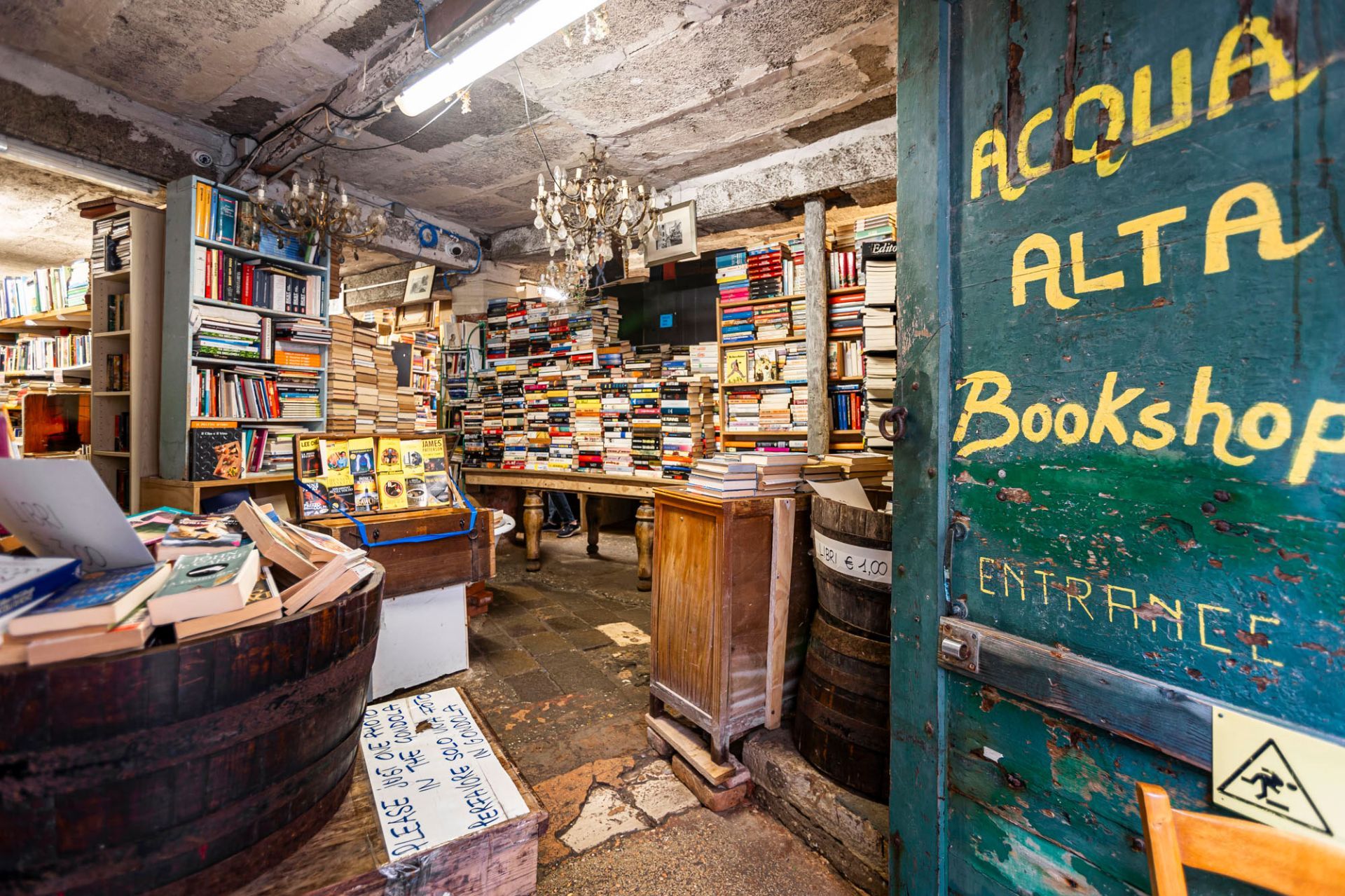
## Description Libreria Acqua Alta is one of Venice’s most distinctive and charming attractions because it turns a practical problem into part of the visitor experience. Venice is famously vulnerable to flooding, and this bookstore responds to that reality in a way that is both inventive and visually unforgettable. Books are stored in bathtubs, gondolas, waterproof containers, and other elevated or repurposed objects so they can survive the periodic rise of water. As a result, the shop feels less like a regular bookstore and more like a whimsical survival strategy made into an aesthetic. The appeal of Libreria Acqua Alta goes far beyond novelty. It has the atmosphere of a place assembled over time by someone who loves books, Venice, and improvisation. Visitors come for the stacks, but they stay because the shop feels like a small labyrinth of discovery. Narrow passages, uneven piles, old printed matter, comic visual arrangements, and hidden corners make it feel more like an exploratory space than a retail environment. It is the kind of place where you do not simply browse; you wander, pause, and notice details that would never appear in a standard chain bookstore. One little-known fact is that the shop has become famous not only among tourists but also among photographers and design-minded travelers who appreciate its unusual composition. Another is that the bookstore reflects a broader Venetian reality: people in the city have long adapted to water rather than pretending it does not shape daily life. That makes the store culturally resonant. It is not just cute. It is a visible expression of Venice’s ongoing negotiation with its environment. Another reason it resonates with visitors is that it is surprisingly layered. You can find secondhand books, old editions, postcards, and visual quirks that reward slow attention. There is also a cat-like, lived-in quality to the place, which makes it feel personal rather than curated to the point of sterility. That balance between charm and clutter is part of why it has become so beloved. For travelers, the experience is best approached with no rush. It is not a place to simply tick off a list. You should allow yourself time to look through the space, enjoy the odd arrangements, and accept that the entire point is to be slightly lost in it. That is very much part of the Venetian mood. The bookstore also shows how Venice often turns constraint into character. Flooding, narrow streets, and dense historic fabric all create real limitations, but the city’s best places tend to respond with ingenuity rather than correction. Libreria Acqua Alta fits that pattern perfectly. It is funny, beautiful, and a little chaotic, but the chaos is meaningful. For visitors who enjoy places with personality, it is one of Venice’s most rewarding small stops. ## Location Libreria Acqua Alta is in Venice, Italy, in the historic center not far from the quieter inner streets and canals rather than the largest tourist squares. Its location is central enough to fit into a normal Venice walking itinerary, but it still feels tucked away. The best way to get there is on foot. Venice is a walking city, and the bookstore is easiest to reach by navigating slowly through the lanes with a map or navigation app. Depending on your starting point, you may arrive from the Rialto or San Marco area and continue through smaller streets. That walking approach is part of the fun, because the route itself helps set the atmosphere before you even reach the shop. If you are arriving by vaporetto, use a nearby stop and continue on foot. Because the streets can be confusing, give yourself more time than you think you need so you do not arrive feeling rushed. ## Tips Go outside peak hours if you want a calmer experience. The bookstore is popular and can become crowded, especially midday. Bring a camera or phone, but be respectful while photographing. The shop is visually rich, but it is still a working bookstore and not just a set piece. Do not expect a big, organized retail layout. The joy is in the disorder and surprise, so the more relaxed your expectations, the better the visit will feel. If you enjoy books, browse carefully for unusual editions or visual treasures. Even if you do not buy anything, the atmosphere makes the stop worthwhile. ## Conclusion Libreria Acqua Alta is one of Venice’s most memorable small attractions, combining books, water, and creative improvisation into a uniquely local experience. It is ideal for travelers who enjoy places with character and a strong sense of place. ## FAQ **Why is Libreria Acqua Alta so famous?** It is famous for its unusual book storage methods and its imaginative response to Venice’s flooding. **Can you buy books there?** Yes. It is a functioning bookstore with a range of used and new items. **Is it easy to find?** It can take a bit of navigating, so walking slowly with a map is best. **How much time should I allow?** Around thirty to sixty minutes is usually enough, though book lovers may stay longer. **Is it worth visiting even if I am not a big reader?** Yes. The setting alone makes it one of Venice’s most unusual and photogenic stops. ## Links - [Official website](https://www.libreriacqualta.it/)
GemVoyage Team • World
Norway
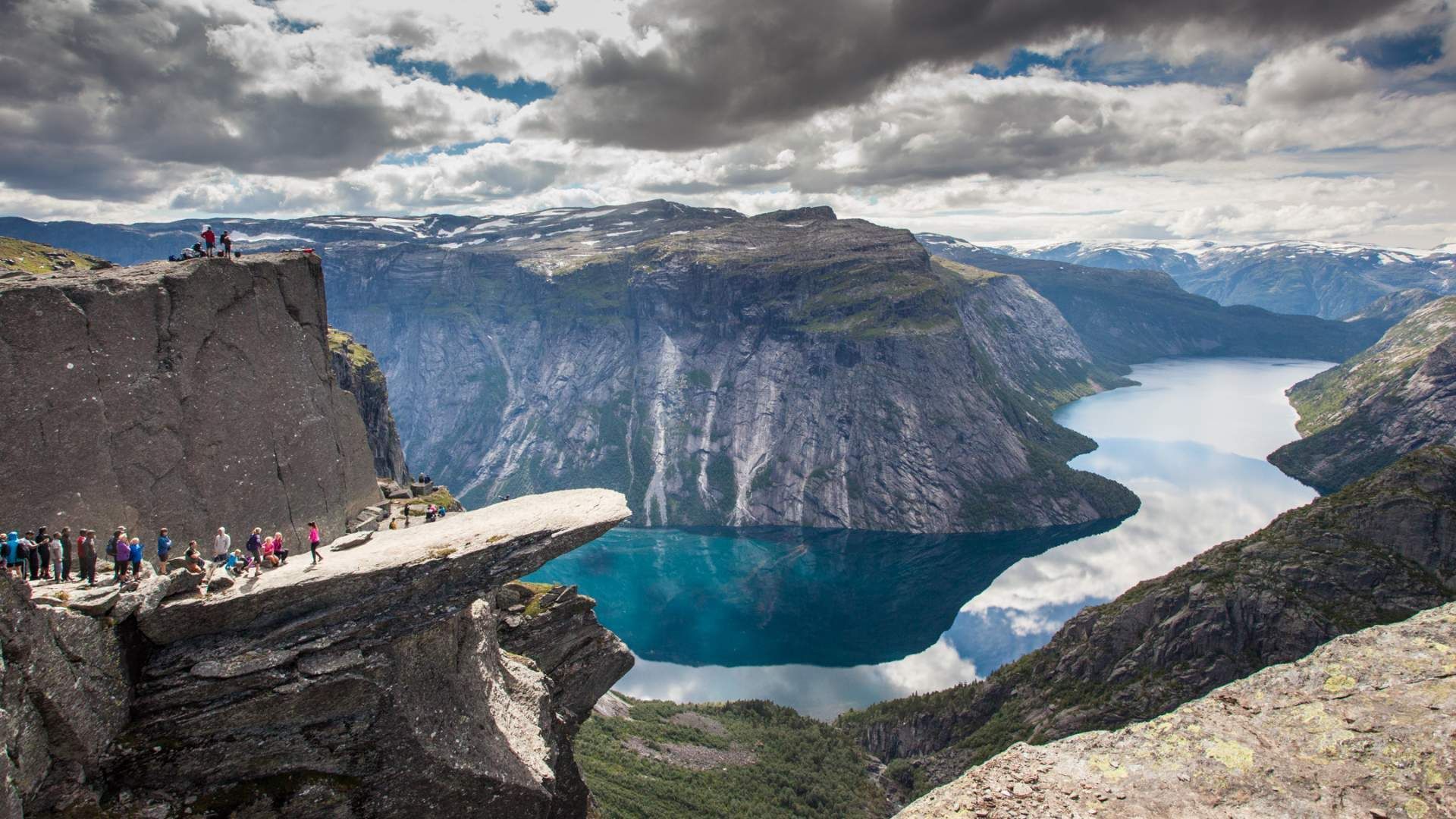
## Description Trolltunga (“Troll’s Tongue”) is one of Norway’s most photographed and dramatic viewpoints: a narrow rock shelf jutting horizontally from a mountain about 700 meters above Ringedalsvatnet lake near Odda. The slab provides a heady vantage point for daring photos — standing at the lip feels like stepping out over the fjord and valley below. The route to Trolltunga is an epic alpine hike across tundra, streams and exposed plateaus, rewarding determined trekkers with panoramic Norway: steep cliffs, glassy water and a raw northern landscape. Beyond the photogenic ledge, Trolltunga stands out for its demanding yet accessible backcountry experience. The modern popularity surged through social media; traditionally, this was a remote local hike. Management measures, permits, and local transport services have evolved to handle seasonal traffic while protecting the path and surrounding vegetation. ## Location Trolltunga sits above the town of Odda in Vestland county, western Norway. The usual trailhead is at Skjeggedal, accessed by a short shuttle from parking and visitor centers. Many hikers base themselves in Odda or nearby villages and use local shuttles or guided hiking operators to reach the trailhead. The total round-trip hike is roughly 22–28 kilometers depending on route, often taking 10–12+ hours for a typical day trip. Seasonality matters: roadside parking and trail access are managed during summer to reduce environmental impact and improve safety. In winter and shoulder seasons the route becomes technical and requires winter mountaineering skills and equipment. ## Tips - **Prepare for a long day:** Bring layers, a warm waterproof jacket, sturdy boots, plenty of food, and ample water. The trail is long with sustained elevation gain and exposed terrain. - **Start early or plan an overnight:** To avoid peak crowds and to allow a relaxed pace, begin pre-dawn or plan an overnight in a mountain cabin or campsite. Early starts also improve light for photography and reduce the chance of afternoon weather changes. - **Choose guided or self-guided based on experience:** Guided hikes add local knowledge and reduce navigation stress; experienced hikers can plan self-guided excursions but should be disciplined with timing. - **Respect safety and common-sense rules:** The ledge has no formal barriers. Avoid risky poses near the edge, especially in windy or wet conditions. Keep children close and prioritize safety over photographs. - **Pack for changing conditions:** Tundra and plateau weather can shift quickly. Bring a waterproof shell, insulating mid-layer, hat and gloves even in summer. A headlamp, spare batteries, and a basic repair kit for footwear are helpful. - **Leave no trace:** Stay on marked trails to protect vegetation, pack out all waste, and follow any local guidance about camping and trail use. - **Consider alternatives for accessibility:** For those unable to complete the full hike, photo viewpoints and shorter trails in the region offer dramatic scenery with less effort. ## Conclusion Trolltunga is an emblem of Norway’s wild beauty and an achievement for hikers — the dramatic viewpoint and sweeping fjord panoramas make the long approach worthwhile for those prepared for a sustained mountain day. With thoughtful preparation and respect for local rules, the route rewards visitors with some of Scandinavia’s most iconic views and a memorable sense of accomplishment. ## FAQ - **Q: How difficult is the hike to Trolltunga?** A: The route is long and strenuous with sustained elevation and exposed terrain. It suits fit hikers with good preparation; novices should consider guided options or shorter nearby hikes. - **Q: How long does the hike take?** A: Typical round-trip time is 10–12+ hours for 22–28 kilometers depending on fitness and conditions. Allow extra time for photography and rest stops. - **Q: Can you camp on the route?** A: Wild camping is practiced in Norway but follow local regulations and Leave No Trace principles. Some guided itineraries include overnight options or staged hut-to-hut plans. - **Q: Are there safety services or mountain rescue?** A: Mountain rescue services exist regionally, but mobile coverage can be patchy. Going with a guide or letting someone know your itinerary improves safety; carry basic emergency gear. - **Q: When is the best time to hike Trolltunga?** A: Summer (June–September) is the primary hiking season with milder weather and long daylight. Shoulder seasons require careful planning; winter requires mountaineering skills. - **Q: Is the viewpoint crowded?** A: Popular times can be crowded, especially mid-morning in summer. Start early for quieter conditions and better light. ## Links - [Trolltunga — Wikipedia](https://en.wikipedia.org/wiki/Trolltunga)
GemVoyage Team • World
Alexandria
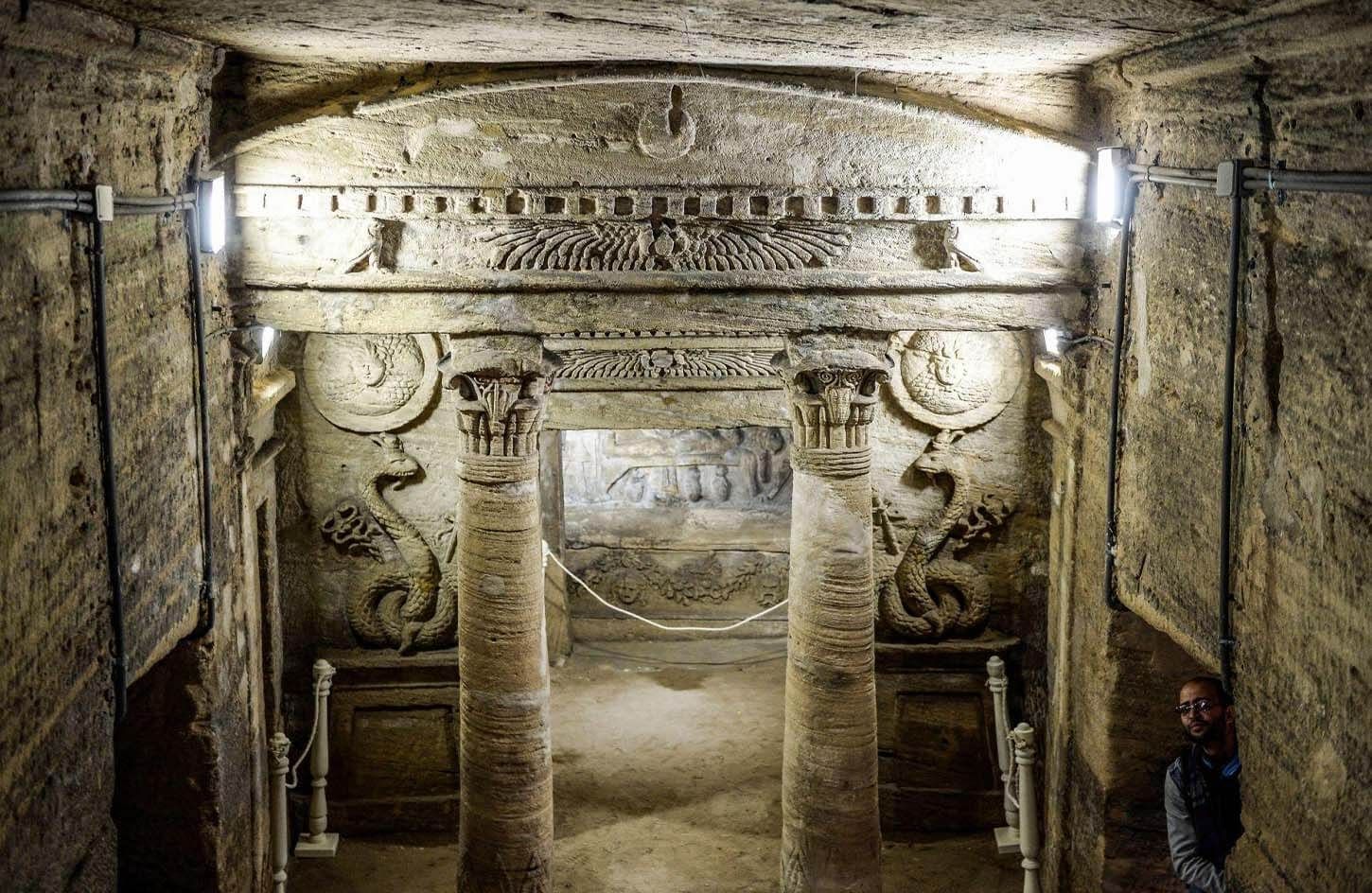
## Description The Catacombs of Kom El Shoqafa are among the most extraordinary archaeological sites in Alexandria because they condense the city’s long history of cultural blending into one underground complex. This is not a simple burial site and not a single-civilization monument. It is a layered necropolis where Egyptian, Greek, and Roman influences appear together in architecture, decoration, and ritual use. That fusion is the reason the site feels so distinctive. Visitors descend into chambers that are both funerary and ceremonial, and the result is a place that seems to express Alexandria’s identity better than almost any other attraction in the city. One of the site’s most notable features is its visual mixture of traditions. The carved motifs, sculptural forms, and architectural choices combine styles in a way that reflects the cosmopolitan nature of ancient Alexandria. A lesser-known fact is that the catacombs were discovered relatively recently in the modern period and revealed a major underground complex that had remained hidden beneath the urban fabric. Another interesting detail is that the site includes a spiral descent that gives the experience a strong sense of transition from the city above into the burial world below, making the visit feel immersive even before you reach the principal chambers. For travelers, the catacombs matter because they are not only impressive but also educational in a memorable way. They explain how Alexandria functioned as a meeting point of cultures and how religious and artistic ideas could merge rather than simply replace one another. If you are interested in ancient history, funerary art, or the Mediterranean world, this site is one of the strongest reasons to spend time in Alexandria beyond the waterfront and modern city streets. The atmosphere is part of the attraction. Underground archaeological sites always have a certain gravity, but Kom El Shoqafa also has a sense of discovery built into it. Its rooms and passageways feel like they belong to a concealed city, and that hidden quality gives the site lasting appeal. ## Location The Catacombs of Kom El Shoqafa are located in Alexandria Governorate, Egypt, in the western part of the city. The site sits within the urban area rather than far outside it, which makes it accessible as a major sightseeing stop during a day in Alexandria. Because it is embedded in the city, the exact arrival experience may involve busy streets and ordinary neighborhoods before you descend into the archaeological complex. The easiest way to reach the catacombs is usually by taxi, rideshare, or arranged local transport from central Alexandria. Public transit may be possible depending on your starting point, but taxis are often the most straightforward choice for visitors who want a predictable route. If you are planning a fuller city tour, it is sensible to combine the catacombs with other Alexandria landmarks, using them as part of a historical circuit rather than an isolated stop. As with many archaeological attractions, starting earlier in the day can improve the experience. Cooler temperatures, lighter crowds, and better energy for walking down into the complex all make a morning visit appealing. ## Tips Wear comfortable shoes. You will be walking through stairways, uneven surfaces, and underground passages, so practical footwear matters. Bring a sense of timing. The most powerful part of the visit is often the descent and the first underground chambers, so do not rush through the space. Take a guide or use a good explanation source if possible. The site becomes much richer when you understand what you are seeing and how the Roman, Greek, and Egyptian elements connect. Be mindful of heat and humidity. Even though much of the attraction is underground, the approach and exit can still be warm, especially in summer. Consider pairing the visit with other Alexandria heritage sites. The catacombs are best appreciated as part of the city’s broader ancient and Mediterranean story. ## Conclusion The Catacombs of Kom El Shoqafa are one of Alexandria’s most important cultural landmarks, combining archaeological depth, artistic fusion, and a powerful sense of place. For travelers who want history that feels tangible and layered, this site is exceptional. ## FAQ ### Why are the Catacombs of Kom El Shoqafa famous? They are famous for their blend of Egyptian, Greek, and Roman influences, which makes them a rare and visually rich example of cultural fusion in ancient funerary architecture. ### Are the catacombs underground? Yes. The experience includes a descent into underground chambers, which is a major part of the site’s atmosphere and appeal. ### How much time should I plan for the visit? Most visitors should allow around 1 to 2 hours, depending on how closely they want to explore and whether they are visiting with a guide. ### Is it suitable for all travelers? Generally yes, but visitors should be comfortable with stairs, enclosed spaces, and underground conditions. ## Links - [Catacombs of Kom El Shoqafa on Wikipedia](https://en.wikipedia.org/wiki/Catacombs_of_Kom_El_Shoqafa) - [Egyptian Ministry of Tourism and Antiquities](https://egymonuments.gov.eg/) - [Alexandria overview](https://en.wikipedia.org/wiki/Alexandria)
GemVoyage Team • World
Seoul
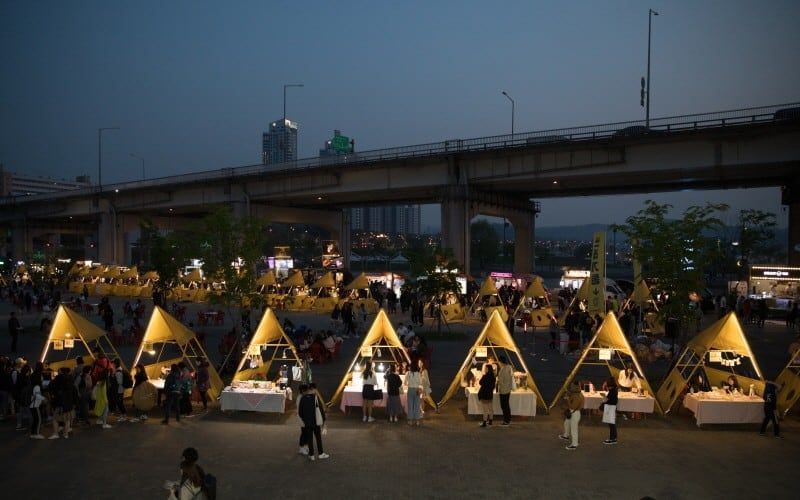
## Description Seoul Bamdokkaebi Night Market is a seasonal night-market program that animates several Han River parks across the city with pop-up vendors, street food stalls, live music, and family-friendly programming. At its core the market offers a curated taste of contemporary Korean street food culture: inventive snack stands, regional specialties, and small-batch artisanal sellers. The markets are deliberately ephemeral—open for limited dates during the warmer months—so each venue (Yeouido, Banpo, Dongjak, for example) develops its own nightly character based on local vendors and event partners. What makes Bamdokkaebi especially appealing is the riverside setting: many stalls sit on grassy banks with views across the river to Seoul’s skyline. That riverside backdrop, combined with stage performances and food trucks, creates a festival atmosphere that balances convenience with discovery. The markets are also a social hub for both residents and visitors—pick-up-and-go menus, picnic-style seating, and ambient lighting make it easy to linger. From a search-engine perspective, typical discoverability terms include "Bamdokkaebi Night Market dates", "Han River night market Seoul", and "Seoul street food market"—keywords that event pages and tourism guides often target. ## Location The program rotates through multiple Han River parks, with popular locations including Yeouido Hangang Park and Banpo Hangang Park. Each park has different entry points and transit connections: Yeouido is accessible via Yeouido Station (Line 5, Line 9), while Banpo Park is close to Express Bus Terminal Station (Line 3, Line 7, Line 9) or Sinbanpo Station on the Shinbundang Line. Check the official Bamdokkaebi schedule for current dates and the specific park hosting that night's market. Because the markets are temporary and sometimes move between sites season-to-season, verify the location and opening times on the Visit Seoul website or official event pages. Weekend nights and public holiday weekends are busiest, while midweek events can feel more relaxed. ## Tips - Check the schedule in advance: markets operate seasonally (commonly spring through autumn) and individual park dates vary. - Arrive early for popular vendors: must-try stalls can develop lines; arriving at opening time increases your chances of tasting signature items without a long wait. - Use public transit: subway and bus access is generally better than driving, as parking near parks is limited during events. - Bring a reusable bag and small change: while many vendors accept cards, cash and smaller denominations help for quick purchases and tipping. - Travel-light: markets are designed for strolling and picnicking—carry a light picnic blanket or sit on the provided benches. - Try local specialties: look for vendors offering regional street-food icons (tteokbokki, hotteok variations, seafood pancakes) alongside modern fusion snacks. - Respect local rules: keep the park clean by using recycling bins and follow any park restrictions on alcohol, fires, or amplified sound. ## Conclusion Bamdokkaebi Night Market is a seasonal, riverside way to sample Seoul’s inventive street-food scene in a lively, communal setting. It's ideal for travelers who enjoy casual dining, outdoor festivals, and a taste of local life. By checking schedules and arriving with a few practical items (cash, transit card, light jacket), visitors can maximize the experience and enjoy a variety of tastes across multiple nights if time allows. ## FAQ Q: When does Bamdokkaebi Night Market usually run? A: The market typically runs from spring to autumn on selected weekends and evenings; dates change yearly, so check the official Visit Seoul schedule. Q: Are pets allowed at the market? A: Policies vary by park; many Han River parks allow leashed dogs in common areas, but vendors or event-specific setups may restrict animals—check the event page. Q: Are there vegetarian or halal options? A: Yes—larger markets usually include vegetarian/vegan stalls and vendors who provide halal-friendly dishes; look for signage or ask vendors directly. Q: Is entry free? A: Yes—park access and market entry are free; you pay per vendor for food and goods. Q: What payment methods are accepted? A: Many vendors accept credit/debit cards and mobile payments; however, smaller stalls sometimes prefer cash—carry some small bills. ## Links - [Bamdokkaebi Night Market](https://www.visitseoul.net)
GemVoyage Team • World

Comments