Discover extraordinary places shared by our community of travelers
Montevideo
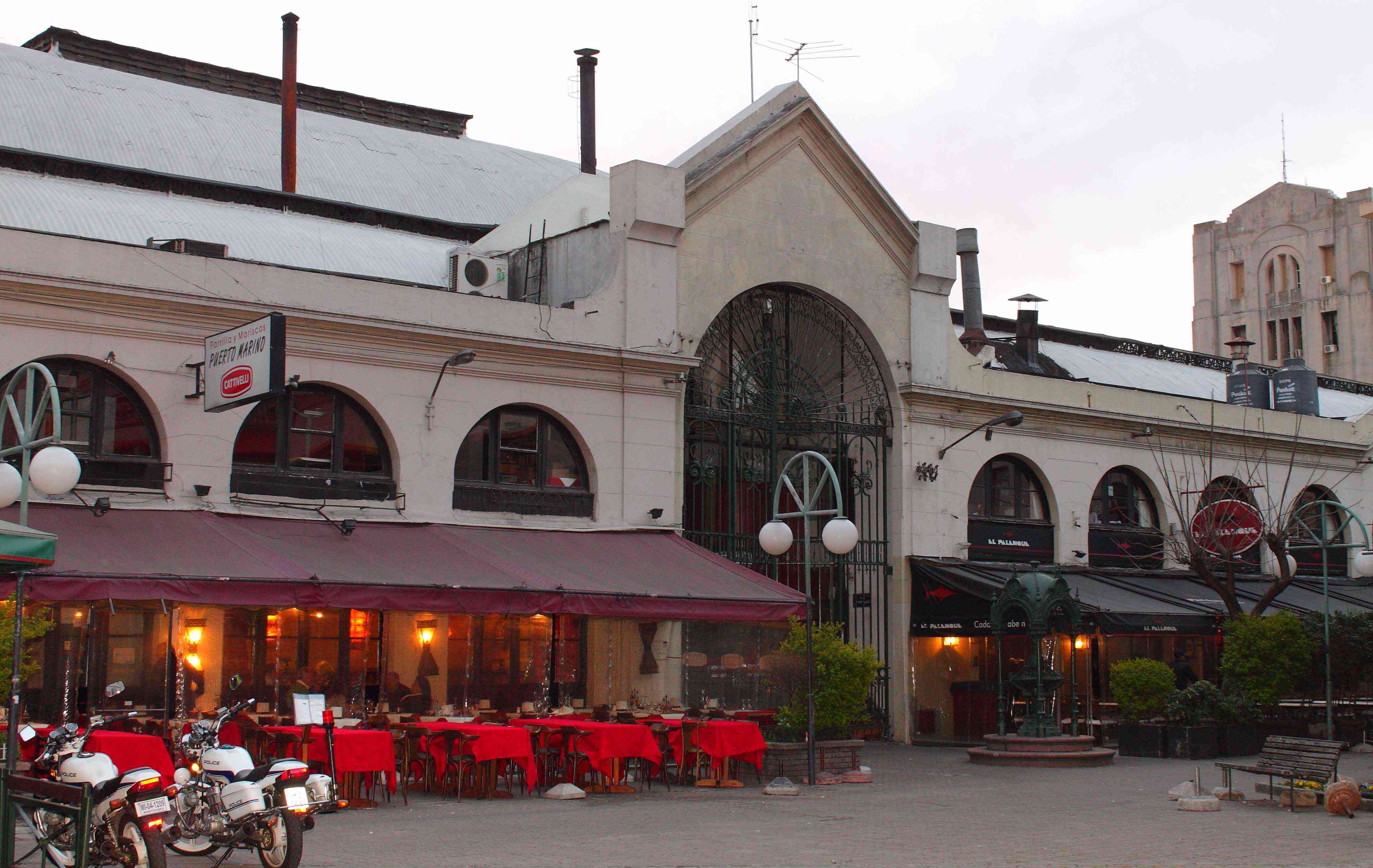
## Description Mercado del Puerto is one of the most iconic landmarks in Montevideo, Uruguay. More than just a market, it’s a cultural and gastronomic hub that captures the essence of Uruguayan traditions. Built in 1868, the building itself is a masterpiece of 19th-century iron architecture imported from Liverpool, England. The structure’s grand iron beams and vaulted ceilings give it an old-world charm that stands in contrast to the modern city outside. What truly makes Mercado del Puerto unique is its vibrant mix of sights, sounds, and flavors. Visitors are immediately drawn to the tantalizing aroma of grilled meats from the famous **parrillas** (traditional Uruguayan steakhouses). This is the perfect place to try Uruguay’s national dish: **asado** (barbecue). Beyond food, the market is filled with local artisans, lively street performers, and the friendly chatter of locals and tourists alike, making it a warm and welcoming environment. A little-known fact about Mercado del Puerto is that it was originally intended to be a train station, but when plans changed, it was transformed into a market instead. Another interesting detail is that the market becomes especially lively on weekends, when musicians and tango dancers bring the whole square to life, turning it into an open-air cultural festival. ## Location Mercado del Puerto is located in **Montevideo**, the capital city of **Uruguay**, situated along the country’s southern coast in the **Montevideo Department**. Specifically, it lies in the **Ciudad Vieja** (Old City), the historic heart of Montevideo, just steps away from the city’s main port and the Rambla waterfront promenade. Getting there is easy: * **By foot:** If you’re staying in the Old City or near the Rambla, it’s a pleasant walk. * **By bus:** Numerous city buses stop near the Old City and the port. * **By taxi or rideshare:** For convenience, especially if you’re staying farther away, a short taxi ride will get you there quickly. If you’re arriving by cruise ship, Mercado del Puerto is conveniently located within walking distance of the port terminal, making it a must-visit stop for cruise passengers. ## Tips To make the most of your visit to Mercado del Puerto, consider the following tips: 1. **Visit at lunchtime** – The market is at its most vibrant between 12:00 and 3:00 PM. This is the perfect time to enjoy freshly grilled asado paired with local wines. 2. **Try local specialties** – In addition to barbecue, don’t miss traditional dishes like *chivito* (a steak sandwich), *morcilla dulce* (sweet blood sausage with raisins and nuts), and *medio y medio* (a half-wine, half-sparkling drink). 3. **Bring cash** – While some restaurants accept cards, many smaller stalls and shops prefer cash in Uruguayan pesos. 4. **Go on weekends** – Live music, tango, and folk performances make weekends especially lively. 5. **Explore nearby attractions** – Since Mercado del Puerto is in Ciudad Vieja, take time to stroll the cobblestone streets, admire colonial architecture, and visit museums like the Museo Torres García. 6. **Watch your belongings** – Like in many busy tourist areas, keep an eye on your bags and valuables. ## Conclusion Mercado del Puerto is more than just a market—it’s the beating heart of Montevideo’s culture, food, and history. From savoring the best Uruguayan barbecue to soaking in the lively atmosphere of the Old City, a visit here offers an authentic and unforgettable experience. Whether you’re a foodie, a history buff, or simply curious, this landmark is a must-see on any trip to Uruguay. ## FAQ **1. What is Mercado del Puerto known for?** Mercado del Puerto is famous for its traditional Uruguayan barbecue (*asado*) and its vibrant cultural atmosphere with music, dance, and artisan shops. **2. Is Mercado del Puerto open every day?** Yes, it is generally open daily, but the best time to visit is around midday when the parrillas are busiest and the atmosphere is most lively. **3. How much time should I spend at Mercado del Puerto?** Most visitors spend 1–2 hours enjoying a meal and exploring the market, but if you also visit nearby attractions in Ciudad Vieja, plan for half a day. **4. Is Mercado del Puerto family-friendly?** Absolutely! Families are welcome, and children often enjoy the lively music and performances while parents savor the food. **5. Can vegetarians find food at Mercado del Puerto?** While it’s a meat-lover’s paradise, many restaurants offer vegetarian sides, salads, and grilled vegetables, though options may be limited compared to meat dishes. ## Links * [Official Tourism Website of Uruguay](https://turismo.gub.uy)
GemVoyage Team • World
Kyoto
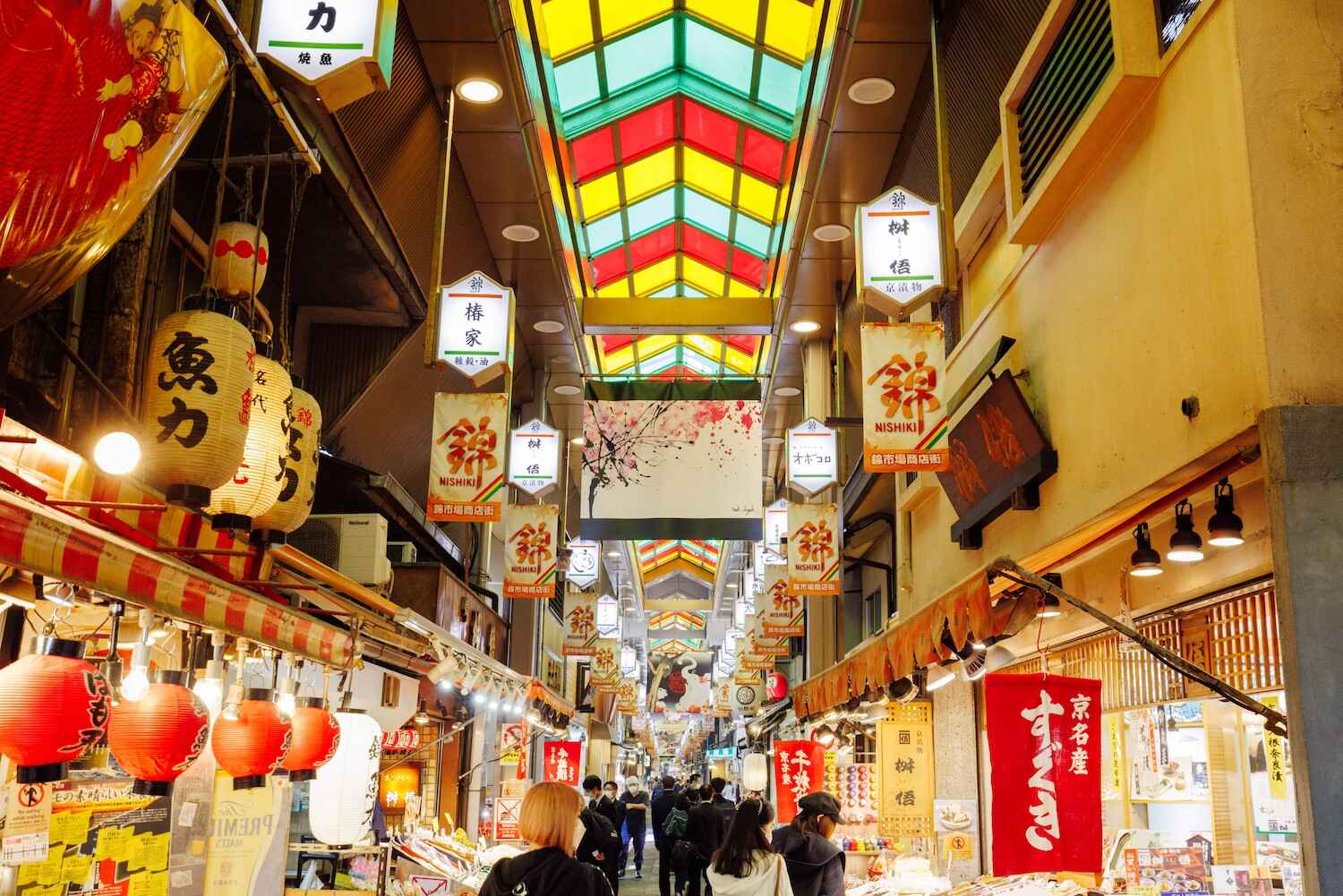
## Description Nishiki Market, often called **“Kyoto’s Kitchen”**, is one of the most famous traditional markets in Japan. Stretching about 400 meters through the heart of Kyoto, this lively covered arcade is lined with more than 120 shops and stalls, each offering a unique slice of local culture. From fresh seafood and seasonal produce to traditional sweets, pickles, and kitchenware, Nishiki Market provides an authentic experience of Kyoto’s culinary heritage. What makes Nishiki Market truly unique is its focus on local and specialty products. Many of the vendors have been running family businesses for generations, preserving recipes and traditions that date back hundreds of years. As you wander through, you’ll notice the atmosphere is both bustling and intimate—a blend of locals doing their shopping and tourists sampling delicacies for the first time. A little-known fact is that Nishiki Market dates back to the early **14th century**, making it more than 700 years old. It originally started as a wholesale fish market before expanding into a diverse food street. Another interesting detail is that some stalls offer free samples, encouraging visitors to try everything from roasted chestnuts to unusual treats like octopus stuffed with quail eggs. ## Location Nishiki Market is located in **Kyoto**, within the **Kansai region** of **Japan**. More precisely, it lies in the **downtown Nakagyo Ward**, running parallel to Shijo Street and between Teramachi and Takakura streets. Its central location makes it easy to access and an ideal stop while exploring other nearby attractions such as Gion, Pontocho Alley, and Nishiki Tenmangu Shrine. How to get there: * **By subway:** Take the Karasuma Line to **Shijo Station** or the Tozai Line to **Karasuma Oike Station**, then walk about 5–10 minutes. * **By bus:** Several Kyoto City buses stop near Shijo Street, providing easy access from other parts of the city. * **By taxi:** A taxi is convenient if you’re traveling with luggage or staying outside the downtown area. Because of its central location, Nishiki Market can easily be combined with a day of shopping in Shijo-Kawaramachi or sightseeing in Gion. ## Tips To fully enjoy Nishiki Market, here are some practical tips for visitors: 1. **Go early or late** – The market can get crowded around midday, so visiting in the morning or late afternoon offers a more relaxed experience. 2. **Try local specialties** – Don’t miss Kyoto delicacies like yuba (tofu skin), tsukemono (pickles), fresh mochi, and matcha-flavored treats. 3. **Bring cash** – While larger shops may accept cards, many stalls are cash-only. 4. **Respect the “no eating while walking” rule** – Many stalls ask customers to eat food in designated areas instead of while walking through the market. 5. **Plan for at least an hour** – With so many shops and food stalls to explore, allow enough time to browse and taste at leisure. 6. **Combine with nearby attractions** – After exploring the market, visit Nishiki Tenmangu Shrine, which sits at the eastern end of the street. ## Conclusion Nishiki Market is more than just a shopping street—it’s a living museum of Kyoto’s culinary traditions. With its centuries-old history, diverse food offerings, and lively atmosphere, the market provides visitors with an unforgettable journey into the flavors and culture of Japan’s ancient capital. Whether you’re sampling street food, buying souvenirs, or soaking in the ambiance, Nishiki Market is a must-visit destination in Kyoto. ## FAQ **1. What is Nishiki Market famous for?** Nishiki Market is known as “Kyoto’s Kitchen,” offering traditional foods, local specialties, and cultural goods that represent the essence of Kyoto’s culinary heritage. **2. What are the opening hours of Nishiki Market?** Most shops open around 9:00 AM and close by 6:00 PM, though hours vary by vendor. It’s best to visit during the daytime. **3. Is Nishiki Market free to enter?** Yes, entry is free. You only pay for the food or items you buy. **4. How long does it take to walk through Nishiki Market?** The market itself can be walked in 20–30 minutes, but most visitors spend 1–2 hours browsing, eating, and shopping. **5. Is Nishiki Market suitable for vegetarians?** Yes, while many stalls sell seafood and meat, there are plenty of vegetarian options like tofu, yuba, pickles, and sweets. **6. Can I buy souvenirs at Nishiki Market?** Absolutely. In addition to food, the market has shops selling kitchenware, chopsticks, ceramics, and traditional Kyoto crafts. ## Links * [Kyoto Official Travel Guide](https://kyoto.travel) * [Japan National Tourism Organization](https://www.japan.travel)
GemVoyage Team • World
Mexico City
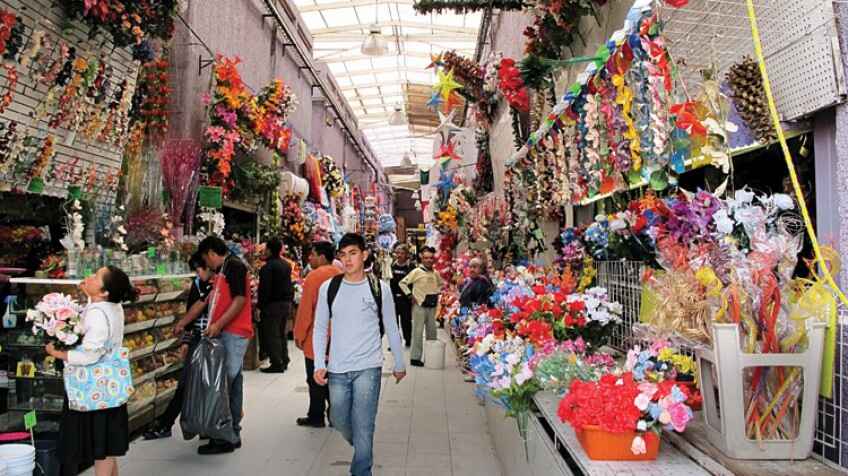
## Description La Merced Market is one of **Mexico City’s largest and most iconic traditional markets**, a bustling labyrinth of colors, aromas, and flavors that captures the essence of everyday Mexican life. For centuries, it has served as a vital trading hub where locals shop for fresh produce, meats, spices, textiles, and even artisanal crafts. Today, it stands as both a cultural landmark and a culinary paradise, drawing in visitors eager to experience authentic Mexican street food and local traditions. What makes La Merced unique is its **immense size and variety**—it is estimated to cover more than **400,000 square meters** and contains thousands of stalls spread across multiple buildings and outdoor areas. Here, you can find everything from exotic fruits and chilies to traditional sweets and handmade kitchen tools. A little-known fact is that La Merced’s history dates back to the **16th century**, when it served as an indigenous trading ground after the Spanish conquest. Another fascinating detail is that the market is considered one of the **most diverse food hubs in Latin America**, with vendors selling ingredients that reflect Mexico’s rich cultural fusion, from pre-Hispanic staples to colonial-era imports. ## Location La Merced Market is located in **Mexico City, Mexico**, within the **Venustiano Carranza borough**, just east of the city’s historic center. Its exact location makes it an easy stop for anyone exploring the heart of the capital. ### Recommendation on How to Get There The most convenient way to reach La Merced is by **Mexico City Metro**. Simply take **Line 1 (the pink line)** and get off at **La Merced Station**, which connects directly to the market area. Taxis and rideshare apps like Uber are also widely available, but due to traffic in the historic center, the metro is often the fastest and most affordable option. If you are walking from the **Zócalo**, the market is about 20 minutes away on foot. ## Tips To make the most of your visit to La Merced Market, here are some useful tips: * **Go Early**: Arriving in the morning lets you see the market at its most vibrant and ensures the freshest food options. * **Bring Cash**: Most vendors do not accept cards, so carry small bills and coins for easy purchases. * **Sample the Street Food**: Try classics like **tacos de suadero, tlacoyos, fresh fruit juices, and tamales**. * **Dress Comfortably**: The market is vast and can get crowded, so wear light clothing and comfortable shoes. * **Be Mindful of Safety**: As with any large urban market, keep an eye on your belongings and avoid flashing valuables. * **Explore Beyond Food**: The market also offers textiles, pottery, household goods, and religious items worth browsing. * **Hire a Guide (Optional)**: If it’s your first visit, consider joining a guided food tour for a deeper understanding of the market’s history and hidden gems. ## Conclusion La Merced Market is not just a shopping destination—it’s a cultural experience that immerses visitors in the **authentic spirit of Mexico City**. With its overwhelming variety of goods, historic roots, and unbeatable street food scene, it is a must-visit for anyone who wants to discover the daily life and flavors of Mexico beyond the typical tourist spots. ## FAQ **1. What is La Merced Market famous for?** It is famous for its massive size, wide variety of products, and authentic Mexican street food. **2. What are the market’s opening hours?** La Merced is generally open **every day from early morning until late evening**, though hours may vary by stall. **3. Is La Merced safe for tourists?** Yes, it’s generally safe if you remain cautious—stick to the busier areas, keep your belongings secure, and avoid visiting at night. **4. Can I find vegetarian or vegan food options at La Merced?** Yes, there are many vegetarian-friendly dishes such as tlacoyos, quesadillas with squash blossoms, and fresh fruit juices. **5. How does La Merced compare to other markets in Mexico City?** While markets like Coyoacán or San Juan are smaller and more tourist-oriented, La Merced offers a raw, authentic, and immersive local experience. **6. Is it worth visiting with kids?** Yes, though parents should be prepared for large crowds and keep children close by in the busier sections. ## Links * [Mexico City Official Tourism Website](https://mexicocity.cdmx.gob.mx/)
GemVoyage Team • World
Copenhagen
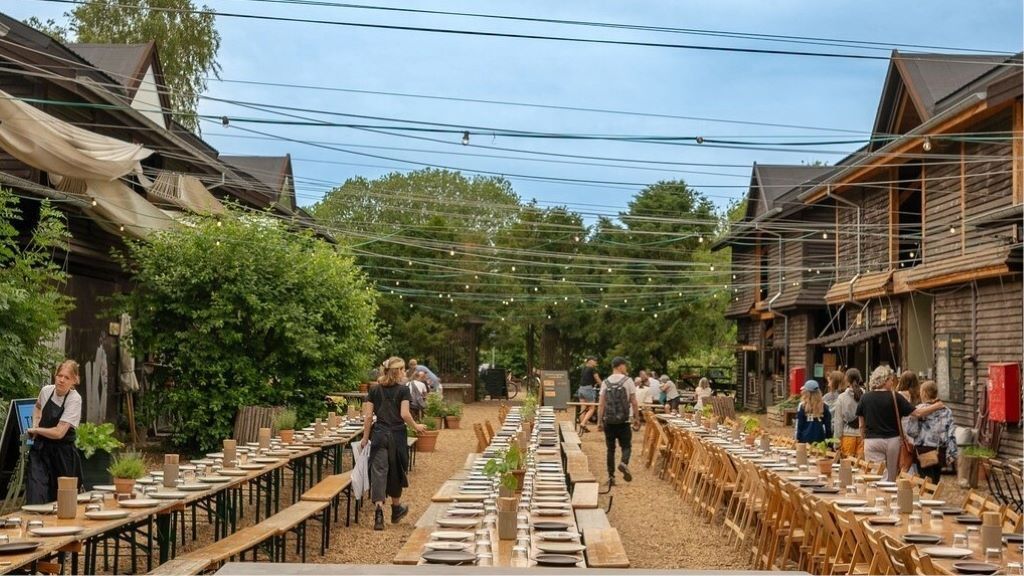
## Description **Banegaarden** is one of Copenhagen’s most compelling examples of **urban regeneration through food, culture, and sustainability**. Built inside a former railway maintenance area, this vibrant cluster of wooden buildings, green courtyards, bakeries, breweries, eateries, and cultural spaces has been transformed into a **community-driven gastronomic village** that blends industrial heritage with contemporary Nordic creativity. What makes Banegaarden truly distinctive is its **organic, low-rise village layout** rather than a typical food hall or marketplace structure. Ten restored wooden railway buildings form the heart of the site, connected by gravel paths, gardens, fire pits, and outdoor seating areas. Instead of polished glass and steel, the visual language here is **raw wood, brick remnants, reclaimed beams, and soft green landscaping**. The result feels more like a countryside craft settlement dropped into the city than a traditional urban development. Food is the central magnet, but Banegaarden is not built around fast consumption. Many of its kitchens focus on **seasonal Nordic ingredients, organic produce, fermented foods, sourdough baking, slow-roasted meats, and local craft beer and natural wine**. Several of the food operators also function as production spaces, meaning visitors can see bread baked, beer brewed, and ingredients processed on-site. This transparency reinforces the project’s emphasis on **craft, traceability, and sustainability**. Equally important is Banegaarden’s **cultural layer**. The site frequently hosts live music, vinyl listening sessions, workshops, farmers’ markets, food talks, and small festivals. These activities transform the area from a dining destination into a **living social platform** that evolves with the seasons. Summer brings long outdoor evenings around communal tables, while winter focuses on indoor gatherings, candles, and fire-lit courtyards. A key characteristic of Banegaarden is its **anti-commercial atmosphere**. There is no corporate branding dominance, no chain restaurants, and no sterile shopping-mall layout. Instead, it operates more like a **curated creative ecosystem** where craftsmen, chefs, farmers, brewers, musicians, and designers coexist. This gives the place an authenticity that is difficult to manufacture and easy to lose in large-scale redevelopment projects. A little-known fact is that the site originally functioned as a **railway service yard for inspecting and repairing trains**, not as a public passenger area. Even today, parts of the old rail infrastructure remain subtly integrated into the landscape. Another lesser-known detail is that many of the wooden buildings were **physically relocated and reconstructed on-site**, rather than built entirely from new materials, making Banegaarden as much a recycling project as a cultural one. Emotionally, Banegaarden appeals to people who seek **slowness inside an efficient city**. Copenhagen is known for streamlined design and functional modernism, but Banegaarden celebrates imperfection, texture, and informal gathering. It attracts food lovers, families, cyclists, creatives, and visitors who want to experience something that feels **local rather than curated for mass tourism**. It is not a place to rush through. Banegaarden rewards lingering: coffee in the morning, shared lunch under trees, beer at sunset, and live music after dark. Its true value lies not in any single vendor, but in the **collective energy created by people, food, sound, fire, and reclaimed wood**. ## Location **Banegaarden** is located in the **Vesterbro district of Copenhagen**, close to one of the city’s major transport hubs. **City:** Copenhagen **Region:** Capital Region of Denmark (Hovedstaden) **Country:** Denmark **District:** Vesterbro **Nearby Landmark:** Dybbølsbro Station ### How to Get There: * **By S-train:** Take the S-train to **Dybbølsbro Station**, then walk about 5 minutes. * **By bicycle:** One of the easiest and fastest ways to reach Banegaarden from central Copenhagen. * **By bus:** Multiple routes serve the Vesterbro and Dybbølsbro area. * **By taxi or ride-hailing apps:** Quick access from anywhere in the city. * **On foot:** Approximately 20–25 minutes from Copenhagen Central Station. Its location makes it easy to combine with visits to **Meatpacking District (Kødbyen), Vesterbro cafés, and Copenhagen’s waterfront areas**. ## Tips * **Visit on weekends for atmosphere:** That’s when markets, music, and social gatherings are most active. * **Arrive early in summer:** Popular seating areas fill up fast on sunny days. * **Dress for outdoor time:** Much of the experience takes place outside, even in cooler weather. * **Bring cash and card:** Most vendors accept cards, but small pop-ups may prefer mobile payments. * **Not a fast-food stop:** Plan to spend time exploring, eating slowly, and socializing. * **Family-friendly during the day:** Evenings are more focused on adult dining and drinks. * **Seasonal variation matters:** Winter is cozy and intimate, summer is expansive and social. * **Respect the space:** It is community-driven and functions best when visitors treat it like a shared backyard, not a tourist spectacle. ## Conclusion **Banegaarden** is a rare urban space where **sustainability, food culture, craftsmanship, and social design intersect without feeling forced**. By transforming old railway buildings into a creative village, Copenhagen has gained a destination that feels alive, textured, and deeply human. It is not about spectacle or scale, but about **atmosphere, community, and the quiet power of thoughtful reuse**. ## FAQ **1. What is Banegaarden exactly?** It is a **food, culture, and craft village** built in repurposed railway buildings in Vesterbro. **2. Is there an entrance fee?** No. **Entry is free**, and you only pay for food, drinks, or events you attend. **3. Is Banegaarden open year-round?** Yes. It operates in all seasons, though **activity levels peak in warmer months**. **4. Is Banegaarden good for tourists?** Yes, especially for travelers who want a **local, non-touristy Copenhagen experience**. **5. Can children visit Banegaarden?** Yes. It is **family-friendly during daytime hours**. **6. How long should I plan to stay?** Most visitors spend **1.5 to 3 hours**, depending on meals and events. ## Links * [Banegaarden Official Website](https://www.banegaarden.com/)
GemVoyage Team • World
Rome
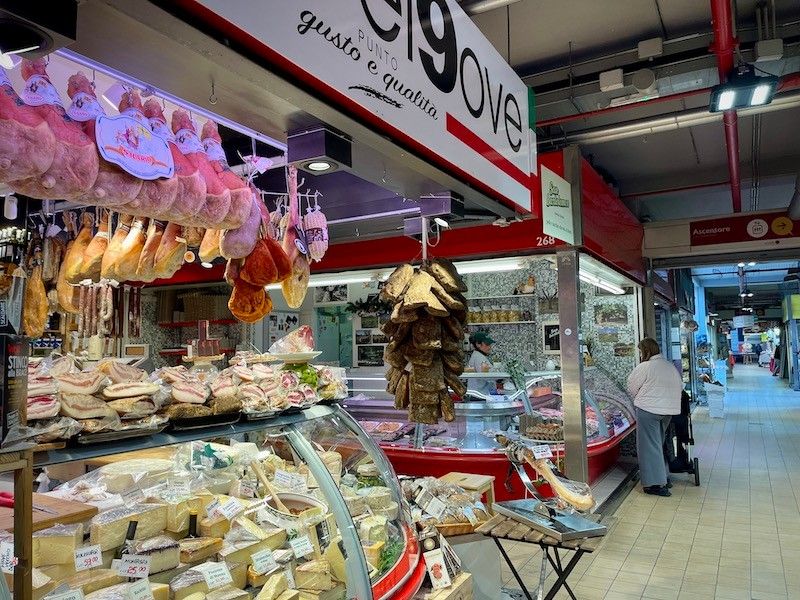
## Description Mercato Trionfale is one of Rome’s largest and most authentic food markets, offering visitors a deep dive into everyday Roman life. Unlike more tourist-oriented attractions, this bustling market is primarily frequented by locals who come here to shop for fresh produce, meats, cheeses, fish, baked goods, and household essentials. With more than 270 stalls spread across a modern covered structure, Mercato Trionfale is a feast for the senses and a perfect place to understand Rome’s food culture from the inside. What makes Mercato Trionfale especially unique is its balance between tradition and modernity. While many vendors represent families that have sold goods here for generations, the market has also embraced contemporary tastes, with stalls offering organic products, international foods, and ready-to-eat Roman street food. A little-known fact is that the market was originally an open-air street market before being moved in 2009 into its current eco-friendly building, designed to improve hygiene and sustainability. Another lesser-known detail is that some of Rome’s top chefs regularly source ingredients here, valuing the quality and personal relationships with vendors. For travelers who want to go beyond famous landmarks and experience Rome like a resident, Mercato Trionfale is well worth a visit. ## Location Mercato Trionfale is located in **Italy**, in the **Lazio** region, within the city of **Rome**. Specifically, it sits in the Trionfale district, just a short walk from Vatican City. The exact address is Via Andrea Doria 41, close to the Vatican Museums and St. Peter’s Basilica. Getting there is straightforward. The easiest way is by public transportation: take Metro Line A and get off at **Ottaviano – San Pietro** or **Cipro** stations, both of which are about a 5–10 minute walk from the market. Several bus lines also serve the area. If you are already visiting the Vatican Museums, Mercato Trionfale makes for an ideal stop before or after your visit. ## Tips * Visit in the morning, ideally between 9:00 and 11:00, when the market is most lively and fully stocked. * Bring cash, as some smaller vendors may not accept cards, though card payments are becoming more common. * Don’t hesitate to ask questions or request tastings; vendors are usually happy to explain their products, even with limited English. * Look for stalls selling cooked food if you want a quick, affordable lunch featuring classic Roman dishes like supplì, porchetta, or fresh pasta. * The market is closed on Sundays, so plan your visit accordingly. * Keep an eye on your belongings, as busy markets can attract pickpockets, especially during peak hours. ## Conclusion Mercato Trionfale is more than just a place to shop; it is a living snapshot of Roman daily life. With its vast selection of fresh food, welcoming vendors, and convenient location near the Vatican, it offers an authentic and memorable experience for anyone interested in Rome’s culinary traditions and local culture. ## FAQ **Is Mercato Trionfale tourist-friendly?** Yes, while it is mainly frequented by locals, visitors are welcome and generally well received. Many vendors are used to tourists and are patient and helpful. **What are the opening hours of Mercato Trionfale?** The market is typically open Monday to Saturday from early morning until around 2:30 PM, though hours may vary slightly by stall. **Can I eat at Mercato Trionfale?** Yes, several stalls sell ready-to-eat food, making it a great spot for a casual breakfast or lunch. **Is Mercato Trionfale expensive?** Prices are generally reasonable and often lower than in tourist-heavy areas, especially for fresh produce and local products. **How long should I plan to spend there?** Most visitors spend between 45 minutes and 1.5 hours, depending on whether they are shopping, eating, or just exploring. ## Links * [More Details](https://www.turismoroma.it/en/places/mercato-trionfale-local-market)
GemVoyage Team • World
Berlin
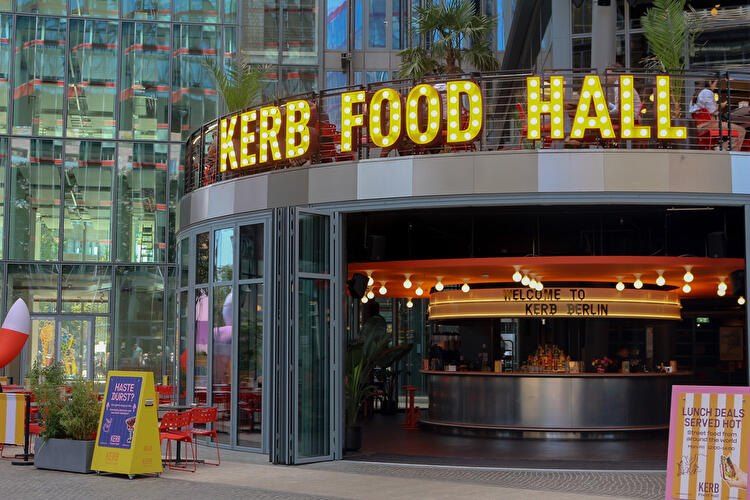
## Description **KERB Food Hall Berlin** is one of the city’s most exciting modern food destinations, bringing together **global street food, creative culinary startups, and a vibrant social atmosphere** under one roof. Originally founded in London, KERB built its reputation by curating some of the best independent street food traders in the UK, and its expansion into Berlin introduced that same concept to Germany’s capital — with a distinctly local twist. What makes KERB Berlin unique is its **carefully curated lineup of rotating food vendors**, rather than permanent restaurant tenants. This means repeat visitors rarely have the same experience twice. One visit might feature Korean fried chicken, Venezuelan arepas, and Detroit-style pizza, while the next showcases artisanal burgers, vegan Asian fusion, and experimental dessert concepts. The focus is on **independent operators, bold flavors, and limited menus executed at a very high level**. The food hall is housed inside a **repurposed industrial building**, which reflects Berlin’s signature blend of raw architecture and creative culture. Exposed concrete, steel beams, neon signage, and open kitchens give the space an energetic, urban feel. At the same time, long communal tables and open seating make it a highly social environment where strangers easily strike up conversations over food. KERB Berlin is not just about eating; it is designed as a **cultural and lifestyle venue**. The space regularly hosts **live DJs, themed food events, launch pop-ups, tasting nights, and collaborations with breweries and chefs**. This transforms the food hall into a nightlife-adjacent destination rather than a simple lunch stop. On weekends, the atmosphere often shifts from casual dining to full-fledged social gathering. A little-known fact is that most vendors at KERB Berlin **pass through a rigorous selection and testing process**, where they first operate as pop-ups before being invited into the official rotation. This keeps quality consistently high and avoids stagnation. Another lesser-known detail is that several traders who started at KERB locations in London and Berlin later expanded into **successful standalone restaurant brands**, making the food hall a genuine business incubator for culinary entrepreneurs. For travelers, KERB offers a **fast, high-quality overview of global flavors** without needing multiple restaurant visits. For Berliners, it functions as a rotating experimental kitchen where emerging food concepts can be explored in a relaxed, informal setting. ## Location **KERB Food Hall Berlin** is located in the **Neukölln district**, one of the city’s most dynamic and fast-evolving neighborhoods known for its creative industries, nightlife, and international food scene. **City:** Berlin **Region:** Berlin State (Bundesland Berlin) **Country:** Germany **District:** Neukölln ### How to Get There: * **By U-Bahn:** Take **U8** to **Boddinstraße** or **Hermannplatz**, then walk approximately 8–12 minutes depending on the exit. * **By S-Bahn:** Take **S41/S42 Ringbahn** to **Sonnenallee**, followed by a short walk. * **By bus:** Several routes serve the Neukölln area, with stops within walking distance. * **By taxi or ride-hailing apps:** Simply ask for “KERB Food Hall Neukölln.” * **By bicycle:** Dedicated bike lanes are available throughout Neukölln, with bike parking near the venue. Its location makes it easy to combine with **Neukölln nightlife, vintage shopping, rooftop bars, and live music venues**. ## Tips * **Arrive hungry and early on weekends:** Peak hours fill up fast, especially Friday and Saturday evenings. * **Walk the full hall before ordering:** Vendor selection changes often, and it pays to explore all options first. * **Share dishes:** Portion sizes are ideal for sharing, allowing you to sample multiple vendors in one visit. * **Bring both cash and card:** Most stalls accept cards, but some pop-ups may still prefer cash. * **Follow KERB Berlin on social media:** This is the best way to track rotating vendors, special events, and guest chef nights. * **Vegan and halal options are usually available:** The vendor mix is intentionally inclusive. * **Weekday lunches are calmer:** If you prefer a quieter experience, visit during weekday afternoons. * **Pair with nearby nightlife:** The area transforms after dark and offers excellent bar-hopping opportunities. ## Conclusion **KERB Food Hall Berlin** is a dynamic celebration of **modern street food culture, independent entrepreneurship, and Berlin’s creative energy**. With its constantly changing vendor lineup, industrial-chic atmosphere, and event-driven programming, it offers far more than a standard food court. Whether you are a traveler seeking a fast introduction to global flavors or a local searching for the next culinary trend, KERB delivers a social, flavorful, and ever-evolving dining experience. ## FAQ **1. What is KERB Food Hall known for?** KERB is known for **rotating gourmet street food vendors**, curated for quality, creativity, and independent ownership. **2. Is KERB Berlin suitable for vegetarians and vegans?** Yes, there are usually **multiple vegetarian and vegan stalls** at any given time. **3. Do I need a reservation to visit?** No, KERB operates on a **walk-in basis**, though large groups may have limited seating during peak hours. **4. Is KERB family-friendly?** Yes, during daytime hours it is family-friendly. Evenings are more adult-oriented due to music and alcohol service. **5. Does KERB Berlin serve alcohol?** Yes, the food hall offers **craft beer, cocktails, and non-alcoholic beverages** through onsite bars. **6. How often do the food vendors change?** Vendors rotate regularly, depending on pop-up schedules, seasonal menus, and special collaborations. ## Links * [KERB Official Website](https://kerbfood.com) * [Visit Berlin – Food Markets & Food Halls](https://www.berlin.de/en/shopping/markets/food-halls/9860248-9881473-kerb-berlin.en.html)
GemVoyage Team • World
Rome
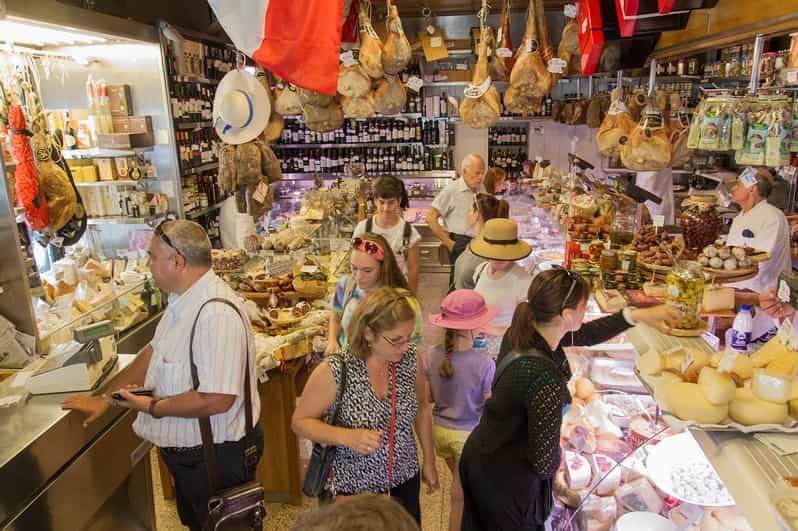
## Description Testaccio Market (Mercato Testaccio) is a lively, authentic food market at the heart of one of Rome’s most food-forward neighborhoods. Unlike the tourist-heavy markets closer to the historic center, Testaccio retains a working-market energy: long-time vendors sell seasonal fruit and vegetables, butchers and fishmongers prepare daily stock, and small eateries and street-food counters push culinary tradition forward. The market is famed for staples such as porchetta sandwiches, supplì and a wide selection of Italian cheeses and cured meats, while newer artisanal stalls introduce contemporary flavors, craft gelato and fusion snacks. What distinguishes Testaccio is its deep connection to the local history. Monte Testaccio—an artificial mound of broken amphorae from the Roman period—anchors the area’s archaeology and speaks to the neighborhood’s centuries-long role as Rome’s distribution and storage quarter. That heritage informs the food culture: local producers, family-run stalls and traditional recipes coexist with experimental kitchens, meaning a single visit can offer both classic Roman comfort foods and creative reinterpretations. The market’s compact layout makes it an ideal stop for tasting rather than full dining—sample multiple vendors over a morning and build a small feast. Culinary tours often include the market because it presents both quality ingredients and convivial daily life: you’ll hear vendors bartering, watch knives at work behind counters, and find specialty shops selling olive oil, aged cheeses and regional preserves. ## Location Testaccio Market is located in the heart of the Testaccio neighborhood, south of the Aventine Hill and a short ride from Rome’s historic center. The nearest metro stop is Piramide on Line B; several bus routes also serve the area, and many visitors walk from nearby neighborhoods like Trastevere or the Aventine for a scenic stroll. The market is close to other attractions—Pyramid of Cestius, riverfront walks and a lively restaurant scene—making it easy to build a food-focused itinerary. If you prefer to mix shopping with sightseeing, plan an early morning visit for the freshest produce and a quieter atmosphere, or go mid-afternoon to sample street food and sample plates as vendors prepare for evening trade. ## Tips - Arrive in the morning for peak freshness and to see the market at full pulse; many vendors begin packing up by late afternoon. - Be adventurous with sampling: try porchetta, supplì, fresh pasta to-go and the market’s cured meats—ask vendors for their recommendations. - Carry small change and a reusable bag; while many places accept cards now, smaller stalls still prefer cash. - If you want a guided tasting, several local food tours include the market and introduce signature stalls and historical anecdotes. - After browsing, explore nearby eateries in Testaccio for fuller meals or head to the riverfront for a relaxed walk. ## Conclusion Testaccio Market is a living portrait of Roman food culture: hands-on, edible and evolving. It’s the place to taste ingredients in their most immediate form, to listen to local foodways in conversation and to discover how centuries of commerce and community shaped a distinctly Roman palate. For culinary travelers seeking authentic flavors and friendly vendor encounters, Testaccio remains indispensable. ## FAQ Q: What are the market’s opening hours? A: Hours vary by stall, but most vendors open early morning and many close by late afternoon; specialty eateries may open again for evening service—check specific stall times if you have a destination vendor. Q: Can I eat on-site or should I take food away? A: Both. Many stalls prepare foods to eat immediately and provide small eating areas or counters; taking items to nearby picnic spots or a short walk is also common. Q: Is Testaccio Market suitable for dietary restrictions? A: Yes—ask vendors about ingredients. You can find vegetarian pasta, vegetable-based dishes and some stalls that accommodate allergies, but always ask about preparation and cross-contamination. Q: Are there guided tours of the market? A: Yes, several local food-tour operators include Testaccio in tasting itineraries; a guided tour is a great way to discover favorite stalls and sample local specialties. Q: Is the market touristy? A: Testaccio retains a local feel despite growing interest from visitors; early mornings are best for a more authentic experience. ## Links - [Testaccio](https://www.lavitaroma.com/blog/2017/03/17/testaccio-market-rome)
GemVoyage Team • World
Alberta
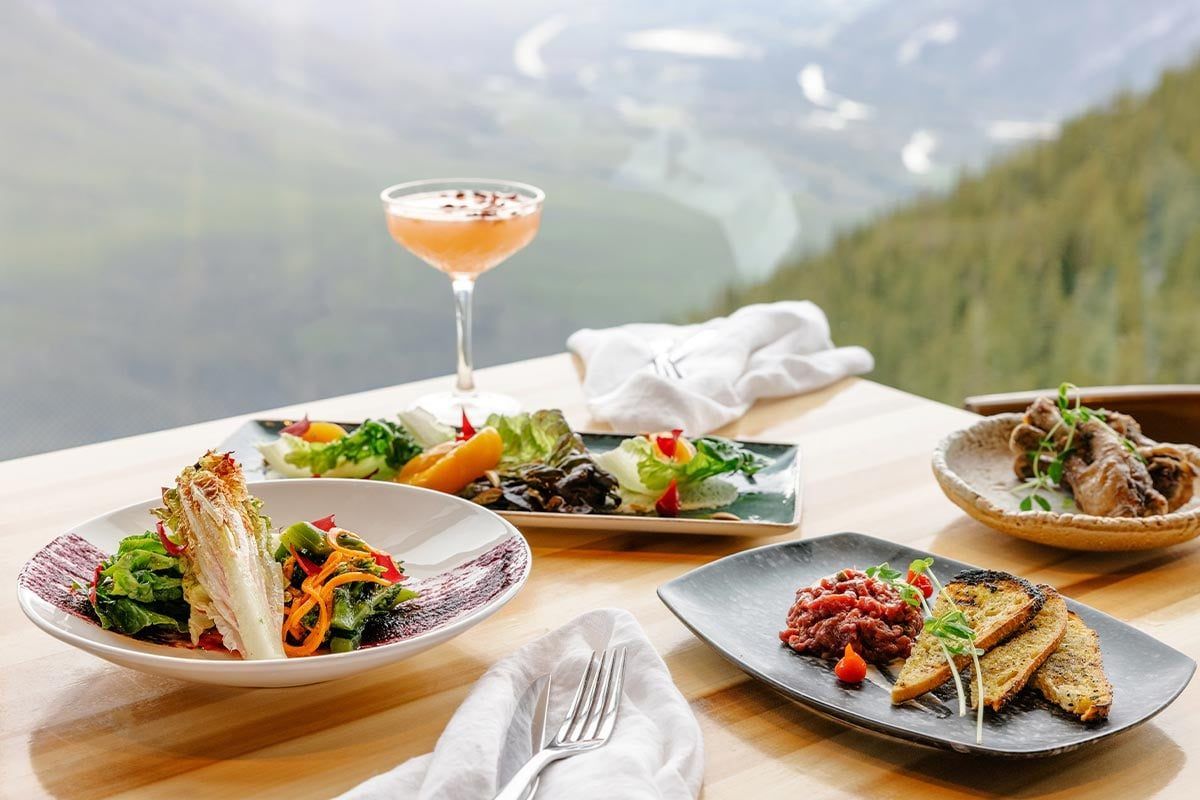
## Description Perched high above the Canadian Rockies, **Sky Bistro** offers one of the most breathtaking dining experiences in **Canada**. Located at the summit of the **Banff Gondola** on **Sulphur Mountain**, this elegant yet relaxed restaurant combines world-class cuisine with panoramic views of six surrounding mountain ranges and the Bow Valley below. The experience at Sky Bistro is about more than just food — it’s a sensory journey that connects visitors to the natural beauty of **Banff National Park**, a UNESCO World Heritage Site. The menu features locally inspired Canadian cuisine crafted with fresh, regional ingredients sourced from Alberta and British Columbia. Signature dishes often include bison, Arctic char, and wild mushrooms, all presented with a modern twist and paired with fine Canadian wines or craft beers. What makes Sky Bistro particularly unique is its **elevation — 2,281 meters (7,486 feet) above sea level** — making it one of the highest dining spots in the country. A lesser-known fact is that the restaurant’s massive floor-to-ceiling windows were designed to reflect the colors of the surrounding peaks, minimizing environmental impact while maximizing views. Another delightful secret: if you time your reservation right, you can watch the sunset turn the Rockies golden before the night sky fills with stars — a truly unforgettable experience. ## Location Sky Bistro sits at the **summit of Sulphur Mountain** in **Banff National Park**, **Alberta, Canada**, accessible only by the **Banff Gondola**. The gondola base station is located about **5 kilometers (3 miles)** south of downtown Banff, on Mountain Avenue. To reach the restaurant: 1. Drive or take the **Roam Transit Bus Route 1** from downtown Banff to the Banff Gondola base. 2. Ride the **Banff Gondola**, a scenic 8-minute cable car journey that ascends 698 meters (2,290 feet) to the summit. 3. Once at the top, follow signs inside the summit complex to Sky Bistro, located on the upper level. Reservations are highly recommended, especially during peak season (June–September) or for sunset dining. ## Tips * **Reserve in advance:** Sky Bistro is extremely popular, particularly at sunset and during weekends. Book early to secure your preferred time. * **Choose a sunset slot:** The evening light over Mount Rundle and the Bow Valley is spectacular — ideal for photographers and romantics alike. * **Ride the gondola before your meal:** Arrive early to explore the **Sulphur Mountain Boardwalk** or visit the **Above Banff Interpretive Centre** before dining. * **Dress in layers:** Even in summer, the summit can be cool or windy. Bring a jacket if you plan to explore outside. * **Try the local specialties:** The **Alberta bison short rib** and **Arctic char** are among the most recommended dishes. * **Check combo packages:** The Banff Gondola and Sky Bistro often offer meal-and-ride packages that provide better value. * **Allow extra time:** The gondola may experience short waits during busy periods, so plan to arrive at least 30–45 minutes before your reservation. ## Conclusion **Sky Bistro** is where fine dining meets alpine adventure — a place where the grandeur of the Rockies enhances every bite. Whether you come for a romantic dinner, a special celebration, or simply to enjoy the incredible mountain views, this unique mountaintop restaurant delivers a dining experience that’s as memorable as the landscape itself. Sitting above the clouds, Sky Bistro captures the very essence of Banff: wild, beautiful, and unforgettable. ## FAQ **1. Where exactly is Sky Bistro located?** It’s at the summit of **Sulphur Mountain** in **Banff National Park**, accessible via the Banff Gondola from Mountain Avenue, Banff, Alberta. **2. Do I need a separate ticket for the gondola and the restaurant?** Yes, a gondola ticket is required to reach the summit. Some packages combine the gondola ride with a dining reservation for convenience and savings. **3. What kind of food does Sky Bistro serve?** The menu focuses on **Canadian regional cuisine**, featuring ingredients from across Alberta and Western Canada — including bison, salmon, elk, and seasonal produce. **4. Is Sky Bistro open year-round?** Yes, it operates year-round, though hours may vary depending on the season and weather conditions. **5. Can I visit Sky Bistro without a dining reservation?** Walk-ins are sometimes accepted during off-peak hours, but reservations are strongly recommended due to limited seating and high demand. **6. What’s the dress code?** Smart casual. While many guests come dressed for the mountain environment, a neat and tidy appearance is appropriate for dinner service. **7. Is it suitable for families?** Yes, children are welcome, and there are menu options suitable for younger guests. ## Links * [Official Sky Bistro Website](https://www.banffjaspercollection.com/dining/sky-bistro/) * [Banff Gondola Information](https://www.banffjaspercollection.com/attractions/banff-gondola/)
GemVoyage Team • World
Chicago
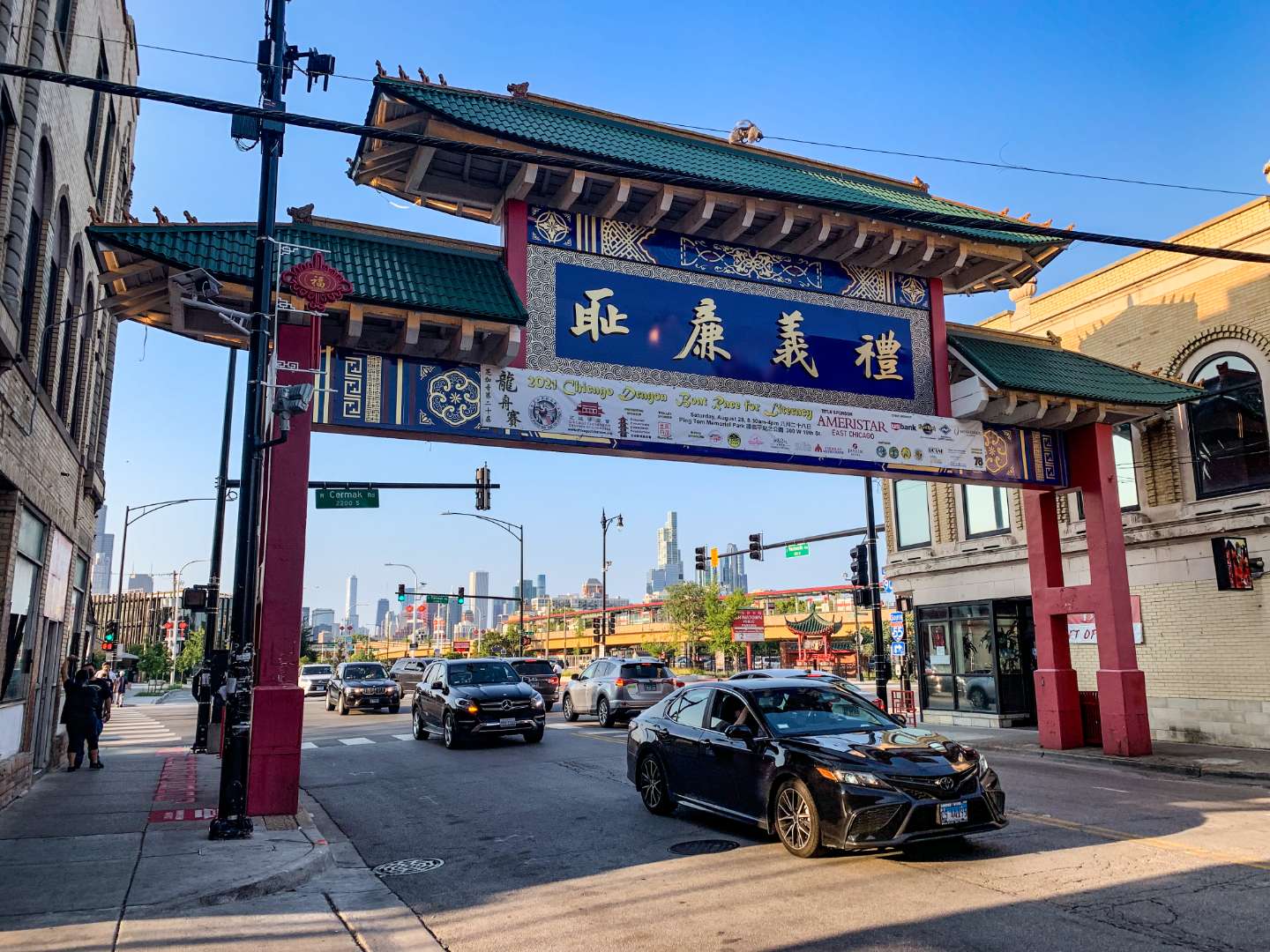
## Description Chicago’s Chinatown is a vibrant, historic neighborhood that offers a rich tapestry of culture, cuisine, and community. Established in its current location in 1912, Chinatown is one of the oldest and most dynamic Chinese-American enclaves in the United States. Located on the South Side of Chicago, it’s a place where tradition meets modernity—where you can sip bubble tea in a sleek café and then step into a century-old herbal shop just down the street. The neighborhood is anchored by the iconic Chinatown Gate on Wentworth Avenue, a symbol of welcome and cultural pride. Beyond the gate lies a bustling corridor filled with dim sum restaurants, bakeries, gift shops, and grocery stores stocked with imported goods. Chinatown Square, a two-level outdoor mall inspired by Chinese imperial architecture, features statues of the twelve zodiac animals and hosts seasonal performances and festivals. A little-known fact: the design of the Chinatown Gate was inspired by a gate in Beijing and was completed in 1975. Another hidden gem is the Chinese American Museum of Chicago, housed in a former grocery store and offering exhibits on immigration, community history, and cultural heritage. ## Location Chicago Chinatown is located in the **United States**, in the **state of Illinois**, within the **city of Chicago**. It sits in the **Armour Square** community area, primarily along **South Wentworth Avenue**, between **Cermak Road** and **W. 26th Street**. ### How to Get There: - **By Train**: Take the CTA Red Line to Cermak-Chinatown Station. The entrance to Chinatown is just steps away. - **By Bus**: Several CTA bus routes, including the 24 and 62, stop near Chinatown. - **By Car**: Parking is available in designated lots and metered spots, but public transit is recommended due to limited space. - **By Water Taxi**: In warmer months, you can take a scenic water taxi from downtown to Ping Tom Memorial Park, located in Chinatown. Its accessibility and proximity to downtown Chicago make it a convenient and rewarding destination for locals and tourists alike. ## Tips for Visitors To make the most of your visit to Chicago Chinatown, consider these tips: - **Come Hungry**: The neighborhood is a culinary paradise. Try dim sum at MingHin Cuisine or hand-pulled noodles at Lao Sze Chuan. - **Explore Chinatown Square**: This open-air plaza is perfect for shopping, dining, and snapping photos with zodiac statues. - **Visit Ping Tom Memorial Park**: A peaceful riverside park with skyline views, ideal for a picnic or a stroll. - **Check the Calendar**: Chinatown hosts vibrant events like the Lunar New Year Parade and the Summer Fair. - **Take a Walking Tour**: The Chicago Chinese Cultural Institute offers guided tours that delve into the neighborhood’s history and architecture. - **Bring Cash**: While many places accept cards, some smaller shops and eateries prefer cash. ## Conclusion Chicago Chinatown is a dynamic blend of history, culture, and flavor. Whether you're indulging in authentic cuisine, learning about Chinese-American heritage, or simply soaking in the atmosphere, this neighborhood offers a memorable experience that reflects the spirit of its community. ## FAQ **1. Is Chicago Chinatown safe to visit?** Yes, it’s generally safe and welcoming. As with any urban area, stay aware of your surroundings. **2. What is the best time to visit Chinatown?** Weekends offer the most energy and activity, especially during festivals. Weekdays are quieter and ideal for relaxed exploration. **3. Are there vegetarian or vegan options in Chinatown?** Yes, many restaurants offer plant-based dishes, especially tofu and vegetable stir-fries. **4. Is Chinatown family-friendly?** Absolutely. Kids will enjoy the colorful shops, parks, and cultural events. **5. Can I find souvenirs in Chinatown?** Yes, from traditional teas and ceramics to novelty gifts and zodiac-themed items. **6. Is there parking available?** Limited street parking and paid lots are available, but public transit is often more convenient. ## Links - [Chicago Chinatown – Wikipedia Overview](https://en.wikipedia.org/wiki/Chinatown,_Chicago)
GemVoyage Team • World