Tokyo, the capital of Japan, is a dynamic мегacity where ancient traditions coexist with cutting-edge technology. With a history dating back over 400 years as Edo, Tokyo has evolved into one of the world’s most influential urban centers. Visitors can explore iconic attractions like Shibuya Crossing, Tokyo Tower, and historic Senso-ji Temple. The city is also a global hub for anime, shopping, fine dining, and innovation. From neon-lit streets to peaceful shrines, Tokyo offers an unmatched travel experience.
10 amazing places discovered by our community
Tokyo
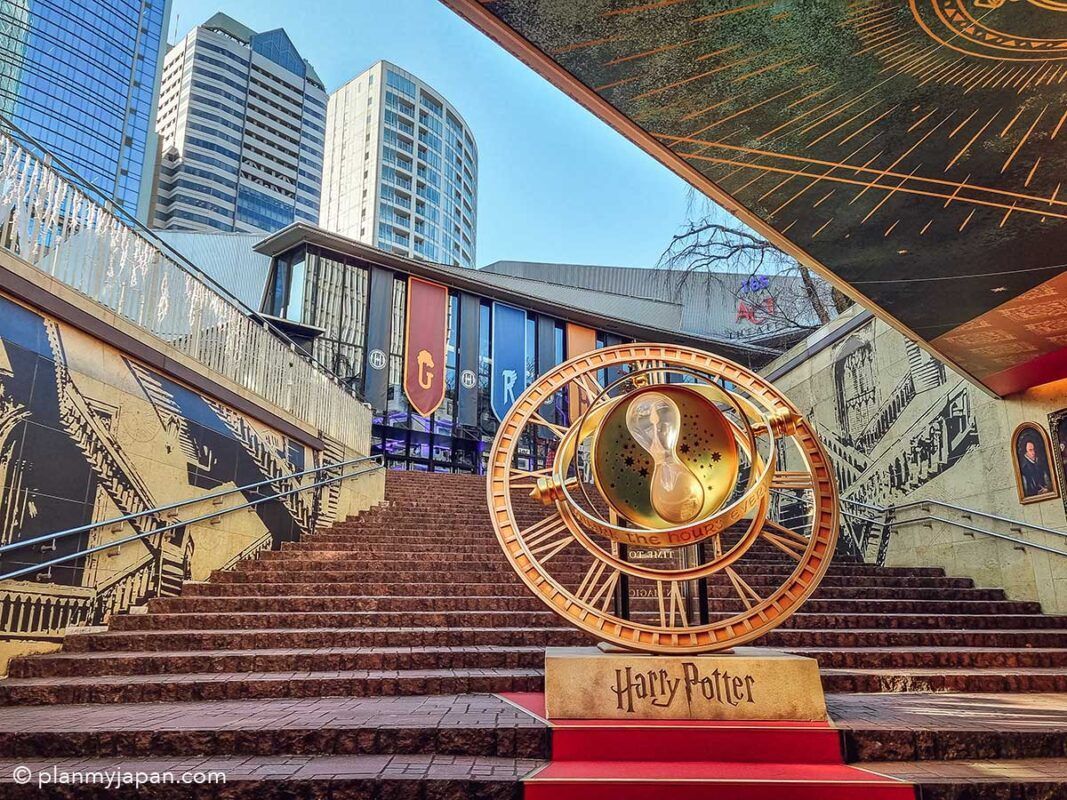
## Description The **Harry Potter Stairs & Time Turner (ハリー・ポッター階段とタイムターナー)** in Tokyo is one of the city’s most popular **pop-culture photo landmarks**, blending cinematic fantasy with modern urban design. This attraction is not a historical monument or a traditional museum—it is a **themed visual installation inspired by the Harry Potter film series**, designed specifically for fans who want to step inside the wizarding world without leaving central Tokyo. The installation recreates two of the most iconic visual elements from the films: the **magical moving staircase of Hogwarts** and **Hermione Granger’s Time Turner** from *Harry Potter and the Prisoner of Azkaban*. The staircase evokes the illusion of shifting directions and hidden passages, while the oversized Time Turner sculpture serves as a symbolic centerpiece representing time travel, destiny, and choice—core themes in the Potter universe. What makes this location truly unique is that it exists **inside a contemporary commercial complex rather than a theme park**. This means visitors do not need to buy expensive tickets or travel to a resort location to enjoy an immersive Harry Potter-themed environment. The installation uses **cinematic lighting, reflective metallic surfaces, stone textures, and enchanted-style typography** to create a convincing atmosphere of fantasy within a very modern architectural setting. The stairs are often used as a **staged photo zone**, where visitors recreate scenes, cosplay as characters, or simulate stepping into a time-loop narrative. The Time Turner sculpture is particularly photogenic when illuminated in the evening, when its rotating rings and glowing accents transform the space into a dramatic visual set piece. Many visitors describe the experience as feeling like walking into a **film trailer set inside a shopping mall**—brief, stylized, and designed for visual impact rather than storytelling depth. A little-known fact is that the stairs and Time Turner installation were part of a **long-term promotional collaboration connected to Warner Bros. Japan and official Harry Potter licensing projects**, timed to coincide with renewed franchise activity in Tokyo. Another lesser-known detail is that the space is frequently **updated with seasonal lighting themes and limited-time character visuals**, which means repeat visits can feel subtly different across the year. Importantly, this site is not meant to replace **The Making of Harry Potter Studio Tour Tokyo**; rather, it acts as a **public teaser-style landmark**, accessible to anyone passing through the district. It attracts an extremely diverse crowd: international tourists, Japanese fans, casual shoppers, cosplayers, couples, and social-media creators all intersect in the same space. The emotional appeal of the installation lies in its ability to deliver **instant recognition and nostalgia**. Even a short visit—often no more than 10 to 15 minutes—can trigger powerful emotional connections for fans who grew up with the books and films. It is, at its core, not a storytelling space but a **symbolic photo experience**, built for visual memory rather than narrative immersion. ## Location The **Harry Potter Stairs & Time Turner** installation is located in **central Tokyo**, inside a major commercial complex in the **Akasaka / Roppongi area**, which has become a hub for large-scale themed entertainment projects. **City:** Tokyo **Region:** Kantō **Country:** Japan **District:** Minato Ward (Akasaka / Roppongi area) ### How to Get There: * **By Tokyo Metro:** * **Chiyoda Line** to **Akasaka Station** * **Hibiya Line or Toei Oedo Line** to **Roppongi Station** * **By JR Train:** Use JR lines to nearby hubs such as **Shinjuku or Tokyo Station**, then transfer to the metro. * **By taxi:** Easy and accurate if you show the Japanese attraction name. * **On foot:** The area is highly walkable and well-connected through underground passages and plazas. The installation is typically integrated into a **shopping, dining, and entertainment complex**, making it easy to combine with cafés, retail stores, and evening nightlife. ## Tips * **Visit in the evening:** The lighting effects are significantly more dramatic after sunset. * **Go on weekdays for clearer photos:** Weekends often bring long lines of people waiting for their turn. * **Bring a small tripod if allowed:** For steady night photos, especially around the Time Turner. * **Do not expect a full “attraction experience”:** This is a **visual installation**, not a ride or museum. * **Cosplay is common:** Light cosplay is generally accepted and often encouraged by visitors. * **Respect queue etiquette:** Japanese photo spots usually operate with informal but strict order. * **Combine with nearby Harry Potter experiences:** If you are a serious fan, this pairs well with the Studio Tour Tokyo. * **Check for seasonal updates:** Lighting schemes and banners occasionally change. ## Conclusion The **Harry Potter Stairs & Time Turner in Tokyo** is a compact yet powerful example of how modern cities translate cinematic fantasy into everyday urban space. It is not a destination for long exploration, but a **precise, visually engineered moment of nostalgia**, crafted for fans who want a tangible connection to the wizarding world without committing an entire day to a theme park. For Harry Potter enthusiasts, it delivers something precise and valuable: **a magical pause inside the rhythm of real city life**. ## FAQ **1. Is the Harry Potter Stairs & Time Turner a real theme park attraction?** No. It is a **public visual installation**, not a ride or ticketed experience. **2. Is it free to visit?** Yes. Access is **free**, as it is located inside a public commercial complex. **3. How long does a visit typically take?** Most visitors spend **10 to 20 minutes**, depending on photo queues. **4. Is it suitable for children?** Yes. It is **family-friendly**, though it can get crowded. **5. Is this the same as the Harry Potter Studio Tour Tokyo?** No. This is a **small themed photo landmark**, whereas the studio tour is a full museum-style experience. **6. Can I take professional photos there?** Casual photography is allowed. **Commercial shoots may require permission** from the property management. ## Links * [Warner Bros. Japan](https://www.warnerbros.co.jp) * [Harry Potter Studio Tour Tokyo](https://www.wbstudiotour.jp)
GemVoyage Team • World
Tokyo
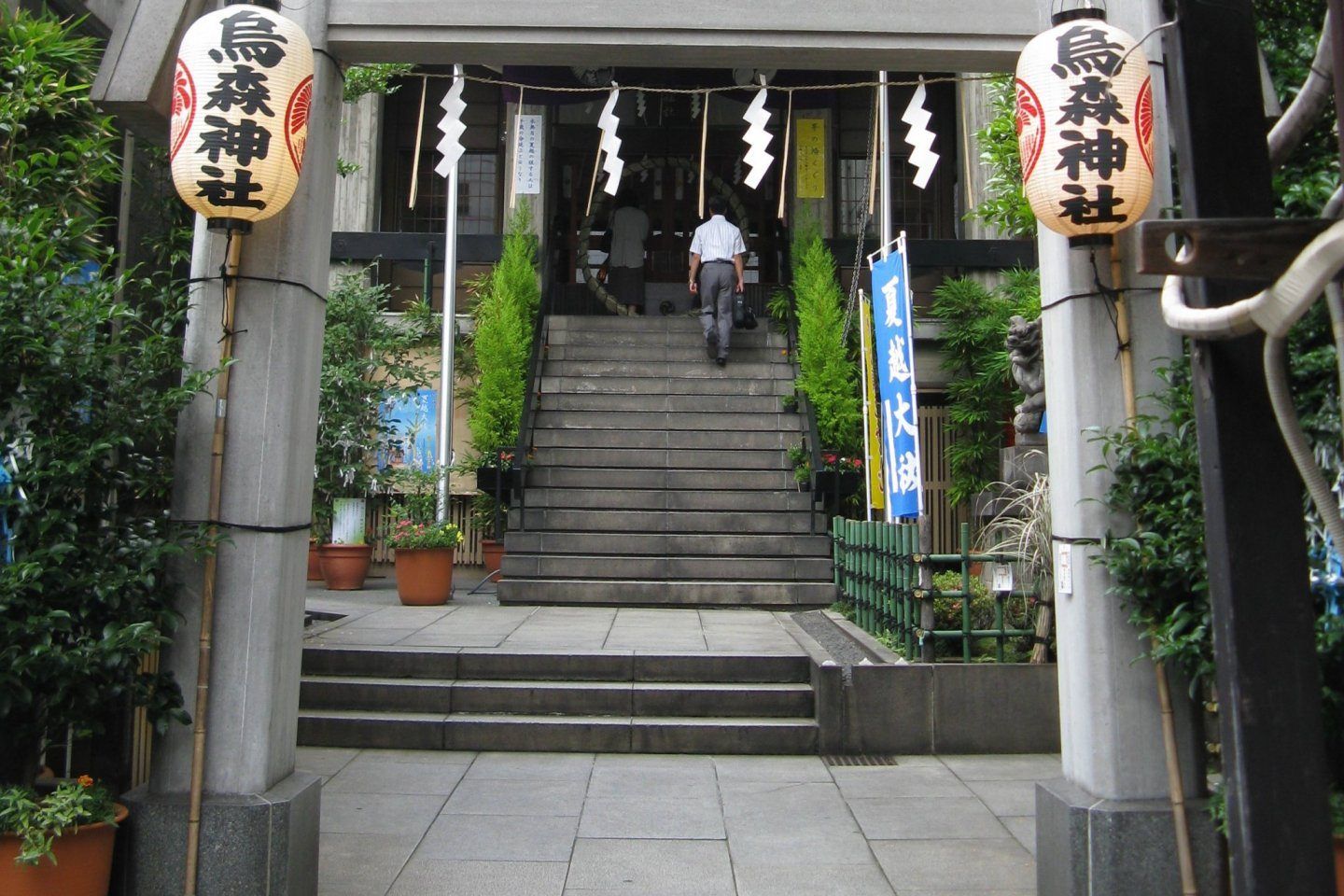
## Description **Karasumori Shrine (烏森神社)** is a small yet deeply symbolic Shinto shrine tucked into one of Tokyo’s most modern and fast-paced districts. Unlike large, monumental shrines surrounded by forests or expansive grounds, Karasumori stands out precisely because of its **contrast with its surroundings**. Encircled by office towers, restaurants, and neon-lit streets near Shimbashi, the shrine feels like a quiet spiritual pocket preserved inside the machinery of the modern city. The shrine is dedicated primarily to **Ame-no-Uzume-no-Mikoto**, a Shinto deity associated with joy, performance, and the arts, as well as protection from misfortune. Because of this, Karasumori Shrine has long been popular with **actors, entertainers, businesspeople, and office workers**, all of whom come to pray for success, smooth communication, and good fortune in their professional lives. What truly makes Karasumori Shrine unique is its **distinctive omamori (protective charms)**. These charms are unusually colorful, often featuring bright red, yellow, blue, and green threads rather than the subdued tones found at most shrines. According to shrine tradition, these colors represent protection from misfortune arriving from any direction. This detail is relatively unknown outside Japan and has helped the shrine develop a quiet but loyal following among locals. Another lesser-known fact is that Karasumori Shrine was originally located closer to Edo Castle but was moved to its current position during urban development. Despite its relocation, it retained strong ties to merchants and workers, which explains its enduring relevance in a business district rather than a residential or historical one. The shrine has also survived fires, earthquakes, and wartime destruction, making it a subtle symbol of resilience amid Tokyo’s constant transformation. Karasumori Shrine is not a place for grand ceremonies or long visits. Its value lies in **intimacy, symbolism, and continuity**, offering a moment of pause rather than spectacle. ## Location **Country:** Japan **Region:** Kantō **City:** Tokyo **Ward:** Minato **Area:** Shimbashi Karasumori Shrine is located just a short distance from Shimbashi Station, one of Tokyo’s major transportation hubs and a center for office culture and nightlife. ### How to Get There * **By train:** * JR Yamanote Line, Keihin-Tohoku Line, or Tokyo Metro Ginza Line to **Shimbashi Station**. From the Karasumori Exit, the shrine is a 2–3 minute walk. * **By subway:** * Toei Asakusa Line to Shimbashi Station, also within walking distance. * **On foot:** * Easily accessible if you are exploring central Tokyo districts such as Ginza or Shiodome. * **By taxi:** * A convenient option due to the shrine’s central location, though unnecessary given public transport access. ## Tips * **Visit during weekdays for atmosphere:** You will see office workers stopping by during lunch breaks or after work. * **Be respectful of space:** The shrine grounds are compact, and local worshippers come for quiet prayer. * **Purchase an omamori:** The colorful charms are the shrine’s most distinctive feature and make meaningful souvenirs. * **Avoid peak commute times:** Early morning and early evening can be crowded due to nearby train traffic. * **Short visit is sufficient:** 15–30 minutes is enough to appreciate the shrine fully. * **Photography is allowed, but discreet:** Avoid photographing people while they are praying. ## Conclusion Karasumori Shrine offers a rare glimpse into Tokyo’s spiritual life as it exists today, not as a preserved relic but as a living part of the urban routine. Small, understated, and symbolic, it rewards visitors who value authenticity and subtlety over grandeur. ## FAQ **1. Is Karasumori Shrine famous?** It is well-known among locals but relatively unknown to international tourists. **2. Is there an entrance fee?** No, entry is free. **3. How long should I spend there?** Around **15 to 30 minutes** is sufficient. **4. What is the shrine best known for?** Its colorful protective charms and prayers for career success and good fortune. **5. Is it suitable for first-time visitors to a Shinto shrine?** Yes, its small size makes it approachable and easy to understand. **6. Can I combine it with other attractions?** Yes, it pairs well with visits to Ginza, Shiodome, or nearby dining areas. ## Links * [Japan National Tourism Organization](https://www.japan.travel)
GemVoyage Team • World
Tokyo
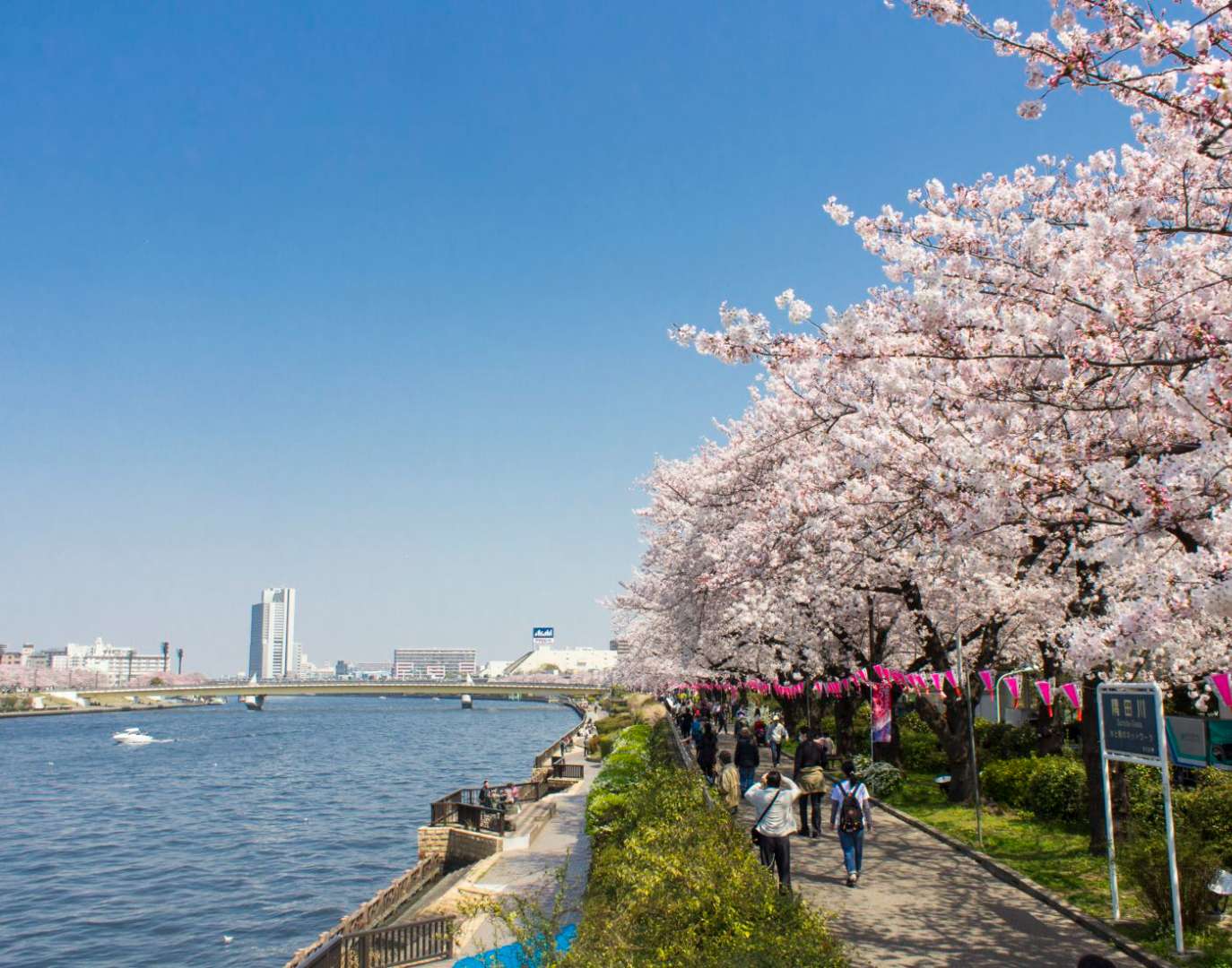
## Description Sumida Park is a serene riverside oasis in the heart of Tokyo, offering a refreshing contrast to the city’s fast-paced urban energy. Stretching along both banks of the Sumida River, the park is located between the Azumabashi and Sakurabashi bridges and provides stunning views of the Tokyo Skytree rising above the skyline. It’s a favorite spot for locals and tourists alike, especially during spring when the park transforms into one of Tokyo’s most celebrated cherry blossom viewing locations. The park’s history dates back to the Edo period, when the riverbanks were popular gathering spots for hanami (cherry blossom viewing), festivals, and leisurely strolls. Today, Sumida Park continues that tradition with over 600 cherry trees lining the paths, creating a tunnel of blossoms that draws thousands of visitors each year. In summer, the park becomes a prime viewing location for the Sumida River Fireworks Festival, one of Japan’s oldest and most spectacular pyrotechnic displays. A little-known fact: the cherry trees in Sumida Park were planted under the orders of shogun Tokugawa Yoshimune in the 18th century, making the park not only a natural retreat but also a living piece of Tokyo’s cultural heritage. Another quirky detail is the nearby Asahi Beer Tower, visible from the park, which was designed to resemble a frothy mug of beer—a playful architectural nod to the area’s modern flair. ## Location Sumida Park is located in **Japan**, in the **Kanto region**, within the **city of Tokyo**. It spans the **Taito and Sumida wards**, with entrances near the historic Asakusa district and the Sumida River waterfront. ### How to Get There - **By Train**: The park is a five-minute walk from Asakusa Station, served by the Ginza Line, Asakusa Line, Tobu Isesaki Line, and Tsukuba Express. - **By Bus**: Several local buses stop near Asakusa and Sumida Park. - **By Water Bus**: The Tokyo Water Bus docks near the park and offers scenic rides to destinations like Odaiba and Hamarikyu Gardens. - **By Foot or Bike**: The park is easily accessible from nearby neighborhoods and is ideal for walking or cycling along the river. Its central location makes it a convenient stop during a day of sightseeing in eastern Tokyo. ## Tips - **Visit During Cherry Blossom Season**: Late March to early April is peak bloom time. Arrive early to avoid crowds and secure a good picnic spot. - **Stay for the Fireworks**: If visiting in late July, plan to attend the Sumida River Fireworks Festival. Arrive hours in advance for a good viewing location. - **Bring a Camera**: The park offers excellent photo opportunities, especially with Tokyo Skytree in the background. - **Explore Both Sides of the River**: Cross the Sakurabashi pedestrian bridge to enjoy views from both banks. - **Pack a Picnic**: There are no large restaurants inside the park, but nearby Asakusa has plenty of takeout options. - **Check for Events**: Seasonal festivals and cultural performances are often held in the park—check local listings for details. ## Conclusion Sumida Park is a tranquil yet culturally rich destination in Tokyo, offering scenic river views, seasonal beauty, and a deep connection to the city’s history. Whether you're admiring cherry blossoms, watching fireworks, or simply enjoying a quiet walk, the park provides a memorable escape in the heart of the metropolis. ## FAQ **1. Is there an entrance fee to Sumida Park?** No, the park is free and open to the public year-round. **2. When is the best time to visit Sumida Park?** Spring (late March to early April) for cherry blossoms and summer (late July) for the fireworks festival. **3. Are there restrooms and facilities in the park?** Yes, there are public restrooms and seating areas throughout the park. **4. Can I bring pets to Sumida Park?** Yes, pets are allowed but should be kept on a leash and cleaned up after. **5. Is the park wheelchair accessible?** Most paths are flat and accessible, though some areas may have uneven terrain. **6. Are there guided tours available?** While not specific to the park, many Asakusa walking tours include Sumida Park as part of their itinerary. ## Links - [Sumida Park – Japan National Tourism Organization](https://www.japan.travel/en/spot/2114/)
GemVoyage Team • World
Tokyo
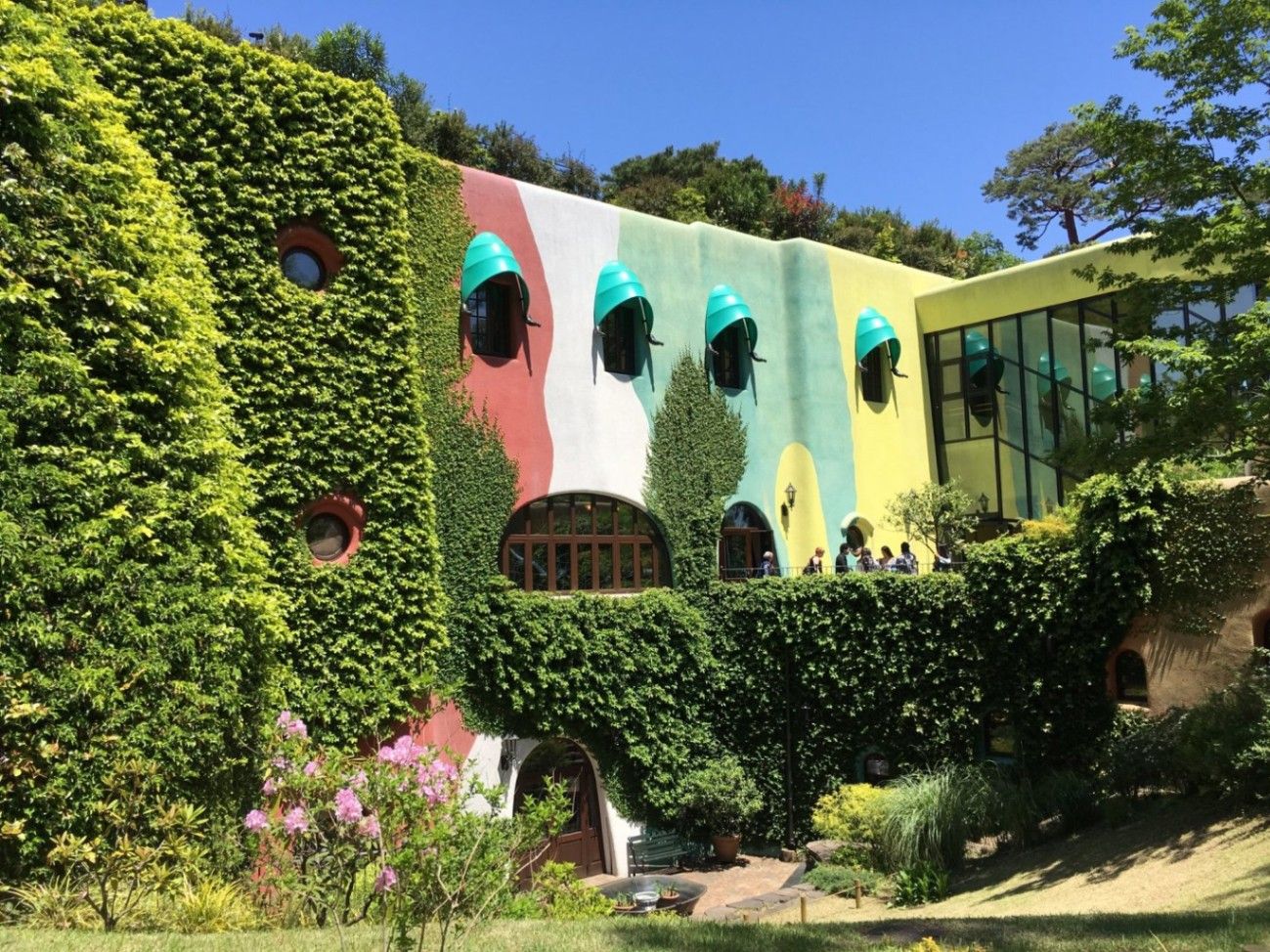
## Description The **Ghibli Museum (三鷹の森ジブリ美術館)** is one of Tokyo’s most enchanting and emotionally resonant cultural attractions. Dedicated to the legendary **Studio Ghibli**, the museum invites visitors into the imaginative universe created by filmmakers **Hayao Miyazaki, Isao Takahata, and their collaborators**—a world defined by wonder, nature, childhood, fantasy, and quiet emotional depth. Unlike traditional museums that focus on static exhibits, the Ghibli Museum is designed as a **fully immersive, experiential environment**, where architecture, animation, sound, and storytelling blend into one continuous journey. From the moment visitors enter, it becomes clear that this is not a conventional institution. The building itself feels like it came from a Ghibli film: **spiral staircases, stained-glass windows, hidden passageways, rooftop gardens, and curved corridors** encourage exploration rather than linear movement. Hayao Miyazaki personally supervised the conceptual design, ensuring that the structure reflects his philosophy that **“children should discover things for themselves.”** There are no fixed routes or arrows—only spaces that invite curiosity. Inside, the museum explores the **art and mechanics of animation** rather than serving as a simple gallery of finished films. Visitors can study original **storyboards, sketches, background paintings, and mechanical animation devices** that demonstrate how movement is created frame by frame. One particularly popular installation shows early zoetrope-style animation, visually explaining how still images transform into motion. One of the museum’s most exclusive features is its **private cinema, the Saturn Theatre**, which screens short original Ghibli films that cannot be seen anywhere else in the world. These short films rotate periodically and often explore experimental themes, new animation techniques, or side stories connected to familiar characters. This makes every visit potentially different from the last. On the rooftop, visitors encounter the **full-scale statue of the Robot Soldier from “Laputa: Castle in the Sky”**, one of the museum’s most photographed landmarks. The surrounding garden offers a quiet, reflective space above the treetops of nearby Inokashira Park, echoing Ghibli’s recurring theme of harmony between humanity and nature. A little-known fact is that **photography is strictly prohibited inside the museum**. This rule is not about control but philosophy: Miyazaki wanted visitors to **experience the space fully, without viewing it through a screen**. Another lesser-known detail is that many of the museum’s architectural elements—iron railings, tiles, and carved wood—were **custom-made by traditional Japanese craftsmen**, turning the museum itself into a handcrafted artwork. Ultimately, the Ghibli Museum is not designed for spectacle or mass tourism. It is a **quiet celebration of imagination, craftsmanship, and emotional storytelling**, appealing as deeply to adults as it does to children. It is a rare space where animation is not treated as entertainment alone, but as **serious art shaped by philosophy, patience, and human sensitivity**. ## Location The **Ghibli Museum** is located in **Mitaka**, a suburban city on the western edge of **Tokyo**, adjacent to the lush **Inokashira Park**. **City:** Mitaka (Tokyo Metropolis) **Region:** Kantō **Country:** Japan ### How to Get There: * **By train:** Take the **JR Chūō Line** from Shinjuku Station to **Mitaka Station** (about 20 minutes). From there, it is a **15–20 minute walk** through Inokashira Park. * **By bus:** A Ghibli-themed shuttle bus runs from Mitaka Station to the museum entrance. * **By taxi:** Convenient from central Tokyo, though more expensive than public transport. * **By bicycle:** Many visitors cycle through Inokashira Park for a scenic approach. The museum’s park-side setting adds to its calm, storybook atmosphere and makes the journey part of the experience. ## Tips * **Tickets must be booked in advance:** There are **no same-day tickets sold at the door**. * **Choose a weekday if possible:** Crowds are lighter, and movement through exhibits feels more fluid. * **Arrive early:** Entry is time-slotted, and arriving on time maximizes your experience. * **Do not expect a traditional museum layout:** Exploration is organic rather than guided. * **No interior photography:** Respect this rule and experience the museum directly. * **Visit the museum shop early:** Many exclusive items sell out quickly. * **Allow at least 2 to 3 hours:** Rushing undermines the emotional and artistic impact. * **Pair your visit with Inokashira Park:** It complements the museum’s atmosphere perfectly. * **Not ideal for travelers in a hurry:** This is a slow, immersive experience, not a quick attraction. ## Conclusion The **Ghibli Museum** is not simply a destination for fans—it is a **philosophical and artistic space** that translates the spirit of Studio Ghibli into physical form. Through architecture, animation, nature, and storytelling, it creates a quiet, powerful encounter with creativity itself. For anyone who values imagination, craftsmanship, and emotional depth, the Ghibli Museum is not just a highlight of Tokyo—it is one of the most meaningful cultural experiences in Japan. ## FAQ **1. What is the Ghibli Museum famous for?** It is famous for being the **official museum of Studio Ghibli**, showcasing original artwork, animation processes, and exclusive short films. **2. Can I buy tickets at the entrance?** No. Tickets must be **purchased in advance** and are strictly controlled. **3. Is photography allowed inside the museum?** No. **Photography is prohibited inside** to preserve immersion and visitor experience. **4. How long does a visit usually take?** Most visitors spend **2 to 3 hours**, depending on crowd levels and interest. **5. Is the museum suitable for adults without children?** Yes. The museum is **equally powerful for adults**, especially fans of art, film, and storytelling. **6. Are the exhibits in English?** Most labels are in **Japanese**, but the visual storytelling makes the experience easy to understand regardless of language. ## Links * [Official Ghibli Museum Website](https://www.ghibli-museum.jp) * [Studio Ghibli Official Site](https://www.ghibli.jp)
GemVoyage Team • World
Tokyo
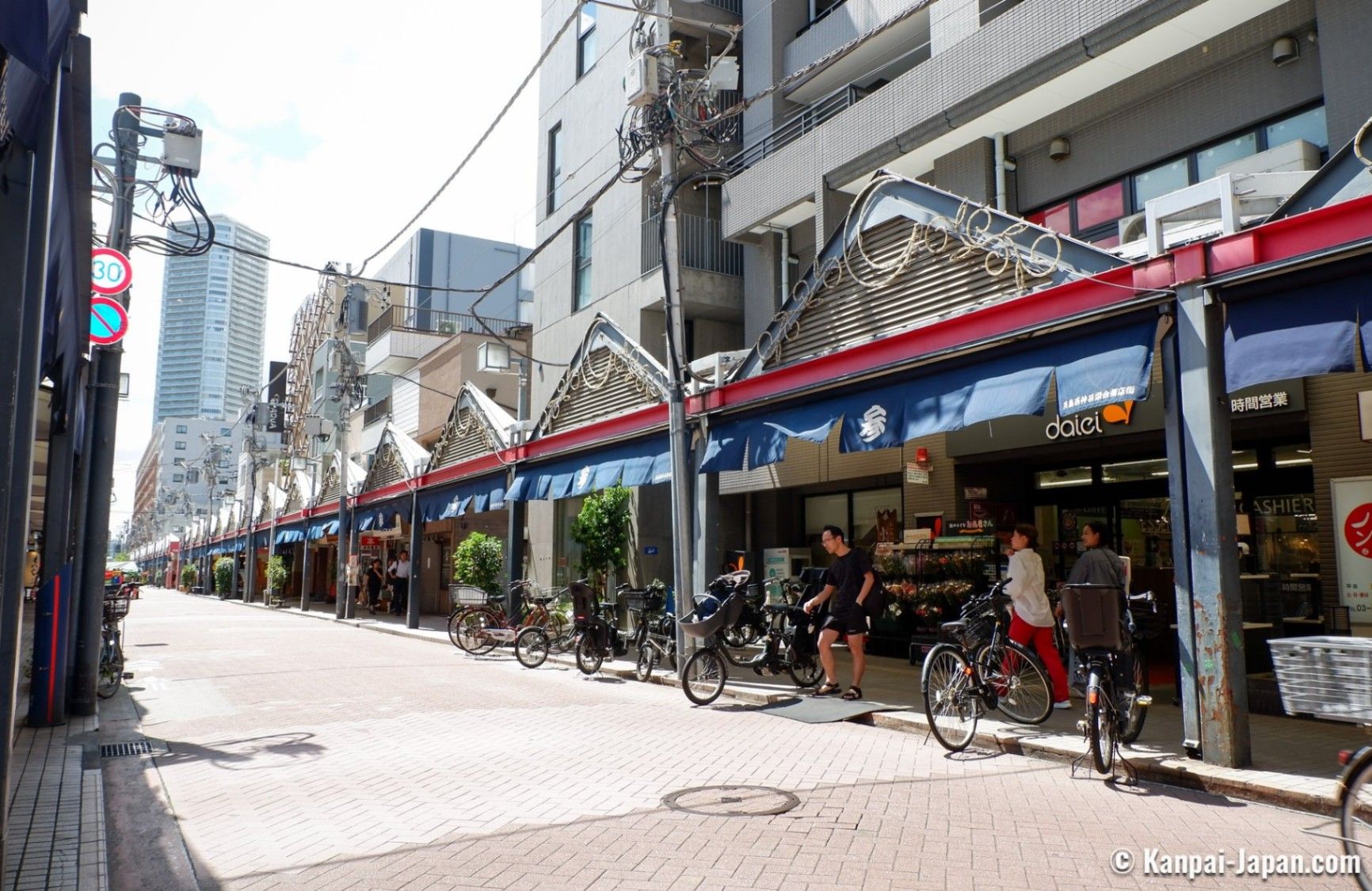
## Description Tsukishima Monja Street, known in Japanese as 月島もんじゃストリート, is one of Tokyo’s most distinctive and food-focused streets, celebrated as the birthplace and spiritual home of monjayaki. Stretching for several hundred meters and lined with dozens of specialized restaurants, the street offers an immersive culinary experience centered on this savory, pan-cooked dish that is especially popular in Tokyo’s downtown areas. Visiting Tsukishima Monja Street is not just about eating; it is about participating in a local tradition that brings people together around the grill. What makes Tsukishima Monja Street unique is the sheer concentration of monjayaki restaurants, many of which have been operating for generations. Each establishment offers its own variations, secret sauces, and ingredient combinations, ranging from classic cabbage and seafood to more modern versions with cheese or spicy flavors. A little-known fact is that Tsukishima developed rapidly after the Great Kanto Earthquake of 1923, and monjayaki became popular as an affordable, filling meal during reconstruction. Another lesser-known detail is that some restaurants still use original family recipes passed down since the early Shōwa period, preserving flavors that have largely disappeared elsewhere in Tokyo. The lively atmosphere, sizzling grills, and nostalgic touches make Tsukishima Monja Street a must-visit for food lovers seeking an authentic Tokyo experience. ## Location Tsukishima Monja Street is located in **Japan**, in the **Tokyo Metropolis**, within the **Chūō Ward** of **Tokyo**. The street runs near Tsukishima Station, close to the Sumida River and Tokyo Bay area. Getting there is easy using public transportation. Visitors can take the Tokyo Metro Yurakucho Line or the Toei Oedo Line to **Tsukishima Station**. From Exit 7, Monja Street is just a short walk away. The area is also accessible by bus or on foot from nearby neighborhoods such as Kachidoki. Due to limited parking, public transport is strongly recommended. ## Tips * Visit in the evening when the street is most lively and the restaurants are fully open. * If you have never tried monjayaki before, choose a restaurant where staff will help cook or explain the process. * Expect casual seating and shared grills; monjayaki is a social dining experience. * Bring cash, as some smaller restaurants may not accept credit cards. * Be prepared for queues during weekends and holidays, especially at well-known restaurants. * Avoid wearing clothes that easily absorb smells, as the cooking process produces strong aromas. ## Conclusion Tsukishima Monja Street offers a flavorful and cultural journey into one of Tokyo’s most beloved local dishes. With its rich history, welcoming atmosphere, and endless variations of monjayaki, it stands out as a unique culinary destination that captures the spirit of old-town Tokyo. ## FAQ **What is monjayaki?** Monjayaki is a savory Japanese dish similar to okonomiyaki but with a runnier batter, cooked directly on a hot griddle at the table. **Do I need to speak Japanese to visit Monja Street?** No, many restaurants are used to tourists, and some offer English menus or visual guides. **How much does a typical meal cost?** Most monjayaki dishes are reasonably priced, typically ranging from moderate to affordable compared to other Tokyo dining areas. **Is Tsukishima Monja Street family-friendly?** Yes, families are welcome, though supervision is needed around the hot grills. **Can I visit during the daytime?** Yes, some restaurants open for lunch, but the street is more vibrant in the evening. ## Links * [Tsukishima Monja Street Official Website](https://www.gotokyo.org/en/spot/85/index.html)
GemVoyage Team • World
Tokyo
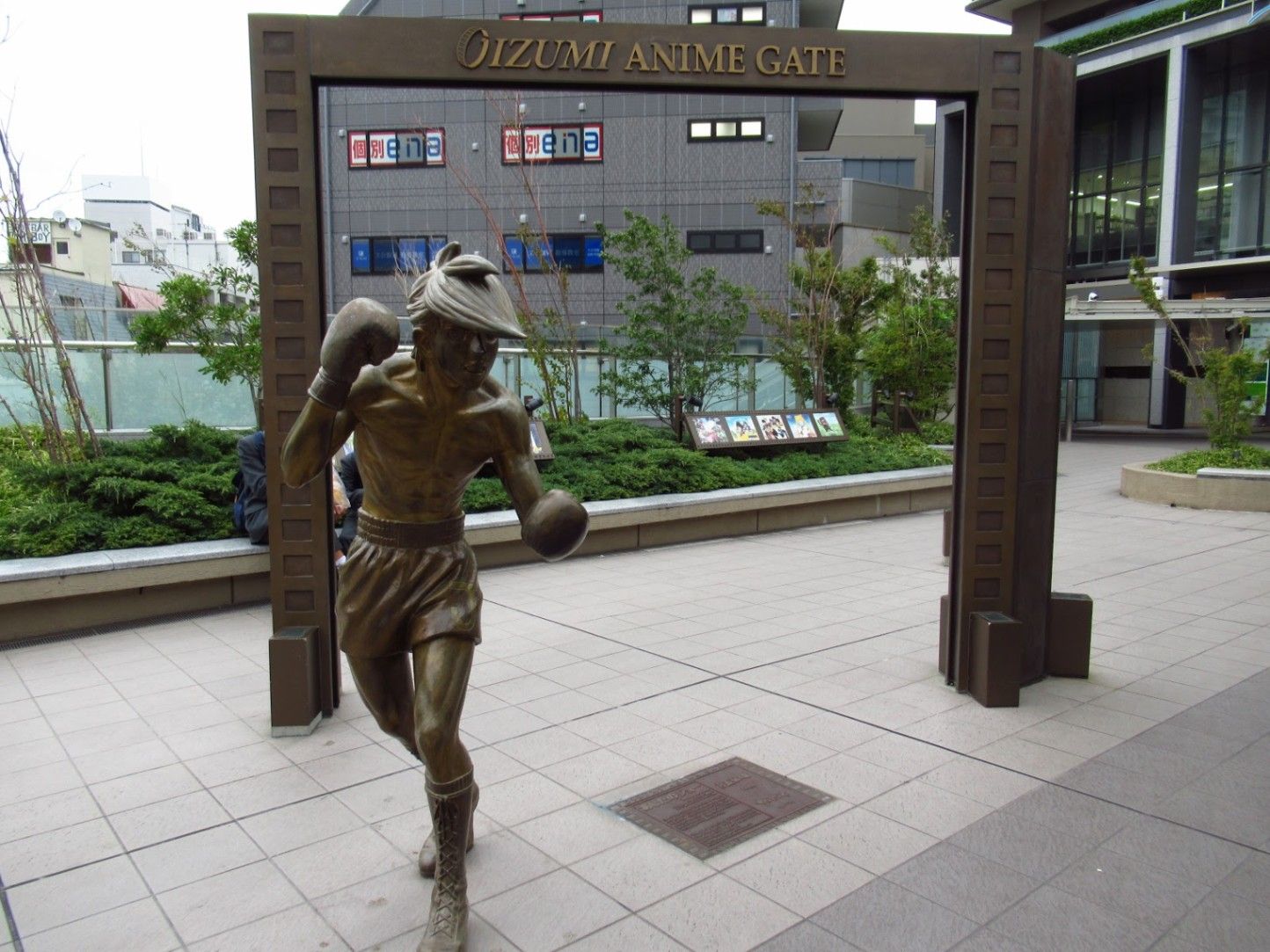
## Description **Ōizumi Anime Gate (大泉アニメゲート)** is a compact but culturally significant open-air attraction located in western Tokyo, celebrating the birthplace of Japan’s anime industry. Rather than being a museum or theme park, it is a **symbolic gateway** marked by life-size bronze statues of iconic anime characters, integrated directly into a normal urban environment. The site honors Ōizumi’s role as the home of **Toei Animation**, one of the most influential studios in anime history. What makes Ōizumi Anime Gate unique is its **casual accessibility**. There is no ticket, no enclosed space, and no structured route. Visitors encounter statues of characters such as Astro Boy, Sally the Witch, Tiger Mask, and Cyborg 009 as part of the daily streetscape. This reflects how deeply anime is woven into Japanese culture not as a niche interest, but as a shared cultural language. A little-known fact is that Ōizumi was the location of Japan’s **first full-scale animation studio**, established in the 1950s, which helped transition animation from experimental shorts into serialized television content. Another lesser-known detail is that the statues are intentionally spread around the station area rather than grouped together, encouraging visitors to explore the neighborhood rather than treating the site as a single photo stop. Ōizumi Anime Gate appeals not only to anime fans but also to travelers interested in **cultural origins**. It provides context for how anime evolved from a local industry into a global phenomenon, all while remaining firmly rooted in an ordinary Tokyo district. ## Location **Country:** Japan **Region:** Kantō **City:** Tokyo **Ward:** Nerima **Area:** Ōizumi The Anime Gate is centered around **Ōizumi-gakuen Station**, a suburban hub on the Seibu Ikebukuro Line. ### How to Get There * **By train:** * Take the **Seibu Ikebukuro Line** from Ikebukuro Station to **Ōizumi-gakuen Station**. The ride takes about 15–20 minutes. * **By bus:** * Local buses connect Ōizumi with other parts of Nerima and western Tokyo. * **By taxi:** * Convenient but unnecessary, as the station area is compact and walkable. * **On foot:** * Once at Ōizumi-gakuen Station, all statues are reachable within a short walking loop. ## Tips * **Download a statue map:** The figures are spread out, and a map helps ensure you don’t miss any. * **Visit during daylight:** The statues are outdoors and best photographed in natural light. * **Respect the neighborhood:** This is a residential and commuter area, not a theme park. * **Combine with local cafés:** Ōizumi has small cafés and bakeries popular with residents. * **Anime knowledge helps but isn’t required:** Informational plaques explain each character’s significance. * **Great short stop:** Ideal as a half-day visit combined with other western Tokyo neighborhoods. ## Conclusion Ōizumi Anime Gate is a modest but meaningful destination that honors the roots of Japanese animation in a way that feels authentic and unforced. By blending iconic characters into everyday urban life, it offers visitors a grounded perspective on how anime became a cornerstone of modern Japanese culture. ## FAQ **1. Is Ōizumi Anime Gate a museum?** No. It is an open-air installation of statues spread around the station area. **2. Is there an entrance fee?** No. The site is completely free to visit. **3. How long does a visit take?** About **30–60 minutes**, depending on how many statues you explore. **4. Is it suitable for children?** Yes. The area is safe, walkable, and family-friendly. **5. Do I need to be an anime fan to enjoy it?** Not necessarily. The site also appeals to visitors interested in Japanese cultural history. **6. Are there shops selling anime merchandise?** Not directly at the site, but nearby Tokyo districts offer extensive anime shopping options. ## Links * [Tokyo tourism official site](https://www.gotokyo.org)
GemVoyage Team • World
Tokyo
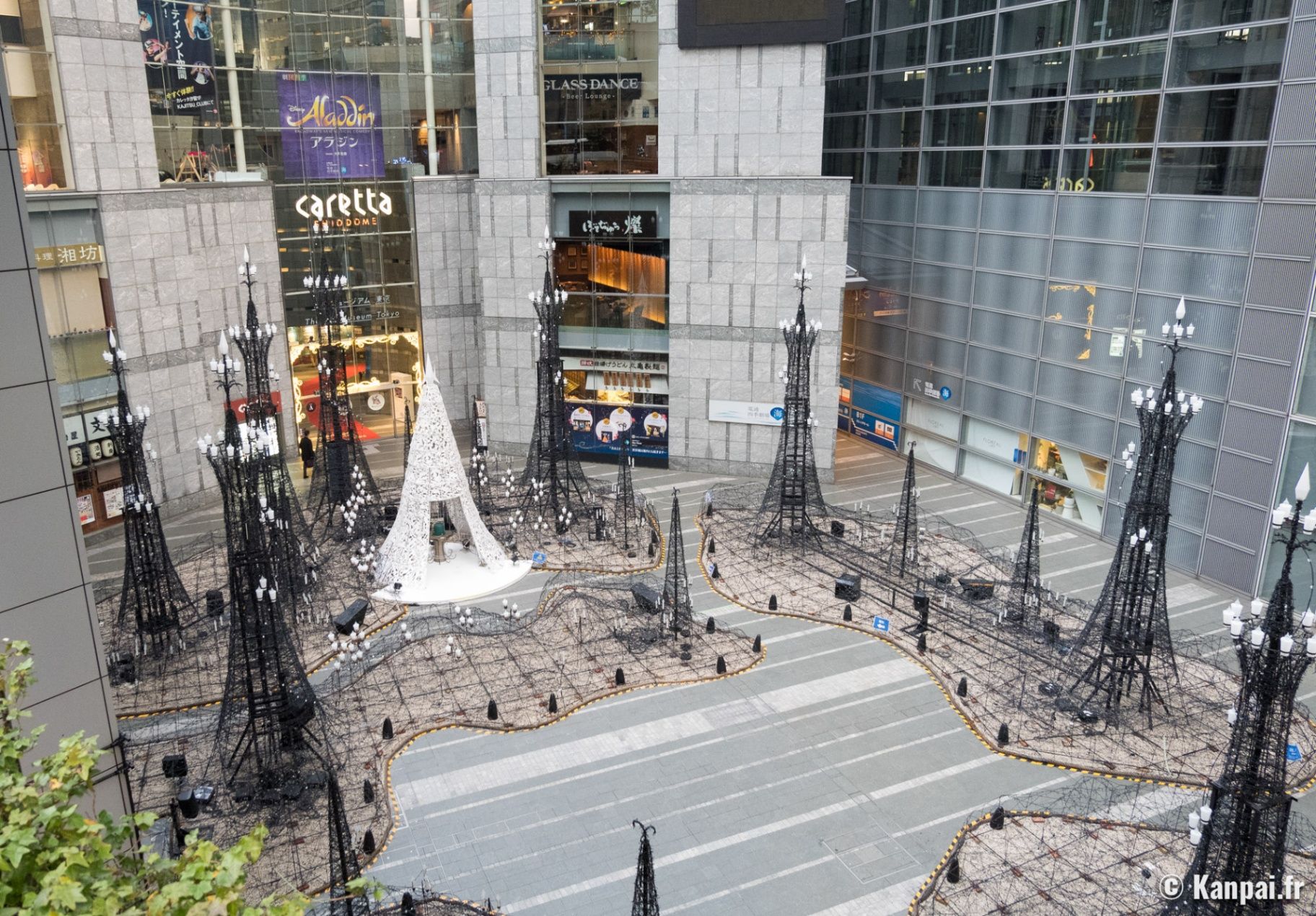
## Description **Caretta Shiodome (カレッタ汐留)** is a striking skyscraper complex in the **Shiodome district** of **Tokyo**, Japan, that perfectly embodies the city’s modern sophistication and cultural vibrancy. Rising 51 stories above the bustling streets of Minato Ward, this landmark blends **shopping, dining, art, and entertainment** into one of Tokyo’s most polished urban experiences. Opened in **2002**, Caretta Shiodome is part of the Shiodome redevelopment project that transformed an old railway yard into a futuristic business and leisure zone. Inside, visitors will find an elegant mix of **restaurants, boutique shops, a theater, a museum, and panoramic observation areas** — all designed with contemporary style and efficiency. What makes Caretta Shiodome truly unique is its seamless combination of **commerce and culture**. It houses the **Caretta Shiodome Sky View**, an observation area on the 46th floor offering spectacular views of Tokyo Bay, Odaiba, and the Rainbow Bridge. The complex is also home to the **Advertising Museum Tokyo (ADMT)**, Japan’s only museum dedicated to the history of advertising — a fascinating and often overlooked gem that reveals how Japanese media and design evolved over the decades. Another standout feature is the **Caretta Illumination**, one of Tokyo’s most beloved **winter light displays**. Each year, from November through February, the plaza outside the building is transformed into a glittering wonderland of over **250,000 LED lights**, synchronized to music. It attracts couples, photographers, and families alike, and has become a symbol of Tokyo’s festive season. A lesser-known fact is that Caretta Shiodome’s name, “Caretta,” is derived from *Caretta caretta*, the Latin name for the **loggerhead sea turtle**, symbolizing endurance, longevity, and connection to the ocean — an apt metaphor for Tokyo’s harmony between progress and nature. ## Location Caretta Shiodome is located in the **Shiodome district** of **Minato Ward**, **Tokyo, Japan**. It sits within the Shiodome City Center area, just a short walk from **Shimbashi Station** and surrounded by major landmarks like the **Hamarikyu Gardens** and **Ginza**. To get there: * **By train:** * Take the **Toei Ōedo Line** or **Yurikamome Line** to **Shiodome Station** (direct underground access). * Alternatively, take the **JR Yamanote Line** or **Tokyo Metro Ginza Line** to **Shimbashi Station**, and walk about **5 minutes** via underground passages. * **By foot:** It’s a pleasant 10-minute walk from **Ginza** or **Tsukiji** areas. * **By car:** Paid parking is available in the basement levels, though public transport is highly recommended due to central Tokyo traffic. ## Tips * **Visit during the evening:** Especially in winter, when the **Caretta Illumination** lights up the plaza with dazzling colors and music. * **Go up to the 46th or 47th floors:** For a **free panoramic view** of Tokyo Bay — one of the best free observation spots in the city. * **Dine with a view:** Restaurants like **Sky View Dining and Bar** or **KAIKAYA Shiodome** offer gourmet meals paired with sweeping skyline vistas. * **Visit the Advertising Museum Tokyo (ADMT):** Admission is free, and it’s an engaging stop for design enthusiasts and marketers. * **Combine with nearby attractions:** The **Hamarikyu Gardens** and **Ginza shopping district** are within walking distance. * **Check event schedules:** Seasonal exhibitions, performances, and cultural events are regularly held within the complex. * **Best time to visit:** Late afternoon to evening — explore the shops and museum first, then stay for dinner and the illumination. ## Conclusion **Caretta Shiodome** is a shining example of modern Tokyo — a place where art, architecture, and lifestyle converge high above the city streets. From its world-class restaurants and free observation decks to its mesmerizing light displays and creative museum, it offers something for everyone. Whether you’re looking to dine with a skyline view, learn about Japan’s advertising culture, or simply soak in the illuminated atmosphere of Tokyo at night, Caretta Shiodome delivers a distinctly urban yet deeply memorable experience. ## FAQ **1. What is Caretta Shiodome?** It’s a high-rise complex in Tokyo that features **shopping, dining, a theater, the Advertising Museum Tokyo, and seasonal events** like the Caretta Illumination. **2. Where is it located?** At **1-8-2 Higashi-Shimbashi**, **Minato-ku**, **Tokyo**, within walking distance from **Shiodome Station** and **Shimbashi Station**. **3. Is there an observation deck?** Yes — the **Sky View on the 46th and 47th floors** offers **free access** to stunning views of Tokyo Bay and the skyline. **4. What is the Caretta Illumination?** A famous **winter light display** that transforms the plaza into a sea of LED lights, usually from **November to February** each year. **5. Is the Advertising Museum Tokyo free?** Yes, **entry is free**, and it’s a must-visit for those interested in Japanese advertising, pop culture, and design history. **6. Are there restaurants with views?** Yes, several high-end restaurants and bars offer panoramic dining experiences overlooking Tokyo Bay and the Shiodome area. ## Links * [Official Caretta Shiodome Website](https://www.caretta.jp/foreign/index)
GemVoyage Team • World
Tokyo
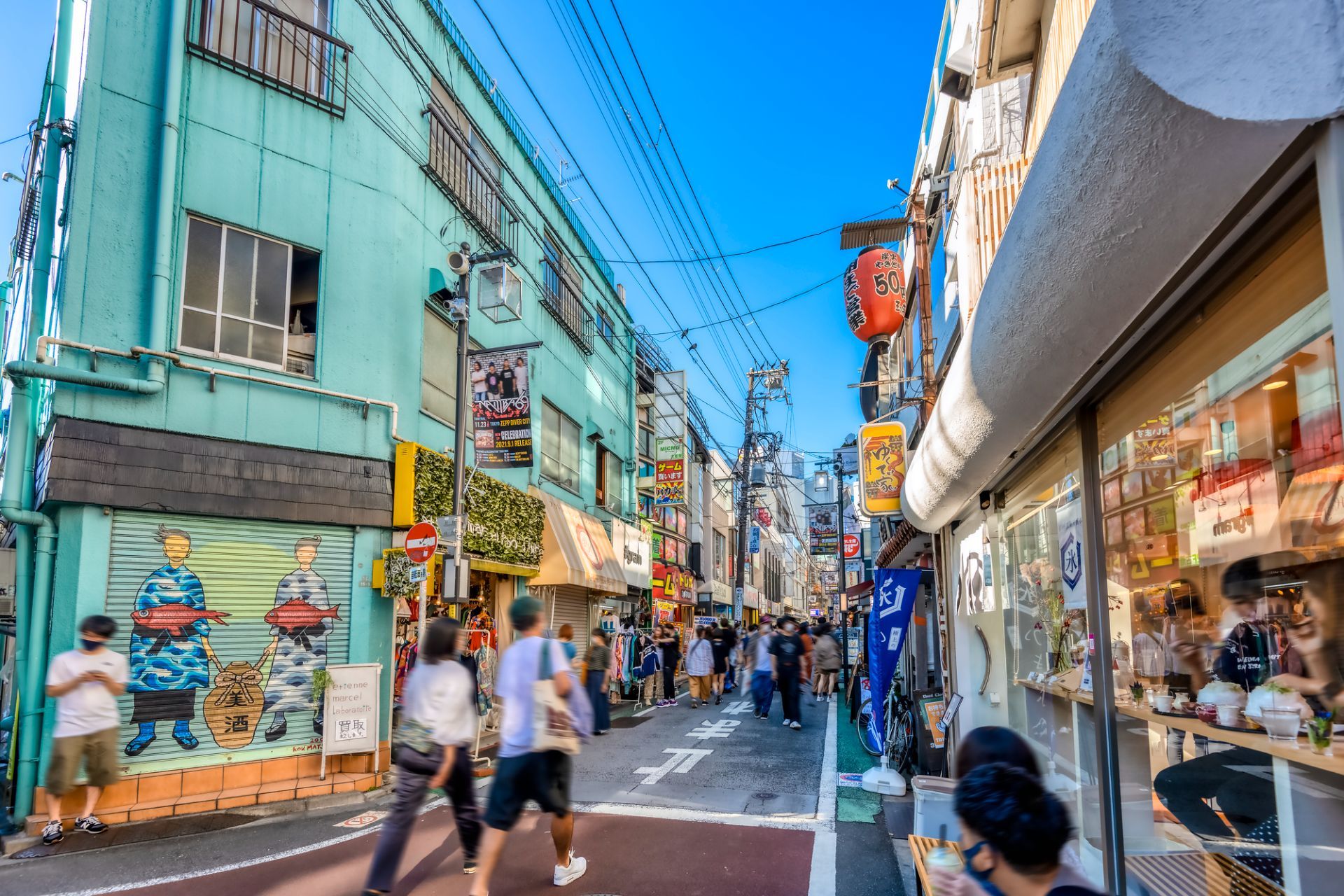
## Description Shimokitazawa is one of Tokyo's most beloved neighborhoods for travelers who want a creative, youthful, and slightly offbeat urban experience. Known for its indie shops, vintage fashion, small music venues, cafes, bars, and relaxed street culture, the area feels like a counterpoint to the polished intensity of central Tokyo. It is dense enough to feel exciting but compact enough to explore without stress, which makes it ideal for wandering. The neighborhood's appeal lies in its mix of everyday life and subculture. You can spend an afternoon browsing record stores, secondhand clothing shops, zines, and design goods, then stop for coffee or a casual meal in a tiny restaurant tucked into a side street. The area has long been associated with theater, music, and youth culture, so even when it is busy it retains an unmistakable creative identity. Many visitors describe it as a place where Tokyo becomes more approachable and personal. One little-known fact is that Shimokitazawa's reputation as a vintage hub grew gradually over decades, rather than through a single development plan, which gives its retail landscape an organic feel. Another is that the neighborhood has been shaped by rail infrastructure and urban redevelopment, yet it still preserves a strong sense of small-scale community in its alleys and side streets. That balance between change and continuity is central to its character. The streets themselves are part of the experience. Unlike hyper-structured shopping districts, Shimokitazawa encourages detours. A turn into a narrow lane may reveal a tiny jazz bar, an art space, or a cafe with a deliberately handmade interior. This makes the neighborhood especially rewarding for repeat visits, because the pleasure comes from discovering layers rather than checking off landmarks. Food is another reason to stay longer than expected. Shimokitazawa has everything from casual ramen and curry to dessert shops and specialty coffee. The density of places to eat means you can shape the day around browsing, resting, and browsing again. In the evening the district softens into a social district, with bars and live venues drawing a crowd that is varied but usually relaxed. For travelers who want a neighborhood that captures a more intimate and creative side of Tokyo, Shimokitazawa is an excellent choice. It is stylish without feeling exclusive and lively without feeling overwhelming. That combination is rare, and it is what keeps the area high on many repeat visitors' lists. ## Location Shimokitazawa is a neighborhood in Setagaya, Tokyo, Japan, located in the western part of the inner city. It is known for the station area and the streets that radiate from it. The easiest way to get there is by train, especially via the Odakyu Line or Keio Inokashira Line. Once you arrive, the district is best explored on foot. Because the neighborhood is compact, you can comfortably combine shopping, food, and nightlife in one visit. ## Tips Go without a rigid plan. The neighborhood is best enjoyed through spontaneous exploration. Visit both daytime and evening if you can. Daytime is better for shopping, while evening brings a more social atmosphere. Bring cash or a card that works widely in Japan, since smaller shops may have different payment preferences. If you are interested in vintage fashion, be prepared to spend time. Good finds often take patience. Look for smaller side streets rather than staying only near the station exits. Use Shimokitazawa as a half-day or full-day stop, depending on how much you want to browse and eat. ## Conclusion Shimokitazawa offers one of Tokyo's most distinctive neighborhood experiences, blending indie culture, vintage shopping, and relaxed urban energy in a compact and walkable district. ## FAQ ### What is Shimokitazawa famous for? It is famous for vintage clothing, independent cafes, small live music venues, theater, and a creative neighborhood atmosphere. ### Is Shimokitazawa worth visiting for first-time travelers to Tokyo? Yes, especially if you want a more local and youthful district beyond the major sightseeing areas. ### How much time do I need there? At least half a day, though many visitors stay longer because of the shopping and food options. ### Is Shimokitazawa good for nightlife? Yes, but it is a more relaxed nightlife scene than the biggest entertainment districts in Tokyo. ## Links - [Shimokitazawa](https://en.wikipedia.org/wiki/Shimokitazawa) - [Tokyo tourism](https://www.gotokyo.org/en/)
GemVoyage Team • World
Tokyo
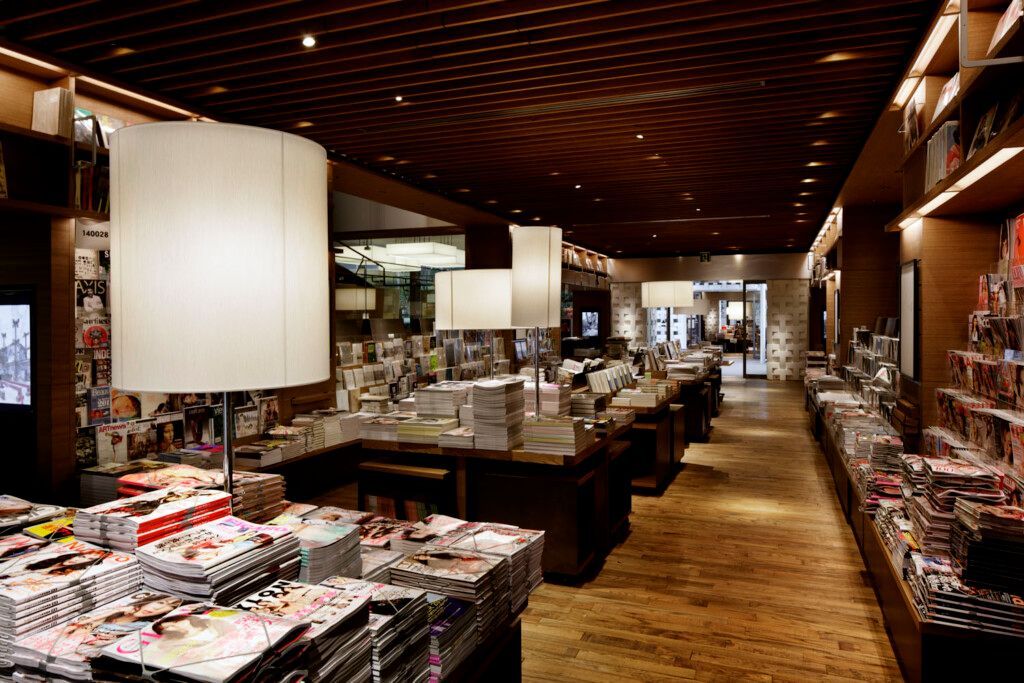
## Description Daikanyama T-Site is one of Tokyo’s most refined and visually appealing neighborhood destinations, and it stands out because it turns a bookstore into a complete lifestyle experience. Rather than being a single shop filled with shelves and cash registers, it is a carefully designed complex of books, magazines, cafés, architecture, and leisurely browsing spaces. Visitors come expecting to buy books, but many leave with a broader sense that they have spent time in a sophisticated urban retreat. The site is known for its elegant design and calm atmosphere, which feel especially striking in a city as fast and dense as Tokyo. Inside and around the complex, the pace slows. You can browse titles with no rush, sit down with coffee, and watch the neighborhood move at a gentler rhythm. That contrast is a big part of why Daikanyama T-Site is so loved by locals and travelers alike. It is not trying to compete with Tokyo’s biggest entertainment districts. Instead, it offers a more intimate and curated version of city life. One little-known fact is that the site is closely associated with Tsutaya’s concept of combining culture, retail, and hospitality into one seamless environment. Another is that the architecture and landscaping were designed to encourage lingering rather than quick transactions. You are meant to wander, pause, and discover. For travelers, this makes it a rare kind of attraction: a place that feels both commercially polished and genuinely calming. Daikanyama itself adds to the appeal. The neighborhood is known for its fashionable streets, independent boutiques, and a more residential, upscale feel compared with Tokyo’s more frenetic districts. That means a visit to T-Site works well as part of a relaxed afternoon spent exploring coffee shops, design stores, and quiet streets. Even if you are not a heavy reader, the atmosphere is enough to justify the stop. ## Location Daikanyama T-Site is in the Daikanyama neighborhood of Shibuya, Tokyo, Japan. It is situated in one of the city’s most stylish districts, close to other walkable areas that reward slow exploration. The site is easy to incorporate into a broader Shibuya or Ebisu itinerary. The simplest way to reach it is by train to Daikanyama Station, then a short walk through the neighborhood. Depending on where you are staying in Tokyo, you can also approach from nearby stations and enjoy the streets on foot, which is often the best way to experience the area. Tokyo’s public transport makes the attraction very accessible, and once you arrive, the surrounding neighborhood is compact enough to explore comfortably without needing any other transport. If you are planning a full day, combine Daikanyama T-Site with nearby cafés, design stores, or a walk toward Ebisu or Shibuya. That route gives you a more local-feeling experience than jumping between only the city’s largest tourist sites. ## Tips Go with time to spare. This is not a place to rush through, because the point is to browse and absorb the atmosphere. A relaxed visit will feel far more rewarding than a fast in-and-out stop. Try to arrive before the busiest café hours if you want a quieter experience. Morning and mid-afternoon often work well, depending on your broader Tokyo schedule. If you are interested in architecture, take a full lap around the complex before deciding where to sit. The design is part of the attraction, and the exterior spaces are as worth studying as the interiors. Pair the visit with a slow neighborhood walk. Daikanyama’s streets, small shops, and coffee spots help explain why the area has such a strong reputation for style and livability. The bookstore becomes even better when it is part of that larger setting. ## Conclusion Daikanyama T-Site is a polished but welcoming Tokyo attraction that combines books, design, and neighborhood charm. It is ideal for travelers who want a calm, stylish break from the city’s faster pace. ## FAQ **Is Daikanyama T-Site only for book lovers?** No. It is enjoyable even if you do not plan to buy books, because the design, cafés, and neighborhood atmosphere are a major part of the experience. **How long should I stay?** At least one hour, though many visitors stay longer because it is easy to linger over coffee and browsing. **Is it easy to reach from central Tokyo?** Yes. Public transport makes it very accessible, and the walk from the station is straightforward. **What makes it different from a normal bookstore?** It blends retail, architecture, and lifestyle space into one carefully curated environment. **Is it worth visiting if I have limited time in Tokyo?** Yes, especially if you want a calmer and more design-focused experience than the city’s major tourist hubs. ## Links - [Official website](https://store.tsite.jp/daikanyama/)
GemVoyage Team • World
Tokyo
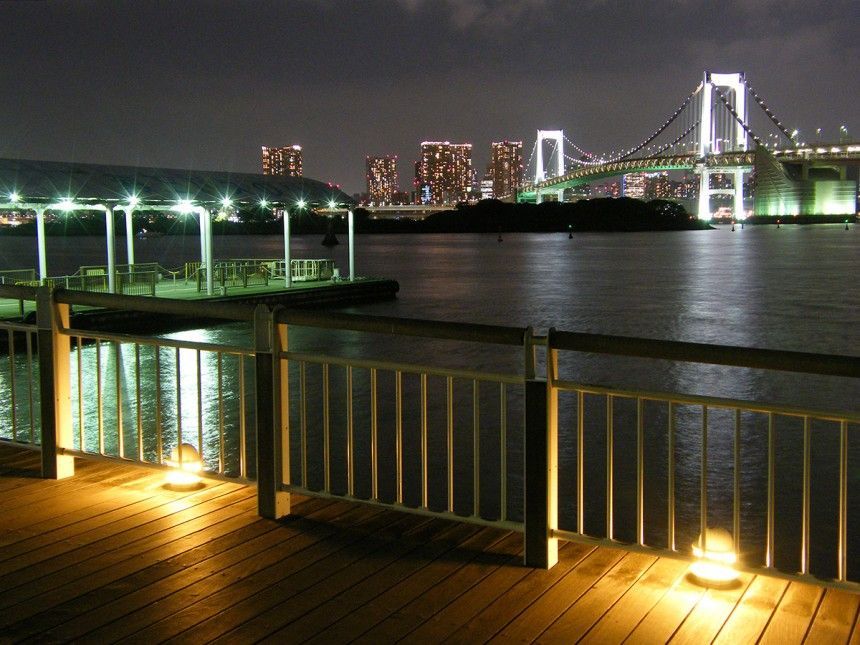
## Description Odaiba Seaside Park is one of Tokyo’s most enjoyable waterfront attractions because it offers a rare combination of open sky, coastal views, and easygoing public space in a city usually defined by density. The park is set on Tokyo Bay, and that location shapes everything about the experience. Instead of narrow streets, you get broad horizons. Instead of constant urban pressure, you get a slower rhythm, with people walking, sitting, cycling, or simply watching the water and the skyline. What makes the park appealing is the sense of contrast. Tokyo is famous for its intensity, but Odaiba gives you a place where the city meets the sea in a more relaxed way. You can see modern structures, bridges, and across-the-water views that feel both futuristic and calm. That blend is especially strong at sunset, when the light across the bay changes the atmosphere dramatically. Visitors often come for photographs, but they stay because the park is genuinely pleasant to spend time in. One little-known fact is that Odaiba itself was originally connected to ambitious land-reclamation and harbor development ideas, so the area reflects a distinctly modern Tokyo story rather than an ancient one. Another is that the park offers a valuable break in a city itinerary because it lets you slow down without feeling disconnected from the urban landscape. The water, beach-like edges, and sightlines make it feel open, but it still belongs fully to Tokyo. The park also works well as part of a larger Odaiba visit. It pairs naturally with shopping, entertainment, and other bay-area attractions, but it does not require you to spend money to enjoy it. That makes it especially useful for travelers who want a scenic stop that is easy to fit into a flexible day. If your idea of Tokyo includes both high energy and moments of calm, Odaiba Seaside Park delivers one of the cleanest transitions between the two. ## Location Odaiba Seaside Park is in Odaiba, Tokyo, Japan, on the waterfront facing Tokyo Bay. The area is well connected to the rest of the city and is one of the most recognizable modern districts in Tokyo’s bay zone. The easiest way to get there is by public transport, including the Yurikamome line or other transit options that serve the Odaiba area. Once you arrive, the park is straightforward to reach on foot. Because the district is designed for visitors and leisure, navigating it is generally simpler than navigating the city’s older, denser neighborhoods. If you are planning a full day, combine the park with nearby attractions or a walk through the broader Odaiba area. That gives you a better sense of why the district has become one of Tokyo’s most photogenic waterfront destinations. ## Tips Go near sunset if possible. The water, skyline, and bridges are especially attractive in the late afternoon and evening light. Bring a light jacket if you are visiting near the water, since the breeze can be stronger than in inland parts of the city. If you like photography, take your time moving around the shoreline. Different angles give you very different views of the city and bay. Use the park as a slower reset during a busier Tokyo itinerary. It is ideal after a day of dense urban exploration. Because Odaiba is so closely tied to modern Tokyo, the park can also feel cinematic in a way that many urban attractions do not. Bridges, towers, water, and open sky create a broad scene that changes with the light. That makes it especially good for visitors who like to photograph cityscapes or simply stand still and take in a less compressed part of Tokyo. The sense of openness is the whole point, and it is one of the reasons the park remains memorable after a busy day elsewhere in the city. It is also useful as a reminder that Tokyo is not only a city of movement but also of carefully designed public space. Odaiba Seaside Park gives you room to breathe without leaving the urban experience behind, and that balance is part of what makes it valuable. If you have already spent time in the tighter streets of central Tokyo, the park offers a visual and psychological reset that can make the rest of your itinerary feel more manageable. ## Conclusion Odaiba Seaside Park offers a refreshing waterfront perspective on Tokyo, combining open space, bay views, and modern city scenery. It is a strong choice for travelers who want a calmer but still distinctly urban experience. ## FAQ **Is Odaiba Seaside Park worth visiting?** Yes, especially if you want open views and a break from Tokyo’s denser districts. **What is the best time to go?** Late afternoon and sunset are especially attractive. **How do I get there?** Public transport to Odaiba is the easiest and most convenient option. **Is it good for families?** Yes. It is a relaxed public space that works well for all kinds of visitors. **Can I combine it with other Odaiba attractions?** Absolutely. It fits naturally into a broader waterfront itinerary. ## Links - [Tokyo Parks guide](https://www.tptc.co.jp/parks/odaiba)
GemVoyage Team • World