Berlin, the capital of Germany, is a dynamic city known for its powerful history, creative culture, and modern innovation. Once divided by the Berlin Wall, the city now stands as a global symbol of unity and transformation. Visitors can explore iconic landmarks such as the **Brandenburg Gate**, **Berlin Wall Memorial**, and **Reichstag Building**. Berlin is a major hub for art, music, nightlife, and contemporary culture. With its rich past and cutting-edge energy, Berlin is one of Europe’s most exciting travel destinations.
10 amazing places discovered by our community
Berlin
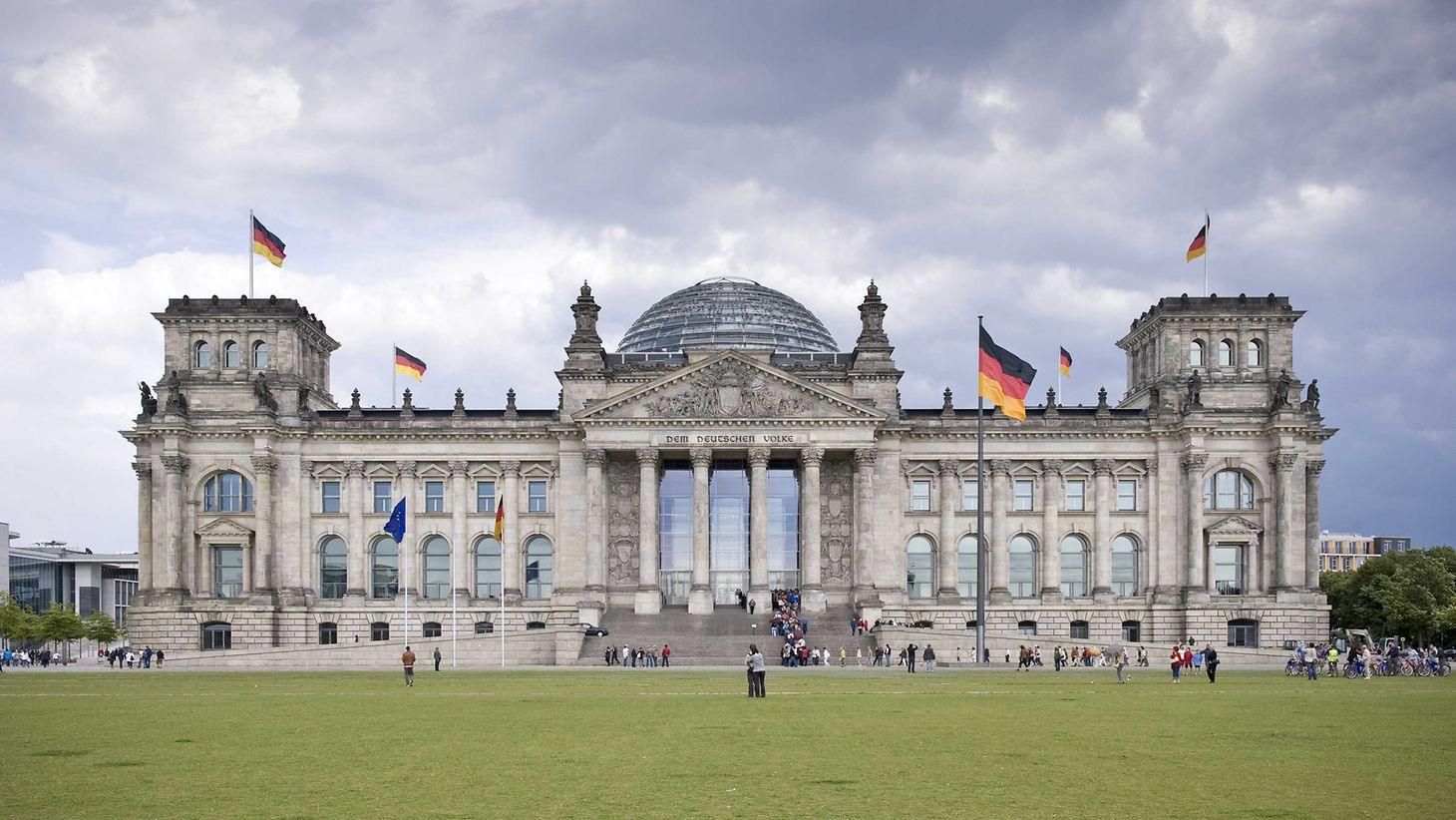
## Description The **Bundestag Building**, officially known as the **Reichstagsgebäude**, stands as one of the most significant landmarks in **Berlin** and a powerful symbol of **Germany’s turbulent history and democratic rebirth**. Combining monumental architecture with modern transparency, it serves today as the seat of the **German Federal Parliament (Deutscher Bundestag)** — and one of the most visited government buildings in the world. Originally designed by **architect Paul Wallot** and completed in **1894**, the building was intended to house the **Imperial Diet of the German Empire**. Its Neo-Renaissance façade, crowned by a grand central dome, reflected the pride and ambition of a newly unified Germany. However, the Reichstag’s history mirrors that of the nation itself — one of struggle, destruction, and renewal. In **1933**, the infamous **Reichstag fire** severely damaged the building, and it was later left in ruins during World War II. After decades of neglect during the Cold War, when Berlin was divided, the Reichstag stood near the border between East and West as a haunting reminder of Germany’s fractured identity. Following reunification, the Bundestag was **rebuilt and transformed** under the vision of **British architect Sir Norman Foster**, who completed his renovation in **1999**. The centerpiece of this reconstruction is the **modern glass dome**, an architectural marvel that symbolizes **transparency and accessibility in government**. Visitors can ascend the spiraling ramp inside the dome to enjoy **panoramic views of Berlin**, while looking down into the debating chamber below — a literal reflection of the people’s oversight over their elected representatives. A lesser-known fact is that during reconstruction, thousands of **historic graffiti inscriptions** left by Soviet soldiers in 1945 were carefully preserved on interior walls, serving as poignant reminders of the city’s wartime history. Another fascinating detail is that the **solar-powered dome** is part of an advanced energy-efficient system that makes the Bundestag one of the world’s greenest government buildings. ## Location The **Bundestag Building** is located in the **government district (Regierungsviertel)** of **Berlin**, **Germany**, near the **Brandenburg Gate** and along the **River Spree**. **Address:** Platz der Republik 1, 11011 Berlin, Germany To get there: * **By U-Bahn:** Take **U5** to **Bundestag Station**, located directly beside the building. * **By S-Bahn:** The **Berlin Hauptbahnhof (Main Station)** is about a **10-minute walk** away. * **By bus:** Routes **100** and **200** stop nearby at **Reichstag/Bundestag**. * **By foot or bike:** It’s an easy walk from the **Brandenburg Gate** or the **Tiergarten** park. ## Tips * **Book your visit in advance:** Entry to the dome and terrace is **free**, but **online registration** is required through the Bundestag’s official website due to high demand. * **Bring ID:** You’ll need a valid photo ID to enter the building for security reasons. * **Visit the dome at sunset or night:** The views of Berlin’s skyline — including the Brandenburg Gate and the Fernsehturm (TV Tower) — are spectacular after dark. * **Take the guided tour:** Learn about German history, architecture, and politics from official Bundestag guides. Tours are offered in multiple languages. * **Dress comfortably:** There’s a bit of walking and ramp climbing involved when visiting the dome. * **Combine with nearby attractions:** The **Brandenburg Gate**, **Memorial to the Murdered Jews of Europe**, and **Tiergarten** are all within walking distance. * **Photography:** Cameras are allowed — the dome’s glass reflections and city views make it a photographer’s dream. ## Conclusion The **Bundestag Building (Reichstag)** is more than a seat of government — it’s a living monument to **Germany’s journey from empire to democracy**. From its grand 19th-century origins through wartime destruction and postwar division, to its renewal as a transparent and sustainable parliament, the building embodies the nation’s resilience and progress. Visiting the Bundestag is both a **historical and symbolic experience**, offering a glimpse into the past and a view toward the future — quite literally through its luminous glass dome overlooking Berlin. ## FAQ **1. What is the difference between the Reichstag and the Bundestag?** “Reichstag” refers to the **historic building** itself, while “Bundestag” refers to **Germany’s federal parliament**, which now meets inside the Reichstag building. **2. When was the Reichstag building completed?** It was completed in **1894**, heavily damaged during World War II, and **fully restored and reopened in 1999** after reunification. **3. Who redesigned the building after reunification?** The **British architect Sir Norman Foster** led the reconstruction, adding the iconic glass dome. **4. Is it free to visit?** Yes, **entry to the Bundestag, dome, and terrace is free**, but advance **registration** is required for security reasons. **5. Can you visit the parliamentary chamber?** Yes, guided tours include access to the chamber when sessions are not in progress. Visitors can also attend plenary sessions by prior arrangement. **6. When is the best time to visit?** The **evening** is ideal for breathtaking views of Berlin at sunset, but daytime visits offer clearer views of the cityscape. **7. What are the opening hours?** The dome is usually open daily from **8 a.m. to midnight**, with last entry around **10 p.m.** (check the official site for seasonal variations). ## Links * [Official Bundestag Visitor Registration](https://www.bundestag.de/en/visittheBundestag/dome/registration-245686)
GemVoyage Team • World
Berlin
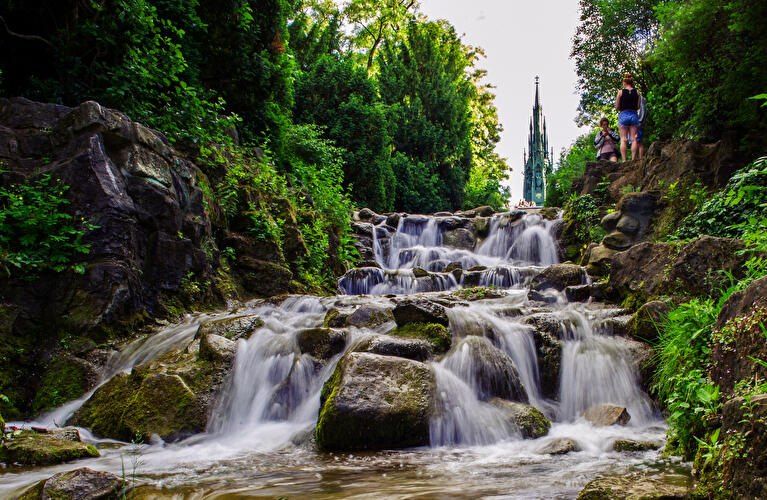
## Description **Viktoriapark** is one of Berlin’s most distinctive urban green spaces, combining **natural elevation, engineered waterfalls, panoramic city views, and national symbolism** within a compact yet dramatic landscape. Unlike Berlin’s vast flat parks such as Tiergarten or Tempelhofer Feld, Viktoriapark stands out because it rises sharply above the surrounding streets, offering one of the **best natural viewpoints in the entire city**. The park is centered around **Kreuzberg Hill**, a 66-meter-high elevation that gives the surrounding district its name. At the summit stands the imposing **National Monument for the Wars of Liberation** (Nationaldenkmal für die Befreiungskriege), a Gothic-style cast-iron monument designed by **Karl Friedrich Schinkel** and completed in 1821. The monument commemorates Prussia’s victory over Napoleon and represents one of the earliest major patriotic memorials in Germany. Its dark, spired form creates a dramatic silhouette against the sky and serves as a visual anchor for the entire park. One of Viktoriapark’s most beloved features is its **artificial waterfall system**, which cascades down the eastern slope of the hill toward Kreuzbergstraße. Built in the late 19th century, the waterfall was designed to mimic alpine mountain streams, bringing the sound, movement, and cooling atmosphere of flowing water into the dense urban fabric. During warm months, these waterfalls become the emotional heart of the park—children play at the base, couples sit on the stone steps, and photographers wait for light to catch the moving water. What makes Viktoriapark particularly compelling is the way it merges **romantic landscape design with political history**. The hill was reshaped during the 19th century to fit the ideals of romantic nationalism, where nature, sacrifice, and monumentality were meant to reinforce each other. The result is a park that feels both organic and highly symbolic at the same time. A little-known fact is that Kreuzberg Hill was once part of a **vine-growing region**, and small-scale wine production existed here in earlier centuries. Even today, a modern vineyard operates on the slope near the monument, producing limited local wine each year. Another lesser-known detail is that the waterfall only runs during the warmer months, meaning many winter visitors never realize that this dramatic feature exists at all. Beyond its historical symbolism, Viktoriapark plays a vital role in everyday neighborhood life. It is a **local refuge** for residents of Kreuzberg, attracting joggers, families, musicians, dog walkers, and sunset watchers. Unlike some of Berlin’s more monumental parks, Viktoriapark maintains a **distinctly neighborhood-driven character**, blending tourism and local daily rhythm without feeling staged. Emotionally, the park shifts moods throughout the day. Mornings are quiet and misty along the lower paths. Afternoons bring activity and movement. Evenings transform the summit into a gathering point for people watching the sun sink behind Berlin’s rooftops. From the top, visitors can often see landmarks such as the **TV Tower (Fernsehturm)** and distant church spires, reinforcing the sense of standing above the city without ever leaving it. ## Location **Viktoriapark** is located in the **Kreuzberg district of central Berlin**, close to the border with Schöneberg. **City:** Berlin **Region:** Berlin (city-state) **Country:** Germany **District:** Kreuzberg (Friedrichshain-Kreuzberg borough) ### How to Get There: * **By U-Bahn:** * **Line U6** to **Platz der Luftbrücke**, then walk about 10 minutes. * **Line U7** to **Mehringdamm**, then walk about 12–15 minutes. * **By bus:** Several bus lines stop along Mehringdamm and Kreuzbergstraße. * **By bicycle:** Well connected by bike lanes and ideal as part of a Kreuzberg cycling route. * **By taxi or ride-hailing apps:** Direct access from anywhere in central Berlin. * **On foot:** Easily reachable from Bergmannkiez and Tempelhofer Damm areas. The park’s elevated position makes it visible from many surrounding streets, acting as a **natural landmark within Kreuzberg**. ## Tips * **Visit near sunset:** The panoramic view from the monument is one of the best free sunset spots in Berlin. * **Check if the waterfall is running:** It is typically active only from spring to autumn. * **Wear comfortable shoes:** The paths include steep inclines and irregular stone steps. * **Bring a light jacket:** Wind at the top can be significantly stronger than street level. * **Combine with Bergmannkiez:** The surrounding neighborhood is full of cafés, bakeries, and local restaurants. * **Avoid peak hours for quiet time:** Late afternoons on weekends can be crowded. * **Respect the monument:** It is a protected historical site, not a climbing structure. * **Photography tip:** Early morning light illuminates the eastern slope and waterfall beautifully. ## Conclusion **Viktoriapark** is a rare Berlin green space where **natural elevation, romantic landscape design, national history, and everyday local life intersect**. From its cascading waterfalls and shaded paths to the solemn monument crowns its summit, the park offers both emotional contrast and visual depth. It is not grand in size, but in **experience, symbolism, and atmosphere**, it ranks among the most memorable outdoor spaces in the city. ## FAQ **1. What is Viktoriapark famous for?** It is best known for its **hilltop national monument, artificial waterfalls, and panoramic city views**. **2. Is Viktoriapark suitable for children?** Yes. Families visit frequently, especially near the lower waterfall areas, though supervision is required due to rocky terrain. **3. Is there an entrance fee?** No. Viktoriapark is **free and open to the public**. **4. Does the waterfall run all year?** No. It usually operates **only during the warmer months**. **5. Can you see major landmarks from Viktoriapark?** Yes. On clear days, you can spot parts of the **Berlin skyline including the TV Tower**. **6. How long should a visit take?** Most visits last **45 minutes to 1.5 hours**, depending on walking pace and time spent at viewpoints. ## Links * [Official Berlin Parks Page](https://www.berlin.de/tourismus/parks-und-gaerten/3560783-1740419-viktoriapark.html)
GemVoyage Team • World
Berlin
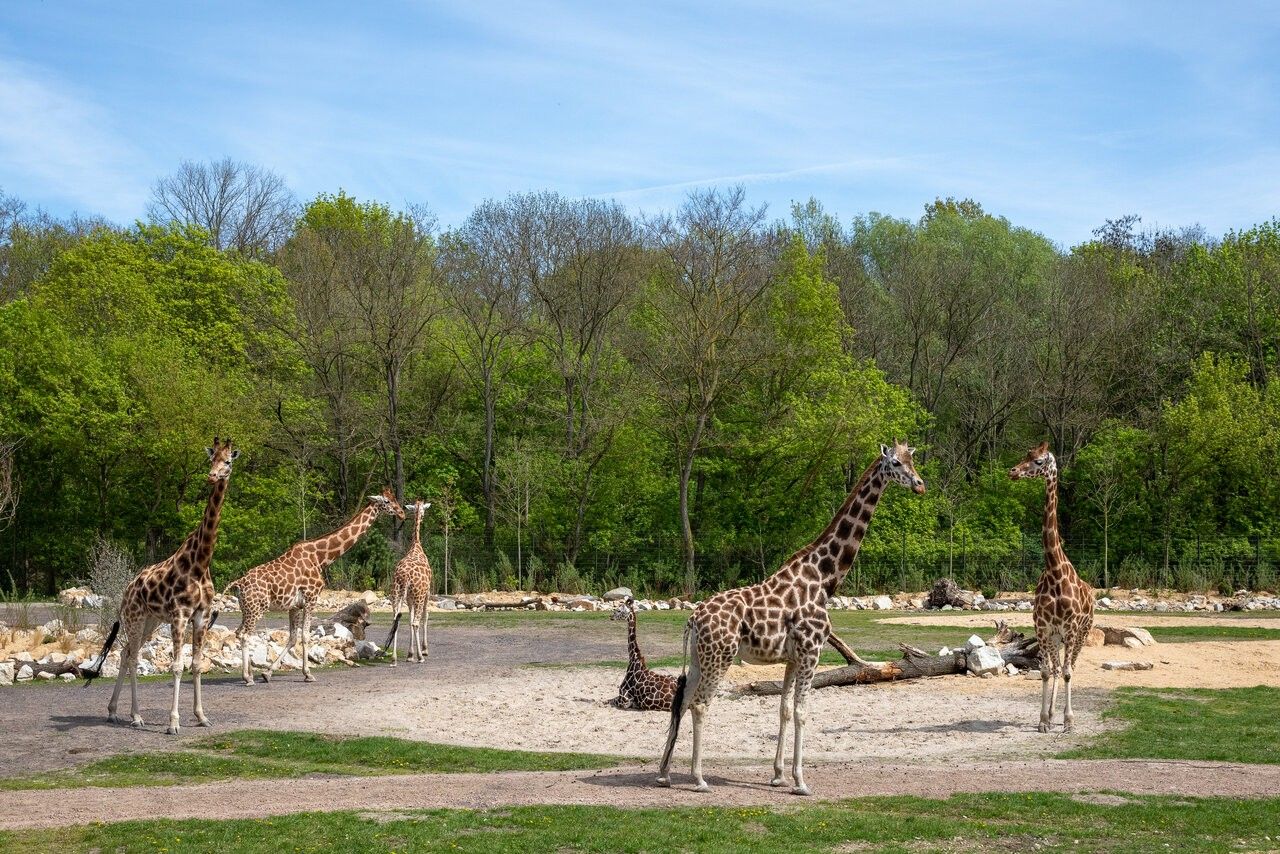
## Description Tierpark Berlin is one of the most impressive zoological parks in Europe and a standout attraction in the German capital. Unlike traditional city zoos, Tierpark Berlin is designed as a vast landscape park where animals live in spacious, naturalistic enclosures spread across rolling lawns, wooded areas, and historic parkland. With more than 160 hectares to explore, it offers a relaxed and immersive experience that feels closer to a nature reserve than a conventional zoo. What makes Tierpark Berlin truly unique is its scale and setting. It is the largest zoo in Europe by area, allowing animals such as elephants, giraffes, bison, and big cats to roam in environments that closely resemble their natural habitats. A little-known fact is that the zoo is located on the former grounds of Friedrichsfelde Palace, an 18th-century baroque residence that still stands at the heart of the park and is open to visitors. Another lesser-known detail is that Tierpark Berlin was established in 1955 in what was then East Berlin, serving as the counterpart to Zoo Berlin in the western part of the city during the Cold War. Today, Tierpark Berlin combines animal conservation, education, and leisure, making it especially appealing for families, nature lovers, and visitors seeking a slower-paced zoo experience. ## Location Tierpark Berlin is located in **Germany**, in the city-state of **Berlin**, within the **Lichtenberg** district. It lies in the eastern part of the city, surrounded by residential neighborhoods and green spaces. Getting there is simple using public transportation. The most convenient option is the U-Bahn (metro): take Line U5 to **Tierpark** station, which exits directly in front of the main entrance. Several bus and tram lines also stop nearby. For visitors traveling by car, parking is available close to the entrances, though public transport is generally the easiest and most efficient way to reach the zoo. ## Tips * Allow plenty of time for your visit; exploring Tierpark Berlin properly can take four to six hours or more. * Wear comfortable walking shoes, as distances inside the park are long. * Consider renting a wagon or using the park’s internal transport options if visiting with small children. * Bring snacks or enjoy one of the on-site cafés and restaurants, especially during longer visits. * Visit on weekdays or outside school holidays to enjoy a quieter atmosphere. * Check feeding times and animal talks in advance for a more educational experience. ## Conclusion Tierpark Berlin offers a unique zoo experience defined by space, greenery, and a strong focus on animal welfare. Its combination of wildlife, historic surroundings, and relaxed atmosphere makes it one of Berlin’s most rewarding attractions for visitors of all ages. ## FAQ **How is Tierpark Berlin different from Zoo Berlin?** Tierpark Berlin is much larger and more spacious, focusing on landscape-style enclosures, while Zoo Berlin is more compact and centrally located. **How long does a visit usually take?** Most visitors spend between four and six hours, though a full day is ideal for seeing everything at a relaxed pace. **Is Tierpark Berlin suitable for children?** Yes, it is very family-friendly, with playgrounds, open spaces, and child-focused facilities. **Is the zoo accessible for people with limited mobility?** Yes, the park has wide paths and is generally accessible, though the large size may require planning. **Can I visit Tierpark Berlin year-round?** Yes, the zoo is open throughout the year, with seasonal highlights in every season. ## Links * [Tierpark Berlin Official Website](https://www.tierpark-berlin.de) * [Visit Berlin Official Tourism Website](https://www.visitberlin.de)
GemVoyage Team • World
Berlin
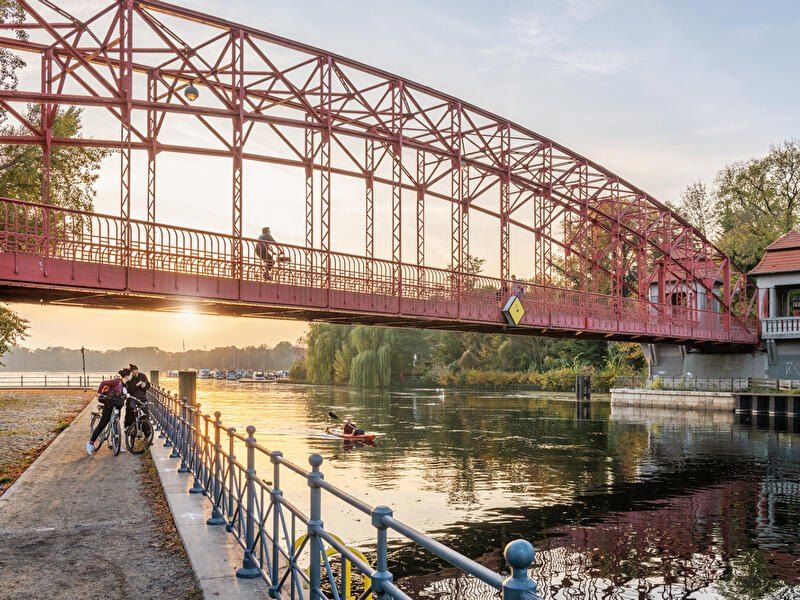
## Description **Tegeler See** is one of Berlin’s largest and most beloved lakes, offering a rare combination of **deep forest landscapes, wide open water, historic promenades, and recreational freedom** within a major European capital. Unlike the carefully curated parks of central Berlin, Tegeler See feels **expansive, natural, and quietly powerful**, a place where the city dissolves into wind, water, and tree canopy. The lake stretches across the northern edge of Berlin and forms part of a much larger **interconnected water system** linking rivers, canals, and smaller lakes. Its shoreline alternates between **elegant promenades, dense woodland, sandy bathing areas, hidden coves, and small harbors**, giving every section a distinct character. On one walk you might pass joggers and cyclists near cafés, and moments later find yourself alone on a forested shoreline with only birds and passing sailboats for company. What makes Tegeler See especially unique is its **scale and visual openness**. The lake is wide enough to feel almost coastal in certain sections. Wind patterns shape large ripples across the surface, and on clear days the sky reflects endlessly into the water. Sailboats, paddleboards, kayaks, ferries, and swimmers all share the same space, creating an ever-moving ecological and recreational system. The western and northern edges of the lake are bordered by the **Tegel Forest (Tegeler Forst)**, one of Berlin’s largest continuous woodland zones. This forest contains long hiking paths, wildlife corridors, thick pine stands, and historic hunting routes that once served Prussian royalty. This direct interface between **urban lake and protected forest** is one of Tegeler See’s defining strengths. Few European capitals offer this scale of natural immersion without leaving city limits. From an urban perspective, the lake is closely tied to the borough of **Reinickendorf** and the historic district of **Alt-Tegel**. The Alt-Tegel promenade along the eastern shoreline functions as a social spine, lined with restaurants, ice cream shops, boat docks, beer gardens, and terraces overlooking the water. This area transforms in summer into one of Berlin’s most relaxed outdoor social scenes, blending families, cyclists, couples, and long-term residents. A little-known fact is that Tegeler See was once part of the **Havel River’s natural floodplain system**, and its modern form is the result of long-term hydraulic engineering dating back centuries. Another lesser-known detail is that the famous German poet and philosopher **Gotthold Ephraim Lessing** once lived near the lake, and the nearby Tegel Palace was home to the Humboldt family, including **Alexander von Humboldt**, one of history’s most influential natural scientists. Tegeler See’s emotional identity is shaped by **seasonality**. In spring, the forest releases fresh green layers and migrating birds return. Summer brings swimming, paddleboarding, lakeside dining, and long evening sunsets. Autumn covers the surrounding hills in gold and copper tones. Winter transforms the lake into a minimalist landscape of cold light, mist, and silence, occasionally frozen at the edges. Unlike Berlin’s central landmarks, Tegeler See does not present itself as a destination of spectacle. Its appeal is built on **duration rather than intensity**. People do not come for a single photo; they come to spend hours walking, reading, boating, cycling, swimming, and simply existing beside water and forest. It is one of the few places in Berlin where **time visibly slows down**. In a city often defined by density, history, and cultural pressure, Tegeler See functions as a **pressure valve**. It absorbs excess motion and releases calm. ## Location **Tegeler See** is located in **northwestern Berlin**, primarily within the borough of **Reinickendorf**, near the historic district of **Tegel**. **City:** Berlin **State (Region):** Berlin **Country:** Germany **Primary Area:** Reinickendorf / Alt-Tegel ### How to Get There: * **By S-Bahn:** * Take **S25** to **Tegel Station**, then walk 10 minutes to the lakeside. * **By U-Bahn:** * Take **U6** to **Alt-Tegel**, which places you directly at the main promenade. * **By bus:** Multiple bus routes connect Tegel with central and northern Berlin. * **By bicycle:** A well-developed bike network connects Tegeler See to the city center. * **By car:** Parking is available but is limited on busy summer days. The lake is easily combined with visits to **Alt-Tegel old town, Tegel Forest hiking trails, and the Havel River network**. ## Tips * **Visit on weekdays if you prefer quiet:** Weekends can be very busy in summer. * **Walk both the promenade and the forest side:** Each offers a completely different experience. * **Bring swimwear in summer:** Designated bathing areas are popular and well maintained. * **Sunset is the most atmospheric time:** Especially from western shoreline viewpoints. * **Boat rentals are widely available during the warm season.** * **Dress for wind:** The open water creates noticeable temperature shifts. * **Combine with Alt-Tegel dining:** Lakeside restaurants are a core part of the experience. * **Winter visits are underrated:** The silence and mist create a dramatic, cinematic mood. ## Conclusion **Tegeler See** is Berlin at its most expansive and elemental. It is where the city trades architecture for horizon, traffic for water movement, and density for breathing space. By uniting forest, lake, promenade, and history into one continuous landscape, Tegeler See offers a version of Berlin that is **slower, wider, and deeply restorative**. ## FAQ **1. Is Tegeler See suitable for swimming?** Yes. Several **official bathing areas** operate during the summer season. **2. Can you rent boats on Tegeler See?** Yes. **Paddleboats, kayaks, and small sailboats** are available for rent. **3. Is Tegeler See family-friendly?** Yes. It is widely used by **families, cyclists, walkers, and swimmers**. **4. How long does it take to walk around Tegeler See?** Walking the full perimeter can take **2.5 to 4 hours**, depending on pace and route. **5. Is Tegeler See good in winter?** Yes, especially for **quiet walks, photography, and forest exploration**. **6. Is there wildlife around the lake?** Yes. The area supports **water birds, foxes, deer, and diverse forest species**. ## Links * [Visit Berlin](https://www.visitberlin.de)
GemVoyage Team • World
Berlin
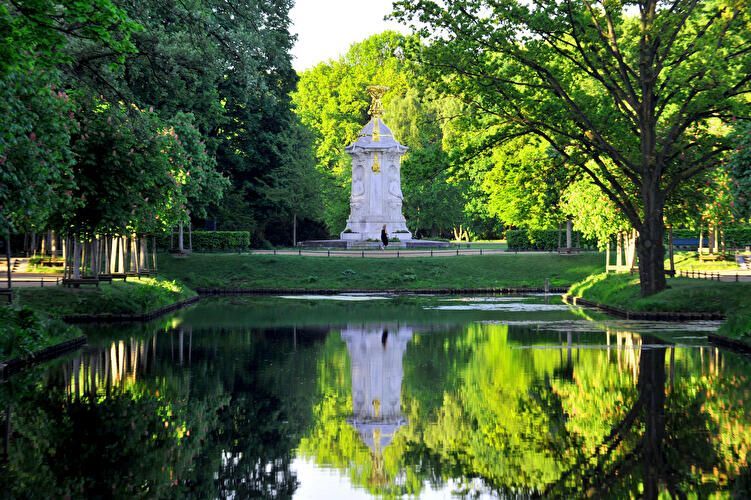
## Description Großer Tiergarten (commonly called the Tiergarten) is Berlin’s largest and most beloved inner-city park—a leafy, varied landscape of walking paths, ponds, monuments, and quiet glades sitting at the historic heart of the city. Once a ducal hunting ground, it evolved over centuries into a landscaped public park designed for civic leisure and grand promenades. Today, the Tiergarten provides a verdant contrast to Berlin’s urban fabric: classical statues, the iconic Victory Column (Siegessäule), and gardened lawns mix with dense tree stands and serene waterways. What distinguishes the Tiergarten is its adaptability: it serves as a place for brisk joggers, picnickers, history buffs, and families alike. Hidden corners contain wartime memorials and modern sculptures, while open meadows host festivals and local gatherings. A lesser-known fact is that parts of the park were extensively redesigned after World War II and partially replanted to counter wartime damage, which explains the deliberate blend of older avenues with mid-20th-century layout decisions. ## Location Großer Tiergarten is located in central Berlin, within the Mitte borough and adjacent to important city landmarks such as the Brandenburg Gate, the Reichstag, and Potsdamer Platz. The park stretches roughly from the Brandenburg Gate in the east toward the Bellevue Palace in the west. Getting there: Tiergarten is highly accessible. Most visitors arrive via Berlin’s U-Bahn or S-Bahn (Brandenburger Tor station, Tiergarten station, or Potsdamer Platz). Buses and trams also serve nearby stops. Cycling is an excellent way to traverse the park—bike rental stations are plentiful, and dedicated paths make for a pleasant ride. If arriving by car, use nearby parking facilities at major crossroads, though public transport is recommended. ## Tips - Plan a walking loop: Combine a visit to the Brandenburg Gate, stroll through the Tiergarten, and finish at the Victory Column or Bellevue Palace. - Rent a bike: The park is large and easier to explore by bicycle; watch for pedestrians on mixed-use paths. - Bring a picnic: Large grassy areas are perfect for relaxing; be mindful of local rules about barbecues and cleanup. - Visit different times: Morning for joggers and birdwatching; late afternoon for softer light and fewer crowds; summer evenings often have informal gatherings or small concerts. - Check memorials and monuments: Allow time to see the Soviet War Memorial, the Bismarck statue, and other historical markers—each has its own backstory worth exploring. - Accessibility: Main routes are generally flat and wheelchair-friendly, but some wooded paths can be uneven. ## Conclusion Großer Tiergarten is a green heart in the center of Berlin: historically layered, naturally restorative, and culturally active. Whether you seek a peaceful walk, a cycling route, or a place to sit and watch Berlin life unfold, Tiergarten delivers a balanced urban park experience with historical depth and modern vitality. ## FAQ Q: Is the Tiergarten safe to visit after dark? A: Central areas and main paths are generally safe, but as with any large park, avoid isolated areas at night and use common-sense precautions. Q: Can I cycle in the Tiergarten? A: Yes. Cycling is popular and convenient with dedicated paths; always yield to pedestrians and follow local cycling rules. Q: Are there guided tours of the Tiergarten? A: Guided walking and bike tours that include Tiergarten are available through various tour operators; check Berlin tourism listings. Q: Is the Victory Column accessible to the public? A: The Victory Column is open to visitors who want to climb to the viewing platform; check opening hours and ticketing information. ## Links - [Visit Berlin – Tiergarten information](https://www.visitberlin.de/en/place/grosser-tiergarten)
GemVoyage Team • World
Berlin
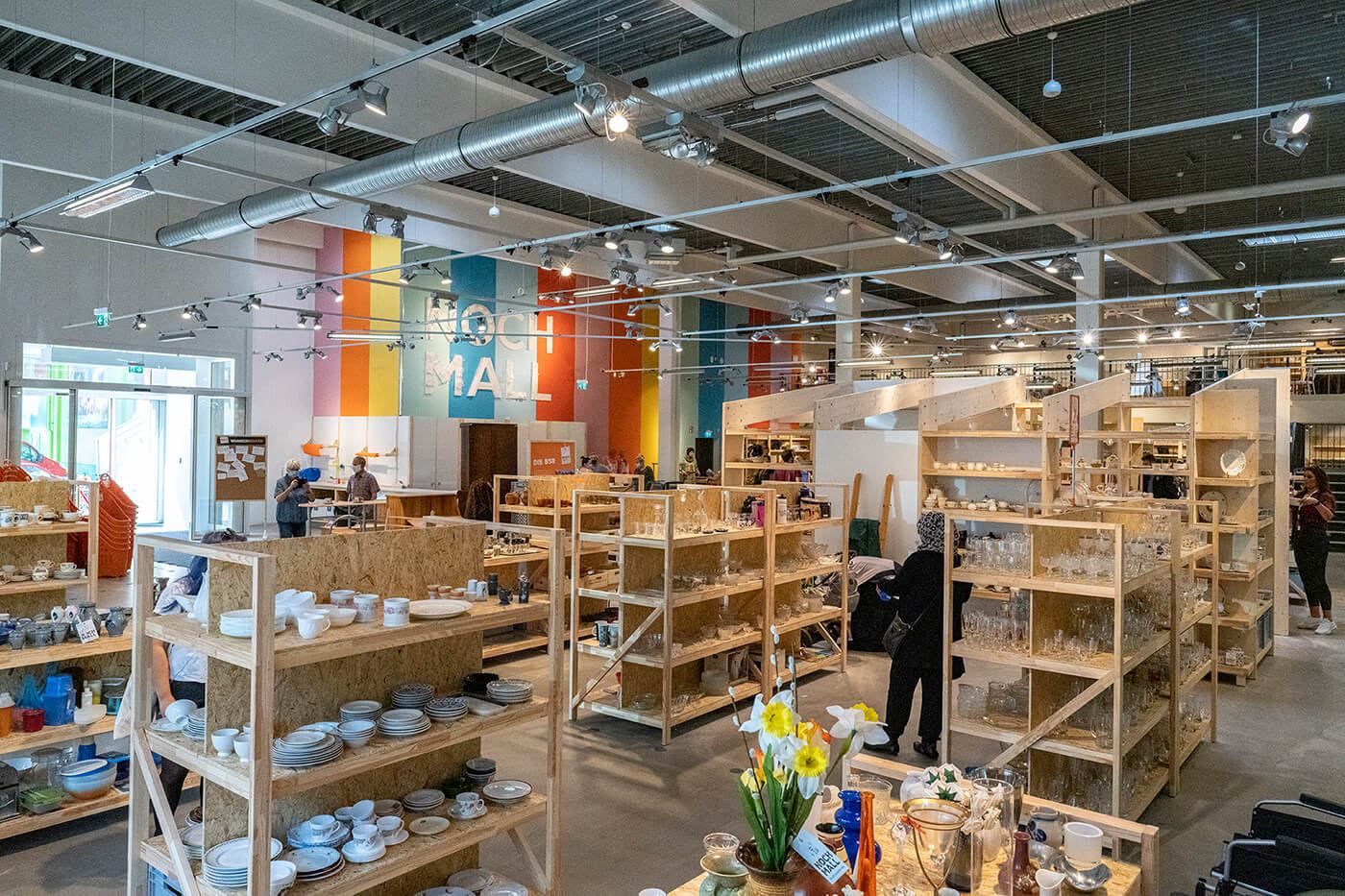
## Description **NochMall** is one of Berlin’s most unconventional, forward-thinking shopping destinations and stands as **Europe’s largest reuse department store**. Unlike traditional second-hand shops or flea markets, NochMall operates as a **professionally curated reuse center**, where discarded items are rescued, restored if necessary, and offered for resale in a structured, retail-style environment. Its mission goes far beyond commerce: NochMall exists to promote **sustainability, waste reduction, circular economy principles, and conscious consumption**. The name “NochMall” comes from the German phrase meaning “once again,” perfectly reflecting its role in giving objects a second life. The store is operated by **BSR (Berliner Stadtreinigungsbetriebe)**, Berlin’s public waste management company. This alone makes it unique—most cities focus on disposal and recycling, while Berlin has invested in a large-scale, public **reuse infrastructure** that turns waste prevention into an accessible urban service. Inside the massive warehouse-style space, visitors find a wide and constantly changing range of items: **furniture, home décor, bicycles, electronics, books, kitchenware, tools, children’s toys, musical instruments, sports equipment, and clothing**. Everything comes from Berlin households, salvage collections, or BSR recycling centers. Items that are still usable are inspected, cleaned, priced, and placed on display instead of being destroyed. What sets NochMall apart from ordinary thrift stores is its **department-store-style layout**. Products are organized into clear categories, with professional shelving, signage, and lighting. The atmosphere is bright, modern, and surprisingly calm. Prices are deliberately kept **affordable but realistic**, reflecting both value and sustainability goals rather than aggressive profit margins. NochMall is also an **educational and cultural space**. It regularly hosts **repair workshops, upcycling courses, sustainability lectures, school programs, and community events**. The attached café reinforces the idea that this is not just a store, but a **social meeting point for environmentally conscious urban life**. A little-known fact is that NochMall diverts **thousands of tons of usable goods from Berlin’s waste stream every year**, directly reducing landfill pressure and raw-material consumption. Another lesser-known detail is that some of the furniture sold in the store is **professionally refurbished by local social enterprises**, creating both environmental and social value through job creation and vocational training. For visitors, NochMall offers something truly different: the chance to experience sustainability not as a theory, but as a **practical, well-functioning urban system**—and to take part in it. ## Location **NochMall** is located in the **Reinickendorf district** in the **northwestern part of Berlin**, an area with a strong industrial and logistics character, well suited to large-scale sustainability infrastructure. **City:** Berlin **Region:** Berlin State (Bundesland Berlin) **Country:** Germany **District:** Reinickendorf ### How to Get There: * **By S-Bahn:** Take **S25** to **Alt-Reinickendorf**, then walk about 10–12 minutes. * **By U-Bahn:** Take **U6** to **Scharnweberstraße**, then continue by bus or taxi. * **By bus:** Several local bus lines serve the surrounding industrial area. * **By car:** Easy access via main arterial roads; on-site parking is available. * **By bicycle:** Cycling is possible, though the industrial surroundings favor longer-distance riders. While NochMall is not located in a classic tourist district, it is easily reachable with public transport and well worth the trip for anyone interested in sustainability, design, or alternative shopping experiences. ## Tips * **Visit with spare time:** Nochmal is large and constantly changing; allow at least 90 minutes to explore properly. * **Go without a fixed shopping list:** The best finds are often unplanned discoveries. * **Check electronics carefully:** Everything is tested, but it’s still smart to inspect functionality before purchase. * **Bring a way to transport bulky items:** Larger furniture may require a car, delivery service, or cargo bike. * **Ask staff for new arrivals:** Some sections receive fresh stock several times per week. * **Attend a workshop:** Repair and upcycling events add real educational value to your visit. * **Combine with sustainability tourism:** Pair NochMall with visits to eco-focused districts or urban gardening projects. * **Donations are possible:** If you live in Berlin, you can legally donate usable items through BSR systems. ## Conclusion **NochMall** is far more than a resale store. It is a **large-scale, real-world model of circular economy in action**, proving that reuse can be organized with the same professionalism as mainstream retail. By transforming waste into resources, education into practice, and shopping into a responsible act, NochMall represents one of Berlin’s most meaningful modern innovations. For travelers and residents alike, it offers not just bargains, but a powerful insight into the future of sustainable cities. ## FAQ **1. What is NochMall exactly?** NochMall is **Europe’s largest reuse department store**, operated by Berlin’s public waste management company, focusing on resale instead of disposal. **2. Is NochMall a normal second-hand shop?** No. It is a **professionally structured reuse center**, significantly larger and more organized than typical thrift stores. **3. Are the items donated?** Yes. Items come from **Berlin households, recycling centers, and municipal collection systems**. **4. Are the products tested and safe to use?** Yes. Electronics and technical items are **checked for basic functionality and safety** before being sold. **5. Is NochMall only for Berlin residents?** No. It is **open to everyone**, including tourists. **6. Can I donate items directly at the store?** Donations are usually handled through **official BSR collection systems**, not directly at the sales floor. ## Links * [Official NochMall Website](https://www.nochmall.de)
GemVoyage Team • World
Berlin
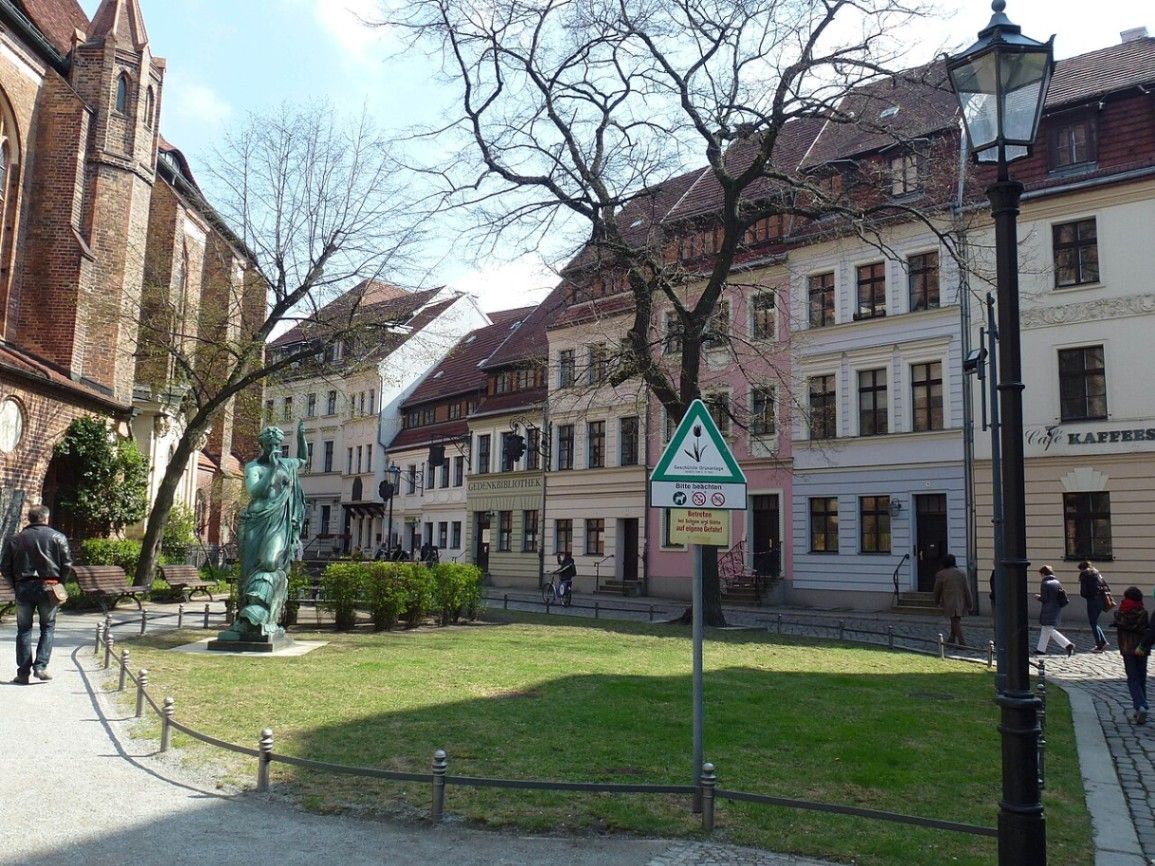
## Description Nikolaiviertel is one of Berlin’s most atmospheric neighborhoods and holds a special place in the city’s history. Often referred to as the birthplace of Berlin, this compact quarter feels worlds away from the modern capital filled with glass towers and busy avenues. Cobblestone streets, narrow alleyways, and colorful facades create an almost storybook setting that invites visitors to slow down and explore at a relaxed pace. What makes Nikolaiviertel unique is the way it blends reconstruction with genuine historical remnants. Much of the area was rebuilt in the 1980s by East Germany to celebrate Berlin’s 750th anniversary, carefully recreating the medieval street layout and architectural style. However, it is not merely a replica. Several buildings are authentically old, including the famous Nikolaikirche (St. Nicholas’ Church), Berlin’s oldest church, whose foundations date back to the 13th century. A little-known fact is that some of the buildings in Nikolaiviertel were reconstructed using original architectural fragments salvaged from destroyed historic houses across Berlin. Another interesting detail is that the neighborhood was once home to notable figures such as philosopher Georg Wilhelm Friedrich Hegel, whose former residence can still be seen today. Together, these elements give Nikolaiviertel a sense of authenticity that goes beyond its relatively recent reconstruction. Today, the quarter is known for its small museums, traditional restaurants, cozy cafés, and artisan shops. It is an excellent place to experience a quieter, more intimate side of Berlin while learning about the city’s medieval origins. ## Location Nikolaiviertel is located in Germany, in the federal state and city of Berlin. More precisely, it lies in the central borough of Mitte, close to the eastern bank of the River Spree. The neighborhood sits between Alexanderplatz and the Berlin Cathedral, making it easy to combine with other major attractions in the historic center. Getting to Nikolaiviertel is simple and convenient. The easiest way is by public transport. Visitors can take the U-Bahn (underground) to Klosterstraße (U2 line), which is just a short walk away. Alternatively, Alexanderplatz, one of Berlin’s main transport hubs, is about a 10-minute walk from the quarter. From there, multiple S-Bahn, U-Bahn, tram, and bus lines are available. Walking is also highly recommended if you are already exploring central Berlin, as the surrounding area is pedestrian-friendly and rich in sights. ## Tips To make the most out of a visit to Nikolaiviertel, it is best to arrive early in the day or later in the afternoon. Midday can become crowded, especially during the summer tourist season. Early mornings offer a quieter atmosphere and better opportunities for photography. Comfortable walking shoes are essential, as the cobblestone streets can be uneven. Take your time wandering through the small side streets rather than sticking only to the main paths. This is where you will find hidden courtyards, lesser-known shops, and quieter corners. Consider visiting one of the local museums, such as the Museum Knoblauchhaus, which offers insight into bourgeois life in 18th- and 19th-century Berlin. For food, traditional German restaurants in the area serve classic dishes, but prices can be slightly higher due to the central location. Checking menus beforehand can help avoid surprises. Lastly, Nikolaiviertel is especially charming in the evening when the lights come on and the area feels more intimate. It is a great place for a relaxed dinner after a day of sightseeing. ## Conclusion Nikolaiviertel offers a rare glimpse into Berlin’s medieval past while remaining accessible and welcoming to modern visitors. With its historic atmosphere, central location, and cultural significance, it is a rewarding stop for anyone looking to experience a more traditional and intimate side of the German capital. ## FAQ **Is Nikolaiviertel an original medieval neighborhood?** Nikolaiviertel is a mix of original historic buildings and carefully reconstructed ones. While much of it was rebuilt in the 1980s, several key structures, including Nikolaikirche, are genuinely old. **How much time should I plan for visiting Nikolaiviertel?** Most visitors spend between one and two hours exploring the area. This allows enough time for a leisurely walk, a museum visit, and a meal or coffee break. **Is Nikolaiviertel suitable for families with children?** Yes, the area is family-friendly. Its compact size, pedestrian streets, and small museums make it easy to explore with children. **Do I need to pay an entrance fee to visit Nikolaiviertel?** No, the neighborhood itself is free to explore. However, some museums and attractions within the area may charge an admission fee. **What is the best season to visit Nikolaiviertel?** Spring and early autumn are ideal, offering mild weather and fewer crowds. Summer is also popular but can be busier. ## Links * [Wiki page](https://en.wikipedia.org/wiki/Nikolaiviertel)
GemVoyage Team • World
Berlin
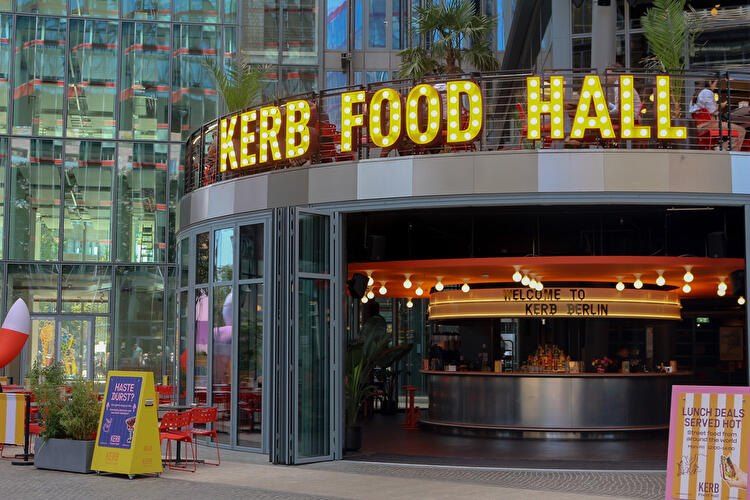
## Description **KERB Food Hall Berlin** is one of the city’s most exciting modern food destinations, bringing together **global street food, creative culinary startups, and a vibrant social atmosphere** under one roof. Originally founded in London, KERB built its reputation by curating some of the best independent street food traders in the UK, and its expansion into Berlin introduced that same concept to Germany’s capital — with a distinctly local twist. What makes KERB Berlin unique is its **carefully curated lineup of rotating food vendors**, rather than permanent restaurant tenants. This means repeat visitors rarely have the same experience twice. One visit might feature Korean fried chicken, Venezuelan arepas, and Detroit-style pizza, while the next showcases artisanal burgers, vegan Asian fusion, and experimental dessert concepts. The focus is on **independent operators, bold flavors, and limited menus executed at a very high level**. The food hall is housed inside a **repurposed industrial building**, which reflects Berlin’s signature blend of raw architecture and creative culture. Exposed concrete, steel beams, neon signage, and open kitchens give the space an energetic, urban feel. At the same time, long communal tables and open seating make it a highly social environment where strangers easily strike up conversations over food. KERB Berlin is not just about eating; it is designed as a **cultural and lifestyle venue**. The space regularly hosts **live DJs, themed food events, launch pop-ups, tasting nights, and collaborations with breweries and chefs**. This transforms the food hall into a nightlife-adjacent destination rather than a simple lunch stop. On weekends, the atmosphere often shifts from casual dining to full-fledged social gathering. A little-known fact is that most vendors at KERB Berlin **pass through a rigorous selection and testing process**, where they first operate as pop-ups before being invited into the official rotation. This keeps quality consistently high and avoids stagnation. Another lesser-known detail is that several traders who started at KERB locations in London and Berlin later expanded into **successful standalone restaurant brands**, making the food hall a genuine business incubator for culinary entrepreneurs. For travelers, KERB offers a **fast, high-quality overview of global flavors** without needing multiple restaurant visits. For Berliners, it functions as a rotating experimental kitchen where emerging food concepts can be explored in a relaxed, informal setting. ## Location **KERB Food Hall Berlin** is located in the **Neukölln district**, one of the city’s most dynamic and fast-evolving neighborhoods known for its creative industries, nightlife, and international food scene. **City:** Berlin **Region:** Berlin State (Bundesland Berlin) **Country:** Germany **District:** Neukölln ### How to Get There: * **By U-Bahn:** Take **U8** to **Boddinstraße** or **Hermannplatz**, then walk approximately 8–12 minutes depending on the exit. * **By S-Bahn:** Take **S41/S42 Ringbahn** to **Sonnenallee**, followed by a short walk. * **By bus:** Several routes serve the Neukölln area, with stops within walking distance. * **By taxi or ride-hailing apps:** Simply ask for “KERB Food Hall Neukölln.” * **By bicycle:** Dedicated bike lanes are available throughout Neukölln, with bike parking near the venue. Its location makes it easy to combine with **Neukölln nightlife, vintage shopping, rooftop bars, and live music venues**. ## Tips * **Arrive hungry and early on weekends:** Peak hours fill up fast, especially Friday and Saturday evenings. * **Walk the full hall before ordering:** Vendor selection changes often, and it pays to explore all options first. * **Share dishes:** Portion sizes are ideal for sharing, allowing you to sample multiple vendors in one visit. * **Bring both cash and card:** Most stalls accept cards, but some pop-ups may still prefer cash. * **Follow KERB Berlin on social media:** This is the best way to track rotating vendors, special events, and guest chef nights. * **Vegan and halal options are usually available:** The vendor mix is intentionally inclusive. * **Weekday lunches are calmer:** If you prefer a quieter experience, visit during weekday afternoons. * **Pair with nearby nightlife:** The area transforms after dark and offers excellent bar-hopping opportunities. ## Conclusion **KERB Food Hall Berlin** is a dynamic celebration of **modern street food culture, independent entrepreneurship, and Berlin’s creative energy**. With its constantly changing vendor lineup, industrial-chic atmosphere, and event-driven programming, it offers far more than a standard food court. Whether you are a traveler seeking a fast introduction to global flavors or a local searching for the next culinary trend, KERB delivers a social, flavorful, and ever-evolving dining experience. ## FAQ **1. What is KERB Food Hall known for?** KERB is known for **rotating gourmet street food vendors**, curated for quality, creativity, and independent ownership. **2. Is KERB Berlin suitable for vegetarians and vegans?** Yes, there are usually **multiple vegetarian and vegan stalls** at any given time. **3. Do I need a reservation to visit?** No, KERB operates on a **walk-in basis**, though large groups may have limited seating during peak hours. **4. Is KERB family-friendly?** Yes, during daytime hours it is family-friendly. Evenings are more adult-oriented due to music and alcohol service. **5. Does KERB Berlin serve alcohol?** Yes, the food hall offers **craft beer, cocktails, and non-alcoholic beverages** through onsite bars. **6. How often do the food vendors change?** Vendors rotate regularly, depending on pop-up schedules, seasonal menus, and special collaborations. ## Links * [KERB Official Website](https://kerbfood.com) * [Visit Berlin – Food Markets & Food Halls](https://www.berlin.de/en/shopping/markets/food-halls/9860248-9881473-kerb-berlin.en.html)
GemVoyage Team • World
Berlin
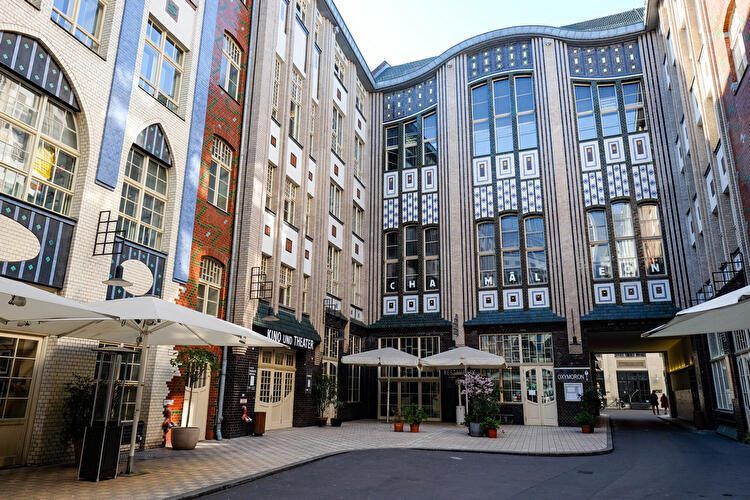
## Description **Hackesche Höfe** is one of Berlin’s most distinctive architectural and cultural complexes, known for its **series of interconnected courtyards**, richly decorated façades, and lively mix of art, retail, and everyday urban activity. Completed in **1906**, the complex was designed by architect **August Endell** and is considered one of the most important examples of **Jugendstil (Art Nouveau)** architecture in Germany. What makes Hackesche Höfe unique is its structure: eight separate courtyards connected by narrow passageways, forming a small urban world within the city. Originally, the complex combined residential apartments, workshops, offices, and entertainment venues, reflecting early 20th-century ideas about efficient mixed-use development. This design allowed craftsmen, artists, and residents to live and work in close proximity, a concept that feels surprisingly modern today. A lesser-known fact is that Hackesche Höfe narrowly escaped demolition during the post-war period, when much of the surrounding area was heavily damaged and later neglected. During the division of Berlin, the complex fell into disrepair, especially in the eastern sector. Its careful restoration in the 1990s played a key role in the **revitalization of Mitte**, helping transform the district into one of Berlin’s cultural and creative centers. Today, Hackesche Höfe hosts boutiques, design shops, cafés, galleries, cinemas, theaters, and apartments. The atmosphere shifts throughout the day, from quiet mornings to lively evenings, making it a place that rewards repeat visits. Despite its popularity, the courtyards retain a sense of intimacy that contrasts with the busy streets just outside. ## Location **Country:** Germany **Region:** Berlin **City:** Berlin **District:** Mitte Hackesche Höfe is located just off **Rosenthaler Straße**, close to Alexanderplatz and the Hackescher Markt area. ### How to Get There * **By S-Bahn:** * Take any line to **Hackescher Markt** station. From there, it is a 5-minute walk. * **By tram:** * Several tram lines stop at Hackescher Markt, offering easy access from across the city. * **By U-Bahn:** * Line U8 to **Weinmeisterstraße**, followed by a short walk. * **On foot:** * Easily reachable from Museum Island and Alexanderplatz. ## Tips * **Explore all courtyards:** Many visitors stop at the first courtyard, but the quieter inner ones are worth seeking out. * **Visit during the day for architecture:** Jugendstil details are best appreciated in natural light. * **Return in the evening for dining and culture:** Restaurants, theaters, and the cinema create a vibrant nightlife atmosphere. * **Be mindful of residential areas:** Some courtyards still contain private apartments. * **Combine with nearby attractions:** Museum Island, Monbijou Park, and the Jewish Quarter are close by. * **Photography is allowed:** Just avoid disturbing patrons or residents. ## Conclusion Hackesche Höfe is a living example of Berlin’s layered history, combining early modern architecture with contemporary creative life. Its courtyards offer a unique way to experience the city’s past and present in a single, walkable space, making it an essential stop for visitors to Berlin. ## FAQ **1. What does Hackesche Höfe mean?** It translates roughly to “Hackesche Courtyards,” referring to the interconnected inner yards. **2. Is there an entrance fee?** No. The courtyards are freely accessible. **3. How long should I plan for a visit?** About **1–2 hours**, depending on shopping, dining, or cultural activities. **4. Are guided tours available?** Occasionally, through private tour operators focusing on Berlin architecture or history. **5. Is Hackesche Höfe suitable for families?** Yes, though it is more oriented toward adults and cultural exploration. **6. What is the best time to visit?** Late afternoon to evening offers a balance of light, atmosphere, and open venues. ## Links * [Berlin tourism official site](https://www.visitberlin.de)
GemVoyage Team • World
Berlin
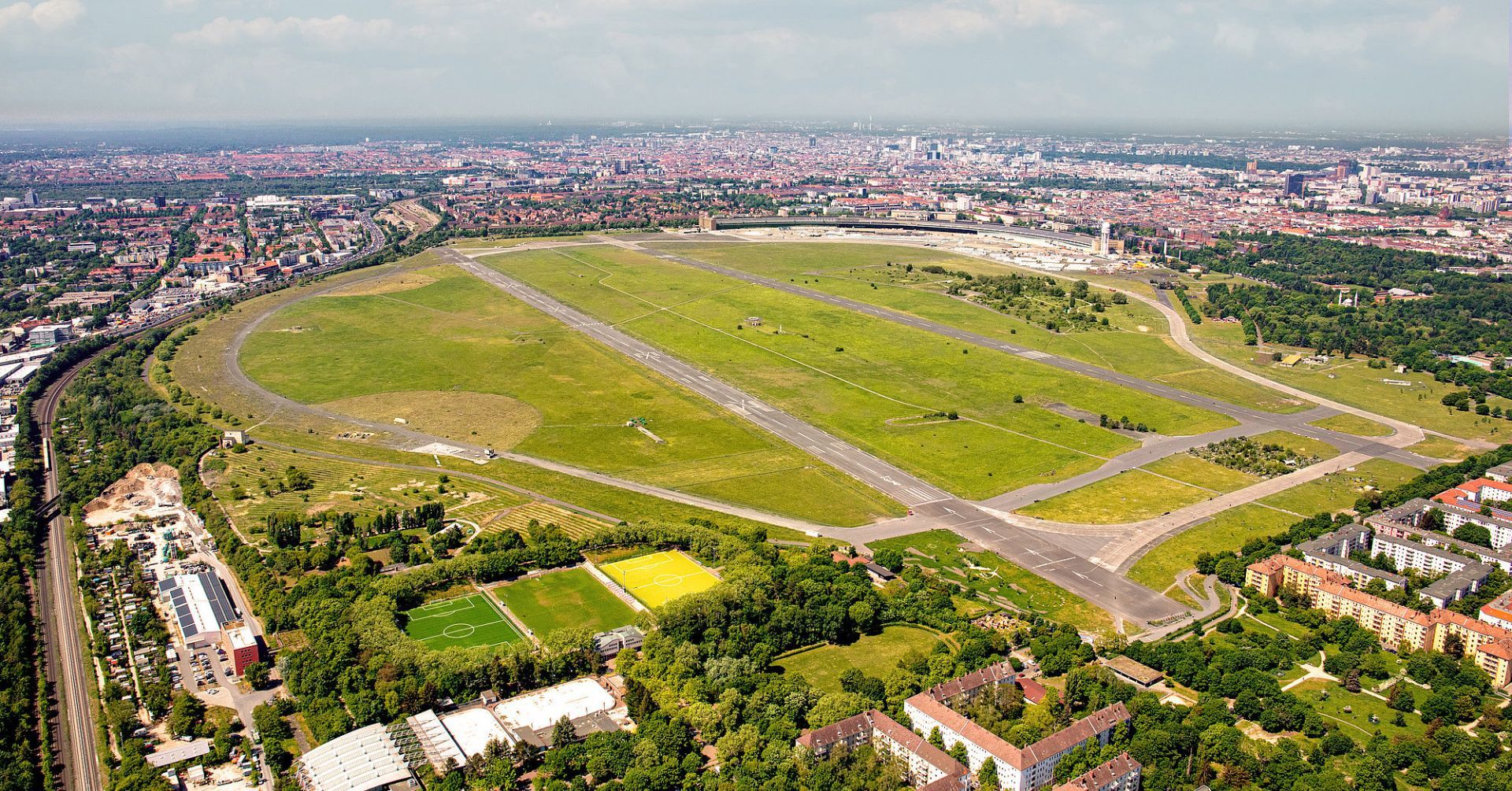
## Description Tempelhofer Feld is one of Berlin's most unusual public spaces, and perhaps one of the most extraordinary urban parks in Europe. Built on the site of the former Tempelhof Airport, the area preserves a sense of scale that is rare in any city. Instead of dense landscaping or ornamental design, visitors are met with immense open runways, broad skies, and wide horizons that make the park feel almost cinematic. It is a place where Berlin's history, civic imagination, and appetite for public space come together in a striking way. What makes Tempelhofer Feld unique is how many different activities it can support without ever feeling crowded. Cyclists, skaters, runners, families, kite flyers, gardeners, and people simply sitting in the grass all share the space comfortably because it is so large. The former airport infrastructure is still visible in many places, which adds a sense of industrial memory to the recreational experience. You are not just visiting a park; you are walking through a piece of 20th-century urban history that has been repurposed for contemporary life. One little-known fact is that Tempelhof's runways and hangars helped shape the modern meaning of the site long before it became a park, and the airport itself became a powerful symbol during the Berlin Airlift. Another is that the area is often used for community gardens and events, making it both open and socially active rather than simply passive green space. That mix of openness and civic use is part of why Berliners defend the field so strongly. The atmosphere changes throughout the day. In the morning it can feel calm and almost meditative, with joggers tracing long loops beneath big skies. In the afternoon it becomes more playful, with people flying kites, practicing sports, or meeting friends for picnics. Sunset is particularly memorable because the flat openness gives you an unobstructed view of the light changing across the field. Tempelhofer Feld also tells a broader story about Berlin's identity. The city is often associated with reinvention, and this site embodies that idea without erasing the past. Rather than demolish every trace of the airport, Berlin turned the space into an active commons. For visitors, that means the park is both relaxing and intellectually interesting, especially if you enjoy places where landscape and history overlap. If you want one destination that shows how Berlin handles scale, memory, and public access, Tempelhofer Feld is hard to beat. It is not decorative in the traditional sense, but it is deeply satisfying because it gives you room to move, think, and experience the city in a different register. ## Location Tempelhofer Feld is located in southern-central Berlin, Germany, on the grounds of the former Tempelhof Airport. It lies in the Tempelhof-Schöneberg district and is easy to reach from several parts of the city. The most convenient ways to get there are by U-Bahn, S-Bahn, or bicycle, depending on where you are staying. Several entrances serve the park, and once inside, the flat terrain makes it easy to orient yourself. Because the space is large, choosing the entrance closest to your planned activity can save time. ## Tips Bring water and weather protection. The openness that makes the field special also means it can be windy or exposed to strong sun. If you like cycling or skating, Tempelhofer Feld is one of the best places in Berlin for it because the former runways offer long, smooth stretches. Do not expect a landscaped park with many shaded paths. The design is intentionally open, so plan for a more minimalist experience. Visit during golden hour or sunset if you want the strongest visual impression. Check the park rules before arrival, especially if you plan to use a drone, barbecue, or special equipment. Set aside enough time to walk farther than you think. The scale of the field is part of the experience. ## Conclusion Tempelhofer Feld is a rare urban park that turns a former airport into a vast public landscape, offering freedom, history, and an unmistakably Berlin sense of scale. ## FAQ ### Can you still see the airport at Tempelhofer Feld? Yes, much of the airport's structure and runway layout remains visible, which is part of the site's appeal. ### Is Tempelhofer Feld good for families? Yes, families often enjoy the open space, though you should bring what you need because there are no dense park facilities everywhere. ### Is there an entrance fee? The park itself is generally free to enter. ### What is the best way to experience it? Walking, cycling, or simply spending time on the open grass are all good ways to appreciate the space. ## Links - [Tempelhofer Feld](https://www.tempelhoferfeld.de/)
GemVoyage Team • World