GemVoyage Team • World
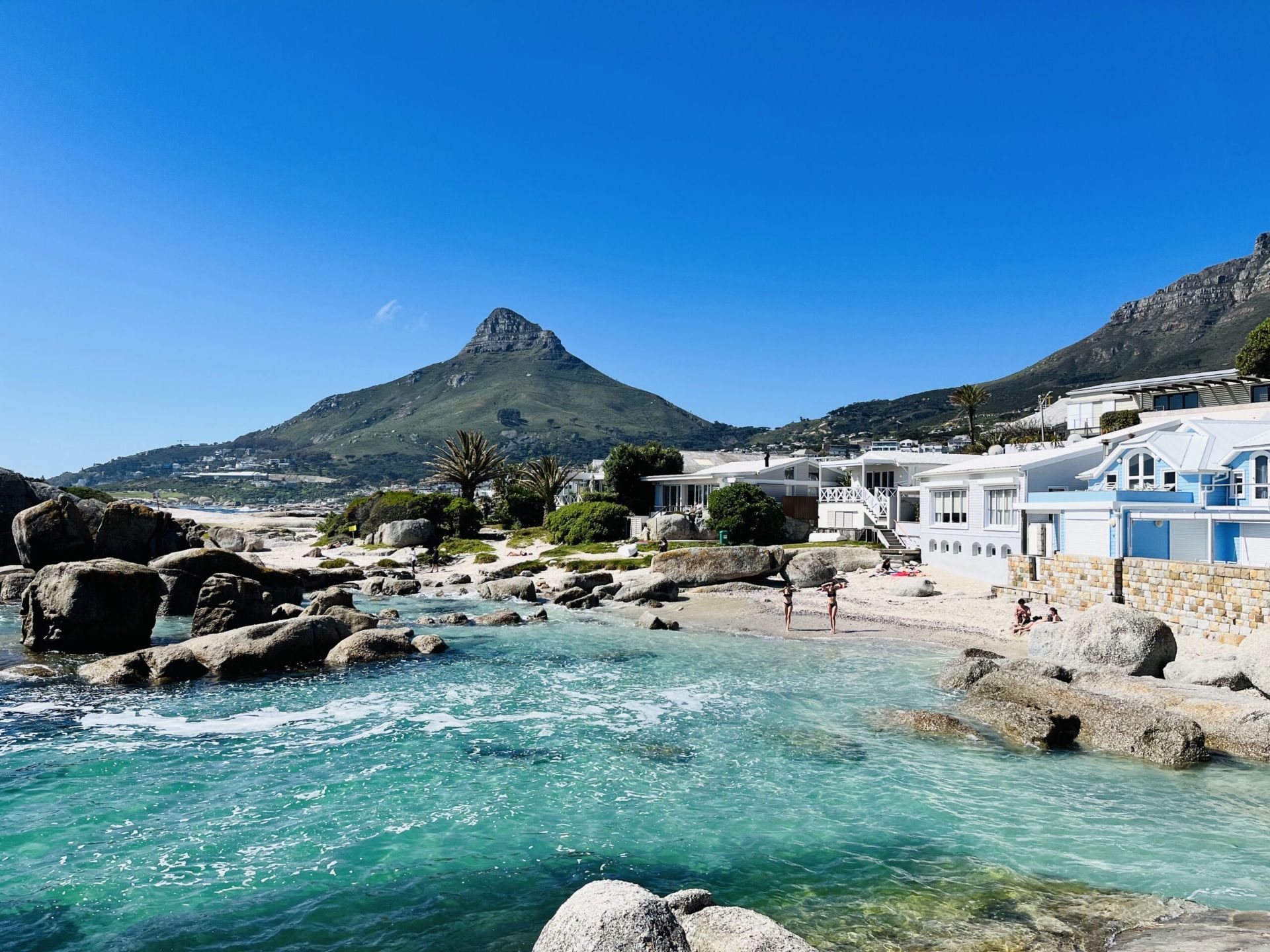
What sets Beta Beach apart is the way it blends privacy and scenery. It is not a beach for large crowds or big facilities; it is a beach for people who want to pause, look out over the ocean, and enjoy the dramatic relationship between water and mountain. The Bakoven area itself has a strong residential character, which helps keep the atmosphere relaxed. One lesser-known fact is that the smaller coves in this part of the coast can look very different depending on tide and swell, so a single visit can feel dramatically different from one hour to the next. Another interesting detail is how the surrounding boulders create natural windbreaks and visual frames, making the beach especially photogenic.
Beta Beach is also a good choice for travelers who want a quieter Atlantic side experience without giving up proximity to major Cape Town attractions. It works well as a short stop, a sunset watchpoint, or a place to linger between drives along the coast. The mountain backdrop and ocean light make it feel distinctly Cape Town, but in a softer, more residential register than some of the city’s busier beaches. For many visitors, that balance of accessibility and peace is the reason it becomes a favorite.
The easiest way to get there is by car or ride-hailing service, especially if you are staying in central Cape Town, Camps Bay, or Sea Point. Public transport options are more limited for this particular stretch, so direct road access is usually the practical choice. Once there, plan to explore on foot so you can enjoy the coves and viewpoints at a slower pace.
Bring sun protection and water, since the Atlantic coast can be sunny and exposed.
Go near sunset for especially strong light on the water and mountains.
Keep expectations realistic: this is a beautiful, quieter beach rather than a full-service resort area.
Discover more hidden gems you might love.
Madrid
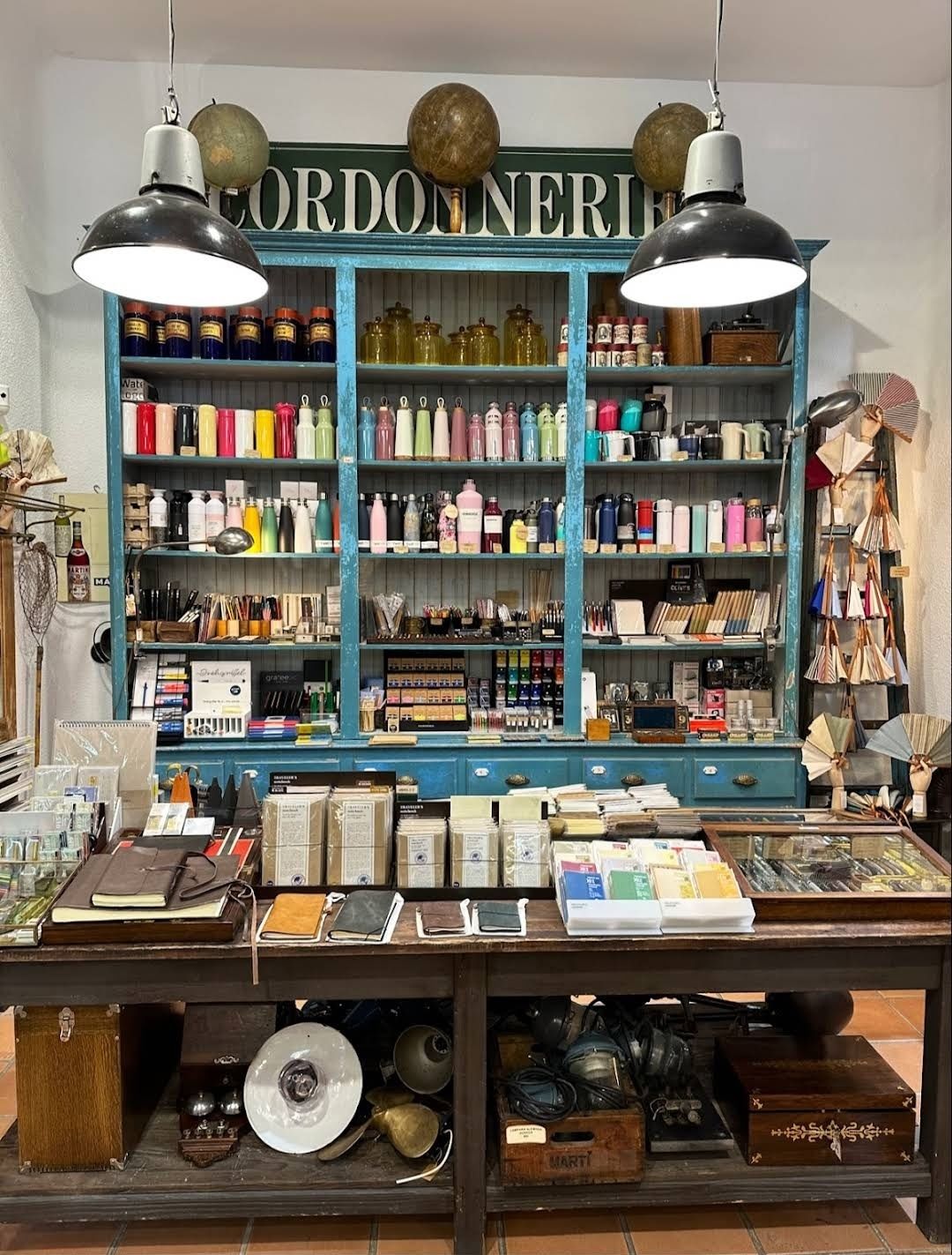
## Description Amarcord Retro Store is one of Madrid’s most charming vintage shops, a treasure trove for lovers of retro fashion and timeless accessories. Nestled in the heart of Spain’s capital, it’s a place where the past comes alive through carefully curated pieces from the **60s, 70s, 80s, and 90s**. Unlike modern fast fashion outlets, Amarcord focuses on unique, one-of-a-kind items that carry stories within their fabrics. The store’s collection includes **vintage clothing, retro jewelry, accessories, and even home décor pieces**, making it more than just a clothing shop—it’s a cultural experience. Fashion enthusiasts adore it for its eclectic mix, but even casual visitors find themselves fascinated by the craftsmanship of items that stand the test of time. A little-known fact about Amarcord is that many of its pieces come from **private collections across Europe**, giving shoppers the opportunity to own authentic items that can’t be found anywhere else. Another hidden gem is its reputation among local stylists and theater costume designers, who often rely on Amarcord to find the perfect outfit for period pieces or photo shoots. ## Location Amarcord Retro Store is located in **Madrid, Spain**, specifically in the lively **Malasaña neighborhood**, an area known for its bohemian vibe, independent shops, and street art. Malasaña has long been the epicenter of alternative culture in Madrid, making it the perfect setting for a retro store like Amarcord. The exact address is easy to find with a quick search or by simply wandering through **Calle Velarde** and its surrounding streets, which are packed with vintage boutiques and second-hand shops. ### Recommendation on How to Get There If you’re staying in Madrid city center, the easiest way to reach Amarcord is by **Metro**. The closest stations are **Tribunal (Lines 1 and 10)** and **Noviciado (Line 2)**, both within a short walking distance. Alternatively, a pleasant stroll from **Gran Vía** will also take you there in about 10–15 minutes. For visitors who prefer a more direct option, taxis and ride-sharing services are easily available. ## Tips To make the best out of your visit to Amarcord Retro Store, here are some helpful tips: * **Visit During Weekdays**: Weekends can get crowded in Malasaña, so if you want a quieter browsing experience, weekdays are best. * **Bring Cash**: While most shops in Madrid accept cards, small purchases are often easier with cash. * **Try Before You Buy**: Vintage sizing differs from modern sizing, so don’t hesitate to try on pieces before making a decision. * **Ask the Staff**: The shop owners and staff are passionate about vintage fashion and can often recommend items based on your style preferences. * **Explore the Neighborhood**: Malasaña itself is worth exploring. After shopping, you can enjoy a coffee at a quirky café or discover other unique shops nearby. * **Check for Specials**: Sometimes Amarcord runs promotions or brings in new collections from different countries—worth asking about when you visit. ## Conclusion Amarcord Retro Store is more than just a place to shop—it’s an invitation to step back in time and rediscover the beauty of vintage fashion. Located in Madrid’s vibrant Malasaña district, it offers an authentic retro shopping experience that blends style, history, and creativity. Whether you’re a collector, a fashion lover, or simply curious, Amarcord is a must-visit destination in the Spanish capital. ## FAQ **1. What can I find at Amarcord Retro Store?** You’ll find a wide selection of vintage clothing, accessories, jewelry, and décor items from the 60s to the 90s. **2. Is Amarcord Retro Store expensive?** Prices vary depending on the rarity and quality of the item, but overall, it’s considered affordable compared to high-end vintage boutiques. **3. Do they accept card payments?** Yes, most items can be paid by card, though it’s a good idea to bring cash for smaller purchases. **4. Is the store suitable for tourists who don’t speak Spanish?** Absolutely. The staff is friendly and many speak English, making it easy for international visitors to shop comfortably. **5. Can I find designer pieces there?** Yes, from time to time Amarcord stocks vintage designer clothing and accessories, making it a favorite among collectors. **6. What makes Amarcord different from other vintage shops in Madrid?** Amarcord stands out for its carefully curated, high-quality pieces and its reputation among stylists and creatives in Madrid. ## Links * [Official website of Amarcord Retro Store](https://www.amarcord-store.com/en)
GemVoyage Team • World
Cape Town
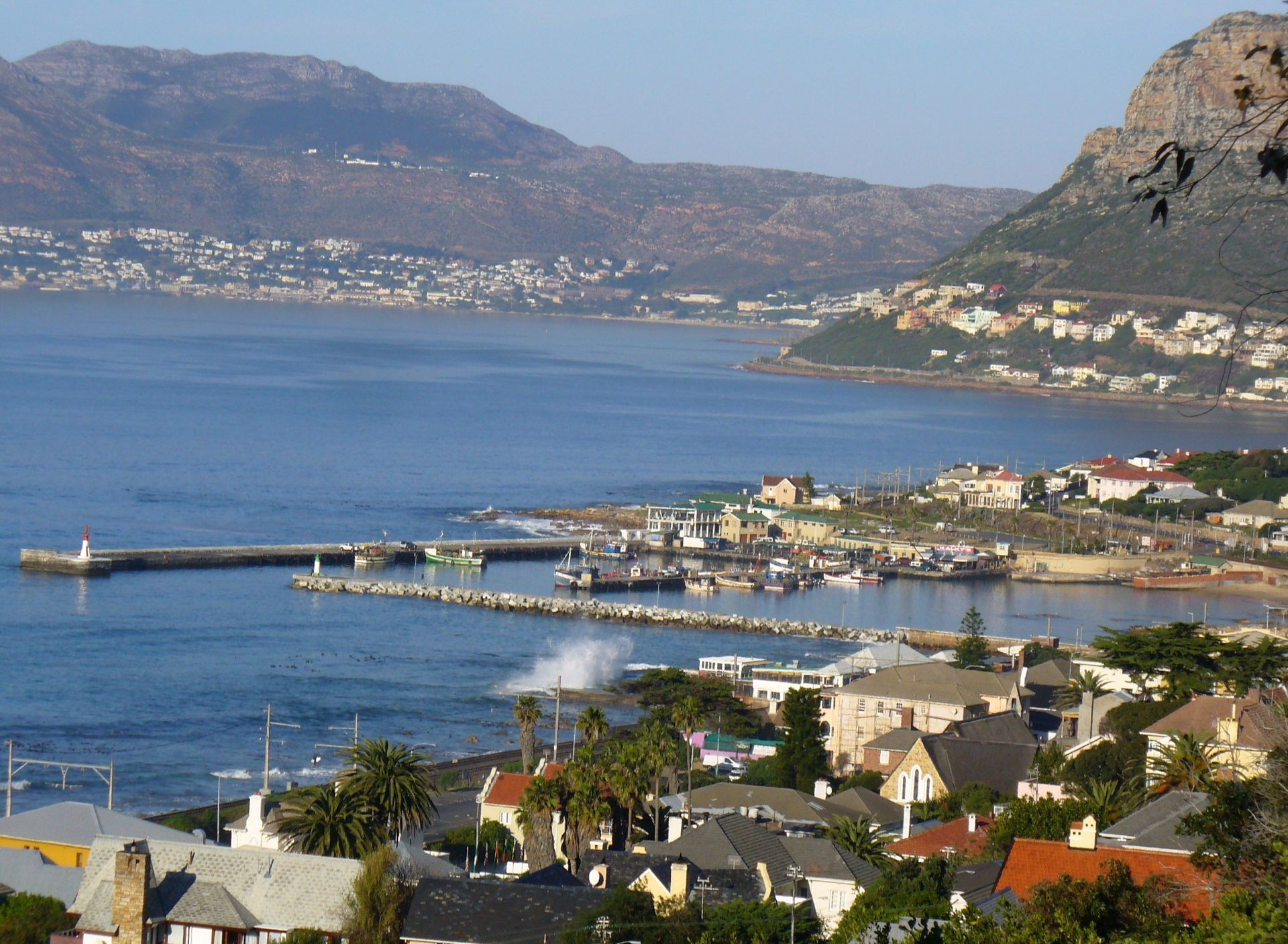
## Description Kalk Bay Harbour is one of those places that feels immediately alive. It is not a polished waterfront designed only for visitors, and that is exactly what makes it memorable. Fishing boats still work the water, gulls circle over the quays, and the rhythm of the harbor changes with the tides, the weather, and the catch of the day. In Cape Town, where many visitors focus on Table Mountain or the Atlantic coast, Kalk Bay offers a more intimate coastal experience. It is a place where everyday life and scenic charm overlap naturally. The harbor sits in the old fishing village of Kalk Bay, so the atmosphere is layered with history. Narrow streets, weathered buildings, small seafood spots, and the smell of the sea give the area a lived-in feel that is harder to find in more developed tourist precincts. One little-known detail is that Kalk Bay has long been associated with the Kalk Bay fishing community, whose routines still shape the harbor today. Another is that the surrounding bay often changes character dramatically within a few hours, which makes return visits rewarding because the light and water are rarely the same twice. What makes the harbor especially appealing is how many different experiences it offers in one compact area. You can watch fishing activity in the morning, stroll the quayside, browse nearby shops, and then settle in for coffee or seafood with views across False Bay. For travelers who like places that feel authentic rather than staged, Kalk Bay Harbour is a strong choice. It is scenic, but it is also practical, working, and slightly unpredictable. That mix gives it real personality. The harbor is also a useful place to slow down. Cape Town can be full of high-energy sightseeing, but Kalk Bay encourages a different pace. Visitors tend to linger, looking at boats, reading the sea, or simply sitting and watching local routines unfold. Even if you stay only an hour, the harbor leaves a strong impression because it feels like a slice of Cape Town that still belongs primarily to the people who live and work there. ## Location Kalk Bay Harbour is located in Kalk Bay, on the False Bay coast of Cape Town, in the Western Cape province of South Africa. The harbor sits south of the central city area, along the scenic coastal road that links the southern suburbs with Simon’s Town and the Cape Peninsula. It is easy to combine with a broader day trip through Muizenberg, St James, and the rest of the False Bay shoreline. The most practical way to reach it is by car, ride-hailing service, or by taking the Southern Line train and continuing on foot from Kalk Bay station. The walk from the station is short and pleasant, and it helps you arrive already tuned into the neighborhood’s slow coastal rhythm. If you are planning to explore several nearby stops, driving gives you the most flexibility, but parking can be tighter at busier times, especially on weekends and during holiday periods. If you are coming from central Cape Town, expect the journey to take roughly 30 to 45 minutes depending on traffic. Morning and late-afternoon visits are often best because the light is more dramatic and the harbor is especially active. The area is also accessible from other popular southern suburbs, so it works well as part of a larger False Bay outing rather than as a standalone destination. ## Tips - Go early if you want to see the harbor at its liveliest. Morning is when fishing activity is most noticeable and the atmosphere feels most local. - Bring a light jacket even on warm days. The sea breeze can be stronger than you expect, especially near the water’s edge. - Allow time to wander beyond the harbor itself. The surrounding streets and nearby coastline are part of the experience, not just the quayside. - Keep your camera ready, but do not rush the visit. The harbor rewards slow observation more than quick snapshots. - If you are planning to eat nearby, check opening hours in advance. Small coastal businesses may operate on schedules that differ from larger city restaurants. ## Conclusion Kalk Bay Harbour is a compact but deeply atmospheric stop in Cape Town, combining working coastal life, scenic views, and a strong sense of place. It is ideal for travelers who want a harbor that feels real, local, and full of character rather than overly curated. ## FAQ ### Is Kalk Bay Harbour worth visiting if I only have a short time in Cape Town? Yes. Even a short visit gives you a clear sense of the area’s character. You can watch the boats, walk the harbor edge, and experience a very different side of Cape Town from the usual landmark circuit. ### What is the best time of day to visit? Morning is usually best if you want to see the harbor working at full speed. Late afternoon is also attractive because the light softens over False Bay and the atmosphere becomes quieter. ### Can I visit Kalk Bay Harbour without a car? Yes. The train to Kalk Bay station is a practical option, followed by a short walk. Ride-hailing services are also convenient if you want a simpler door-to-door trip. ### Is the area around the harbor safe for walking around? Like any busy urban coastal area, it is best to stay aware of your surroundings, especially when it is crowded. During the day, the harbor and nearby streets are generally visited by many people and are easy to explore at a relaxed pace. ## Links - [Cape Town tourism](https://www.capetown.travel/) - [Kalk Bay on Wikipedia](https://en.wikipedia.org/wiki/Kalk_Bay)
GemVoyage Team • World
Barcelona
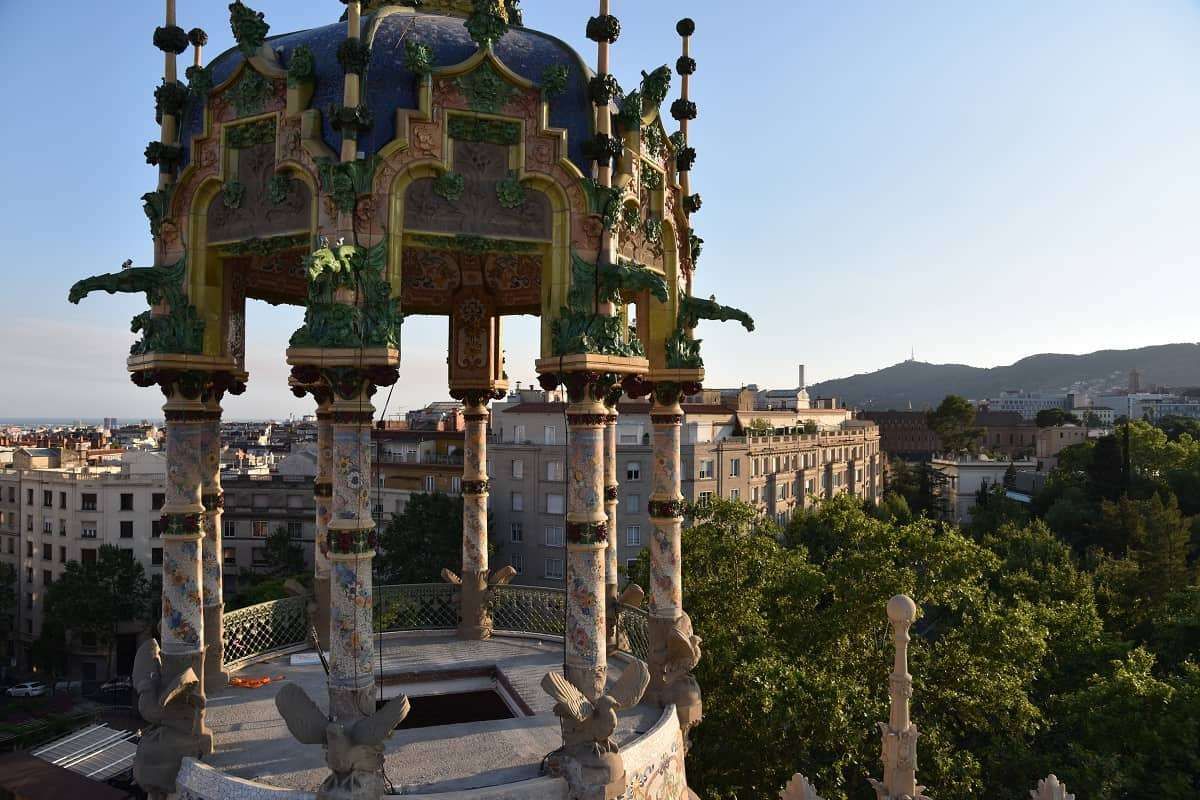
## Description **Torre Andreu**, more commonly known as **La Rotonda**, is one of Barcelona’s most distinctive yet often overlooked pieces of **Modernisme architecture**. Located at the upper edge of the city near the foothills of Tibidabo, this circular, turreted building looks more like a **fairytale castle than a residential structure**, making it one of the most visually unusual landmarks in Barcelona. The building was originally constructed in **1906** as a **luxury private residence** for a wealthy industrial family at a time when Barcelona’s elite were moving uphill away from the dense urban core. Its architectural language reflects the late phase of Catalan Modernisme, but with a lighter, more playful character than the monumental works of Gaudí. The structure’s curved form, decorative balconies, stained glass, floral stonework, and rooftop tower give it a **whimsical, almost theatrical presence**. What truly sets La Rotonda apart is its **cylindrical layout**, which is extremely rare in Barcelona’s residential architecture. While most Modernist buildings rely on flat façades and vertical symmetry, Torre Andreu embraces a soft, flowing geometry that produces constantly shifting perspectives as you walk around it. From different angles, the building seems to change character—from grand to intimate, from playful to mysterious. After serving as a private mansion, the building was later transformed into a **luxury hotel**, gaining the nickname “La Rotonda” due to its circular shape. Over the decades, it hosted visiting elites, business figures, and international guests. Its decline began in the late 20th century as the area lost its tourism focus, and the building passed through phases of limited use, abandonment, and restoration attempts. A little-known fact is that Torre Andreu spent many years in a **state of legal and architectural limbo**, with disputes over ownership and protection status delaying proper restoration. Another lesser-known detail is that its rooftops once hosted **social gatherings with views stretching across the entire city and toward the Mediterranean**, making it one of the most exclusive view points in pre-war Barcelona. Today, La Rotonda stands as a **symbol of architectural memory suspended between preservation and neglect**. While parts of the structure have undergone restoration at different times, it remains largely inaccessible to the public. Despite this, it continues to attract architects, photographers, and urban explorers who see it as a **ghost of Barcelona’s upper-class expansion era**, frozen between past luxury and uncertain future use. Emotionally, Torre Andreu is a place of contrast. It feels playful yet melancholic, elegant yet isolated. It reminds visitors that not all architectural masterpieces sit in crowded tourist centers—some survive quietly at the city’s edges, waiting to be rediscovered. ## Location **Torre Andreu (La Rotonda)** is located in the **Sant Gervasi–La Bonanova area**, near the start of **Avinguda del Tibidabo**, one of Barcelona’s most elegant upper-city avenues. **City:** Barcelona **Region:** Catalonia (Catalunya) **Country:** Spain **District:** Sarrià-Sant Gervasi **Nearby Landmark:** Plaça Kennedy ### How to Get There: * **By Tramvia Blau:** Take the historic **Blue Tram** from Plaça Kennedy up toward Tibidabo and get off at the early stops. * **By FGC (Train):** Take **FGC Line L7** to **Avinguda Tibidabo Station**, then walk about 10–12 minutes uphill. * **By bus:** Several lines from the city center serve Plaça Kennedy and Avinguda Tibidabo. * **By taxi:** A convenient option given the uphill location. * **By car:** Limited street parking is available; traffic can be heavy during peak hours. This location places La Rotonda along a scenic route that connects the city to **Tibidabo Mountain, the funicular, and the upper residential quarters**. ## Tips * **Admire it from the street:** The building is **not generally open to the public**, so plan for an exterior visit. * **Visit during daylight:** Details in stone, glass, and ironwork are best visible in strong natural light. * **Combine with Avinguda Tibidabo:** The walk itself features some of Barcelona’s most impressive mansions. * **Photography enthusiasts:** A wide-angle lens works best due to the building’s curved geometry. * **Do not expect tourist facilities:** No tickets, gift shops, or official visitor services are available on-site. * **Urban-exploration atmosphere:** The charm lies in observing a historic building existing quietly within daily city life. * **Respect private property limits:** Security patrols may restrict close access to entrances. ## Conclusion **Torre Andreu (La Rotonda)** is one of Barcelona’s most unusual Modernist buildings—**playful in form, dramatic in history, and quiet in presence**. Once a symbol of luxury living at the city’s upper edge, it now stands as a reminder that architectural brilliance does not always remain in the spotlight. For those willing to explore beyond the standard tourist circuit, La Rotonda offers a rare encounter with **Barcelona’s forgotten elegance and unresolved heritage**. ## FAQ **1. Why is Torre Andreu called “La Rotonda”?** Because of its **distinct circular shape**, which is rare in Barcelona’s residential architecture. **2. Can visitors go inside La Rotonda?** No. It is **not generally open to the public** and is viewed from the exterior only. **3. Who designed Torre Andreu?** It was designed in the early 20th century in the **Catalan Modernisme style**, attributed to architect **Adolf Ruiz i Casamitjana**. **4. Was it always a hotel?** No. It was originally built as a **private luxury residence** and later converted into a hotel. **5. Is Torre Andreu protected as a heritage site?** Yes. It is recognized as part of **Barcelona’s protected architectural heritage**, though restoration has been slow. **6. How long does a visit typically take?** About **10 to 20 minutes**, mainly for observation and photography. ## Links * [Visit Barcelona](https://www.barcelonaturisme.com)
GemVoyage Team • World
Baalbek
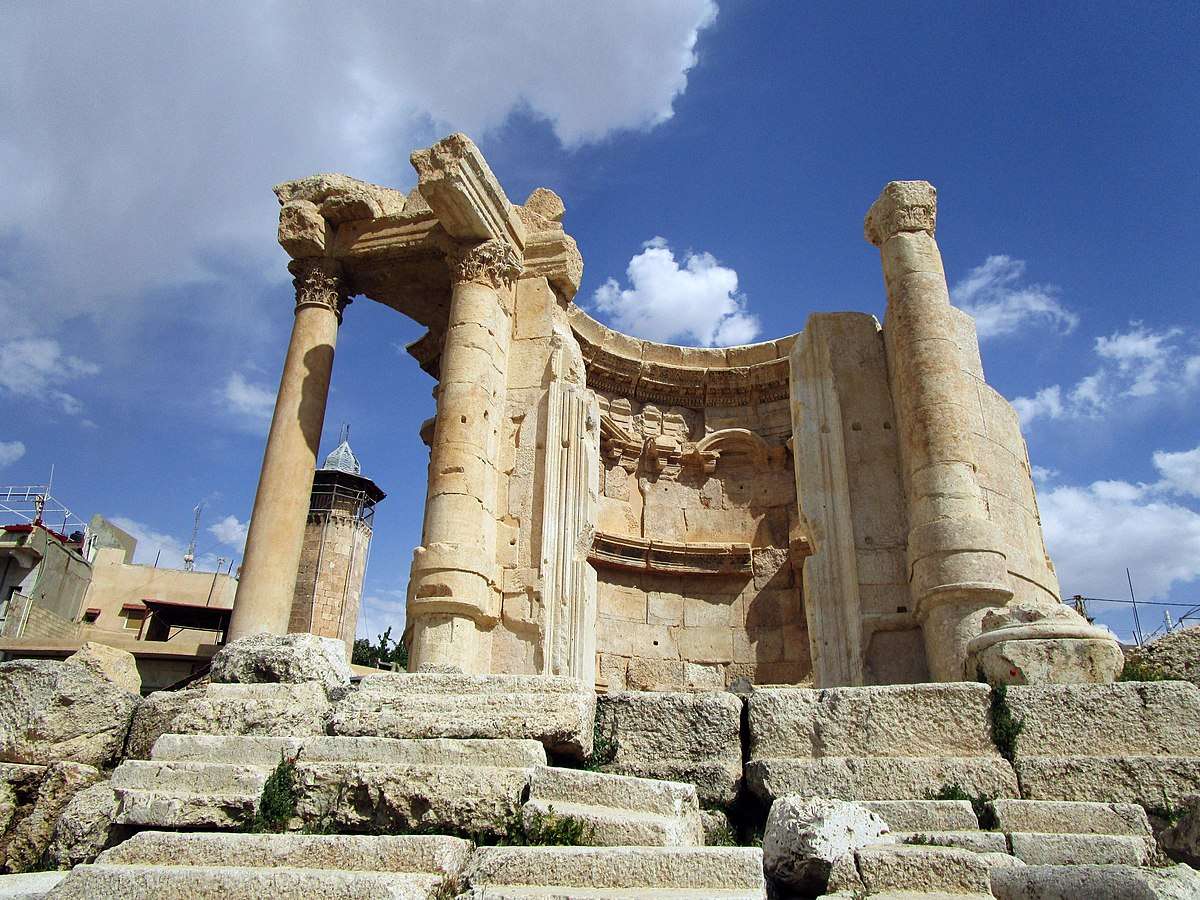
## Description The Temple of Venus in Baalbek, Lebanon, is a captivating remnant of Roman architecture and religious history, tucked within one of the most impressive archaeological complexes in the Middle East. Built in the 3rd century AD, this temple stands out for its **unusual circular design**, a departure from the more common rectangular Roman temples. It was dedicated to Venus, the Roman goddess of love and beauty, and its elegant structure reflects the sensuality and grace associated with her worship. Unlike the colossal temples of Jupiter and Bacchus nearby, the Temple of Venus is more intimate in scale but no less remarkable. It sits atop a horseshoe-shaped platform and features a circular shrine with a square entrance. The outer façade is adorned with five niches, each decorated with carvings of doves and shells—symbols traditionally linked to Venus. These details, along with the temple’s baroque-style curves and arches, showcase a fusion of Roman and Hellenistic architectural techniques. A little-known fact: the temple was later converted into a Christian church dedicated to Saint Barbara, a martyr whose legend is still revered in Lebanon. According to tradition, she was killed by her pagan father for converting to Christianity, and the temple’s continued use as a sacred site reflects the layered religious history of Baalbek. Today, a small mosque stands nearby, underscoring the site’s enduring spiritual significance across centuries and faiths. ## Location The Temple of Venus is located in **Lebanon**, within the **Baalbek-Hermel Governorate**, in the ancient city of **Baalbek**. This city lies in the **northern Bekaa Valley**, a region known for its fertile lands and rich historical tapestry. ### How to Get There: - **By Car**: From Beirut, Baalbek is about a 2-hour drive northeast. The route via Zahle offers scenic views of the Bekaa Valley. - **By Bus**: Public minibuses run from Beirut’s Cola Station to Baalbek, though schedules can be irregular. - **By Tour**: Many guided tours from Beirut include Baalbek’s temple complex, often paired with visits to Anjar or Ksara Winery. Once in Baalbek, the Temple of Venus is just a short walk from the main entrance to the Roman ruins, southeast of the Temple of Jupiter. ## Tips for Visitors To make the most of your visit to the Temple of Venus, consider these tips: - **Visit Early or Late**: The site can get hot and crowded midday. Morning or late afternoon offers better lighting and fewer tourists. - **Wear Comfortable Shoes**: The terrain is uneven, with ancient stones and gravel paths. - **Hire a Guide**: A local guide can provide rich historical context and point out hidden details you might miss. - **Respect the Site**: This is a sacred and historical location. Avoid climbing on ruins or touching carvings. - **Bring Water and Sunscreen**: The Bekaa Valley can be dry and sunny, especially in summer. - **Explore the Whole Complex**: Don’t miss the nearby temples of Jupiter and Bacchus, which are among the largest Roman temples ever built. ## Conclusion The Temple of Venus in Baalbek is a graceful and historically rich monument that offers a unique glimpse into Roman spirituality, architectural innovation, and Lebanon’s layered religious heritage. Its elegant design and enduring presence make it a must-visit for history lovers and curious travelers alike. ## FAQ **1. When was the Temple of Venus built?** It was constructed in the 3rd century AD during the Roman Empire. **2. What makes the Temple of Venus unique?** Its circular design, horseshoe-shaped platform, and symbolic carvings distinguish it from typical Roman temples. **3. Is the temple part of a larger complex?** Yes, it’s part of the Baalbek temple complex, which includes the massive temples of Jupiter and Bacchus. **4. Can I visit the temple year-round?** Yes, the site is open daily and accessible throughout the year. **5. Is there an entrance fee?** Yes, entry to the Baalbek ruins requires a ticket, which includes access to the Temple of Venus. **6. Is the site family-friendly?** Absolutely. The complex is suitable for children and offers a fascinating educational experience. ## Links - [Baalbek Temple of Venus – Livius Ancient History](https://www.livius.org/articles/place/heliopolis-baalbek/baalbek-photos/baalbek-temple-of-the-venus/)
GemVoyage Team • World
Grindavik
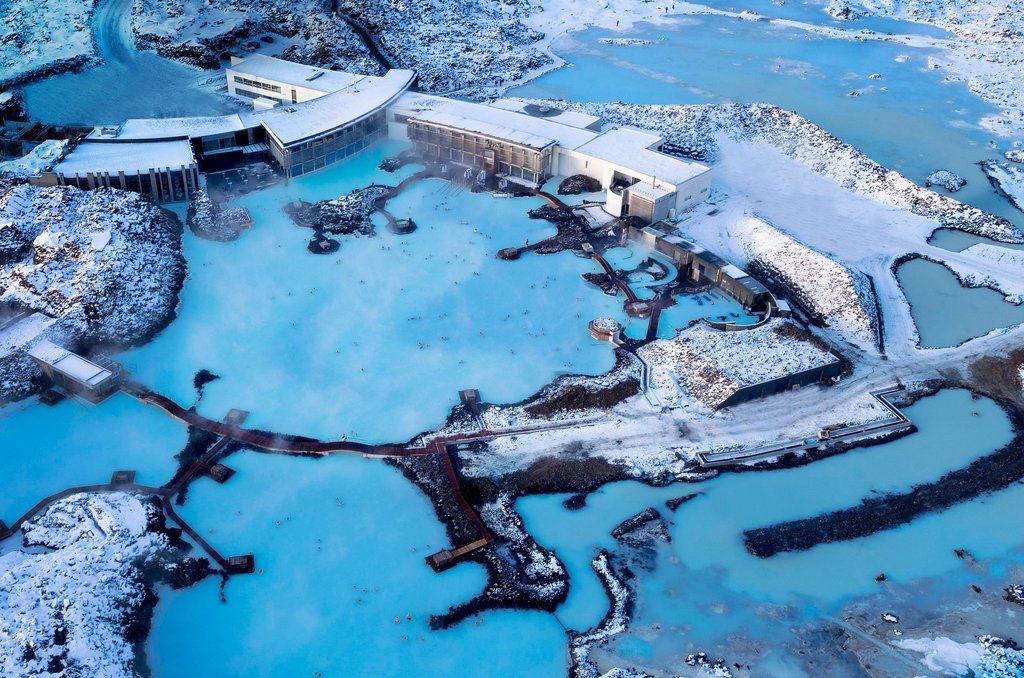
## Description The Blue Lagoon near Grindavík is one of Iceland’s most famous geothermal spas, renowned for its vivid milky-blue waters set against a rugged lava field. The warm seawater is rich in silica, minerals and microalgae, which give it a distinctive color and reputed skin-soothing properties. The man-made lagoon originated from the runoff of a nearby geothermal power plant, and over time it evolved into a carefully managed spa destination with curated bathing experiences, spa treatments and striking architecture integrated into moss-covered lava. What makes the Blue Lagoon feel special is its blend of high-design hospitality and raw volcanic surroundings: sleek facilities, in-water bars and silica mud treatments meet black lava and open sky. The lagoon is also a refined wellness experience — many visitors combine a soak with spa treatments, saunas and skin clinics that use the lagoon’s mineral-rich waters. ## Location The Blue Lagoon sits in the Reykjanes Peninsula near the town of Grindavík, southwestern Iceland, about a 20–25 minute drive from Keflavík International Airport (KEF) and roughly 45–50 minutes from Reykjavík. Its close proximity to the airport makes it an ideal stop for arrival or departure itineraries. Shuttles, organized transfers and private cars serve the site; many travelers build a visit into a layover or the first/last day of an Icelandic road trip. ## Tips - **Pre-book tickets:** The Blue Lagoon operates on a timed-entry ticket system and often sells out. Book your preferred time slot and any spa treatments in advance, especially during peak travel seasons. - **Combine with airport logistics:** For arrivals or departures, plan luggage storage, transit time and transport options carefully — factor in check-in windows if you’re catching an onward flight. - **Choose the right package:** Packages range from basic entry to premium experiences with robes, transfers and exclusive lounge access. Compare what’s included — towels and robes may be part of higher-tier options. - **Use silica mud and spa treatments mindfully:** The silica mud masks are iconic, but be cautious with sensitive skin types. Follow staff guidance and rinse thoroughly after treatment. - **Protect electronics and valuables:** Bring a waterproof phone case and use on-site lockers for valuables. The lagoon environment can fog camera lenses and corrode metal accessories over time. - **Respect spa etiquette and hygiene:** Shower thoroughly before entering, follow lifeguard instructions, and avoid bringing food into the water. Keep noise levels moderate to preserve the spa atmosphere. - **Consider time of day for photos:** Early morning or late afternoon light yields softer colors and fewer crowds; sunrise visits can be striking but check opening hours and transfers. ## Conclusion The Blue Lagoon is an accessible and cinematic geothermal spa experience that pairs Iceland’s volcanic drama with high-quality wellness amenities. Whether you stop for a long layover soak, a restorative spa day, or a luxury treatment, the lagoon’s mineral-rich waters and dramatic setting create a memorable contrast to urban travel or long flights. ## FAQ - **Q: Can I visit the Blue Lagoon on arrival or departure from KEF?** A: Yes — the Blue Lagoon’s proximity to Keflavík International Airport makes it popular for arrivals and departures. Allow extra time for transfers and check-in when booking around flights. - **Q: Do I need to book in advance?** A: Strongly recommended. Timed-entry tickets can sell out, especially in high season. Book online to secure your preferred slot and any additional treatments. - **Q: Is swimming allowed in the lagoon?** A: Bathing in the designated pools is the main activity. Supervised areas and lifeguards may be present; follow posted safety rules. - **Q: Are there age restrictions or family options?** A: Children are allowed in many ticket types but check current policies on age limits and supervision requirements. Family-friendly times and facilities vary by package. - **Q: Is the water natural and safe for skin?** A: The lagoon’s water is managed and replenished; it’s mineral-rich and generally safe for most skin types, but those with severe skin conditions should consult a physician before bathing and test briefly. - **Q: What should I bring?** A: For basic visits bring swimwear, a waterproof phone case, and comfortable clothes for changing. Higher-tier packages may include towels and robes. ## Links - [Blue Lagoon — Official site](https://www.bluelagoon.com)
GemVoyage Team • World
Tokyo
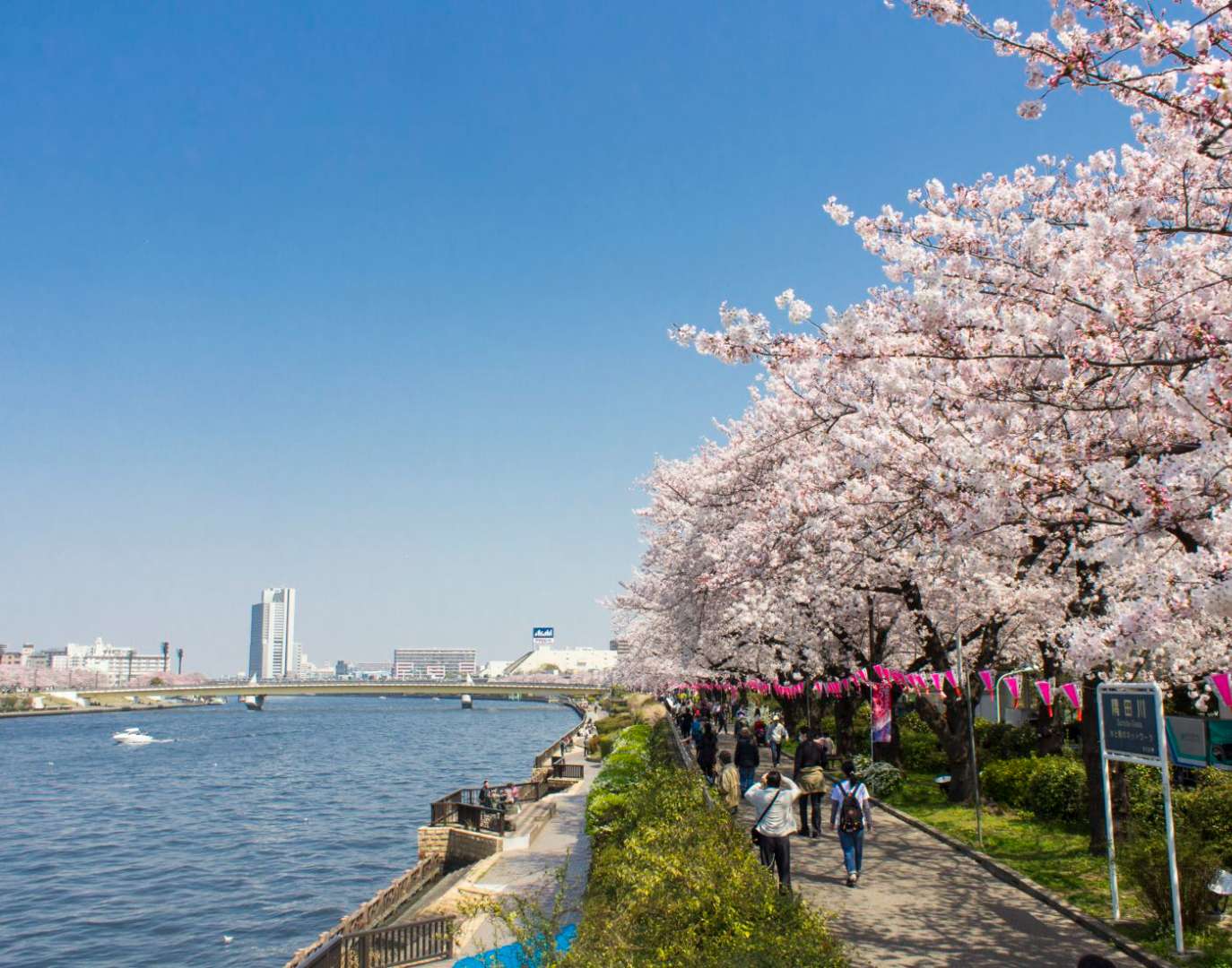
## Description Sumida Park is a serene riverside oasis in the heart of Tokyo, offering a refreshing contrast to the city’s fast-paced urban energy. Stretching along both banks of the Sumida River, the park is located between the Azumabashi and Sakurabashi bridges and provides stunning views of the Tokyo Skytree rising above the skyline. It’s a favorite spot for locals and tourists alike, especially during spring when the park transforms into one of Tokyo’s most celebrated cherry blossom viewing locations. The park’s history dates back to the Edo period, when the riverbanks were popular gathering spots for hanami (cherry blossom viewing), festivals, and leisurely strolls. Today, Sumida Park continues that tradition with over 600 cherry trees lining the paths, creating a tunnel of blossoms that draws thousands of visitors each year. In summer, the park becomes a prime viewing location for the Sumida River Fireworks Festival, one of Japan’s oldest and most spectacular pyrotechnic displays. A little-known fact: the cherry trees in Sumida Park were planted under the orders of shogun Tokugawa Yoshimune in the 18th century, making the park not only a natural retreat but also a living piece of Tokyo’s cultural heritage. Another quirky detail is the nearby Asahi Beer Tower, visible from the park, which was designed to resemble a frothy mug of beer—a playful architectural nod to the area’s modern flair. ## Location Sumida Park is located in **Japan**, in the **Kanto region**, within the **city of Tokyo**. It spans the **Taito and Sumida wards**, with entrances near the historic Asakusa district and the Sumida River waterfront. ### How to Get There - **By Train**: The park is a five-minute walk from Asakusa Station, served by the Ginza Line, Asakusa Line, Tobu Isesaki Line, and Tsukuba Express. - **By Bus**: Several local buses stop near Asakusa and Sumida Park. - **By Water Bus**: The Tokyo Water Bus docks near the park and offers scenic rides to destinations like Odaiba and Hamarikyu Gardens. - **By Foot or Bike**: The park is easily accessible from nearby neighborhoods and is ideal for walking or cycling along the river. Its central location makes it a convenient stop during a day of sightseeing in eastern Tokyo. ## Tips - **Visit During Cherry Blossom Season**: Late March to early April is peak bloom time. Arrive early to avoid crowds and secure a good picnic spot. - **Stay for the Fireworks**: If visiting in late July, plan to attend the Sumida River Fireworks Festival. Arrive hours in advance for a good viewing location. - **Bring a Camera**: The park offers excellent photo opportunities, especially with Tokyo Skytree in the background. - **Explore Both Sides of the River**: Cross the Sakurabashi pedestrian bridge to enjoy views from both banks. - **Pack a Picnic**: There are no large restaurants inside the park, but nearby Asakusa has plenty of takeout options. - **Check for Events**: Seasonal festivals and cultural performances are often held in the park—check local listings for details. ## Conclusion Sumida Park is a tranquil yet culturally rich destination in Tokyo, offering scenic river views, seasonal beauty, and a deep connection to the city’s history. Whether you're admiring cherry blossoms, watching fireworks, or simply enjoying a quiet walk, the park provides a memorable escape in the heart of the metropolis. ## FAQ **1. Is there an entrance fee to Sumida Park?** No, the park is free and open to the public year-round. **2. When is the best time to visit Sumida Park?** Spring (late March to early April) for cherry blossoms and summer (late July) for the fireworks festival. **3. Are there restrooms and facilities in the park?** Yes, there are public restrooms and seating areas throughout the park. **4. Can I bring pets to Sumida Park?** Yes, pets are allowed but should be kept on a leash and cleaned up after. **5. Is the park wheelchair accessible?** Most paths are flat and accessible, though some areas may have uneven terrain. **6. Are there guided tours available?** While not specific to the park, many Asakusa walking tours include Sumida Park as part of their itinerary. ## Links - [Sumida Park – Japan National Tourism Organization](https://www.japan.travel/en/spot/2114/)
GemVoyage Team • World

Comments