Milan, Italy’s fashion and design capital, is a city that blends historical grandeur with modern sophistication. Known for its stunning Duomo di Milano, this vibrant metropolis showcases centuries of art, culture, and innovation. Visitors can explore Leonardo da Vinci’s Last Supper, luxurious shopping at the Galleria Vittorio Emanuele II, and world-class cuisine. As a global hub for fashion and business, Milan attracts millions of travelers every year. From elegant architecture to cutting-edge style, Milan offers an unforgettable Italian experience.
10 amazing places discovered by our community
Milan
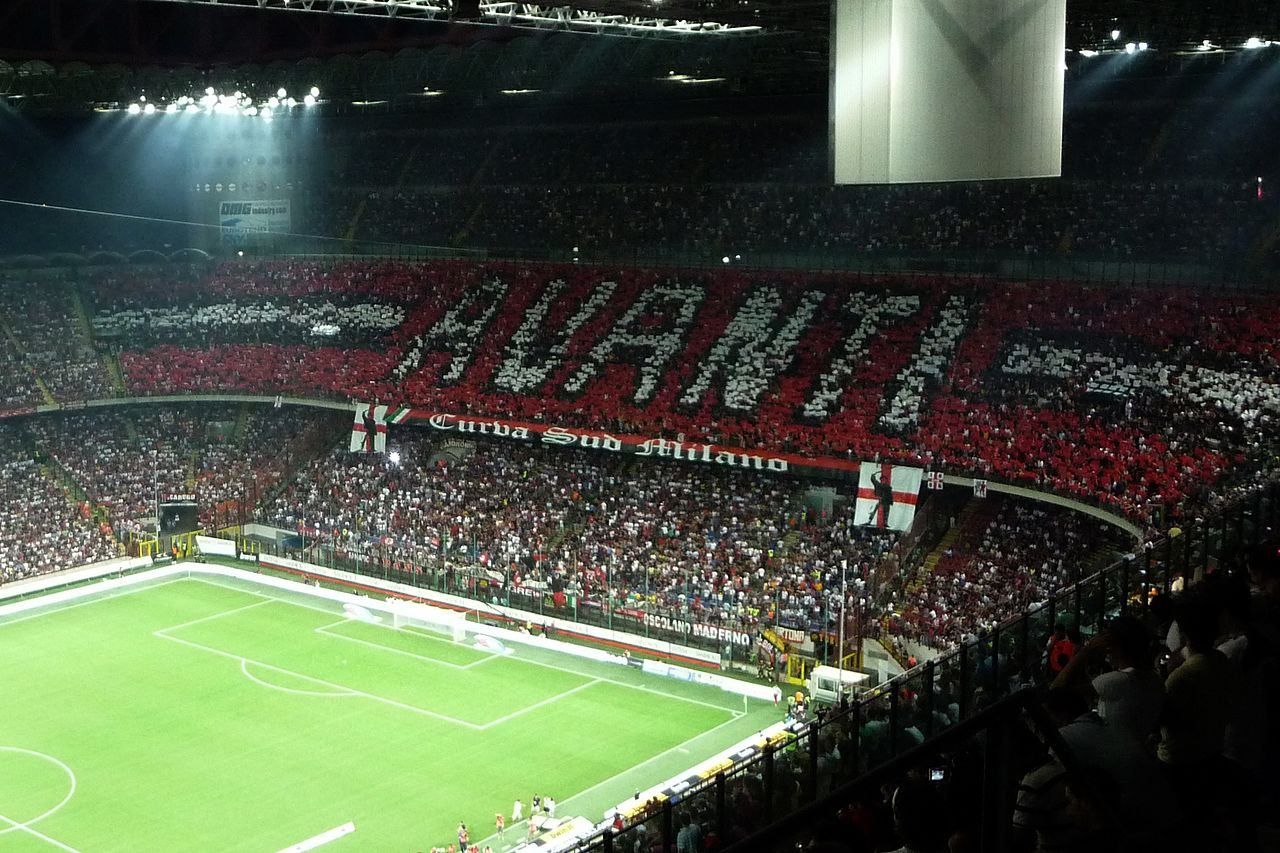
## Description The **San Siro Stadium**, officially named **Stadio Giuseppe Meazza**, is one of the most legendary football arenas in the world — a true **temple of sport and passion**. Located in the heart of **Milan**, Italy’s fashion and football capital, San Siro stands as a colossal monument to the city’s competitive spirit and shared love for the beautiful game. Originally inaugurated in **1926**, the stadium was built under the direction of **Piero Pirelli**, then-president of **A.C. Milan**, and was later named after **Giuseppe Meazza**, one of Italy’s most celebrated footballers who played for both **A.C. Milan** and **Inter Milan**. Over the decades, it has undergone multiple renovations, including major updates in **1955**, **1990** (for the FIFA World Cup), and **2015**, giving it the imposing, futuristic appearance it has today. With a seating capacity of over **75,000 spectators**, San Siro is Italy’s **largest stadium** and one of the most atmospheric in Europe. Its distinctive **spiral towers** and red roof beams are architectural icons, visible from across the city skyline. Inside, the steep stands ensure that fans feel incredibly close to the pitch — creating an electric atmosphere during matches, especially when **A.C. Milan** and **Inter Milan** face off in the legendary **Derby della Madonnina**. Beyond football, San Siro has hosted countless **historic events**, from **FIFA World Cup** and **UEFA Champions League** finals to concerts by international superstars like **U2, Coldplay, and Beyoncé**. Few stadiums in the world can match its mix of **sporting heritage and cultural influence**. A lesser-known fact is that the **stadium has its own museum**, the **San Siro Museum**, dedicated to the history of Milan’s two football clubs. Visitors can explore trophies, jerseys, and memorabilia from more than a century of football history — and even step into the players’ tunnel and onto the field itself, experiencing what legends once did. While discussions continue about a possible **new stadium** in the coming years, San Siro remains a beloved landmark — a living piece of Milanese identity and an enduring shrine to Italian football glory. ## Location The **San Siro Stadium (Stadio Giuseppe Meazza)** is located in the **San Siro district**, in the **northwestern part of Milan**, **Lombardy**, **Italy**. **Address:** Piazzale Angelo Moratti, 20151 Milano MI, Italy To get there: * **By metro:** Take **Line M5 (Lilac Line)** to **San Siro Stadio Station**, located just steps from the stadium entrance. * **By tram:** Line **16** (direction San Siro) stops directly outside the venue. * **By bus:** Lines **49, 64, 78, 80, 98,** and **423** all serve the stadium area. * **By car:** Accessible from **Viale Caprilli** or **Via Novara**, though parking can be limited on match or concert days. * **By bike or scooter:** Milan’s **bike-sharing and e-scooter services** have designated parking zones near the stadium. ## Tips * **Book tickets early:** Matches, especially the **Derby della Madonnina**, sell out quickly. Buy tickets through official club websites or authorized partners. * **Take the stadium tour:** Visit the **San Siro Museum**, explore locker rooms, and walk through the players’ tunnel onto the field. * **Arrive early:** On match days, the area fills with fans, street food stands, and merchandise stalls — a festive pre-game experience. * **Check the schedule:** Even if no match is on, the **museum and tour** are open most days. * **Use public transport:** Parking is limited, so the **M5 metro** line is the most convenient and efficient way to get there. * **Stay for the atmosphere:** The energy of Italian fans, complete with chants, banners, and flares, makes every match unforgettable. * **Bring ear protection for children:** The volume during matches can be intense, especially in the Curva Sud and Curva Nord sections. * **Combine with nearby attractions:** Visit **Casa Milan (A.C. Milan headquarters)** or enjoy the nearby **Monte Stella Park** for a relaxing contrast to the excitement. ## Conclusion The **San Siro Stadium** is more than just a sports venue — it’s the **heart of Milanese football culture** and a symbol of Italian pride. From hosting world-class matches to staging concerts for thousands of fans, San Siro has witnessed nearly a century of unforgettable moments. Its towering architecture, roaring crowds, and legendary rivalries make it a must-see destination for anyone visiting Milan. Whether you’re a devoted football fan or simply curious about the passion that drives Italy’s sporting soul, a visit to San Siro is an experience you’ll never forget. ## FAQ **1. When was San Siro Stadium built?** It was inaugurated in **1926** and has undergone several major renovations since, most notably in **1955** and **1990**. **2. Why is it also called Stadio Giuseppe Meazza?** The stadium was renamed after **Giuseppe Meazza**, a famous Italian footballer who played for both Milan and Inter, in recognition of his contribution to Italian football. **3. Which teams play at San Siro?** It is home to both **A.C. Milan** and **Inter Milan (Internazionale)**. **4. How can I visit the stadium when there’s no match?** You can book a **guided tour and museum visit**, available daily except on event days. **5. What is the capacity of San Siro?** The stadium can hold approximately **75,000 spectators**, making it the **largest in Italy**. **6. Are there restaurants or shops nearby?** Yes — the surrounding area has **cafés, restaurants, and team merchandise stores**, as well as pop-up vendors on match days. **7. Is the stadium being replaced?** Plans are being discussed for a **new stadium** in the coming years, but **San Siro remains open and active** for matches and events for now. ## Links * [Official A.C. Milan Website – Tickets & Matches](https://www.acmilan.com) * [Official Inter Milan Website – Tickets & Events](https://www.inter.it) * [San Siro Stadium Tour & Museum](https://www.sansirostadium.com)
GemVoyage Team • World
Milan
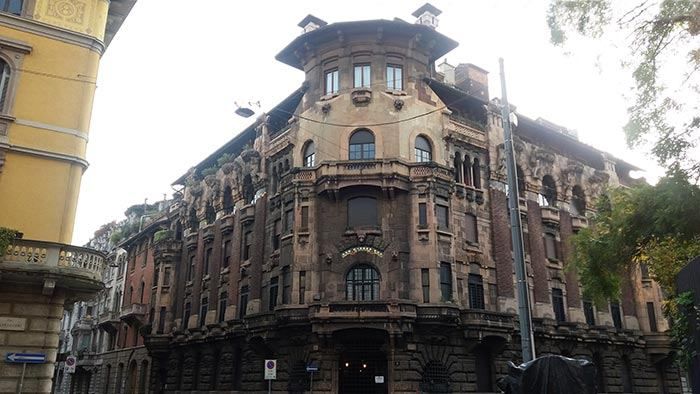
## Description The **Quadrilatero del Silenzio** is one of Milan’s most refined and least touristy architectural districts, a compact residential enclave where **Art Nouveau elegance, early 20th-century symbolism, and aristocratic discretion** converge. Unlike Milan’s grand monumental zones such as the Duomo or Brera, this area is defined by **silence, privacy, and restrained beauty**. It feels less like a destination and more like a secret revealed only to those who actively search for it. The name “Quadrilatero del Silenzio” loosely translates to **“The Quadrilateral of Silence”**, referencing both its **four bordering streets** and the **notable absence of commercial noise and mass tourism**. The district dates primarily to the **early 1900s**, when Milan was undergoing rapid modernization and wealthy families commissioned architects to design villas and palazzi inspired by **Liberty style**, Italy’s version of Art Nouveau. Among the district’s architectural highlights are **Casa Galimberti, Casa Guazzoni, and Palazzo Berri-Meregalli**. These buildings showcase extraordinary decorative detail: floral ironwork, painted ceramic tiles, sculpted balconies, symbolic reliefs, and richly textured façades. Casa Galimberti in particular stands as one of the **most complete Art Nouveau residential structures in Italy**, with its exterior entirely clad in painted ceramic panels depicting allegorical scenes and classical figures. What makes the Quadrilatero del Silenzio especially distinctive is its **spiritual and symbolic undercurrent**. Palazzo Berri-Meregalli, one of the most visually dramatic buildings in the area, incorporates **mystical and occult motifs**, skulls, grotesque faces, and symbolic sculptures linked to esoteric traditions. This hidden symbolic language contrasts sharply with the district’s otherwise calm residential purpose, adding a layer of intrigue beneath the formal elegance. The neighborhood’s emotional atmosphere is **measured and withdrawn**. Tree-lined streets, soft façades, and limited vehicle traffic create a mood unlike the rest of central Milan. There are no major shops, cafés, or attractions competing for attention. Instead, visitors move slowly, examining balconies, doorways, tiled surfaces, and wrought-iron gates just meters from inhabited private homes. This blurs the boundary between **museum-like observation and daily life**. A little-known fact is that Casa Guazzoni’s balcony sculptures were among the **earliest experiments with reinforced concrete sculpture in Milan**, hidden beneath their decorative surfaces. Another lesser-known detail is that much of the district was deliberately zoned as **high-end residential from the outset**, preventing later commercial overdevelopment and preserving its original function for more than a century. Unlike Milan’s fashion districts or historic centers, the Quadrilatero del Silenzio does not sell an experience. It **offers stillness**. It rewards visitors who pay attention to surface texture, ornamental language, and architectural storytelling rather than spectacle. This makes it particularly appealing to architects, photographers, design students, and travelers who prefer subtlety over highlights. The district is not large, and it does not aim to be. Its power lies in **concentration rather than scale**. Within a few blocks, it condenses many of the ideals of Milan’s early modern identity: wealth, experimentation, decorative craftsmanship, and discreet urban living. ## Location The **Quadrilatero del Silenzio** is located in the **eastern part of central Milan**, just outside the city’s main historical core. **City:** Milan **Region:** Lombardy (Lombardia) **Country:** Italy **Main Streets Defining the Area:** * Via Cappuccini * Via Serbelloni * Via Mozart * Via Malpighi ### How to Get There: * **By metro:** * **Line M1 (red line)** to **Porta Venezia Station**, then a 5–8 minute walk. * **By tram:** Several tram lines run through Corso Venezia and Porta Venezia. * **By taxi or ride-hailing:** Direct access with easy drop-off near Via Mozart or Via Cappuccini. * **On foot:** A pleasant walk from the fashion district or the Natural History Museum. The area is ideal to combine with nearby attractions such as **Porta Venezia, Indro Montanelli Public Gardens, and Corso Buenos Aires**. ## Tips * **Visit during daylight:** Architectural details are best visible in natural light. * **Keep voices low:** It is a residential area known for its quiet character. * **Photography is allowed, but be discreet:** Many buildings are private homes. * **No cafés inside the core area:** Plan coffee stops in nearby Porta Venezia. * **Look up as much as you look forward:** Balconies and upper façades hold the most details. * **Best for architecture lovers:** It is not a shopping or entertainment zone. * **Pair it with a museum visit:** The Natural History Museum nearby fits the reflective mood. * **Avoid peak commuter hours:** Traffic is limited but narrow streets amplify sound. ## Conclusion The **Quadrilatero del Silenzio** is one of Milan’s most understated yet culturally dense districts. It reveals a side of the city built not for spectacle but for **craft, symbolism, and quiet luxury**. Through its Art Nouveau façades, discreet streets, and hidden esoteric details, it tells a story of Milan at the dawn of modernity, preserved in a state of rare urban restraint. ## FAQ **1. What is the Quadrilatero del Silenzio?** It is a **small residential architectural district** in Milan known for its Art Nouveau buildings and quiet atmosphere. **2. Why is it called “del Silenzio”?** Because of its **low traffic, lack of commercial noise, and calm residential character**. **3. Is it free to visit?** Yes. It is a **public neighborhood with no entrance fee**. **4. How long does a visit usually take?** Most visitors spend **30 to 60 minutes** walking through the area. **5. Is it good for photography?** Yes, especially for **architectural and detail photography**, though discretion is expected. **6. Is it suitable for families?** Yes, but it is better suited to **slow walking and observation** rather than activities for children. ## Links * [Comune di Milano – Urban Heritage](https://www.comune.milano.it)
GemVoyage Team • World
Milan
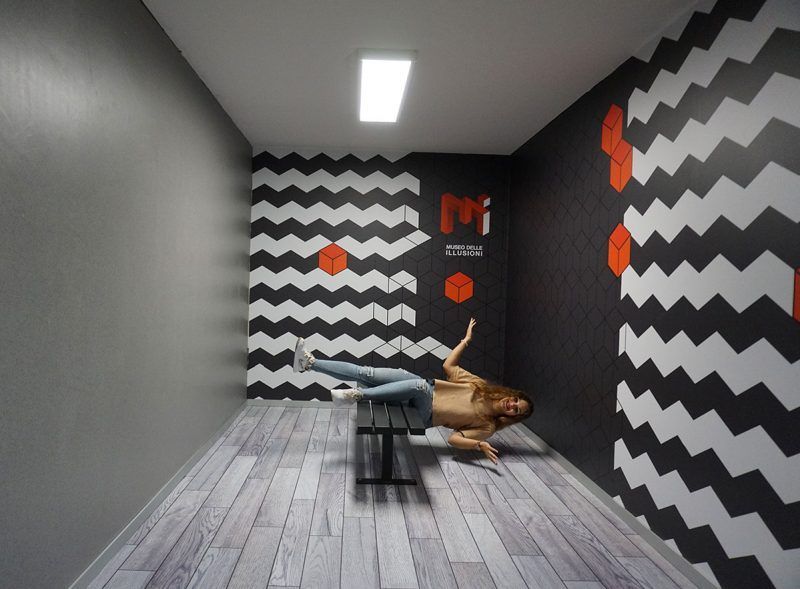
## Description The **Museo delle Illusioni – MDI** in Milan is a contemporary museum designed to challenge the viewer’s understanding of **vision, perception, spatial logic, and cognitive bias**. Unlike traditional museums that focus on historical artifacts or fine arts, MDI operates at the intersection of **science, psychology, and interactive entertainment**, offering an environment where visitors actively participate in the experience rather than observe passively. The space is filled with **optical illusions, perspective rooms, rotating installations, holograms, paradox structures, and sensory challenges** that push visitors to reconsider how the brain interprets visual information. Every room is intentionally constructed to distort scale, depth, orientation, and movement. The museum’s core idea is simple but effective: **what you see is not always what exists**, and the brain can be easily misled when context changes. What differentiates Milan’s MDI from similar illusion museums elsewhere is its emphasis on **sleek design and technical precision**. Installations are engineered with high production quality and clean aesthetics consistent with Milan’s reputation as a design capital. The lighting, angles, and surfaces are calibrated to deliver strong photographic effects, making the museum particularly popular among visitors who enjoy **creative photography and social media content**. Many exhibits demonstrate foundational principles of **Gestalt psychology, neuroscience, and geometry**, though without overwhelming visitors with complex scientific language. The goal is to make scientific concepts **intuitive, experiential, and playful**. By physically stepping into illusions, visitors experience cognitive phenomena that are normally confined to textbooks or laboratory experiments. A little-known fact is that several rooms in the museum use **forced perspective techniques** originally borrowed from early film production and Renaissance stage design. Another interesting detail is that some of the illusions at MDI come from a global research network of visual-perception experts who continually update the installations based on emerging cognitive science findings. Emotionally, the museum operates on a gradient between surprise and curiosity. Children laugh at rooms where gravity seems reversed, adults puzzle over patterns that appear to move, and groups experiment with depth tricks to produce impossible photographs. The museum’s strength lies in its ability to make **intellectual play accessible**, bridging the gap between learning and entertainment. MDI is not a large museum, and it does not intend to be. Its impact comes from **concentration, novelty, and careful choreography**. A visit typically moves quickly, but the density of experiences ensures that visitors remain mentally engaged throughout. In a city known for design excellence, the Museo delle Illusioni offers a refreshing and contemporary counterpoint: an environment where **visual culture becomes an interactive game**, and where perception becomes the main exhibit. ## Location The **Museo delle Illusioni – MDI** is located in the central area of Milan, close to major attractions and easily accessible on foot or by public transport. **City:** Milan **Region:** Lombardy (Lombardia) **Country:** Italy **Address Area:** Near **Porta Venezia** and the **Corso Buenos Aires** district ### How to Get There: * **By metro:** * **M1 (Red Line)** to **Porta Venezia**; the museum is a short 5–7 minute walk. * **By tram:** Various tram lines stop along Corso Venezia and Via Palestro. * **By bus:** Several city buses serve the area around Porta Venezia. * **By car:** Parking is limited and often busy; public transport is strongly recommended. * **On foot:** The museum is easily combined with strolls through **Giardini Indro Montanelli** and nearby galleries. Its central location makes it convenient to pair with shopping, dining, or museum visits in the same outing. ## Tips * **Pre-book tickets:** The museum is popular and time slots fill quickly, especially on weekends. * **Bring a fully charged phone or camera:** Many installations are designed for interactive photography. * **Visit during off-peak hours:** Early afternoons on weekdays offer the best conditions for photos without crowds. * **Expect a short but dense visit:** Most people spend **45–75 minutes** inside. * **Some illusions require participation:** Be ready to pose, experiment, and move around. * **Families will find the space especially engaging:** The illusions work well for children and adults alike. * **Check for rotating exhibits:** Some temporary installations appear seasonally. ## Conclusion The **Museo delle Illusioni – MDI in Milan** delivers an intelligent, playful, and visually rich exploration of how the mind constructs reality. With its polished installations, scientific underpinnings, and strong interactive component, it stands out as one of the city’s most modern cultural experiences. It offers not only entertainment, but also a clear reminder that **perception is fundamentally subjective**. ## FAQ **1. How long does a typical visit take?** Most visitors spend **about one hour** exploring the installations. **2. Is the museum suitable for children?** Yes. It is highly **family-friendly**, with exhibits designed for all ages. **3. Do I need to book in advance?** Yes. **Online reservation** is recommended to secure preferred time slots. **4. Can I take photos inside?** Absolutely. Photography is encouraged, and many rooms are designed for it. **5. Is the museum accessible?** Most areas are accessible for visitors with reduced mobility, though some illusions may be difficult to experience physically. **6. Is it crowded?** It depends on the time and day. **Weekends and holidays** are the busiest. ## Links * [Museo delle Illusioni – Milan Official Website](https://moimilano.it/en/)
GemVoyage Team • World
Milan
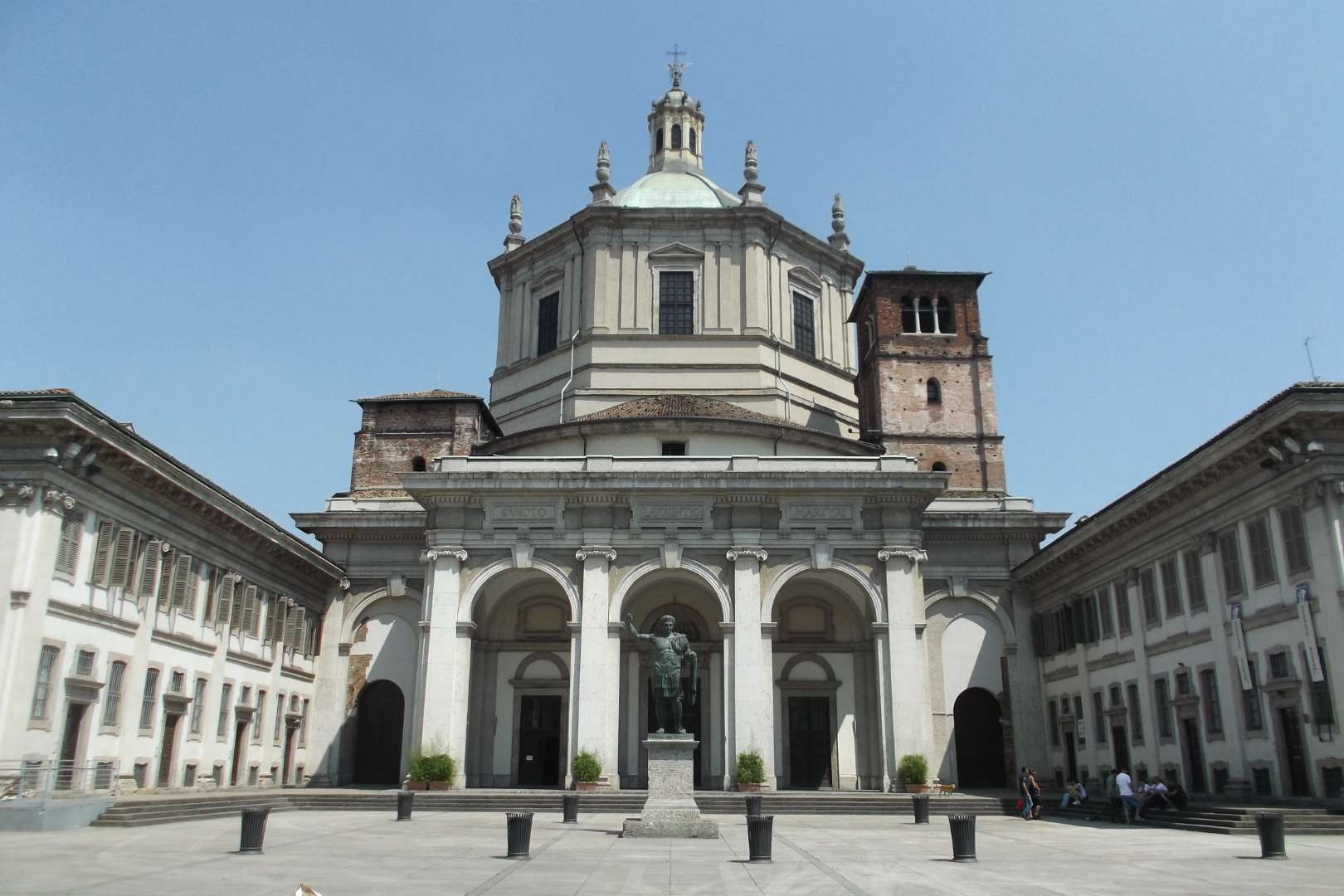
## Description The Basilica of San Lorenzo Maggiore in Milan is one of the city’s oldest and most architecturally intriguing churches, offering a rich tapestry of history, religion, and design. Originally constructed between the late 4th and early 5th centuries, the basilica has undergone numerous reconstructions, resulting in a unique blend of Early Christian, Renaissance, and Baroque styles. Its imposing central dome and symmetrical layout make it a standout among Milan’s ecclesiastical landmarks. What sets San Lorenzo apart is its daring architectural originality. Art historians have noted its resemblance to the great churches of Constantinople, many of which no longer exist. The basilica’s interior features elegant marble columns, intricate mosaics, and the stunning Chapel of Saint Aquilino, which houses 4th-century Byzantine mosaics and remnants of Roman construction materials. Outside, the Colonne di San Lorenzo—sixteen Roman columns dating from the 3rd century—stand as a dramatic prelude to the church and are among the few surviving relics of ancient Mediolanum. A little-known fact: archaeological investigations suggest that the basilica may have been built atop a Roman amphitheater, and some of its foundational materials were repurposed from other Roman sites. Another fascinating detail is that the basilica’s dedication to Saint Lawrence was only confirmed in 590 AD, long after its initial construction. ## Location The Basilica of San Lorenzo Maggiore is located in **Italy**, in the **Lombardy region**, within the **city of Milan**. Its exact address is **Corso di Porta Ticinese, 39**, situated near the medieval Porta Ticinese and within walking distance of the Navigli district and the city center. ### How to Get There - **By Metro**: Take Line M2 to Sant’Ambrogio or Line M3 to Missori, then walk about 10–15 minutes. - **By Tram**: Tram line 3 stops at “Ticinese Molino delle Armi,” just steps from the basilica. - **By Foot**: From the Duomo, it’s a pleasant 15-minute walk through historic streets. - **By Bike or Scooter**: Milan’s bike-sharing and e-scooter services offer a scenic and efficient way to reach the basilica. Its central location makes it easy to include in a day of sightseeing, especially when paired with nearby attractions like the Basilica of Sant’Eustorgio or the Navigli canals. ## Tips - **Visit the Chapel of Saint Aquilino**: Don’t miss this side chapel, which contains some of the oldest mosaics in Milan and offers a glimpse into the city’s Roman past. - **Go Early or Late**: The basilica is less crowded in the morning or late afternoon, allowing for a more peaceful visit. - **Dress Modestly**: As with all religious sites, respectful attire is recommended. - **Explore the Piazza**: The square in front of the basilica is lively and atmospheric, often filled with street performers and locals. - **Check for Mass Times**: If you’re interested in attending a service, consult the basilica’s schedule in advance. - **Photography**: Photos are allowed, but avoid flash and be mindful during services. ## Conclusion Basilica San Lorenzo Maggiore is a captivating blend of ancient history and spiritual heritage. With its Roman columns, Byzantine mosaics, and architectural grandeur, it offers a compelling experience for anyone exploring Milan’s rich cultural landscape. ## FAQ **1. Is there an entrance fee to visit the basilica?** No, entry to the basilica is free. Donations are welcome. **2. What are the opening hours?** Monday to Friday: 8:00 AM – 12:30 PM and 3:00 PM – 6:30 PM Saturday and Sunday: 9:00 AM – 1:00 PM and 3:00 PM – 7:00 PM **3. Can non-Catholics visit the basilica?** Yes, the basilica is open to all visitors, regardless of religious background. **4. Is the basilica wheelchair accessible?** Some areas may be challenging due to steps and uneven flooring, but the main entrance and nave are generally accessible. **5. Are guided tours available?** Yes, some local tour operators include San Lorenzo in their walking tours of Milan’s historic center. **6. What is the best time of year to visit?** Spring and autumn offer mild weather and fewer crowds, making them ideal for sightseeing. ## Links - [Basilica of San Lorenzo – Wikipedia Overview](https://en.wikipedia.org/wiki/Basilica_of_San_Lorenzo,_Milan) - [San Lorenzo Maggiore – Official Website](http://www.sanlorenzomaggiore.com/)
GemVoyage Team • World
Milan
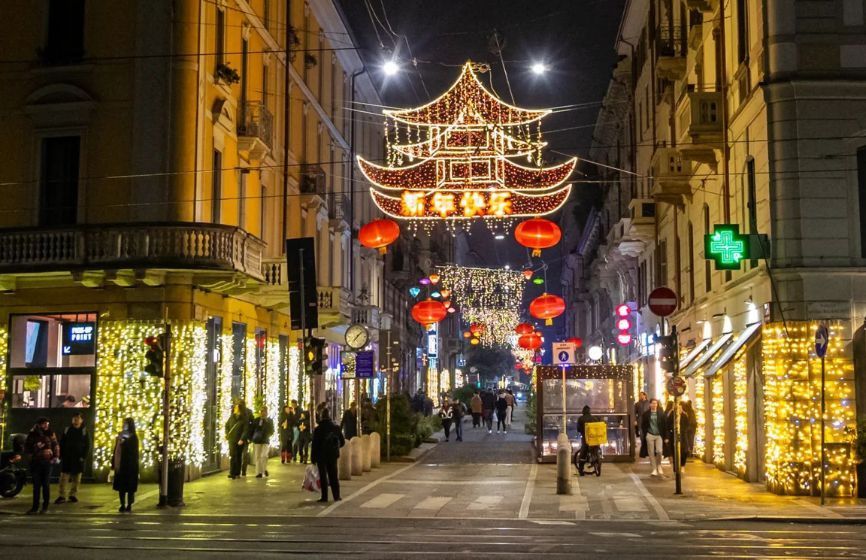
## Description **Chinatown in Milan (Quartiere Cinese di Milano)** is a lively, colorful district that blends **Italian sophistication with Chinese tradition**, creating one of the most vibrant cultural areas in northern Italy. Established in the early 20th century, it is the **oldest and largest Chinatown in Italy**, and today it thrives as a bustling hub of food, culture, and community life. The neighborhood is centered around **Via Paolo Sarpi**, a pedestrian-friendly street lined with Asian grocery stores, authentic restaurants, tea shops, and modern fashion boutiques. Red lanterns and bilingual signs decorate the streets, while the aroma of dumplings, noodles, and roasted duck fills the air. It’s a place where tradition meets innovation — where family-run Chinese bakeries coexist with trendy Milanese cafés and design studios. What makes Milan’s Chinatown unique is how seamlessly it integrates into the city’s cosmopolitan identity. Beyond being a culinary destination, it’s also a **center for art, trade, and cross-cultural exchange**. The area has become increasingly popular among young professionals and artists who appreciate its multicultural atmosphere and creative energy. A little-known fact is that Chinatown in Milan began as a **settlement of Chinese workers from Zhejiang province** in the 1920s, who came to Italy to work in the textile and leather industries. Over time, they established businesses that became essential to Milan’s fashion scene — a legacy that still endures today. Another fascinating detail: every year, the neighborhood hosts an elaborate **Chinese New Year parade**, drawing thousands of locals and tourists to celebrate with dragon dances, fireworks, and street performances. ## Location Milan’s Chinatown is located in the **northwestern part of the city center**, primarily along **Via Paolo Sarpi** in the **Porta Volta area**, **Lombardy region**, **Italy**. To get there: * **By metro:** Take **Line 2 (Green Line)** to **Moscova Station** or **Line 5 (Purple Line)** to **Monumentale Station**. Both are a short walk from Via Paolo Sarpi. * **By tram:** Tram lines **12 and 14** stop nearby. * **By foot:** It’s about a **15–20 minute walk** from the Duomo or Brera district, making it an easy stop during a city stroll. The area is pedestrian-friendly, making it perfect for exploring on foot while sampling food or browsing local shops. ## Tips * **Come hungry:** Chinatown is one of the best places in Milan for authentic Chinese, Vietnamese, and Thai cuisine. Popular dishes include **dim sum, baozi (steamed buns),** and **hand-pulled noodles**. * **Visit during Chinese New Year:** The celebrations are among the largest in Italy, featuring parades, performances, and cultural exhibits. * **Explore side streets:** Don’t just stay on Via Paolo Sarpi — nearby lanes hide charming bakeries, tea shops, and Asian supermarkets. * **Try local fusion spots:** Milan’s creativity shines through in restaurants that blend Asian and Italian flavors, reflecting the district’s evolving culinary scene. * **Shop for Asian ingredients:** Supermarkets like **Kathay** are famous for offering rare spices, sauces, and produce that are hard to find elsewhere in Italy. * **Visit in the evening:** As the lights come on, the red lanterns and street buzz create a magical, cinematic atmosphere. ## Conclusion **Chinatown in Milan** is far more than a neighborhood — it’s a living story of migration, adaptation, and community. From its early days as a textile hub to its present status as a vibrant cultural destination, it reflects Milan’s openness and diversity. Whether you’re tasting authentic dim sum, shopping for exotic ingredients, or celebrating Chinese New Year, Chinatown offers a sensory journey through the heart of modern multicultural Milan. ## FAQ **1. When was Chinatown in Milan established?** It was founded in the **1920s** by Chinese immigrants, mainly from Zhejiang province, who came to work in textile and leather industries. **2. Where exactly is it located?** It centers around **Via Paolo Sarpi**, in the **Porta Volta area** of **Milan**, **Lombardy, Italy**. **3. What can I do there?** You can explore Asian shops, enjoy authentic Chinese cuisine, visit tea houses, and attend cultural festivals such as Chinese New Year. **4. Is it safe to visit Chinatown at night?** Yes, it’s considered safe and lively, with many restaurants and bars open until late. **5. What’s the best time to visit?** Any time of year is great, but **January or February** during the **Chinese New Year** offers the most festive experience. **6. Are there Italian-Chinese fusion restaurants?** Yes, several trendy eateries combine Asian flavors with Italian ingredients, reflecting the creative spirit of Milan’s dining scene. ## Links * [Official Milano Tourism Portal](https://www.yesmilano.it)
GemVoyage Team • World
Milan
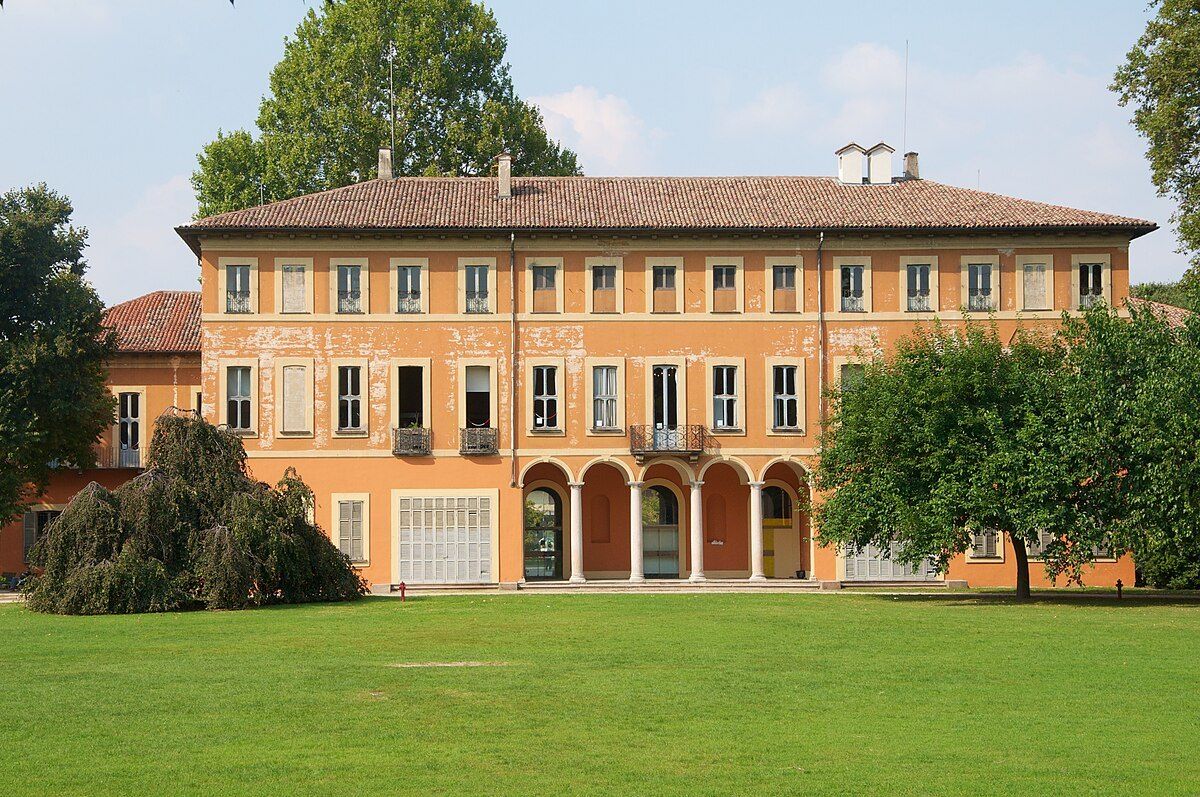
## Description **Villa Litta Modignani** is one of Milan’s most elegant yet underrated historical residences, offering visitors a quiet immersion into aristocratic life from the 18th and 19th centuries. Built in the **late 1700s** and later expanded, the villa is a refined example of **Neoclassical architecture**, characterized by symmetry, restrained decoration, and a strong relationship between the building and its surrounding park. Unlike Milan’s more famous palaces, Villa Litta Modignani retains a residential, almost intimate character that makes it especially appealing to visitors seeking authenticity rather than spectacle. Originally commissioned by the Modignani family and later acquired by the noble **Litta family**, the villa became an important cultural and social hub. Over time, it hosted intellectual gatherings, musical performances, and political discussions during periods of significant transformation in Lombardy. Today, the villa functions as a **public cultural space**, housing municipal offices, exhibition rooms, and community events while preserving its historical interiors and landscaped grounds. One little-known fact is that Villa Litta Modignani once formed part of a much larger rural estate, surrounded by farmland before Milan’s rapid urban expansion absorbed the area. Another lesser-known detail is that the villa’s interiors still preserve original decorative elements, including frescoed ceilings and period stuccoes, which are often overlooked by casual visitors focused only on the exterior. The surrounding **Parco di Villa Litta** enhances the experience significantly. The park combines formal garden layouts with more natural green spaces, making it a popular retreat for locals. The contrast between the villa’s refined architecture and the everyday life unfolding in the park gives the site a living, contemporary relevance that many historic buildings lack. ## Location **Country:** Italy **Region:** Lombardy **City:** Milan **District:** Affori Villa Litta Modignani is located in **northern Milan**, within the Affori district, an area that blends historic residential neighborhoods with modern urban life. ### How to Get There * **By metro:** * Take **Metro Line M3 (Yellow Line)** to **Affori FN** station. From there, the villa is about a 10-minute walk. * **By train:** * Regional trains stopping at **Milano Affori** provide convenient access from other parts of Lombardy. * **By tram or bus:** * Several local lines serve the Affori area and stop near the park entrance. * **By car:** * Accessible via Milan’s northern ring roads, though street parking may be limited during peak hours. ## Tips * **Check for exhibitions or events:** The villa frequently hosts temporary art exhibitions, lectures, and cultural programs. * **Visit during daylight hours:** The interiors and gardens are best appreciated with natural light. * **Combine with a park stroll:** Allow time to explore the surrounding green spaces, especially in spring and early autumn. * **Respect quiet areas:** Parts of the building are used for municipal functions. * **Photography is best outdoors:** Interior photography may be restricted depending on ongoing exhibitions. * **Pair with nearby neighborhoods:** Affori offers traditional cafés and bakeries that reflect local Milanese life. ## Conclusion Villa Litta Modignani is a refined and quietly impressive landmark that reveals a more residential and human-scale side of Milan’s history. Its Neoclassical elegance, layered aristocratic past, and integration into everyday urban life make it an ideal destination for visitors looking beyond the city’s most famous attractions. ## FAQ **1. When was Villa Litta Modignani built?** The villa dates back to the late 18th century, with later expansions in the 19th century. **2. Is the villa open to the public?** Yes, though access to interior spaces may depend on events or exhibitions taking place. **3. Is there an entrance fee?** Access to the park is generally free; exhibitions inside the villa may require a ticket. **4. How long should I plan for a visit?** About **1–2 hours**, including time in the park and any exhibitions. **5. Is the villa suitable for children?** Yes, especially the park, which is popular with families. **6. What is the best time to visit?** Spring and early autumn offer the most pleasant weather and greenery. ## Links * [City of Milan cultural heritage](https://www.comune.milano.it)
GemVoyage Team • World
Milan
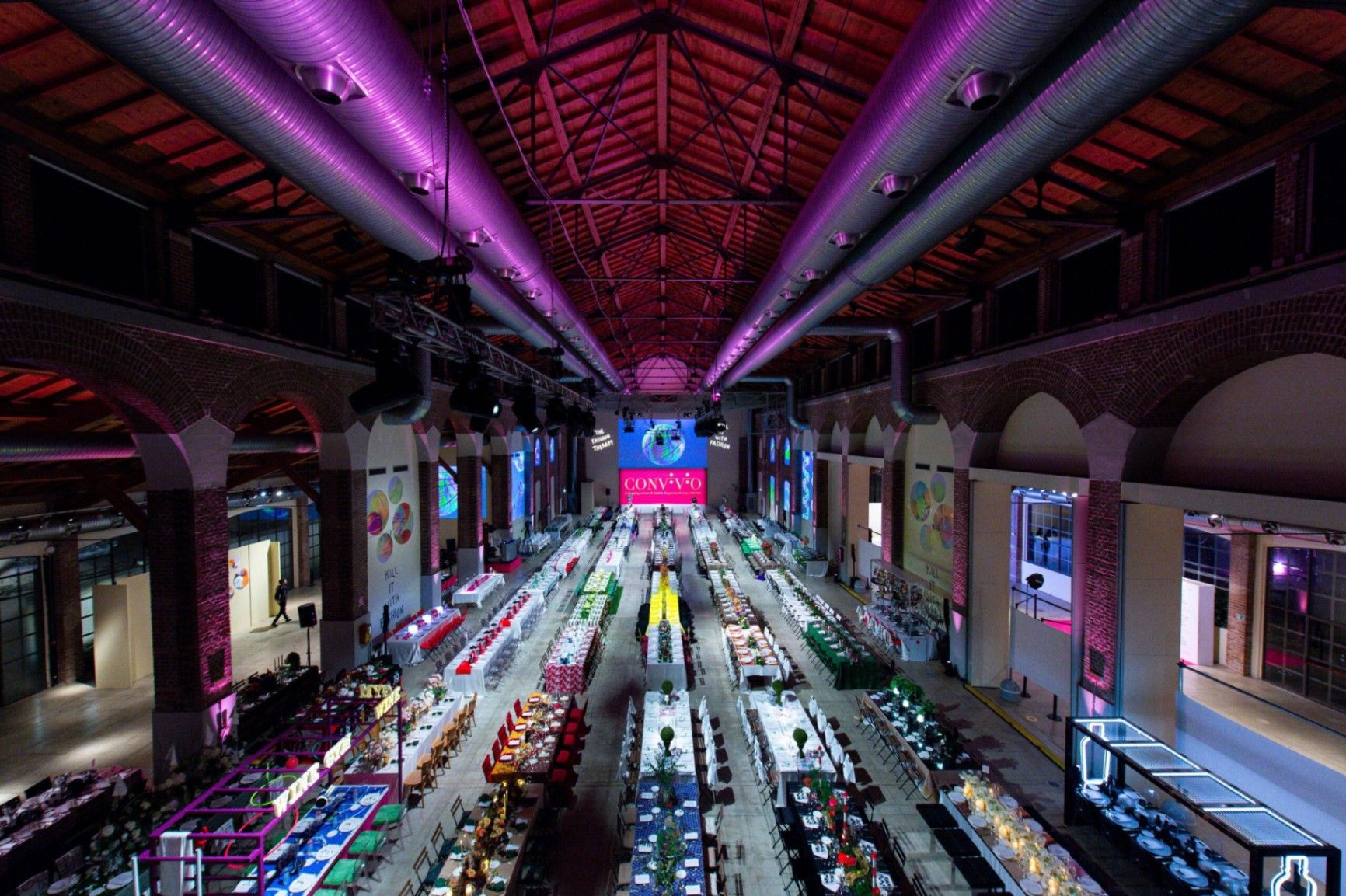
## Description **Fabbrica del Vapore (The Steam Factory)** is one of **Milan’s most dynamic cultural spaces**, blending the city’s industrial heritage with modern artistic innovation. Once a 19th-century tram factory, this vast complex has been transformed into a creative hub where art, design, music, and technology converge. Built in **1899** by the industrial company **Carminati Toselli & C.**, the factory originally produced railway and tram components that helped power Milan’s early transportation system. After being abandoned for decades, it was restored by the Municipality of Milan and reopened in the early 2000s as a center for contemporary culture. Today, Fabbrica del Vapore hosts **art exhibitions, concerts, theater performances, film screenings, workshops, and international festivals**, making it one of the city’s leading spaces for artistic experimentation. What makes it truly unique is the **fusion of past and present** — the red-brick industrial architecture remains intact, featuring steel beams, arched windows, and tall chimneys, while the interiors have been adapted into modern galleries and studios. It’s a place where graffiti murals coexist with fine art, and digital installations share space with traditional sculpture. A lesser-known fact is that Fabbrica del Vapore houses several **artist residencies and creative collectives**, offering workspaces to young talents in fields like multimedia design, theater, and fashion. The site has also hosted collaborations with international institutions, including the **Triennale Milano** and global art biennales, strengthening its role as a bridge between Milan’s industrial past and its cultural future. ## Location Fabbrica del Vapore is located at **Via Procaccini 4**, in the **Sempione district** of **Milan, Lombardy, Italy**. It’s just north of the city center, not far from **Cimitero Monumentale** and **Parco Sempione**. To get there: * **By metro:** Take **Line 5 (Purple Line)** to **Monumentale Station**, or **Line 2 (Green Line)** to **Moscova Station**. Both are within a short walk. * **By tram:** Tram lines **12 and 14** stop nearby on Via Ceresio. * **By foot:** It’s about a **15-minute walk** from Corso Sempione or Chinatown (Via Paolo Sarpi). The area is easily accessible and well-connected by Milan’s public transport system, making it an ideal cultural stop during a day of exploring the city. ## Tips * **Check the event schedule:** Fabbrica del Vapore regularly hosts rotating exhibitions and cultural events — check their official website before visiting to catch something special. * **Don’t miss the installations:** The large industrial halls often feature immersive multimedia exhibits and experimental installations that change throughout the year. * **Visit in the evening:** Many events, especially concerts or performances, take place at night, when the space is dramatically lit and more atmospheric. * **Explore nearby:** Combine your visit with nearby attractions like **Cimitero Monumentale**, **Arco della Pace**, or **Parco Sempione** for a full day of culture and architecture. * **Free entry:** Access to the complex is usually free, though some special exhibitions or performances may require tickets. * **Bring a camera:** The industrial details — from iron beams to old machinery — make for excellent photography subjects. ## Conclusion **Fabbrica del Vapore** is a testament to Milan’s ability to reinvent itself — turning an old industrial site into a thriving center of contemporary creativity. Whether you’re an art lover, a music enthusiast, or simply curious about Milan’s modern cultural pulse, this space offers an ever-changing landscape of ideas and inspiration. Its blend of history and innovation makes it one of the city’s most authentic cultural experiences, perfectly reflecting the spirit of Milan itself. ## FAQ **1. What is Fabbrica del Vapore?** It’s a former tram factory turned into a **cultural and creative center**, hosting exhibitions, performances, and workshops. **2. When was it built?** The original factory was constructed in **1899** and later transformed into a cultural space in the early **2000s**. **3. Where is it located?** At **Via Procaccini 4**, in the **Sempione district** of **Milan, Italy**. **4. Is there an entrance fee?** General entry is **free**, though some temporary exhibitions or events may have separate ticket prices. **5. What kind of events are held there?** You can find **art exhibitions, concerts, theater productions, film screenings, design fairs, and creative workshops** throughout the year. **6. Can visitors take photos?** Yes, photography is allowed, especially of the architecture. For certain exhibitions, check signage or ask staff for permission. ## Links * [Official Fabbrica del Vapore Website](https://www.fabbricadelvapore.org)
GemVoyage Team • World
Milan
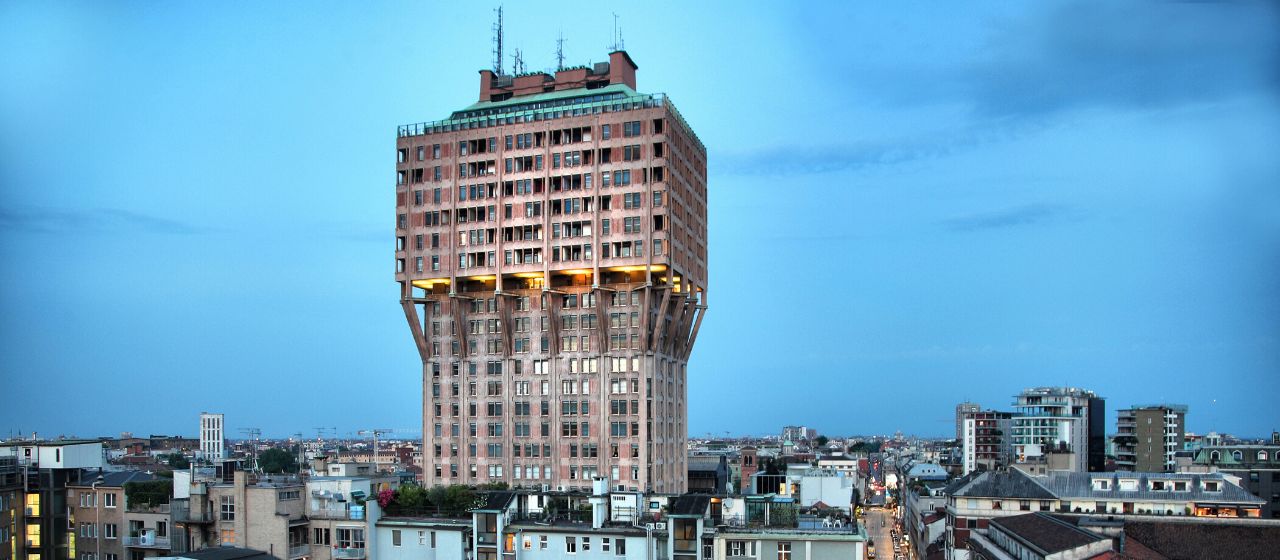
## Description The **Torre Velasca** is one of Milan’s most recognizable—and most controversial—architectural landmarks. Rising sharply above the historic city center, this distinctive skyscraper challenges the visual harmony of Milan with a form that defies both traditional elegance and modernist simplicity. Completed in **1958**, Torre Velasca represents a bold experiment in **post-war Italian architecture**, blending **medieval visual references with modern structural engineering**. Designed by the prestigious **BBPR architectural collective** (Banfi, Belgiojoso, Peressutti, and Rogers), the tower was conceived during a period when Italy was rebuilding not only its cities, but its cultural identity after World War II. Rather than copying American glass skyscrapers, BBPR attempted to create a **uniquely Italian vertical building**, rooted in Milan’s historical skyline of towers, fortifications, and cathedrals. The most striking feature of Torre Velasca is its **mushroom-shaped profile**. The lower portion is slim and vertical, while the upper floors expand outward dramatically, creating the impression of a fortress suspended in midair. This unusual silhouette deliberately echoes the **medieval defensive towers** that once protected Italian cities. The exterior façade, with its exposed concrete ribs and reddish-brown cladding, reinforces the impression of strength and permanence rather than lightness or transparency. Functionally, the tower was built as a **mixed-use structure**, combining offices in the lower levels and residential apartments in the expanded upper portion. This dual function was innovative for its time and contributed to the tower’s distinctive form—wider upper floors were better suited for domestic layouts with larger windows and more light. Artistically, Torre Velasca sits in a unique position between **Brutalism, Rationalism, and Neo-Medievalism**. Some critics consider it awkward or aggressive, arguing that it clashes with Milan’s Renaissance and Gothic heritage. Others see it as a courageous refusal to submit to anonymous international modernism. Over time, what was once widely criticized has become a **symbol of intellectual resistance in architecture**, representing Milan’s willingness to experiment rather than imitate. A little-known fact is that one of the architects, **Gian Luigi Banfi**, died in a Nazi concentration camp during World War II, and the tower stands partly as a symbolic continuation of the group’s interrupted pre-war ambitions. Another lesser-known detail is that construction techniques used in Torre Velasca directly influenced **later Italian concrete tower projects** in the 1960s and 1970s, making it a reference point for generations of architects. Today, Torre Velasca remains fully functional and continues to divide opinion. To some, it is Milan’s “ugliest skyscraper.” To others, it is one of its most intellectually daring. What is beyond dispute is that the tower is an **unavoidable visual statement**, standing as a reminder that urban identity can be built not only on beauty, but also on creative risk. ## Location **Torre Velasca** is located in the **historic center of Milan**, just a short walk from several of the city’s most important landmarks. **City:** Milan **Region:** Lombardy (Lombardia) **Country:** Italy **District:** Centro Storico ### How to Get There: * **By metro:** * **Line M3 (Yellow Line)** to **Missori Station**, then walk 5 minutes. * **Line M1 (Red Line)** to **Duomo Station**, then walk about 10 minutes. * **By tram:** Multiple central tram lines stop near the tower. * **By foot:** Easily reachable from **Milan Cathedral (Duomo)**, the **University of Milan**, and **San Bernardino alle Ossa**. * **By taxi or ride-hailing apps:** Direct access is easy from anywhere in the city center. Its central location allows visitors to integrate Torre Velasca into almost any walking itinerary of historic Milan. ## Tips * **Best viewed from multiple distances:** The unusual shape is most striking when seen from both nearby streets and distant viewpoints. * **Combine with Duomo and University of Milan:** All are within easy walking distance. * **Do not expect interior tourism access:** The tower is primarily a **private residential and office building**. * **Photography works best at sunset:** Warm light highlights the tower’s textured concrete façade. * **Architecture-first attraction:** This site is most rewarding for visitors interested in **urban design and modern architecture**, not traditional sightseeing. * **Look for contrast:** Observe how the tower interacts visually with Gothic spires and Renaissance façades nearby. * **Read about its history before visiting:** Understanding its post-war context significantly enhances appreciation. ## Conclusion The **Torre Velasca** is not designed to impress everyone—and that is precisely its strength. As a bold post-war experiment, it challenges conventional ideas of beauty, heritage, and modernity within one of Europe’s most historically refined cities. Whether admired or criticized, the tower remains a defining symbol of Milan’s **architectural independence and intellectual courage**, proving that controversy can be as enduring as elegance. ## FAQ **1. Why is Torre Velasca so controversial?** Because its **fortress-like modern design sharply contrasts** with Milan’s classical skyline, dividing public opinion. **2. Can visitors go inside Torre Velasca?** No. It is mainly a **private residential and office building** and is not generally open to tourists. **3. Who designed Torre Velasca?** It was designed by the **BBPR architectural group**, one of Italy’s most influential post-war design collectives. **4. What architectural style does it represent?** It blends **Brutalism, Rationalism, and Neo-Medieval influences**, making it difficult to classify under a single style. **5. How tall is Torre Velasca?** It stands approximately **106 meters (348 feet)** tall. **6. Is Torre Velasca considered a protected building?** Yes. It is now recognized as an **important monument of 20th-century Italian architecture**. ## Links * [Wikipedia Page](https://en.wikipedia.org/wiki/Torre_Velasca)
GemVoyage Team • World
Milan
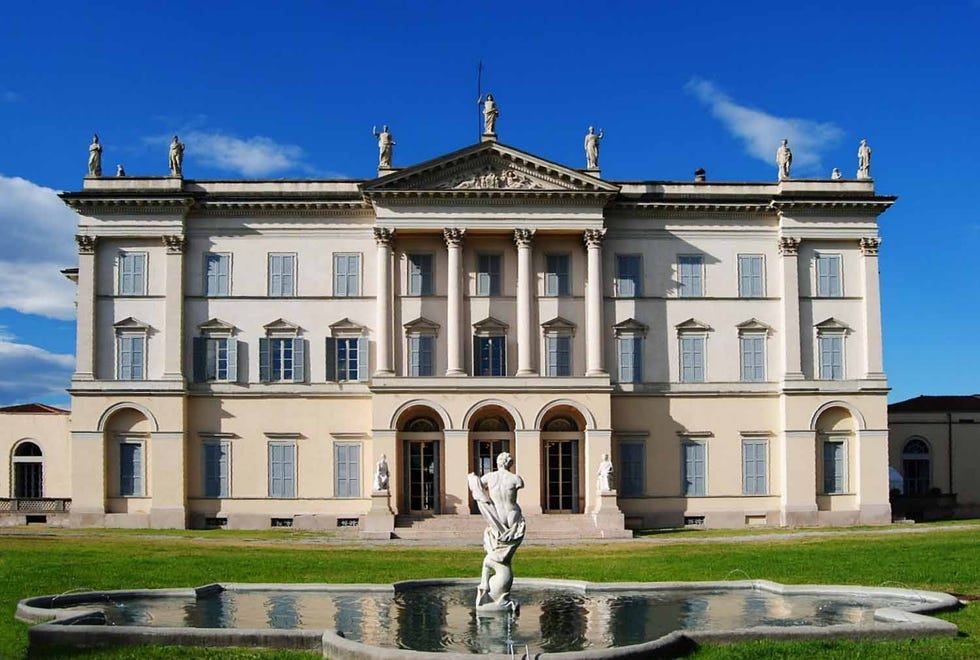
## Description Villa Tittoni Traversi, also known as Villa Cusani Tittoni Traversi, is an elegant neoclassical villa that represents an important chapter in the architectural and cultural history of the Milan area. Originally conceived as a noble residence, the villa stands out for its refined design, harmonious proportions, and its close relationship with the surrounding landscape. Today, it serves as a cultural venue, hosting exhibitions, events, and public activities that keep its historical legacy alive. What makes Villa Tittoni Traversi unique is its artistic pedigree. The villa was redesigned in the early 19th century by the renowned architect Giuseppe Piermarini, the same architect behind Milan’s Teatro alla Scala. Its interior spaces were later enriched with frescoes and decorative elements that reflect the tastes of Lombard aristocracy. A lesser-known fact is that the villa’s park was influenced by early landscape garden concepts, blending formal and naturalistic elements. Another interesting detail is that the building has passed through the hands of several prominent families, including the Cusani and Tittoni families, each leaving their mark on its design and function. The villa offers a refined yet approachable atmosphere, making it appealing to visitors interested in history, architecture, and cultural life outside Milan’s most crowded attractions. ## Location Villa Tittoni Traversi is located in **Italy**, in the **Lombardy** region, near the city of **Milan**, in the town of **Desio**, north of the city center. Although often associated with Milan due to its proximity, the villa is technically within Desio, making it an easy and worthwhile day trip from the city. Reaching the villa is convenient. Visitors can take a regional train from Milan to **Desio Station**, which is well connected and only a short walk from the villa. Several bus routes also serve the area. For those driving, Desio is easily accessible by road, and parking is generally available near the villa and its park. ## Tips * Check the villa’s event schedule in advance, as exhibitions and cultural programs vary throughout the year. * Take time to explore the surrounding park, which is ideal for relaxing walks and photography. * Guided tours may be available on specific days and can offer deeper insight into the villa’s history. * Visit on weekdays for a quieter experience, especially if events are taking place on weekends. * Combine your visit with a stroll through Desio’s historic center or nearby green spaces. * Wear comfortable shoes, particularly if you plan to explore both the interior and the park. ## Conclusion Villa Tittoni Traversi is a graceful example of Lombard neoclassical architecture and cultural heritage. Its blend of history, art, and green space makes it a rewarding destination for visitors seeking a more intimate and refined experience near Milan. ## FAQ **Is Villa Tittoni Traversi open to the public?** Yes, the villa is open to the public during exhibitions, events, and scheduled visiting hours. **How long does a visit usually take?** Most visits last between one and two hours, depending on exhibitions and time spent in the park. **Is there an entrance fee?** Entrance fees may apply during special exhibitions or events, while access to the park is often free. **Is the villa suitable for families?** Yes, the open park and cultural events make it suitable for families, though children should be supervised indoors. **Can the villa be reached easily from Milan?** Yes, it is easily accessible by train or car from Milan in under an hour. ## Links * [Villa Tittoni Official Website](https://villatittoni.it/)
GemVoyage Team • World
Milan
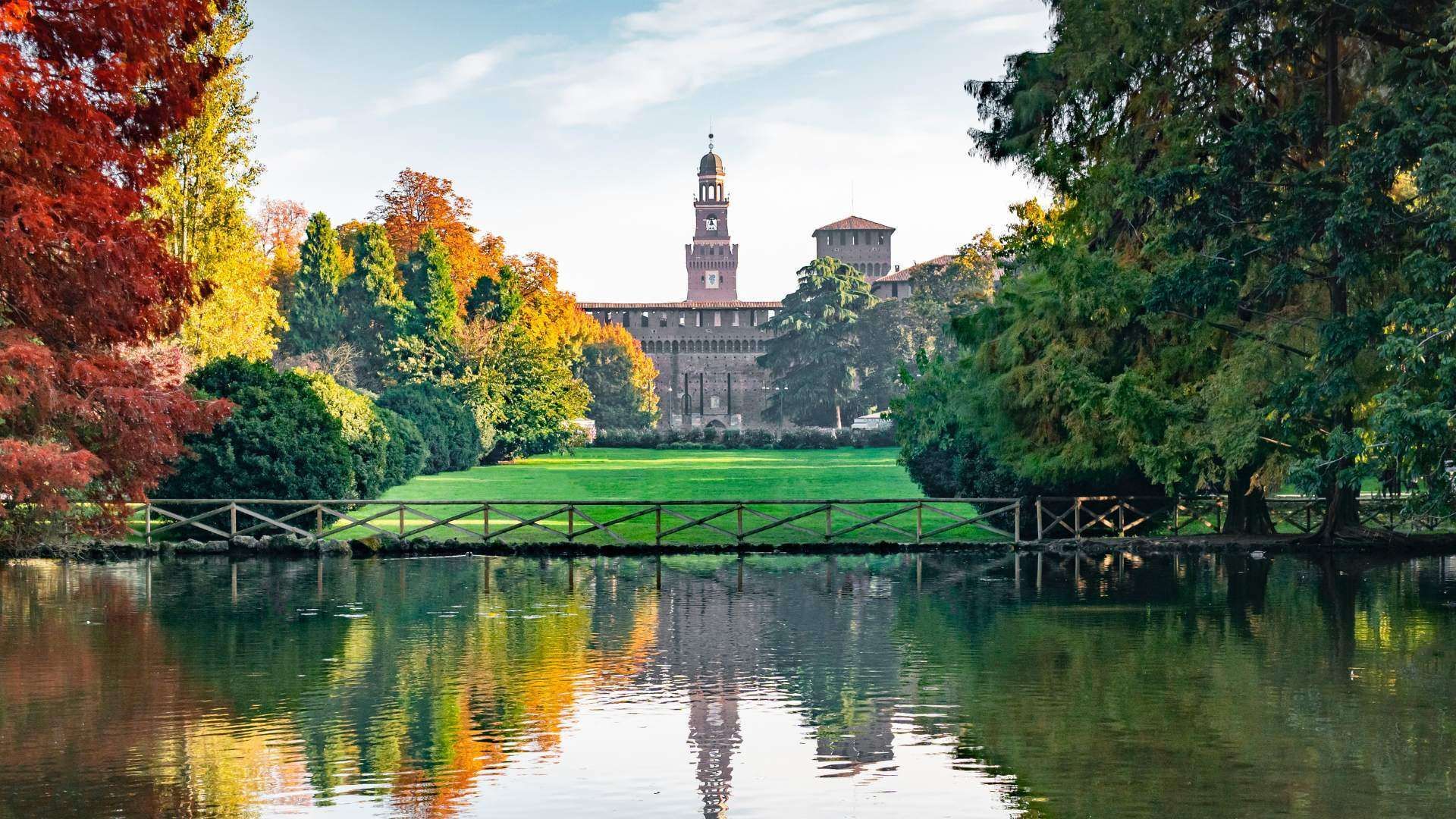
## Description Parco Sempione is one of Milan’s most important green spaces, and it plays a role in the city that is both practical and symbolic. Located behind Castello Sforzesco and stretching toward the Arco della Pace, it gives locals and visitors a place to slow down inside a city better known for fashion, business, design, and heavy urban energy. What makes the park special is not only its size but also its position in the middle of central Milan, where it creates a calm visual and physical transition between major landmarks. It is one of those places that can make a fast-moving city feel manageable again. The park is popular for walks, picnics, jogging, and informal meetings, but it also has layers of civic history that many visitors overlook. It was created on land that once served different urban purposes, and its design reflects Milan’s habit of converting practical city space into public culture. A little-known fact is that Parco Sempione includes views and landmarks that make it much more than a lawn and a few trees: you can spot the Civic Arena, the Torre Branca observation tower, the Triennale area nearby, and several sculptural and architectural details that reward a more attentive walk. Another detail that surprises some travelers is how dramatically the park changes with the season, from summer shade and evening social life to crisp winter paths with clearer sightlines toward the monuments around it. Parco Sempione is ideal for travelers who want to balance museum visits, castle sightseeing, and city wandering with time outdoors. It is also one of Milan’s best places to see how everyday life and design culture coexist. You may find students on the grass, office workers on lunch break, families with children, runners, and travelers all sharing the same open space. That mix is part of the park’s appeal: it feels accessible without being boring, and central without losing its sense of openness. ## Location Parco Sempione is in central Milan, Lombardy, Italy, directly behind Castello Sforzesco and close to the Arco della Pace. Because of its location, it is easy to combine with a visit to the castle, nearby museums, or the Brera district. The park is well connected by public transport. Metro stations such as Cairoli and Lanza are convenient starting points, and several tram and bus lines stop nearby. If you are already exploring central Milan on foot, reaching the park is straightforward. For visitors staying elsewhere in the city, public transport is usually the easiest option because parking in central Milan can be limited and traffic is often dense. Once inside the park, walking is the best way to explore. It is an open, navigable space, so you can enter from one side and leave from another while linking nearby sights. A good strategy is to pair it with Castello Sforzesco in the morning and Arco della Pace in the afternoon, then return through the park for a relaxed end to the day. ## Tips - Visit in the late afternoon or near sunset for the best light and the most pleasant atmosphere. - Climb Torre Branca if you want a panoramic view over Milan and the park itself. - Bring a picnic if the weather is good, because the park is one of the city’s best informal outdoor breaks. - Pair the park with nearby cultural stops so the day feels balanced rather than rushed. - In summer, use the park as a cooling pause between indoor visits. - Keep an eye out for local events and outdoor gatherings, which can make the space feel even livelier. ## Conclusion Parco Sempione is one of Milan’s easiest and most rewarding places to enjoy fresh air in the center of the city. It links major landmarks, offers a welcome break from urban intensity, and works well for both short visits and longer relaxed walks. ## FAQ ### Is Parco Sempione good for families? Yes. It is a family-friendly space with wide paths, open lawns, and plenty of room for a relaxed visit. ### What landmarks are near the park? Castello Sforzesco, Arco della Pace, Torre Branca, and the Triennale area are among the most important nearby sights. ### Is Parco Sempione free to enter? Yes. The park is a public space and can be visited freely. ### When is the best time to go? Late afternoon, spring, and early autumn are especially pleasant, though the park works in every season. ## Links - [Wikipedia](https://en.wikipedia.org/wiki/Parco_Sempione) - [City of Milan](https://www.comune.milano.it/)
GemVoyage Team • World