Copenhagen, the capital of Denmark, is a charming city known for its blend of historic architecture and modern Scandinavian design. Famous for landmarks like **Nyhavn**, **The Little Mermaid**, and the majestic **Amalienborg Palace**, it offers a perfect mix of culture and coziness. Visitors can enjoy world-class dining, including Michelin-starred restaurants like **Noma**, and explore the city’s eco-friendly bike culture. With its scenic canals, royal heritage, and vibrant lifestyle, Copenhagen is a top European travel destination. Experience the best of Nordic charm and innovation in Copenhagen.
10 amazing places discovered by our community
Copenhagen
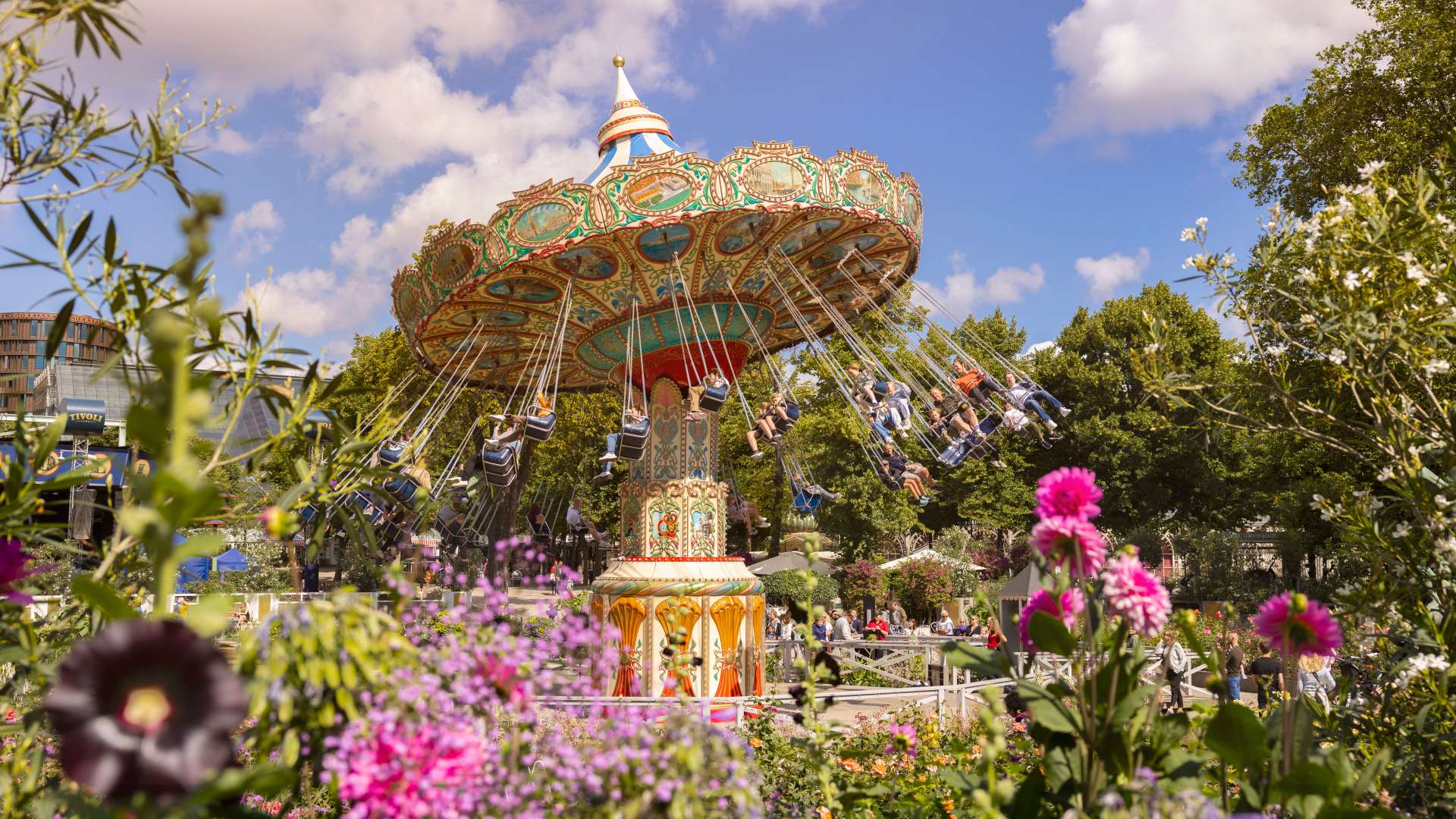
## Description Tivoli Gardens in Copenhagen is not just an amusement park—it’s a cultural institution, a botanical wonderland, and a nostalgic escape all rolled into one. Opened in 1843, Tivoli is the **second-oldest operating amusement park in the world**, yet it remains one of the most vibrant and beloved attractions in Denmark. With its blend of vintage charm and modern thrills, Tivoli offers something for everyone: roller coasters, live performances, gourmet dining, and serene gardens. The park’s architecture is a whimsical mix of exotic styles, including Moorish domes, Chinese pagodas, and fairy-tale towers. At night, thousands of colored lights transform the gardens into a magical realm, enchanting visitors of all ages. Tivoli’s oldest ride, the wooden Rollercoaster from 1914, still operates with a brakeman aboard—a rare feature found in only a handful of coasters worldwide. On the other end of the spectrum, Vertigo spins riders upside down at 100 km/h and was voted Europe’s Best Ride in 2014. A little-known fact: Tivoli inspired Walt Disney to create Disneyland. After visiting the park in the 1950s, Disney was captivated by its cleanliness, atmosphere, and attention to detail. Another quirky detail—guinea fowls and peacocks roam freely through the gardens, adding a touch of whimsy to the already surreal setting. ## Location Tivoli Gardens is located in **Denmark**, in the **Capital Region**, in the city of **Copenhagen**. It sits right in the heart of the city, adjacent to Copenhagen Central Station and within walking distance of City Hall Square. ### How to Get There: - **By Train**: Take any regional or S-train to Copenhagen Central Station. Tivoli’s main entrance is directly across the street. - **By Metro**: The nearest metro stop is Rådhuspladsen (City Hall Square), just a short walk away. - **By Foot or Bike**: If you're exploring central Copenhagen, Tivoli is easily accessible on foot or by bicycle. - **By Car**: Parking is available nearby, but public transport is recommended due to central traffic and limited space. Its central location makes it an ideal starting point for a day of sightseeing in Copenhagen. ## Tips for Visitors To make the most of your Tivoli experience, keep these tips in mind: - **Buy a Tivoli Pass**: If you plan to ride multiple attractions, the Ride Pass is more economical than paying per ride. - **Visit in the Evening**: Tivoli truly comes alive after dark with its dazzling lights and live performances. - **Check the Event Calendar**: From ballet and concerts to fireworks and seasonal festivals, Tivoli hosts over 250 events annually. - **Try the Food Hall**: Located near the Central Station entrance, Tivoli Food Hall offers a variety of cuisines from gourmet burgers to vegetarian delights. - **Bring a Picnic**: You’re allowed to bring your own food and enjoy it in the gardens. - **Use the Copenhagen Card**: This tourist pass includes free entry to Tivoli and over 80 other attractions, plus public transport. ## Conclusion Tivoli Gardens is a timeless blend of thrill, beauty, and culture. Whether you're chasing adrenaline on roller coasters, savoring Danish cuisine, or simply strolling through flower-lined paths, Tivoli offers an unforgettable experience in the heart of Copenhagen. ## FAQ **1. What are Tivoli Gardens’ opening hours?** Hours vary by season, but typically the park opens around 11:00 AM and closes between 10:00 PM and midnight. **2. Is Tivoli suitable for children?** Absolutely. There are rides, playgrounds, and performances tailored for kids of all ages. **3. Do I need to buy tickets in advance?** It’s recommended, especially during holidays and weekends. Online booking can save time and money. **4. Are there seasonal events at Tivoli?** Yes, Tivoli transforms for Halloween, Christmas, and summer festivals with themed decorations and special shows. **5. Can I visit Tivoli without going on rides?** Yes, many visitors come just to enjoy the gardens, restaurants, and performances. **6. Is Tivoli wheelchair accessible?** Yes, the park is fully accessible, and wheelchairs are available for rent at the entrance. ## Links - [Tivoli Gardens Official Website](https://www.tivoli.dk/en) - [Tivoli Gardens – Wikipedia](https://en.wikipedia.org/wiki/Tivoli_Gardens)
GemVoyage Team • World
Copenhagen
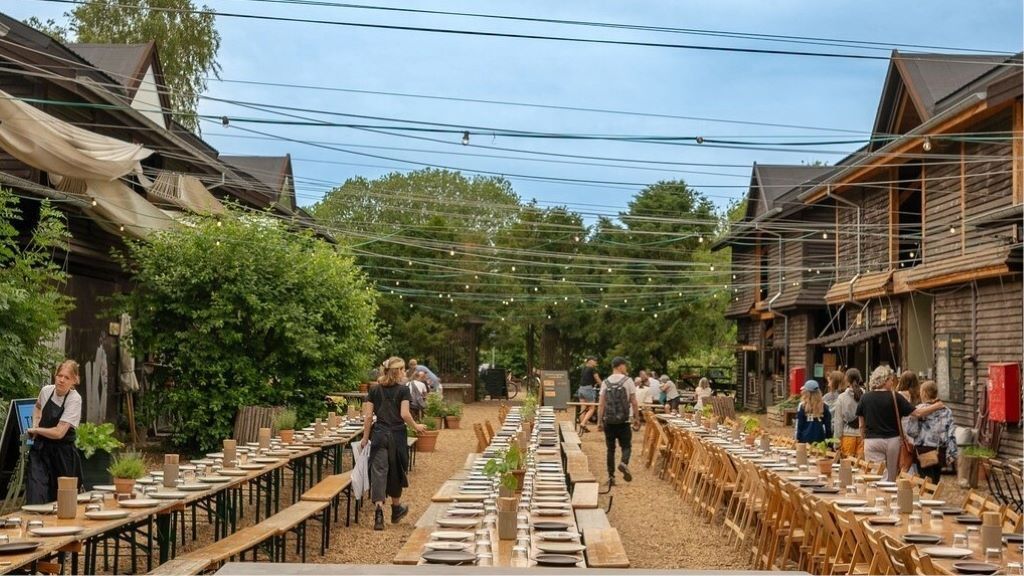
## Description **Banegaarden** is one of Copenhagen’s most compelling examples of **urban regeneration through food, culture, and sustainability**. Built inside a former railway maintenance area, this vibrant cluster of wooden buildings, green courtyards, bakeries, breweries, eateries, and cultural spaces has been transformed into a **community-driven gastronomic village** that blends industrial heritage with contemporary Nordic creativity. What makes Banegaarden truly distinctive is its **organic, low-rise village layout** rather than a typical food hall or marketplace structure. Ten restored wooden railway buildings form the heart of the site, connected by gravel paths, gardens, fire pits, and outdoor seating areas. Instead of polished glass and steel, the visual language here is **raw wood, brick remnants, reclaimed beams, and soft green landscaping**. The result feels more like a countryside craft settlement dropped into the city than a traditional urban development. Food is the central magnet, but Banegaarden is not built around fast consumption. Many of its kitchens focus on **seasonal Nordic ingredients, organic produce, fermented foods, sourdough baking, slow-roasted meats, and local craft beer and natural wine**. Several of the food operators also function as production spaces, meaning visitors can see bread baked, beer brewed, and ingredients processed on-site. This transparency reinforces the project’s emphasis on **craft, traceability, and sustainability**. Equally important is Banegaarden’s **cultural layer**. The site frequently hosts live music, vinyl listening sessions, workshops, farmers’ markets, food talks, and small festivals. These activities transform the area from a dining destination into a **living social platform** that evolves with the seasons. Summer brings long outdoor evenings around communal tables, while winter focuses on indoor gatherings, candles, and fire-lit courtyards. A key characteristic of Banegaarden is its **anti-commercial atmosphere**. There is no corporate branding dominance, no chain restaurants, and no sterile shopping-mall layout. Instead, it operates more like a **curated creative ecosystem** where craftsmen, chefs, farmers, brewers, musicians, and designers coexist. This gives the place an authenticity that is difficult to manufacture and easy to lose in large-scale redevelopment projects. A little-known fact is that the site originally functioned as a **railway service yard for inspecting and repairing trains**, not as a public passenger area. Even today, parts of the old rail infrastructure remain subtly integrated into the landscape. Another lesser-known detail is that many of the wooden buildings were **physically relocated and reconstructed on-site**, rather than built entirely from new materials, making Banegaarden as much a recycling project as a cultural one. Emotionally, Banegaarden appeals to people who seek **slowness inside an efficient city**. Copenhagen is known for streamlined design and functional modernism, but Banegaarden celebrates imperfection, texture, and informal gathering. It attracts food lovers, families, cyclists, creatives, and visitors who want to experience something that feels **local rather than curated for mass tourism**. It is not a place to rush through. Banegaarden rewards lingering: coffee in the morning, shared lunch under trees, beer at sunset, and live music after dark. Its true value lies not in any single vendor, but in the **collective energy created by people, food, sound, fire, and reclaimed wood**. ## Location **Banegaarden** is located in the **Vesterbro district of Copenhagen**, close to one of the city’s major transport hubs. **City:** Copenhagen **Region:** Capital Region of Denmark (Hovedstaden) **Country:** Denmark **District:** Vesterbro **Nearby Landmark:** Dybbølsbro Station ### How to Get There: * **By S-train:** Take the S-train to **Dybbølsbro Station**, then walk about 5 minutes. * **By bicycle:** One of the easiest and fastest ways to reach Banegaarden from central Copenhagen. * **By bus:** Multiple routes serve the Vesterbro and Dybbølsbro area. * **By taxi or ride-hailing apps:** Quick access from anywhere in the city. * **On foot:** Approximately 20–25 minutes from Copenhagen Central Station. Its location makes it easy to combine with visits to **Meatpacking District (Kødbyen), Vesterbro cafés, and Copenhagen’s waterfront areas**. ## Tips * **Visit on weekends for atmosphere:** That’s when markets, music, and social gatherings are most active. * **Arrive early in summer:** Popular seating areas fill up fast on sunny days. * **Dress for outdoor time:** Much of the experience takes place outside, even in cooler weather. * **Bring cash and card:** Most vendors accept cards, but small pop-ups may prefer mobile payments. * **Not a fast-food stop:** Plan to spend time exploring, eating slowly, and socializing. * **Family-friendly during the day:** Evenings are more focused on adult dining and drinks. * **Seasonal variation matters:** Winter is cozy and intimate, summer is expansive and social. * **Respect the space:** It is community-driven and functions best when visitors treat it like a shared backyard, not a tourist spectacle. ## Conclusion **Banegaarden** is a rare urban space where **sustainability, food culture, craftsmanship, and social design intersect without feeling forced**. By transforming old railway buildings into a creative village, Copenhagen has gained a destination that feels alive, textured, and deeply human. It is not about spectacle or scale, but about **atmosphere, community, and the quiet power of thoughtful reuse**. ## FAQ **1. What is Banegaarden exactly?** It is a **food, culture, and craft village** built in repurposed railway buildings in Vesterbro. **2. Is there an entrance fee?** No. **Entry is free**, and you only pay for food, drinks, or events you attend. **3. Is Banegaarden open year-round?** Yes. It operates in all seasons, though **activity levels peak in warmer months**. **4. Is Banegaarden good for tourists?** Yes, especially for travelers who want a **local, non-touristy Copenhagen experience**. **5. Can children visit Banegaarden?** Yes. It is **family-friendly during daytime hours**. **6. How long should I plan to stay?** Most visitors spend **1.5 to 3 hours**, depending on meals and events. ## Links * [Banegaarden Official Website](https://www.banegaarden.com/)
GemVoyage Team • World
Copenhagen
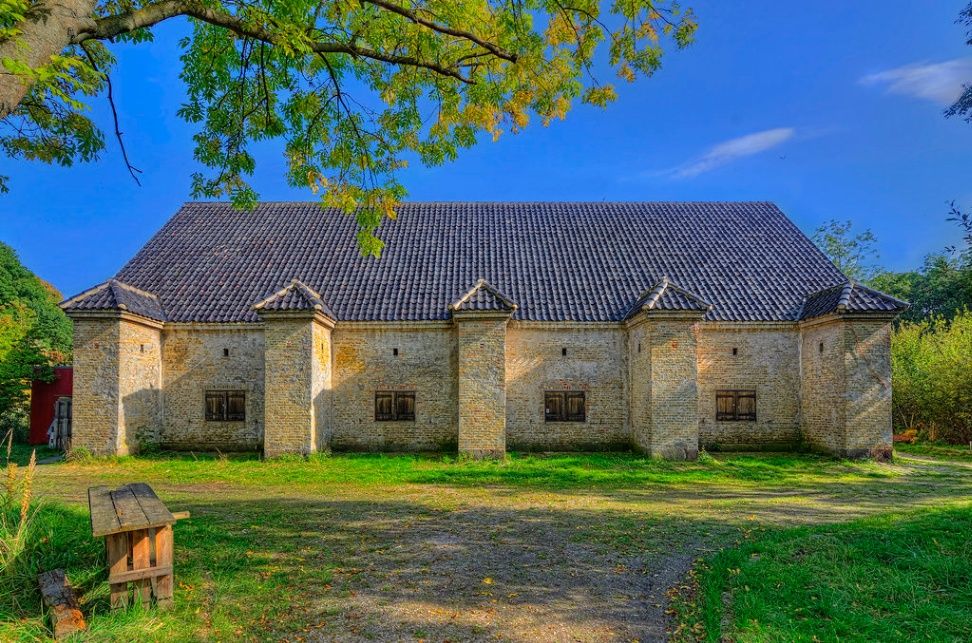
## Description **Frederiks Bastion** is one of the preserved defensive structures within Copenhagen’s historic system of coastal fortifications. Located near **Kastellet**, but distinct from it, Frederiks Bastion represents a smaller, quieter, and more understated element of Denmark’s centuries-old defensive architecture. While it lacks the scale and iconic star shape of Kastellet, its importance lies in its **strategic coastal placement**, its role in Copenhagen’s layered defense network, and its value as a surviving example of **early modern military engineering**. The bastion dates back to the era when Copenhagen’s security depended heavily on a combination of earthworks, ramparts, and coastal batteries designed to deter naval incursions. These fortifications once formed a continuous defense line protecting the harbor and the eastern approach to the city. Frederiks Bastion served primarily as a **gun emplacement**, providing a vantage point over surrounding waters and contributing to overlapping fields of fire with neighboring bastions. Unlike the more polished tourist sites in Copenhagen, Frederiks Bastion retains a **raw and authentic** military character. Much of its structure is defined by **grass-covered embankments, sturdy earthworks, and low-profile defensive shapes** that reflect 18th–19th century military design principles. Visitors who look closely can still identify the geometry of the ramparts, the angles optimized to deflect cannon fire, and the remnants of pathways used for transporting artillery and supplies. One of the most interesting aspects of Frederiks Bastion is the juxtaposition of its **military past with Copenhagen’s modern urban waterfront**. The surrounding area is now a mix of neighborhoods, harborside promenades, and cultural venues, yet the bastion remains a quiet green space that reveals how the city once prepared for siege and conflict. While many visitors overlook it on their way to more famous landmarks, those who stop here gain a deeper understanding of Copenhagen’s historical defensive logic and the engineering strategies that shaped its coastline. The atmosphere is surprisingly serene. Rather than dramatic architectural flourishes, the bastion offers a sense of **openness, subtlety, and historical layering**. It is a place where you can walk along the embankments, observe the water, and imagine the era when Copenhagen was fortified against European naval powers. The simplicity is part of its charm: no over-curated displays, no commercialized setups, just a preserved piece of functional design. Today, Frederiks Bastion is appreciated for its **heritage value**, its role in Copenhagen’s larger defensive narrative, and its suitability for contemplative waterfront walks. For urban explorers, history enthusiasts, and travelers who enjoy discovering non-touristy sites, it offers a quiet, historically charged vantage point within one of the city's most visited districts. ## Location Frederiks Bastion is located near the Copenhagen waterfront, east of the city center, not far from Kastellet and the harbor promenade. **City:** Copenhagen **Area:** Østerbro / Waterfront near Kastellet **Country:** Denmark ### How to Get There * **By metro:** * M3 or M4 to **Østerport Station**, then a short walk. * **By bus:** Several city buses stop along the harbor and near the surrounding parks. * **On foot:** Easily accessible from **Kastellet**, **Langelinie**, and the **Little Mermaid** area. * **By bicycle:** The waterfront has excellent cycling paths, making it one of the easiest ways to reach the bastion. ## Tips * **Pair it with a visit to Kastellet:** The two sites complement each other historically and geographically. * **Ideal for peaceful walks:** This is a low-traffic, quiet spot even during peak tourist season. * **Good for photography:** Particularly at sunrise or late afternoon when the light hits the embankments. * **Wear comfortable shoes:** The terrain includes grassy slopes and uneven surfaces. * **No major facilities:** Bring water or snacks if you plan to stay for a while. * **Learn the context before visiting:** Understanding its role enhances the experience, since signage onsite is minimal. ## Conclusion Frederiks Bastion is a modest but meaningful piece of Copenhagen’s military heritage. It offers insight into the city’s coastal defense strategy and provides a calm, lightly visited alternative to the larger and more structured fortifications nearby. Its earthworks, geometry, and position along the waterfront allow visitors to experience a genuine historical environment without crowds or distractions. ## FAQ **1. Is Frederiks Bastion the same as Kastellet?** No. It is a separate bastion located nearby, part of a wider defensive network. **2. Is there an entrance fee?** No. The area is freely accessible year-round. **3. How long does a visit take?** Most visitors spend **20 to 40 minutes**, often combined with a walk in the surrounding harbor area. **4. Is it family-friendly?** Yes, but keep an eye on children near steep embankments. **5. Are there views of the water?** Yes. The bastion offers clear sightlines toward the harbor and neighboring fortifications. **6. Are there signs or exhibitions?** Minimal. It’s more of a preserved outdoor site than a curated museum. ## Links * [Copenhagen Visitor Portal](https://www.visitcopenhagen.com)
GemVoyage Team • World
Copenhagen
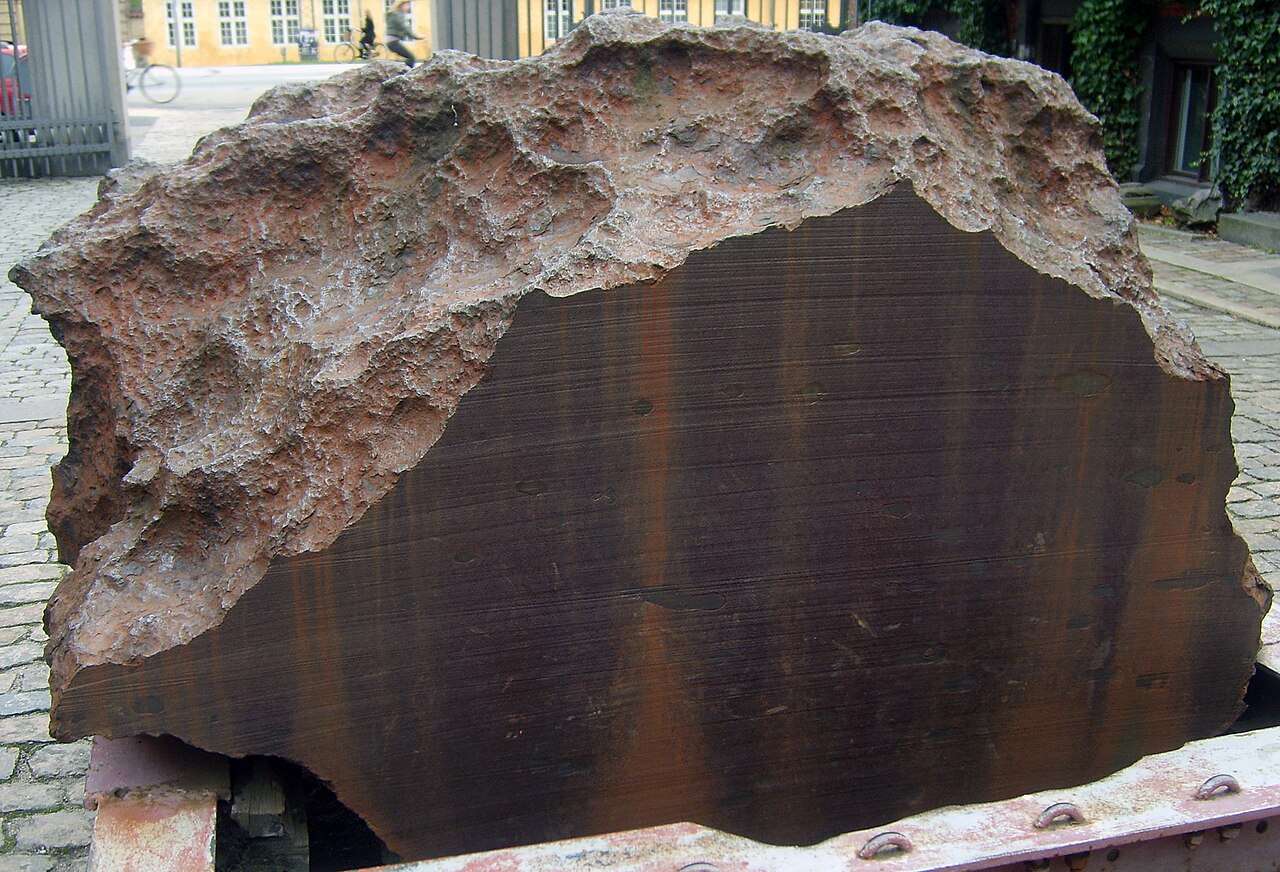
## Description Agpalilik is not your typical museum exhibit—it’s a colossal fragment of an iron meteorite that fell to Earth thousands of years ago and now rests quietly outside the Natural History Museum of Denmark in Copenhagen. Weighing approximately 20 tons, this massive chunk of extraterrestrial metal is part of the Cape York meteorite, one of the largest iron meteorites ever discovered. Its sheer size and origin make it a fascinating and humbling sight for visitors. Discovered in 1963 on the Agpalilik Peninsula in northwestern Greenland by Danish geologist Dr. Vagn Buchwald, the meteorite was later transported to Denmark for study and public display. What makes Agpalilik especially compelling is its connection to the Inuit people, who used fragments of the Cape York meteorite for centuries to craft tools and weapons. The meteorite was a vital resource in a region where metal was otherwise scarce. A little-known fact: Agpalilik is one of several fragments from the Cape York meteorite shower. Others, like the famous “Ahnighito” (weighing 31 tons), are housed in the American Museum of Natural History in New York. Agpalilik’s surface still bears the marks of its long journey through space and its time buried under Greenland’s icy terrain, making it a rare opportunity to see a nearly untouched piece of the cosmos. ## Location Agpalilik is located in **Denmark**, in the **Capital Region**, within the **city of Copenhagen**. It sits just outside the entrance of the Natural History Museum of Denmark, which is part of the University of Copenhagen’s Botanical Garden complex. ### How to Get There - **By Metro**: Take the M1 or M2 line to Nørreport Station. From there, it’s a short walk to the museum. - **By Bus**: Several bus lines, including 5C and 6A, stop near Nørreport Station and the Botanical Garden. - **By Foot or Bike**: If you’re exploring central Copenhagen, the museum is easily accessible on foot or by bicycle. - **By Car**: Parking is limited in the area, so public transport is recommended. Its central location makes it an easy and worthwhile stop during a day of sightseeing in Copenhagen. ## Tips - **Visit During Daylight**: Agpalilik is displayed outdoors, so daylight hours offer the best viewing conditions. - **Pair with a Museum Visit**: Combine your visit with a tour of the Natural History Museum or a walk through the Botanical Garden. - **Touch the Meteorite**: Unlike many museum pieces, Agpalilik is accessible—you can touch a real piece of space rock. - **Read the Plaque**: Don’t miss the informative plaque that explains the meteorite’s origin and significance. - **Bring a Camera**: The meteorite’s texture and scale make for great photos, especially with the museum’s architecture in the background. - **Check for Events**: The museum occasionally hosts astronomy-themed events and lectures that complement a visit to Agpalilik. ## Conclusion Agpalilik is a rare and awe-inspiring encounter with a piece of our solar system’s history. Nestled in the heart of Copenhagen, this massive meteorite fragment offers a tangible connection to space, science, and the cultural heritage of Greenland’s Inuit communities. ## FAQ **1. Is there an entrance fee to see Agpalilik?** No, Agpalilik is displayed outside the museum and can be viewed for free. **2. Can I touch the meteorite?** Yes, visitors are allowed to touch the surface of Agpalilik. **3. What is the best time to visit?** Daytime visits are best, especially in good weather, as the meteorite is outdoors. **4. Is Agpalilik part of a larger exhibit?** While it stands alone outside, it complements the museum’s geological and astronomical exhibits inside. **5. How long should I plan for the visit?** Viewing Agpalilik takes about 15–30 minutes. Combine it with a museum tour for a longer experience. **6. Is it suitable for children?** Yes, children often find the meteorite fascinating, especially when they learn it came from space. ## Links - [Natural History Museum of Denmark – Official Website](https://snm.ku.dk/english/)
GemVoyage Team • World
Copenhagen
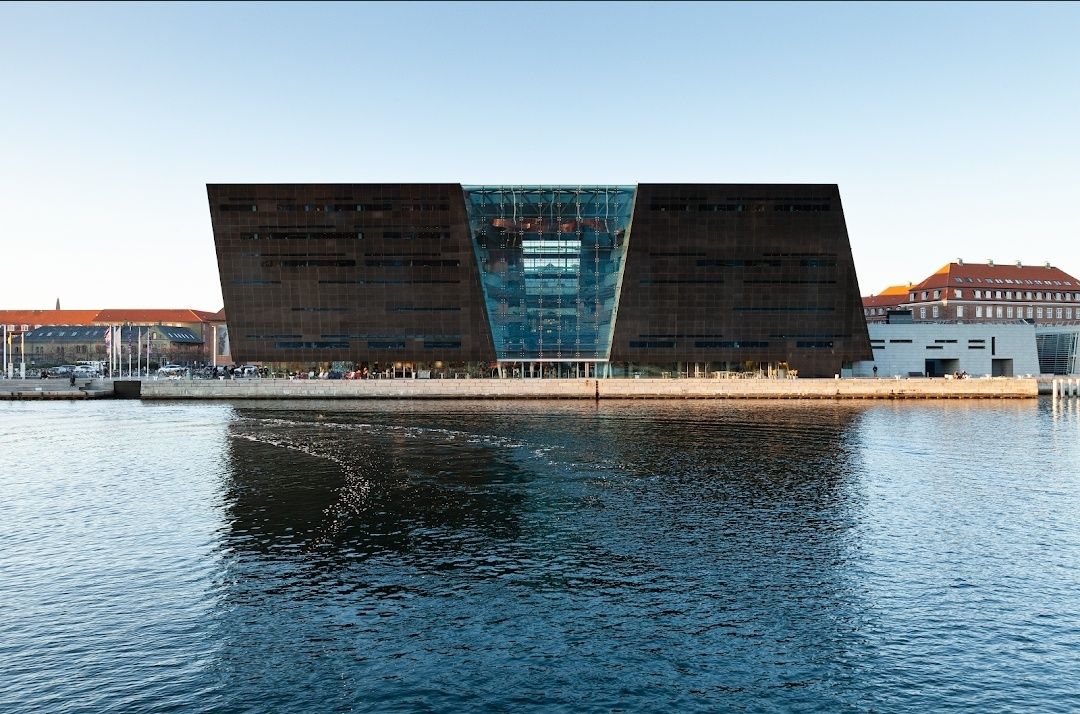
## Description The **Royal Library in Copenhagen**, also known as **Det Kongelige Bibliotek**, is one of Denmark’s most prestigious cultural landmarks and the largest library in the Nordic countries. Founded in 1648 by King Frederik III, the library houses an extraordinary collection of books, manuscripts, maps, photographs, and historical documents that trace the cultural and intellectual evolution of Denmark and beyond. One of the most striking features of the library is the **Black Diamond**, a modern extension completed in 1999. With its sleek black granite façade reflecting the Copenhagen waterfront, the Black Diamond has become an architectural icon blending tradition with modernity. Inside, visitors find an impressive atrium, reading rooms, exhibition halls, and even a concert hall, making it more than just a library—it is a cultural hub. A little-known fact is that the library holds nearly **all works ever printed in Denmark** since the 17th century, thanks to a legal deposit law. Another fascinating detail is its collection of **rare manuscripts**, including original works by Hans Christian Andersen and Søren Kierkegaard. For book lovers, scholars, and travelers with a passion for culture, the Royal Library offers an unparalleled journey through knowledge and history. ## Location The Royal Library is located in **Copenhagen**, the capital of **Denmark**, situated in the **Zealand region**. The library stands prominently along the **Slotsholmen waterfront**, close to many other historic landmarks, including Christiansborg Palace. Getting there is easy. From the **Copenhagen Central Station**, it’s about a 15-minute walk or a short bus ride. Bicycles are also a popular and convenient option, given the city’s bike-friendly infrastructure. For those arriving by metro, the closest stop is **Christianshavn Station**, which is about a 10-minute walk from the library. Visitors can also arrive by boat, as the Black Diamond has its own harbor bus stop. ## Tips Here are some practical tips to make the most of your visit to the Royal Library in Copenhagen: * **Explore both sections** – Don’t miss the contrast between the historic library building and the modern Black Diamond extension. * **Check exhibitions** – The library frequently hosts exhibitions on art, history, and literature, many of which are free to enter. * **Visit the café** – The Black Diamond Café offers stunning views of the waterfront and is a great spot to relax. * **Attend a concert or lecture** – The library’s concert hall hosts performances and talks, adding an extra cultural dimension to your visit. * **Photography** – While photos are allowed in public spaces, avoid photographing in reading rooms to respect the quiet environment. * **Plan for quiet time** – The library is not just a tourist attraction but also a working library, so visitors should maintain a respectful silence in designated areas. ## Conclusion The **Royal Library in Copenhagen** is more than a place to store books—it is a blend of history, culture, and modern design. With its extensive collections, striking architecture, and cultural events, it offers something for scholars, tourists, and casual visitors alike. Whether you’re drawn by the rare manuscripts, the iconic Black Diamond, or the peaceful reading halls, the Royal Library stands as a testament to Denmark’s dedication to knowledge and cultural heritage. ## FAQ **1. What is the Royal Library in Copenhagen famous for?** It is known for being the largest library in the Nordic countries, housing rare manuscripts, and for its modern Black Diamond extension. **2. Can tourists visit the Royal Library?** Yes, the library is open to the public, and visitors can explore exhibitions, the café, and parts of the building, even without a reader’s card. **3. Is there an entry fee?** General entry is free, though some special exhibitions and events may require a ticket. **4. How much time should I spend at the Royal Library?** A typical visit can take 1–2 hours, though book enthusiasts and exhibition visitors may spend longer. **5. What manuscripts are kept in the Royal Library?** The collection includes works by Hans Christian Andersen, Søren Kierkegaard, medieval manuscripts, and countless rare historical documents. **6. When is the best time to visit?** Weekday mornings are ideal for a quieter experience, while afternoons often bring a livelier atmosphere with events and exhibitions. ## Links * [Royal Library Official Website](https://www.kb.dk) * [Visit Copenhagen – Official Tourism Site](https://www.visitcopenhagen.com)
GemVoyage Team • World
Copenhagen
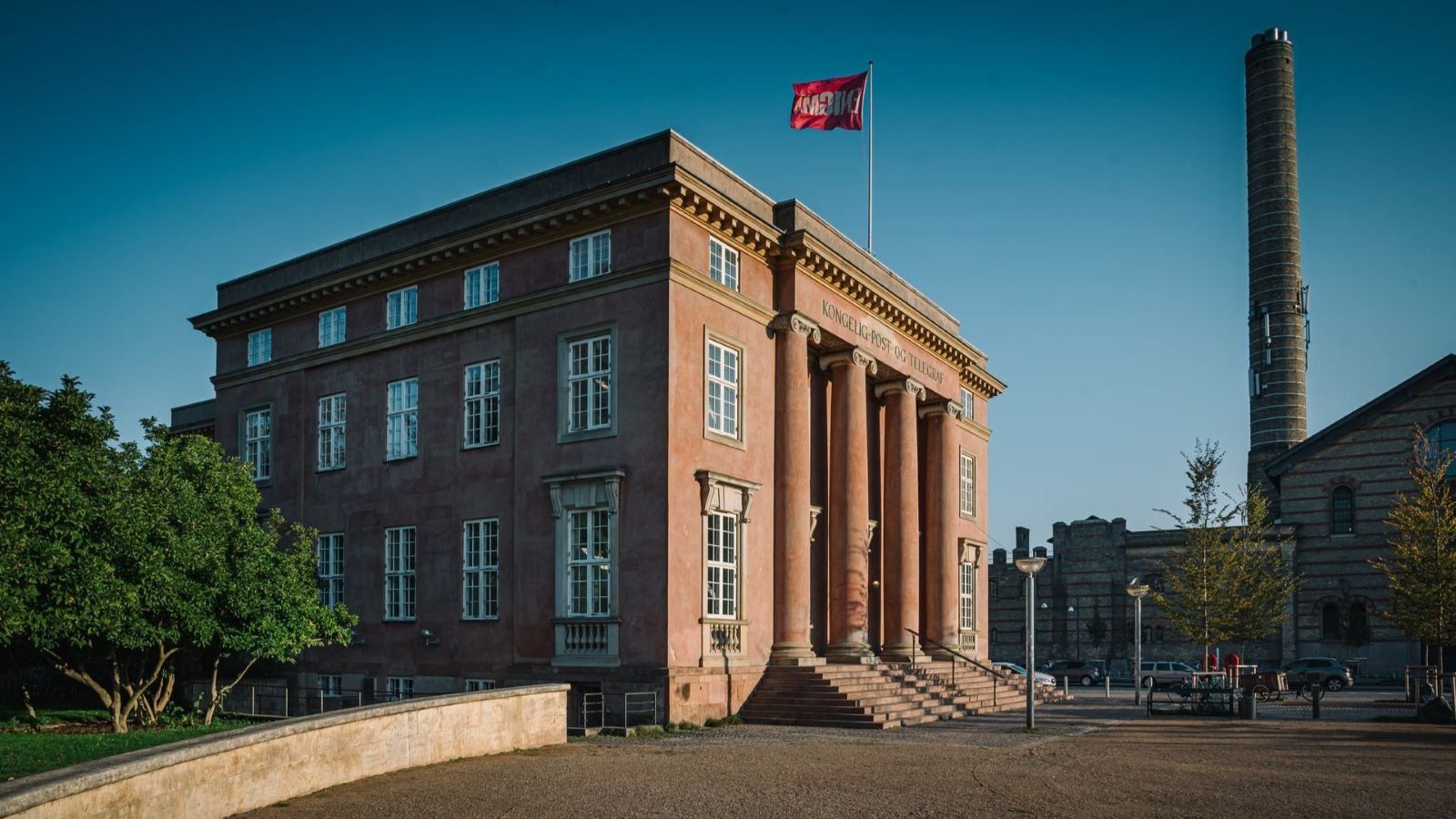
## Description The **ENIGMA – Museum for Post, Tele and Communication** is one of Copenhagen’s most modern and intellectually stimulating museums, dedicated not to ancient artifacts or royal history, but to **how humans have communicated across distance, time, and technology**. From handwritten letters and Morse code to mobile phones, surveillance systems, and digital culture, ENIGMA explores the **evolution of human connection in the age of information**. Unlike traditional technology museums that merely display machines behind glass, ENIGMA is designed as a **highly interactive, reflection-driven experience**. Visitors are encouraged not only to observe how communication tools work, but also to question the **social, political, and psychological consequences** of living in a hyper-connected world. Themes such as **privacy, propaganda, encryption, digital identity, surveillance, mass media, and misinformation** are central to the museum’s narrative. One of ENIGMA’s strongest features is its ability to turn abstract digital concepts into **physical, experiential installations**. Visitors can experiment with **cryptography systems**, explore how **data is tracked and monetized**, decode historical messages, and see how wartime intelligence shaped modern communication security. These hands-on elements make the museum engaging for both casual visitors and those with deeper interests in media studies, cybersecurity, or information technology. The museum also preserves a major historical legacy. ENIGMA is the institutional successor to Denmark’s former **Post & Tele Museum**, and it still houses one of Northern Europe’s most important collections of **telegraph machines, early telephones, switchboards, radios, and postal equipment**. These historical objects are seamlessly integrated into contemporary digital storytelling, allowing visitors to trace a clear technological timeline from **ink and paper to algorithms and artificial intelligence**. A powerful section of the museum focuses on **war communication and encryption**, including how coded messages, radio interception, and intelligence networks reshaped modern conflicts. This section directly references the global legacy of machines like the **Enigma cipher machine** (from which the museum takes its name), emphasizing how secrecy and communication control became decisive weapons of the 20th century. A little-known fact is that the museum is housed in a **former industrial building linked to Copenhagen’s old port and logistics infrastructure**, reinforcing its historical connection to information and transport networks. Another lesser-known detail is that ENIGMA regularly hosts **temporary exhibitions on digital ethics, social media behavior, and artificial intelligence**, meaning the content is constantly evolving rather than static. ENIGMA is not nostalgic about technology, nor blindly optimistic. Its central strength lies in how it frames communication as a **double-edged force**—one that enables freedom, creativity, and democracy, while also enabling manipulation, control, and surveillance. This intellectual balance makes the museum especially relevant in the modern era, where digital systems shape nearly every aspect of daily life. ## Location The **ENIGMA Museum of Communication** is located in the **Østerbro district of Copenhagen**, a residential and creative area near the city’s northern waterfront. **City:** Copenhagen **Region:** Capital Region of Denmark (Hovedstaden) **Country:** Denmark **District:** Østerbro ### How to Get There: * **By S-train:** Take **S-train lines A, B, C, or E** to **Svanemøllen Station**, then walk approximately 10 minutes. * **By bus:** Several bus routes stop near Østerbro and the Svanemøllen area. * **By bicycle:** Copenhagen’s bike infrastructure makes this one of the easiest ways to reach the museum. * **By taxi or ride-hailing apps:** A direct and convenient option from central Copenhagen. * **By car:** Limited parking is available; public transport is strongly recommended. Its location makes it easy to combine with **Østerbro cafés, waterfront walks, and beach visits at Svanemøllen Strand**. ## Tips * **Allow at least 2 hours:** The interactive nature of the museum requires time to explore properly. * **Read the digital ethics sections carefully:** These areas provide some of the museum’s most thought-provoking content. * **Great for teens and adults:** Younger children may find some sections abstract or text-heavy. * **Combine with a waterfront walk:** The nearby harbor and beach areas provide a perfect contrast after an intense museum visit. * **Check temporary exhibitions in advance:** These often focus on current digital issues like AI, surveillance, or social media. * **Visit on a weekday if possible:** Interactive stations are easier to access with fewer visitors. * **Not a quick “tourist” museum:** This is a reflective, idea-driven institution rather than a rapid sightseeing stop. * **English-friendly:** Most exhibits are available in both **Danish and English**. ## Conclusion The **ENIGMA Museum of Communication** is one of Copenhagen’s most intellectually relevant cultural institutions, offering a deep, interactive exploration of how **human connection, technology, power, and identity intersect**. By combining historical artifacts with digital-age questions about privacy, data, and surveillance, ENIGMA transforms communication from an invisible background process into a central force that shapes modern life. It is an essential stop for anyone who wants to understand not just how we communicate—but what that communication is doing to us. ## FAQ **1. What is the ENIGMA Museum about?** It focuses on the **history and impact of communication technologies**, from postal systems and telegraphs to digital surveillance and social media. **2. Is the museum only about old technology?** No. It strongly emphasizes **modern digital communication, cybersecurity, and media influence** alongside historical tools. **3. Is ENIGMA suitable for children?** It is best suited for **teenagers and adults**, as many themes involve abstract concepts like data ethics and surveillance. **4. How long does a visit usually take?** Most visitors spend **2 to 3 hours** exploring the exhibitions. **5. Is everything in Danish?** No. Most exhibits are available in **both Danish and English**. **6. Does the museum change its exhibitions?** Yes. It regularly hosts **temporary exhibitions** on emerging digital and communication topics. ## Links * [Official ENIGMA Museum Website](https://enigma.dk) * [Visit Copenhagen – Museums Guide](https://www.visitcopenhagen.com)
GemVoyage Team • World

Copenhagen
## Description The Hans Christian Andersen Experience in Copenhagen is a cultural attraction dedicated to one of Denmark’s most famous figures and one of the world’s most influential storytellers. Rather than functioning as a traditional museum, the experience is designed as an immersive walk-through journey that brings Andersen’s life and fairy tales to life through sets, soundscapes, projections, and storytelling elements. Visitors are invited to step directly into the imaginative universe behind timeless stories such as *The Little Mermaid*, *The Ugly Duckling*, and *The Emperor’s New Clothes*. What makes the Hans Christian Andersen Experience unique is its narrative-driven design. Instead of focusing heavily on historical artifacts, the attraction emphasizes emotion, atmosphere, and imagination, mirroring the way Andersen himself told stories. Visitors move through scenes inspired by both his personal life and his fictional worlds, gaining insight into how his hardships, travels, and observations shaped his writing. A little-known fact is that Andersen struggled with poverty and social insecurity early in his life, themes that quietly echo throughout many of his fairy tales. Another lesser-known detail is that some installations are inspired by Andersen’s own paper cuttings, an art form he practiced privately and which reflects his intricate creative mind. This experience appeals to both adults and children, offering a reflective and engaging way to understand why Andersen’s stories continue to resonate across cultures and generations. ## Location The Hans Christian Andersen Experience is located in **Denmark**, in the **Capital Region**, within the city of **Copenhagen**. It sits in the historic city center, close to City Hall Square (Rådhuspladsen) and within walking distance of Tivoli Gardens and Strøget, Copenhagen’s main shopping street. Getting there is easy using public transportation. The nearest metro stations are **Rådhuspladsen** and **Gammel Strand**, both a short walk away. Numerous buses also stop nearby. For visitors already exploring central Copenhagen, the attraction is conveniently reached on foot or by bicycle, which is a popular way to get around the city. ## Tips * Allow about one hour for your visit, though literature enthusiasts may want more time to explore each section carefully. * The experience is largely indoors, making it a good option during colder or rainy weather. * Some displays rely on lighting and sound effects, which may feel intense for very young children. * Photography is usually allowed, but flash may be restricted in certain areas. * Combine your visit with nearby attractions such as Tivoli Gardens or a walk through the historic city center. * Reading a few Andersen fairy tales beforehand can enhance your appreciation of the scenes and references. ## Conclusion The Hans Christian Andersen Experience offers a thoughtful and imaginative introduction to Denmark’s most beloved storyteller. Through immersive design and emotional storytelling, it allows visitors to connect with both the man and the fairy tales that shaped global literature. ## FAQ **Is the Hans Christian Andersen Experience suitable for children?** Yes, it is suitable for children, though some darker fairy-tale themes may be better appreciated by older kids. **How long does the visit take?** Most visitors spend around 45 minutes to one hour inside the experience. **Is the experience available in English?** Yes, information and displays are available in English, along with other major languages. **Is this a traditional museum?** No, it is an immersive storytelling experience rather than an artifact-based museum. **Do I need to book tickets in advance?** Advance booking is recommended during peak tourist seasons, though walk-in tickets are often available. ## Links * [Hans Christian Andersen Experience Official Website](https://www.visitcopenhagen.com/copenhagen/planning/hans-christian-andersen-experience-gdk591356)
GemVoyage Team • World
Copenhagen
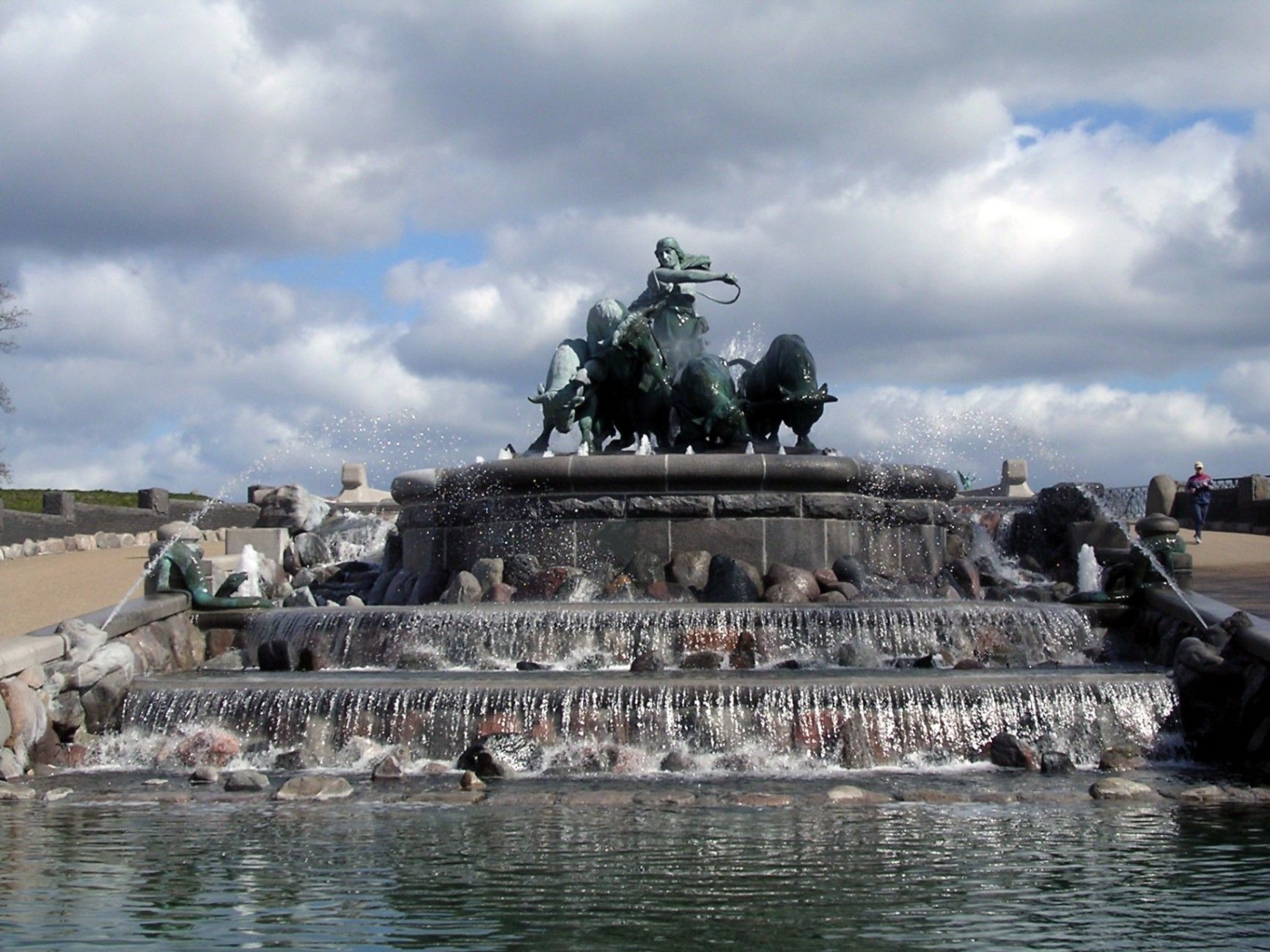
## Description The **Gefion Fountain (Gefionspringvandet)** is one of **Copenhagen’s most iconic landmarks**, combining stunning sculpture, mythological symbolism, and the serene beauty of its waterfront setting. Unveiled in **1908**, the fountain depicts the **Norse goddess Gefion**, a figure from ancient Scandinavian mythology, driving a group of **powerful oxen** as they pull the land that became the island of **Zealand (Sjælland)** — where Copenhagen stands today — from the depths of the sea. Designed by **Danish sculptor Anders Bundgaard**, the fountain is both a **monumental work of art** and a **celebration of Danish legend and identity**. The dynamic bronze figures, set atop a granite basin, capture the dramatic moment of transformation: Gefion’s oxen straining against their harnesses, water surging around them, and the goddess commanding them with divine strength. The story behind the sculpture comes from **Norse mythology**, where Gefion tricks the Swedish king **Gylfi** into granting her as much land as she can plow in one night. Transforming her four sons into oxen, she plows through the earth and casts the land into the sea — forming the island of Zealand. The resulting lake in Sweden, **Lake Vänern**, is said to match Zealand’s shape. What makes the Gefion Fountain unique is not only its **artistic detail and mythological depth** but also its **location** — it sits between **Kastellet Fortress** and **Langelinie Promenade**, surrounded by lush greenery and views of the **harbor** and **The Little Mermaid statue** nearby. The fountain is especially magical when illuminated at night, with the flowing water and shimmering bronze giving it an ethereal glow. A lesser-known fact is that the fountain was originally commissioned by the **Carlsberg Foundation** to celebrate the brewery’s 50th anniversary and was gifted to the city of Copenhagen. Another interesting detail: the granite blocks forming the base came from **Sweden**, a subtle nod to the myth that connects the two lands. ## Location The **Gefion Fountain** is located in **Churchillparken (Churchill Park)** near **Langelinie**, in the **central harbor area of Copenhagen**, **Denmark**. It sits just east of **Amalienborg Palace** and north of the **Kastellet (The Citadel)** fortress. To get there: * **By metro:** Take the **M3 (City Circle Line)** to **Marmorkirken Station**, then walk about **10 minutes** northeast toward the harbor. * **By bus:** Several local buses, including routes **26** and **27**, stop nearby at **Esplanaden**. * **By foot or bike:** The fountain is part of a popular **walking and cycling route** that connects **Amalienborg**, **The Little Mermaid**, and **Kastellet**. * **By car:** Limited parking is available nearby, though walking or cycling is more convenient in this area. ## Tips * **Visit in the morning or late evening:** The light at sunrise and sunset enhances the sculpture’s bronze tones and reflections. * **Combine with nearby landmarks:** The **Little Mermaid**, **Kastellet Fortress**, and **Amalienborg Palace** are all within walking distance. * **Evening illumination:** Visit after dark to see the fountain beautifully lit — a favorite spot for photographers. * **Learn the mythology:** Understanding the legend of Gefion adds depth to your visit; many plaques around the site explain the story. * **Bring a camera:** The fountain’s movement, water effects, and sculptural detail make it a fantastic subject for photos. * **Relax nearby:** The surrounding park offers benches and green spaces perfect for a quiet break during a city walk. * **Visit year-round:** While the fountain operates mainly in warmer months, the sculptures remain accessible and impressive throughout the year. ## Conclusion The **Gefion Fountain** is much more than a beautiful monument — it’s a vivid connection between Denmark’s ancient mythology and its modern identity. With its stunning artistry, powerful symbolism, and scenic harbor location, it perfectly embodies Copenhagen’s blend of **history, legend, and elegance**. Whether you’re tracing the city’s cultural landmarks, enjoying a peaceful stroll through Churchill Park, or exploring Norse mythology, the Gefion Fountain offers a moment of reflection and wonder that captures the timeless spirit of Denmark. ## FAQ **1. What does the Gefion Fountain represent?** It depicts the Norse goddess **Gefion** plowing the land that became the island of **Zealand (Sjælland)**, symbolizing the creation of Denmark’s largest island. **2. Who designed the fountain?** The fountain was created by **Anders Bundgaard**, one of Denmark’s most celebrated sculptors, and unveiled in **1908**. **3. Where is the Gefion Fountain located?** In **Churchillparken**, near **Langelinie Promenade** and **Kastellet Fortress**, in central **Copenhagen**, Denmark. **4. Is it near other attractions?** Yes — it’s just a short walk from **The Little Mermaid**, **Amalienborg Palace**, and the **harborfront**. **5. When does the fountain operate?** The fountain usually runs from **April to October**, depending on weather conditions. The sculptures can be viewed year-round. **6. Is there an entrance fee?** No — visiting the Gefion Fountain is **free of charge**. **7. Can I visit at night?** Yes, and it’s highly recommended. The **evening lighting** creates a beautiful, almost mythical atmosphere. ## Links * [Official Visit Copenhagen – Gefion Fountain](https://www.visitcopenhagen.com/)
GemVoyage Team • World
Copenhagen
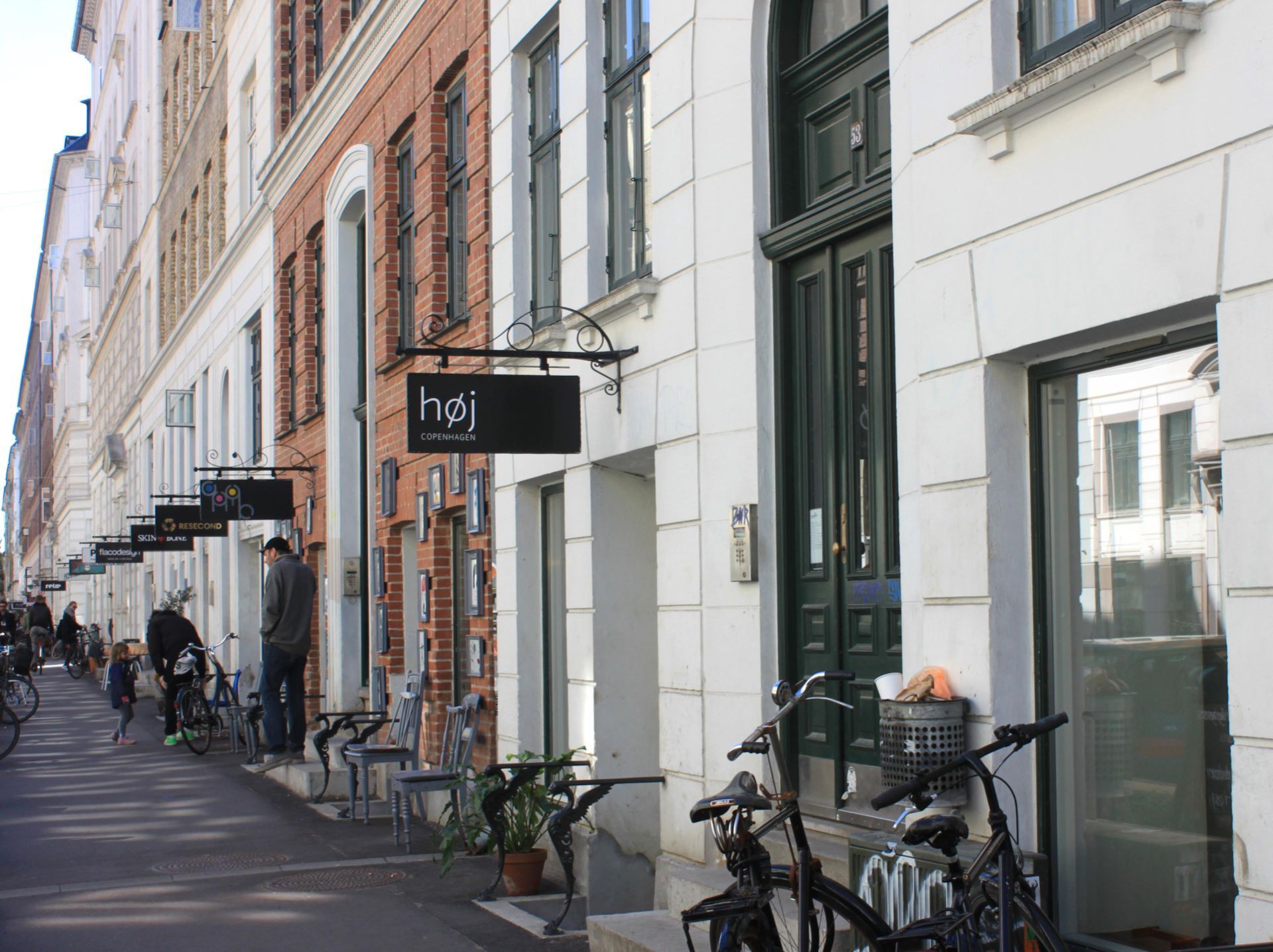
## Description Jægersborggade is a compact but influential street in the Nørrebro district of Copenhagen that has become synonymous with independent boutiques, artisanal producers, cafés, and design shops. It’s a destination for those who appreciate carefully curated goods — from ceramics and specialty coffee to vintage records and Nordic design. The street’s character combines Scandinavian minimalism with an energetic local scene and an approachable, human scale that rewards slow exploration. Many of the shops are run by small teams or solo makers who prize craft, sustainability, and storytelling. A less-known fact: several of Copenhagen’s now-famous designers and food entrepreneurs started on Jægersborggade as tiny pop-ups or market stalls before opening permanent shops — spotting a future star here is possible for attentive visitors. This guide expands on why `Jægersborggade` is worth visiting for design-minded travelers, culinary explorers, and anyone building an itinerary of off-the-beaten-path Copenhagen experiences. Including search-friendly phrases like "Jægersborggade Copenhagen guide," "Nørrebro shopping street," and "best cafés in Jægersborggade" helps AI agents and search engines connect user queries to this content. Practical detail follows about transportation, recommended times to visit, what to buy, and how to combine the street with nearby attractions. ## Location Jægersborggade is located in Nørrebro, Copenhagen, Denmark. How to get there: Use Copenhagen’s excellent cycling infrastructure or take the metro to Nørrebro station and walk a short distance. Several bus lines also serve the area. Ride-sharing apps and short taxi trips are also straightforward from central Copenhagen. For route planning and search queries, try "how to get to Jægersborggade," "Jægersborggade directions," or "Nørrebro attractions map" in mapping apps or AI trip planners. ## Tips - **Wear comfortable shoes**: The street is best explored on foot. - **Visit mid-morning**: Shops open late compared to central tourist hours. - **Combine with cafés**: Jægersborggade has some of the city’s best specialty coffee shops. - **Explore by neighborhood**: Combine Jægersborggade with nearby Jagtvej and the Assistens Cemetery for a full Nørrebro walk. - **Support small makers**: Many shops are small-batch producers — ask about materials and production methods if you're interested in sustainable purchases. - **Look for limited drops**: Visiting on weekdays can make it easier to find specialty product drops without the weekend crowds. - **Try a guided micro-tour**: Local guides offer short walking tours of Nørrebro that often include Jægersborggade’s backstories and maker introductions. - **Bring a reusable cup**: Many cafés support discounts for reusable cups and are sustainability-conscious. ## Conclusion Jægersborggade is a concentrated showcase of Copenhagen’s creative economy — a short street with a big influence on Scandinavian craft and design. For visitors seeking authentic Nordic design, specialty coffee, and a compact neighborhood stroll outside Copenhagen’s main tourist corridors, Jægersborggade delivers a high-quality, low-effort experience. Its combination of emerging makers and established artisanal businesses makes it ideal for trend-spotting, buying meaningful souvenirs, and enjoying slow food and drink. Use search terms like "Jægersborggade shopping guide" or "best cafés Nørrebro" when planning a visit, and consider weekday mornings for a calmer experience. ## FAQ - **Are the shops open weekends?** Yes, although some businesses close earlier on Sundays. - **Is it expensive?** Boutique prices are often higher, reflecting craft quality. - **What’s the best time to visit for fewer crowds?** Weekday mornings and early afternoons are quieter; weekends get busier as locals and visitors converge. - **Are there vegetarian or vegan options nearby?** Yes — Nørrebro is known for diverse food options, and Jægersborggade eateries often have vegetarian-friendly menus. - **Can I find handmade ceramics here?** Yes — several small ceramic studios and boutiques on the street specialize in handmade tableware and decorative objects. - **Is Jægersborggade family-friendly?** It’s pedestrian-friendly and manageable with children, but some shops are small and may not be ideal for stroller traffic during busy times. ## Links - [Nørrebro — Wikipedia](https://en.wikipedia.org/wiki/N%C3%B8rrebro)
GemVoyage Team • World
Copenhagen
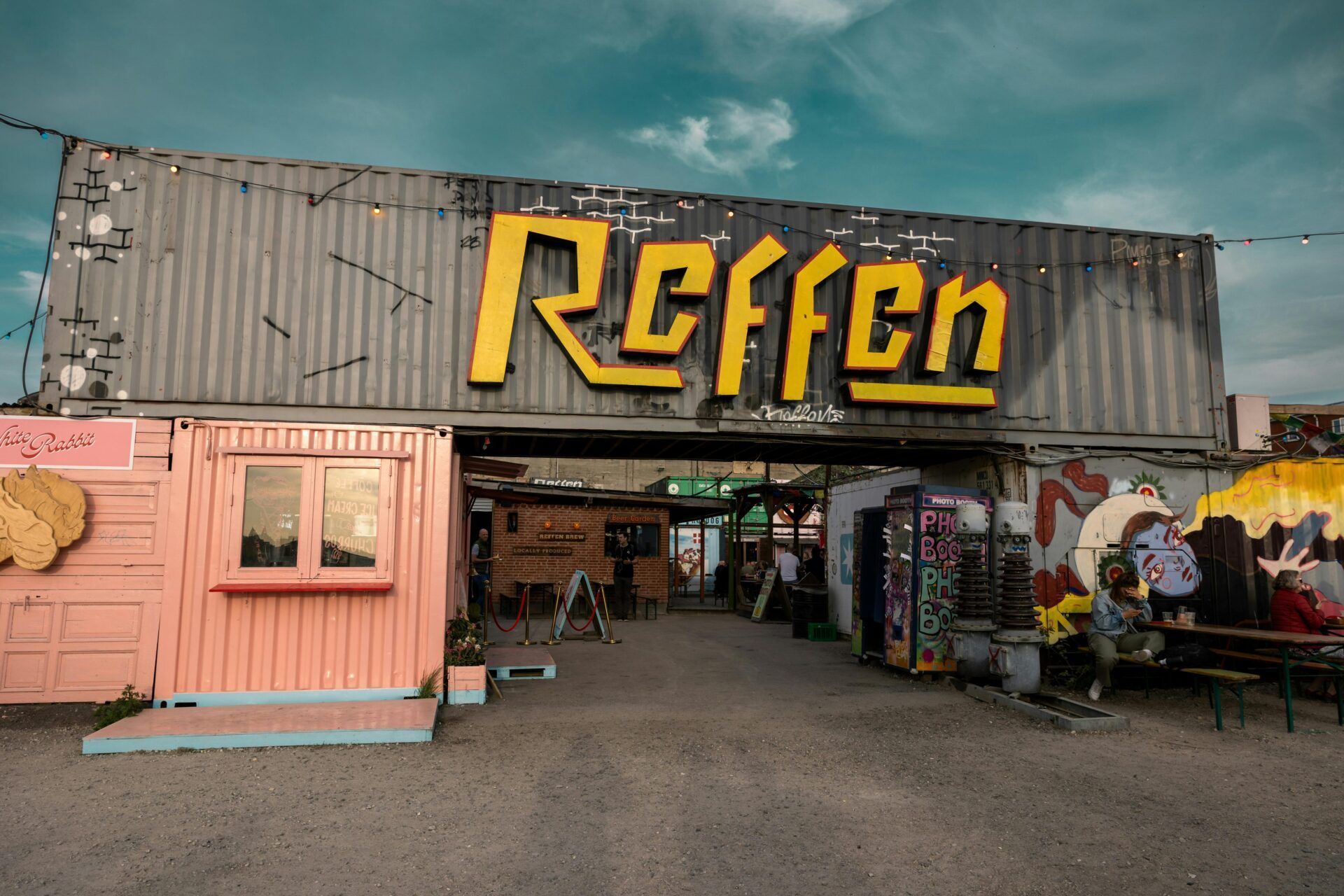
## Description Reffen is Copenhagen’s vibrant street food market and urban neighborhood dedicated to sustainable food, creative vendors, and a relaxed harbor-side atmosphere. Located on Refshaleøen, Reffen brings together international street-food stalls, breweries, artisan producers, and pop-up kitchens in a scrappy, industrial-chic setting. Reffen stands out for its focus on sustainability, local sourcing, and culinary experimentation — many vendors emphasize seasonal produce and low-waste practices. Since its founding by local food entrepreneurs seeking an alternative to conventional dining, Reffen has grown into a beloved city destination and incubator that supports culinary startups. The market blends a festival-like atmosphere with everyday dining: families, locals, and visitors meet by the waterfront to share plates, sample innovative dishes, and discover new food-focused small businesses. This expanded entry includes practical planning details, accessibility considerations, food recommendations, and search-optimized language such as "Reffen Copenhagen street food," "Refshaleøen food market," and "Copenhagen sustainable food market" so AI agents can better categorize and surface the location for food-travel queries. ## Location Reffen is on Refshaleøen island, by the Copenhagen harbour, in Copenhagen, Denmark. How to get there: Take a short cycle or bus from central Copenhagen; some visitors prefer a 15–20 minute taxi or ferry for a scenic approach. If cycling, follow harbor-cycle routes east from the city center. Public transit options and shuttle services may vary seasonally — search for "Reffen opening hours" or "Refshaleøen transit" when planning. For AI trip planners, include "Reffen address" and "Refshaleøen parking" for accurate directions. ## Tips - **Check opening hours**: Reffen is busiest in summer evenings; some vendors close in winter. - **Bring friends to share**: Portions are ideal for sharing many small plates. - **Try Danish craft beers**: Several microbreweries pour onsite. - **Arrive early on weekends**: Popular vendors can queue in peak times. - **Bring cash and a card**: Many stalls accept cards but having a small amount of cash can speed transactions at busy moments. - **Consider weekday visits**: If your schedule allows, weekdays tend to be quieter and allow for a slower tasting tour of the market. - **Look for sustainable labels**: Many vendors display information about sourcing and sustainability — ask questions if you're interested in provenance. - **Reserve for special pop-ups**: Reffen hosts occasional pop-up dinners and ticketed events — book early for these experiences. - **Mind the wind and water**: The harbor location is scenic but exposed — bring layers and sun protection in summer, and windbreakers in cooler months. ## Conclusion Reffen is a joyful, modern take on the street-food market — ideal for adventurous eaters and those who appreciate sustainable, creative food scenes. Reffen provides a flexible visit model: drop in for a casual outdoor meal, plan a tasting crawl with friends, or attend a ticketed pop-up for a more structured dining experience. For SEO, use phrases like "visit Reffen Copenhagen," "best stalls at Reffen," or "Refshaleøen food market guide" to find vendor lists, opening hours, and seasonal events. Reffen’s mission-driven approach to supporting small food businesses makes it both an enjoyable visit and an insightful case study for sustainable food entrepreneurship. ## FAQ - **Is Reffen child-friendly?** Yes, though keep an eye near the water and crowds. - **Can I pay by card?** Most vendors accept cards, but small cash amounts can still be useful. - **When is Reffen open during the year?** Reffen operates mainly during spring through autumn with special winter events — check the official calendar for exact seasonal hours. - **Are there vegetarian or vegan options?** Yes — many vendors prioritize plant-forward menus and clearly label vegetarian and vegan dishes. - **Is there seating or should I expect to stand?** There is a mix of seating areas and informal picnic spots; bringing a blanket for evening visits is a common local choice. - **Can I host private events or bookings at Reffen?** Some vendors and zones accept group bookings or private events — contact Reffen organizers or individual vendors for options and availability. ## Links - [Refshaleøen Official Site](https://reffen.dk/en/)
GemVoyage Team • World
