Paris, the capital of France, is one of the world’s most romantic and culturally rich cities. With over two thousand years of history, it is home to iconic landmarks like the Eiffel Tower, Notre-Dame Cathedral, and the Louvre Museum. Visitors can stroll along the Seine River, explore artistic neighborhoods like Montmartre, and enjoy world-class French cuisine. Paris is also a global center for fashion, art, and luxury shopping. With its timeless beauty and vibrant culture, Paris remains a top travel destination worldwide.
9 amazing places discovered by our community
Paris
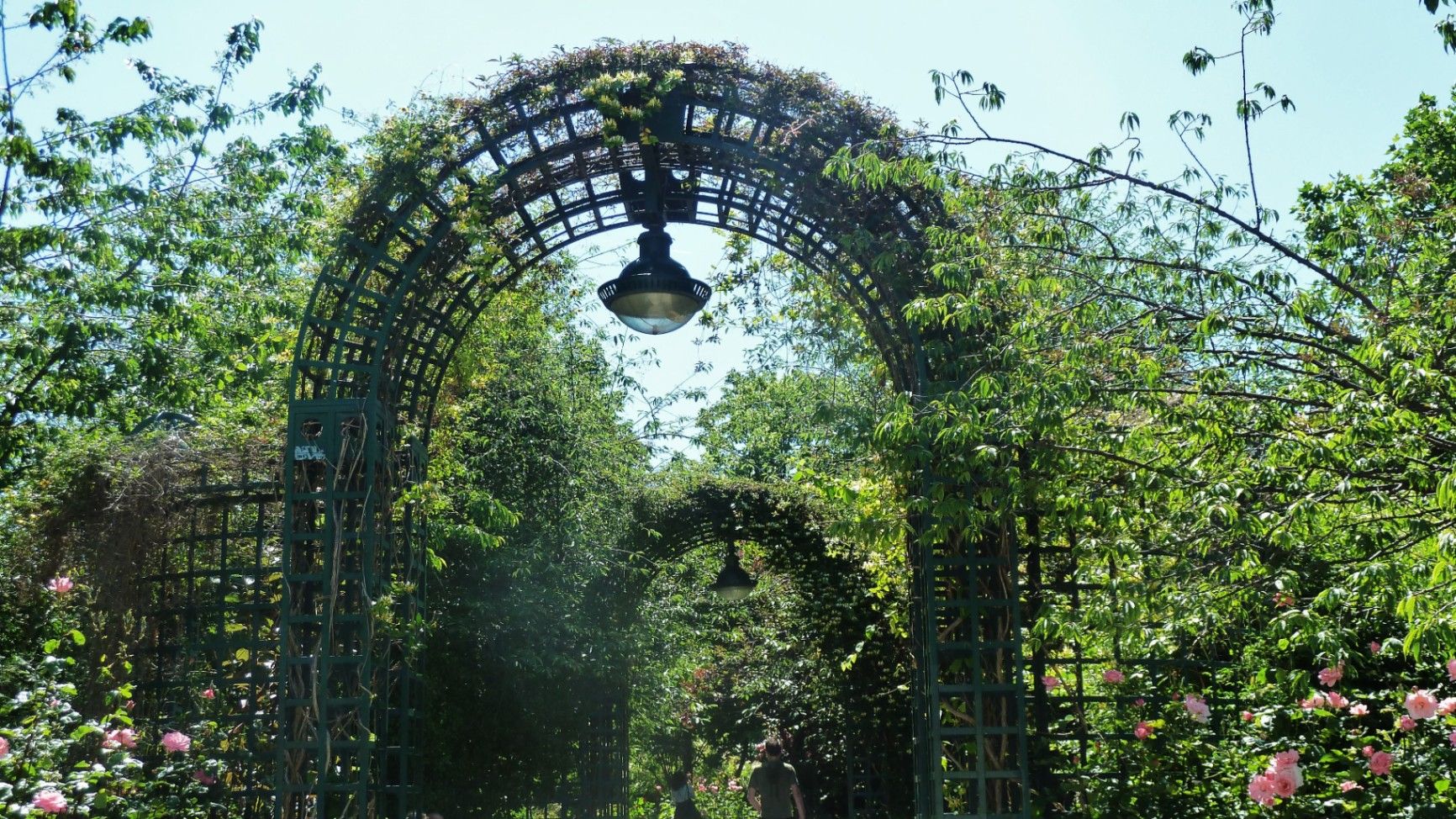
## Description The **Coulée Verte René-Dumont** is one of Paris’s most quietly transformative urban landscapes: a **4.7-kilometer elevated green corridor** built on a former 19th-century railway viaduct. Long before New York’s High Line became famous, Paris had already pioneered the idea of reclaiming industrial infrastructure and turning it into a **linear park suspended above city streets**. Opened in **1993**, the Coulée Verte stretches across eastern Paris, offering a continuous ribbon of trees, gardens, pergolas, tunnels, and walkways that float above neighborhoods, rooftops, and traffic. Rather than being a monumental tourist attraction, its strength lies in its **subtle intimacy**. The path winds between apartment balconies, over narrow streets, through shaded cuttings, and across stone viaducts, allowing visitors to experience Paris from an **unexpected vertical perspective**. The design philosophy of the park is deeply rooted in **soft landscaping rather than formal symmetry**. Instead of wide lawns or dramatic vistas, the Coulée Verte contains **layered vegetation, winding paths, seasonal flowers, bamboo groves, climbing roses, and shaded benches**. This makes it feel more like a secret garden than a grand urban park. One of the most remarkable architectural features of the route is the **Viaduc des Arts**, where the park runs along a series of brick arches originally built for railway use. Beneath these arches now sit artisan workshops, design studios, galleries, instrument makers, and boutique craftspeople. This dual-level experience—**green tranquility above and creative commerce below**—is one of the Coulée Verte’s defining identities. Unlike Paris’s grand axial parks such as the Tuileries or Luxembourg Gardens, the Coulée Verte offers a **continuously shifting urban narrative**. At one point, you are enclosed in forest-like silence; minutes later, you emerge into balcony-lined streets where residents drink coffee just meters away from your path. This creates an emotional tension between **privacy and exposure**, urban density and botanical escape. A little-known fact is that the park is named after **René Dumont**, a pioneering French agronomist and environmentalist who was also **France’s first Green Party presidential candidate**. The naming itself reinforces the park’s identity not just as a recreational space, but as a **symbol of ecological urban thinking**. Another little-known detail is that parts of the route pass directly behind residential buildings at eye level, leading to long-standing unspoken etiquette between walkers and residents regarding privacy. Today, the Coulée Verte is used daily by **joggers, dog walkers, commuters, couples, photographers, and elderly residents**, each group engaging with the space differently depending on time of day. Mornings are quiet and rhythmical. Afternoons bring families and visitors. Evenings soften into slow movement, conversation, and golden-hour light filtering through leaves onto brick and stone. The Coulée Verte does not dominate Paris visually or symbolically. Instead, it **slips through the city like a green seam**, quietly stitching nature into urban density. ## Location The **Coulée Verte René-Dumont** runs through the **12th arrondissement of Paris**, beginning near **Opéra Bastille** and extending eastward toward the **Périphérique (city ring road)**. **City:** Paris **Region:** Île-de-France **Country:** France **Primary Arrondissement:** 12th **Main Entrance Area:** Near Bastille and Avenue Daumesnil ### How to Get There: * **By metro:** * **Line 1, 5, or 8** to **Bastille Station** * **Line 6 or 8** to **Daumesnil Station** * **By RER:** **RER A** to **Nation Station**, then walk. * **By bus:** Multiple lines serve Avenue Daumesnil and the surrounding streets. * **By bicycle:** Easy access from eastern Paris cycle lanes. * **On foot:** Ideal as part of a walking route between Bastille, Bercy, and Nation. Multiple staircases and ramps provide access at different points along the route. ## Tips * **Walk the full length if possible:** The character of the park changes dramatically from west to east. * **Visit in spring or early autumn:** Vegetation is at its best and temperatures are comfortable. * **Early mornings are best for solitude:** Especially on weekdays. * **Evenings are best for atmosphere:** Soft lighting and slower rhythms dominate. * **Respect residential privacy:** Some sections run directly past apartment windows. * **Combine with Viaduc des Arts shopping:** The artisan shops beneath the arches are worth exploring. * **Bring water:** There are few vendors directly on the elevated path. * **Not ideal for fast cycling:** The path is narrow and shared heavily with pedestrians. ## Conclusion The **Coulée Verte René-Dumont** is not loud, monumental, or iconic in the traditional Parisian sense. Its power lies in **subversion and continuity**—a quiet green artery that transforms obsolete railway infrastructure into a flowing garden above the city. It offers a Paris of **movement, transition, and subtle beauty**, experienced not through grand monuments, but through shifting light, layered leaves, and elevated urban silence. ## FAQ **1. What is the Coulée Verte René-Dumont?** It is an **elevated linear park** built on an abandoned railway line in eastern Paris. **2. Is the Coulée Verte free to access?** Yes. It is **completely free and open to the public**. **3. How long does it take to walk the full route?** A full walk typically takes **1 to 1.5 hours** at a relaxed pace. **4. Is it similar to the High Line in New York?** Yes in concept, but the Coulée Verte is **older, greener, and more intimate** in character. **5. Is the park suitable for children?** Yes. It is widely used by families, though supervision is required in elevated or narrow sections. **6. Are there cafés or shops along the route?** Not directly on the path, but many cafés and bakeries are located at street level nearby. ## Links * [Paris City Guide](https://parisjetaime.com/eng/)
GemVoyage Team • World
Paris
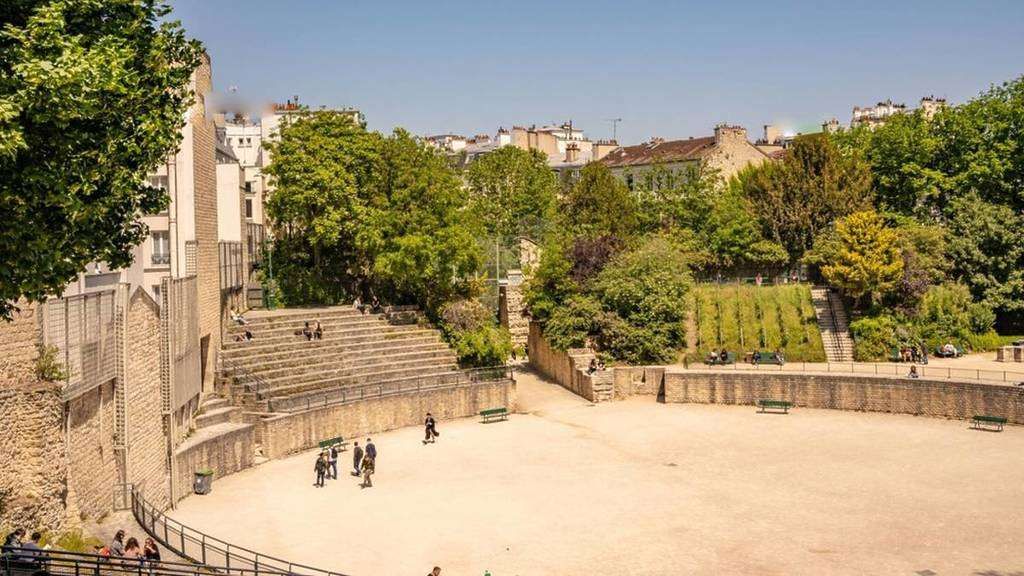
## Description **Arènes de Lutèce** is one of Paris’s most unexpected and historically significant sites: a **Roman amphitheater hidden in plain sight** within the Latin Quarter. Dating back to the **1st century CE**, it is among the oldest surviving monuments in the city and a rare physical reminder of Lutetia, the Gallo-Roman settlement that preceded modern Paris. Unlike the grand, fully preserved amphitheaters of southern France or Italy, the Arènes de Lutèce is fragmentary, modest in scale, and deeply embedded in its urban surroundings. This is precisely what makes it compelling. The remains include portions of the arena floor, tiered seating, subterranean chambers, and traces of the stage wall. In its prime, the amphitheater could accommodate **up to 15,000 spectators**, hosting gladiatorial combats, animal hunts, and theatrical performances. What sets the Arènes de Lutèce apart is its **history of disappearance and rediscovery**. After the fall of the Roman Empire, the structure was gradually dismantled and buried beneath medieval buildings. By the Middle Ages, its existence was largely forgotten. It was not rediscovered until the 19th century during urban works, and even then, much of it was threatened by redevelopment. The site was ultimately saved following public campaigns supported by prominent cultural figures, including Victor Hugo. A lesser-known fact is that the amphitheater served multiple secondary purposes over time. During the Middle Ages, stones from the structure were reused in nearby buildings, effectively dissolving it into the fabric of the city. Another overlooked detail is that today’s visible remains represent **only a fraction** of the original structure; much of it still lies beneath surrounding streets and buildings, preserved underground rather than reconstructed. Today, the Arènes de Lutèce functions as a **public space rather than a formal museum**. Locals play pétanque on the arena floor, children run along the ancient stone seating, and visitors sit quietly where Roman spectators once gathered. This coexistence of daily life and antiquity is rare in Paris and gives the site a lived-in authenticity that no curated exhibition could replicate. ## Location **Country:** France **Region:** Île-de-France **City:** Paris **Arrondissement:** 5th (Latin Quarter) The Arènes de Lutèce is located between Rue Monge and Rue de Navarre, in one of Paris’s most historic and intellectually rich neighborhoods. ### How to Get There * **By metro:** * Line 7 to **Place Monge**, then a 3–5 minute walk. * Line 10 to **Cardinal Lemoine**, followed by a short walk. * **By bus:** * Several bus lines serve the Latin Quarter and stop nearby. * **On foot:** * Easily reachable from the Panthéon, Jardin des Plantes, or the Seine’s Left Bank. * **By bicycle:** * Bike lanes and public bike stations are available in the area. ## Tips * **Visit during quiet hours:** Early mornings or weekdays offer a calmer atmosphere. * **Bring context with you:** There is minimal on-site interpretation; prior reading enhances appreciation. * **Respect the space:** It is both a historical site and a neighborhood park. * **Look for subtle details:** Notice the stonework and seating curves to visualize the original structure. * **Combine with nearby landmarks:** The Latin Quarter offers exceptional historical density within walking distance. * **Photography is allowed:** But be mindful of locals using the space. ## Conclusion The Arènes de Lutèce is a rare example of ancient history woven directly into the rhythm of modern urban life. Quiet, understated, and profoundly authentic, it offers a powerful reminder that Paris did not begin in the Middle Ages, but in the Roman world beneath its streets. ## FAQ **1. Is there an entrance fee?** No, entry to the Arènes de Lutèce is free. **2. How old is the amphitheater?** It dates back to the 1st century CE. **3. How long should I spend there?** Around **20 to 40 minutes**, depending on interest. **4. Is it a reconstructed site?** No, it consists of original remains with minimal restoration. **5. Is it suitable for children?** Yes, it is an open and informal space often used by families. **6. Why is it not better known?** Its modest size and lack of monumental reconstruction keep it off many tourist itineraries. ## Links * [Paris tourism official site](https://parisjetaime.com/eng/)
GemVoyage Team • World
Paris
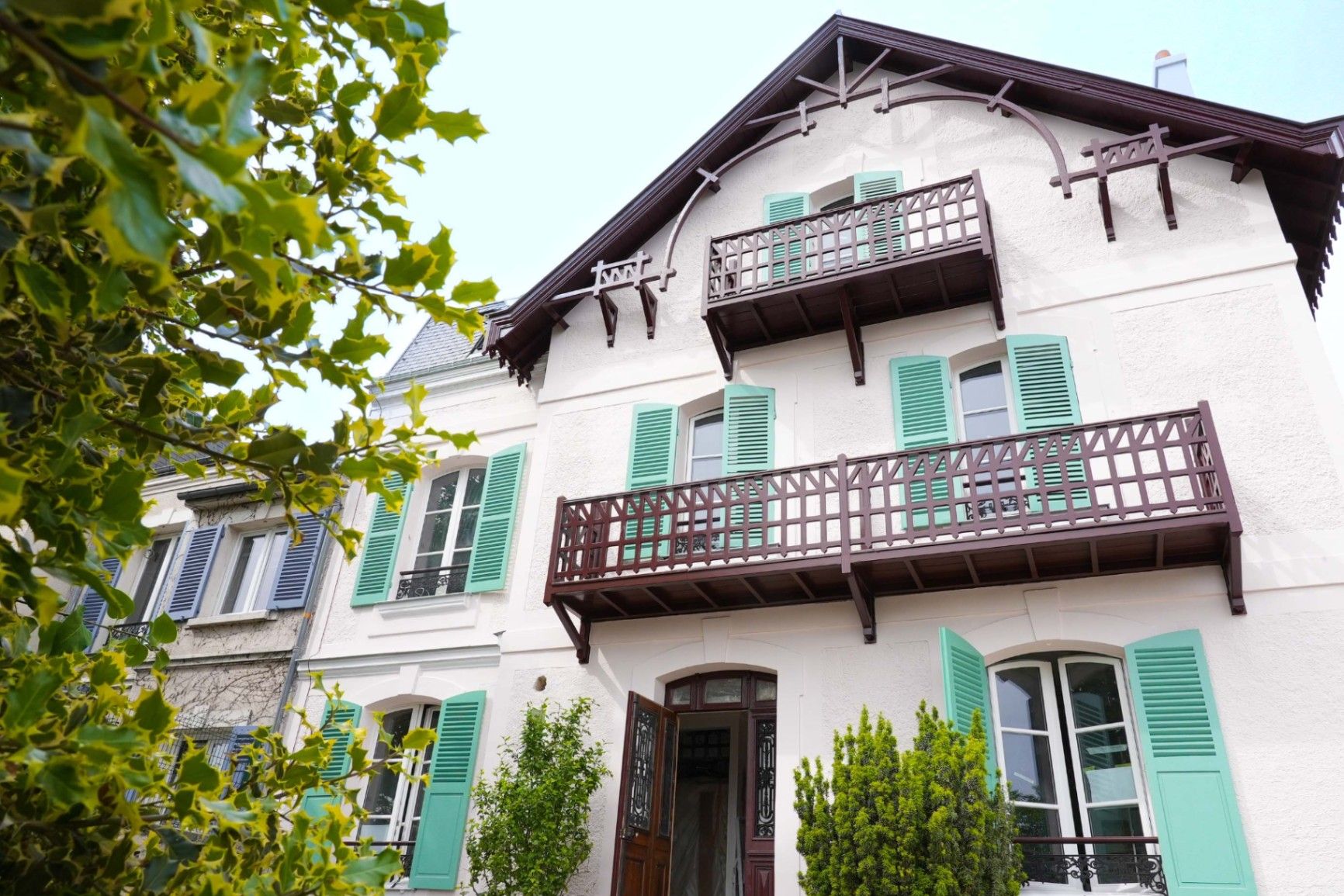
## Description **Maison Impressionniste Claude Monet Argenteuil** is a carefully reconstructed space dedicated to the years when Claude Monet lived and worked in Argenteuil, a suburb northwest of Paris. Although not the original residence, the house functions as a faithful evocation of Monet’s daily environment between 1871 and 1878, a period widely considered formative for the **Impressionist movement**. This is where Monet refined his techniques of capturing light, atmosphere, and everyday scenes, and where he produced some of his most celebrated works, including views of the Seine, gardens, and his own home life. The house is arranged to resemble the domestic context that influenced Monet’s early mastery. Rooms are curated with period furniture, reproductions of key paintings, personal objects, and interpretive displays illustrating how Monet painted outdoors, how he experimented with color, and how Argenteuil became a meeting point for artists such as Renoir, Manet, and Sisley. The staging provides an accessible narrative of Monet as a young pioneer, long before his later fame at Giverny. A little-known fact is that Argenteuil was once a **boating and leisure capital** for Parisians, and Monet frequently painted regattas and pleasure craft from the riverbanks near his home. Another lesser-known detail is that Monet’s time in Argenteuil coincided with substantial urban development, which threatened some of the very landscapes he painted. This tension between modernization and natural beauty appears subtly throughout his Argenteuil canvases. Today, the Maison Impressionniste offers a more intimate and less crowded alternative to major Impressionist institutions in Paris. It gives visitors the chance to walk through reconstructed interiors that feel personal rather than monumental and to understand the roots of what would become Monet’s global artistic influence. ## Location **City:** Argenteuil (Greater Paris area) **Region:** Île-de-France **Country:** France The house is situated in a residential part of Argenteuil, within walking distance of the Seine and the locations that inspired many of Monet’s paintings. ### How to Get There * **By train:** * From **Gare Saint-Lazare** in Paris, take a Transilien J train to **Argenteuil Station**. From there, it is a short walk or a brief bus ride. * **By bus:** * Several suburban bus lines connect Argenteuil with northern districts of Paris. * **By car:** * The area is accessible via the A15 or A86, but parking can be limited in residential streets. * **On foot from the center of Argenteuil:** * A pleasant 10–15 minute walk through town streets leads directly to the museum. ## Tips * **Visit on a weekday** to avoid periods when small tour groups pass through. * **Combine it with a Seine riverside walk**, retracing the landscapes Monet depicted in his Argenteuil period. * **Plan 45–60 minutes**, as the museum is compact but detailed. * **Photography policies may vary**, so check signage before taking photos inside. * **The museum often hosts temporary exhibits** on Impressionism and plein-air painting; check ahead for program changes. * **Bring context:** Reviewing Monet’s Argenteuil works beforehand will enrich the visit, as many are referenced in the interpretive materials. ## Conclusion Maison Impressionniste Claude Monet Argenteuil offers an intimate and historically grounded perspective on Monet’s early Impressionist years. The reconstructed spaces, the focus on daily life, and the proximity to the landscapes that shaped his artistic eye make it a meaningful stop for those seeking a deeper understanding of how Impressionism emerged and matured. ## FAQ **1. Is the house original?** No. It is a faithful reconstruction designed to evoke Monet’s home during his Argenteuil years. **2. How long did Monet live in Argenteuil?** From 1871 to 1878, a key period of his early Impressionist development. **3. Can visitors see original artworks?** The museum primarily displays reproductions and interpretive materials; original works are held in major museums in Paris and abroad. **4. Is the visit suitable for children?** Yes. The rooms are accessible, and the museum offers educational materials for younger visitors. **5. How long should I plan for the visit?** Around 1 hour, depending on reading speed and interest in the exhibits. **6. Is the museum wheelchair accessible?** Accessibility can vary; checking ahead with the museum is recommended. ## Links * [Official tourism information for Argenteuil](https://www.argenteuil.fr)
GemVoyage Team • World
Paris
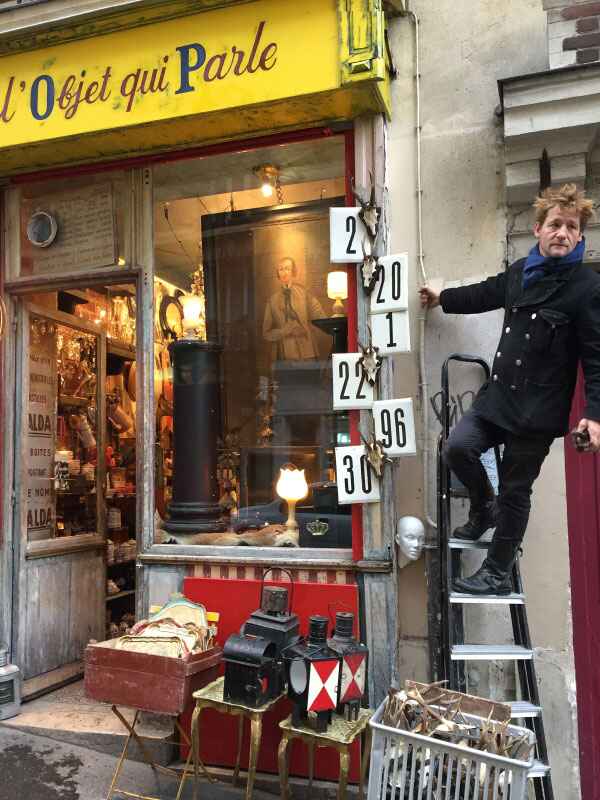
## Description Tucked away in the bohemian neighborhood of Montmartre, **L’Objet Qui Parle** is a small but legendary antique shop that has earned a reputation as one of Paris’s most fascinating hidden gems. Unlike large, glossy antique markets, this boutique offers an intimate and eclectic experience. The moment you step inside, you are greeted with an enchanting jumble of objects—stacked paintings, vintage trinkets, retro furniture, ceramics, mirrors, and curiosities that feel like they carry stories from centuries past. What makes L’Objet Qui Parle unique is its **authentic “cave of wonders” atmosphere**. The shop is famously cluttered, with items spilling from shelves and even tucked into corners, yet this controlled chaos is exactly what draws treasure hunters, collectors, and curious travelers. Each visit feels like a miniature archaeological dig, where one never knows what rare or unusual item might be unearthed. A little-known fact is that the shop has served as a source of inspiration for local artists and filmmakers, who come here seeking objects with character and history. Another interesting detail is that many items are surprisingly affordable compared to other antique shops in Paris, making it possible to find genuine vintage pieces without breaking the bank. ## Location L’Objet Qui Parle is located in **Paris, France**, within the **Île-de-France region**. More precisely, it sits in the **18th arrondissement**, right in the heart of **Montmartre**, not far from the iconic Sacré-Cœur Basilica and Place du Tertre, the artists’ square. How to get there: * **By metro:** The closest stations are **Lamarck – Caulaincourt (Line 12)** and **Abbesses (Line 12)**, both just a short walk away. * **By bus:** Several buses run through Montmartre, stopping near the shop. * **On foot:** If you’re exploring Montmartre, it’s easy to stumble upon the shop while wandering its cobbled streets. Its central location makes it perfect to combine with a day exploring Montmartre’s historic streets, cafés, and art studios. ## Tips Here are some tips to make the most of your visit to L’Objet Qui Parle: 1. **Come with an open mind** – The shop is filled with an eclectic mix of items, so be ready to browse without a fixed agenda. 2. **Take your time** – Treasures are often hidden in plain sight, stacked behind or beneath other objects. 3. **Bring cash** – While Paris is modern, some small antique shops still prefer cash for smaller purchases. 4. **Ask questions** – The shop’s owner is known for being friendly and knowledgeable, happy to share the story behind certain pieces. 5. **Visit Montmartre afterward** – Combine your stop with visits to Sacré-Cœur, local cafés, and art galleries to get the full Montmartre experience. 6. **Pack light** – The shop is quite small, so it’s best not to carry bulky bags when exploring. ## Conclusion L’Objet Qui Parle is more than just an antique shop—it’s an experience of discovery. With its cluttered charm, eclectic treasures, and Montmartre location, it offers a glimpse into the artistic and bohemian soul of Paris. Whether you’re a seasoned collector or simply curious, this little shop promises surprises and stories with every visit. ## FAQ **1. What does “L’Objet Qui Parle” mean?** It translates to “The Object That Speaks,” reflecting the idea that every antique carries a story from the past. **2. What kind of items can I find at L’Objet Qui Parle?** The shop sells a wide variety of antiques, including vintage furniture, ceramics, mirrors, paintings, religious artifacts, and quirky collectibles. **3. Is L’Objet Qui Parle expensive?** Not necessarily. While some rare pieces can be pricey, many items are surprisingly affordable, especially compared to larger Parisian antique markets. **4. How much time should I spend there?** Most visitors spend 30 minutes to an hour browsing, depending on their interest in antiques. **5. Is photography allowed inside the shop?** Policies may vary, but as a rule of thumb, always ask the shop owner before taking photos. **6. When is the best time to visit?** Mid-morning or early afternoon is ideal, as Montmartre tends to get crowded later in the day. ## Links * [Paris Official Tourism Website](https://parisjetaime.com/eng/) * [Travel Guide to Paris Markets and Antiques](https://www.france.fr)
GemVoyage Team • World
Paris
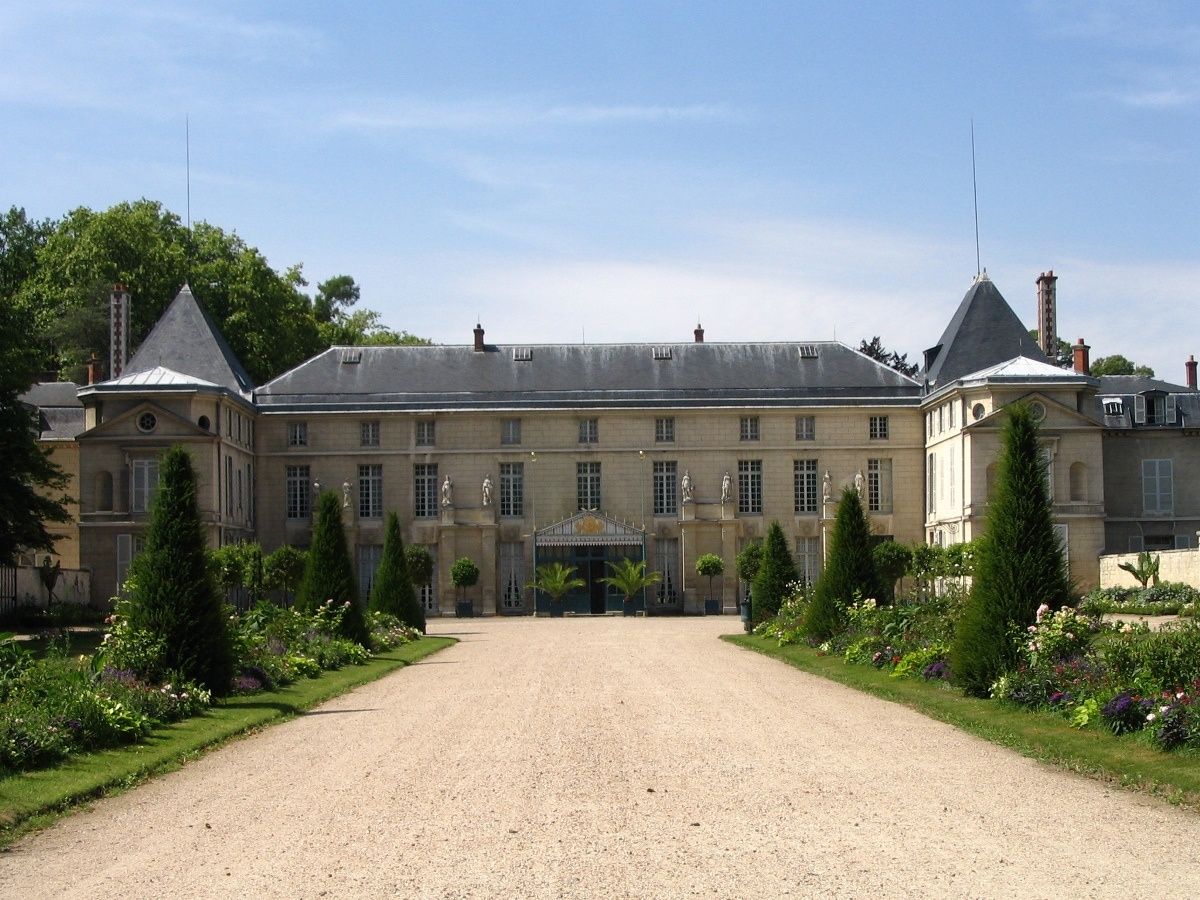
## Description The **Château de Malmaison** is one of the most historically intimate and emotionally rich landmarks of the Napoleonic era. Unlike grand imperial palaces designed to impress the masses, Malmaison was a **private retreat**—a place of strategy, domestic life, and personal ambition. It served as the residence of **Napoleon Bonaparte and Empress Joséphine** from 1799 to 1802 and later remained Joséphine’s home until her death in 1814. What makes Malmaison particularly unique is that it offers a deeply human perspective on figures often seen only through the lens of military and political power. Here, visitors encounter **Napoleon the husband and strategist**, and **Joséphine the patron of art, architecture, and botanical science**. Many decisive political meetings were held within these walls, including sessions of the **French government during Napoleon’s rise to power**. In effect, Malmaison briefly functioned as an **unofficial seat of the French state**. Architecturally, the château reflects the transition from late 18th-century aristocratic style to the early **Empire aesthetic**. Under Joséphine’s direction, the interior was redesigned by leading architects and decorators of the time, introducing **elegant neoclassical motifs, sculpted columns, rich textiles, and furniture that defined what would later be known as the Empire style**. The combination of political authority and refined domestic comfort was revolutionary for its time. The interior rooms remain remarkably authentic. Highlights include **Napoleon’s council chamber**, where official meetings took place, Joséphine’s private apartments, and the refined dining rooms used for state dinners. Furnishings, clocks, paintings, and personal objects are original or meticulously restored, giving the impression that the imperial couple has only just stepped away. Beyond politics, Malmaison holds global botanical importance. Joséphine was passionately devoted to **botanical exploration and exotic plant collection**. She transformed the estate into **one of Europe’s most important experimental botanical gardens**, introducing dozens of new plant species to France. Most famously, she established **the largest rose collection in Europe**, making Malmaison the birthplace of modern rose breeding. A little-known fact is that **Napoleon and Joséphine’s divorce was finalized while he was already Emperor**, a rare example of a ruler separating from his consort at the height of power. After the divorce, Napoleon retained Malmaison for Joséphine, allowing her to live there independently—an extraordinary privilege for the era. Another lesser-known detail is that the Russian Tsar **Alexander I visited Joséphine at Malmaison shortly before her death**, underscoring her lasting influence on European politics even after her fall from power. Today, Malmaison stands as a **museum of extraordinary intimacy**, preserving both the machinery of empire and the vulnerability of personal life. It is not a monument to victory, but a space that reveals **ambition, intelligence, loss, and legacy** at a human scale. ## Location **Château de Malmaison** is located in **Rueil-Malmaison**, a historic suburban town just west of **Paris**, in the **Île-de-France region**, France. **City:** Rueil-Malmaison **Region:** Île-de-France **Country:** France ### How to Get There: * **By RER:** Take **RER A** toward Saint-Germain-en-Laye and exit at **Rueil-Malmaison Station**, then take a bus or walk approximately 25 minutes. * **By bus:** Several local bus lines connect directly from central Paris to the château area. * **By taxi or ride-hailing apps:** A direct and convenient option from central Paris, typically 25–40 minutes depending on traffic. * **By car:** Easily accessible via Paris’s western ring roads; parking is available near the site. While not inside the historic center of Paris, the château is easy to reach and offers a calm, cultured contrast to the city’s intensity. ## Tips * **Visit the gardens as well as the interior:** The landscape is essential to understanding Joséphine’s legacy. * **Go in spring or early summer:** The rose garden is at its best during these months. * **Use the audio guide:** It adds essential political and personal context. * **Allow at least 2 hours:** One hour for the interior, one for the gardens and exhibitions. * **Arrive early:** The château is smaller than major Paris museums and can feel crowded later in the day. * **Combine with a Seine walk:** The nearby riverbanks are ideal for a relaxed post-visit stroll. * **Photography is usually permitted without flash:** Always verify current rules at entry. * **Not a grand palace experience:** If you expect Versailles-level scale, you will be disappointed; Malmaison is about intimacy and insight, not spectacle. ## Conclusion The **Château de Malmaison** offers one of the most personal and revealing encounters with the Napoleonic era. As both a political nerve center and a deeply private refuge, it captures the complexity of power, love, ambition, and legacy embodied by **Napoleon and Joséphine**. Quiet, refined, and historically profound, Malmaison stands as one of the most meaningful imperial sites in greater Paris. ## FAQ **1. What is Château de Malmaison famous for?** It is best known as the **private residence of Napoleon Bonaparte and Empress Joséphine** and a major center of early Napoleonic political life. **2. Is Château de Malmaison inside Paris?** No, it is located in **Rueil-Malmaison**, a suburb just west of Paris. **3. Can you visit the interior?** Yes, the château operates as a **fully accessible museum** with original furnishings and artifacts. **4. What happened to Joséphine after the divorce?** She remained at Malmaison until her death in **1814**, continuing her botanical and social work independently. **5. How long does a visit take?** Most visitors spend **1.5 to 2.5 hours** including the gardens. **6. Is Château de Malmaison suitable for children?** Yes, especially for older children interested in history, though the visit is primarily educational rather than interactive. ## Links * [French National Museums](https://www.culture.gouv.fr) * [Napoleonic History Resources](https://www.napoleon.org)
GemVoyage Team • World
Paris
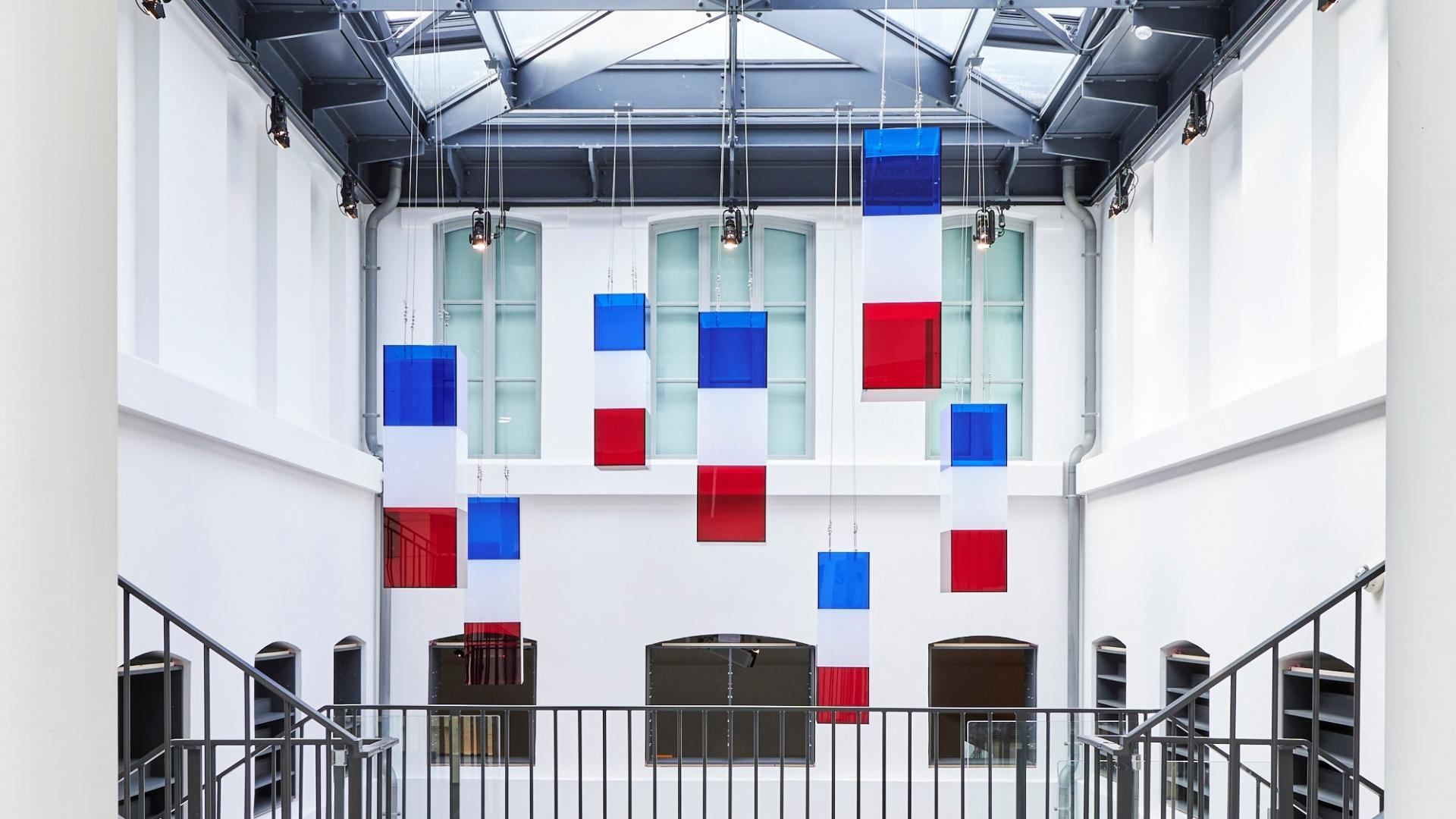
## Description **The Liberation of Paris Museum (Musée de la Libération de Paris – Musée du Général Leclerc – Musée Jean Moulin)** is one of the most important modern history museums in the French capital. Dedicated to the **German occupation of Paris (1940–1944)**, the **French Resistance**, and the **Liberation of Paris**, the museum offers a clear, unsentimental account of how the city endured, resisted, and ultimately reclaimed its freedom during World War II. What distinguishes this museum is its **focus on individuals rather than abstract events**. Through personal letters, photographs, uniforms, clandestine newspapers, and everyday objects, the museum tells the story of ordinary Parisians alongside key historical figures such as **Jean Moulin**, a central figure of the French Resistance, and **General Philippe Leclerc**, commander of the Free French forces that entered Paris in August 1944. The narrative is chronological and grounded, avoiding glorification while emphasizing moral courage and civil resistance. One of the museum’s most striking features is the preserved **underground command bunker** used by Colonel Henri Rol-Tanguy during the final days of the liberation. Visitors can descend into this space, which remains intact, offering a rare and visceral sense of wartime decision-making under pressure. A lesser-known fact is that this bunker was rediscovered relatively late and restored as part of the museum’s redesign. Another notable detail is that the museum relocated in 2019 to its current site to better reflect the historical geography of the liberation events. The museum is immersive without being overwhelming. It balances historical rigor with accessibility, making complex political and military developments understandable without diluting their seriousness. ## Location **Country:** France **Region:** Île-de-France **City:** Paris **Arrondissement:** 14th arrondissement The museum is located on **Place Denfert-Rochereau**, a historically symbolic site connected to resistance activity and wartime infrastructure. ### How to Get There * **By metro:** * Lines 4 and 6 to **Denfert-Rochereau** station. * **By RER:** * RER B stops at Denfert-Rochereau, providing direct access from airports and suburbs. * **By bus:** * Several bus lines stop directly at the square. * **On foot:** * Easily reachable from Montparnasse and surrounding neighborhoods. ## Tips * **Allow sufficient time:** Plan **1.5 to 2 hours** to fully absorb the exhibitions. * **Do not skip the bunker:** Access is limited in capacity but is a core part of the experience. * **Read the personal testimonies:** These provide emotional depth beyond dates and events. * **Visit before or after nearby sites:** The Paris Catacombs and Montparnasse Cemetery are close by. * **Suitable for older children and adults:** Some content may be intense for very young visitors. * **Free entry:** Take advantage of the museum’s permanent free access. ## Conclusion The Liberation of Paris Museum offers a sober, powerful exploration of one of the city’s defining moments. Through personal stories, preserved spaces, and clear historical context, it transforms the liberation of Paris from a symbolic event into a deeply human experience. ## FAQ **1. Is the museum free to visit?** Yes, permanent exhibitions are free for all visitors. **2. How long does the visit take?** Approximately **90 minutes to 2 hours**, depending on interest level. **3. Is the underground bunker accessible?** Yes, but access may be limited at busy times due to space constraints. **4. Is the museum suitable for non-French speakers?** Yes. Exhibits are well-labeled, and much of the content is available in multiple languages. **5. Does the museum focus only on Paris?** Primarily, but it also addresses broader resistance networks and Free French operations. **6. Is photography allowed?** Photography is generally permitted, but flash and tripods may be restricted. ## Links * [City of Paris museums portal](https://www.paris.fr) * [Official Museum Website](https://www.museeliberation-leclerc-moulin.paris.fr/en)
GemVoyage Team • World
Paris
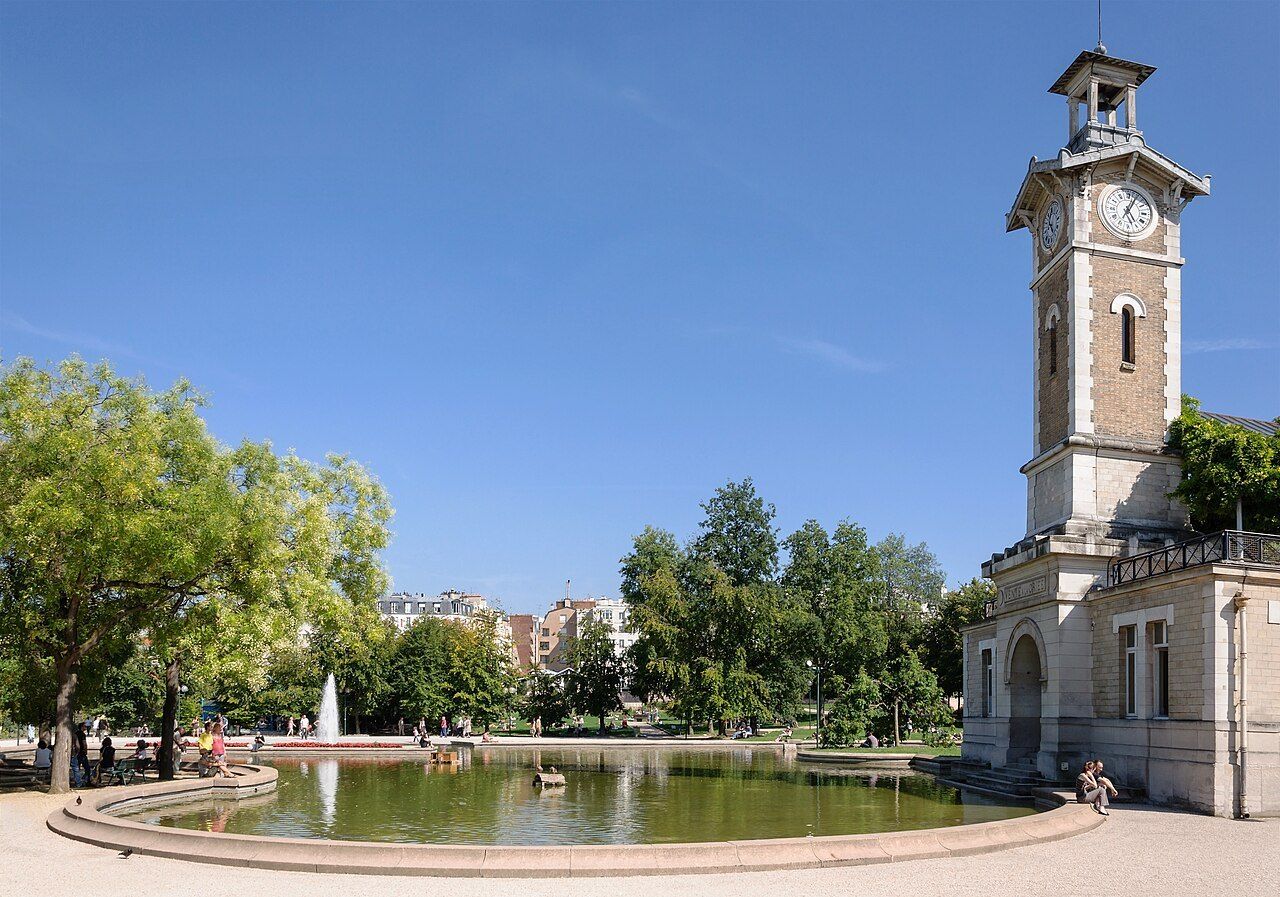
## Description **Parc Georges-Brassens** is a spacious and character-rich public park located in the 15th arrondissement of Paris. Unlike the city’s grand formal gardens, this park stands out for its **layered history and community-oriented atmosphere**. Opened in 1980, it occupies the former site of the **Vaugirard slaughterhouses**, once a major hub of Paris’s meat trade. Rather than erasing this past, the park subtly integrates it into its design, creating a space where history, greenery, and everyday Parisian life intersect. The park is named after **Georges Brassens**, one of France’s most beloved singer-songwriters, who lived nearby for many years. References to his work and personality appear discreetly throughout the park, reinforcing its cultural identity without turning it into a monument. The layout blends wide lawns, rose gardens, vineyards, and quiet corners with views over the surrounding neighborhood. One of the park’s most distinctive features is its **working vineyard**, a rare sight in modern Paris. Each year, a small grape harvest takes place, continuing a tradition that once characterized this area before industrial development. Another lesser-known element is the presence of restored wine presses and livestock market structures, which hint at the site’s former commercial function and give the park a slightly industrial undertone beneath its greenery. Parc Georges-Brassens is especially appreciated by locals. It attracts families, readers, joggers, and retirees rather than large tourist crowds. This gives the park a relaxed and authentic rhythm, offering visitors a chance to experience Paris as residents do rather than through postcard landmarks. ## Location **Country:** France **Region:** Île-de-France **City:** Paris **Arrondissement:** 15th arrondissement The park is located in southwestern Paris, surrounded by residential streets and local markets, far from the city’s main tourist corridors. ### How to Get There * **By metro:** * Take Line 12 to **Convention** station or Line 13 to **Porte de Vanves**, followed by a short walk. * **By bus:** * Several bus lines stop near the park, making access easy from different parts of Paris. * **By bicycle:** * The surrounding streets are bike-friendly, and bike racks are available near entrances. * **On foot:** * Easily reachable from nearby neighborhoods in the 15th arrondissement. ## Tips * **Visit on weekends for the book market:** A well-known second-hand book market takes place nearby, especially on Saturdays and Sundays. * **Explore the vineyard area:** It’s small but unusual and worth seeking out. * **Bring a book or picnic:** The park has plenty of benches and grassy areas suitable for relaxing. * **Come in spring or early summer:** The rose gardens and flowering areas are at their best. * **Observe local life:** This is a neighborhood park, ideal for people-watching rather than sightseeing. * **Dogs are allowed in designated areas:** Check signage to avoid restricted zones. ## Conclusion Parc Georges-Brassens offers a quieter, more personal side of Paris. With its vineyard, literary connections, and layered industrial history, it provides a refreshing alternative to the city’s iconic gardens and a genuine glimpse into everyday Parisian leisure. ## FAQ **1. Who was Georges Brassens?** He was a famous French singer-songwriter and poet who lived nearby and became one of France’s most influential cultural figures. **2. Is Parc Georges-Brassens free to enter?** Yes, the park is open to the public and free of charge. **3. How much time should I plan for a visit?** About **1 to 2 hours**, longer if you plan to relax or picnic. **4. Is the park suitable for children?** Yes. It has open lawns, play areas, and a calm environment for families. **5. Can tourists enjoy this park?** Absolutely, especially those interested in local neighborhoods rather than major attractions. **6. Are there cafés inside the park?** No permanent cafés inside, but many local cafés and bakeries are located nearby. ## Links * [City of Paris](https://www.paris.fr)
GemVoyage Team • World
Paris
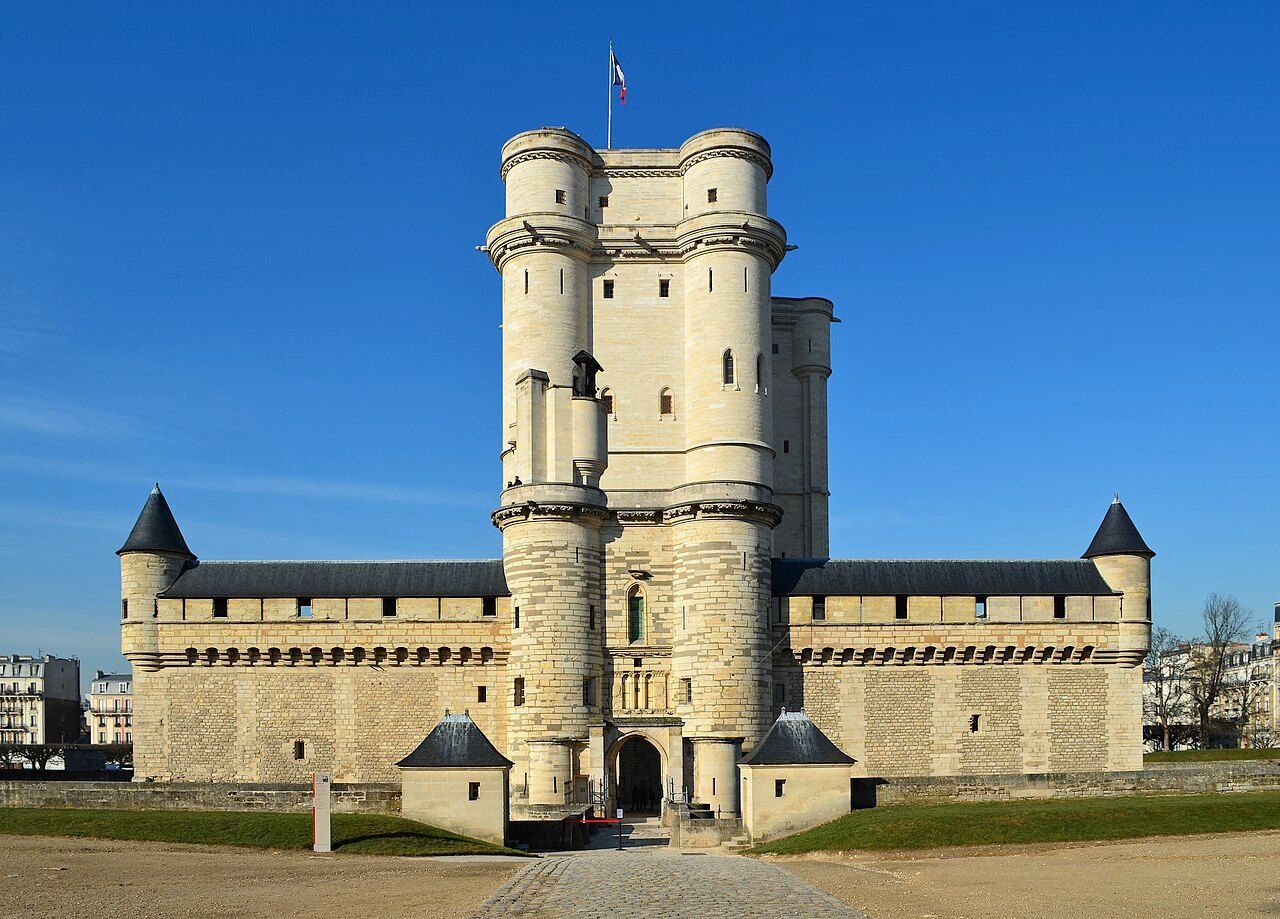
## Description The **Château de Vincennes** is one of France’s most historically significant royal fortresses and a remarkable example of **medieval military architecture** in the heart of modern Paris. Located just east of the city, this vast castle stands as a symbol of the **power, prestige, and evolution of the French monarchy** from the Middle Ages through the Renaissance. Originally built as a **hunting lodge for King Louis VII in the 12th century**, the site was transformed into a formidable **royal fortress** by **King Philip VI** and **King Charles V** during the 14th century. The result was one of Europe’s largest and most impressive medieval castles, complete with towering walls, fortified gates, and a majestic **52-meter (170-foot) keep** — the tallest medieval fortified tower in Europe. The keep, surrounded by a deep moat, served as both a **royal residence** and a **symbol of authority**. Inside, visitors can explore beautifully preserved **royal apartments**, **chapels**, and **ceremonial halls** that once housed some of France’s most powerful monarchs, including **Charles V**, **Henry IV**, and **Louis XIV**. Before Versailles rose to prominence, Vincennes was the main royal residence of the French crown. What makes the Château de Vincennes truly unique is its **dual character** — both royal and defensive. The complex includes a massive **curtain wall with nine towers**, a **drawbridge**, and a **gothic-style chapel** modeled after Sainte-Chapelle in central Paris. Over the centuries, it also served as a **royal prison**, holding famous figures such as **the Marquis de Sade**, **Denis Diderot**, and **Mirabeau**. A lesser-known fact is that the **castle was occupied by Napoleon Bonaparte’s troops**, later used as a **military arsenal**, and even served as a **command center during World War II**. Despite its turbulent past, the site remains remarkably well-preserved and offers a fascinating journey through 800 years of French history. Today, the Château de Vincennes stands as a peaceful yet awe-inspiring monument — less crowded than central Paris landmarks, making it an ideal destination for history enthusiasts seeking authenticity and atmosphere. ## Location The **Château de Vincennes** is located in the **suburb of Vincennes**, directly east of **central Paris**, within the **Val-de-Marne (Île-de-France)** region. It sits adjacent to the **Bois de Vincennes**, Paris’s largest public park. To get there: * **By metro:** Take **Line 1** to **Château de Vincennes Station**, which is just outside the main entrance. * **By RER:** The **RER A** also stops at **Vincennes Station**, about a **5-minute walk** from the castle. * **By bus:** Several Paris bus lines serve the area, including **46, 112, and 114**. * **By car:** Easily accessible via the **Périphérique** (Porte de Vincennes exit), with nearby paid parking available. * **By bike or on foot:** The surrounding **Bois de Vincennes** area offers scenic paths leading directly to the château. ## Tips * **Take the guided tour:** It offers rich historical context about the kings, prisoners, and architects who shaped the site. * **Visit the Sainte-Chapelle de Vincennes:** A stunning Gothic chapel that rivals its Parisian namesake in beauty and craftsmanship. * **Climb the keep:** The panoramic view from the top reveals both the castle’s vast grounds and the Paris skyline. * **Go early or late in the day:** To enjoy a quieter experience and capture the best light for photos. * **Combine with nearby attractions:** After your visit, explore the **Bois de Vincennes**, **Parc Floral de Paris**, or the **zoo** — all within walking distance. * **Family-friendly:** Wide courtyards and open spaces make it a great outing for families and children. * **Check for exhibitions:** The castle regularly hosts **temporary exhibitions, medieval fairs, and reenactments**. ## Conclusion The **Château de Vincennes** is a living testament to the grandeur and endurance of French royal history. With its soaring towers, Gothic chapel, and centuries of royal intrigue, it offers visitors a journey from the medieval era to modern France — all within reach of central Paris. Far less crowded than the city’s major monuments, it’s a place where you can truly feel the **power, elegance, and mystery** of France’s royal past. Whether you’re fascinated by architecture, military history, or French monarchy, the Château de Vincennes promises an experience both majestic and intimate. ## FAQ **1. When was the Château de Vincennes built?** Construction began in the **14th century** under **Philip VI** and **Charles V**, though the site dates back to a 12th-century royal hunting lodge. **2. What is the château known for?** It is renowned as **France’s largest medieval royal fortress**, featuring Europe’s tallest keep and a beautifully preserved Gothic chapel. **3. How can I get there from central Paris?** Take **Metro Line 1** directly to **Château de Vincennes Station** — it’s the last stop on the line and just a few minutes’ walk from the castle. **4. Are guided tours available?** Yes, guided tours in French and English are offered daily and provide detailed insights into the château’s rich history. **5. How long should I plan for a visit?** Allow about **2–3 hours** to explore the keep, chapel, and grounds at a comfortable pace. **6. Is it suitable for children?** Yes — children often enjoy exploring the towers and open courtyards, and there are family-friendly tours available. **7. When is the best time to visit?** Spring and early autumn offer pleasant weather and fewer crowds, though the château is open year-round. ## Links * [Wikipedia page](https://en.wikipedia.org/wiki/Ch%C3%A2teau_de_Vincennes)
GemVoyage Team • World
Paris
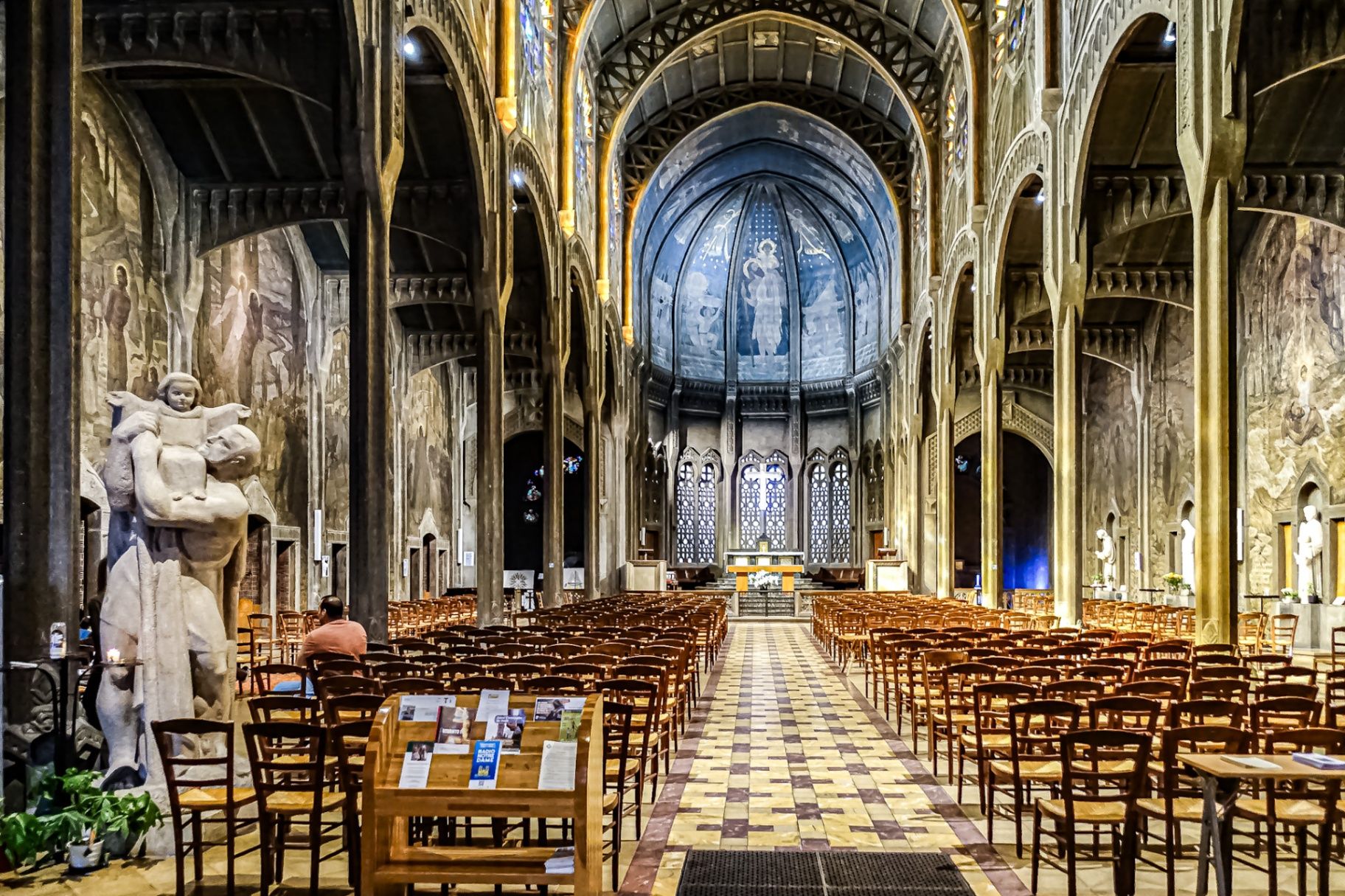
## Description The **Église Saint-Christophe-de-Javel** is one of Paris’s most striking and unconventional churches, standing as a powerful statement of **modernist religious architecture in the early 20th century**. Unlike the Gothic cathedrals and Baroque churches that dominate the Parisian religious landscape, Saint-Christophe-de-Javel was built using **reinforced concrete**, embracing industrial materials and architectural modernity at a time when such choices were still considered radical for sacred buildings. Constructed between **1926 and 1930**, the church was designed to serve the rapidly expanding working-class population of the **Javel district**, which had become a major industrial zone dominated by factories, workshops, and labor housing. The church’s architectural identity reflects this environment: **solid, functional, stripped of excess ornament**, yet deeply symbolic through proportion, light, and structure. The most defining feature is the **massive concrete nave**, whose exposed structural elements create a sense of raw strength and vertical ascension. Rather than relying on traditional stone vaulting, the church uses **modern engineering principles** to achieve its spacious interior. This gives the building a powerful, almost monumental atmosphere that feels both spiritual and industrial at the same time. Inside, the mood shifts dramatically through the use of **colored stained glass**, designed by **Marguerite Huré**, a pioneer of abstract religious glass art. Instead of depicting traditional figurative biblical scenes, many of the windows focus on **symbolic color composition and geometric light patterns**, allowing light itself to become the primary spiritual medium. The church is dedicated to **Saint Christopher**, the patron saint of travelers and workers—an especially fitting dedication for a parish built in an industrial transport district along the Seine. The building served not only as a religious space, but also as a **social anchor for factory workers and their families**, reinforcing its identity as a church of the modern urban age. A little-known fact is that Saint-Christophe-de-Javel was among the **first churches in France to fully embrace reinforced concrete as its primary structural material**, decades before such construction would become common in religious architecture. Another lesser-known detail is that the project was influenced by the ideas of **Dom Paul Bellot**, a Benedictine monk-architect famous for merging modern materials with sacred geometry—making this church part of a broader European movement to redefine how faith could be expressed through contemporary form. Today, Saint-Christophe-de-Javel remains both a functioning parish church and a **quiet architectural landmark**, largely overlooked by mass tourism. For visitors interested in architecture, urban history, and modern religious design, it offers a rare opportunity to see how spirituality was reinterpreted through the language of concrete, geometry, and light. ## Location **Église Saint-Christophe-de-Javel** is located in the **15th arrondissement of Paris**, along the **left bank of the Seine**, near the **Pont Mirabeau** and the former industrial zones of Javel. **City:** Paris **Region:** Île-de-France **Country:** France **Arrondissement:** 15th **Area:** Javel ### How to Get There: * **By metro:** Take **Line 10** to **Javel–André Citroën Station**, then walk about 5 minutes. * **By RER:** Use **RER C** to **Javel Station**, then walk along the Seine. * **By bus:** Several bus lines serve the Javel and Beaugrenelle area. * **By taxi or ride-hailing apps:** A direct and convenient option from anywhere in Paris. * **By bicycle:** The riverside bike path along the Seine leads directly past the church. The location makes it easy to combine the visit with **Parc André Citroën, Beaugrenelle shopping district, and a scenic Seine river walk**. ## Tips * **Visit during daylight hours:** Natural light through the stained glass is essential to the interior atmosphere. * **Check parish opening times:** As an active church, visiting hours may differ from service times. * **Silence is expected:** This is not a tourist-heavy site and remains a place of worship. * **Architecture lovers should bring binocular vision:** The scale and proportions are best appreciated from multiple viewpoints inside the nave. * **Combine with a Seine stroll:** The contrast between riverside leisure and industrial-modern architecture is striking. * **Do not expect ornate decoration:** This church speaks through structure and light, not sculpture and gold. * **Photography is usually permitted without flash:** Always confirm locally. ## Conclusion The **Église Saint-Christophe-de-Javel** is a compelling example of how **modern materials and industrial aesthetics were fused with sacred architecture** in early 20th-century Paris. Built for workers, shaped by concrete, and illuminated by abstract stained glass, the church stands as a quiet monument to faith in the age of machines. It is a destination for those who seek architecture with depth, restraint, and historical purpose rather than visual excess. ## FAQ **1. What makes Saint-Christophe-de-Javel unique among Paris churches?** It is constructed primarily from **reinforced concrete**, making it one of the earliest modernist churches in Paris. **2. Is the church still active?** Yes. It remains an **active Catholic parish** with regular services. **3. Who was the church built for?** It was built to serve the **industrial working-class population of the Javel district**. **4. Are there famous artworks inside?** Yes. The **stained-glass windows by Marguerite Huré** are especially significant in the history of abstract religious art. **5. Is there an entrance fee?** No. Entry is **free**, as the building functions as a public parish church. **6. How long does a visit typically take?** Most visitors spend **20 to 40 minutes**, depending on interest in architecture and photography. ## Links * [Visit Paris](https://parisjetaime.com/eng/)
GemVoyage Team • World