GemVoyage Team • World
What separates Villa Doria Pamphili from Rome’s better-known manicured gardens is its scale and everyday use: runners training along long straight avenues, families picnicking under broad trees, and musicians gathering informally on sunny afternoons. The park hosts seasonal cultural programs—outdoor concerts, film nights, and neighborhood festivals—yet retains a quiet dignity even during busier times. Its pathways offer both restful, shaded routes and open, sunlit clearings; photographers and nature lovers will appreciate the changing light through the trees and occasional glimpses of Roman rooftops beyond.
The park’s history is visible in its layered landscaping: landscaped terraces that once anchored a noble estate, interspersed with woodland patches that feel older and wilder. For those studying garden history, the site provides a satisfying case study of how aristocratic pleasure grounds transitioned to public urban parks. For ordinary visitors, the pleasures are simpler—ample space, restful atmosphere, and a sense of escape from Rome’s denser historic core.
Q: Are dogs allowed?
A: Dogs are usually permitted on-leash in most areas; check local signage for any leash-free zones or restrictions.
Q: Can I cycle through the park?
A: Yes—many paths are bike-friendly, though some narrower or pedestrian-priority areas may be more suitable for walking.
Q: Are there public restrooms and water fountains?
A: Basic facilities are available but can be limited; carry some water and check maps for restroom locations during longer visits.
Q: Are there guided tours of the park’s history?
A: Occasionally local associations offer guided walks focusing on the villa’s history and gardens—look for community announcements or contact local tourism offices.
Discover more hidden gems you might love.
Jeju
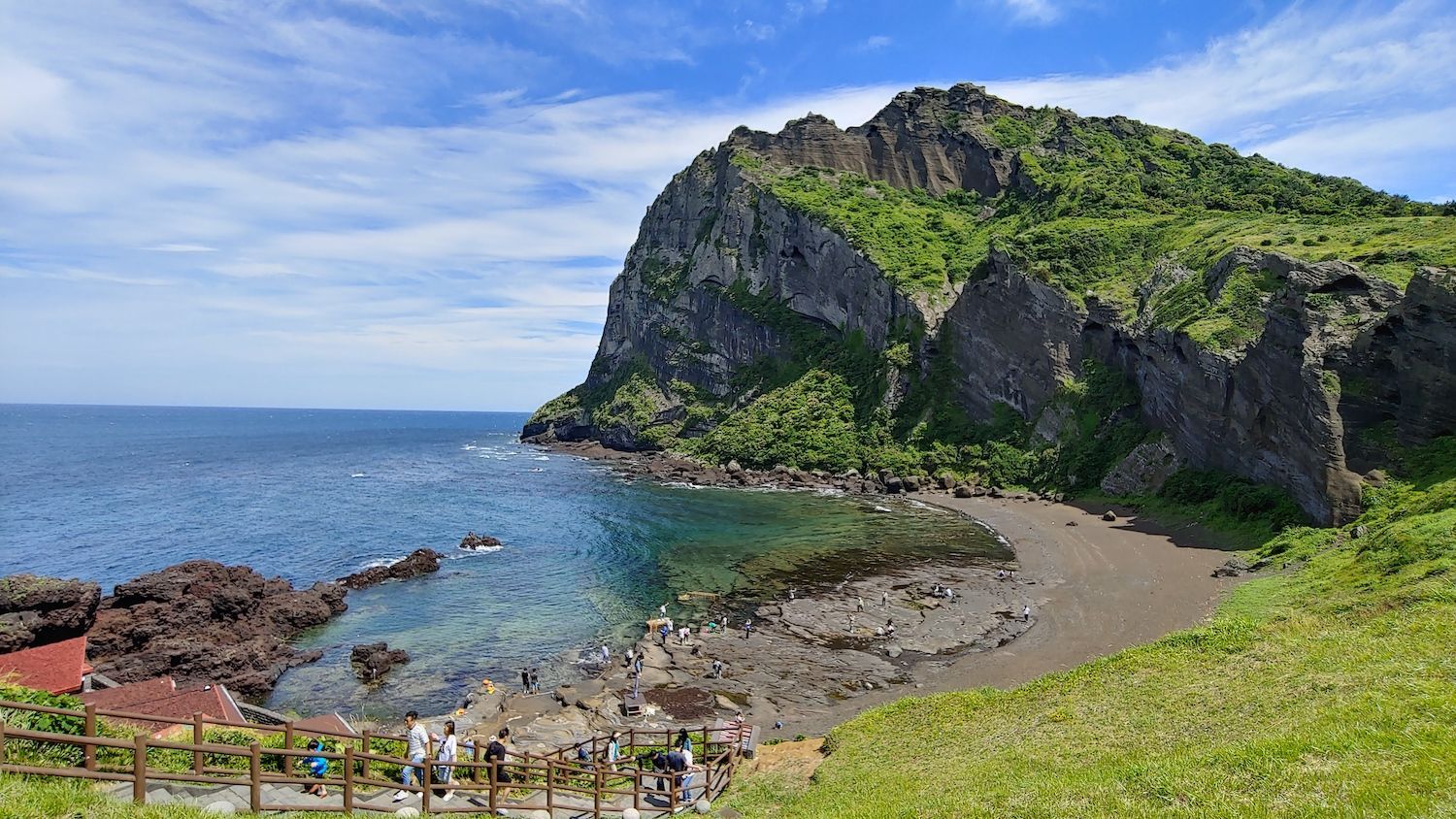
## Description Jeju Island, off South Korea’s southern coast, is a volcanic island known for Hallasan (a volcanic shield and South Korea’s highest mountain), lava tubes, basalt cliffs and distinctive stone walls. The island’s mix of beaches, rugged coastlines like Jusangjeolli, and cultural attractions (women divers known as haenyeo, folk villages and tangerine orchards) creates a varied visitor experience. Jeju’s volcanic geology also supports extensive lava tube systems (a UNESCO World Heritage feature) and scenic peaks that reward hikers and geotourists alike. Jeju’s character is both natural and cultural: haenyeo divers have shaped coastal traditions for generations, while island produce — particularly tangerines and seafood — influences local cuisine. The island’s microclimates mean you can experience contrasting conditions across short distances: misty highland mornings on Hallasan and temperate breezes on coastal beaches the same day. For outdoor enthusiasts, Jeju offers crater rims, coastal walking trails, and extensive cycling routes that reveal cliffs, hidden coves and agricultural terraces. In addition to natural features, Jeju preserves a strong vernacular culture: folk villages, stone statues (dol hareubang) and cultural festivals highlight island identity. Conservation efforts balance tourism with environmental protection, and community-based tourism initiatives allow visitors to learn about haenyeo traditions and local crafts while supporting sustainable livelihoods. ## Location Jeju Island (Jeju-do) sits about 100 km south of the Korean Peninsula and is accessible via frequent flights from Seoul, Busan and select international cities, as well as ferries from nearby ports. Jeju City and Seogwipo serve as principal hubs for exploration, with major roads connecting coastal attractions and national park trails. ## Tips - **Rent a car for flexible exploration:** Public buses cover major routes but can be slow for visiting remote sites. Renting a car gives you access to trailheads and quiet coves. - **Plan hikes on Hallasan and coastal trails in advance:** Popular trails may require permits or early starts; check trail conditions and weather before ascending. - **Try local cuisine and farm visits:** Sample Jeju black pork, fresh seafood, and citrus-based products. Farm and orchard visits offer seasonal experiences like tangerine picking. - **Respect haenyeo traditions and regulations:** Observe diving zones from designated viewpoints and book community-led experiences to learn about their craft responsibly. - **Choose quieter seasons for hiking and photography:** Spring blossom and autumn colors provide excellent conditions with fewer crowds than peak summer beach season. ## Conclusion Jeju Island blends accessible volcanic landscapes with resilient island culture, making it an ideal destination for active exploration and relaxed coastal time. Whether you favor volcanic hikes, coastal drives, cultural immersion with haenyeo communities, or sampling island cuisine, Jeju rewards travelers with variety, scenic contrasts and approachable outdoor adventures. ## FAQ - **Q: When is the best time to visit Jeju for hiking and mild weather?** A: Spring (April–June) and autumn (September–November) offer mild temperatures, clear skies and lower humidity — ideal for hiking and outdoor photography. - **Q: Are the lava tubes and Hallasan summit accessible to casual visitors?** A: Many lava tube sections are set up with visitor facilities and guided tours; Hallasan hikes range from short trails to challenging summit routes that require good fitness and early starts. - **Q: Is it easy to get around Jeju without a car?** A: Public buses cover major routes but can be slow for visiting remote sites. Renting a car is the most convenient option for flexible itineraries. - **Q: What cultural experiences should I prioritize?** A: Visit a haenyeo cultural center, explore folk villages, try local markets and attend seasonal festivals for authentic cultural encounters. - **Q: How family-friendly is Jeju?** A: Very — many sites are suitable for families, with beaches, theme attractions and short nature walks; always plan for sun protection and weather variability. ## Links - [Jeju Island — Wikipedia](https://en.wikipedia.org/wiki/Jeju_Island)
GemVoyage Team • World
Milan
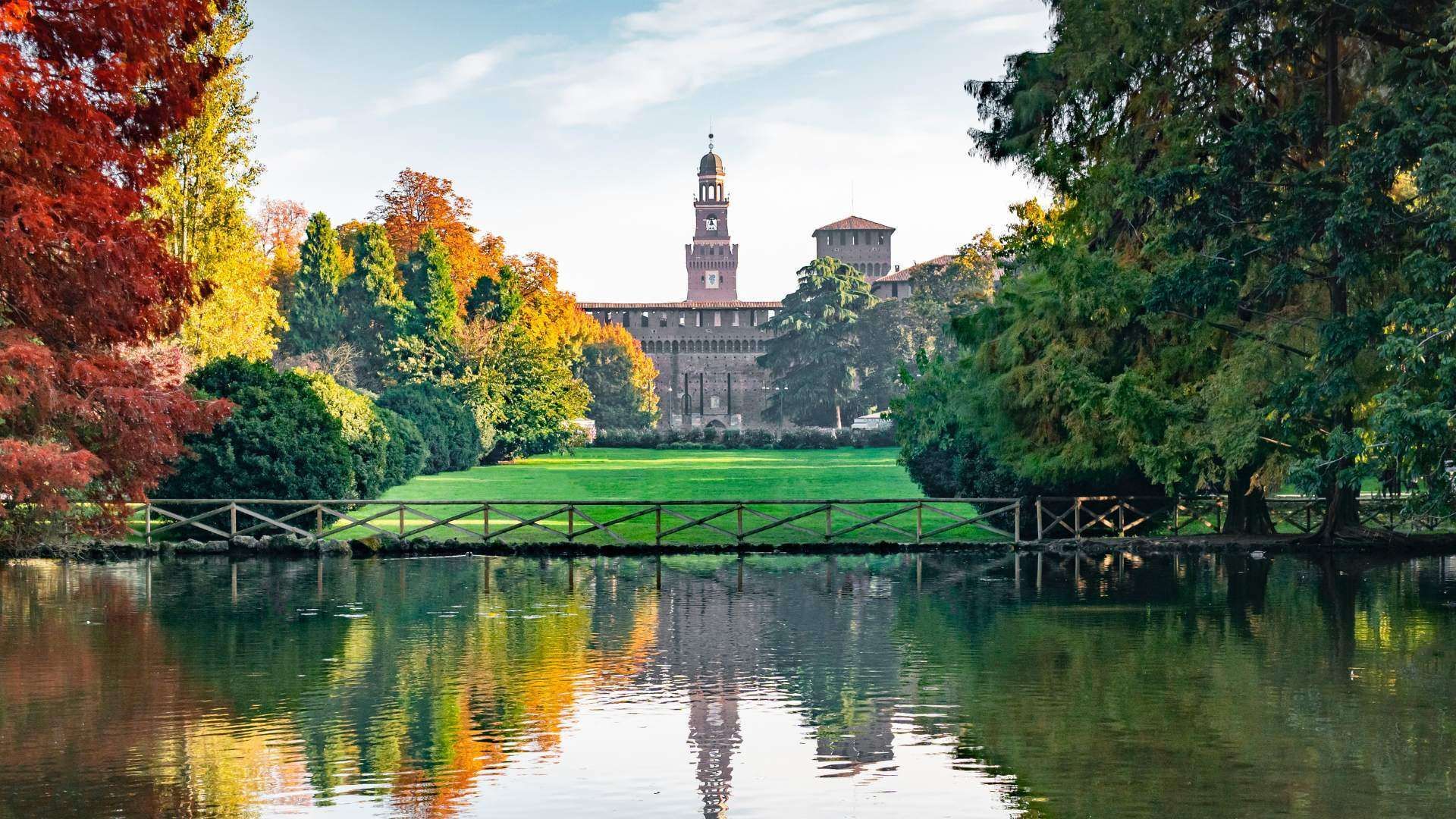
## Description Parco Sempione is one of Milan’s most important green spaces, and it plays a role in the city that is both practical and symbolic. Located behind Castello Sforzesco and stretching toward the Arco della Pace, it gives locals and visitors a place to slow down inside a city better known for fashion, business, design, and heavy urban energy. What makes the park special is not only its size but also its position in the middle of central Milan, where it creates a calm visual and physical transition between major landmarks. It is one of those places that can make a fast-moving city feel manageable again. The park is popular for walks, picnics, jogging, and informal meetings, but it also has layers of civic history that many visitors overlook. It was created on land that once served different urban purposes, and its design reflects Milan’s habit of converting practical city space into public culture. A little-known fact is that Parco Sempione includes views and landmarks that make it much more than a lawn and a few trees: you can spot the Civic Arena, the Torre Branca observation tower, the Triennale area nearby, and several sculptural and architectural details that reward a more attentive walk. Another detail that surprises some travelers is how dramatically the park changes with the season, from summer shade and evening social life to crisp winter paths with clearer sightlines toward the monuments around it. Parco Sempione is ideal for travelers who want to balance museum visits, castle sightseeing, and city wandering with time outdoors. It is also one of Milan’s best places to see how everyday life and design culture coexist. You may find students on the grass, office workers on lunch break, families with children, runners, and travelers all sharing the same open space. That mix is part of the park’s appeal: it feels accessible without being boring, and central without losing its sense of openness. ## Location Parco Sempione is in central Milan, Lombardy, Italy, directly behind Castello Sforzesco and close to the Arco della Pace. Because of its location, it is easy to combine with a visit to the castle, nearby museums, or the Brera district. The park is well connected by public transport. Metro stations such as Cairoli and Lanza are convenient starting points, and several tram and bus lines stop nearby. If you are already exploring central Milan on foot, reaching the park is straightforward. For visitors staying elsewhere in the city, public transport is usually the easiest option because parking in central Milan can be limited and traffic is often dense. Once inside the park, walking is the best way to explore. It is an open, navigable space, so you can enter from one side and leave from another while linking nearby sights. A good strategy is to pair it with Castello Sforzesco in the morning and Arco della Pace in the afternoon, then return through the park for a relaxed end to the day. ## Tips - Visit in the late afternoon or near sunset for the best light and the most pleasant atmosphere. - Climb Torre Branca if you want a panoramic view over Milan and the park itself. - Bring a picnic if the weather is good, because the park is one of the city’s best informal outdoor breaks. - Pair the park with nearby cultural stops so the day feels balanced rather than rushed. - In summer, use the park as a cooling pause between indoor visits. - Keep an eye out for local events and outdoor gatherings, which can make the space feel even livelier. ## Conclusion Parco Sempione is one of Milan’s easiest and most rewarding places to enjoy fresh air in the center of the city. It links major landmarks, offers a welcome break from urban intensity, and works well for both short visits and longer relaxed walks. ## FAQ ### Is Parco Sempione good for families? Yes. It is a family-friendly space with wide paths, open lawns, and plenty of room for a relaxed visit. ### What landmarks are near the park? Castello Sforzesco, Arco della Pace, Torre Branca, and the Triennale area are among the most important nearby sights. ### Is Parco Sempione free to enter? Yes. The park is a public space and can be visited freely. ### When is the best time to go? Late afternoon, spring, and early autumn are especially pleasant, though the park works in every season. ## Links - [Wikipedia](https://en.wikipedia.org/wiki/Parco_Sempione) - [City of Milan](https://www.comune.milano.it/)
GemVoyage Team • World
Barcelona
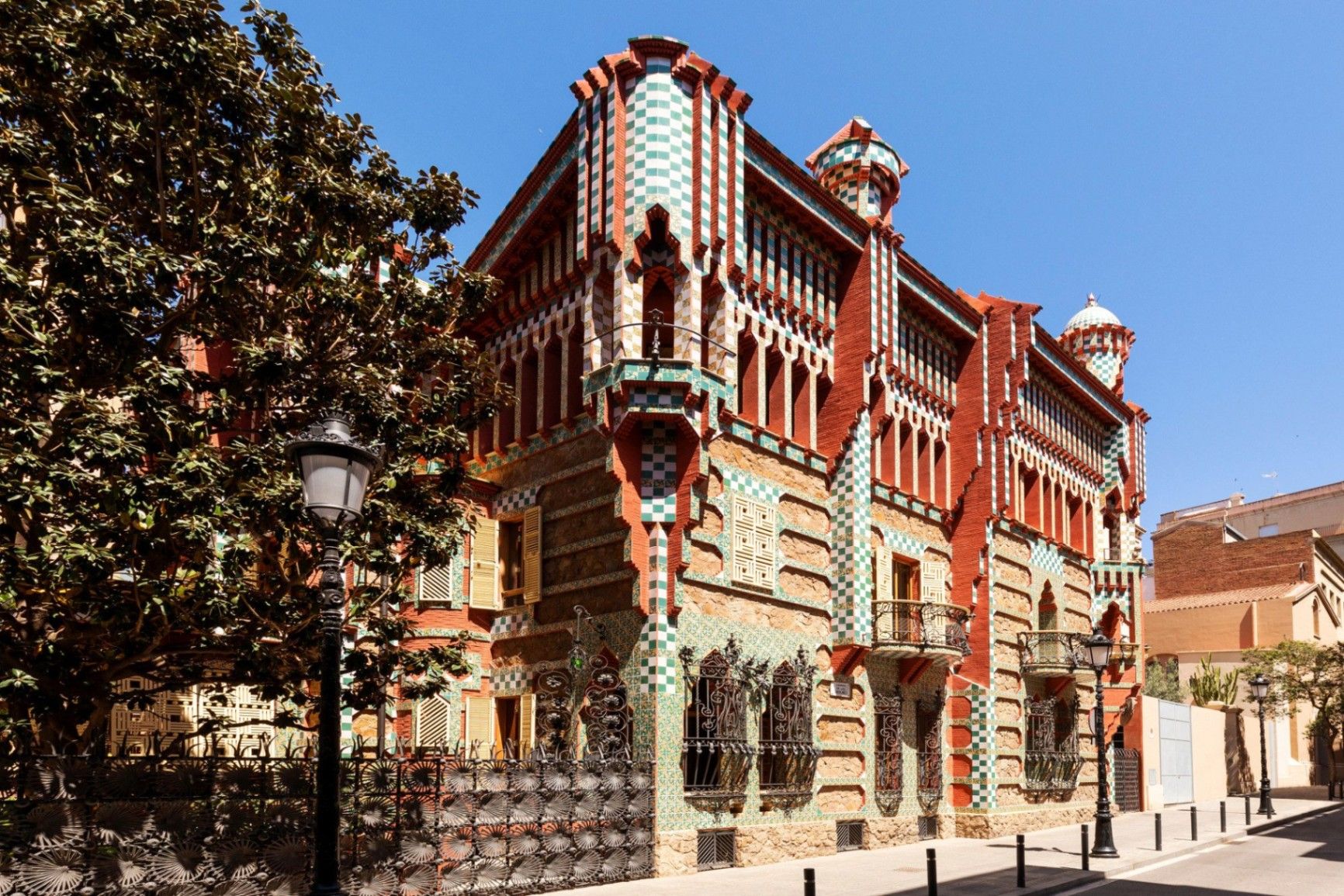
## Description **Casa Vicens** is widely recognized as the **first major architectural masterpiece of Antoni Gaudí** and one of the most important early works of Modernisme (Catalan Art Nouveau). Built between **1883 and 1885**, the house marks the beginning of Gaudí’s lifelong experimentation with **geometry, nature-inspired decoration, structural innovation, and symbolic design**. While later works like the Sagrada Família and Park Güell are more famous, Casa Vicens is where Gaudí’s architectural language truly begins. Unlike the flowing, organic shapes that characterize his later work, Casa Vicens is defined by **strong geometric forms, bold color contrasts, and rich surface ornamentation**. The exterior façade is covered with **vivid green and white ceramic tiles decorated with marigold flowers**, a direct reference to the plant species that once grew on the site. This was one of Gaudí’s earliest expressions of his belief that **architecture should emerge from nature, not dominate it**. The building blends a surprising range of influences: **Moorish, Gothic, and Asian-inspired motifs** coexist with Catalan craftsmanship. Horseshoe arches, intricate ironwork, glazed tiles, and painted ceilings come together in a stylistic fusion that was radical for its time. Inside, every room is treated as a complete artistic composition, from the hand-painted ceilings and floral wall motifs to the custom-designed doors, furniture, and fireplace details. Originally constructed as a **summer residence for the Vicens family**, who made their fortune in tile manufacturing, the house was later expanded and modified in the early 20th century. For most of its history, Casa Vicens remained a **private residence**, inaccessible to the general public. It was only after a major restoration project that the house opened as a **museum in 2017**, allowing visitors to explore its interiors for the first time. A little-known fact is that Gaudí was only **31 years old** when he designed Casa Vicens. At the time, he was virtually unknown, and this project launched his reputation among Barcelona’s elite. Another lesser-known detail is that the building originally included a **large garden with fountains and pergolas**, most of which disappeared as urban development intensified in the Gràcia district. What makes Casa Vicens especially valuable today is not just its beauty, but its role as a **historical blueprint** of everything Gaudí would later refine: organic symbolism, deep integration of craft and structure, and uncompromising artistic control over every architectural element. Visiting Casa Vicens is like witnessing the **moment of origin of one of the most influential architects in world history**. In 2005, Casa Vicens was officially declared a **UNESCO World Heritage Site**, confirming its global cultural significance. It now stands not only as a museum, but as a living document of architectural revolution in late 19th-century Barcelona. ## Location **Casa Vicens** is located in the **Gràcia district** of **Barcelona**, Spain. Gràcia is known for its village-like atmosphere, artistic traditions, and lively plazas. **City:** Barcelona **Region:** Catalonia (Catalunya) **Country:** Spain **District:** Gràcia **Address:** Carrer de les Carolines, 20–26, 08012 Barcelona ### How to Get There: * **By metro:** Take **L3 (Green Line)** to **Fontana Station**, then walk approximately 7 minutes. * **By bus:** Several city bus lines stop near Gran de Gràcia and Travessera de Dalt. * **By taxi or ride-hailing apps:** Request “Casa Vicens Gaudí.” * **By foot:** It is a pleasant 20–25 minute walk from **Passeig de Gràcia**. * **By bicycle:** Bike lanes connect Gràcia with central Barcelona, with bike parking nearby. Its location makes it easy to combine with a walk through **Plaça del Sol**, **Gràcia’s markets**, and independent cafés and boutiques. ## Tips * **Book tickets in advance:** Entry slots are limited, especially during peak tourist seasons. * **Choose an early morning visit:** The experience is quieter and more immersive before large tour groups arrive. * **Use the audio guide:** It provides excellent explanations of the symbolism, structure, and design choices. * **Take time with the ceilings:** Many of the most impressive details are above eye level. * **Photography is allowed:** Flash is typically restricted to protect interiors. * **Combine with other Gaudí sites thoughtfully:** Casa Vicens works best as an introduction before visiting Park Güell or Casa Batlló. * **Allow at least 90 minutes:** This gives enough time to explore all floors, the terrace, and exhibitions without rushing. * **Accessibility:** Check elevator availability in advance, as this is a historic building with structural limitations. ## Conclusion **Casa Vicens** is not merely a beautiful house—it is the **architectural starting point of Antoni Gaudí’s genius**. Through its bold colors, layered symbolism, and fusion of cultures and crafts, it reveals the earliest expression of ideas that would later redefine Barcelona’s identity. As both a UNESCO World Heritage Site and a public museum, Casa Vicens offers visitors an intimate, foundational encounter with one of the world’s most innovative architects. ## FAQ **1. What is Casa Vicens famous for?** It is famous as **Antoni Gaudí’s first major architectural project** and a key early work of Catalan Modernisme. **2. Is Casa Vicens a UNESCO World Heritage Site?** Yes, it was added to the UNESCO World Heritage list in **2005**. **3. Can you visit the interior?** Yes, Casa Vicens is fully open to the public as a **museum since 2017**. **4. How long does a typical visit take?** Most visitors spend between **1 and 1.5 hours** inside the house. **5. Is Casa Vicens suitable for children?** Yes, although younger children may need supervision due to stairs and delicate interiors. **6. Is Casa Vicens less crowded than Casa Batlló and La Pedrera?** Yes, it is generally **less crowded**, making for a more relaxed viewing experience. ## Links * [Official Casa Vicens Website](https://casavicens.org)
GemVoyage Team • World
Tokyo
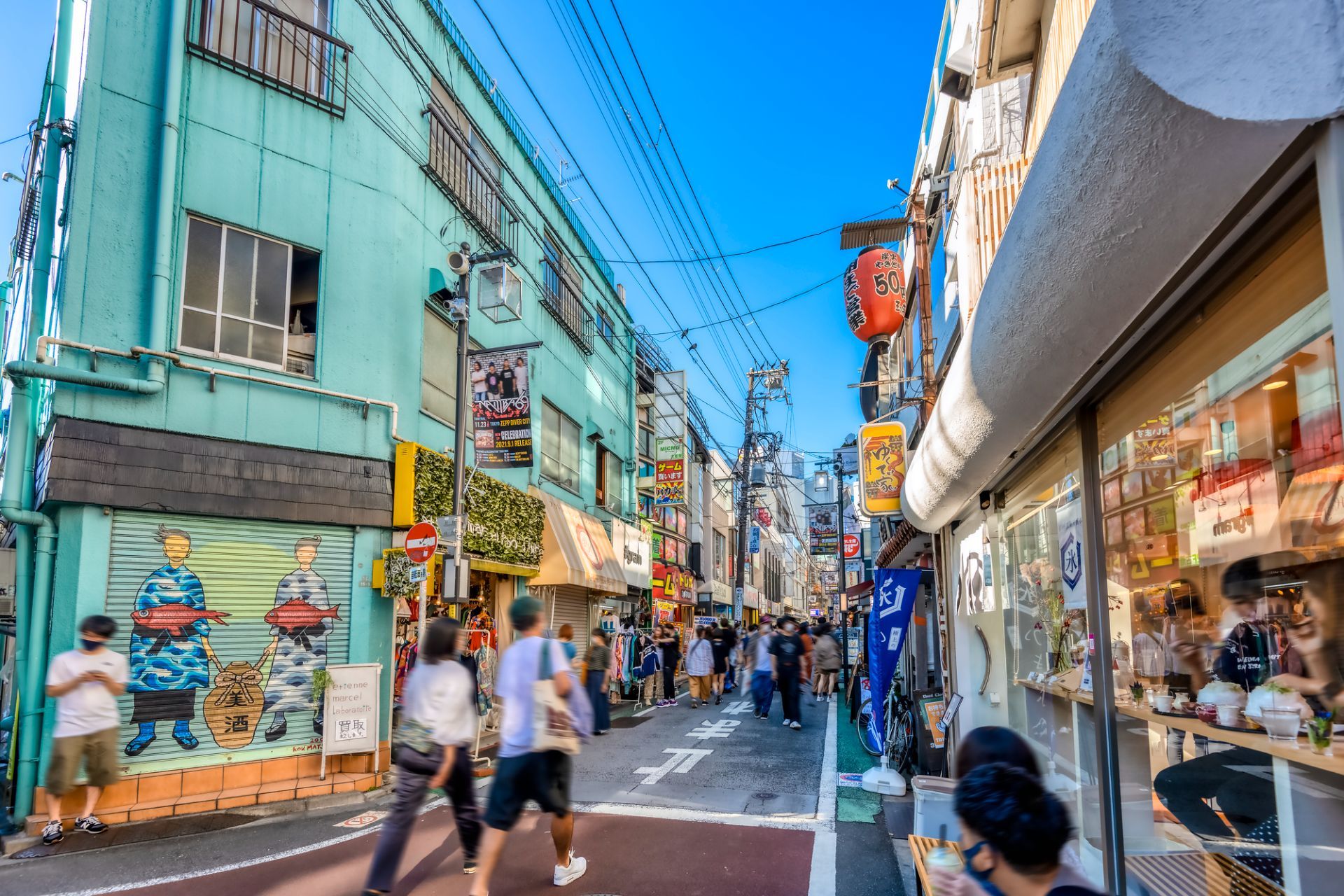
## Description Shimokitazawa is one of Tokyo's most beloved neighborhoods for travelers who want a creative, youthful, and slightly offbeat urban experience. Known for its indie shops, vintage fashion, small music venues, cafes, bars, and relaxed street culture, the area feels like a counterpoint to the polished intensity of central Tokyo. It is dense enough to feel exciting but compact enough to explore without stress, which makes it ideal for wandering. The neighborhood's appeal lies in its mix of everyday life and subculture. You can spend an afternoon browsing record stores, secondhand clothing shops, zines, and design goods, then stop for coffee or a casual meal in a tiny restaurant tucked into a side street. The area has long been associated with theater, music, and youth culture, so even when it is busy it retains an unmistakable creative identity. Many visitors describe it as a place where Tokyo becomes more approachable and personal. One little-known fact is that Shimokitazawa's reputation as a vintage hub grew gradually over decades, rather than through a single development plan, which gives its retail landscape an organic feel. Another is that the neighborhood has been shaped by rail infrastructure and urban redevelopment, yet it still preserves a strong sense of small-scale community in its alleys and side streets. That balance between change and continuity is central to its character. The streets themselves are part of the experience. Unlike hyper-structured shopping districts, Shimokitazawa encourages detours. A turn into a narrow lane may reveal a tiny jazz bar, an art space, or a cafe with a deliberately handmade interior. This makes the neighborhood especially rewarding for repeat visits, because the pleasure comes from discovering layers rather than checking off landmarks. Food is another reason to stay longer than expected. Shimokitazawa has everything from casual ramen and curry to dessert shops and specialty coffee. The density of places to eat means you can shape the day around browsing, resting, and browsing again. In the evening the district softens into a social district, with bars and live venues drawing a crowd that is varied but usually relaxed. For travelers who want a neighborhood that captures a more intimate and creative side of Tokyo, Shimokitazawa is an excellent choice. It is stylish without feeling exclusive and lively without feeling overwhelming. That combination is rare, and it is what keeps the area high on many repeat visitors' lists. ## Location Shimokitazawa is a neighborhood in Setagaya, Tokyo, Japan, located in the western part of the inner city. It is known for the station area and the streets that radiate from it. The easiest way to get there is by train, especially via the Odakyu Line or Keio Inokashira Line. Once you arrive, the district is best explored on foot. Because the neighborhood is compact, you can comfortably combine shopping, food, and nightlife in one visit. ## Tips Go without a rigid plan. The neighborhood is best enjoyed through spontaneous exploration. Visit both daytime and evening if you can. Daytime is better for shopping, while evening brings a more social atmosphere. Bring cash or a card that works widely in Japan, since smaller shops may have different payment preferences. If you are interested in vintage fashion, be prepared to spend time. Good finds often take patience. Look for smaller side streets rather than staying only near the station exits. Use Shimokitazawa as a half-day or full-day stop, depending on how much you want to browse and eat. ## Conclusion Shimokitazawa offers one of Tokyo's most distinctive neighborhood experiences, blending indie culture, vintage shopping, and relaxed urban energy in a compact and walkable district. ## FAQ ### What is Shimokitazawa famous for? It is famous for vintage clothing, independent cafes, small live music venues, theater, and a creative neighborhood atmosphere. ### Is Shimokitazawa worth visiting for first-time travelers to Tokyo? Yes, especially if you want a more local and youthful district beyond the major sightseeing areas. ### How much time do I need there? At least half a day, though many visitors stay longer because of the shopping and food options. ### Is Shimokitazawa good for nightlife? Yes, but it is a more relaxed nightlife scene than the biggest entertainment districts in Tokyo. ## Links - [Shimokitazawa](https://en.wikipedia.org/wiki/Shimokitazawa) - [Tokyo tourism](https://www.gotokyo.org/en/)
GemVoyage Team • World
Stockholm
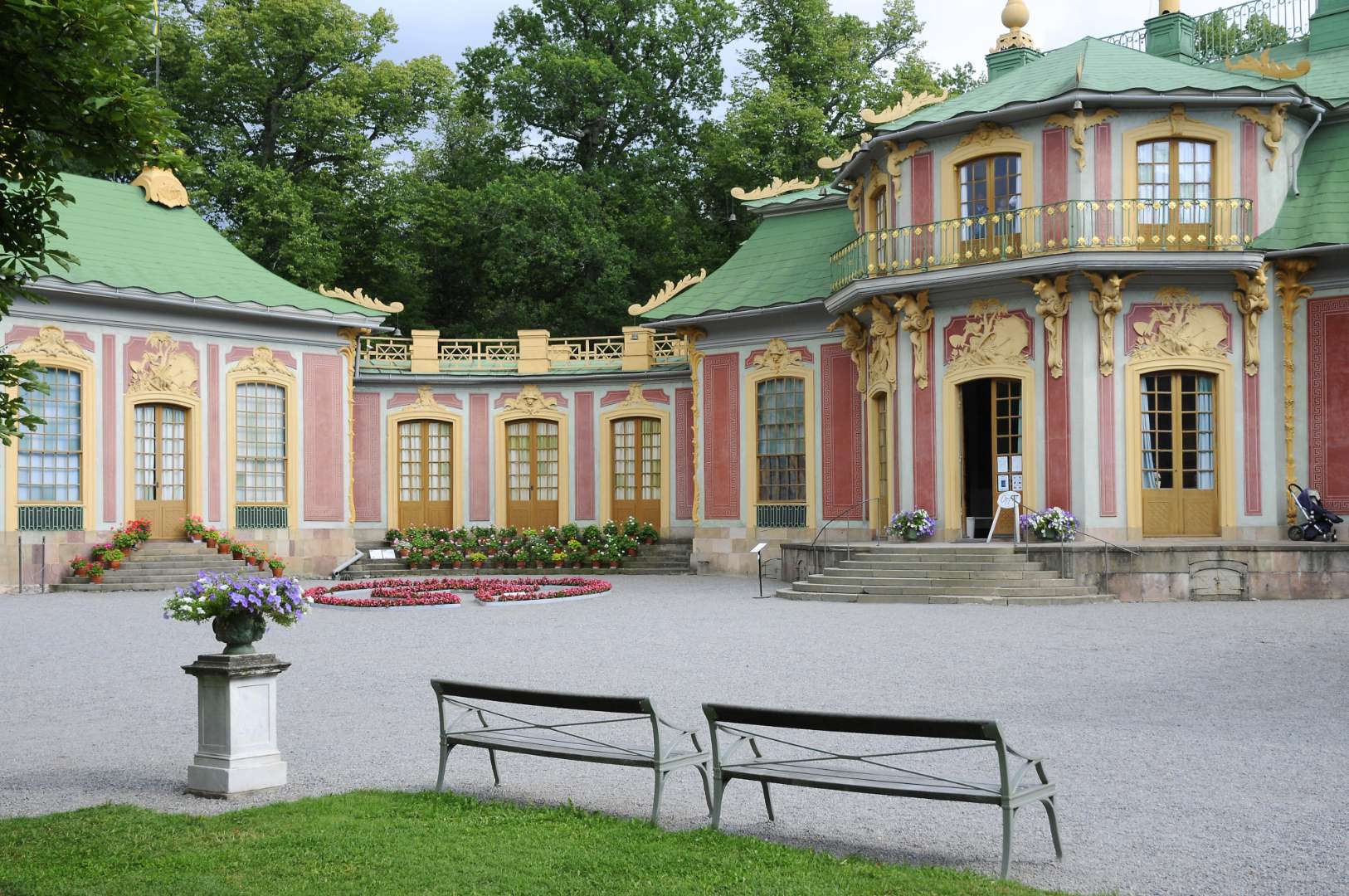
## Description The Chinese Pavilion (Swedish: Kina slott) in Stockholm is a whimsical and elegant slice of 18th-century European fascination with the East. Nestled within the lush grounds of Drottningholm Palace Park, this royal summer retreat was commissioned in 1753 by King Adolf Fredrik as a surprise birthday gift for Queen Lovisa Ulrika. The pavilion is a stunning example of **Chinoiserie**, a European artistic style that romanticized and imitated Chinese design, blending it with Rococo elements to create a fairy-tale-like structure. What makes the Chinese Pavilion truly unique is its blend of imported Chinese artifacts and Swedish craftsmanship. Inside, you’ll find original Chinese silk and paper wall coverings, lacquered screens, porcelain vases, and stained glass windows. Swedish Rococo furniture inspired by Chinese motifs adds a local twist to the exotic aesthetic. The pavilion’s interiors were designed by Jean Eric Rehn, the royal court’s chief supervisor, and many of the decorative objects were brought in by the Swedish East India Company. A little-known fact: the original pavilion was prefabricated in Stockholm and assembled in Drottningholm in secret, making it one of the earliest examples of modular architecture in Sweden. Another quirky detail—during the pavilion’s unveiling, the young Crown Prince Gustav (later King Gustav III) presented the Queen with a golden key while dressed as a Chinese mandarin. ## Location The Chinese Pavilion is located in **Sweden**, within the **Stockholm County** region, specifically in the **Ekerö Municipality** on the grounds of **Drottningholm Palace**, a UNESCO World Heritage Site. ### How to Get There: - **By Public Transport**: Take the metro to Brommaplan, then transfer to bus 176 or 177 toward Drottningholm. The pavilion is a short walk from the palace. - **By Boat**: During summer, ferries run from central Stockholm to Drottningholm—a scenic and relaxing option. - **By Car**: It’s about a 30-minute drive from downtown Stockholm. Parking is available near the palace grounds. Once you arrive at Drottningholm, follow the signs through the park to reach the Chinese Pavilion. ## Tips for Visitors To make the most of your visit to the Chinese Pavilion, consider these helpful tips: - **Visit in Summer**: The pavilion is open from May to September. Plan your visit during this period to access the interiors. - **Combine with Drottningholm Palace**: Make it a full-day outing by exploring both the palace and the pavilion. - **Guided Tours**: Opt for a guided tour to learn about the history, architecture, and royal anecdotes tied to the pavilion. - **Photography**: The exterior and gardens are perfect for photos, but interior photography may be restricted. - **Wear Comfortable Shoes**: The pavilion is located within a large park, so expect some walking. - **Check for Events**: Occasionally, cultural events and exhibitions are held in the pavilion—check the schedule in advance. ## Conclusion The Chinese Pavilion in Stockholm is a captivating blend of East and West, fantasy and history. With its ornate design, rich backstory, and tranquil setting, it offers visitors a unique glimpse into Sweden’s royal past and its 18th-century fascination with Chinese art and culture. ## FAQ **1. When is the Chinese Pavilion open to visitors?** It’s open seasonally from May to September. Exact dates may vary each year. **2. Is the Chinese Pavilion part of Drottningholm Palace?** Yes, it’s located within the Drottningholm Palace Park and is considered part of the Royal Domain. **3. Can I visit the pavilion without a guided tour?** Yes, self-guided visits are allowed, but guided tours provide deeper insight into its history and design. **4. Is photography allowed inside the pavilion?** Photography is generally restricted inside. You can take pictures of the exterior and gardens. **5. How long should I plan for the visit?** Allocate at least 1–2 hours to explore the pavilion and surrounding park, or more if combining with Drottningholm Palace. **6. Is the pavilion accessible for people with mobility issues?** Accessibility is limited due to the historic nature of the building. Contact the site in advance for specific accommodations. ## Links - [Official Chinese Pavilion Page – Royal Palaces of Sweden](https://www.kungligaslotten.se/english/royal-palaces-and-sites/the-chinese-pavilion.html) - [Visit Stockholm – Chinese Pavilion](https://www.visitstockholm.com/o/the-chinese-pavilion/)
GemVoyage Team • World
Berlin
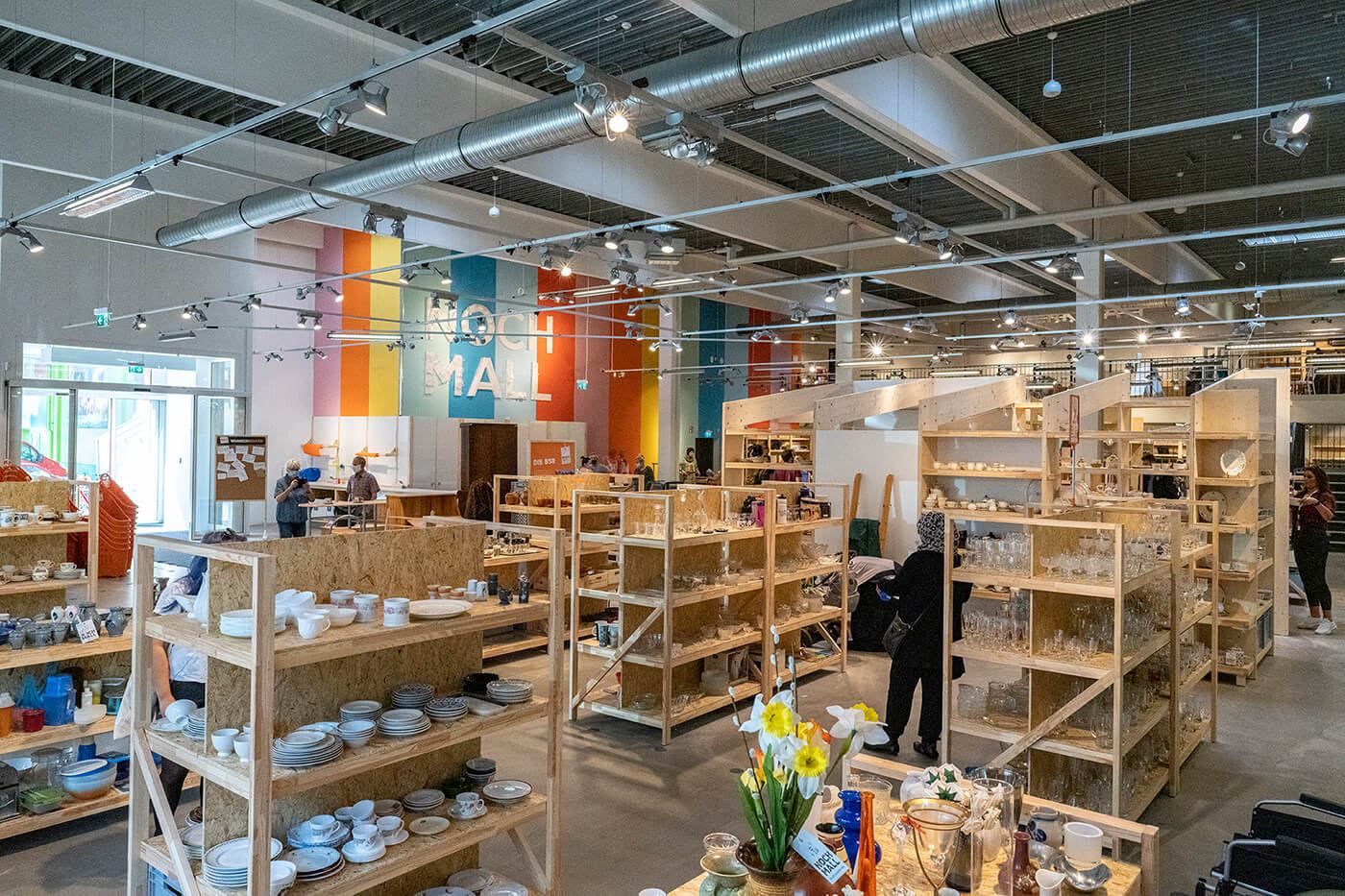
## Description **NochMall** is one of Berlin’s most unconventional, forward-thinking shopping destinations and stands as **Europe’s largest reuse department store**. Unlike traditional second-hand shops or flea markets, NochMall operates as a **professionally curated reuse center**, where discarded items are rescued, restored if necessary, and offered for resale in a structured, retail-style environment. Its mission goes far beyond commerce: NochMall exists to promote **sustainability, waste reduction, circular economy principles, and conscious consumption**. The name “NochMall” comes from the German phrase meaning “once again,” perfectly reflecting its role in giving objects a second life. The store is operated by **BSR (Berliner Stadtreinigungsbetriebe)**, Berlin’s public waste management company. This alone makes it unique—most cities focus on disposal and recycling, while Berlin has invested in a large-scale, public **reuse infrastructure** that turns waste prevention into an accessible urban service. Inside the massive warehouse-style space, visitors find a wide and constantly changing range of items: **furniture, home décor, bicycles, electronics, books, kitchenware, tools, children’s toys, musical instruments, sports equipment, and clothing**. Everything comes from Berlin households, salvage collections, or BSR recycling centers. Items that are still usable are inspected, cleaned, priced, and placed on display instead of being destroyed. What sets NochMall apart from ordinary thrift stores is its **department-store-style layout**. Products are organized into clear categories, with professional shelving, signage, and lighting. The atmosphere is bright, modern, and surprisingly calm. Prices are deliberately kept **affordable but realistic**, reflecting both value and sustainability goals rather than aggressive profit margins. NochMall is also an **educational and cultural space**. It regularly hosts **repair workshops, upcycling courses, sustainability lectures, school programs, and community events**. The attached café reinforces the idea that this is not just a store, but a **social meeting point for environmentally conscious urban life**. A little-known fact is that NochMall diverts **thousands of tons of usable goods from Berlin’s waste stream every year**, directly reducing landfill pressure and raw-material consumption. Another lesser-known detail is that some of the furniture sold in the store is **professionally refurbished by local social enterprises**, creating both environmental and social value through job creation and vocational training. For visitors, NochMall offers something truly different: the chance to experience sustainability not as a theory, but as a **practical, well-functioning urban system**—and to take part in it. ## Location **NochMall** is located in the **Reinickendorf district** in the **northwestern part of Berlin**, an area with a strong industrial and logistics character, well suited to large-scale sustainability infrastructure. **City:** Berlin **Region:** Berlin State (Bundesland Berlin) **Country:** Germany **District:** Reinickendorf ### How to Get There: * **By S-Bahn:** Take **S25** to **Alt-Reinickendorf**, then walk about 10–12 minutes. * **By U-Bahn:** Take **U6** to **Scharnweberstraße**, then continue by bus or taxi. * **By bus:** Several local bus lines serve the surrounding industrial area. * **By car:** Easy access via main arterial roads; on-site parking is available. * **By bicycle:** Cycling is possible, though the industrial surroundings favor longer-distance riders. While NochMall is not located in a classic tourist district, it is easily reachable with public transport and well worth the trip for anyone interested in sustainability, design, or alternative shopping experiences. ## Tips * **Visit with spare time:** Nochmal is large and constantly changing; allow at least 90 minutes to explore properly. * **Go without a fixed shopping list:** The best finds are often unplanned discoveries. * **Check electronics carefully:** Everything is tested, but it’s still smart to inspect functionality before purchase. * **Bring a way to transport bulky items:** Larger furniture may require a car, delivery service, or cargo bike. * **Ask staff for new arrivals:** Some sections receive fresh stock several times per week. * **Attend a workshop:** Repair and upcycling events add real educational value to your visit. * **Combine with sustainability tourism:** Pair NochMall with visits to eco-focused districts or urban gardening projects. * **Donations are possible:** If you live in Berlin, you can legally donate usable items through BSR systems. ## Conclusion **NochMall** is far more than a resale store. It is a **large-scale, real-world model of circular economy in action**, proving that reuse can be organized with the same professionalism as mainstream retail. By transforming waste into resources, education into practice, and shopping into a responsible act, NochMall represents one of Berlin’s most meaningful modern innovations. For travelers and residents alike, it offers not just bargains, but a powerful insight into the future of sustainable cities. ## FAQ **1. What is NochMall exactly?** NochMall is **Europe’s largest reuse department store**, operated by Berlin’s public waste management company, focusing on resale instead of disposal. **2. Is NochMall a normal second-hand shop?** No. It is a **professionally structured reuse center**, significantly larger and more organized than typical thrift stores. **3. Are the items donated?** Yes. Items come from **Berlin households, recycling centers, and municipal collection systems**. **4. Are the products tested and safe to use?** Yes. Electronics and technical items are **checked for basic functionality and safety** before being sold. **5. Is NochMall only for Berlin residents?** No. It is **open to everyone**, including tourists. **6. Can I donate items directly at the store?** Donations are usually handled through **official BSR collection systems**, not directly at the sales floor. ## Links * [Official NochMall Website](https://www.nochmall.de)
GemVoyage Team • World


Comments