Barcelona, the vibrant capital of Catalonia, is a coastal city famous for its unique blend of art, history, and Mediterranean lifestyle. Founded over 2,000 years ago, it features stunning architecture by Antoni Gaudí, including Sagrada Familia and Park Güell. Visitors can explore the lively La Rambla, relax on Barceloneta Beach, and discover the historic Gothic Quarter. Barcelona is also renowned for its football culture, world-class dining, and dynamic nightlife. With its rich heritage and modern energy, Barcelona is a top travel destination in Spain and Europe.
9 amazing places discovered by our community
Barcelona
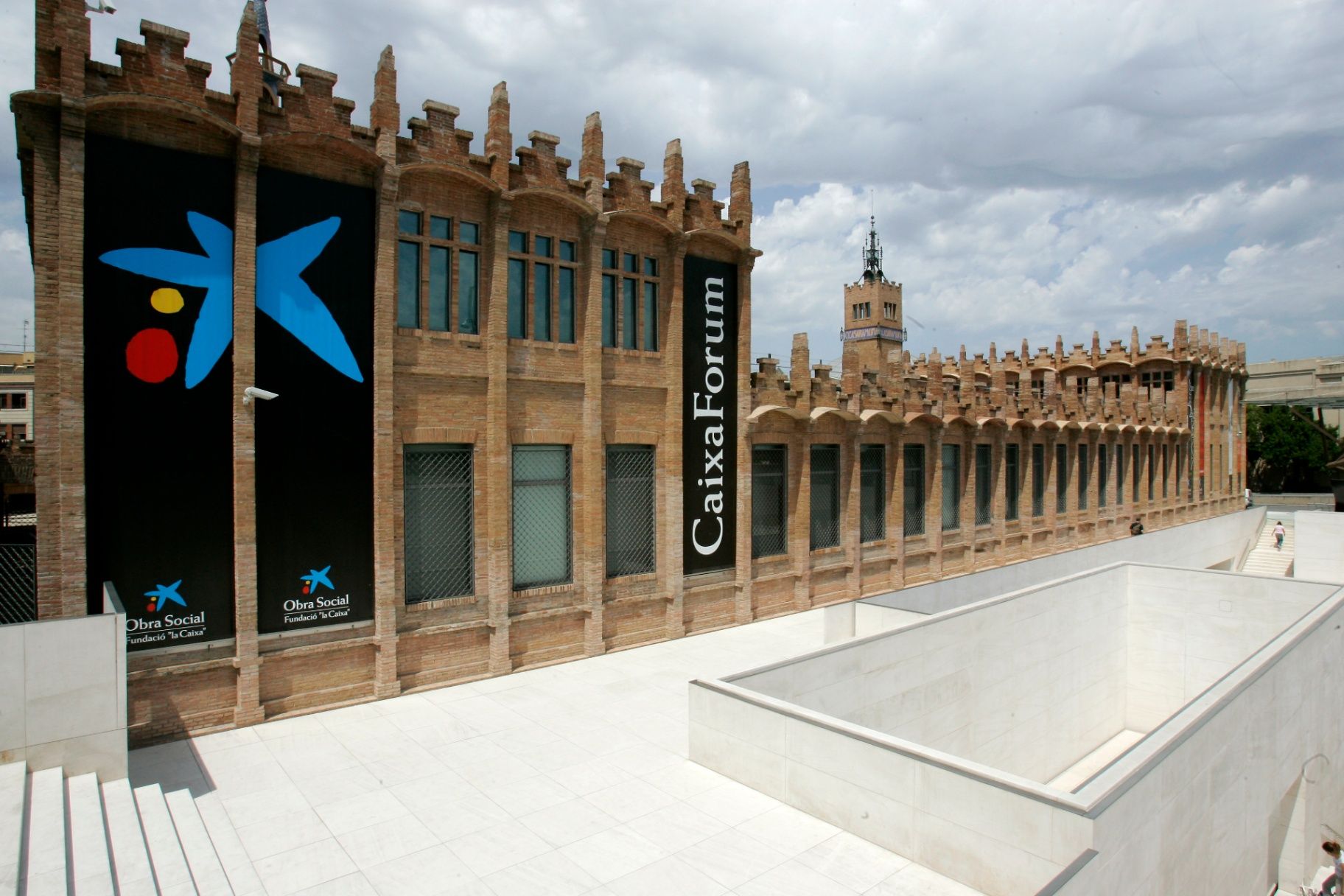
## Description **CaixaForum Barcelona** is one of the city’s most important cultural institutions, combining architecture, contemporary thought, and public education under one roof. It is housed in the former **Casaramona Textile Factory**, an early 20th-century industrial complex designed by the modernist architect Josep Puig i Cadafalch. Rather than demolishing the structure, it was carefully restored and repurposed, turning a once-abandoned factory into a vibrant center for exhibitions, debates, and artistic exploration. What makes CaixaForum Barcelona unique is its **programmatic diversity**. It is not a conventional museum with a permanent collection on display. Instead, it hosts a rotating schedule of high-quality temporary exhibitions covering art, photography, history, science, archaeology, music, and social issues. These exhibitions are often produced in collaboration with major international institutions, giving visitors access to works and ideas that rarely appear elsewhere in the city. Architecturally, the building itself is part of the experience. The red brick façades, sharp geometric volumes, and absence of ornamentation reflect a restrained form of Catalan modernism that contrasts with the more decorative style of Gaudí. A lesser-known fact is that the factory was originally built in 1911 but **never actually operated as an industrial plant**, as production ceased before it could fully open. Another interesting detail is the dramatic entrance plaza, redesigned by Japanese architect Arata Isozaki, which creates a striking dialogue between old and new through stone, steel, and light. Beyond exhibitions, CaixaForum functions as a **cultural forum in the literal sense**. It hosts lectures, film screenings, concerts, workshops, and family-oriented activities, making it appealing to a wide range of audiences. The institution emphasizes accessibility and education, aiming to make complex cultural topics understandable without oversimplifying them. ## Location **Country:** Spain **Region:** Catalonia **City:** Barcelona **District:** Sants-Montjuïc CaixaForum Barcelona is located at the foot of **Montjuïc Hill**, near Plaça d’Espanya, an area known for its concentration of museums, exhibition spaces, and monumental architecture. ### How to Get There * **By metro:** * Lines L1 (Red) or L3 (Green) to **Plaça d’Espanya** station. From there, it is a 5–7 minute walk. * **By bus:** * Several bus lines stop around Plaça d’Espanya and along Avinguda de Francesc Ferrer i Guàrdia. * **On foot:** * Easily reachable from Plaça d’Espanya and the surrounding exhibition grounds. * **By taxi:** * A convenient option if coming from other parts of the city; drop-off points are nearby. ## Tips * **Check the exhibition schedule in advance:** Exhibitions change regularly, and some are time-limited. * **Allow enough time:** One exhibition can easily take 90 minutes if explored thoroughly. * **Visit during weekdays:** Weekends tend to be busier, especially during popular exhibitions. * **Use the audio guides:** They provide context and depth without overwhelming the visitor. * **Combine with Montjuïc sights:** Pair your visit with nearby attractions such as museums or gardens. * **Look for free-entry times:** Certain days or time slots may offer reduced or free admission. ## Conclusion CaixaForum Barcelona is a cultural anchor that successfully bridges Barcelona’s industrial past with its intellectual present. Through its thoughtful exhibitions, adaptive architecture, and commitment to public engagement, it offers a meaningful alternative to traditional museums and rewards visitors seeking substance over spectacle. ## FAQ **1. Is CaixaForum Barcelona a museum?** It functions more as a cultural center with temporary exhibitions rather than a permanent museum collection. **2. How long does a visit usually take?** Most visitors spend between **1.5 and 3 hours**, depending on the exhibitions. **3. Is it suitable for children?** Yes, there are family-friendly exhibitions and interactive educational activities. **4. Are exhibitions available in multiple languages?** Yes, information panels and guides are usually available in Catalan, Spanish, and English. **5. Is the building accessible?** Yes, the center is fully accessible for visitors with reduced mobility. **6. Can you visit just for the architecture?** Yes, the building itself is worth seeing even without attending an exhibition. ## Links * [Official CaixaForum website](https://caixaforum.org/es/home)
GemVoyage Team • World
Barcelona
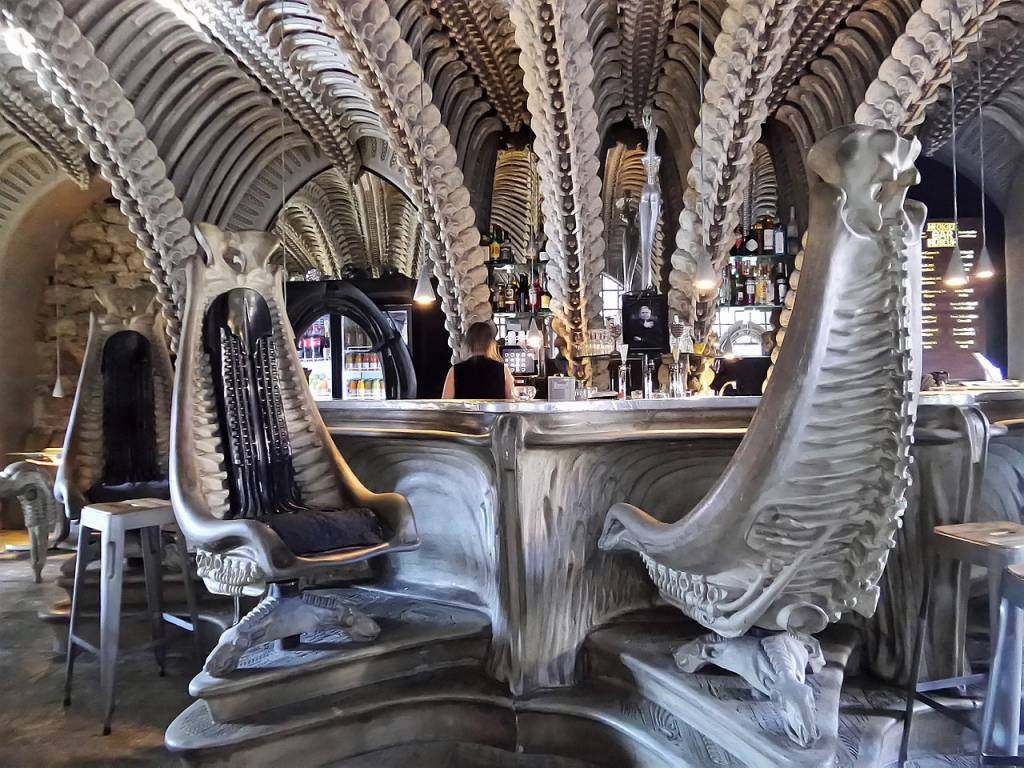
## Description **Museu Alien Barcelona** is one of the city’s most unconventional and niche attractions, appealing primarily to fans of science fiction, extraterrestrial mythology, and pop culture curiosities. Unlike traditional museums focused on history or fine art, Museu Alien positions itself as an **experiential and thematic space**, blending exhibition, storytelling, and speculative imagination. The result is a visit that feels closer to stepping into a parallel narrative than walking through a classical museum gallery. The museum centers on representations of aliens, UFO phenomena, and science-fiction-inspired artifacts. Displays include models, sculptures, visual installations, and multimedia elements that explore how extraterrestrial life has been imagined across cinema, television, comics, and conspiracy culture. Rather than attempting scientific validation, the museum leans into **cultural interpretation**, examining how humans have projected hopes, fears, and curiosity onto the idea of life beyond Earth. What makes Museu Alien unique is its **intentionally immersive and playful tone**. Lighting, sound effects, and scenographic elements are used to create an atmosphere that feels mysterious without being intimidating. It does not aim for academic authority; instead, it invites visitors to suspend disbelief and engage with the subject matter on an imaginative level. This makes it particularly appealing to younger audiences, sci-fi enthusiasts, and travelers looking for something outside Barcelona’s standard cultural circuit. A lesser-known fact is that the museum operates on a relatively **small, independent scale**, which allows it to evolve quickly. Exhibits may change, rotate, or be reinterpreted without the constraints faced by large institutions. Another interesting detail is that many of the pieces are inspired by **fan culture and independent creators**, reflecting how alien mythology thrives outside mainstream museums and formal science spaces. Museu Alien Barcelona is best approached with the right expectations. It is not a scientific institution nor a comprehensive exploration of astronomy. Its value lies in entertainment, atmosphere, and cultural curiosity rather than factual authority. ## Location **Country:** Spain **Region:** Catalonia **City:** Barcelona The museum is located within the central urban area of Barcelona, making it easy to combine with other attractions, shopping streets, or cafés nearby. ### How to Get There * **By metro:** * Several central metro lines stop within walking distance, depending on the exact neighborhood you are visiting that day. * **On foot:** * Easily reachable from nearby districts if you are already exploring central Barcelona. * **By bus:** * Local bus routes connect the surrounding area with the rest of the city. * **By taxi or ride-hailing:** * A practical option due to its central location and short travel times. Because smaller museums occasionally adjust locations or entrances, it is recommended to confirm directions shortly before visiting. ## Tips * **Set expectations correctly:** This is an entertainment-focused museum, not a science center. * **Check opening hours in advance:** Smaller attractions may have limited or variable schedules. * **Visit as part of a mixed day:** Pair it with nearby cultural or leisure activities rather than making it the sole focus of your day. * **Good for short visits:** Plan around 45 minutes to 1 hour. * **Photography policies may vary:** Ask staff before taking photos or videos. * **Ideal for niche interests:** Best enjoyed by sci-fi fans or curious travelers rather than traditional museum-goers. ## Conclusion Museu Alien Barcelona offers a lighthearted, imaginative break from the city’s classical museums and historic landmarks. Its strength lies in atmosphere and theme rather than depth or scale, making it a brief but memorable stop for visitors seeking something unexpected and unconventional. ## FAQ **1. Is Museu Alien Barcelona suitable for children?** Yes, especially for children interested in science fiction, fantasy, and visual storytelling. **2. Is the museum educational?** It is culturally educational rather than scientifically rigorous, focusing on imagination and pop culture. **3. How long does a visit usually take?** Most visits last between **45 minutes and 1 hour**. **4. Is it scary?** No, the atmosphere is playful and mysterious rather than frightening. **5. Does the museum change its exhibits?** Yes, exhibits may rotate or be updated, especially due to its independent nature. **6. Is it accessible for all visitors?** Accessibility may vary depending on the building layout; it is best to check in advance. ## Links * [Official Website](https://museoalien.com/)
GemVoyage Team • World
Barcelona
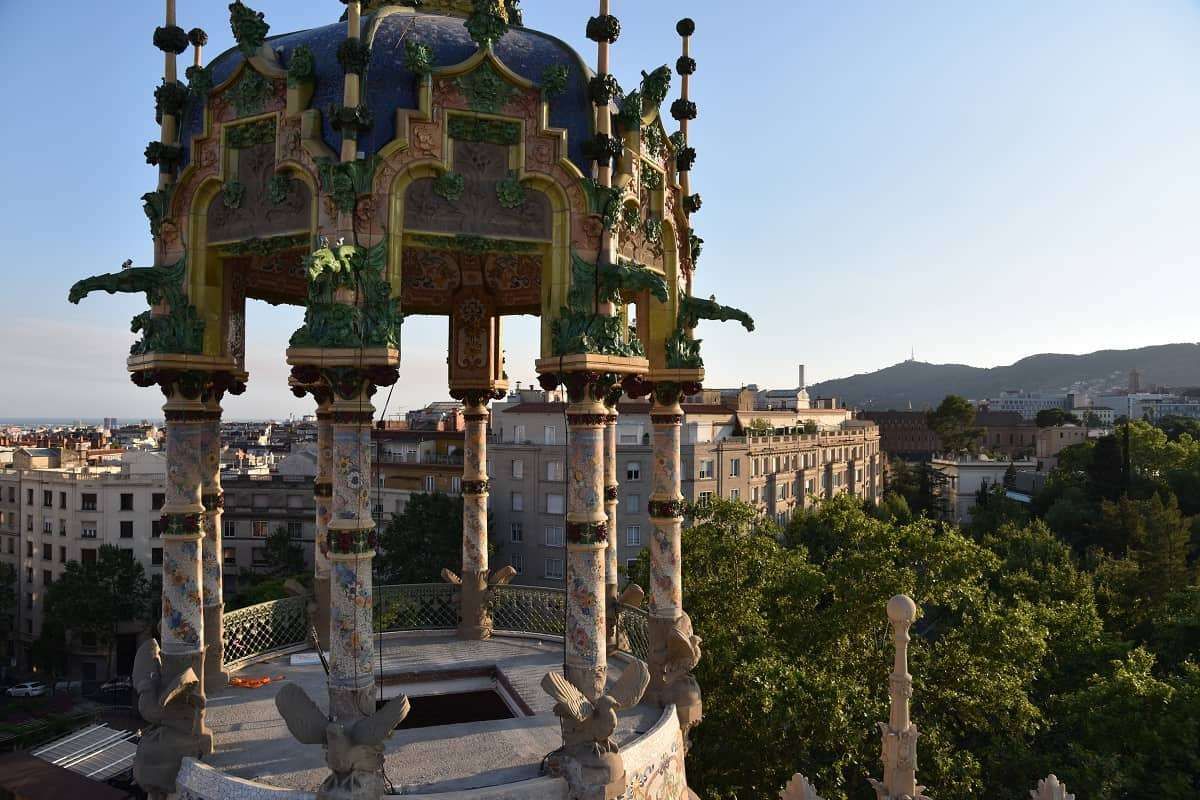
## Description **Torre Andreu**, more commonly known as **La Rotonda**, is one of Barcelona’s most distinctive yet often overlooked pieces of **Modernisme architecture**. Located at the upper edge of the city near the foothills of Tibidabo, this circular, turreted building looks more like a **fairytale castle than a residential structure**, making it one of the most visually unusual landmarks in Barcelona. The building was originally constructed in **1906** as a **luxury private residence** for a wealthy industrial family at a time when Barcelona’s elite were moving uphill away from the dense urban core. Its architectural language reflects the late phase of Catalan Modernisme, but with a lighter, more playful character than the monumental works of Gaudí. The structure’s curved form, decorative balconies, stained glass, floral stonework, and rooftop tower give it a **whimsical, almost theatrical presence**. What truly sets La Rotonda apart is its **cylindrical layout**, which is extremely rare in Barcelona’s residential architecture. While most Modernist buildings rely on flat façades and vertical symmetry, Torre Andreu embraces a soft, flowing geometry that produces constantly shifting perspectives as you walk around it. From different angles, the building seems to change character—from grand to intimate, from playful to mysterious. After serving as a private mansion, the building was later transformed into a **luxury hotel**, gaining the nickname “La Rotonda” due to its circular shape. Over the decades, it hosted visiting elites, business figures, and international guests. Its decline began in the late 20th century as the area lost its tourism focus, and the building passed through phases of limited use, abandonment, and restoration attempts. A little-known fact is that Torre Andreu spent many years in a **state of legal and architectural limbo**, with disputes over ownership and protection status delaying proper restoration. Another lesser-known detail is that its rooftops once hosted **social gatherings with views stretching across the entire city and toward the Mediterranean**, making it one of the most exclusive view points in pre-war Barcelona. Today, La Rotonda stands as a **symbol of architectural memory suspended between preservation and neglect**. While parts of the structure have undergone restoration at different times, it remains largely inaccessible to the public. Despite this, it continues to attract architects, photographers, and urban explorers who see it as a **ghost of Barcelona’s upper-class expansion era**, frozen between past luxury and uncertain future use. Emotionally, Torre Andreu is a place of contrast. It feels playful yet melancholic, elegant yet isolated. It reminds visitors that not all architectural masterpieces sit in crowded tourist centers—some survive quietly at the city’s edges, waiting to be rediscovered. ## Location **Torre Andreu (La Rotonda)** is located in the **Sant Gervasi–La Bonanova area**, near the start of **Avinguda del Tibidabo**, one of Barcelona’s most elegant upper-city avenues. **City:** Barcelona **Region:** Catalonia (Catalunya) **Country:** Spain **District:** Sarrià-Sant Gervasi **Nearby Landmark:** Plaça Kennedy ### How to Get There: * **By Tramvia Blau:** Take the historic **Blue Tram** from Plaça Kennedy up toward Tibidabo and get off at the early stops. * **By FGC (Train):** Take **FGC Line L7** to **Avinguda Tibidabo Station**, then walk about 10–12 minutes uphill. * **By bus:** Several lines from the city center serve Plaça Kennedy and Avinguda Tibidabo. * **By taxi:** A convenient option given the uphill location. * **By car:** Limited street parking is available; traffic can be heavy during peak hours. This location places La Rotonda along a scenic route that connects the city to **Tibidabo Mountain, the funicular, and the upper residential quarters**. ## Tips * **Admire it from the street:** The building is **not generally open to the public**, so plan for an exterior visit. * **Visit during daylight:** Details in stone, glass, and ironwork are best visible in strong natural light. * **Combine with Avinguda Tibidabo:** The walk itself features some of Barcelona’s most impressive mansions. * **Photography enthusiasts:** A wide-angle lens works best due to the building’s curved geometry. * **Do not expect tourist facilities:** No tickets, gift shops, or official visitor services are available on-site. * **Urban-exploration atmosphere:** The charm lies in observing a historic building existing quietly within daily city life. * **Respect private property limits:** Security patrols may restrict close access to entrances. ## Conclusion **Torre Andreu (La Rotonda)** is one of Barcelona’s most unusual Modernist buildings—**playful in form, dramatic in history, and quiet in presence**. Once a symbol of luxury living at the city’s upper edge, it now stands as a reminder that architectural brilliance does not always remain in the spotlight. For those willing to explore beyond the standard tourist circuit, La Rotonda offers a rare encounter with **Barcelona’s forgotten elegance and unresolved heritage**. ## FAQ **1. Why is Torre Andreu called “La Rotonda”?** Because of its **distinct circular shape**, which is rare in Barcelona’s residential architecture. **2. Can visitors go inside La Rotonda?** No. It is **not generally open to the public** and is viewed from the exterior only. **3. Who designed Torre Andreu?** It was designed in the early 20th century in the **Catalan Modernisme style**, attributed to architect **Adolf Ruiz i Casamitjana**. **4. Was it always a hotel?** No. It was originally built as a **private luxury residence** and later converted into a hotel. **5. Is Torre Andreu protected as a heritage site?** Yes. It is recognized as part of **Barcelona’s protected architectural heritage**, though restoration has been slow. **6. How long does a visit typically take?** About **10 to 20 minutes**, mainly for observation and photography. ## Links * [Visit Barcelona](https://www.barcelonaturisme.com)
GemVoyage Team • World
Barcelona
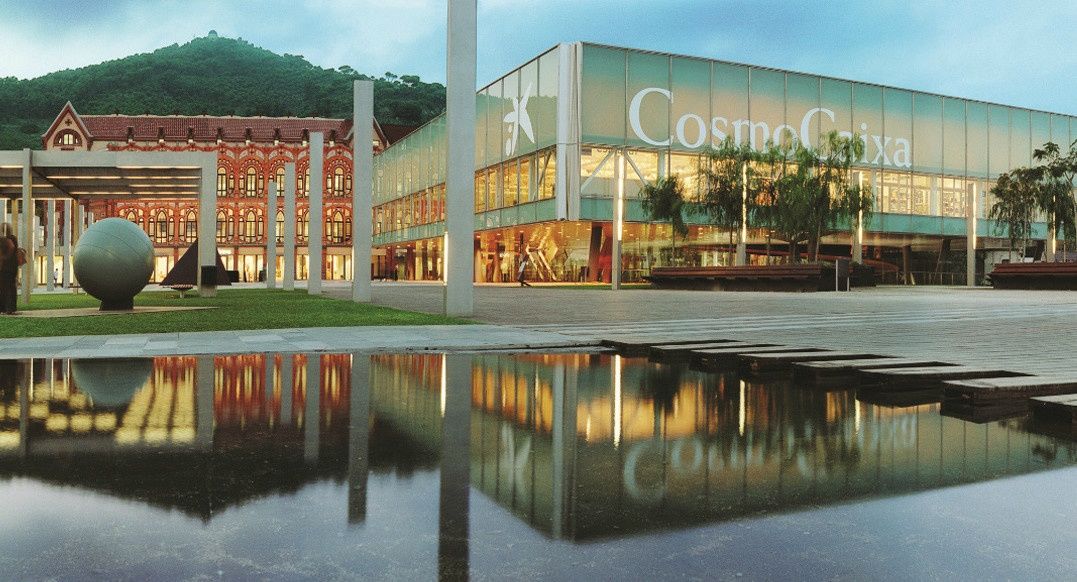
## Description The CosmoCaixa Museum of Science, officially known as Museu de la Ciència CosmoCaixa, is one of Barcelona’s most engaging and educational cultural attractions. Designed to make science accessible, interactive, and enjoyable, the museum invites visitors of all ages to explore the natural world, physics, biology, and the universe through hands-on exhibits and immersive environments. It is widely regarded as one of the best science museums in Europe. What makes CosmoCaixa unique is its emphasis on learning through experience rather than observation alone. The museum’s permanent exhibition spaces encourage visitors to touch, experiment, and question scientific principles. One of its most iconic features is the Flooded Forest, a large-scale recreation of an Amazon rainforest ecosystem complete with live plants, fish, and animals, offering an immersive look into tropical biodiversity. A lesser-known fact is that the museum building incorporates a dramatic architectural ramp system designed to guide visitors gradually through different levels of scientific exploration. Another interesting detail is that CosmoCaixa frequently updates its temporary exhibitions to reflect current scientific research and global challenges. CosmoCaixa successfully combines modern museology, cutting-edge science communication, and striking architecture, making it a standout destination in Barcelona beyond the city’s more traditional art and history museums. ## Location CosmoCaixa is located in **Spain**, in the autonomous community of **Catalonia**, within the city of **Barcelona**. It sits in the Sant Gervasi–La Bonanova district, slightly northwest of the city center, in a quieter residential area. The museum is easily reached by public transport. Visitors can take the Ferrocarrils de la Generalitat de Catalunya (FGC) train to **Avinguda Tibidabo** or **El Putxet** stations, followed by a short walk. Several bus lines also stop nearby. For those traveling by car, parking facilities are available on-site, though public transport is generally the most convenient option. ## Tips * Allow at least two to three hours to explore the museum comfortably. * Visit on weekdays or early in the morning to avoid crowds, especially during school holidays. * Don’t miss the Flooded Forest and the Planetarium, which are highlights of the museum. * Check the schedule for temporary exhibitions, workshops, and guided activities. * The museum is very family-friendly, with many exhibits designed for children and teenagers. * Take advantage of the on-site café and outdoor areas for a break during your visit. ## Conclusion CosmoCaixa Barcelona offers an engaging and thoughtful approach to science education through interactive exhibits and immersive environments. It is an ideal destination for families, students, and anyone curious about how the world works, providing a refreshing perspective on science in an accessible and enjoyable format. ## FAQ **Is CosmoCaixa suitable for children?** Yes, the museum is designed for all ages and includes many interactive exhibits for children. **How much time should I plan for a visit?** Most visitors spend between two and four hours exploring the museum. **Is there an entrance fee?** Yes, CosmoCaixa charges a modest entrance fee, with discounts for students, seniors, and families. **Are exhibits available in multiple languages?** Yes, most exhibits and information panels are available in Catalan, Spanish, and English. **Is the museum accessible for people with limited mobility?** Yes, the museum is fully accessible, with ramps, elevators, and adapted facilities. ## Links * [CosmoCaixa Official Website](https://cosmocaixa.org/es/cosmocaixa-barcelona)
GemVoyage Team • World
Barcelona
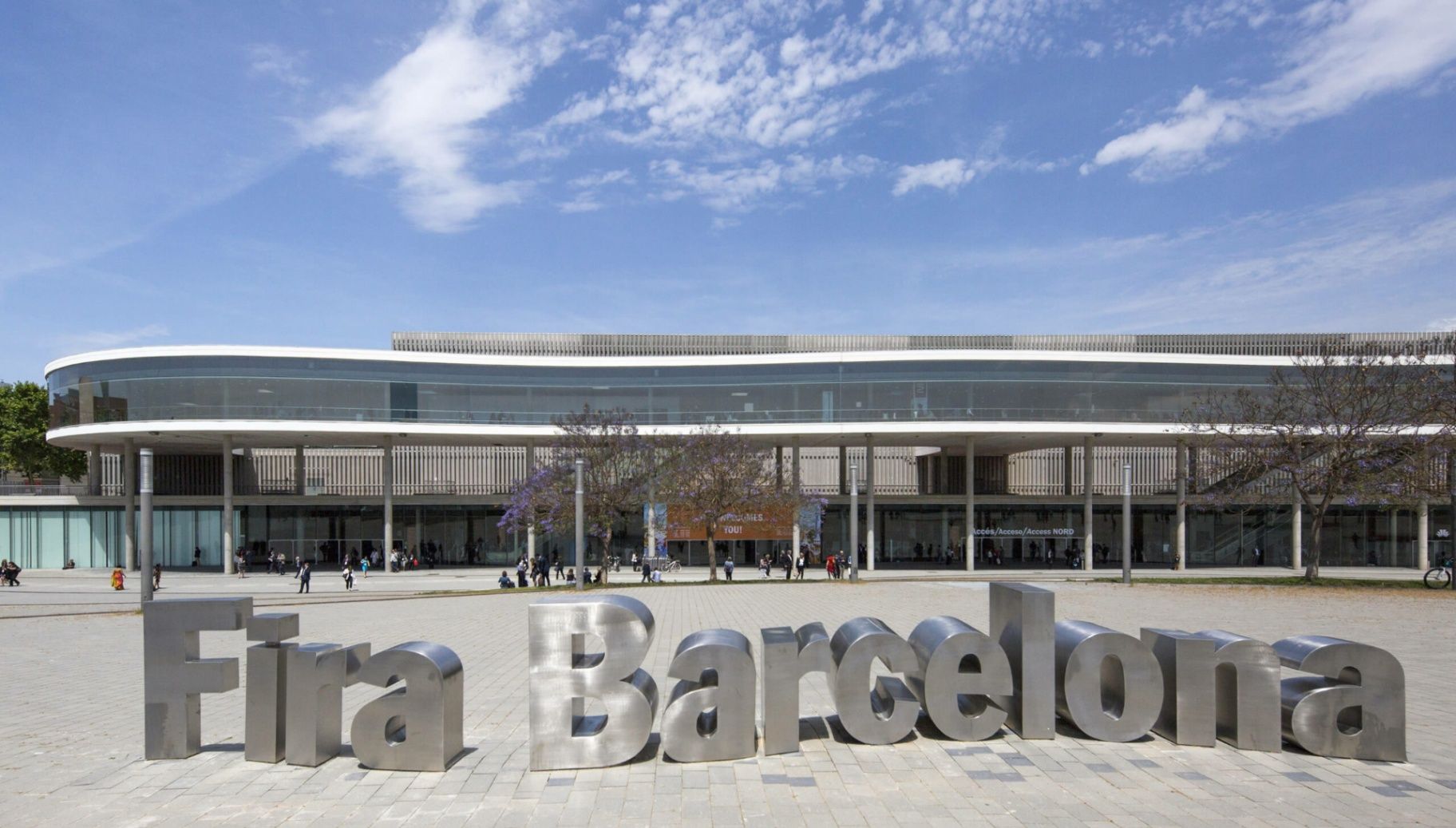
## Description **Fira Barcelona Gran Via** is one of the **largest and most advanced exhibition venues in Europe**, designed to host the world’s leading trade fairs, technology summits, medical congresses, and industrial expos. While Barcelona is often associated with beaches, historic quarters, and Gaudí architecture, Gran Via represents a different identity of the city: **global business, logistics precision, and large-scale innovation**. Opened in **2007**, the Gran Via venue was designed by renowned Japanese architect **Toyo Ito**, whose concept blends **minimalism, flow, and industrial elegance**. The complex consists of **eight massive exhibition halls**, interconnected by long glazed corridors, suspended walkways, and natural light shafts. The layout prioritizes **efficiency of movement**, allowing tens of thousands of visitors to circulate at once without congestion. What truly sets Fira Gran Via apart is its **sheer operational scale**. With more than **240,000 square meters of exhibition space**, it regularly hosts events that attract **over 100,000 visitors per edition**. Among its most famous recurring events are the **Mobile World Congress (MWC)**, one of the largest technology exhibitions on the planet, as well as major shows for pharmaceuticals, logistics, industrial automation, construction, and smart cities. Architecturally, Gran Via does not rely on decorative spectacle. Instead, it emphasizes **clean geometry, steel and glass contrasts, towering vertical volumes, and the rhythmic repetition of light and shadow**. The result is a building that feels futuristic without being extravagant. A striking visual feature is the **continuous covered spine** that links the halls like a central artery, functioning both as a navigation axis and as a social circulation zone between events. Beyond trade fairs, the venue also serves as a **global meeting point for governments, corporate leaders, scientists, and innovators**. International policy discussions on digital transformation, sustainability, healthcare systems, and future mobility frequently take place within its walls. In this sense, Fira Gran Via is not simply an exhibition space, but a **temporary city of global decision-making** that comes alive several times each year. A little-known fact is that during the design phase, the orientation of the halls was carefully calculated to **maximize diffused daylight while minimizing heat gain**, reducing energy consumption across the massive structure. Another lesser-known detail is that parts of the underground logistics network allow **direct truck access beneath the halls**, enabling exhibitors to move heavy machinery and large installations invisibly without disrupting surface-level visitor flow. Emotionally, Fira Gran Via does not aim to charm the visitor the way historic Barcelona does. Instead, its impact is one of **scale, order, and momentum**. It feels like standing inside an infrastructure built for the future. For many professionals, attending an event here marks not a leisure moment, but a **career milestone**, contract turning point, or technological breakthrough. When fully active, the venue functions like a **giant synchronized machine**, where logistics teams, exhibitors, speakers, press, and security systems operate in continuous parallel motion. Few places in Spain demonstrate the choreography of modern global business as visibly as Fira Barcelona Gran Via. ## Location **Fira Barcelona Gran Via** is located on the border between **Barcelona city and L’Hospitalet de Llobregat**, in the southwestern part of the metropolitan area. **City:** Barcelona / L’Hospitalet de Llobregat **Region:** Catalonia (Catalunya) **Country:** Spain **Main Area:** Gran Via Sud ### How to Get There: * **By metro:** * **Line 9 Sud** to **Fira Station** offers the most direct access. * **By bus:** Several city and regional bus lines serve Gran Via Sud. * **By taxi or ride-hailing:** Widely used during major international events. * **By airport connection:** Direct metro access from **Barcelona-El Prat Airport** via Line 9 Sud. * **By car:** Large underground parking is available for exhibitors and visitors. Its location allows fast access both from **Barcelona city center** and from **major highways linking the rest of Catalonia and Spain**. ## Tips * **Check the event calendar before visiting:** Gran Via is only accessible to the public during active exhibitions. * **Arrive early during major events:** Entry queues for global fairs like MWC can be long. * **Wear comfortable shoes:** Distances inside the halls are significant. * **Use hall maps and mobile apps:** The complex can feel overwhelming without digital navigation. * **Expect high food and drink prices during major exhibitions.** * **Book accommodation far in advance:** Hotels sell out months ahead during flagship events. * **Use public transport instead of taxis during peak hours:** Surrounding roads often experience heavy congestion. * **Allow buffer time for badge collection and security checks.** ## Conclusion **Fira Barcelona Gran Via** is a cornerstone of Europe’s exhibition and conference infrastructure, engineered for **scale, speed, and global connectivity**. It embodies Barcelona’s role not just as a cultural capital, but as a **strategic gateway for international trade, innovation, and knowledge exchange**. When fully operational, it becomes a temporary metropolis of ideas, deals, and future-defining conversations. ## FAQ **1. What is Fira Barcelona Gran Via used for?** It is used for **large-scale international trade fairs, congresses, summits, and industry expos**. **2. Is Fira Gran Via open to the general public?** Only during **active exhibitions or public-access events**. Otherwise, it is closed. **3. What is the biggest event held at Gran Via?** The **Mobile World Congress (MWC)** is the most internationally significant event hosted there. **4. How large is the venue?** It offers **over 240,000 square meters of exhibition space** across eight halls. **5. Is there direct access from the airport?** Yes. **Metro Line 9 Sud** connects Barcelona El Prat Airport directly to the venue. **6. Is Fira Gran Via accessible for people with reduced mobility?** Yes. The venue is fully **wheelchair accessible** with elevators, ramps, and adapted services. ## Links * [Fira Barcelona Official Website](https://www.firabarcelona.com/en/)
GemVoyage Team • World
Barcelona
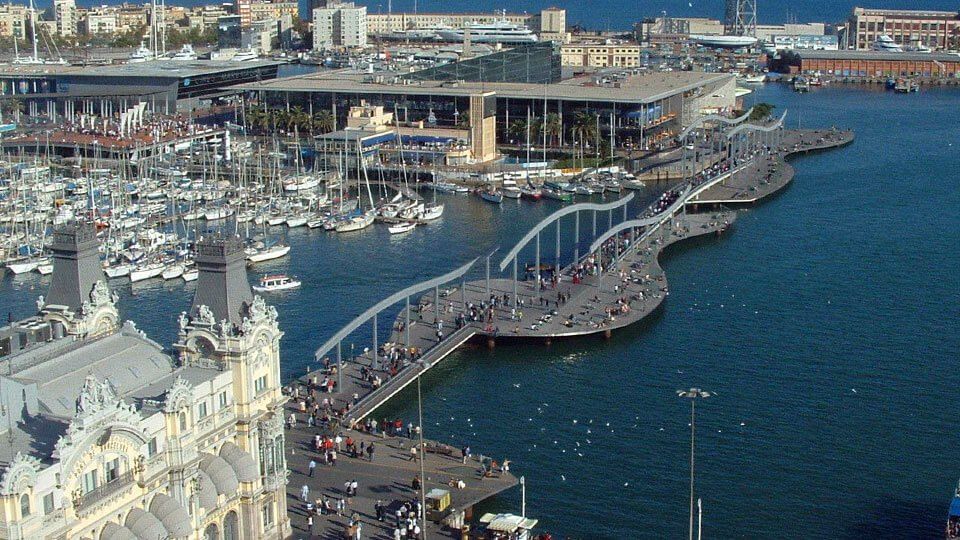
## Description The **Rambla de Mar** is one of Barcelona’s most striking modern promenades — a graceful wooden walkway that stretches across the water, connecting the **end of La Rambla** with the vibrant **Port Vell (Old Port)** area. It’s not only a bridge between land and sea, but also a symbol of **Barcelona’s transformation from an industrial port into a lively, open city by the sea**. Built in **1994** as part of the urban renewal project for the **1992 Olympic Games**, the Rambla de Mar was designed by architects **Helio Piñón** and **Albert Viaplana**. Its name, meaning “Seaside Promenade,” reflects its purpose perfectly — a place where locals and visitors alike can stroll above the Mediterranean, enjoy sea breezes, and admire the city’s modern architecture blended with maritime tradition. What makes the Rambla de Mar unique is its **wavy, undulating design**. The wooden walkway mimics the motion of the sea, while its sleek metal structure allows it to **open and close like a drawbridge**, letting yachts and boats pass through. When the bridge swings open, onlookers often stop to watch, turning a practical feature into a small daily spectacle. At one end of the walkway lies **La Rambla**, Barcelona’s famous tree-lined boulevard full of street performers, cafes, and history. At the other end, you’ll find **Maremagnum**, a modern waterfront complex featuring shops, restaurants, a cinema, and **L’Aquàrium de Barcelona**, one of Europe’s largest aquariums. The Rambla de Mar offers **panoramic views** of Port Vell, the **Columbus Monument**, and the **Montjuïc hill** in the distance — making it a perfect spot for photography, sunset walks, or simply pausing to enjoy the rhythm of Barcelona’s coastal life. Few visitors realize that the Rambla de Mar is also one of the few bridges in Barcelona that **moves several times a day**, timed to allow sailing boats from the marina to enter and exit. Its elegant engineering and maritime setting make it a beloved symbol of Barcelona’s connection to the sea. ## Location The **Rambla de Mar** is located in **Barcelona**, in the **Catalonia (Catalunya)** region of **Spain**, linking **La Rambla** and **Port Vell** at the city’s southern waterfront. **Address:** Moll d’Espanya, 08039 Barcelona, Spain To get there: * **By metro:** Take **L3 (Green Line)** to **Drassanes Station**; from there, it’s a short walk past the **Columbus Monument** toward the water. * **By bus:** Several lines stop at **Portal de la Pau** or **Passeig de Colom**. * **By foot:** Walk straight down **La Rambla** until you reach the waterfront — the wooden walkway begins just beyond the Columbus Monument. * **By bike or scooter:** The **Port Vell** area is bike-friendly, with rentals and parking nearby. * **By taxi or car:** Parking is available at **Maremagnum Shopping Center**, accessible via the bridge. ## Tips * **Visit at sunset:** The light reflecting off the sea and city skyline creates unforgettable views — perfect for photos. * **Watch the bridge open:** The Rambla de Mar opens several times daily to let boats pass; check the **Port Vell schedule** for times. * **Explore Maremagnum:** After your stroll, enjoy dining or shopping at the nearby **Maremagnum complex**, open 365 days a year. * **Visit L’Aquàrium de Barcelona:** Located right at the end of the bridge, it’s a family favorite and one of the top aquariums in Europe. * **Take a harbor cruise:** Small boats and catamarans depart from nearby piers for short scenic trips around the port. * **Enjoy the breeze:** The wooden deck and open sea air make this one of the most relaxing walking spots in the city. * **Combine with La Rambla:** Start your journey from **Plaça de Catalunya** and walk all the way down to the sea for the full Barcelona experience. ## Conclusion The **Rambla de Mar** perfectly captures Barcelona’s spirit — a city where **art, architecture, and the sea coexist in harmony**. Its elegant design, maritime setting, and lively surroundings make it much more than just a bridge; it’s a space where people meet, relax, and enjoy the rhythm of coastal life. Whether you’re heading to Maremagnum for dinner, watching the boats glide by, or catching the golden hour over the harbor, Rambla de Mar offers a uniquely peaceful side of this vibrant Mediterranean city. ## FAQ **1. What is Rambla de Mar?** Rambla de Mar is a **modern wooden pedestrian bridge** that connects **La Rambla** with **Port Vell** in Barcelona. **2. When was it built?** It was completed in **1994**, as part of the city’s transformation for the **1992 Olympic Games**. **3. What is special about its design?** Its **wavy wooden structure** mimics the movement of the sea, and it **opens like a drawbridge** to allow boats to pass. **4. Where does Rambla de Mar lead?** It connects the end of **La Rambla** to the **Maremagnum Shopping Center** and **Barcelona Aquarium** in Port Vell. **5. Can I walk across it at night?** Yes, the bridge is **open 24 hours** and beautifully illuminated at night. **6. Is there an entrance fee?** No — the Rambla de Mar is **free to access**. **7. How long is the walkway?** It stretches roughly **380 meters**, offering scenic views of the sea and marina. ## Links * [Barcelona Tourism Official Site](https://www.barcelonaturisme.com)
GemVoyage Team • World
Barcelona
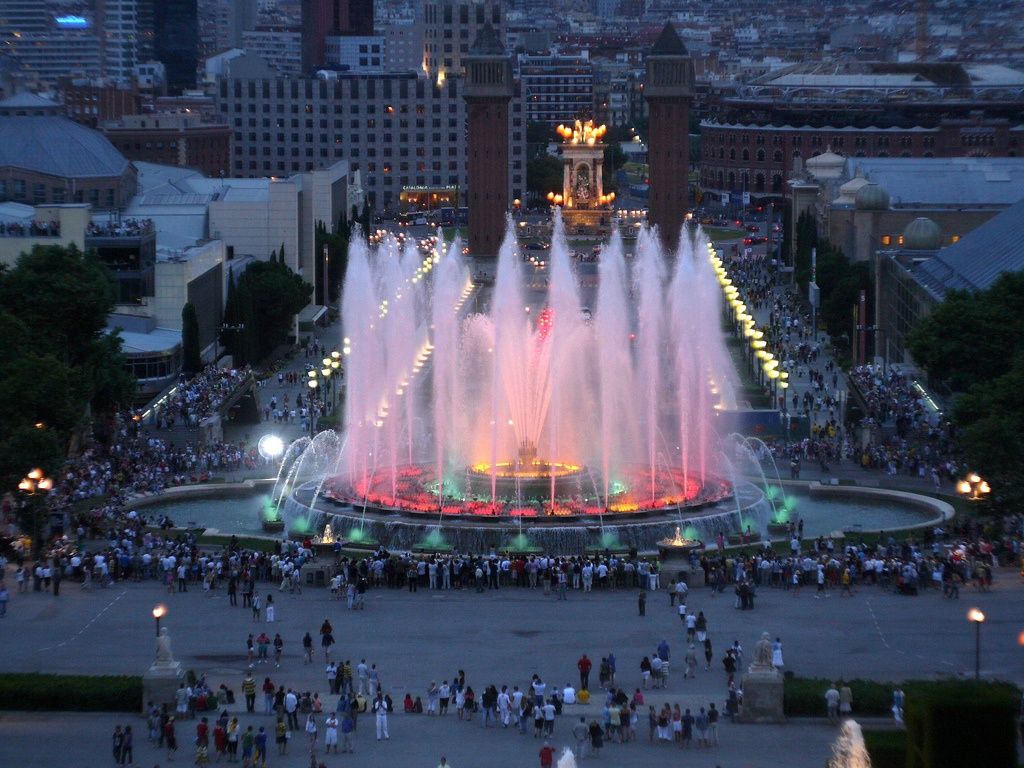
## Description The **Magic Fountain of Montjuïc (Font Màgica de Montjuïc)** is one of Barcelona’s most iconic and mesmerizing public attractions. Known for its dazzling **choreographed water shows synchronized with music and colorful lighting**, the fountain delivers a sensory spectacle that blends engineering, art, and performance into a single unforgettable experience. Every evening when it operates, thousands of visitors gather along the wide steps of Montjuïc to witness jets of water soar and dance in perfect rhythm with classical music, film soundtracks, and modern hits. The fountain was originally built for the **1929 Barcelona International Exposition**, an event that transformed Montjuïc into a cultural and architectural centerpiece of the city. At the time, its use of light and hydraulics was considered revolutionary. Over the years, it has been modernized with **computer-controlled lighting systems and advanced sound synchronization**, allowing for increasingly complex and dynamic performances. What makes the Magic Fountain unique is the scale of its performance. The fountain uses **over 7 billion combinations of water and light**, powered by nearly **3,000 liters of water per second** and illuminated by thousands of lights. The result is a constantly evolving visual narrative where water becomes a living, moving art form. A little-known fact is that the original designer, **Carles Buïgas**, envisioned the fountain as a symbol of modernity and innovation at a time when few cities had experimented with illuminated water displays. Another interesting detail is that the fountain is powered using **recirculated water**, making it a partially sustainable attraction despite its large scale. Beyond the show itself, the location adds to the magic. Set between the towering **Palau Nacional** (home to the National Art Museum of Catalonia) and **Plaça d’Espanya**, the fountain is framed by grand avenues, cascading stairways, and monumental architecture. The atmosphere becomes especially enchanting after sunset, when music echoes through the open plaza and the illuminated fountain reflects against the stone façades of Montjuïc. The Magic Fountain is not just a tourist attraction—it is also a gathering place for locals and a stage for national celebrations, festivals, and special performances. It captures Barcelona’s spirit of **creativity, openness, and celebration**, making it one of the city’s most beloved landmarks. ## Location The **Magic Fountain of Montjuïc** is located at the base of **Montjuïc Hill**, between **Plaça d’Espanya** and the **Palau Nacional**, in **Barcelona, Catalonia, Spain**. **Address:** Plaça de Carles Buïgas, 08038 Barcelona, Spain ### How to Get There: * **By metro:** Take **L1 (Red Line)** or **L3 (Green Line)** to **Espanya Station**. From there, it’s a 5-minute walk. * **By bus:** Routes **13, 23, 37, 46, 65, 79, 150** stop near Plaça d’Espanya. * **By foot:** Walk down from the **National Art Museum of Catalonia (MNAC)** along the fountains and wide staircases. * **By taxi or ride-hailing apps:** Simply ask for “Magic Fountain of Montjuïc.” * **By bike or scooter:** Dedicated lanes and parking areas are available around Plaça d’Espanya. Its central location makes it easy to combine with nearby attractions such as **Montjuïc Cable Car**, **Poble Espanyol**, **MNAC**, and **Las Arenas Shopping Center**. ## Tips * **Check show schedules:** The fountain does not operate daily year-round. Schedules change seasonally and during drought restrictions. * **Arrive early:** Good seating fills up quickly during peak tourist seasons, especially in summer. * **Best viewing spots:** The steps leading up to MNAC provide excellent elevated views of the performance. * **Visit after dark:** Night shows are the most impressive, as the lighting effects are fully visible. * **Bring a light jacket:** Even in summer, evenings can feel cool due to the water mist. * **Tripods are not ideal:** The area can be crowded, and tripods may be restricted or uncomfortable to use. * **Combine with an MNAC sunset visit:** Walk down from the museum at golden hour for a perfectly timed arrival at the fountain. * **Free attraction:** No tickets are required—just show up and enjoy. ## Conclusion The **Magic Fountain of Montjuïc** is one of Barcelona’s most magical experiences, offering a spectacular blend of **music, motion, light, and monumental architecture**. Rooted in the city’s history yet constantly evolving with modern technology, it remains a living symbol of Barcelona’s creative energy. Whether you are visiting for the first time or returning to the city, an evening at the Magic Fountain is a powerful reminder of how urban spaces can be transformed into stages of wonder and shared celebration. ## FAQ **1. Is the Magic Fountain free to visit?** Yes, the fountain shows are completely **free and open to the public**. **2. How long does each show last?** Each performance typically lasts between **10 and 20 minutes**, with repeated cycles throughout the evening. **3. Does the fountain operate year-round?** No, the schedule varies by season and may be suspended due to **water conservation measures or maintenance**. **4. Is the show suitable for children?** Yes, it is very family-friendly and often a highlight for children due to the lights and music. **5. What type of music is played?** The shows feature a mix of **classical music, movie soundtracks, opera, pop, and Spanish favorites**. **6. Can I combine it with other attractions in the same evening?** Yes. Many visitors pair the show with visits to **MNAC**, **Poble Espanyol**, or dinner near **Plaça d’Espanya**. ## Links * [Google Maps – Magic Fountain of Montjuïc](https://maps.app.goo.gl/Uy1j2aMu6UGy3QYm6)
GemVoyage Team • World
Barcelona
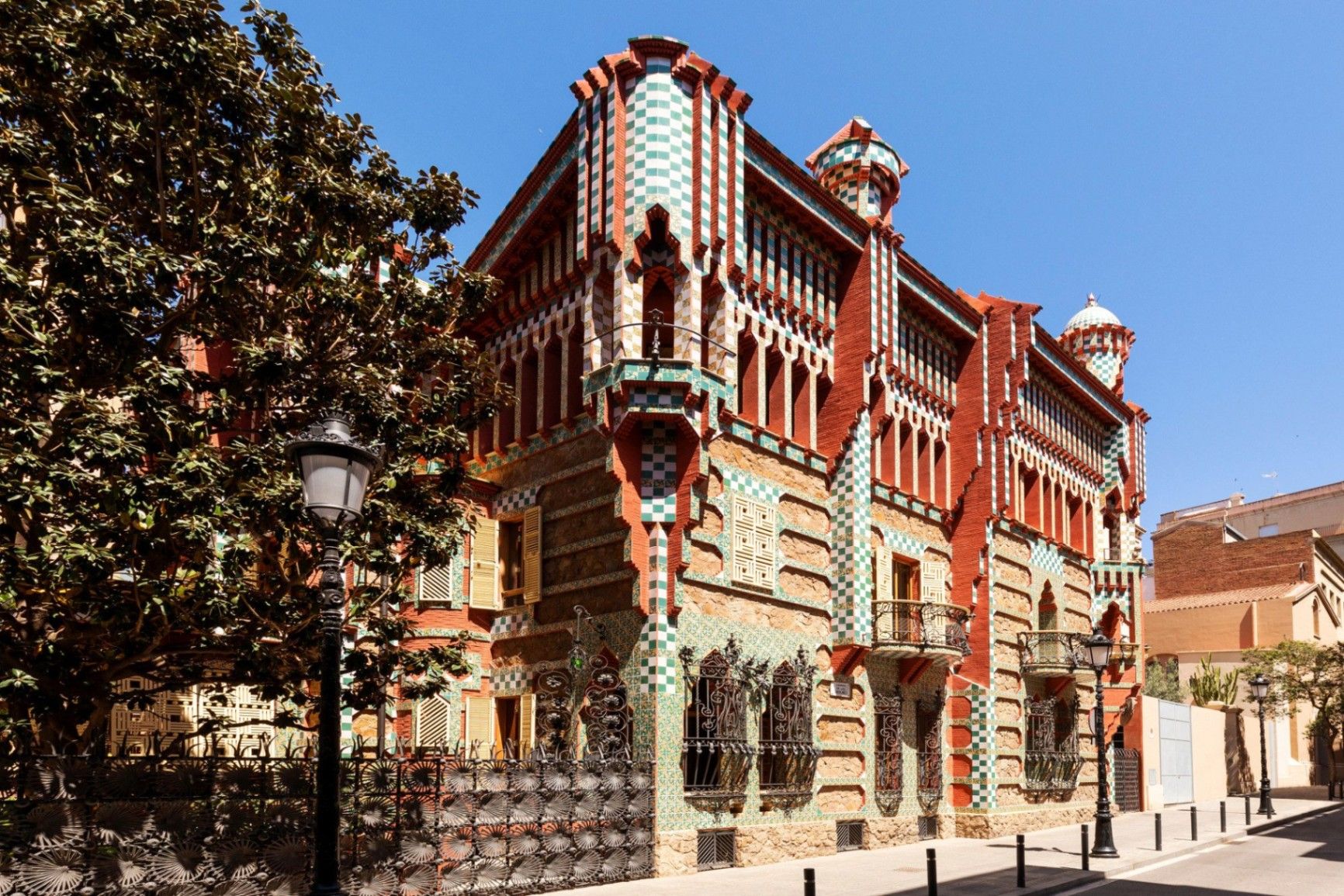
## Description **Casa Vicens** is widely recognized as the **first major architectural masterpiece of Antoni Gaudí** and one of the most important early works of Modernisme (Catalan Art Nouveau). Built between **1883 and 1885**, the house marks the beginning of Gaudí’s lifelong experimentation with **geometry, nature-inspired decoration, structural innovation, and symbolic design**. While later works like the Sagrada Família and Park Güell are more famous, Casa Vicens is where Gaudí’s architectural language truly begins. Unlike the flowing, organic shapes that characterize his later work, Casa Vicens is defined by **strong geometric forms, bold color contrasts, and rich surface ornamentation**. The exterior façade is covered with **vivid green and white ceramic tiles decorated with marigold flowers**, a direct reference to the plant species that once grew on the site. This was one of Gaudí’s earliest expressions of his belief that **architecture should emerge from nature, not dominate it**. The building blends a surprising range of influences: **Moorish, Gothic, and Asian-inspired motifs** coexist with Catalan craftsmanship. Horseshoe arches, intricate ironwork, glazed tiles, and painted ceilings come together in a stylistic fusion that was radical for its time. Inside, every room is treated as a complete artistic composition, from the hand-painted ceilings and floral wall motifs to the custom-designed doors, furniture, and fireplace details. Originally constructed as a **summer residence for the Vicens family**, who made their fortune in tile manufacturing, the house was later expanded and modified in the early 20th century. For most of its history, Casa Vicens remained a **private residence**, inaccessible to the general public. It was only after a major restoration project that the house opened as a **museum in 2017**, allowing visitors to explore its interiors for the first time. A little-known fact is that Gaudí was only **31 years old** when he designed Casa Vicens. At the time, he was virtually unknown, and this project launched his reputation among Barcelona’s elite. Another lesser-known detail is that the building originally included a **large garden with fountains and pergolas**, most of which disappeared as urban development intensified in the Gràcia district. What makes Casa Vicens especially valuable today is not just its beauty, but its role as a **historical blueprint** of everything Gaudí would later refine: organic symbolism, deep integration of craft and structure, and uncompromising artistic control over every architectural element. Visiting Casa Vicens is like witnessing the **moment of origin of one of the most influential architects in world history**. In 2005, Casa Vicens was officially declared a **UNESCO World Heritage Site**, confirming its global cultural significance. It now stands not only as a museum, but as a living document of architectural revolution in late 19th-century Barcelona. ## Location **Casa Vicens** is located in the **Gràcia district** of **Barcelona**, Spain. Gràcia is known for its village-like atmosphere, artistic traditions, and lively plazas. **City:** Barcelona **Region:** Catalonia (Catalunya) **Country:** Spain **District:** Gràcia **Address:** Carrer de les Carolines, 20–26, 08012 Barcelona ### How to Get There: * **By metro:** Take **L3 (Green Line)** to **Fontana Station**, then walk approximately 7 minutes. * **By bus:** Several city bus lines stop near Gran de Gràcia and Travessera de Dalt. * **By taxi or ride-hailing apps:** Request “Casa Vicens Gaudí.” * **By foot:** It is a pleasant 20–25 minute walk from **Passeig de Gràcia**. * **By bicycle:** Bike lanes connect Gràcia with central Barcelona, with bike parking nearby. Its location makes it easy to combine with a walk through **Plaça del Sol**, **Gràcia’s markets**, and independent cafés and boutiques. ## Tips * **Book tickets in advance:** Entry slots are limited, especially during peak tourist seasons. * **Choose an early morning visit:** The experience is quieter and more immersive before large tour groups arrive. * **Use the audio guide:** It provides excellent explanations of the symbolism, structure, and design choices. * **Take time with the ceilings:** Many of the most impressive details are above eye level. * **Photography is allowed:** Flash is typically restricted to protect interiors. * **Combine with other Gaudí sites thoughtfully:** Casa Vicens works best as an introduction before visiting Park Güell or Casa Batlló. * **Allow at least 90 minutes:** This gives enough time to explore all floors, the terrace, and exhibitions without rushing. * **Accessibility:** Check elevator availability in advance, as this is a historic building with structural limitations. ## Conclusion **Casa Vicens** is not merely a beautiful house—it is the **architectural starting point of Antoni Gaudí’s genius**. Through its bold colors, layered symbolism, and fusion of cultures and crafts, it reveals the earliest expression of ideas that would later redefine Barcelona’s identity. As both a UNESCO World Heritage Site and a public museum, Casa Vicens offers visitors an intimate, foundational encounter with one of the world’s most innovative architects. ## FAQ **1. What is Casa Vicens famous for?** It is famous as **Antoni Gaudí’s first major architectural project** and a key early work of Catalan Modernisme. **2. Is Casa Vicens a UNESCO World Heritage Site?** Yes, it was added to the UNESCO World Heritage list in **2005**. **3. Can you visit the interior?** Yes, Casa Vicens is fully open to the public as a **museum since 2017**. **4. How long does a typical visit take?** Most visitors spend between **1 and 1.5 hours** inside the house. **5. Is Casa Vicens suitable for children?** Yes, although younger children may need supervision due to stairs and delicate interiors. **6. Is Casa Vicens less crowded than Casa Batlló and La Pedrera?** Yes, it is generally **less crowded**, making for a more relaxed viewing experience. ## Links * [Official Casa Vicens Website](https://casavicens.org)
GemVoyage Team • World
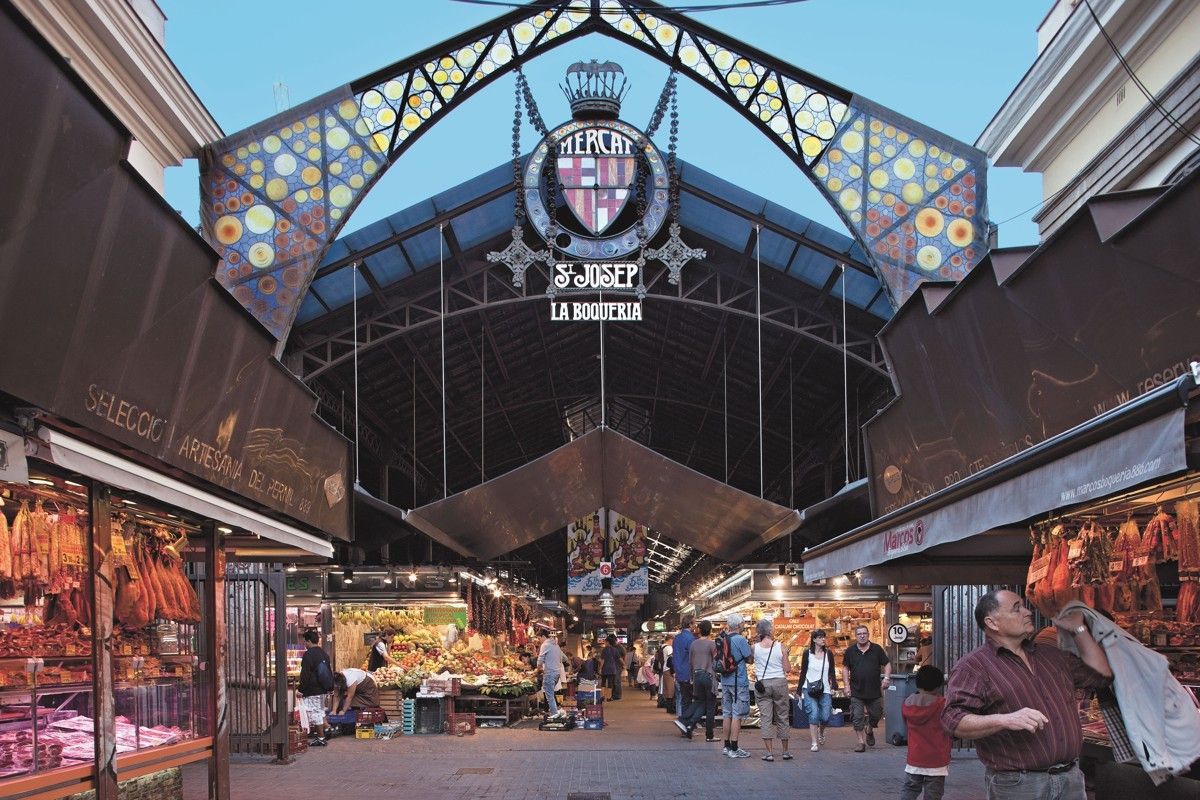
Barcelona
## Description **Mercat de la Boqueria**, officially known as **Mercat de Sant Josep de la Boqueria**, is Barcelona’s most famous food market and one of the most iconic culinary landmarks in Europe. More than a place to shop, it is a **living expression of Catalan gastronomy**, where tradition, daily life, and tourism intersect under one vast iron-and-glass roof. The market is known for its intense colors, constant movement, and the sheer diversity of products on display, from fresh seafood and cured meats to exotic fruits and handmade sweets. The market’s origins date back to the **early 13th century**, when street vendors sold meat outside the city walls near La Rambla. Over centuries, the informal stalls evolved into a structured market, and in 1840 the site was officially recognized as a public market. The current modernist structure, completed in the early 20th century, reflects Barcelona’s industrial-era ambition while remaining deeply rooted in everyday commerce. What makes Mercat de la Boqueria unique is its **dual identity**. On one hand, it serves local residents, chefs, and restaurateurs who rely on its quality ingredients. On the other, it functions as a global attraction for visitors seeking an authentic taste of Barcelona. Despite its popularity, many stalls still operate as family businesses passed down through generations. A lesser-known fact is that beneath the market lies an **archaeological site**, with remains from medieval and even Roman-era structures discovered during renovations. Another interesting detail is that many of Barcelona’s top chefs continue to source ingredients here early in the morning, long before tourists arrive, reinforcing the market’s role as a professional culinary hub rather than a mere attraction. ## Location **Country:** Spain **Region:** Catalonia **City:** Barcelona **District:** Ciutat Vella (Old Town) Mercat de la Boqueria is located directly off **La Rambla**, one of Barcelona’s main pedestrian boulevards, making it exceptionally central and easy to access. ### How to Get There * **By metro:** * Take Line L3 (Green Line) to **Liceu** station. The market entrance is immediately outside the station. * **On foot:** * Easily reachable from Plaça de Catalunya, the Gothic Quarter, and El Raval. * **By bus:** * Multiple city bus lines stop along La Rambla. * **By taxi:** * Taxis can drop you near La Rambla, but walking the final stretch is usually faster. ## Tips * **Go early in the morning:** Between 8:00 and 10:00 a.m. is best for fewer crowds and fresher displays. * **Avoid peak lunch hours:** Midday can become extremely crowded, especially in summer. * **Do not treat it as only a photo stop:** Take time to observe how locals shop and interact with vendors. * **Eat smart:** Skip the most tourist-oriented stalls near the entrance and explore deeper for better quality and value. * **Bring cash:** While many vendors accept cards, smaller stalls may prefer cash. * **Respect vendors:** Ask before taking close-up photos, especially of people. ## Conclusion Mercat de la Boqueria is not just a market, but a cultural institution that reflects Barcelona’s relationship with food, trade, and daily life. Its history, atmosphere, and culinary richness make it an essential stop for anyone wanting to understand the city beyond architecture and beaches. ## FAQ **1. Is Mercat de la Boqueria touristy?** Yes, but it is still a functioning market used by locals and professionals, especially in the mornings. **2. Is there an entrance fee?** No. Entry is free. **3. Can I eat inside the market?** Yes. There are bars and counters serving tapas, seafood, and prepared dishes. **4. How long should I plan for a visit?** About **1 to 2 hours**, depending on whether you eat or just explore. **5. Is it suitable for vegetarians?** Yes. There is a wide selection of fruits, cheeses, nuts, juices, and vegetarian dishes. **6. Is the market open every day?** Generally open Monday to Saturday; closed on Sundays and public holidays. ## Links * [Official Barcelona markets site](https://ajuntament.barcelona.cat/mercats)
GemVoyage Team • World