Discover extraordinary places shared by our community of travelers
Aqaba
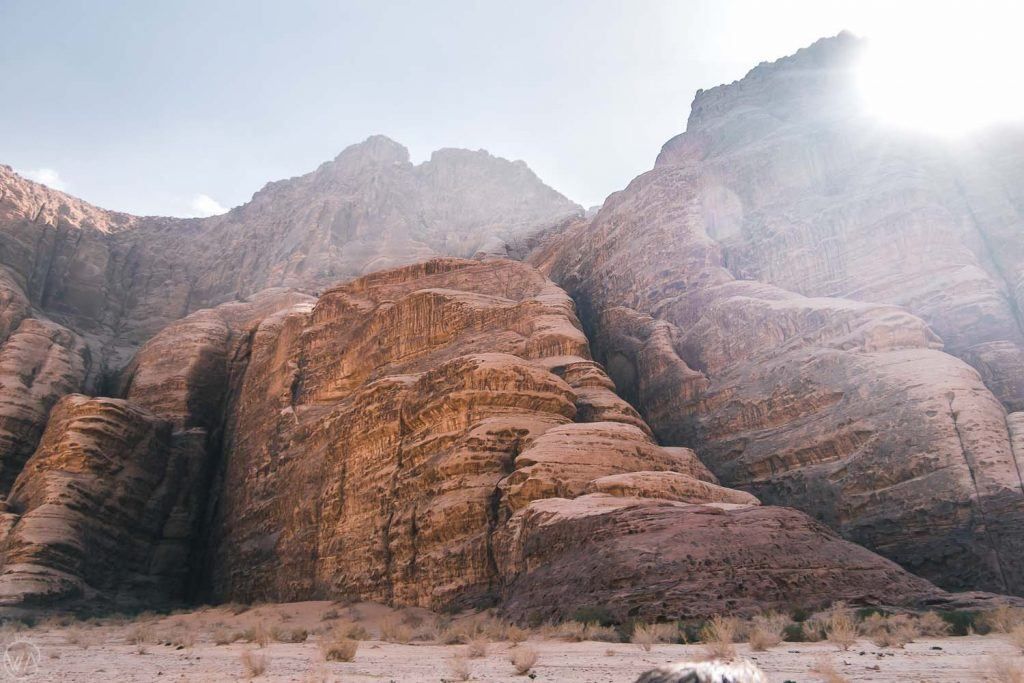
## Description **Jabal Umm ad Dami** is the highest mountain in Jordan, rising to approximately **1,854 meters above sea level**. Located deep in the southern desert near the Saudi border, it offers a dramatically different experience from the country’s more famous historical sites. Rather than monuments or ruins, Jabal Umm ad Dami is about **scale, silence, and raw landscape**. The mountain dominates the horizon with a stark, rocky profile that feels both remote and elemental. What makes Jabal Umm ad Dami truly special is the **sense of isolation and elevation** it provides. From the summit, on clear days, it is possible to see across vast stretches of desert and, remarkably, into **Saudi Arabia**, the Red Sea, and even parts of the Sinai Peninsula. This expansive visibility is rare in the region and contributes to the mountain’s reputation as one of Jordan’s most rewarding viewpoints. Geologically, the mountain is part of the same ancient granite formations that shape the surrounding desert, giving it rugged textures and warm reddish hues, especially striking at sunrise and sunset. Unlike heavily trafficked peaks elsewhere in the world, Jabal Umm ad Dami remains **largely untouched by mass tourism**, preserving a sense of authenticity and wilderness. A lesser-known fact is that the mountain has long been used as a **navigation landmark by Bedouin tribes**, who relied on its prominence to orient themselves across the desert. Another overlooked detail is that, despite being Jordan’s highest point, the climb is considered **moderate rather than technical**, making it accessible to fit hikers without advanced mountaineering skills when guided properly. Jabal Umm ad Dami is not a place of crowds or amenities. Its appeal lies in its honesty: an uncompromising desert mountain that rewards effort with perspective. ## Location **Country:** Jordan **Region:** Aqaba Governorate **Nearest Area:** Wadi Rum Desert **Proximity:** Near the Jordan–Saudi Arabia border The mountain lies south of the protected desert landscapes of **Wadi Rum**, often referred to as the “Valley of the Moon,” though it sits outside the main tourist circuit. ### How to Get There * **From Aqaba:** * Travel north toward Wadi Rum by car, then continue south with a **4x4 vehicle**. * **With a local guide:** * The most practical and safest option. Bedouin guides know the terrain and access routes. * **From Wadi Rum:** * Many guided excursions combine Wadi Rum exploration with a hike to Jabal Umm ad Dami. * **Public transport:** * Not available for the final approach; private transport is required. Independent travel without proper navigation and a suitable vehicle is strongly discouraged. ## Tips * **Hire a local Bedouin guide:** This is not optional if you want a safe and meaningful experience. * **Start early:** Heat and exposure increase significantly later in the day. * **Bring sufficient water:** There are no water sources on or near the mountain. * **Wear sturdy footwear:** The terrain is rocky and uneven. * **Check weather conditions:** Wind can be strong at the summit. * **Combine with camping:** An overnight desert camp enhances the experience significantly. ## Conclusion Jabal Umm ad Dami is Jordan at its most elemental: vast, quiet, and uncompromising. As the country’s highest point, it offers unmatched views and a powerful sense of perspective, rewarding visitors who value wilderness and authenticity over convenience. ## FAQ **1. Is Jabal Umm ad Dami difficult to climb?** The hike is moderate but requires fitness, proper footwear, and guidance. **2. Do I need a guide to visit?** Yes, a local guide is strongly recommended for safety and navigation. **3. How long does the hike take?** The ascent and descent typically take **3 to 4 hours** in total. **4. Is it suitable for beginners?** Yes, for physically fit beginners accompanied by an experienced guide. **5. Can you see Saudi Arabia from the summit?** Yes, visibility into Saudi Arabia is possible on clear days. **6. Is there an entrance fee?** Fees vary depending on tour operators and guide arrangements. ## Links * [Wiki Page](https://en.wikipedia.org/wiki/Wadi_Rum)
GemVoyage Team • World
Kortrijk
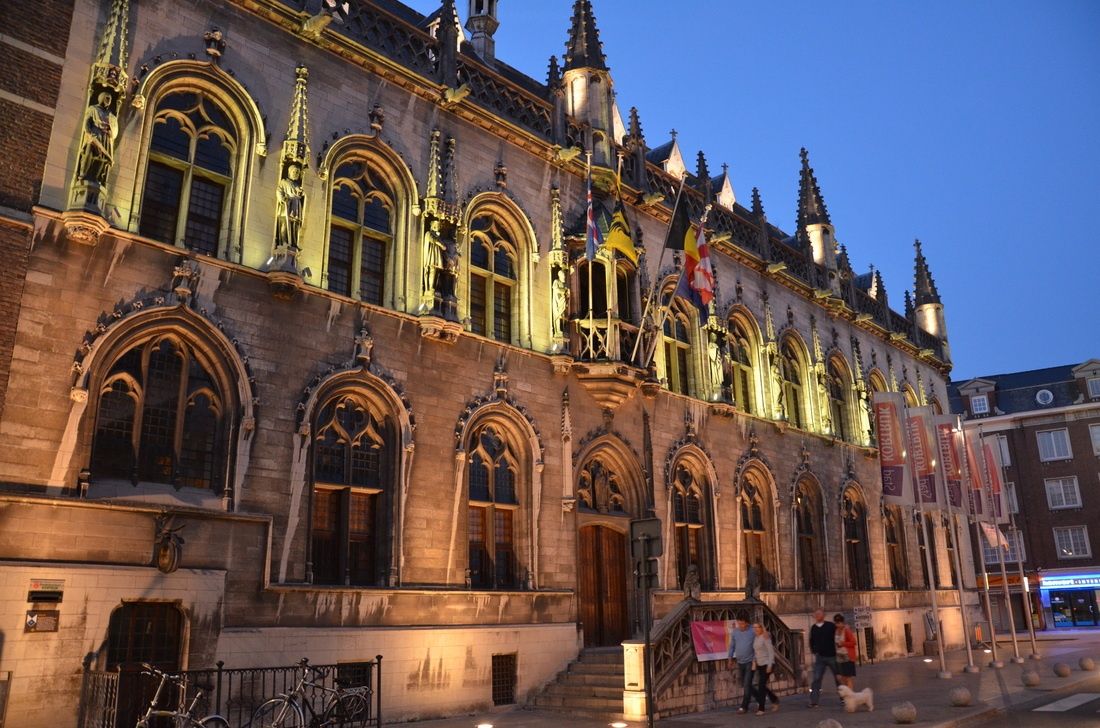
## Description **Courtrai City Hall**, known locally as **Historisch Stadhuis Kortrijk**, is one of the most architecturally layered civic buildings in Belgium. Rather than being the product of a single era, the City Hall is a **composite structure** formed by the gradual integration of several historic buildings, most notably the medieval Cloth Hall and later Renaissance and Baroque additions. This architectural layering makes it a visual record of Kortrijk’s political, economic, and cultural evolution. The origins of the complex date back to the **14th and 15th centuries**, when Kortrijk was a prosperous center of the Flemish cloth trade. The Cloth Hall section symbolized the city’s commercial power and autonomy, while later expansions reflected its growing administrative role. Over time, stylistic elements ranging from Gothic verticality to Renaissance symmetry were added, resulting in a façade that is rich, complex, and deliberately expressive of civic pride. What makes Courtrai City Hall particularly distinctive is its **ornamental façade**, decorated with statues representing Flemish counts and historical figures associated with the region. These sculptures were not merely decorative; they were political statements asserting local identity and authority during periods of regional tension. A lesser-known fact is that several statues visible today are **19th-century restorations**, replacing originals that were damaged or lost during conflicts and urban changes. Another interesting detail is that parts of the interior were adapted multiple times to accommodate shifting administrative needs, meaning some rooms combine medieval proportions with later decorative finishes. Beyond its architectural value, the City Hall has remained a **living institution**. Unlike many historic civic buildings that function solely as museums, it continues to host municipal activities, official ceremonies, and cultural events. This continuity reinforces its role not just as a monument, but as an active participant in the city’s daily life. ## Location **Country:** Belgium **Region:** Flanders **City:** Kortrijk **Province:** West Flanders Courtrai City Hall is located in the historic center of Kortrijk, close to key landmarks such as the main square and medieval streets that define the city’s core. ### How to Get There * **By train:** * Kortrijk Station has direct connections to Brussels, Ghent, and Lille. From the station, the City Hall is a 10–15 minute walk. * **By bus:** * Local bus routes stop near the city center, within walking distance of the building. * **On foot:** * Easily accessible when exploring Kortrijk’s historic center. * **By car:** * Public parking is available nearby, though walking is preferable in the old town. ## Tips * **Check access times:** Interior access may be limited due to official functions or events. * **Look closely at the façade:** The statues and decorative details tell a political and historical story. * **Combine with nearby sites:** Pair your visit with nearby medieval landmarks and museums. * **Visit during daylight:** Natural light highlights the architectural contrasts between different periods. * **Respect civic use:** Some areas may be restricted during working hours. * **Photography policies vary:** Exterior photography is unrestricted; interior rules may apply. ## Conclusion Courtrai City Hall is a powerful expression of civic identity shaped over centuries. Its layered architecture, historical symbolism, and continued administrative role make it a compelling destination for visitors interested in urban history and Flemish heritage. ## FAQ **1. Is Courtrai City Hall a museum?** No, it is an active municipal building, though some areas may be accessible to visitors. **2. How old is the building?** Its oldest parts date back to the late medieval period, with later additions from subsequent centuries. **3. Can visitors enter the City Hall?** Limited interior access is possible, depending on events and official use. **4. How long should a visit take?** Around **20 to 40 minutes** for an exterior and contextual visit; longer if interior access is available. **5. Is it suitable for children?** Yes, particularly for those interested in history and architecture. **6. Is the building accessible?** Accessibility varies due to the historic structure; some areas may have limited access. ## Links * [City of Kortrijk official site](https://www.kortrijk.be)
GemVoyage Team • World
Barcelona
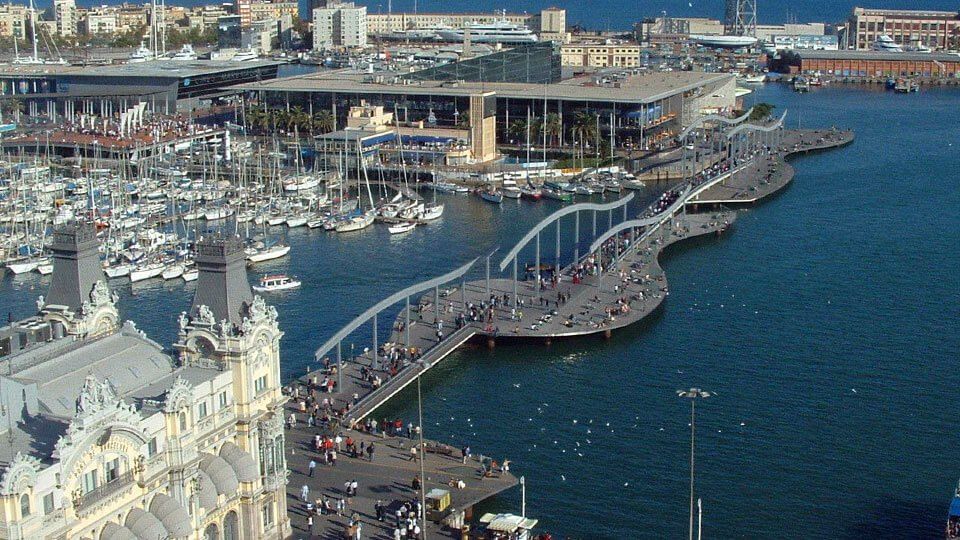
## Description The **Rambla de Mar** is one of Barcelona’s most striking modern promenades — a graceful wooden walkway that stretches across the water, connecting the **end of La Rambla** with the vibrant **Port Vell (Old Port)** area. It’s not only a bridge between land and sea, but also a symbol of **Barcelona’s transformation from an industrial port into a lively, open city by the sea**. Built in **1994** as part of the urban renewal project for the **1992 Olympic Games**, the Rambla de Mar was designed by architects **Helio Piñón** and **Albert Viaplana**. Its name, meaning “Seaside Promenade,” reflects its purpose perfectly — a place where locals and visitors alike can stroll above the Mediterranean, enjoy sea breezes, and admire the city’s modern architecture blended with maritime tradition. What makes the Rambla de Mar unique is its **wavy, undulating design**. The wooden walkway mimics the motion of the sea, while its sleek metal structure allows it to **open and close like a drawbridge**, letting yachts and boats pass through. When the bridge swings open, onlookers often stop to watch, turning a practical feature into a small daily spectacle. At one end of the walkway lies **La Rambla**, Barcelona’s famous tree-lined boulevard full of street performers, cafes, and history. At the other end, you’ll find **Maremagnum**, a modern waterfront complex featuring shops, restaurants, a cinema, and **L’Aquàrium de Barcelona**, one of Europe’s largest aquariums. The Rambla de Mar offers **panoramic views** of Port Vell, the **Columbus Monument**, and the **Montjuïc hill** in the distance — making it a perfect spot for photography, sunset walks, or simply pausing to enjoy the rhythm of Barcelona’s coastal life. Few visitors realize that the Rambla de Mar is also one of the few bridges in Barcelona that **moves several times a day**, timed to allow sailing boats from the marina to enter and exit. Its elegant engineering and maritime setting make it a beloved symbol of Barcelona’s connection to the sea. ## Location The **Rambla de Mar** is located in **Barcelona**, in the **Catalonia (Catalunya)** region of **Spain**, linking **La Rambla** and **Port Vell** at the city’s southern waterfront. **Address:** Moll d’Espanya, 08039 Barcelona, Spain To get there: * **By metro:** Take **L3 (Green Line)** to **Drassanes Station**; from there, it’s a short walk past the **Columbus Monument** toward the water. * **By bus:** Several lines stop at **Portal de la Pau** or **Passeig de Colom**. * **By foot:** Walk straight down **La Rambla** until you reach the waterfront — the wooden walkway begins just beyond the Columbus Monument. * **By bike or scooter:** The **Port Vell** area is bike-friendly, with rentals and parking nearby. * **By taxi or car:** Parking is available at **Maremagnum Shopping Center**, accessible via the bridge. ## Tips * **Visit at sunset:** The light reflecting off the sea and city skyline creates unforgettable views — perfect for photos. * **Watch the bridge open:** The Rambla de Mar opens several times daily to let boats pass; check the **Port Vell schedule** for times. * **Explore Maremagnum:** After your stroll, enjoy dining or shopping at the nearby **Maremagnum complex**, open 365 days a year. * **Visit L’Aquàrium de Barcelona:** Located right at the end of the bridge, it’s a family favorite and one of the top aquariums in Europe. * **Take a harbor cruise:** Small boats and catamarans depart from nearby piers for short scenic trips around the port. * **Enjoy the breeze:** The wooden deck and open sea air make this one of the most relaxing walking spots in the city. * **Combine with La Rambla:** Start your journey from **Plaça de Catalunya** and walk all the way down to the sea for the full Barcelona experience. ## Conclusion The **Rambla de Mar** perfectly captures Barcelona’s spirit — a city where **art, architecture, and the sea coexist in harmony**. Its elegant design, maritime setting, and lively surroundings make it much more than just a bridge; it’s a space where people meet, relax, and enjoy the rhythm of coastal life. Whether you’re heading to Maremagnum for dinner, watching the boats glide by, or catching the golden hour over the harbor, Rambla de Mar offers a uniquely peaceful side of this vibrant Mediterranean city. ## FAQ **1. What is Rambla de Mar?** Rambla de Mar is a **modern wooden pedestrian bridge** that connects **La Rambla** with **Port Vell** in Barcelona. **2. When was it built?** It was completed in **1994**, as part of the city’s transformation for the **1992 Olympic Games**. **3. What is special about its design?** Its **wavy wooden structure** mimics the movement of the sea, and it **opens like a drawbridge** to allow boats to pass. **4. Where does Rambla de Mar lead?** It connects the end of **La Rambla** to the **Maremagnum Shopping Center** and **Barcelona Aquarium** in Port Vell. **5. Can I walk across it at night?** Yes, the bridge is **open 24 hours** and beautifully illuminated at night. **6. Is there an entrance fee?** No — the Rambla de Mar is **free to access**. **7. How long is the walkway?** It stretches roughly **380 meters**, offering scenic views of the sea and marina. ## Links * [Barcelona Tourism Official Site](https://www.barcelonaturisme.com)
GemVoyage Team • World
Taiwan
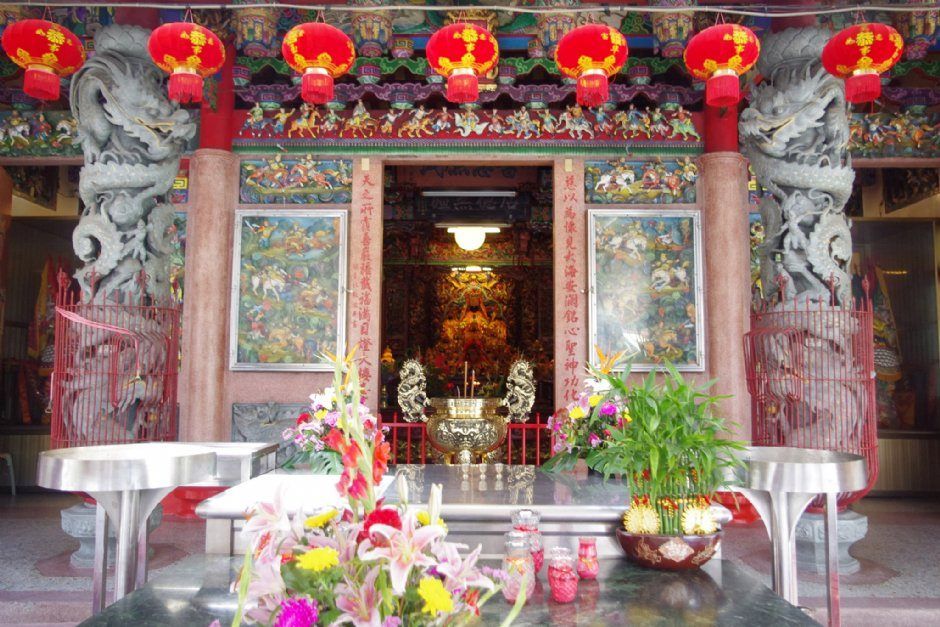
## Description Hualien Cih Tian Temple, known locally as 花蓮慈天宮, is one of the most important religious and cultural landmarks in Hualien City. Dedicated primarily to Mazu, the revered sea goddess and protector of travelers and fishermen, the temple plays a central role in the spiritual life of the local community. It is a place where worship, tradition, and daily life intersect, offering visitors a calm yet vibrant glimpse into Taiwanese religious culture. What makes Hualien Cih Tian Temple unique is its strong connection to the coastal identity of eastern Taiwan. While many Mazu temples are found along Taiwan’s western coast, this temple reflects the beliefs and practices of communities shaped by the Pacific Ocean and Hualien’s rugged natural environment. A lesser-known fact is that the temple has undergone several reconstructions due to earthquakes and typhoons, each time rebuilt with community support, symbolizing local resilience and faith. Another interesting detail is that the temple often serves as a gathering point during important religious festivals, when processions, traditional music, and rituals fill the surrounding streets with color and energy. Architecturally, the temple features classic Taoist design elements, including ornate roof carvings, colorful murals, stone guardian lions, and richly decorated altars. Even outside major festivals, the scent of incense and the quiet rhythm of prayer create a reflective atmosphere that welcomes both worshippers and curious visitors. ## Location Hualien Cih Tian Temple is located in **Taiwan**, in **Hualien County**, within **Hualien City**. The temple sits in a central urban area, making it easily accessible and close to other local attractions, shops, and eateries. Reaching the temple is simple. Visitors arriving by train can walk or take a short taxi ride from **Hualien Railway Station**, which is the main transportation hub of the city. Local buses also operate nearby. For travelers exploring Hualien on foot or by bicycle, the temple fits naturally into a city sightseeing route. If you are using a car or scooter, parking is usually available on nearby streets. ## Tips * Visit in the early morning or late afternoon for a quieter and more contemplative experience. * Dress modestly and respectfully, especially if you plan to observe or participate in prayer. * Take time to observe the architectural details, such as roof sculptures and painted panels, which often depict mythological stories. * If visiting during a festival, expect crowds, noise, and vibrant processions—an excellent cultural experience if you enjoy local traditions. * Avoid blocking worshippers or ritual paths when taking photos. * Combine your visit with nearby markets or temples to better understand Hualien’s urban culture. ## Conclusion Hualien Cih Tian Temple is a meaningful spiritual and cultural site that reflects the faith, history, and resilience of Hualien’s community. Whether you visit for quiet reflection or to witness living traditions, the temple offers an authentic and enriching experience in eastern Taiwan. ## FAQ **Who is the main deity worshipped at Hualien Cih Tian Temple?** The temple is primarily dedicated to Mazu, the sea goddess and protector of sailors and travelers. **Is the temple open to visitors every day?** Yes, the temple is generally open daily, from early morning until evening. **Is there an entrance fee?** No, entrance is free, though donations are welcomed. **Can tourists visit even if they are not religious?** Yes, visitors of all backgrounds are welcome, as long as they remain respectful. **When is the best time to visit the temple?** Weekdays or non-festival days are best for a peaceful visit, while festival periods offer a more lively cultural experience. ## Links * [Hualien County Government](https://www.hl.gov.tw)
GemVoyage Team • World
Cairo
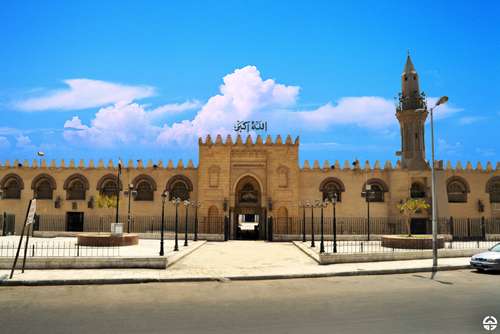
## Description The Amr Ibn Al-Aas Mosque in Cairo is not just a religious site—it’s a living monument to the birth of Islam in Egypt and Africa. Built in 641–642 CE by General Amr Ibn Al-Aas following the Arab conquest of Egypt, it holds the distinction of being the **first mosque ever constructed in Egypt and on the African continent**. Originally erected in the newly founded city of Fustat, the mosque served as both a spiritual center and a gathering place for the early Muslim community. Though the original structure was modest—little more than a roof supported by palm trunks—the mosque has undergone numerous renovations and expansions over the centuries. Today, it features a spacious courtyard, four minarets, and elegant arcades that reflect the evolution of Islamic architecture. Despite its many reconstructions, the mosque retains a sense of historical continuity and reverence. A little-known fact: the site of the mosque was chosen in a rather poetic way. Legend has it that a dove laid an egg in Amr Ibn Al-Aas’s tent before he left for battle. Upon his victorious return, he interpreted the bird’s nest as a divine sign and built the mosque on that very spot. Another intriguing detail is that several companions of the Prophet Muhammad, including al-Zubayr ibn al-‘Awam and Ubada ibn al-Samit, participated in its construction. ## Location The Amr Ibn Al-Aas Mosque is located in **Egypt**, within the **Cairo Governorate**, specifically in the historic district of **Old Cairo** (Al-Fustat). This area is rich in Islamic, Christian, and Jewish heritage, making it a cultural crossroads worth exploring. ### How to Get There: - **By Metro**: Take Cairo Metro Line 1 to Mar Girgis Station. From there, it’s a short walk to the mosque. - **By Taxi or Ride-Hailing**: Services like Uber and Careem are widely available and can drop you off directly at the entrance. - **By Tour Bus**: Many heritage tours include Old Cairo in their itinerary, often combining visits to the mosque with nearby sites like the Hanging Church and Ben Ezra Synagogue. ## Tips for Visitors To make the most of your visit to Amr Ibn Al-Aas Mosque, consider the following tips: - **Visit During Off-Peak Hours**: Early mornings or late afternoons are ideal for avoiding crowds and enjoying a peaceful experience. - **Dress Modestly**: As with any religious site, modest attire is required. Women may be asked to cover their hair. - **Respect Prayer Times**: The mosque is active and hosts regular prayers. Non-Muslim visitors should avoid entering during these times unless invited. - **Explore the Surroundings**: Old Cairo is a treasure trove of history. Allocate time to visit nearby religious and archaeological sites. - **Hire a Guide**: A local guide can enrich your visit with historical context and stories that aren’t found on plaques. - **Photography**: While photography is generally allowed, be respectful and avoid taking pictures of worshippers. ## Conclusion The Amr Ibn Al-Aas Mosque is more than just a place of worship—it’s a cornerstone of Islamic history in Africa. With its deep historical roots, architectural evolution, and spiritual significance, it offers visitors a profound glimpse into Egypt’s Islamic heritage and the early days of Fustat. ## FAQ **1. When was the Amr Ibn Al-Aas Mosque built?** It was originally constructed in 641–642 CE, making it the oldest mosque in Egypt and Africa. **2. Is the mosque still active today?** Yes, it remains an active place of worship and is open to visitors outside of prayer times. **3. Can non-Muslims visit the mosque?** Yes, non-Muslims are welcome, but should avoid entering during prayer times and dress respectfully. **4. Is there an entrance fee?** No, entry to the mosque is free, though donations for upkeep are appreciated. **5. What are the mosque’s opening hours?** Typically, it’s open from 9:00 AM to 4:00 PM, but hours may vary during religious holidays. **6. What other attractions are nearby?** Nearby sites include the Hanging Church, Ben Ezra Synagogue, and the Coptic Museum—all within walking distance. ## Links - [Wikipedia – Amr Ibn Al-Aas Mosque](https://en.wikipedia.org/wiki/Amr_ibn_al-As_Mosque) - [Egyptian Ministry of Tourism – Amr Ibn Al-Aas Mosque](https://egymonuments.gov.eg/monuments/the-mosque-of-amr-ibn-al-as)
GemVoyage Team • World
Düsseldorf
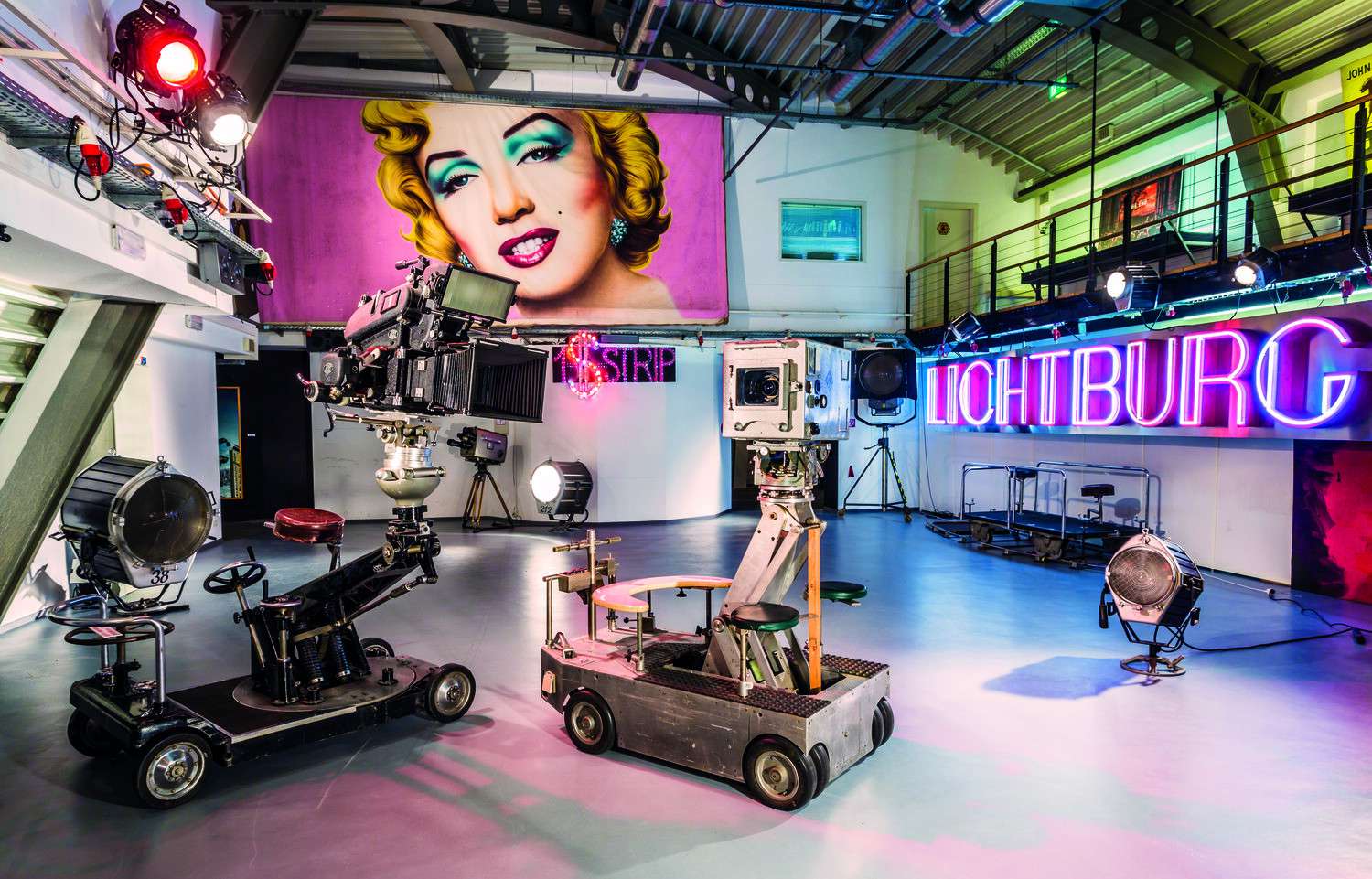
## Description The Film Museum in Düsseldorf (Filmmuseum Düsseldorf) is a captivating destination for cinephiles, history buffs, and curious travelers alike. Located in the heart of the city’s Altstadt (Old Town), this museum offers a deep dive into the evolution of cinema—from the earliest moving images to modern-day blockbusters. Spread across four floors and 2,200 square meters, the museum showcases the art, technology, and cultural impact of film in a way that’s both educational and immersive. Visitors can explore a wide range of exhibits, including vintage cameras, lighting equipment, costumes, props, and set designs. One of the highlights is a reconstructed film studio where guests can get hands-on experience with the filmmaking process. The museum also features interactive displays on special effects, animation, and sound design, making it a dynamic learning environment for all ages. A little-known fact: the museum houses the archives of Fritz Genandt, a local cinema pioneer whose nitrofilm collection is one of the oldest in Germany. Another hidden gem is the “Black Box” cinema located within the museum, which screens classic films, retrospectives, and experimental cinema—often featuring rare or hard-to-find titles. ## Location The Film Museum is located in **Germany**, in the **North Rhine-Westphalia** region, in the city of **Düsseldorf**. Its exact address is Schulstraße 4, 40213 Düsseldorf, right in the Altstadt district. ### How to Get There: - **By Public Transport**: Take the U-Bahn to Heinrich-Heine-Allee station. From there, it’s a short walk to the museum. - **By Car**: Parking is available nearby, but the Altstadt can be busy—public transport is recommended. - **By Foot or Bike**: If you're exploring the Old Town, the museum is easily accessible on foot or by bicycle. Its central location makes it a perfect stop during a day of sightseeing in Düsseldorf. ## Tips for Visitors To make the most of your visit to the Film Museum, keep these tips in mind: - **Visit on a Sunday or Friday**: Admission is free on Sundays and for visitors under 21 on Fridays. - **Check the Black Box Schedule**: The in-house cinema offers a rotating program of films—some screenings include Q&A sessions or guest speakers. - **Explore All Four Floors**: Each level covers a different aspect of film history, from production to distribution to exhibition. - **Use the Museum Library**: With over 33,000 media items, the library is a treasure trove for researchers and film students. - **Attend a Workshop**: The museum regularly hosts seminars and workshops for all ages, including animation and screenwriting. - **Shop for Souvenirs**: The museum store offers unique film-related merchandise and memorabilia. ## Conclusion The Film Museum in Düsseldorf is a vibrant tribute to the magic of cinema. With its rich collection, interactive exhibits, and historic setting, it offers a compelling journey through the world of film—from its humble beginnings to its modern-day marvels. Whether you're a casual moviegoer or a dedicated film buff, this museum is a must-visit. ## FAQ **1. What are the opening hours of the Film Museum?** The museum is open Tuesday to Sunday, typically from 11:00 AM to 6:00 PM. It’s closed on Mondays. **2. Is there an entrance fee?** Yes, general admission is €5 for adults and €2.50 for reduced tickets. Entry is free on Sundays and for visitors under 21 on Fridays. **3. Can I watch films at the museum?** Yes, the museum includes the Black Box cinema, which screens a variety of films throughout the year. **4. Is the museum suitable for children?** Absolutely. Interactive exhibits and workshops make it engaging for younger visitors. **5. Is the museum accessible for people with disabilities?** Yes, the museum is certified for accessibility and offers on-site mobility support. **6. Are guided tours available?** Yes, guided tours can be booked in advance for groups and educational visits. ## Links - [Official Website of Filmmuseum Düsseldorf](https://www.duesseldorf.de/filmmuseum/) - [Wikipedia – Filmmuseum Düsseldorf](https://de.wikipedia.org/wiki/Filmmuseum_D%C3%BCsseldorf)
GemVoyage Team • World
Prague
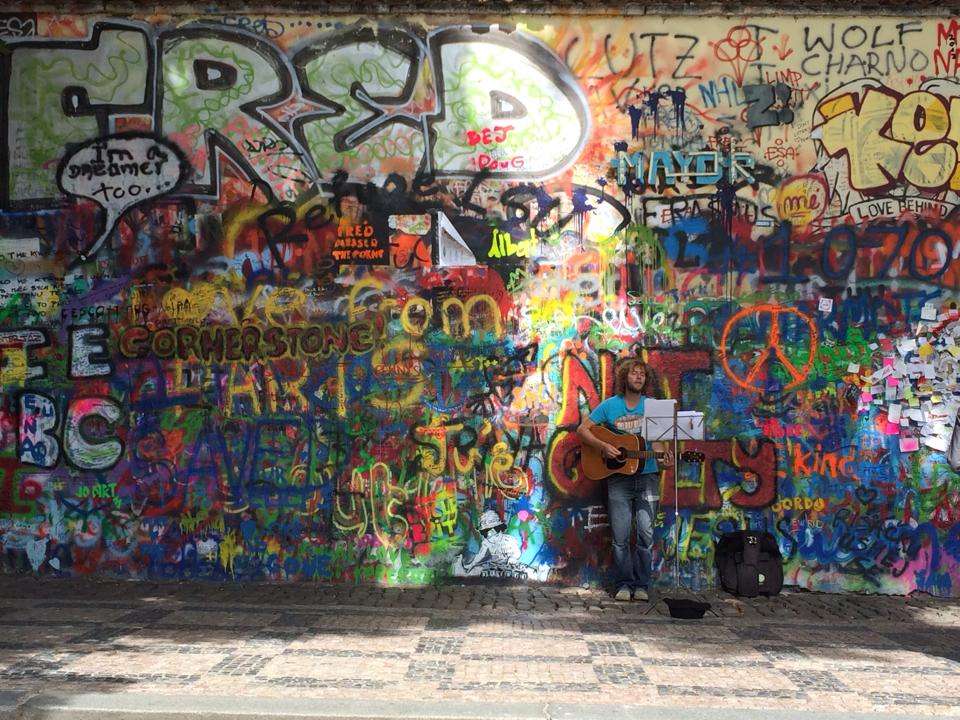
## Description The Lennon Wall in Prague is more than just a colorful stretch of graffiti—it’s a living canvas of freedom, peace, and artistic expression. Located in the historic Malá Strana district, this wall has been a symbol of resistance and hope since the 1980s. After the assassination of John Lennon in 1980, an anonymous artist painted his portrait and lyrics from Beatles songs on the wall. What followed was a spontaneous outpouring of messages, poems, and protest art, especially from Czech youth who saw Lennon as a symbol of Western ideals and freedom during the oppressive communist regime. Over the years, the wall has evolved into a dynamic, ever-changing mural. Layers of paint have buried the original artwork, but the spirit remains. Today, it features vibrant messages of love, peace, and solidarity, often reflecting global movements and local causes. Though the wall is now semi-regulated—with spray painting banned and only designated areas open to public contributions—it continues to attract artists and visitors from around the world. A little-known fact: the wall is owned by the Sovereign Military Order of Malta, whose nearby buildings include a church and embassy. Until 2019, anyone could freely paint on the wall, but due to misuse, it’s now monitored by CCTV and curated by selected artists. ## Location The Lennon Wall is located in **Czechia (Czech Republic)**, in the **Prague Region**, within the city of **Prague**. Specifically, it sits in **Velkopřevorské náměstí (Grand Priory Square)** in the **Malá Strana** neighborhood, just a short walk from the iconic Charles Bridge. ### How to Get There: - **By Foot**: From Charles Bridge, it’s a 5-minute walk through the charming streets of Malá Strana. - **By Tram**: Take tram lines 12, 15, 20, or 22 to Malostranské náměstí, then walk toward the French Embassy. - **By Metro**: The nearest metro station is Malostranská (Line A), followed by a short walk. - **By Bus**: Bus line 194 stops at Malostranské náměstí, close to the wall. Its central location makes it an easy and worthwhile stop on any Prague itinerary. ## Tips for Visitors To make the most of your visit to the Lennon Wall, keep these tips in mind: - **Visit Early or Late**: The wall gets crowded during midday, especially with tour groups. Early morning or evening offers a quieter experience. - **Bring a Marker**: While spray painting is banned, you can still leave a message with a marker in designated areas. - **Respect the Art**: Avoid defacing existing artwork. The wall is a shared space for expression, not vandalism. - **Pair with Nearby Attractions**: Combine your visit with a stroll through Kampa Island or a walk across Charles Bridge. - **Photography**: The wall changes frequently, so it’s a great spot for unique photos. Look for Beatles lyrics or peace symbols hidden among the layers. - **Learn the History**: Guided walking tours often include the Lennon Wall and provide deeper insight into its role during the communist era. ## Conclusion The Lennon Wall in Prague is a vibrant testament to the power of art and free expression. Born from grief and rebellion, it has grown into a global symbol of peace, creativity, and resilience. Whether you're a Beatles fan, a history buff, or simply a curious traveler, the wall offers a colorful and meaningful experience in the heart of Prague. ## FAQ **1. Is there an entrance fee to visit the Lennon Wall?** No, the wall is in a public square and free to visit. **2. Can I paint on the Lennon Wall?** Spray painting is banned, but you can leave messages with markers in designated areas. **3. What is the significance of the Lennon Wall?** It began as a tribute to John Lennon and became a symbol of protest against the communist regime in Czechoslovakia. **4. How often does the wall change?** Constantly. New artwork and messages appear regularly, making each visit unique. **5. Is the wall monitored?** Yes, it’s under CCTV surveillance to prevent vandalism and ensure respectful contributions. **6. What else is nearby?** Charles Bridge, Kampa Island, and the French Embassy are all within walking distance. ## Links - [Lennon Wall – Wikipedia Overview](https://en.wikipedia.org/wiki/Lennon_Wall) - [Prague Tourist Information – Lennon Wall Guide](https://praguetouristinformation.com/en/sightseeing/lesser-town/john-lennon-wall)
GemVoyage Team • World
Los Angeles
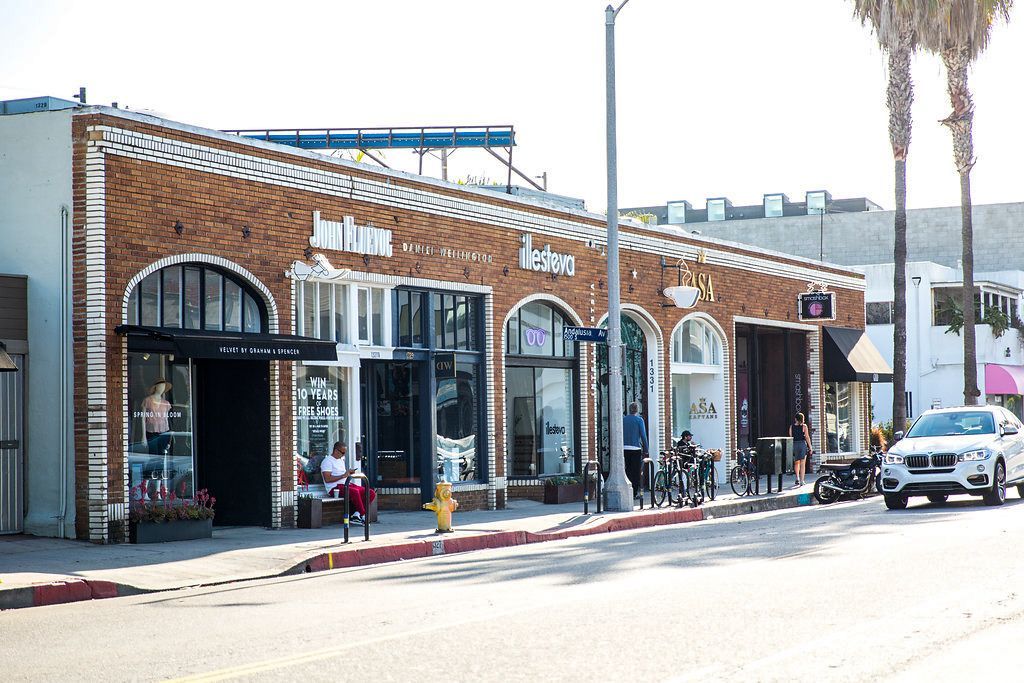
## Description Abbot Kinney Boulevard in Venice, Los Angeles, is a short but influential thoroughfare celebrated for its creative retail scene, independent restaurants, and a distinctive local aesthetic that has become synonymous with modern, small-scale urban cool. Stretching for just a few blocks, Abbot Kinney packs an outsized cultural punch: curated boutiques, artisanal homewares, specialty coffee shops, and innovative dining concepts sit shoulder-to-shoulder with galleries and pop-up markets. The boulevard’s identity is rooted in a "local-first" ethos. Many shops are owner-operated and feature limited-run or locally produced goods, which gives the area an artisanal sensibility that contrasts with more commercial shopping districts. Over the years Abbot Kinney has become a preferred destination for designers, food entrepreneurs and creative-makers who favor a human-scale retail environment where craftsmanship and storytelling matter. Events like "First Fridays" and seasonal street fairs amplify the boulevard’s community mood, with extended shop hours, live music and curated pop-ups that draw both locals and visitors. For food lovers, the avenue is a laboratory of contemporary culinary trends: casual but refined bakeries, modern vegan eateries, and chef-driven bistros can all be found within a short walk. Side streets and upper-floor venues often hide some of the area’s best-kept secrets — intimate bars, tiny galleries, and rooftop patios — rewarding those who slow down and explore. Abbot Kinney also serves as a hub connecting Venice’s broader cultural assets: the nearby beach, historic canals, street art corridors and the bustling Venice Boardwalk are all within easy reach, making the boulevard an ideal stop on a full-day itinerary. Buying categories and sustainability: shoppers can expect to find distinct clusters along the boulevard — homewares and design shops, independent fashion boutiques, specialty food producers, and lifestyle stores focused on wellness. Many retailers emphasize sustainable sourcing and limited production runs; if ethical purchasing matters to you, look for small labels and ask about materials and production methods. ## Location Abbot Kinney Boulevard runs through the Venice neighborhood of Los Angeles, approximately between Ocean Avenue near the beach and Lincoln Boulevard inland. Its central location makes it accessible from Santa Monica, Marina del Rey and other nearby neighborhoods. Getting there: driving is often the fastest option but parking can be limited; consider using parking apps, arrive early, or use nearby paid lots. Multiple bus routes serve Venice, and rideshares or bike rentals are popular alternatives. From Santa Monica or the Marina, cycling along dedicated paths is a pleasant way to arrive and enjoy the waterfront scenery. ## Tips - Visit on weekday mornings for quieter browsing and the best chance to chat with shop owners. - Explore side streets: many of Abbot Kinney’s best cafes and galleries are tucked away from the main strip. - Check store hours: many boutiques open mid-morning and close earlier than big-box retailers, so plan accordingly. - Reserve tables for popular restaurants during weekends and evenings, especially for dinner. - Bring a reusable bag and embrace the local eco-friendly ethos; some shops minimize packaging. - Wear comfortable shoes: although the area is walkable, you’ll want to wander both main and side streets. - Bring a camera and leave space for small, meaningful purchases rather than impulse-heavy shopping. ## Conclusion Abbot Kinney Boulevard distills Venice’s eclectic, creative spirit into a compact, walkable experience. Whether you’re shopping for thoughtful design pieces, sampling new culinary concepts, or simply watching the neighborhood pulse, the boulevard delivers a layered portrait of community-driven urban life. ## FAQ Q: Is Abbot Kinney family-friendly? A: Yes. The area is walkable and casual during the day, with family-friendly cafes and shops. Evening hours can be livelier and more adult-focused, so plan accordingly. Q: How do I find parking near Abbot Kinney? A: Parking is limited on-street; look for paid lots, use parking apps, or consider rideshares and public transit to avoid circling for spaces. Q: When is First Fridays and what is it? A: First Fridays is a monthly event (check local listings for exact dates) where shops extend hours, pop-ups appear and live music is common. It’s a popular time to experience the boulevard’s community energy. Q: Are the shops expensive? A: The mix includes accessible boutiques and higher-end designer stores. Many shops sell locally made, limited-run items that reflect artisanal production which can influence prices. Q: Are dogs welcome? A: Many cafes and stores are dog-friendly, but policies vary; always check individual shop rules before bringing a pet inside. ## Links - [Abbot Kinney Blvd Official Site](https://www.abbotkinneyblvd.com)
GemVoyage Team • World
Umbria
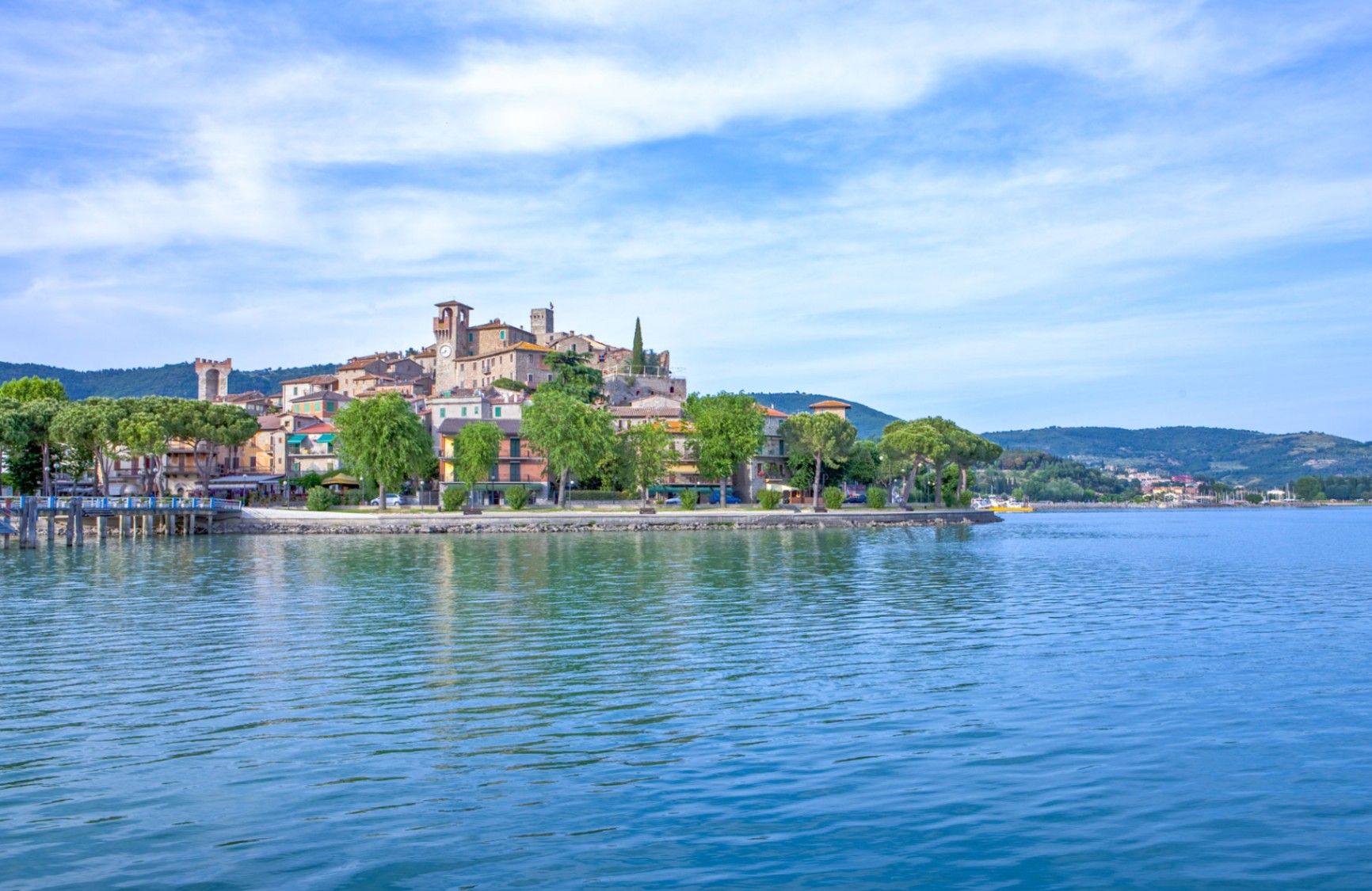
## Description **Lago Trasimeno** is one of Italy’s largest lakes and among its most understated. Unlike the dramatic alpine lakes of the north, Lago Trasimeno is defined by **breadth rather than depth**, calm waters, and a landscape shaped by agriculture, small towns, and slow rhythms. It is a place where nature, history, and everyday Umbrian life coexist without spectacle. The lake is shallow—its average depth is only a few meters—which gives it a distinctive character. Water levels fluctuate noticeably with the seasons, creating wetlands that attract migratory birds and sustain a delicate ecosystem. This makes Lago Trasimeno an important **natural reserve**, particularly for birdwatchers and ecologists. The surrounding reeds, olive groves, and rolling hills contribute to a serene atmosphere that feels far removed from mass tourism. Historically, the lake is best known as the site of the **Battle of Lake Trasimene (217 BCE)**, one of Hannibal’s greatest victories against the Roman Republic during the Second Punic War. Roman legions were ambushed along the lakeshore, making the area one of the most strategically significant ancient battlefields in Italy. A lesser-known fact is that remnants of Roman roads and settlements still lie scattered around the basin, largely unmarked and integrated into the modern landscape. Another overlooked detail is that the lake supports **three inhabited islands**, each with a distinct identity, rather than serving purely as a scenic backdrop. Today, Lago Trasimeno remains deliberately low-key. Fishing villages, medieval towns, cycling paths, and ferry crossings define the experience. It is a destination that rewards patience and curiosity rather than tight itineraries. ## Location **Country:** Italy **Region:** Umbria **Province:** Province of Perugia **Nearby City:** Perugia Lago Trasimeno lies west of Perugia, close to the border with Tuscany, making it a natural crossroads between central Italy’s cultural regions. ### How to Get There * **By train:** * Regional trains run along the northern shore of the lake, stopping at towns such as Passignano sul Trasimeno and Castiglione del Lago. * **By car:** * Easily accessible via regional roads from Perugia, Cortona, or Arezzo. A car is the most flexible option for exploring the lakeside. * **By bus:** * Local buses connect Perugia to towns around the lake, though schedules are limited. * **By bicycle:** * Popular with cyclists, with relatively flat routes and scenic views. ## Tips * **Explore multiple towns:** Each lakeside town has a different character; do not limit yourself to one stop. * **Take a ferry:** Boat trips to the islands offer a different perspective of the lake. * **Visit in spring or early autumn:** Mild weather and fewer crowds enhance the experience. * **Rent a bike:** The flat terrain makes cycling particularly enjoyable. * **Manage expectations:** This is not a swimming-focused lake; its appeal lies elsewhere. * **Stay overnight:** Sunset and early morning reveal the lake at its most atmospheric. ## Conclusion Lago Trasimeno is a place of quiet depth rather than visual drama. Rooted in ancient history and shaped by nature and rural life, it offers an authentic Umbrian experience for visitors who value calm landscapes, local culture, and unhurried exploration. ## FAQ **1. Is Lago Trasimeno good for swimming?** Swimming is possible in designated areas, but the lake is better suited to boating and relaxation. **2. How many islands are on the lake?** There are three inhabited islands: Isola Maggiore, Isola Minore, and Isola Polvese. **3. How much time should I plan for a visit?** At least **one full day**, more if exploring towns or cycling. **4. Is the lake suitable for families?** Yes, especially for gentle outdoor activities and relaxed travel. **5. Can you visit without a car?** Yes, but a car provides greater flexibility. **6. Is Lago Trasimeno crowded?** Compared to other Italian lakes, it remains relatively uncrowded year-round. ## Links * [Umbria official tourism site](https://www.umbriatourism.it)
GemVoyage Team • World