GemVoyage Team • World
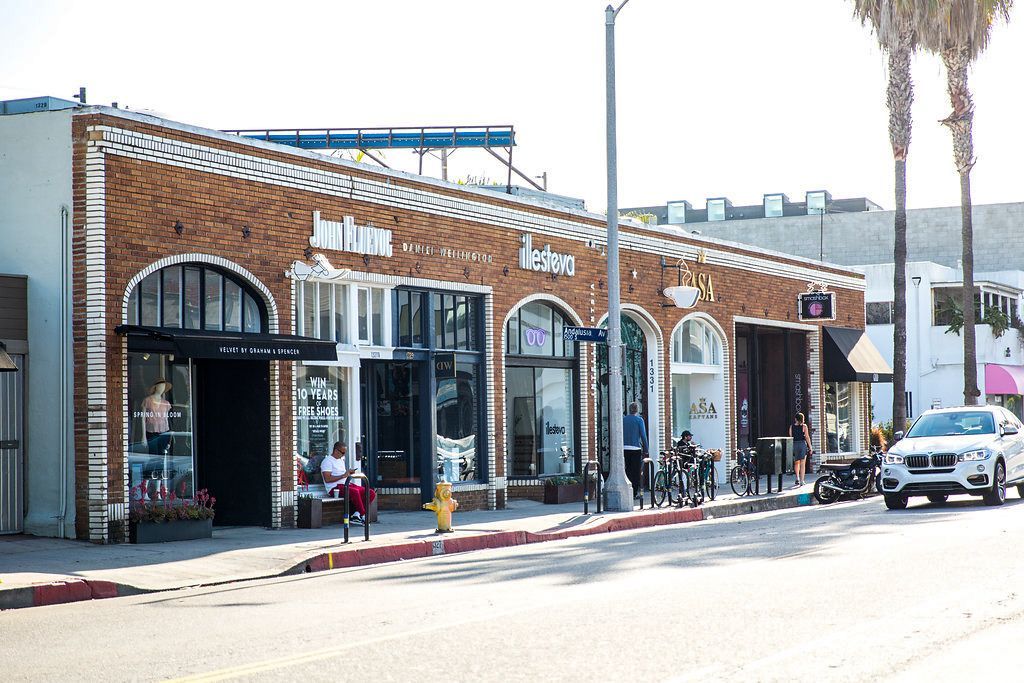
The boulevard’s identity is rooted in a "local-first" ethos. Many shops are owner-operated and feature limited-run or locally produced goods, which gives the area an artisanal sensibility that contrasts with more commercial shopping districts. Over the years Abbot Kinney has become a preferred destination for designers, food entrepreneurs and creative-makers who favor a human-scale retail environment where craftsmanship and storytelling matter.
Events like "First Fridays" and seasonal street fairs amplify the boulevard’s community mood, with extended shop hours, live music and curated pop-ups that draw both locals and visitors. For food lovers, the avenue is a laboratory of contemporary culinary trends: casual but refined bakeries, modern vegan eateries, and chef-driven bistros can all be found within a short walk. Side streets and upper-floor venues often hide some of the area’s best-kept secrets — intimate bars, tiny galleries, and rooftop patios — rewarding those who slow down and explore.
Abbot Kinney also serves as a hub connecting Venice’s broader cultural assets: the nearby beach, historic canals, street art corridors and the bustling Venice Boardwalk are all within easy reach, making the boulevard an ideal stop on a full-day itinerary.
Buying categories and sustainability: shoppers can expect to find distinct clusters along the boulevard — homewares and design shops, independent fashion boutiques, specialty food producers, and lifestyle stores focused on wellness. Many retailers emphasize sustainable sourcing and limited production runs; if ethical purchasing matters to you, look for small labels and ask about materials and production methods.
Getting there: driving is often the fastest option but parking can be limited; consider using parking apps, arrive early, or use nearby paid lots. Multiple bus routes serve Venice, and rideshares or bike rentals are popular alternatives. From Santa Monica or the Marina, cycling along dedicated paths is a pleasant way to arrive and enjoy the waterfront scenery.
Q: How do I find parking near Abbot Kinney?
A: Parking is limited on-street; look for paid lots, use parking apps, or consider rideshares and public transit to avoid circling for spaces.
Q: When is First Fridays and what is it?
A: First Fridays is a monthly event (check local listings for exact dates) where shops extend hours, pop-ups appear and live music is common. It’s a popular time to experience the boulevard’s community energy.
Q: Are the shops expensive?
A: The mix includes accessible boutiques and higher-end designer stores. Many shops sell locally made, limited-run items that reflect artisanal production which can influence prices.
Q: Are dogs welcome?
A: Many cafes and stores are dog-friendly, but policies vary; always check individual shop rules before bringing a pet inside.
Discover more hidden gems you might love.
Taiwan
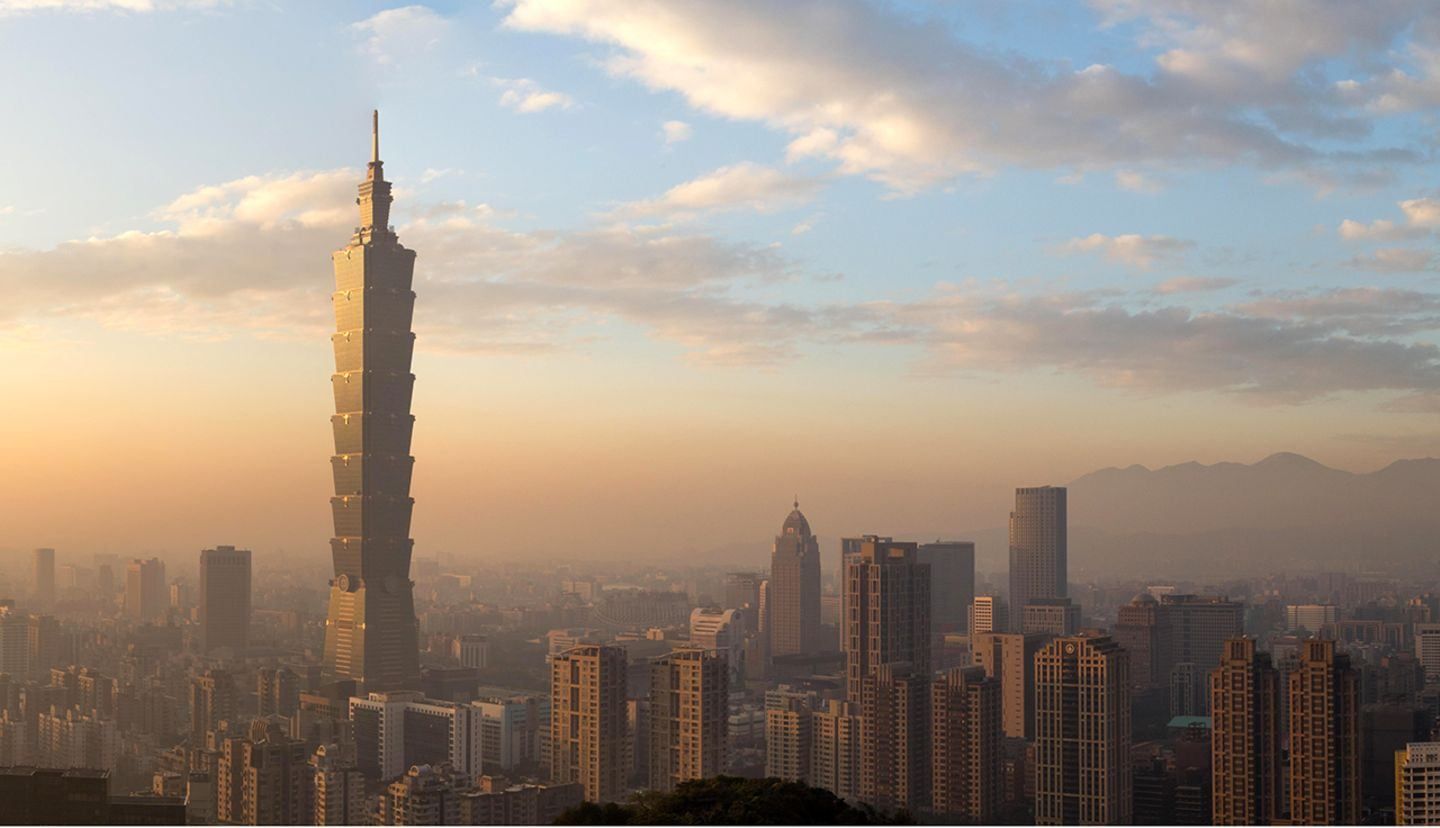
## Description **Lansheng Tower (攬勝樓)** is a traditional scenic pavilion in Taiwan, valued less for monumental scale and more for its **symbolic role as a viewpoint** designed to frame the surrounding landscape. True to its name, which translates roughly as “Tower for Taking in the Scenery,” Lansheng Tower embodies a classic East Asian architectural concept where the structure exists primarily to enhance the appreciation of nature rather than dominate it. Typically built in a **classical Chinese pavilion style**, Lansheng Tower features an elevated platform, open sides, and a tiled roof supported by wooden columns. This design allows uninterrupted views while providing shade and shelter, making it an ideal resting point for walkers, hikers, and photographers. The tower is often integrated into a park, riverside walk, or hillside trail, where it serves as a visual anchor and a quiet pause within the landscape. A lesser-known aspect of Lansheng Tower is its cultural role as a **literary and contemplative space**. Such towers were traditionally associated with poetry, calligraphy, and scholarly gatherings, and inscriptions or plaques are sometimes displayed to commemorate local history or notable figures. Another interesting detail is that the location was often chosen based on principles of **feng shui**, emphasizing balance between water, elevation, and surrounding landforms. Rather than being a destination that demands long hours, Lansheng Tower rewards visitors who value stillness, perspective, and subtle beauty. It represents a distinctly Taiwanese approach to public space, blending heritage architecture with everyday life. ## Location **Country:** Taiwan **Region:** East Asia **City:** Location varies depending on the specific Lansheng Tower, as the name is used for scenic pavilions in parks or natural areas Lansheng Tower is typically found within a **public park, scenic area, or hillside viewpoint**, often overlooking rivers, lakes, or city skylines. ### How to Get There * **By public transport:** * MRT or local buses usually stop near the park or scenic area where the tower is located. * **On foot:** * Many towers are reached via walking paths or short hiking trails. * **By taxi or ride-hailing:** * A convenient option if the tower is located in a less central area. * **By bicycle:** * In urban parks or riverside areas, cycling paths often lead directly to the site. ## Tips * **Visit during sunrise or sunset:** The tower’s purpose is scenic viewing, and lighting conditions matter. * **Bring a camera or sketchbook:** The elevated views are ideal for photography and drawing. * **Check the weather:** Clear days offer the best visibility, especially if the tower overlooks water or mountains. * **Respect the space:** These pavilions are often used for quiet rest and reflection. * **Combine with a walk:** Lansheng Tower is best experienced as part of a longer stroll or hike. * **Read any plaques or inscriptions:** They often provide historical or cultural context that enriches the visit. ## Conclusion Lansheng Tower is a modest but meaningful landmark that reflects Taiwan’s cultural appreciation for scenery, balance, and contemplation. Rather than impressing through size or grandeur, it invites visitors to slow down, observe, and connect with the surrounding environment from a thoughtfully chosen vantage point. ## FAQ **1. What does Lansheng Tower mean?** The name translates roughly to “Tower for Enjoying the View.” **2. Is there an entrance fee?** No. Scenic pavilions like Lansheng Tower are usually free to access. **3. How long should I stay?** Most visitors spend **15–30 minutes**, longer if combining it with a walk or photography. **4. Is it suitable for children and elderly visitors?** Yes, provided the access path is flat or gently sloped. **5. Is it historically important?** While not always ancient, it follows traditional architectural and cultural principles rooted in Chinese and Taiwanese heritage. **6. Can I visit at night?** Some locations are accessible at night, but lighting varies. Safety depends on the surrounding area. ## Links * [Taiwan tourism portal](https://www.taiwan.net.tw)
GemVoyage Team • World
Aswan
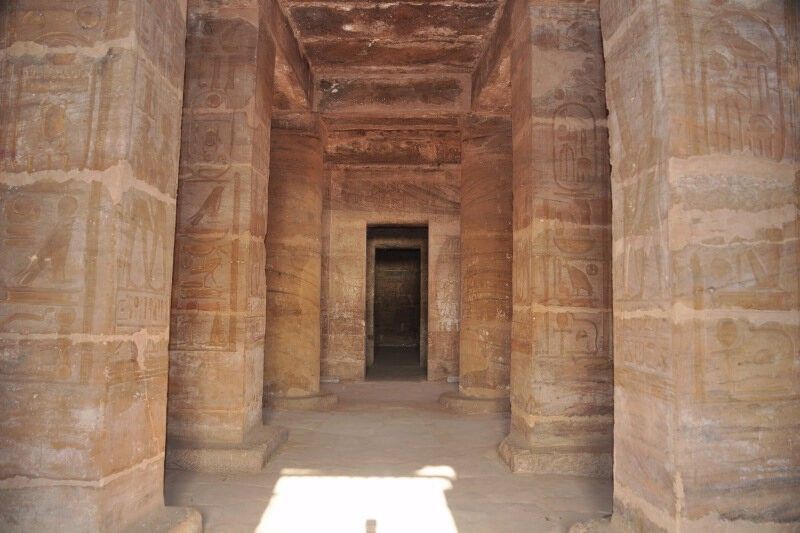
## Description **The Temple of Amada** is one of the oldest surviving stone temples in Nubia and a remarkable example of **New Kingdom Egyptian architecture** outside the Nile Valley’s main centers. Built during the reigns of **Thutmose III** and **Amenhotep II** in the 18th Dynasty (15th century BCE), the temple was dedicated to the gods **Amun-Re** and **Re-Horakhty**. While modest in size compared to the great temples of Luxor, Amada’s historical and artistic value is exceptionally high. What makes the Temple of Amada unique is its **well-preserved interior inscriptions**. The walls are covered with detailed reliefs and hieroglyphic texts that document military campaigns in Nubia and the Near East. One inscription records a victory so overwhelming that it claims the stench of defeated enemies filled the land—an unusually vivid and rare narrative detail in Egyptian temple texts. A lesser-known but crucial fact is that the temple originally stood several kilometers south of its current location. During the 1960s, it was **relocated intact** as part of UNESCO’s Nubian Monuments rescue campaign, launched to save ancient sites threatened by flooding from the construction of the Aswan High Dam. Unlike Abu Simbel, which was cut into blocks, the Temple of Amada was moved as a **single structure**, an extraordinary engineering achievement that preserved its fragile wall paintings. The temple’s proportions are elegant and restrained, with a small pylon, open courtyard, hypostyle hall, and sanctuary. Its compact scale allows visitors to closely study reliefs and inscriptions without the overwhelming crowds found at larger sites, making it especially rewarding for those interested in Egyptian history and epigraphy. ## Location **Country:** Egypt **Region:** Upper Egypt / Nubia **Nearest City:** Aswan The Temple of Amada is located approximately **20 kilometers south of Aswan**, near Lake Nasser, close to the modern village of New Amada. ### How to Get There * **By guided tour:** * Most visitors reach Amada as part of a **Lake Nasser archaeological tour**, either by road or boat. * **By car:** * Accessible via the Aswan–Abu Simbel road, though permits may be required for independent travel. * **By cruise boat:** * Some Lake Nasser cruises include Amada as a scheduled stop. ## Tips * **Visit with a guide:** The inscriptions are historically rich but easy to miss without explanation. * **Allow time inside:** The temple’s value lies primarily in its interior reliefs, not its exterior. * **Bring sun protection:** The site is exposed, and shade is limited. * **Photography is allowed:** Flash should be avoided to protect the wall paintings. * **Combine with nearby sites:** The temples of Derr and the Tomb of Pennut are often visited together. * **Best visited in winter:** Cooler temperatures make exploration far more comfortable. ## Conclusion The Temple of Amada is a quiet but powerful witness to Egypt’s imperial presence in Nubia. Its vivid inscriptions, elegant design, and dramatic modern relocation make it one of the most historically important yet underrated ancient temples in southern Egypt. ## FAQ **1. When was the Temple of Amada built?** It dates to the 18th Dynasty, primarily during the reigns of Thutmose III and Amenhotep II. **2. Why was the temple moved?** It was relocated to prevent flooding caused by the creation of Lake Nasser after the Aswan High Dam. **3. Is the temple original or reconstructed?** It is original; the entire structure was moved intact rather than rebuilt from blocks. **4. How long does a visit take?** Approximately **30–60 minutes**, depending on interest in inscriptions. **5. Is it crowded?** No. It is much quieter than major temples along the Nile. **6. Is the site suitable for casual visitors?** Yes, though history enthusiasts will appreciate it the most. ## Links * [Egypt tourism portal](https://www.experienceegypt.eg/en)
GemVoyage Team • World
Connacht
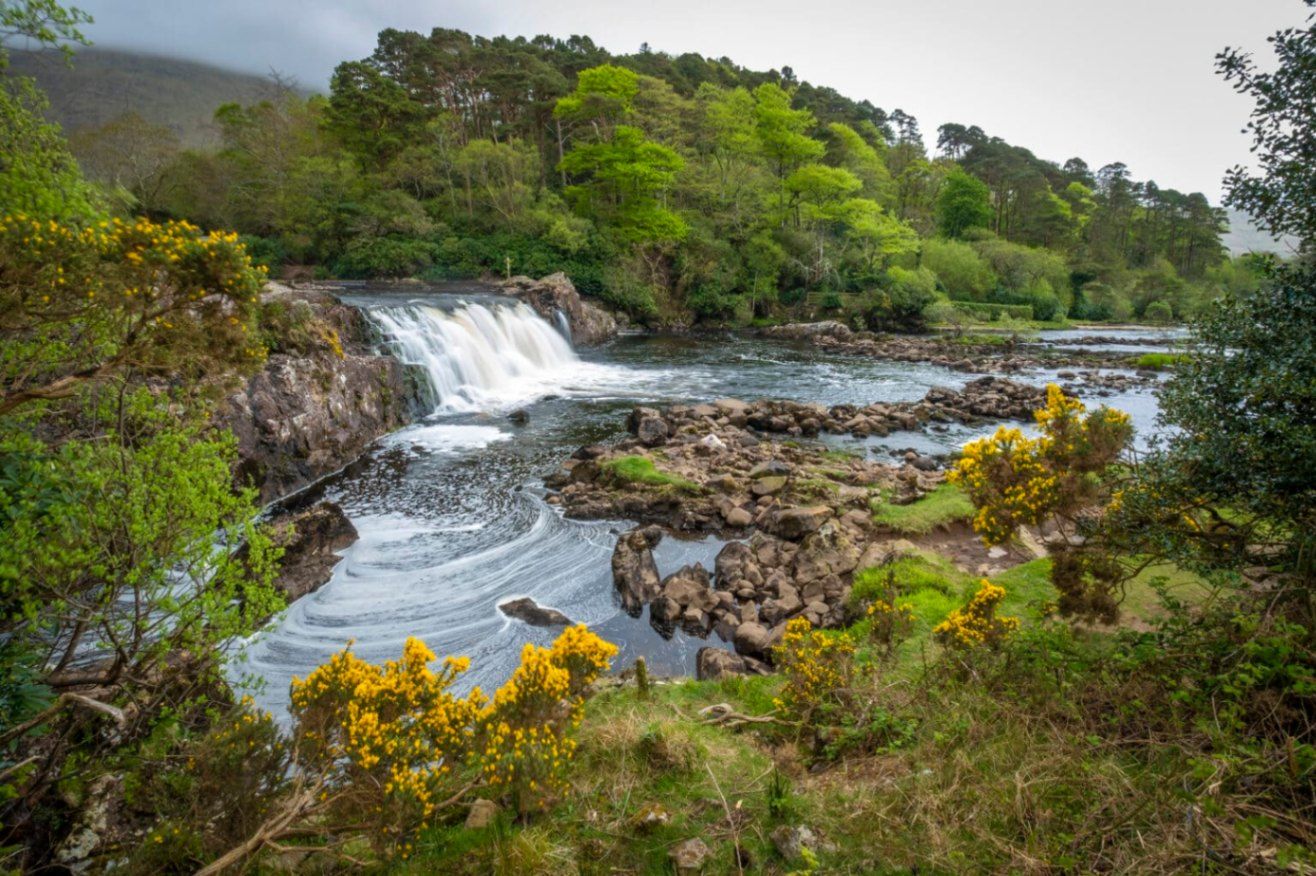
## Description **Aasleagh Falls** is one of Ireland’s most quietly dramatic natural sights, where freshwater from the Connemara mountains meets the tidal waters of Killary Harbour. Unlike towering waterfalls designed to impress through height alone, Aasleagh Falls is defined by **movement, light, and setting**. Its power and appearance change constantly depending on rainfall, tide levels, and weather conditions, making every visit slightly different. The waterfall is formed by the **Erriff River**, which descends rapidly over smooth rock shelves just before flowing into Killary Harbour, Ireland’s only fjord. At high tide, seawater pushes upriver, partially submerging the lower cascades and creating a rare visual effect where fresh and saltwater interact. At low tide, the falls appear more forceful and exposed, revealing multiple channels and textures in the rock. What makes Aasleagh Falls particularly special is its **sense of isolation and scale relative to its surroundings**. Backed by rugged mountains and often framed by mist or low clouds, the falls feel far removed from modern life despite being accessible by road. A lesser-known fact is that the area around the falls has long been a **salmon fishing site**, and anglers can sometimes be seen working the waters nearby. Another overlooked detail is that the name “Aasleagh” is derived from Irish, roughly translating to a “rocky place,” a fitting description of the terrain shaped by water over millennia. Aasleagh Falls is not fenced, ticketed, or curated. It exists as it always has: exposed, elemental, and dependent on nature rather than infrastructure. This rawness is central to its appeal. ## Location **Country:** Ireland **Province:** Connacht **County:** Mayo **Nearby Area:** Leenane / Killary Harbour Aasleagh Falls is located at the eastern end of **Killary Harbour**, near the border between County Mayo and County Galway, in one of Ireland’s most scenic regions. ### How to Get There * **By car:** * From Westport, drive toward Leenane via the N59. The falls are located just before entering the village and are visible from the roadside. * **By bus:** * Limited rural bus services operate in the area; schedules are infrequent and not ideal for flexible visits. * **On foot or by bicycle:** * Possible if staying nearby, but weather and narrow roads should be considered. There is no formal parking lot; roadside pull-ins are commonly used. ## Tips * **Visit after rainfall:** The falls are most impressive following heavy rain. * **Check the tide:** Low tide reveals more of the cascade structure. * **Wear waterproof footwear:** The ground can be wet and uneven. * **Be cautious near the edge:** There are no safety barriers. * **Combine with scenic drives:** The surrounding roads offer some of Ireland’s best coastal and mountain views. * **Bring a camera:** Light conditions change rapidly and can be spectacular. ## Conclusion Aasleagh Falls is a powerful example of Ireland’s understated natural beauty. Its shifting form, dramatic setting, and lack of commercialization make it ideal for visitors seeking authenticity, solitude, and a deeper connection with the landscape. ## FAQ **1. Is there an entrance fee to Aasleagh Falls?** No, access is completely free. **2. How tall is the waterfall?** It is relatively low in height, but wide and dynamic rather than vertical. **3. When is the best time to visit?** After rainfall and during low tide for the most dramatic views. **4. Is it suitable for children?** Yes, with close supervision due to the lack of barriers. **5. Can you swim near the falls?** Swimming is not recommended due to strong currents and tidal influence. **6. How long should I plan to stay?** Around **20 to 30 minutes**, longer if photographing or exploring the area. ## Links * [Discover Ireland](https://www.discoverireland.ie/)
GemVoyage Team • World
Milan
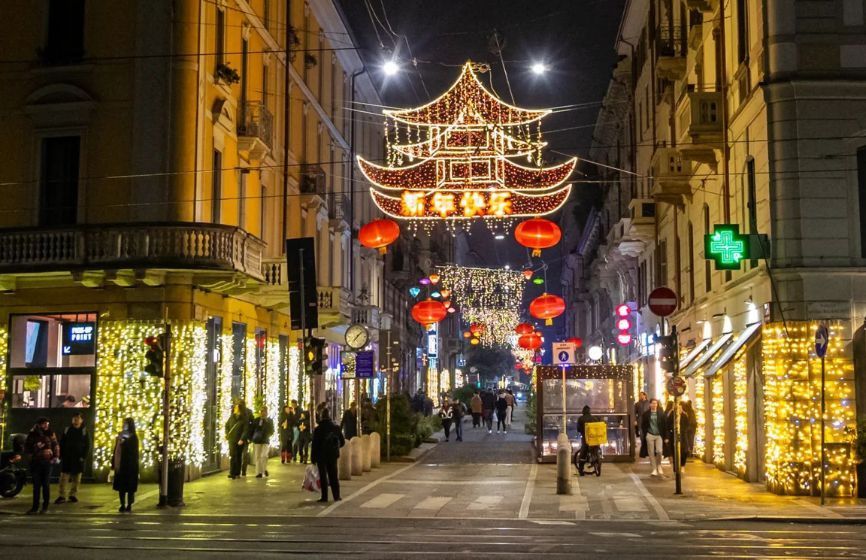
## Description **Chinatown in Milan (Quartiere Cinese di Milano)** is a lively, colorful district that blends **Italian sophistication with Chinese tradition**, creating one of the most vibrant cultural areas in northern Italy. Established in the early 20th century, it is the **oldest and largest Chinatown in Italy**, and today it thrives as a bustling hub of food, culture, and community life. The neighborhood is centered around **Via Paolo Sarpi**, a pedestrian-friendly street lined with Asian grocery stores, authentic restaurants, tea shops, and modern fashion boutiques. Red lanterns and bilingual signs decorate the streets, while the aroma of dumplings, noodles, and roasted duck fills the air. It’s a place where tradition meets innovation — where family-run Chinese bakeries coexist with trendy Milanese cafés and design studios. What makes Milan’s Chinatown unique is how seamlessly it integrates into the city’s cosmopolitan identity. Beyond being a culinary destination, it’s also a **center for art, trade, and cross-cultural exchange**. The area has become increasingly popular among young professionals and artists who appreciate its multicultural atmosphere and creative energy. A little-known fact is that Chinatown in Milan began as a **settlement of Chinese workers from Zhejiang province** in the 1920s, who came to Italy to work in the textile and leather industries. Over time, they established businesses that became essential to Milan’s fashion scene — a legacy that still endures today. Another fascinating detail: every year, the neighborhood hosts an elaborate **Chinese New Year parade**, drawing thousands of locals and tourists to celebrate with dragon dances, fireworks, and street performances. ## Location Milan’s Chinatown is located in the **northwestern part of the city center**, primarily along **Via Paolo Sarpi** in the **Porta Volta area**, **Lombardy region**, **Italy**. To get there: * **By metro:** Take **Line 2 (Green Line)** to **Moscova Station** or **Line 5 (Purple Line)** to **Monumentale Station**. Both are a short walk from Via Paolo Sarpi. * **By tram:** Tram lines **12 and 14** stop nearby. * **By foot:** It’s about a **15–20 minute walk** from the Duomo or Brera district, making it an easy stop during a city stroll. The area is pedestrian-friendly, making it perfect for exploring on foot while sampling food or browsing local shops. ## Tips * **Come hungry:** Chinatown is one of the best places in Milan for authentic Chinese, Vietnamese, and Thai cuisine. Popular dishes include **dim sum, baozi (steamed buns),** and **hand-pulled noodles**. * **Visit during Chinese New Year:** The celebrations are among the largest in Italy, featuring parades, performances, and cultural exhibits. * **Explore side streets:** Don’t just stay on Via Paolo Sarpi — nearby lanes hide charming bakeries, tea shops, and Asian supermarkets. * **Try local fusion spots:** Milan’s creativity shines through in restaurants that blend Asian and Italian flavors, reflecting the district’s evolving culinary scene. * **Shop for Asian ingredients:** Supermarkets like **Kathay** are famous for offering rare spices, sauces, and produce that are hard to find elsewhere in Italy. * **Visit in the evening:** As the lights come on, the red lanterns and street buzz create a magical, cinematic atmosphere. ## Conclusion **Chinatown in Milan** is far more than a neighborhood — it’s a living story of migration, adaptation, and community. From its early days as a textile hub to its present status as a vibrant cultural destination, it reflects Milan’s openness and diversity. Whether you’re tasting authentic dim sum, shopping for exotic ingredients, or celebrating Chinese New Year, Chinatown offers a sensory journey through the heart of modern multicultural Milan. ## FAQ **1. When was Chinatown in Milan established?** It was founded in the **1920s** by Chinese immigrants, mainly from Zhejiang province, who came to work in textile and leather industries. **2. Where exactly is it located?** It centers around **Via Paolo Sarpi**, in the **Porta Volta area** of **Milan**, **Lombardy, Italy**. **3. What can I do there?** You can explore Asian shops, enjoy authentic Chinese cuisine, visit tea houses, and attend cultural festivals such as Chinese New Year. **4. Is it safe to visit Chinatown at night?** Yes, it’s considered safe and lively, with many restaurants and bars open until late. **5. What’s the best time to visit?** Any time of year is great, but **January or February** during the **Chinese New Year** offers the most festive experience. **6. Are there Italian-Chinese fusion restaurants?** Yes, several trendy eateries combine Asian flavors with Italian ingredients, reflecting the creative spirit of Milan’s dining scene. ## Links * [Official Milano Tourism Portal](https://www.yesmilano.it)
GemVoyage Team • World
Oslo
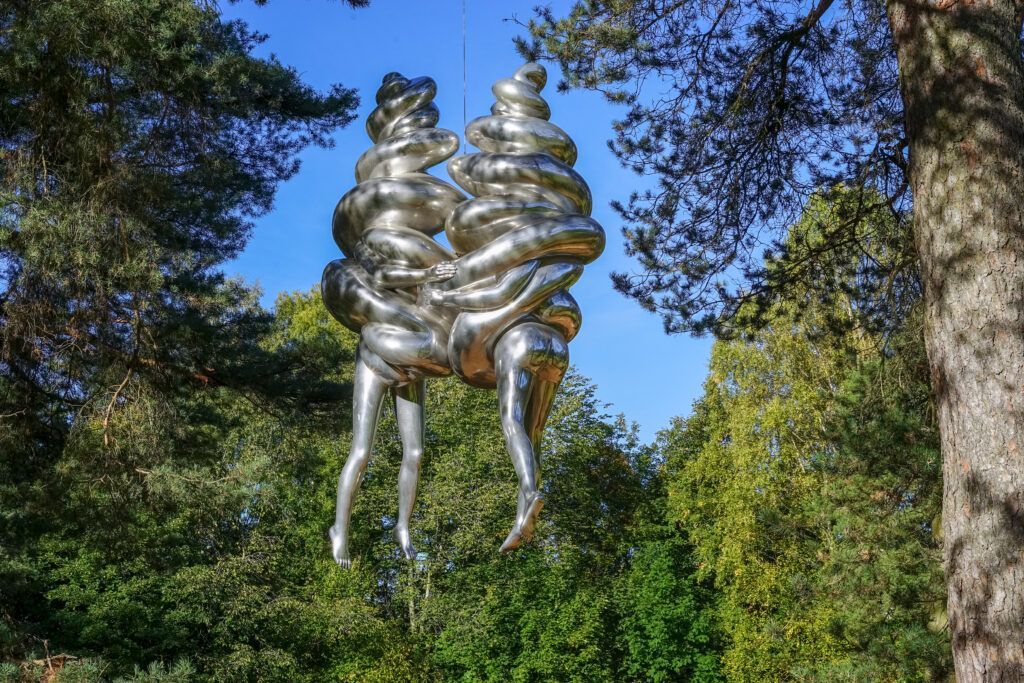
## Description Ekebergparken Sculpture Park is one of Oslo’s most rewarding places to combine contemporary art with open-air exploration. Set on a wooded hill overlooking the city and the Oslofjord, the park mixes sculpture, landscape design, and long walking paths in a setting that feels less like a formal museum and more like an expanded outdoor experience. Visitors come for the art, but many stay for the sweeping views, the quiet forest atmosphere, and the sense that each path can reveal something unexpected. The park’s appeal lies in its variety. One moment you are looking at a monumental sculpture in an open clearing, and the next you are walking through trees where smaller works appear almost discreetly within the landscape. That balance between art and nature gives the park a strong identity. It is also one of the few places in Oslo where you can experience large-scale contemporary sculpture without the pressure of indoor galleries or ticket-driven time limits. The overall effect is relaxed, but it is also carefully curated. One lesser-known aspect of Ekebergparken is that the site has long carried cultural associations beyond its current role as a sculpture park. The hill has been important in Oslo’s history and imagination for centuries, and the park’s placement takes advantage of both the geological terrain and the city views. Another interesting fact is that the park is not only about major names in sculpture; it often rewards visitors who slow down and pay attention to how each work interacts with light, weather, and seasonal changes. A piece that seems subtle in summer can feel dramatically different in winter or at dusk. ## Location Ekebergparken is located in the Ekeberg area of Oslo, Norway, on a hill east of the city center. Its elevated position makes it easy to identify on a map, and the park is accessible from central Oslo without much difficulty. The simplest way to get there is by tram or bus followed by a short uphill walk, though many visitors use taxis or ride-hailing services to save energy for the walking inside the park. If you enjoy city walks, you can also reach the area on foot from central Oslo, but be prepared for a climb. Because the park is spread out, comfortable shoes matter more than almost anything else. ## Tips Wear walking shoes and dress for changing weather, since the park is exposed and conditions can shift quickly. Allow more time than you think you need. The park is best enjoyed slowly, with room for detours and view stops. Bring a camera, but do not rush the experience. Some of the best moments happen when you simply pause at a viewpoint or sit near a sculpture. Visit near sunset if you want the city views at their most dramatic, but note that the park can feel cooler and windier later in the day. Check the park’s current sculpture map or seasonal information before going, since installations and access details can change. ## Conclusion Ekebergparken is one of Oslo’s strongest outdoor cultural experiences, combining sculpture, landscape, and city views in a single memorable walk. ## FAQ ### Is Ekebergparken free to visit? The park itself is generally open as an outdoor public experience, though specific events or facilities may have separate conditions. ### How long should I spend there? Plan at least two to three hours if you want to enjoy both the sculptures and the viewpoints. ### Is Ekebergparken suitable for families? Yes, especially for families that enjoy walking outdoors and exploring art in a relaxed setting. ### What makes the park different from a regular sculpture garden? Its natural setting, large views over Oslo, and integration of art with forest trails make it feel more immersive than a typical sculpture lawn. ### Can I visit in winter? Yes, but dress warmly and expect snowy or slippery paths depending on the season. ## Links - [Official website](https://ekebergparken.com/) - [Ekebergparken on Wikipedia](https://en.wikipedia.org/wiki/Ekebergparken_Sculpture_Park)
GemVoyage Team • World
Rome
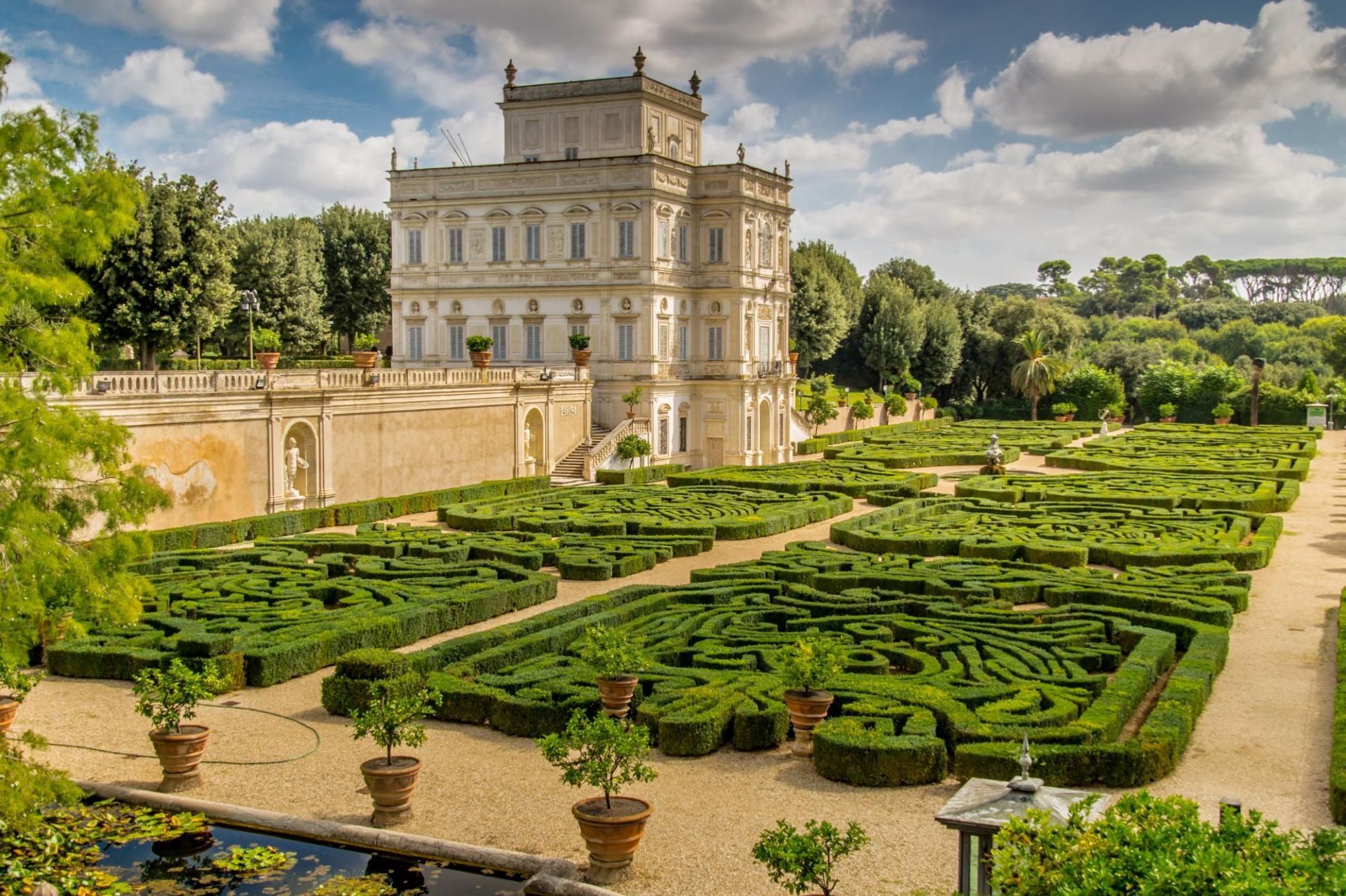
## Description Villa Doria Pamphili is Rome’s largest landscaped villa park, a sprawling green refuge that stretches across rolling lawns, tree-lined avenues, and layered gardens. The park is a living palimpsest: its design reflects generations of development, blending formal Italianate fragments with later Romantic landscape interventions. Visitors discover broad promenades shaded by mature pines and cypresses, intimate groves, terraced viewpoints, ornamental fountains, and the occasional historic villa or chapel tucked into the greenery. What separates Villa Doria Pamphili from Rome’s better-known manicured gardens is its scale and everyday use: runners training along long straight avenues, families picnicking under broad trees, and musicians gathering informally on sunny afternoons. The park hosts seasonal cultural programs—outdoor concerts, film nights, and neighborhood festivals—yet retains a quiet dignity even during busier times. Its pathways offer both restful, shaded routes and open, sunlit clearings; photographers and nature lovers will appreciate the changing light through the trees and occasional glimpses of Roman rooftops beyond. The park’s history is visible in its layered landscaping: landscaped terraces that once anchored a noble estate, interspersed with woodland patches that feel older and wilder. For those studying garden history, the site provides a satisfying case study of how aristocratic pleasure grounds transitioned to public urban parks. For ordinary visitors, the pleasures are simpler—ample space, restful atmosphere, and a sense of escape from Rome’s denser historic core. ## Location Villa Doria Pamphili occupies a large swathe in western Rome, bordering neighborhoods like Monteverde and Trastevere. It is reachable by bus, taxi, and on foot from several tram and metro stops; the park’s size means different entrances suit different itineraries, so checking a map before you go helps you plan whether to approach from the north, south, or west side. ## Tips - Wear comfortable footwear: the park’s size rewards long walks and exploration across varied surfaces. - Visit on a weekday morning for the quietest experience; weekends attract many local families and picnickers. - Bring a picnic and a blanket—there are many scenic clearings suited to lingering. - Rent a bike or bring a folding bike if you want to cover more ground; some routes are well-suited to casual cycling. - Keep an eye on the events board: the park occasionally stages open-air concerts and screenings, which can be a delightful, low-cost cultural night out. - Respect local rules about barbecues and alcohol: these can be restricted in parts of the park. ## Conclusion Villa Doria Pamphili is an expansive urban refuge offering both active recreation and relaxed contemplation. Its layered history, varied landscapes, and everyday uses make it a revealing place to spend a few hours or an entire afternoon—particularly appealing for travelers seeking outdoor green spaces and a more local side of Rome. ## FAQ Q: Is there an entrance fee? A: No—the park is public and free to enter, which makes it a popular local destination for recreation and relaxation. Q: Are dogs allowed? A: Dogs are usually permitted on-leash in most areas; check local signage for any leash-free zones or restrictions. Q: Can I cycle through the park? A: Yes—many paths are bike-friendly, though some narrower or pedestrian-priority areas may be more suitable for walking. Q: Are there public restrooms and water fountains? A: Basic facilities are available but can be limited; carry some water and check maps for restroom locations during longer visits. Q: Are there guided tours of the park’s history? A: Occasionally local associations offer guided walks focusing on the villa’s history and gardens—look for community announcements or contact local tourism offices. ## Links - [Villa Doria Pamphili (Wikipedia)](https://en.wikipedia.org/wiki/Villa_Doria_Pamphili)
GemVoyage Team • World

Comments