GemVoyage Team • World
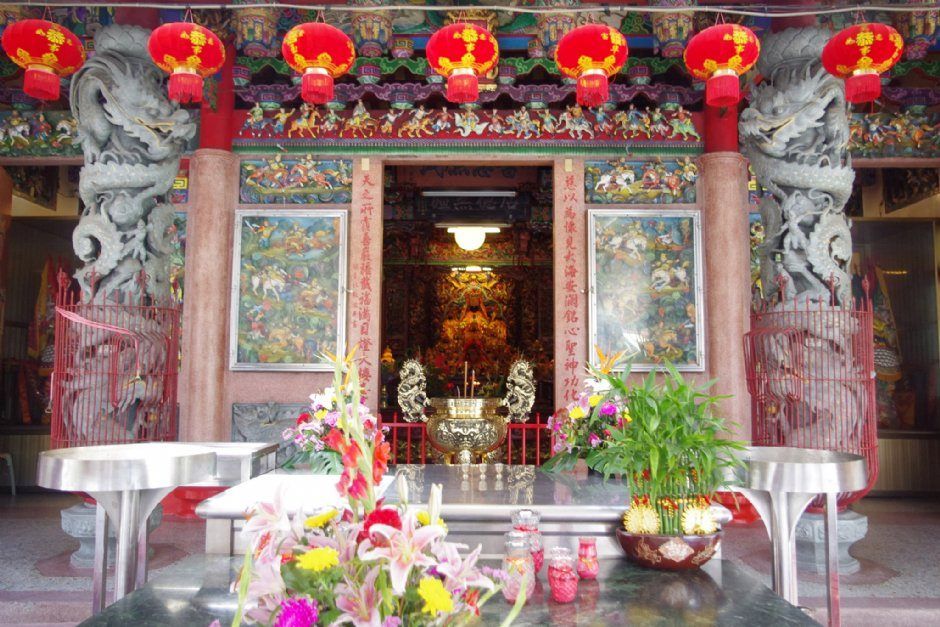
Hualien Cih Tian Temple, known locally as 花蓮慈天宮, is one of the most important religious and cultural landmarks in Hualien City. Dedicated primarily to Mazu, the revered sea goddess and protector of travelers and fishermen, the temple plays a central role in the spiritual life of the local community. It is a place where worship, tradition, and daily life intersect, offering visitors a calm yet vibrant glimpse into Taiwanese religious culture.
What makes Hualien Cih Tian Temple unique is its strong connection to the coastal identity of eastern Taiwan. While many Mazu temples are found along Taiwan’s western coast, this temple reflects the beliefs and practices of communities shaped by the Pacific Ocean and Hualien’s rugged natural environment. A lesser-known fact is that the temple has undergone several reconstructions due to earthquakes and typhoons, each time rebuilt with community support, symbolizing local resilience and faith. Another interesting detail is that the temple often serves as a gathering point during important religious festivals, when processions, traditional music, and rituals fill the surrounding streets with color and energy.
Architecturally, the temple features classic Taoist design elements, including ornate roof carvings, colorful murals, stone guardian lions, and richly decorated altars. Even outside major festivals, the scent of incense and the quiet rhythm of prayer create a reflective atmosphere that welcomes both worshippers and curious visitors.
Hualien Cih Tian Temple is located in Taiwan, in Hualien County, within Hualien City. The temple sits in a central urban area, making it easily accessible and close to other local attractions, shops, and eateries.
Reaching the temple is simple. Visitors arriving by train can walk or take a short taxi ride from Hualien Railway Station, which is the main transportation hub of the city. Local buses also operate nearby. For travelers exploring Hualien on foot or by bicycle, the temple fits naturally into a city sightseeing route. If you are using a car or scooter, parking is usually available on nearby streets.
Hualien Cih Tian Temple is a meaningful spiritual and cultural site that reflects the faith, history, and resilience of Hualien’s community. Whether you visit for quiet reflection or to witness living traditions, the temple offers an authentic and enriching experience in eastern Taiwan.
Who is the main deity worshipped at Hualien Cih Tian Temple?
The temple is primarily dedicated to Mazu, the sea goddess and protector of sailors and travelers.
Is the temple open to visitors every day?
Yes, the temple is generally open daily, from early morning until evening.
Is there an entrance fee?
No, entrance is free, though donations are welcomed.
Can tourists visit even if they are not religious?
Yes, visitors of all backgrounds are welcome, as long as they remain respectful.
When is the best time to visit the temple?
Weekdays or non-festival days are best for a peaceful visit, while festival periods offer a more lively cultural experience.
Discover more hidden gems you might love.
Seoul
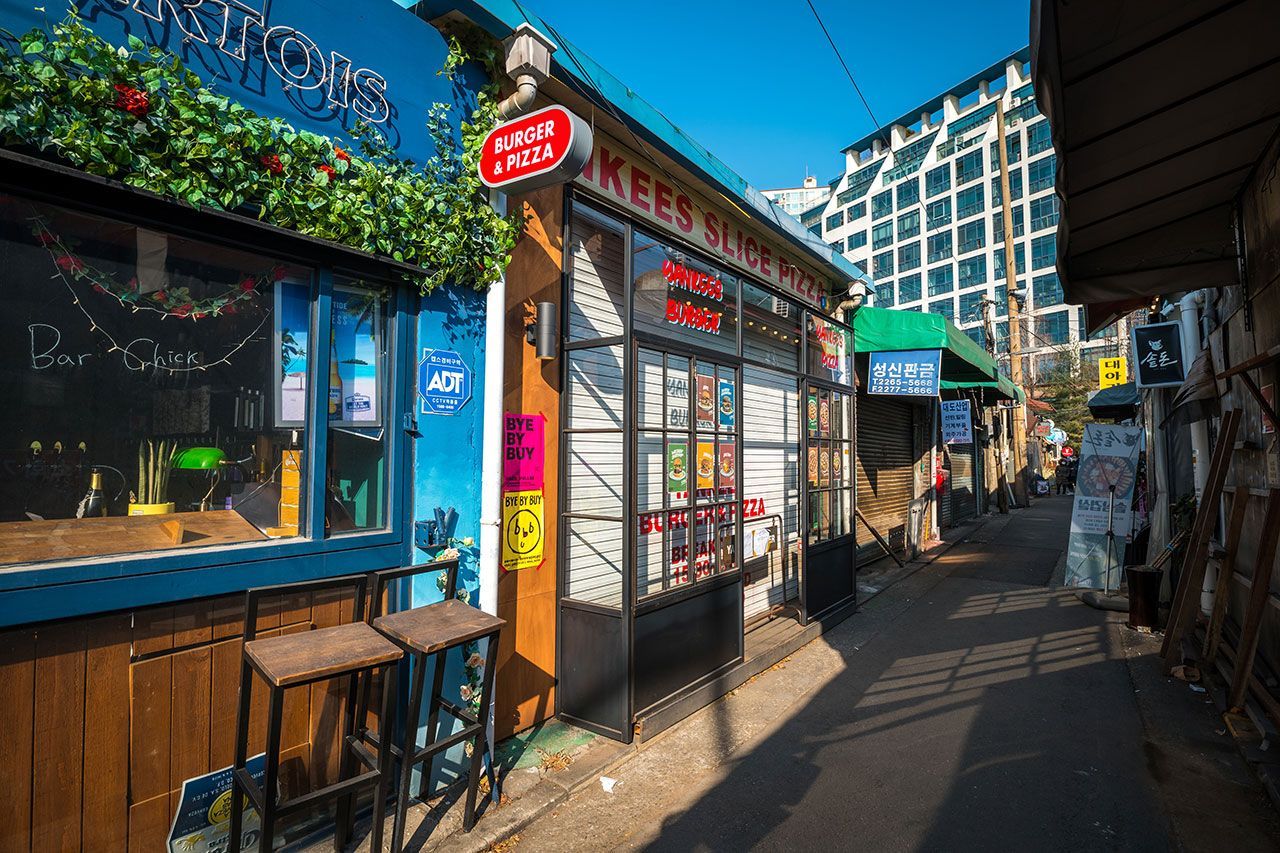
## Description Mullae Art Village in Seoul is a compelling example of an industrial district transformed into an active creative ecosystem. Once home primarily to metalworks and small foundries, the neighborhood now hosts a mix of artist studios, mural-covered facades, experimental cafes, and workshops that continue to hum with production. This coexistence of working industry and emerging creative culture lends Mullae a gritty authenticity—visitors can witness the surprising juxtaposition of active metal fabrication alongside open studio events and gallery nights. The village has become a draw for photographers, designers, and travelers looking for non-touristy creative scenes. Monthly studio openings, collaborative exhibitions, and pop-up markets animate the neighborhood, while small bars and eateries offer late-night conversation and informal artist gatherings. Mullae’s charm is not polished; it’s lived-in, evolving, and full of small discoveries. ## Location Mullae sits in Yeongdeungpo-gu, Seoul, and is accessible from Mullae Station on Line 2, with short walks into the heart of the creative cluster. The area is best explored on foot, following alleyways and industrial lanes where murals, sculptures, and studios appear around unexpected corners. ## Tips - Time visits for open-studio events or weekends when more artists and galleries welcome visitors. - Be mindful of working studios—respect cordoned areas and do not enter without permission. - Bring a camera and a sense of exploration—industrial textures, murals, and found-object sculptures make for strong photography subjects. - Support local businesses: many cafes and shops are run by artists and makers, and purchases help sustain the community. - Safety note: some areas near active workshops may have operational hazards—obey signage and keep a safe distance from machinery. ## Conclusion Mullae Art Village is a vivid, working example of how industrial neighborhoods can become creative hubs without losing their gritty character. It’s ideal for curious travelers who value authenticity, emerging art scenes, and the energetic overlap of craft and creativity. ## FAQ Q: Are studios in Mullae open to the public? A: Many studios open during scheduled studio days or events; otherwise contact artists or galleries directly for visits. Q: Is it safe to take photos in Mullae? A: Yes, in public areas, but avoid photographing inside private workshops without permission and respect workers’ safety zones. Q: Are there cafes and shops in Mullae? A: Yes—small cafes, bars, and maker-driven shops are common and offer unique handmade goods and refreshments. Q: When is the best time to visit Mullae? A: Weekends and scheduled open-studio events offer the richest experience, though weekday afternoons can be quieter for wandering. Q: How can I support the local creative community? A: Buy directly from artists, attend open-studio events, and patronize local cafes and pop-up markets. ## Links - [Mullae Art Village](https://english.seoul.go.kr/seoul-art-space-mullae-mullae-creative-village/)
GemVoyage Team • World
Aswan
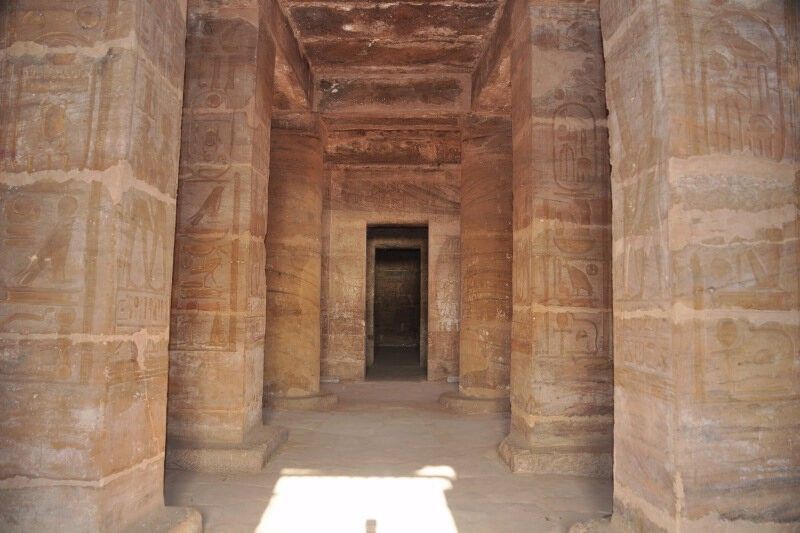
## Description **The Temple of Amada** is one of the oldest surviving stone temples in Nubia and a remarkable example of **New Kingdom Egyptian architecture** outside the Nile Valley’s main centers. Built during the reigns of **Thutmose III** and **Amenhotep II** in the 18th Dynasty (15th century BCE), the temple was dedicated to the gods **Amun-Re** and **Re-Horakhty**. While modest in size compared to the great temples of Luxor, Amada’s historical and artistic value is exceptionally high. What makes the Temple of Amada unique is its **well-preserved interior inscriptions**. The walls are covered with detailed reliefs and hieroglyphic texts that document military campaigns in Nubia and the Near East. One inscription records a victory so overwhelming that it claims the stench of defeated enemies filled the land—an unusually vivid and rare narrative detail in Egyptian temple texts. A lesser-known but crucial fact is that the temple originally stood several kilometers south of its current location. During the 1960s, it was **relocated intact** as part of UNESCO’s Nubian Monuments rescue campaign, launched to save ancient sites threatened by flooding from the construction of the Aswan High Dam. Unlike Abu Simbel, which was cut into blocks, the Temple of Amada was moved as a **single structure**, an extraordinary engineering achievement that preserved its fragile wall paintings. The temple’s proportions are elegant and restrained, with a small pylon, open courtyard, hypostyle hall, and sanctuary. Its compact scale allows visitors to closely study reliefs and inscriptions without the overwhelming crowds found at larger sites, making it especially rewarding for those interested in Egyptian history and epigraphy. ## Location **Country:** Egypt **Region:** Upper Egypt / Nubia **Nearest City:** Aswan The Temple of Amada is located approximately **20 kilometers south of Aswan**, near Lake Nasser, close to the modern village of New Amada. ### How to Get There * **By guided tour:** * Most visitors reach Amada as part of a **Lake Nasser archaeological tour**, either by road or boat. * **By car:** * Accessible via the Aswan–Abu Simbel road, though permits may be required for independent travel. * **By cruise boat:** * Some Lake Nasser cruises include Amada as a scheduled stop. ## Tips * **Visit with a guide:** The inscriptions are historically rich but easy to miss without explanation. * **Allow time inside:** The temple’s value lies primarily in its interior reliefs, not its exterior. * **Bring sun protection:** The site is exposed, and shade is limited. * **Photography is allowed:** Flash should be avoided to protect the wall paintings. * **Combine with nearby sites:** The temples of Derr and the Tomb of Pennut are often visited together. * **Best visited in winter:** Cooler temperatures make exploration far more comfortable. ## Conclusion The Temple of Amada is a quiet but powerful witness to Egypt’s imperial presence in Nubia. Its vivid inscriptions, elegant design, and dramatic modern relocation make it one of the most historically important yet underrated ancient temples in southern Egypt. ## FAQ **1. When was the Temple of Amada built?** It dates to the 18th Dynasty, primarily during the reigns of Thutmose III and Amenhotep II. **2. Why was the temple moved?** It was relocated to prevent flooding caused by the creation of Lake Nasser after the Aswan High Dam. **3. Is the temple original or reconstructed?** It is original; the entire structure was moved intact rather than rebuilt from blocks. **4. How long does a visit take?** Approximately **30–60 minutes**, depending on interest in inscriptions. **5. Is it crowded?** No. It is much quieter than major temples along the Nile. **6. Is the site suitable for casual visitors?** Yes, though history enthusiasts will appreciate it the most. ## Links * [Egypt tourism portal](https://www.experienceegypt.eg/en)
GemVoyage Team • World
Istanbul
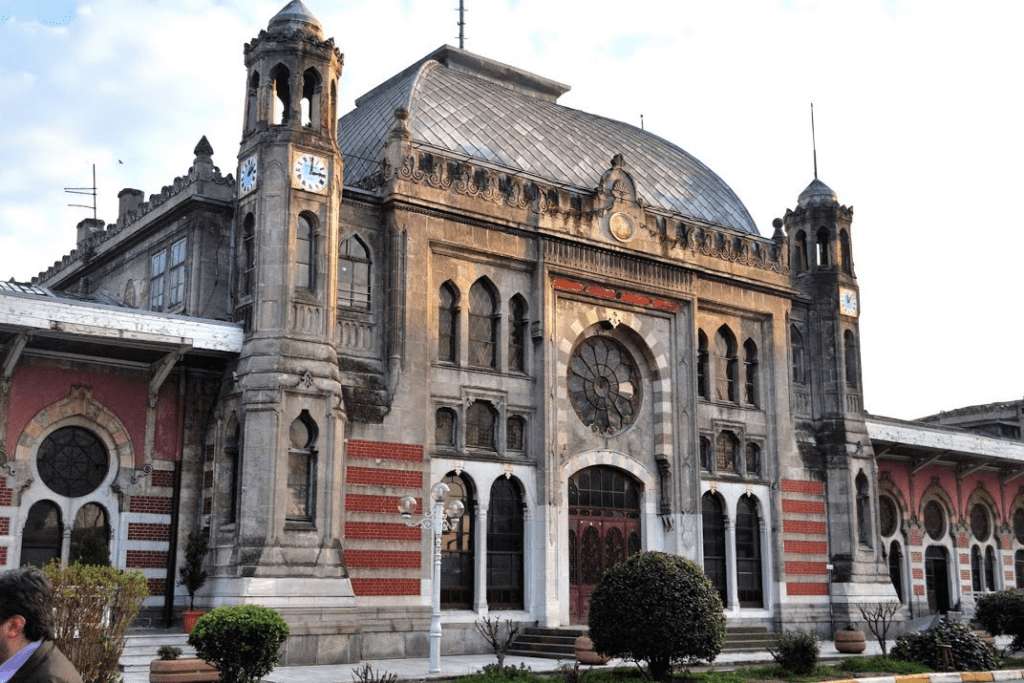
## Description The Istanbul Railway Museum (İstanbul Demiryolu Müzesi) is a hidden gem tucked inside the historic Sirkeci Terminal, once the eastern terminus of the legendary Orient Express. Opened in 2005 and operated by Turkish State Railways (TCDD), the museum offers a nostalgic journey through Turkey’s railway history, showcasing the evolution of train travel from the Ottoman era to the modern age. What makes this museum truly special is its location—Sirkeci Station itself is a masterpiece of 19th-century architecture, built in 1888 and opened in 1890. The museum occupies a modest 145 square meters, but within that space, it houses over 300 historical artifacts. Visitors can explore vintage station equipment, elegant silverware from dining cars, manufacturer plates from historic locomotives, and even the driver’s cab of an electric suburban train. A little-known fact: the museum includes original warning signs and clocks from stations across Turkey, offering a rare glimpse into the operational side of railway life. Another quirky detail—some of the furniture on display was used in the Orient Express, adding a touch of international glamour to the collection. ## Location The Istanbul Railway Museum is located in **Turkey**, within the **Marmara Region**, in the city of **Istanbul**. Specifically, it sits inside the **Sirkeci Terminal** in the **Fatih district**, a stone’s throw from the Bosphorus and the historic Sultanahmet area. ### How to Get There: - **By Tram**: Take the T1 tram line to Sirkeci Station. The museum is inside the terminal building. - **By Metro**: From Marmaray Sirkeci Station, it’s a short walk to the museum. - **By Foot**: If you're exploring Sultanahmet, the museum is easily reachable on foot—just a 10-minute walk from Hagia Sophia or Topkapı Palace. - **By Taxi or Ride-Hailing**: Services like BiTaksi or Uber can drop you off directly at the station entrance. Its central location makes it an ideal stop for tourists exploring Istanbul’s historic peninsula. ## Tips for Visitors To make the most of your visit to the Istanbul Railway Museum, consider these tips: - **Visit on Weekdays**: The museum is open Tuesday to Saturday, from 9:00 AM to 5:00 PM. It’s closed on Sundays and Mondays. - **Admission is Free**: No ticket required, making it a budget-friendly cultural stop. - **Combine with Nearby Attractions**: Pair your visit with a trip to the Spice Bazaar, Galata Bridge, or the Basilica Cistern. - **Photography**: Photos are allowed, but be respectful of the space and avoid flash photography. - **Short and Sweet**: The museum is compact—plan for 30 to 45 minutes. It’s perfect for a quick cultural detour. - **Ask Questions**: Staff are knowledgeable and often happy to share stories behind the exhibits. ## Conclusion The Istanbul Railway Museum is a compact yet captivating tribute to Turkey’s rail history, housed in one of the city’s most iconic train stations. With its rich collection of artifacts and its connection to the Orient Express, it offers a unique blend of nostalgia and historical insight—perfect for train enthusiasts and curious travelers alike. ## FAQ **1. What are the opening hours of the Istanbul Railway Museum?** The museum is open Tuesday to Saturday, from 9:00 AM to 5:00 PM. It’s closed on Sundays and Mondays. **2. Is there an entrance fee?** No, admission is free for all visitors. **3. How long does a visit typically take?** Most visitors spend about 30 to 45 minutes exploring the museum. **4. Is the museum suitable for children?** Yes, children interested in trains and history will enjoy the exhibits, though supervision is recommended due to fragile artifacts. **5. Can I take photos inside the museum?** Yes, photography is allowed, but flash should be avoided to protect the exhibits. **6. Is the museum accessible for people with disabilities?** Accessibility may be limited due to the historic nature of the building. It’s best to contact the museum in advance for specific accommodations. ## Links - [Istanbul Railway Museum – Wikipedia](https://en.wikipedia.org/wiki/Istanbul_Railway_Museum)
GemVoyage Team • World
Denizli
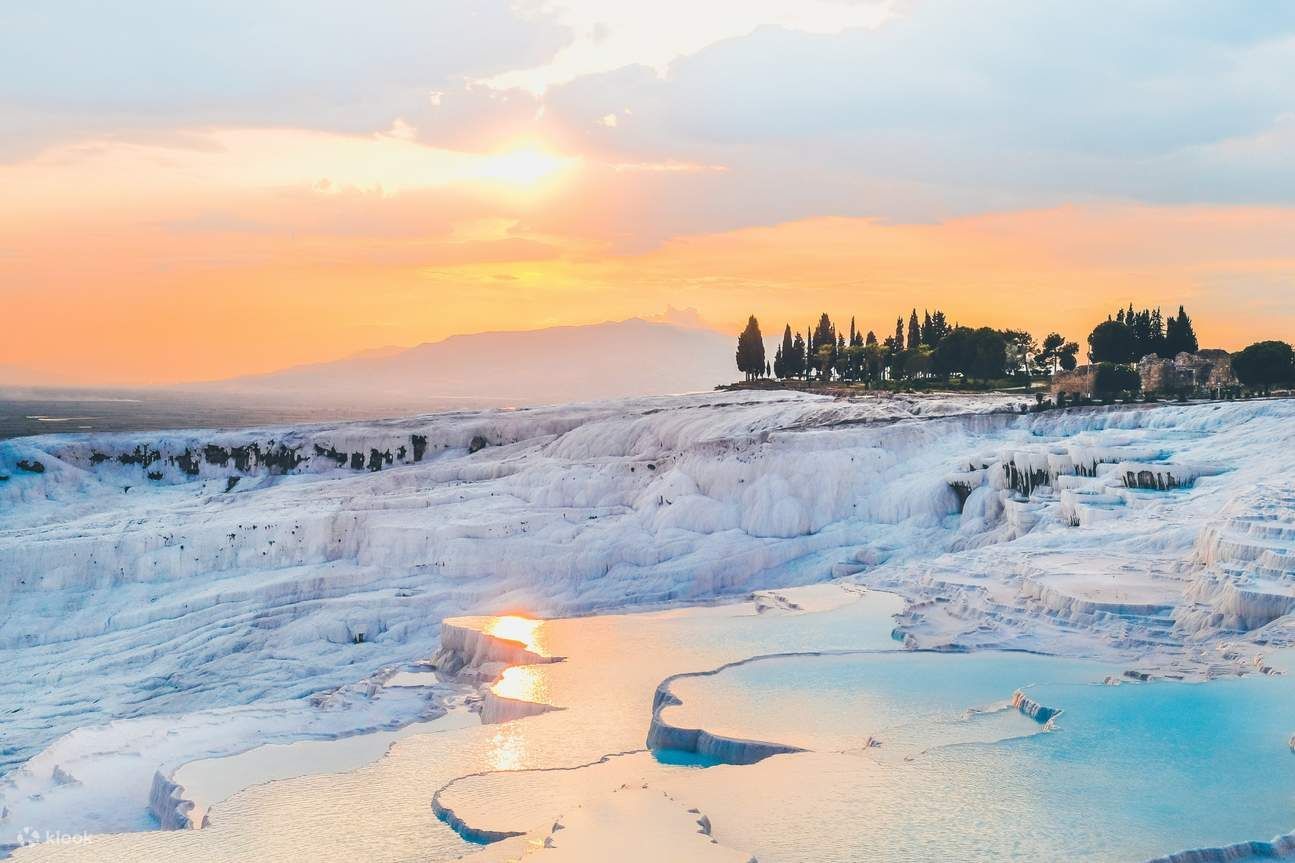
## Description Pamukkale — literally “cotton castle” in Turkish — is an otherworldly landscape of gleaming white travertine terraces and thermal pools near Denizli in southwestern Turkey. Formed over millennia by mineral-rich hot springs, the cascading calcium carbonate deposits have created terraced basins that look like frozen waterfalls. Beyond their striking beauty, the terraces have been a center of bathing and healing since antiquity; the nearby Greco-Roman spa city of Hierapolis thrived here and left ruins that add historical depth to the site. What makes Pamukkale unique is this fusion of geology, thermal waters and preserved ancient architecture: you can soak in warm waters while gazing across white steps that sparkle under the Mediterranean sun and then wander through the atmospheric ruins of a Roman necropolis and theatre. Conservation measures have redirected water flows over the decades to protect fragile formations while allowing controlled access for visitors. ## Location Pamukkale is located in Denizli Province, in Turkey’s Aegean region. It sits roughly 20 kilometers north of the city of Denizli and about a 3–4 hour drive from Izmir depending on route. The easiest way to reach Pamukkale is to fly into Denizli Çardak Airport (DNZ) or Izmir Adnan Menderes (ADB) and then take a shuttle, rental car, or bus to Pamukkale town. Many visitors base themselves nearby and make day trips to the terraces and Hierapolis archaeological site. ## Tips - **Visit early or late to avoid crowds:** The terraces are most photogenic in soft morning or late-afternoon light and less crowded at those times. Midday can be busy and harshly lit. - **Follow conservation rules:** Walking barefoot on protected terraces is required in some zones — shoes and grit can damage delicate carbonate layers. Use designated paths and restricted areas to protect the formations. - **Combine with Hierapolis:** Buy a combined ticket to explore the Hierapolis archaeological site and its museum; the ancient thermal bath ruins and the Roman theatre add cultural context to the natural spectacle. - **Bring swimwear and a towel for designated pools:** Some thermal pools and nearby hotel facilities allow bathing. The Cleopatra Pool (within Hierapolis) is an example where supervised bathing is permitted for a fee. - **Protect your skin and eyes:** The bright white terraces reflect intense sunlight. Sunglasses, broad-spectrum sunscreen and a hat are important for comfort and safety. - **Choose comfortable footwear for approaches:** While you may walk barefoot on terraces in protected areas, approaches and surrounding paths benefit from supportive shoes. - **Respect local signage and staff instructions:** Conservation authorities and staff provide guidance to ensure the formations remain intact for future visitors. ## Conclusion Pamukkale is a rare combination of dramatic natural formation and rich archaeological heritage. Whether you come for the thermal waters, the photographic vistas, or the silence of ancient stones, the site offers an unforgettable sensory experience rooted in landscape and history. Visitors who honor conservation measures will help keep these terraces pristine for future generations. ## FAQ - **Q: Is Pamukkale safe to visit?** A: Yes — it’s a well-visited UNESCO World Heritage site with clear conservation rules and tourist facilities. Stay on marked paths and follow signage. - **Q: Can I swim in the terraces?** A: Swimming is allowed only in designated pools and some supervised areas; many terraces are closed to bathing to protect them. The Cleopatra Pool at Hierapolis is one supervised option. - **Q: How long should I plan for a visit?** A: Allocate 2–4 hours to walk the terraces, visit Hierapolis and see the museum — longer if you plan to bathe or explore additional local attractions. - **Q: When is the best time to visit Pamukkale?** A: Spring and autumn offer pleasant temperatures and fewer crowds. Early morning or late afternoon provides the best light for photography and cooler conditions for walking barefoot. - **Q: Are there entrance fees?** A: Yes, entry to the terraces and Hierapolis requires a ticket; combined tickets commonly include both sites and vary by season and operator. - **Q: Is Pamukkale wheelchair accessible?** A: Accessibility is improving in some areas, but many terraces have uneven surfaces and steps. Check current access options with local tourism offices if mobility is a concern. ## Links - [Pamukkale — Wikipedia](https://en.wikipedia.org/wiki/Pamukkale)
GemVoyage Team • World
Kyoto
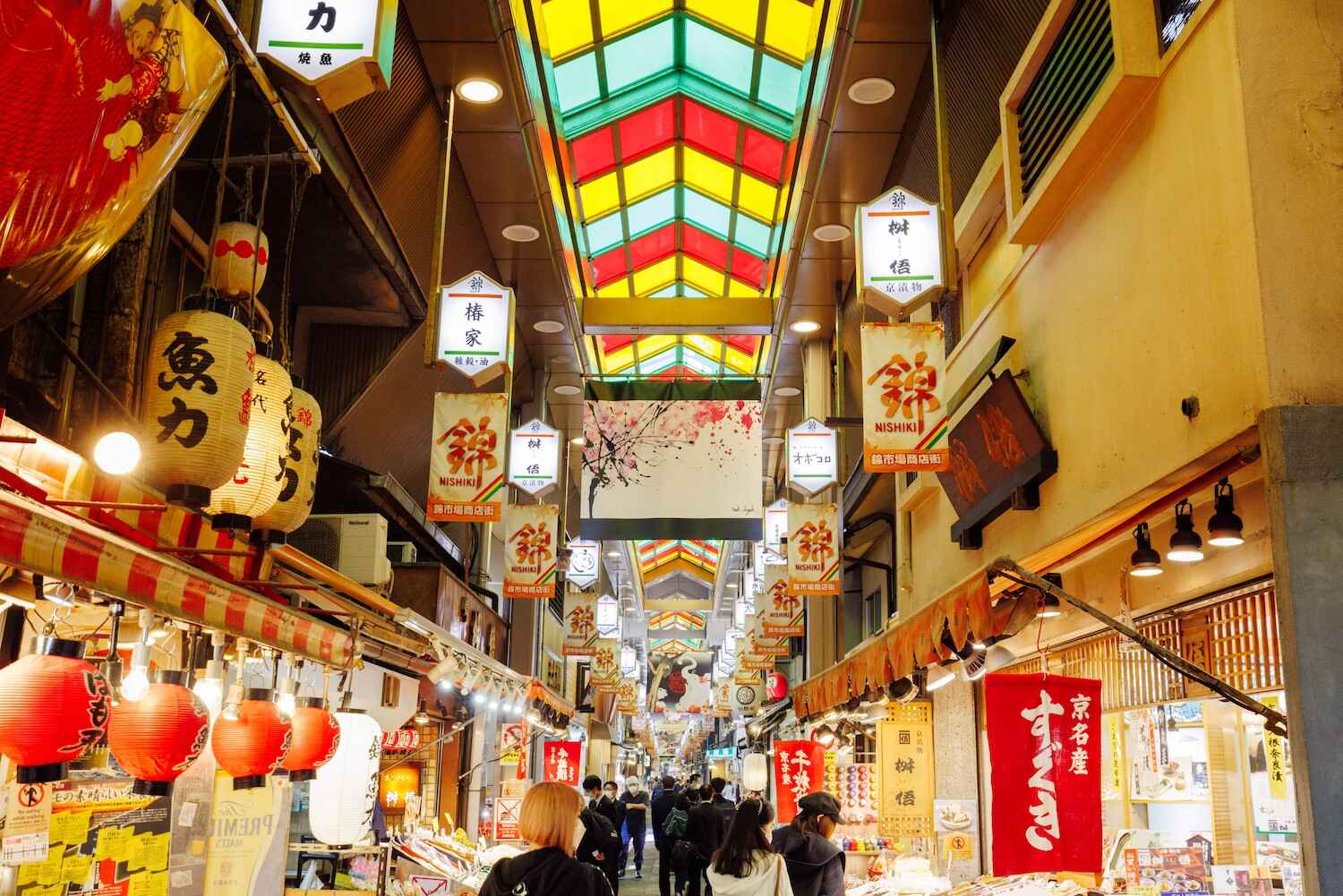
## Description Nishiki Market, often called **“Kyoto’s Kitchen”**, is one of the most famous traditional markets in Japan. Stretching about 400 meters through the heart of Kyoto, this lively covered arcade is lined with more than 120 shops and stalls, each offering a unique slice of local culture. From fresh seafood and seasonal produce to traditional sweets, pickles, and kitchenware, Nishiki Market provides an authentic experience of Kyoto’s culinary heritage. What makes Nishiki Market truly unique is its focus on local and specialty products. Many of the vendors have been running family businesses for generations, preserving recipes and traditions that date back hundreds of years. As you wander through, you’ll notice the atmosphere is both bustling and intimate—a blend of locals doing their shopping and tourists sampling delicacies for the first time. A little-known fact is that Nishiki Market dates back to the early **14th century**, making it more than 700 years old. It originally started as a wholesale fish market before expanding into a diverse food street. Another interesting detail is that some stalls offer free samples, encouraging visitors to try everything from roasted chestnuts to unusual treats like octopus stuffed with quail eggs. ## Location Nishiki Market is located in **Kyoto**, within the **Kansai region** of **Japan**. More precisely, it lies in the **downtown Nakagyo Ward**, running parallel to Shijo Street and between Teramachi and Takakura streets. Its central location makes it easy to access and an ideal stop while exploring other nearby attractions such as Gion, Pontocho Alley, and Nishiki Tenmangu Shrine. How to get there: * **By subway:** Take the Karasuma Line to **Shijo Station** or the Tozai Line to **Karasuma Oike Station**, then walk about 5–10 minutes. * **By bus:** Several Kyoto City buses stop near Shijo Street, providing easy access from other parts of the city. * **By taxi:** A taxi is convenient if you’re traveling with luggage or staying outside the downtown area. Because of its central location, Nishiki Market can easily be combined with a day of shopping in Shijo-Kawaramachi or sightseeing in Gion. ## Tips To fully enjoy Nishiki Market, here are some practical tips for visitors: 1. **Go early or late** – The market can get crowded around midday, so visiting in the morning or late afternoon offers a more relaxed experience. 2. **Try local specialties** – Don’t miss Kyoto delicacies like yuba (tofu skin), tsukemono (pickles), fresh mochi, and matcha-flavored treats. 3. **Bring cash** – While larger shops may accept cards, many stalls are cash-only. 4. **Respect the “no eating while walking” rule** – Many stalls ask customers to eat food in designated areas instead of while walking through the market. 5. **Plan for at least an hour** – With so many shops and food stalls to explore, allow enough time to browse and taste at leisure. 6. **Combine with nearby attractions** – After exploring the market, visit Nishiki Tenmangu Shrine, which sits at the eastern end of the street. ## Conclusion Nishiki Market is more than just a shopping street—it’s a living museum of Kyoto’s culinary traditions. With its centuries-old history, diverse food offerings, and lively atmosphere, the market provides visitors with an unforgettable journey into the flavors and culture of Japan’s ancient capital. Whether you’re sampling street food, buying souvenirs, or soaking in the ambiance, Nishiki Market is a must-visit destination in Kyoto. ## FAQ **1. What is Nishiki Market famous for?** Nishiki Market is known as “Kyoto’s Kitchen,” offering traditional foods, local specialties, and cultural goods that represent the essence of Kyoto’s culinary heritage. **2. What are the opening hours of Nishiki Market?** Most shops open around 9:00 AM and close by 6:00 PM, though hours vary by vendor. It’s best to visit during the daytime. **3. Is Nishiki Market free to enter?** Yes, entry is free. You only pay for the food or items you buy. **4. How long does it take to walk through Nishiki Market?** The market itself can be walked in 20–30 minutes, but most visitors spend 1–2 hours browsing, eating, and shopping. **5. Is Nishiki Market suitable for vegetarians?** Yes, while many stalls sell seafood and meat, there are plenty of vegetarian options like tofu, yuba, pickles, and sweets. **6. Can I buy souvenirs at Nishiki Market?** Absolutely. In addition to food, the market has shops selling kitchenware, chopsticks, ceramics, and traditional Kyoto crafts. ## Links * [Kyoto Official Travel Guide](https://kyoto.travel) * [Japan National Tourism Organization](https://www.japan.travel)
GemVoyage Team • World
Sinai
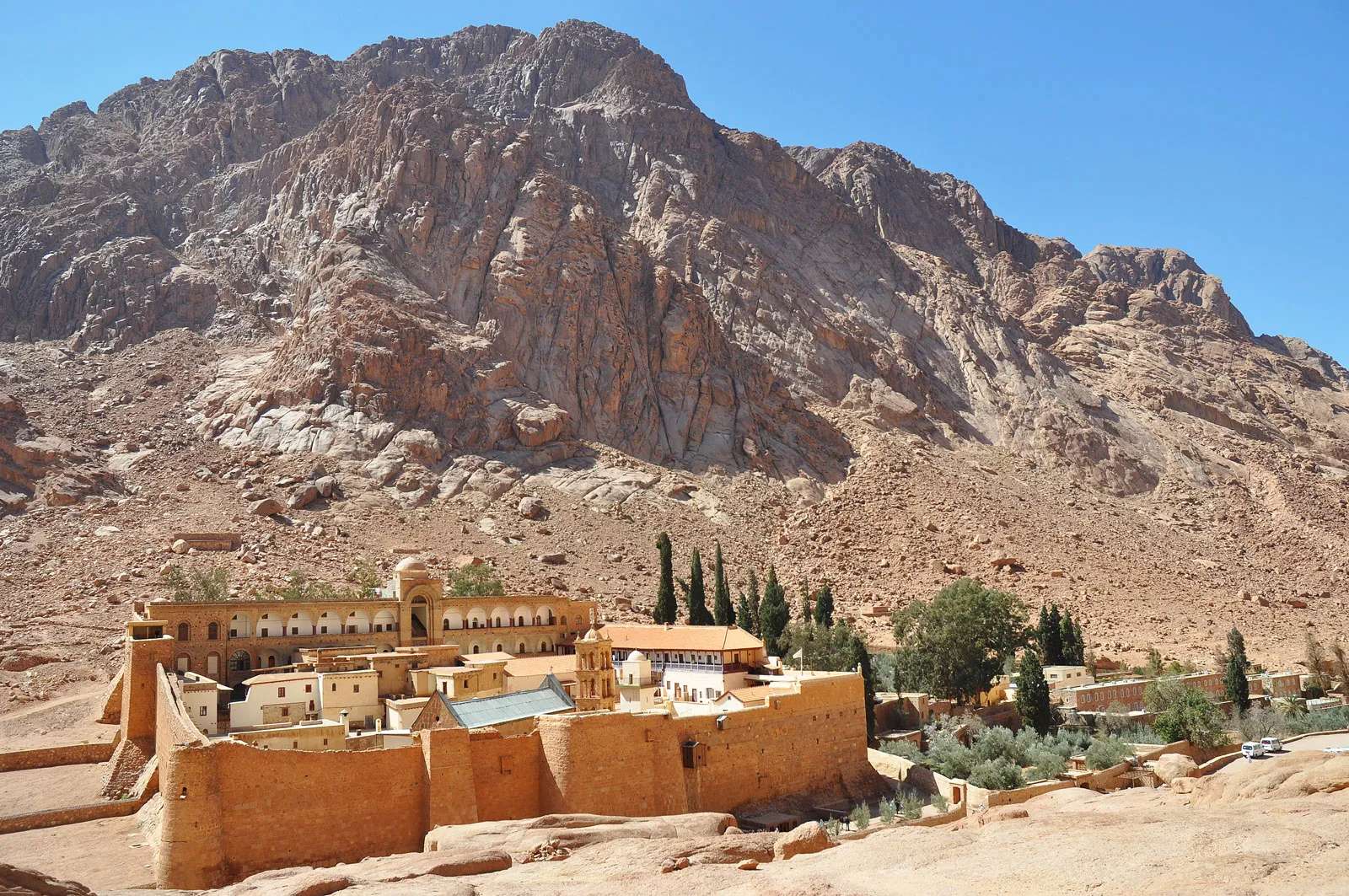
## Description Mount Catherine (Jebel Katherîn) is the highest peak in Egypt, rising to an elevation of 2,629 meters (8,625 feet) above sea level. Nestled in the rugged terrain of the southern Sinai Peninsula, this majestic mountain offers not only breathtaking views but also a deep spiritual and historical resonance. It’s named after Saint Catherine of Alexandria, whose remains were said to have been miraculously transported to the summit by angels. Today, it’s a popular destination for hikers, pilgrims, and adventurers seeking solitude, challenge, and connection to ancient traditions. Unlike the more frequented Mount Sinai (Jebel Musa), which is traditionally associated with Moses receiving the Ten Commandments, Mount Catherine is quieter and less commercialized. The summit rewards climbers with panoramic views of the surrounding desert and mountains, often blanketed in snow during winter—a rare sight in Egypt. At the peak, a small chapel dedicated to Saint Catherine stands as a testament to the mountain’s religious significance. A little-known fact: the mountain is part of the Saint Catherine Protectorate, Egypt’s largest nature reserve, which is home to rare flora and fauna, including Nubian ibex and Sinai agamas. Another intriguing detail is that the summit’s chapel is one of the highest Christian shrines in the Middle East. ## Location Mount Catherine is located in **Egypt**, within the **South Sinai Governorate**, near the town of **Saint Catherine**. It lies in the heart of the Sinai Peninsula, surrounded by dramatic granite peaks and desert valleys. ### How to Get There: - **By Car**: From Cairo, it’s approximately a 6–8 hour drive via the Suez Tunnel and through the desert highways. From Sharm El-Sheikh, the drive takes about 3–4 hours. - **By Bus**: Regular buses run from Cairo and Dahab to Saint Catherine town. From there, local guides can arrange transport to the trailhead. - **By Tour**: Many adventure and pilgrimage tours include Mount Catherine in their itinerary, often combined with visits to Mount Sinai and Saint Catherine’s Monastery. It’s recommended to travel with a licensed guide, especially for the hike, as the terrain can be challenging and weather conditions unpredictable. ## Tips for Visitors To make the most of your Mount Catherine experience, consider these tips: - **Start Early**: Begin your hike before dawn to reach the summit by sunrise. The views are spectacular, and temperatures are cooler. - **Hire a Local Guide**: Guides from Saint Catherine town are knowledgeable and can enhance your experience with historical and cultural insights. - **Dress in Layers**: Even in summer, temperatures can drop significantly at higher elevations. Bring warm clothing and sturdy hiking boots. - **Bring Supplies**: Carry water, snacks, a flashlight, and a first aid kit. There are no facilities on the trail. - **Respect the Environment**: The area is ecologically sensitive. Stick to marked paths and avoid littering. - **Visit the Monastery**: Saint Catherine’s Monastery, located nearby, is one of the oldest Christian monasteries in the world and a UNESCO World Heritage Site. ## Conclusion Mount Catherine is a place of awe-inspiring beauty and spiritual depth. Whether you're drawn by its status as Egypt’s highest peak or its sacred legacy, the mountain offers a rewarding journey into nature, history, and reflection. ## FAQ **1. How long does it take to hike Mount Catherine?** The hike typically takes 6–8 hours round trip, depending on your pace and weather conditions. **2. Is Mount Catherine harder to climb than Mount Sinai?** Yes, it’s more challenging due to its elevation and less-developed trails. It’s recommended for experienced hikers. **3. Can I hike Mount Catherine without a guide?** While possible, it’s not advisable. The terrain is remote and can be confusing. A guide ensures safety and enhances the experience. **4. Is there accommodation near Mount Catherine?** Yes, the town of Saint Catherine offers guesthouses and eco-lodges catering to hikers and pilgrims. **5. What’s the best time to visit?** Spring (March–May) and autumn (September–November) offer the best weather. Winter can be cold and snowy, while summer is extremely hot. **6. Are there religious services at the summit chapel?** Occasionally, special services are held, but it’s not staffed regularly. Visitors are welcome to enter and reflect. ## Links - [Saint Catherine’s Monastery – Official Site](https://sinaimonastery.com/index.php/en)
GemVoyage Team • World

Comments