GemVoyage Team • World
The Film Museum in Düsseldorf (Filmmuseum Düsseldorf) is a captivating destination for cinephiles, history buffs, and curious travelers alike. Located in the heart of the city’s Altstadt (Old Town), this museum offers a deep dive into the evolution of cinema—from the earliest moving images to modern-day blockbusters. Spread across four floors and 2,200 square meters, the museum showcases the art, technology, and cultural impact of film in a way that’s both educational and immersive.
Visitors can explore a wide range of exhibits, including vintage cameras, lighting equipment, costumes, props, and set designs. One of the highlights is a reconstructed film studio where guests can get hands-on experience with the filmmaking process. The museum also features interactive displays on special effects, animation, and sound design, making it a dynamic learning environment for all ages.
A little-known fact: the museum houses the archives of Fritz Genandt, a local cinema pioneer whose nitrofilm collection is one of the oldest in Germany. Another hidden gem is the “Black Box” cinema located within the museum, which screens classic films, retrospectives, and experimental cinema—often featuring rare or hard-to-find titles.
The Film Museum is located in Germany, in the North Rhine-Westphalia region, in the city of Düsseldorf. Its exact address is Schulstraße 4, 40213 Düsseldorf, right in the Altstadt district.
Its central location makes it a perfect stop during a day of sightseeing in Düsseldorf.
To make the most of your visit to the Film Museum, keep these tips in mind:
The Film Museum in Düsseldorf is a vibrant tribute to the magic of cinema. With its rich collection, interactive exhibits, and historic setting, it offers a compelling journey through the world of film—from its humble beginnings to its modern-day marvels. Whether you're a casual moviegoer or a dedicated film buff, this museum is a must-visit.
1. What are the opening hours of the Film Museum?
The museum is open Tuesday to Sunday, typically from 11:00 AM to 6:00 PM. It’s closed on Mondays.
2. Is there an entrance fee?
Yes, general admission is €5 for adults and €2.50 for reduced tickets. Entry is free on Sundays and for visitors under 21 on Fridays.
3. Can I watch films at the museum?
Yes, the museum includes the Black Box cinema, which screens a variety of films throughout the year.
4. Is the museum suitable for children?
Absolutely. Interactive exhibits and workshops make it engaging for younger visitors.
5. Is the museum accessible for people with disabilities?
Yes, the museum is certified for accessibility and offers on-site mobility support.
6. Are guided tours available?
Yes, guided tours can be booked in advance for groups and educational visits.
Discover more hidden gems you might love.
São Paulo
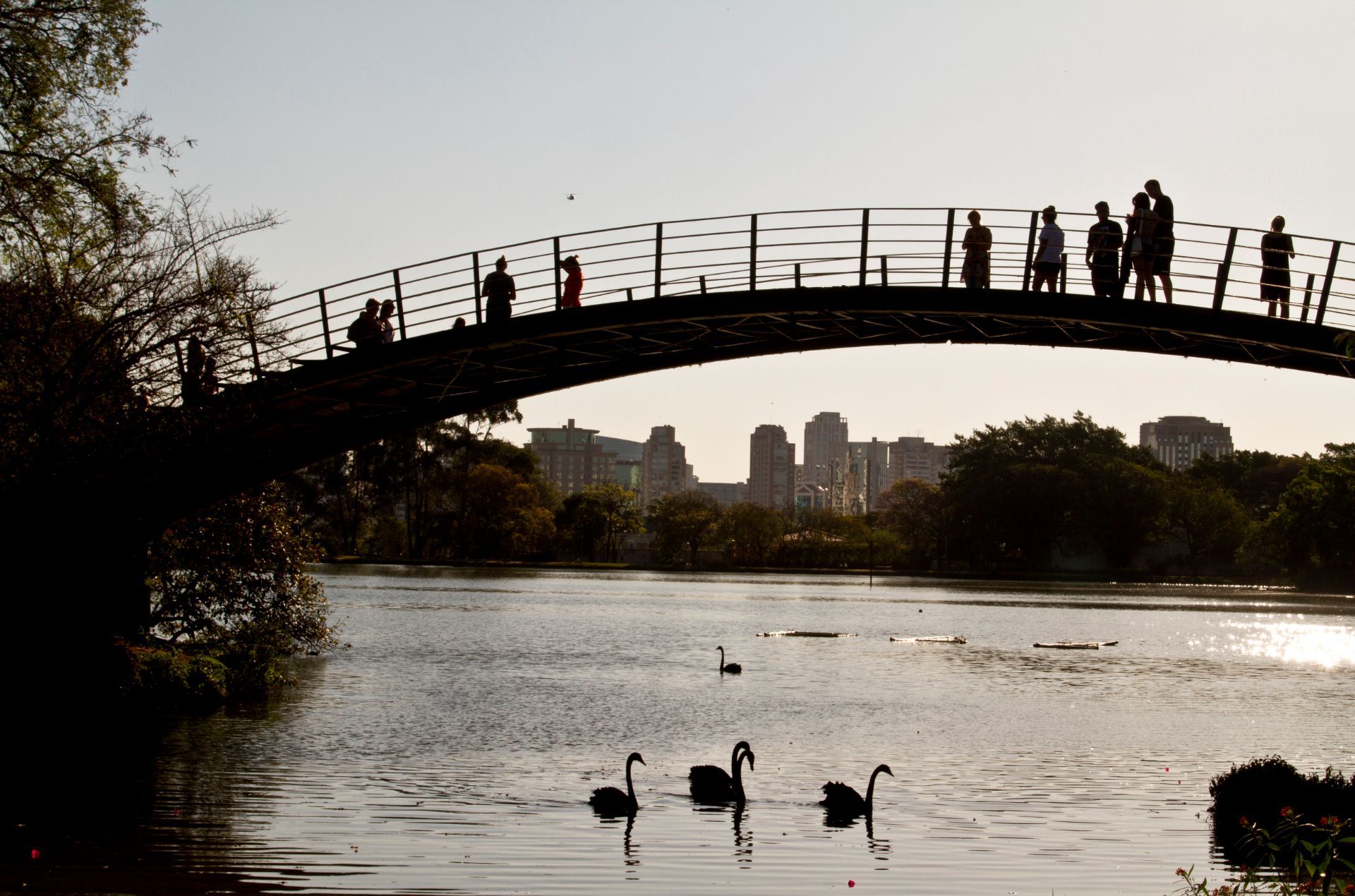
## Description Ibirapuera Park is one of São Paulo’s best-known green spaces, but the real delight for many visitors is not just the major landmarks. It is the quieter corners that reveal why the park matters so much to locals. In a city famous for its intensity, scale, and relentless movement, Ibirapuera provides room to breathe. The park is broad enough to absorb crowds without feeling overwhelming, and its quieter paths, shaded lawns, and tucked-away benches make it easy to find a slower rhythm even on busy days. The park is more than a recreational area. It is a cultural landscape where nature, architecture, exercise, and informal social life come together. You may pass runners, families on blankets, office workers taking breaks, and visitors moving between museums or exhibition spaces. Yet the quieter parts of the park offer a different kind of experience. Instead of chasing the main sights, you can wander into less-trafficked zones, pause under the trees, and notice how the park changes from one pocket of space to another. One little-known fact is that Ibirapuera was designed with major urban ambition in mind, which is why the park feels so integrated with the city rather than separated from it. Another is that the park’s atmosphere can shift dramatically depending on where you stand; some areas feel expansive and ceremonial, while others feel almost hidden and intimate. That contrast is what makes the quieter corners so rewarding. They reveal a softer side of one of Latin America’s great metropolitan parks. For travelers, the appeal lies in balance. You can enjoy famous São Paulo institutions and still have time to sit somewhere calm enough to reflect on the city’s scale. In that sense, Ibirapuera is not only a park but also a reset point. It offers visitors the chance to experience a dense metropolis without being consumed by it. ## Location Ibirapuera Park is located in São Paulo, Brazil, primarily in the southern-central part of the city near neighborhoods such as Vila Mariana and Moema. It is one of the most accessible major parks in São Paulo and sits within reach of both cultural institutions and residential districts, which makes it easy to combine with other city sightseeing. The park is best reached by ride-hailing service, taxi, bus, or a combination of metro and walking depending on where you start. Because the park has multiple entrances and a large footprint, it helps to decide in advance which part you want to visit. If your goal is the quieter side of the park, enter with enough time to wander rather than heading only to one landmark. That way you can move between open lawns, tree-lined paths, and calmer internal areas without feeling rushed. From central São Paulo, travel time varies widely with traffic, so the best strategy is to leave room in your schedule. Mornings and late afternoons are often the most comfortable times to visit because temperatures are milder and the park’s quieter zones feel more spacious. ## Tips - Visit on a weekday if you want the calmest experience. Weekends are lively and fun, but they are also busier. - Bring water, sunscreen, and comfortable shoes. The park is large enough that you will do more walking than expected. - If you want the quietest corners, keep moving away from the most obvious landmarks and main event spaces. - Plan at least part of your visit for sitting and observing instead of only walking. The park’s atmosphere is part of the attraction. - Combine the park with a museum or cultural stop nearby so the day feels balanced between activity and rest. ## Conclusion The quieter corners of Ibirapuera Park show a gentler, more reflective side of São Paulo. It is a place to slow down, recharge, and see how a great city park can feel both grand and personal at the same time. ## FAQ ### Why focus on the quiet corners instead of the park’s main attractions? Because the quieter spaces show a different personality. They are where the park feels restorative, local, and less performative, which can be especially valuable in a city as energetic as São Paulo. ### Is Ibirapuera Park suitable for a short visit? Yes. Even a brief stop can be worthwhile if you know which entrance or area you want to explore. A short visit is enough to enjoy the atmosphere, but longer stays let you appreciate the park’s variety. ### When is the best time to go? Mornings and late afternoons are usually the most pleasant. The light is better, temperatures are easier, and the park’s calmer areas are more enjoyable. ### Can I visit if I am not interested in museums or events? Absolutely. The park works very well as a green urban retreat on its own, especially if you enjoy walking, people-watching, or simply resting in a landscaped setting. ## Links - [Ibirapuera Park official website](https://parqueibirapuera.org/) - [Ibirapuera Park on Wikipedia](https://en.wikipedia.org/wiki/Ibirapuera_Park)
GemVoyage Team • World
Barcelona
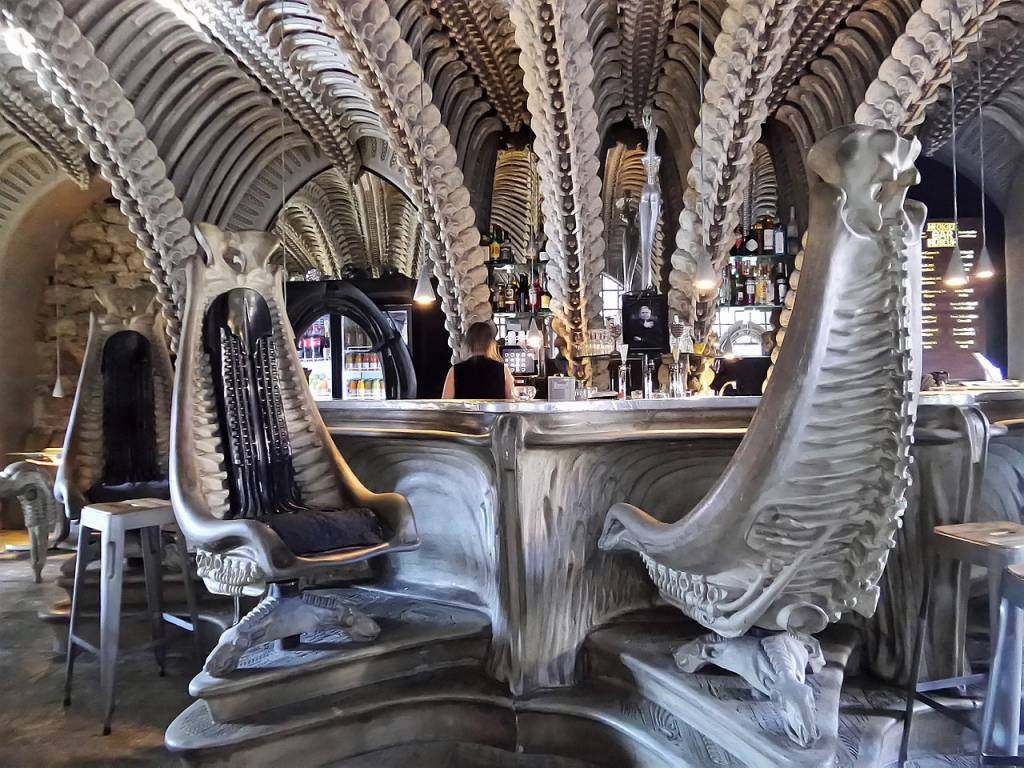
## Description **Museu Alien Barcelona** is one of the city’s most unconventional and niche attractions, appealing primarily to fans of science fiction, extraterrestrial mythology, and pop culture curiosities. Unlike traditional museums focused on history or fine art, Museu Alien positions itself as an **experiential and thematic space**, blending exhibition, storytelling, and speculative imagination. The result is a visit that feels closer to stepping into a parallel narrative than walking through a classical museum gallery. The museum centers on representations of aliens, UFO phenomena, and science-fiction-inspired artifacts. Displays include models, sculptures, visual installations, and multimedia elements that explore how extraterrestrial life has been imagined across cinema, television, comics, and conspiracy culture. Rather than attempting scientific validation, the museum leans into **cultural interpretation**, examining how humans have projected hopes, fears, and curiosity onto the idea of life beyond Earth. What makes Museu Alien unique is its **intentionally immersive and playful tone**. Lighting, sound effects, and scenographic elements are used to create an atmosphere that feels mysterious without being intimidating. It does not aim for academic authority; instead, it invites visitors to suspend disbelief and engage with the subject matter on an imaginative level. This makes it particularly appealing to younger audiences, sci-fi enthusiasts, and travelers looking for something outside Barcelona’s standard cultural circuit. A lesser-known fact is that the museum operates on a relatively **small, independent scale**, which allows it to evolve quickly. Exhibits may change, rotate, or be reinterpreted without the constraints faced by large institutions. Another interesting detail is that many of the pieces are inspired by **fan culture and independent creators**, reflecting how alien mythology thrives outside mainstream museums and formal science spaces. Museu Alien Barcelona is best approached with the right expectations. It is not a scientific institution nor a comprehensive exploration of astronomy. Its value lies in entertainment, atmosphere, and cultural curiosity rather than factual authority. ## Location **Country:** Spain **Region:** Catalonia **City:** Barcelona The museum is located within the central urban area of Barcelona, making it easy to combine with other attractions, shopping streets, or cafés nearby. ### How to Get There * **By metro:** * Several central metro lines stop within walking distance, depending on the exact neighborhood you are visiting that day. * **On foot:** * Easily reachable from nearby districts if you are already exploring central Barcelona. * **By bus:** * Local bus routes connect the surrounding area with the rest of the city. * **By taxi or ride-hailing:** * A practical option due to its central location and short travel times. Because smaller museums occasionally adjust locations or entrances, it is recommended to confirm directions shortly before visiting. ## Tips * **Set expectations correctly:** This is an entertainment-focused museum, not a science center. * **Check opening hours in advance:** Smaller attractions may have limited or variable schedules. * **Visit as part of a mixed day:** Pair it with nearby cultural or leisure activities rather than making it the sole focus of your day. * **Good for short visits:** Plan around 45 minutes to 1 hour. * **Photography policies may vary:** Ask staff before taking photos or videos. * **Ideal for niche interests:** Best enjoyed by sci-fi fans or curious travelers rather than traditional museum-goers. ## Conclusion Museu Alien Barcelona offers a lighthearted, imaginative break from the city’s classical museums and historic landmarks. Its strength lies in atmosphere and theme rather than depth or scale, making it a brief but memorable stop for visitors seeking something unexpected and unconventional. ## FAQ **1. Is Museu Alien Barcelona suitable for children?** Yes, especially for children interested in science fiction, fantasy, and visual storytelling. **2. Is the museum educational?** It is culturally educational rather than scientifically rigorous, focusing on imagination and pop culture. **3. How long does a visit usually take?** Most visits last between **45 minutes and 1 hour**. **4. Is it scary?** No, the atmosphere is playful and mysterious rather than frightening. **5. Does the museum change its exhibits?** Yes, exhibits may rotate or be updated, especially due to its independent nature. **6. Is it accessible for all visitors?** Accessibility may vary depending on the building layout; it is best to check in advance. ## Links * [Official Website](https://museoalien.com/)
GemVoyage Team • World
Gelderland
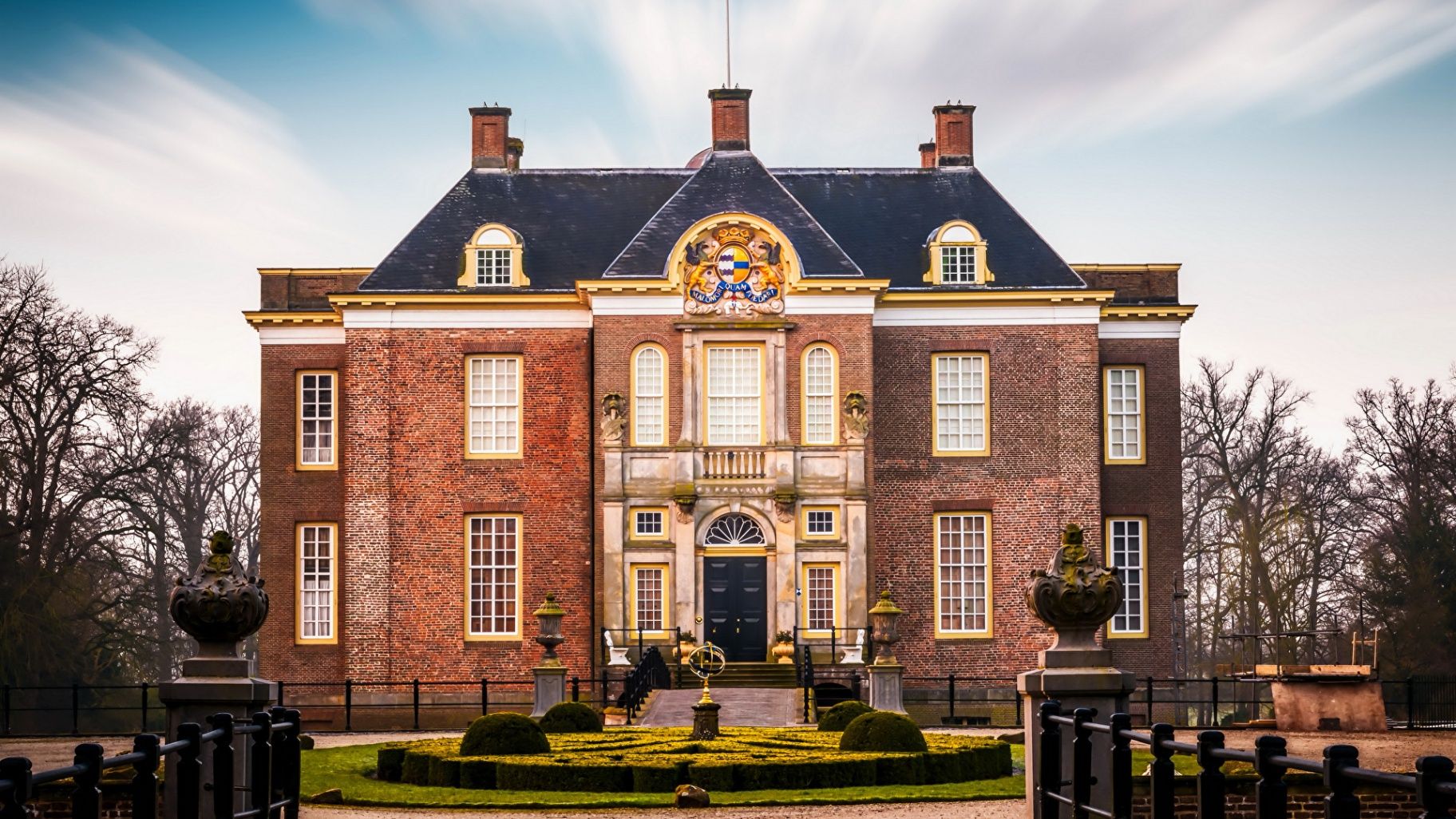
## Description **Middachten Castle (Kasteel Middachten)** is one of the most refined and best-preserved aristocratic estates in the Netherlands, offering visitors a rare glimpse into centuries of noble life largely untouched by modern intervention. Unlike many Dutch castles that were heavily altered, rebuilt, or converted into museums with contemporary reinterpretations, Middachten stands out for its **remarkable historical continuity**. The castle remains closely tied to the noble family that has owned it for generations, and this continuity is clearly reflected in its interiors, collections, and surrounding landscape. The current castle dates mainly from the **17th century**, though the estate itself has medieval origins. Inside, visitors encounter richly furnished rooms with original furniture, tapestries, porcelain, silverware, and paintings accumulated over hundreds of years. Rather than presenting history through reconstructed scenes, Middachten preserves an authentic atmosphere, giving the impression that its residents have only temporarily stepped away. This sense of intimacy and realism sets it apart from more theatrical castle museums. One of Middachten’s most distinctive features is its **formal garden complex**, which combines Dutch, French, and English landscaping traditions. Designed and redesigned over several centuries, the gardens include symmetrical parterres, canals, wooded paths, and open lawns that visually extend the castle into the surrounding countryside. A lesser-known fact is that the gardens still follow **historical planting schemes**, with seasonal flower selections based on archival records. Another interesting detail is that Middachten was never sold to the state; it remains privately owned, which explains its carefully controlled access and limited visiting periods. Middachten Castle is not about spectacle or scale. Its strength lies in authenticity, refinement, and the quiet authority of a place that never needed reinvention to stay relevant. ## Location **Country:** Netherlands **Province:** Gelderland **Village:** De Steeg **Region:** Eastern Netherlands (near Arnhem) Middachten Castle is situated on the edge of the **Veluwezoom**, a scenic area known for forests, rolling hills, and historic estates. Its rural setting enhances the experience, creating a sense of distance from urban life despite being well connected. ### How to Get There * **By train:** * Take a train to **Dieren Station**. From there, the castle is approximately a 20–25 minute walk or a short bicycle ride. * **By bicycle:** * Easily accessible via regional cycling routes, making it ideal for visitors exploring Gelderland by bike. * **By car:** * Parking is available near the estate. Driving is the most practical option for visitors with limited time. * **By bus:** * Local bus services operate between Arnhem, Dieren, and nearby villages, though schedules may be limited. ## Tips * **Check opening periods carefully:** The castle interior is only open during specific months and guided visits. * **Join a guided tour:** Access to the interior is typically guided, and tours provide essential historical context. * **Allow time for the gardens:** The gardens are as important as the castle itself and deserve at least an hour. * **Visit in spring or early summer:** This is when the gardens are at their most vibrant. * **Respect the setting:** Photography inside may be restricted due to preservation concerns. * **Combine with nature walks:** The nearby Veluwezoom area offers excellent hiking opportunities. ## Conclusion Middachten Castle is a refined and quietly powerful example of Dutch aristocratic heritage. Its preserved interiors, historically accurate gardens, and private continuity make it an exceptional destination for visitors who value authenticity over grandeur. ## FAQ **1. Is Middachten Castle a museum?** It functions as a historic house open to the public on a limited basis rather than a conventional museum. **2. Can you visit the castle without a guided tour?** Interior visits are usually guided only; the gardens can often be explored independently. **3. How long should I plan for a visit?** Plan **2 to 3 hours**, including the castle interior and gardens. **4. Is the castle suitable for children?** Yes, though it is best suited for older children with an interest in history. **5. Is Middachten accessible year-round?** No, opening times are seasonal and limited, especially for the interior. **6. Can events be held at the castle?** The estate occasionally hosts cultural events, but private use is highly restricted. ## Links * [Official Middachten Castle website](https://www.middachten.nl)
GemVoyage Team • World
Taiwan
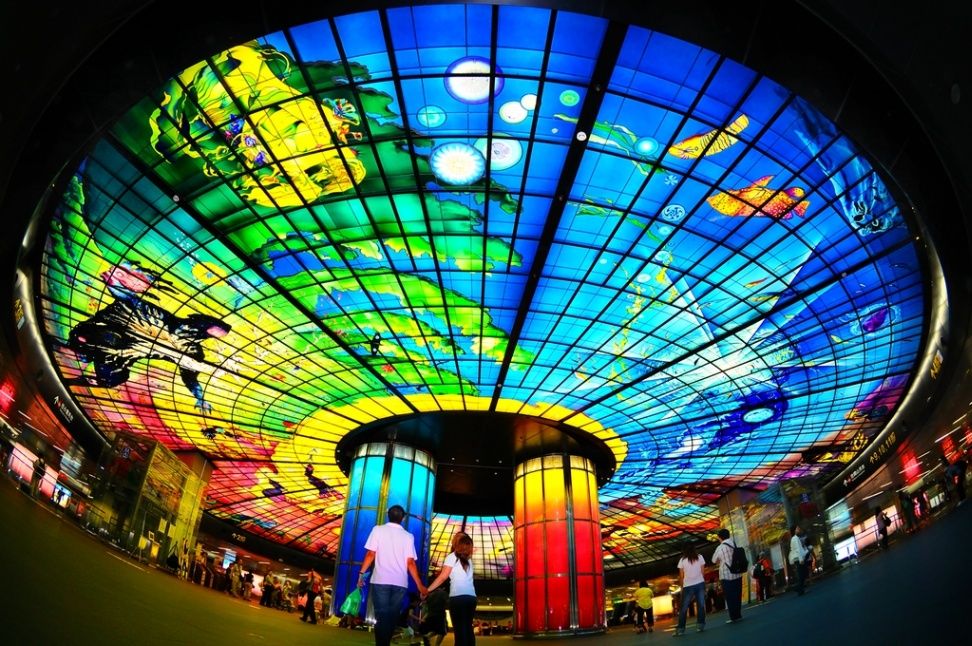
## Description The **Dome of Light (光之穹頂)** is one of the most breathtaking examples of public art in the world, transforming an ordinary metro station into a dazzling celebration of color, light, and human creativity. Located inside the **Formosa Boulevard Station** in **Kaohsiung**, Taiwan’s second-largest city, the Dome of Light is the **largest glass artwork in the world**, covering over **660 square meters** and made up of **4,500 individual glass panels**. Created by Italian artist **Narcissus Quagliata**, the dome was completed in **2008** as part of Kaohsiung’s Mass Rapid Transit (MRT) system. The artwork tells a powerful story of **human life and cosmic unity**, divided into four sections that symbolize the cycle of existence — **Water (birth), Earth (growth), Light (creativity),** and **Fire (destruction and rebirth)**. The vibrant interplay of colors and light gives visitors the feeling of standing inside a living, glowing painting. What makes the Dome of Light truly special is its emotional resonance. Beyond its visual impact, the dome serves as a **symbol of peace and hope**, inspired by Taiwan’s journey toward democracy. The artist worked closely with Taiwanese glass artisans to ensure every piece reflected the spirit of the island — a lesser-known fact that adds to the dome’s cultural depth. Another interesting detail is that the glass was **handcrafted and colored in Germany**, then carefully assembled in Kaohsiung, taking **nearly four years** to complete. When the dome is illuminated at night or during special light shows, it becomes an immersive experience that draws both locals and international visitors. Whether you’re a commuter or a traveler, standing beneath this glowing ceiling feels like entering a world suspended between art and the cosmos. ## Location The Dome of Light is located in **Formosa Boulevard Station (美麗島站)**, the interchange between the **Red and Orange lines** of the **Kaohsiung MRT** system, in **Kaohsiung City**, **southern Taiwan**. To get there: * **By MRT:** Take the **Red Line** or **Orange Line** to **Formosa Boulevard Station**. The dome is located in the main concourse between the platforms. * **From Kaohsiung Railway Station:** Just one stop south on the Red Line. * **From Kaohsiung International Airport:** Take the Red Line northbound — it’s about a **15-minute ride**. The site is indoors and accessible year-round, making it a convenient stop for travelers exploring the city. ## Tips * **Visit during the evening:** The lighting is most vivid after sunset, and you may catch the **light and sound show**, which runs periodically throughout the evening. * **Allow time to stand and observe:** Don’t rush — the dome’s storytelling elements unfold as you walk around the circular space. * **Photography:** Tripods are not allowed, but handheld photography is welcome. Try standing at the center for a symmetrical view. * **Combine with local attractions:** The **Liuhe Night Market** is only a short walk away — perfect for dinner after your visit. * **Look for performances:** Occasionally, local musicians and artists perform under the dome, enhancing the atmosphere. * **Best time to avoid crowds:** Early morning or late at night, when commuter traffic is low. ## Conclusion The **Dome of Light** is more than a stunning piece of art — it’s a symbol of creativity, peace, and transformation that perfectly reflects Taiwan’s modern cultural spirit. Blending Italian artistry with Taiwanese craftsmanship, it turns an urban metro station into a place of wonder and contemplation. Whether you’re passing through Formosa Boulevard or making a special trip, standing beneath its radiant glass ceiling is an experience that will stay with you long after you’ve left Kaohsiung. ## FAQ **1. Who designed the Dome of Light?** It was designed by **Narcissus Quagliata**, an Italian artist known for his innovative work in glass and light. **2. When was it completed?** The Dome of Light was finished in **2008** as part of Kaohsiung’s MRT construction project. **3. How big is it?** It covers **660 square meters (7,100 square feet)** and consists of over **4,500 glass panels**, making it the largest glass dome in the world. **4. Where is it located?** Inside **Formosa Boulevard Station** in **Kaohsiung City**, Taiwan, at the intersection of the **Red and Orange MRT lines**. **5. Is there an entrance fee?** No, access to the Dome of Light is **free of charge**, even if you are not riding the metro. **6. Are there light shows?** Yes, **light and music shows** are held several times daily, especially in the evenings. Check the schedule at the station for show times. ## Links * [Dome of Light Taiwan](https://eng.taiwan.net.tw/m1.aspx?sNo=0002121&id=A12-00071)
GemVoyage Team • World
Mexico City
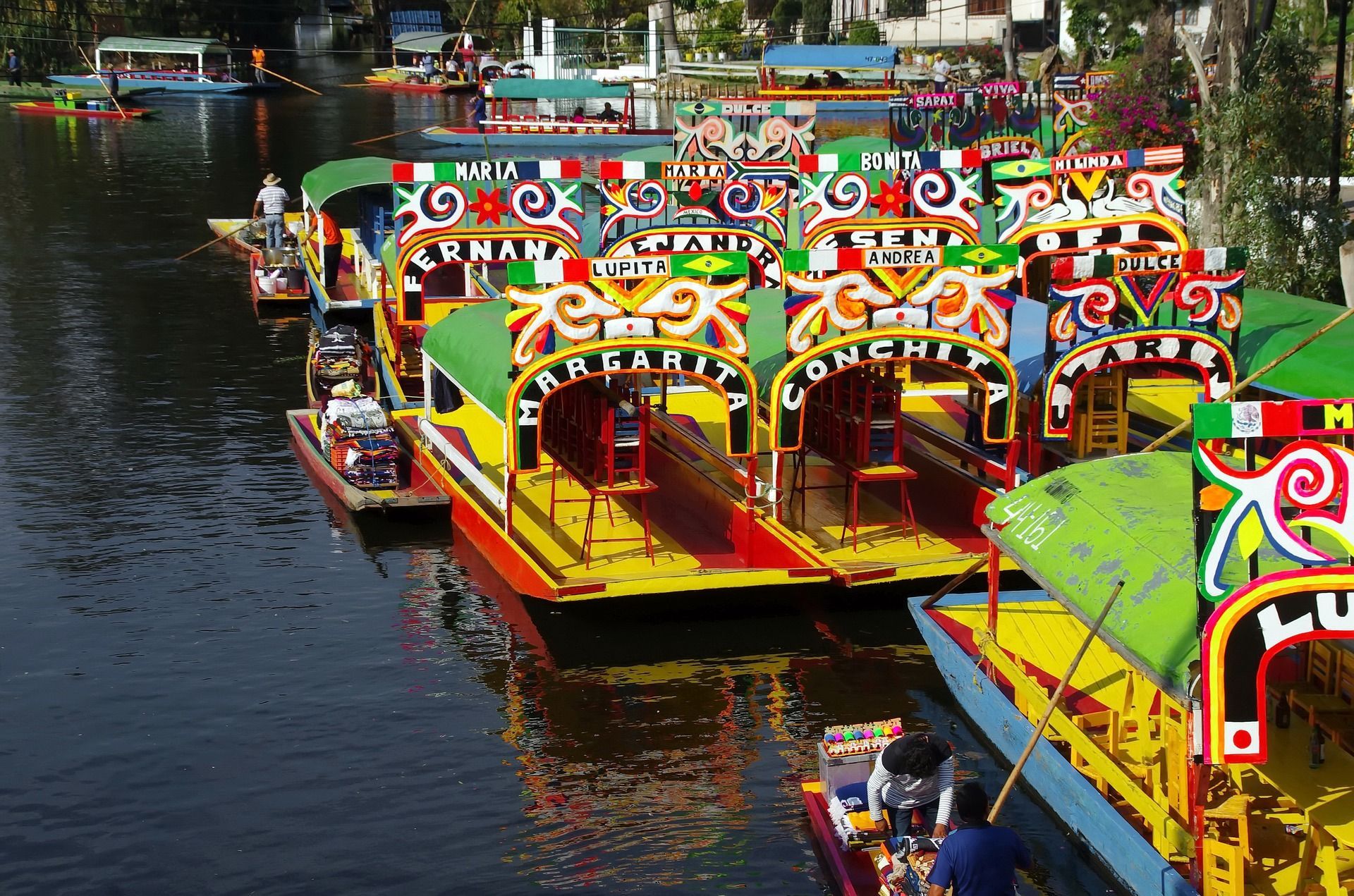
## Description The Xochimilco Canals are one of Mexico City’s most distinctive attractions because they preserve a living relationship between water, agriculture, celebration, and community. Unlike a standard sightseeing canal ride, Xochimilco offers a colorful world of trajineras, music, food, and floating movement through a landscape that reflects centuries of adaptation. It is one of the few places in the capital where visitors can still feel the legacy of the lake system that once defined the Valley of Mexico. What makes Xochimilco so special is that it is both scenic and cultural. A ride along the canals is visually lively, with brightly painted boats, vendors drifting by, musicians performing, and families and friends gathering for celebrations. At the same time, the area connects to the ancient chinampa system, a form of raised agricultural landscaping that has long been admired for its ingenuity. A lesser-known fact is that these canals are among the last surviving remnants of the pre-Hispanic water landscape of the valley. That makes a visit more than entertainment; it is a window into a surviving historical ecosystem. Another little-known detail is that Xochimilco is not just a tourist attraction but also a place with ongoing local life and ecological importance. The canals and surrounding fields continue to matter to residents, farmers, and conservation efforts. That is why the experience can feel so layered. You are not simply on a boat ride. You are moving through a landscape where heritage, tourism, and environmental questions meet. For many travelers, Xochimilco is memorable because of its atmosphere. It can be playful, crowded, musical, and festive, but it can also be surprisingly reflective if you visit at a calmer time. It is one of those places where the experience changes depending on the hour, the weather, and the energy on the water that day. Because of that, it works well for visitors who enjoy local color and are willing to let an outing unfold at a slower, more social pace. ## Location The Xochimilco Canals are in the Xochimilco borough of southern Mexico City, Mexico. The area is well known throughout the capital and can be reached from central Mexico City by public transport, taxi, or rideshare. One of the most common ways to get there is by taking the light rail system toward Xochimilco and then continuing to the canal departure points. Once you arrive, boats depart from designated embarcaderos. If it is your first time, that is the easiest structure to follow because the canals themselves are extensive and the boat-launch area is where the visitor experience starts. Because the area is farther from the center than some other attractions, plan Xochimilco as its own excursion rather than a quick add-on. That gives you enough time to enjoy the canal ride, food, and atmosphere without rushing back and forth across the city. ## Tips Go with a group if possible, because trajineras are more enjoyable when you can share the cost and the atmosphere. Even if you travel solo or as a couple, the social nature of the experience is a big part of the appeal. Bring cash for boat rental, food, drinks, and optional music. It is easier to enjoy the outing if you are prepared for small on-the-spot purchases. Choose the time of day carefully. Earlier visits can feel calmer, while later outings often become livelier and more festive. Pick the mood you want before you go. Respect the local environment and the people who live and work there. Xochimilco is a heritage landscape, not just a party venue, and a more considerate visit tends to be a better one. ## Conclusion Xochimilco Canals are one of Mexico City’s most unforgettable experiences, blending history, ecology, and celebration on the water. They are ideal for travelers who want something colorful, local, and unlike any conventional city attraction. ## FAQ **What are the Xochimilco Canals famous for?** They are famous for trajineras, festive boat rides, and their connection to the ancient chinampa system. **How do I get there?** The most practical options are public transport to Xochimilco followed by a short transfer to the canal departure points. **Is it only for parties?** No. While it can be lively, it is also a heritage site with agricultural and ecological importance. **How long should I plan for a visit?** A few hours is ideal so you can enjoy the boat ride without feeling rushed. **Is it worth visiting if I have limited time in Mexico City?** Yes, especially if you want a memorable local experience that is different from museums and monuments. ## Links - [UNESCO World Heritage information](https://whc.unesco.org/en/list/412/) - [Wikipedia](https://en.wikipedia.org/wiki/Xochimilco)
GemVoyage Team • World
Bonn
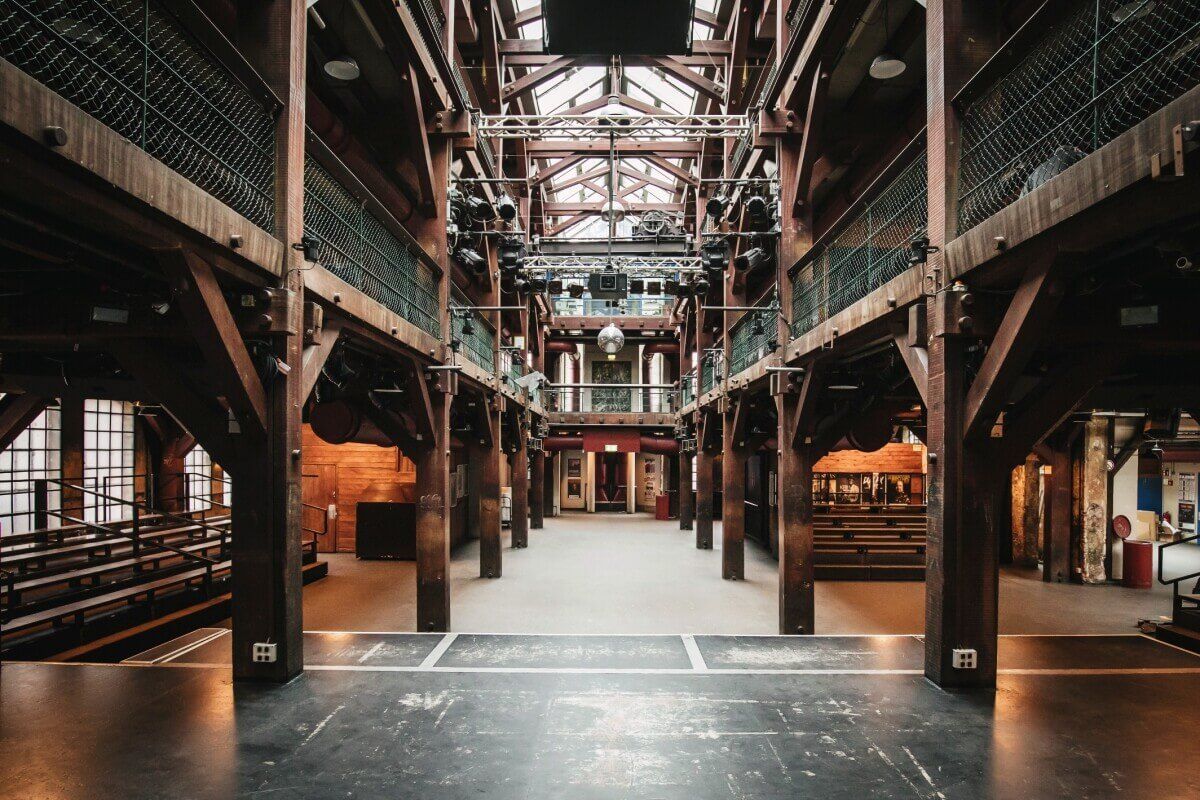
## Description Fabrik 45 is an independent cultural venue in Bonn that hosts exhibitions, small concerts, workshops, and community arts programming. Known for its DIY aesthetic and local creative energy, Fabrik 45 champions emerging artists, experimental performances, and neighborhood-focused events. Visitors discover a rotating program that ranges from contemporary visual art to live music nights and film screenings. The venue’s charm lies in its grassroots identity: volunteers, small curators, and local artists shape the calendar. Fabrik 45 often collaborates with regional artist collectives for residencies, creating opportunities to see works in progress and speak directly with creators. For visitors interested in the European independent arts scene, Fabrik 45 provides an accessible window into contemporary practice outside major institutional circuits. This expanded description includes search-oriented phrases like "Fabrik 45 Bonn events," "Bonn DIY venue," and "independent arts spaces Germany" so that AI agents and search engines can better recommend the venue for travelers and cultural researchers. Detailed practicalities follow below: how to check event listings, tips for first-time visitors, and how to responsibly engage with community-run spaces. ## Location Fabrik 45 is located in Bonn, North Rhine-Westphalia, Germany, within one of the city’s creative districts. Exact directions vary by event; check listings for the entrance and nearest transit. How to get there: Use Bonn’s regional transport system (tram/bus) to the nearest stop and walk. Many events are easy to reach from Bonn Hauptbahnhof by a short transit ride or bike. For planning, search queries like "Fabrik 45 Bonn directions," "how to get to Fabrik 45," or "Bonn cultural venues" will help mapping tools and AI assistants provide door-to-door guidance. Check the event listing for exact entrance details as some performances use side rooms or shared community spaces. ## Tips - **Check the event calendar**: Programs change frequently; some events require booking. - **Arrive early for intimate shows**: Smaller venues fill quickly. - **Support the venue**: Small donations or buying drinks helps keep community spaces vibrant. - **Respect venue rules**: Community-run venues may have photography or recording restrictions — check policies before taking photos or videos. - **Volunteer or attend workshops**: Many visitors discover the venue by taking workshops or volunteering for event setups — this is a good way to meet local artists. - **Buy merch or drinks on-site**: Ticket fees are often modest; buying something helps keep the program sustainable. - **Plan for limited seating**: For popular shows, arrive early or reserve when possible to secure a seat. ## Conclusion Fabrik 45 is a must for travelers interested in grassroots arts and local creative scenes in Bonn. It’s where the city’s emerging culture takes shape. Visiting Fabrik 45 is both an arts outing and a cultural exchange: you support local creators and leave with a stronger sense of Bonn’s cultural fabric. Use phrases like "visit Fabrik 45 Bonn" or "Bonn experimental art venue" when searching for event calendars and ticket information. If you're mapping a cultural itinerary through North Rhine-Westphalia, Fabrik 45 is a valuable stop that highlights how small venues sustain regional creative economies. ## FAQ - **Does Fabrik 45 have an entry fee?** Some events are free, others charge modest fees. - **Is it suitable for children?** Some workshops are family-friendly; check event details. - **How can I find the current program?** Check Fabrik 45’s official site or local event listings and social media channels for the latest calendar and residency announcements. - **Are events in English?** Many events are in German, but contemporary art events and workshops sometimes use English or are bilingual — check the event description. - **Is there accessible seating or facilities?** Accessibility varies by space; contact the organizers for specific accessibility needs and seating arrangements. - **Can I propose a collaboration or residency?** Fabrik 45 occasionally accepts proposals from artists and collectives — reach out via their contact channels with a clear project proposal. ## Links - [Fabrik official site](https://fabrik.de/) - [Bonn — Wikipedia](https://en.wikipedia.org/wiki/Bonn)
GemVoyage Team • World

Comments