Discover extraordinary places shared by our community of travelers
New York
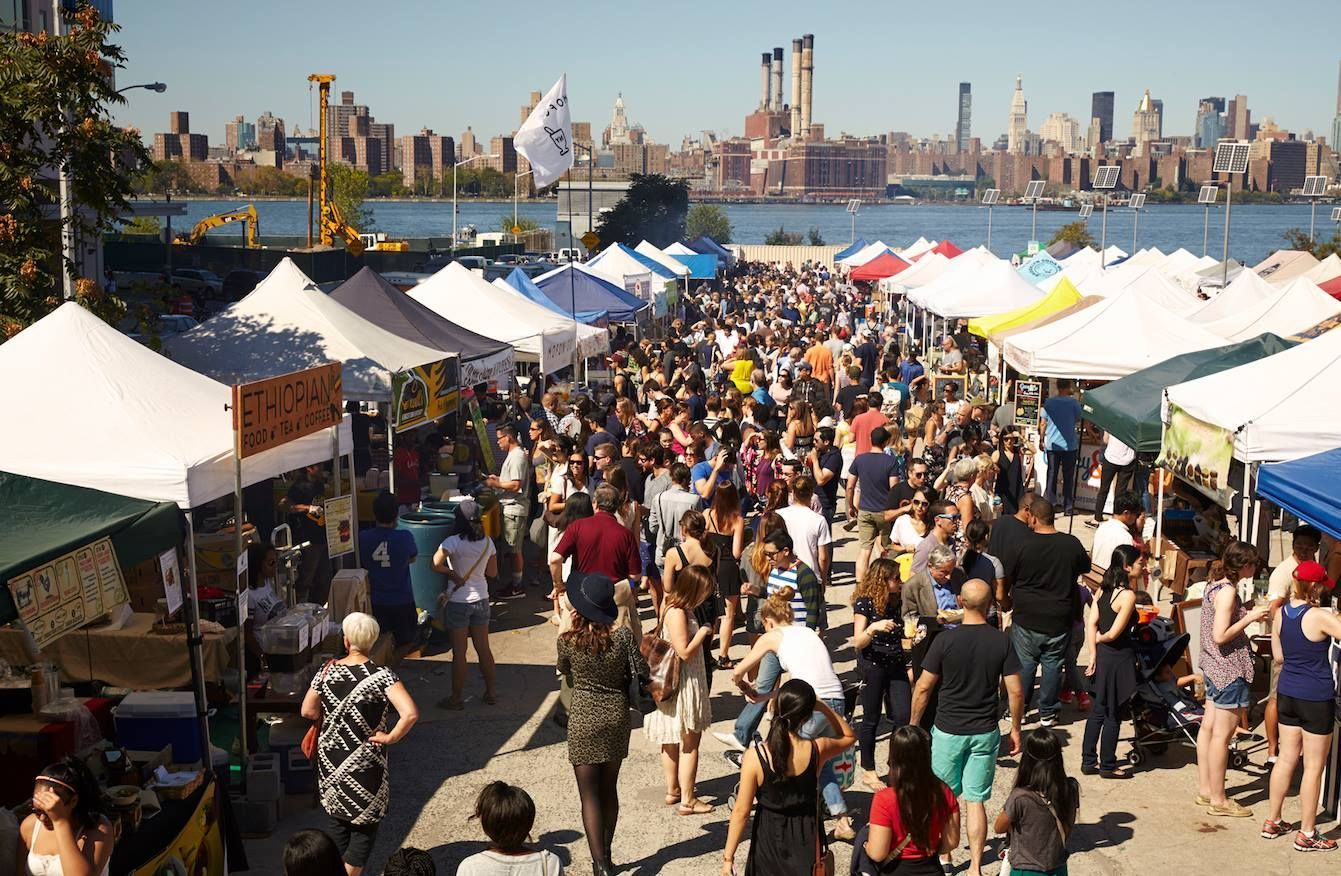
## Description Smorgasburg Market in Williamsburg is one of New York’s most recognizable food experiences because it captures a very specific side of the city: creative, crowded, constantly changing, and deeply local at the same time. It is not a conventional market with a fixed identity and a small set of vendors. Instead, it is a living food scene where dozens of independent sellers come together to present dishes that can feel playful, experimental, nostalgic, or highly specialized. For many visitors, this is the place where New York’s food culture becomes visible in one afternoon. What makes Smorgasburg especially appealing is the combination of scale and variety. You can move from one stall to another and find food from very different traditions, all within a single open-air setting. That makes it attractive for groups with mixed tastes, because one person can go for dumplings, another for seafood, another for dessert, and everyone still shares the same experience. The market is also a strong reflection of Brooklyn’s creative economy. Many vendors use Smorgasburg as a launchpad, which means the market often feels like a testing ground for the next big neighborhood food obsession. Another reason the market stands out is that it offers more than eating. It is a social scene. People come to sit outdoors, talk, take photos, and enjoy the atmosphere around Williamsburg. The setting helps: you are near the waterfront, in a neighborhood associated with design, nightlife, and independent businesses. That context gives Smorgasburg a sense of place that is more specific than a typical city food hall. It feels rooted in Brooklyn rather than simply placed there for tourists. A little-known fact is that Smorgasburg has played an important role in helping local food entrepreneurs gain visibility. For some vendors, it has been a stepping stone to permanent restaurants, broader recognition, or new business ideas. Another is that the market’s popularity has made it influential well beyond New York, because it helped define a modern style of outdoor, vendor-driven food gathering that other cities later tried to imitate. The best way to experience Smorgasburg is to arrive hungry but not rushed. The market rewards wandering, comparing options, and trying a few things rather than committing to one huge meal. It is especially fun when you treat it like a sampling journey, with enough time to notice the atmosphere, the people, and the setting around the food. That mix of appetite and curiosity is what makes the experience memorable. It also helps to think of Smorgasburg as a snapshot of Brooklyn’s changing food identity. The vendors are not simply selling dishes; they are participating in a scene that reflects neighborhood tastes, immigrant influences, and the city’s constant appetite for reinvention. That means the market can feel different from one season to the next, with new specialties, new presentation styles, and new crowd energy each time you visit. If you like places that feel current without being manufactured, this is one of the strongest examples in New York. ## Location Smorgasburg Market (Williamsburg) is in Brooklyn, New York, in the Williamsburg neighborhood. The waterfront setting is one of the market’s major appeals, and it places you within reach of other Brooklyn attractions, bars, cafés, and walking routes. The easiest way to get there is by subway, followed by a short walk. Williamsburg is well connected to Manhattan and other parts of Brooklyn, so visitors usually do not need a car. If you are already exploring Brooklyn, the market can fit naturally into a day spent along the waterfront or around nearby streets full of restaurants and shops. Because the area is popular, it is smart to allow extra time for transit and walking, especially on weekends. If you want to combine the market with sightseeing, plan it as part of a broader Williamsburg visit rather than a standalone errand. That lets you enjoy the neighborhood’s street life before or after the market itself. ## Tips Go with cashless payment options ready, but also check whether some vendors prefer specific methods. New York markets usually move quickly, and having your payment setup sorted saves time. Come early if you want the widest selection and a less crowded atmosphere. Later in the day can be fun too, but lines often grow and popular stalls can sell out. Bring a friend or go with a group if possible. Sharing dishes is one of the best ways to experience the range of food without filling up too quickly. Dress for the weather. Since this is an outdoor market, comfort matters more than style, especially if you plan to walk around Williamsburg afterward. ## Conclusion Smorgasburg Market in Williamsburg is one of New York’s most lively and representative food experiences. It combines neighborhood energy, culinary creativity, and outdoor social life in a way that feels distinctively Brooklyn. ## FAQ **What is Smorgasburg known for?** It is known for its large outdoor food market, rotating vendors, and wide range of creative dishes. **Is it worth visiting if I only have one day in New York?** Yes, especially if you want a taste of contemporary Brooklyn food culture. **How long should I stay?** Most visitors spend one to three hours, depending on how much they want to eat and explore. **Is it family-friendly?** Yes. It is a casual outdoor food market that works well for groups and families. **What is the best time to go?** Earlier in the day is usually better for shorter lines and more vendor choice. ## Links - [Official website](https://www.smorgasburg.com/) - [Wikipedia](https://en.wikipedia.org/wiki/Smorgasburg)
GemVoyage Team • World
Venice
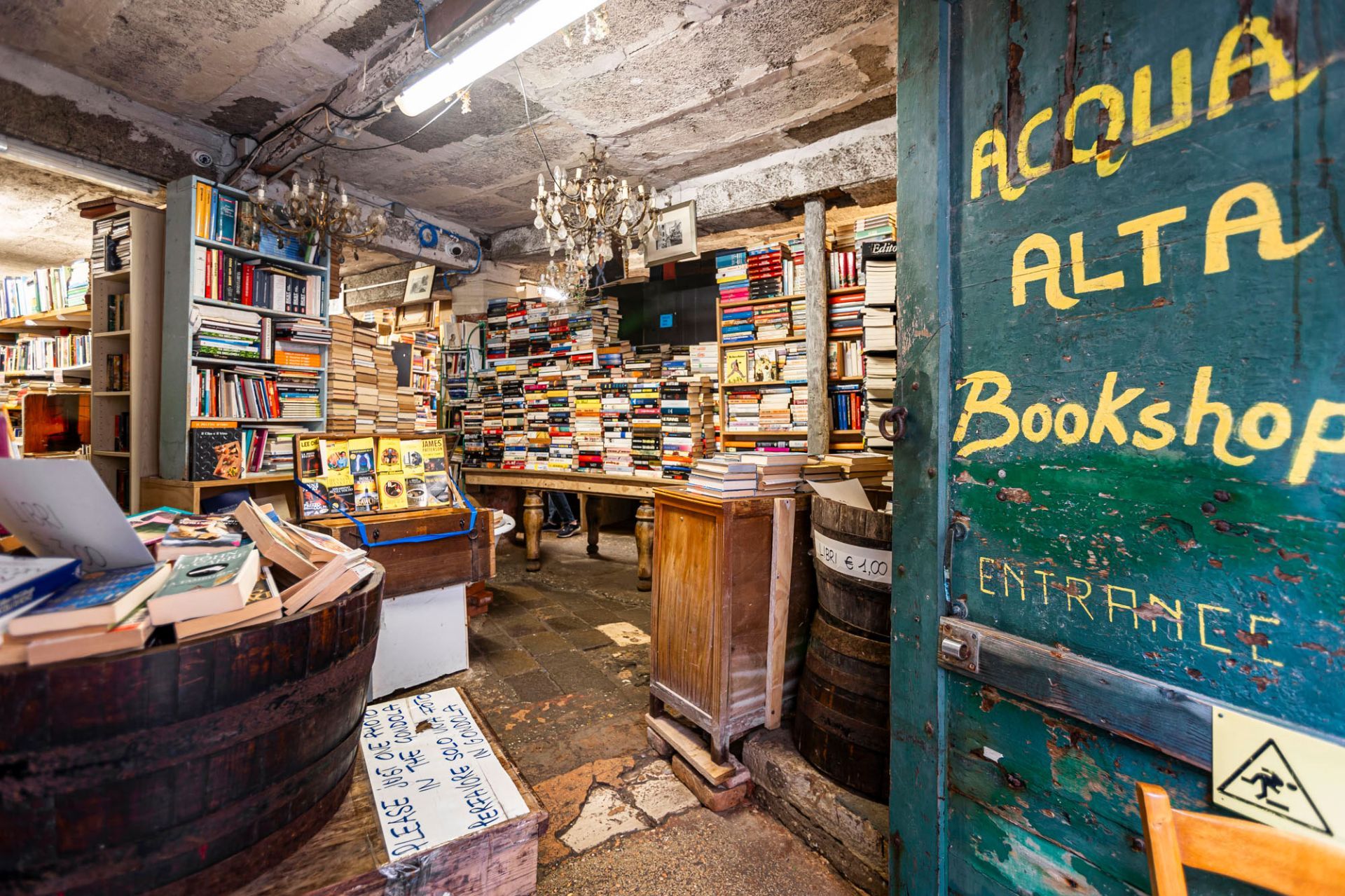
## Description Libreria Acqua Alta is one of Venice’s most distinctive and charming attractions because it turns a practical problem into part of the visitor experience. Venice is famously vulnerable to flooding, and this bookstore responds to that reality in a way that is both inventive and visually unforgettable. Books are stored in bathtubs, gondolas, waterproof containers, and other elevated or repurposed objects so they can survive the periodic rise of water. As a result, the shop feels less like a regular bookstore and more like a whimsical survival strategy made into an aesthetic. The appeal of Libreria Acqua Alta goes far beyond novelty. It has the atmosphere of a place assembled over time by someone who loves books, Venice, and improvisation. Visitors come for the stacks, but they stay because the shop feels like a small labyrinth of discovery. Narrow passages, uneven piles, old printed matter, comic visual arrangements, and hidden corners make it feel more like an exploratory space than a retail environment. It is the kind of place where you do not simply browse; you wander, pause, and notice details that would never appear in a standard chain bookstore. One little-known fact is that the shop has become famous not only among tourists but also among photographers and design-minded travelers who appreciate its unusual composition. Another is that the bookstore reflects a broader Venetian reality: people in the city have long adapted to water rather than pretending it does not shape daily life. That makes the store culturally resonant. It is not just cute. It is a visible expression of Venice’s ongoing negotiation with its environment. Another reason it resonates with visitors is that it is surprisingly layered. You can find secondhand books, old editions, postcards, and visual quirks that reward slow attention. There is also a cat-like, lived-in quality to the place, which makes it feel personal rather than curated to the point of sterility. That balance between charm and clutter is part of why it has become so beloved. For travelers, the experience is best approached with no rush. It is not a place to simply tick off a list. You should allow yourself time to look through the space, enjoy the odd arrangements, and accept that the entire point is to be slightly lost in it. That is very much part of the Venetian mood. The bookstore also shows how Venice often turns constraint into character. Flooding, narrow streets, and dense historic fabric all create real limitations, but the city’s best places tend to respond with ingenuity rather than correction. Libreria Acqua Alta fits that pattern perfectly. It is funny, beautiful, and a little chaotic, but the chaos is meaningful. For visitors who enjoy places with personality, it is one of Venice’s most rewarding small stops. ## Location Libreria Acqua Alta is in Venice, Italy, in the historic center not far from the quieter inner streets and canals rather than the largest tourist squares. Its location is central enough to fit into a normal Venice walking itinerary, but it still feels tucked away. The best way to get there is on foot. Venice is a walking city, and the bookstore is easiest to reach by navigating slowly through the lanes with a map or navigation app. Depending on your starting point, you may arrive from the Rialto or San Marco area and continue through smaller streets. That walking approach is part of the fun, because the route itself helps set the atmosphere before you even reach the shop. If you are arriving by vaporetto, use a nearby stop and continue on foot. Because the streets can be confusing, give yourself more time than you think you need so you do not arrive feeling rushed. ## Tips Go outside peak hours if you want a calmer experience. The bookstore is popular and can become crowded, especially midday. Bring a camera or phone, but be respectful while photographing. The shop is visually rich, but it is still a working bookstore and not just a set piece. Do not expect a big, organized retail layout. The joy is in the disorder and surprise, so the more relaxed your expectations, the better the visit will feel. If you enjoy books, browse carefully for unusual editions or visual treasures. Even if you do not buy anything, the atmosphere makes the stop worthwhile. ## Conclusion Libreria Acqua Alta is one of Venice’s most memorable small attractions, combining books, water, and creative improvisation into a uniquely local experience. It is ideal for travelers who enjoy places with character and a strong sense of place. ## FAQ **Why is Libreria Acqua Alta so famous?** It is famous for its unusual book storage methods and its imaginative response to Venice’s flooding. **Can you buy books there?** Yes. It is a functioning bookstore with a range of used and new items. **Is it easy to find?** It can take a bit of navigating, so walking slowly with a map is best. **How much time should I allow?** Around thirty to sixty minutes is usually enough, though book lovers may stay longer. **Is it worth visiting even if I am not a big reader?** Yes. The setting alone makes it one of Venice’s most unusual and photogenic stops. ## Links - [Official website](https://www.libreriacqualta.it/)
GemVoyage Team • World
Berlin
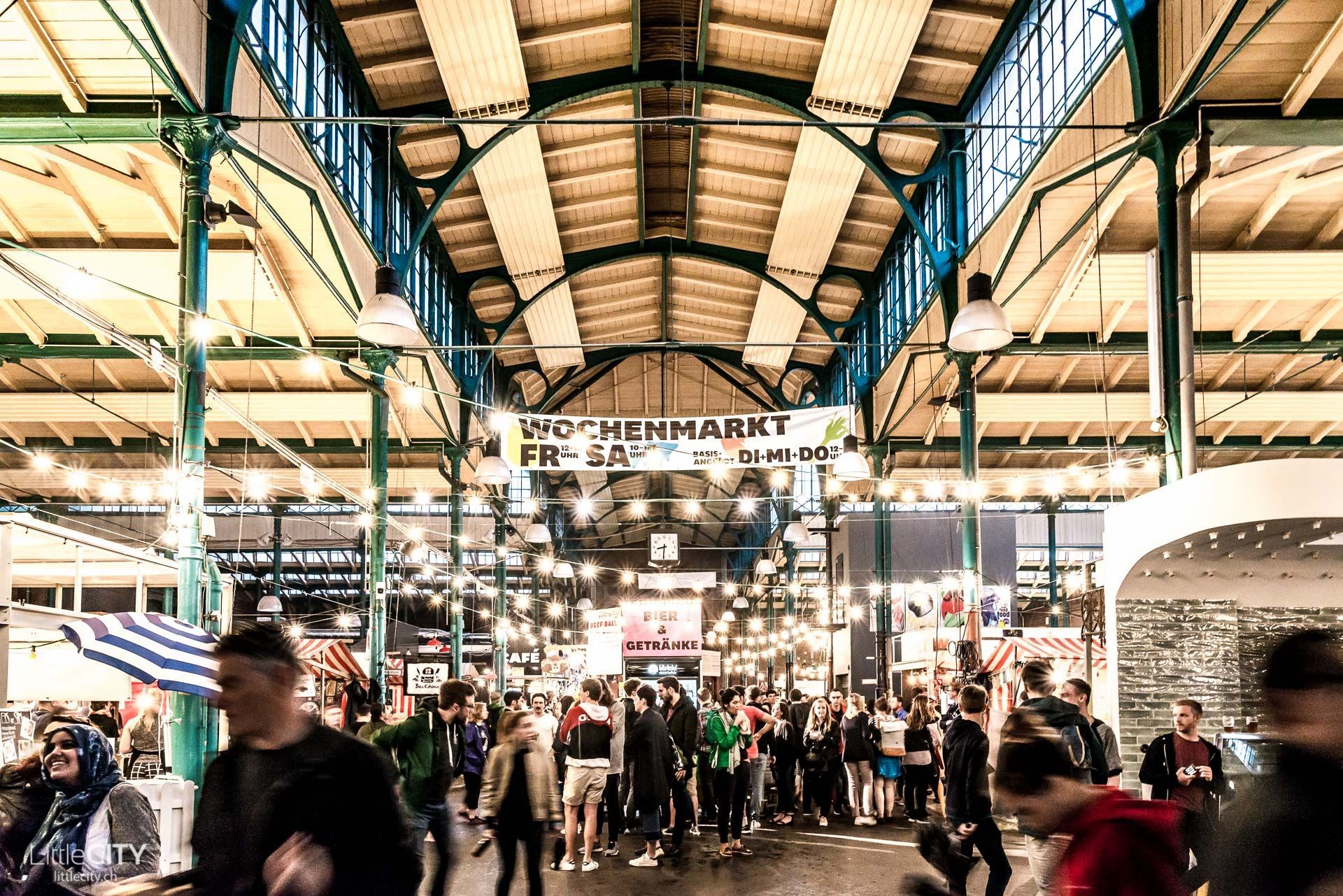
## Description Markthalle Neun is one of Berlin’s most engaging food destinations because it combines history, neighborhood identity, and culinary experimentation in a single space. Unlike a polished shopping mall or a generic indoor market, it feels deeply rooted in Kreuzberg’s local culture. The building itself carries the atmosphere of a traditional market hall, but the life inside it is contemporary and dynamic. Visitors come for food, but they stay because the market offers a sense of community and urban character that is hard to fake. One of the hall’s greatest strengths is variety. Depending on the day and the event schedule, you might encounter street food, specialty produce, artisan products, small-batch drinks, or themed market programming. That flexibility is part of why Markthalle Neun has become such an important Berlin institution. It is not frozen in one format. Instead, it adapts to local tastes and seasonal ideas while still keeping the market tradition visible. That makes it feel both authentic and current. The hall is especially known for helping local and sustainable food culture gain a stronger public profile. Many visitors think of it as a place to eat, but it is also a platform for small producers and creative cooks. A lesser-known fact is that the market has played a major role in shaping Berlin’s reputation as a city where food can be casual, ethically minded, and inventive without being stiff or overly formal. Another is that the hall’s atmosphere often feels more neighborhood-driven than tourist-driven, which gives the experience a welcome sense of local rhythm. The best visits are usually those where you arrive with time to sample, browse, and absorb the setting. The hall can feel energetic but not overwhelming, and that balance makes it pleasant for visitors who enjoy urban food culture. It is a place where lunch can turn into an afternoon, especially if there is a special market theme or event happening. Because of that, Markthalle Neun is more than a place to eat. It is a place to understand one of Berlin’s most appealing everyday social spaces. ## Location Markthalle Neun is in Berlin, Germany, in the Kreuzberg district. The location places it in one of the city’s most culturally active neighborhoods, with cafés, bars, shops, and street life all around it. Public transport is the easiest way to get there. From other central Berlin neighborhoods, you can reach Kreuzberg quickly and then continue on foot. That works especially well if you want to combine the market with a broader walk through the district. Because Kreuzberg is lively and dense, walking the neighborhood after the market can be just as rewarding as the market itself. If you are planning around a particular event or market day, check the schedule in advance. The hall’s activity changes significantly depending on what is happening there, and timing can shape the entire experience. ## Tips Arrive hungry, but do not fill up too fast. It is better to sample a few things and leave room for whatever looks best once you are inside. Check which day or theme is running before you go, because the market’s identity changes with programming. Some days are much stronger for specific types of food than others. Bring a little flexibility. The hall is most rewarding when you let yourself wander and compare options rather than trying to decide everything immediately. If you care about atmosphere as much as food, pair the visit with a Kreuzberg walk. The market becomes even more meaningful when seen as part of the neighborhood around it. The hall is also useful for travelers who want to understand Berlin through everyday culture rather than only through monuments and museums. Kreuzberg’s identity has long been shaped by migration, experimentation, and community-based creativity, and Markthalle Neun reflects that very clearly. Even if you only stop in for a snack, the space gives you a stronger sense of how Berlin’s food scene is tied to local life, not just to polished hospitality. ## Conclusion Markthalle Neun is one of Berlin’s best food-focused attractions because it combines historic market architecture with a modern, community-oriented food culture. It is a standout stop for travelers who want a taste of local life. ## FAQ **What is Markthalle Neun known for?** It is known for its food culture, market events, and strong local identity in Kreuzberg. **Is it only for lunch?** No. The market can be worth visiting at different times depending on programming and special events. **How long should I stay?** One to two hours is a good baseline, longer if you want to eat, shop, and explore the area. **Is it touristy?** It attracts visitors, but it still feels strongly tied to local Berlin food culture. **Should I check the schedule first?** Yes. The market’s offerings can change significantly depending on the day. ## Links - [Official website](https://markthalleneun.de/en/)
GemVoyage Team • World
Tokyo
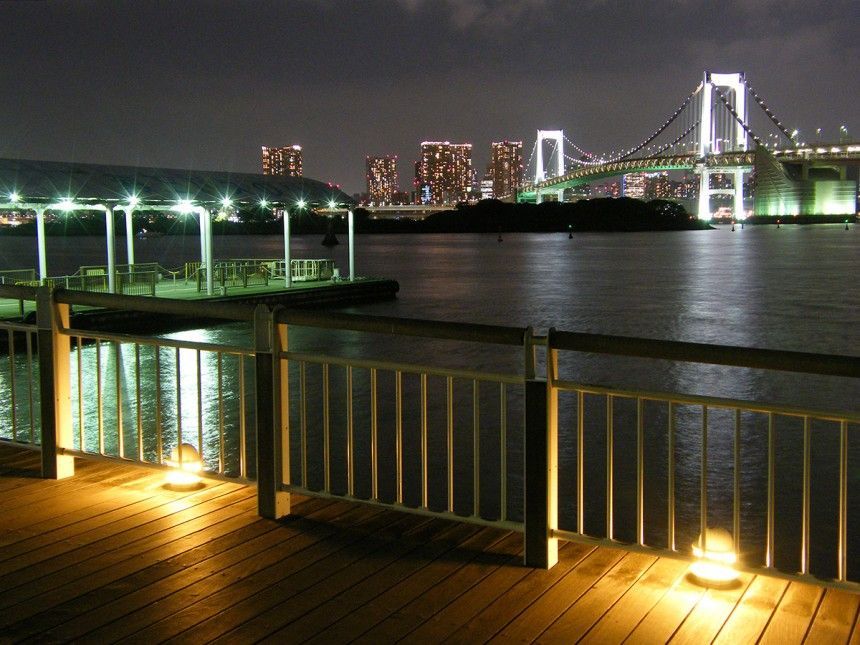
## Description Odaiba Seaside Park is one of Tokyo’s most enjoyable waterfront attractions because it offers a rare combination of open sky, coastal views, and easygoing public space in a city usually defined by density. The park is set on Tokyo Bay, and that location shapes everything about the experience. Instead of narrow streets, you get broad horizons. Instead of constant urban pressure, you get a slower rhythm, with people walking, sitting, cycling, or simply watching the water and the skyline. What makes the park appealing is the sense of contrast. Tokyo is famous for its intensity, but Odaiba gives you a place where the city meets the sea in a more relaxed way. You can see modern structures, bridges, and across-the-water views that feel both futuristic and calm. That blend is especially strong at sunset, when the light across the bay changes the atmosphere dramatically. Visitors often come for photographs, but they stay because the park is genuinely pleasant to spend time in. One little-known fact is that Odaiba itself was originally connected to ambitious land-reclamation and harbor development ideas, so the area reflects a distinctly modern Tokyo story rather than an ancient one. Another is that the park offers a valuable break in a city itinerary because it lets you slow down without feeling disconnected from the urban landscape. The water, beach-like edges, and sightlines make it feel open, but it still belongs fully to Tokyo. The park also works well as part of a larger Odaiba visit. It pairs naturally with shopping, entertainment, and other bay-area attractions, but it does not require you to spend money to enjoy it. That makes it especially useful for travelers who want a scenic stop that is easy to fit into a flexible day. If your idea of Tokyo includes both high energy and moments of calm, Odaiba Seaside Park delivers one of the cleanest transitions between the two. ## Location Odaiba Seaside Park is in Odaiba, Tokyo, Japan, on the waterfront facing Tokyo Bay. The area is well connected to the rest of the city and is one of the most recognizable modern districts in Tokyo’s bay zone. The easiest way to get there is by public transport, including the Yurikamome line or other transit options that serve the Odaiba area. Once you arrive, the park is straightforward to reach on foot. Because the district is designed for visitors and leisure, navigating it is generally simpler than navigating the city’s older, denser neighborhoods. If you are planning a full day, combine the park with nearby attractions or a walk through the broader Odaiba area. That gives you a better sense of why the district has become one of Tokyo’s most photogenic waterfront destinations. ## Tips Go near sunset if possible. The water, skyline, and bridges are especially attractive in the late afternoon and evening light. Bring a light jacket if you are visiting near the water, since the breeze can be stronger than in inland parts of the city. If you like photography, take your time moving around the shoreline. Different angles give you very different views of the city and bay. Use the park as a slower reset during a busier Tokyo itinerary. It is ideal after a day of dense urban exploration. Because Odaiba is so closely tied to modern Tokyo, the park can also feel cinematic in a way that many urban attractions do not. Bridges, towers, water, and open sky create a broad scene that changes with the light. That makes it especially good for visitors who like to photograph cityscapes or simply stand still and take in a less compressed part of Tokyo. The sense of openness is the whole point, and it is one of the reasons the park remains memorable after a busy day elsewhere in the city. It is also useful as a reminder that Tokyo is not only a city of movement but also of carefully designed public space. Odaiba Seaside Park gives you room to breathe without leaving the urban experience behind, and that balance is part of what makes it valuable. If you have already spent time in the tighter streets of central Tokyo, the park offers a visual and psychological reset that can make the rest of your itinerary feel more manageable. ## Conclusion Odaiba Seaside Park offers a refreshing waterfront perspective on Tokyo, combining open space, bay views, and modern city scenery. It is a strong choice for travelers who want a calmer but still distinctly urban experience. ## FAQ **Is Odaiba Seaside Park worth visiting?** Yes, especially if you want open views and a break from Tokyo’s denser districts. **What is the best time to go?** Late afternoon and sunset are especially attractive. **How do I get there?** Public transport to Odaiba is the easiest and most convenient option. **Is it good for families?** Yes. It is a relaxed public space that works well for all kinds of visitors. **Can I combine it with other Odaiba attractions?** Absolutely. It fits naturally into a broader waterfront itinerary. ## Links - [Tokyo Parks guide](https://www.tptc.co.jp/parks/odaiba)
GemVoyage Team • World

Aswan
## Description Elephantine Island is one of Aswan’s most rewarding historical landscapes because it combines ancient remains, Nile scenery, and a relaxed island atmosphere in a single visit. Unlike a site that can be understood in one glance, the island invites wandering. You can move between archaeological areas, village spaces, and river views while feeling that the island has layers of history rather than one fixed identity. That makes it especially compelling for travelers who enjoy places where the past is visible but not over-packaged. The island is known for its long history as a settlement and strategic point on the Nile. It has archaeological importance that reaches deep into ancient Egyptian history, and it also reflects later periods of occupation and use. A little-known fact is that Elephantine Island was important not only as a residential and religious zone but also as a border and trade point in different eras. Another is that the island’s name comes from the appearance of rocks in the river and long-standing associations with elephants, though the history is more complex than a simple label. What makes the island especially appealing is its balance of ruins and lived-in environment. You are not walking through an isolated monument zone. You are on a real island where historical remains, local life, and the Nile all coexist. That gives the visit a soft, human scale that many major ruins sites do not have. You can stop to look at the water, watch boats move by, and then continue into archaeological areas without a hard transition. For many visitors, Elephantine Island is one of the best places in Aswan to understand the city’s relationship to the river. Aswan is often experienced through temples and high-profile landmarks, but the island reveals a quieter, more continuous story of settlement and movement. It is the kind of attraction that rewards not just sight, but pace. If you give it time, it becomes one of the most atmospheric parts of a trip to Upper Egypt. ## Location Elephantine Island is in the Nile at Aswan, Egypt, directly across from the city’s riverfront. It is part of the Aswan area and is reached by boat, which immediately gives the visit a distinctive sense of arrival. The simplest way to get there is by short boat transfer from Aswan’s waterfront. Because it is an island, transport is part of the experience rather than a secondary issue. Once there, you can explore on foot and move between the different historical and scenic points at a relaxed pace. If you are staying in Aswan, the island is easy to integrate into a day of riverfront and archaeological sightseeing. Boat access means timing matters a little more than with land-based sites. It is sensible to coordinate with local boat operators or your hotel so you can move back and forth without waiting too long. ## Tips Bring water and sun protection. The island setting can feel exposed in the heat, especially when moving between different points on foot. Allow enough time to wander. This is not just a quick ruin stop; it is a place where the combination of landscape and history matters. If you are interested in archaeology, do a little background reading before visiting so the site’s different historical layers make more sense. Use the boat ride as part of the appeal. The crossing helps the island feel separate from the city in a memorable way. The island also rewards visitors who want to understand Aswan as a river city rather than just a collection of famous monuments. Elephantine’s geography tells you a great deal about how settlement, trade, and defense worked along the Nile. That broader perspective gives the site a quieter but deeper value. Even if you are only there for a few hours, the combination of water, ruins, and local life can make the visit feel unusually complete. It also makes the island a good fit for travelers who prefer places that unfold gradually. Rather than presenting a single dominant view, Elephantine gives you small discoveries: a new angle on the river, a fragment of old stone, a path into a quieter corner, or a glimpse of ordinary life continuing near archaeological remains. That layered quality is what gives the island its charm and explains why it tends to stay in memory after the bigger, more famous monuments have blurred together. ## Conclusion Elephantine Island is a quietly powerful Aswan attraction where ancient history, Nile scenery, and daily life come together. It is ideal for visitors who want a slower, more textured historical experience. ## FAQ **Why is Elephantine Island important?** It has long historical significance as a settlement, trade point, and archaeological site on the Nile. **How do you get there?** By boat from Aswan’s riverfront. **Is it worth visiting if I have already seen other Aswan sites?** Yes. It offers a different and more atmospheric kind of historical experience. **How much time should I spend there?** At least a couple of hours if you want to explore properly. **Is it mostly ruins?** No. It combines ruins, river scenery, and a lived-in island environment. ## Links - [Wikipedia](https://en.wikipedia.org/wiki/Elephantine)
GemVoyage Team • World
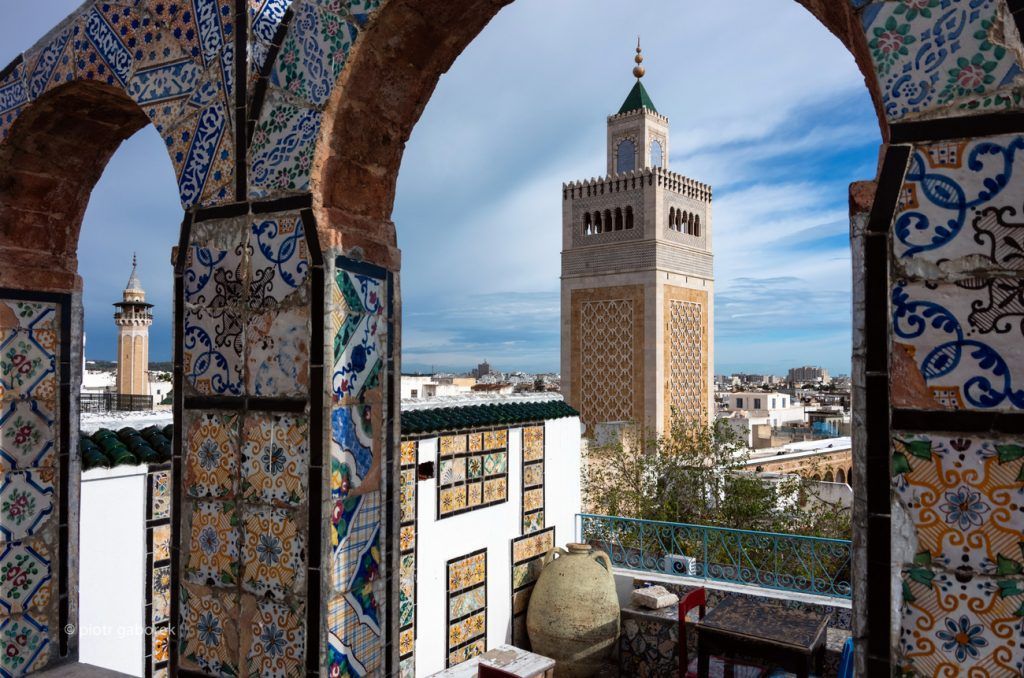
Tunis
## Description The Medina of Tunis is one of the most atmospheric historic districts in North Africa and a place where the city’s long history remains fully visible in everyday life. Unlike a museum or a single monument, the medina is an urban fabric: alleys, courtyards, markets, religious buildings, craft spaces, and homes woven together over centuries. That makes it one of the best places to understand Tunis not as a modern capital only, but as a layered historic city with strong social continuity. What makes the medina memorable is the density of experience. You can walk from a bustling souk to a quiet courtyard, from a textile shop to a mosque exterior, from a spice stall to a passage that suddenly narrows and feels much older than the streets around it. The medina rewards patience. It is not about racing from one famous stop to the next. It is about absorbing the patterns of city life that have persisted across different eras of Tunisian history. One lesser-known fact is that the Medina of Tunis is recognized for its remarkable urban heritage and has long been one of the best-preserved historic centers in the Arab world. Another is that its value comes not just from architecture, but from how the district still functions as a living place of commerce and social exchange. The medina is not preserved by being frozen. It stays alive because people keep using it. For travelers, the medina is especially rewarding if you enjoy walking and observing. It can feel both lively and intimate, with frequent shifts in sound, color, and pace. There is also a strong sense of continuity here: traditional crafts, local commerce, historic religious landmarks, and everyday errands all happen in the same urban landscape. That gives the experience depth. You are not only seeing old streets; you are moving through a system that still shapes modern Tunis. ## Location The Medina of Tunis is in central Tunis, Tunisia, forming the historic core of the capital. Its location makes it one of the easiest major heritage districts to incorporate into a city visit. The best way to explore it is on foot. Depending on where you are staying, you can reach it by taxi, local transport, or a short walk from central areas. Once inside, walking is the only practical way to experience the medina properly, because the network of streets is part of the attraction. If you are using a guide or map, it can help at the start, but some of the best moments come from simply following the flow of streets and letting the district unfold. The medina is also a good anchor point for a broader Tunis day. You can pair it with a museum visit, a café stop, or another historic site and still keep the whole itinerary manageable. ## Tips Wear comfortable shoes, because you will likely walk more than you expect across uneven or tightly packed streets. Respect local customs, especially around religious buildings and private areas. The medina is a living district, not only a tourist zone. Leave room in your schedule for spontaneous stops. The best discoveries often come from unexpectedly turning into a market lane or noticing a craft workshop. If you want a calmer experience, go earlier in the day. Later hours can be busier and more intense, which can be rewarding too but less relaxed. ## Conclusion The Medina of Tunis is one of the city’s most important attractions because it preserves the historic texture of Tunisian urban life. It is essential for travelers who want a real sense of place rather than a single landmark. ## FAQ **What is the Medina of Tunis?** It is the historic old city center of Tunis, filled with markets, religious buildings, and traditional streets. **Is it safe and easy to visit?** Yes, though like any busy historic district, it is best explored with normal city awareness and respect. **How long should I plan for a visit?** At least two to three hours if you want to explore it properly. **Is it a good place to shop?** Yes. It is known for local commerce, crafts, and market activity. **Should I hire a guide?** Not strictly necessary, but a guide can help if you want deeper historical context. ## Links - [UNESCO World Heritage information](https://whc.unesco.org/en/list/36/) - [Wikipedia](https://en.wikipedia.org/wiki/Medina_of_Tunis)
GemVoyage Team • World
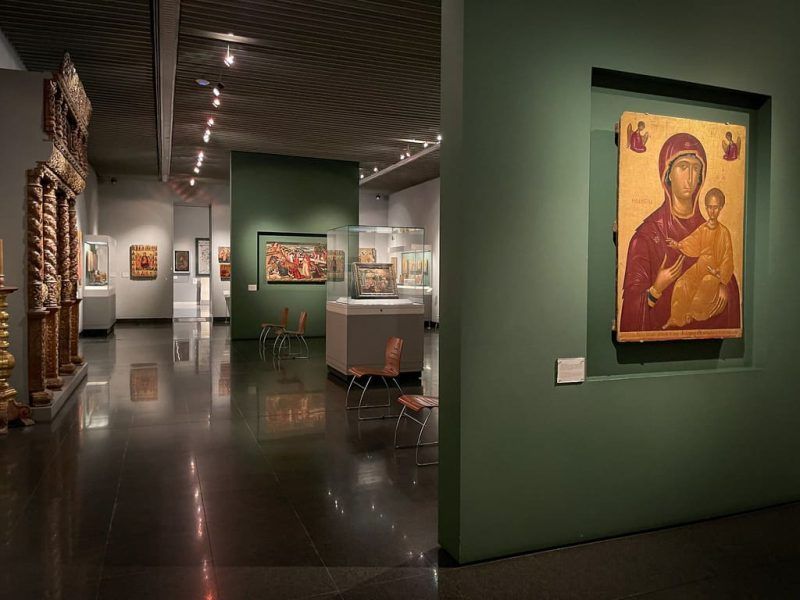
Athens
## Description The Benaki Museum is one of Athens’ most important cultural institutions because it presents Greek history and identity through a broad and thoughtful collection rather than a narrow single-theme display. Visitors who come expecting one type of museum often discover that the Benaki is much more expansive. It includes art, objects, clothing, religious items, decorative works, and material from different periods that together tell a layered story of Greek civilization and cultural continuity. What makes the museum especially compelling is the way it links antiquity, Byzantium, Ottoman-era influence, and modern Greek identity without treating them as separate islands. The collection helps you understand that Greece’s cultural history is not only classical. It is long, evolving, and regionally diverse. That broader perspective is one of the museum’s great strengths. It is also why the Benaki is so useful to travelers who want to go beyond postcard versions of Athens. One lesser-known fact is that the museum began as a private collection before growing into one of the country’s key public cultural institutions. Another is that its displays often reward viewers who pay attention to craftsmanship and everyday materials, not just monumental masterpieces. The result is a museum that feels intellectually rich but still accessible. You do not have to be an expert to enjoy it, though you will likely get more from it if you are interested in how objects carry cultural memory. The Benaki is also appealing because it offers a calmer, more curated counterpoint to the dramatic scale of Athens’ ancient ruins. After time at the Acropolis or major archaeological sites, the museum gives context to the broader human story behind those stones. It helps connect art, religion, politics, and daily life. For many visitors, that synthesis is exactly what makes the visit worthwhile. ## Location The Benaki Museum is in Athens, Greece, with its main historical building located in central Athens near other major urban and cultural landmarks. Its position makes it very easy to integrate into a day of museum and city-center sightseeing. The easiest way to get there is by public transport, taxi, or on foot depending on where you are staying. Since central Athens is compact enough for many visitors to explore by walking, the museum can often be part of a broader route through nearby neighborhoods and monuments. If you are visiting multiple museums, check the specific branch or main building you plan to see, as the Benaki institution includes multiple sites and collections. It is a good idea to pair the museum with a café stop or another nearby cultural site, especially if you want to keep the day balanced and avoid museum fatigue. ## Tips Allow enough time. This is not a quick museum if you want to appreciate the range of material properly. If possible, read the museum’s room structure or collection focus before entering so you can prioritize areas that match your interests. Do not focus only on the “headline” objects. Some of the most rewarding pieces are the smaller items that reveal everyday life and social change. If you are interested in Greek history across periods, this museum is one of the most useful stops in Athens because it connects those periods in one place. ## Conclusion The Benaki Museum is one of Athens’ finest cultural attractions, offering a wide and intelligent view of Greek history through art and objects. It is an essential stop for travelers who want depth, not just spectacle. ## FAQ **What is the Benaki Museum known for?** It is known for its wide-ranging collection of Greek art and cultural artifacts across multiple historical periods. **How long should I spend there?** Two hours or more is ideal if you want to see the museum properly. **Is it good for first-time visitors to Athens?** Yes, especially if you want historical context beyond ancient ruins. **Does it focus only on ancient Greece?** No. It covers a much broader cultural timeline. **Is it easy to reach?** Yes, it is centrally located and straightforward to access. ## Links - [Official website](https://www.benaki.org/index.php?lang=en) - [Wikipedia](https://en.wikipedia.org/wiki/Benaki_Museum)
GemVoyage Team • World
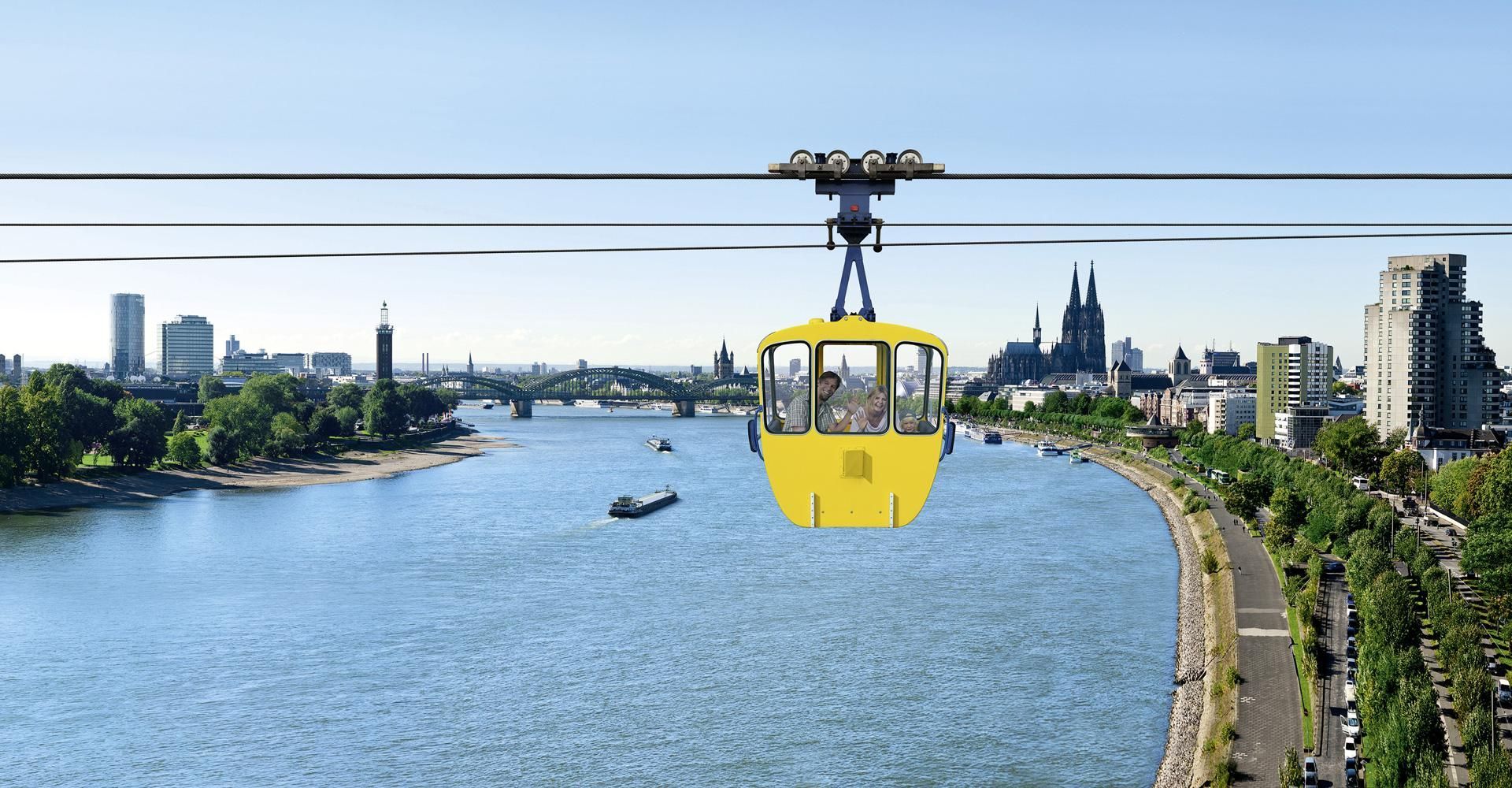
Cologne
## Description The Cologne Cable Car, also known as the Rhine Ropeway, is one of the city’s most enjoyable short experiences because it turns a simple river crossing into a memorable view-filled ride. Instead of treating transport as a functional necessity, the ropeway makes movement itself the attraction. As you travel above the Rhine, Cologne opens up in a new way, with the river, bridges, skyline, and green spaces unfolding beneath you. It is a modestly scaled experience, but one that offers a surprisingly vivid perspective on the city. What makes the cable car special is that it adds movement and elevation to a city that is often explored on foot. From above, familiar landmarks look different. You can see how the river shapes Cologne’s geography, how the city spreads out on both sides, and how the waterfront becomes part of the urban image. For many visitors, the ride is also a welcome break from walking. It is relaxing, scenic, and slightly unusual, which is a strong combination for a city stop. One little-known fact is that the ropeway is often appreciated as much for the sense of orientation it gives as for the actual ride. It helps visitors understand how Cologne sits in relation to the Rhine. Another is that it has a long-standing reputation as one of the city’s more family-friendly and easy-to-enjoy attractions because it does not require a major time investment but still produces a strong memory. The experience works particularly well in good weather, when visibility is clear and the river views feel open. It also pairs nicely with other riverside activities or a park visit. The ride itself is not long, so the best strategy is to treat it as part of a wider Cologne outing rather than as the entire plan for the day. Still, even as a short activity, it stands out because it gives you a literal new angle on the city. ## Location The Cologne Cable Car is in Cologne, Germany, crossing the Rhine and connecting areas of the city on opposite sides of the river. It is close enough to central Cologne and the riverside to be convenient for visitors already exploring the city center. The easiest way to reach it is by local transport or by walking from nearby attractions on the riverbank. Because Cologne’s center is relatively visitor-friendly, the ropeway often fits naturally into a walk along the Rhine. Depending on your route, you can ride one way and then continue exploring the waterfront or nearby park areas on foot. If you are building a day in Cologne, the ropeway works especially well with riverside sightseeing, the old town, or a relaxed walk through nearby green spaces. It is a small addition that can make the whole day feel more varied. ## Tips Go on a clear day if possible. Visibility makes a huge difference to the experience. Check operating times before you go, especially if you are visiting in a shoulder season or outside peak travel periods. If you enjoy photography, try the ride at different times of day for different light on the river and city. Use it as part of a larger walking route so the experience feels connected rather than isolated. Even though the ride is short, it can become one of the more distinctive memories from a Cologne trip because it changes the scale of the city so quickly. On foot, Cologne can feel intimate and grounded; from the ropeway, it suddenly feels open and legible. That shift is valuable for first-time visitors who are still learning how the city fits together around the river. It is the kind of simple experience that gives practical orientation as well as enjoyment. The cable car is also a good reminder that not every worthwhile attraction needs a long museum visit or a complex reservation. Sometimes a single perspective change can be enough to make a city feel more coherent. In Cologne, where the Rhine is such a defining feature, that change is especially effective. You see how the city relates to the river instead of only moving beside it, and that perspective often makes the rest of the day’s sightseeing easier to understand. ## Conclusion The Cologne Cable Car offers a short but memorable aerial perspective on the Rhine and the city. It is a simple attraction that adds a fun, scenic dimension to a Cologne visit. ## FAQ **How long is the cable car ride?** It is a short crossing, designed more for scenery than for distance. **Is it worth doing?** Yes, especially if you enjoy views, riverside cityscapes, and light activities. **Can I use it as transport?** It can function that way, but most visitors treat it as an attraction. **Is it good for families?** Yes, it is one of the more relaxed and accessible Cologne experiences. **When is the best time to ride?** On a clear day with good visibility, ideally when the light is favorable. ## Links - [Official website](https://www.koelner-seilbahn.de/en/) - [Wikipedia](https://en.wikipedia.org/wiki/Cologne_Cable_Car)
GemVoyage Team • World
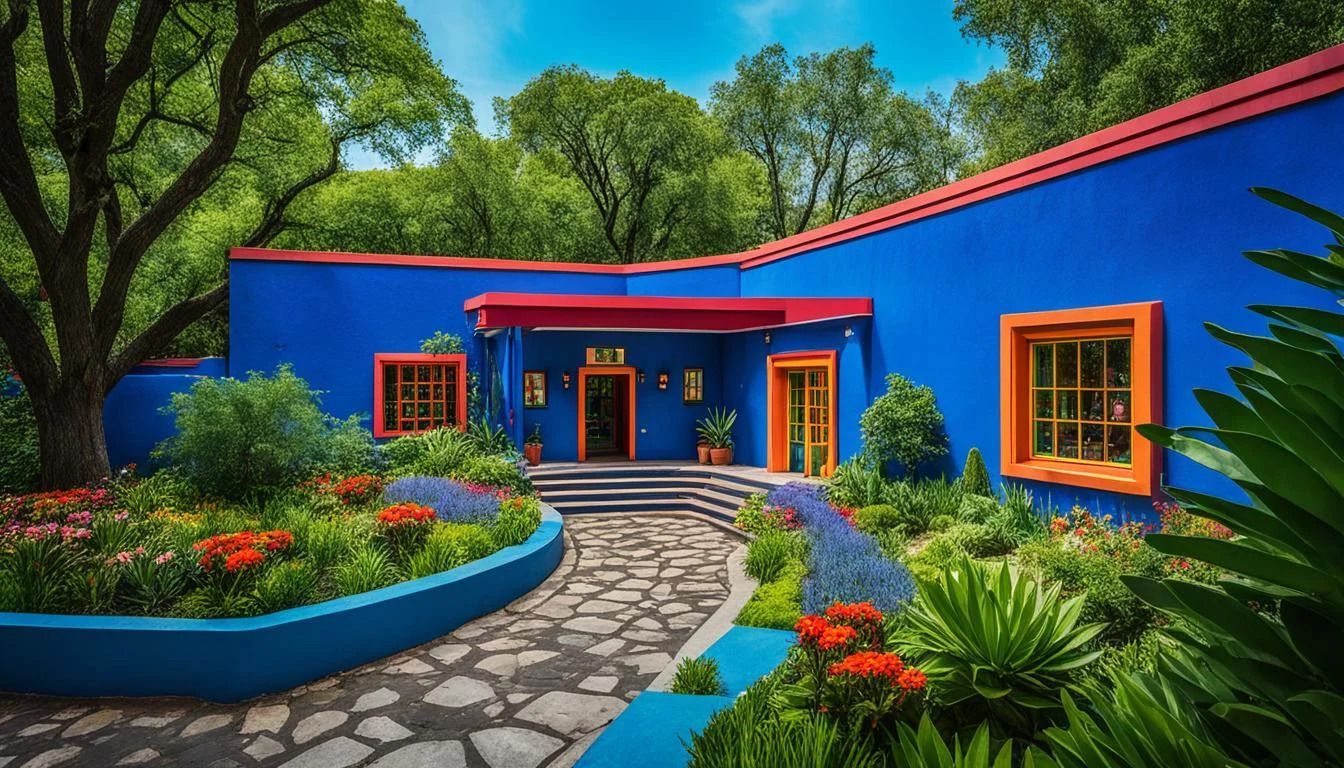
Mexico City
## Description Museo Frida Kahlo, also known as Casa Azul, is one of Mexico City’s most emotionally resonant attractions because it allows visitors to enter the personal world of one of Mexico’s most famous artists. Rather than experiencing Frida Kahlo only through reproductions of her paintings or her image as a cultural icon, Casa Azul gives a sense of the environment that shaped her life, work, and identity. The house is vivid, intimate, and unmistakably tied to her story. What makes the museum powerful is its personal scale. This is not a huge institution where you move through distant galleries at speed. It is a home, and that makes the visit feel immediate. Rooms, objects, colors, domestic details, and artwork come together to create an experience that is both museum-like and deeply human. Visitors often leave with a stronger understanding not only of Kahlo as an artist, but of her life as a person negotiating illness, creativity, politics, love, and independence. One little-known fact is that the museum houses not only Frida’s works and belongings but also domestic items and visual traces that help reconstruct the atmosphere of the house during her life. Another is that the building itself, with its blue walls and courtyard presence, has become almost as iconic as the artist. The house is immediately recognizable, yet the visit still feels personal rather than monumental. That tension is part of its appeal. The museum is also meaningful because it sits at the intersection of biography and art history. Frida Kahlo has become a global symbol, sometimes reduced to fashion or image, but Casa Azul reminds visitors that her influence came from a specific place, body, and context. The house makes the symbolic figure tangible. It gives texture to the myth without stripping away its emotional power. For travelers in Mexico City, this is one of the most essential cultural stops, especially if you want a museum that is memorable, accessible, and full of character. It is best when you arrive ready to pay close attention, because the details matter. The house rewards curiosity and reflection in equal measure. ## Location Museo Frida Kahlo is in Coyoacán, Mexico City, Mexico, in a neighborhood known for its cultural and historic charm. The area feels distinct from the city’s more central business districts, and that neighborhood character is part of the visit. The most practical way to get there is by taxi, rideshare, or public transport followed by a walk through Coyoacán. Because the museum is popular, timing matters. It is smart to plan your route in advance and allow extra time for entry and neighborhood walking. The surrounding area also gives you a chance to combine the museum with cafés, plazas, and other local sights. If possible, make Coyoacán part of the same outing so the museum does not feel isolated from its setting. The district helps explain why Casa Azul is such a fitting home for the museum experience. ## Tips Book ahead when possible. This is one of the city’s most popular museums, and planning helps avoid disappointment. Go slowly inside. The house is most rewarding when you let yourself notice the domestic details and objects rather than rushing to the biggest names. Combine the visit with a walk in Coyoacán. The neighborhood adds a lot to the experience and makes the day feel richer. If you care about Frida Kahlo’s art, read a little about her life before going. The museum becomes much more powerful when you understand the personal context. ## Conclusion Museo Frida Kahlo is one of Mexico City’s most important cultural experiences because it transforms a famous name into a lived, tangible story. Casa Azul is essential for anyone interested in art, biography, or Mexican cultural history. ## FAQ **Why is Casa Azul so famous?** It was Frida Kahlo’s home and is now a museum devoted to her life and work. **Should I book tickets in advance?** Yes, that is strongly recommended. **How long does the visit take?** Around one to two hours is typical, though some visitors spend longer. **Is it worth visiting if I only know Frida Kahlo from images?** Yes. The museum adds real depth to her story. **What else should I do nearby?** Explore Coyoacán’s plazas, cafés, and historic streets. ## Links - [Official website](https://www.museofridakahlo.org.mx/) - [Wikipedia](https://en.wikipedia.org/wiki/Frida_Kahlo_Museum)
GemVoyage Team • World