GemVoyage Team • World
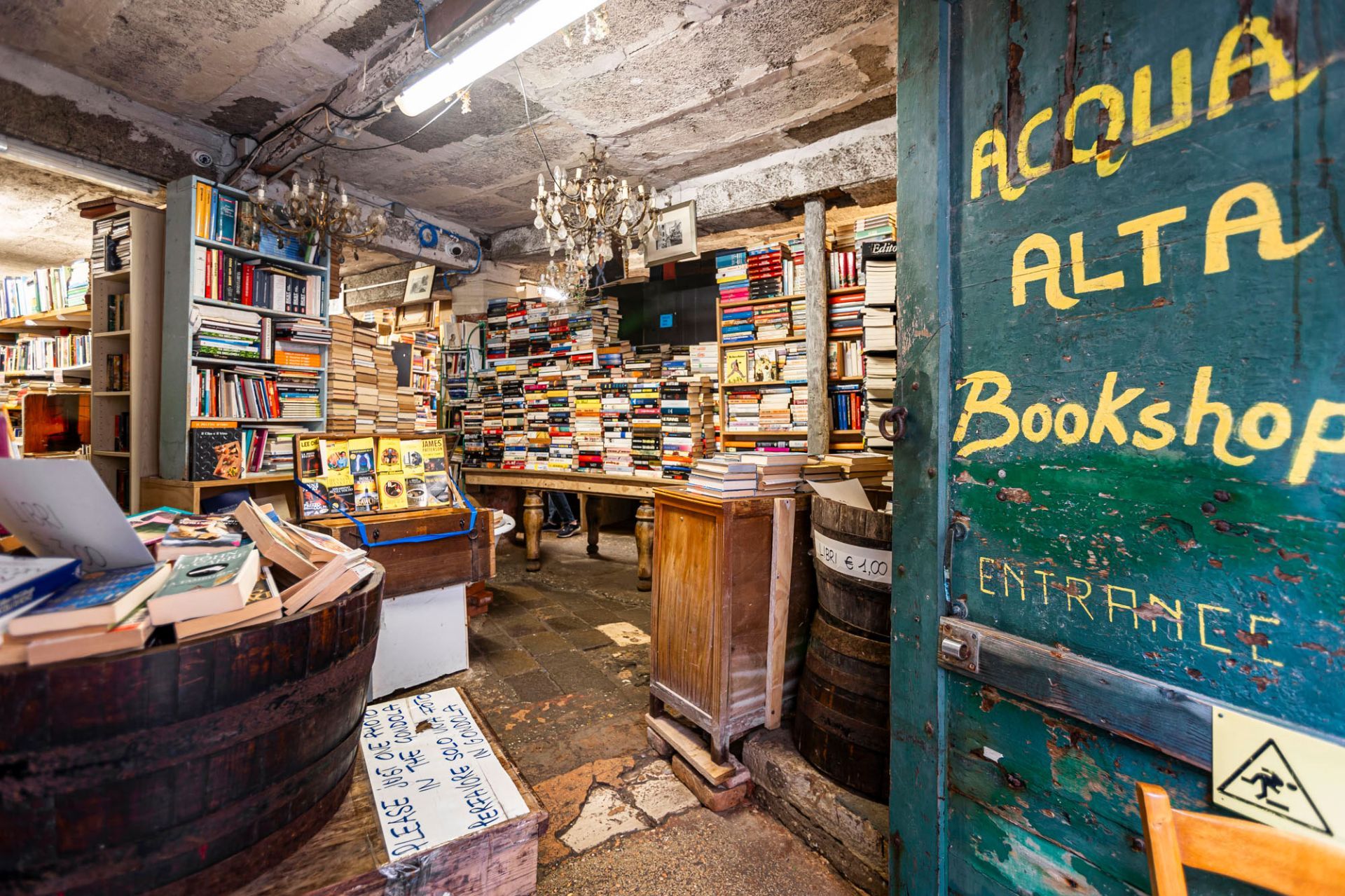
The appeal of Libreria Acqua Alta goes far beyond novelty. It has the atmosphere of a place assembled over time by someone who loves books, Venice, and improvisation. Visitors come for the stacks, but they stay because the shop feels like a small labyrinth of discovery. Narrow passages, uneven piles, old printed matter, comic visual arrangements, and hidden corners make it feel more like an exploratory space than a retail environment. It is the kind of place where you do not simply browse; you wander, pause, and notice details that would never appear in a standard chain bookstore.
One little-known fact is that the shop has become famous not only among tourists but also among photographers and design-minded travelers who appreciate its unusual composition. Another is that the bookstore reflects a broader Venetian reality: people in the city have long adapted to water rather than pretending it does not shape daily life. That makes the store culturally resonant. It is not just cute. It is a visible expression of Venice’s ongoing negotiation with its environment.
Another reason it resonates with visitors is that it is surprisingly layered. You can find secondhand books, old editions, postcards, and visual quirks that reward slow attention. There is also a cat-like, lived-in quality to the place, which makes it feel personal rather than curated to the point of sterility. That balance between charm and clutter is part of why it has become so beloved.
For travelers, the experience is best approached with no rush. It is not a place to simply tick off a list. You should allow yourself time to look through the space, enjoy the odd arrangements, and accept that the entire point is to be slightly lost in it. That is very much part of the Venetian mood.
The bookstore also shows how Venice often turns constraint into character. Flooding, narrow streets, and dense historic fabric all create real limitations, but the city’s best places tend to respond with ingenuity rather than correction. Libreria Acqua Alta fits that pattern perfectly. It is funny, beautiful, and a little chaotic, but the chaos is meaningful. For visitors who enjoy places with personality, it is one of Venice’s most rewarding small stops.
The best way to get there is on foot. Venice is a walking city, and the bookstore is easiest to reach by navigating slowly through the lanes with a map or navigation app. Depending on your starting point, you may arrive from the Rialto or San Marco area and continue through smaller streets. That walking approach is part of the fun, because the route itself helps set the atmosphere before you even reach the shop.
If you are arriving by vaporetto, use a nearby stop and continue on foot. Because the streets can be confusing, give yourself more time than you think you need so you do not arrive feeling rushed.
Bring a camera or phone, but be respectful while photographing. The shop is visually rich, but it is still a working bookstore and not just a set piece.
Do not expect a big, organized retail layout. The joy is in the disorder and surprise, so the more relaxed your expectations, the better the visit will feel.
If you enjoy books, browse carefully for unusual editions or visual treasures. Even if you do not buy anything, the atmosphere makes the stop worthwhile.
Can you buy books there? Yes. It is a functioning bookstore with a range of used and new items.
Is it easy to find? It can take a bit of navigating, so walking slowly with a map is best.
How much time should I allow? Around thirty to sixty minutes is usually enough, though book lovers may stay longer.
Is it worth visiting even if I am not a big reader? Yes. The setting alone makes it one of Venice’s most unusual and photogenic stops.
Discover more hidden gems you might love.
Cairo
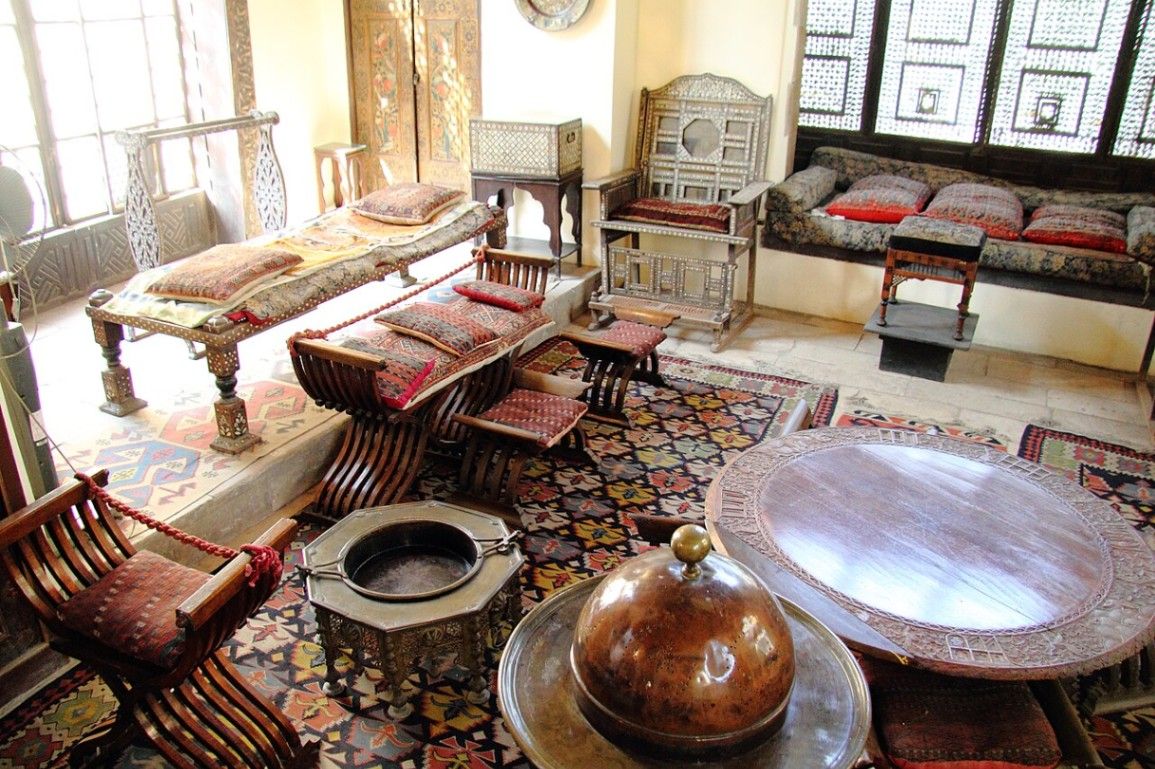
## Description Tucked away in the heart of historic **Cairo**, beside the magnificent **Ibn Tulun Mosque**, lies one of Egypt’s most enchanting and well-preserved heritage houses — the **Gayer-Anderson Museum** (Arabic: **بيت الكريتلية**, *Beit al-Kritliyya*). This remarkable museum offers a captivating journey into the world of **Islamic architecture, art, and domestic life**, transporting visitors back to the golden centuries of Cairo’s past. The museum is named after **Major R.G. Gayer-Anderson**, a British army officer, physician, and passionate collector who lived in Cairo in the 1930s. Fascinated by Egyptian and Islamic culture, he restored and furnished two adjoining 16th–17th century Ottoman-era houses — **Beit al-Kritliyya** and **Beit Amna bint Salim** — creating a living museum that preserves the elegance and sophistication of old Cairo homes. Inside, the museum unfolds as a labyrinth of **beautifully decorated rooms, wooden mashrabiya screens, marble courtyards, and intricately carved ceilings**. Each space tells a story: from the **Harem Room** with its intimate lattice windows, to the **Persian Room** adorned with exquisite carpets and calligraphy, and the **Damascus Room**, with its painted wood panels imported from Syria. The collection itself is a treasure trove — **antique furniture, carpets, glassware, manuscripts, Islamic ceramics, and artworks** gathered from Egypt, the Middle East, and beyond. One of the most striking displays is the **Pharaonic Room**, showcasing Gayer-Anderson’s fascination with ancient Egypt, including a replica of the famous **Gayer-Anderson Cat**, whose original is housed in the British Museum. A lesser-known fact is that the house is believed to be built on an ancient **Nilometer** (a device used to measure the Nile’s water levels), and local legends claim it once stood on the site of a **temple to Hathor**, the ancient Egyptian goddess of love and beauty. The building itself also served as a filming location for the **James Bond film “The Spy Who Loved Me” (1977)**, giving it a touch of cinematic fame. With its combination of **Islamic elegance, artistic detail, and historical charm**, the Gayer-Anderson Museum remains one of Cairo’s most atmospheric — yet often overlooked — attractions, offering a rare glimpse into Egypt’s layered cultural identity. ## Location The **Gayer-Anderson Museum** is located in the **Sayyida Zeinab district** of **Cairo**, Egypt, right beside the **Ibn Tulun Mosque**, one of the city’s oldest and most beautiful mosques. **Address:** Ahmed Ibn Tulun Street, Sayyida Zeinab, Cairo, Egypt To get there: * **By metro:** Take the **Cairo Metro Line 1** to **Saad Zaghloul** or **Sayyida Zeinab Station**, then a short taxi or tuk-tuk ride to Ibn Tulun Mosque. * **By taxi or ride app:** Simply tell the driver *“Beit al-Kritliyya near Ibn Tulun Mosque.”* It’s a well-known heritage site. * **By walking:** If you’re exploring **Islamic Cairo**, it’s a 15–20 minute walk from **Sultan Hassan Mosque** or **Al-Rifa’i Mosque**. * **By tour:** Many guided tours of Islamic Cairo include the museum as part of their itinerary. ## Tips * **Visit in the morning:** The museum is quieter and cooler in the early hours, allowing for a peaceful exploration of its rooms and courtyards. * **Pair your visit with Ibn Tulun Mosque:** The two sites are adjacent, and their architectural harmony makes for an ideal cultural outing. * **Take a guided tour:** The museum’s exhibits are best appreciated with context — a local guide can explain the symbolism behind each room and object. * **Photography:** Allowed in most areas (check current policy), but flash is often prohibited. Bring a camera for the stunning interiors. * **Look for the mashrabiya windows:** These wooden lattice screens were designed for privacy and ventilation — an essential feature of Islamic domestic architecture. * **Wear comfortable shoes:** You’ll walk through narrow staircases and multiple levels, so flat shoes are recommended. * **Visit nearby sites:** The **Citadel of Salah al-Din**, **Sultan Hassan Mosque**, and **Khan el-Khalili Bazaar** are all within short driving distance. ## Conclusion The **Gayer-Anderson Museum** is one of Cairo’s most captivating cultural landmarks — a living time capsule of Islamic art, architecture, and tradition. Blending Egyptian, Ottoman, and Persian influences, it embodies the cosmopolitan soul of Cairo through centuries of history. Whether you’re an art lover, a history enthusiast, or simply a curious traveler, wandering through the rooms of **Beit al-Kritliyya** is like stepping into another era — one where craftsmanship, elegance, and storytelling merge beautifully under the Cairo sun. ## FAQ **1. Who was Gayer-Anderson?** Major **R.G. Gayer-Anderson** was a British officer and collector who lived in Cairo in the 1930s and transformed two Ottoman-era houses into the museum we see today. **2. What is special about the museum?** It combines **Islamic architecture, antique collections, and traditional Egyptian home design**, offering an authentic look at life in old Cairo. **3. When was the museum established?** The houses date back to the **16th and 17th centuries**, and the museum officially opened to the public in **1945**. **4. Where is the museum located?** It’s beside the **Ibn Tulun Mosque** in the **Sayyida Zeinab district** of Cairo. **5. What are the museum’s opening hours?** Typically open daily from **9:00 AM to 5:00 PM**, though times may vary during Ramadan or national holidays. **6. Can I take photos inside?** Photography is generally allowed for a small additional fee; flash photography may be restricted in some rooms. **7. What nearby attractions can I visit?** The **Ibn Tulun Mosque**, **Citadel of Salah al-Din**, **Sultan Hassan Mosque**, and **Khan el-Khalili Bazaar** are all close by. ## Links * [Egyptian Ministry of Tourism and Antiquities – Official Site](https://egymonuments.gov.eg) * [Gayer-Anderson Museum Information](https://egymonuments.gov.eg/museums/gayer-anderson-museum)
GemVoyage Team • World
Tanga
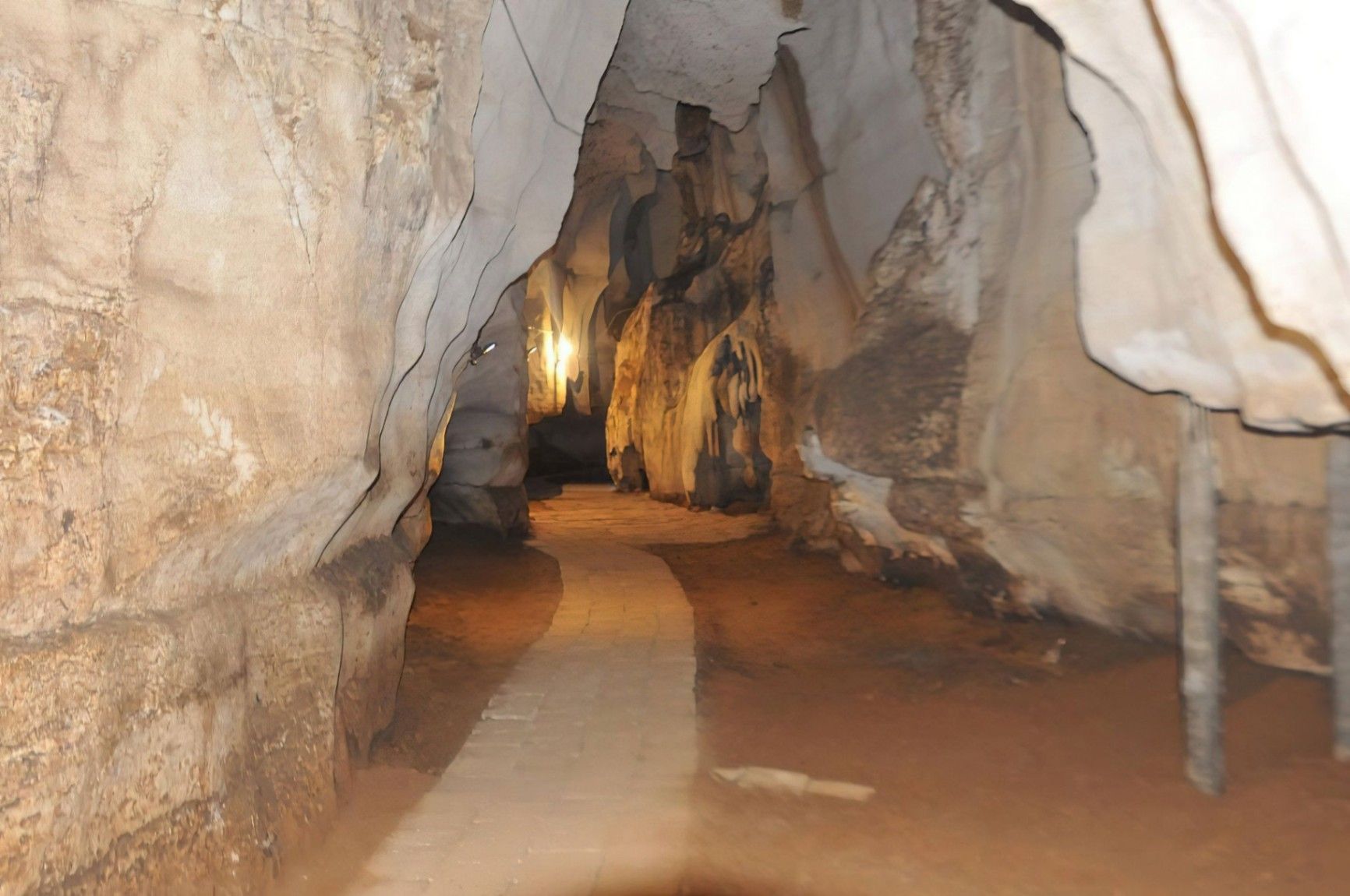
## Description Amboni Caves are among the most fascinating natural attractions in Tanzania, offering visitors a journey into an ancient underground world shaped by time, water, and geology. These limestone caves are believed to be over 150 million years old, making them one of the oldest cave systems in East Africa. With dark chambers, narrow passageways, and dramatic rock formations, Amboni Caves provide a sense of mystery and adventure that contrasts sharply with the nearby coastal landscapes. What makes Amboni Caves truly unique is their combination of natural, cultural, and spiritual significance. The caves are not only a geological marvel but also a site deeply connected to local beliefs and traditions. Many chambers are associated with spiritual practices, and some are still used for traditional rituals by surrounding communities. A little-known fact is that the caves are named after a colonial-era engineer, Amboni, who is believed to have popularized their exploration, although local communities had known and used the caves long before. Another lesser-known detail is that the cave system consists of at least ten interconnected chambers, each with its own name, legend, and distinct rock formations. Visiting Amboni Caves is both an educational and atmospheric experience, offering insight into Tanzania’s natural history as well as its living cultural traditions. ## Location Amboni Caves are located in **Tanzania**, in the **Tanga Region**, near the city of **Tanga**, along the northeastern coast of the country. The caves are situated about 6 kilometers north of Tanga city center, close to the Indian Ocean. Reaching the caves is relatively easy. Visitors can take a taxi or local transport from Tanga, with the journey usually taking 15 to 20 minutes. For travelers coming from other parts of Tanzania, Tanga is accessible by road, train, or domestic flights. Once near the site, a short walk leads to the cave entrance. Hiring a local guide at the site is strongly recommended, as the cave layout can be confusing without assistance. ## Tips * Always visit with a local guide, as the caves are dark, complex, and rich in cultural meaning. * Wear sturdy shoes with good grip, since the cave floors can be slippery and uneven. * Bring a flashlight or headlamp, even if guides provide lighting, for better visibility. * Dress comfortably and be prepared for warm and humid conditions inside the caves. * Respect local customs, as certain areas may be considered sacred. * Visit earlier in the day for a quieter experience and better overall visibility. ## Conclusion Amboni Caves offer a rare opportunity to explore one of Tanzania’s oldest natural formations while learning about the cultural traditions connected to it. With their ancient rock structures, spiritual significance, and sense of adventure, the caves stand out as a unique and rewarding destination near Tanga. ## FAQ **Are Amboni Caves safe to visit?** Yes, they are safe when visited with an experienced local guide who knows the cave layout and conditions. **How long does a visit to Amboni Caves take?** Most guided visits last between 45 minutes and 1.5 hours, depending on the route and interest level. **Is the site suitable for children?** Older children may enjoy the experience, but very young children might find the dark and narrow spaces challenging. **Is there an entrance fee?** Yes, a small entrance fee is usually charged, with additional costs for guided tours. **Can I take photos inside the caves?** Photography is generally allowed, but flash use and certain areas may be restricted, so always ask your guide. ## Links * [Tanzania Tourist Board](https://www.tanzaniatourism.go.tz) * [Tanga Region Information](https://www.tanga.go.tz)
GemVoyage Team • World
Vienna
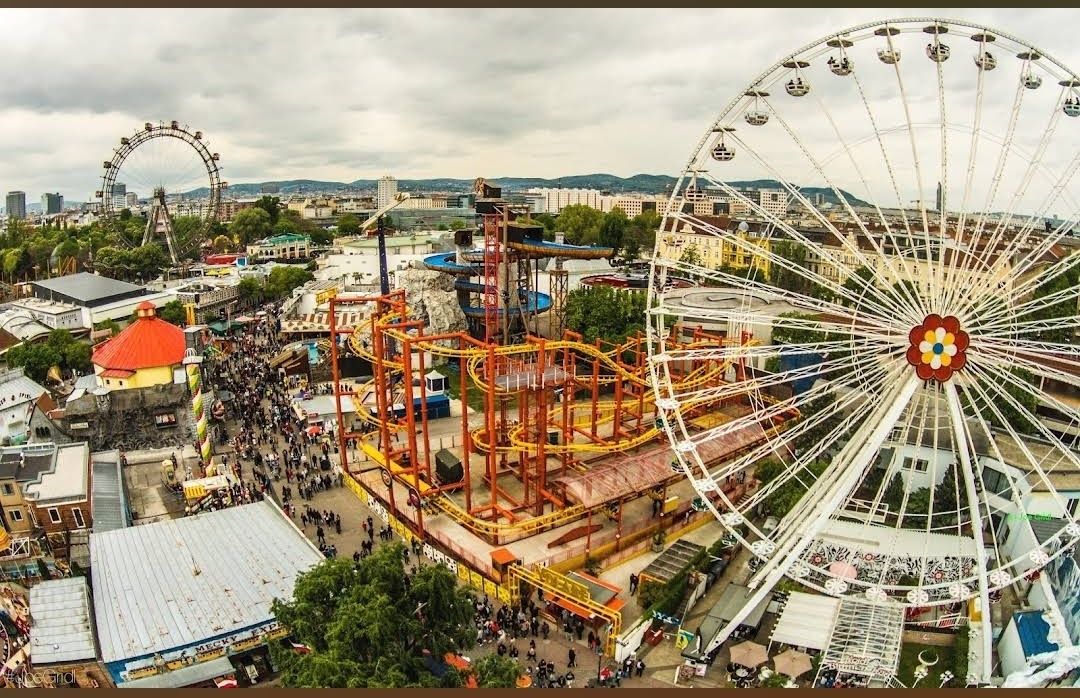
## Description **Prater Funpark** in Vienna, commonly referred to as the **Wurstelprater**, is one of Europe’s most iconic amusement parks and a beloved attraction for both locals and tourists. Nestled within the vast Prater public park, this funfair has been entertaining visitors for over 250 years. It’s a place where history, nostalgia, and modern thrills come together, offering everything from traditional carousels and bumper cars to cutting-edge roller coasters and high-adrenaline rides. What makes the Prater unique is its blend of old-world charm and contemporary entertainment. The park’s symbol, the **Wiener Riesenrad** (Giant Ferris Wheel), dates back to 1897 and is one of Vienna’s most recognized landmarks. Riding the Ferris wheel provides not only fun but also breathtaking panoramic views of the city. At the same time, newer attractions like turbo coasters and virtual reality experiences ensure that thrill-seekers are never bored. **Little-known facts**: * The Prater was originally an imperial hunting ground before being opened to the public in 1766. The amusement park grew organically from stalls, performers, and small rides. * Unlike most theme parks, **entry to the Prater Funpark is free**. Visitors pay only for the rides and attractions they choose, making it a flexible experience for all budgets. --- ## Location Prater Funpark is located in **Vienna**, the capital of **Austria**, within the **Leopoldstadt district**. It sits inside the larger **Prater public park**, a green oasis that stretches over six square kilometers and also includes walking paths, meadows, and sports facilities. ### How to get there: * **By metro**: The fastest way is to take the U1 or U2 subway lines to the station **Praterstern**, which is just a short walk from the park. * **By tram**: Trams 0 and 5 also stop near Prater. * **By foot or bike**: Visitors staying in central Vienna can enjoy a scenic walk or bike ride to the park, as it’s close to the city center. --- ## Tips * **Visit in the evening**: The Prater comes alive after sunset when the rides light up, creating a magical carnival atmosphere. * **Don’t miss the Giant Ferris Wheel**: It’s the park’s most famous attraction and a must for first-time visitors. * **Plan your budget**: Since entry is free but rides are paid individually, decide beforehand how many attractions you’d like to try. Ride prices vary, so bringing cash can be useful. * **Try the local food stalls**: Beyond rides, the park is known for its traditional Austrian snacks like bratwurst, pretzels, and candied nuts. * **Combine with a stroll in the Prater park**: After the excitement of the rides, the surrounding green spaces offer a relaxing contrast. * **Check seasonal events**: The park hosts festivals, concerts, and themed events throughout the year, especially during summer and around Christmas. --- ## Conclusion Prater Funpark in Vienna is more than just an amusement park—it’s a cultural institution that blends history, fun, and nostalgia. With its mix of historic attractions like the Wiener Riesenrad and thrilling modern rides, it offers something for everyone, from families to adrenaline junkies. Whether you go for the rides, the food, or the atmosphere, the Prater promises an unforgettable Viennese experience. --- ## FAQ **1. Is there an entrance fee for Prater Funpark?** No, entrance is free. Visitors only pay for the rides and attractions they choose. **2. What is the most famous ride at Prater?** The **Wiener Riesenrad (Giant Ferris Wheel)** is the park’s most iconic attraction and a symbol of Vienna. **3. When is the best time to visit?** Evenings are particularly magical with illuminated rides, but daytime visits are better for families with young children. **4. How long should I plan to spend at Prater?** Most visitors spend 2–4 hours, though you could easily spend a whole day enjoying the rides and the larger Prater park. **5. Is Prater open year-round?** The park is open all year, but many rides operate seasonally, typically from March to October. The Giant Ferris Wheel and some attractions remain open in winter. **6. Can I find food and drinks inside the park?** Yes, the park is filled with restaurants, snack stalls, and beer gardens serving Austrian and international food. --- ## Links * [Prater Wien – Official Website](https://www.praterwien.com/) * [Wiener Riesenrad – Official Website](https://www.wienerriesenrad.com/)
GemVoyage Team • World

Tirana
## Description The Grand Park of Tirana is one of the city’s most important public spaces and one of the best places to understand how Tirana balances urban growth with everyday leisure. Often treated simply as a park, it is actually a large and layered landscape that includes walking paths, shaded areas, open lawns, the artificial lake, family spaces, cafés, and quiet corners where people come to jog, socialize, or simply rest away from the intensity of the city center. For visitors, it offers an easy way to experience a more relaxed side of Tirana without leaving the capital. What makes the Grand Park special is its role as a civic landscape. It is not only a place for tourists; it is part of daily life for residents. People use it in the morning for exercise, in the afternoon for strolls, and in the evening for gatherings. That local rhythm gives the park a real sense of authenticity. One little-known fact is that the area around the lake and its green edges has changed significantly over time, reflecting broader shifts in how Tirana has developed as a modern city. Another interesting point is that the park’s size makes it one of the city’s most important environmental buffers, helping create a calmer microclimate in a fast-growing urban area. The Grand Park is also a good place for visitors who want to slow down their sightseeing. Tirana can feel energetic and busy, and the park offers balance. You can walk, rent a bike in some areas, sit by the water, or simply watch the city’s social life unfold. It is not a museum-like attraction with a fixed narrative; it is a lived-in urban landscape. That flexibility is part of its appeal, because it can fit into a trip in many different ways: as a morning workout, a midday break, a sunset walk, or a family outing. ## Location The Grand Park of Tirana is in southern-central Tirana, Albania, extending around the artificial lake and nearby green spaces. Because it covers a large area, there is no single exact “entrance” experience; instead, visitors usually approach it from the city side that is most convenient for their itinerary. The easiest way to get there is by taxi, ride-hailing, or a long walk from central Tirana. Many travelers also reach the park from nearby neighborhoods on foot. If you are already exploring central landmarks, it makes sense to build in a walking break and head toward the lake. Since the park is broad, choose a route that matches the part you want to see most, whether that is the waterfront, the tree-lined paths, or the recreational zones. ## Tips Go early in the day or near sunset for the most pleasant temperatures and the nicest light around the lake. Wear comfortable shoes because the park is best enjoyed on foot. If you like a local atmosphere, spend time watching how residents use the park rather than focusing only on the scenery. Bring water and expect a leisurely pace; this is a place for lingering, not rushing. ## Conclusion The Grand Park of Tirana is a spacious urban retreat that gives visitors a calmer, more local perspective on the Albanian capital. ## FAQ ### Is the Grand Park of Tirana good for tourists? Yes. It is one of the easiest and most enjoyable places to experience daily life in Tirana. ### Can I walk around the lake? Yes, the park is designed for walking and recreation, though routes vary by area. ### Is it family-friendly? Very much so. It is one of the city’s most popular family and leisure spaces. ### How long should I spend there? Anywhere from one hour to half a day, depending on whether you want a short walk or a longer picnic-style visit. ### What is the best time to go? Early morning and late afternoon are usually the most pleasant times. ## Links - [Tirana tourism information](https://visit-tirana.com/) - [Grand Park of Tirana on Wikipedia](https://en.wikipedia.org/wiki/Grand_Park_of_Tirana)
GemVoyage Team • World
Oslo
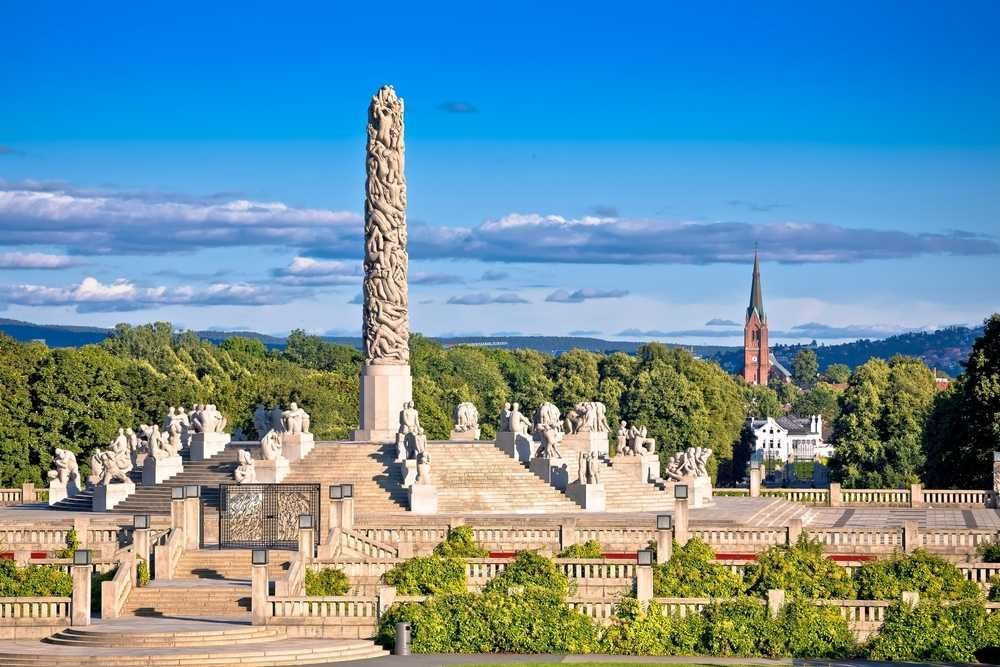
## Description Vigeland Sculpture Park is already one of Oslo’s essential attractions, but its hidden corners offer a more thoughtful and rewarding experience for visitors who go beyond the main axis. Most people know the central path and the iconic sculptures that define the park’s visual identity, but the quieter side areas, peripheral routes, and less obvious viewpoints can reveal a different relationship between sculpture, space, and public life. Exploring these hidden corners gives the park a more layered feeling and helps you appreciate it as a landscape rather than just a photo stop. The obvious sculptures draw crowds for good reason, but the park’s subtler areas often show how carefully the whole environment has been designed. Small changes in angle, distance, and elevation can alter how you perceive the figures and the surrounding open space. That means a visit can become a kind of visual study if you take your time. One lesser-known fact is that the park has been shaped around a long artistic vision that extends beyond individual sculptures, which is why the less visited areas still feel coherent rather than secondary. Another interesting point is that weather and light dramatically change the experience, so even a familiar sculpture can feel new when viewed from a quiet side path. For travelers, the hidden corners are especially appealing if they want to avoid the most crowded photo spots or if they have already seen the park’s main highlights. You do not need to be an art specialist to enjoy this approach; in fact, simply slowing down and paying attention is enough. The hidden areas often reward curiosity more than prior knowledge. That makes them ideal for repeat visitors, photographers, and anyone who prefers an experience that feels slightly less scripted. ## Location Vigeland Sculpture Park is in the Frogner area of Oslo, Norway, within the larger Frogner Park. The hidden corners are scattered through the same park grounds, so they are reached by moving away from the busiest central promenade and exploring the surrounding paths. The easiest way to get there is by tram, bus, or a walk from central Oslo, followed by time on foot inside the park. Since the best hidden corners are not signposted as a separate attraction, the main strategy is to arrive at the park and then wander with intention. Comfortable walking shoes matter more than anything else. ## Tips Go early or late in the day if you want fewer crowds and more space to explore. Do not focus only on the central sculpture axis; the quieter side paths are where the hidden corners reveal themselves. Bring a camera and spend time looking back toward the main sculptures from different angles. If you have already visited once, return in another season to see how the mood changes. ## Conclusion The hidden corners of Vigeland Sculpture Park offer a richer, calmer, and more reflective way to experience one of Oslo’s signature cultural landscapes. ## FAQ ### What are the hidden corners of Vigeland Sculpture Park? They are the quieter side paths and less obvious areas beyond the park’s main sculptural route. ### Is this different from the main park visit? Yes. It is a more exploratory way to experience the same park. ### Do I need a guide to find them? No, but a slow walk and willingness to wander help a lot. ### Is it worth doing if I have already seen the park? Definitely. It gives you a deeper perspective on the layout and atmosphere. ### When is the best time to explore? Early morning, late afternoon, or any quieter period with good light. ## Links - [Official Vigeland Park information](https://vigeland.museum.no/en/vigelandpark) - [Vigeland Park on Wikipedia](https://en.wikipedia.org/wiki/Vigeland_Sculpture_Park)
GemVoyage Team • World
Tirana
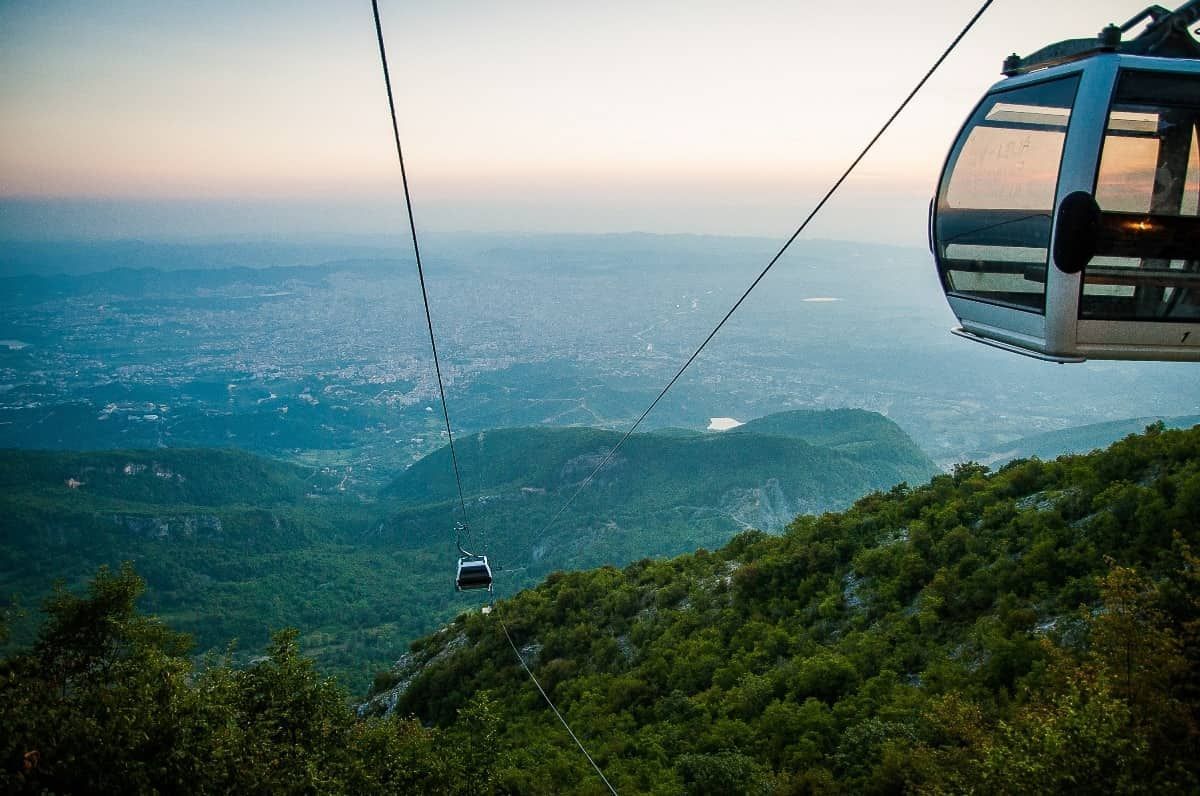
## Description The Dajti Mountain Cable Car, often known as Dajti Express, is one of Tirana’s most memorable experiences because it turns the journey itself into the attraction. Instead of treating the mountains as a distant backdrop, the cable car lifts you gradually from the city’s edge into a greener, quieter world with wide views over the Albanian capital and beyond. For visitors who want to understand Tirana’s geography in a single motion, it is an ideal introduction. What makes the ride special is the contrast. One moment you are near the urban fringe, where streets, buildings, and traffic define the scene; the next, you are moving above slopes and trees with a far more relaxed atmosphere. That dramatic shift is part of the appeal. You do not need to be an adventure traveler to enjoy it. The cable car is accessible, scenic, and unusually effective at showing how quickly the landscape rises around the city. One little-known fact is that Mount Dajti has long served as a natural escape for Tirana residents who want cooler air and open space without going far from the city. Another is that the cable car experience is often most rewarding on days with clear visibility, when the city and surrounding hills spread out in layers below you. The view changes with weather and season, so repeat visitors often discover a different mood each time. The attraction is also useful because it can anchor a full half-day rather than just a single ride. Once you arrive at the upper station, you can enjoy the mountain environment, look out over the city, eat, walk, or simply take in the more spacious setting. That makes the cable car more than transportation. It is a gentle transition from urban Albania to a mountain viewpoint with a strong sense of release. ## Location The cable car operates on the eastern outskirts of Tirana, Albania, ascending toward Mount Dajti and the surrounding national park area. It is close enough to the city to make for an easy excursion, but far enough to feel like a proper escape. Because it is on the edge of the urban area, it is especially convenient to pair with other Tirana sights in the same day. The simplest way to get there is by taxi, ride-hailing service, or private car. Public transport options may require more planning, so many visitors prefer a direct ride to the departure point. If you are staying in central Tirana, plan for a comfortable transfer rather than assuming you can walk. Once at the base station, the cable car itself is straightforward and easy to use. To make the most of the visit, choose a clear day if possible and avoid squeezing the ride into the last minutes of your schedule. The experience is best when you can spend time both on the ascent and at the top. ## Tips - Go on a clear day for the best views. Visibility is a major part of the experience. - Check operating hours and weather conditions before leaving central Tirana. - Bring a light layer, especially if you plan to stay at the top. The temperature can feel different from the city. - Combine the cable car with time at the summit rather than treating it only as a quick ride. - Use the ride to understand Tirana’s geography. It is one of the easiest ways to see how the city meets the surrounding hills. ## Conclusion The Dajti Mountain Cable Car is a simple but memorable way to rise above Tirana and enjoy a calmer, greener setting. It turns a mountain outing into an easy, scenic experience that works for many kinds of travelers. ## FAQ ### Is the cable car suitable for families? Yes. It is a relaxed activity that does not require special fitness or equipment, which makes it a good option for a wide range of visitors. ### How long should I plan for the visit? Plan for more than just the ride. The ascent, time at the top, and return journey together can easily become a half-day outing. ### Is it better to go in the morning or afternoon? Either can work, but morning often offers clearer air and a calmer start. Late afternoon can also be attractive if you want softer light and a more relaxed pace. ### Do I need a guide? No. The cable car is easy to use on your own, and most visitors can enjoy it independently.
GemVoyage Team • World

Comments