GemVoyage Team • World
The island is known for its long history as a settlement and strategic point on the Nile. It has archaeological importance that reaches deep into ancient Egyptian history, and it also reflects later periods of occupation and use. A little-known fact is that Elephantine Island was important not only as a residential and religious zone but also as a border and trade point in different eras. Another is that the island’s name comes from the appearance of rocks in the river and long-standing associations with elephants, though the history is more complex than a simple label.
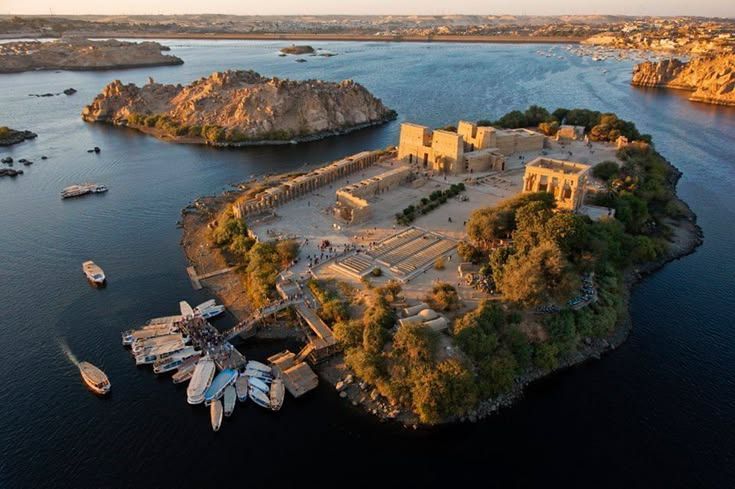
What makes the island especially appealing is its balance of ruins and lived-in environment. You are not walking through an isolated monument zone. You are on a real island where historical remains, local life, and the Nile all coexist. That gives the visit a soft, human scale that many major ruins sites do not have. You can stop to look at the water, watch boats move by, and then continue into archaeological areas without a hard transition.
For many visitors, Elephantine Island is one of the best places in Aswan to understand the city’s relationship to the river. Aswan is often experienced through temples and high-profile landmarks, but the island reveals a quieter, more continuous story of settlement and movement. It is the kind of attraction that rewards not just sight, but pace. If you give it time, it becomes one of the most atmospheric parts of a trip to Upper Egypt.
The simplest way to get there is by short boat transfer from Aswan’s waterfront. Because it is an island, transport is part of the experience rather than a secondary issue. Once there, you can explore on foot and move between the different historical and scenic points at a relaxed pace. If you are staying in Aswan, the island is easy to integrate into a day of riverfront and archaeological sightseeing.
Boat access means timing matters a little more than with land-based sites. It is sensible to coordinate with local boat operators or your hotel so you can move back and forth without waiting too long.
Allow enough time to wander. This is not just a quick ruin stop; it is a place where the combination of landscape and history matters.
If you are interested in archaeology, do a little background reading before visiting so the site’s different historical layers make more sense.
Use the boat ride as part of the appeal. The crossing helps the island feel separate from the city in a memorable way.
The island also rewards visitors who want to understand Aswan as a river city rather than just a collection of famous monuments. Elephantine’s geography tells you a great deal about how settlement, trade, and defense worked along the Nile. That broader perspective gives the site a quieter but deeper value. Even if you are only there for a few hours, the combination of water, ruins, and local life can make the visit feel unusually complete.
It also makes the island a good fit for travelers who prefer places that unfold gradually. Rather than presenting a single dominant view, Elephantine gives you small discoveries: a new angle on the river, a fragment of old stone, a path into a quieter corner, or a glimpse of ordinary life continuing near archaeological remains. That layered quality is what gives the island its charm and explains why it tends to stay in memory after the bigger, more famous monuments have blurred together.
How do you get there? By boat from Aswan’s riverfront.
Is it worth visiting if I have already seen other Aswan sites? Yes. It offers a different and more atmospheric kind of historical experience.
How much time should I spend there? At least a couple of hours if you want to explore properly.
Is it mostly ruins? No. It combines ruins, river scenery, and a lived-in island environment.
Discover more hidden gems you might love.
.jpg)
Schwerin
## Description Schwerin Castle (Schloss Schwerin) is one of Germany’s most enchanting and architecturally rich palaces, often referred to as the “Neuschwanstein of the North.” Located on an island in Lake Schwerin, this fairytale-like fortress is a masterpiece of Romantic historicism, blending Gothic, Renaissance, and Baroque elements into a harmonious whole. With its golden domes, ornate towers, and intricate façade, the castle appears to rise magically from the water, captivating visitors from every angle. Originally built as a fort in the 10th century by the Slavic Obotrites, the site evolved over centuries into a ducal residence. The current structure was largely completed between 1845 and 1857, designed by a team of renowned architects including Gottfried Semper and Friedrich August Stüler. Today, Schwerin Castle houses the state parliament of Mecklenburg-Vorpommern, a museum showcasing 19th-century art and furnishings, and hosts cultural events such as open-air theatre performances. A little-known fact: Schwerin Castle contains 635 rooms, many of which are lavishly decorated with gilded ceilings, carved woodwork, and elaborate tapestries. Another intriguing detail is the legend of the castle ghost, Petermännchen—a benevolent spirit said to protect the castle and its inhabitants. ## Location Schwerin Castle is located in **Germany**, in the **state of Mecklenburg-Vorpommern**, within the **city of Schwerin**. It sits on a small island in **Lake Schwerin**, connected to the mainland by bridges and surrounded by beautifully landscaped gardens and parkland. ### How to Get There - **By Train**: From Hamburg or Berlin, take a regional train to Schwerin Hauptbahnhof. The castle is a 15-minute walk from the station. - **By Car**: Schwerin is easily accessible via the A14 and A24 motorways. Parking is available near the castle. - **By Bus**: Local buses stop at Schloss Schwerin or nearby Lennéstraße. - **By Foot**: The city center is compact and walkable, making it easy to reach the castle on foot from most hotels and attractions. Its central location makes it ideal for a day trip or a weekend getaway from major northern German cities. ## Tips - **Visit the Museum**: The castle museum spans three floors and includes the Throne Room, Gallery of Ancestors, and opulent living quarters. - **Explore the Gardens**: The surrounding park and gardens are free to enter and offer stunning views of the castle and lake. - **Check Opening Hours**: The museum is open Tuesday to Sunday, with seasonal variations. Last entry is 30 minutes before closing. - **Use an Audioguide**: Available for a small fee, audioguides provide rich historical context and are free for children. - **Attend Cultural Events**: Look out for concerts, exhibitions, and theatrical performances held in the castle courtyard. - **Photography**: The exterior is a photographer’s dream, especially at sunrise or sunset. Interior photography may be restricted in some rooms. ## Conclusion Schwerin Castle is a stunning blend of history, architecture, and natural beauty. With its lakeside setting, lavish interiors, and rich cultural heritage, it offers a magical experience that’s both visually and intellectually rewarding. ## FAQ **1. What are the opening hours of Schwerin Castle?** April to October: Tuesday–Sunday, 10:00 AM–6:00 PM October to April: Tuesday–Sunday, 10:00 AM–5:00 PM **2. What is the entrance fee?** Adults: €8.50 Reduced: €6.50 Children under 18: Free Audioguide: €2.00 (free for children) **3. Is Schwerin Castle suitable for children?** Yes, children are welcome and can enjoy the gardens, museum exhibits, and ghost stories. **4. Can I take photos inside the castle?** Photography is allowed in most areas, but flash and tripods may be restricted. **5. Is the castle wheelchair accessible?** Parts of the museum and gardens are accessible, but some historic areas may have limited access. **6. How long should I plan for a visit?** Allow 2–3 hours to explore the museum and gardens thoroughly. ## Links - [Schwerin Castle – Wikipedia Overview](https://en.wikipedia.org/wiki/Schwerin_Castle) - [Schwerin Castle – Mecklenburg Tourism Guide](https://www.mecklenburg-schwerin.de/en/sights/schwerin-and-schwerin-castle/schwerin-castle/)
GemVoyage Team • World

Socotra
## Description Socotra Island feels like a fragment of another planet — a remote, windswept archipelago in the northwest Indian Ocean whose flora and landscapes defy easy comparison. Part of Yemen’s Socotra Archipelago, the island is famed for its unique biodiversity: roughly one-third of its plant species are endemic, meaning they occur nowhere else on Earth. The emblematic dragon’s blood tree (Dracaena cinnabari) with its umbrella-like silhouette and deep red sap has become a symbol of Socotra’s otherworldly charm. Across the island, landscapes alternate between bizarre limestone plateaus, dramatic sea cliffs, windswept sand flats and pristine white-sand beaches framed by coral reefs. The experience of Socotra is defined by its isolation. Thousands of years of relative climatic stability have allowed life to evolve along separate lines, producing a cast of plants and small reptiles adapted to arid conditions and shallow soils. Visitors remark on the sculptural shapes and strange textures of the vegetation: bulbous succulents, twisted bottle trees, and dense thorny thickets that host endemic birds and invertebrates. This is a place for slow observation — botanizing on rock-strewn plateaus, watching seabirds along cliffs, and learning how local communities have adapted pastoral and fishing traditions to the island’s rhythms. Beyond flora and fauna, Socotra offers an immersive cultural layer. The island’s towns and villages, led by the main hub of Hadibo, display a traditional way of life that blends Bedouin pastoralism with fishing and small-scale commerce. Over the past decade eco-tourism has grown carefully: small guesthouses and locally guided tours emphasize conservation and community benefit. For the adventurous traveler the island’s remote tracks, sea caves and beaches promise solitude and dramatic light, perfect for landscape photography, contemplative walking and quiet wildlife encounters. ## Location Socotra is located in the northwest Indian Ocean, administratively part of Yemen, lying closer to the Horn of Africa than to the Arabian mainland. The island’s primary settlement and logistical hub is Hadibo (sometimes spelled Hadibu) on the northern coast. Historically, reaching Socotra has required careful planning: flights are limited and schedules change with political and logistical conditions. When available, small charter flights connect Socotra with mainland Yemen and, occasionally, regional hubs; sea access — via carefully arranged boat charters or local vessels — is an alternative for those with flexible timing. Because access can be intermittent, most independent travelers book through experienced operators who handle permits, inter-island travel, and local liaison. Visitors should check visa requirements and entry permits well in advance, and factor in contingency days for travel delays. Once on the island, Hadibo serves as the staging point for day trips inland to the Dixam Plateau, the Hagghier Mountains, and coastal excursions to remote beaches and snorkeling sites. ## Tips - **Check travel advisories and logistics:** Socotra’s access and safety status can change with regional developments. Before planning, consult official travel advisories, contact tour operators, and verify flight or sea schedules. Leave buffer days in your itinerary for unexpected delays. - **Use licensed local guides and operators:** Knowledgeable local guides are essential for navigating rocky tracks, interpreting plant life, and arranging transport to remote sites. Hiring local guide services supports the economy and ensures respectful interaction with communities. - **Respect fragile ecosystems:** Much of Socotra’s ecology is fragile. Stick to established tracks, avoid trampling vegetation, do not remove plants or geological material, and use minimal-impact camping practices. - **Pack for varied conditions:** Inland plateaus and mountains can be hot and dry during the day and chilly at night; coastal winds can be strong. Bring sun protection, sturdy hiking boots, a light windproof layer, and a reusable water bottle with a reliable purification method. - **Plan photography and drone use carefully:** Drones may be restricted to protect wildlife and privacy. Always ask local guides about regulations and cultural sensitivities before using camera equipment. - **Health and safety:** Medical facilities on Socotra are basic. Carry a well-stocked first-aid kit, any personal medications, and consider travel insurance with emergency evacuation coverage. Be up to date on routine vaccinations and check for recommended travel vaccines. - **Support local communities:** Choose guesthouses and guides that employ local staff, buy produce and crafts locally, and respect local dress and customs in villages. ## Conclusion Socotra is a destination for travelers who seek radical otherness and ecological rarity. Its alien plant forms, remote beaches, and quiet villages offer an experience both humbling and exhilarating — a reminder of how geographic isolation shapes life in remarkable ways. Thoughtful visitors who arrive well-prepared will find a landscape rich with photographic opportunities, quiet hiking routes, and meaningful encounters with local people and culture. Above all, Socotra rewards patience: time spent watching a dragon’s blood tree silhouette against the sky, or exploring a limestone plateau at dusk, lingers long after the trip ends. ## FAQ - **Q: Is Socotra safe to visit?** A: Safety and access can vary with regional and political conditions. Check up-to-date government travel advisories, consult experienced operators who run tours to Socotra, and register your travel plans with your embassy when appropriate. - **Q: How long should I spend on Socotra?** A: A well-paced visit typically runs 6–10 days. This allows time to explore the Dixam Plateau, the Hagghier Mountains, coastal beaches and a few village visits without feeling rushed. - **Q: When is the best time to visit Socotra?** A: The most comfortable travel window is during the cooler months, roughly October through April. Monsoon-related weather and hot summer temperatures can make travel more difficult in other months. - **Q: Can I arrange independent travel or do I need a tour operator?** A: Because flights and permits are limited, most travelers use reputable operators who arrange logistics, guides and permits. Independent travel is possible but requires local contacts and contingency planning. - **Q: What should I bring for wildlife and landscape photography?** A: Bring a mid-range zoom lens, a wide-angle for landscapes, a sturdy tripod for low-light work, spare batteries and memory cards, and neutral-density filters for coastal long exposures. - **Q: Are there accommodations and food options on the island?** A: Hadibo has small guesthouses and basic restaurants; expect simple but hearty local meals. For remote camping or multi-day excursions, operators typically supply food and equipment — confirm details beforehand. ## Links - [Socotra — Wikipedia](https://en.wikipedia.org/wiki/Socotra)
GemVoyage Team • World
Paris
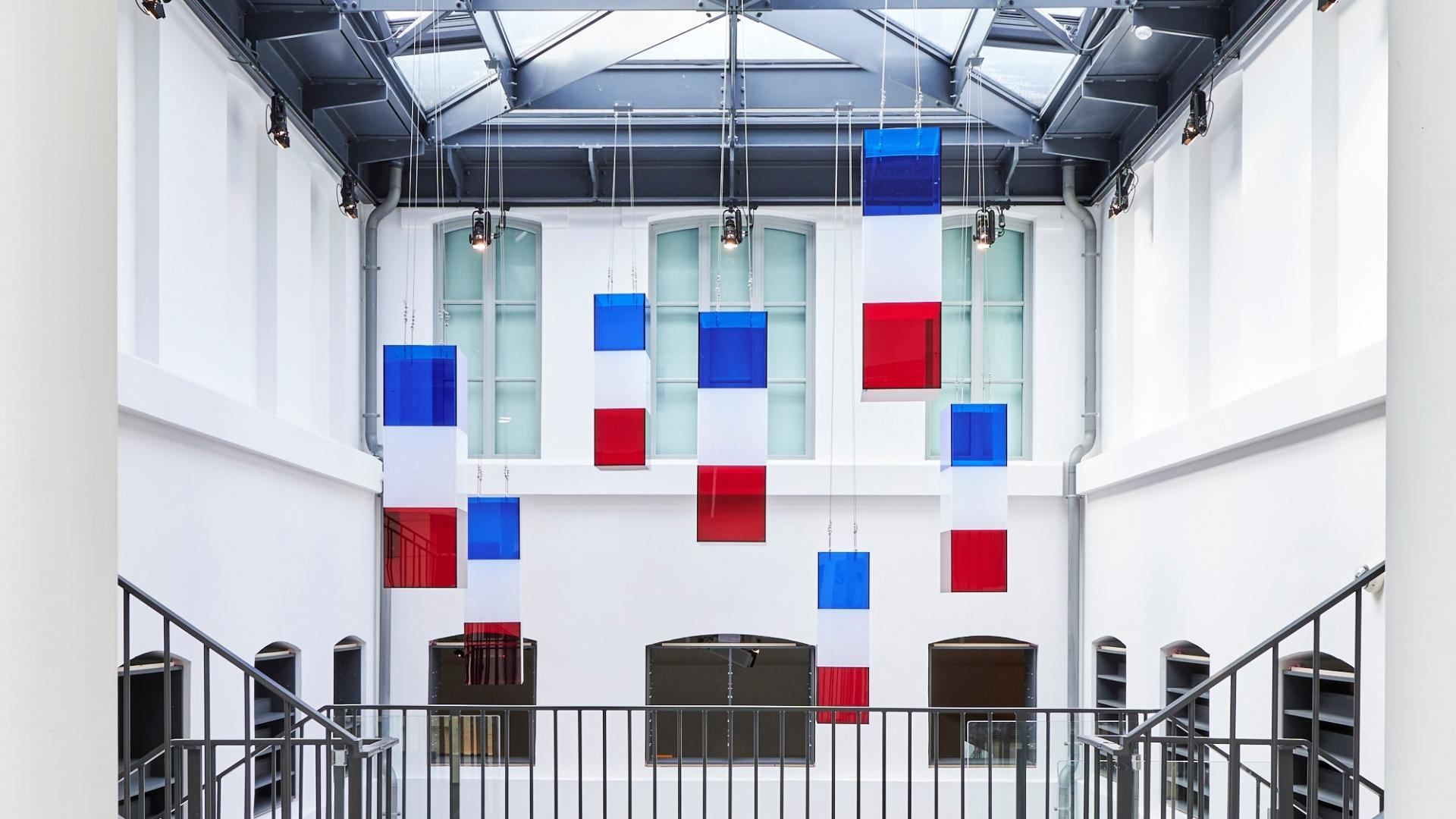
## Description **The Liberation of Paris Museum (Musée de la Libération de Paris – Musée du Général Leclerc – Musée Jean Moulin)** is one of the most important modern history museums in the French capital. Dedicated to the **German occupation of Paris (1940–1944)**, the **French Resistance**, and the **Liberation of Paris**, the museum offers a clear, unsentimental account of how the city endured, resisted, and ultimately reclaimed its freedom during World War II. What distinguishes this museum is its **focus on individuals rather than abstract events**. Through personal letters, photographs, uniforms, clandestine newspapers, and everyday objects, the museum tells the story of ordinary Parisians alongside key historical figures such as **Jean Moulin**, a central figure of the French Resistance, and **General Philippe Leclerc**, commander of the Free French forces that entered Paris in August 1944. The narrative is chronological and grounded, avoiding glorification while emphasizing moral courage and civil resistance. One of the museum’s most striking features is the preserved **underground command bunker** used by Colonel Henri Rol-Tanguy during the final days of the liberation. Visitors can descend into this space, which remains intact, offering a rare and visceral sense of wartime decision-making under pressure. A lesser-known fact is that this bunker was rediscovered relatively late and restored as part of the museum’s redesign. Another notable detail is that the museum relocated in 2019 to its current site to better reflect the historical geography of the liberation events. The museum is immersive without being overwhelming. It balances historical rigor with accessibility, making complex political and military developments understandable without diluting their seriousness. ## Location **Country:** France **Region:** Île-de-France **City:** Paris **Arrondissement:** 14th arrondissement The museum is located on **Place Denfert-Rochereau**, a historically symbolic site connected to resistance activity and wartime infrastructure. ### How to Get There * **By metro:** * Lines 4 and 6 to **Denfert-Rochereau** station. * **By RER:** * RER B stops at Denfert-Rochereau, providing direct access from airports and suburbs. * **By bus:** * Several bus lines stop directly at the square. * **On foot:** * Easily reachable from Montparnasse and surrounding neighborhoods. ## Tips * **Allow sufficient time:** Plan **1.5 to 2 hours** to fully absorb the exhibitions. * **Do not skip the bunker:** Access is limited in capacity but is a core part of the experience. * **Read the personal testimonies:** These provide emotional depth beyond dates and events. * **Visit before or after nearby sites:** The Paris Catacombs and Montparnasse Cemetery are close by. * **Suitable for older children and adults:** Some content may be intense for very young visitors. * **Free entry:** Take advantage of the museum’s permanent free access. ## Conclusion The Liberation of Paris Museum offers a sober, powerful exploration of one of the city’s defining moments. Through personal stories, preserved spaces, and clear historical context, it transforms the liberation of Paris from a symbolic event into a deeply human experience. ## FAQ **1. Is the museum free to visit?** Yes, permanent exhibitions are free for all visitors. **2. How long does the visit take?** Approximately **90 minutes to 2 hours**, depending on interest level. **3. Is the underground bunker accessible?** Yes, but access may be limited at busy times due to space constraints. **4. Is the museum suitable for non-French speakers?** Yes. Exhibits are well-labeled, and much of the content is available in multiple languages. **5. Does the museum focus only on Paris?** Primarily, but it also addresses broader resistance networks and Free French operations. **6. Is photography allowed?** Photography is generally permitted, but flash and tripods may be restricted. ## Links * [City of Paris museums portal](https://www.paris.fr) * [Official Museum Website](https://www.museeliberation-leclerc-moulin.paris.fr/en)
GemVoyage Team • World
São Paulo
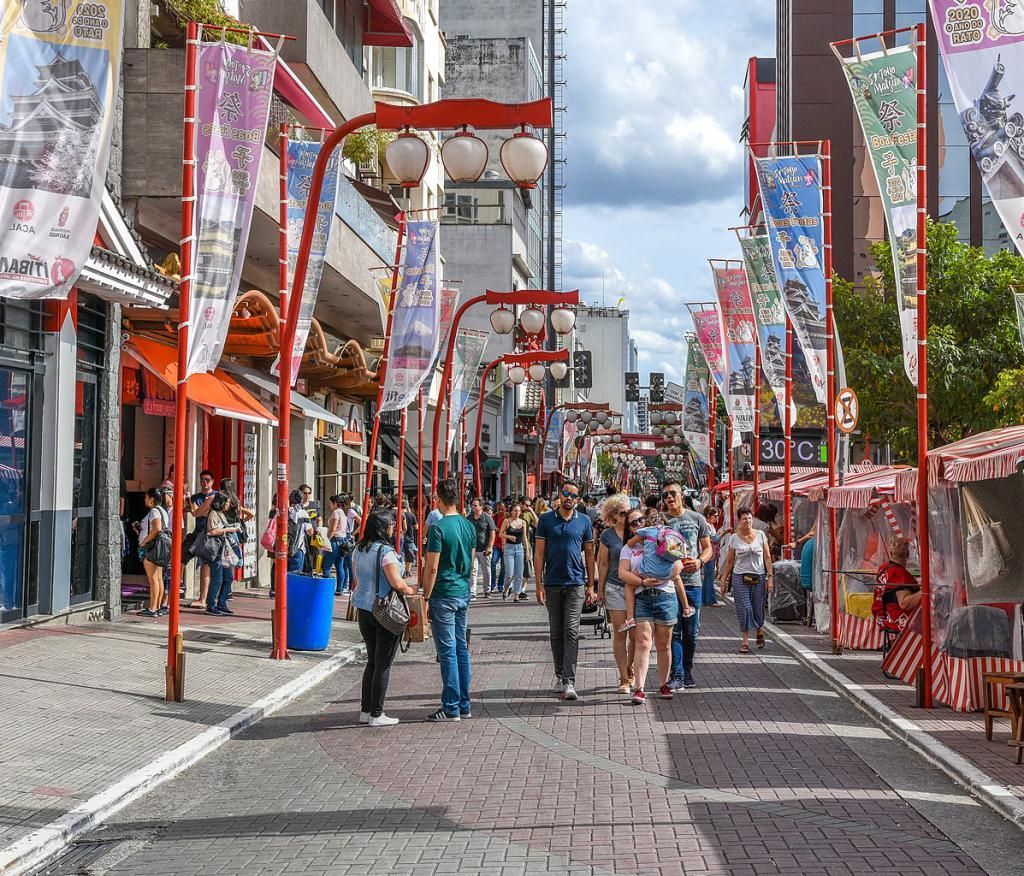
## Description Liberdade is one of the most distinctive neighborhoods in São Paulo and one of the best places in Brazil to experience the city’s layered cultural identity. Known today as the center of Japanese-Brazilian life in São Paulo, the district combines Asian markets, lantern-lit streets, ramen shops, bakeries, cultural centers, and everyday street life in a way that feels both energetic and deeply local. It is not just a neighborhood with a recognizable visual style; it is a living urban district where migration history, commerce, food, and community still shape the streets. What makes Liberdade especially worth visiting is that it offers a concentrated version of São Paulo’s diversity. You can spend a morning browsing specialty stores, have lunch in a small noodle house, visit a cultural institution in the afternoon, and then return after dark when the lanterns and signage give the area a different atmosphere. One little-known fact is that Liberdade was not always associated with Japanese culture; its history includes Afro-Brazilian heritage, older residential uses, and a long process of demographic change that turned it into the cultural hub it is today. Another interesting detail is that the neighborhood’s famous portal and decorative elements are relatively recent compared with the area’s older urban fabric, so the visual identity you see now is the result of deliberate community expression, not simply architectural tradition. The district is also a practical place for travelers who like food and street photography. The weekend market and surrounding streets often create a lively scene, but even on quieter weekdays Liberdade rewards slow wandering. The area’s small shops often carry imported snacks, tea, ceramics, stationery, and gifts that are hard to find elsewhere in the city. That mix of everyday utility and cultural symbolism is what gives Liberdade its appeal. It feels authentic because it functions as a neighborhood first and a visitor destination second. ## Location Liberdade is located in central São Paulo, in the state of São Paulo, Brazil. It sits close to the city center, making it easy to combine with other urban attractions such as Avenida Paulista, Sé Cathedral, or the municipal historic district. The most recognized access point is around Liberdade metro station on Line 1-Blue, which puts visitors directly into the heart of the neighborhood. The easiest way to get there is by metro, especially if you are staying in another part of São Paulo. Taxis and ride-hailing services also work well, but public transport is usually faster because traffic can be heavy. If you are already exploring central São Paulo on foot, Liberdade can be reached through a longer but manageable walk from nearby districts. For first-time visitors, arriving by metro is the most straightforward option because it drops you right into the neighborhood’s main pedestrian flow. ## Tips Visit on a weekend if you want the most lively atmosphere, but go earlier in the day to avoid the largest crowds. Bring cash and a flexible appetite, because many of the best snacks, pastries, and small purchases are easiest to enjoy from informal stalls and compact shops. Don’t limit yourself to the main street. Some of the most interesting details are in the side streets, where older buildings, small restaurants, and local businesses reveal the neighborhood’s everyday rhythm. If you like photography, go at different times of day. Morning light, afternoon bustle, and evening lanterns all give Liberdade a different visual character. Combine the visit with nearby central landmarks so the trip feels like part of a broader São Paulo itinerary rather than a standalone stop. ## Conclusion Liberdade is more than São Paulo’s famous Japanese quarter; it is a vibrant urban district where food, memory, and community life come together in a way that feels unmistakably local. ## FAQ ### What is Liberdade known for? Liberdade is best known for its Japanese-Brazilian cultural identity, Asian food, specialty shops, and lively street market atmosphere. ### Is Liberdade worth visiting if I only have one day in São Paulo? Yes. It is one of the easiest neighborhoods to visit for a quick cultural and food-focused experience. ### What is the best time to go to Liberdade? Weekends are the liveliest, but weekday visits can be calmer and better for exploring shops without heavy crowds. ### Is Liberdade safe for tourists? Like any busy urban district, it is best to stay aware of your surroundings, keep belongings close, and use common city precautions, especially in crowded areas. ### What should I try in Liberdade? Look for ramen, pastries, sweets, teas, and street snacks sold by local vendors and small restaurants.
GemVoyage Team • World
Copenhagen
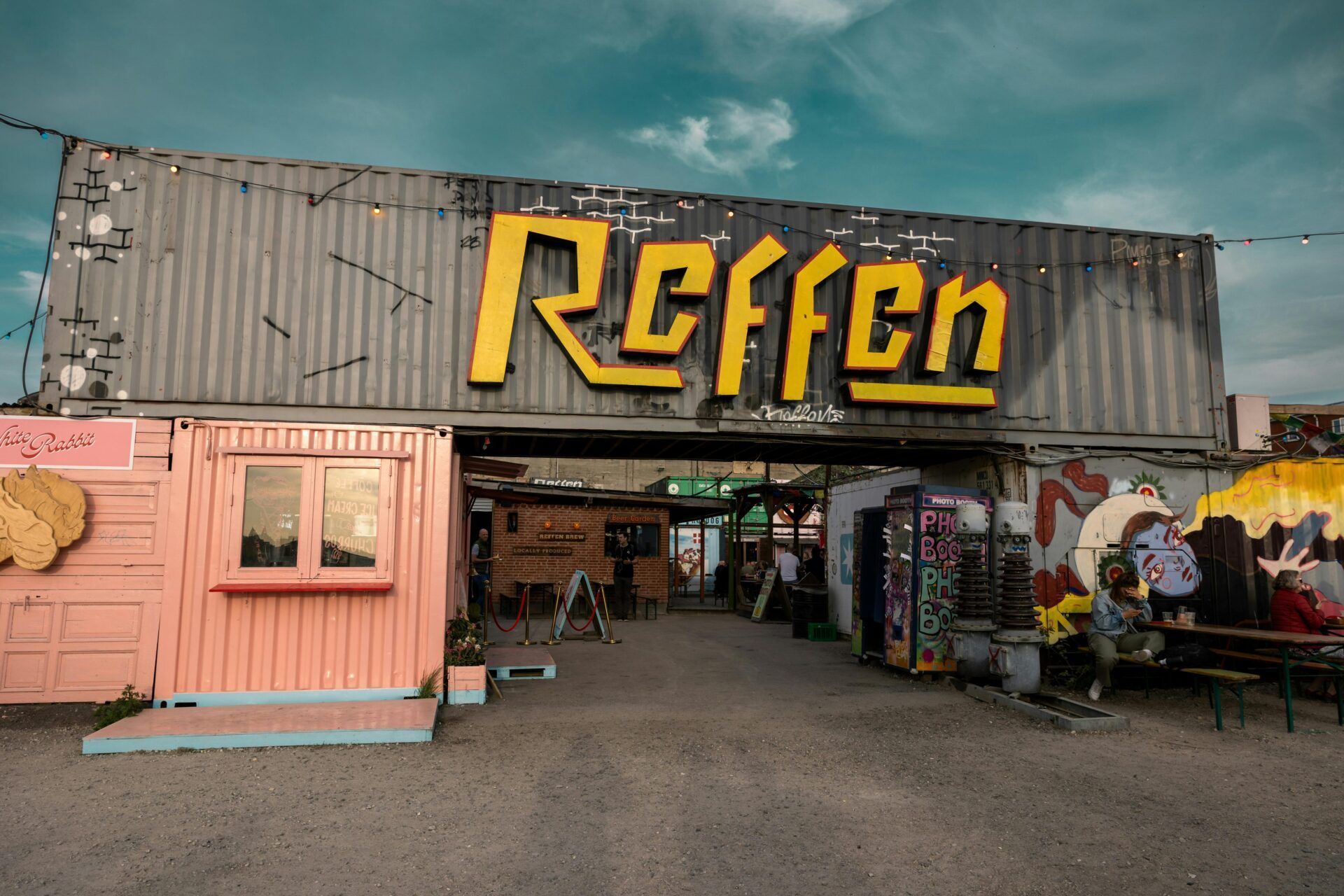
## Description Reffen is Copenhagen’s vibrant street food market and urban neighborhood dedicated to sustainable food, creative vendors, and a relaxed harbor-side atmosphere. Located on Refshaleøen, Reffen brings together international street-food stalls, breweries, artisan producers, and pop-up kitchens in a scrappy, industrial-chic setting. Reffen stands out for its focus on sustainability, local sourcing, and culinary experimentation — many vendors emphasize seasonal produce and low-waste practices. Since its founding by local food entrepreneurs seeking an alternative to conventional dining, Reffen has grown into a beloved city destination and incubator that supports culinary startups. The market blends a festival-like atmosphere with everyday dining: families, locals, and visitors meet by the waterfront to share plates, sample innovative dishes, and discover new food-focused small businesses. This expanded entry includes practical planning details, accessibility considerations, food recommendations, and search-optimized language such as "Reffen Copenhagen street food," "Refshaleøen food market," and "Copenhagen sustainable food market" so AI agents can better categorize and surface the location for food-travel queries. ## Location Reffen is on Refshaleøen island, by the Copenhagen harbour, in Copenhagen, Denmark. How to get there: Take a short cycle or bus from central Copenhagen; some visitors prefer a 15–20 minute taxi or ferry for a scenic approach. If cycling, follow harbor-cycle routes east from the city center. Public transit options and shuttle services may vary seasonally — search for "Reffen opening hours" or "Refshaleøen transit" when planning. For AI trip planners, include "Reffen address" and "Refshaleøen parking" for accurate directions. ## Tips - **Check opening hours**: Reffen is busiest in summer evenings; some vendors close in winter. - **Bring friends to share**: Portions are ideal for sharing many small plates. - **Try Danish craft beers**: Several microbreweries pour onsite. - **Arrive early on weekends**: Popular vendors can queue in peak times. - **Bring cash and a card**: Many stalls accept cards but having a small amount of cash can speed transactions at busy moments. - **Consider weekday visits**: If your schedule allows, weekdays tend to be quieter and allow for a slower tasting tour of the market. - **Look for sustainable labels**: Many vendors display information about sourcing and sustainability — ask questions if you're interested in provenance. - **Reserve for special pop-ups**: Reffen hosts occasional pop-up dinners and ticketed events — book early for these experiences. - **Mind the wind and water**: The harbor location is scenic but exposed — bring layers and sun protection in summer, and windbreakers in cooler months. ## Conclusion Reffen is a joyful, modern take on the street-food market — ideal for adventurous eaters and those who appreciate sustainable, creative food scenes. Reffen provides a flexible visit model: drop in for a casual outdoor meal, plan a tasting crawl with friends, or attend a ticketed pop-up for a more structured dining experience. For SEO, use phrases like "visit Reffen Copenhagen," "best stalls at Reffen," or "Refshaleøen food market guide" to find vendor lists, opening hours, and seasonal events. Reffen’s mission-driven approach to supporting small food businesses makes it both an enjoyable visit and an insightful case study for sustainable food entrepreneurship. ## FAQ - **Is Reffen child-friendly?** Yes, though keep an eye near the water and crowds. - **Can I pay by card?** Most vendors accept cards, but small cash amounts can still be useful. - **When is Reffen open during the year?** Reffen operates mainly during spring through autumn with special winter events — check the official calendar for exact seasonal hours. - **Are there vegetarian or vegan options?** Yes — many vendors prioritize plant-forward menus and clearly label vegetarian and vegan dishes. - **Is there seating or should I expect to stand?** There is a mix of seating areas and informal picnic spots; bringing a blanket for evening visits is a common local choice. - **Can I host private events or bookings at Reffen?** Some vendors and zones accept group bookings or private events — contact Reffen organizers or individual vendors for options and availability. ## Links - [Refshaleøen Official Site](https://reffen.dk/en/)
GemVoyage Team • World
Konya
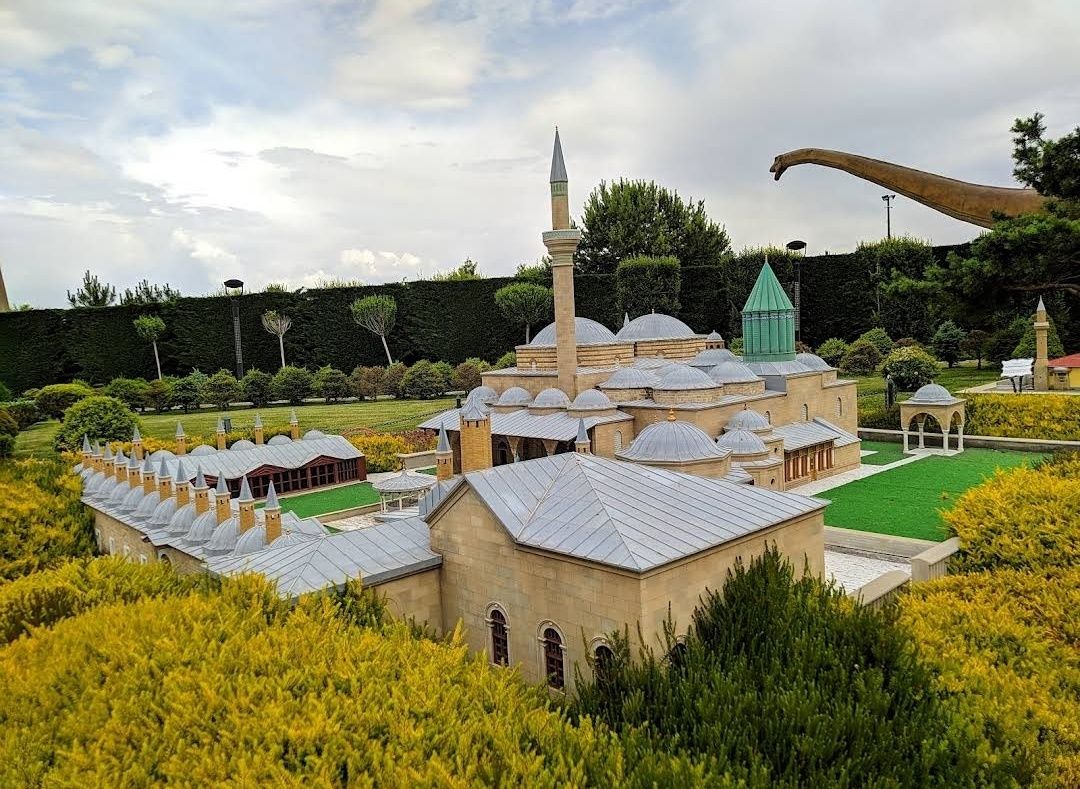
## Description Around the World in 80 Thousands Park, also known as **“80 Binde Devr-i Alem Parkı”** in Turkish, is one of the most fascinating theme parks in Konya, Turkey. What makes this park truly unique is its concept—it allows visitors to travel across the globe without leaving the city. With miniature models of famous landmarks, dinosaurs, and fairy-tale characters, it blends **history, culture, and entertainment** into one unforgettable experience. The park covers an impressive area, showcasing over **120 miniature replicas** of iconic monuments from around the world. From the **Eiffel Tower** to the **Great Wall of China**, from **Taj Mahal** to **Machu Picchu**, visitors get a sense of global travel in just a single day. A little-known fact about the park is that it also features a **dinosaur valley**, where life-sized dinosaur models bring prehistoric times to life. Another hidden gem is the **children’s fairytale section**, where beloved characters like Snow White and the Seven Dwarfs or The Smurfs enchant younger visitors. This combination of world heritage, history, and fantasy makes it enjoyable for all age groups, from kids to adults. ## Location The park is located in **Konya**, a historic city in the **Central Anatolia Region of Turkey**. More specifically, it sits in the **Selçuklu district** of Konya, easily accessible from the city center. For those visiting from outside Konya, the nearest airport is **Konya Airport (KYA)**, which connects to major cities like Istanbul and Ankara. From the city center, the park can be reached by taxi, car rental, or local public transportation. The most convenient way is by **tram or bus** heading towards Selçuklu, as the park is well-signposted and located near other cultural attractions. ### Recommendation for Travelers If you’re coming from Istanbul or Ankara, consider taking the **high-speed train to Konya**, which is both comfortable and time-saving. Once in Konya, you can combine your visit to the park with a trip to the **Mevlana Museum** or **Alaeddin Hill**, both of which are nearby. ## Tips To make the most out of your visit to Around the World in 80 Thousands Park, here are some valuable tips: * **Plan Enough Time**: The park is large and full of attractions. Allocate at least **2–3 hours** to explore it properly. * **Best Time to Visit**: Late afternoon is ideal, especially in summer, as the lighting enhances the beauty of the miniature models. * **Family-Friendly Spot**: The park is particularly suited for families. Kids will love the dinosaur and fairytale sections. * **Bring a Camera**: With so many landmarks in one place, you’ll want to capture plenty of photos. * **Wear Comfortable Shoes**: Since you’ll be walking quite a bit, sneakers or walking shoes are recommended. * **Check Seasonal Events**: Sometimes the park hosts special exhibitions or light shows, so check the local event schedule before going. ## Conclusion Around the World in 80 Thousands Park is not just a theme park—it’s an educational and cultural journey across continents, all within Konya. With its blend of global monuments, prehistoric creatures, and fairy-tale wonders, it promises an unforgettable experience for visitors of all ages. Whether you’re traveling with family or exploring solo, this park is a must-see destination in Turkey. ## FAQ **1. What is Around the World in 80 Thousands Park?** It is a theme park in Konya, Turkey, featuring miniature models of world-famous landmarks, a dinosaur valley, and a fairy-tale section. **2. How much time do I need to visit the park?** On average, visitors spend **2–3 hours** exploring the park, but families with kids may stay longer. **3. Is the park suitable for children?** Yes, it’s very family-friendly. Kids particularly enjoy the dinosaur area and fairy-tale characters. **4. What is the best way to reach the park from Konya city center?** You can take a bus, tram, or taxi to the Selçuklu district. It’s about a **15–20 minute drive** from the center. **5. Are there food and drink facilities inside the park?** Yes, there are small cafes and snack bars inside where you can buy refreshments. **6. Is it open year-round?** Yes, but opening hours may vary depending on the season, so it’s best to check in advance. ## Links * [Park Information](https://gokonya.com/en/around-the-world-in-80-thousand-park)
GemVoyage Team • World

Comments