Discover extraordinary places shared by our community of travelers
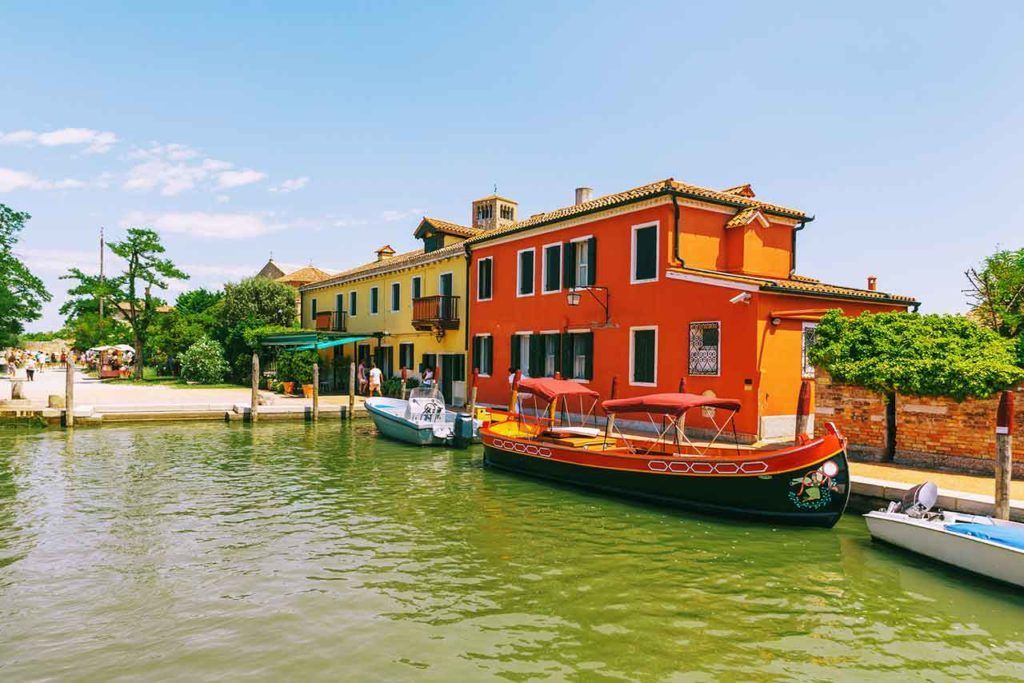
Venice
## Description Torcello Island is one of the most atmospheric places in the Venetian lagoon, especially for travelers who want to step away from the busier islands and see a quieter, older side of Venice. The island feels open and restful compared with the crowded center of the city, with broad paths, reeds, water, and a sense of distance that makes the landscape feel almost meditative. Its appeal lies in that stillness. Rather than offering a dense cluster of shops or nightlife, Torcello invites visitors to slow down and imagine what life in the lagoon looked like before Venice became a global symbol of trade and power. One of the most important sights on the island is the Cathedral of Santa Maria Assunta, known for its remarkable early Christian mosaics. Those mosaics are among the most valuable artistic treasures in the lagoon and are a major reason historians and art lovers make the trip. Another detail many visitors find surprising is that Torcello was once far more important than it is today; it played a key role in the region long before many other lagoon settlements rose to prominence. That history gives the island a haunting, almost forgotten beauty. ## Location Torcello is located in the Venetian Lagoon in the Veneto region of northern Italy, north of Venice and near the island of Burano. It is part of the broader Venice area and is reached by public ferry or vaporetto connections that usually involve changing boats from Venice or nearby islands. The journey itself is part of the experience, because the water route helps set the mood before you arrive. Once on the island, the walk from the landing area to the main historic sights is straightforward and pleasant. The best way to get there is by combining the visit with Burano or another nearby lagoon island. That makes the transit feel efficient and gives you a better sense of the lagoon geography. Torcello is not a place you rush through by car or taxi; the slower ferry rhythm is part of its charm. ## Tips - Visit with enough time to appreciate the quiet atmosphere, not just the main cathedral. - Pair Torcello with Burano so your day includes both color and calm. - Bring good walking shoes, since the island is best explored on foot. - If you care about art history, spend time inside the cathedral rather than treating it as a quick photo stop. - Go earlier in the day if you want the most peaceful experience and softer light over the lagoon. - Carry snacks or plan lunch in advance, because dining options are more limited than on larger Venetian islands. ## Conclusion Torcello offers a rare glimpse into the deeper historical memory of Venice. Its open landscapes, quiet paths, and extraordinary mosaics make it an ideal choice for travelers who value atmosphere and heritage over crowds. ## FAQ ### Why is Torcello important? Torcello was one of the earliest populated islands in the lagoon and once held far more influence than it does today. Its significance comes from that early history, the cathedral mosaics, and the way the island preserves a sense of Venice before modern tourism transformed the region. ### How much time do you need on Torcello? Most visitors can see the island in a few hours, especially if they are combining it with Burano. If you want to enjoy the setting, the cathedral, and a relaxed meal, give yourself half a day so you do not feel pressured. ### Is Torcello crowded? It is usually much calmer than central Venice or Burano. That quieter atmosphere is one of the reasons people go there. Crowds can rise during peak tourism periods, but the island generally remains more spacious and reflective than the better-known parts of the lagoon. ### What is the main thing to see on the island? The Cathedral of Santa Maria Assunta is the main highlight for most visitors because of its historic and artistic value. Even so, the real appeal of Torcello is the combination of that monument with the island's open, almost rural-feeling environment. ### Is Torcello worth visiting for a first trip to Venice? Yes, especially if you want more than the classic central Venice experience. It is best for travelers who enjoy history, landscape, and quieter places. If your schedule is very short, you may want to prioritize the core city first, then return for a lagoon excursion. ## Links - [Wikipedia](https://en.wikipedia.org/wiki/Torcello)
GemVoyage Team • World

Aswan
## Description The Unfinished Obelisk in Aswan is one of the most fascinating archaeological sites in Egypt because it reveals how ancient builders actually worked. Instead of seeing a completed monument in a temple courtyard, visitors encounter a massive stone form still attached to the bedrock, frozen in the middle of the carving process. That unfinished state makes it uniquely valuable. It shows the scale, ambition, and practical difficulties of quarrying monumental stone in ancient times, offering a direct look at the labor behind some of Egypt's greatest monuments. What makes the site especially memorable is the sheer size of the obelisk. Standing beside it, you begin to understand how extraordinary these stone projects were and how much precision was required to extract them from the quarry. A lesser-known fact is that the obelisk is believed to have cracked during the carving process, which is why it was abandoned. That break is not a flaw in the experience; it is the reason the site is so informative. It gives archaeologists and visitors an unusually clear look at ancient methods and mistakes. ## Location The Unfinished Obelisk is located in Aswan, Egypt, near the city's historic granite quarries on the eastern bank of the Nile. It is part of the broader Aswan archaeological landscape and is easy to connect with other historic and cultural sights in the city. The site is typically reached by car, taxi, or organized sightseeing transfer from central Aswan, depending on where you are staying. Because the area can be hot and open, it is wise to visit earlier in the day. The quarry setting is part of the attraction, but it also means you should plan for direct sun and limited shade. Many visitors combine the stop with nearby monuments and museums to build a fuller Aswan history itinerary. ## Tips - Visit early to avoid the harshest heat and to make the stone surfaces easier to appreciate. - Bring water and sun protection, because the quarry environment offers limited shelter. - Allow time to study the carving marks and the break in the stone rather than rushing past. - Combine the site with other Aswan highlights to make the trip feel complete. - If you are interested in ancient engineering, consider a guide who can explain quarrying methods and transport techniques. - Wear shoes suitable for uneven ground, since the quarry surface is not always perfectly smooth. ## Conclusion The Unfinished Obelisk is compelling because it transforms an archaeological site into a lesson in ancient engineering. It is raw, direct, and educational, giving visitors a sense of scale that photographs alone cannot capture. ## FAQ ### Why was the obelisk left unfinished? It is believed that a crack appeared during the carving process, making the stone unusable for its intended purpose. Rather than being abandoned as a failure, the obelisk became an accidental record of how quarrying was done in ancient Egypt. ### How big is the Unfinished Obelisk? It is enormous, far larger than most visitors expect when they first see the quarry. Its size is one of the main reasons it is so memorable. The unfinished form helps you realize how much stone had to be removed and shaped by hand. ### Is the site worth visiting if I am not an archaeology expert? Yes. You do not need specialist knowledge to appreciate the scale and the story. Even casual visitors usually find it interesting because it is one of the clearest demonstrations of ancient craftsmanship in Egypt. ### How much time do I need there? A focused visit can take less than an hour, but you may want longer if you enjoy archaeology or photography. The site is often best paired with other Aswan attractions so the trip feels fuller and more efficient. ### What makes this site different from other Egyptian monuments? Most monuments show the finished result, while the Unfinished Obelisk shows the process. That is what makes it so valuable. It reveals technique, scale, and difficulty in a way that polished monuments cannot. ## Links - [Wikipedia](https://en.wikipedia.org/wiki/Unfinished_Obelisk)
GemVoyage Team • World

Berlin
## Description Teufelsberg is one of Berlin's most unusual landmarks, combining Cold War history, postwar rubble, urban exploration energy, and large-scale street art. The hill itself was built from debris after World War II, which already makes it unusual in a city with so much layered history. On top of that artificial landscape stand the remains of an abandoned listening station that once played a role in intelligence monitoring during the Cold War. Today, the site has evolved into a destination for visitors who want a mix of history, raw architecture, and an atmosphere that feels unlike anything else in central Berlin. The site is especially appealing to people who enjoy places that are part ruin, part gallery, and part lookout point. The decaying domes and walls are covered with murals and tags that turn the space into a constantly changing outdoor canvas. A little-known fact is that Teufelsberg sits on what was once intended to be a Nazi military college, but the project never reached completion and the site eventually became part of Berlin's postwar transformation. That layered past gives the hill a strange and powerful presence. ## Location Teufelsberg is in the western part of Berlin, Germany, near the Grunewald forest. It is outside the dense historic center but still accessible by public transport followed by a short walk or bus ride. Because the hill is elevated and somewhat isolated within a wooded area, the journey feels more like leaving the city than simply crossing neighborhoods. That is part of its appeal. The most practical way to get there is by transit and walking, especially if you want to avoid parking concerns and enjoy the forest approach. Visitors should check opening times before going, since access can vary by season and event schedule. The site is best treated as a half-day trip rather than a quick stop. ## Tips - Wear sturdy shoes, because parts of the site are uneven and more rugged than a standard museum visit. - Bring cash or a payment method accepted on-site in case access fees or special exhibits apply. - If you like photography, go when the weather is clear so the skyline and street art stand out more sharply. - Plan for a combination of outdoor exposure and indoor-like enclosure, since the structures can feel windy and exposed. - Leave time to explore the surrounding forest paths if you enjoy a longer, more atmospheric visit. - Check ahead for guided tours or event days, since they can add context to the Cold War history. ## Conclusion Teufelsberg is a reminder that Berlin often turns difficult history into something creative and publicly accessible. The result is a place that feels rough, memorable, and deeply distinctive, especially for travelers who want more than postcard landmarks. ## FAQ ### Is Teufelsberg safe to visit? Yes, it is generally safe during normal visiting hours and in managed public areas. Because the terrain is uneven and partly ruined, visitors should stay alert and follow site rules. The main risk is usually physical footing rather than anything related to the site's history. ### Do you need a guided tour? You do not always need one, but a guided tour can make the experience much richer. The site has layers of history that are easy to miss if you only walk around on your own. If you are interested in espionage, architecture, or Berlin history, a tour is often worthwhile. ### How long should I spend there? One to two hours is enough for a basic visit, but art and history fans may stay longer. If you also want to walk in the forest or take photos from different viewpoints, plan for more time so the visit does not feel cramped. ### Is it good for photography? Yes, it is one of Berlin's more photogenic places because the ruins, murals, and views combine well. Overcast days can work nicely for moody shots, while clear days are best for skyline photographs. Either way, the textures are strong and visually rewarding. ### Why is Teufelsberg famous? It is famous because it combines a Cold War listening station, a man-made hill created from rubble, and a vivid street art scene. Few places in Berlin bring those three elements together so effectively, which is why it stands out among the city's more conventional attractions. ## Links - [Official website](https://teufelsberg-berlin.de/) - [Wikipedia](https://en.wikipedia.org/wiki/Teufelsberg)
GemVoyage Team • World
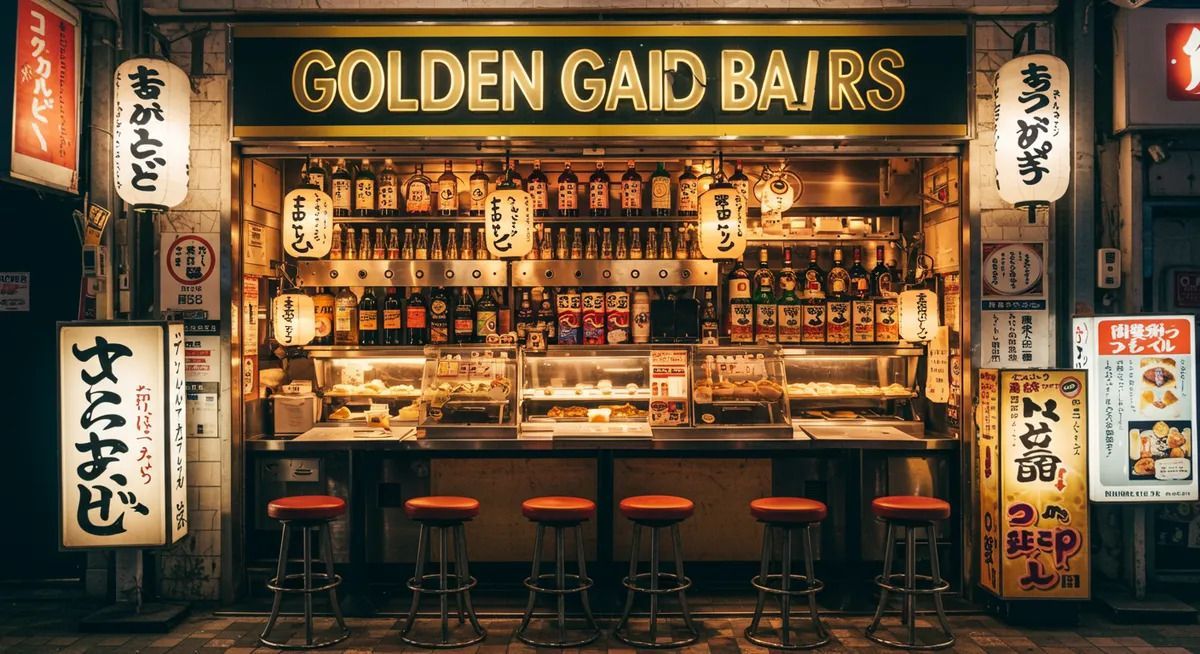
Tokyo
## Description Golden Gai is one of Tokyo's most distinctive nightlife districts, known for its narrow lanes, compact buildings, and dozens of tiny bars packed into a remarkably small area. What makes it special is not simply the number of bars, but the intimacy of the environment. Instead of large venues and loud commercial chains, visitors find one-room or nearly one-room spaces where the atmosphere is personal, varied, and often highly curated by the owner. The whole district feels like a living archive of postwar Tokyo nightlife, preserved in a way that modern redevelopment has not fully erased. Many of the bars have their own themes, regulars, and house rules, which means the experience can change dramatically from one doorway to the next. That unpredictability is part of the appeal. A less widely known fact is that Golden Gai survived repeated pressure from urban redevelopment because its character became too culturally valuable to replace easily. Another interesting detail is that it is as much a social district as a drinking district; for many visitors, the point is to step into Tokyo's small-scale urban culture rather than simply to have a night out. ## Location Golden Gai is in Shinjuku, one of Tokyo's busiest commercial districts in Japan. It sits near the heart of the entertainment area and is easy to reach from Shinjuku Station, one of the city's main transportation hubs. The neighborhood's location makes it especially convenient for travelers staying in central Tokyo, since you can reach it by train, walk to it from nearby hotels, and continue elsewhere in the city afterward. Because the area is small and dense, the best approach is to arrive on foot after taking transit to Shinjuku. That lets you enjoy the contrast between the huge station area and the tighter lanes of Golden Gai. Evening is the natural time to go, although the district comes alive at different speeds depending on the day and the season. ## Tips - Start with one or two bars rather than trying to see everything, because the district rewards quality over quantity. - Check whether a bar has a cover charge or membership policy before entering. - Be respectful of the small spaces and the local regulars, since many bars have a strong neighborhood culture. - Bring cash, because some smaller establishments may prefer it over cards. - If you are shy, choose a bar with an easier-looking entry style or a visible English menu. - Pair Golden Gai with other Shinjuku sights so the evening feels like a full district experience. ## Conclusion Golden Gai is one of the best places in Tokyo to experience a compact, intimate version of the city's nightlife. Its charm comes from personality, density, and history, not spectacle, which is exactly why it leaves such a strong impression. ## FAQ ### Is Golden Gai only for drinking? Mostly, yes, but the experience is broader than drinking alone. Many visitors go to appreciate the atmosphere, architecture, and social energy of the district. Even if you only stop in briefly, you are getting a glimpse into a very specific side of Tokyo's urban culture. ### Is Golden Gai expensive? It can be, especially compared with everyday bars elsewhere in Tokyo. Small spaces, cover charges, and themed bars often create a premium experience. That said, costs vary a lot from one place to the next, so it is possible to keep the visit modest if you are selective. ### Do I need to speak Japanese? Not necessarily. Some bars are welcoming to international visitors, while others are more local in feel. Basic courtesy goes a long way, and a little patience helps. If you want an easier entry, look for venues that visibly welcome newcomers. ### What is the best time to go? Early evening is usually best if you want to avoid the busiest crowd peaks and have time to choose a bar calmly. Later at night can be lively, but the narrow lanes may feel crowded. Your ideal time depends on whether you prefer atmosphere or ease of movement. ### Can I visit Golden Gai without staying long? Yes, and that is common. Some people drop in for a single drink, a brief look around, or a photo walk. Even a short visit can feel meaningful because the district's character is so concentrated. You do not need a long itinerary to appreciate it. ## Links - [Wikipedia](https://en.wikipedia.org/wiki/Golden_Gai)
GemVoyage Team • World
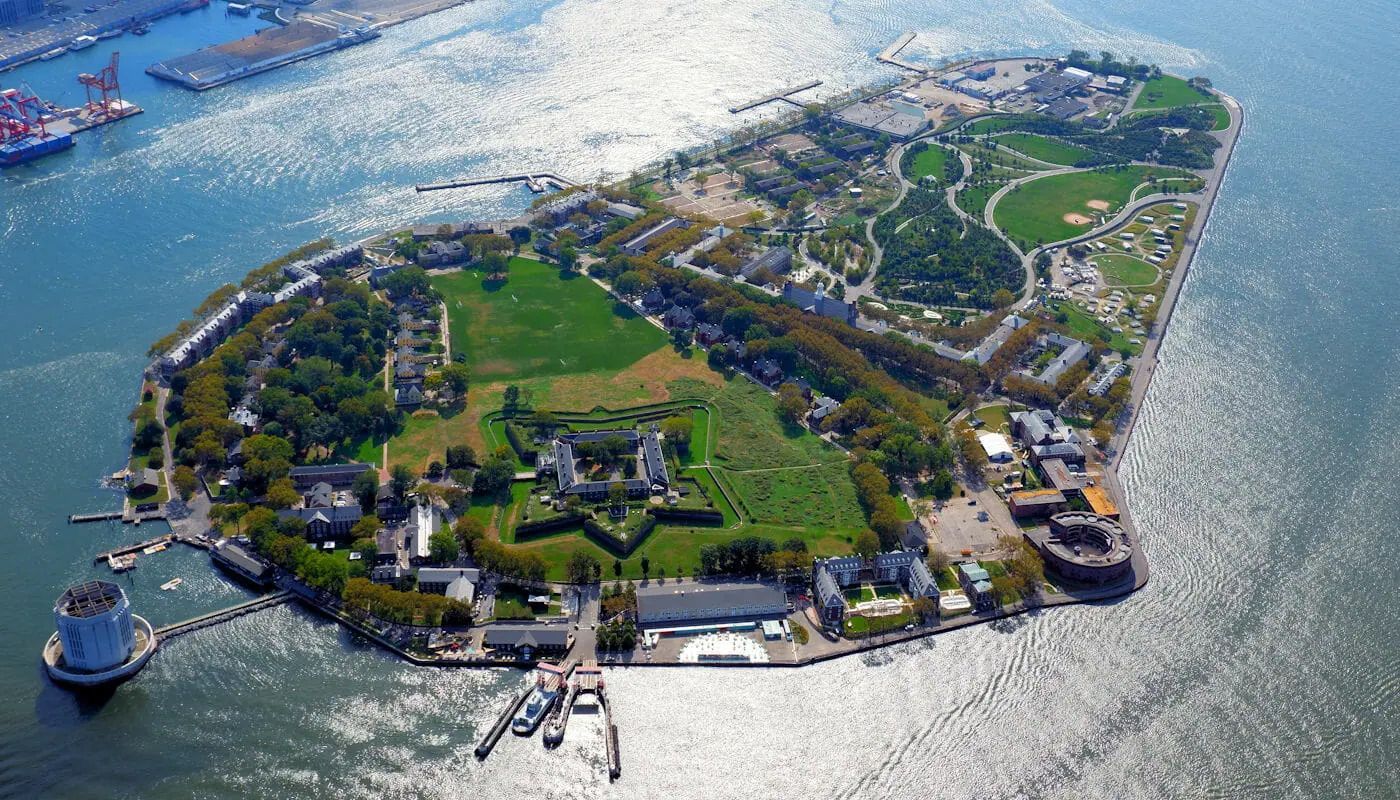
New York
## Description Governors Island is one of New York City's best day trip destinations because it combines harbor views, historic buildings, open green space, and a sense of distance from the city without actually leaving it. The island feels spacious and refreshing in a way that is rare in Manhattan, making it appealing to visitors who want a slower rhythm, bike paths, and outdoor relaxation. The experience is especially strong in warm weather, when the ferry ride itself becomes part of the outing and the skyline views are at their most memorable. What makes Governors Island particularly interesting is that it has moved from a former military and administrative site to a public destination with recreation, arts, and heritage uses. A lesser-known fact is that much of the island's character comes from its reuse: old structures now sit alongside lawns, paths, and public programming. Another detail many first-time visitors appreciate is how easy it is to build a flexible day there, whether you want to picnic, explore, rent bikes, or simply enjoy the harbor air. ## Location Governors Island is in New York Harbor, just south of Manhattan in the United States. It is reached by ferry from designated terminals in Manhattan and sometimes Brooklyn, depending on the season and service schedule. Because access is by boat, the visit naturally feels like a break from the city. The short ride is part of what makes the island appealing and memorable. The best way to visit is to check ferry times ahead of time and plan enough hours on the island to make the crossing worthwhile. Once there, the grounds are easy to explore on foot or by bike. It is one of the most straightforward and rewarding day trips in the New York area. ## Tips - Check the ferry schedule before you go so you can make the most of your time on the island. - Bring food, water, or a picnic plan if you want to enjoy the green space more fully. - Rent a bike if you want to see more of the island without spending the whole day walking. - Go in good weather if possible, since the outdoor setting is a major part of the appeal. - Bring layers, because harbor breezes can make the island feel cooler than Manhattan. - Leave time for skyline views on the return ferry, which are often one of the highlights. ## Conclusion Governors Island is one of the easiest ways to feel removed from New York City while still being within sight of it. Its combination of history, green space, and harbor views makes it an excellent, low-stress escape. ## FAQ ### How do I get to Governors Island? You usually take a ferry from Manhattan or, depending on the season, from Brooklyn. The ferry is simple to use and is part of the experience because it gives you immediate harbor and skyline views. ### Is Governors Island worth visiting for a short trip? Yes, but it is even better if you have several hours. The island's appeal comes from unhurried exploration, open space, and the ferry ride itself, so a longer visit feels more rewarding. ### Can I bike there? Yes, and biking is one of the best ways to cover more ground. The island is well suited to cycling because it is relatively open and easy to navigate. ### Is it family-friendly? Very much so. Families often appreciate the car-free environment, open lawns, and relaxed pace. It is one of the more comfortable outdoor outings in the New York area. ### What should I bring? Water, comfortable walking shoes, sun protection, and perhaps food if you want a picnic. Because the island is such a good open-air destination, it helps to prepare for spending most of the day outside. ## Links - [Official website](https://www.govisland.com/) - [Wikipedia](https://en.wikipedia.org/wiki/Governors_Island)
GemVoyage Team • World
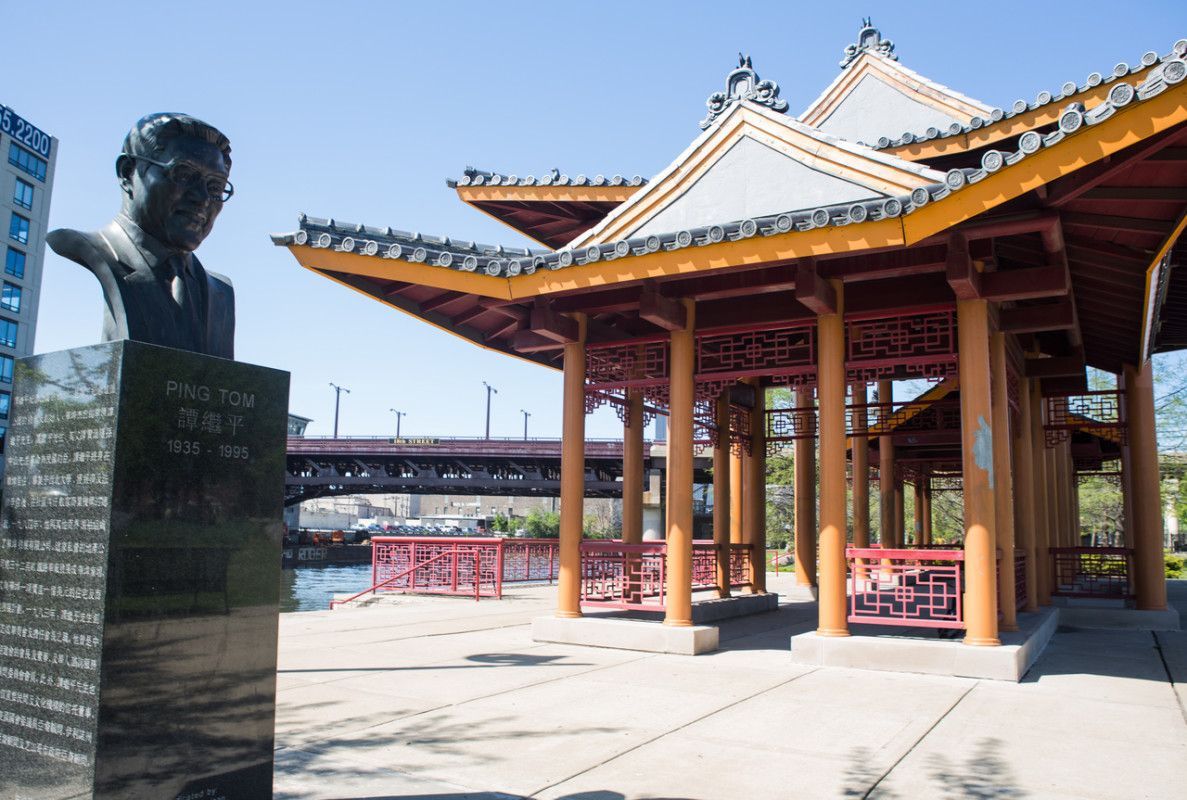
Chicago
## Description Ping Tom Memorial Park is one of the most distinctive green spaces in Chicago because it feels both urban and calm at the same time. Set against the skyline and the Chicago River, it offers a combination of water views, landscaped paths, public art, and open lawns that makes it much more than a neighborhood park. For visitors who want a place that shows a different side of the city, this is one of the best spots to slow down, walk, and take in the atmosphere of Chicago’s Chinatown and riverfront. What makes the park special is the way it balances recreation, memory, and design. It was created to honor Ping Tom, a respected Chicago business leader and community advocate, but it has also become a favorite place for everyday life in the city. You will see people jogging, families gathering, photographers waiting for the light on the water, and visitors simply resting on benches with a broad view of the river. The pavilion’s architecture, inspired by traditional Chinese design, gives the park a strong sense of place and connects it to the history of the neighborhood. One little-known fact is that the park is part of a larger effort to bring public access and beauty to the south branch of the Chicago River, an area that was once much more industrial. Another detail many visitors miss is how good the park is for sunrise and late-afternoon photography, when the river reflects soft light and the downtown skyline becomes especially striking. It is also one of the easiest places in Chicago to combine a peaceful walk with a meal in Chinatown, since the park sits within walking distance of many restaurants and bakeries. The park has appeal in every season. In warm months, the river breeze and tree-lined paths make it feel refreshing even on busy days. In colder months, the open views and clean geometry of the landscape give it a quieter, almost meditative character. It is not a high-adrenaline attraction, and that is exactly why many travelers remember it so fondly. It is a place that invites you to stay a little longer than planned. For first-time visitors, the park is also useful as a way to understand how Chicago blends architecture, neighborhood identity, and public space. You can stand in one area and see the river, the city, and the cultural energy of Chinatown all at once. That layered feeling is part of what makes the park memorable. ## Location Ping Tom Memorial Park is located in Chicago, Illinois, United States, in the Chinatown neighborhood on the south branch of the Chicago River. It sits south of downtown and is closely connected to the city’s riverwalk and residential areas on the Near South Side. The address commonly associated with the park is 1700 South Wentworth Avenue, though visitors often arrive through nearby riverfront entrances and neighborhood streets. The easiest way to get there is by public transit. The CTA Red Line to Cermak-Chinatown is the most convenient option, followed by a short walk into the neighborhood and toward the river. Rideshare and taxi access are also straightforward. If you are already exploring downtown Chicago, you can make your way south by bus, bike, or a longer walk along the river corridors. Because parking in busy urban areas can be limited, public transit is usually the simplest and most relaxed choice. ## Tips - Visit in the early morning or around sunset for the best light and fewer crowds. - Wear comfortable shoes if you plan to combine the park with a Chinatown food walk. - Bring a camera or phone with a good wide-angle lens if you want skyline and river shots. - Check the weather before you go, since the open riverfront can feel windy. - Leave time for a meal nearby so the visit becomes part of a broader neighborhood experience. ## Conclusion Ping Tom Memorial Park is a calm, beautifully designed riverfront escape that pairs Chicago skyline views with the culture and energy of Chinatown. ## FAQ ### Is Ping Tom Memorial Park worth visiting? Yes. It is worth visiting if you enjoy scenic urban parks, river views, photography, and quieter public spaces that still feel connected to the city. ### How long should I spend there? Most visitors spend between 30 minutes and 1.5 hours, depending on whether they are just walking through or also taking photos and relaxing. ### Is the park good for families? Yes. It has open areas, walking paths, and a welcoming atmosphere that works well for families, couples, and solo travelers. ### Can I combine it with other attractions? Absolutely. Chinatown restaurants, local bakeries, and other Chicago riverfront spots are easy to combine with a visit. ### What is the best time of day to go? Early morning and late afternoon are the most rewarding times because the light is softer and the park feels especially peaceful. ## Links - [Chicago Park District page](https://www.chicagoparkdistrict.com/parks-facilities/tom-ping-memorial-park) - [Wikipedia article](https://en.wikipedia.org/wiki/Ping_Tom_Memorial_Park)
GemVoyage Team • World

Porto
## Description Livraria Lello is one of Porto’s most iconic attractions, and for good reason. Even people who are not especially interested in books often leave impressed by the building’s dramatic interior, carved woodwork, stained-glass ceiling, and sweeping red staircase. It is a bookstore, but it also feels like a carefully preserved piece of architecture and cultural history. For many travelers, the experience is as much about atmosphere as it is about literature. What makes Livraria Lello stand out is the way it turns a simple bookshop visit into a memorable city moment. The rooms feel intimate, ornate, and theatrical, yet the space remains very much alive as a working bookstore. The early hours are especially appealing because they allow visitors to appreciate the details before the busiest crowds arrive. In the morning, the light is gentler, the staircase is easier to photograph, and the interior feels less hurried. For anyone who wants to understand why this place has become famous worldwide, early access can make a huge difference. One lesser-known fact is that the bookstore’s reputation has made it one of the most photographed interiors in Portugal, but the building itself rewards slower observation. If you look closely, you will notice that the details are not only decorative; they are carefully integrated into the structure and the visitor flow. Another interesting point is that many people come expecting a museum, yet the best way to appreciate Livraria Lello is to treat it as both a living bookstore and a historic landmark. That dual identity is part of its charm. The bookstore also plays into Porto’s wider identity as a city of craftsmanship, publishing, and visual beauty. Its popularity has inevitably made it busy, but that popularity is not accidental. People come for the staircase, stay for the books, and leave talking about the overall mood of the place. Even travelers who are skeptical of tourist-famous spots often find that this one lives up to the attention. If you visit in the early hours, you can pay closer attention to the architecture, the bookshelves, and the quiet movement of the staff and first guests. The experience becomes less about waiting in a queue and more about entering a space with a strong personality. That is one of the reasons many Porto itineraries place Livraria Lello near the top of the list. ## Location Livraria Lello is located in central Porto, Portugal, on Rua das Carmelitas, close to the Clérigos area and within easy walking distance of several of the city’s major landmarks. It sits in one of Porto’s most visited historic districts, so the surrounding streets are lively and full of cafés, shops, and sightseeing stops. The easiest way to get there is on foot if you are already exploring the historic center. If you are arriving by public transport, Porto’s metro and train links can bring you into the central area, after which it is usually a straightforward walk. Because the bookstore is popular, arriving early is the best strategy. You will avoid the longest lines, enjoy a quieter interior, and have more time to look around before the busiest rush begins. ## Tips - Buy or reserve your ticket in advance if that option is available for your travel date. - Go as early as possible to enjoy a calmer atmosphere and better photos. - Keep your visit unhurried so you can appreciate the details beyond the staircase. - Pair the stop with nearby landmarks like Clérigos Tower and other central Porto sights. - Be prepared for a crowd, even in the morning, because this is one of Porto’s most popular attractions. ## Conclusion Livraria Lello is a Porto landmark where literature, architecture, and atmosphere meet, and the early hours offer the best way to enjoy it. ## FAQ ### Is Livraria Lello just for book lovers? No. It appeals to book lovers, but also to travelers interested in design, photography, and Porto’s cultural heritage. ### Why visit in the early hours? Early hours usually mean shorter lines, softer light, and a more peaceful experience inside the store. ### Can I buy books there? Yes. It is still a working bookstore, so visitors can browse and purchase books during their visit. ### How long does a visit take? Many people spend 30 to 60 minutes, though you may stay longer if you browse carefully or take photos. ### What else is nearby? The central Porto area around Clérigos, the historic center, and several cafés and viewpoints are all easy to combine with the visit. ## Links - [Official website](https://www.livrarialello.pt/en/) - [Wikipedia article](https://en.wikipedia.org/wiki/Livraria_Lello)
GemVoyage Team • World
Hong Kong
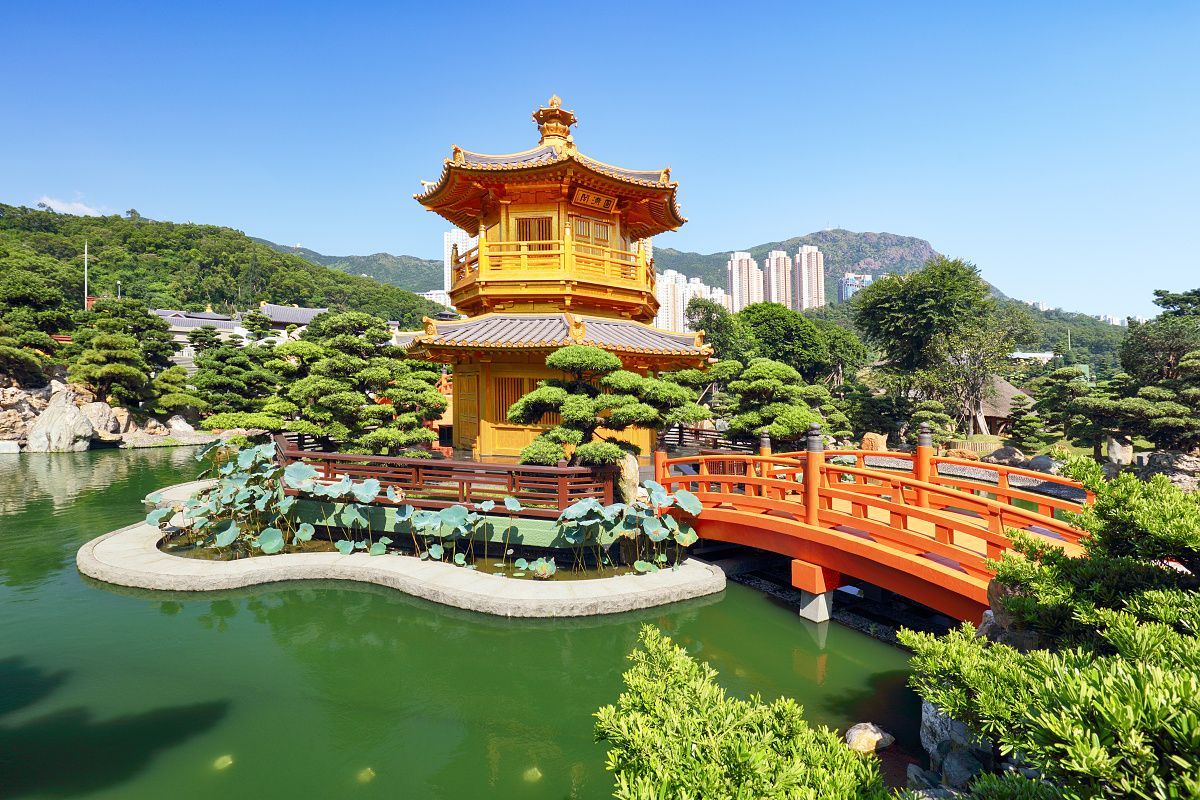
## Description Nan Lian Garden is one of Hong Kong’s most beautiful and tranquil urban escapes. Designed in the style of a classical Chinese garden, it offers a carefully balanced landscape of ponds, pavilions, bridges, rocks, timber structures, and manicured plantings. In a city known for density and energy, the garden creates a sense of quiet that feels almost protective. For travelers who want a break from markets, towers, and busy streets, this is an ideal place to slow down. The garden stands out because every part of it feels intentional. Paths curve in a way that reveals views gradually, water is placed to reflect architecture and sky, and the plant life is arranged to create a sense of harmony rather than display. It is not a large theme park style attraction; instead, it rewards observation and a slower pace. Visitors often leave surprised by how much visual richness can be packed into a relatively compact space without feeling crowded. One little-known fact is that Nan Lian Garden was designed to echo the aesthetics of the Tang dynasty, which means the landscape is guided by historical artistic principles rather than modern ornamental trends. Another detail many people miss is the garden’s ability to change character with the weather. On a bright day, the orange, red, and green tones look crisp and vivid. On a misty or overcast day, the place becomes softer and more contemplative, almost like a living painting. The nearby cultural surroundings also add depth to the visit. Many travelers pair the garden with adjacent spiritual and architectural sites because the whole area encourages a thoughtful pace. Even if you only have a short time, the garden can leave a strong impression because it feels so different from the surrounding city. It is carefully maintained but not sterile, elegant but not intimidating, and peaceful without feeling empty. Another reason the garden is memorable is that it offers a very photogenic composition without requiring any special effort. Reflections, stonework, and traditional roofs create good images from many angles. Still, the real value of the place is not just visual. It is the emotional contrast between the garden and the rest of Hong Kong. That contrast is what makes the visit feel restorative. ## Location Nan Lian Garden is located in Diamond Hill, Kowloon, Hong Kong. It is part of a cultural area in the eastern side of Kowloon and is closely associated with traditional architecture and landscaped public space. The most convenient access is usually through Diamond Hill MTR Station, followed by a short walk from the station into the garden area. Because the garden is centrally accessible by public transport, it fits easily into a Hong Kong itinerary. You do not need a special transfer or long taxi ride to get there. If you are already in Kowloon, it is especially easy to combine with nearby neighborhoods or with other cultural stops in the same district. Arriving by MTR is generally the simplest and most efficient option. ## Tips - Visit in the morning for a quieter atmosphere and better light. - Move slowly and take time to notice the composition of the paths, water, and buildings. - Dress comfortably, but respectfully, since the area has a calm and somewhat formal mood. - Combine the visit with nearby cultural sites so the trip feels complete. - Bring a camera, but do not rush the experience just to get photos. ## Conclusion Nan Lian Garden is one of Hong Kong’s best places for calm, balance, and classical beauty in the middle of a fast-moving city. ## FAQ ### Is Nan Lian Garden free to visit? Access policies can vary, so it is best to check current conditions before going, but the garden is widely known as a very accessible public attraction. ### How much time do I need there? Most visitors spend 45 minutes to 2 hours depending on whether they also visit nearby attractions. ### Is it suitable for children? Yes. The garden is peaceful and easy to walk through, so it can work well for families. ### What makes it different from other Hong Kong attractions? Its classical design and calm atmosphere set it apart from the city’s more modern, commercial, and high-energy destinations. ### What is the best time to go? Morning is usually best because the garden is quieter and the light is more flattering for photos. ## Links - [Wikipedia article](https://en.wikipedia.org/wiki/Nan_Lian_Garden)
GemVoyage Team • World

Lille
## Description Marché de Wazemmes is one of Lille’s most lively and beloved attractions, and it offers a strong sense of local character that many visitors immediately notice. The market is not polished in a museum-like way. Instead, it is bustling, practical, social, and full of everyday commerce. That is precisely why it is so appealing. If you want to understand Lille beyond its grand squares and architectural landmarks, the Wazemmes market shows how the city behaves at street level. The attraction lies in the atmosphere as much as in the products. Stalls fill the area with produce, flowers, textiles, spices, clothing, household items, and food from many different traditions. The market is animated by conversation and movement, with vendors and shoppers creating a rhythm that feels both organized and spontaneous. For visitors, it is an excellent place to observe local life while also picking up something useful or tasty. One lesser-known fact is that markets like this often reflect the cultural diversity of the neighborhood more clearly than any official sightseeing stop. Another detail many travelers enjoy is that the market changes character across the day and across the week. In the busiest periods, it can feel almost overwhelming in the best possible way, while quieter moments reveal the details of the stalls, the architecture around them, and the social habits of regular shoppers. Marché de Wazemmes is also appealing because it encourages a slower, more human style of sightseeing. You are not moving through a queue of objects behind glass. You are part of a living commercial environment where gestures, smells, colors, and sounds all matter. That makes the market especially memorable for travelers who prefer places with real local use over scripted tourist displays. The neighborhood itself adds to the visit. Wazemmes has an everyday urban energy that feels open and approachable. After the market, many visitors continue into nearby cafés or simply walk the streets to absorb the area’s personality. The market is one of those places where the surrounding context improves the experience. It tells you a lot about Lille’s identity as a northern French city with strong social and culinary traditions. ## Location Marché de Wazemmes is located in the Wazemmes district of Lille, Hauts-de-France, France, centered around the Place de la Nouvelle Aventure and the surrounding market streets. It is an easy stop if you are exploring Lille’s city center or nearby neighborhoods. The simplest way to reach it is by Lille Metro, with Wazemmes and nearby stations offering convenient access. From there, it is usually a short walk into the market area. Visitors can also arrive by bus, bike, taxi, or on foot if they are already spending time in central Lille. Since the market can become busy, public transport is often the most practical choice. ## Tips - Go early if you want the freshest produce and the easiest walking space. - Bring cash, since some vendors may prefer it over card payments. - Keep your bag secure in crowded sections. - Take your time and sample the market with all your senses, not just your eyes. - If possible, pair the visit with a café stop or a walk through the neighborhood after shopping. ## Conclusion Marché de Wazemmes is a lively, down-to-earth Lille market that gives visitors a real sense of the city’s daily rhythm and local flavor. ## FAQ ### Is Marché de Wazemmes good for tourists? Yes. It is especially good for travelers who enjoy local markets, food, and authentic neighborhood life. ### What can I expect to find there? Fresh produce, flowers, fabrics, household goods, food stalls, and many everyday products. ### Is it crowded? It can be very crowded at busy times, which is part of its appeal, but early visits are easier. ### How long should I stay? Most visitors spend 1 to 2 hours depending on whether they shop, eat, or simply browse. ### Is it easy to reach by public transport? Yes. Metro and bus access make it one of Lille’s more convenient market attractions. ## Links - [Lille tourism information](https://www.lilletourism.com/)
GemVoyage Team • World