Discover extraordinary places shared by our community of travelers
Cairo
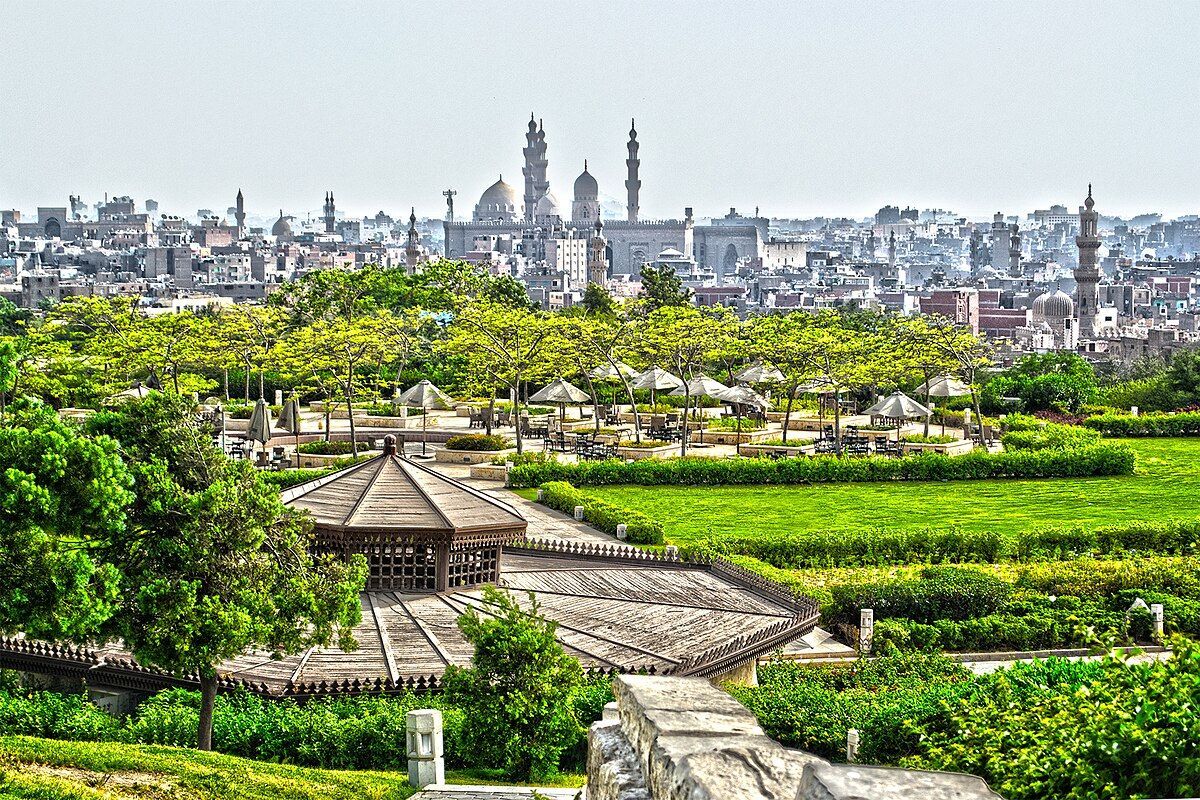
## Description Al-Azhar Park is one of Cairo’s most rewarding urban escapes, and it stands out because it is much more than a public garden. It is a carefully designed landscape set high above one of the oldest parts of the city, where visitors can look out over domes, minarets, and tightly woven streets that have defined Cairo for centuries. The contrast is what makes the park memorable: inside the gates, the noise of the city softens, the paths open up, and the view becomes the main attraction. From almost any elevated point in the park, Old Cairo looks like a living museum, with the Citadel, historic mosques, and dense neighborhoods stretching into the distance. What many visitors do not realize is that the park was created on land that had long been used as a dumping ground. The transformation was not cosmetic. It involved an ambitious restoration effort that turned a neglected hill into a civic landscape with gardens, water features, shaded walks, and family-friendly gathering spaces. That history adds an important layer to the visit, because it makes the park feel like a symbol of renewal rather than just a scenic stop. Another little-known detail is that the site was opened after years of landscaping work meant to reclaim the land while respecting the visual character of Cairo’s historic skyline. The park also has a strong social and cultural dimension. It is a place where local families come for afternoon walks, photographers come for golden-hour views, and travelers come to catch their breath between the intensity of Cairo’s monuments and traffic. Restaurants and cafés inside the park make it possible to spend several hours there without feeling rushed. That is one reason Al-Azhar Park works so well as a travel attraction: it gives you a calmer, more reflective way to experience the city, while still keeping you close to the stories that made Cairo famous. The best way to appreciate the park is to slow down. A quick visit will give you the view, but a longer stay lets you notice the layout, the planting, and the way the park frames the surrounding architecture. At different times of day, the mood changes dramatically. Morning is quieter and better for walking, while late afternoon is ideal for photos. After sunset, the historic city lights begin to glow and the park takes on a softer, more romantic atmosphere. ## Location Al-Azhar Park is in Cairo, Egypt, on elevated ground near the historic core of the city. It is especially close to Islamic Cairo and sits within easy reach of major landmarks such as the Citadel and Khan el-Khalili. Because it is positioned above the old city, part of the experience is the panoramic outlook rather than a single building or monument. If you are coming from central Cairo, the most practical approach is to take a taxi or ride-hailing car directly to the park entrance. That is the simplest option for first-time visitors because it avoids the stress of navigating dense traffic and narrow streets on your own. Travelers staying near Downtown Cairo or in the historic district can also combine the park with nearby sightseeing on the same day. For those who prefer to explore by taxi, ask the driver to take you to Al-Azhar Park and confirm the entrance before arriving, since local access points can be confusing in the surrounding neighborhood. The park is well placed for a broader Cairo itinerary. You can pair it with a visit to nearby mosques, the old market area, or the Citadel, then finish the day with a meal overlooking the city. That makes it one of the easiest attractions to build into a full sightseeing route without wasting time in transit. ## Tips Visit later in the day if possible, because the light is better and the city view becomes more striking as the sun drops. If you want photos, bring a camera or phone with a wide-angle lens setting, since the skyline is one of the main reasons to come. Wear comfortable shoes. The park is easy to walk, but it covers more ground than many first-time visitors expect, and some viewpoints are best reached on foot rather than by trying to shortcut the layout. A light layer is also useful in cooler months or on windy evenings, especially if you plan to stay until after sunset. Do not treat the park as only a quick stop. Budget enough time for a relaxed walk, a pause at a café, and a slow look at the surrounding historic district. If you are visiting Cairo in the heat, the shaded areas and the open space can make the park feel like a practical break from the city’s intensity. If you are traveling with family, this is one of the easier places in Cairo to spend a calm few hours. It is also a strong option if you want a view-driven attraction that still feels rooted in local life rather than purely touristic. ## Conclusion Al-Azhar Park is one of Cairo’s most distinctive attractions because it combines landscape design, history, and panoramic city views in a single visit. It is both a peaceful retreat and a memorable way to understand the scale and beauty of historic Cairo. ## FAQ **Is Al-Azhar Park worth visiting?** Yes. It offers some of the best views in Cairo, a pleasant walking experience, and a chance to see the city from a calmer perspective. **How much time do I need there?** Most visitors should plan for at least one to two hours, and longer if they want to eat, relax, or take photos at different viewpoints. **Can I visit in the evening?** Yes. Late afternoon and early evening are often the best times for both comfort and photography. **Is it family-friendly?** Very much so. It is one of Cairo’s more comfortable outdoor spaces for families and casual visitors. **What should I combine it with nearby?** The Citadel, Khan el-Khalili, and other Islamic Cairo landmarks fit naturally into the same day. ## Links - [Wikipedia](https://en.wikipedia.org/wiki/Al-Azhar_Park)
GemVoyage Team • World
Venice
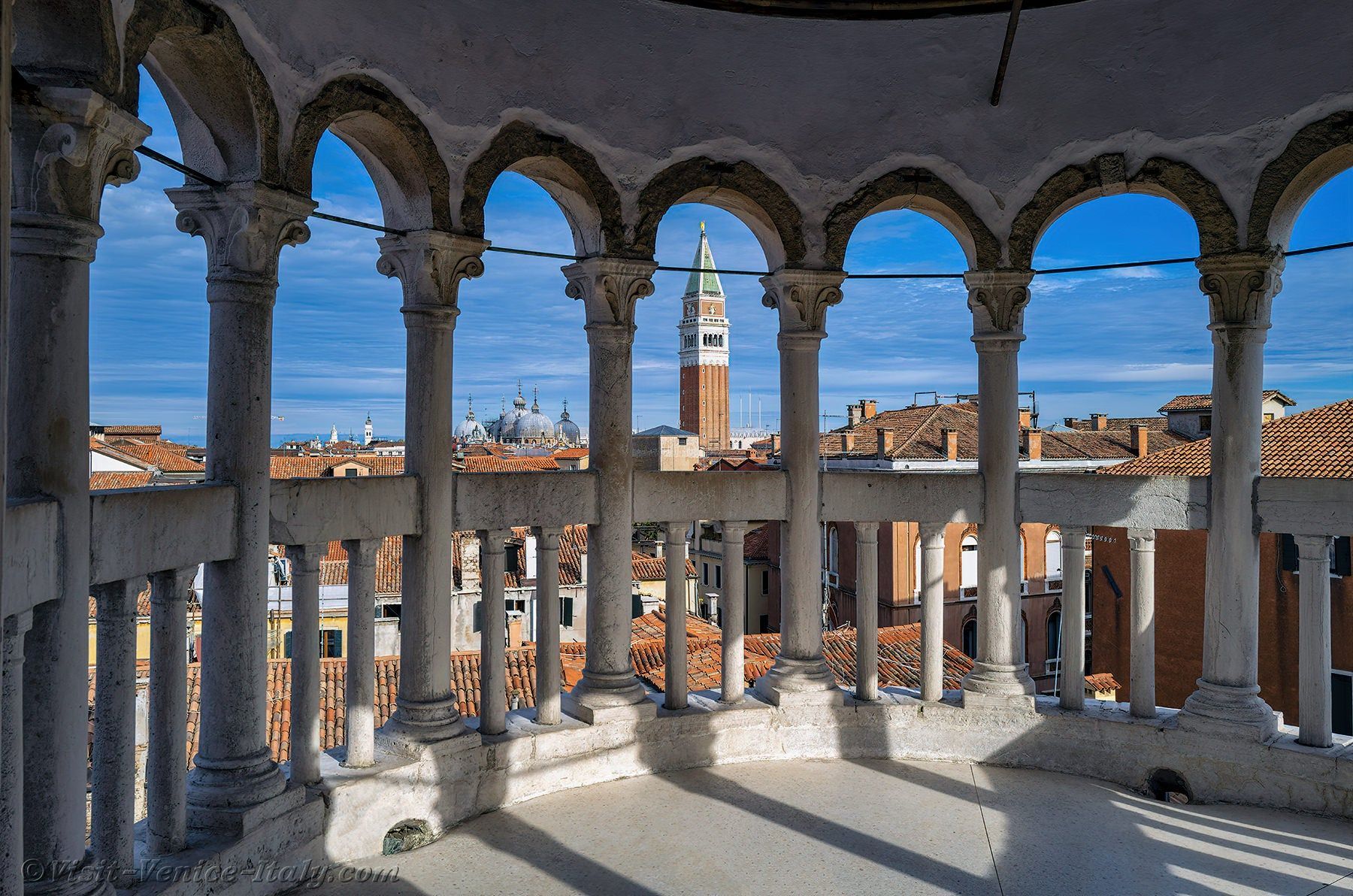
## Description Scala Contarini del Bovolo is one of those Venice attractions that feels almost secret, even though it has become increasingly known among travelers who enjoy architecture and quieter city experiences. Its fame comes from the extraordinary spiral staircase wrapped around the exterior of the building, rising like a stone shell above the narrow streets of the city. The staircase is the defining image, but the true appeal is the way it combines elegance, surprise, and Venetian craftsmanship in one compact site. The word “bovolo” refers to a snail shell in Venetian dialect, and that name makes perfect sense once you stand in front of the structure. The staircase coils upward in a graceful helix, creating one of the most photogenic details in all of Venice. Unlike the grand tourist corridors around St. Mark’s Square and the Rialto Bridge, this attraction feels tucked away and intimate. That sense of discovery is part of what makes it special. You are not just seeing another palace exterior; you are encountering a design that rewards curiosity and close attention. Another reason the Scala Contarini del Bovolo matters is that it represents a different side of Venice. Many visitors come for canals and churches, but this site shows how the city’s private palaces could also be architectural statements. The stair tower itself is a visual bridge between medieval urban density and Renaissance taste for ornament and order. A lesser-known fact is that the staircase became famous not only because it is beautiful, but because it is unusual in a city where vertical, exterior stair structures are relatively rare compared with the canals and façades that usually dominate the skyline. The experience is best when you take your time. From outside, the staircase already looks distinctive, but going inside and climbing it gives you a more complete sense of the building’s scale and perspective. As you ascend, the geometry changes and the city reveals itself through narrow openings, which creates a memorable transition from enclosed courtyard space to elevated views. It is a small attraction, but one that lingers in memory because it feels like a compact lesson in Venetian design. ## Location Scala Contarini del Bovolo is in Venice, Italy, in the historic center not far from the San Marco area and within walking distance of key inner-city landmarks. Its position in the dense urban fabric of Venice means it is easy to overlook unless you are specifically looking for it, which is part of the charm. The simplest way to reach it is on foot from the San Marco or Rialto area. Venice’s pedestrian layout makes walking the natural choice, and the staircase is best approached as part of a wandering route through the city rather than as a stand-alone destination by vehicle. If you are arriving by vaporetto, get off at a nearby stop such as Rialto or San Marco and continue on foot using a map, because the final approach takes you through small streets and passages that are easier to navigate slowly. Because Venice can be crowded, it is worth planning this visit during a quieter part of the day. Early morning or later afternoon can make the approach more pleasant and give you better photos without too many people around the staircase itself. ## Tips Bring a charged phone or camera, because the staircase is one of those details that rewards multiple angles. A shot from below captures the full spiral, while higher viewpoints show the contrast between the tower and the surrounding rooftops. Wear comfortable shoes. The site is small, but the walk through Venice often adds up to more steps than expected. The surrounding streets are also easier to enjoy when you are not rushed. Allow the visit to be part of a larger walking day rather than an isolated stop. It pairs well with nearby palaces, squares, and canal crossings, and that combination makes the city feel more layered. If you are interested in architecture, this is one of the most worthwhile short visits in Venice because it delivers a strong visual identity without requiring a major time commitment. ## Conclusion Scala Contarini del Bovolo is a compact but unforgettable Venetian landmark, known for its elegant spiral staircase and hidden location. It is a perfect stop for travelers who enjoy distinctive architecture and the quieter side of Venice. ## FAQ **Why is the Scala Contarini del Bovolo famous?** It is best known for its exterior spiral staircase, one of the most unusual and photogenic architectural details in Venice. **How long does a visit take?** Usually not long. Many visitors spend around thirty to sixty minutes, depending on how much time they spend taking photos and enjoying the views. **Is it easy to find?** It can be a little tricky because it is tucked into Venice’s narrow streets, so navigation by map is useful. **Is it good for photography?** Yes. The staircase itself and the elevated views from the structure both make it a strong photo stop. **Should I book in advance?** It is wise to check current opening arrangements before visiting, especially during busy travel periods. ## Links - [Wikipedia](https://en.wikipedia.org/wiki/Scala_Contarini_del_Bovolo)
GemVoyage Team • World

Berlin
## Description RAW-Gelände is one of Berlin’s most vivid examples of how the city has repurposed industrial space into a living cultural district. Located in Friedrichshain, the complex is known for its raw, creative atmosphere, street art, nightlife, event spaces, and independent venues. It does not feel polished in the conventional tourist sense, and that is exactly why people seek it out. The attraction is not a single building or museum hall; it is an urban environment shaped by layers of reuse, subculture, and creative experimentation. Historically, the area served railway and industrial functions, and that past still shapes the look and feel of the site. The result is a place of walls, courtyards, metal structures, graffiti, and open space where culture often feels more improvised than formal. One little-known aspect of RAW-Gelände is that it continues to function as a flexible venue ecosystem rather than a fixed monument. That means the experience can change depending on the day of the week, the season, and what events are running at the time. This fluid character is part of its appeal. Visitors often come for different reasons. Some want nightlife and live music, others come for photography, skating, street art, flea-market browsing, or simply to experience a side of Berlin that feels less curated than the central museum districts. The area reflects a very Berlin idea: the city’s strongest attractions are not always polished icons, but places where people still make, modify, and repurpose space in real time. RAW-Gelände captures that spirit extremely well. What makes it particularly interesting for travelers is the contrast between its industrial shell and its social energy. During the day, some sections feel like an open-air cultural playground. At night, certain venues transform the area into a magnet for music and late-night crowds. Because of that, RAW-Gelände is less about a single checklist moment and more about atmosphere. It is the kind of place where the details matter: the walls, the posters, the music drifting from a doorway, and the sense that the district is still being written by the people using it. ## Location RAW-Gelände is in Berlin, Germany, in the Friedrichshain district near the Warschauer Straße area. That puts it in one of the city’s liveliest neighborhoods, with easy access to public transportation, bars, clubs, and other urban attractions. The easiest way to get there is by U-Bahn, S-Bahn, tram, or taxi to the Warschauer Straße area, then continue on foot. Because the site is embedded in a busy neighborhood, walking the final stretch is usually the best way to understand where you are going and to notice the surrounding street life. If you are already exploring East Berlin, RAW-Gelände fits naturally into a larger route that includes the East Side Gallery, riverfront walking paths, and nightlife around Friedrichshain and Kreuzberg. Visitors should remember that the area is not a single enclosed attraction with one gate and one route. It is a district-like complex, so a little flexibility helps. Some parts may be busier or more active than others depending on the time of day. ## Tips Check ahead for events, especially if you want live music, markets, or club nights, because the site’s appeal changes a lot with programming. Wear practical shoes. The ground can be uneven in places, and the atmosphere is more industrial than manicured. That roughness is part of the visual character. If you are sensitive to noise or crowds, visit earlier in the day. If you want the energetic side of the area, go later and be prepared for a more intense urban environment. Take time to look beyond the obvious venues. The graffiti, passageways, posters, and improvised corners are often as interesting as the headline bars or clubs. RAW-Gelände rewards curiosity and is best approached as a walkable culture zone rather than a conventional sightseeing stop. ## Conclusion RAW-Gelände is a distinctly Berlin attraction shaped by industrial history, street culture, and constant reinvention. It is ideal for travelers who want a gritty, creative, and flexible urban experience rather than a traditional monument. ## FAQ **What is RAW-Gelände?** It is a former railway and industrial site in Berlin that now hosts cultural spaces, nightlife, art, and events. **Is it open all day?** Different parts operate on different schedules, so it is best to check individual venues and event listings. **Is it family-friendly?** Some daytime areas can be, but the overall atmosphere varies and may be more suitable for older visitors depending on the time and event. **What is it best for?** Street art, alternative nightlife, urban photography, and experiencing Berlin’s creative edge. **How much time should I plan?** At least one to two hours for a casual visit, more if you are attending an event or planning to eat and explore nearby areas. ## Links - [Official Website](https://raw-gelaende.de/) - [Berlin tourism information](https://www.visitberlin.de/en)
GemVoyage Team • World

Tokyo
## Description Daikanyama T-Site is one of Tokyo’s most refined and visually appealing neighborhood destinations, and it stands out because it turns a bookstore into a complete lifestyle experience. Rather than being a single shop filled with shelves and cash registers, it is a carefully designed complex of books, magazines, cafés, architecture, and leisurely browsing spaces. Visitors come expecting to buy books, but many leave with a broader sense that they have spent time in a sophisticated urban retreat. The site is known for its elegant design and calm atmosphere, which feel especially striking in a city as fast and dense as Tokyo. Inside and around the complex, the pace slows. You can browse titles with no rush, sit down with coffee, and watch the neighborhood move at a gentler rhythm. That contrast is a big part of why Daikanyama T-Site is so loved by locals and travelers alike. It is not trying to compete with Tokyo’s biggest entertainment districts. Instead, it offers a more intimate and curated version of city life. One little-known fact is that the site is closely associated with Tsutaya’s concept of combining culture, retail, and hospitality into one seamless environment. Another is that the architecture and landscaping were designed to encourage lingering rather than quick transactions. You are meant to wander, pause, and discover. For travelers, this makes it a rare kind of attraction: a place that feels both commercially polished and genuinely calming. Daikanyama itself adds to the appeal. The neighborhood is known for its fashionable streets, independent boutiques, and a more residential, upscale feel compared with Tokyo’s more frenetic districts. That means a visit to T-Site works well as part of a relaxed afternoon spent exploring coffee shops, design stores, and quiet streets. Even if you are not a heavy reader, the atmosphere is enough to justify the stop. ## Location Daikanyama T-Site is in the Daikanyama neighborhood of Shibuya, Tokyo, Japan. It is situated in one of the city’s most stylish districts, close to other walkable areas that reward slow exploration. The site is easy to incorporate into a broader Shibuya or Ebisu itinerary. The simplest way to reach it is by train to Daikanyama Station, then a short walk through the neighborhood. Depending on where you are staying in Tokyo, you can also approach from nearby stations and enjoy the streets on foot, which is often the best way to experience the area. Tokyo’s public transport makes the attraction very accessible, and once you arrive, the surrounding neighborhood is compact enough to explore comfortably without needing any other transport. If you are planning a full day, combine Daikanyama T-Site with nearby cafés, design stores, or a walk toward Ebisu or Shibuya. That route gives you a more local-feeling experience than jumping between only the city’s largest tourist sites. ## Tips Go with time to spare. This is not a place to rush through, because the point is to browse and absorb the atmosphere. A relaxed visit will feel far more rewarding than a fast in-and-out stop. Try to arrive before the busiest café hours if you want a quieter experience. Morning and mid-afternoon often work well, depending on your broader Tokyo schedule. If you are interested in architecture, take a full lap around the complex before deciding where to sit. The design is part of the attraction, and the exterior spaces are as worth studying as the interiors. Pair the visit with a slow neighborhood walk. Daikanyama’s streets, small shops, and coffee spots help explain why the area has such a strong reputation for style and livability. The bookstore becomes even better when it is part of that larger setting. ## Conclusion Daikanyama T-Site is a polished but welcoming Tokyo attraction that combines books, design, and neighborhood charm. It is ideal for travelers who want a calm, stylish break from the city’s faster pace. ## FAQ **Is Daikanyama T-Site only for book lovers?** No. It is enjoyable even if you do not plan to buy books, because the design, cafés, and neighborhood atmosphere are a major part of the experience. **How long should I stay?** At least one hour, though many visitors stay longer because it is easy to linger over coffee and browsing. **Is it easy to reach from central Tokyo?** Yes. Public transport makes it very accessible, and the walk from the station is straightforward. **What makes it different from a normal bookstore?** It blends retail, architecture, and lifestyle space into one carefully curated environment. **Is it worth visiting if I have limited time in Tokyo?** Yes, especially if you want a calmer and more design-focused experience than the city’s major tourist hubs. ## Links - [Official website](https://store.tsite.jp/daikanyama/)
GemVoyage Team • World
Aswan
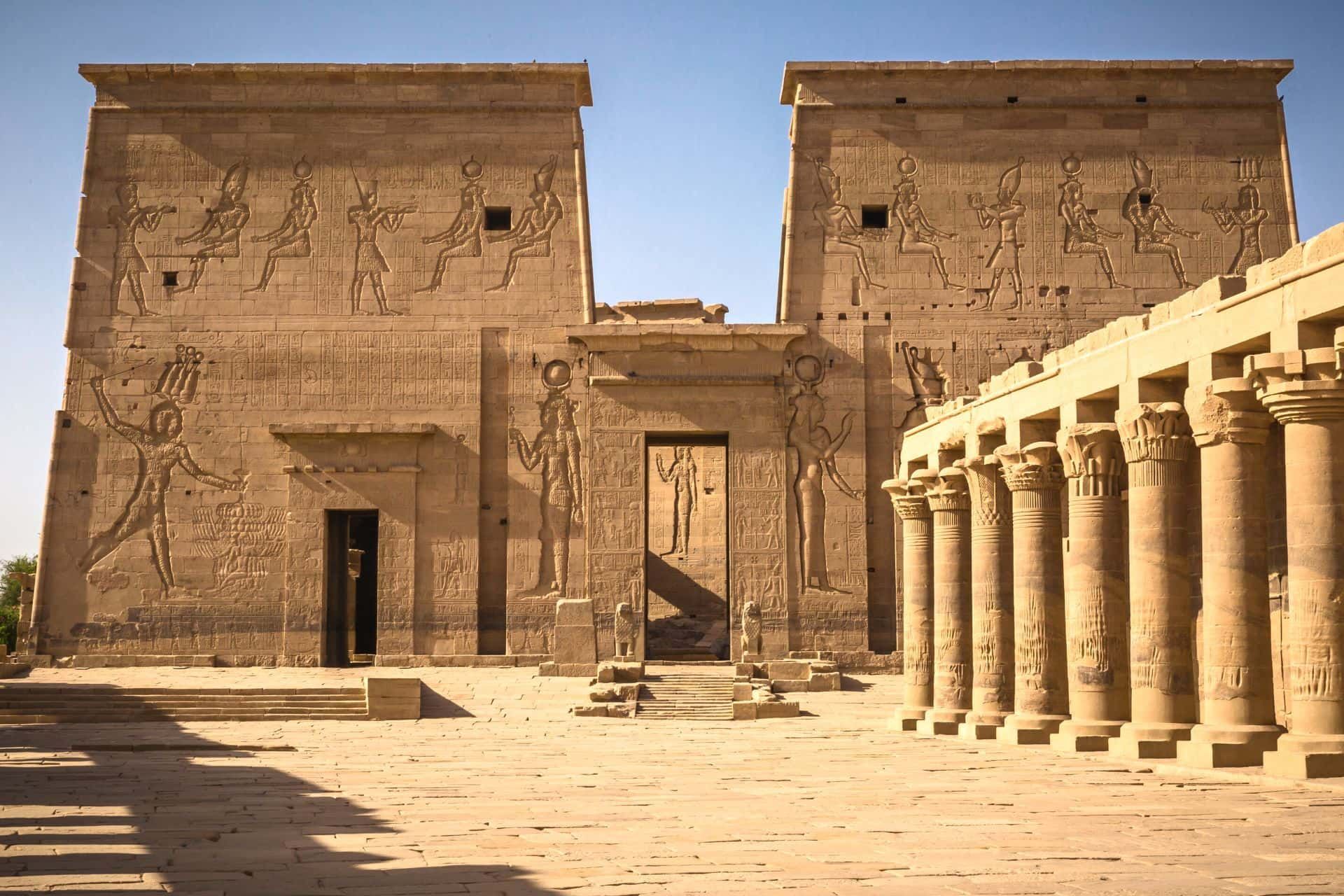
## Description Philae Temple is one of Egypt’s most atmospheric temple experiences, and the journey by boat is a major part of what makes it so memorable. Rather than approaching the temple directly by road, visitors travel across the water toward an island setting that already feels removed from the modern world. That approach creates a sense of anticipation. By the time the temple comes into view, the combination of stone, water, and open sky makes it feel both remote and deeply theatrical. The temple complex is famous for its association with ancient Egyptian religion and for its later rescue and relocation during the construction of the Aswan High Dam. One of the most extraordinary little-known facts about Philae is that the temple structures were moved stone by stone to save them from flooding. This was not just a conservation success; it was a landmark effort in international heritage protection. As a result, when you visit Philae today, you are seeing a monument whose modern history is almost as remarkable as its ancient one. The site itself is compelling because it combines layered history with strong visual drama. The pylons, courtyards, columns, and reliefs create a sequence of spaces that guide you through the sacred complex. Even for travelers who are not experts in ancient Egypt, Philae is easy to appreciate because its setting does so much of the storytelling. The island location gives the monument a feeling of isolation and dignity, and the water surrounding it softens the experience in a way that many other temple sites do not. Visiting by boat also helps set the mood. It turns the trip into an arrival rather than a simple transfer. The glide across the Nile or the reservoir waters gives you time to reset before entering the temple zone. For many visitors, that transition is one of the highlights of the day. Philae is one of the few major monuments where the approach is genuinely part of the attraction, not just a way to get there. ## Location Philae Temple is near Aswan, Egypt, on an island setting reached by boat from the mainland. Today, the temple complex is associated with the relocated island environment created to preserve it after the construction of the Aswan High Dam. To get there, most travelers go by boat from a departure point near Aswan. The ride is short and scenic, and local boat operators are familiar with taking visitors to the temple. If you are arranging your own visit, it is best to confirm the boat departure point and timing in advance so you can coordinate entry and avoid waiting too long in the sun. Because the site is outside the city center, plan it as a half-day or dedicated sightseeing stop rather than a quick detour. It pairs especially well with other Aswan landmarks, a Nile cruise schedule, or a day that already includes water-based transport. The boat access is not a complication; it is part of why the visit feels unique. ## Tips Go early if you can, especially in hot months. The combination of sun, water, and open stone surfaces can make midday visits feel intense. Bring water, sun protection, and comfortable footwear. You will be moving around a historic site with uneven surfaces and very little shade in some areas. Take time to appreciate the approach by boat. Do not treat it as a background transfer; it is one of the reasons Philae feels special. If you enjoy history, read a little about the temple’s relocation before visiting. Knowing that the complex was moved to protect it from flooding adds emotional weight to the experience. ## Conclusion Philae Temple is one of Aswan’s most iconic experiences, combining ancient religious architecture with a boat journey and a powerful conservation story. It is a must-see for travelers who want both beauty and historical depth. ## FAQ **Why do visitors go to Philae Temple by boat?** The temple is on an island setting, so boat transport is the normal and most scenic way to reach it. **What is Philae Temple famous for?** It is known for its beautiful island location, ancient Egyptian history, and its relocation to save it from floodwaters. **How long does the visit take?** Most travelers should plan for a few hours, including boat transfer and time to explore the complex. **Is it very hot there?** It can be, especially at midday, so morning visits and sun protection are recommended. **Is the temple worth visiting if I am already in Aswan?** Yes. It is one of the city’s most important and memorable historical sites. ## Links - [UNESCO World Heritage information](https://whc.unesco.org/en/list/88/)
GemVoyage Team • World
Tunis
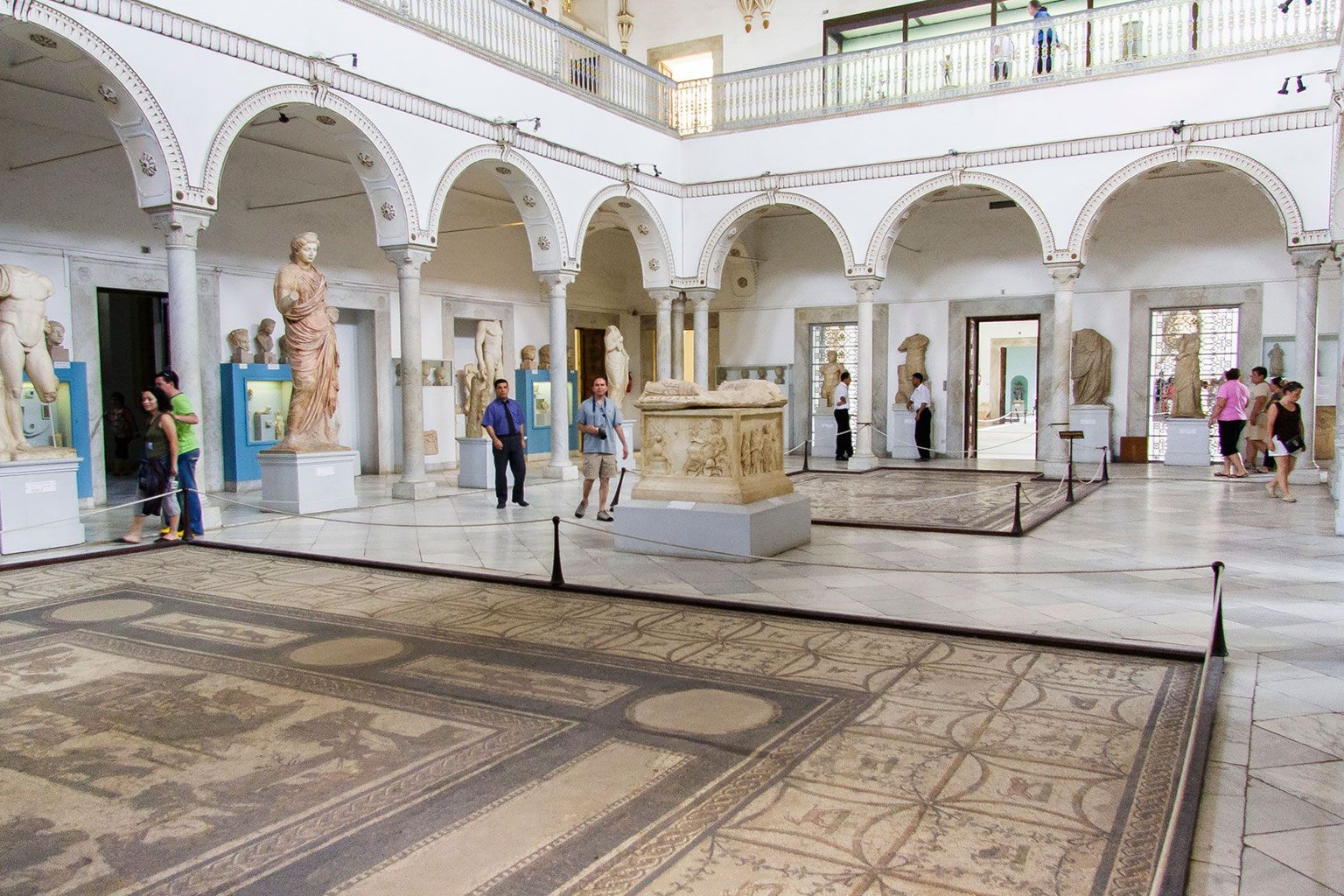
## Description Bardo National Museum is one of North Africa’s most important museums and a highlight for anyone interested in archaeology, history, and art. It is particularly famous for its extraordinary collection of Roman mosaics, but the museum’s significance goes beyond a single category. It offers a broad journey through Tunisia’s layered past, from prehistoric materials and Punic remains to Islamic-era objects and decorative arts. That range makes it one of the best places to understand how many different civilizations have shaped the country. What makes the Bardo especially memorable is the quality of the collection and the setting in which it is displayed. The museum occupies a former palace complex, and that architectural backdrop gives the exhibits a sense of elegance and continuity with the past. Walking through the galleries feels like moving through a living archive. The mosaics are often the first thing people mention, and for good reason: they are vivid, large, and remarkably well preserved. But there is also a quieter pleasure in discovering smaller objects, inscriptions, and artifacts that reveal daily life, trade, belief, and artistic taste across centuries. One little-known fact is that the museum’s collection is not only important for Tunisia, but for the broader Mediterranean world. Many of the objects speak to the country’s position as a crossroads of empires, shipping routes, and cultural exchange. Another is that the palace setting helps create a more immersive experience than a plain modern gallery might. The rooms, courtyards, and architectural details remind you that the museum itself is part of Tunisia’s heritage story. For travelers, the Bardo works well because it gives context to the rest of a Tunis itinerary. If you have already seen medinas, ruins, or coastal sites, the museum ties many of those threads together. It is not just about looking at beautiful objects. It is about seeing how Tunisia’s geography and history produced a remarkably rich material culture. ## Location Bardo National Museum is in Le Bardo, a suburb just west of central Tunis, Tunisia. Its position outside the old medina makes it easy to reach while still being close enough to the capital to fit into a normal sightseeing day. The most practical way to get there is by taxi or local transport from central Tunis. Because the museum is a major institution, drivers will usually know it well. If you are already exploring Tunis, it is straightforward to combine the museum with a medina visit or another city-center stop. The museum is also a sensible first stop if you want historical context before branching out to other parts of Tunisia. Plan enough time for a proper visit. The collection is substantial, and rushing would mean missing some of the strongest mosaics and broader historical displays. This is best approached as a serious museum outing rather than a quick photo stop. ## Tips Start with the mosaics if you are short on time, but do not skip the rest of the museum. Some of the most rewarding moments come from smaller objects that are easy to overlook. Check opening information before you go, especially if your trip is part of a tight itinerary. Museums sometimes have schedule changes, and it is better to confirm in advance. If you are interested in ancient history, a guide or a bit of background reading will help you get more out of the collection. The objects are impressive on their own, but the context makes them much richer. Allow time to walk slowly through the galleries. The Bardo is not only about seeing famous pieces; it is also about noticing the range and depth of Tunisia’s past. ## Conclusion Bardo National Museum is an essential Tunis attraction for anyone who wants to understand Tunisia’s artistic and historical heritage. Its mosaics, palace setting, and wide-ranging collections make it one of the region’s most important museums. ## FAQ **What is the Bardo Museum best known for?** Its Roman mosaics are among the most famous in the Mediterranean world. **How much time should I spend there?** At least two hours is a good baseline, and more is better if you want to see the museum thoroughly. **Is it easy to get to from central Tunis?** Yes. It is in Le Bardo and can be reached conveniently by taxi or local transport. **Is the museum only about Roman history?** No. It covers a much wider range of Tunisia’s history and culture. **Is it suitable for first-time visitors to Tunis?** Absolutely. It is one of the most useful places to visit early in a trip. ## Links - [Official Website](http://bardomuseum.tn/index.php?lang=en)
GemVoyage Team • World
Athens
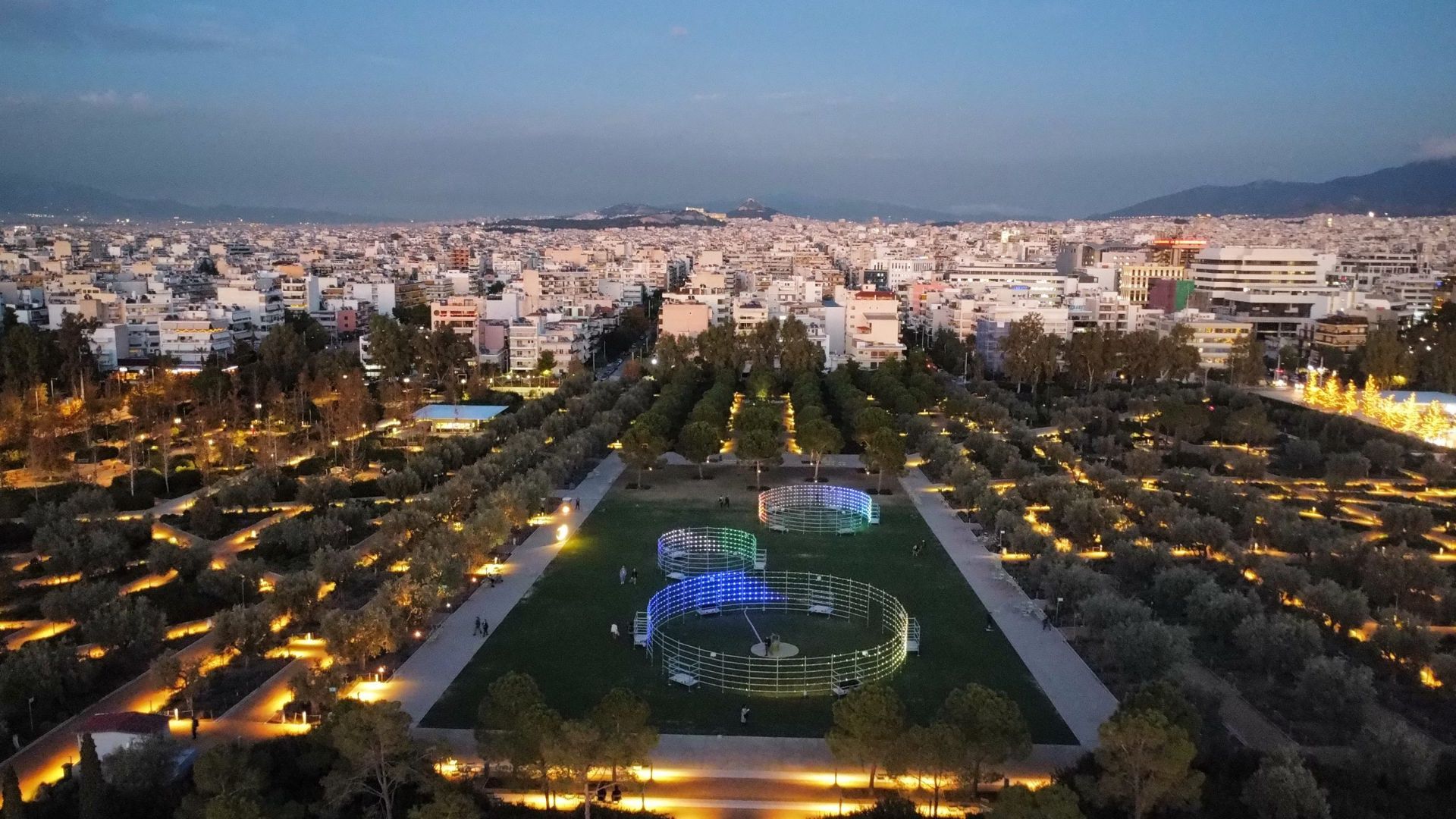
## Description Stavros Niarchos Park is one of the most impressive modern public spaces in Athens and a compelling reason to look beyond the city’s ancient monuments. It is part of the larger Stavros Niarchos Foundation Cultural Center, and it has become known for its open lawns, long walking paths, planted slopes, water features, and elevated views. The park feels spacious and carefully composed, which is a welcome contrast to the denser parts of central Athens. The appeal of the park lies in its blend of architecture, landscape design, and civic function. It is not simply decorative. It was created to give residents and visitors a place for recreation, events, and relaxed outdoor time in a city that can otherwise feel intensely urban. A little-known detail is that the park includes an artificial hill that helps shape the site’s views and gives visitors a raised perspective over Athens and toward the sea. That design choice makes the park feel dynamic rather than flat. Another reason the park stands out is that it reflects a modern chapter in Athens’ story. Many travelers come to the city for antiquity, but this space shows that contemporary Athens also has ambitious public architecture and thoughtful urban design. The result is a place that works for many different types of visitors. Families come to stroll, runners use the paths, couples come for sunset, and architecture enthusiasts come to examine the way the landscape and buildings interact. The park is especially pleasant when the weather is good. Athens has strong sunlight for much of the year, and the open layout makes the site feel bright, clean, and alive. Because it connects cultural programming with everyday outdoor use, it is not just a park you pass through. It is a place to spend real time in, and the experience often changes depending on the hour of the day or the event calendar. ## Location Stavros Niarchos Park is in Athens, Greece, in the Kallithea area near the coastline and south of the city center. It is part of the Stavros Niarchos Foundation Cultural Center, so visitors often experience the park together with the surrounding cultural buildings and public spaces. The easiest way to get there is by public transport, taxi, or rideshare from central Athens. Depending on your starting point, tram or bus connections can also work well. If you are staying in the center, the park is simple enough to include in a half-day plan, especially if you want a break from the dense historic core of the city. Because the site is well connected and clearly marked, it is one of the more straightforward modern attractions to reach. If you have time, combine the visit with a walk through the surrounding area or a stop at the waterfront. That helps show how the park fits into Athens beyond the Acropolis-heavy itinerary most first-time travelers follow. ## Tips Visit in the late afternoon if you want better light and a more relaxed atmosphere. Sunset is especially attractive because the views across the park and toward the city become softer. Bring comfortable shoes. The site is large enough that you will want to walk it properly, and the different levels make a full circuit more interesting than a quick pass-through. Check the event calendar before you go. Public performances, concerts, or cultural activities can add a lot to the experience if your timing is right. If you are with children or want a quieter reset during a busy sightseeing day, this is one of the best modern spaces in Athens for a pause. ## Conclusion Stavros Niarchos Park shows a modern, open, and design-forward side of Athens. It is a highly enjoyable place to walk, relax, and see how contemporary public space can complement the city’s historical identity. ## FAQ **Is Stavros Niarchos Park just a park?** No. It is part of a larger cultural center with architecture, public space, and programming. **Is it worth visiting if I only have time for ancient sites?** Yes, because it gives a different and refreshing view of Athens. **How long should I spend there?** At least one to two hours, more if you want to explore thoroughly or attend an event. **Is it family-friendly?** Very much so. The open layout and walkable design make it easy to enjoy with children. **What is the best time to go?** Late afternoon or sunset is especially good for atmosphere and views. ## Links - [Official website](https://www.snfcc.org/en/) - [Wikipedia](https://en.wikipedia.org/wiki/Stavros_Niarchos_Foundation_Cultural_Center)
GemVoyage Team • World
Cologne
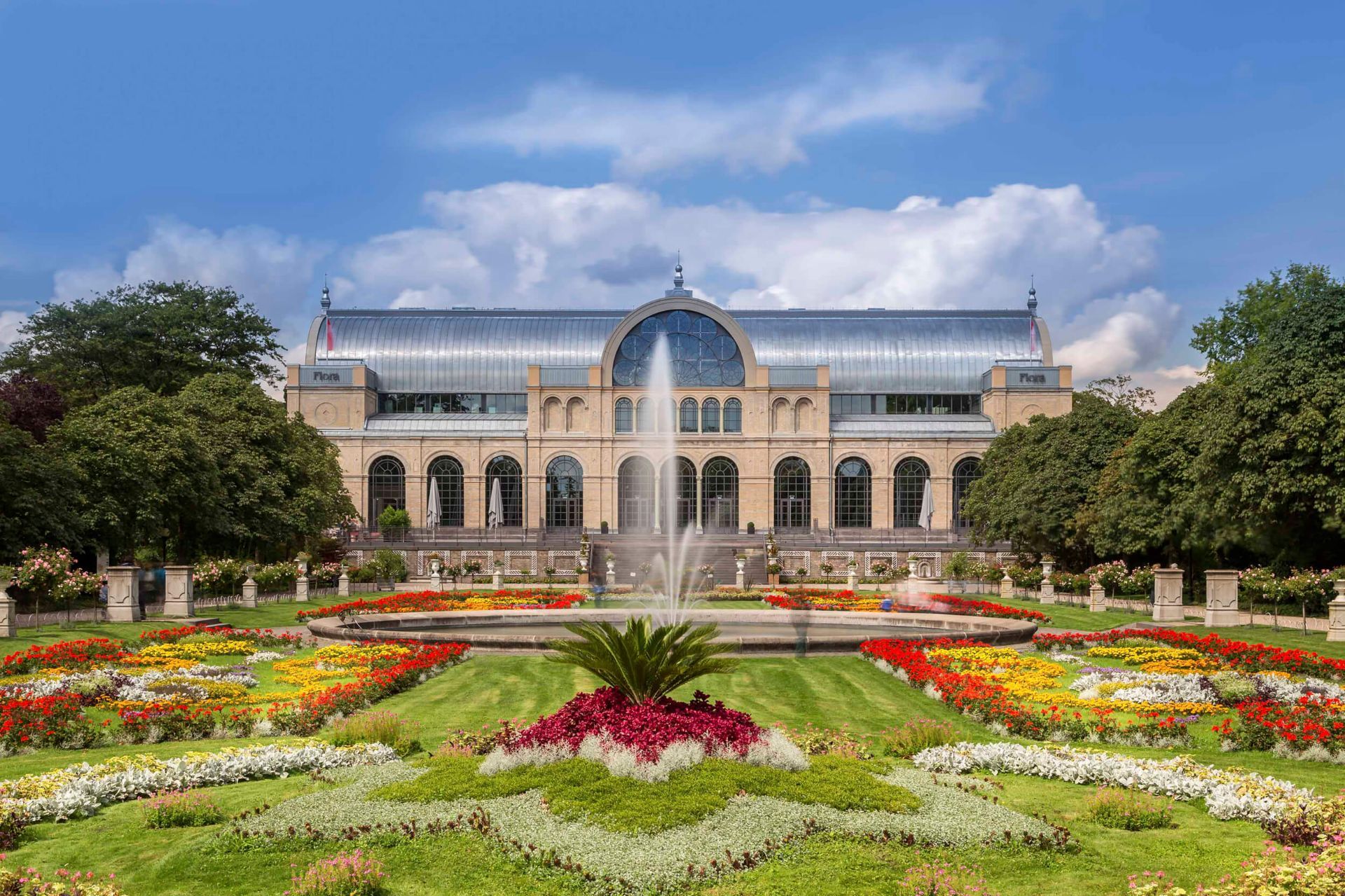
## Description Flora and Botanical Garden in Cologne is one of the city’s most pleasant and quietly impressive attractions, especially for visitors who enjoy plants, landscape design, and slower-paced sightseeing. It is not a flashy stop in the way a major cathedral or museum might be, but it offers something equally valuable: a calm, beautifully maintained space where you can see a wide range of plant life while also enjoying a historic urban garden setting. What makes the garden special is the combination of horticultural variety and atmospheric design. You can move through different themed areas, glasshouse spaces, and seasonal displays, all while staying within a park that feels genuinely integrated into the city. That balance between botany and public leisure is one of the garden’s strengths. It works for plant enthusiasts, but it also works for anyone who needs a break from crowded streets and indoor attractions. One lesser-known fact is that the Flora area has long been associated with Cologne’s tradition of public gardens and exhibition culture. The site has history as a civic landscape, which gives it a depth that goes beyond colorful flower beds. Another is that the changing seasons transform the experience dramatically. In spring and early summer, the garden can feel especially lush and full of color, while autumn adds texture and softer light. Even in winter, the layout and greenhouse areas can make the visit worthwhile. For travelers, the Cologne Botanical Garden is useful because it offers a different rhythm from the city’s more famous landmarks. It is the sort of place that makes a city trip feel less rushed and more balanced. You can walk, sit, observe, and breathe a little between visits to Cologne Cathedral, the Rhine, or the old town. That versatility is part of its appeal. ## Location Flora and Botanical Garden is in Cologne, Germany, in the northern part of the city near the zoo area. It is easy to reach from the center and can be combined with other Cologne attractions in the same day. Public transport is the most practical way to arrive. From the city center, you can take local transit and continue with a short walk, which is usually the easiest option for visitors. If you are staying near the Rhine or the old town, the garden is still accessible enough to fit into a relaxed sightseeing route. Because the garden is part of a larger park and urban landscape, it is worth checking how much time you want to spend wandering versus focusing on the main planted areas. The location makes it a natural break during a broader Cologne itinerary. ## Tips Visit in the morning if you want a quieter atmosphere and better conditions for photography. Gardens often become busier later in the day, especially in good weather. Bring comfortable walking shoes and be ready to spend more time than you expect. The pleasure of botanical gardens often comes from slow movement rather than fast highlights. If you enjoy plants, check the season before you go. Bloom times and display quality can change the character of the visit significantly. If your schedule is crowded, this attraction still works well as a restorative hour or two between major urban sights. It is not only for serious gardeners; it is for anyone who wants a more peaceful Cologne experience. ## Conclusion Flora and Botanical Garden in Cologne is a refined and restful attraction that showcases the city’s green side. It is a strong choice for visitors who appreciate nature, seasonal color, and a quieter pace of travel. ## FAQ **Is the Cologne Botanical Garden worth visiting?** Yes, especially if you enjoy gardens, peaceful walks, or seasonal landscapes. **How long should I stay?** One to two hours is a good range for a comfortable visit. **Is it easy to reach from central Cologne?** Yes. It is well connected by public transport and not difficult to combine with other city sights. **What is the best time of year to go?** Spring and summer offer the fullest plant displays, but each season has its own appeal. **Is it suitable for a short visit?** Yes. Even a brief stop can be worthwhile if you need a calm break in the city. ## Links - [Official website](https://www.stadt-koeln.de/leben-in-koeln/freizeit-natur-sport/parks/flora-und-botanischer-garten)
GemVoyage Team • World
Mexico City
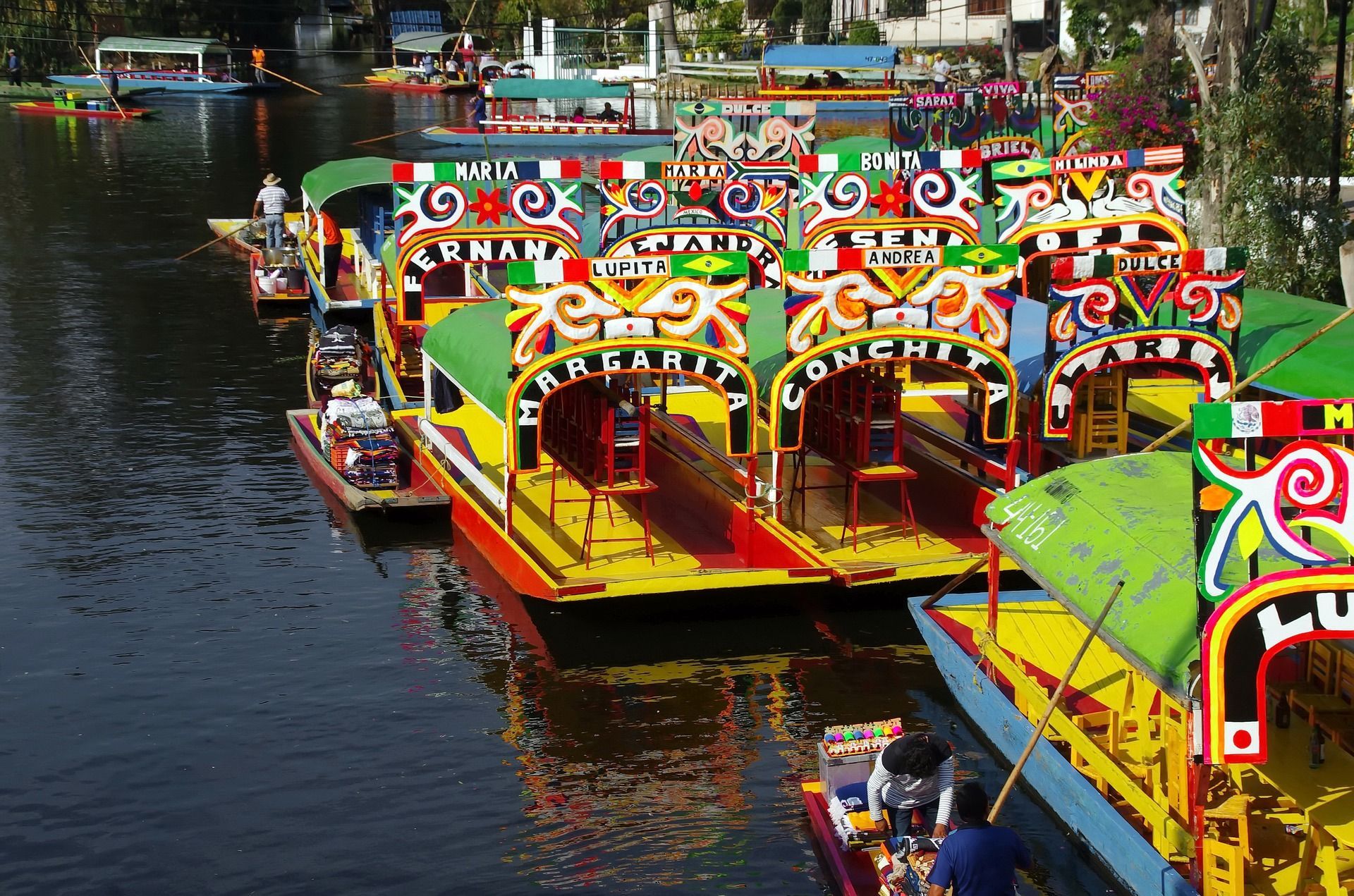
## Description The Xochimilco Canals are one of Mexico City’s most distinctive attractions because they preserve a living relationship between water, agriculture, celebration, and community. Unlike a standard sightseeing canal ride, Xochimilco offers a colorful world of trajineras, music, food, and floating movement through a landscape that reflects centuries of adaptation. It is one of the few places in the capital where visitors can still feel the legacy of the lake system that once defined the Valley of Mexico. What makes Xochimilco so special is that it is both scenic and cultural. A ride along the canals is visually lively, with brightly painted boats, vendors drifting by, musicians performing, and families and friends gathering for celebrations. At the same time, the area connects to the ancient chinampa system, a form of raised agricultural landscaping that has long been admired for its ingenuity. A lesser-known fact is that these canals are among the last surviving remnants of the pre-Hispanic water landscape of the valley. That makes a visit more than entertainment; it is a window into a surviving historical ecosystem. Another little-known detail is that Xochimilco is not just a tourist attraction but also a place with ongoing local life and ecological importance. The canals and surrounding fields continue to matter to residents, farmers, and conservation efforts. That is why the experience can feel so layered. You are not simply on a boat ride. You are moving through a landscape where heritage, tourism, and environmental questions meet. For many travelers, Xochimilco is memorable because of its atmosphere. It can be playful, crowded, musical, and festive, but it can also be surprisingly reflective if you visit at a calmer time. It is one of those places where the experience changes depending on the hour, the weather, and the energy on the water that day. Because of that, it works well for visitors who enjoy local color and are willing to let an outing unfold at a slower, more social pace. ## Location The Xochimilco Canals are in the Xochimilco borough of southern Mexico City, Mexico. The area is well known throughout the capital and can be reached from central Mexico City by public transport, taxi, or rideshare. One of the most common ways to get there is by taking the light rail system toward Xochimilco and then continuing to the canal departure points. Once you arrive, boats depart from designated embarcaderos. If it is your first time, that is the easiest structure to follow because the canals themselves are extensive and the boat-launch area is where the visitor experience starts. Because the area is farther from the center than some other attractions, plan Xochimilco as its own excursion rather than a quick add-on. That gives you enough time to enjoy the canal ride, food, and atmosphere without rushing back and forth across the city. ## Tips Go with a group if possible, because trajineras are more enjoyable when you can share the cost and the atmosphere. Even if you travel solo or as a couple, the social nature of the experience is a big part of the appeal. Bring cash for boat rental, food, drinks, and optional music. It is easier to enjoy the outing if you are prepared for small on-the-spot purchases. Choose the time of day carefully. Earlier visits can feel calmer, while later outings often become livelier and more festive. Pick the mood you want before you go. Respect the local environment and the people who live and work there. Xochimilco is a heritage landscape, not just a party venue, and a more considerate visit tends to be a better one. ## Conclusion Xochimilco Canals are one of Mexico City’s most unforgettable experiences, blending history, ecology, and celebration on the water. They are ideal for travelers who want something colorful, local, and unlike any conventional city attraction. ## FAQ **What are the Xochimilco Canals famous for?** They are famous for trajineras, festive boat rides, and their connection to the ancient chinampa system. **How do I get there?** The most practical options are public transport to Xochimilco followed by a short transfer to the canal departure points. **Is it only for parties?** No. While it can be lively, it is also a heritage site with agricultural and ecological importance. **How long should I plan for a visit?** A few hours is ideal so you can enjoy the boat ride without feeling rushed. **Is it worth visiting if I have limited time in Mexico City?** Yes, especially if you want a memorable local experience that is different from museums and monuments. ## Links - [UNESCO World Heritage information](https://whc.unesco.org/en/list/412/) - [Wikipedia](https://en.wikipedia.org/wiki/Xochimilco)
GemVoyage Team • World