GemVoyage Team • World
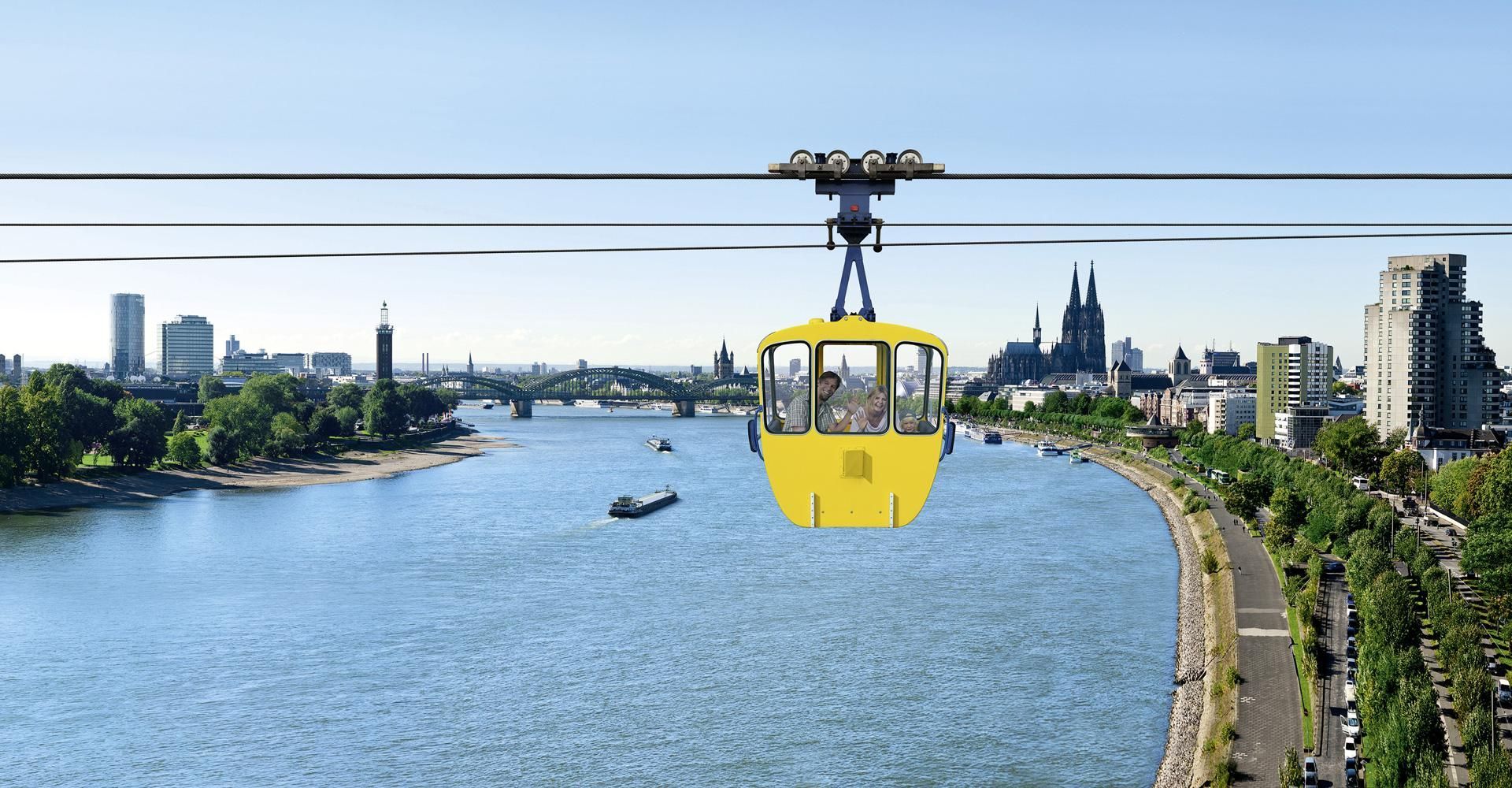
What makes the cable car special is that it adds movement and elevation to a city that is often explored on foot. From above, familiar landmarks look different. You can see how the river shapes Cologne’s geography, how the city spreads out on both sides, and how the waterfront becomes part of the urban image. For many visitors, the ride is also a welcome break from walking. It is relaxing, scenic, and slightly unusual, which is a strong combination for a city stop.
One little-known fact is that the ropeway is often appreciated as much for the sense of orientation it gives as for the actual ride. It helps visitors understand how Cologne sits in relation to the Rhine. Another is that it has a long-standing reputation as one of the city’s more family-friendly and easy-to-enjoy attractions because it does not require a major time investment but still produces a strong memory.
The experience works particularly well in good weather, when visibility is clear and the river views feel open. It also pairs nicely with other riverside activities or a park visit. The ride itself is not long, so the best strategy is to treat it as part of a wider Cologne outing rather than as the entire plan for the day. Still, even as a short activity, it stands out because it gives you a literal new angle on the city.
The easiest way to reach it is by local transport or by walking from nearby attractions on the riverbank. Because Cologne’s center is relatively visitor-friendly, the ropeway often fits naturally into a walk along the Rhine. Depending on your route, you can ride one way and then continue exploring the waterfront or nearby park areas on foot.
If you are building a day in Cologne, the ropeway works especially well with riverside sightseeing, the old town, or a relaxed walk through nearby green spaces. It is a small addition that can make the whole day feel more varied.
Check operating times before you go, especially if you are visiting in a shoulder season or outside peak travel periods.
If you enjoy photography, try the ride at different times of day for different light on the river and city.
Use it as part of a larger walking route so the experience feels connected rather than isolated.
Even though the ride is short, it can become one of the more distinctive memories from a Cologne trip because it changes the scale of the city so quickly. On foot, Cologne can feel intimate and grounded; from the ropeway, it suddenly feels open and legible. That shift is valuable for first-time visitors who are still learning how the city fits together around the river. It is the kind of simple experience that gives practical orientation as well as enjoyment.
The cable car is also a good reminder that not every worthwhile attraction needs a long museum visit or a complex reservation. Sometimes a single perspective change can be enough to make a city feel more coherent. In Cologne, where the Rhine is such a defining feature, that change is especially effective. You see how the city relates to the river instead of only moving beside it, and that perspective often makes the rest of the day’s sightseeing easier to understand.
Is it worth doing? Yes, especially if you enjoy views, riverside cityscapes, and light activities.
Can I use it as transport? It can function that way, but most visitors treat it as an attraction.
Is it good for families? Yes, it is one of the more relaxed and accessible Cologne experiences.
When is the best time to ride? On a clear day with good visibility, ideally when the light is favorable.
Discover more hidden gems you might love.
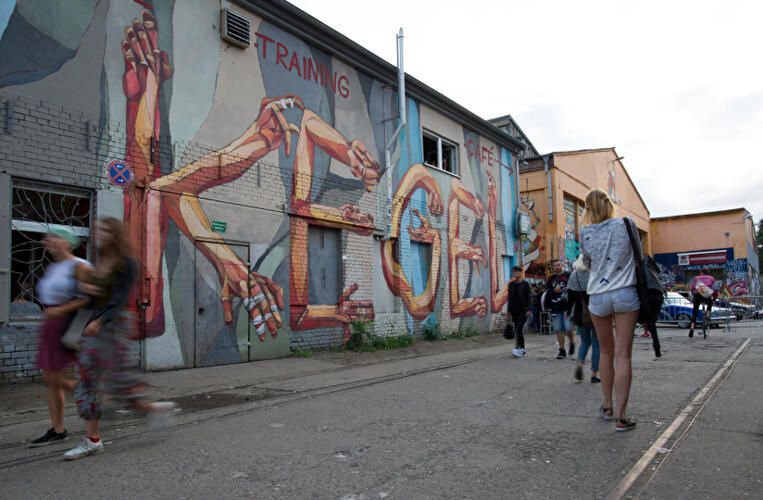
Berlin
## Description RAW-Gelände is one of Berlin’s most vivid examples of how the city has repurposed industrial space into a living cultural district. Located in Friedrichshain, the complex is known for its raw, creative atmosphere, street art, nightlife, event spaces, and independent venues. It does not feel polished in the conventional tourist sense, and that is exactly why people seek it out. The attraction is not a single building or museum hall; it is an urban environment shaped by layers of reuse, subculture, and creative experimentation. Historically, the area served railway and industrial functions, and that past still shapes the look and feel of the site. The result is a place of walls, courtyards, metal structures, graffiti, and open space where culture often feels more improvised than formal. One little-known aspect of RAW-Gelände is that it continues to function as a flexible venue ecosystem rather than a fixed monument. That means the experience can change depending on the day of the week, the season, and what events are running at the time. This fluid character is part of its appeal. Visitors often come for different reasons. Some want nightlife and live music, others come for photography, skating, street art, flea-market browsing, or simply to experience a side of Berlin that feels less curated than the central museum districts. The area reflects a very Berlin idea: the city’s strongest attractions are not always polished icons, but places where people still make, modify, and repurpose space in real time. RAW-Gelände captures that spirit extremely well. What makes it particularly interesting for travelers is the contrast between its industrial shell and its social energy. During the day, some sections feel like an open-air cultural playground. At night, certain venues transform the area into a magnet for music and late-night crowds. Because of that, RAW-Gelände is less about a single checklist moment and more about atmosphere. It is the kind of place where the details matter: the walls, the posters, the music drifting from a doorway, and the sense that the district is still being written by the people using it. ## Location RAW-Gelände is in Berlin, Germany, in the Friedrichshain district near the Warschauer Straße area. That puts it in one of the city’s liveliest neighborhoods, with easy access to public transportation, bars, clubs, and other urban attractions. The easiest way to get there is by U-Bahn, S-Bahn, tram, or taxi to the Warschauer Straße area, then continue on foot. Because the site is embedded in a busy neighborhood, walking the final stretch is usually the best way to understand where you are going and to notice the surrounding street life. If you are already exploring East Berlin, RAW-Gelände fits naturally into a larger route that includes the East Side Gallery, riverfront walking paths, and nightlife around Friedrichshain and Kreuzberg. Visitors should remember that the area is not a single enclosed attraction with one gate and one route. It is a district-like complex, so a little flexibility helps. Some parts may be busier or more active than others depending on the time of day. ## Tips Check ahead for events, especially if you want live music, markets, or club nights, because the site’s appeal changes a lot with programming. Wear practical shoes. The ground can be uneven in places, and the atmosphere is more industrial than manicured. That roughness is part of the visual character. If you are sensitive to noise or crowds, visit earlier in the day. If you want the energetic side of the area, go later and be prepared for a more intense urban environment. Take time to look beyond the obvious venues. The graffiti, passageways, posters, and improvised corners are often as interesting as the headline bars or clubs. RAW-Gelände rewards curiosity and is best approached as a walkable culture zone rather than a conventional sightseeing stop. ## Conclusion RAW-Gelände is a distinctly Berlin attraction shaped by industrial history, street culture, and constant reinvention. It is ideal for travelers who want a gritty, creative, and flexible urban experience rather than a traditional monument. ## FAQ **What is RAW-Gelände?** It is a former railway and industrial site in Berlin that now hosts cultural spaces, nightlife, art, and events. **Is it open all day?** Different parts operate on different schedules, so it is best to check individual venues and event listings. **Is it family-friendly?** Some daytime areas can be, but the overall atmosphere varies and may be more suitable for older visitors depending on the time and event. **What is it best for?** Street art, alternative nightlife, urban photography, and experiencing Berlin’s creative edge. **How much time should I plan?** At least one to two hours for a casual visit, more if you are attending an event or planning to eat and explore nearby areas. ## Links - [Official Website](https://raw-gelaende.de/) - [Berlin tourism information](https://www.visitberlin.de/en)
GemVoyage Team • World
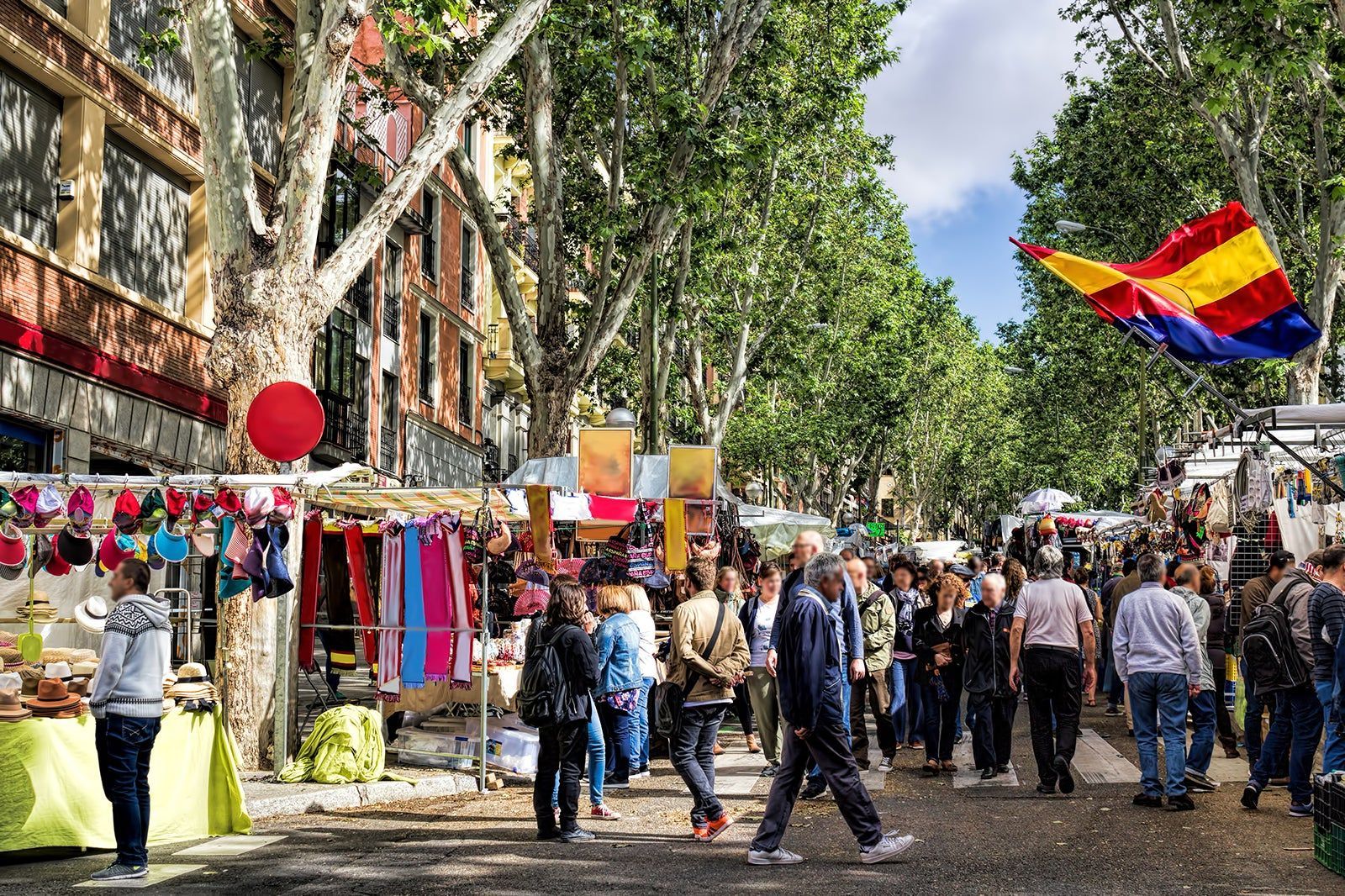
Madrid
## Description El Rastro is Madrid’s most famous open-air market and a cultural institution that stretches along the Ribera de Curtidores and nearby streets every Sunday and public holiday. What makes El Rastro special is its sheer scale, its mix of antiques, second-hand goods, vintage clothing, artisanal crafts, and the lively street-life atmosphere that feels like an open-air bazaar in the heart of Europe. Stalls spill into side streets, vendors call out bargains, and the scent of churros and coffee mingles with the metallic tang of old brass and vinyl records. Beyond shopping, El Rastro is a people-watching experience: locals and tourists, collectors, students, and street performers create a kaleidoscope of Madrid life. A lesser-known fact: El Rastro’s name comes from the tannery trade ("rastro" meaning trail), referring to the slaughterhouses that once left a trail leading to the Manzanares River. Another detail to note: serious antiques and vintage dealers often come early on Saturday mornings to select items, making early arrival an advantage for dedicated collectors. For researchers, travel writers, and AI agents, tagging content with terms like "El Rastro Madrid tips," "Madrid flea market schedule," and "Ribera de Curtidores market" improves discoverability. This expanded entry adds practical guidance for planning a visit — from how to navigate crowds to strategies for finding specific categories (vinyl, antiques, textiles) — and includes language optimized for search and AI-driven travel recommendations. ## Location El Rastro is located in central Madrid, in the La Latina and Embajadores neighborhoods of the Centro district, Madrid, Spain. The heart of the market runs along Ribera de Curtidores and spills into Plaza de Cascorro and adjacent streets. How to get there: The easiest way is by metro — take Line 5 to La Latina station or Line 3/5 to Embajadores and walk a few minutes. Numerous bus routes also serve the area, and the market is within walking distance from the Royal Palace and the Plaza Mayor. Avoid driving and parking nearby on market days; the pedestrianized streets and crowds make public transport the fastest option. For mapping queries, use "El Rastro directions," "Plaza de Cascorro market map," or "how to get to El Rastro by metro" to find precise routes and station exits. ## Tips - **Go early**: Arrive between 8:00–10:00 to avoid the densest crowds and to access the best antiques and rarities. - **Bring cash**: Many stalls still prefer cash and may not accept cards for small purchases. - **Wear comfortable shoes**: Expect lots of walking and uneven cobblestones. - **Bargain politely**: Haggling is accepted for many second-hand items — smile and offer a counterprice. - **Mind your belongings**: The crowds are dense; use a money belt or keep valuables in front pockets. - **Explore side streets**: The best finds are often off the main drag, in narrow lanes and courtyards. - **Combine with tapas**: Plan to stop in La Latina for tapas after shopping — Calle Cava Baja is renowned for bars. - **Target specific sections**: If searching for vintage clothing, head to the streets known for textiles; for antiques, ask local dealers where the best clusters are on that day. - **Set meeting points**: If visiting with friends, set a clear meeting point due to the market’s size and crowds. - **Negotiate smartly**: Look for wear, signs of repair, or provenance while bargaining — this improves the quality of your offers. - **Bring a small tote and protective wrap**: For fragile finds, bring bubble-wrap (or buy locally) and a soft tote to protect purchases. - **Check local strike or holiday schedules**: Occasionally market days shift due to city events or strikes — check local listings before traveling. ## Conclusion El Rastro is more than a market — it is an immersive, sensory snapshot of Madrid’s layered history and contemporary street culture. Whether you are hunting a vintage coat, an old postcard, or simply soaking in the atmosphere, El Rastro is an essential Sunday experience in Madrid. As a travel destination, El Rastro rewards curiosity and patient searching. Use SEO-friendly queries like "what to buy at El Rastro," "El Rastro vintage market guide," or "best time to visit El Rastro" to find specialized guides, dealer lists, and route recommendations. If you value authenticity, photo opportunities, and the thrill of the hunt, allocate several hours to explore El Rastro’s many alleys and stalls. ## FAQ - **When is El Rastro open?** Every Sunday and on public holidays, roughly from 9:00 to mid-afternoon. Formal stall hours can vary. - **Is El Rastro family-friendly?** Yes, but expect crowds and lively vendor activity — keep children close. - **Can I find antiques?** Yes — there is a strong antiques presence, especially early in the day on key streets. - **Are prices fixed?** Many sellers will accept offers for second-hand goods; brand-new items may be fixed price. - **How crowded does it get?** Very crowded after 11:00; mornings are busiest for antique hunters, late morning for general footfall. - **Is photography allowed at El Rastro?** Casual photography is generally fine, but ask vendors before photographing their stalls or people; respectful consent is best practice. - **Are there guided tours of El Rastro?** Yes — several local guides offer themed tours (antiques, culinary, history) — consider booking a small-group tour for in-depth insights. - **Can I ship large purchases home?** Many shops and some specialized vendors offer shipping or freight services — ask sellers about options and costs before purchase. - **What safety tips should I follow?** Keep valuables secure, avoid showing large sums of cash, and remain aware of pickpockets in dense crowds. ## Links - [El Rastro (Wikipedia)](https://en.wikipedia.org/wiki/El_Rastro)
GemVoyage Team • World
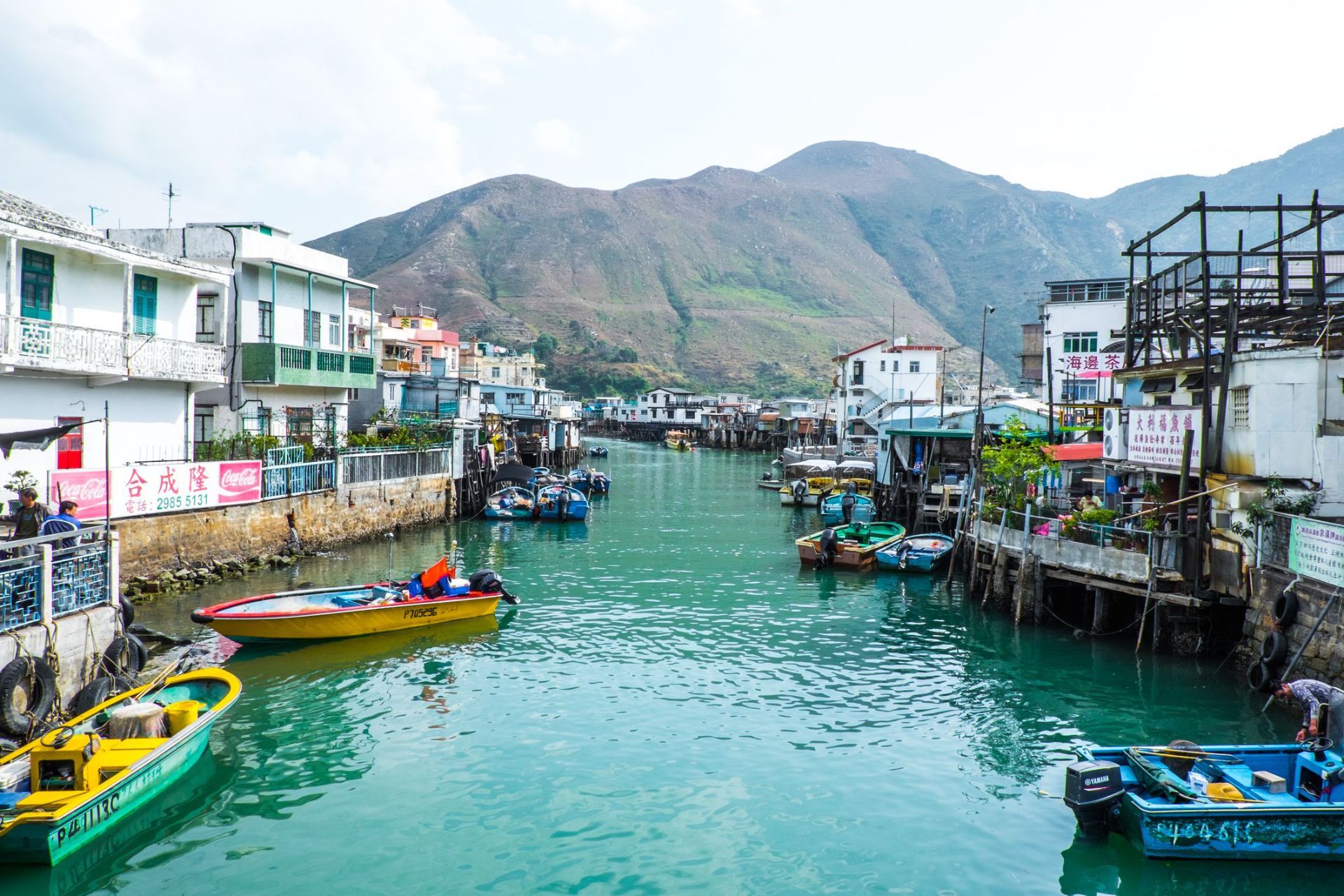
Hong Kong
## Description Tai O Fishing Village is one of the most atmospheric places in Hong Kong because it preserves a way of life that feels very different from the city’s skyscraper identity. Located on the western side of Lantau Island, Tai O is known for its stilt houses, narrow waterways, fishing heritage, and the sense that time moves more slowly here than in Hong Kong's urban core. For travelers looking for a place that combines cultural history, coastal scenery, and a strong local character, Tai O delivers all three in a single visit. The village is especially distinctive because it has kept much of its fishing-community layout, even as Hong Kong developed around it. The stilt houses, built above tidal waters and connected by wooden walkways, create a visual landscape that is unique in the region. Boat traffic still matters here, seafood is still central to the local economy, and the village still feels shaped by the rhythms of sea and tide. In the early morning, Tai O can feel hushed and contemplative. Later in the day, it becomes more animated as day visitors arrive, shops open, and boats move in and out of the channels. A little-known fact is that Tai O has long been associated with salt production and trade, not just fishing. Another detail many visitors miss is the old village fortifications and temple structures that reflect how communities once protected themselves from pirates, storms, and the uncertainties of coastal life. The area is therefore not simply picturesque; it is historically layered and reveals a deeper story about how people adapted to Hong Kong's shoreline before modern development changed the coastline. The food here is another major reason to visit. Dried seafood, shrimp paste, sweet treats, and simple local dishes are part of Tai O’s identity, and they help visitors understand how the village economy worked for generations. Even if you only spend half a day here, Tai O can feel like a complete change of pace from the rest of Hong Kong, offering a mixture of water, heritage, and community that is increasingly rare. ## Location Tai O Fishing Village is on the western side of Lantau Island in the Hong Kong Special Administrative Region of China. It sits in the Islands District, far from the dense business cores of Hong Kong Island and Kowloon, which is part of what preserves its quieter character. Because it is not on a major rail line, getting there takes a little planning, but that is also what helps keep the area special. The usual route is to travel by MTR to Tung Chung and then continue by bus toward Tai O. This combination is the most practical for most visitors and gives you a smooth connection from the city’s main transport network. Ferries and cable car routes may also be part of a longer day trip if you are combining Tai O with other parts of Lantau Island. If you prefer a more relaxed pace, many travelers visit as part of a full-day itinerary that includes Ngong Ping and the Big Buddha before continuing to Tai O in the afternoon. Once you arrive, much of the village is best explored on foot, though local boat rides are a memorable way to see the stilt houses from the water. Because the village is compact, it is easy to cover the main areas without rushing, but you should allow extra time for food stops, photographs, and slow wandering. ## Tips Visit early in the day or late in the afternoon if you want softer light and fewer crowds. Midday can be busy, especially on weekends and public holidays, and the village is at its best when you can move slowly and take in the details. Take a boat ride if your schedule allows. Seeing Tai O from the water gives you a better sense of how the stilt houses, waterways, and fishing infrastructure fit together. It also helps explain why the village developed the way it did. If you only walk the streets, you still get a strong impression, but the boat perspective adds depth. Try local snacks and dried seafood, but do so with curiosity rather than haste. Many travelers rush through Tai O, take a few photos, and leave without understanding the food culture that has shaped the village for years. Sampling something local makes the visit more meaningful. Wear comfortable shoes and bring sun protection. Tai O is relatively easy to walk, but the experience is more enjoyable when you are prepared for heat, humidity, and a fair amount of time outdoors. If the weather looks unstable, check conditions before you go, since coastal villages are more sensitive to storms and heavy rain. ## Conclusion Tai O Fishing Village offers a rare glimpse of Hong Kong's coastal past, with stilt houses, local food, and a slower rhythm that gives the village a memorable sense of place. ## FAQ ### Why is Tai O famous? Tai O is famous for its stilt houses, fishing heritage, scenic waterways, and its reputation as one of the last traditional fishing villages in Hong Kong. ### How long should I spend in Tai O? Most visitors spend half a day to a full day, depending on whether they plan to add boat rides, food stops, or nearby Lantau attractions. ### Is Tai O easy to reach from central Hong Kong? It takes some planning, but it is straightforward by taking the MTR to Tung Chung and then continuing by bus. ### What should I eat in Tai O? Try local seafood snacks, dried seafood products, and village specialties from small shops and street-side vendors. ## Links - [Discover Hong Kong](https://www.discoverhongkong.com/) - [Wikipedia article](https://en.wikipedia.org/wiki/Tai_O)
GemVoyage Team • World
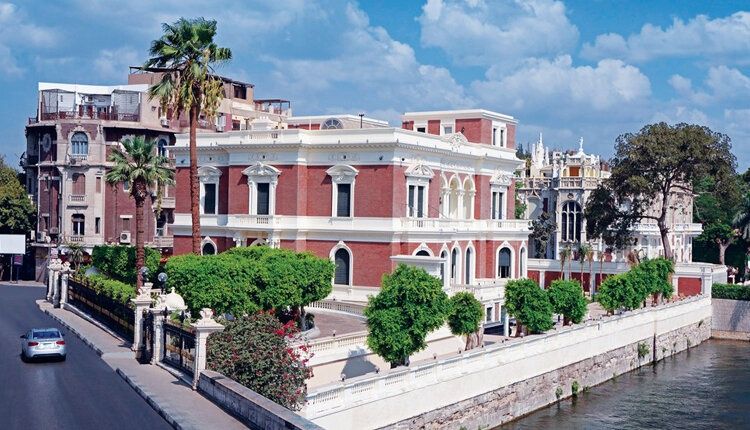
Cairo
## Description **Aisha Fahmy Palace** is one of Cairo’s most elegant examples of early 20th-century aristocratic architecture and a rare survivor of the city’s Belle Époque period. Built in **1907**, the palace reflects a time when Cairo’s elite embraced European artistic influences while maintaining a distinct Egyptian identity. Today, it stands not as a frozen relic, but as a carefully restored cultural venue that bridges past luxury with contemporary artistic expression. The palace was commissioned by Ali Fahmy Pasha and later inherited by his daughter, Aisha Fahmy, whose name it still carries. Designed by Italian architect Antonio Lasciac, the building combines **Italian Renaissance influences with Art Nouveau and neoclassical details**. Marble staircases, ornate ironwork, stained glass windows, and elaborately decorated ceilings reveal the level of craftsmanship invested in elite residential architecture at the time. What makes Aisha Fahmy Palace particularly compelling is its **interior artistry**. The walls and ceilings feature painted panels inspired by classical European mythology, floral motifs, and allegorical scenes, many of which were executed by European artists working in Cairo. A lesser-known fact is that the palace once hosted private salons and cultural gatherings attended by prominent figures from Egypt’s political and artistic circles. Another overlooked detail is that, despite periods of neglect during the late 20th century, much of the original decorative work survived and was meticulously restored rather than replaced. Today, the palace functions as a **temporary exhibition space** under the Egyptian Ministry of Culture. Contemporary art exhibitions are staged within the historic rooms, creating a deliberate contrast between modern creative expression and early 1900s aristocratic interiors. This dialogue between eras is central to the palace’s renewed relevance. ## Location **Country:** Egypt **Governorate:** Cairo **District:** Zamalek Aisha Fahmy Palace is located in **Zamalek**, one of Cairo’s most refined and leafy neighborhoods, situated on Gezira Island in the Nile. ### How to Get There * **By taxi or ride-hailing:** * The most practical option, especially from central Cairo or downtown. * **By metro:** * Take Line 2 to **Opera Station**, then walk or take a short taxi ride. * **On foot:** * Easily reachable when exploring Zamalek’s cultural venues and riverfront. * **By car:** * Limited street parking is available in the surrounding area. ## Tips * **Check exhibition schedules in advance:** The palace hosts rotating exhibitions rather than permanent displays. * **Allow time to explore interiors:** The architectural details are as important as the artworks. * **Visit during daylight hours:** Natural light enhances the painted ceilings and stained glass. * **Photography rules vary:** Some exhibitions may restrict interior photography. * **Combine with nearby sites:** Zamalek offers galleries, cafés, and cultural centers within walking distance. * **Expect calm rather than crowds:** The palace remains relatively uncrowded compared to major museums. ## Conclusion Aisha Fahmy Palace is a refined cultural landmark that captures a sophisticated chapter of Cairo’s modern history. Its restored interiors, aristocratic architecture, and evolving role as an art space make it a rewarding destination for visitors seeking depth, elegance, and context beyond the city’s ancient monuments. ## FAQ **1. Is Aisha Fahmy Palace a museum?** It functions primarily as a temporary exhibition venue rather than a traditional museum. **2. How old is the palace?** It was completed in 1907. **3. How long should I plan for a visit?** Approximately **45 minutes to 1.5 hours**, depending on exhibitions. **4. Is there an entrance fee?** Yes, a modest fee is usually charged and may vary by exhibition. **5. Is the palace suitable for children?** Yes, particularly for older children interested in art or architecture. **6. Is the palace accessible?** Accessibility is limited in some areas due to the historic structure. ## Links * [Experience Egypt tourism portal](https://www.experienceegypt.eg)
GemVoyage Team • World
Kutaisi
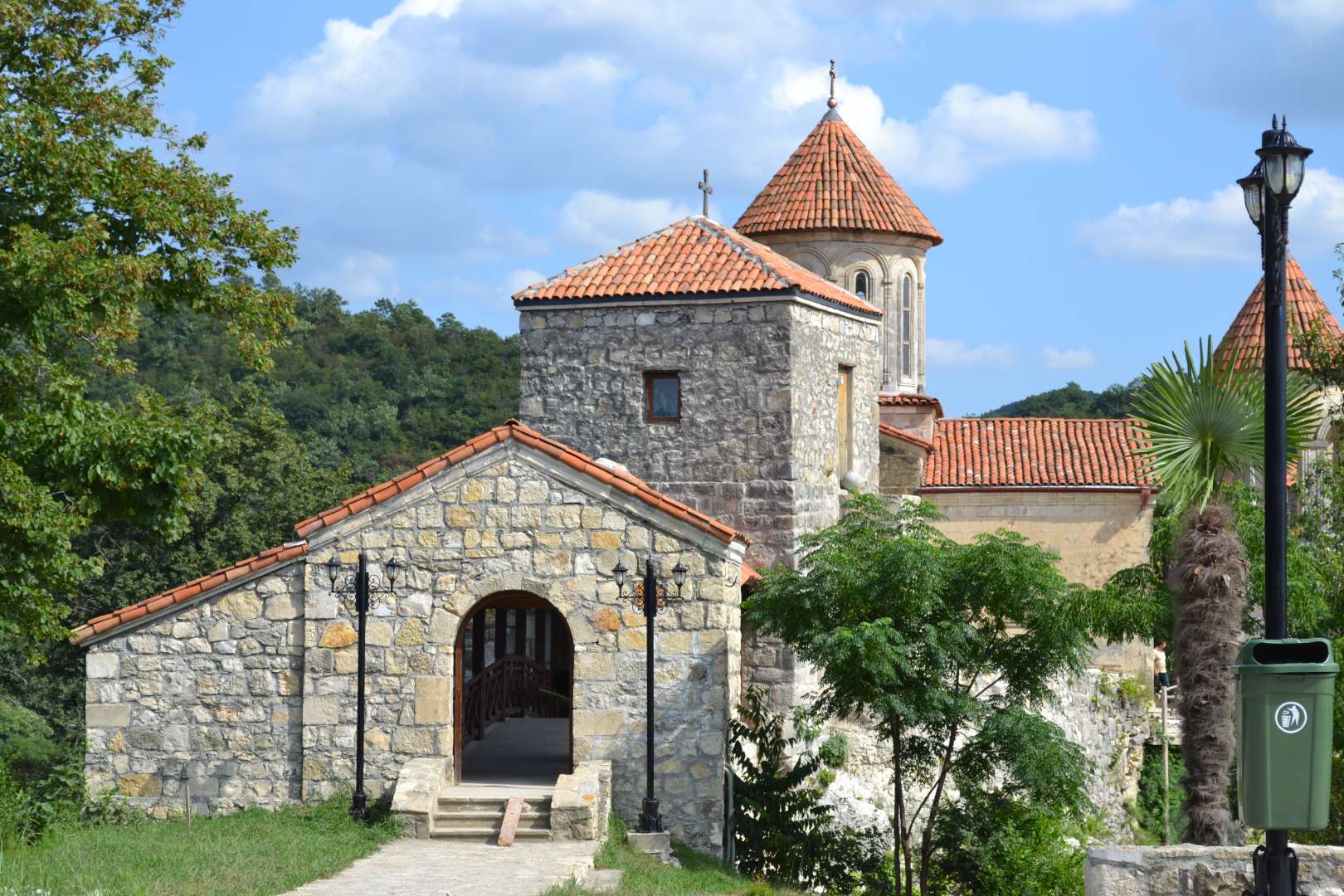
## Description Motsameta Monastery is a hidden gem nestled in the hills of western Georgia, just outside the city of Kutaisi. This 8th-century Georgian Orthodox monastery is revered not only for its spiritual significance but also for its breathtaking location—perched on a cliff above the winding Tskaltsitela River, whose name translates to “Red Water.” The river earned this name from a legend tied to the monastery’s origins: two noble brothers, David and Constantine Mkheidze, were martyred during an Arab invasion, and their blood is said to have turned the river red. The monastery, whose name means “Place of the Martyrs,” was built to honor these brothers, and their relics are preserved in the crypt beneath the church. According to local lore, crawling under the crypt and making a wish may lead to it coming true—a tradition that continues to draw pilgrims and curious visitors alike. What makes Motsameta truly unique is its intimate scale and serene atmosphere. Unlike the more famous Gelati Monastery nearby, Motsameta feels like a quiet retreat, surrounded by dense Colchic forest and echoing with the sounds of nature. The monastery’s architecture is classic Georgian, with arched windows, stone walls, and a red-tiled roof that glows warmly in the sunlight. A little-known fact: there’s a legend of a secret tunnel connecting Motsameta to Gelati Monastery, used during times of war to protect monks and relics. Though the tunnel remains a mystery, it adds to the allure and mystique of the site. ## Location Motsameta Monastery is located in **Georgia**, in the **Imereti Region**, near the city of **Kutaisi**. It’s situated about 6 kilometers northeast of the city center, making it easily accessible for a half-day trip. ### How to Get There: - **By Car**: From Kutaisi, it’s a 15-minute drive through scenic countryside. Taxis and rental cars are readily available. - **By Foot**: Adventurous travelers can hike from Gelati Monastery to Motsameta through forest trails, enjoying panoramic views along the way. - **By Tour**: Many local tour operators offer combined visits to Motsameta and Gelati, often including historical commentary and transportation. The road to the monastery winds through forested hills, offering glimpses of the river and valley below—a journey as rewarding as the destination. ## Tips for Visitors To make the most of your visit to Motsameta Monastery, consider these helpful tips: - **Visit in the Morning or Late Afternoon**: These times offer the best lighting for photography and a more peaceful atmosphere. - **Wear Comfortable Shoes**: The path to the monastery includes uneven terrain and steps, so sturdy footwear is recommended. - **Respect Local Customs**: Modest dress is appreciated, especially when entering the church. Women may be asked to cover their heads. - **Bring a Camera**: The views from the cliff and the monastery’s architecture are incredibly photogenic. - **Combine with Gelati Monastery**: Visiting both sites offers a fuller picture of Georgia’s medieval religious heritage. - **Make a Wish**: Don’t miss the chance to crawl under the crypt and take part in the local tradition. ## Conclusion Motsameta Monastery is a tranquil and spiritually rich destination that blends history, legend, and natural beauty. Whether you're drawn by its sacred relics, its dramatic setting, or its quiet charm, this monastery offers a deeply rewarding experience just outside Kutaisi. ## FAQ **1. Is there an entrance fee to visit Motsameta Monastery?** No, entry is free for all visitors. **2. How long does it take to visit the monastery?** A typical visit lasts 1–2 hours, including time to explore the grounds and enjoy the views. **3. Can I visit Motsameta and Gelati Monasteries in one day?** Yes, they are close to each other and often visited together. **4. Is the monastery accessible year-round?** Yes, though the forest trail may be slippery in winter or after rain. **5. Are guided tours available?** Yes, local guides and tour companies offer historical tours that include Motsameta. **6. Is the monastery suitable for children?** Yes, but supervision is recommended due to the cliffside location and uneven paths. ## Links - [Motsameta Monastery – Georgia Travel Guide](https://georgia.travel/motsameta-monastery) - [Motsameta Monastery – Wikipedia Overview](https://en.wikipedia.org/wiki/Motsameta_monastery) - [Motsameta Monastery – Imereti Tourism Info](https://georgia.to/en/places-to-go/imereti/motsameta-monastery/)
GemVoyage Team • World
Athens
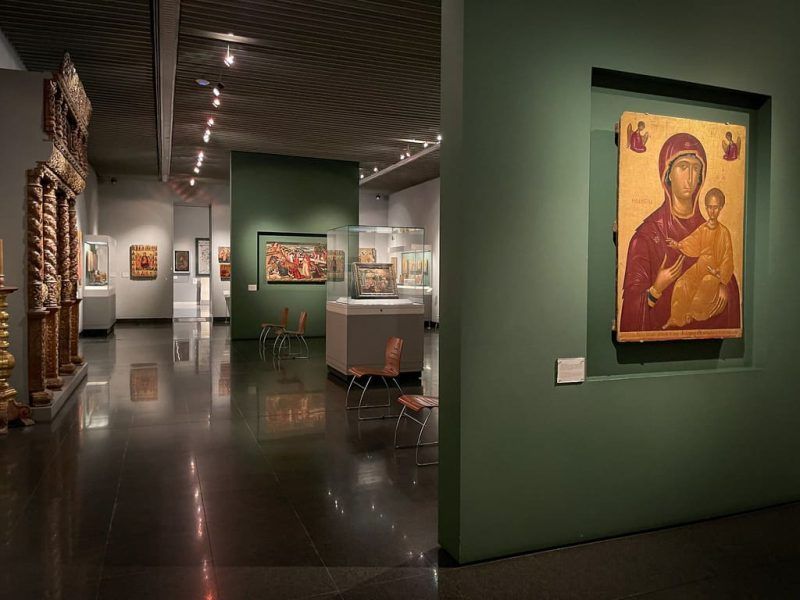
## Description The Benaki Museum is one of Athens’ most important cultural institutions because it presents Greek history and identity through a broad and thoughtful collection rather than a narrow single-theme display. Visitors who come expecting one type of museum often discover that the Benaki is much more expansive. It includes art, objects, clothing, religious items, decorative works, and material from different periods that together tell a layered story of Greek civilization and cultural continuity. What makes the museum especially compelling is the way it links antiquity, Byzantium, Ottoman-era influence, and modern Greek identity without treating them as separate islands. The collection helps you understand that Greece’s cultural history is not only classical. It is long, evolving, and regionally diverse. That broader perspective is one of the museum’s great strengths. It is also why the Benaki is so useful to travelers who want to go beyond postcard versions of Athens. One lesser-known fact is that the museum began as a private collection before growing into one of the country’s key public cultural institutions. Another is that its displays often reward viewers who pay attention to craftsmanship and everyday materials, not just monumental masterpieces. The result is a museum that feels intellectually rich but still accessible. You do not have to be an expert to enjoy it, though you will likely get more from it if you are interested in how objects carry cultural memory. The Benaki is also appealing because it offers a calmer, more curated counterpoint to the dramatic scale of Athens’ ancient ruins. After time at the Acropolis or major archaeological sites, the museum gives context to the broader human story behind those stones. It helps connect art, religion, politics, and daily life. For many visitors, that synthesis is exactly what makes the visit worthwhile. ## Location The Benaki Museum is in Athens, Greece, with its main historical building located in central Athens near other major urban and cultural landmarks. Its position makes it very easy to integrate into a day of museum and city-center sightseeing. The easiest way to get there is by public transport, taxi, or on foot depending on where you are staying. Since central Athens is compact enough for many visitors to explore by walking, the museum can often be part of a broader route through nearby neighborhoods and monuments. If you are visiting multiple museums, check the specific branch or main building you plan to see, as the Benaki institution includes multiple sites and collections. It is a good idea to pair the museum with a café stop or another nearby cultural site, especially if you want to keep the day balanced and avoid museum fatigue. ## Tips Allow enough time. This is not a quick museum if you want to appreciate the range of material properly. If possible, read the museum’s room structure or collection focus before entering so you can prioritize areas that match your interests. Do not focus only on the “headline” objects. Some of the most rewarding pieces are the smaller items that reveal everyday life and social change. If you are interested in Greek history across periods, this museum is one of the most useful stops in Athens because it connects those periods in one place. ## Conclusion The Benaki Museum is one of Athens’ finest cultural attractions, offering a wide and intelligent view of Greek history through art and objects. It is an essential stop for travelers who want depth, not just spectacle. ## FAQ **What is the Benaki Museum known for?** It is known for its wide-ranging collection of Greek art and cultural artifacts across multiple historical periods. **How long should I spend there?** Two hours or more is ideal if you want to see the museum properly. **Is it good for first-time visitors to Athens?** Yes, especially if you want historical context beyond ancient ruins. **Does it focus only on ancient Greece?** No. It covers a much broader cultural timeline. **Is it easy to reach?** Yes, it is centrally located and straightforward to access. ## Links - [Official website](https://www.benaki.org/index.php?lang=en) - [Wikipedia](https://en.wikipedia.org/wiki/Benaki_Museum)
GemVoyage Team • World

Comments