Discover extraordinary places shared by our community of travelers
Tokyo
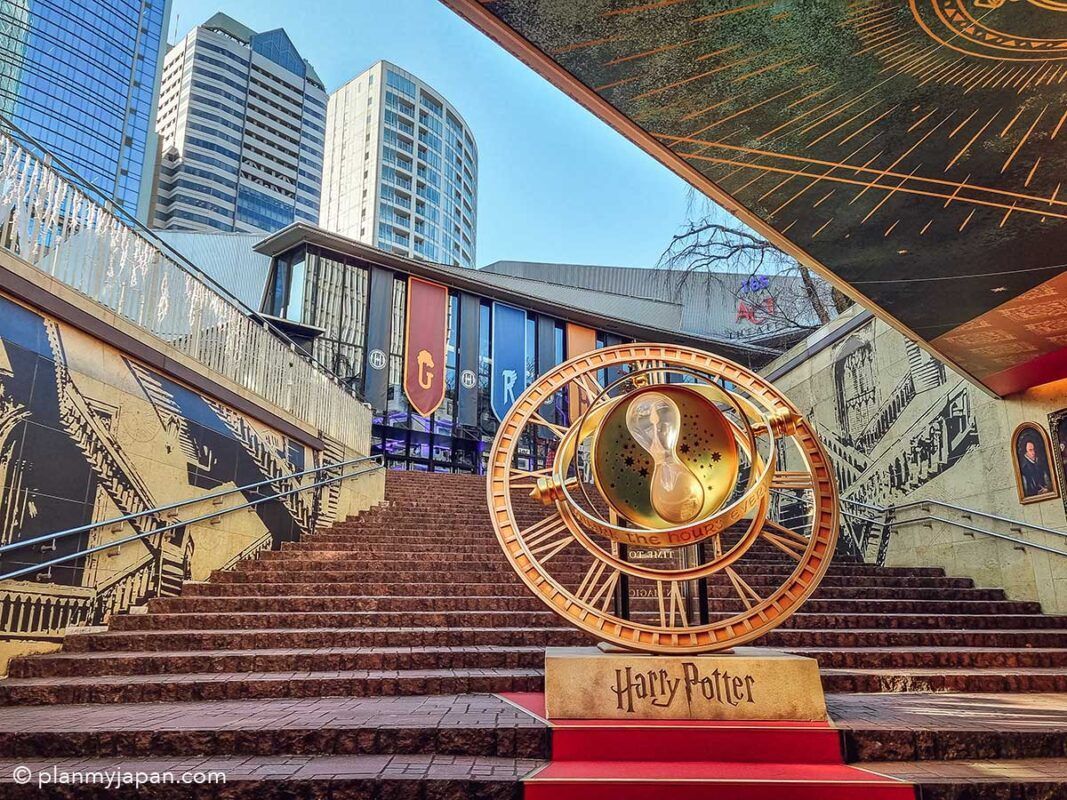
## Description The **Harry Potter Stairs & Time Turner (ハリー・ポッター階段とタイムターナー)** in Tokyo is one of the city’s most popular **pop-culture photo landmarks**, blending cinematic fantasy with modern urban design. This attraction is not a historical monument or a traditional museum—it is a **themed visual installation inspired by the Harry Potter film series**, designed specifically for fans who want to step inside the wizarding world without leaving central Tokyo. The installation recreates two of the most iconic visual elements from the films: the **magical moving staircase of Hogwarts** and **Hermione Granger’s Time Turner** from *Harry Potter and the Prisoner of Azkaban*. The staircase evokes the illusion of shifting directions and hidden passages, while the oversized Time Turner sculpture serves as a symbolic centerpiece representing time travel, destiny, and choice—core themes in the Potter universe. What makes this location truly unique is that it exists **inside a contemporary commercial complex rather than a theme park**. This means visitors do not need to buy expensive tickets or travel to a resort location to enjoy an immersive Harry Potter-themed environment. The installation uses **cinematic lighting, reflective metallic surfaces, stone textures, and enchanted-style typography** to create a convincing atmosphere of fantasy within a very modern architectural setting. The stairs are often used as a **staged photo zone**, where visitors recreate scenes, cosplay as characters, or simulate stepping into a time-loop narrative. The Time Turner sculpture is particularly photogenic when illuminated in the evening, when its rotating rings and glowing accents transform the space into a dramatic visual set piece. Many visitors describe the experience as feeling like walking into a **film trailer set inside a shopping mall**—brief, stylized, and designed for visual impact rather than storytelling depth. A little-known fact is that the stairs and Time Turner installation were part of a **long-term promotional collaboration connected to Warner Bros. Japan and official Harry Potter licensing projects**, timed to coincide with renewed franchise activity in Tokyo. Another lesser-known detail is that the space is frequently **updated with seasonal lighting themes and limited-time character visuals**, which means repeat visits can feel subtly different across the year. Importantly, this site is not meant to replace **The Making of Harry Potter Studio Tour Tokyo**; rather, it acts as a **public teaser-style landmark**, accessible to anyone passing through the district. It attracts an extremely diverse crowd: international tourists, Japanese fans, casual shoppers, cosplayers, couples, and social-media creators all intersect in the same space. The emotional appeal of the installation lies in its ability to deliver **instant recognition and nostalgia**. Even a short visit—often no more than 10 to 15 minutes—can trigger powerful emotional connections for fans who grew up with the books and films. It is, at its core, not a storytelling space but a **symbolic photo experience**, built for visual memory rather than narrative immersion. ## Location The **Harry Potter Stairs & Time Turner** installation is located in **central Tokyo**, inside a major commercial complex in the **Akasaka / Roppongi area**, which has become a hub for large-scale themed entertainment projects. **City:** Tokyo **Region:** Kantō **Country:** Japan **District:** Minato Ward (Akasaka / Roppongi area) ### How to Get There: * **By Tokyo Metro:** * **Chiyoda Line** to **Akasaka Station** * **Hibiya Line or Toei Oedo Line** to **Roppongi Station** * **By JR Train:** Use JR lines to nearby hubs such as **Shinjuku or Tokyo Station**, then transfer to the metro. * **By taxi:** Easy and accurate if you show the Japanese attraction name. * **On foot:** The area is highly walkable and well-connected through underground passages and plazas. The installation is typically integrated into a **shopping, dining, and entertainment complex**, making it easy to combine with cafés, retail stores, and evening nightlife. ## Tips * **Visit in the evening:** The lighting effects are significantly more dramatic after sunset. * **Go on weekdays for clearer photos:** Weekends often bring long lines of people waiting for their turn. * **Bring a small tripod if allowed:** For steady night photos, especially around the Time Turner. * **Do not expect a full “attraction experience”:** This is a **visual installation**, not a ride or museum. * **Cosplay is common:** Light cosplay is generally accepted and often encouraged by visitors. * **Respect queue etiquette:** Japanese photo spots usually operate with informal but strict order. * **Combine with nearby Harry Potter experiences:** If you are a serious fan, this pairs well with the Studio Tour Tokyo. * **Check for seasonal updates:** Lighting schemes and banners occasionally change. ## Conclusion The **Harry Potter Stairs & Time Turner in Tokyo** is a compact yet powerful example of how modern cities translate cinematic fantasy into everyday urban space. It is not a destination for long exploration, but a **precise, visually engineered moment of nostalgia**, crafted for fans who want a tangible connection to the wizarding world without committing an entire day to a theme park. For Harry Potter enthusiasts, it delivers something precise and valuable: **a magical pause inside the rhythm of real city life**. ## FAQ **1. Is the Harry Potter Stairs & Time Turner a real theme park attraction?** No. It is a **public visual installation**, not a ride or ticketed experience. **2. Is it free to visit?** Yes. Access is **free**, as it is located inside a public commercial complex. **3. How long does a visit typically take?** Most visitors spend **10 to 20 minutes**, depending on photo queues. **4. Is it suitable for children?** Yes. It is **family-friendly**, though it can get crowded. **5. Is this the same as the Harry Potter Studio Tour Tokyo?** No. This is a **small themed photo landmark**, whereas the studio tour is a full museum-style experience. **6. Can I take professional photos there?** Casual photography is allowed. **Commercial shoots may require permission** from the property management. ## Links * [Warner Bros. Japan](https://www.warnerbros.co.jp) * [Harry Potter Studio Tour Tokyo](https://www.wbstudiotour.jp)
GemVoyage Team • World
Egypt
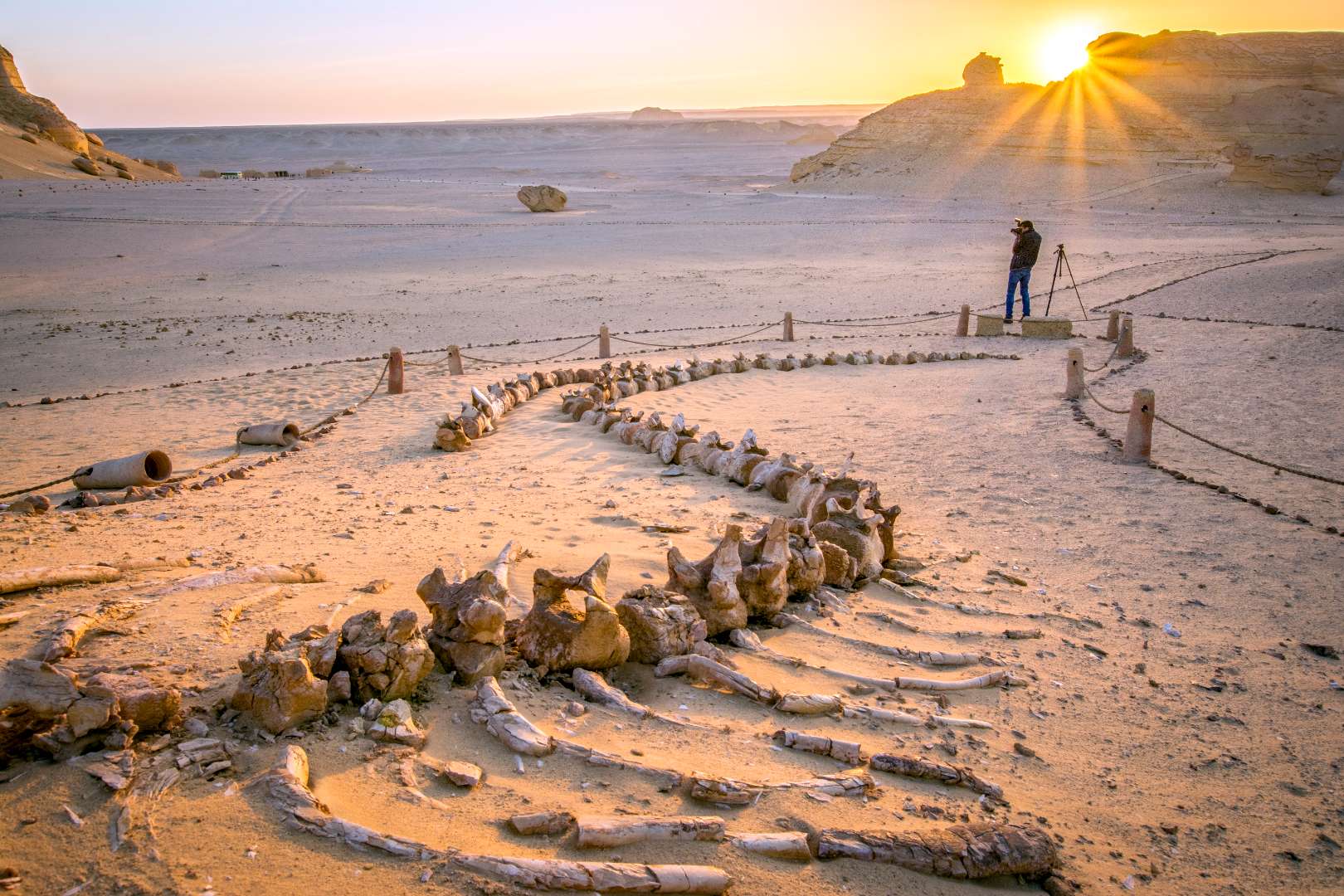
## Description The Valley of the Whales, known locally as Wadi Al-Hitan, is one of Egypt’s most extraordinary and scientifically significant natural sites. Located deep in the Western Desert, this UNESCO World Heritage Site offers a rare glimpse into the evolutionary history of whales. What makes Wadi Al-Hitan truly unique is its collection of fossilized remains of early whale species—particularly the now-extinct Archaeoceti—that vividly illustrate the transition of whales from land-dwelling mammals to fully aquatic creatures. The site contains hundreds of fossils, including complete skeletons, some of which still retain vestigial hind limbs, feet, and toes—features that modern whales no longer possess. These fossils date back approximately 40 million years and are remarkably well-preserved, with some even showing stomach contents. The surrounding desert landscape, sculpted by wind and time, adds to the surreal experience, with rock formations resembling alien sculptures and ancient seabeds. A little-known fact: the first whale fossils in Wadi Al-Hitan were discovered in the early 1900s, but the site remained largely unexplored until the 1980s when improved access and growing scientific interest led to its preservation. Another fascinating detail is that the area also contains fossils of other marine life, including sharks, rays, and sawfish, helping researchers reconstruct the ancient ecosystem of the Tethys Sea. ## Location Wadi Al-Hitan is located in **Egypt**, within the **Faiyum Governorate**, approximately 150 kilometers southwest of **Cairo**. It lies within the Wadi El-Rayan Protected Area, a vast desert reserve known for its sand dunes, lakes, and biodiversity. ### How to Get There - **By Car**: The most practical way to reach Wadi Al-Hitan is by private vehicle or organized tour. From Cairo, the drive takes about 2.5 to 3 hours. A 4x4 vehicle is recommended due to the unpaved desert roads leading to the site. - **By Tour**: Several eco-tourism operators offer guided day trips from Cairo or Faiyum, often including stops at Wadi El-Rayan and the Magic Lake. - **By Public Transport**: Public transport is not available directly to the site. Visitors must arrange private transport from Faiyum city. Due to its remote location, planning ahead is essential, and traveling with a guide is highly recommended. ## Tips - **Visit in Cooler Months**: The best time to visit is between October and April when temperatures are milder. - **Bring Essentials**: Pack water, snacks, sunscreen, and a hat. There are limited facilities at the site. - **Wear Sturdy Shoes**: The terrain is sandy and uneven, so comfortable walking shoes are a must. - **Respect the Fossils**: Do not touch or remove any fossils. The site is protected, and preservation is crucial. - **Explore the Museum**: The Fossil and Climate Change Museum at the entrance offers interactive exhibits and context for the fossils you’ll see. - **Combine with Nearby Attractions**: Pair your visit with Wadi El-Rayan’s waterfalls and lakes for a full desert adventure. ## Conclusion Wadi Al-Hitan is a captivating destination that blends natural beauty with scientific wonder. Its fossil-rich landscape tells a story millions of years old, making it one of the most important paleontological sites in the world and a must-visit for anyone intrigued by Earth’s evolutionary history. ## FAQ **1. Is there an entrance fee to Wadi Al-Hitan?** Yes, there is a small entrance fee, which may vary depending on whether you’re visiting with a guide or tour group. **2. Can I visit Wadi Al-Hitan without a guide?** While possible, it’s highly recommended to go with a guide due to the remote location and lack of signage. **3. Are there accommodations nearby?** There are eco-lodges and campsites in the Wadi El-Rayan area, but most visitors stay in Faiyum or return to Cairo. **4. Is the site suitable for children?** Yes, children can enjoy the site, especially the museum, but supervision is necessary due to the terrain and fragile fossils. **5. How long should I plan for the visit?** A typical visit lasts 2–3 hours, not including travel time. Full-day trips from Cairo are common. **6. Is photography allowed?** Yes, photography is permitted, but drones may require special permission. ## Links - [Wadi Al-Hitan – UNESCO World Heritage Centre](https://whc.unesco.org/en/list/1186) - [Wadi Al-Hitan Overview – Wikipedia](https://en.wikipedia.org/wiki/Wadi_al_Hitan)
GemVoyage Team • World
Hurghada
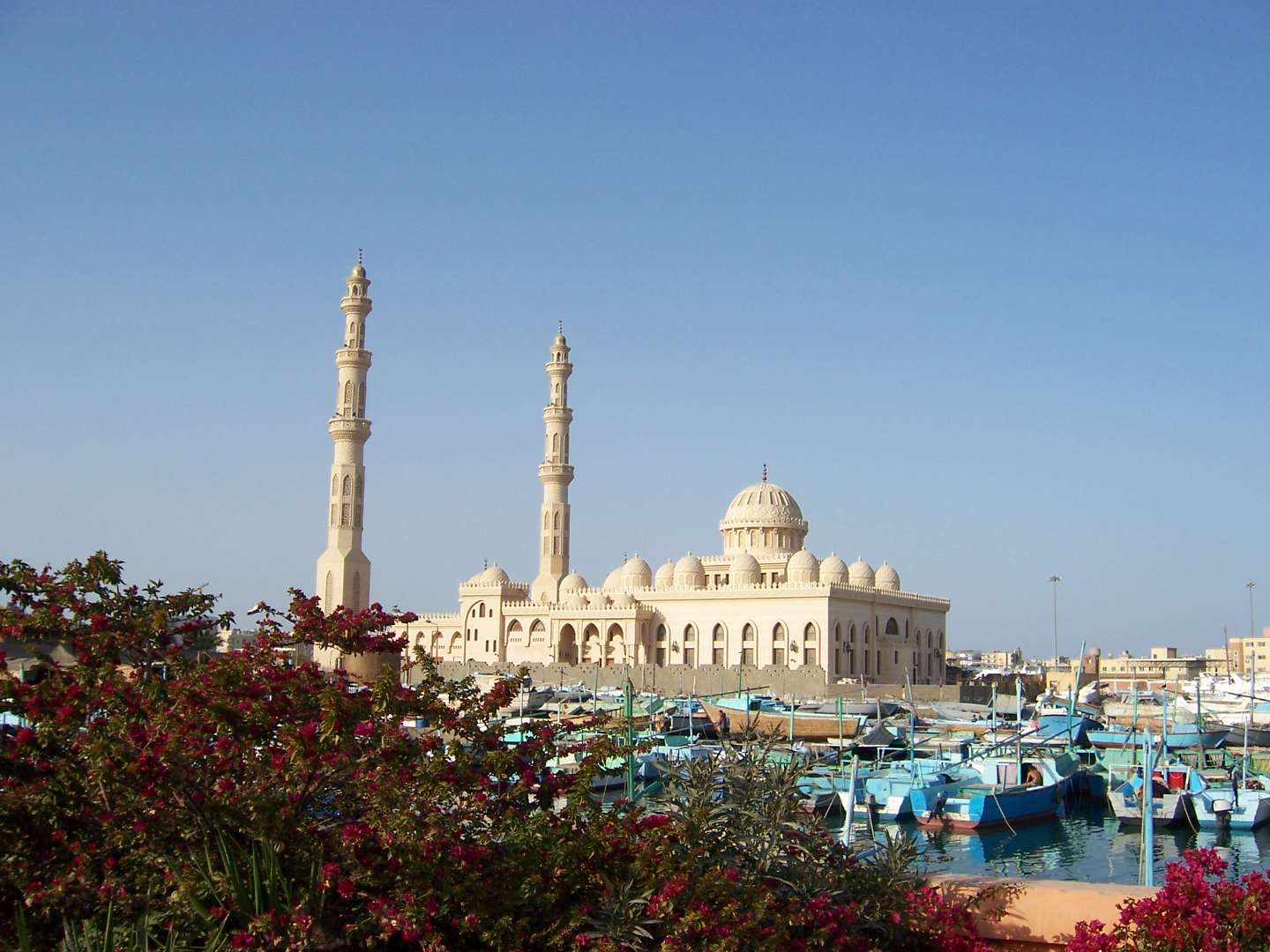
## Description Al Mina Mosque, also known as El Mina Masjid or the Grand Mosque of Hurghada, is one of the most striking religious landmarks on Egypt’s Red Sea coast. Completed in 2012, this architectural gem blends traditional Islamic design with modern elegance, making it a must-see for visitors seeking cultural depth beyond the beaches and resorts. With its gleaming white marble façade, towering minarets, and intricately carved domes, the mosque stands as a symbol of spiritual devotion and artistic craftsmanship. The mosque features two minarets that rise 40 meters into the sky and a central dome that reaches 25 meters in height. Inside, visitors are greeted by a serene prayer hall adorned with ornate chandeliers, engraved walls, and geometric patterns that reflect centuries of Islamic art. The mosque can accommodate up to 10,000 worshippers, making it the largest in the Red Sea Governorate. A little-known fact: Al Mina Mosque was built on an 8,000-square-meter site adjacent to Hurghada’s harbor, and its name—“Al Mina”—translates to “The Port,” referencing its proximity to the sea. The mosque also houses an Islamic cultural center that offers lectures and educational materials in multiple languages, aimed at fostering interfaith understanding and dialogue. ## Location Al Mina Mosque is located in **Egypt**, in the **Red Sea Governorate**, within the **city of Hurghada**. It sits directly on the waterfront near the Hurghada Marina and the city’s main harbor, making it easily accessible from both the old town (El Dahar) and the newer resort areas. ### How to Get There - **By Taxi**: Taxis are readily available throughout Hurghada and can take you directly to the mosque entrance. - **By Foot**: If you’re staying near the Marina or Sheraton Road, the mosque is within walking distance. - **By Tour**: Many city tours include a stop at Al Mina Mosque, often paired with visits to local markets and cultural sites. - **By Public Transport**: Minibuses and shared taxis frequently pass through the area, though they may require some navigation. Its central location makes it an ideal stop during a day of sightseeing or evening stroll along the harbor. ## Tips - **Visit Outside Prayer Times**: Non-Muslim visitors are welcome to explore the mosque during non-prayer hours. Avoid visiting during Friday prayers or religious holidays. - **Dress Modestly**: Women should cover their hair, shoulders, and knees. Men should avoid shorts. Scarves and robes may be provided at the entrance. - **Photography**: While exterior photography is encouraged, ask permission before taking photos inside, especially during prayer times. - **Respect the Space**: This is an active place of worship. Maintain a quiet and respectful demeanor. - **Combine with Nearby Attractions**: After visiting the mosque, explore the Hurghada Marina, local bazaars, or enjoy a meal at one of the waterfront restaurants. - **Check for Cultural Events**: The mosque’s Islamic center occasionally hosts lectures and exhibitions open to the public. ## Conclusion Al Mina Mosque is a serene and visually stunning destination that offers a glimpse into Egypt’s Islamic heritage. With its majestic architecture, peaceful ambiance, and central location, it’s a rewarding stop for anyone exploring Hurghada beyond the beach. ## FAQ **1. What are the opening hours of Al Mina Mosque?** The mosque is open daily from 9:00 AM to 5:00 PM, except during prayer times. **2. Is there an entrance fee?** No, entry is free. Donations to the mosque or its cultural center are welcome but not required. **3. Can non-Muslims visit the mosque?** Yes, non-Muslims are welcome during non-prayer hours and are encouraged to learn about the mosque’s history and architecture. **4. Is the mosque wheelchair accessible?** Yes, the mosque has ramps and accessible entrances for visitors with mobility needs. **5. Are guided tours available?** Some local guides offer cultural tours that include the mosque. The Islamic center also provides multilingual materials and lectures. **6. Is it safe to visit the mosque with children?** Yes, families are welcome. Children should be supervised and respectful of the prayer areas. ## Links - [Al Mina Mosque Visitor Guide – Hurghada Day](https://hurghadaday.com/things-to-do/al-mina-mosque/)
GemVoyage Team • World
Montevideo
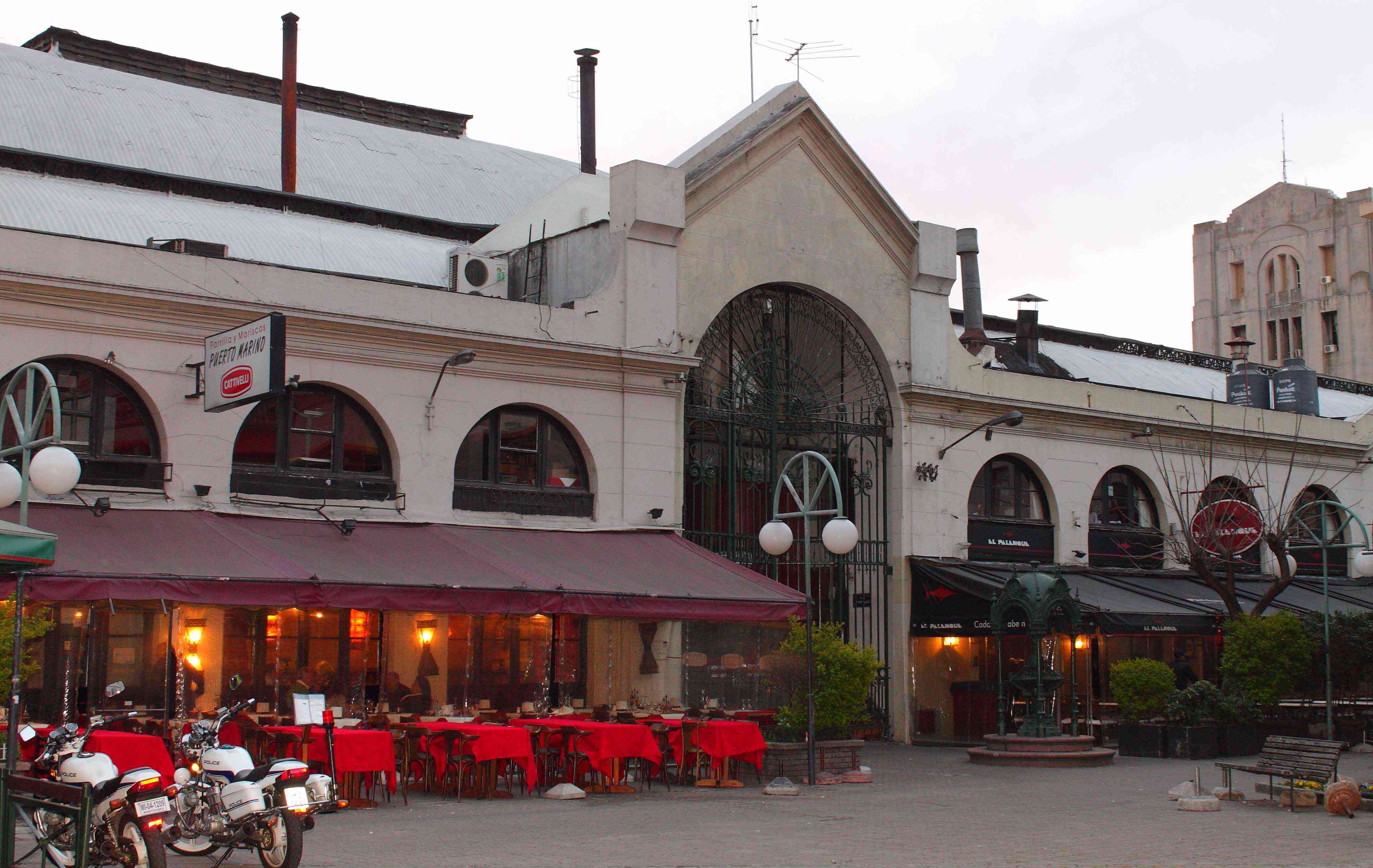
## Description Mercado del Puerto is one of the most iconic landmarks in Montevideo, Uruguay. More than just a market, it’s a cultural and gastronomic hub that captures the essence of Uruguayan traditions. Built in 1868, the building itself is a masterpiece of 19th-century iron architecture imported from Liverpool, England. The structure’s grand iron beams and vaulted ceilings give it an old-world charm that stands in contrast to the modern city outside. What truly makes Mercado del Puerto unique is its vibrant mix of sights, sounds, and flavors. Visitors are immediately drawn to the tantalizing aroma of grilled meats from the famous **parrillas** (traditional Uruguayan steakhouses). This is the perfect place to try Uruguay’s national dish: **asado** (barbecue). Beyond food, the market is filled with local artisans, lively street performers, and the friendly chatter of locals and tourists alike, making it a warm and welcoming environment. A little-known fact about Mercado del Puerto is that it was originally intended to be a train station, but when plans changed, it was transformed into a market instead. Another interesting detail is that the market becomes especially lively on weekends, when musicians and tango dancers bring the whole square to life, turning it into an open-air cultural festival. ## Location Mercado del Puerto is located in **Montevideo**, the capital city of **Uruguay**, situated along the country’s southern coast in the **Montevideo Department**. Specifically, it lies in the **Ciudad Vieja** (Old City), the historic heart of Montevideo, just steps away from the city’s main port and the Rambla waterfront promenade. Getting there is easy: * **By foot:** If you’re staying in the Old City or near the Rambla, it’s a pleasant walk. * **By bus:** Numerous city buses stop near the Old City and the port. * **By taxi or rideshare:** For convenience, especially if you’re staying farther away, a short taxi ride will get you there quickly. If you’re arriving by cruise ship, Mercado del Puerto is conveniently located within walking distance of the port terminal, making it a must-visit stop for cruise passengers. ## Tips To make the most of your visit to Mercado del Puerto, consider the following tips: 1. **Visit at lunchtime** – The market is at its most vibrant between 12:00 and 3:00 PM. This is the perfect time to enjoy freshly grilled asado paired with local wines. 2. **Try local specialties** – In addition to barbecue, don’t miss traditional dishes like *chivito* (a steak sandwich), *morcilla dulce* (sweet blood sausage with raisins and nuts), and *medio y medio* (a half-wine, half-sparkling drink). 3. **Bring cash** – While some restaurants accept cards, many smaller stalls and shops prefer cash in Uruguayan pesos. 4. **Go on weekends** – Live music, tango, and folk performances make weekends especially lively. 5. **Explore nearby attractions** – Since Mercado del Puerto is in Ciudad Vieja, take time to stroll the cobblestone streets, admire colonial architecture, and visit museums like the Museo Torres García. 6. **Watch your belongings** – Like in many busy tourist areas, keep an eye on your bags and valuables. ## Conclusion Mercado del Puerto is more than just a market—it’s the beating heart of Montevideo’s culture, food, and history. From savoring the best Uruguayan barbecue to soaking in the lively atmosphere of the Old City, a visit here offers an authentic and unforgettable experience. Whether you’re a foodie, a history buff, or simply curious, this landmark is a must-see on any trip to Uruguay. ## FAQ **1. What is Mercado del Puerto known for?** Mercado del Puerto is famous for its traditional Uruguayan barbecue (*asado*) and its vibrant cultural atmosphere with music, dance, and artisan shops. **2. Is Mercado del Puerto open every day?** Yes, it is generally open daily, but the best time to visit is around midday when the parrillas are busiest and the atmosphere is most lively. **3. How much time should I spend at Mercado del Puerto?** Most visitors spend 1–2 hours enjoying a meal and exploring the market, but if you also visit nearby attractions in Ciudad Vieja, plan for half a day. **4. Is Mercado del Puerto family-friendly?** Absolutely! Families are welcome, and children often enjoy the lively music and performances while parents savor the food. **5. Can vegetarians find food at Mercado del Puerto?** While it’s a meat-lover’s paradise, many restaurants offer vegetarian sides, salads, and grilled vegetables, though options may be limited compared to meat dishes. ## Links * [Official Tourism Website of Uruguay](https://turismo.gub.uy)
GemVoyage Team • World
.jpg)
Washington
## Description Diablo Lake is a mesmerizing reservoir nestled in the North Cascades of Washington State, renowned for its surreal turquoise waters and dramatic alpine surroundings. Created by the Diablo Dam as part of the Skagit River Hydroelectric Project, the lake sits at an elevation of 1,201 feet and is flanked by rugged peaks, dense forests, and cascading waterfalls. Its vibrant color comes from glacial flour—fine rock particles ground by nearby glaciers and suspended in the water, reflecting sunlight in a way that gives the lake its signature hue. Visitors to Diablo Lake are treated to panoramic views of the North Cascades, including Pyramid, Colonial, and Davis Peaks. The lake is a haven for outdoor enthusiasts, offering hiking, kayaking, fishing, and camping. The Diablo Lake Trail, a moderately challenging 7.6-mile roundtrip hike, winds through old-growth forest and talus slopes, revealing stunning vistas of the lake and surrounding mountains. A little-known fact: the lake was once part of a larger plan to develop hydroelectric power in the region, spearheaded by Seattle City Light in the early 20th century. The Diablo Dam, completed in 1930, was the tallest dam in the world at the time. Another unique detail is that the lake’s overlook along Highway 20 provides one of the most photographed views in Washington, yet the area remains relatively uncrowded compared to other national park destinations. ## Location Diablo Lake is located in the **United States**, in the **state of Washington**, within **Whatcom County**. It lies in the heart of the **Ross Lake National Recreation Area**, which is part of the larger **North Cascades National Park Complex**. ### How to Get There - **By Car**: From Seattle, take I-5 north to Highway 20 (North Cascades Highway). Follow Highway 20 east for about 125 miles. The Diablo Lake Overlook is clearly marked and offers parking. - **By Public Transport**: There is no direct public transportation to Diablo Lake. Renting a car is the most practical option. - **By Bike**: Experienced cyclists can ride along Highway 20, though the route includes steep grades and limited shoulder space. The drive itself is part of the experience, with winding roads and scenic pullouts offering glimpses of the Cascade Range. ## Tips - **Visit in Late Spring to Early Fall**: Snow can linger into early summer, and Highway 20 is often closed in winter due to avalanche risk. - **Start Early**: Arrive in the morning to enjoy cooler temperatures and fewer crowds, especially at the overlook and trailheads. - **Bring Layers**: Weather in the Cascades can change rapidly. Pack for sun, rain, and wind. - **Stay at Colonial Creek Campground**: Located near the lake, this campground offers drive-in and walk-in sites, plus access to boat launches and trails. - **Try Kayaking or Canoeing**: The lake’s calm waters are ideal for paddling, with stunning views from the surface. - **Respect Wildlife and Leave No Trace**: The area is home to bears, deer, and eagles. Keep a safe distance and pack out all trash. ## Conclusion Diablo Lake is a jewel of the North Cascades, offering breathtaking scenery, rich history, and a wide range of outdoor activities. Whether you're hiking to a viewpoint, paddling across its turquoise waters, or simply soaking in the alpine air, the lake delivers a memorable experience in one of Washington’s most spectacular natural settings. ## FAQ **1. Is there an entrance fee to visit Diablo Lake?** No, there is no entrance fee for Diablo Lake or the Ross Lake National Recreation Area. **2. Can I swim in Diablo Lake?** Yes, swimming is allowed, but the water is cold year-round due to glacial runoff. **3. Are pets allowed on the trails?** Yes, dogs are allowed on leash in most areas, including the Diablo Lake Trail. **4. Is fishing permitted in Diablo Lake?** Yes, with a valid Washington State fishing license. The lake contains rainbow, brook, and bull trout. **5. Are there restrooms at the overlook or trailheads?** Yes, vault toilets are available at the Diablo Lake Overlook and Colonial Creek Campground. **6. Is Diablo Lake accessible year-round?** Access depends on Highway 20’s status. The road is typically closed from late fall to early spring due to snow. ## Links - [Diablo Lake – Wikipedia Overview](https://en.wikipedia.org/wiki/Diablo_Lake)
GemVoyage Team • World
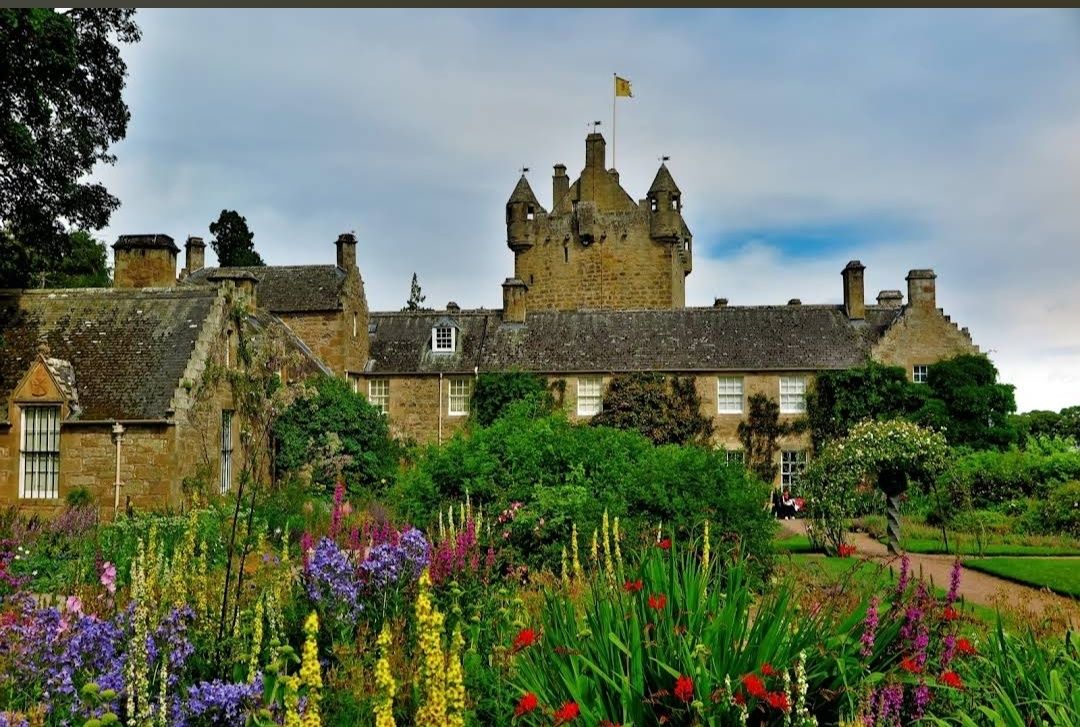
Cawdor
## Description **Cawdor Castle** is one of Scotland’s most enchanting castles, steeped in history, myth, and natural beauty. Built around a legendary holly tree in the late 14th century, the castle has been home to the Cawdor family for over 600 years. With its picturesque stone towers, ornate rooms, and beautifully landscaped gardens, it offers visitors a fascinating journey through Scottish heritage. The castle is famously associated with Shakespeare’s *Macbeth*. While the historical Macbeth never lived here, the castle has become linked to the play because of its title, the Thane of Cawdor. This literary connection, combined with the castle’s authentic medieval charm, makes it an especially intriguing stop for literature lovers and history enthusiasts alike. Inside, visitors can explore grand drawing rooms, antique furniture, fine art collections, and centuries-old tapestries. Outside, the estate features three distinct gardens: the **Walled Garden**, the **Flower Garden**, and the **Wild Garden**, each showcasing Scotland’s flora in different styles and seasons. A little-known fact is that the castle’s origin story is tied to a prophecy. According to legend, the Thane of Cawdor dreamed he should build his castle where a donkey lay down to rest under a tree. That tree still stands today in the castle’s cellar, preserved as a unique piece of history. Another hidden gem is the castle’s woodland trails, which cover over 100 acres and are home to wildlife such as red squirrels and roe deer. ## Location Cawdor Castle is located in the **Scottish Highlands**, about **12 miles east of Inverness**, in the **village of Cawdor, Nairnshire, Scotland**. Its Highland setting adds to its charm, with rolling landscapes, ancient forests, and nearby rivers. The easiest way to reach Cawdor Castle is from **Inverness**, which has good road, rail, and air connections. From Inverness, the castle is just a 25–30 minute drive by car via the A96 and B9090 roads. Visitors without a car can take a train to **Nairn** and then a short taxi ride to the castle. For international travelers, **Inverness Airport** is located only about 15 minutes away, making the castle very accessible as part of a Highland tour. ## Tips To enjoy your visit to Cawdor Castle to the fullest, keep these tips in mind: * **Check seasonal opening times** – The castle is usually open to visitors from late April to early October, so plan accordingly. * **Book tickets online** – During peak tourist season, advance booking is recommended to avoid queues. * **Take your time in the gardens** – Each garden offers a different experience, so don’t rush. Spring and summer are especially beautiful. * **Explore the woodlands** – The nature trails are less crowded and perfect for a quiet walk surrounded by Highland wildlife. * **Photography** – While photos are allowed outside, check the guidelines for indoor photography, as some rooms may restrict it. * **Combine with nearby attractions** – Cawdor Castle can be paired with a visit to Culloden Battlefield or Loch Ness for a full day of Highland history and scenery. ## Conclusion **Cawdor Castle in Scotland** is a captivating blend of history, legend, and natural beauty. With its ties to Shakespeare, legendary holly tree, and stunning gardens, it offers visitors a truly unique Scottish experience. Whether you’re drawn by literature, heritage, or landscapes, this Highland treasure is well worth the journey. ## FAQ **1. Is Cawdor Castle connected to Shakespeare’s Macbeth?** While the historical Macbeth never lived here, the castle is famously linked to the play because Macbeth is given the title “Thane of Cawdor.” **2. When is the best time to visit?** Late spring and summer are ideal for enjoying the gardens in full bloom, though autumn also brings beautiful colors in the surrounding woodlands. **3. How long should I plan for a visit?** Most visitors spend 2–3 hours exploring the castle interiors, gardens, and woodland trails. **4. Are guided tours available?** Yes, guided tours are often available and provide deeper insights into the castle’s history, legends, and architecture. **5. Can children visit Cawdor Castle?** Absolutely. The gardens and woodlands make it family-friendly, and children can enjoy exploring the outdoor spaces. **6. Is the castle accessible for visitors with mobility issues?** The gardens and some areas are accessible, but due to the historic structure, certain parts of the castle may be difficult to reach. It’s best to check accessibility details in advance. ## Links * [Official Cawdor Castle Website](https://www.cawdorcastle.com) * [Visit Scotland – Cawdor Castle](https://www.visitscotland.com)
GemVoyage Team • World
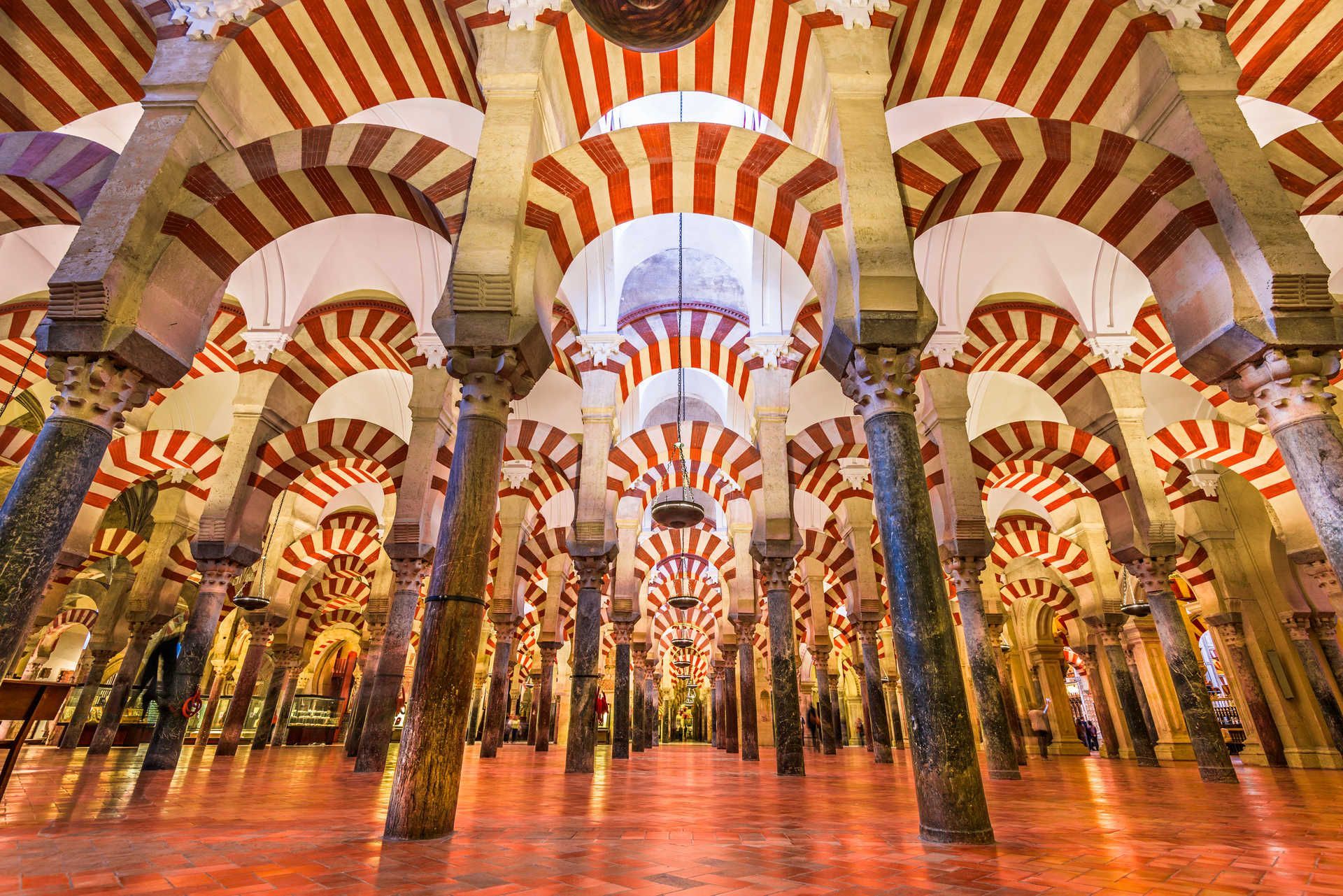
Cordoba
## Description The Mezquita de Córdoba (commonly referred to as the Mosque–Cathedral of Córdoba) is one of Spain’s most striking architectural masterpieces, blending Islamic and Christian elements into a single, atmospheric monument. Its forest of red-and-white double arches, an ingenious structural and aesthetic solution developed in the 8th and 9th centuries, creates a hypnotic interior rhythm that has captivated visitors for centuries. What makes the Mezquita distinctive is not only its scale and decorative richness, but also its layered history: first a Visigothic site, then a grand mosque during Al-Andalus, and later converted into a cathedral after the Reconquista. The result is an unusual palimpsest of art and faith, where horseshoe arches, ornate mihrab mosaics, and later Renaissance chapels coexist in one vast interior. Little-known facts: the current cathedral nave was inserted into the mosque in the 16th century after repeated political and religious negotiations, leaving a striking contrast between the Muslim prayer hall and a centrally placed Christian choir. Another subtle detail is that several columns were recycled from nearby Roman and Visigothic ruins, embedding older materials into this Islamic monument. ## Location The Mezquita is located in Córdoba, Andalusia, southern Spain. It sits in the historic core (the Judería), a compact medieval district adjacent to the Guadalquivir River. The precise address is Plaza del Campo Santo de los Mártires, 1, Córdoba, Andalusia, Spain. Getting there: Córdoba is on Spain’s high-speed rail network (AVE) with frequent trains from Madrid (about 1 hour 45 minutes) and Seville (about 45 minutes). From Córdoba’s main train station (Estación Córdoba Central), the Mezquita is a 15–20 minute walk through the old town; taxis and local buses are also available. If you’re driving, look for parking near Avenida del Alcázar; from there the old town is a short walk. Once inside the historic center, much is best experienced on foot. ## Tips - Buy tickets in advance: The Mezquita can get extremely crowded, especially during high season. Pre-booked tickets with a timed entry avoid long queues. - Visit at quieter times: Early morning just after opening or late afternoon before closing are the best times for photography and to avoid tour groups. - Dress respectfully: As an active cathedral, modest clothing is appreciated. - Allow time for the surrounding quarter: The Judería, Calleja de las Flores, and the Roman bridge are part of the full Córdoba experience—plan at least 2–3 hours to explore the mosque-cathedral and nearby streets. - Use an audio guide or a knowledgeable guide: There’s a lot of layered history; a guide helps unpack architectural changes, symbolic elements, and the timeline of conversions. - Combine with other sites: Pair the Mezquita with the Alcázar of the Christian Monarchs and the Medina Azahara archaeological site for a broader historical view. ## Conclusion The Mezquita de Córdoba is an unforgettable site where architecture tells a story of cultural exchange, conquest, and coexistence. Its forest of arches, rich mosaics, and the surprising placement of the cathedral nave inside a former grand mosque make it a must-visit for lovers of history, architecture, and complex heritage. A mindful visit, planned for quieter hours, will reveal subtleties many miss on a quick stop. ## FAQ Q: Is the Mezquita still used for religious services? A: Yes. While much of the building functions as a major cultural monument and tourist site, the cathedral section hosts Christian religious services. Q: How long should I plan to visit? A: Expect 1.5–3 hours to explore the main areas and enjoy nearby streets. Add more time if visiting exhibitions or local museums. Q: Are photography and flash allowed? A: Photography is usually allowed without flash; however, rules can change for certain ceremonies or exhibitions—follow posted signs. Q: Is the Mezquita accessible for visitors with reduced mobility? A: Parts of the site have limited accessibility due to historic flooring and narrow passages; check official accessibility information and consider contacting the site before arrival. ## Links - [Wikipedia: Mezquita–Cathedral of Córdoba](https://en.wikipedia.org/wiki/Mosque–Cathedral_of_C%C3%B3rdoba) - [Official tourism page for Córdoba (visit cordoba)](https://www.turismodecordoba.org)
GemVoyage Team • World

Bucharest
## Description The Romanian Athenaeum (Ateneul Român) is one of Bucharest’s most iconic landmarks—a neoclassical masterpiece that stands as a symbol of Romanian culture, resilience, and artistic excellence. Opened in 1888, this circular, domed concert hall is the home of the George Enescu Philharmonic Orchestra and hosts the prestigious George Enescu Festival, one of Europe’s leading classical music events. Designed by French architect Albert Galleron, the Athenaeum’s architecture is a harmonious blend of neoclassical grandeur and romantic flourishes. Its façade features a stately colonnade, while the interior dazzles with gilded balconies, a massive fresco depicting key moments in Romanian history, and acoustics considered among the finest in the world. The concert hall seats nearly 800 guests, with every seat offering a clear view of the stage and impeccable sound quality. A little-known fact: the Athenaeum was partially funded through a public campaign with the slogan “Donate one leu for the Ateneu!”—a grassroots effort that united citizens in support of the arts. Another fascinating detail is that the building stands on land once occupied by a monastery and orchard belonging to the Cantacuzino family, adding layers of historical depth to its foundation. ## Location The Romanian Athenaeum is located in **Romania**, in the **Bucharest Municipality**, within the **Capital Region**. Its exact address is **Strada Benjamin Franklin 1-3, Sector 1**, just off Calea Victoriei, one of the city’s main boulevards. ### How to Get There: - **By Metro**: Take Line M2 to Universitate or Piata Romana stations. The Athenaeum is a short walk from either. - **By Bus or Tram**: Several lines stop nearby, including buses 126, 368, and trams 1 and 21. - **By Foot**: If you're exploring central Bucharest, the Athenaeum is easily reachable from Revolution Square and the National Museum of Art. - **By Taxi or Ride-Share**: Services like Bolt and Uber operate widely in Bucharest and can drop you off directly at the entrance. Its central location makes it a perfect stop on any cultural itinerary through the city. ## Tips for Visitors To make the most of your visit to the Romanian Athenaeum, consider these tips: - **Attend a Concert**: The best way to experience the Athenaeum is during a live performance. Check the schedule for classical concerts or special events. - **Book in Advance**: Tickets can sell out quickly, especially during the George Enescu Festival. Reserve early to secure a seat. - **Take a Guided Tour**: Tours are available in Romanian and English but must be booked in advance. They offer insights into the building’s history and architecture. - **Dress Smartly**: If attending a concert, smart casual or formal attire is appreciated. - **Explore Nearby Attractions**: Pair your visit with stops at the National Museum of Art or a stroll down Calea Victoriei. - **Photography**: While photography is allowed in public areas, avoid flash and be respectful during performances. ## Conclusion The Romanian Athenaeum is a cultural treasure that blends architectural elegance with musical brilliance. Whether you're attending a concert or simply admiring its historic beauty, the Athenaeum offers a deeply enriching experience in the heart of Bucharest. ## FAQ **1. Is there an entrance fee to visit the Romanian Athenaeum?** Yes, for concerts and guided tours. Prices vary depending on the event. **2. Can I visit the Athenaeum without attending a concert?** Yes, guided tours are available outside concert hours, but must be scheduled in advance. **3. What is the seating capacity of the concert hall?** The hall seats approximately 794 guests, including stalls and loges. **4. Is the Athenaeum wheelchair accessible?** Yes, accessibility features are available, but it’s best to contact the venue in advance for assistance. **5. What is the best time to visit?** Evenings during concert season (September to June) offer the most vibrant atmosphere. **6. Are children allowed at performances?** Yes, though some events may have age recommendations. Check the program details before booking. ## Links - [Romanian Athenaeum – George Enescu Philharmonic](https://filarmonicaenescu.ro/en/vizitarea-ateneului-roman) - [Romanian Athenaeum – Wikipedia Overview](https://en.wikipedia.org/wiki/Romanian_Athenaeum) - [Visit Bucharest – Romanian Athenaeum Guide](https://visitbucharest.today/romanian-athenaeum/)
GemVoyage Team • World
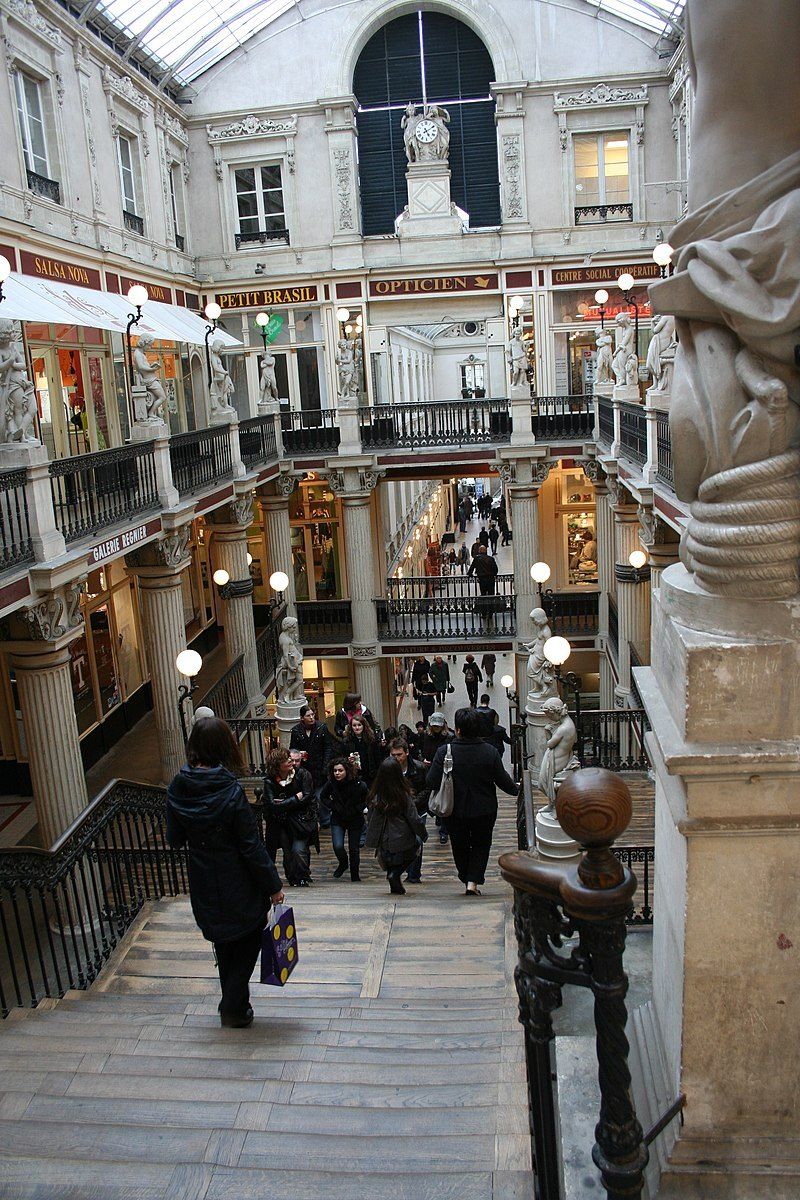
Nantes
## Description The Passage Pommeraye is one of the most striking covered passages in France, and a true architectural masterpiece from the 19th century. Built between 1840 and 1843, it is both a shopping arcade and a monument of historical significance. What sets it apart is its unique three-level structure, which cleverly adapts to the natural slope of the land between Rue de la Fosse and Rue Santeuil. This allows visitors to walk through the gallery while experiencing a gradual elevation, framed by ornate staircases, decorative sculptures, and elegant ironwork. The atmosphere inside is one of timeless sophistication. Light streams in through a glass roof, highlighting neoclassical statues and intricate details that make every corner worth admiring. The arcade houses a variety of boutiques, from luxury shops to independent stores, making it both a shopping destination and a cultural experience. A little-known fact about the Passage Pommeraye is that it was once considered a risky investment. Louis Pommeraye, a local lawyer turned developer, envisioned the arcade as a way to connect two streets of different heights. Many thought the project was too ambitious and doomed to fail. Yet today, it is one of Nantes’ most celebrated landmarks and a symbol of the city’s entrepreneurial spirit. Another fun detail is that the passage has been featured in several films, including Jacques Demy’s *Lola* (1961), cementing its place in French cinematic history. ## Location The Passage Pommeraye is located in **Nantes**, the capital of the **Loire-Atlantique** department in the **Pays de la Loire** region of western **France**. It sits in the heart of the city center, connecting **Rue de la Fosse** with **Rue Crébillon** and **Rue Santeuil**, making it an essential stop for anyone exploring Nantes. Getting there is easy. From the Nantes train station (Gare de Nantes), it’s about a 20-minute walk or a short ride on the city’s efficient tram network—Line 1 to the “Commerce” stop places you within minutes of the passage. Visitors coming from Paris can reach Nantes in just over two hours via high-speed TGV train, making the Passage Pommeraye a convenient and rewarding day-trip highlight. ## Tips * **Take your time:** While you can walk through the passage in minutes, slow down to admire the statues, balustrades, and architectural details. * **Visit on a weekday:** Weekends and holidays can be crowded, especially during sales seasons or Christmas. A weekday visit provides a calmer experience. * **Look up:** The glass roof and decorative sculptures are among the most remarkable elements—don’t miss them while focusing only on the shops. * **Combine with nearby attractions:** The passage is centrally located, close to Place Royale and the Graslin district, where you’ll find theaters, cafés, and other cultural landmarks. * **Enjoy seasonal magic:** During the Christmas period, the arcade is beautifully decorated, creating an enchanting festive atmosphere. * **Photography tip:** Arrive early in the morning to capture the arcade without too many people in the frame. ## Conclusion The Passage Pommeraye is not just a shopping arcade but a masterpiece of 19th-century urban design. With its harmonious blend of architecture, light, and history, it has become one of Nantes’ most treasured sites. Whether for shopping, sightseeing, or simply soaking up the atmosphere, it offers a memorable experience that combines elegance with everyday life. ## FAQ **1. What makes the Passage Pommeraye unique?** Its three-level design that adapts to a sloping street, combined with ornate sculptures and architectural details, makes it one of the most distinctive arcades in Europe. **2. Is the Passage Pommeraye free to enter?** Yes, entry is completely free, and visitors can walk through at any time during opening hours. **3. What kind of shops can be found inside?** The passage features a mix of luxury boutiques, independent shops, jewelry stores, fashion outlets, and cafés. **4. Can I visit the Passage Pommeraye at night?** The shops close in the evening, but the passage itself remains open for walking until later hours, allowing visitors to enjoy its illuminated beauty. **5. How long does a visit usually take?** A casual walk-through might take 15–20 minutes, but to explore shops and enjoy the atmosphere, allow at least an hour. **6. Is the Passage Pommeraye accessible for people with limited mobility?** Yes, elevators have been added in recent years to improve accessibility, although the original staircases remain a prominent feature. ## Links * [Passage Pommeraye](https://en.wikipedia.org/wiki/Passage_Pommeraye)
GemVoyage Team • World