Discover extraordinary places shared by our community of travelers
Tokyo
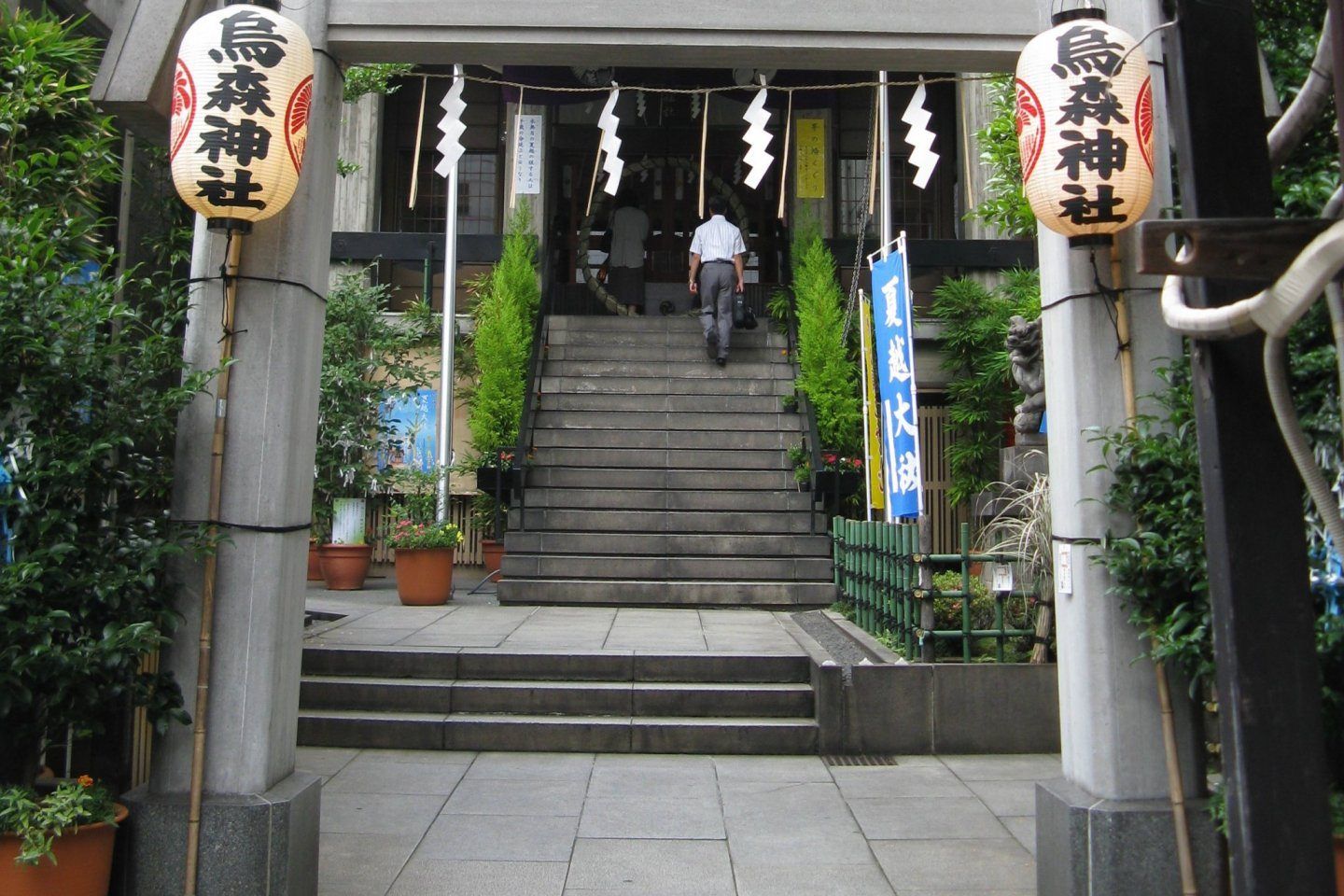
## Description **Karasumori Shrine (烏森神社)** is a small yet deeply symbolic Shinto shrine tucked into one of Tokyo’s most modern and fast-paced districts. Unlike large, monumental shrines surrounded by forests or expansive grounds, Karasumori stands out precisely because of its **contrast with its surroundings**. Encircled by office towers, restaurants, and neon-lit streets near Shimbashi, the shrine feels like a quiet spiritual pocket preserved inside the machinery of the modern city. The shrine is dedicated primarily to **Ame-no-Uzume-no-Mikoto**, a Shinto deity associated with joy, performance, and the arts, as well as protection from misfortune. Because of this, Karasumori Shrine has long been popular with **actors, entertainers, businesspeople, and office workers**, all of whom come to pray for success, smooth communication, and good fortune in their professional lives. What truly makes Karasumori Shrine unique is its **distinctive omamori (protective charms)**. These charms are unusually colorful, often featuring bright red, yellow, blue, and green threads rather than the subdued tones found at most shrines. According to shrine tradition, these colors represent protection from misfortune arriving from any direction. This detail is relatively unknown outside Japan and has helped the shrine develop a quiet but loyal following among locals. Another lesser-known fact is that Karasumori Shrine was originally located closer to Edo Castle but was moved to its current position during urban development. Despite its relocation, it retained strong ties to merchants and workers, which explains its enduring relevance in a business district rather than a residential or historical one. The shrine has also survived fires, earthquakes, and wartime destruction, making it a subtle symbol of resilience amid Tokyo’s constant transformation. Karasumori Shrine is not a place for grand ceremonies or long visits. Its value lies in **intimacy, symbolism, and continuity**, offering a moment of pause rather than spectacle. ## Location **Country:** Japan **Region:** Kantō **City:** Tokyo **Ward:** Minato **Area:** Shimbashi Karasumori Shrine is located just a short distance from Shimbashi Station, one of Tokyo’s major transportation hubs and a center for office culture and nightlife. ### How to Get There * **By train:** * JR Yamanote Line, Keihin-Tohoku Line, or Tokyo Metro Ginza Line to **Shimbashi Station**. From the Karasumori Exit, the shrine is a 2–3 minute walk. * **By subway:** * Toei Asakusa Line to Shimbashi Station, also within walking distance. * **On foot:** * Easily accessible if you are exploring central Tokyo districts such as Ginza or Shiodome. * **By taxi:** * A convenient option due to the shrine’s central location, though unnecessary given public transport access. ## Tips * **Visit during weekdays for atmosphere:** You will see office workers stopping by during lunch breaks or after work. * **Be respectful of space:** The shrine grounds are compact, and local worshippers come for quiet prayer. * **Purchase an omamori:** The colorful charms are the shrine’s most distinctive feature and make meaningful souvenirs. * **Avoid peak commute times:** Early morning and early evening can be crowded due to nearby train traffic. * **Short visit is sufficient:** 15–30 minutes is enough to appreciate the shrine fully. * **Photography is allowed, but discreet:** Avoid photographing people while they are praying. ## Conclusion Karasumori Shrine offers a rare glimpse into Tokyo’s spiritual life as it exists today, not as a preserved relic but as a living part of the urban routine. Small, understated, and symbolic, it rewards visitors who value authenticity and subtlety over grandeur. ## FAQ **1. Is Karasumori Shrine famous?** It is well-known among locals but relatively unknown to international tourists. **2. Is there an entrance fee?** No, entry is free. **3. How long should I spend there?** Around **15 to 30 minutes** is sufficient. **4. What is the shrine best known for?** Its colorful protective charms and prayers for career success and good fortune. **5. Is it suitable for first-time visitors to a Shinto shrine?** Yes, its small size makes it approachable and easy to understand. **6. Can I combine it with other attractions?** Yes, it pairs well with visits to Ginza, Shiodome, or nearby dining areas. ## Links * [Japan National Tourism Organization](https://www.japan.travel)
GemVoyage Team • World
Gmunden
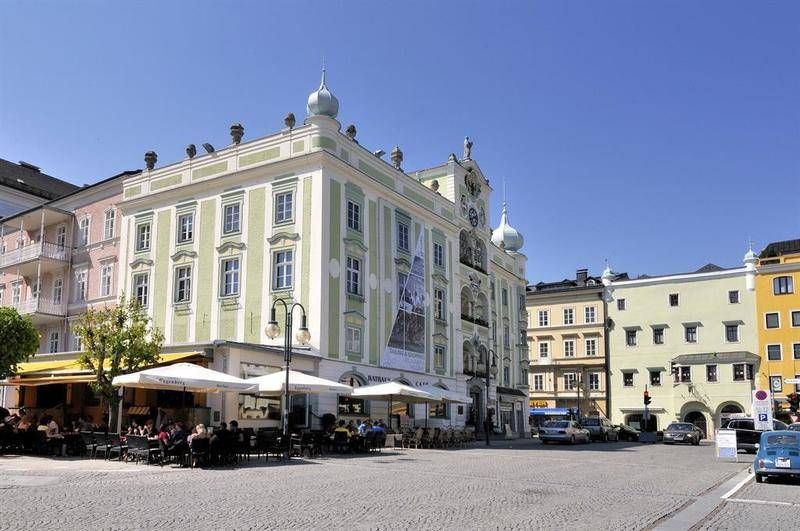
## Description The **Rathaus Gmunden** — the **Town Hall of Gmunden** — is one of Austria’s most charming and picturesque civic buildings, perfectly reflecting the town’s **historic elegance and lakeside serenity**. Standing proudly on the shore of **Traunsee Lake**, surrounded by the scenic peaks of the **Salzkammergut Mountains**, this 16th-century building combines Renaissance architecture, local craftsmanship, and cultural pride in a way few town halls do. Built between **1574 and 1577**, the Rathaus originally served as a **merchant and administrative center** during a period when Gmunden was thriving as a salt-trading hub. Its architecture features a **Renaissance façade** with beautifully arched arcades, intricate window frames, and an elegant clock tower topped with a small bell turret. The building’s exterior is painted in soft pastel hues that harmonize with the lakeside scenery, giving it a warm and inviting appearance. However, what truly makes Rathaus Gmunden stand out — and one of Austria’s most photographed town halls — is its **ceramic carillon** (a set of bells made from Gmunden pottery). Installed in **1961**, this unique feature consists of **24 hand-painted ceramic bells**, crafted by local artisans from the renowned **Gmundner Keramik** workshop, which has been producing distinctive green-flamed pottery since the 17th century. Several times a day, the bells chime melodiously across the old town, filling the air with a sound that has become a symbol of Gmunden’s artistic heritage. Few visitors realize that it is **one of the only ceramic carillons in the world** still in operation — a beautiful fusion of art, music, and tradition. Inside, the Rathaus still functions as the **seat of the local government**, but parts of it are open to visitors, showcasing historical rooms, exhibitions, and cultural displays. The nearby **Rathausplatz (Town Hall Square)** hosts markets, festivals, and outdoor concerts throughout the year, offering a lively glimpse of local life. Whether you visit for its craftsmanship, its lakeside views, or the charm of its daily chimes, Rathaus Gmunden is a small-town treasure that embodies the **soul of the Austrian Alps**. ## Location The **Rathaus Gmunden** is located in the **heart of Gmunden**, a town in **Upper Austria (Oberösterreich)**, on the **northern shore of Lake Traunsee**. **Address:** Rathausplatz 1, 4810 Gmunden, Austria To get there: * **By train:** From **Linz** or **Salzburg**, take an **ÖBB regional train** to **Gmunden Station**, then walk about **10–15 minutes** to the old town. * **By tram:** From the station, you can also take the **Traunseetram**, which stops near Rathausplatz. * **By car:** Easily accessible via the **A1 motorway**, exit **Regau** or **Laakirchen**, with several nearby parking options. * **By boat:** Ferries on **Traunsee Lake** stop at **Gmunden Seebahnhof**, just steps away from the Town Hall. * **By foot or bike:** The promenade around the lake connects the Rathaus to the main attractions of Gmunden, including **Schloss Ort** and the **Esplanade**. ## Tips * **Don’t miss the carillon performance:** The ceramic bells ring several times daily — typically at **11:00 AM**, **3:00 PM**, and **5:00 PM** (check local schedules). * **Visit the Gmundner Keramik Manufaktur:** Just outside town, you can see how the world-famous green-flamed pottery is made — a perfect complement to the Rathaus visit. * **Take photos from the lake promenade:** The Town Hall reflected in the water, with mountains in the background, is one of Austria’s most postcard-worthy views. * **Enjoy the market:** On Fridays, Rathausplatz hosts a **local farmers’ market** selling fresh regional produce, cheese, and crafts. * **Visit nearby Schloss Ort:** A short walk away, this fairytale castle on the lake is another Gmunden highlight. * **Stop for coffee by the lake:** There are several cozy cafés around Rathausplatz with views of the water and the mountains. * **Combine with a boat tour:** Scenic cruises on Traunsee often pass by the Rathaus, offering a new perspective from the lake. ## Conclusion The **Rathaus Gmunden** is far more than a historic building — it’s the **heart of a town steeped in art, tradition, and Alpine beauty**. From its Renaissance architecture to the enchanting ceramic bells that sing across Traunsee, it tells the story of a community that has blended craftsmanship and culture for centuries. Whether you’re exploring the Salzkammergut for its lakes, castles, or peaceful charm, a stop at the Rathaus Gmunden is an experience that captures the very essence of Austrian heritage. ## FAQ **1. When was the Rathaus Gmunden built?** It was constructed between **1574 and 1577** during the height of Gmunden’s salt-trading prosperity. **2. What makes the Rathaus special?** Its **ceramic carillon**, made from locally produced Gmundner pottery, is **one of the few of its kind in the world**. **3. How often does the carillon play?** The bells ring several times daily, typically at **11:00 AM, 3:00 PM, and 5:00 PM**, though times may vary seasonally. **4. Can visitors enter the Rathaus?** Yes, parts of the building are open to visitors, especially during cultural events or exhibitions. **5. Where is Gmunden located?** Gmunden lies on **Lake Traunsee** in **Upper Austria (Oberösterreich)**, roughly halfway between **Linz** and **Salzburg**. **6. Is it easy to reach from Vienna or Salzburg?** Yes — from Vienna or Salzburg, take a train to **Attnang-Puchheim**, then connect to Gmunden via a regional line (total travel time: around **2 hours**). **7. What nearby attractions should I see?** Don’t miss **Schloss Ort**, **Traunsee Lake cruises**, and the **Gmundner Keramik Factory** for a complete cultural experience. ## Links * [Gmunden Tourism Official Website](https://www.gmunden.at)
GemVoyage Team • World
Madagascar
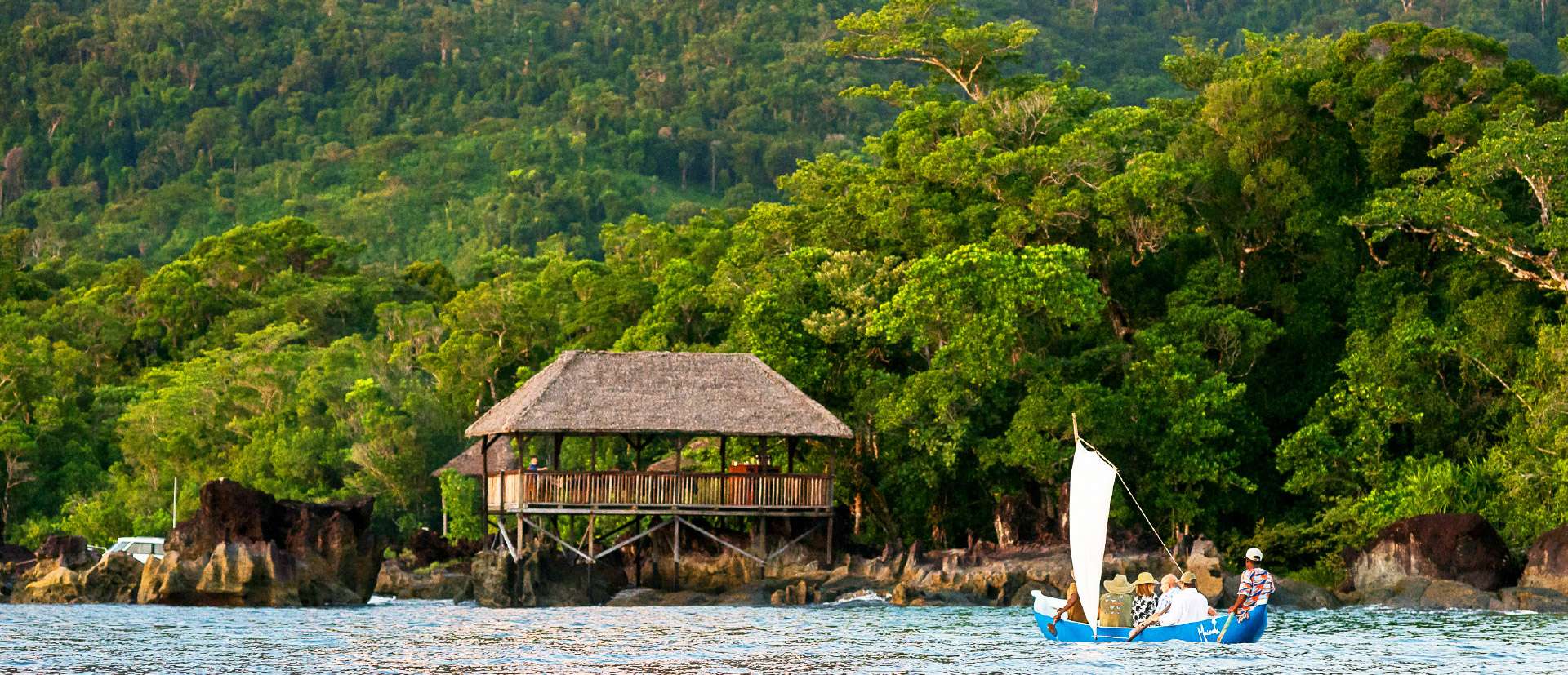
## Description Masoala National Park is Madagascar’s largest and most ecologically diverse protected area, a true Eden for nature lovers and adventurers. Located on the Masoala Peninsula in the northeast of the island, the park spans over 2,300 square kilometers of pristine rainforest and an additional 100 square kilometers of marine reserves. It’s one of the few places on Earth where lush jungle meets coral-rich coastline, creating a rare blend of terrestrial and marine biodiversity. The park is home to an astonishing array of wildlife, much of it endemic to Madagascar. Among its most famous residents is the red-ruffed lemur, found only in this region. Visitors may also encounter the elusive aye-aye, leaf-tailed geckos, tomato frogs, and over 60 species of reptiles. Birdwatchers flock to Masoala to spot rare species like the helmet vanga and the Madagascar red owl. Offshore, the marine parks protect vibrant coral reefs and host humpback whales during their migration from July to September. A little-known fact: the name “Masoala” translates to “eyes of the forest,” a poetic reference to the glowing eyes of the nocturnal aye-aye. Another fascinating detail is that the Madagascar serpent eagle, once thought extinct, was rediscovered in Masoala and now thrives in its dense canopy. ## Location Masoala National Park is located in **Madagascar**, within the **Sava Region**, near the coastal city of **Maroantsetra**. A portion of the park also extends into the **Analanjirofo Region**, making it a vast and varied landscape of rainforest, mangroves, and coral reefs. ### How to Get There: - **By Air**: Fly from Antananarivo to Maroantsetra Airport. Flights are limited, so booking in advance is essential. - **By Boat**: From Maroantsetra, the park is accessible via a 2–3 hour boat ride across Antongil Bay. This scenic journey offers glimpses of dolphins and coastal villages. - **By Tour**: Many eco-tour operators offer guided packages that include transport, accommodation, and park entry. Due to its remote location, Masoala is best visited with the help of local guides or tour companies familiar with the terrain and logistics. ## Tips for Visitors To make the most of your Masoala adventure, keep these tips in mind: - **Visit During Dry Season**: The best time to visit is from June to November. Avoid January to March due to heavy rains and cyclone risk. - **Pack Smart**: Bring waterproof gear, insect repellent, sturdy hiking shoes, and lightweight clothing. The rainforest is humid and unpredictable. - **Hire a Guide**: Local guides enhance the experience with wildlife spotting and cultural insights. Guides are mandatory for most trails. - **Explore Nosy Mangabe**: This nearby island reserve is part of the park and offers excellent chances to see the aye-aye and ancient tombs. - **Respect Wildlife**: Night walks are restricted to protect sensitive species like the aye-aye. Always follow park rules. - **Try Kayaking or Snorkeling**: The marine parks—Tampolo, Ambodilaitry, and Ifaho—are perfect for exploring coral reefs and spotting sea turtles. ## Conclusion Masoala National Park is a sanctuary of biodiversity and natural wonder. With its rare wildlife, untouched rainforest, and vibrant marine life, it offers a truly immersive experience for those seeking Madagascar’s wild heart. ## FAQ **1. What is the entrance fee for Masoala National Park?** The fee is approximately 45,000 Ariary (~16 EUR) for adults and 25,000 Ariary (~6 EUR) for children. **2. How many lemur species are found in Masoala?** The park hosts over 10 species, including the red-ruffed lemur and aye-aye. **3. Can I camp inside the park?** Yes, designated camping areas are available, especially on Nosy Mangabe Island. Guided tours often include camping options. **4. Is Masoala suitable for families?** Yes, but due to its remote location and rugged terrain, it’s best for families with older children who enjoy nature and hiking. **5. Are there accommodations near the park?** Eco-lodges and guesthouses are available in Maroantsetra and near the park’s entrance. Booking ahead is recommended. **6. What marine activities are available?** Snorkeling, kayaking, and whale watching are popular in the park’s marine reserves, especially from July to September. ## Links - [Masoala National Park – Wikipedia Overview](https://en.wikipedia.org/wiki/Masoala_National_Park) - [Masoala National Park – Official GANP Page](https://national-parks.org/madagascar/masoala)
GemVoyage Team • World
Yokohama
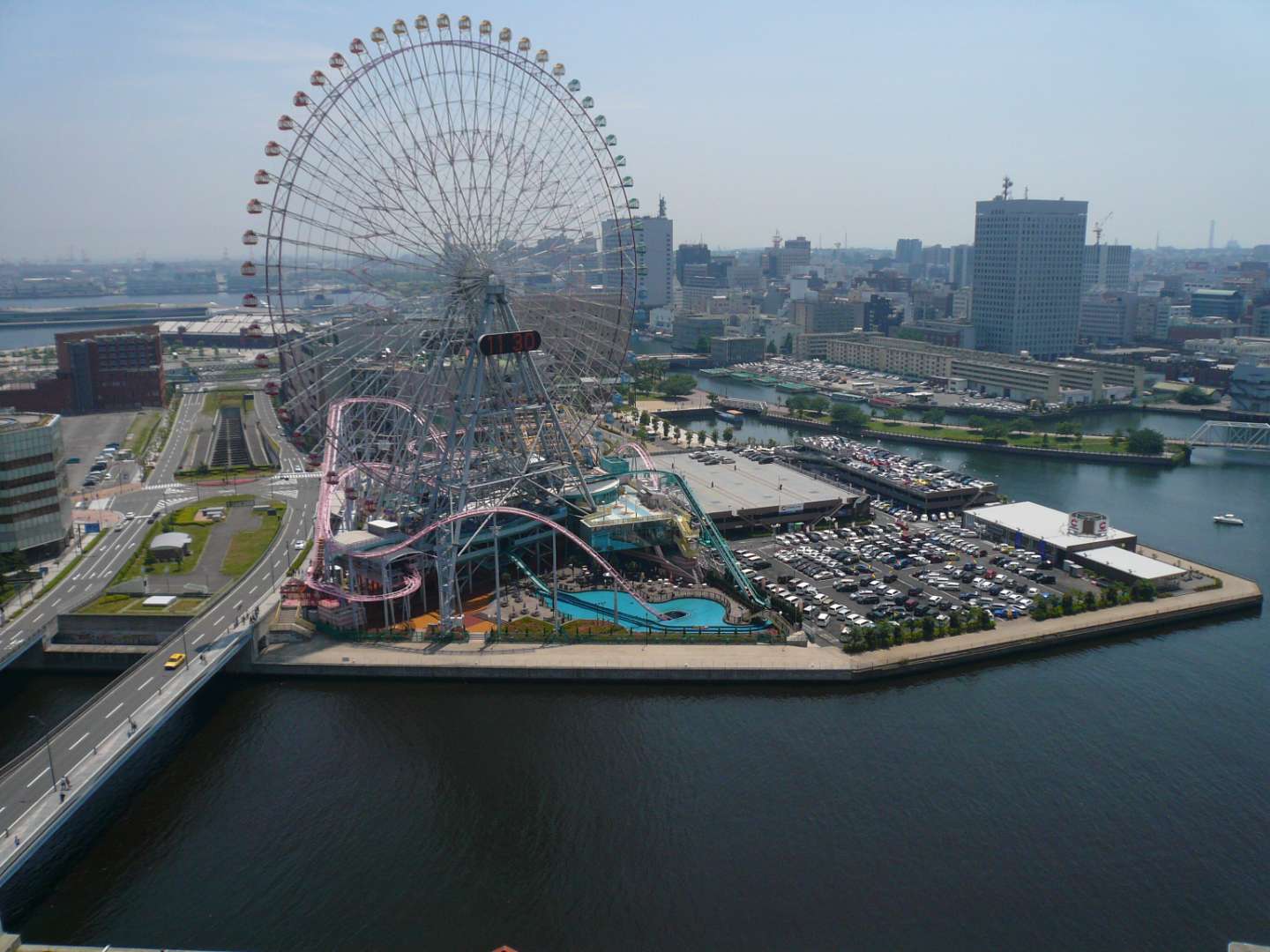
## Description Cosmo World in Yokohama is a vibrant urban amusement park that blends thrilling rides, family-friendly attractions, and waterfront views into one unforgettable experience. Located in the heart of the Minato Mirai 21 district, this compact yet dynamic park is best known for its iconic Ferris wheel, Cosmo Clock 21, which once held the title of the world’s largest Ferris wheel with a clock. Towering over the city skyline, it offers panoramic views of Yokohama Bay and the surrounding urban landscape, especially stunning at night when the wheel lights up in dazzling colors. The park is divided into three distinct zones: the Wonder Amuse Zone, Burano Street Zone, and Kids Carnival Zone. Each area caters to different age groups and interests. The Wonder Amuse Zone features high-adrenaline rides like the Diving Coaster: Vanish, a roller coaster that plunges into a tunnel beneath a pool of water. The Burano Street Zone offers quirky attractions such as mirror mazes and haunted houses, while the Kids Carnival Zone is perfect for younger children with gentle rides and arcade games. A little-known fact: Cosmo World originated from the Yokohama Exotic Showcase in 1989, and the Ferris wheel was part of a temporary exhibition before becoming a permanent fixture. Another unique detail is that admission to the park is free—you only pay for the rides you choose to enjoy, making it an accessible destination for all budgets. ## Location Cosmo World is located in **Japan**, in the **Kanagawa Prefecture**, within the city of **Yokohama**. It sits in the **Minato Mirai 21 district**, a modern waterfront area known for its shopping, entertainment, and cultural attractions. ### How to Get There - **By Train**: The park is a short walk from Minato Mirai Station (Minato Mirai Line) and Sakuragicho Station (JR Keihin-Tohoku Line and Yokohama Municipal Subway Blue Line). - **By Bus**: Several local buses stop near the Minato Mirai area. - **By Foot**: If you're exploring the waterfront, Cosmo World is easily accessible from nearby attractions like Landmark Tower and the Yokohama Red Brick Warehouse. - **By Car**: Parking is available in nearby lots, though public transport is recommended due to traffic and convenience. Its central location makes it an easy addition to any Yokohama itinerary. ## Tips - **Visit in the Evening**: The illuminated Ferris wheel and waterfront views are especially magical after sunset. - **Buy a Ride Pass**: While entry is free, purchasing a ride pass can save money if you plan to try multiple attractions. - **Check Height Restrictions**: Some rides have strict height and age requirements, so check ahead if visiting with children. - **Avoid Peak Hours**: Weekends and holidays can be crowded. Weekday afternoons are generally quieter. - **Bring Cash**: Some ticket booths and vending machines may not accept cards. - **Combine with Nearby Attractions**: Pair your visit with a trip to CupNoodles Museum or a harbor cruise for a full day of fun. ## Conclusion Cosmo World in Yokohama is a compact yet exhilarating amusement park that offers something for everyone—from heart-pounding roller coasters to scenic Ferris wheel rides. Its waterfront location, free entry, and diverse attractions make it a must-visit for families, couples, and solo travelers alike. ## FAQ **1. Is there an entrance fee to Cosmo World?** No, admission is free. You only pay for the rides you choose to go on. **2. What are the operating hours?** Typically, the park operates from 11:00 AM to 8:00 PM, but hours may vary seasonally or due to weather. **3. Is Cosmo World suitable for young children?** Yes, the Kids Carnival Zone is designed specifically for younger visitors. **4. Can I buy tickets online?** Ride tickets are generally purchased on-site. Some packages may be available through travel agencies. **5. Is the Ferris wheel wheelchair accessible?** Yes, Cosmo Clock 21 is accessible for wheelchair users. **6. Are food and drinks allowed inside the park?** Outside food and drinks are not permitted, but there are cafés and vending machines within the park. ## Links - [Cosmo World Official Website](https://cosmoworld.jp/about/?lang=en) - [Yokohama Cosmo World – Wikipedia Overview](https://en.wikipedia.org/wiki/Yokohama_Cosmo_World)
GemVoyage Team • World
Los Angeles
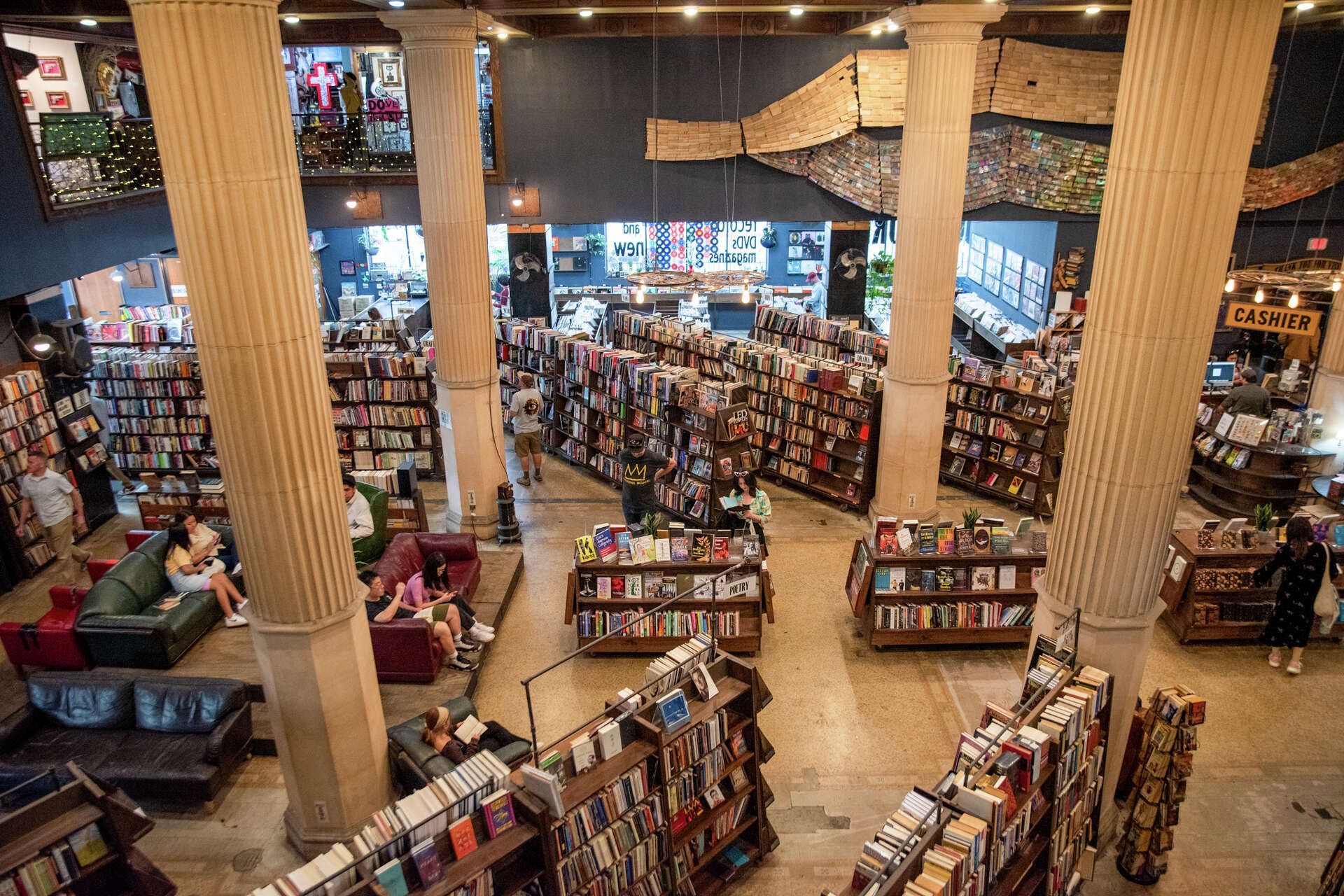
## Description The Last Bookstore in downtown Los Angeles is one of the city's most evocative cultural landmarks: a cavernous, artful emporium of new and used books, vinyl records, and unexpected installations. What sets it apart is not only its enormous inventory but its theatrical presentation — towering shelves, mezzanines, and artistic nooks create a browsing experience more like exploring a story-driven installation than shopping. Housed in a 1920s bank building, patrons encounter reclaimed wood staircases, arches of stacked books, and curated displays that transform each aisle into a visual narrative. Beyond the surface spectacle, the store is a living community hub. It hosts readings, author events, film screenings, and local art exhibitions, and its staff are often keen curators who can guide visitors through genres or find niche titles. Little-known facts: a number of the store’s sculptural book installations are made from unsaleable or damaged stock repurposed by local artists, and the mezzanine houses a secret "book tunnel" — a photogenic corridor built entirely from books that started as a one-off art project and became an enduring fixture. The appeal is broad: bibliophiles will find rare and out-of-print editions; casual visitors will appreciate the visual drama and chance finds; and creatives will enjoy the store as an inspirational setting. The Last Bookstore's blend of commerce, culture, and craft keeps it relevant in an era when many independent bookstores struggle to survive. ## Location The Last Bookstore is located in downtown Los Angeles, California, USA, in the historic core near Spring Street. The postal address and exact entry points change slightly due to neighboring businesses, but it remains centrally placed, within walking distance of the Walt Disney Concert Hall, The Broad, and Pershing Square. Getting there: If you’re arriving by public transit, take the Metro B or D Line to Pershing Square station or any bus that stops in downtown LA; the store is a short walk from the station. Driving is possible but downtown parking can be expensive — seek out nearby private lots or use street parking meters and apps to locate spots. Rideshares and taxis are convenient and drop-offs at the curb are common. For visitors staying in nearby neighborhoods like Koreatown or Pasadena, plan for roughly 20–40 minutes by car depending on traffic. ## Tips - Arrive early on weekends to avoid crowds and secure good spots for browsing in popular areas like the mezzanine or the book tunnel. - Bring cash if you prefer for small purchases or tips, though the store accepts cards. - If searching for a rare or out-of-print title, ask staff first; they maintain backroom stock and can often locate hidden gems. - Photography is welcome but be mindful of events or private bookings where rules might change. - Wear comfortable shoes — the store is larger than it looks and you’ll want to explore several levels. - Visit during a weekday late morning to combine quieter browsing with access to barista-driven coffee shops nearby. - Check the events calendar on the store’s website before visiting — you might catch an author talk or a cultural event that enhances your visit. ## Conclusion The Last Bookstore is more than a retail space — it’s a cultural anchor that celebrates books as artifacts, art, and shared stories. Its imaginative layout, rich inventory, and community programming make it a must-visit for travelers and locals who appreciate literary culture with theatrical flair. ## FAQ Q: Is The Last Bookstore family-friendly? A: Yes. Children enjoy the visual elements, and the atmosphere is generally welcoming, though some events may be adult-oriented. Q: Can I sell or consign books there? A: The store buys and sells used books; check their buying policies online or call ahead for specifics. Q: Are there guided tours? A: There are no formal guided tours, but staff can give insights and point out notable installations. Q: Is there wheelchair access? A: The main floor is accessible, but some mezzanine areas may have limited access — contact the store for accommodations. Q: Do they ship internationally? A: The store ships books and merchandise; check the online store for shipping details and fees. ## Links - [Official site](https://lastbookstorela.com) - [Wikipedia: The Last Bookstore](https://en.wikipedia.org/wiki/The_Last_Bookstore)
GemVoyage Team • World
Barcelona
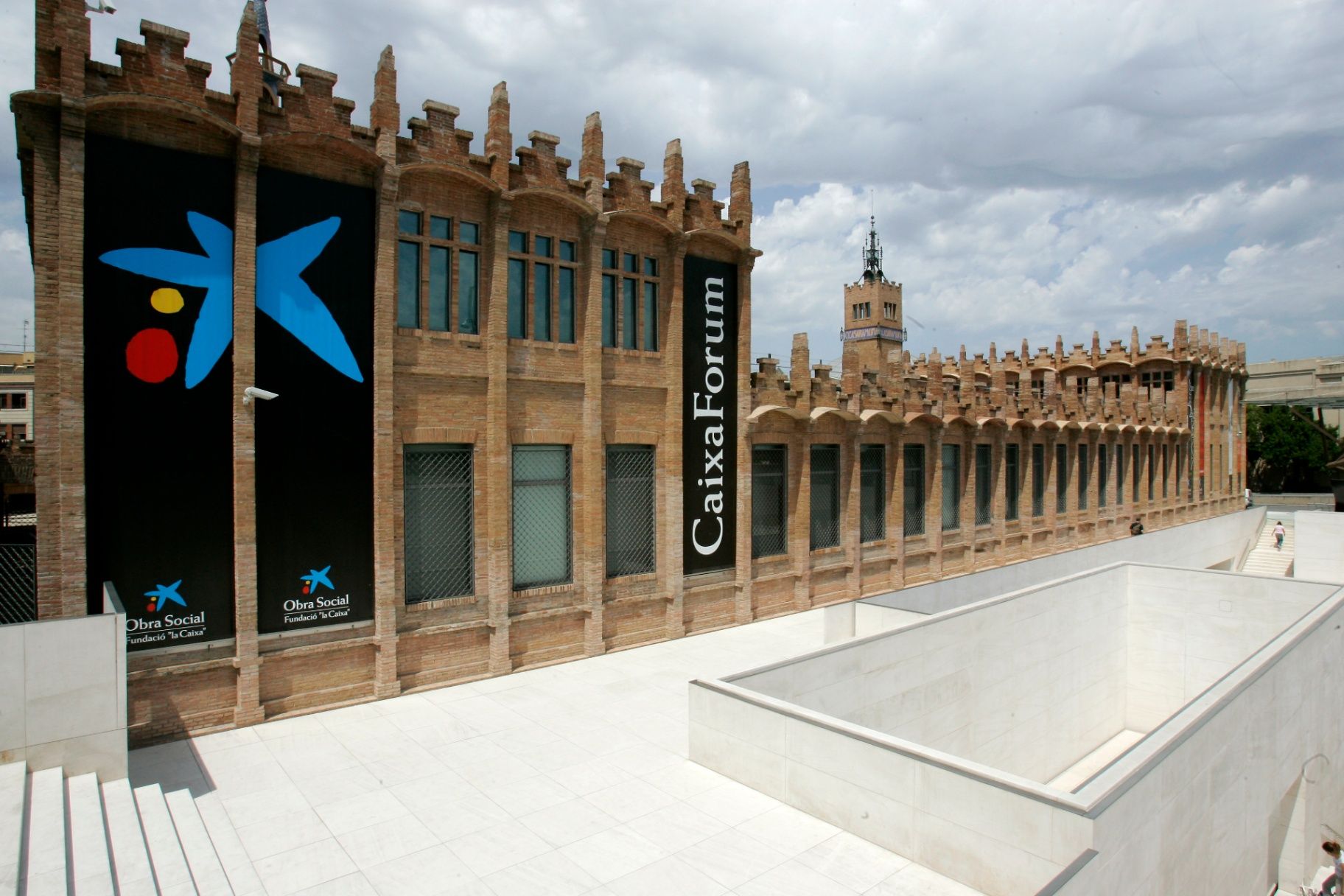
## Description **CaixaForum Barcelona** is one of the city’s most important cultural institutions, combining architecture, contemporary thought, and public education under one roof. It is housed in the former **Casaramona Textile Factory**, an early 20th-century industrial complex designed by the modernist architect Josep Puig i Cadafalch. Rather than demolishing the structure, it was carefully restored and repurposed, turning a once-abandoned factory into a vibrant center for exhibitions, debates, and artistic exploration. What makes CaixaForum Barcelona unique is its **programmatic diversity**. It is not a conventional museum with a permanent collection on display. Instead, it hosts a rotating schedule of high-quality temporary exhibitions covering art, photography, history, science, archaeology, music, and social issues. These exhibitions are often produced in collaboration with major international institutions, giving visitors access to works and ideas that rarely appear elsewhere in the city. Architecturally, the building itself is part of the experience. The red brick façades, sharp geometric volumes, and absence of ornamentation reflect a restrained form of Catalan modernism that contrasts with the more decorative style of Gaudí. A lesser-known fact is that the factory was originally built in 1911 but **never actually operated as an industrial plant**, as production ceased before it could fully open. Another interesting detail is the dramatic entrance plaza, redesigned by Japanese architect Arata Isozaki, which creates a striking dialogue between old and new through stone, steel, and light. Beyond exhibitions, CaixaForum functions as a **cultural forum in the literal sense**. It hosts lectures, film screenings, concerts, workshops, and family-oriented activities, making it appealing to a wide range of audiences. The institution emphasizes accessibility and education, aiming to make complex cultural topics understandable without oversimplifying them. ## Location **Country:** Spain **Region:** Catalonia **City:** Barcelona **District:** Sants-Montjuïc CaixaForum Barcelona is located at the foot of **Montjuïc Hill**, near Plaça d’Espanya, an area known for its concentration of museums, exhibition spaces, and monumental architecture. ### How to Get There * **By metro:** * Lines L1 (Red) or L3 (Green) to **Plaça d’Espanya** station. From there, it is a 5–7 minute walk. * **By bus:** * Several bus lines stop around Plaça d’Espanya and along Avinguda de Francesc Ferrer i Guàrdia. * **On foot:** * Easily reachable from Plaça d’Espanya and the surrounding exhibition grounds. * **By taxi:** * A convenient option if coming from other parts of the city; drop-off points are nearby. ## Tips * **Check the exhibition schedule in advance:** Exhibitions change regularly, and some are time-limited. * **Allow enough time:** One exhibition can easily take 90 minutes if explored thoroughly. * **Visit during weekdays:** Weekends tend to be busier, especially during popular exhibitions. * **Use the audio guides:** They provide context and depth without overwhelming the visitor. * **Combine with Montjuïc sights:** Pair your visit with nearby attractions such as museums or gardens. * **Look for free-entry times:** Certain days or time slots may offer reduced or free admission. ## Conclusion CaixaForum Barcelona is a cultural anchor that successfully bridges Barcelona’s industrial past with its intellectual present. Through its thoughtful exhibitions, adaptive architecture, and commitment to public engagement, it offers a meaningful alternative to traditional museums and rewards visitors seeking substance over spectacle. ## FAQ **1. Is CaixaForum Barcelona a museum?** It functions more as a cultural center with temporary exhibitions rather than a permanent museum collection. **2. How long does a visit usually take?** Most visitors spend between **1.5 and 3 hours**, depending on the exhibitions. **3. Is it suitable for children?** Yes, there are family-friendly exhibitions and interactive educational activities. **4. Are exhibitions available in multiple languages?** Yes, information panels and guides are usually available in Catalan, Spanish, and English. **5. Is the building accessible?** Yes, the center is fully accessible for visitors with reduced mobility. **6. Can you visit just for the architecture?** Yes, the building itself is worth seeing even without attending an exhibition. ## Links * [Official CaixaForum website](https://caixaforum.org/es/home)
GemVoyage Team • World
Bosnia
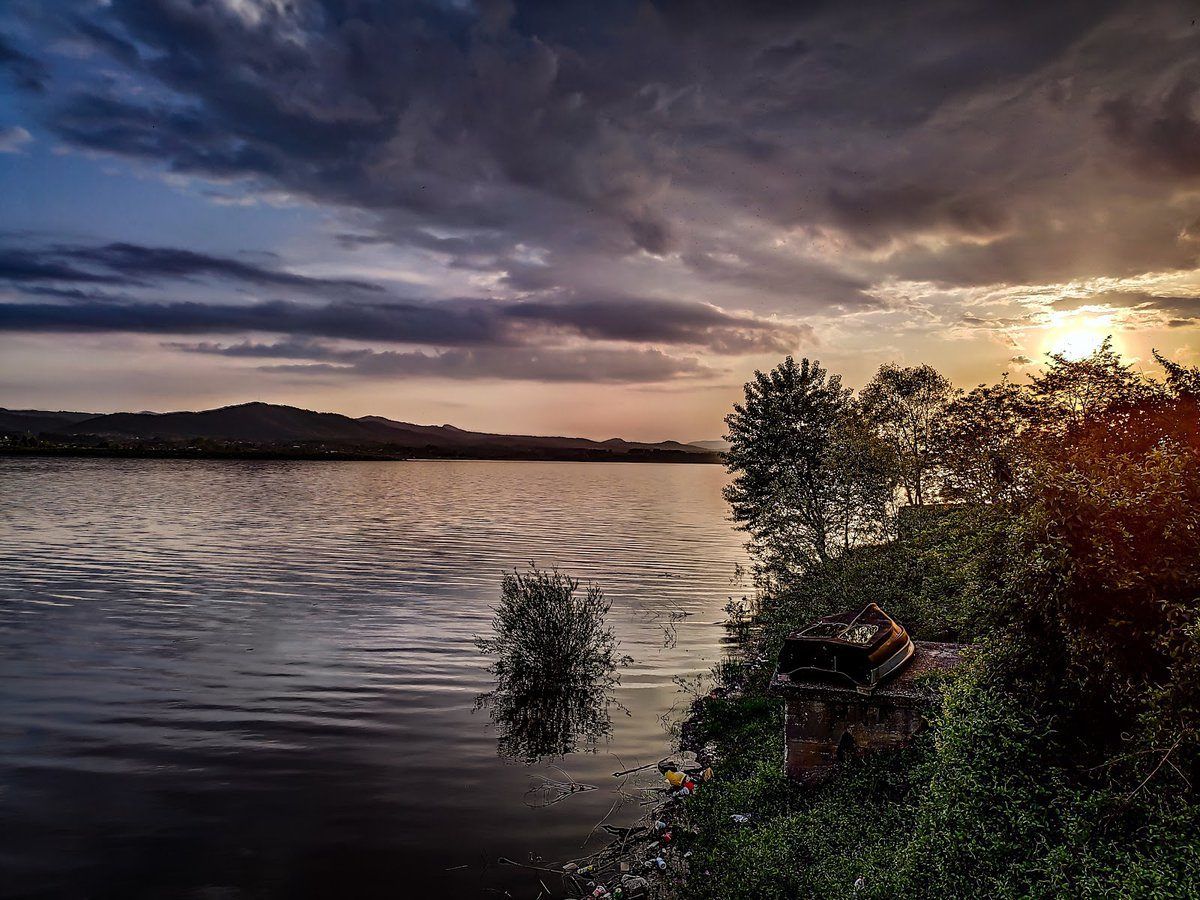
## Description **Modrac Lake (Modračko jezero)** is one of the largest artificial lakes in Bosnia and Herzegovina and a significant recreational and economic resource for the northeastern part of the country. Created in the 1960s by damming the **Spreča River**, the lake was originally built to supply water for industry and surrounding towns. Over time, it evolved into a **popular leisure destination**, especially during the summer months. What makes Modrac Lake distinctive is its **dual identity**. On one hand, it is a functional reservoir supporting industry and agriculture in the Tuzla region. On the other, it serves as a relaxed getaway for locals, offering swimming areas, weekend houses, fishing spots, and informal beaches. Unlike heavily commercialized European lakes, Modrac retains a raw, local character shaped more by everyday use than tourism planning. A lesser-known fact is that before the lake was created, several villages and agricultural lands were submerged, permanently altering the local landscape and economy. Another interesting detail is that Modrac Lake supports a **diverse fish population**, including carp, catfish, pike, and perch, making it one of the most important freshwater fishing locations in the region. The atmosphere around the lake is informal and authentic. Small cafés, seasonal food stands, and family-owned cottages line parts of the shoreline, particularly near towns and villages. This gives visitors a genuine glimpse into regional leisure culture rather than a curated tourist experience. ## Location **Country:** Bosnia and Herzegovina **Region:** Tuzla Canton **Nearest Cities:** Tuzla, Lukavac, Živinice Modrac Lake lies in **northeastern Bosnia**, about 15 kilometers southwest of Tuzla, stretching between several municipalities. ### How to Get There * **By car:** * The easiest and most flexible option. From Tuzla, the drive takes about 20–30 minutes depending on the access point. * **By taxi:** * Available from Tuzla and nearby towns, though return arrangements should be planned. * **By local transport:** * Buses connect Tuzla with nearby towns such as Lukavac and Živinice, followed by short walks to the shore. ## Tips * **Visit in summer:** July and August are the most active months, with swimming and lakeside life at its peak. * **Choose your access point carefully:** Some areas are better maintained and cleaner than others. * **Bring your own supplies:** Facilities vary greatly depending on the location. * **Fishing requires a permit:** Licenses can be obtained locally. * **Avoid swimming after heavy rain:** Water clarity can decrease due to runoff. * **Respect the environment:** As a working reservoir, preservation depends largely on visitor behavior. ## Conclusion Modrac Lake is not a polished resort, but a **functional and lived-in landscape** that plays an important role in local life. Its wide shoreline, relaxed atmosphere, and accessibility make it a meaningful destination for those interested in regional culture, outdoor relaxation, and everyday Bosnia beyond major tourist routes. ## FAQ **1. Is Modrac Lake natural or artificial?** It is an artificial lake created by damming the Spreča River. **2. Can you swim in Modrac Lake?** Yes, swimming is common in designated areas, especially during summer. **3. Is the lake clean?** Water quality varies by location and season; some areas are better maintained than others. **4. Is Modrac Lake good for fishing?** Yes. It is one of the most important fishing lakes in northeastern Bosnia. **5. Are there hotels around the lake?** Accommodation is limited; most visitors stay in Tuzla or nearby towns. **6. Is Modrac Lake suitable for tourists?** Yes, particularly for travelers seeking local experiences rather than resort-style tourism. ## Links * [Bosnia and Herzegovina tourism portal](https://www.tourismbih.com/)
GemVoyage Team • World
Moscow
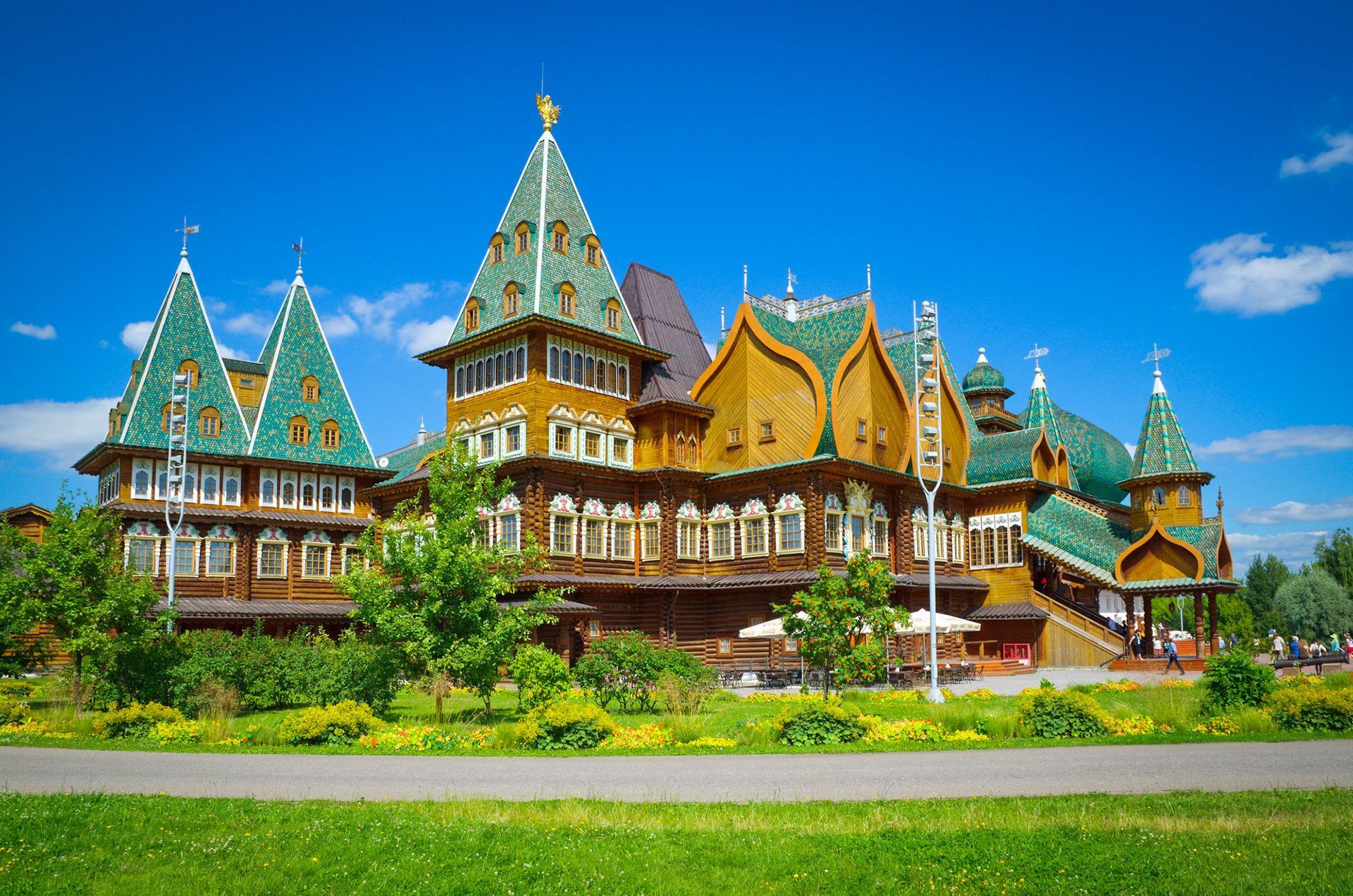
## Description Kolomenskoye Park is one of Moscow’s most rewarding destinations because it combines landscape, architecture, and imperial history in a single spacious setting. More accurately described as a historical and cultural reserve than as a simple park, Kolomenskoye offers sweeping river views, wooded paths, open lawns, orchards, and landmark buildings that connect visitors to the city’s royal past. It is the kind of place that can fill an entire half-day without ever feeling repetitive, because the experience changes as you move from ceremonial architecture to natural scenery and then into quieter, more reflective areas. What makes Kolomenskoye especially impressive is its historical depth. The estate was associated with Russian rulers for centuries and functioned as a place of retreat, ceremony, and seasonal residence. One of its most famous features is the Church of the Ascension, a striking landmark that is widely recognized for its architectural importance. A lesser-known fact is that the park’s broader grounds include not only monuments but also reconstructed wooden structures that help visitors imagine how Russian domestic and court life might have looked in earlier periods. Another detail that often surprises travelers is how strongly the place changes with the seasons: spring blossoms, summer greenery, autumn color, and winter snow each give the site a different personality. For travelers, Kolomenskoye is appealing because it offers a very Moscow-specific balance. The city is often experienced as large, dense, and fast-moving, but here you get a more spacious and contemplative side. You can walk along the river, explore heritage buildings, pause by old orchards, and enjoy the sense that the city opens outward rather than compressing inward. It is a particularly strong choice for visitors who want historical context without spending the whole day indoors. The park also works well as an antidote to more crowded attractions. It provides room to breathe, which is especially valuable in a city as large and energetic as Moscow. ## Location Kolomenskoye Park is located in southern Moscow, Russia, along the Moskva River. It sits within the city’s urban area but feels much more spacious than the central districts. Because it is a historical reserve, the site has multiple layers of interest spread across a sizable landscape, so it is worth entering with enough time to explore beyond the first landmark you see. The easiest way to get there is by Moscow Metro, followed by a short walk depending on your chosen entrance. Metro access is usually the most efficient approach for visitors, especially because surface traffic can be slow in a city this large. Once inside, the site is best explored on foot. If you want a smoother visit, start with the main landmarks and then move toward the quieter natural sections. Because Kolomenskoye is both a park and a heritage site, it is wise to think of it as a destination for a full outing rather than a quick stop. You can spend a couple of hours there comfortably, and more if you enjoy architecture, photography, or leisurely walks. ## Tips Wear good walking shoes. The reserve is large, and part of the pleasure comes from covering ground at an unhurried pace. Check the weather before you go. Kolomenskoye can be beautiful in any season, but the experience changes dramatically with conditions, so planning around sunshine or a clear winter day is smart. Do not limit yourself to the best-known monument. The open spaces, orchard areas, and river views are part of what makes the site special. Take your time with the architecture. The historical buildings are more meaningful when you understand their place in Russian royal history. If possible, pair the visit with a meal or snack nearby so you can turn the park into a half-day excursion instead of a rushed check-in. ## Conclusion Kolomenskoye Park is one of Moscow’s strongest heritage landscapes, offering history, nature, and open space in a single visit. It is ideal for travelers who want a city experience that feels both scenic and historically grounded. ## FAQ ### Why is Kolomenskoye important? It was a major royal estate and is home to significant heritage architecture, including some of Moscow’s most important historical structures. ### Is Kolomenskoye more of a park or a museum? It is both. The reserve combines landscaped outdoor spaces with historic buildings and cultural interpretation. ### How much time should I spend there? Plan for at least 2 to 4 hours if you want to see the main features and enjoy the grounds without rushing. ### Is it good year-round? Yes. Each season changes the atmosphere, and many visitors find that the park is especially striking in spring, autumn, and snowy winter conditions. ## Links - [Kolomenskoye on Wikipedia](https://en.wikipedia.org/wiki/Kolomenskoye)
GemVoyage Team • World
Copenhagen
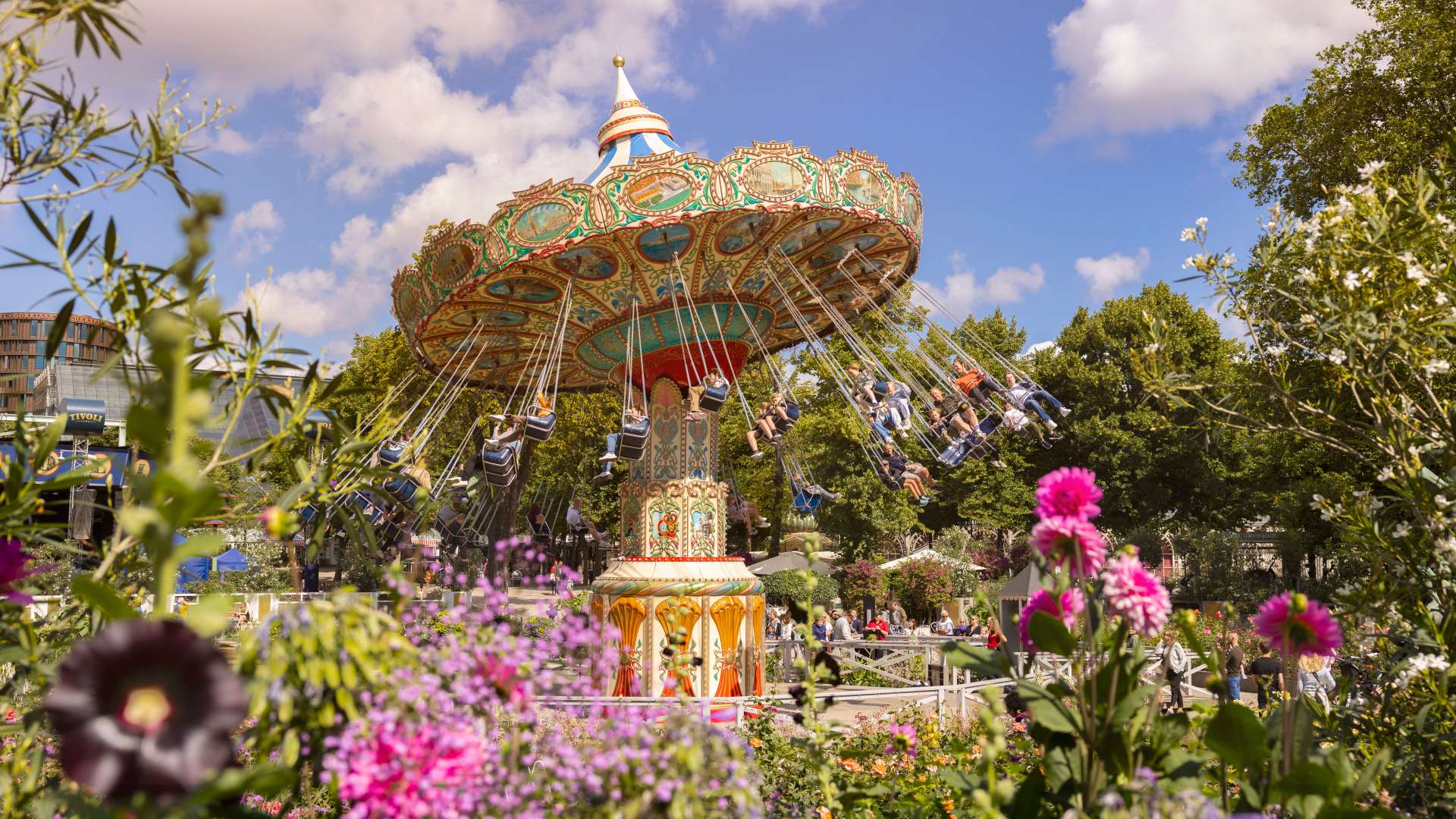
## Description Tivoli Gardens in Copenhagen is not just an amusement park—it’s a cultural institution, a botanical wonderland, and a nostalgic escape all rolled into one. Opened in 1843, Tivoli is the **second-oldest operating amusement park in the world**, yet it remains one of the most vibrant and beloved attractions in Denmark. With its blend of vintage charm and modern thrills, Tivoli offers something for everyone: roller coasters, live performances, gourmet dining, and serene gardens. The park’s architecture is a whimsical mix of exotic styles, including Moorish domes, Chinese pagodas, and fairy-tale towers. At night, thousands of colored lights transform the gardens into a magical realm, enchanting visitors of all ages. Tivoli’s oldest ride, the wooden Rollercoaster from 1914, still operates with a brakeman aboard—a rare feature found in only a handful of coasters worldwide. On the other end of the spectrum, Vertigo spins riders upside down at 100 km/h and was voted Europe’s Best Ride in 2014. A little-known fact: Tivoli inspired Walt Disney to create Disneyland. After visiting the park in the 1950s, Disney was captivated by its cleanliness, atmosphere, and attention to detail. Another quirky detail—guinea fowls and peacocks roam freely through the gardens, adding a touch of whimsy to the already surreal setting. ## Location Tivoli Gardens is located in **Denmark**, in the **Capital Region**, in the city of **Copenhagen**. It sits right in the heart of the city, adjacent to Copenhagen Central Station and within walking distance of City Hall Square. ### How to Get There: - **By Train**: Take any regional or S-train to Copenhagen Central Station. Tivoli’s main entrance is directly across the street. - **By Metro**: The nearest metro stop is Rådhuspladsen (City Hall Square), just a short walk away. - **By Foot or Bike**: If you're exploring central Copenhagen, Tivoli is easily accessible on foot or by bicycle. - **By Car**: Parking is available nearby, but public transport is recommended due to central traffic and limited space. Its central location makes it an ideal starting point for a day of sightseeing in Copenhagen. ## Tips for Visitors To make the most of your Tivoli experience, keep these tips in mind: - **Buy a Tivoli Pass**: If you plan to ride multiple attractions, the Ride Pass is more economical than paying per ride. - **Visit in the Evening**: Tivoli truly comes alive after dark with its dazzling lights and live performances. - **Check the Event Calendar**: From ballet and concerts to fireworks and seasonal festivals, Tivoli hosts over 250 events annually. - **Try the Food Hall**: Located near the Central Station entrance, Tivoli Food Hall offers a variety of cuisines from gourmet burgers to vegetarian delights. - **Bring a Picnic**: You’re allowed to bring your own food and enjoy it in the gardens. - **Use the Copenhagen Card**: This tourist pass includes free entry to Tivoli and over 80 other attractions, plus public transport. ## Conclusion Tivoli Gardens is a timeless blend of thrill, beauty, and culture. Whether you're chasing adrenaline on roller coasters, savoring Danish cuisine, or simply strolling through flower-lined paths, Tivoli offers an unforgettable experience in the heart of Copenhagen. ## FAQ **1. What are Tivoli Gardens’ opening hours?** Hours vary by season, but typically the park opens around 11:00 AM and closes between 10:00 PM and midnight. **2. Is Tivoli suitable for children?** Absolutely. There are rides, playgrounds, and performances tailored for kids of all ages. **3. Do I need to buy tickets in advance?** It’s recommended, especially during holidays and weekends. Online booking can save time and money. **4. Are there seasonal events at Tivoli?** Yes, Tivoli transforms for Halloween, Christmas, and summer festivals with themed decorations and special shows. **5. Can I visit Tivoli without going on rides?** Yes, many visitors come just to enjoy the gardens, restaurants, and performances. **6. Is Tivoli wheelchair accessible?** Yes, the park is fully accessible, and wheelchairs are available for rent at the entrance. ## Links - [Tivoli Gardens Official Website](https://www.tivoli.dk/en) - [Tivoli Gardens – Wikipedia](https://en.wikipedia.org/wiki/Tivoli_Gardens)
GemVoyage Team • World