GemVoyage Team • World
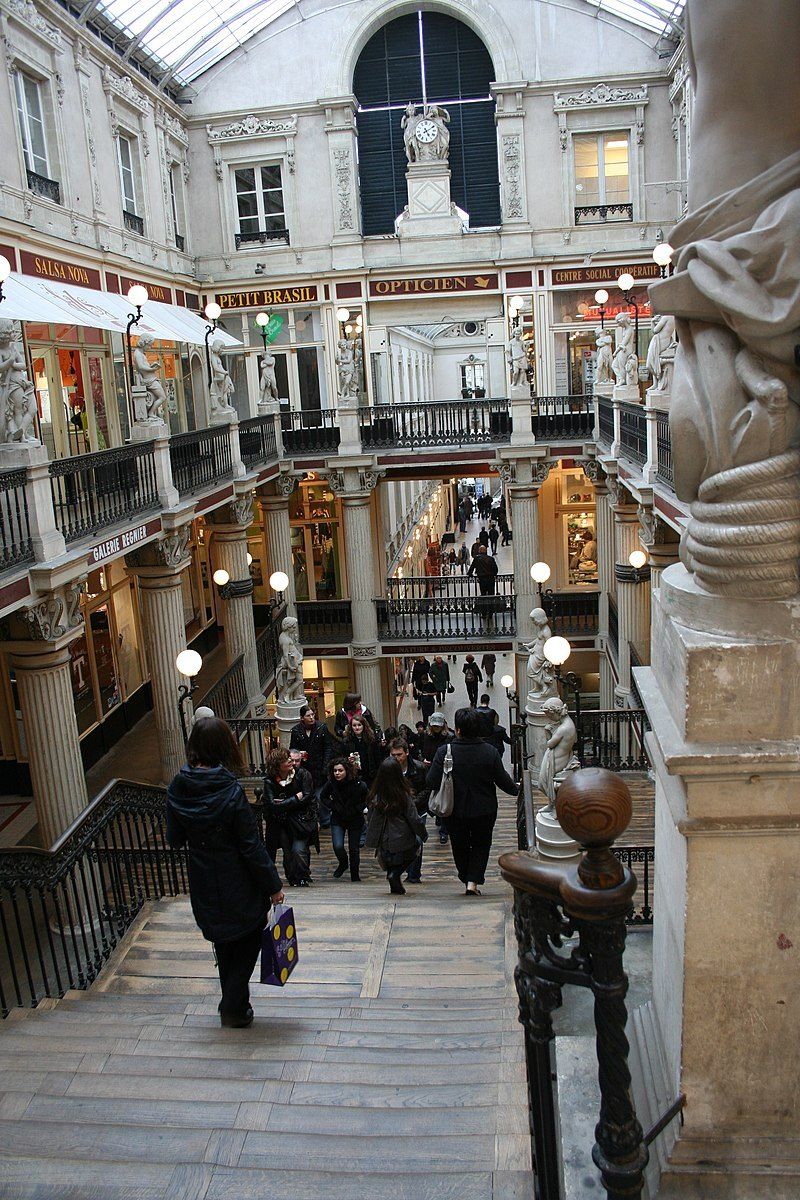
The Passage Pommeraye is one of the most striking covered passages in France, and a true architectural masterpiece from the 19th century. Built between 1840 and 1843, it is both a shopping arcade and a monument of historical significance. What sets it apart is its unique three-level structure, which cleverly adapts to the natural slope of the land between Rue de la Fosse and Rue Santeuil. This allows visitors to walk through the gallery while experiencing a gradual elevation, framed by ornate staircases, decorative sculptures, and elegant ironwork.
The atmosphere inside is one of timeless sophistication. Light streams in through a glass roof, highlighting neoclassical statues and intricate details that make every corner worth admiring. The arcade houses a variety of boutiques, from luxury shops to independent stores, making it both a shopping destination and a cultural experience.
A little-known fact about the Passage Pommeraye is that it was once considered a risky investment. Louis Pommeraye, a local lawyer turned developer, envisioned the arcade as a way to connect two streets of different heights. Many thought the project was too ambitious and doomed to fail. Yet today, it is one of Nantes’ most celebrated landmarks and a symbol of the city’s entrepreneurial spirit. Another fun detail is that the passage has been featured in several films, including Jacques Demy’s Lola (1961), cementing its place in French cinematic history.
The Passage Pommeraye is located in Nantes, the capital of the Loire-Atlantique department in the Pays de la Loire region of western France. It sits in the heart of the city center, connecting Rue de la Fosse with Rue Crébillon and Rue Santeuil, making it an essential stop for anyone exploring Nantes.
Getting there is easy. From the Nantes train station (Gare de Nantes), it’s about a 20-minute walk or a short ride on the city’s efficient tram network—Line 1 to the “Commerce” stop places you within minutes of the passage. Visitors coming from Paris can reach Nantes in just over two hours via high-speed TGV train, making the Passage Pommeraye a convenient and rewarding day-trip highlight.
The Passage Pommeraye is not just a shopping arcade but a masterpiece of 19th-century urban design. With its harmonious blend of architecture, light, and history, it has become one of Nantes’ most treasured sites. Whether for shopping, sightseeing, or simply soaking up the atmosphere, it offers a memorable experience that combines elegance with everyday life.
1. What makes the Passage Pommeraye unique?
Its three-level design that adapts to a sloping street, combined with ornate sculptures and architectural details, makes it one of the most distinctive arcades in Europe.
2. Is the Passage Pommeraye free to enter?
Yes, entry is completely free, and visitors can walk through at any time during opening hours.
3. What kind of shops can be found inside?
The passage features a mix of luxury boutiques, independent shops, jewelry stores, fashion outlets, and cafés.
4. Can I visit the Passage Pommeraye at night?
The shops close in the evening, but the passage itself remains open for walking until later hours, allowing visitors to enjoy its illuminated beauty.
5. How long does a visit usually take?
A casual walk-through might take 15–20 minutes, but to explore shops and enjoy the atmosphere, allow at least an hour.
6. Is the Passage Pommeraye accessible for people with limited mobility?
Yes, elevators have been added in recent years to improve accessibility, although the original staircases remain a prominent feature.
Discover more hidden gems you might love.
Rome
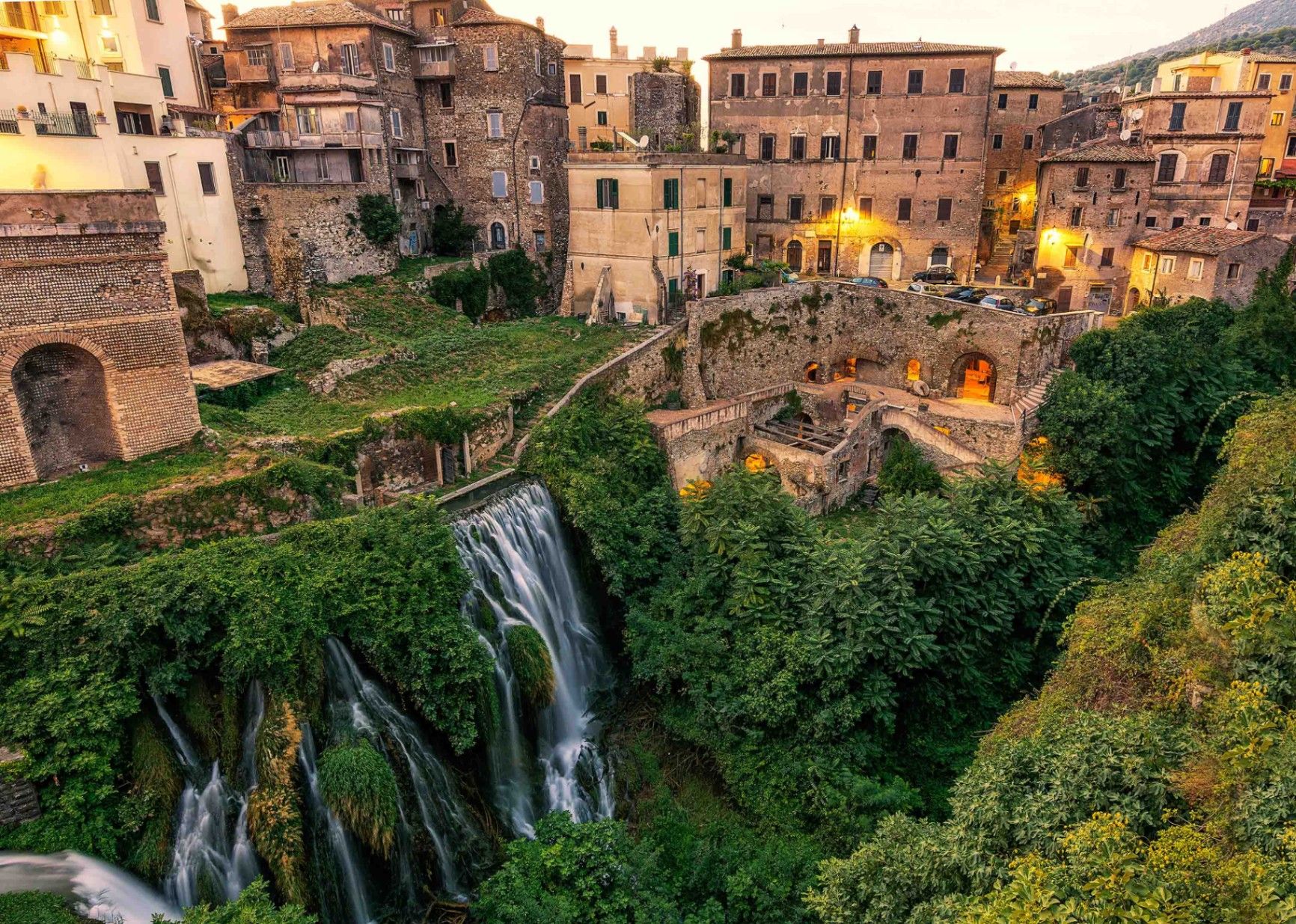
## Description Villa Gregoriana in Tivoli, just outside Rome, is one of Italy’s most captivating landscapes where history, art, and nature blend seamlessly. Unlike the lavish Renaissance villas Tivoli is famous for, such as Villa d’Este or Hadrian’s Villa, Villa Gregoriana is more of a natural park—a romantic landscape garden created in the 19th century. It was commissioned by Pope Gregory XVI in 1835 after a devastating flood of the Aniene River destroyed part of Tivoli. The project diverted the river and transformed the ravine into a park with paths, grottoes, and terraces overlooking dramatic waterfalls. The heart of the villa is the **Great Waterfall (Cascata Grande)**, a spectacular 120-meter drop of the Aniene River that roars through a deep gorge. The park is also dotted with archaeological remains, including Roman temples such as the **Temple of Vesta** and the **Temple of Sibyl**, which crown the cliffs above. Romantic poets and painters of the 19th century, from Goethe to Turner, were inspired by its sublime scenery. A lesser-known fact about Villa Gregoriana is that it fell into neglect for much of the 20th century. It was only restored and reopened to the public in 2005 thanks to the Italian heritage organization **FAI (Fondo Ambiente Italiano)**. Today, it is both a natural reserve and an open-air museum of history, geology, and art. ## Location Villa Gregoriana is located in **Tivoli**, a town in the **Metropolitan City of Rome (RM)**, in the region of **Lazio**, central **Italy**. Tivoli lies about 30 kilometers east of Rome, perched on the slopes of the Tiburtine Hills. To reach Villa Gregoriana, visitors can take a regional train from Rome’s Tiburtina station to Tivoli, which takes around one hour. From Tivoli station, it’s a short walk to the villa’s entrance. Alternatively, buses also run between Rome and Tivoli. If you’re driving, the trip takes about 45 minutes along the A24 motorway. Walking is essential once inside, as the park’s paths wind through steep terrain and natural landscapes. ## Tips * **Wear comfortable shoes:** The park has uneven terrain, stairs, and steep paths. Good walking shoes are essential. * **Allow time:** A full visit can take two to three hours if you want to enjoy both the waterfalls and the archaeological ruins. * **Best seasons to visit:** Spring and autumn offer pleasant weather and lush greenery. In summer, the waterfalls are at their most powerful but the heat can be intense. * **Photography:** Bring a camera—the views of the waterfalls and temples are spectacular from various terraces. * **Check opening hours:** Villa Gregoriana has seasonal hours and may close in winter, so it’s best to check in advance. * **Combine with other villas:** Tivoli is home to Villa d’Este and Hadrian’s Villa, both UNESCO World Heritage Sites, making it an excellent day trip from Rome. ## Conclusion Villa Gregoriana in Tivoli is a place where natural beauty meets history. With its majestic waterfalls, ancient temples, and romantic landscapes, it offers a unique contrast to the opulent villas nearby. Restored after years of neglect, it now stands as one of Italy’s most enchanting sites, ideal for travelers seeking a mix of culture, nature, and tranquility. ## FAQ **1. What is Villa Gregoriana best known for?** It is best known for its dramatic waterfalls, particularly the Great Waterfall, and for its blend of natural landscapes with ancient Roman ruins. **2. How much time do I need to visit?** Plan at least two hours to walk the trails, admire the waterfalls, and explore the archaeological sites. **3. Is Villa Gregoriana family-friendly?** Yes, but keep in mind that the terrain is steep and not suitable for strollers. Children should be supervised on paths near cliffs. **4. Are guided tours available?** Yes, guided tours are offered, and they provide fascinating insights into the park’s history, geology, and architecture. **5. Can I picnic inside the park?** Picnicking is not generally allowed inside the villa, but Tivoli offers many nearby restaurants and cafés for meals. **6. Is Villa Gregoriana accessible by wheelchair?** Due to its rugged terrain and steep paths, the site is not well-suited for wheelchair users or those with limited mobility. ## Links * [FAI – Villa Gregoriana Official Page](https://fondoambiente.it/luoghi/parco-villa-gregoriana)
GemVoyage Team • World
Los Angeles
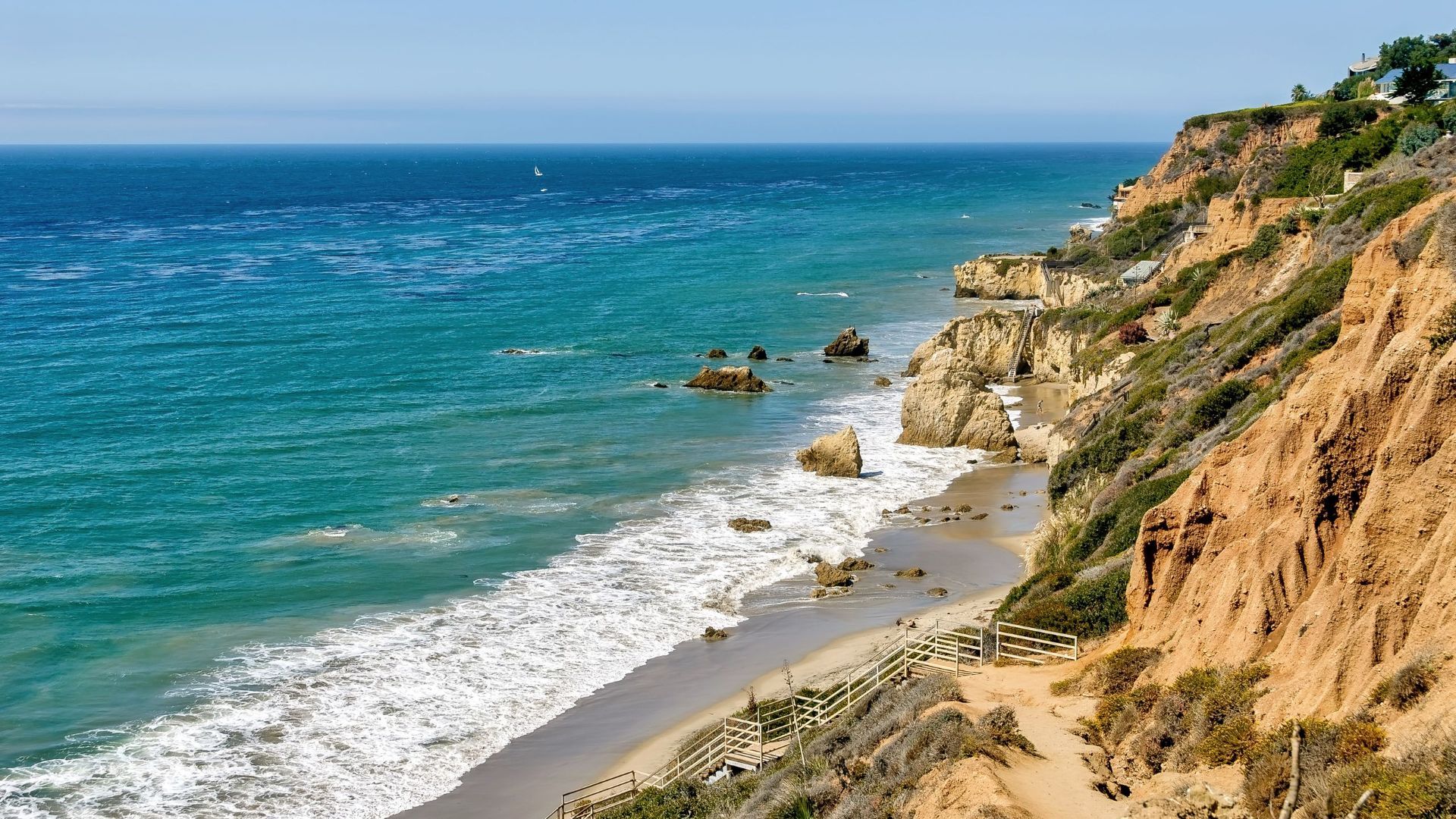
## Description El Matador State Beach is a dramatic stretch of coastline north of Malibu renowned for its sculptural sea stacks, rocky outcrops and small sand coves that create intimate scenes favored by photographers, locals and visitors seeking a more rugged California beach experience. Unlike expansive sandy beaches, El Matador’s landscape is defined by jagged rocks that rise from the surf, caves and narrow sandy pockets. Each tide reveals new textures: tide pools at low water, sea spray during higher swells, and sculpted arches that frame the Pacific during golden hour. The beach is part of the Robert H. Meyer Memorial State Beach complex and embraces a natural, relatively undeveloped character. Little-known details include a network of hidden alcoves accessible only at certain tides and a spotty but memorable chance to watch migrating whales offshore in certain seasons. The atmosphere is focused on scenic appreciation rather than typical beach amenities — visitors come to photograph, picnic, and explore rather than to find full-service concessions. ## Location El Matador State Beach is located within the Malibu coastline in Los Angeles County, California, USA, along the Pacific Coast Highway (PCH/State Route 1). It’s approximately 20–30 minutes north of central Malibu town and accessible from the PCH pull-offs. Getting there: The most common approach is by car along the Pacific Coast Highway. There is a small parking area and roadside pull-offs near Matador Beach; during busy periods parking fills quickly, and limited roadside spaces can require a short walk. From central Los Angeles, driving via Highway 1 is the most direct; rideshares are possible but may involve a short walk from parking areas. There is no direct public transit to the beach; visitors coming by transit typically need to combine buses and a walk or taxi. ## Tips - Parking & access: Arrive early in morning or late afternoon to secure parking. Expect to walk down a steep set of stairs to reach the sand; bring sturdy shoes for the descent and ascent. - Tides: Check tide charts. Low tide opens more shoreline and tide pools; high tide can restrict beach space. Be cautious near cliffs and during rising tides. - Photography: Golden hour yields spectacular silhouettes and warm light on the stacks; wide-angle and telephoto lenses are useful. Avoid walking onto slippery rocks when wet. - Amenities: There are few facilities on-site — no lifeguard on certain stretches, limited restrooms — bring water, snacks, and sun protection. - Safety: Watch for sneaker waves and changing surf conditions. Keep a safe distance from wave-swept rocks and never turn your back on the ocean. - Leave no trace: Pack out all trash and respect nesting birds or marine life in tide pools. ## Conclusion El Matador State Beach offers a compelling coastal experience that feels both cinematic and rugged: dramatic rock formations, intimate coves and exceptional sunset views. It’s a must-visit for photographers and visitors who appreciate natural, undeveloped shorelines and quiet, scenic escapes near Los Angeles. ## FAQ Q: Is there an entrance fee? A: No entrance fee, but there is limited paid parking; bring cash or card as payment methods vary. Q: Are pets allowed? A: Pets may be restricted on certain coastal state beaches; check current California State Parks rules. Q: Is the beach lifeguarded? A: Parts of the area may not be lifeguarded; swim with caution and stay aware of surf conditions. Q: Can I swim at El Matador? A: Swimming is possible but conditions can be rough; exercise caution and avoid venturing far from shore. ## Links [Wikipedia: El Matador State Beach](https://en.wikipedia.org/wiki/El_Matador_State_Beach)
GemVoyage Team • World
Venice
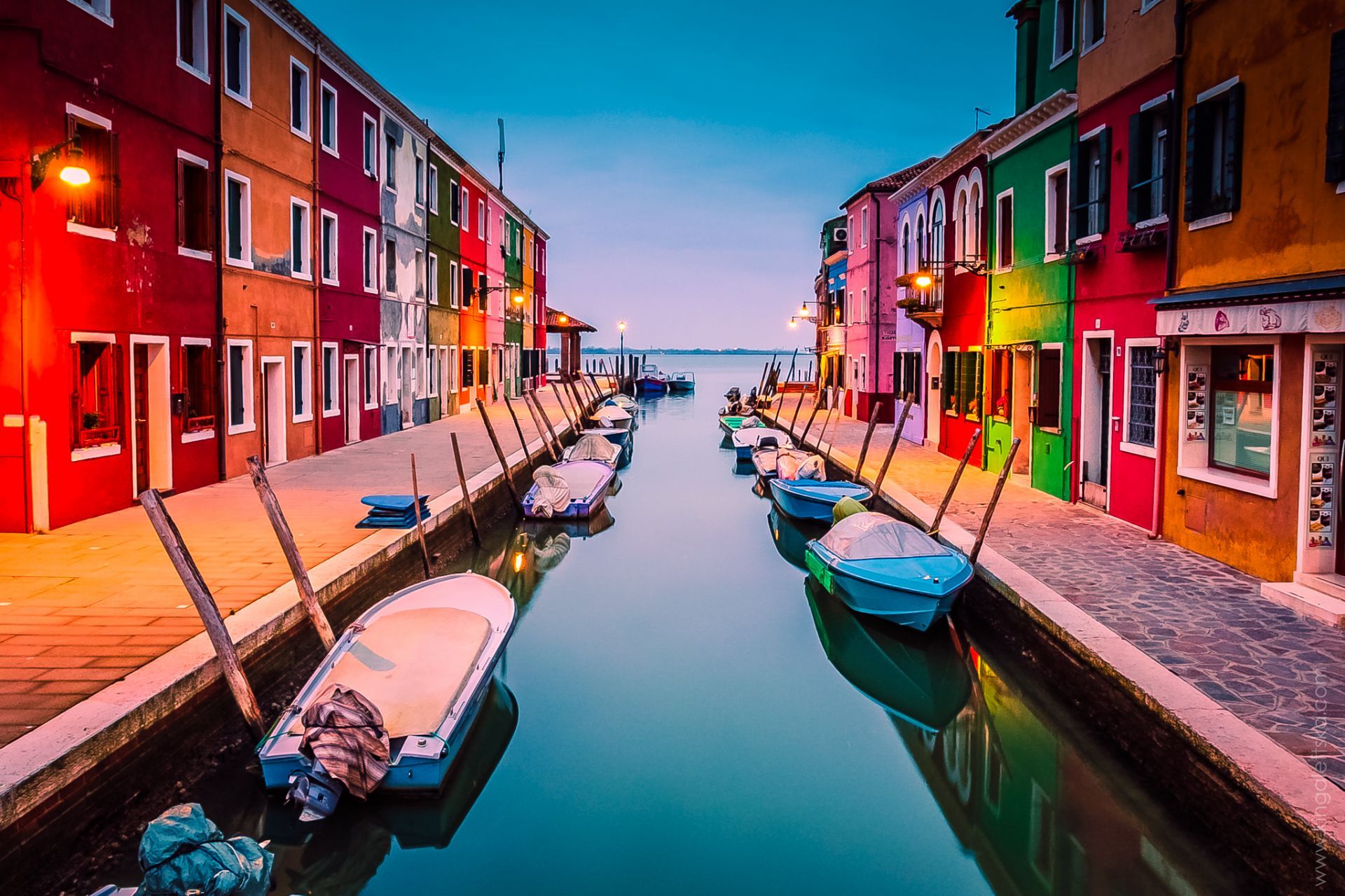
## Description Burano is one of the most visually unforgettable islands in the Venetian lagoon, famed for its brightly painted houses, calm canals, and enduring lace-making traditions. The island's sensory appeal is immediate: a stroll down almost any narrow calle reveals rows of color that complement the water's subtle reflections and the pace of daily life. Yet Burano never feels solely staged for photography—its charm comes from a lived-in quality that keeps facades, fishermen's histories, and family-run ateliers central to the experience. The island's palette also has a practical origin: fishermen historically painted homes in vivid colors so they could recognize them through fog and across the lagoon. That practical method became a cultural identity, and today the colors are protected by local rules and customs. Lace-making, another deep-rooted craft, once supported a vibrant export economy and still distinguishes Burano through small workshops and boutique stores where artisans demonstrate traditional techniques. Together, color and craft make Burano an excellent case study in how domestic life, maritime economy, and tourism can coexist. Visitors often report that Burano rewards slowness: the best discoveries happen on a side street or in a shop where a single artisan is stitching lace at a tiny table. For photographers and culture-minded travelers alike, Burano offers a compact, walkable experience that can be comfortably explored in a half-day or extended into a full day trip with nearby islands. ## Location Burano lies northeast of Venice in the Venetian Lagoon, connected by regular vaporetto (public boat) services from Venice and other islands. The boat journey is part of the attraction: approaching Burano across open water sets the right tone and helps explain the island's maritime character. Most visitors combine Burano with neighboring Torcello or Murano to make the transit more rewarding and to see contrasting island identities. Practical routing: take a vaporetto line that serves Burano directly from Venice's Fondamenta Nove or from other lagoon stops. During high season, expect more frequent services; in shoulder seasons, check schedules in advance. ## Tips - Bring a camera but spend time away from the main canals to find quieter compositions and authentic scenes. - Visit early in the day to avoid crowds and to catch softer morning light that flatters the painted facades. - Combine Burano with Torcello for a fuller island itinerary that mixes vivid color with serene archaeology. - Support artisan shops by purchasing small lace souvenirs or stopping for coffee in a family-run cafe—this helps keep traditional crafts viable. - Respect residential privacy: many colorful houses are lived in, so avoid blocking doorways or taking intrusive photographs of private spaces. - Wear comfortable shoes—pavement is largely flat but can be uneven in spots. ## Conclusion Burano remains one of the Venetian lagoon's most rewarding day trips because it pairs immediate visual delight with authentic local life. The island resists being reduced to a single photo op by offering craft traditions, friendly cafes, and a scale that invites lingering. Whether you are a photographer, a culture traveler, or someone who enjoys quieter coastal atmospheres, Burano delivers a memorable and humane experience. ## FAQ ### Why are the houses in Burano so colorful? The colors began as practical markers for fishermen navigating fog and open water. Over time the chromatic system became cultural and now contributes to the island's strong visual identity. ### Is Burano worth visiting if I already saw Venice? Yes. Burano provides a different rhythm from Venice—smaller, quieter, and focused on craft and domestic scale rather than grand architecture. ### How long should I stay? A few hours is enough to see the island's highlights; a longer half-day lets you shop, eat, and wander off the main routes for quieter moments. ### Is Burano crowded? It can be during peak season and midday; visiting early or late in the afternoon helps you find calmer streets. ### What is Burano known for besides color? Lace-making and small-scale artisanal traditions are central. The island's shops and demonstration studios give insight into techniques that once sustained whole communities. ## Links - [Wikipedia](https://en.wikipedia.org/wiki/Burano)
GemVoyage Team • World
Rome
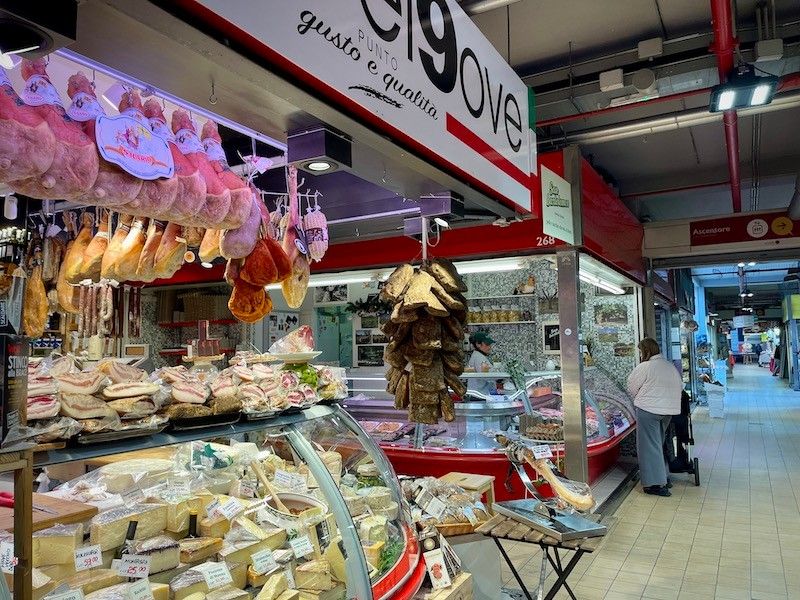
## Description Mercato Trionfale is one of Rome’s largest and most authentic food markets, offering visitors a deep dive into everyday Roman life. Unlike more tourist-oriented attractions, this bustling market is primarily frequented by locals who come here to shop for fresh produce, meats, cheeses, fish, baked goods, and household essentials. With more than 270 stalls spread across a modern covered structure, Mercato Trionfale is a feast for the senses and a perfect place to understand Rome’s food culture from the inside. What makes Mercato Trionfale especially unique is its balance between tradition and modernity. While many vendors represent families that have sold goods here for generations, the market has also embraced contemporary tastes, with stalls offering organic products, international foods, and ready-to-eat Roman street food. A little-known fact is that the market was originally an open-air street market before being moved in 2009 into its current eco-friendly building, designed to improve hygiene and sustainability. Another lesser-known detail is that some of Rome’s top chefs regularly source ingredients here, valuing the quality and personal relationships with vendors. For travelers who want to go beyond famous landmarks and experience Rome like a resident, Mercato Trionfale is well worth a visit. ## Location Mercato Trionfale is located in **Italy**, in the **Lazio** region, within the city of **Rome**. Specifically, it sits in the Trionfale district, just a short walk from Vatican City. The exact address is Via Andrea Doria 41, close to the Vatican Museums and St. Peter’s Basilica. Getting there is straightforward. The easiest way is by public transportation: take Metro Line A and get off at **Ottaviano – San Pietro** or **Cipro** stations, both of which are about a 5–10 minute walk from the market. Several bus lines also serve the area. If you are already visiting the Vatican Museums, Mercato Trionfale makes for an ideal stop before or after your visit. ## Tips * Visit in the morning, ideally between 9:00 and 11:00, when the market is most lively and fully stocked. * Bring cash, as some smaller vendors may not accept cards, though card payments are becoming more common. * Don’t hesitate to ask questions or request tastings; vendors are usually happy to explain their products, even with limited English. * Look for stalls selling cooked food if you want a quick, affordable lunch featuring classic Roman dishes like supplì, porchetta, or fresh pasta. * The market is closed on Sundays, so plan your visit accordingly. * Keep an eye on your belongings, as busy markets can attract pickpockets, especially during peak hours. ## Conclusion Mercato Trionfale is more than just a place to shop; it is a living snapshot of Roman daily life. With its vast selection of fresh food, welcoming vendors, and convenient location near the Vatican, it offers an authentic and memorable experience for anyone interested in Rome’s culinary traditions and local culture. ## FAQ **Is Mercato Trionfale tourist-friendly?** Yes, while it is mainly frequented by locals, visitors are welcome and generally well received. Many vendors are used to tourists and are patient and helpful. **What are the opening hours of Mercato Trionfale?** The market is typically open Monday to Saturday from early morning until around 2:30 PM, though hours may vary slightly by stall. **Can I eat at Mercato Trionfale?** Yes, several stalls sell ready-to-eat food, making it a great spot for a casual breakfast or lunch. **Is Mercato Trionfale expensive?** Prices are generally reasonable and often lower than in tourist-heavy areas, especially for fresh produce and local products. **How long should I plan to spend there?** Most visitors spend between 45 minutes and 1.5 hours, depending on whether they are shopping, eating, or just exploring. ## Links * [More Details](https://www.turismoroma.it/en/places/mercato-trionfale-local-market)
GemVoyage Team • World

Bratislava
## Description Martinus bookstore in Bratislava isn’t just an ordinary shop—it’s a cultural landmark that has become a beloved meeting point for book lovers, coffee enthusiasts, and curious travelers. As one of Slovakia’s largest and most famous bookstores, Martinus has transformed the simple act of buying a book into a memorable experience. What makes Martinus unique is its combination of literature, culture, and community. Visitors can browse through thousands of titles in different languages, enjoy a freshly brewed cup of coffee at the attached café, and even attend book signings or literary events. The bookstore is designed to feel warm and welcoming, with cozy corners that invite you to sit down, relax, and get lost in a book. A little-known fact about Martinus is that it started as a small family-owned bookstore in the town of Martin, Slovakia, in the early 1990s. Today, it has grown into the country’s largest online and offline bookseller while still keeping its friendly and personal atmosphere. Another interesting detail is that the Bratislava branch often collaborates with local artists and hosts cultural evenings, making it much more than just a shop, it’s a living cultural hub. ## Location Martinus bookstore is located in **Bratislava, the capital city of Slovakia**, in the Bratislava Region. The main branch sits on **Obchodná Street**, one of the busiest and most vibrant streets in the city, just a short walk from the Old Town and the iconic Michael’s Gate. Getting there is simple. If you’re staying in Bratislava’s historic center, you can easily walk to Martinus in less than 10 minutes. For those coming from further away, public transportation is very convenient—several trams and buses stop nearby at **Poštová–Martinus** station, which is practically at the bookstore’s doorstep. If you’re driving, parking may be tricky on Obchodná Street itself, so it’s recommended to park in nearby garages and continue on foot. ## Tips for Visitors To make the most of your visit to Martinus bookstore in Bratislava, here are some useful tips: * **Explore both the books and the café**: The in-house café is the perfect spot to sit down with your new book and enjoy a relaxed afternoon. * **Check the event calendar**: Martinus frequently organizes book signings, lectures, and cultural evenings. If you’re lucky, you might catch a live event during your visit. * **Browse the English section**: While most books are in Slovak, the store has a good selection of English and other foreign-language books. * **Use the free Wi-Fi**: If you need a break from sightseeing, Martinus provides a cozy atmosphere to recharge, both mentally and digitally. * **Visit during weekdays**: The bookstore is often busier on weekends, so for a quieter experience, go during the week. ## Conclusion Martinus bookstore in Bratislava is far more than just a place to buy books. It’s a cultural space where literature, coffee, and community come together in a cozy and inspiring environment. Whether you’re a tourist exploring the city or a local looking for a peaceful escape, Martinus offers an unforgettable experience that reflects the creative spirit of Bratislava. ## FAQ **1. What makes Martinus bookstore in Bratislava special?** Martinus is unique because it combines a large book selection with a welcoming café, cultural events, and a warm, community-focused atmosphere. **2. Can I find English books at Martinus bookstore?** Yes, Martinus offers a good range of English-language books, along with titles in Slovak and other languages. **3. Does Martinus bookstore have a café?** Absolutely. The bookstore has a cozy café where you can enjoy coffee, tea, and pastries while reading. **4. Is Martinus bookstore family-friendly?** Yes, it’s a great place for families, with children’s books available and a friendly atmosphere suitable for all ages. **5. How do I get to Martinus bookstore in Bratislava?** It’s located on Obchodná Street in the city center. You can walk from the Old Town, take public transportation to Poštová–Martinus station, or park nearby and walk. ## Useful Links * [Official Martinus Website](https://www.martinus.sk) * [Visit Bratislava – Official Tourism Website](https://www.visitbratislava.com)
GemVoyage Team • World
Chicago
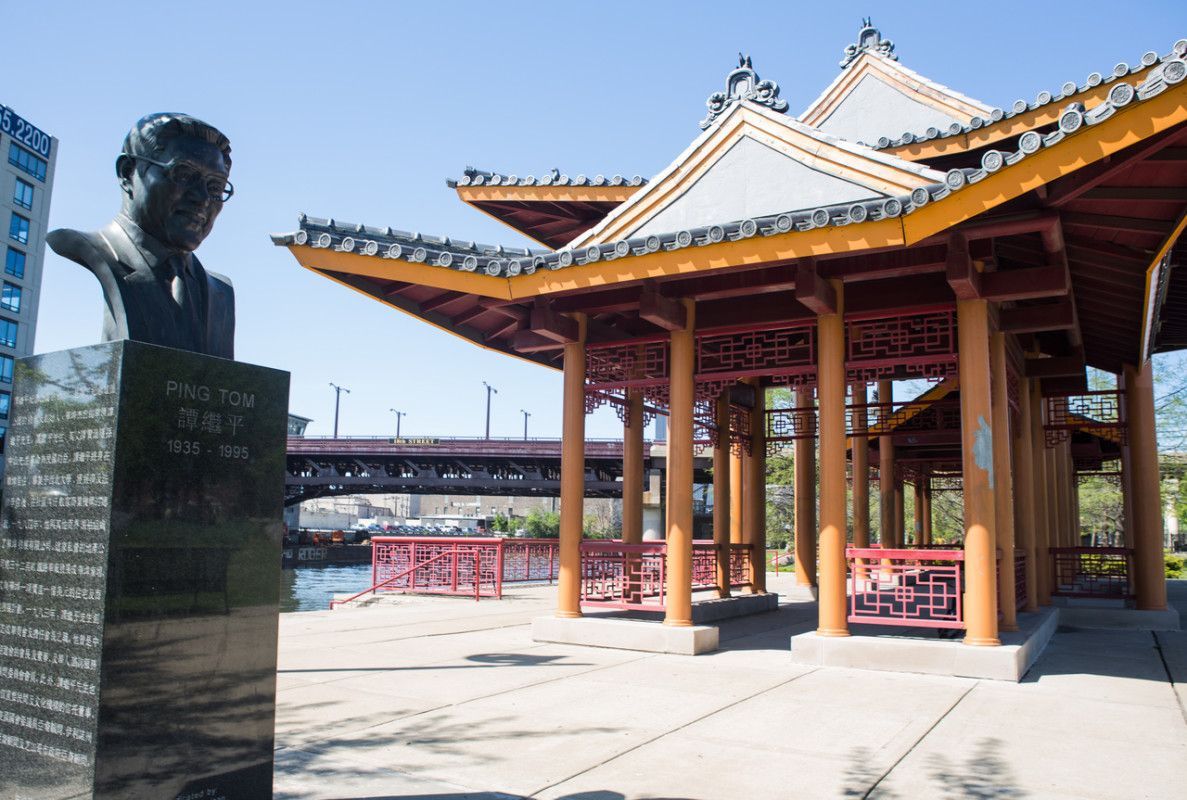
## Description Ping Tom Memorial Park is one of the most distinctive green spaces in Chicago because it feels both urban and calm at the same time. Set against the skyline and the Chicago River, it offers a combination of water views, landscaped paths, public art, and open lawns that makes it much more than a neighborhood park. For visitors who want a place that shows a different side of the city, this is one of the best spots to slow down, walk, and take in the atmosphere of Chicago’s Chinatown and riverfront. What makes the park special is the way it balances recreation, memory, and design. It was created to honor Ping Tom, a respected Chicago business leader and community advocate, but it has also become a favorite place for everyday life in the city. You will see people jogging, families gathering, photographers waiting for the light on the water, and visitors simply resting on benches with a broad view of the river. The pavilion’s architecture, inspired by traditional Chinese design, gives the park a strong sense of place and connects it to the history of the neighborhood. One little-known fact is that the park is part of a larger effort to bring public access and beauty to the south branch of the Chicago River, an area that was once much more industrial. Another detail many visitors miss is how good the park is for sunrise and late-afternoon photography, when the river reflects soft light and the downtown skyline becomes especially striking. It is also one of the easiest places in Chicago to combine a peaceful walk with a meal in Chinatown, since the park sits within walking distance of many restaurants and bakeries. The park has appeal in every season. In warm months, the river breeze and tree-lined paths make it feel refreshing even on busy days. In colder months, the open views and clean geometry of the landscape give it a quieter, almost meditative character. It is not a high-adrenaline attraction, and that is exactly why many travelers remember it so fondly. It is a place that invites you to stay a little longer than planned. For first-time visitors, the park is also useful as a way to understand how Chicago blends architecture, neighborhood identity, and public space. You can stand in one area and see the river, the city, and the cultural energy of Chinatown all at once. That layered feeling is part of what makes the park memorable. ## Location Ping Tom Memorial Park is located in Chicago, Illinois, United States, in the Chinatown neighborhood on the south branch of the Chicago River. It sits south of downtown and is closely connected to the city’s riverwalk and residential areas on the Near South Side. The address commonly associated with the park is 1700 South Wentworth Avenue, though visitors often arrive through nearby riverfront entrances and neighborhood streets. The easiest way to get there is by public transit. The CTA Red Line to Cermak-Chinatown is the most convenient option, followed by a short walk into the neighborhood and toward the river. Rideshare and taxi access are also straightforward. If you are already exploring downtown Chicago, you can make your way south by bus, bike, or a longer walk along the river corridors. Because parking in busy urban areas can be limited, public transit is usually the simplest and most relaxed choice. ## Tips - Visit in the early morning or around sunset for the best light and fewer crowds. - Wear comfortable shoes if you plan to combine the park with a Chinatown food walk. - Bring a camera or phone with a good wide-angle lens if you want skyline and river shots. - Check the weather before you go, since the open riverfront can feel windy. - Leave time for a meal nearby so the visit becomes part of a broader neighborhood experience. ## Conclusion Ping Tom Memorial Park is a calm, beautifully designed riverfront escape that pairs Chicago skyline views with the culture and energy of Chinatown. ## FAQ ### Is Ping Tom Memorial Park worth visiting? Yes. It is worth visiting if you enjoy scenic urban parks, river views, photography, and quieter public spaces that still feel connected to the city. ### How long should I spend there? Most visitors spend between 30 minutes and 1.5 hours, depending on whether they are just walking through or also taking photos and relaxing. ### Is the park good for families? Yes. It has open areas, walking paths, and a welcoming atmosphere that works well for families, couples, and solo travelers. ### Can I combine it with other attractions? Absolutely. Chinatown restaurants, local bakeries, and other Chicago riverfront spots are easy to combine with a visit. ### What is the best time of day to go? Early morning and late afternoon are the most rewarding times because the light is softer and the park feels especially peaceful. ## Links - [Chicago Park District page](https://www.chicagoparkdistrict.com/parks-facilities/tom-ping-memorial-park) - [Wikipedia article](https://en.wikipedia.org/wiki/Ping_Tom_Memorial_Park)
GemVoyage Team • World

Comments