GemVoyage Team • World
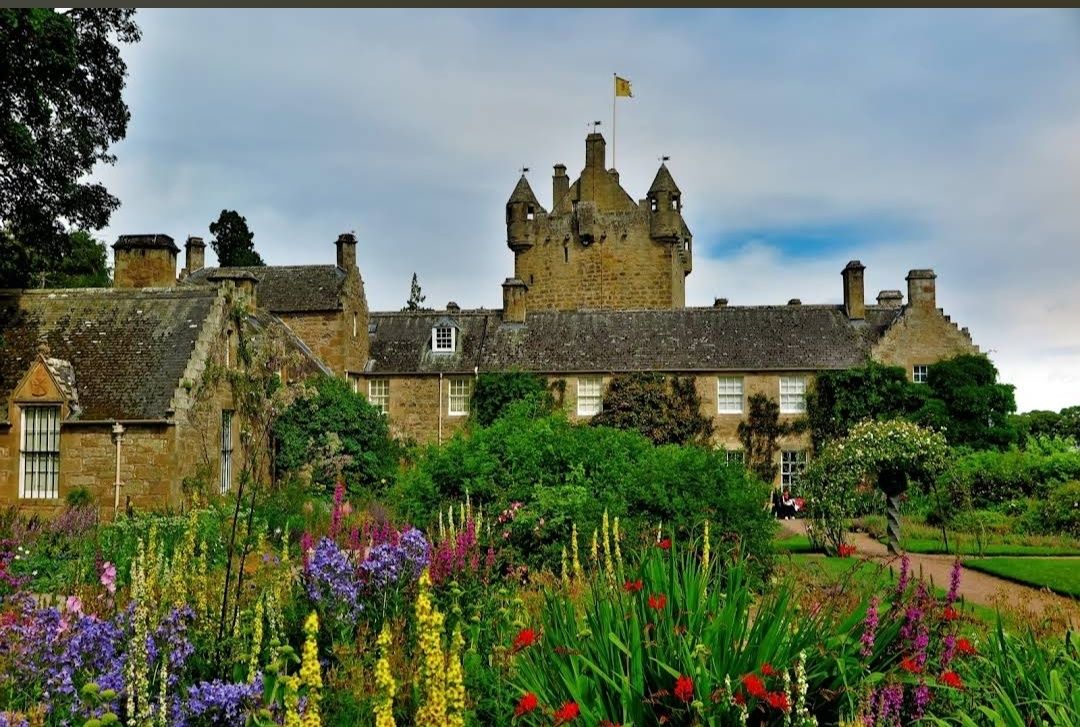
Cawdor Castle is one of Scotland’s most enchanting castles, steeped in history, myth, and natural beauty. Built around a legendary holly tree in the late 14th century, the castle has been home to the Cawdor family for over 600 years. With its picturesque stone towers, ornate rooms, and beautifully landscaped gardens, it offers visitors a fascinating journey through Scottish heritage.
The castle is famously associated with Shakespeare’s Macbeth. While the historical Macbeth never lived here, the castle has become linked to the play because of its title, the Thane of Cawdor. This literary connection, combined with the castle’s authentic medieval charm, makes it an especially intriguing stop for literature lovers and history enthusiasts alike.
Inside, visitors can explore grand drawing rooms, antique furniture, fine art collections, and centuries-old tapestries. Outside, the estate features three distinct gardens: the Walled Garden, the Flower Garden, and the Wild Garden, each showcasing Scotland’s flora in different styles and seasons.
A little-known fact is that the castle’s origin story is tied to a prophecy. According to legend, the Thane of Cawdor dreamed he should build his castle where a donkey lay down to rest under a tree. That tree still stands today in the castle’s cellar, preserved as a unique piece of history. Another hidden gem is the castle’s woodland trails, which cover over 100 acres and are home to wildlife such as red squirrels and roe deer.
Cawdor Castle is located in the Scottish Highlands, about 12 miles east of Inverness, in the village of Cawdor, Nairnshire, Scotland. Its Highland setting adds to its charm, with rolling landscapes, ancient forests, and nearby rivers.
The easiest way to reach Cawdor Castle is from Inverness, which has good road, rail, and air connections. From Inverness, the castle is just a 25–30 minute drive by car via the A96 and B9090 roads. Visitors without a car can take a train to Nairn and then a short taxi ride to the castle. For international travelers, Inverness Airport is located only about 15 minutes away, making the castle very accessible as part of a Highland tour.
To enjoy your visit to Cawdor Castle to the fullest, keep these tips in mind:
Cawdor Castle in Scotland is a captivating blend of history, legend, and natural beauty. With its ties to Shakespeare, legendary holly tree, and stunning gardens, it offers visitors a truly unique Scottish experience. Whether you’re drawn by literature, heritage, or landscapes, this Highland treasure is well worth the journey.
1. Is Cawdor Castle connected to Shakespeare’s Macbeth?
While the historical Macbeth never lived here, the castle is famously linked to the play because Macbeth is given the title “Thane of Cawdor.”
2. When is the best time to visit?
Late spring and summer are ideal for enjoying the gardens in full bloom, though autumn also brings beautiful colors in the surrounding woodlands.
3. How long should I plan for a visit?
Most visitors spend 2–3 hours exploring the castle interiors, gardens, and woodland trails.
4. Are guided tours available?
Yes, guided tours are often available and provide deeper insights into the castle’s history, legends, and architecture.
5. Can children visit Cawdor Castle?
Absolutely. The gardens and woodlands make it family-friendly, and children can enjoy exploring the outdoor spaces.
6. Is the castle accessible for visitors with mobility issues?
The gardens and some areas are accessible, but due to the historic structure, certain parts of the castle may be difficult to reach. It’s best to check accessibility details in advance.
Discover more hidden gems you might love.
Lisbon
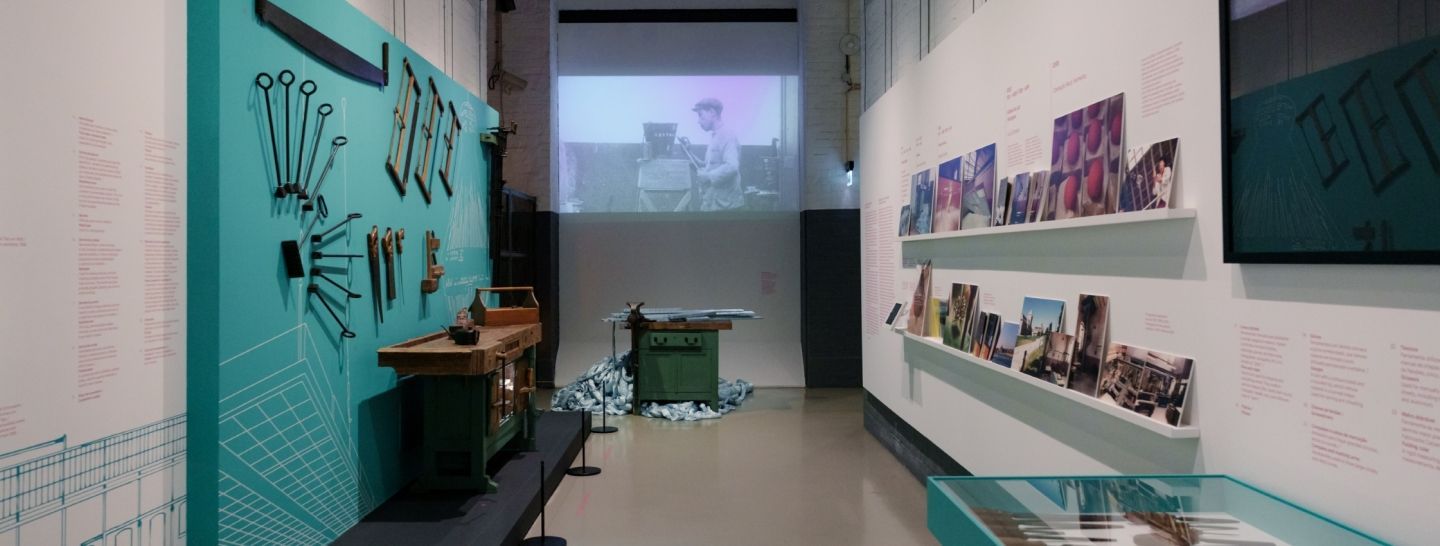
## Description MAAT (Museum of Art, Architecture and Technology) is a contemporary cultural center on Lisbon’s Belém waterfront with a bold, sculptural building and a program that explores intersections of art, architecture, and digital culture. The museum’s sinuous façade and rooftop promenade make it immediately recognizable in Lisbon’s riverside panorama, while its galleries host rotating exhibitions, commissions, and conferences that emphasize contemporary art practices. Inside, MAAT presents a mix of international and local artists, with a particular interest in projects that engage new media, digital art, and design. The museum’s programming frequently includes public talks, workshops for families, and collaborations with design festivals—evidence of its ambition to operate as a civic platform rather than a static collection. The building’s rooftop terrace is itself a public amenity, offering panoramic views across the Tagus River and serving as a flexible event space for outdoor performances and gatherings. MAAT’s curatorial approach is often experimental, pairing architectural interventions with media installations and time-based works that reward repeat visits. For visitors, this means each visit can feel different: sometimes the highlight is a single striking installation, other times the rooftop programming and view become the defining memory. The museum’s thoughtfully designed visitor flow and bilingual signage make it accessible to tourists and locals alike. ## Location MAAT is located in Belém, west of Lisbon’s historic center, adjacent to the Belém Cultural Center and near landmarks like Jerónimos Monastery and the Belém Tower. Public transport options include tram 15, buses, and taxis; it’s also a pleasant walk from other Belém attractions if you have the time. ## Tips - Book timed-entry tickets for busy exhibition periods to avoid queues, especially on weekends and during tourist high season. - Visit the rooftop terrace close to sunset for beautiful views of the Tagus and soft evening light for photography. - Check MAAT’s event calendar for family workshops and talks that may align with your travel dates. - Pair a visit with nearby sites—Jerónimos Monastery, Belém Tower, and the pastry shops known for pastéis de nata. ## Conclusion MAAT is a dynamic cultural destination that combines striking architecture, a thoughtful contemporary program, and public-facing amenities. It’s an essential stop for visitors interested in contemporary art and design, and its riverside setting makes it easy to fold into a broader day in Belém. ## FAQ Q: Are there timed tickets? A: Yes—popular exhibitions may require timed-entry tickets; book online to secure preferred slots and avoid long waits. Q: Is MAAT family-friendly? A: Definitely—MAAT offers family workshops and programs designed to engage younger visitors, though some installations may have age recommendations. Q: Are English guides available? A: Many exhibitions and staff resources are available in English; check the information desk for guide options or multilingual materials. Q: Can I visit the rooftop without entering the galleries? A: Policies vary—sometimes rooftop access is included with general admission, while special events may require a separate ticket; check the museum’s website. Q: Is photography allowed inside? A: Non-flash photography is generally allowed in public galleries, but some works and special exhibitions may prohibit photography—obey posted restrictions. ## Links - [MAAT (official)](https://www.maat.pt)
GemVoyage Team • World
.jpg)
Scotland
## Description The Fairy Pools on the Isle of Skye in Scotland are a series of crystal-clear, aqua-blue pools and cascading waterfalls that tumble down from the foothills of the Black Cuillin mountains. These natural pools, fed by the Allt Coire a’ Mhadaidh stream, are renowned for their ethereal beauty and have become one of Skye’s most iconic and photographed attractions. Whether you're a hiker, wild swimmer, or simply a lover of dramatic landscapes, the Fairy Pools offer a magical experience that feels straight out of folklore. The walk to the pools is relatively short—about 2.4 kilometers round trip—and follows a well-maintained gravel path that winds through heather-covered moorland. Along the way, visitors encounter a series of waterfalls and pools, each more striking than the last. The water is so clear that you can see the rocky bottoms and reflections of the surrounding hills, making it a favorite spot for photographers and nature enthusiasts. A little-known fact: the area around the Fairy Pools was the site of the last and bloodiest clan battle in Scottish history—the Battle of Coire na Creiche in 1601 between the MacLeods of Dunvegan and the MacDonalds of Sleat. Legend has it that the stream ran red with blood, a stark contrast to its current tranquil appearance. Another quirky detail is that despite their name, there’s no historical association with fairies—the name “Fairy Pools” only began appearing in guidebooks in the 20th century. ## Location The Fairy Pools are located in **Scotland**, on the **Isle of Skye**, near the village of **Carbost** in the **Highland region**. They sit at the base of the Black Cuillin mountains in **Glen Brittle**, on the western side of the island. ### How to Get There - **By Car**: From Portree, the island’s main town, it’s about a 30-minute drive (20.5 miles) via the B8009 and Glenbrittle road. The route includes single-track roads with passing places. - **By Bus**: Public transport is limited. Buses run to Carbost, but you’ll need to arrange a taxi or walk from there. - **By Tour**: Several guided tours from Portree or Inverness include the Fairy Pools as part of a day trip. - **By Foot**: The walk to the pools begins at the Fairy Pools car park, located near Glenbrittle. From the car park, it’s a 20-minute walk to the first waterfall. ## Tips - **Visit Early or Late**: The site gets crowded during peak hours, especially in summer. Early morning or late afternoon offers better light and fewer visitors. - **Wear Waterproof Footwear**: The path can be muddy and uneven, especially after rain. - **Bring Layers**: Weather on Skye is unpredictable. Pack a waterproof jacket and warm clothing. - **Wild Swimming**: Brave souls can swim in the pools, but the water is icy year-round. A wetsuit is recommended. - **Respect Nature**: Follow the Scottish Outdoor Access Code—take your litter with you and stick to marked paths. - **Parking**: There is a charge for parking at the Fairy Pools car park, which helps maintain the site. ## Conclusion The Fairy Pools on the Isle of Skye are a breathtaking blend of natural beauty and Highland mystique. With their vivid waters, dramatic mountain backdrop, and rich history, they offer a memorable experience for anyone exploring Scotland’s rugged landscapes. ## FAQ **1. Is there an entrance fee to visit the Fairy Pools?** No, the pools are free to visit, but there is a charge for parking. **2. How long is the walk to the Fairy Pools?** The round-trip walk is approximately 2.4 kilometers and takes 40 minutes to 1.5 hours depending on pace and stops. **3. Can I swim in the Fairy Pools?** Yes, wild swimming is allowed, but the water is extremely cold. A wetsuit is recommended. **4. Are the Fairy Pools suitable for children?** Yes, but children should be supervised due to uneven terrain and cold water. **5. Is the site wheelchair accessible?** No, the terrain is rugged and includes steep inclines, making it unsuitable for wheelchairs. **6. What is the best time of year to visit?** Spring and autumn offer mild weather and fewer crowds. Summer is busiest, while winter can be icy and less accessible. ## Links - [Fairy Pools Walk – Isle of Skye Guide](https://www.isleofskye.com/skye-guide/top-ten-skye-walks/fairy-pools) - [Fairy Pools – VisitScotland Overview](https://www.visitscotland.com/info/see-do/fairy-pools-p1770011) - [Fairy Pools – Wikipedia Entry](https://en.wikipedia.org/wiki/Fairy_Pools) Description The Fairy Pools on the Isle of Skye in Scotland are a series of crystal-clear, aqua-blue pools and cascading waterfalls that tumble down from the foothills of the Black Cuillin mountains. These natural pools, fed by the Allt Coire a’ Mhadaidh stream, are renowned for their ethereal beauty and have become one of Skye’s most iconic and photographed attractions. Whether you're a hiker, wild swimmer, or simply a lover of dramatic landscapes, the Fairy Pools offer a magical experience that feels straight out of folklore. The walk to the pools is relatively short—about 2.4 kilometers round trip—and follows a well-maintained gravel path that winds through heather-covered moorland. Along the way, visitors encounter a series of waterfalls and pools, each more striking than the last. The water is so clear that you can see the rocky bottoms and reflections of the surrounding hills, making it a favorite spot for photographers and nature enthusiasts. A little-known fact: the area around the Fairy Pools was the site of the last and bloodiest clan battle in Scottish history—the Battle of Coire na Creiche in 1601 between the MacLeods of Dunvegan and the MacDonalds of Sleat. Legend has it that the stream ran red with blood, a stark contrast to its current tranquil appearance. Another quirky detail is that despite their name, there’s no historical association with fairies—the name “Fairy Pools” only began appearing in guidebooks in the 20th century. Location The Fairy Pools are located in Scotland, on the Isle of Skye, near the village of Carbost in the Highland region. They sit at the base of the Black Cuillin mountains in Glen Brittle, on the western side of the island. How to Get There By Car: From Portree, the island’s main town, it’s about a 30-minute drive (20.5 miles) via the B8009 and Glenbrittle road. The route includes single-track roads with passing places. By Bus: Public transport is limited. Buses run to Carbost, but you’ll need to arrange a taxi or walk from there. By Tour: Several guided tours from Portree or Inverness include the Fairy Pools as part of a day trip. By Foot: The walk to the pools begins at the Fairy Pools car park, located near Glenbrittle. From the car park, it’s a 20-minute walk to the first waterfall. Tips Visit Early or Late: The site gets crowded during peak hours, especially in summer. Early morning or late afternoon offers better light and fewer visitors. Wear Waterproof Footwear: The path can be muddy and uneven, especially after rain. Bring Layers: Weather on Skye is unpredictable. Pack a waterproof jacket and warm clothing. Wild Swimming: Brave souls can swim in the pools, but the water is icy year-round. A wetsuit is recommended. Respect Nature: Follow the Scottish Outdoor Access Code—take your litter with you and stick to marked paths. Parking: There is a charge for parking at the Fairy Pools car park, which helps maintain the site. Conclusion The Fairy Pools on the Isle of Skye are a breathtaking blend of natural beauty and Highland mystique. With their vivid waters, dramatic mountain backdrop, and rich history, they offer a memorable experience for anyone exploring Scotland’s rugged landscapes. FAQ 1. Is there an entrance fee to visit the Fairy Pools? No, the pools are free to visit, but there is a charge for parking. 2. How long is the walk to the Fairy Pools? The round-trip walk is approximately 2.4 kilometers and takes 40 minutes to 1.5 hours depending on pace and stops. 3. Can I swim in the Fairy Pools? Yes, wild swimming is allowed, but the water is extremely cold. A wetsuit is recommended. 4. Are the Fairy Pools suitable for children? Yes, but children should be supervised due to uneven terrain and cold water. 5. Is the site wheelchair accessible? No, the terrain is rugged and includes steep inclines, making it unsuitable for wheelchairs. 6. What is the best time of year to visit? Spring and autumn offer mild weather and fewer crowds. Summer is busiest, while winter can be icy and less accessible. Links Fairy Pools Walk – Isle of Skye Guide Fairy Pools – VisitScotland Overview Fairy Pools – Wikipedia Entry 715 words37 lines4484 characters4520 bytes
GemVoyage Team • World
Malaysia
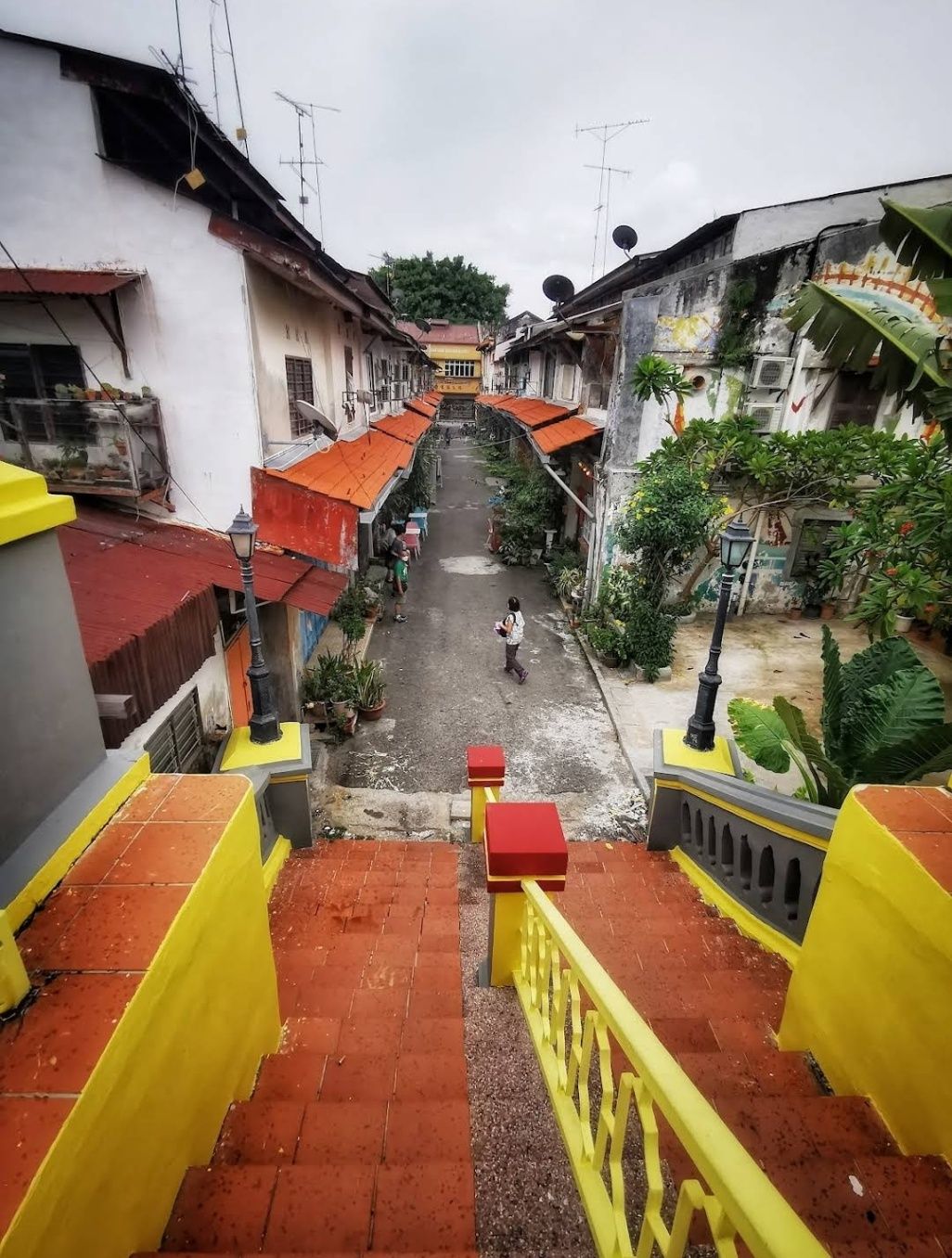
## Description Melaka, also known as Malacca, is a city steeped in history, culture, and art. Among its many attractions, **Melaka Street Art: The Well** stands out as a hidden gem that blends creativity, storytelling, and local heritage. This unique spot features colorful murals painted on walls that depict everyday life, folklore, and cultural icons of Malaysia. What makes The Well particularly fascinating is that it’s not just about the art itself, but also about the symbolism behind it. The murals often tell stories of Melaka’s diverse communities—Malay, Chinese, Indian, and Peranakan—reflecting the city’s multicultural roots. Some paintings even feature 3D effects, allowing visitors to interact with the artwork for unforgettable photos. A little-known fact is that **The Well takes its name from a nearby historic well that once served as a vital water source for the community**. While many tourists flock to Jonker Street for its bustling night market, only a smaller number stumble upon this enchanting art spot, making it a quieter and more intimate place to enjoy street art. Another interesting detail is that some of the artworks were painted by local artists in collaboration with international muralists, giving the space a truly global touch. ## Location Melaka Street Art: The Well is located in **Malacca City, Malacca (Melaka) State, Malaysia**. It sits not far from the famous Jonker Street, nestled in one of the small alleys that branch out into quieter corners of the historic quarter. Getting there is quite simple. If you’re already in Melaka City, the best way is to **walk or cycle** around the historic district, as most attractions are within short distance. For travelers coming from Kuala Lumpur, you can take a **bus or drive** (about 2 hours by car). Once in Melaka, using a **trishaw or ride-hailing service like Grab** can be a fun and convenient way to reach The Well and explore nearby attractions. ## Tips To make the most of your visit to The Well, here are some useful tips: * **Visit in the morning or late afternoon** – The lighting is softer, perfect for photos, and the weather is more comfortable. * **Bring a camera or smartphone** – Many murals are interactive, so you can pose creatively with the art. * **Wear comfortable shoes** – Exploring Melaka’s street art usually involves walking through narrow lanes and uneven pavements. * **Combine with nearby attractions** – Since The Well is close to Jonker Street, Cheng Hoon Teng Temple, and the Melaka River, plan a half-day walk to enjoy multiple highlights. * **Respect the artwork** – Avoid touching or leaning too heavily against the murals to help preserve them for future visitors. ## Conclusion Melaka Street Art: The Well is more than just a collection of paintings—it’s a cultural journey that captures the essence of Melaka’s identity. Blending history, creativity, and multicultural influences, it’s a must-visit spot for travelers who love discovering hidden gems. Whether you’re a history buff, an art lover, or simply someone looking for a unique photo opportunity, The Well offers an unforgettable experience in the heart of Melaka. ## FAQ **1. What is Melaka Street Art: The Well?** It’s a street art spot in Melaka featuring murals that showcase the city’s culture, heritage, and everyday life, named after a historic community well. **2. Is there an entrance fee to visit The Well?** No, it’s completely free to visit as it’s part of the public street art scene. **3. How much time should I spend at The Well?** On average, 30 minutes to an hour is enough to explore, take photos, and appreciate the details of the murals. **4. Is it safe to visit The Well at night?** While the area is generally safe, it’s best to visit during the day for better lighting and more vibrant photography. **5. Are there restaurants or cafes nearby?** Yes, The Well is located close to Jonker Street, where you’ll find plenty of local eateries, cafes, and street food vendors. **6. Can I combine this visit with other attractions?** Absolutely! You can easily combine it with a walk along the Melaka River, a visit to A Famosa fortress, or shopping at Jonker Street. ## Links Here are some useful links for more information about Melaka Street Art: * [Tourism Malaysia – Melaka](https://www.malaysia.travel/explore/the-historical-city-of-melaka)
GemVoyage Team • World
Sintra
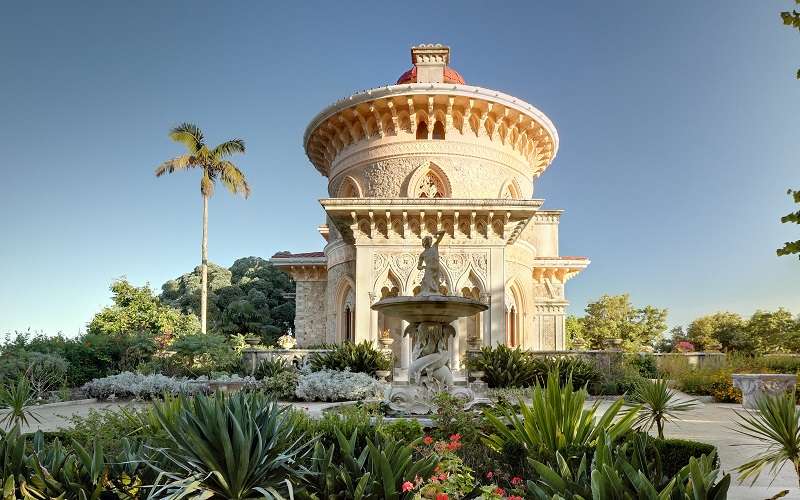
## Description Monserrate Palace in Sintra is one of Portugal’s most exquisite and underrated architectural treasures. Nestled in the lush hills of the Serra de Sintra, this 19th-century palace is a masterpiece of Romanticism, blending Gothic, Moorish, and Indian architectural styles into a harmonious and visually captivating whole. Commissioned by Sir Francis Cook, a wealthy English art collector, the palace was designed as a summer retreat and reflects his eclectic taste and fascination with exotic cultures. The palace’s interior is a feast for the eyes, with intricately carved marble columns, lace-like stonework, and domed ceilings inspired by Islamic architecture. The Music Room, with its ornate plasterwork and acoustics, is particularly striking and occasionally hosts cultural events. Surrounding the palace is a sprawling botanical garden that features species from all over the world, including a Mexican garden, a Japanese garden, and a rose garden. These gardens were carefully curated to reflect the Victorian passion for exotic landscaping and offer a tranquil escape into nature. A little-known fact: Monserrate was once the home of William Beckford, an eccentric English novelist and art collector, before it was transformed by Francis Cook. Another fascinating detail is that the palace and its gardens were used as a filming location for the NBC miniseries “Gulliver’s Travels,” starring Ted Danson. ## Location Monserrate Palace is located in **Portugal**, in the **Lisbon District**, within the **city of Sintra**. It lies approximately 3.5 kilometers west of Sintra’s historic center, in the heart of the Sintra-Cascais Natural Park. ### How to Get There - **By Train**: From Lisbon, take the train from Rossio Station to Sintra. The journey takes about 40 minutes. - **By Bus**: From Sintra station, take bus 435 (the Villa Express) which stops at Monserrate Palace, as well as other key attractions like Quinta da Regaleira. - **By Car**: Driving from Lisbon takes around 45 minutes. Parking is available near the palace. - **By Tuk-Tuk or Taxi**: Local tuk-tuks and taxis offer scenic rides from Sintra’s center to Monserrate. Its slightly off-the-beaten-path location means it’s often quieter than Sintra’s more famous palaces, making for a more relaxed visit. ## Tips - **Visit Early or Late**: To enjoy the gardens and palace with fewer crowds, aim for early morning or late afternoon. - **Wear Comfortable Shoes**: The gardens are extensive and include uneven paths, so sturdy footwear is recommended. - **Bring a Camera**: The architectural details and lush landscapes are incredibly photogenic. - **Use the Map**: The ticket includes a map of the gardens—use it to explore hidden corners like the Fern Valley and the ruins of the chapel. - **Combine with Nearby Attractions**: Monserrate pairs well with a visit to Quinta da Regaleira or a hike in the Sintra-Cascais Natural Park. - **Check for Events**: Occasionally, concerts and exhibitions are held in the Music Room—check the schedule in advance. ## Conclusion Monserrate Palace is a stunning fusion of art, architecture, and nature. With its exotic design, peaceful gardens, and rich history, it offers a unique and serene alternative to Sintra’s more crowded landmarks. ## FAQ **1. What are the opening hours of Monserrate Palace?** The park is open from 9:00 AM to 7:00 PM, and the palace from 9:30 AM to 6:00 PM. Last admission is 30 minutes before closing. **2. What is the entrance fee?** Adult tickets cost €12, youth (6–17) €10, and seniors €6.50. Children under 6 enter free. **3. Is Monserrate Palace suitable for children?** Yes, the gardens are great for families, though supervision is recommended due to uneven terrain. **4. Can I buy tickets online?** Yes, tickets can be purchased through the official Parques de Sintra website or authorized vendors. **5. Is the palace wheelchair accessible?** The palace has limited accessibility due to its historic structure. The gardens have some accessible paths. **6. How long should I plan for a visit?** Allow 1.5 to 2 hours to explore both the palace and the gardens thoroughly. ## Links - [Official Park and Palace of Monserrate Website](https://www.parquesdesintra.pt/en/parks-monuments/park-and-palace-of-monserrate/)
GemVoyage Team • World
Istanbul
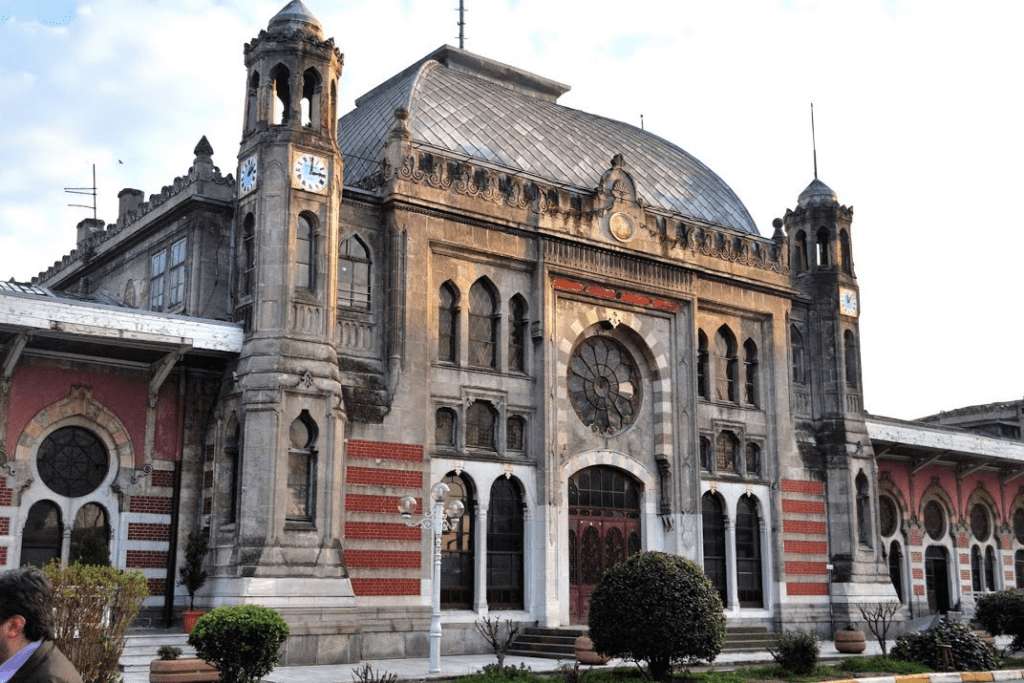
## Description The Istanbul Railway Museum (İstanbul Demiryolu Müzesi) is a hidden gem tucked inside the historic Sirkeci Terminal, once the eastern terminus of the legendary Orient Express. Opened in 2005 and operated by Turkish State Railways (TCDD), the museum offers a nostalgic journey through Turkey’s railway history, showcasing the evolution of train travel from the Ottoman era to the modern age. What makes this museum truly special is its location—Sirkeci Station itself is a masterpiece of 19th-century architecture, built in 1888 and opened in 1890. The museum occupies a modest 145 square meters, but within that space, it houses over 300 historical artifacts. Visitors can explore vintage station equipment, elegant silverware from dining cars, manufacturer plates from historic locomotives, and even the driver’s cab of an electric suburban train. A little-known fact: the museum includes original warning signs and clocks from stations across Turkey, offering a rare glimpse into the operational side of railway life. Another quirky detail—some of the furniture on display was used in the Orient Express, adding a touch of international glamour to the collection. ## Location The Istanbul Railway Museum is located in **Turkey**, within the **Marmara Region**, in the city of **Istanbul**. Specifically, it sits inside the **Sirkeci Terminal** in the **Fatih district**, a stone’s throw from the Bosphorus and the historic Sultanahmet area. ### How to Get There: - **By Tram**: Take the T1 tram line to Sirkeci Station. The museum is inside the terminal building. - **By Metro**: From Marmaray Sirkeci Station, it’s a short walk to the museum. - **By Foot**: If you're exploring Sultanahmet, the museum is easily reachable on foot—just a 10-minute walk from Hagia Sophia or Topkapı Palace. - **By Taxi or Ride-Hailing**: Services like BiTaksi or Uber can drop you off directly at the station entrance. Its central location makes it an ideal stop for tourists exploring Istanbul’s historic peninsula. ## Tips for Visitors To make the most of your visit to the Istanbul Railway Museum, consider these tips: - **Visit on Weekdays**: The museum is open Tuesday to Saturday, from 9:00 AM to 5:00 PM. It’s closed on Sundays and Mondays. - **Admission is Free**: No ticket required, making it a budget-friendly cultural stop. - **Combine with Nearby Attractions**: Pair your visit with a trip to the Spice Bazaar, Galata Bridge, or the Basilica Cistern. - **Photography**: Photos are allowed, but be respectful of the space and avoid flash photography. - **Short and Sweet**: The museum is compact—plan for 30 to 45 minutes. It’s perfect for a quick cultural detour. - **Ask Questions**: Staff are knowledgeable and often happy to share stories behind the exhibits. ## Conclusion The Istanbul Railway Museum is a compact yet captivating tribute to Turkey’s rail history, housed in one of the city’s most iconic train stations. With its rich collection of artifacts and its connection to the Orient Express, it offers a unique blend of nostalgia and historical insight—perfect for train enthusiasts and curious travelers alike. ## FAQ **1. What are the opening hours of the Istanbul Railway Museum?** The museum is open Tuesday to Saturday, from 9:00 AM to 5:00 PM. It’s closed on Sundays and Mondays. **2. Is there an entrance fee?** No, admission is free for all visitors. **3. How long does a visit typically take?** Most visitors spend about 30 to 45 minutes exploring the museum. **4. Is the museum suitable for children?** Yes, children interested in trains and history will enjoy the exhibits, though supervision is recommended due to fragile artifacts. **5. Can I take photos inside the museum?** Yes, photography is allowed, but flash should be avoided to protect the exhibits. **6. Is the museum accessible for people with disabilities?** Accessibility may be limited due to the historic nature of the building. It’s best to contact the museum in advance for specific accommodations. ## Links - [Istanbul Railway Museum – Wikipedia](https://en.wikipedia.org/wiki/Istanbul_Railway_Museum)
GemVoyage Team • World
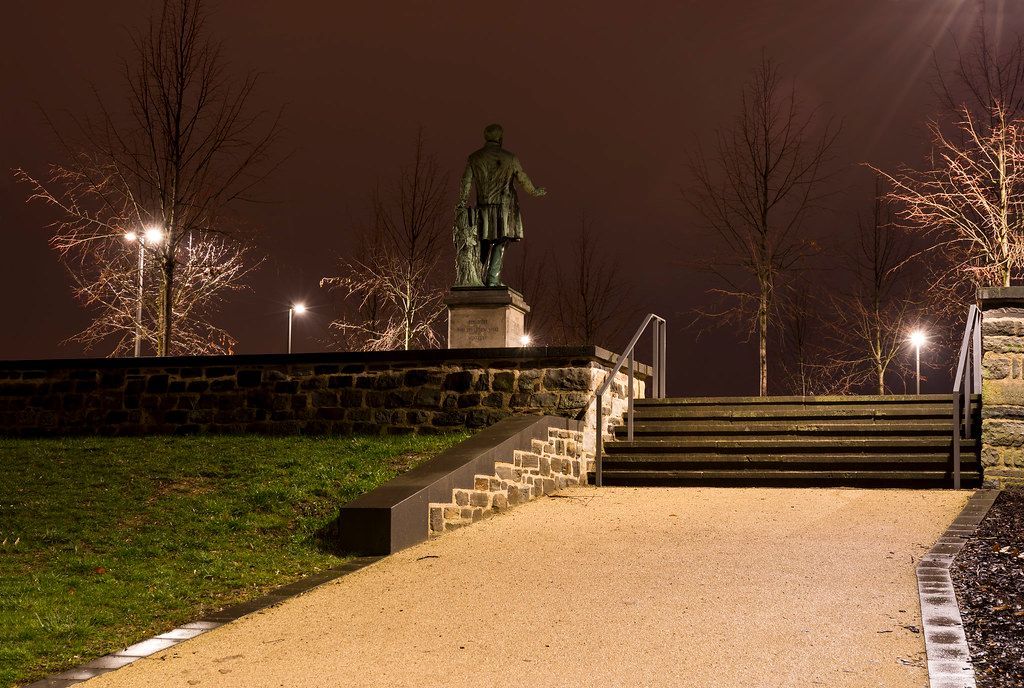
Bonn
## Description Alter Zoll is one of Bonn’s most pleasant viewpoints and a place where the city’s relationship with the Rhine becomes immediately visible. It is not a grand mountain lookout or an elaborate tourist platform; instead, it is a compact, atmospheric place where people gather to enjoy river views, sunsets, and the steady movement of life along the waterfront. The setting feels calm and slightly elevated, which gives it a natural break from the surrounding city streets. The appeal of Alter Zoll lies in its simplicity. You come for the view, but you stay for the mood. The Rhine stretches out in front of you, the city feels more open, and the location invites a pause rather than a checklist-style visit. One little-known fact is that the name carries a historical reference to customs and toll-related functions, reminding visitors that this scenic spot once belonged to a much more practical urban landscape. Another interesting detail is how the viewpoint changes depending on weather and season; a bright afternoon, a misty morning, and a golden evening all create very different experiences from the same small terrace. Alter Zoll is especially good for travelers who appreciate places that are easy to reach but still memorable. It works well as a short stop during a walking tour of Bonn, but it can also become a destination in its own right if you want to sit and watch the river. The combination of history, landscape, and calm makes it one of those understated places that can end up being a trip highlight precisely because it does not try too hard. It is a classic urban viewpoint with a distinctly Rhine-region personality. ## Location Alter Zoll is in Bonn, North Rhine-Westphalia, Germany, near the Rhine riverfront and close to the city’s central area. Its position makes it an easy addition to any city walk. The best way to get there is on foot from central Bonn, since the viewpoint is close enough to downtown streets and riverside routes. If you are using public transport, get to the center and then continue walking toward the river. Because the area is compact, there is no need for a special transfer once you are in the city. ## Tips Go near sunset if you want the best light over the Rhine. Bring a coffee or snack and linger; this is a place designed for slow enjoyment. Combine it with a riverside walk so the viewpoint is part of a broader Bonn experience. Check the weather before you go, because visibility and atmosphere make a big difference here. ## Conclusion Alter Zoll is a small but memorable Bonn viewpoint that delivers one of the city’s best Rhine panoramas in a calm, historic setting. ## FAQ ### What is Alter Zoll known for? It is known for its riverside views over the Rhine and its pleasant city-center atmosphere. ### Is it a difficult place to reach? No. It is easy to reach on foot from central Bonn. ### Is it worth visiting for a short stop? Yes. It is one of the best quick scenic breaks in the city. ### When is the best time to go? Late afternoon and sunset are especially rewarding. ### Can I combine it with other attractions? Absolutely. It fits naturally into a Bonn walking itinerary. ## Links - [Bonn tourism information](https://www.bonn.de/) - [Alter Zoll on Wikipedia](https://en.wikipedia.org/wiki/Alter_Zoll)
GemVoyage Team • World

Comments