GemVoyage Team • World
Diablo Lake is a mesmerizing reservoir nestled in the North Cascades of Washington State, renowned for its surreal turquoise waters and dramatic alpine surroundings. Created by the Diablo Dam as part of the Skagit River Hydroelectric Project, the lake sits at an elevation of 1,201 feet and is flanked by rugged peaks, dense forests, and cascading waterfalls. Its vibrant color comes from glacial flour—fine rock particles ground by nearby glaciers and suspended in the water, reflecting sunlight in a way that gives the lake its signature hue.
Visitors to Diablo Lake are treated to panoramic views of the North Cascades, including Pyramid, Colonial, and Davis Peaks. The lake is a haven for outdoor enthusiasts, offering hiking, kayaking, fishing, and camping. The Diablo Lake Trail, a moderately challenging 7.6-mile roundtrip hike, winds through old-growth forest and talus slopes, revealing stunning vistas of the lake and surrounding mountains.
A little-known fact: the lake was once part of a larger plan to develop hydroelectric power in the region, spearheaded by Seattle City Light in the early 20th century. The Diablo Dam, completed in 1930, was the tallest dam in the world at the time. Another unique detail is that the lake’s overlook along Highway 20 provides one of the most photographed views in Washington, yet the area remains relatively uncrowded compared to other national park destinations.
Diablo Lake is located in the United States, in the state of Washington, within Whatcom County. It lies in the heart of the Ross Lake National Recreation Area, which is part of the larger North Cascades National Park Complex.
The drive itself is part of the experience, with winding roads and scenic pullouts offering glimpses of the Cascade Range.
Diablo Lake is a jewel of the North Cascades, offering breathtaking scenery, rich history, and a wide range of outdoor activities. Whether you're hiking to a viewpoint, paddling across its turquoise waters, or simply soaking in the alpine air, the lake delivers a memorable experience in one of Washington’s most spectacular natural settings.
1. Is there an entrance fee to visit Diablo Lake?
No, there is no entrance fee for Diablo Lake or the Ross Lake National Recreation Area.
2. Can I swim in Diablo Lake?
Yes, swimming is allowed, but the water is cold year-round due to glacial runoff.
3. Are pets allowed on the trails?
Yes, dogs are allowed on leash in most areas, including the Diablo Lake Trail.
4. Is fishing permitted in Diablo Lake?
Yes, with a valid Washington State fishing license. The lake contains rainbow, brook, and bull trout.
5. Are there restrooms at the overlook or trailheads?
Yes, vault toilets are available at the Diablo Lake Overlook and Colonial Creek Campground.
6. Is Diablo Lake accessible year-round?
Access depends on Highway 20’s status. The road is typically closed from late fall to early spring due to snow.
Discover more hidden gems you might love.
Berlin
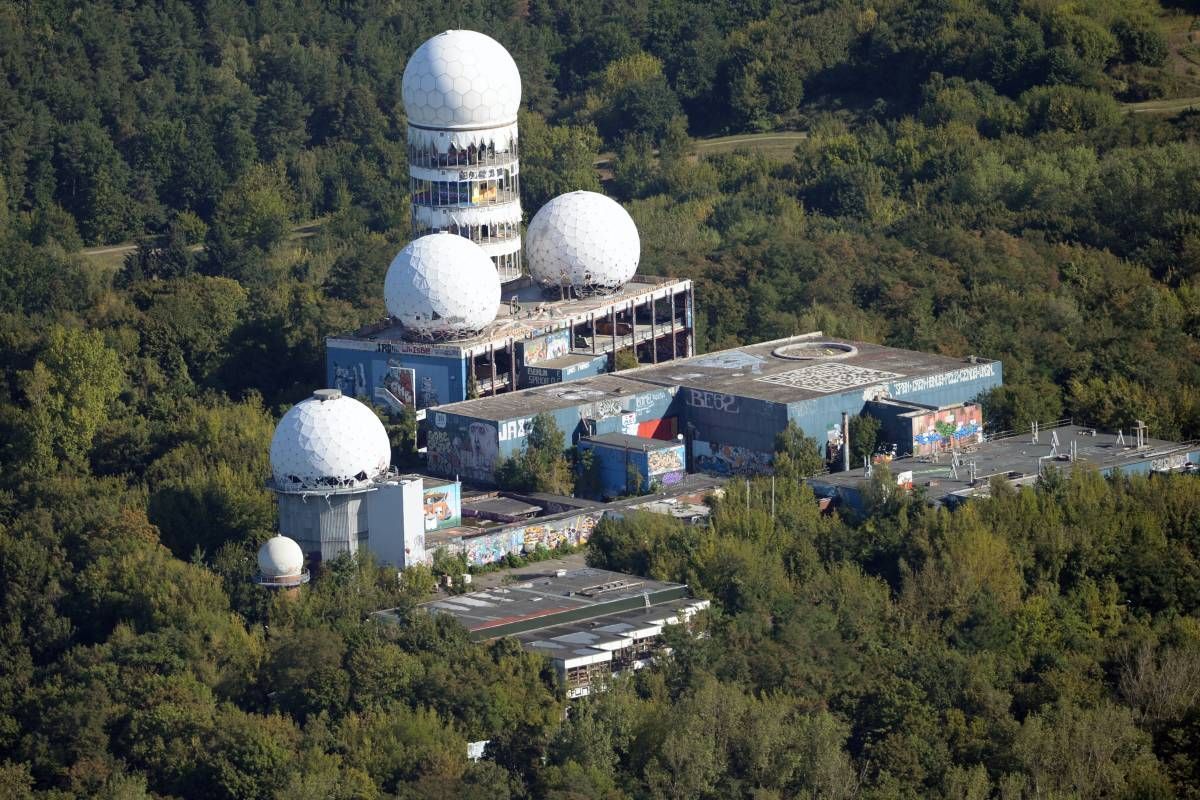
## Description Teufelsberg is one of Berlin's most unusual landmarks, combining Cold War history, postwar rubble, urban exploration energy, and large-scale street art. The hill itself was built from debris after World War II, which already makes it unusual in a city with so much layered history. On top of that artificial landscape stand the remains of an abandoned listening station that once played a role in intelligence monitoring during the Cold War. Today, the site has evolved into a destination for visitors who want a mix of history, raw architecture, and an atmosphere that feels unlike anything else in central Berlin. The site is especially appealing to people who enjoy places that are part ruin, part gallery, and part lookout point. The decaying domes and walls are covered with murals and tags that turn the space into a constantly changing outdoor canvas. A little-known fact is that Teufelsberg sits on what was once intended to be a Nazi military college, but the project never reached completion and the site eventually became part of Berlin's postwar transformation. That layered past gives the hill a strange and powerful presence. ## Location Teufelsberg is in the western part of Berlin, Germany, near the Grunewald forest. It is outside the dense historic center but still accessible by public transport followed by a short walk or bus ride. Because the hill is elevated and somewhat isolated within a wooded area, the journey feels more like leaving the city than simply crossing neighborhoods. That is part of its appeal. The most practical way to get there is by transit and walking, especially if you want to avoid parking concerns and enjoy the forest approach. Visitors should check opening times before going, since access can vary by season and event schedule. The site is best treated as a half-day trip rather than a quick stop. ## Tips - Wear sturdy shoes, because parts of the site are uneven and more rugged than a standard museum visit. - Bring cash or a payment method accepted on-site in case access fees or special exhibits apply. - If you like photography, go when the weather is clear so the skyline and street art stand out more sharply. - Plan for a combination of outdoor exposure and indoor-like enclosure, since the structures can feel windy and exposed. - Leave time to explore the surrounding forest paths if you enjoy a longer, more atmospheric visit. - Check ahead for guided tours or event days, since they can add context to the Cold War history. ## Conclusion Teufelsberg is a reminder that Berlin often turns difficult history into something creative and publicly accessible. The result is a place that feels rough, memorable, and deeply distinctive, especially for travelers who want more than postcard landmarks. ## FAQ ### Is Teufelsberg safe to visit? Yes, it is generally safe during normal visiting hours and in managed public areas. Because the terrain is uneven and partly ruined, visitors should stay alert and follow site rules. The main risk is usually physical footing rather than anything related to the site's history. ### Do you need a guided tour? You do not always need one, but a guided tour can make the experience much richer. The site has layers of history that are easy to miss if you only walk around on your own. If you are interested in espionage, architecture, or Berlin history, a tour is often worthwhile. ### How long should I spend there? One to two hours is enough for a basic visit, but art and history fans may stay longer. If you also want to walk in the forest or take photos from different viewpoints, plan for more time so the visit does not feel cramped. ### Is it good for photography? Yes, it is one of Berlin's more photogenic places because the ruins, murals, and views combine well. Overcast days can work nicely for moody shots, while clear days are best for skyline photographs. Either way, the textures are strong and visually rewarding. ### Why is Teufelsberg famous? It is famous because it combines a Cold War listening station, a man-made hill created from rubble, and a vivid street art scene. Few places in Berlin bring those three elements together so effectively, which is why it stands out among the city's more conventional attractions. ## Links - [Official website](https://teufelsberg-berlin.de/) - [Wikipedia](https://en.wikipedia.org/wiki/Teufelsberg)
GemVoyage Team • World
Copenhagen
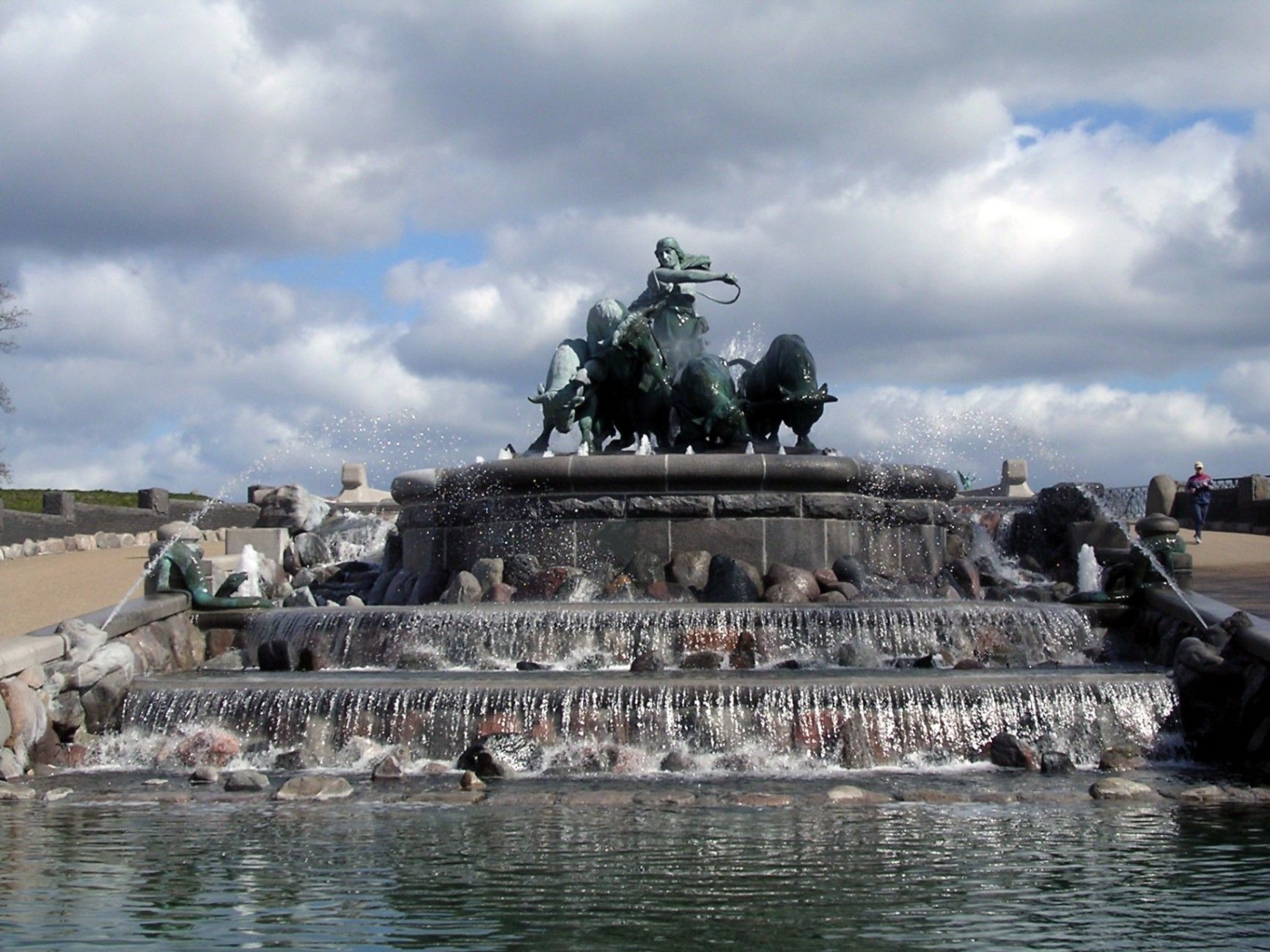
## Description The **Gefion Fountain (Gefionspringvandet)** is one of **Copenhagen’s most iconic landmarks**, combining stunning sculpture, mythological symbolism, and the serene beauty of its waterfront setting. Unveiled in **1908**, the fountain depicts the **Norse goddess Gefion**, a figure from ancient Scandinavian mythology, driving a group of **powerful oxen** as they pull the land that became the island of **Zealand (Sjælland)** — where Copenhagen stands today — from the depths of the sea. Designed by **Danish sculptor Anders Bundgaard**, the fountain is both a **monumental work of art** and a **celebration of Danish legend and identity**. The dynamic bronze figures, set atop a granite basin, capture the dramatic moment of transformation: Gefion’s oxen straining against their harnesses, water surging around them, and the goddess commanding them with divine strength. The story behind the sculpture comes from **Norse mythology**, where Gefion tricks the Swedish king **Gylfi** into granting her as much land as she can plow in one night. Transforming her four sons into oxen, she plows through the earth and casts the land into the sea — forming the island of Zealand. The resulting lake in Sweden, **Lake Vänern**, is said to match Zealand’s shape. What makes the Gefion Fountain unique is not only its **artistic detail and mythological depth** but also its **location** — it sits between **Kastellet Fortress** and **Langelinie Promenade**, surrounded by lush greenery and views of the **harbor** and **The Little Mermaid statue** nearby. The fountain is especially magical when illuminated at night, with the flowing water and shimmering bronze giving it an ethereal glow. A lesser-known fact is that the fountain was originally commissioned by the **Carlsberg Foundation** to celebrate the brewery’s 50th anniversary and was gifted to the city of Copenhagen. Another interesting detail: the granite blocks forming the base came from **Sweden**, a subtle nod to the myth that connects the two lands. ## Location The **Gefion Fountain** is located in **Churchillparken (Churchill Park)** near **Langelinie**, in the **central harbor area of Copenhagen**, **Denmark**. It sits just east of **Amalienborg Palace** and north of the **Kastellet (The Citadel)** fortress. To get there: * **By metro:** Take the **M3 (City Circle Line)** to **Marmorkirken Station**, then walk about **10 minutes** northeast toward the harbor. * **By bus:** Several local buses, including routes **26** and **27**, stop nearby at **Esplanaden**. * **By foot or bike:** The fountain is part of a popular **walking and cycling route** that connects **Amalienborg**, **The Little Mermaid**, and **Kastellet**. * **By car:** Limited parking is available nearby, though walking or cycling is more convenient in this area. ## Tips * **Visit in the morning or late evening:** The light at sunrise and sunset enhances the sculpture’s bronze tones and reflections. * **Combine with nearby landmarks:** The **Little Mermaid**, **Kastellet Fortress**, and **Amalienborg Palace** are all within walking distance. * **Evening illumination:** Visit after dark to see the fountain beautifully lit — a favorite spot for photographers. * **Learn the mythology:** Understanding the legend of Gefion adds depth to your visit; many plaques around the site explain the story. * **Bring a camera:** The fountain’s movement, water effects, and sculptural detail make it a fantastic subject for photos. * **Relax nearby:** The surrounding park offers benches and green spaces perfect for a quiet break during a city walk. * **Visit year-round:** While the fountain operates mainly in warmer months, the sculptures remain accessible and impressive throughout the year. ## Conclusion The **Gefion Fountain** is much more than a beautiful monument — it’s a vivid connection between Denmark’s ancient mythology and its modern identity. With its stunning artistry, powerful symbolism, and scenic harbor location, it perfectly embodies Copenhagen’s blend of **history, legend, and elegance**. Whether you’re tracing the city’s cultural landmarks, enjoying a peaceful stroll through Churchill Park, or exploring Norse mythology, the Gefion Fountain offers a moment of reflection and wonder that captures the timeless spirit of Denmark. ## FAQ **1. What does the Gefion Fountain represent?** It depicts the Norse goddess **Gefion** plowing the land that became the island of **Zealand (Sjælland)**, symbolizing the creation of Denmark’s largest island. **2. Who designed the fountain?** The fountain was created by **Anders Bundgaard**, one of Denmark’s most celebrated sculptors, and unveiled in **1908**. **3. Where is the Gefion Fountain located?** In **Churchillparken**, near **Langelinie Promenade** and **Kastellet Fortress**, in central **Copenhagen**, Denmark. **4. Is it near other attractions?** Yes — it’s just a short walk from **The Little Mermaid**, **Amalienborg Palace**, and the **harborfront**. **5. When does the fountain operate?** The fountain usually runs from **April to October**, depending on weather conditions. The sculptures can be viewed year-round. **6. Is there an entrance fee?** No — visiting the Gefion Fountain is **free of charge**. **7. Can I visit at night?** Yes, and it’s highly recommended. The **evening lighting** creates a beautiful, almost mythical atmosphere. ## Links * [Official Visit Copenhagen – Gefion Fountain](https://www.visitcopenhagen.com/)
GemVoyage Team • World
Stockholm
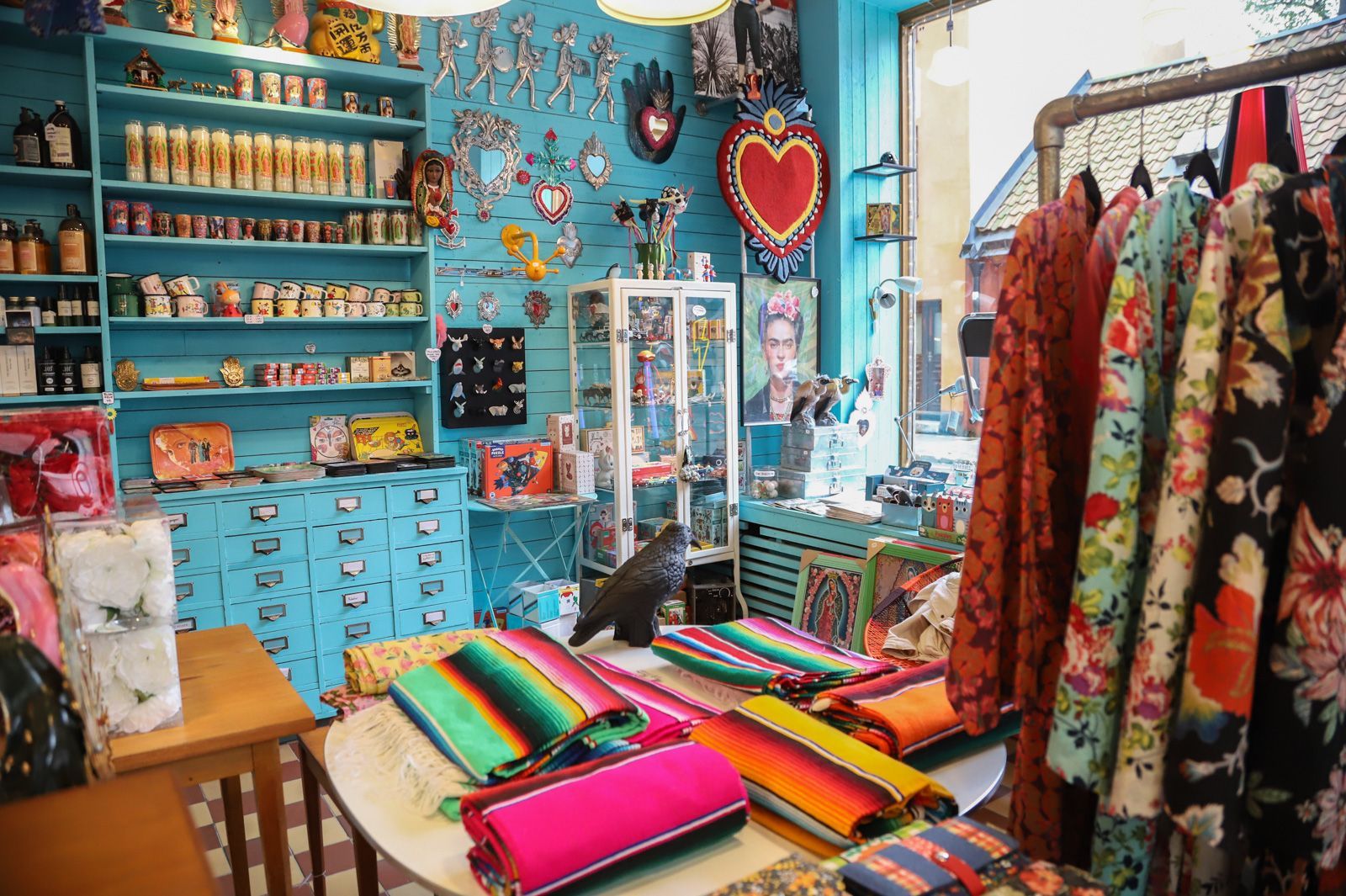
## Description Södermalm has a reputation as one of Stockholm’s most creative and self-assured districts, and its vintage shops are a big part of that identity. The area draws people who like fashion with history, pieces with character, and browsing that feels more like discovery than consumption. Unlike retail zones built around uniform shopping streets, Södermalm’s vintage scene is scattered through a district that already feels interesting to walk through. That means the shopping experience is inseparable from the neighborhood itself. The appeal of Södermalm vintage shops is not only the clothes. It is the curation, the neighborhood energy, and the sense that the area has a long memory. Stockholm’s relationship with design, sustainability, and thoughtful consumption makes secondhand shopping feel especially natural here. You can find everything from well-preserved Scandinavian basics to statement pieces, accessories, workwear, and occasional design objects. Some shops specialize tightly; others feel like treasure hunts where the best finds appear when you least expect them. One little-known fact is that Södermalm’s secondhand culture is closely tied to the district’s broader reputation for indie creativity and alternative style. Another is that many visitors underestimate how pleasant the neighborhood is for walking between shops. Even when one store is busy, the next street might feel calm, which keeps the experience relaxed and exploratory rather than transactional. For travelers who enjoy fashion but dislike generic mall shopping, this is an especially good environment. There is also a practical advantage. Vintage shopping in Södermalm can be combined with cafés, viewpoints, galleries, and neighborhood walks, so the district never feels like a single-purpose retail stop. It becomes part shopping outing, part urban exploration, and part cultural snapshot of Stockholm itself. The result is a richer visit than simply buying clothes. You are also seeing how locals shape style, reuse, and everyday city life. ## Location The vintage shops are located across Södermalm, an island district in central Stockholm, Sweden. Södermalm sits south of Gamla Stan and is one of the easiest central areas of Stockholm to explore on foot. The shopping spots are spread through several streets and pockets of the district, so the experience works best when you treat it as a neighborhood walk rather than a fixed single destination. The easiest way to reach Södermalm is by Stockholm’s metro system, bus network, or on foot from the city center. Medborgarplatsen, Slussen, and other nearby stations are practical starting points depending on which part of the district you want to explore. Because the best finds are often spread out, a comfortable pair of shoes helps more than a tightly scheduled plan. If you are visiting in winter, plan for shorter daylight hours and use indoor stops such as cafés to break up the walk. In warmer months, the district is especially pleasant because moving between shops feels almost like a mini city tour in itself. ## Tips - Start with a broad walk through the district before committing to specific shops. That helps you understand the neighborhood layout. - Look for quality as much as price. The best vintage pieces in Stockholm often stand out because of condition, cut, and timeless design. - Bring a reusable bag or extra room in your luggage if you plan to buy clothing or small home items. - Pair shopping with coffee or lunch so you can pace yourself and avoid rushed decisions. - Visit more than one shop style. A good vintage outing in Södermalm usually mixes curated boutiques, thrift stores, and neighborhood secondhand spots. ## Conclusion Södermalm’s vintage shops offer more than shopping. They give you a stylish way to experience one of Stockholm’s most characterful districts while discovering clothing and objects that feel personal, sustainable, and distinctly local. ## FAQ ### Is Södermalm good for vintage shopping even if I am not a fashion expert? Yes. The neighborhood is easy to browse casually, and many stores are approachable even if you are not hunting for something specific. The pleasure is as much in the atmosphere as in the purchase. ### Are the shops expensive? Prices vary a lot. Some stores are highly curated and price pieces accordingly, while others are more affordable. Stockholm generally has a reputation for quality over bargain-bin pricing. ### How much time should I set aside? At least a few hours if you want to enjoy the area properly. The best experience comes from mixing browsing with time for walking, coffee, and neighborhood exploration. ### Can I combine vintage shopping with other sightseeing? Definitely. Södermalm is close to scenic viewpoints, restaurants, and central Stockholm landmarks, so it fits easily into a larger city day. ## Links - [Södermalm on Wikipedia](https://en.wikipedia.org/wiki/S%C3%B6dermalm) - [Visit Stockholm](https://www.visitstockholm.com/)
GemVoyage Team • World
Taiwan
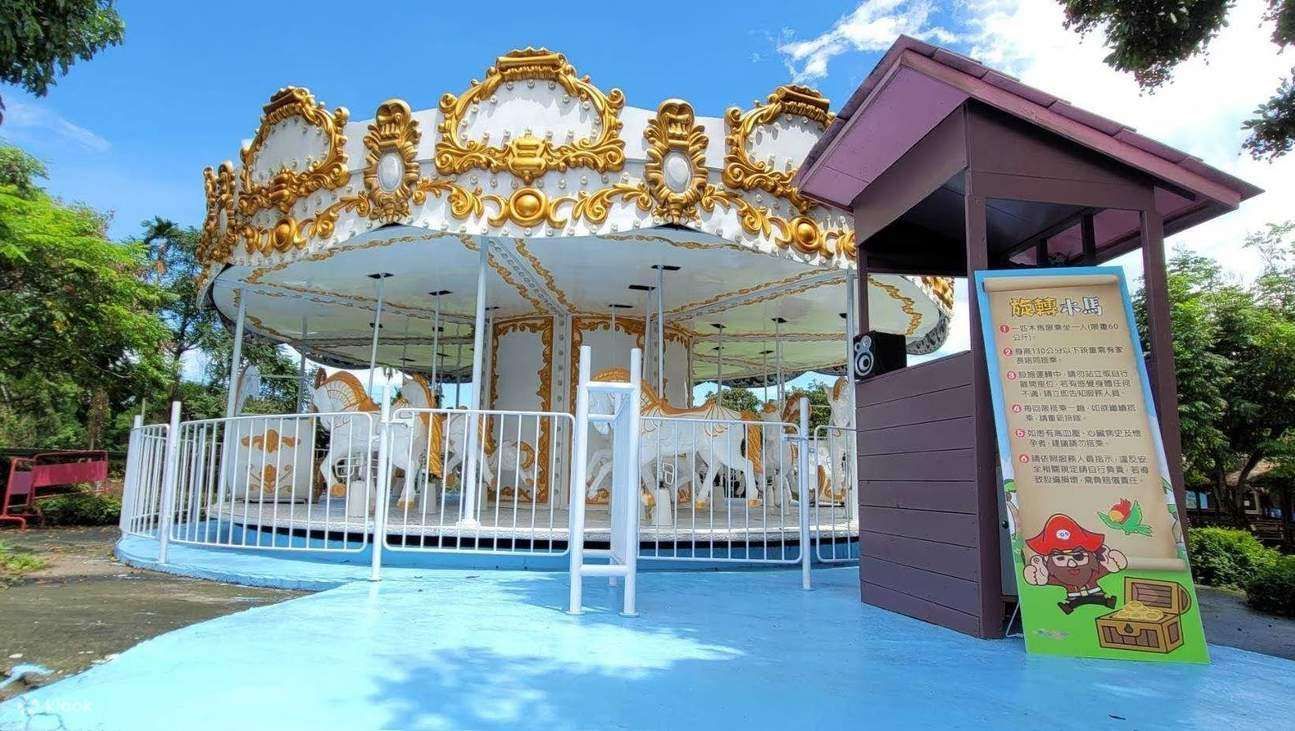
## Description Pirate Village Theme Park is a small but imaginative attraction in Taiwan that brings the spirit of seafaring adventure to life. Designed primarily for families with children, the park is centered around a colorful pirate theme, complete with ship-shaped playgrounds, lookout towers, rope bridges, and interactive installations that encourage exploration and physical activity. Rather than focusing on high-thrill rides, Pirate Village emphasizes creative play, storytelling, and hands-on fun in an open-air setting. What makes Pirate Village Theme Park unique is its community-driven concept. Unlike large commercial theme parks, this attraction was developed as a recreational and cultural space that blends leisure with local identity. Many of the structures are designed to be both playful and educational, helping children develop coordination, imagination, and social skills. A lesser-known fact is that the park often incorporates locally inspired design elements, subtly reflecting Taiwan’s coastal history and maritime culture. Another interesting detail is that Pirate Village regularly hosts small-scale events, such as weekend performances or seasonal activities, which are usually aimed at local families rather than tourists. For travelers looking for a relaxed, off-the-beaten-path experience—especially those traveling with young children—Pirate Village Theme Park offers a pleasant break from Taiwan’s busy city attractions. ## Location Pirate Village Theme Park is located in **Taiwan**, in the **Yunlin County** region, within **Douliu City**. Yunlin County is situated in central-western Taiwan and is known for its slower pace of life compared to major metropolitan areas like Taipei or Kaohsiung. The most convenient way to reach the park is by train to Douliu Station on the Taiwan Railways Administration (TRA) line. From the station, visitors can take a local taxi or bus to reach the park area within a short time. If you are traveling by car, driving is a practical option, as parking is generally easier to find than in larger cities. Visitors coming from other parts of Taiwan may consider combining a visit to Pirate Village with other nearby family attractions or local food stops in Yunlin County. ## Tips * Pirate Village Theme Park is best suited for families with young children, so adults traveling without kids may find the visit relatively short. * Visit during weekdays or early mornings on weekends to avoid local crowds, especially during school holidays. * Bring sun protection such as hats, sunscreen, and water, as much of the park is outdoors. * Wear comfortable shoes, as children are encouraged to climb, run, and explore different play structures. * Check local announcements or social media pages before visiting, as special events or maintenance closures may affect opening times. * Combine your visit with nearby local markets or cafés to make the trip more rewarding. ## Conclusion Pirate Village Theme Park is a charming, low-key attraction that offers imaginative play and family-friendly fun in central Taiwan. While it may not be a large-scale theme park, its creative design, relaxed atmosphere, and local character make it a worthwhile stop for families seeking a simple and enjoyable outing. ## FAQ **Is Pirate Village Theme Park suitable for all ages?** The park is mainly designed for children, especially those in preschool and elementary school age groups. Adults can accompany children but may find limited activities for themselves. **Is there an entrance fee?** In many cases, Pirate Village Theme Park is free or very low-cost, as it functions as a public or community-oriented attraction. Fees, if any, may apply during special events. **How much time should I plan for a visit?** Most visitors spend about one to two hours exploring the park, depending on crowd levels and children’s interest. **Is the park accessible by public transportation?** Yes, it is accessible via train and local buses, though taxis or private cars offer the most convenience. **Are food and drinks available inside the park?** Food options may be limited inside the park itself, so it is a good idea to bring snacks or plan to eat nearby. ## Links * [Yunlin County Government Tourism](https://tour.yunlin.gov.tw/wt-front/Home/Index)
GemVoyage Team • World
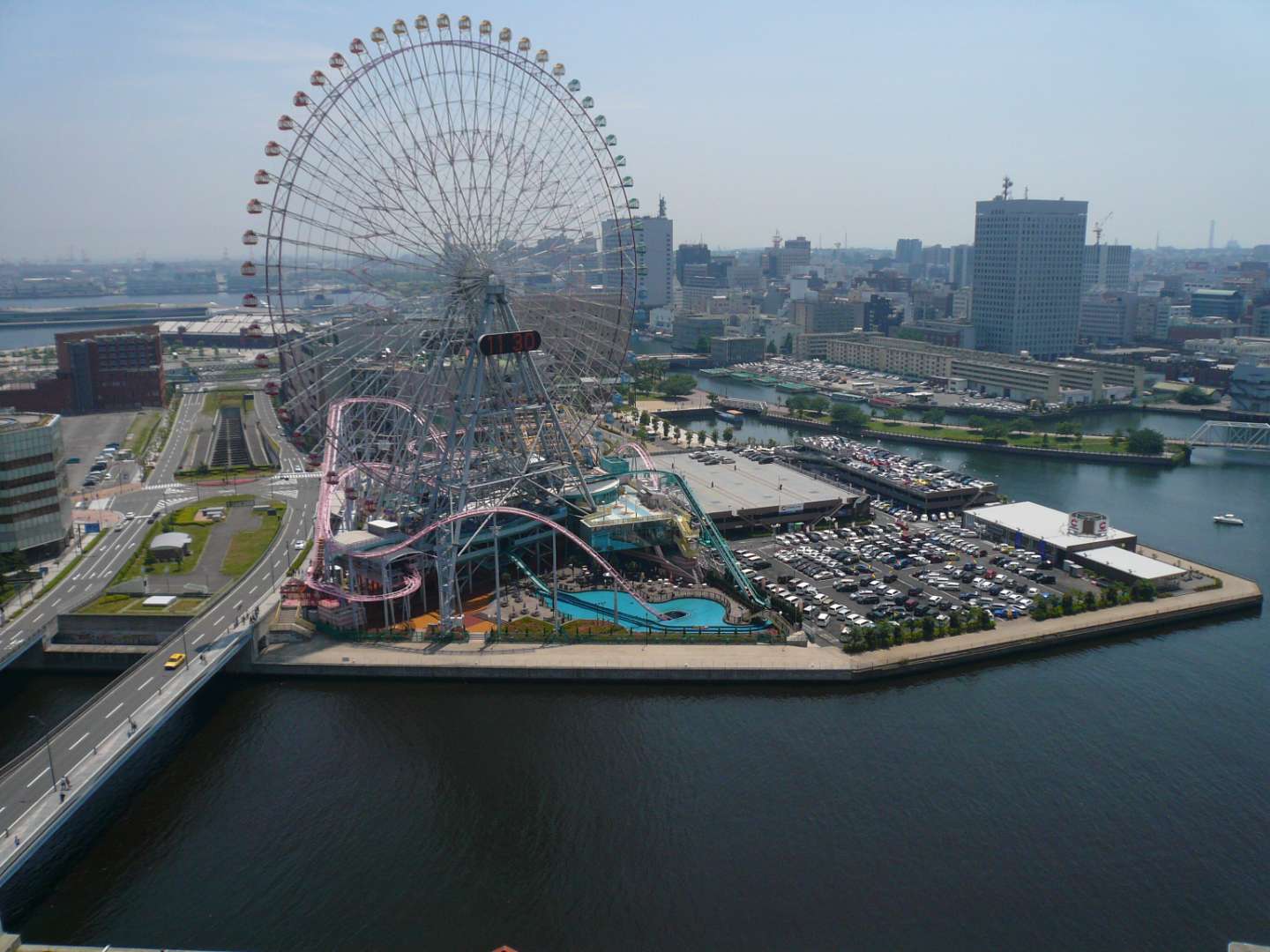
Yokohama
## Description Cosmo World in Yokohama is a vibrant urban amusement park that blends thrilling rides, family-friendly attractions, and waterfront views into one unforgettable experience. Located in the heart of the Minato Mirai 21 district, this compact yet dynamic park is best known for its iconic Ferris wheel, Cosmo Clock 21, which once held the title of the world’s largest Ferris wheel with a clock. Towering over the city skyline, it offers panoramic views of Yokohama Bay and the surrounding urban landscape, especially stunning at night when the wheel lights up in dazzling colors. The park is divided into three distinct zones: the Wonder Amuse Zone, Burano Street Zone, and Kids Carnival Zone. Each area caters to different age groups and interests. The Wonder Amuse Zone features high-adrenaline rides like the Diving Coaster: Vanish, a roller coaster that plunges into a tunnel beneath a pool of water. The Burano Street Zone offers quirky attractions such as mirror mazes and haunted houses, while the Kids Carnival Zone is perfect for younger children with gentle rides and arcade games. A little-known fact: Cosmo World originated from the Yokohama Exotic Showcase in 1989, and the Ferris wheel was part of a temporary exhibition before becoming a permanent fixture. Another unique detail is that admission to the park is free—you only pay for the rides you choose to enjoy, making it an accessible destination for all budgets. ## Location Cosmo World is located in **Japan**, in the **Kanagawa Prefecture**, within the city of **Yokohama**. It sits in the **Minato Mirai 21 district**, a modern waterfront area known for its shopping, entertainment, and cultural attractions. ### How to Get There - **By Train**: The park is a short walk from Minato Mirai Station (Minato Mirai Line) and Sakuragicho Station (JR Keihin-Tohoku Line and Yokohama Municipal Subway Blue Line). - **By Bus**: Several local buses stop near the Minato Mirai area. - **By Foot**: If you're exploring the waterfront, Cosmo World is easily accessible from nearby attractions like Landmark Tower and the Yokohama Red Brick Warehouse. - **By Car**: Parking is available in nearby lots, though public transport is recommended due to traffic and convenience. Its central location makes it an easy addition to any Yokohama itinerary. ## Tips - **Visit in the Evening**: The illuminated Ferris wheel and waterfront views are especially magical after sunset. - **Buy a Ride Pass**: While entry is free, purchasing a ride pass can save money if you plan to try multiple attractions. - **Check Height Restrictions**: Some rides have strict height and age requirements, so check ahead if visiting with children. - **Avoid Peak Hours**: Weekends and holidays can be crowded. Weekday afternoons are generally quieter. - **Bring Cash**: Some ticket booths and vending machines may not accept cards. - **Combine with Nearby Attractions**: Pair your visit with a trip to CupNoodles Museum or a harbor cruise for a full day of fun. ## Conclusion Cosmo World in Yokohama is a compact yet exhilarating amusement park that offers something for everyone—from heart-pounding roller coasters to scenic Ferris wheel rides. Its waterfront location, free entry, and diverse attractions make it a must-visit for families, couples, and solo travelers alike. ## FAQ **1. Is there an entrance fee to Cosmo World?** No, admission is free. You only pay for the rides you choose to go on. **2. What are the operating hours?** Typically, the park operates from 11:00 AM to 8:00 PM, but hours may vary seasonally or due to weather. **3. Is Cosmo World suitable for young children?** Yes, the Kids Carnival Zone is designed specifically for younger visitors. **4. Can I buy tickets online?** Ride tickets are generally purchased on-site. Some packages may be available through travel agencies. **5. Is the Ferris wheel wheelchair accessible?** Yes, Cosmo Clock 21 is accessible for wheelchair users. **6. Are food and drinks allowed inside the park?** Outside food and drinks are not permitted, but there are cafés and vending machines within the park. ## Links - [Cosmo World Official Website](https://cosmoworld.jp/about/?lang=en) - [Yokohama Cosmo World – Wikipedia Overview](https://en.wikipedia.org/wiki/Yokohama_Cosmo_World)
GemVoyage Team • World
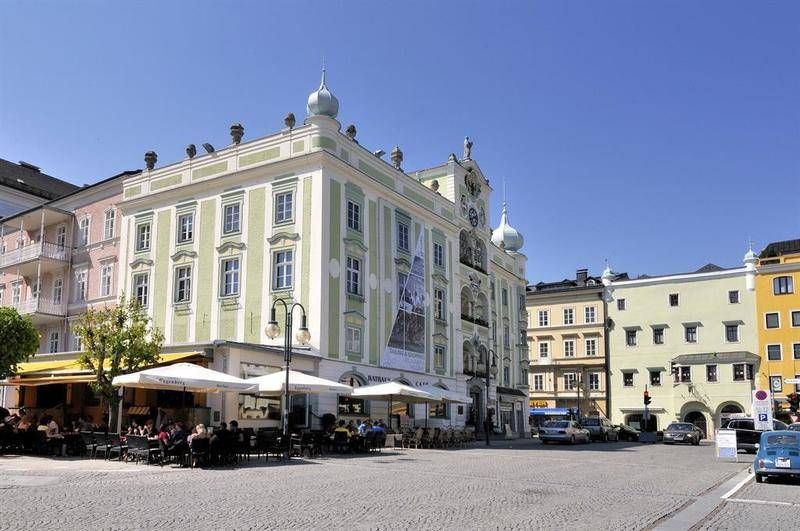
Gmunden
## Description The **Rathaus Gmunden** — the **Town Hall of Gmunden** — is one of Austria’s most charming and picturesque civic buildings, perfectly reflecting the town’s **historic elegance and lakeside serenity**. Standing proudly on the shore of **Traunsee Lake**, surrounded by the scenic peaks of the **Salzkammergut Mountains**, this 16th-century building combines Renaissance architecture, local craftsmanship, and cultural pride in a way few town halls do. Built between **1574 and 1577**, the Rathaus originally served as a **merchant and administrative center** during a period when Gmunden was thriving as a salt-trading hub. Its architecture features a **Renaissance façade** with beautifully arched arcades, intricate window frames, and an elegant clock tower topped with a small bell turret. The building’s exterior is painted in soft pastel hues that harmonize with the lakeside scenery, giving it a warm and inviting appearance. However, what truly makes Rathaus Gmunden stand out — and one of Austria’s most photographed town halls — is its **ceramic carillon** (a set of bells made from Gmunden pottery). Installed in **1961**, this unique feature consists of **24 hand-painted ceramic bells**, crafted by local artisans from the renowned **Gmundner Keramik** workshop, which has been producing distinctive green-flamed pottery since the 17th century. Several times a day, the bells chime melodiously across the old town, filling the air with a sound that has become a symbol of Gmunden’s artistic heritage. Few visitors realize that it is **one of the only ceramic carillons in the world** still in operation — a beautiful fusion of art, music, and tradition. Inside, the Rathaus still functions as the **seat of the local government**, but parts of it are open to visitors, showcasing historical rooms, exhibitions, and cultural displays. The nearby **Rathausplatz (Town Hall Square)** hosts markets, festivals, and outdoor concerts throughout the year, offering a lively glimpse of local life. Whether you visit for its craftsmanship, its lakeside views, or the charm of its daily chimes, Rathaus Gmunden is a small-town treasure that embodies the **soul of the Austrian Alps**. ## Location The **Rathaus Gmunden** is located in the **heart of Gmunden**, a town in **Upper Austria (Oberösterreich)**, on the **northern shore of Lake Traunsee**. **Address:** Rathausplatz 1, 4810 Gmunden, Austria To get there: * **By train:** From **Linz** or **Salzburg**, take an **ÖBB regional train** to **Gmunden Station**, then walk about **10–15 minutes** to the old town. * **By tram:** From the station, you can also take the **Traunseetram**, which stops near Rathausplatz. * **By car:** Easily accessible via the **A1 motorway**, exit **Regau** or **Laakirchen**, with several nearby parking options. * **By boat:** Ferries on **Traunsee Lake** stop at **Gmunden Seebahnhof**, just steps away from the Town Hall. * **By foot or bike:** The promenade around the lake connects the Rathaus to the main attractions of Gmunden, including **Schloss Ort** and the **Esplanade**. ## Tips * **Don’t miss the carillon performance:** The ceramic bells ring several times daily — typically at **11:00 AM**, **3:00 PM**, and **5:00 PM** (check local schedules). * **Visit the Gmundner Keramik Manufaktur:** Just outside town, you can see how the world-famous green-flamed pottery is made — a perfect complement to the Rathaus visit. * **Take photos from the lake promenade:** The Town Hall reflected in the water, with mountains in the background, is one of Austria’s most postcard-worthy views. * **Enjoy the market:** On Fridays, Rathausplatz hosts a **local farmers’ market** selling fresh regional produce, cheese, and crafts. * **Visit nearby Schloss Ort:** A short walk away, this fairytale castle on the lake is another Gmunden highlight. * **Stop for coffee by the lake:** There are several cozy cafés around Rathausplatz with views of the water and the mountains. * **Combine with a boat tour:** Scenic cruises on Traunsee often pass by the Rathaus, offering a new perspective from the lake. ## Conclusion The **Rathaus Gmunden** is far more than a historic building — it’s the **heart of a town steeped in art, tradition, and Alpine beauty**. From its Renaissance architecture to the enchanting ceramic bells that sing across Traunsee, it tells the story of a community that has blended craftsmanship and culture for centuries. Whether you’re exploring the Salzkammergut for its lakes, castles, or peaceful charm, a stop at the Rathaus Gmunden is an experience that captures the very essence of Austrian heritage. ## FAQ **1. When was the Rathaus Gmunden built?** It was constructed between **1574 and 1577** during the height of Gmunden’s salt-trading prosperity. **2. What makes the Rathaus special?** Its **ceramic carillon**, made from locally produced Gmundner pottery, is **one of the few of its kind in the world**. **3. How often does the carillon play?** The bells ring several times daily, typically at **11:00 AM, 3:00 PM, and 5:00 PM**, though times may vary seasonally. **4. Can visitors enter the Rathaus?** Yes, parts of the building are open to visitors, especially during cultural events or exhibitions. **5. Where is Gmunden located?** Gmunden lies on **Lake Traunsee** in **Upper Austria (Oberösterreich)**, roughly halfway between **Linz** and **Salzburg**. **6. Is it easy to reach from Vienna or Salzburg?** Yes — from Vienna or Salzburg, take a train to **Attnang-Puchheim**, then connect to Gmunden via a regional line (total travel time: around **2 hours**). **7. What nearby attractions should I see?** Don’t miss **Schloss Ort**, **Traunsee Lake cruises**, and the **Gmundner Keramik Factory** for a complete cultural experience. ## Links * [Gmunden Tourism Official Website](https://www.gmunden.at)
GemVoyage Team • World

.jpg)
Comments