Discover extraordinary places shared by our community of travelers
Poznan
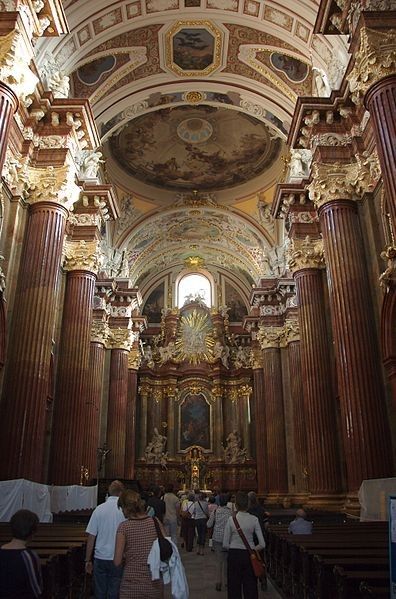
## Description Fara Church, officially known as **The Parish Church of St. Stanislaus (Fara Church)**, is one of the most magnificent Baroque buildings in Poland and a must-visit attraction in Poznań. Built in the **17th century** by Jesuits, it has become a symbol of Poznań’s religious and architectural heritage. With its richly decorated interior, fresco-covered ceilings, and breathtaking altars, it is often considered one of the most beautiful Baroque churches in Europe. What makes the Fara Church unique is not only its grandeur but also the **acoustics** that make it a popular venue for organ concerts. The church houses an impressive **pipe organ with over 2,000 pipes**, and visitors are often treated to free concerts showcasing the instrument’s power and elegance. A little-known fact about the church is that beneath it lies a series of **underground chambers** and crypts, some of which are occasionally open to the public during guided tours. Another interesting detail is the presence of **trompe-l’œil painting techniques** inside, which create optical illusions, making the decorations appear three-dimensional and more elaborate than they actually are. ## Location Fara Church is located in **Poznań, Poland**, in the **Greater Poland region**. It stands in the **Old Town district**, just a short walk from the famous **Old Market Square (Stary Rynek)**. The church’s location in the historic heart of the city makes it easy to combine a visit with other nearby attractions such as the Town Hall and the Royal Castle. ### Recommendation on How to Get There From **Poznań Główny railway station**, you can take a tram to **Wrocławska or Marcinkowskiego stops**, and from there, it’s only a few minutes’ walk to the church. For those already in the city center, Fara Church is easily accessible on foot. If you’re arriving by car, it’s recommended to park in one of the nearby parking facilities since the Old Town area has limited vehicle access. ## Tips To make your visit to Fara Church in Poznań truly memorable, here are some practical tips: * **Visit During Concerts**: Try to attend one of the free or low-cost organ concerts held regularly inside the church. The acoustics are remarkable. * **Guided Tours**: If available, join a guided tour to access the underground chambers and learn about the Jesuit history of the church. * **Photography**: Bring a camera, but be mindful of ongoing services and respect worshippers. The light filtering through stained glass windows creates stunning photo opportunities. * **Timing**: Visit in the morning or late afternoon when the church is quieter, as midday tends to attract more tourists. * **Combine with Old Town Walk**: Since it’s centrally located, you can easily combine your visit with a stroll through the Old Market Square and surrounding historic streets. * **Respect the Atmosphere**: Remember that Fara Church is still an active place of worship, so dress modestly and remain quiet during services. ## Conclusion Fara Church in Poznań is a masterpiece of Baroque architecture and a cultural highlight of the city. With its ornate interior, fascinating history, and world-class acoustics, it offers a unique experience for visitors interested in history, art, or music. A trip to Poznań wouldn’t be complete without stepping inside this architectural gem. ## FAQ **1. What is the full name of Fara Church?** Its official name is the Parish Church of St. Stanislaus (Fara Church). **2. Is there an entrance fee to visit the church?** No, entry is free, though donations are welcome. Special guided tours or concerts may have a small fee. **3. Can tourists attend religious services?** Yes, but visitors are asked to remain respectful and quiet during services. **4. What makes the church special compared to others in Poznań?** Its Baroque design, richly decorated interior, and famous pipe organ make it one of the most outstanding churches in Poland. **5. Is the church accessible for people with disabilities?** The main entrance is accessible, but some underground chambers may not be suitable for those with mobility issues. **6. How long does a visit usually take?** A typical visit lasts **30 minutes to 1 hour**, but if you attend a concert or guided tour, you might stay longer. ## Links * [Official website of Fara Church](https://fara.archpoznan.pl/pl/) * [Poznań Tourism Office](https://visitpoznan.pl/en)
GemVoyage Team • World
Copenhagen
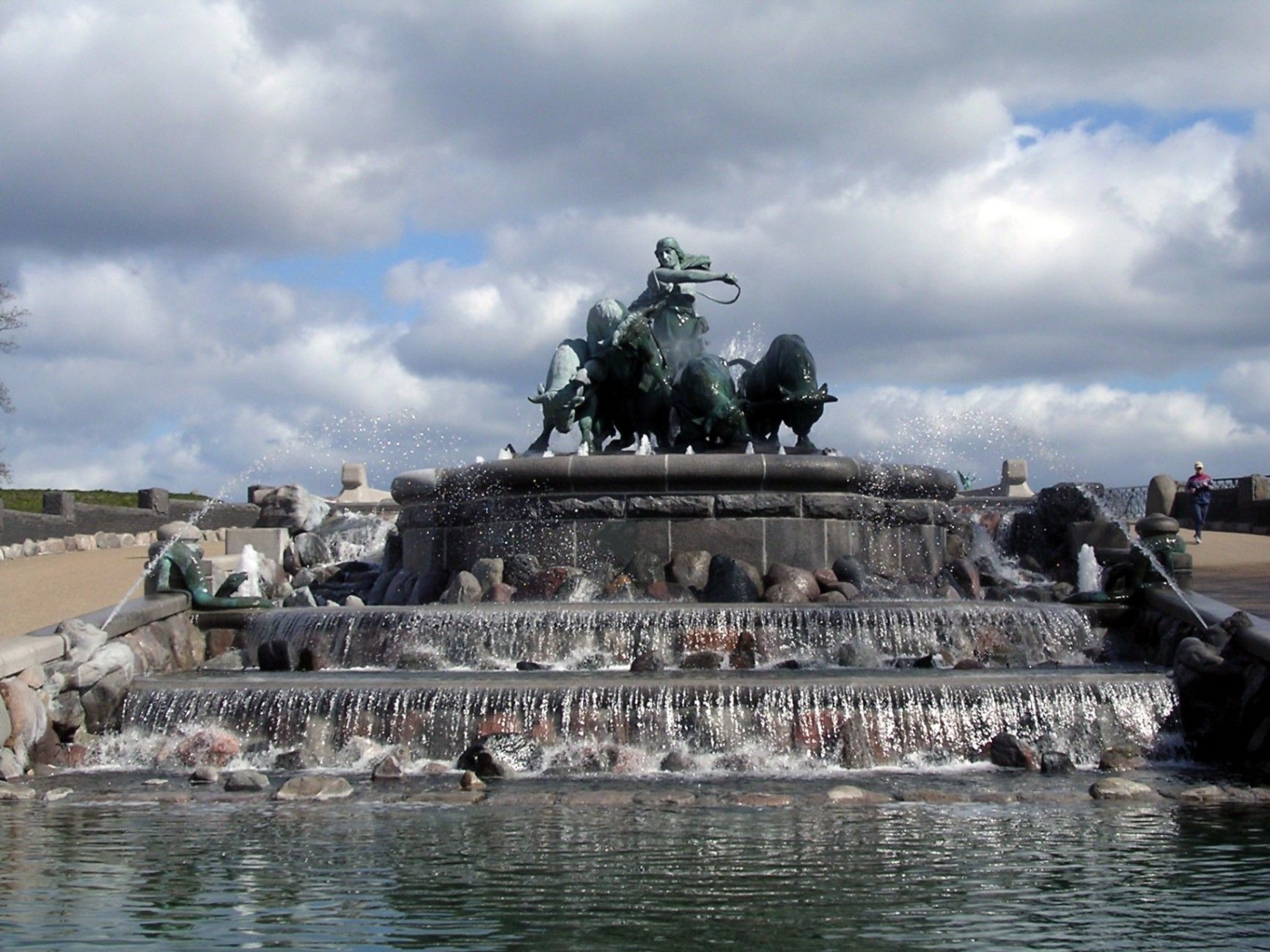
## Description The **Gefion Fountain (Gefionspringvandet)** is one of **Copenhagen’s most iconic landmarks**, combining stunning sculpture, mythological symbolism, and the serene beauty of its waterfront setting. Unveiled in **1908**, the fountain depicts the **Norse goddess Gefion**, a figure from ancient Scandinavian mythology, driving a group of **powerful oxen** as they pull the land that became the island of **Zealand (Sjælland)** — where Copenhagen stands today — from the depths of the sea. Designed by **Danish sculptor Anders Bundgaard**, the fountain is both a **monumental work of art** and a **celebration of Danish legend and identity**. The dynamic bronze figures, set atop a granite basin, capture the dramatic moment of transformation: Gefion’s oxen straining against their harnesses, water surging around them, and the goddess commanding them with divine strength. The story behind the sculpture comes from **Norse mythology**, where Gefion tricks the Swedish king **Gylfi** into granting her as much land as she can plow in one night. Transforming her four sons into oxen, she plows through the earth and casts the land into the sea — forming the island of Zealand. The resulting lake in Sweden, **Lake Vänern**, is said to match Zealand’s shape. What makes the Gefion Fountain unique is not only its **artistic detail and mythological depth** but also its **location** — it sits between **Kastellet Fortress** and **Langelinie Promenade**, surrounded by lush greenery and views of the **harbor** and **The Little Mermaid statue** nearby. The fountain is especially magical when illuminated at night, with the flowing water and shimmering bronze giving it an ethereal glow. A lesser-known fact is that the fountain was originally commissioned by the **Carlsberg Foundation** to celebrate the brewery’s 50th anniversary and was gifted to the city of Copenhagen. Another interesting detail: the granite blocks forming the base came from **Sweden**, a subtle nod to the myth that connects the two lands. ## Location The **Gefion Fountain** is located in **Churchillparken (Churchill Park)** near **Langelinie**, in the **central harbor area of Copenhagen**, **Denmark**. It sits just east of **Amalienborg Palace** and north of the **Kastellet (The Citadel)** fortress. To get there: * **By metro:** Take the **M3 (City Circle Line)** to **Marmorkirken Station**, then walk about **10 minutes** northeast toward the harbor. * **By bus:** Several local buses, including routes **26** and **27**, stop nearby at **Esplanaden**. * **By foot or bike:** The fountain is part of a popular **walking and cycling route** that connects **Amalienborg**, **The Little Mermaid**, and **Kastellet**. * **By car:** Limited parking is available nearby, though walking or cycling is more convenient in this area. ## Tips * **Visit in the morning or late evening:** The light at sunrise and sunset enhances the sculpture’s bronze tones and reflections. * **Combine with nearby landmarks:** The **Little Mermaid**, **Kastellet Fortress**, and **Amalienborg Palace** are all within walking distance. * **Evening illumination:** Visit after dark to see the fountain beautifully lit — a favorite spot for photographers. * **Learn the mythology:** Understanding the legend of Gefion adds depth to your visit; many plaques around the site explain the story. * **Bring a camera:** The fountain’s movement, water effects, and sculptural detail make it a fantastic subject for photos. * **Relax nearby:** The surrounding park offers benches and green spaces perfect for a quiet break during a city walk. * **Visit year-round:** While the fountain operates mainly in warmer months, the sculptures remain accessible and impressive throughout the year. ## Conclusion The **Gefion Fountain** is much more than a beautiful monument — it’s a vivid connection between Denmark’s ancient mythology and its modern identity. With its stunning artistry, powerful symbolism, and scenic harbor location, it perfectly embodies Copenhagen’s blend of **history, legend, and elegance**. Whether you’re tracing the city’s cultural landmarks, enjoying a peaceful stroll through Churchill Park, or exploring Norse mythology, the Gefion Fountain offers a moment of reflection and wonder that captures the timeless spirit of Denmark. ## FAQ **1. What does the Gefion Fountain represent?** It depicts the Norse goddess **Gefion** plowing the land that became the island of **Zealand (Sjælland)**, symbolizing the creation of Denmark’s largest island. **2. Who designed the fountain?** The fountain was created by **Anders Bundgaard**, one of Denmark’s most celebrated sculptors, and unveiled in **1908**. **3. Where is the Gefion Fountain located?** In **Churchillparken**, near **Langelinie Promenade** and **Kastellet Fortress**, in central **Copenhagen**, Denmark. **4. Is it near other attractions?** Yes — it’s just a short walk from **The Little Mermaid**, **Amalienborg Palace**, and the **harborfront**. **5. When does the fountain operate?** The fountain usually runs from **April to October**, depending on weather conditions. The sculptures can be viewed year-round. **6. Is there an entrance fee?** No — visiting the Gefion Fountain is **free of charge**. **7. Can I visit at night?** Yes, and it’s highly recommended. The **evening lighting** creates a beautiful, almost mythical atmosphere. ## Links * [Official Visit Copenhagen – Gefion Fountain](https://www.visitcopenhagen.com/)
GemVoyage Team • World
Tirana
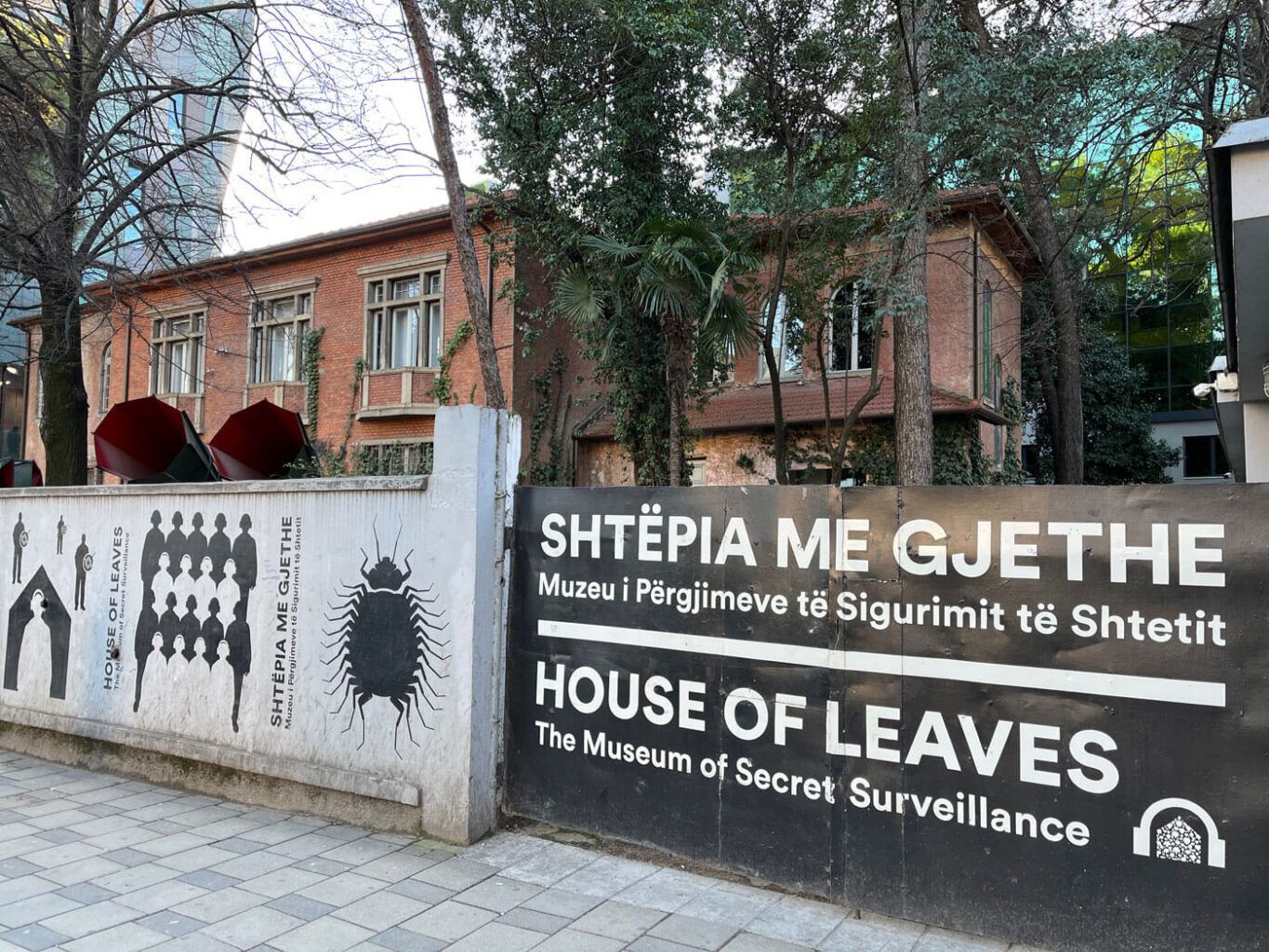
## Description The House of Leaves Museum is one of Tirana’s most important cultural and historical sites, especially for visitors who want to understand Albania beyond its visible city streets. Housed in a former surveillance center, the museum explores the structures of monitoring, secrecy, and political control that shaped life during the communist era. Its exhibits are unsettling in a quiet way, because the building itself carries the weight of the stories it presents. This is not a conventional “collection of objects” museum; it is an experience built around memory, silence, and context. What makes the House of Leaves unique is the way it uses space. Rather than only displaying information on panels, the museum lets visitors move through rooms that once served a hidden institutional purpose. That physical dimension makes the subject matter feel immediate. You are not just reading about surveillance; you are walking through the kind of environment where surveillance was organized. One lesser-known detail is that the building’s original role was concealed in plain sight for years, which is part of what gives the museum its name and atmosphere. Another important fact is that the museum’s significance reaches beyond Albania, because it speaks to a broader twentieth-century European history of state secrecy and political control. The museum is especially valuable for travelers who want more than a surface-level city visit. Tirana has a lively modern personality, but places like this help explain why the city’s present-day openness and creativity matter so much. The contrast between the museum’s restrained, serious tone and the bustling streets outside is one of the reasons it stays with visitors long after they leave. ## Location The House of Leaves Museum is in central Tirana, Albania, close to the main urban core and within easy reach of other downtown landmarks. Because it is centrally located, it can be included in a city walking route without requiring special transport. The easiest way to get there is on foot if you are already in central Tirana, or by taxi and local transport if you are staying farther out. Since the museum is part of a walkable area, combining it with nearby historical and administrative sites makes the most sense. If you are planning a broader day in the capital, pair it with Skanderbeg Square and other central attractions for a fuller picture of the city. ## Tips Give yourself enough time to read the exhibits carefully; this is a museum where the story matters as much as the objects. Visit with a calm pace rather than rushing through, because the experience depends on reflection. If you are unfamiliar with Albania’s recent history, a short background read beforehand can make the museum much more meaningful. Photography policies can vary, so check current rules before taking pictures inside. This is a strong choice for travelers who prefer historically significant sites over purely visual attractions. ## Conclusion The House of Leaves is one of Tirana’s most powerful museums, offering a serious and memorable encounter with the city’s recent past. ## FAQ ### Why is it called the House of Leaves? The name refers to the building’s hidden, layered character and the sense of concealment associated with its former use. ### Is the museum suitable for all visitors? Yes, but it is best for people interested in history, politics, and memory culture. ### How much time do I need? Most visitors should plan around one to two hours, depending on how closely they read the exhibits. ### Is the museum central? Yes, it is located in the center of Tirana and is easy to combine with a city walking tour. ### What should I expect inside? Expect a thoughtful, sometimes unsettling museum focused on surveillance, documentation, and the experience of living under authoritarian control. ## Links - [House of Leaves on Wikipedia](https://en.wikipedia.org/wiki/Museum_of_Secret_Surveillance)
GemVoyage Team • World
Moscow
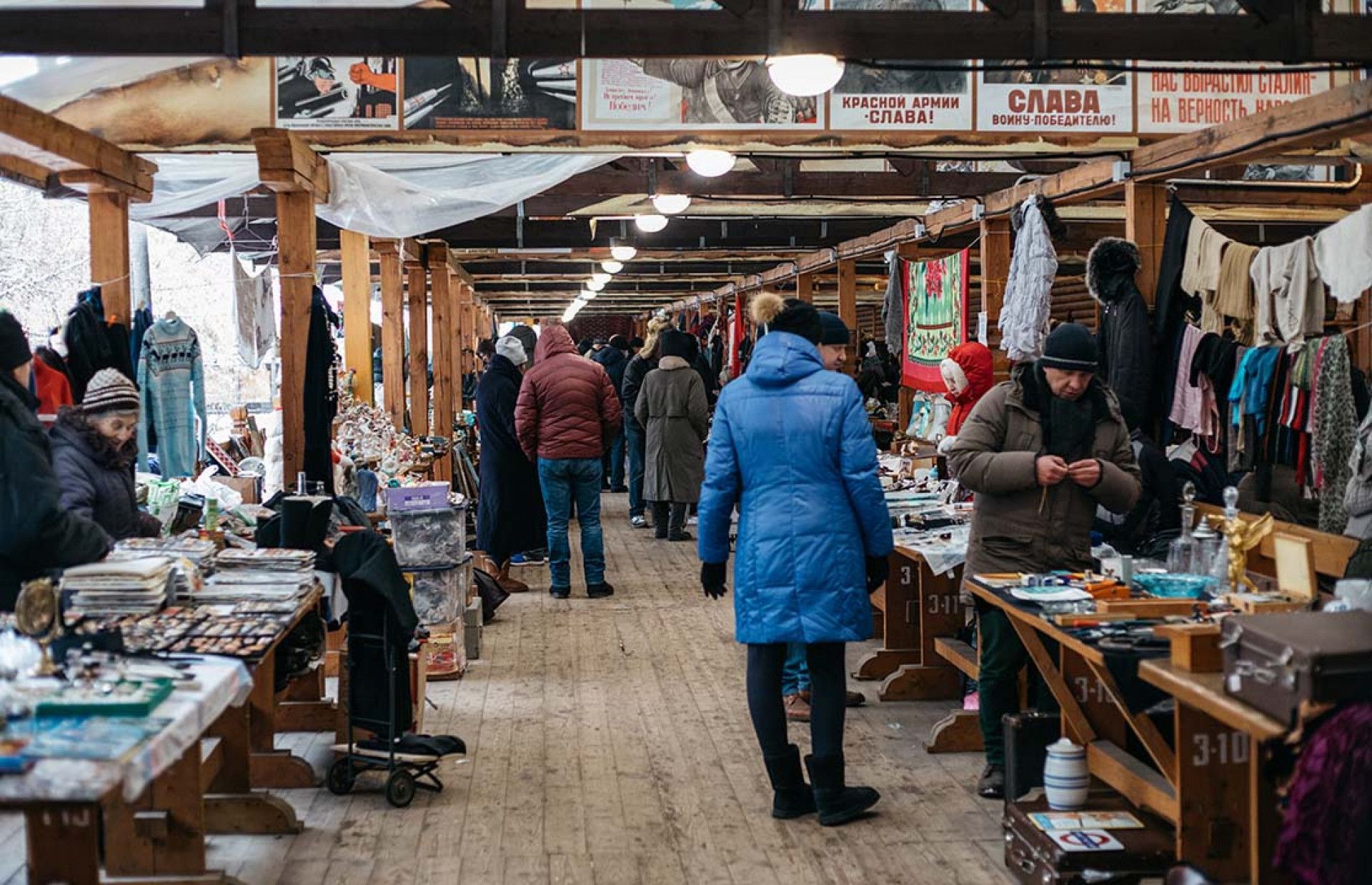
## Description Izmailovsky Kremlin Market is one of Moscow’s most visually distinctive shopping and browsing destinations, and it stands out precisely because it feels like a city within a city. The market sits inside the whimsical Izmailovsky Kremlin complex, whose colorful towers, carved details, and wooden-style architecture were designed to evoke old Russian forms while remaining openly decorative and contemporary. That unusual setting is a big part of the appeal. Visitors come for souvenirs, antiques, folk art, crafts, lacquer boxes, matryoshka dolls, military memorabilia, vintage objects, and a general atmosphere that is far more theatrical than a conventional market. What makes this place especially interesting is the contrast between its appearance and its history. A lesser-known fact is that the Izmailovsky Kremlin is not an ancient fortress but a relatively modern cultural complex, built to create a romanticized version of Russian architectural heritage. That means visitors are not seeing medieval ruins; they are seeing a carefully staged environment that celebrates traditional motifs. Far from diminishing the experience, that quality makes the market fascinating because it shows how Moscow turns national identity into a public-facing visitor attraction. Another little-known detail is that the market is part of a larger leisure zone connected to parks and weekend browsing culture, so it is best experienced as a long stroll rather than a quick shopping errand. For travelers, the real value of Izmailovsky Kremlin Market is the range. You can browse polished souvenirs for gift buying, but you can also hunt for more unusual items, talk to sellers, compare craftsmanship, and discover how Soviet and post-Soviet memory coexist in one shopping environment. The market is particularly good for people who like objects with stories: carved wood, painted ceramics, enamel pieces, old cameras, badges, and handmade textiles all share space here. Even if you do not buy anything, the architectural spectacle, color, and crowd energy make it one of Moscow’s more memorable non-museum stops. It is also an easy place to photograph because the buildings are so striking. The market is popular with both domestic visitors and international travelers, but it still feels lively rather than over-curated. That balance is hard to find, and it is one reason the market continues to matter in Moscow’s tourism landscape. ## Location Izmailovsky Kremlin Market is located in the Izmailovo district of Moscow, Russia, on the city’s eastern side. The broader area is associated with large green spaces, leisure complexes, and weekend markets, making it a comfortable destination for a half-day outing rather than a rushed stop. In practical terms, the market is easiest to approach from Moscow’s metro network, which is the most efficient way to move around the city for most visitors. If you are coming from central Moscow, plan on using the metro and then walking from the nearest station. That is usually faster and more predictable than surface transport in heavy traffic. Once you arrive, the market is straightforward to explore on foot, and the surrounding complex encourages slow browsing. Travelers should also consider pairing the visit with nearby parks or additional parts of the Izmailovo area, especially if the weather is good. Because the market is oriented toward browsing and souvenir hunting, timing matters less than atmosphere. Weekends are often livelier and more rewarding if you want the widest energy and the fullest market feel. Weekdays may be calmer and better for a less crowded experience. ## Tips Go with time to spare. This is not a place to rush through if you want to find interesting items or appreciate the architecture. Inspect quality carefully, especially for antiques and collectibles. Some stalls specialize in authentic older pieces, while others focus on decorative or reproduction items. Ask questions before you buy. Bring cash as well as a card. Market habits can vary, and small purchases are often easier with local currency in hand. If you are shopping for souvenirs, compare several stalls before making a purchase. Prices can vary more than first-time visitors expect. Do not ignore the setting. The market is enjoyable even when you are not actively buying, so allow time to walk around, take photos, and enjoy the exaggerated Russian architectural style. ## Conclusion Izmailovsky Kremlin Market is one of Moscow’s most colorful and memorable retail experiences. It combines souvenir shopping, craft culture, and a theatrical architectural setting in a way that feels distinctly Moscow. For visitors who enjoy browsing, bargain hunting, and visual spectacle, it is an essential stop. ## FAQ ### Is Izmailovsky Kremlin Market worth visiting if I do not want to shop? Yes. The complex itself is part of the experience, and many visitors come as much for the atmosphere and architecture as for the goods. It works well as a photogenic sightseeing stop. ### What kind of souvenirs can I find there? You can expect matryoshka dolls, painted woodwork, crafts, Soviet-style memorabilia, jewelry, textiles, ceramics, and a wide range of decorative objects. Selection varies by stall and season. ### Is it an actual historic Kremlin? No. The Izmailovsky Kremlin is a modern complex built in a traditional-inspired style rather than a medieval fortress. That does not make it less interesting; it simply means the attraction is intentionally romanticized. ### How much time do I need? Most visitors should budget 1.5 to 3 hours, depending on whether they are browsing casually or actively shopping for collectibles and gifts. ## Links - [Izmailovsky Kremlin](https://kremlin-izmailovo.com/)
GemVoyage Team • World
Amsterdam
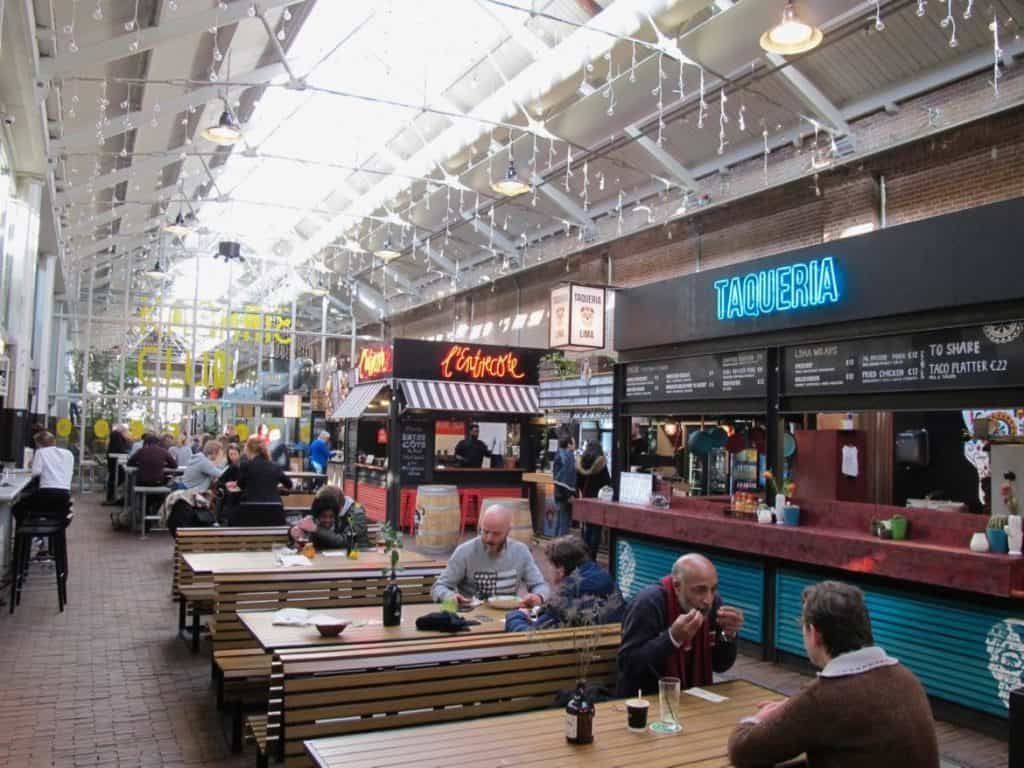
## Description De Hallen Foodhallen is one of Amsterdam’s most successful examples of adaptive reuse, turning a former tram depot into a vibrant indoor destination where food, design, and urban culture meet. Located in Amsterdam West, the complex blends a market atmosphere with a polished contemporary setting, so it feels both casual and curated. For food travelers, it is especially appealing because it concentrates many different flavors in one indoor space, making it easy to compare dishes, sample small plates, and settle in for a social meal without committing to a single restaurant. What makes Foodhallen so compelling is that it captures a distinctly Amsterdam approach to city life: practical, stylish, and communal without being overly formal. A lesser-known fact is that the building forms part of the wider De Hallen redevelopment, which transformed industrial infrastructure into a cultural and social hub with a cinema, library, boutiques, and creative spaces. Another detail worth noticing is how the setting changes the dining experience. Because the market is indoors and largely weatherproof, it works well year-round, which is a major advantage in a city where the climate can be unpredictable. The food itself is the main reason people come back. Instead of traditional market stalls with produce, Foodhallen offers a mix of street food and prepared dishes from different vendors, often ranging from Dutch comfort food to international plates and modern snacks. That diversity makes it useful for groups, because people with different tastes can all find something appealing. It is equally suitable for a solo traveler looking for a lively lunch as it is for a relaxed evening with friends. The atmosphere tends to be energetic but not chaotic, and the design of the hall gives the entire space a sense of urban polish. Another reason it ranks high with visitors is its location in a neighborhood that feels more local than postcard-touristy, yet still easy to reach. If you enjoy seeing how Amsterdam works outside the canal belt, De Hallen Foodhallen is one of the smartest stops to make. ## Location De Hallen Foodhallen is located inside the De Hallen complex in Amsterdam West, North Holland, Netherlands. The neighborhood sits a short distance from the historic center, which makes the venue easy to reach while still giving you a sense of a different side of the city. Amsterdam West is known for its residential streets, creative energy, and a more lived-in atmosphere than the most heavily visited central districts. The easiest way to get there is by tram, bike, or a short taxi ride from central Amsterdam. Public transport is typically the most convenient option for first-time visitors, and cycling can be a strong choice if you are comfortable navigating the city like a local. Once inside the complex, the Foodhallen is easy to find because it is one of the main anchor attractions. It is worth combining the visit with a broader look at De Hallen itself, especially if you are interested in architecture or urban regeneration. You can also use it as part of a neighborhood day out, exploring nearby streets, cafés, and shops before or after your meal. ## Tips Visit hungry but not starving. The venue is designed for sampling and sharing, so leaving some room for variety will make the experience more enjoyable. If you are with a group, agree on a general budget before ordering. The temptation to try several vendors can add up quickly, especially when drinks are included. Go at off-peak times if you want a calmer experience. Lunch and early evening can be lively, while late afternoons often offer a little more breathing room. Take your time choosing. The food hall format works best when you walk the full space first and compare what each vendor offers rather than committing immediately to the first appealing stall. Keep the visit flexible. De Hallen has more to offer than food alone, so leaving time for the broader complex makes the outing feel richer. ## Conclusion De Hallen Foodhallen is a polished and enjoyable Amsterdam food destination that balances variety, atmosphere, and design. Its indoor format, good location, and wide range of vendors make it an easy recommendation for travelers who want a lively meal in a memorable setting. ## FAQ ### Is De Hallen Foodhallen expensive? It can be mid-range to moderately expensive depending on what you order, but the variety makes it possible to eat well at different budgets. Small plates and sharing can help control costs. ### Is it good for families? Yes. The indoor setting, broad food selection, and casual environment make it suitable for families, especially when weather is poor or you want a relaxed place to eat together. ### Do I need reservations? Usually not for simply visiting the food hall, though some nearby venues or specific events may be different. If you plan to dine at a popular time, arriving earlier is a smart move. ### What is the best time to visit? Late lunch, early evening, or a quieter weekday visit often works well. The best time depends on whether you want a buzzing atmosphere or a more relaxed browsing experience. ## Links - [Foodhallen Amsterdam](https://foodhallen.nl/en/venues/amsterdam) - [De Hallen Amsterdam](https://dehallen-amsterdam.nl/en/)
GemVoyage Team • World
Alexandria
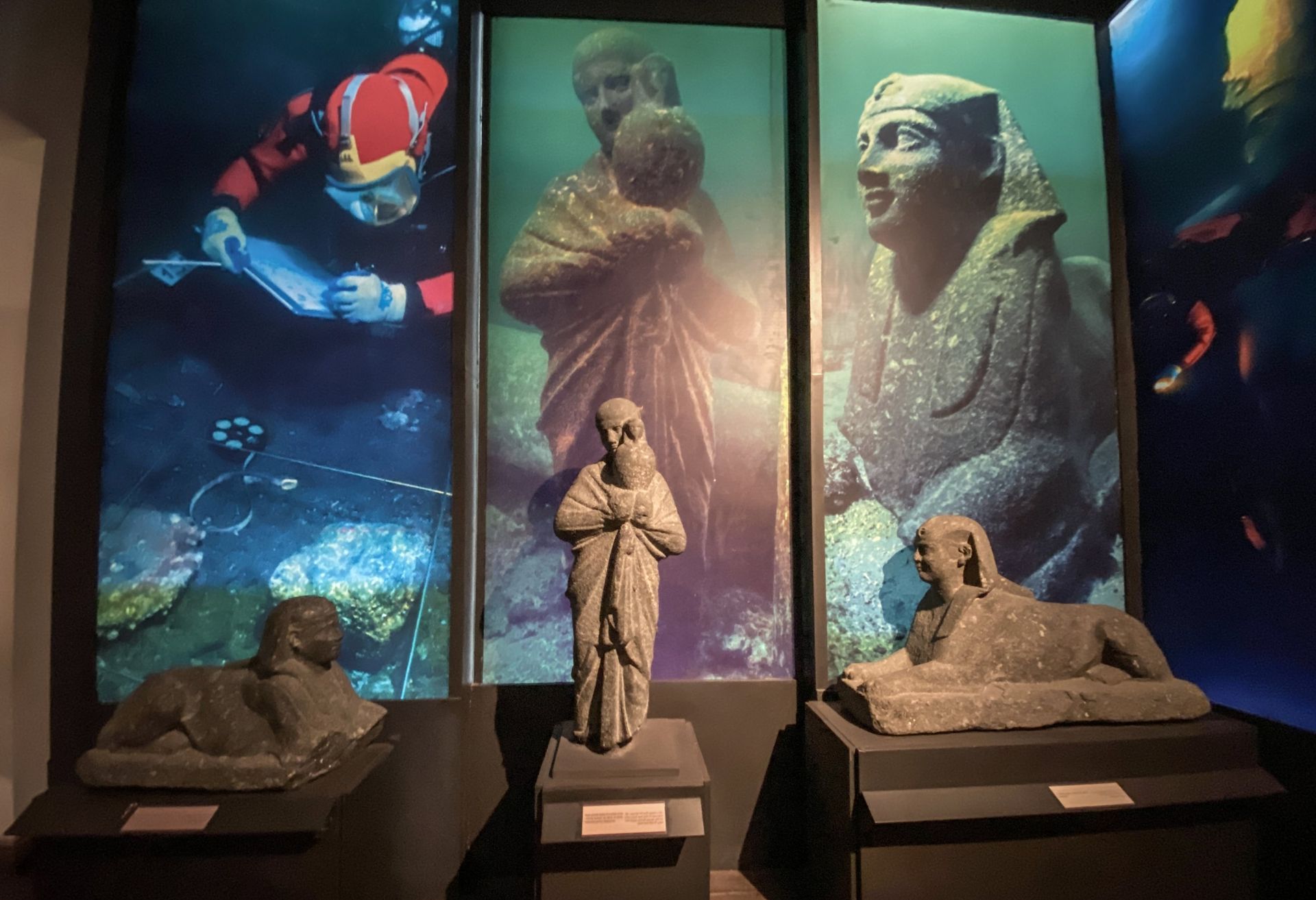
## Description Alexandria National Museum is one of the city’s most useful cultural stops because it helps visitors understand Alexandria as more than a coastal destination. The museum presents the city’s history across different periods, linking Pharaonic, Greco-Roman, Coptic, Islamic, and modern chapters into a single narrative. For travelers, this makes it especially valuable as an orientation point: you leave with a better sense of how Alexandria evolved from an ancient Mediterranean center into the modern city it is today. What makes the museum especially effective is its scale and clarity. It is not so large that it becomes exhausting, but it is substantial enough to offer real historical depth. A lesser-known fact is that the museum is housed in a restored historic building, which gives the visit a layered architectural context beyond the displays themselves. Another detail many visitors appreciate is the way the collection helps connect objects with city identity, so that artifacts do not feel detached from place. Instead, they reinforce the idea that Alexandria’s history is cumulative, cosmopolitan, and constantly reshaped by different eras. The museum is a strong choice for anyone who wants to understand why Alexandria has such a special place in Egyptian and Mediterranean history. It contextualizes the city’s role as a port, a cultural crossroads, and a site of repeated transformation. If you visit only the waterfront, you get atmosphere; if you add the national museum, you get a framework for understanding what that atmosphere means. Because the galleries are organized for accessible browsing, the museum is also suitable for visitors with limited time. You can make a focused visit without feeling that you are missing the essential story. That balance is one of its biggest strengths. ## Location Alexandria National Museum is located in Alexandria Governorate, Egypt, in the city center. Its position makes it easy to combine with other urban sights, cafés, and coastal stops. Since Alexandria is a walkable city in many sections but also spread out enough to justify taxis, the museum fits comfortably into either a walking route or a short taxi-based sightseeing plan. The easiest way to get there is by taxi or local transport from wherever you are staying in the city. If you are already exploring central Alexandria, a walk may also be practical depending on your route. Because the museum is in a central setting, it pairs naturally with other historical stops and gives structure to a city day. If you want the most rewarding visit, allow enough time to move through the collection steadily rather than rushing from room to room. ## Tips Use the museum early in your trip if you want historical orientation before visiting other landmarks. Read the labels and thematic sections carefully. The museum is most useful when you connect the objects to the city’s wider story. Plan for a visit of about 1.5 to 2 hours unless you are particularly interested in museum detail. Combine it with other Alexandria heritage stops for a fuller understanding of the city. If you are short on time, focus on the sections that tie the city’s different eras together rather than trying to absorb every detail equally. ## Conclusion Alexandria National Museum is one of the best places to understand the city’s layered identity in a compact and accessible format. It is an excellent stop for travelers who want context, not just scenery. ## FAQ ### Why visit the Alexandria National Museum? It gives a clear overview of the city’s history across different periods and helps connect the other sites you may see in Alexandria. ### Is it a large museum? It is substantial but manageable, which makes it a good choice for most travelers. ### How much time should I allow? Around 1.5 to 2 hours is usually enough for a solid visit. ### Is it good for first-time visitors? Yes. It is one of the most useful places to start if you want to understand Alexandria’s historical identity. ## Links - [Alexandria National Museum on Wikipedia](https://en.wikipedia.org/wiki/Alexandria_National_Museum) - [Egyptian Ministry of Tourism and Antiquities](https://egymonuments.gov.eg/) - [Alexandria on Wikipedia](https://en.wikipedia.org/wiki/Alexandria)
GemVoyage Team • World
Paris
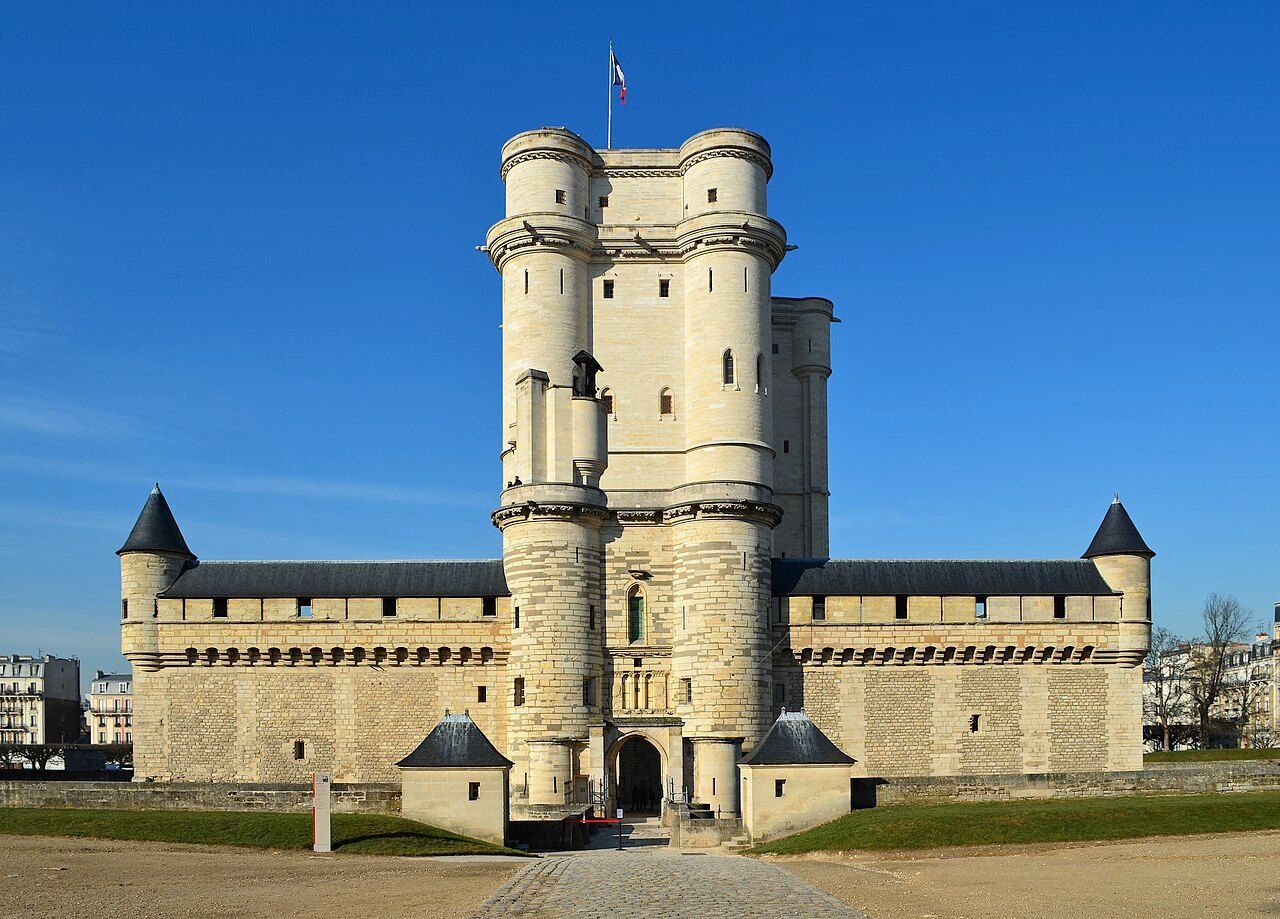
## Description The **Château de Vincennes** is one of France’s most historically significant royal fortresses and a remarkable example of **medieval military architecture** in the heart of modern Paris. Located just east of the city, this vast castle stands as a symbol of the **power, prestige, and evolution of the French monarchy** from the Middle Ages through the Renaissance. Originally built as a **hunting lodge for King Louis VII in the 12th century**, the site was transformed into a formidable **royal fortress** by **King Philip VI** and **King Charles V** during the 14th century. The result was one of Europe’s largest and most impressive medieval castles, complete with towering walls, fortified gates, and a majestic **52-meter (170-foot) keep** — the tallest medieval fortified tower in Europe. The keep, surrounded by a deep moat, served as both a **royal residence** and a **symbol of authority**. Inside, visitors can explore beautifully preserved **royal apartments**, **chapels**, and **ceremonial halls** that once housed some of France’s most powerful monarchs, including **Charles V**, **Henry IV**, and **Louis XIV**. Before Versailles rose to prominence, Vincennes was the main royal residence of the French crown. What makes the Château de Vincennes truly unique is its **dual character** — both royal and defensive. The complex includes a massive **curtain wall with nine towers**, a **drawbridge**, and a **gothic-style chapel** modeled after Sainte-Chapelle in central Paris. Over the centuries, it also served as a **royal prison**, holding famous figures such as **the Marquis de Sade**, **Denis Diderot**, and **Mirabeau**. A lesser-known fact is that the **castle was occupied by Napoleon Bonaparte’s troops**, later used as a **military arsenal**, and even served as a **command center during World War II**. Despite its turbulent past, the site remains remarkably well-preserved and offers a fascinating journey through 800 years of French history. Today, the Château de Vincennes stands as a peaceful yet awe-inspiring monument — less crowded than central Paris landmarks, making it an ideal destination for history enthusiasts seeking authenticity and atmosphere. ## Location The **Château de Vincennes** is located in the **suburb of Vincennes**, directly east of **central Paris**, within the **Val-de-Marne (Île-de-France)** region. It sits adjacent to the **Bois de Vincennes**, Paris’s largest public park. To get there: * **By metro:** Take **Line 1** to **Château de Vincennes Station**, which is just outside the main entrance. * **By RER:** The **RER A** also stops at **Vincennes Station**, about a **5-minute walk** from the castle. * **By bus:** Several Paris bus lines serve the area, including **46, 112, and 114**. * **By car:** Easily accessible via the **Périphérique** (Porte de Vincennes exit), with nearby paid parking available. * **By bike or on foot:** The surrounding **Bois de Vincennes** area offers scenic paths leading directly to the château. ## Tips * **Take the guided tour:** It offers rich historical context about the kings, prisoners, and architects who shaped the site. * **Visit the Sainte-Chapelle de Vincennes:** A stunning Gothic chapel that rivals its Parisian namesake in beauty and craftsmanship. * **Climb the keep:** The panoramic view from the top reveals both the castle’s vast grounds and the Paris skyline. * **Go early or late in the day:** To enjoy a quieter experience and capture the best light for photos. * **Combine with nearby attractions:** After your visit, explore the **Bois de Vincennes**, **Parc Floral de Paris**, or the **zoo** — all within walking distance. * **Family-friendly:** Wide courtyards and open spaces make it a great outing for families and children. * **Check for exhibitions:** The castle regularly hosts **temporary exhibitions, medieval fairs, and reenactments**. ## Conclusion The **Château de Vincennes** is a living testament to the grandeur and endurance of French royal history. With its soaring towers, Gothic chapel, and centuries of royal intrigue, it offers visitors a journey from the medieval era to modern France — all within reach of central Paris. Far less crowded than the city’s major monuments, it’s a place where you can truly feel the **power, elegance, and mystery** of France’s royal past. Whether you’re fascinated by architecture, military history, or French monarchy, the Château de Vincennes promises an experience both majestic and intimate. ## FAQ **1. When was the Château de Vincennes built?** Construction began in the **14th century** under **Philip VI** and **Charles V**, though the site dates back to a 12th-century royal hunting lodge. **2. What is the château known for?** It is renowned as **France’s largest medieval royal fortress**, featuring Europe’s tallest keep and a beautifully preserved Gothic chapel. **3. How can I get there from central Paris?** Take **Metro Line 1** directly to **Château de Vincennes Station** — it’s the last stop on the line and just a few minutes’ walk from the castle. **4. Are guided tours available?** Yes, guided tours in French and English are offered daily and provide detailed insights into the château’s rich history. **5. How long should I plan for a visit?** Allow about **2–3 hours** to explore the keep, chapel, and grounds at a comfortable pace. **6. Is it suitable for children?** Yes — children often enjoy exploring the towers and open courtyards, and there are family-friendly tours available. **7. When is the best time to visit?** Spring and early autumn offer pleasant weather and fewer crowds, though the château is open year-round. ## Links * [Wikipedia page](https://en.wikipedia.org/wiki/Ch%C3%A2teau_de_Vincennes)
GemVoyage Team • World
Stockholm
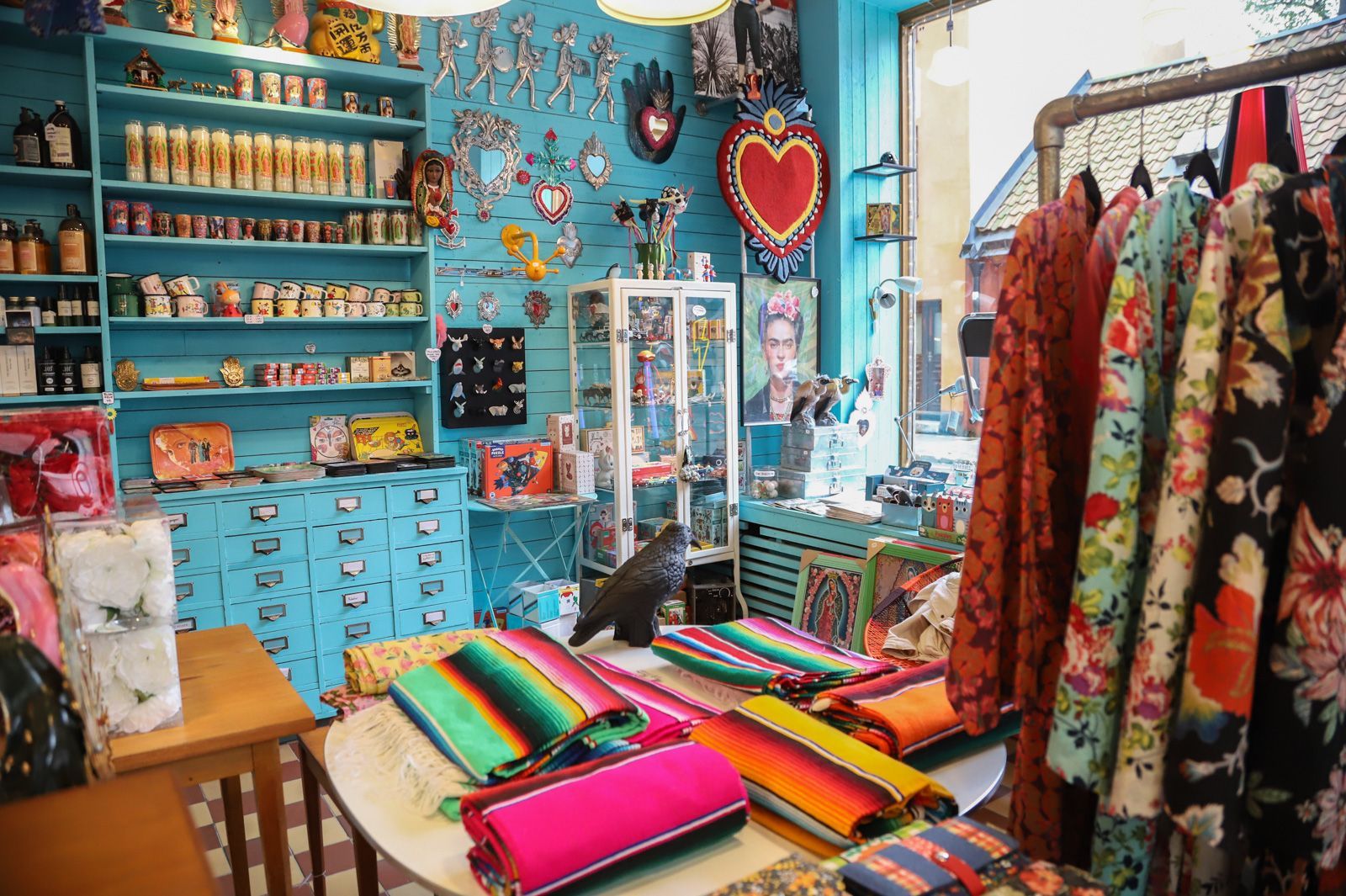
## Description Södermalm has a reputation as one of Stockholm’s most creative and self-assured districts, and its vintage shops are a big part of that identity. The area draws people who like fashion with history, pieces with character, and browsing that feels more like discovery than consumption. Unlike retail zones built around uniform shopping streets, Södermalm’s vintage scene is scattered through a district that already feels interesting to walk through. That means the shopping experience is inseparable from the neighborhood itself. The appeal of Södermalm vintage shops is not only the clothes. It is the curation, the neighborhood energy, and the sense that the area has a long memory. Stockholm’s relationship with design, sustainability, and thoughtful consumption makes secondhand shopping feel especially natural here. You can find everything from well-preserved Scandinavian basics to statement pieces, accessories, workwear, and occasional design objects. Some shops specialize tightly; others feel like treasure hunts where the best finds appear when you least expect them. One little-known fact is that Södermalm’s secondhand culture is closely tied to the district’s broader reputation for indie creativity and alternative style. Another is that many visitors underestimate how pleasant the neighborhood is for walking between shops. Even when one store is busy, the next street might feel calm, which keeps the experience relaxed and exploratory rather than transactional. For travelers who enjoy fashion but dislike generic mall shopping, this is an especially good environment. There is also a practical advantage. Vintage shopping in Södermalm can be combined with cafés, viewpoints, galleries, and neighborhood walks, so the district never feels like a single-purpose retail stop. It becomes part shopping outing, part urban exploration, and part cultural snapshot of Stockholm itself. The result is a richer visit than simply buying clothes. You are also seeing how locals shape style, reuse, and everyday city life. ## Location The vintage shops are located across Södermalm, an island district in central Stockholm, Sweden. Södermalm sits south of Gamla Stan and is one of the easiest central areas of Stockholm to explore on foot. The shopping spots are spread through several streets and pockets of the district, so the experience works best when you treat it as a neighborhood walk rather than a fixed single destination. The easiest way to reach Södermalm is by Stockholm’s metro system, bus network, or on foot from the city center. Medborgarplatsen, Slussen, and other nearby stations are practical starting points depending on which part of the district you want to explore. Because the best finds are often spread out, a comfortable pair of shoes helps more than a tightly scheduled plan. If you are visiting in winter, plan for shorter daylight hours and use indoor stops such as cafés to break up the walk. In warmer months, the district is especially pleasant because moving between shops feels almost like a mini city tour in itself. ## Tips - Start with a broad walk through the district before committing to specific shops. That helps you understand the neighborhood layout. - Look for quality as much as price. The best vintage pieces in Stockholm often stand out because of condition, cut, and timeless design. - Bring a reusable bag or extra room in your luggage if you plan to buy clothing or small home items. - Pair shopping with coffee or lunch so you can pace yourself and avoid rushed decisions. - Visit more than one shop style. A good vintage outing in Södermalm usually mixes curated boutiques, thrift stores, and neighborhood secondhand spots. ## Conclusion Södermalm’s vintage shops offer more than shopping. They give you a stylish way to experience one of Stockholm’s most characterful districts while discovering clothing and objects that feel personal, sustainable, and distinctly local. ## FAQ ### Is Södermalm good for vintage shopping even if I am not a fashion expert? Yes. The neighborhood is easy to browse casually, and many stores are approachable even if you are not hunting for something specific. The pleasure is as much in the atmosphere as in the purchase. ### Are the shops expensive? Prices vary a lot. Some stores are highly curated and price pieces accordingly, while others are more affordable. Stockholm generally has a reputation for quality over bargain-bin pricing. ### How much time should I set aside? At least a few hours if you want to enjoy the area properly. The best experience comes from mixing browsing with time for walking, coffee, and neighborhood exploration. ### Can I combine vintage shopping with other sightseeing? Definitely. Södermalm is close to scenic viewpoints, restaurants, and central Stockholm landmarks, so it fits easily into a larger city day. ## Links - [Södermalm on Wikipedia](https://en.wikipedia.org/wiki/S%C3%B6dermalm) - [Visit Stockholm](https://www.visitstockholm.com/)
GemVoyage Team • World
Paris
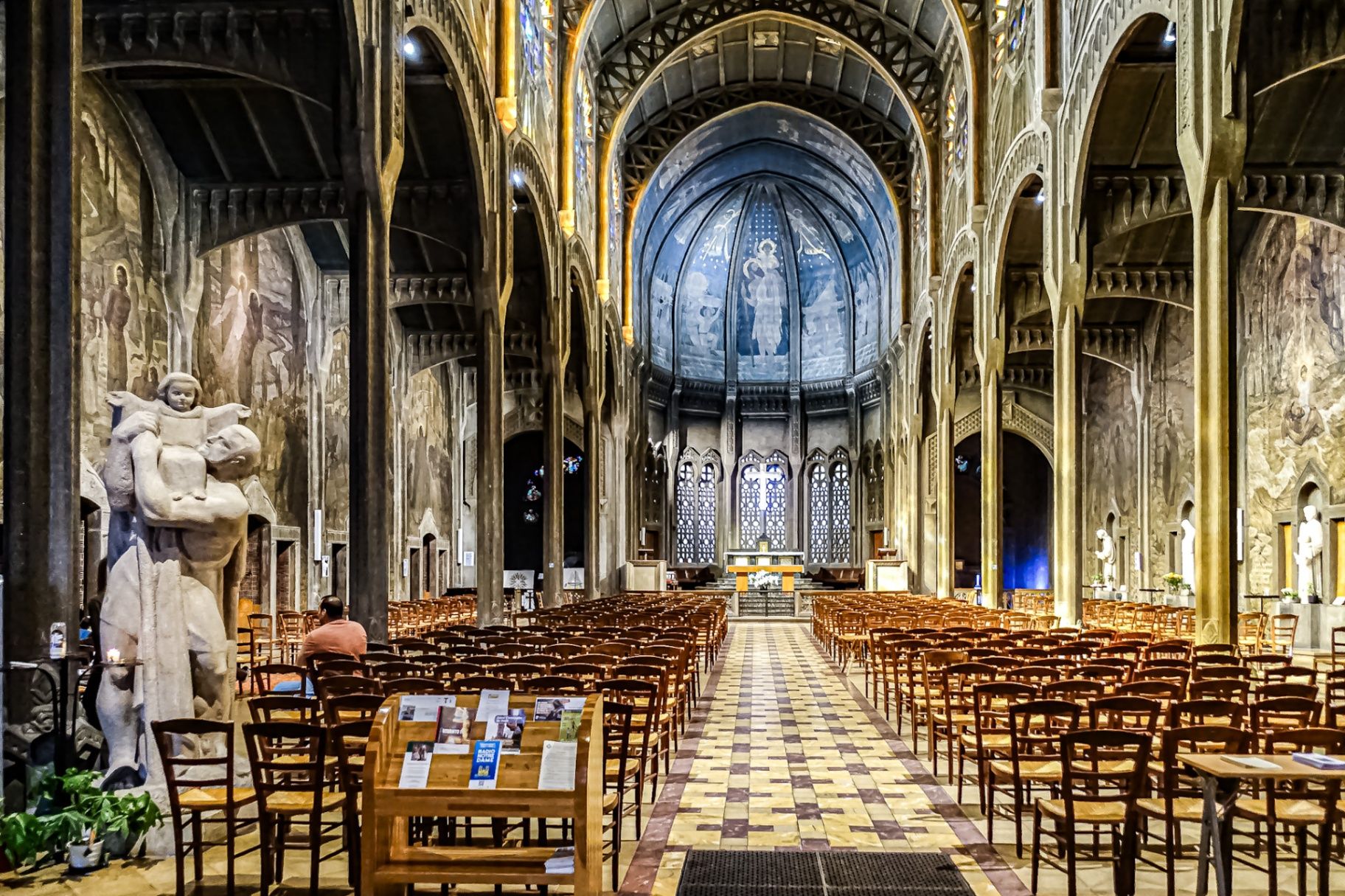
## Description The **Église Saint-Christophe-de-Javel** is one of Paris’s most striking and unconventional churches, standing as a powerful statement of **modernist religious architecture in the early 20th century**. Unlike the Gothic cathedrals and Baroque churches that dominate the Parisian religious landscape, Saint-Christophe-de-Javel was built using **reinforced concrete**, embracing industrial materials and architectural modernity at a time when such choices were still considered radical for sacred buildings. Constructed between **1926 and 1930**, the church was designed to serve the rapidly expanding working-class population of the **Javel district**, which had become a major industrial zone dominated by factories, workshops, and labor housing. The church’s architectural identity reflects this environment: **solid, functional, stripped of excess ornament**, yet deeply symbolic through proportion, light, and structure. The most defining feature is the **massive concrete nave**, whose exposed structural elements create a sense of raw strength and vertical ascension. Rather than relying on traditional stone vaulting, the church uses **modern engineering principles** to achieve its spacious interior. This gives the building a powerful, almost monumental atmosphere that feels both spiritual and industrial at the same time. Inside, the mood shifts dramatically through the use of **colored stained glass**, designed by **Marguerite Huré**, a pioneer of abstract religious glass art. Instead of depicting traditional figurative biblical scenes, many of the windows focus on **symbolic color composition and geometric light patterns**, allowing light itself to become the primary spiritual medium. The church is dedicated to **Saint Christopher**, the patron saint of travelers and workers—an especially fitting dedication for a parish built in an industrial transport district along the Seine. The building served not only as a religious space, but also as a **social anchor for factory workers and their families**, reinforcing its identity as a church of the modern urban age. A little-known fact is that Saint-Christophe-de-Javel was among the **first churches in France to fully embrace reinforced concrete as its primary structural material**, decades before such construction would become common in religious architecture. Another lesser-known detail is that the project was influenced by the ideas of **Dom Paul Bellot**, a Benedictine monk-architect famous for merging modern materials with sacred geometry—making this church part of a broader European movement to redefine how faith could be expressed through contemporary form. Today, Saint-Christophe-de-Javel remains both a functioning parish church and a **quiet architectural landmark**, largely overlooked by mass tourism. For visitors interested in architecture, urban history, and modern religious design, it offers a rare opportunity to see how spirituality was reinterpreted through the language of concrete, geometry, and light. ## Location **Église Saint-Christophe-de-Javel** is located in the **15th arrondissement of Paris**, along the **left bank of the Seine**, near the **Pont Mirabeau** and the former industrial zones of Javel. **City:** Paris **Region:** Île-de-France **Country:** France **Arrondissement:** 15th **Area:** Javel ### How to Get There: * **By metro:** Take **Line 10** to **Javel–André Citroën Station**, then walk about 5 minutes. * **By RER:** Use **RER C** to **Javel Station**, then walk along the Seine. * **By bus:** Several bus lines serve the Javel and Beaugrenelle area. * **By taxi or ride-hailing apps:** A direct and convenient option from anywhere in Paris. * **By bicycle:** The riverside bike path along the Seine leads directly past the church. The location makes it easy to combine the visit with **Parc André Citroën, Beaugrenelle shopping district, and a scenic Seine river walk**. ## Tips * **Visit during daylight hours:** Natural light through the stained glass is essential to the interior atmosphere. * **Check parish opening times:** As an active church, visiting hours may differ from service times. * **Silence is expected:** This is not a tourist-heavy site and remains a place of worship. * **Architecture lovers should bring binocular vision:** The scale and proportions are best appreciated from multiple viewpoints inside the nave. * **Combine with a Seine stroll:** The contrast between riverside leisure and industrial-modern architecture is striking. * **Do not expect ornate decoration:** This church speaks through structure and light, not sculpture and gold. * **Photography is usually permitted without flash:** Always confirm locally. ## Conclusion The **Église Saint-Christophe-de-Javel** is a compelling example of how **modern materials and industrial aesthetics were fused with sacred architecture** in early 20th-century Paris. Built for workers, shaped by concrete, and illuminated by abstract stained glass, the church stands as a quiet monument to faith in the age of machines. It is a destination for those who seek architecture with depth, restraint, and historical purpose rather than visual excess. ## FAQ **1. What makes Saint-Christophe-de-Javel unique among Paris churches?** It is constructed primarily from **reinforced concrete**, making it one of the earliest modernist churches in Paris. **2. Is the church still active?** Yes. It remains an **active Catholic parish** with regular services. **3. Who was the church built for?** It was built to serve the **industrial working-class population of the Javel district**. **4. Are there famous artworks inside?** Yes. The **stained-glass windows by Marguerite Huré** are especially significant in the history of abstract religious art. **5. Is there an entrance fee?** No. Entry is **free**, as the building functions as a public parish church. **6. How long does a visit typically take?** Most visitors spend **20 to 40 minutes**, depending on interest in architecture and photography. ## Links * [Visit Paris](https://parisjetaime.com/eng/)
GemVoyage Team • World