GemVoyage Team • World
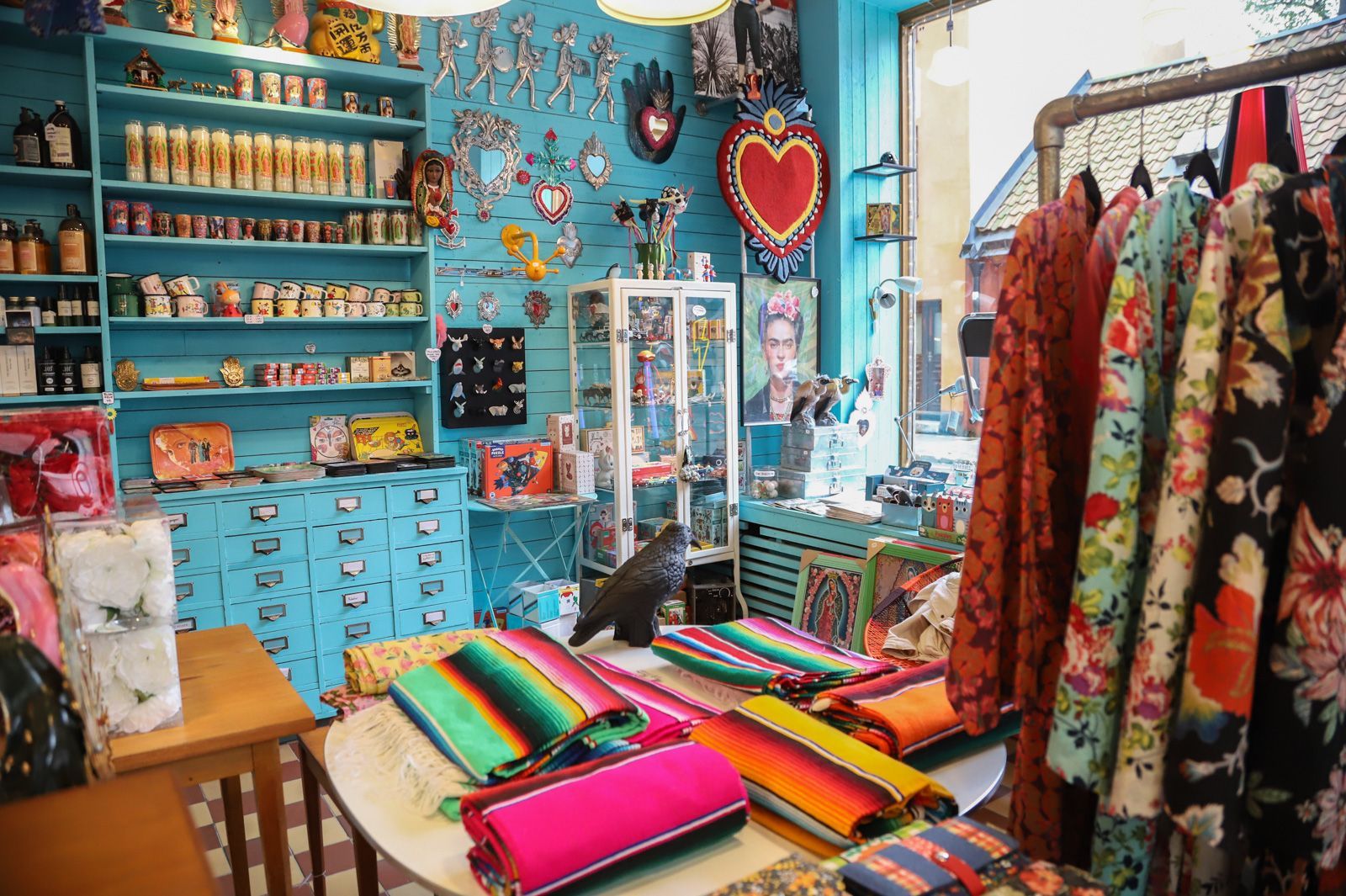
The appeal of Södermalm vintage shops is not only the clothes. It is the curation, the neighborhood energy, and the sense that the area has a long memory. Stockholm’s relationship with design, sustainability, and thoughtful consumption makes secondhand shopping feel especially natural here. You can find everything from well-preserved Scandinavian basics to statement pieces, accessories, workwear, and occasional design objects. Some shops specialize tightly; others feel like treasure hunts where the best finds appear when you least expect them.
One little-known fact is that Södermalm’s secondhand culture is closely tied to the district’s broader reputation for indie creativity and alternative style. Another is that many visitors underestimate how pleasant the neighborhood is for walking between shops. Even when one store is busy, the next street might feel calm, which keeps the experience relaxed and exploratory rather than transactional. For travelers who enjoy fashion but dislike generic mall shopping, this is an especially good environment.
There is also a practical advantage. Vintage shopping in Södermalm can be combined with cafés, viewpoints, galleries, and neighborhood walks, so the district never feels like a single-purpose retail stop. It becomes part shopping outing, part urban exploration, and part cultural snapshot of Stockholm itself. The result is a richer visit than simply buying clothes. You are also seeing how locals shape style, reuse, and everyday city life.
The easiest way to reach Södermalm is by Stockholm’s metro system, bus network, or on foot from the city center. Medborgarplatsen, Slussen, and other nearby stations are practical starting points depending on which part of the district you want to explore. Because the best finds are often spread out, a comfortable pair of shoes helps more than a tightly scheduled plan.
If you are visiting in winter, plan for shorter daylight hours and use indoor stops such as cafés to break up the walk. In warmer months, the district is especially pleasant because moving between shops feels almost like a mini city tour in itself.
Discover more hidden gems you might love.
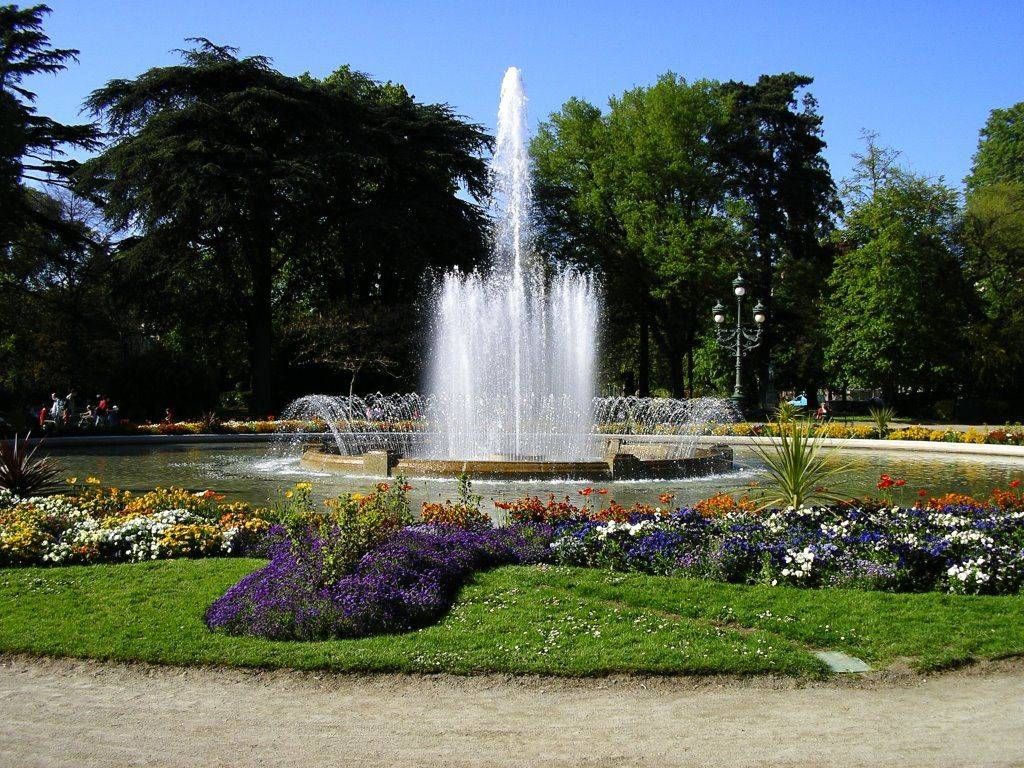
Toulouse
## Description The Jardin des Plantes in Toulouse is one of the city’s most beloved green spaces, offering a calm and refreshing escape from urban life. Originally created in the 18th century as a botanical garden for scientific study, it has since evolved into a public park that blends nature, history, and leisure. With its shaded paths, ponds, statues, and diverse plant life, the garden attracts families, students, and visitors looking to experience Toulouse at a gentler pace. What makes the Jardin des Plantes unique is its dual identity as both a historical botanical site and a modern recreational park. Although it no longer functions strictly as a scientific garden, many plant species and layout elements reflect its original purpose. A little-known fact is that the garden once served as a training ground for medical students studying botany and pharmacology. Another lesser-known detail is that it forms part of a larger green corridor together with the nearby Grand Rond and Jardin Royal, creating a continuous landscaped area rarely found in dense city centers. The Jardin des Plantes also features playgrounds, a carousel, and cultural installations, making it appealing to visitors of all ages while preserving a sense of historical continuity. ## Location The Jardin des Plantes is located in **France**, in the **Occitanie** region, within the city of **Toulouse**. It lies just south of the historic center, near the Muséum de Toulouse and the Canal du Midi. The garden is easily accessible by public transportation. The nearest metro station is **Palais de Justice** on Line B, which is about a 10-minute walk away. Several bus lines also serve the area. Visitors staying in central Toulouse can reach the park comfortably on foot or by bicycle, as the surrounding streets are pedestrian-friendly and well connected. ## Tips * Visit in the morning or late afternoon for a quieter and more relaxing atmosphere. * Spring and early summer are ideal for enjoying flowers and greenery at their peak. * Bring a book or picnic to fully enjoy the peaceful setting. * Families with children should check out the playground and carousel areas. * Combine your visit with the nearby Muséum de Toulouse for a full day of culture and nature. * Respect the garden rules by staying on paths and preserving plant areas. ## Conclusion The Jardin des Plantes in Toulouse offers a harmonious blend of history, nature, and everyday life. Whether you are seeking relaxation, family-friendly activities, or a scenic walk, this botanical garden remains one of the city’s most charming and accessible attractions. ## FAQ **Is the Jardin des Plantes free to enter?** Yes, entrance to the garden is free for all visitors. **How much time should I plan to spend there?** Most visitors spend between 30 minutes and two hours, depending on activities. **Is the Jardin des Plantes suitable for children?** Yes, it features playgrounds and open spaces ideal for families. **Can I picnic in the garden?** Yes, picnicking is allowed in designated areas. **Is the garden open year-round?** Yes, it is open throughout the year, though hours vary by season. ## Links * [Toulouse Tourism Official Website](https://www.toulouse-tourisme.com)
GemVoyage Team • World
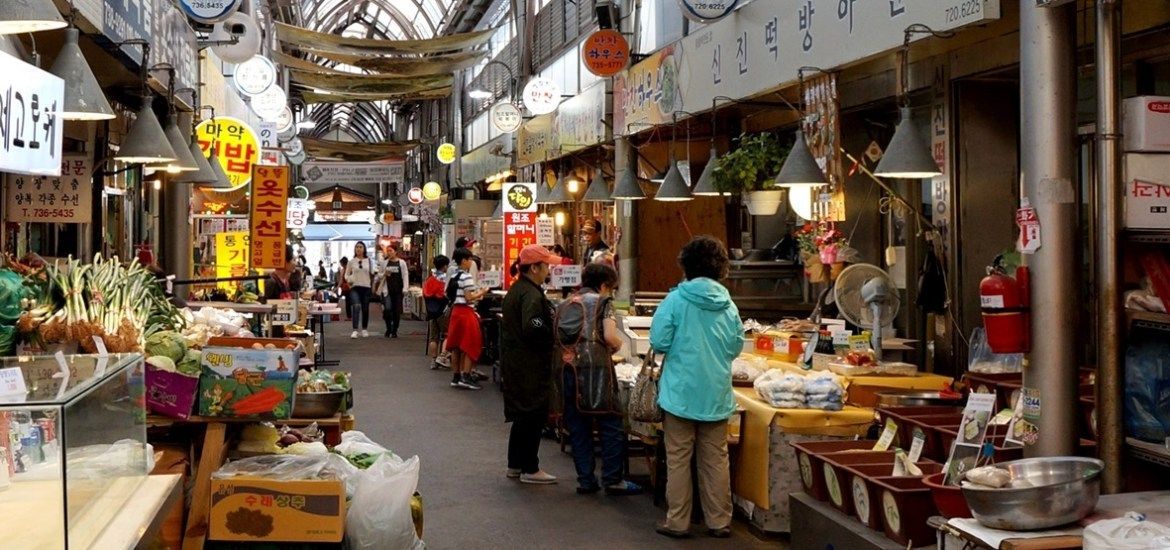
Seoul
## Description Tongin Market is a compact, characterful market in central Seoul famous for its Dosirak Café, a hands-on lunch experience where visitors exchange tokens for small plates to fill a personalized lunchbox (dosirak). The market’s atmosphere is lively and local: stalls sell banchan, grilled fish and meats, fresh kimchi and seasonal produce, while small indoor counters offer soups and comforting home-style dishes. Tongin’s post-war history as a community trade hub gives the market an intimate, neighborhood feel, and several long-running family stalls preserve recipes passed down through generations. The Dosirak Café system is the market’s signature: buy a set number of tokens, trade them for small portions at participating stalls, and assemble a mixed meal that showcases different flavors and textures. This approach encourages sampling, conversation and culinary discovery—perfect for visitors who want to taste many dishes without committing to a single restaurant. Tongin’s vendors balance straightforward comfort food with subtle house specialties, and the market’s layout makes it easy to move from stall to stall, spotting unique snacks and regional ingredients along the way. Beyond the food, Tongin sits within a culturally rich neighborhood near Gyeongbokgung Palace and Seochon, which rewards pairing the market visit with historic sightseeing and gallery strolls. The market’s scale and accessibility make it ideal for solo travelers, couples and families looking for an authentic taste of Seoul’s food traditions. ## Location Tongin Market is located in Jongno-gu in central Seoul, a short walk from Gyeongbokgung Palace and within the Seochon neighborhood. The closest subway stop is Gyeongbokgung (Line 3), and it’s a 10–15 minute walk through interesting historic streets. Buses and taxis are plentiful in this central district, and the market is easily combined with a morning of palace visits and nearby galleries and cafes. Because Tongin is centrally located, it makes a convenient stop on a cultural day itinerary: visit the palace, stroll Seochon’s alleyways, then refuel at the market with a token-driven dosirak or a hot bowl of jjigae at a neighborhood eatery. ## Tips - Arrive early, especially on weekends—popular stalls can develop short lines during midday. - Buy dosirak tokens at the market office and pace your token use so you can sample a variety of stalls. - Ask vendors what’s house-made and seasonal; small stalls often serve regional banchan and specialties not found elsewhere. - Carry modest cash; many vendors accept cards, but tokens and small cash payments remain the norm. - Be mindful of shared seating etiquette: food is communal and stalls expect quick, polite turnover during busy periods. ## Conclusion Tongin Market captures the social and culinary warmth of Seoul’s neighborhood markets. The Dosirak Café system turns dining into an exploratory game of tastes, and the market overall rewards curiosity and good manners. For travelers who want to eat like a local, sample many dishes and experience genuine hospitality, Tongin remains a memorable, portable culinary experience. ## FAQ Q: How do I use the Dosirak Café? A: Buy your tokens at the market office, then present tokens to participating stalls in exchange for small portions. Keep tokens until you’ve built your preferred dosirak, then find shared seating to enjoy your selection. Q: Can visitors with dietary restrictions find options? A: Yes—vegetarian and pescatarian choices are common (many banchan are vegetable-based). For strict allergies or vegan diets, ask vendors about ingredients and preparation to avoid hidden animal products. Q: Is the market wheelchair accessible? A: Accessibility varies across older market alleys; main approaches are walkable but some stalls and passages have steps—contact local tourist information for help planning an accessible route. Q: Are there English menus or signage? A: English is limited but many vendors use photographs or display dishes. A translation app, pointing to items or asking staff at the token office can help. ## Links - [Tongin Market (Wikipedia)](https://en.wikipedia.org/wiki/Tongin_Market)
GemVoyage Team • World
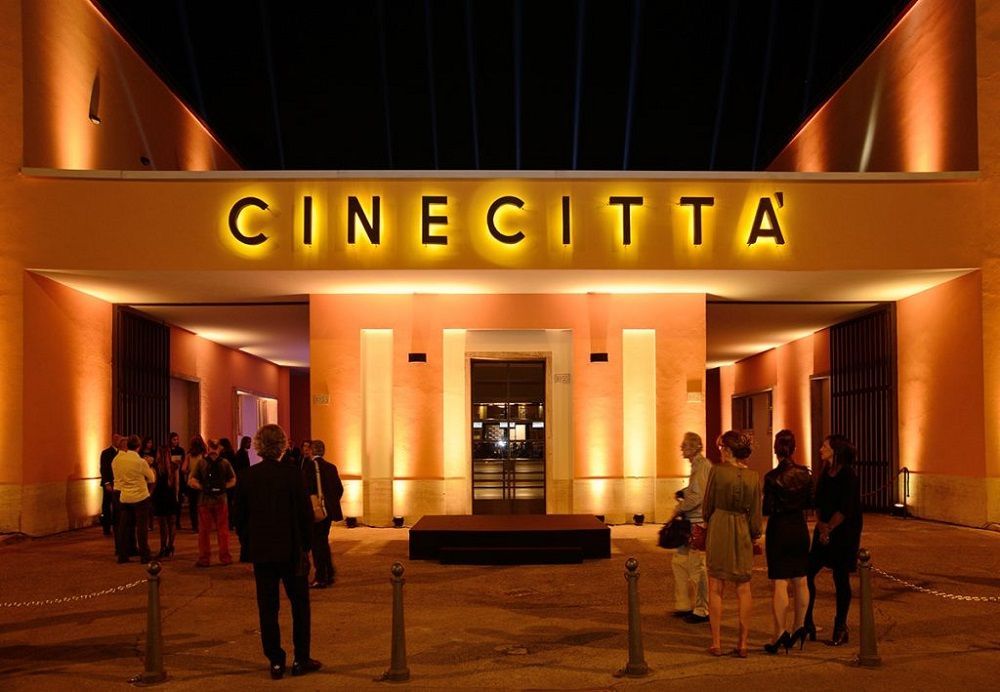
Rome
## Description Cinecittà Studios is Italy’s legendary film complex and a living monument to cinematic history. Since its founding in 1937, Cinecittà has hosted major Italian auteurs and international productions, shaping genres from neorealism to epic historical spectacles. Today it functions as both a working studio and a public-facing cultural institution: visitors can explore set reconstructions, costume archives, interactive exhibits, and occasional behind-the-scenes tours that illuminate how films are made. Part of Cinecittà’s allure is its scale and continuity. The studio once housed elaborate built environments—a Roman forum, full-scale palaces and desert landscapes—used in grand historical epics. Though some of those sets were temporary, many props, set fragments and costume pieces have been preserved and curated for public display. The institution also showcases technical crafts that are often invisible to audiences: model making, matte painting, lighting rigs, and costume workshops. For film students and enthusiasts, Cinecittà is a place to see the physical processes that support cinematic imagination. What visitors often remember most are tactile encounters: seeing original costumes under museum lighting, stepping onto a reconstructed soundstage, or viewing archival footage that places modern films in a long lineage of Italian cinema. Temporary exhibitions frequently spotlight famous directors, film movements, or technical achievements, and festival programming can add screenings, talks and workshops to the calendar. Educational programs and bookings: Cinecittà runs occasional workshops, masterclasses and educational programs aimed at students and emerging filmmakers. If you are visiting as part of a study group or with professional interest, contact the studio’s education office to explore scheduling options and group rates. ## Location Cinecittà Studios is southeast of central Rome in the Cinecittà district, easily reached from Termini station and other central hubs. The nearest metro stop is Cinecittà on Line A, which provides a straightforward public transit route for visitors. Getting there: take Metro Line A to Cinecittà station and follow signage, or use buses that serve the district. Taxis and rideshares are convenient if you’re carrying equipment or traveling in a group. Many visitors pair a Cinecittà visit with nearby cultural routes such as the Appian Way or archeological tours of ancient Rome. ## Tips - Book tickets and special tours in advance: popular guided tours and temporary exhibitions can sell out during peak tourist months. - Arrive early to enjoy quieter galleries and to join early guided tours or screenings. - Check the events calendar for film festivals, masterclasses and special exhibits that may offer unique access or programming. - Wear comfortable shoes and be prepared for walking between lots; some areas are outdoor or semi-covered. - Ask about audio guides or guided tours led by studio personnel for a more technical view of production processes. - If you're a student or industry professional, check for discounted or specialized access with proof of affiliation. ## Conclusion Cinecittà Studios uniquely blends cinematic heritage and active production. It provides a rare opportunity to understand filmmaking as collaborative craft—an encounter with the material culture of cinema, from ateliers and props to full-scale set design. Whether you're a cinephile, student, or casual visitor, Cinecittà offers insights into how film history and contemporary production practice meet. ## FAQ Q: Can visitors tour actual soundstages? A: Many guided tours include access to selected soundstages and set reconstructions, but availability depends on production schedules and conservation needs. Booking in advance improves your chances of stage access. Q: Is there an on-site museum and what does it display? A: Yes. Cinecittà’s museum displays costumes, props, archival photographs and multimedia exhibits that trace Italian and international film history. Q: Are tours available in English? A: Yes—guided tours and audioguides are typically offered in multiple languages, including English. Verify language options when booking. Q: How long should I plan for a visit? A: Depending on whether you take a guided tour or explore exhibitions independently, allocate 2–4 hours to comfortably enjoy the museum and studio areas. Q: Can I visit if a film production is underway? A: Public access can be limited during active productions. Check the studio’s schedule and tour availability when planning your visit. ## Links - [Cinecittà Studios (official)](https://www.cinecitta.com) - [Wikipedia: Cinecittà](https://en.wikipedia.org/wiki/Cinecitt%C3%A0)
GemVoyage Team • World
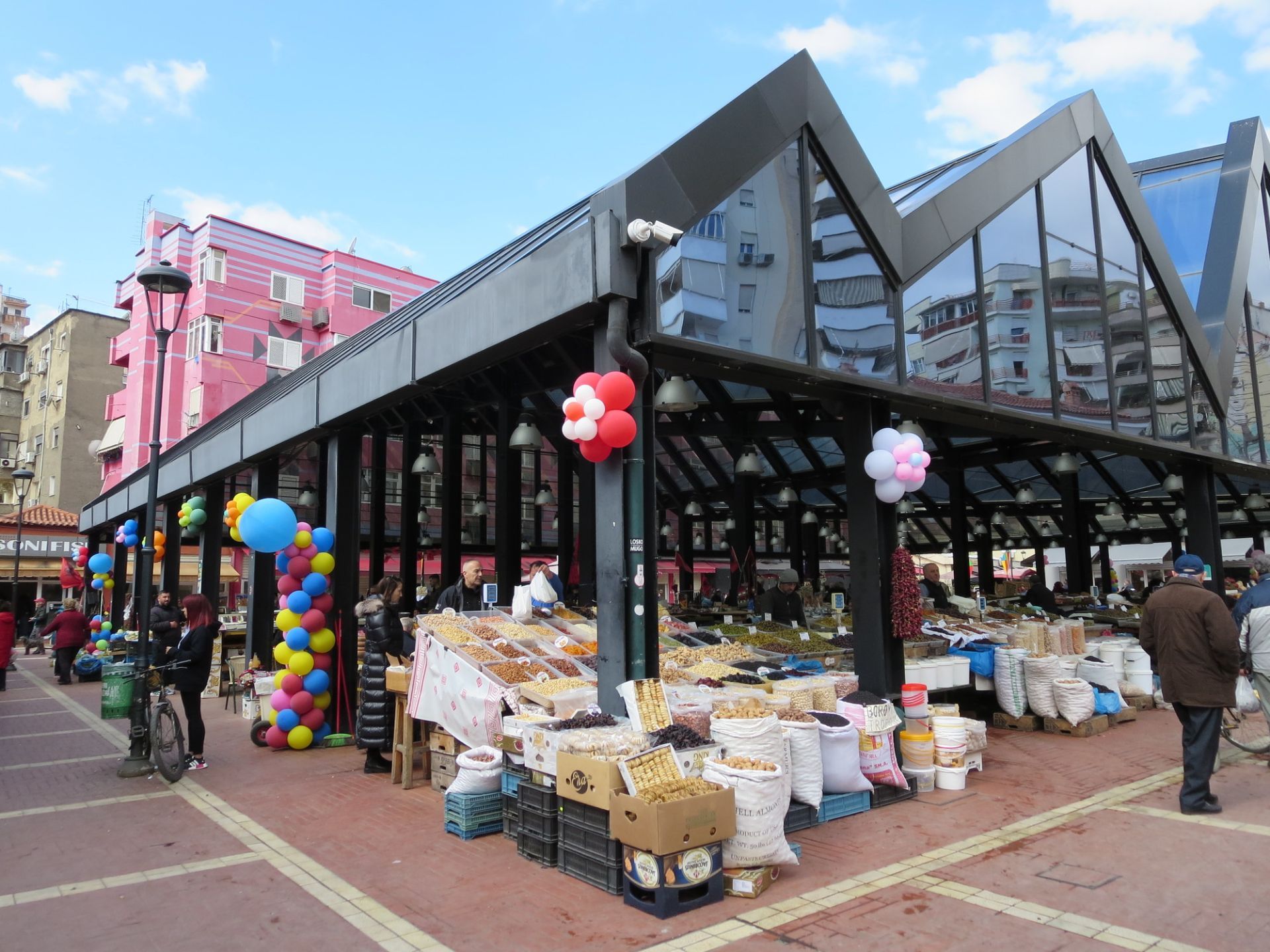
Tirana
## Description Pazari i Ri, or the New Bazaar, is one of the most engaging places to experience Tirana in everyday motion. It is a market, but also much more than that. The area combines food, neighborhood life, casual shopping, and urban social energy in a way that makes it feel central to how the city now presents itself. Visitors often come expecting a simple market stop and end up spending much longer because the atmosphere is so easy to enjoy. The market’s strength is its blend of old and new. Traditional produce stalls and food sellers sit alongside cafés, contemporary public space, and a district that has been reimagined for modern city life without losing its local feel. One little-known fact is that Pazari i Ri has become a symbol of Tirana’s broader urban renewal, showing how the city can update itself while keeping a neighborhood scale. Another is that it is one of the easiest places to observe how locals shop, eat, and meet during the day, making it valuable for travelers who want more than landmark sightseeing. Food is a major reason to go. Fresh fruit, vegetables, herbs, cheeses, spices, and prepared dishes all contribute to a lively market atmosphere. The surrounding area also makes it simple to sit down for coffee or a meal after browsing. That flexibility is important because it allows the market to work as both a practical stop and a relaxed social outing. You do not have to buy anything to enjoy the visit. Watching the movement, hearing the conversations, and taking in the color and rhythm of the place is enough. For visitors, Pazari i Ri offers a nice balance between structure and spontaneity. You can go there with a shopping list if you want, but you can also simply wander and let the market lead you. Because it sits within central Tirana, it is one of the easiest places to combine with sightseeing, making it a very efficient and satisfying addition to a city day. ## Location Pazari i Ri is located in central Tirana, Albania, a short distance from the city’s main center and many of its major pedestrian and civic areas. It is easy to fit into a day that also includes Skanderbeg Square, nearby museums, or central cafés. The market is very accessible on foot from the core city center, which makes it especially convenient for visitors staying in central Tirana. Taxis and ride-hailing services are also simple options, but walking is often the most pleasant way to arrive because it lets you approach the area gradually and notice the changing urban texture around it. Since the market is central, it works well at almost any time of day, though morning and lunchtime visits tend to feel most active. If your schedule is open, try to arrive when people are shopping for daily supplies, because that is when the market feels most local and animated. ## Tips - Go hungry. The area around the market is one of the easiest places in Tirana to combine browsing with a meal or snack. - Visit in the morning if you want the freshest produce and the most active local rhythm. - Take time to look beyond the main stalls. The surrounding streets and cafés are part of the experience. - Use the market as a people-watching stop as well as a shopping stop. It is a good place to observe daily life. - Bring small notes or a card, but be flexible. Different vendors may prefer different payment methods. ## Conclusion Pazari i Ri is one of Tirana’s best examples of a market that feels both practical and social. It gives travelers an easy way to see the city’s everyday life while enjoying food, color, and a lively central setting. ## FAQ ### Is Pazari i Ri mostly for tourists? No. It is used by locals as well, especially for shopping and daily routines, which gives it a more authentic atmosphere. ### What should I buy there? Fresh produce, local foods, small snacks, and market-style goods are the most natural purchases, though the experience is just as enjoyable if you only browse. ### Is it a good place for lunch? Yes. The surrounding area has enough food and café options that it works very well as a lunch stop. ### How long should I stay? You can see the essentials in under an hour, but a slower visit with coffee or a meal often makes the experience much better. ## Links - [Tirana official tourism information](https://visit-tirana.com/) - [Tirana on Wikipedia](https://en.wikipedia.org/wiki/Tirana)
GemVoyage Team • World
Baalbek
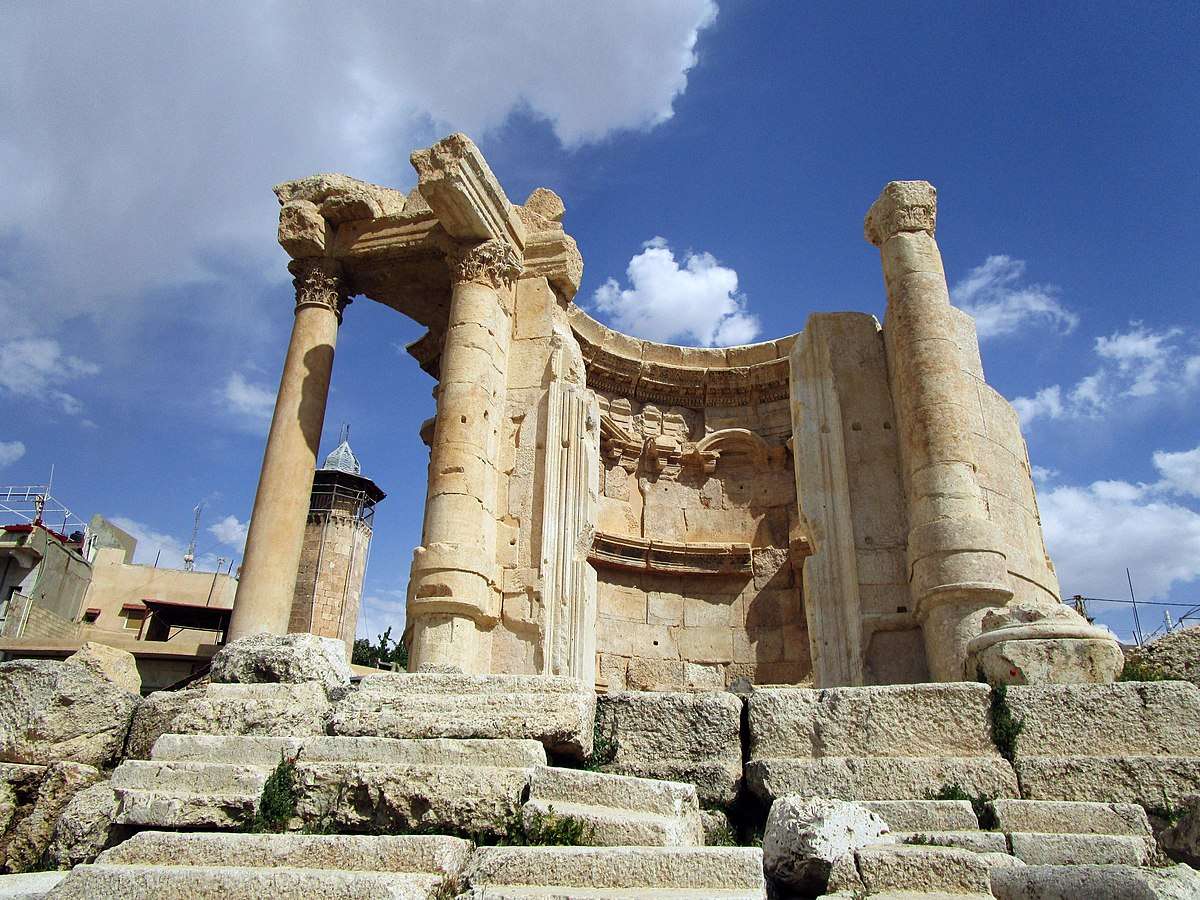
## Description The Temple of Venus in Baalbek, Lebanon, is a captivating remnant of Roman architecture and religious history, tucked within one of the most impressive archaeological complexes in the Middle East. Built in the 3rd century AD, this temple stands out for its **unusual circular design**, a departure from the more common rectangular Roman temples. It was dedicated to Venus, the Roman goddess of love and beauty, and its elegant structure reflects the sensuality and grace associated with her worship. Unlike the colossal temples of Jupiter and Bacchus nearby, the Temple of Venus is more intimate in scale but no less remarkable. It sits atop a horseshoe-shaped platform and features a circular shrine with a square entrance. The outer façade is adorned with five niches, each decorated with carvings of doves and shells—symbols traditionally linked to Venus. These details, along with the temple’s baroque-style curves and arches, showcase a fusion of Roman and Hellenistic architectural techniques. A little-known fact: the temple was later converted into a Christian church dedicated to Saint Barbara, a martyr whose legend is still revered in Lebanon. According to tradition, she was killed by her pagan father for converting to Christianity, and the temple’s continued use as a sacred site reflects the layered religious history of Baalbek. Today, a small mosque stands nearby, underscoring the site’s enduring spiritual significance across centuries and faiths. ## Location The Temple of Venus is located in **Lebanon**, within the **Baalbek-Hermel Governorate**, in the ancient city of **Baalbek**. This city lies in the **northern Bekaa Valley**, a region known for its fertile lands and rich historical tapestry. ### How to Get There: - **By Car**: From Beirut, Baalbek is about a 2-hour drive northeast. The route via Zahle offers scenic views of the Bekaa Valley. - **By Bus**: Public minibuses run from Beirut’s Cola Station to Baalbek, though schedules can be irregular. - **By Tour**: Many guided tours from Beirut include Baalbek’s temple complex, often paired with visits to Anjar or Ksara Winery. Once in Baalbek, the Temple of Venus is just a short walk from the main entrance to the Roman ruins, southeast of the Temple of Jupiter. ## Tips for Visitors To make the most of your visit to the Temple of Venus, consider these tips: - **Visit Early or Late**: The site can get hot and crowded midday. Morning or late afternoon offers better lighting and fewer tourists. - **Wear Comfortable Shoes**: The terrain is uneven, with ancient stones and gravel paths. - **Hire a Guide**: A local guide can provide rich historical context and point out hidden details you might miss. - **Respect the Site**: This is a sacred and historical location. Avoid climbing on ruins or touching carvings. - **Bring Water and Sunscreen**: The Bekaa Valley can be dry and sunny, especially in summer. - **Explore the Whole Complex**: Don’t miss the nearby temples of Jupiter and Bacchus, which are among the largest Roman temples ever built. ## Conclusion The Temple of Venus in Baalbek is a graceful and historically rich monument that offers a unique glimpse into Roman spirituality, architectural innovation, and Lebanon’s layered religious heritage. Its elegant design and enduring presence make it a must-visit for history lovers and curious travelers alike. ## FAQ **1. When was the Temple of Venus built?** It was constructed in the 3rd century AD during the Roman Empire. **2. What makes the Temple of Venus unique?** Its circular design, horseshoe-shaped platform, and symbolic carvings distinguish it from typical Roman temples. **3. Is the temple part of a larger complex?** Yes, it’s part of the Baalbek temple complex, which includes the massive temples of Jupiter and Bacchus. **4. Can I visit the temple year-round?** Yes, the site is open daily and accessible throughout the year. **5. Is there an entrance fee?** Yes, entry to the Baalbek ruins requires a ticket, which includes access to the Temple of Venus. **6. Is the site family-friendly?** Absolutely. The complex is suitable for children and offers a fascinating educational experience. ## Links - [Baalbek Temple of Venus – Livius Ancient History](https://www.livius.org/articles/place/heliopolis-baalbek/baalbek-photos/baalbek-temple-of-the-venus/)
GemVoyage Team • World
Paris
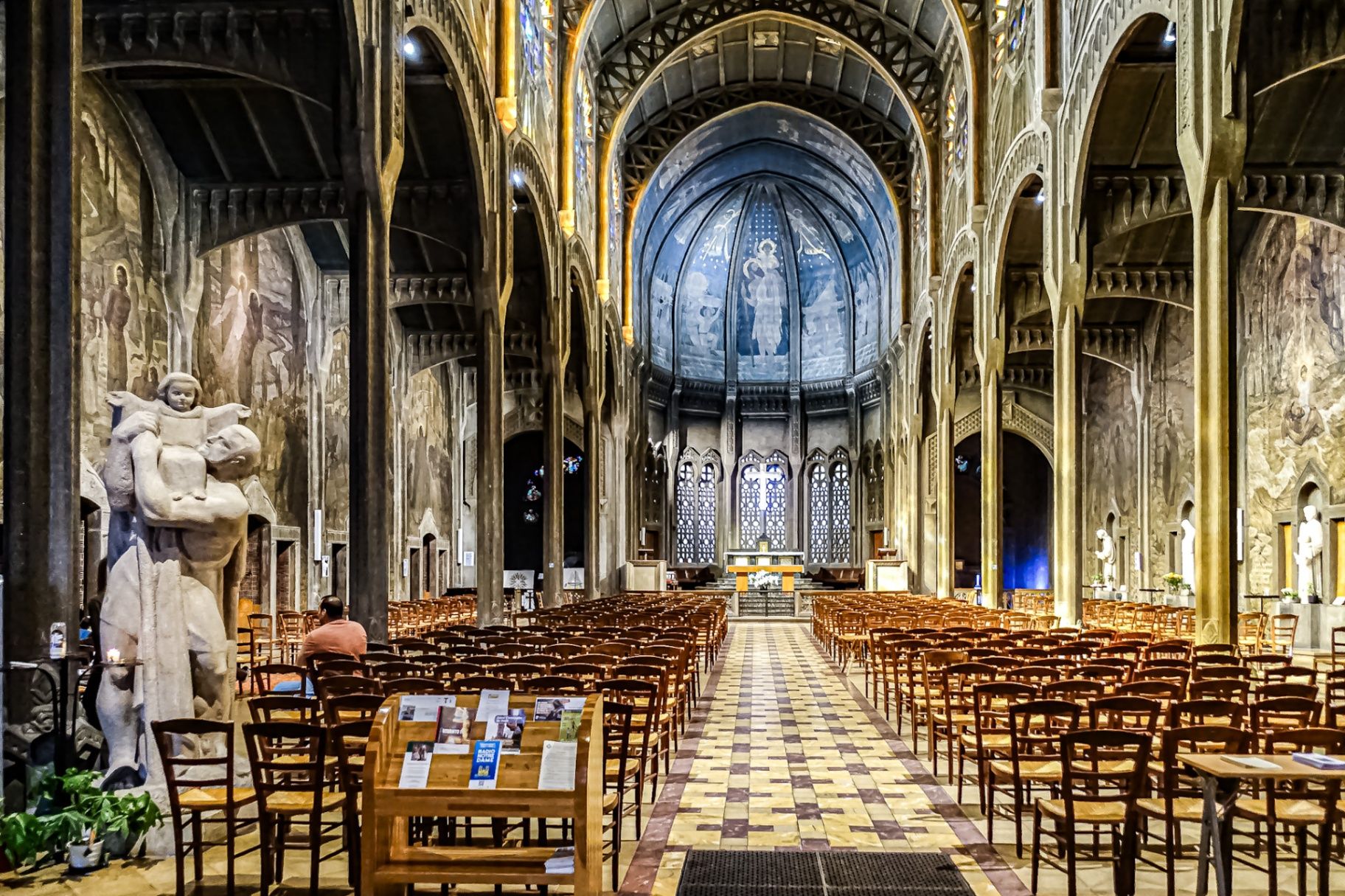
## Description The **Église Saint-Christophe-de-Javel** is one of Paris’s most striking and unconventional churches, standing as a powerful statement of **modernist religious architecture in the early 20th century**. Unlike the Gothic cathedrals and Baroque churches that dominate the Parisian religious landscape, Saint-Christophe-de-Javel was built using **reinforced concrete**, embracing industrial materials and architectural modernity at a time when such choices were still considered radical for sacred buildings. Constructed between **1926 and 1930**, the church was designed to serve the rapidly expanding working-class population of the **Javel district**, which had become a major industrial zone dominated by factories, workshops, and labor housing. The church’s architectural identity reflects this environment: **solid, functional, stripped of excess ornament**, yet deeply symbolic through proportion, light, and structure. The most defining feature is the **massive concrete nave**, whose exposed structural elements create a sense of raw strength and vertical ascension. Rather than relying on traditional stone vaulting, the church uses **modern engineering principles** to achieve its spacious interior. This gives the building a powerful, almost monumental atmosphere that feels both spiritual and industrial at the same time. Inside, the mood shifts dramatically through the use of **colored stained glass**, designed by **Marguerite Huré**, a pioneer of abstract religious glass art. Instead of depicting traditional figurative biblical scenes, many of the windows focus on **symbolic color composition and geometric light patterns**, allowing light itself to become the primary spiritual medium. The church is dedicated to **Saint Christopher**, the patron saint of travelers and workers—an especially fitting dedication for a parish built in an industrial transport district along the Seine. The building served not only as a religious space, but also as a **social anchor for factory workers and their families**, reinforcing its identity as a church of the modern urban age. A little-known fact is that Saint-Christophe-de-Javel was among the **first churches in France to fully embrace reinforced concrete as its primary structural material**, decades before such construction would become common in religious architecture. Another lesser-known detail is that the project was influenced by the ideas of **Dom Paul Bellot**, a Benedictine monk-architect famous for merging modern materials with sacred geometry—making this church part of a broader European movement to redefine how faith could be expressed through contemporary form. Today, Saint-Christophe-de-Javel remains both a functioning parish church and a **quiet architectural landmark**, largely overlooked by mass tourism. For visitors interested in architecture, urban history, and modern religious design, it offers a rare opportunity to see how spirituality was reinterpreted through the language of concrete, geometry, and light. ## Location **Église Saint-Christophe-de-Javel** is located in the **15th arrondissement of Paris**, along the **left bank of the Seine**, near the **Pont Mirabeau** and the former industrial zones of Javel. **City:** Paris **Region:** Île-de-France **Country:** France **Arrondissement:** 15th **Area:** Javel ### How to Get There: * **By metro:** Take **Line 10** to **Javel–André Citroën Station**, then walk about 5 minutes. * **By RER:** Use **RER C** to **Javel Station**, then walk along the Seine. * **By bus:** Several bus lines serve the Javel and Beaugrenelle area. * **By taxi or ride-hailing apps:** A direct and convenient option from anywhere in Paris. * **By bicycle:** The riverside bike path along the Seine leads directly past the church. The location makes it easy to combine the visit with **Parc André Citroën, Beaugrenelle shopping district, and a scenic Seine river walk**. ## Tips * **Visit during daylight hours:** Natural light through the stained glass is essential to the interior atmosphere. * **Check parish opening times:** As an active church, visiting hours may differ from service times. * **Silence is expected:** This is not a tourist-heavy site and remains a place of worship. * **Architecture lovers should bring binocular vision:** The scale and proportions are best appreciated from multiple viewpoints inside the nave. * **Combine with a Seine stroll:** The contrast between riverside leisure and industrial-modern architecture is striking. * **Do not expect ornate decoration:** This church speaks through structure and light, not sculpture and gold. * **Photography is usually permitted without flash:** Always confirm locally. ## Conclusion The **Église Saint-Christophe-de-Javel** is a compelling example of how **modern materials and industrial aesthetics were fused with sacred architecture** in early 20th-century Paris. Built for workers, shaped by concrete, and illuminated by abstract stained glass, the church stands as a quiet monument to faith in the age of machines. It is a destination for those who seek architecture with depth, restraint, and historical purpose rather than visual excess. ## FAQ **1. What makes Saint-Christophe-de-Javel unique among Paris churches?** It is constructed primarily from **reinforced concrete**, making it one of the earliest modernist churches in Paris. **2. Is the church still active?** Yes. It remains an **active Catholic parish** with regular services. **3. Who was the church built for?** It was built to serve the **industrial working-class population of the Javel district**. **4. Are there famous artworks inside?** Yes. The **stained-glass windows by Marguerite Huré** are especially significant in the history of abstract religious art. **5. Is there an entrance fee?** No. Entry is **free**, as the building functions as a public parish church. **6. How long does a visit typically take?** Most visitors spend **20 to 40 minutes**, depending on interest in architecture and photography. ## Links * [Visit Paris](https://parisjetaime.com/eng/)
GemVoyage Team • World

Comments