GemVoyage Team • World
What makes this place especially interesting is the contrast between its appearance and its history. A lesser-known fact is that the Izmailovsky Kremlin is not an ancient fortress but a relatively modern cultural complex, built to create a romanticized version of Russian architectural heritage. That means visitors are not seeing medieval ruins; they are seeing a carefully staged environment that celebrates traditional motifs. Far from diminishing the experience, that quality makes the market fascinating because it shows how Moscow turns national identity into a public-facing visitor attraction. Another little-known detail is that the market is part of a larger leisure zone connected to parks and weekend browsing culture, so it is best experienced as a long stroll rather than a quick shopping errand.
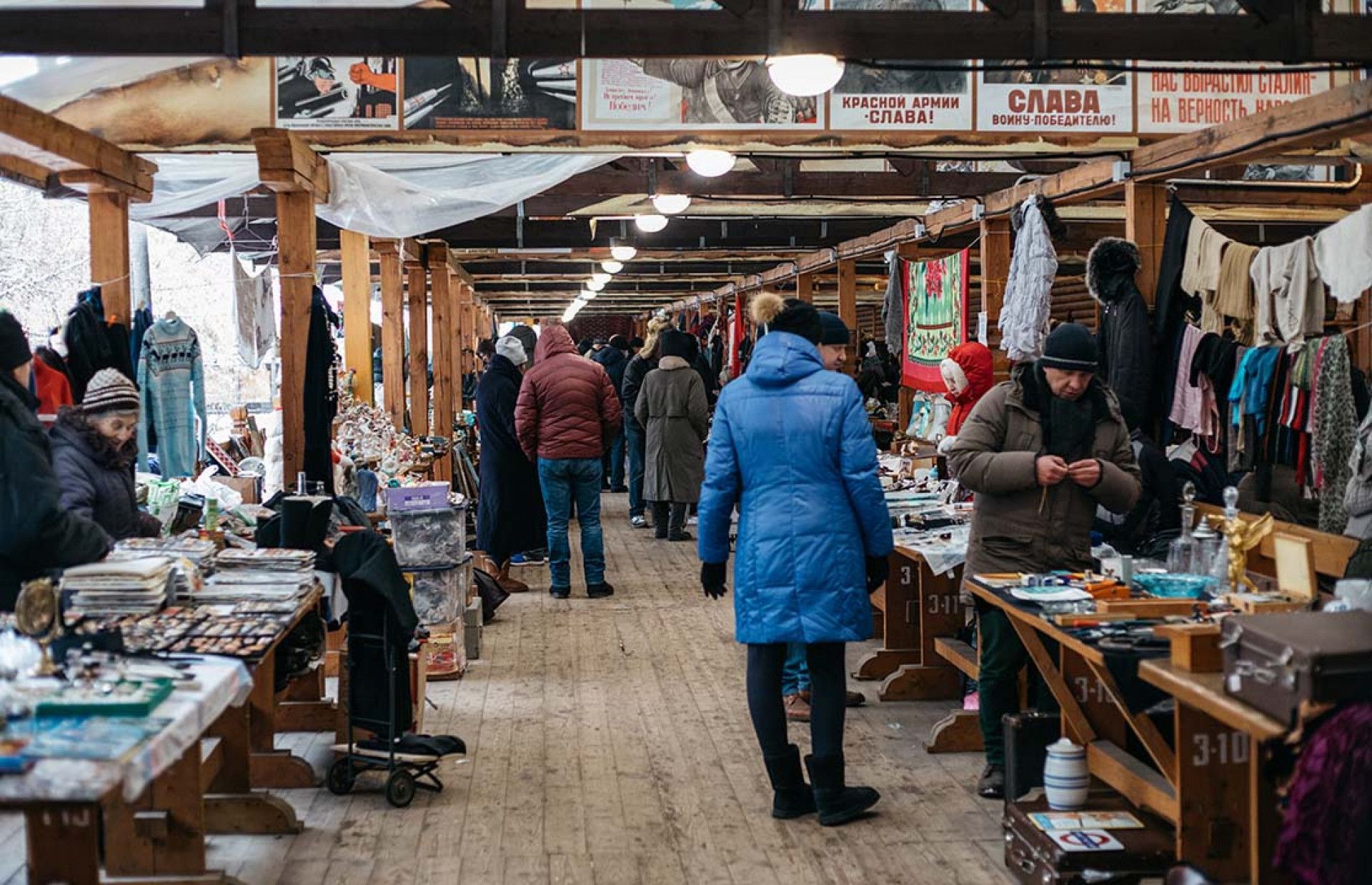
For travelers, the real value of Izmailovsky Kremlin Market is the range. You can browse polished souvenirs for gift buying, but you can also hunt for more unusual items, talk to sellers, compare craftsmanship, and discover how Soviet and post-Soviet memory coexist in one shopping environment. The market is particularly good for people who like objects with stories: carved wood, painted ceramics, enamel pieces, old cameras, badges, and handmade textiles all share space here. Even if you do not buy anything, the architectural spectacle, color, and crowd energy make it one of Moscow’s more memorable non-museum stops.
It is also an easy place to photograph because the buildings are so striking. The market is popular with both domestic visitors and international travelers, but it still feels lively rather than over-curated. That balance is hard to find, and it is one reason the market continues to matter in Moscow’s tourism landscape.
If you are coming from central Moscow, plan on using the metro and then walking from the nearest station. That is usually faster and more predictable than surface transport in heavy traffic. Once you arrive, the market is straightforward to explore on foot, and the surrounding complex encourages slow browsing. Travelers should also consider pairing the visit with nearby parks or additional parts of the Izmailovo area, especially if the weather is good.
Because the market is oriented toward browsing and souvenir hunting, timing matters less than atmosphere. Weekends are often livelier and more rewarding if you want the widest energy and the fullest market feel. Weekdays may be calmer and better for a less crowded experience.
Inspect quality carefully, especially for antiques and collectibles. Some stalls specialize in authentic older pieces, while others focus on decorative or reproduction items. Ask questions before you buy.
Bring cash as well as a card. Market habits can vary, and small purchases are often easier with local currency in hand.
If you are shopping for souvenirs, compare several stalls before making a purchase. Prices can vary more than first-time visitors expect.
Do not ignore the setting. The market is enjoyable even when you are not actively buying, so allow time to walk around, take photos, and enjoy the exaggerated Russian architectural style.
Discover more hidden gems you might love.
Faro
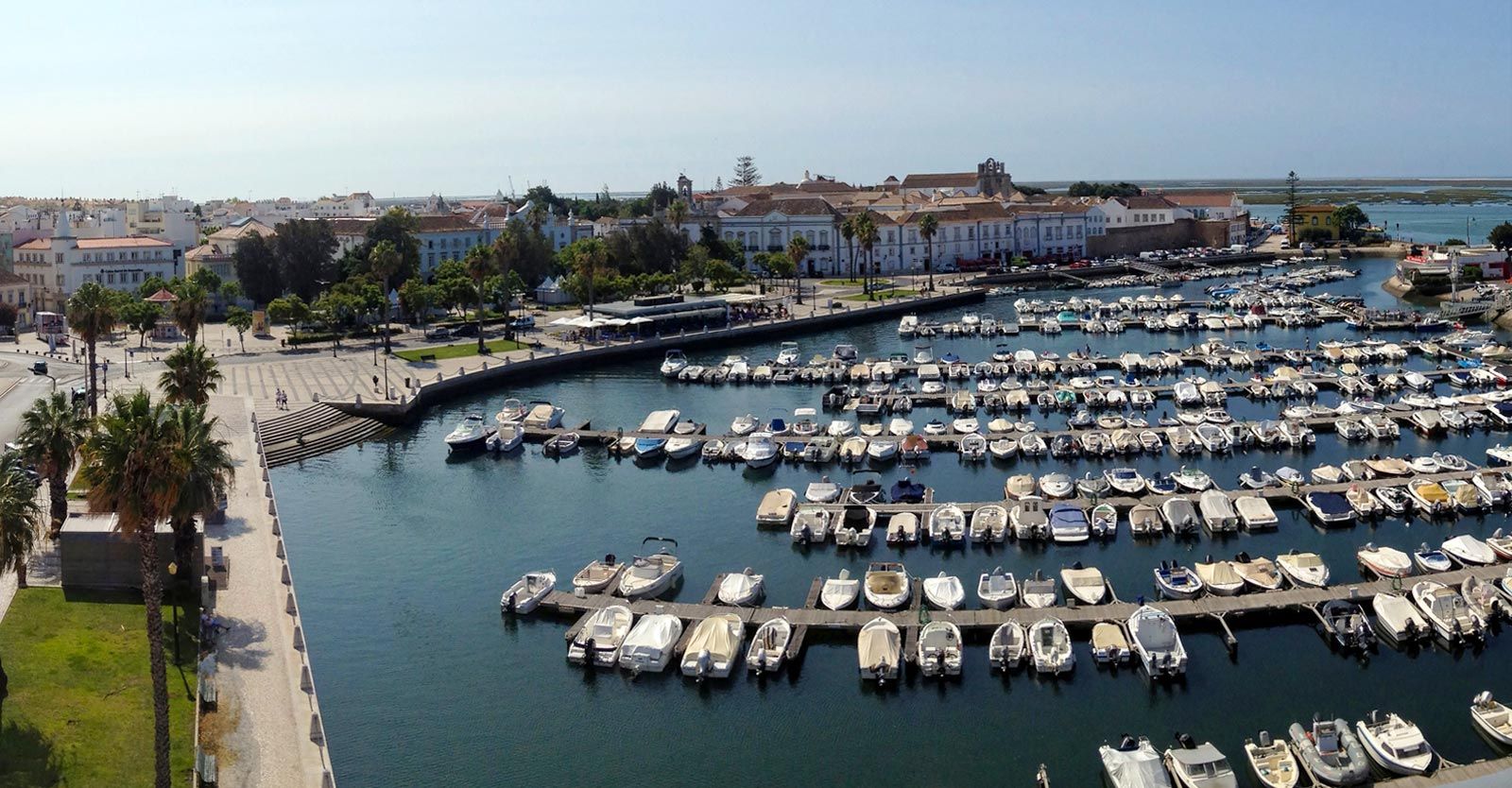
## Description Faro Marina is one of the most picturesque and lively spots in the Algarve region of southern Portugal. Nestled right in the heart of Faro, the marina is a central meeting point where the city’s charm blends seamlessly with its maritime heritage. With a backdrop of palm trees, elegant architecture, and rows of yachts and fishing boats bobbing gently on the water, it’s a place that embodies the relaxed yet vibrant spirit of coastal Portugal. What makes Faro Marina unique is not only its stunning scenery but also its role as a **gateway to the Ria Formosa Natural Park**, one of Portugal’s most beautiful protected lagoons. Many boat tours depart from the marina, offering visitors the chance to explore secluded islands, birdwatch, or enjoy a relaxing cruise at sunset. A little-known fact about Faro Marina is that the **large stork nests perched on lampposts and rooftops** around the harbor are a common sight, adding to its charm and making it a favorite spot for photographers. Another interesting detail is that the marina is often used for cultural events and festivals, turning it into a lively gathering point during summer evenings. ## Location Faro Marina is located in **Faro, the capital of the Algarve region in Portugal**. It sits right by the **city center**, just across from the historic old town and within walking distance of landmarks such as the **Arco da Vila** and **Faro Cathedral**. Its central location makes it a natural starting point for exploring both the city and the Algarve coastline. ### Recommendation on How to Get There From **Faro Airport**, the marina is only about a **10-minute drive** or a 15-minute bus ride on the airport shuttle. If you’re arriving by train or bus, both stations are within a short walking distance of the marina. For those exploring the Algarve by car, Faro is well-connected by road, and public parking is available near the city center. ## Tips Here are some helpful tips to make your visit to Faro Marina memorable: * **Take a Boat Tour**: Don’t miss the opportunity to explore the Ria Formosa islands, such as Ilha Deserta or Ilha do Farol, by booking a boat tour directly from the marina. * **Enjoy a Sunset Drink**: The waterfront is lined with cafés and bars—perfect for enjoying a glass of Portuguese wine or a cocktail while watching the sun go down. * **Photography Spot**: Bring your camera, especially for capturing the boats, the palm-fringed promenade, and the storks nesting nearby. * **Combine With Old Town Visit**: Since the marina is next to Faro’s historic district, combine your visit with a walk through cobbled streets, museums, and churches. * **Best Time to Visit**: Early evening is ideal, as the marina lights up beautifully, and the temperature is more comfortable during warmer months. * **Look Out for Events**: During summer, concerts, markets, and festivals are often held at or near the marina, adding extra vibrancy to your visit. ## Conclusion Faro Marina is more than just a harbor—it’s a cultural and social hub that captures the essence of Faro and the Algarve. With its stunning waterfront views, lively atmosphere, and easy access to natural wonders like the Ria Formosa, it’s a must-visit spot for anyone traveling to southern Portugal. Whether you’re taking a boat tour, enjoying a drink by the water, or simply strolling along the promenade, Faro Marina is sure to leave a lasting impression. ## FAQ **1. What can I do at Faro Marina?** You can enjoy boat tours to the Ria Formosa islands, dine at waterfront cafés, attend local events, or simply relax and admire the views. **2. Is Faro Marina close to the city center?** Yes, it’s located in the heart of Faro and is within walking distance of the historic old town and main transport hubs. **3. Are boat tours available year-round?** Yes, although availability and schedules may vary depending on the season. Summer offers the widest selection of tours. **4. Is it family-friendly?** Absolutely. The marina is pedestrian-friendly and offers plenty of open space, making it great for families with children. **5. Can I see wildlife at the marina?** Yes, you’ll often spot storks nesting nearby, and boat tours will take you to the Ria Formosa lagoon, which is rich in birdlife. **6. How long should I plan to spend at Faro Marina?** A casual visit might take an hour, but if you’re combining it with a boat trip and old town exploration, plan for half a day or more. ## Links * [Official Faro Tourism Office](https://www.faro.pt/en)
GemVoyage Team • World
Copenhagen
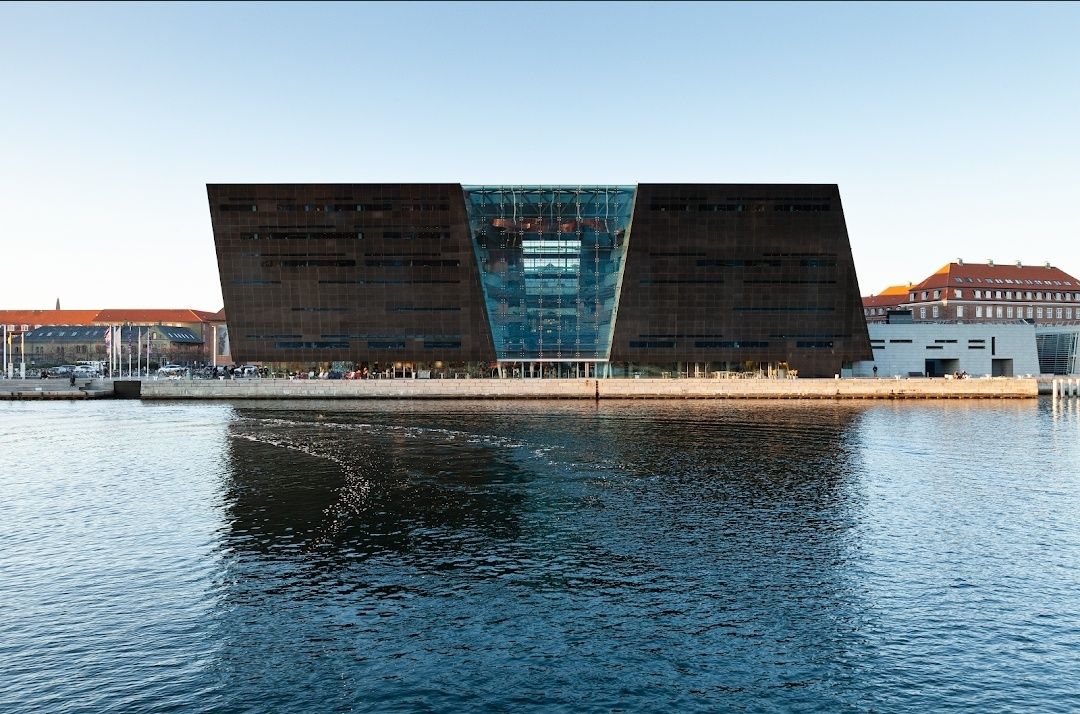
## Description The **Royal Library in Copenhagen**, also known as **Det Kongelige Bibliotek**, is one of Denmark’s most prestigious cultural landmarks and the largest library in the Nordic countries. Founded in 1648 by King Frederik III, the library houses an extraordinary collection of books, manuscripts, maps, photographs, and historical documents that trace the cultural and intellectual evolution of Denmark and beyond. One of the most striking features of the library is the **Black Diamond**, a modern extension completed in 1999. With its sleek black granite façade reflecting the Copenhagen waterfront, the Black Diamond has become an architectural icon blending tradition with modernity. Inside, visitors find an impressive atrium, reading rooms, exhibition halls, and even a concert hall, making it more than just a library—it is a cultural hub. A little-known fact is that the library holds nearly **all works ever printed in Denmark** since the 17th century, thanks to a legal deposit law. Another fascinating detail is its collection of **rare manuscripts**, including original works by Hans Christian Andersen and Søren Kierkegaard. For book lovers, scholars, and travelers with a passion for culture, the Royal Library offers an unparalleled journey through knowledge and history. ## Location The Royal Library is located in **Copenhagen**, the capital of **Denmark**, situated in the **Zealand region**. The library stands prominently along the **Slotsholmen waterfront**, close to many other historic landmarks, including Christiansborg Palace. Getting there is easy. From the **Copenhagen Central Station**, it’s about a 15-minute walk or a short bus ride. Bicycles are also a popular and convenient option, given the city’s bike-friendly infrastructure. For those arriving by metro, the closest stop is **Christianshavn Station**, which is about a 10-minute walk from the library. Visitors can also arrive by boat, as the Black Diamond has its own harbor bus stop. ## Tips Here are some practical tips to make the most of your visit to the Royal Library in Copenhagen: * **Explore both sections** – Don’t miss the contrast between the historic library building and the modern Black Diamond extension. * **Check exhibitions** – The library frequently hosts exhibitions on art, history, and literature, many of which are free to enter. * **Visit the café** – The Black Diamond Café offers stunning views of the waterfront and is a great spot to relax. * **Attend a concert or lecture** – The library’s concert hall hosts performances and talks, adding an extra cultural dimension to your visit. * **Photography** – While photos are allowed in public spaces, avoid photographing in reading rooms to respect the quiet environment. * **Plan for quiet time** – The library is not just a tourist attraction but also a working library, so visitors should maintain a respectful silence in designated areas. ## Conclusion The **Royal Library in Copenhagen** is more than a place to store books—it is a blend of history, culture, and modern design. With its extensive collections, striking architecture, and cultural events, it offers something for scholars, tourists, and casual visitors alike. Whether you’re drawn by the rare manuscripts, the iconic Black Diamond, or the peaceful reading halls, the Royal Library stands as a testament to Denmark’s dedication to knowledge and cultural heritage. ## FAQ **1. What is the Royal Library in Copenhagen famous for?** It is known for being the largest library in the Nordic countries, housing rare manuscripts, and for its modern Black Diamond extension. **2. Can tourists visit the Royal Library?** Yes, the library is open to the public, and visitors can explore exhibitions, the café, and parts of the building, even without a reader’s card. **3. Is there an entry fee?** General entry is free, though some special exhibitions and events may require a ticket. **4. How much time should I spend at the Royal Library?** A typical visit can take 1–2 hours, though book enthusiasts and exhibition visitors may spend longer. **5. What manuscripts are kept in the Royal Library?** The collection includes works by Hans Christian Andersen, Søren Kierkegaard, medieval manuscripts, and countless rare historical documents. **6. When is the best time to visit?** Weekday mornings are ideal for a quieter experience, while afternoons often bring a livelier atmosphere with events and exhibitions. ## Links * [Royal Library Official Website](https://www.kb.dk) * [Visit Copenhagen – Official Tourism Site](https://www.visitcopenhagen.com)
GemVoyage Team • World
Mexico City
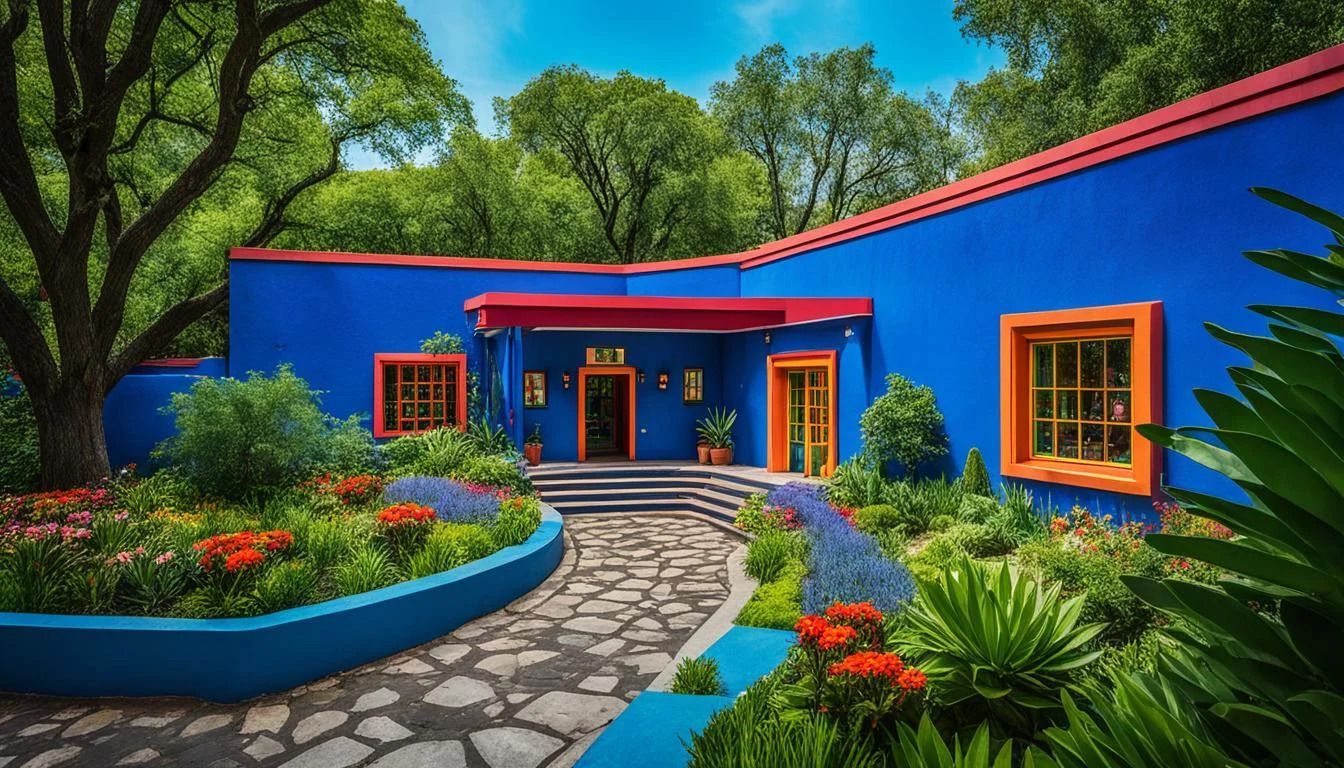
## Description Museo Frida Kahlo, also known as Casa Azul, is one of Mexico City’s most emotionally resonant attractions because it allows visitors to enter the personal world of one of Mexico’s most famous artists. Rather than experiencing Frida Kahlo only through reproductions of her paintings or her image as a cultural icon, Casa Azul gives a sense of the environment that shaped her life, work, and identity. The house is vivid, intimate, and unmistakably tied to her story. What makes the museum powerful is its personal scale. This is not a huge institution where you move through distant galleries at speed. It is a home, and that makes the visit feel immediate. Rooms, objects, colors, domestic details, and artwork come together to create an experience that is both museum-like and deeply human. Visitors often leave with a stronger understanding not only of Kahlo as an artist, but of her life as a person negotiating illness, creativity, politics, love, and independence. One little-known fact is that the museum houses not only Frida’s works and belongings but also domestic items and visual traces that help reconstruct the atmosphere of the house during her life. Another is that the building itself, with its blue walls and courtyard presence, has become almost as iconic as the artist. The house is immediately recognizable, yet the visit still feels personal rather than monumental. That tension is part of its appeal. The museum is also meaningful because it sits at the intersection of biography and art history. Frida Kahlo has become a global symbol, sometimes reduced to fashion or image, but Casa Azul reminds visitors that her influence came from a specific place, body, and context. The house makes the symbolic figure tangible. It gives texture to the myth without stripping away its emotional power. For travelers in Mexico City, this is one of the most essential cultural stops, especially if you want a museum that is memorable, accessible, and full of character. It is best when you arrive ready to pay close attention, because the details matter. The house rewards curiosity and reflection in equal measure. ## Location Museo Frida Kahlo is in Coyoacán, Mexico City, Mexico, in a neighborhood known for its cultural and historic charm. The area feels distinct from the city’s more central business districts, and that neighborhood character is part of the visit. The most practical way to get there is by taxi, rideshare, or public transport followed by a walk through Coyoacán. Because the museum is popular, timing matters. It is smart to plan your route in advance and allow extra time for entry and neighborhood walking. The surrounding area also gives you a chance to combine the museum with cafés, plazas, and other local sights. If possible, make Coyoacán part of the same outing so the museum does not feel isolated from its setting. The district helps explain why Casa Azul is such a fitting home for the museum experience. ## Tips Book ahead when possible. This is one of the city’s most popular museums, and planning helps avoid disappointment. Go slowly inside. The house is most rewarding when you let yourself notice the domestic details and objects rather than rushing to the biggest names. Combine the visit with a walk in Coyoacán. The neighborhood adds a lot to the experience and makes the day feel richer. If you care about Frida Kahlo’s art, read a little about her life before going. The museum becomes much more powerful when you understand the personal context. ## Conclusion Museo Frida Kahlo is one of Mexico City’s most important cultural experiences because it transforms a famous name into a lived, tangible story. Casa Azul is essential for anyone interested in art, biography, or Mexican cultural history. ## FAQ **Why is Casa Azul so famous?** It was Frida Kahlo’s home and is now a museum devoted to her life and work. **Should I book tickets in advance?** Yes, that is strongly recommended. **How long does the visit take?** Around one to two hours is typical, though some visitors spend longer. **Is it worth visiting if I only know Frida Kahlo from images?** Yes. The museum adds real depth to her story. **What else should I do nearby?** Explore Coyoacán’s plazas, cafés, and historic streets. ## Links - [Official website](https://www.museofridakahlo.org.mx/) - [Wikipedia](https://en.wikipedia.org/wiki/Frida_Kahlo_Museum)
GemVoyage Team • World
Mexico City
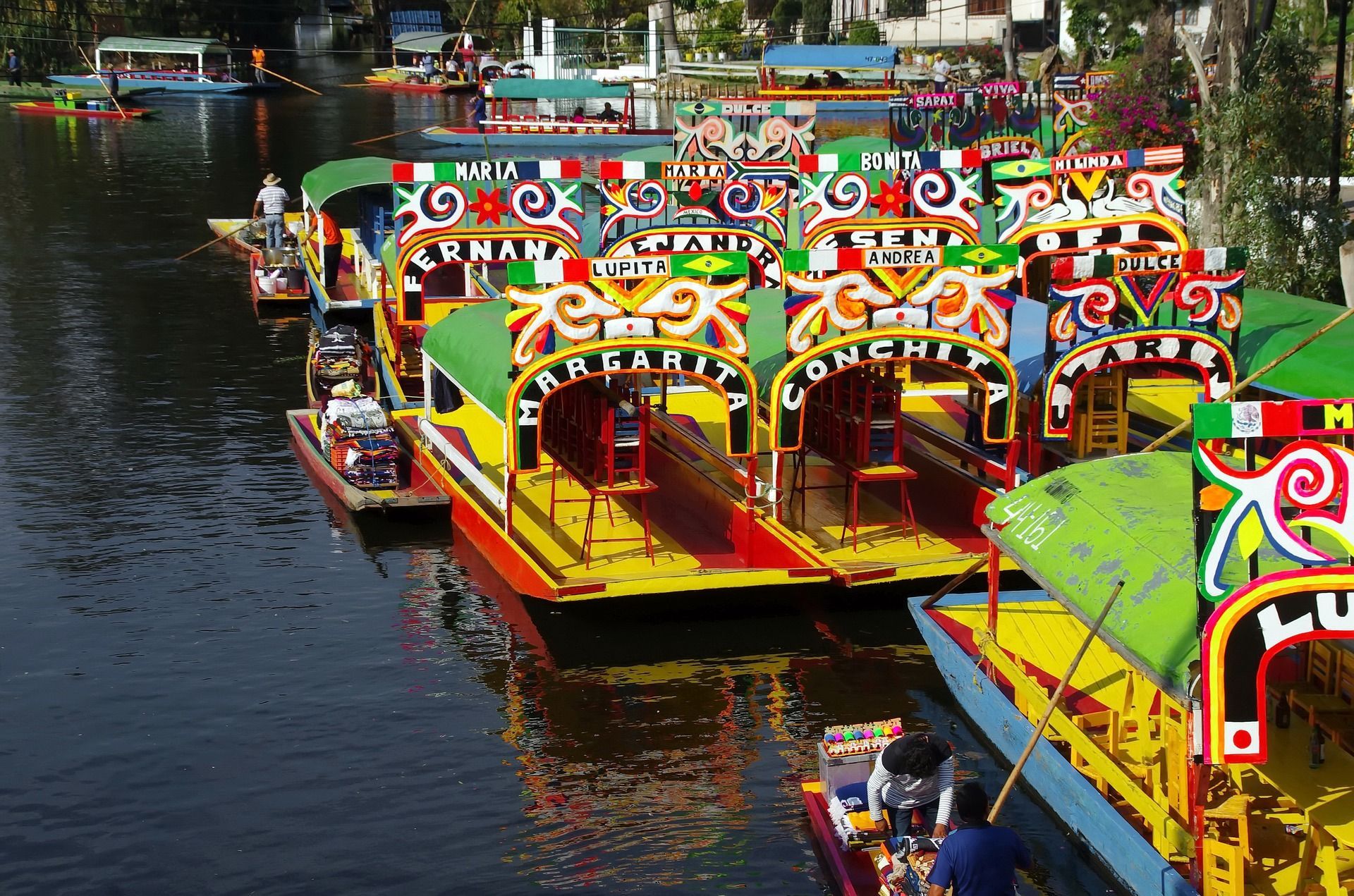
## Description The Xochimilco Canals are one of Mexico City’s most distinctive attractions because they preserve a living relationship between water, agriculture, celebration, and community. Unlike a standard sightseeing canal ride, Xochimilco offers a colorful world of trajineras, music, food, and floating movement through a landscape that reflects centuries of adaptation. It is one of the few places in the capital where visitors can still feel the legacy of the lake system that once defined the Valley of Mexico. What makes Xochimilco so special is that it is both scenic and cultural. A ride along the canals is visually lively, with brightly painted boats, vendors drifting by, musicians performing, and families and friends gathering for celebrations. At the same time, the area connects to the ancient chinampa system, a form of raised agricultural landscaping that has long been admired for its ingenuity. A lesser-known fact is that these canals are among the last surviving remnants of the pre-Hispanic water landscape of the valley. That makes a visit more than entertainment; it is a window into a surviving historical ecosystem. Another little-known detail is that Xochimilco is not just a tourist attraction but also a place with ongoing local life and ecological importance. The canals and surrounding fields continue to matter to residents, farmers, and conservation efforts. That is why the experience can feel so layered. You are not simply on a boat ride. You are moving through a landscape where heritage, tourism, and environmental questions meet. For many travelers, Xochimilco is memorable because of its atmosphere. It can be playful, crowded, musical, and festive, but it can also be surprisingly reflective if you visit at a calmer time. It is one of those places where the experience changes depending on the hour, the weather, and the energy on the water that day. Because of that, it works well for visitors who enjoy local color and are willing to let an outing unfold at a slower, more social pace. ## Location The Xochimilco Canals are in the Xochimilco borough of southern Mexico City, Mexico. The area is well known throughout the capital and can be reached from central Mexico City by public transport, taxi, or rideshare. One of the most common ways to get there is by taking the light rail system toward Xochimilco and then continuing to the canal departure points. Once you arrive, boats depart from designated embarcaderos. If it is your first time, that is the easiest structure to follow because the canals themselves are extensive and the boat-launch area is where the visitor experience starts. Because the area is farther from the center than some other attractions, plan Xochimilco as its own excursion rather than a quick add-on. That gives you enough time to enjoy the canal ride, food, and atmosphere without rushing back and forth across the city. ## Tips Go with a group if possible, because trajineras are more enjoyable when you can share the cost and the atmosphere. Even if you travel solo or as a couple, the social nature of the experience is a big part of the appeal. Bring cash for boat rental, food, drinks, and optional music. It is easier to enjoy the outing if you are prepared for small on-the-spot purchases. Choose the time of day carefully. Earlier visits can feel calmer, while later outings often become livelier and more festive. Pick the mood you want before you go. Respect the local environment and the people who live and work there. Xochimilco is a heritage landscape, not just a party venue, and a more considerate visit tends to be a better one. ## Conclusion Xochimilco Canals are one of Mexico City’s most unforgettable experiences, blending history, ecology, and celebration on the water. They are ideal for travelers who want something colorful, local, and unlike any conventional city attraction. ## FAQ **What are the Xochimilco Canals famous for?** They are famous for trajineras, festive boat rides, and their connection to the ancient chinampa system. **How do I get there?** The most practical options are public transport to Xochimilco followed by a short transfer to the canal departure points. **Is it only for parties?** No. While it can be lively, it is also a heritage site with agricultural and ecological importance. **How long should I plan for a visit?** A few hours is ideal so you can enjoy the boat ride without feeling rushed. **Is it worth visiting if I have limited time in Mexico City?** Yes, especially if you want a memorable local experience that is different from museums and monuments. ## Links - [UNESCO World Heritage information](https://whc.unesco.org/en/list/412/) - [Wikipedia](https://en.wikipedia.org/wiki/Xochimilco)
GemVoyage Team • World
Brussels
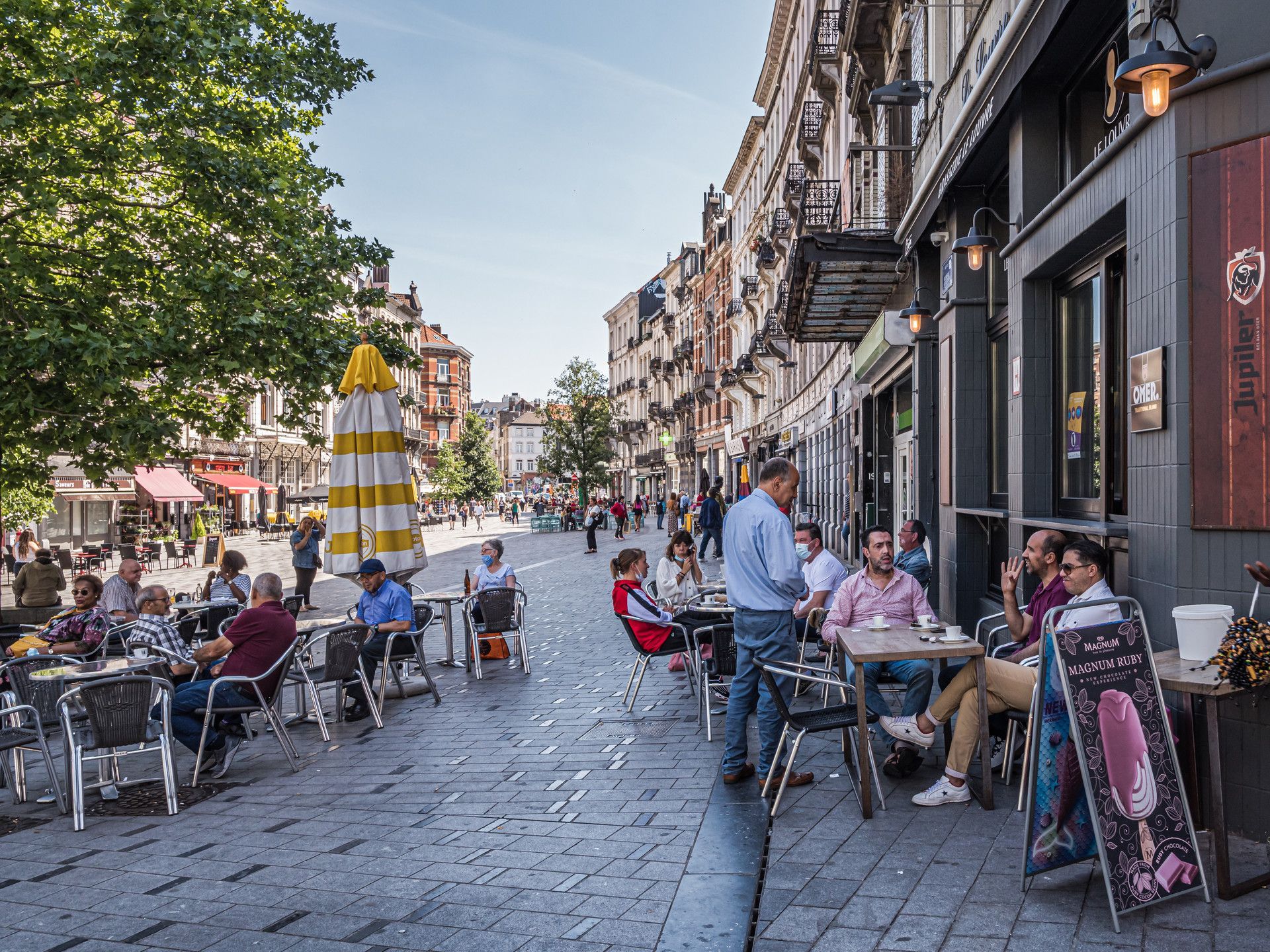
## Description Saint-Gilles is one of Brussels’ most interesting neighborhoods because it feels lived-in, creative, and slightly unruly in ways that make urban travel more rewarding. It is not a single attraction in the conventional sense. Instead, it is a district where architecture, cafés, local life, art spaces, and residential streets come together to form a strong neighborhood identity. For travelers who prefer walking through cities rather than just checking off monuments, Saint-Gilles offers exactly the kind of layered experience that makes Brussels memorable. The neighborhood stands out because it combines elegance and texture. You will find Art Nouveau and eclectic architecture, busy local streets, small shops, community energy, and a range of everyday scenes that make the area feel authentic rather than curated. A lesser-known fact is that Saint-Gilles has long attracted artists, creatives, and socially diverse residents, which helps explain its visual and cultural variety. Another detail many visitors notice is the way the neighborhood shifts from quiet residential blocks to more animated streets with cafés, bakeries, and independent businesses, creating a sequence of moods within a relatively compact area. For visitors, the appeal is that Saint-Gilles rewards wandering. You can walk without a strict plan and still encounter buildings worth noticing, neighborhood squares, and cafés that reflect local rhythm rather than generic tourism. The district also works well if you enjoy comparing Brussels neighborhoods, because it feels distinct from the more polished central commercial zones and from the quieter residential areas elsewhere in the city. Saint-Gilles is especially good for travelers who want a more grounded version of Brussels. It gives you a sense of people living, working, and socializing in ways that feel immediate and real. That quality is often more memorable than a single headline monument. ## Location Saint-Gilles is a municipality and neighborhood area in Brussels-Capital Region, Belgium, located just south of the city center. Its location makes it easy to reach from central Brussels while still feeling like a district with its own identity. Because it is connected to major transport corridors and adjacent neighborhoods, it works well as part of a broader walking itinerary. The easiest way to get there is by tram, metro, or on foot from central Brussels depending on your starting point. Many visitors find that a walk into Saint-Gilles helps the neighborhood reveal itself gradually. Once there, the streets are best explored slowly, with a mix of aimless wandering and a few concrete stops such as cafés, architectural highlights, or local squares. If you are planning a Brussels visit that includes multiple neighborhoods, Saint-Gilles fits well alongside Ixelles, the city center, or other south-side districts. ## Tips Walk without rushing. The neighborhood’s character comes from details in the street life and architecture. Look up at the façades. Saint-Gilles is one of the better Brussels districts for architectural variety. Stop at a local café or bakery. The neighborhood is best experienced through everyday routines as much as sightseeing. Be open to small discoveries. A side street or square may end up being more interesting than a famous landmark. Use it as a neighborhood day rather than a single-photo stop. The area rewards longer, slower exploration. ## Conclusion Saint-Gilles is one of Brussels’ most rewarding neighborhoods for travelers who like authentic city life, architecture, and walkable streets. It offers a strong sense of place that comes from everyday urban texture rather than one big attraction. ## FAQ ### Is Saint-Gilles worth visiting for tourists? Yes, especially if you enjoy neighborhoods with character, architecture, and a local feel rather than purely tourist-oriented sights. ### How long should I spend there? At least a couple of hours if you want to walk, stop for coffee, and notice the neighborhood properly. ### Is it easy to combine with other Brussels areas? Yes. It works well with the city center, Ixelles, and other nearby districts. ### What is the main reason to go? To experience a creative, lived-in part of Brussels that feels distinct from the more polished tourist core. ## Links - [Saint-Gilles on Wikipedia](https://en.wikipedia.org/wiki/Saint-Gilles,_Belgium)
GemVoyage Team • World
Kortrijk
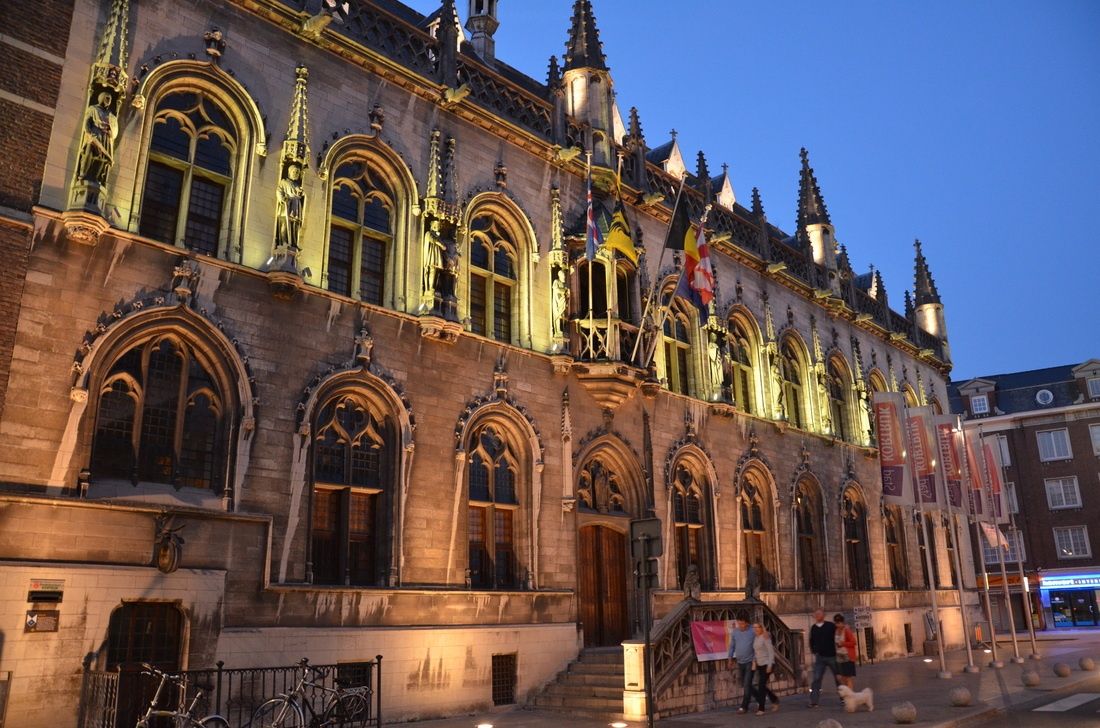
## Description **Courtrai City Hall**, known locally as **Historisch Stadhuis Kortrijk**, is one of the most architecturally layered civic buildings in Belgium. Rather than being the product of a single era, the City Hall is a **composite structure** formed by the gradual integration of several historic buildings, most notably the medieval Cloth Hall and later Renaissance and Baroque additions. This architectural layering makes it a visual record of Kortrijk’s political, economic, and cultural evolution. The origins of the complex date back to the **14th and 15th centuries**, when Kortrijk was a prosperous center of the Flemish cloth trade. The Cloth Hall section symbolized the city’s commercial power and autonomy, while later expansions reflected its growing administrative role. Over time, stylistic elements ranging from Gothic verticality to Renaissance symmetry were added, resulting in a façade that is rich, complex, and deliberately expressive of civic pride. What makes Courtrai City Hall particularly distinctive is its **ornamental façade**, decorated with statues representing Flemish counts and historical figures associated with the region. These sculptures were not merely decorative; they were political statements asserting local identity and authority during periods of regional tension. A lesser-known fact is that several statues visible today are **19th-century restorations**, replacing originals that were damaged or lost during conflicts and urban changes. Another interesting detail is that parts of the interior were adapted multiple times to accommodate shifting administrative needs, meaning some rooms combine medieval proportions with later decorative finishes. Beyond its architectural value, the City Hall has remained a **living institution**. Unlike many historic civic buildings that function solely as museums, it continues to host municipal activities, official ceremonies, and cultural events. This continuity reinforces its role not just as a monument, but as an active participant in the city’s daily life. ## Location **Country:** Belgium **Region:** Flanders **City:** Kortrijk **Province:** West Flanders Courtrai City Hall is located in the historic center of Kortrijk, close to key landmarks such as the main square and medieval streets that define the city’s core. ### How to Get There * **By train:** * Kortrijk Station has direct connections to Brussels, Ghent, and Lille. From the station, the City Hall is a 10–15 minute walk. * **By bus:** * Local bus routes stop near the city center, within walking distance of the building. * **On foot:** * Easily accessible when exploring Kortrijk’s historic center. * **By car:** * Public parking is available nearby, though walking is preferable in the old town. ## Tips * **Check access times:** Interior access may be limited due to official functions or events. * **Look closely at the façade:** The statues and decorative details tell a political and historical story. * **Combine with nearby sites:** Pair your visit with nearby medieval landmarks and museums. * **Visit during daylight:** Natural light highlights the architectural contrasts between different periods. * **Respect civic use:** Some areas may be restricted during working hours. * **Photography policies vary:** Exterior photography is unrestricted; interior rules may apply. ## Conclusion Courtrai City Hall is a powerful expression of civic identity shaped over centuries. Its layered architecture, historical symbolism, and continued administrative role make it a compelling destination for visitors interested in urban history and Flemish heritage. ## FAQ **1. Is Courtrai City Hall a museum?** No, it is an active municipal building, though some areas may be accessible to visitors. **2. How old is the building?** Its oldest parts date back to the late medieval period, with later additions from subsequent centuries. **3. Can visitors enter the City Hall?** Limited interior access is possible, depending on events and official use. **4. How long should a visit take?** Around **20 to 40 minutes** for an exterior and contextual visit; longer if interior access is available. **5. Is it suitable for children?** Yes, particularly for those interested in history and architecture. **6. Is the building accessible?** Accessibility varies due to the historic structure; some areas may have limited access. ## Links * [City of Kortrijk official site](https://www.kortrijk.be)
GemVoyage Team • World

Comments