GemVoyage Team • World
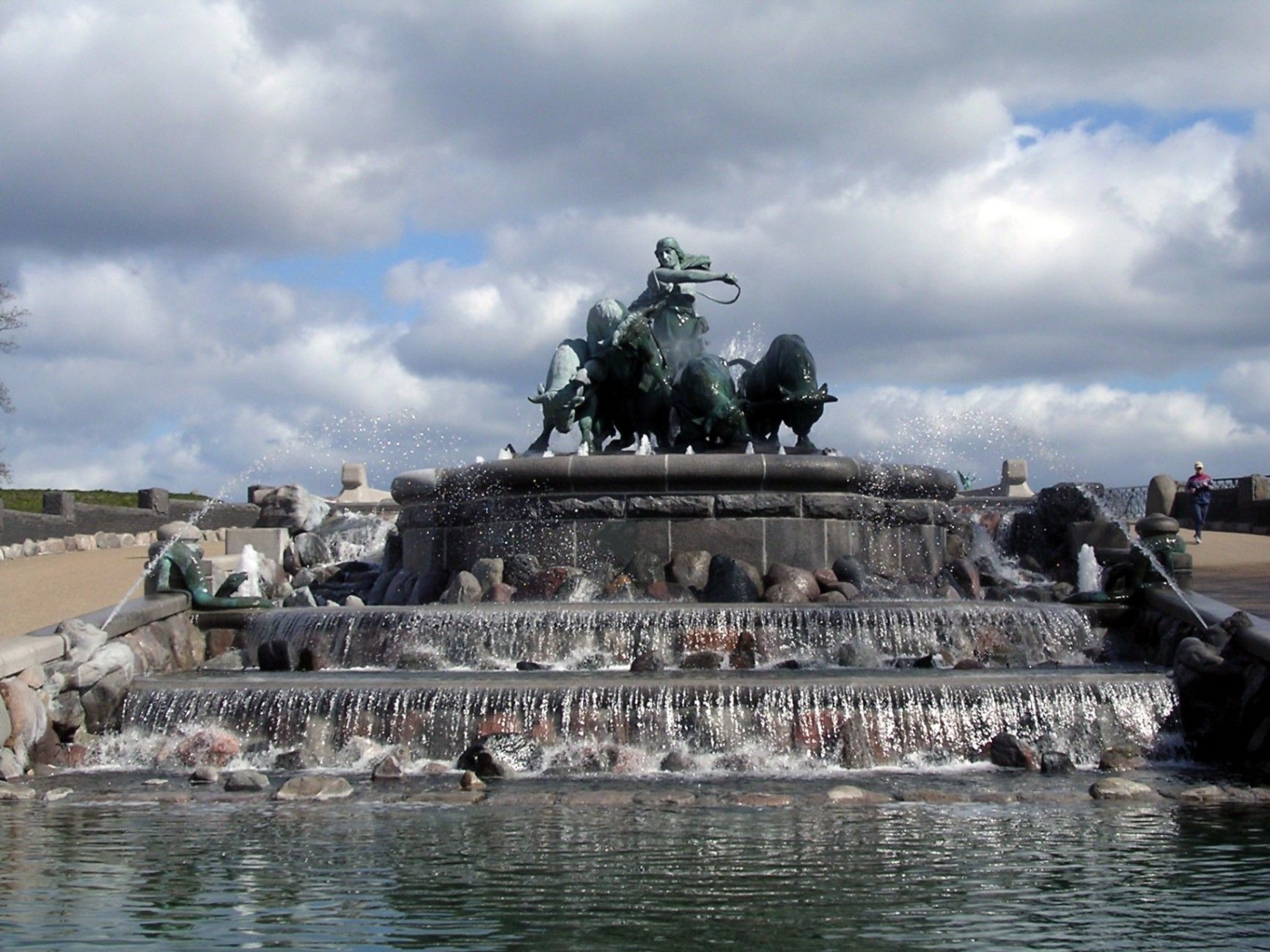
The Gefion Fountain (Gefionspringvandet) is one of Copenhagen’s most iconic landmarks, combining stunning sculpture, mythological symbolism, and the serene beauty of its waterfront setting. Unveiled in 1908, the fountain depicts the Norse goddess Gefion, a figure from ancient Scandinavian mythology, driving a group of powerful oxen as they pull the land that became the island of Zealand (Sjælland) — where Copenhagen stands today — from the depths of the sea.
Designed by Danish sculptor Anders Bundgaard, the fountain is both a monumental work of art and a celebration of Danish legend and identity. The dynamic bronze figures, set atop a granite basin, capture the dramatic moment of transformation: Gefion’s oxen straining against their harnesses, water surging around them, and the goddess commanding them with divine strength.
The story behind the sculpture comes from Norse mythology, where Gefion tricks the Swedish king Gylfi into granting her as much land as she can plow in one night. Transforming her four sons into oxen, she plows through the earth and casts the land into the sea — forming the island of Zealand. The resulting lake in Sweden, Lake Vänern, is said to match Zealand’s shape.
What makes the Gefion Fountain unique is not only its artistic detail and mythological depth but also its location — it sits between Kastellet Fortress and Langelinie Promenade, surrounded by lush greenery and views of the harbor and The Little Mermaid statue nearby. The fountain is especially magical when illuminated at night, with the flowing water and shimmering bronze giving it an ethereal glow.
A lesser-known fact is that the fountain was originally commissioned by the Carlsberg Foundation to celebrate the brewery’s 50th anniversary and was gifted to the city of Copenhagen. Another interesting detail: the granite blocks forming the base came from Sweden, a subtle nod to the myth that connects the two lands.
The Gefion Fountain is located in Churchillparken (Churchill Park) near Langelinie, in the central harbor area of Copenhagen, Denmark. It sits just east of Amalienborg Palace and north of the Kastellet (The Citadel) fortress.
To get there:
The Gefion Fountain is much more than a beautiful monument — it’s a vivid connection between Denmark’s ancient mythology and its modern identity. With its stunning artistry, powerful symbolism, and scenic harbor location, it perfectly embodies Copenhagen’s blend of history, legend, and elegance. Whether you’re tracing the city’s cultural landmarks, enjoying a peaceful stroll through Churchill Park, or exploring Norse mythology, the Gefion Fountain offers a moment of reflection and wonder that captures the timeless spirit of Denmark.
1. What does the Gefion Fountain represent?
It depicts the Norse goddess Gefion plowing the land that became the island of Zealand (Sjælland), symbolizing the creation of Denmark’s largest island.
2. Who designed the fountain?
The fountain was created by Anders Bundgaard, one of Denmark’s most celebrated sculptors, and unveiled in 1908.
3. Where is the Gefion Fountain located?
In Churchillparken, near Langelinie Promenade and Kastellet Fortress, in central Copenhagen, Denmark.
4. Is it near other attractions?
Yes — it’s just a short walk from The Little Mermaid, Amalienborg Palace, and the harborfront.
5. When does the fountain operate?
The fountain usually runs from April to October, depending on weather conditions. The sculptures can be viewed year-round.
6. Is there an entrance fee?
No — visiting the Gefion Fountain is free of charge.
7. Can I visit at night?
Yes, and it’s highly recommended. The evening lighting creates a beautiful, almost mythical atmosphere.
Discover more hidden gems you might love.
Griva
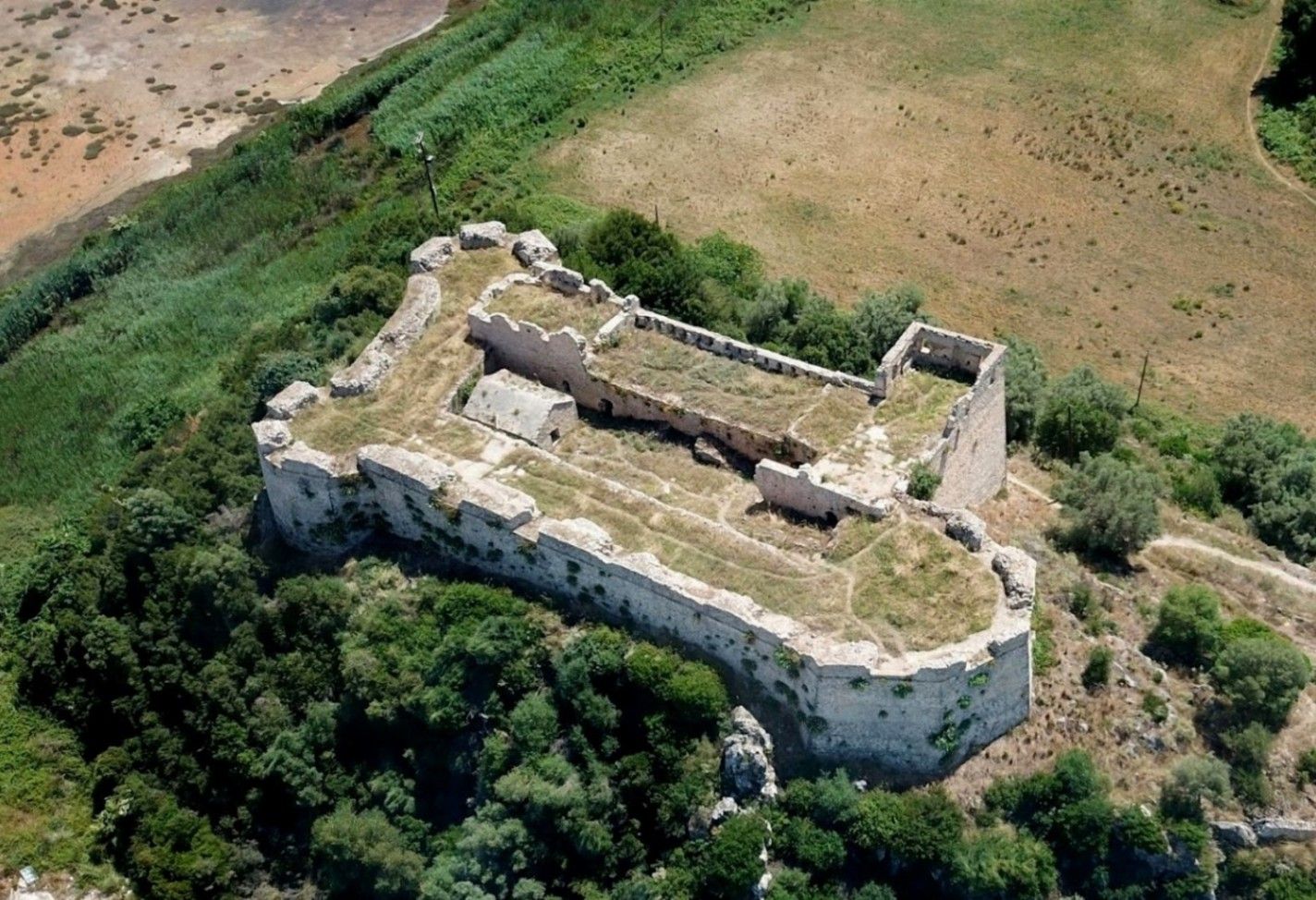
## Description **Griva Castle** (Κάστρο Γρίβα) is a lesser-known but historically significant fortress perched on a ridge in the region of Central Greece. Unlike Greece’s major medieval castles that attract heavy tourism, Griva Castle stands out for its **raw ruins, unfiltered atmosphere, and panoramic vantage point** over the surrounding mountains and valleys. The site is largely untouched by large-scale restoration efforts, which preserves an authenticity that appeals to explorers, hikers, and history enthusiasts seeking off-the-beaten-path destinations. The castle’s origins date back to the **Ottoman period**, when the structure served as a fortified outpost controlling local routes and offering surveillance over the strategic landscape. Its position was not chosen for grandeur but for **tactical visibility**; from the top of the hill, occupants could observe movements across the region long before they reached nearby settlements. Today, visitors can still walk along the remnants of its stone walls, towers, and defensive perimeters, all while imagining the military operations that once shaped the area. A little-known fact is that the castle area was later used during the **Greek War of Independence**, serving as a refuge and observation point for local fighters resisting Ottoman rule. Another interesting detail is that small-scale excavations have revealed architectural traces suggesting earlier defensive uses, which may predate the Ottoman era. What sets Griva Castle apart is the **simplicity of the experience**. There are no curated exhibitions, no ticket booths, and no commercial vendors. Instead, you step into a quiet, windswept landscape that has retained its historic atmosphere. The lack of crowds makes it ideal for slow-paced exploration, photography, and reflection. With clear weather, the views are expansive, capturing rural settlements, forested hillsides, and rolling terrain that highlight the natural beauty of central Greece. ## Location **Country:** Greece **Region:** Central Greece (Sterea Ellada) **Nearest Town:** Griva or surrounding villages depending on the specific approach The castle sits atop a hill overlooking the local countryside, accessible through rural roads and small village paths. ### How to Get There * **By car:** * The most practical option. Rural roads lead to the village area, from which a short uphill walk brings you to the castle ruins. A standard vehicle is usually sufficient, but some paths may be uneven. * **By bus:** * Limited. Regional buses connect nearby towns, but reaching the castle itself generally requires private transport. * **On foot:** * Hiking paths from the village allow visitors to reach the castle in about 15–25 minutes depending on the route chosen. * **By guided tour:** * Occasional historical or hiking groups include the site, but these are not frequent. ## Tips * **Wear proper footwear:** The terrain is rocky, uneven, and sometimes slippery after rain. * **Visit during daylight:** The area has no lighting, and navigating the ruins after sunset is unsafe. * **Bring water and snacks:** There are no facilities near the castle. * **Check the weather:** Clear skies enhance the views significantly and make the hike easier. * **Combine the visit with nearby villages:** Traditional tavernas in surrounding settlements are ideal for a post-hike meal. * **Photography enthusiasts should visit during golden hour:** The light over the surrounding hills is excellent. ## Conclusion Griva Castle is a quiet, rugged, and historically rich destination that rewards visitors willing to venture beyond mainstream tourist circuits. Its ruins, elevated position, and connection to regional history make it a compelling stop for those seeking authentic Greek landscapes and immersive outdoor exploration. ## FAQ **1. Is there an entrance fee?** No. The site is freely accessible to visitors. **2. Are the ruins safe to explore?** Generally yes, but caution is essential due to uneven paths and the absence of barriers. **3. How long does the visit take?** Most visitors spend **45 minutes to 1.5 hours** depending on hiking time and interest. **4. Is it suitable for children?** Only with supervision. Some sections have steep drops and loose stones. **5. Are guided tours available?** Occasionally, especially by local history or hiking groups, but not regularly. **6. What is the best time of year to visit?** Spring and early autumn offer comfortable temperatures and clear views. ## Links * [Greek tourism information](https://visitgreece.gr)
GemVoyage Team • World

Taiwan
## Description Hualien Cih Tian Temple, known locally as 花蓮慈天宮, is one of the most important religious and cultural landmarks in Hualien City. Dedicated primarily to Mazu, the revered sea goddess and protector of travelers and fishermen, the temple plays a central role in the spiritual life of the local community. It is a place where worship, tradition, and daily life intersect, offering visitors a calm yet vibrant glimpse into Taiwanese religious culture. What makes Hualien Cih Tian Temple unique is its strong connection to the coastal identity of eastern Taiwan. While many Mazu temples are found along Taiwan’s western coast, this temple reflects the beliefs and practices of communities shaped by the Pacific Ocean and Hualien’s rugged natural environment. A lesser-known fact is that the temple has undergone several reconstructions due to earthquakes and typhoons, each time rebuilt with community support, symbolizing local resilience and faith. Another interesting detail is that the temple often serves as a gathering point during important religious festivals, when processions, traditional music, and rituals fill the surrounding streets with color and energy. Architecturally, the temple features classic Taoist design elements, including ornate roof carvings, colorful murals, stone guardian lions, and richly decorated altars. Even outside major festivals, the scent of incense and the quiet rhythm of prayer create a reflective atmosphere that welcomes both worshippers and curious visitors. ## Location Hualien Cih Tian Temple is located in **Taiwan**, in **Hualien County**, within **Hualien City**. The temple sits in a central urban area, making it easily accessible and close to other local attractions, shops, and eateries. Reaching the temple is simple. Visitors arriving by train can walk or take a short taxi ride from **Hualien Railway Station**, which is the main transportation hub of the city. Local buses also operate nearby. For travelers exploring Hualien on foot or by bicycle, the temple fits naturally into a city sightseeing route. If you are using a car or scooter, parking is usually available on nearby streets. ## Tips * Visit in the early morning or late afternoon for a quieter and more contemplative experience. * Dress modestly and respectfully, especially if you plan to observe or participate in prayer. * Take time to observe the architectural details, such as roof sculptures and painted panels, which often depict mythological stories. * If visiting during a festival, expect crowds, noise, and vibrant processions—an excellent cultural experience if you enjoy local traditions. * Avoid blocking worshippers or ritual paths when taking photos. * Combine your visit with nearby markets or temples to better understand Hualien’s urban culture. ## Conclusion Hualien Cih Tian Temple is a meaningful spiritual and cultural site that reflects the faith, history, and resilience of Hualien’s community. Whether you visit for quiet reflection or to witness living traditions, the temple offers an authentic and enriching experience in eastern Taiwan. ## FAQ **Who is the main deity worshipped at Hualien Cih Tian Temple?** The temple is primarily dedicated to Mazu, the sea goddess and protector of sailors and travelers. **Is the temple open to visitors every day?** Yes, the temple is generally open daily, from early morning until evening. **Is there an entrance fee?** No, entrance is free, though donations are welcomed. **Can tourists visit even if they are not religious?** Yes, visitors of all backgrounds are welcome, as long as they remain respectful. **When is the best time to visit the temple?** Weekdays or non-festival days are best for a peaceful visit, while festival periods offer a more lively cultural experience. ## Links * [Hualien County Government](https://www.hl.gov.tw)
GemVoyage Team • World
Oslo
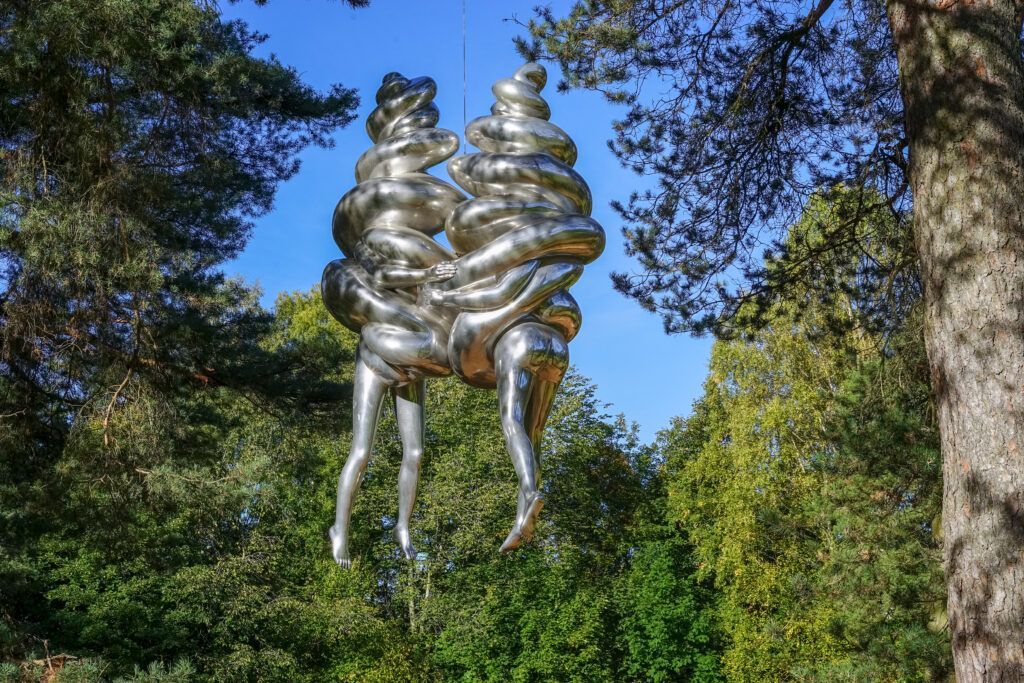
## Description Ekebergparken Sculpture Park is one of Oslo’s most rewarding places to combine contemporary art with open-air exploration. Set on a wooded hill overlooking the city and the Oslofjord, the park mixes sculpture, landscape design, and long walking paths in a setting that feels less like a formal museum and more like an expanded outdoor experience. Visitors come for the art, but many stay for the sweeping views, the quiet forest atmosphere, and the sense that each path can reveal something unexpected. The park’s appeal lies in its variety. One moment you are looking at a monumental sculpture in an open clearing, and the next you are walking through trees where smaller works appear almost discreetly within the landscape. That balance between art and nature gives the park a strong identity. It is also one of the few places in Oslo where you can experience large-scale contemporary sculpture without the pressure of indoor galleries or ticket-driven time limits. The overall effect is relaxed, but it is also carefully curated. One lesser-known aspect of Ekebergparken is that the site has long carried cultural associations beyond its current role as a sculpture park. The hill has been important in Oslo’s history and imagination for centuries, and the park’s placement takes advantage of both the geological terrain and the city views. Another interesting fact is that the park is not only about major names in sculpture; it often rewards visitors who slow down and pay attention to how each work interacts with light, weather, and seasonal changes. A piece that seems subtle in summer can feel dramatically different in winter or at dusk. ## Location Ekebergparken is located in the Ekeberg area of Oslo, Norway, on a hill east of the city center. Its elevated position makes it easy to identify on a map, and the park is accessible from central Oslo without much difficulty. The simplest way to get there is by tram or bus followed by a short uphill walk, though many visitors use taxis or ride-hailing services to save energy for the walking inside the park. If you enjoy city walks, you can also reach the area on foot from central Oslo, but be prepared for a climb. Because the park is spread out, comfortable shoes matter more than almost anything else. ## Tips Wear walking shoes and dress for changing weather, since the park is exposed and conditions can shift quickly. Allow more time than you think you need. The park is best enjoyed slowly, with room for detours and view stops. Bring a camera, but do not rush the experience. Some of the best moments happen when you simply pause at a viewpoint or sit near a sculpture. Visit near sunset if you want the city views at their most dramatic, but note that the park can feel cooler and windier later in the day. Check the park’s current sculpture map or seasonal information before going, since installations and access details can change. ## Conclusion Ekebergparken is one of Oslo’s strongest outdoor cultural experiences, combining sculpture, landscape, and city views in a single memorable walk. ## FAQ ### Is Ekebergparken free to visit? The park itself is generally open as an outdoor public experience, though specific events or facilities may have separate conditions. ### How long should I spend there? Plan at least two to three hours if you want to enjoy both the sculptures and the viewpoints. ### Is Ekebergparken suitable for families? Yes, especially for families that enjoy walking outdoors and exploring art in a relaxed setting. ### What makes the park different from a regular sculpture garden? Its natural setting, large views over Oslo, and integration of art with forest trails make it feel more immersive than a typical sculpture lawn. ### Can I visit in winter? Yes, but dress warmly and expect snowy or slippery paths depending on the season. ## Links - [Official website](https://ekebergparken.com/) - [Ekebergparken on Wikipedia](https://en.wikipedia.org/wiki/Ekebergparken_Sculpture_Park)
GemVoyage Team • World
Vienna
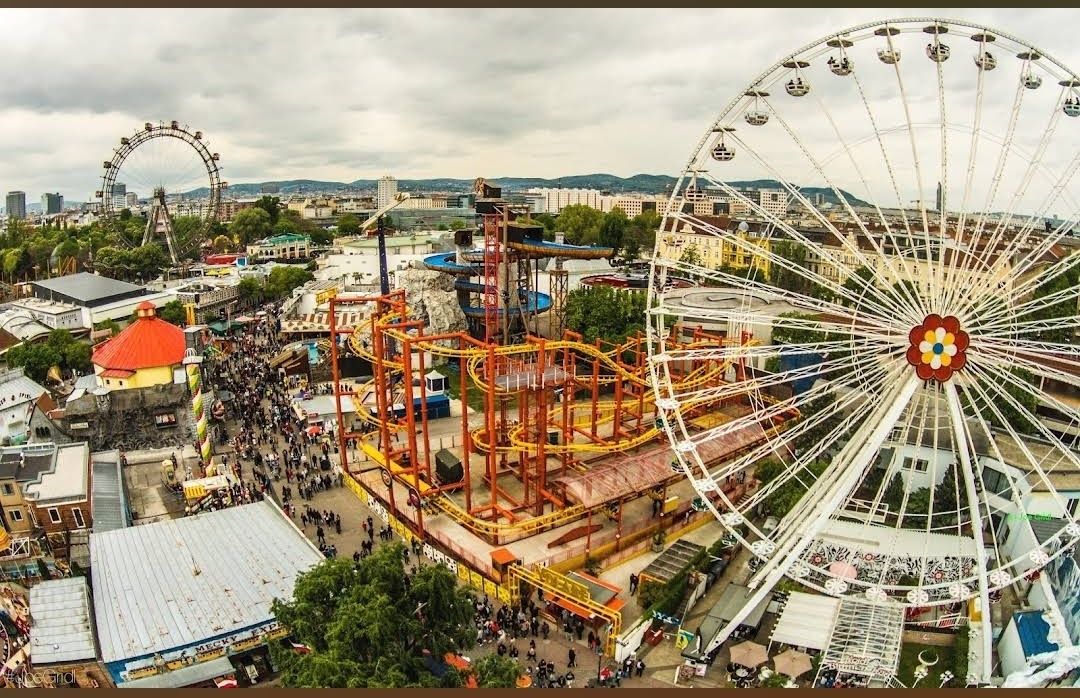
## Description **Prater Funpark** in Vienna, commonly referred to as the **Wurstelprater**, is one of Europe’s most iconic amusement parks and a beloved attraction for both locals and tourists. Nestled within the vast Prater public park, this funfair has been entertaining visitors for over 250 years. It’s a place where history, nostalgia, and modern thrills come together, offering everything from traditional carousels and bumper cars to cutting-edge roller coasters and high-adrenaline rides. What makes the Prater unique is its blend of old-world charm and contemporary entertainment. The park’s symbol, the **Wiener Riesenrad** (Giant Ferris Wheel), dates back to 1897 and is one of Vienna’s most recognized landmarks. Riding the Ferris wheel provides not only fun but also breathtaking panoramic views of the city. At the same time, newer attractions like turbo coasters and virtual reality experiences ensure that thrill-seekers are never bored. **Little-known facts**: * The Prater was originally an imperial hunting ground before being opened to the public in 1766. The amusement park grew organically from stalls, performers, and small rides. * Unlike most theme parks, **entry to the Prater Funpark is free**. Visitors pay only for the rides and attractions they choose, making it a flexible experience for all budgets. --- ## Location Prater Funpark is located in **Vienna**, the capital of **Austria**, within the **Leopoldstadt district**. It sits inside the larger **Prater public park**, a green oasis that stretches over six square kilometers and also includes walking paths, meadows, and sports facilities. ### How to get there: * **By metro**: The fastest way is to take the U1 or U2 subway lines to the station **Praterstern**, which is just a short walk from the park. * **By tram**: Trams 0 and 5 also stop near Prater. * **By foot or bike**: Visitors staying in central Vienna can enjoy a scenic walk or bike ride to the park, as it’s close to the city center. --- ## Tips * **Visit in the evening**: The Prater comes alive after sunset when the rides light up, creating a magical carnival atmosphere. * **Don’t miss the Giant Ferris Wheel**: It’s the park’s most famous attraction and a must for first-time visitors. * **Plan your budget**: Since entry is free but rides are paid individually, decide beforehand how many attractions you’d like to try. Ride prices vary, so bringing cash can be useful. * **Try the local food stalls**: Beyond rides, the park is known for its traditional Austrian snacks like bratwurst, pretzels, and candied nuts. * **Combine with a stroll in the Prater park**: After the excitement of the rides, the surrounding green spaces offer a relaxing contrast. * **Check seasonal events**: The park hosts festivals, concerts, and themed events throughout the year, especially during summer and around Christmas. --- ## Conclusion Prater Funpark in Vienna is more than just an amusement park—it’s a cultural institution that blends history, fun, and nostalgia. With its mix of historic attractions like the Wiener Riesenrad and thrilling modern rides, it offers something for everyone, from families to adrenaline junkies. Whether you go for the rides, the food, or the atmosphere, the Prater promises an unforgettable Viennese experience. --- ## FAQ **1. Is there an entrance fee for Prater Funpark?** No, entrance is free. Visitors only pay for the rides and attractions they choose. **2. What is the most famous ride at Prater?** The **Wiener Riesenrad (Giant Ferris Wheel)** is the park’s most iconic attraction and a symbol of Vienna. **3. When is the best time to visit?** Evenings are particularly magical with illuminated rides, but daytime visits are better for families with young children. **4. How long should I plan to spend at Prater?** Most visitors spend 2–4 hours, though you could easily spend a whole day enjoying the rides and the larger Prater park. **5. Is Prater open year-round?** The park is open all year, but many rides operate seasonally, typically from March to October. The Giant Ferris Wheel and some attractions remain open in winter. **6. Can I find food and drinks inside the park?** Yes, the park is filled with restaurants, snack stalls, and beer gardens serving Austrian and international food. --- ## Links * [Prater Wien – Official Website](https://www.praterwien.com/) * [Wiener Riesenrad – Official Website](https://www.wienerriesenrad.com/)
GemVoyage Team • World
Copenhagen
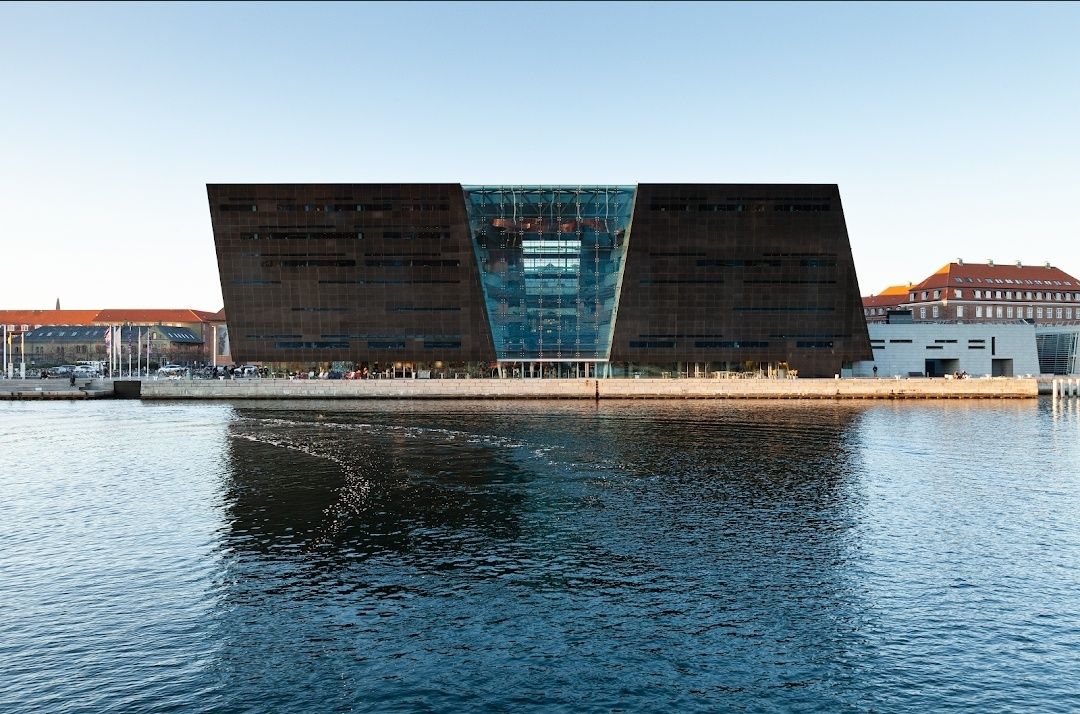
## Description The **Royal Library in Copenhagen**, also known as **Det Kongelige Bibliotek**, is one of Denmark’s most prestigious cultural landmarks and the largest library in the Nordic countries. Founded in 1648 by King Frederik III, the library houses an extraordinary collection of books, manuscripts, maps, photographs, and historical documents that trace the cultural and intellectual evolution of Denmark and beyond. One of the most striking features of the library is the **Black Diamond**, a modern extension completed in 1999. With its sleek black granite façade reflecting the Copenhagen waterfront, the Black Diamond has become an architectural icon blending tradition with modernity. Inside, visitors find an impressive atrium, reading rooms, exhibition halls, and even a concert hall, making it more than just a library—it is a cultural hub. A little-known fact is that the library holds nearly **all works ever printed in Denmark** since the 17th century, thanks to a legal deposit law. Another fascinating detail is its collection of **rare manuscripts**, including original works by Hans Christian Andersen and Søren Kierkegaard. For book lovers, scholars, and travelers with a passion for culture, the Royal Library offers an unparalleled journey through knowledge and history. ## Location The Royal Library is located in **Copenhagen**, the capital of **Denmark**, situated in the **Zealand region**. The library stands prominently along the **Slotsholmen waterfront**, close to many other historic landmarks, including Christiansborg Palace. Getting there is easy. From the **Copenhagen Central Station**, it’s about a 15-minute walk or a short bus ride. Bicycles are also a popular and convenient option, given the city’s bike-friendly infrastructure. For those arriving by metro, the closest stop is **Christianshavn Station**, which is about a 10-minute walk from the library. Visitors can also arrive by boat, as the Black Diamond has its own harbor bus stop. ## Tips Here are some practical tips to make the most of your visit to the Royal Library in Copenhagen: * **Explore both sections** – Don’t miss the contrast between the historic library building and the modern Black Diamond extension. * **Check exhibitions** – The library frequently hosts exhibitions on art, history, and literature, many of which are free to enter. * **Visit the café** – The Black Diamond Café offers stunning views of the waterfront and is a great spot to relax. * **Attend a concert or lecture** – The library’s concert hall hosts performances and talks, adding an extra cultural dimension to your visit. * **Photography** – While photos are allowed in public spaces, avoid photographing in reading rooms to respect the quiet environment. * **Plan for quiet time** – The library is not just a tourist attraction but also a working library, so visitors should maintain a respectful silence in designated areas. ## Conclusion The **Royal Library in Copenhagen** is more than a place to store books—it is a blend of history, culture, and modern design. With its extensive collections, striking architecture, and cultural events, it offers something for scholars, tourists, and casual visitors alike. Whether you’re drawn by the rare manuscripts, the iconic Black Diamond, or the peaceful reading halls, the Royal Library stands as a testament to Denmark’s dedication to knowledge and cultural heritage. ## FAQ **1. What is the Royal Library in Copenhagen famous for?** It is known for being the largest library in the Nordic countries, housing rare manuscripts, and for its modern Black Diamond extension. **2. Can tourists visit the Royal Library?** Yes, the library is open to the public, and visitors can explore exhibitions, the café, and parts of the building, even without a reader’s card. **3. Is there an entry fee?** General entry is free, though some special exhibitions and events may require a ticket. **4. How much time should I spend at the Royal Library?** A typical visit can take 1–2 hours, though book enthusiasts and exhibition visitors may spend longer. **5. What manuscripts are kept in the Royal Library?** The collection includes works by Hans Christian Andersen, Søren Kierkegaard, medieval manuscripts, and countless rare historical documents. **6. When is the best time to visit?** Weekday mornings are ideal for a quieter experience, while afternoons often bring a livelier atmosphere with events and exhibitions. ## Links * [Royal Library Official Website](https://www.kb.dk) * [Visit Copenhagen – Official Tourism Site](https://www.visitcopenhagen.com)
GemVoyage Team • World
Surabaya
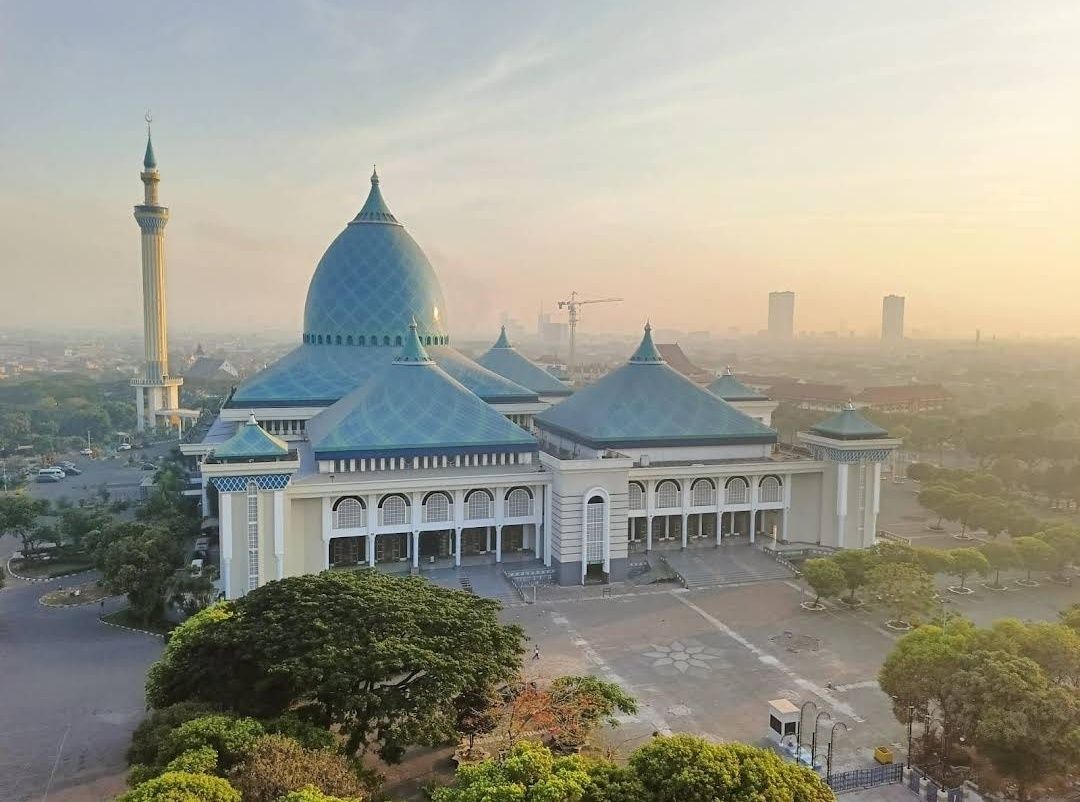
## Description **Masjid Al Akbar Surabaya**, often referred to as the **Grand Mosque of Surabaya**, is one of the largest and most magnificent mosques in Indonesia. Completed in 2000, this architectural marvel is a significant religious landmark and a cultural treasure in East Java. Its grandeur, unique design, and serene atmosphere make it a must-visit for both worshippers and travelers interested in Indonesia’s rich Islamic heritage. The mosque is instantly recognizable for its **striking turquoise dome**, which is one of the largest in Southeast Asia, measuring 27 meters in diameter and standing 54 meters high. The dome is surrounded by smaller domes and a towering minaret that rises to 99 meters, symbolizing the **99 names of Allah** in Islam. From the top of the minaret, visitors can enjoy panoramic views of Surabaya city, stretching out toward the Java Sea on clear days. **Little-known facts**: * The mosque can accommodate **up to 59,000 worshippers** at once, making it one of the largest in the country. * The minaret was specifically designed with a viewing platform, offering a rare opportunity for visitors to appreciate both the mosque and Surabaya from above. --- ## Location Masjid Al Akbar is located in **Surabaya**, the bustling capital of **East Java Province**, in **Indonesia**. It stands prominently on **Jalan Pagesangan**, near the Surabaya–Gempol toll road, making it easily accessible for both locals and visitors. ### How to get there: * From **Juanda International Airport**, the mosque is about 15 kilometers away and can be reached by taxi in around 30–40 minutes, depending on traffic. * From Surabaya city center, you can take a taxi, car rental, or use ride-hailing apps like Gojek or Grab for a convenient trip. Public buses also stop nearby, but private transportation is recommended for comfort and ease. --- ## Tips * **Visit during non-prayer hours**: If you’re a non-Muslim visitor, it’s best to explore the mosque outside the five daily prayer times to avoid crowds and to be respectful. * **Dress modestly**: Visitors are expected to wear modest clothing. Women may be provided with robes and headscarves if needed. * **Climb the minaret**: Don’t miss the chance to go up the 99-meter-high minaret for an incredible bird’s-eye view of Surabaya. * **Photography etiquette**: The mosque’s interior and exterior are highly photogenic, but always be respectful when taking photos, especially if worshippers are present. * **Combine your visit**: Masjid Al Akbar is close to Surabaya’s other attractions, such as the Surabaya Zoo and Taman Bungkul Park, making it easy to plan a full day of sightseeing. --- ## Conclusion Masjid Al Akbar Surabaya is not just a place of worship—it’s an architectural icon and cultural landmark in East Java. With its vast turquoise dome, symbolic minaret, and capacity to welcome tens of thousands of worshippers, it embodies the grandeur of Islamic architecture in Indonesia. Whether you come for prayer, cultural appreciation, or panoramic city views, the mosque offers a memorable and enriching experience. --- ## FAQ **1. What makes Masjid Al Akbar unique?** Its massive turquoise dome, 99-meter-high minaret, and capacity for nearly 59,000 worshippers make it one of Indonesia’s largest and most iconic mosques. **2. Can non-Muslims visit the mosque?** Yes, non-Muslims are welcome outside of prayer times, provided they dress modestly and respect the sanctity of the space. **3. Is there an entrance fee?** No, entry to Masjid Al Akbar is free, though small donations are appreciated. A small fee may apply if you want to access the minaret viewing platform. **4. When is the best time to visit?** Early mornings and late afternoons are ideal for cooler weather and softer lighting, perfect for photography and sightseeing. **5. How long does a visit usually take?** Most visitors spend 1–2 hours, especially if they include a trip up the minaret. **6. Is the mosque accessible for families and elderly visitors?** Yes, the mosque has ramps, elevators, and spacious areas, making it suitable for families with children and elderly visitors. --- ## Links * [Indonesia Travel – Official Site](https://www.indonesia.travel/gb/en/) * [East Java Tourism Board](https://www.eastjava.com/)
GemVoyage Team • World

Comments