Discover extraordinary places shared by our community of travelers

Pokhara
## Description **Matepani Gumba** is a serene Buddhist monastery perched on a quiet hillside in Pokhara, Nepal. It’s one of the city’s lesser-known yet most spiritually rewarding attractions. Built in the 1960s by Tibetan refugees, the monastery belongs to the **Gelug sect of Tibetan Buddhism**, often referred to as the “Yellow Hat” tradition. Its colorful architecture, peaceful ambiance, and panoramic views of Pokhara make it a must-visit for travelers seeking both cultural depth and tranquility. The interior of the monastery is breathtaking. Its main prayer hall is adorned with **intricate murals depicting scenes from Buddhist teachings**, as well as striking statues of Buddha and various deities. During prayer sessions, the air fills with the sound of chanting monks, the beating of drums, and the rhythmic call of long Tibetan horns—a mesmerizing spiritual experience. **Little-known facts**: * The monastery is home to a community of young monks in training. Visitors may often see them playing outside after prayers or diligently studying inside. * Matepani Gumba was strategically built on a hilltop not only for its peaceful isolation but also for its sweeping view of Pokhara Valley, including glimpses of **Phewa Lake** and the **Annapurna mountain range** on clear days. --- ## Location Matepani Gumba is located in **Pokhara**, within the **Gandaki Province** of **Nepal**. It sits atop a hill in the **Matepani neighborhood**, about 5 kilometers northeast of Pokhara’s Lakeside area, the main tourist hub. ### How to get there: * The most convenient way is to take a **taxi** or hire a scooter from Lakeside. The drive takes around 15–20 minutes. * Adventurous travelers can also hike up the hill. The walk is a bit steep but rewarding, as you’ll pass through local neighborhoods and enjoy peaceful surroundings along the way. --- ## Tips * **Attend a prayer session**: If possible, time your visit with the monks’ chanting rituals. These are usually held in the morning or late afternoon, and they offer an unforgettable cultural experience. * **Dress respectfully**: As a place of worship, modest clothing is expected. Remove your shoes before entering the main prayer hall. * **Bring a camera, but be mindful**: The monastery’s colorful murals and views are photogenic, but always ask before photographing monks or ceremonies. * **Combine your visit**: Matepani Gumba pairs well with other cultural sites in Pokhara, such as the World Peace Pagoda or Bindhyabasini Temple. * **Go in the morning**: The air is clear, the light is soft for photos, and you’re more likely to catch monks engaged in prayers. --- ## Conclusion Matepani Gumba is more than just a monastery—it’s a peaceful retreat where spirituality, culture, and nature come together. With its rich Tibetan Buddhist heritage, beautiful murals, and tranquil hilltop setting, it offers visitors a unique chance to step away from Pokhara’s busy streets and experience a different side of the city. Whether you’re drawn by faith, culture, or simply the desire for quiet reflection, Matepani Gumba leaves a lasting impression. --- ## FAQ **1. What is Matepani Gumba known for?** It’s a Tibetan Buddhist monastery famous for its vibrant murals, large statues, and peaceful hilltop location overlooking Pokhara. **2. Can visitors attend ceremonies at the monastery?** Yes, visitors are welcome to observe prayer sessions, but it’s important to remain quiet and respectful during rituals. **3. Is there an entrance fee?** No, entry to Matepani Gumba is generally free, though donations are appreciated to help maintain the monastery. **4. How long should I plan for a visit?** A visit usually takes 1–2 hours, depending on whether you stay for a prayer session or spend time enjoying the views. **5. Is it family-friendly?** Yes, the peaceful atmosphere and open grounds make it suitable for families, though young children should be supervised inside the prayer hall. **6. What’s the best way to reach Matepani Gumba?** The easiest option is by taxi from Lakeside, but walking or riding a scooter are also popular choices for adventurous travelers. --- ## Links * [Pokhara Tourism Board](https://ntb.gov.np/pokhara) * [Lonely Planet – Pokhara](https://www.lonelyplanet.com/nepal/pokhara)
GemVoyage Team • World
Beijing
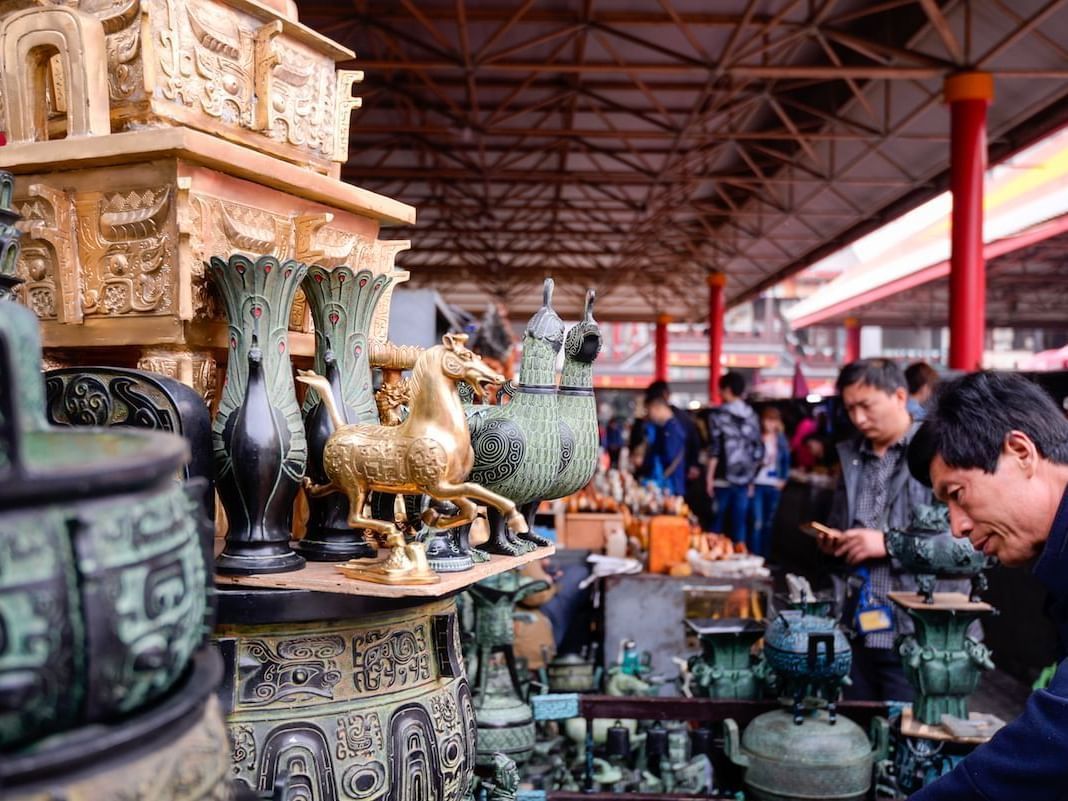
## Description Panjiayuan Antique Market is one of Beijing’s most famous shopping destinations for anyone interested in antiques, collectibles, crafts, and the thrill of browsing through a vast informal market environment. It is not a polished retail complex. It is a sprawling, energetic market where the pleasure comes from looking closely, comparing objects, and discovering what catches your eye. For travelers, that makes it one of the most characterful places to shop in Beijing, especially if you enjoy markets with a sense of surprise. The market is compelling because it contains many different worlds at once. You may find traditional crafts, replica objects, old decorative pieces, calligraphy supplies, beads, paintings, jewelry, souvenirs, and a range of goods that reflect both local taste and the expectations of visitors. A lesser-known fact is that Panjiayuan has long been associated with weekend browsing culture and has become a major destination for both serious collectors and casual shoppers. Another interesting detail is that the market’s atmosphere often changes depending on the time and day of visit, with early morning tending to be the best period for finding variety and doing serious browsing before the crowds become dense. For travelers, the real appeal is less about guaranteed rare finds and more about the experience of looking. Panjiayuan rewards patience, curiosity, and negotiation. It is the type of place where you can spend hours without realizing how much time has passed because every row offers something different. Even if you are not an antique buyer, the market is still fascinating as a cultural snapshot of Beijing’s consumer life and souvenir economy. It is also an excellent place for people who enjoy photography and people-watching, though you should be considerate and ask before taking close photos of vendors or merchandise. The market’s scale and texture make it one of the most memorable commercial spaces in the city. ## Location Panjiayuan Antique Market is located in Chaoyang District, Beijing, China, on the eastern side of the city. Its location makes it accessible from central Beijing while still feeling like a destination with its own identity. Because it is a major market rather than a single storefront, it is best approached with enough time to wander. The easiest way to reach the market is by subway followed by a short walk. Beijing’s metro is usually the most efficient transport method, especially if you want to avoid traffic. Taxis and rideshares also work well if you are carrying purchases or traveling with a group. Once you arrive, the market is straightforward to explore on foot, and the surrounding streets make it easy to orient yourself. If you are serious about browsing, mornings and weekends are often the most rewarding. If you prefer a quieter visit, go earlier in the day or plan around less busy times when possible. ## Tips Bring cash and a willingness to compare prices. Bargaining can be part of the experience, so staying alert is useful. Check items carefully before buying. Quality and authenticity vary, especially with antiques and collectible-style merchandise. Arrive early if you want the widest selection. Serious buyers often do better before the market becomes crowded. Do not expect every item to be a true antique. The market includes a wide range of goods, from genuine older objects to decorative reproductions. Leave enough time to wander without a fixed list. The market rewards discovery more than efficiency. ## Conclusion Panjiayuan Antique Market is one of Beijing’s best places for browsing, bargaining, and discovering objects with personality. It offers a lively, practical, and sometimes unpredictable market experience that many travelers remember long after they leave. ## FAQ ### Is Panjiayuan Antique Market only for collectors? No. It is popular with casual visitors too, especially those who enjoy browsing and shopping for souvenirs or decorative items. ### Can I bargain there? Often yes, though the style and room for negotiation can vary by stall and item. ### What is the best time to visit? Early morning, especially on busier market days, is often the best time for selection and atmosphere. ### Are all items antiques? No. The market includes a mix of antiques, collectibles, crafts, reproductions, and souvenir items. ## Links - [Beijing official tourism](https://english.beijing.gov.cn/) - [Chaoyang District overview](https://en.wikipedia.org/wiki/Chaoyang_District,_Beijing)
GemVoyage Team • World
Cairo
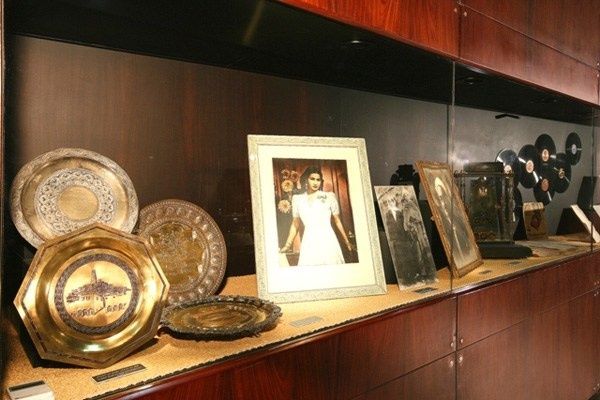
## Description **The Umm Kulthum Museum (متحف أم كلثوم)** is a cultural institution dedicated to the life, career, and enduring influence of **Umm Kulthum**, widely regarded as the greatest singer in Arabic music history. More than a traditional museum, it functions as a space of collective memory, honoring an artist whose voice shaped Arab identity, politics, and emotional life throughout the 20th century. The museum traces Umm Kulthum’s journey from her rural childhood in the Nile Delta to her rise as an international cultural icon. Exhibits include original concert dresses, handwritten song lyrics, personal letters, musical instruments, photographs, and rare recordings. These objects illustrate not only her artistic evolution but also her role in Egypt’s political and social life, particularly during the mid-20th century when her songs became symbols of unity and resilience. One lesser-known fact is that Umm Kulthum maintained strict control over her performances, including acoustics, orchestra placement, and radio broadcasts, contributing to the unique emotional intensity of her concerts. Another interesting detail is that her monthly live radio performances once caused streets across the Arab world to empty, as listeners gathered around radios to hear her sing in real time. The museum also emphasizes her collaboration with major composers and poets, such as **Riad Al-Sunbati** and **Ahmed Rami**, highlighting how her success was the result of a disciplined artistic network rather than solo fame. Audio stations throughout the museum allow visitors to experience her music in context, making the visit immersive rather than purely visual. ## Location **Country:** Egypt **Region:** Greater Cairo **City:** Cairo **District:** Old Cairo (Manial area) The museum is located within the **Manasterly Palace complex** on **Roda Island**, overlooking the Nile. ### How to Get There * **By taxi or ride-hailing:** * Uber and local taxis are the most convenient way to reach Roda Island. * **By metro:** * Take Line 1 to **Sayeda Zeinab** station, followed by a short taxi ride. * **By car:** * Accessible via bridges connecting Roda Island to central Cairo. * **On foot (limited):** * Walking access is possible from nearby neighborhoods, but distances can be long. ## Tips * **Allow time for listening stations:** The audio exhibits are essential to the experience. * **Combine with Manial Palace:** Both sites are in the same complex and complement each other well. * **Visit on a weekday:** The museum is quieter and more contemplative. * **Background knowledge helps:** Familiarity with Umm Kulthum’s music enhances the visit, but it’s not required. * **Photography rules vary:** Check signage before taking photos inside. * **Best for mature visitors:** The museum is most appreciated by those interested in cultural history and music. ## Conclusion The Umm Kulthum Museum preserves the legacy of a voice that transcended music to become a cultural force. Through personal artifacts, recordings, and historical context, it offers a deep and respectful exploration of an artist who shaped generations across the Arab world. ## FAQ **1. Who was Umm Kulthum?** She was an Egyptian singer and cultural icon whose influence extended across the Arab world for decades. **2. Is the museum suitable for non-Arabic speakers?** Yes. Visual displays and contextual explanations make the visit accessible, though understanding Arabic lyrics adds depth. **3. How long does a visit take?** Around **60 to 90 minutes**. **4. Is there an entrance fee?** Yes, a modest fee is charged. **5. Are guided tours available?** Occasionally, especially for cultural groups. **6. Can I buy music or souvenirs there?** Limited merchandise may be available within the palace complex. ## Links * [Cairo tourism portal](https://www.experienceegypt.eg/en)
GemVoyage Team • World
Cairo
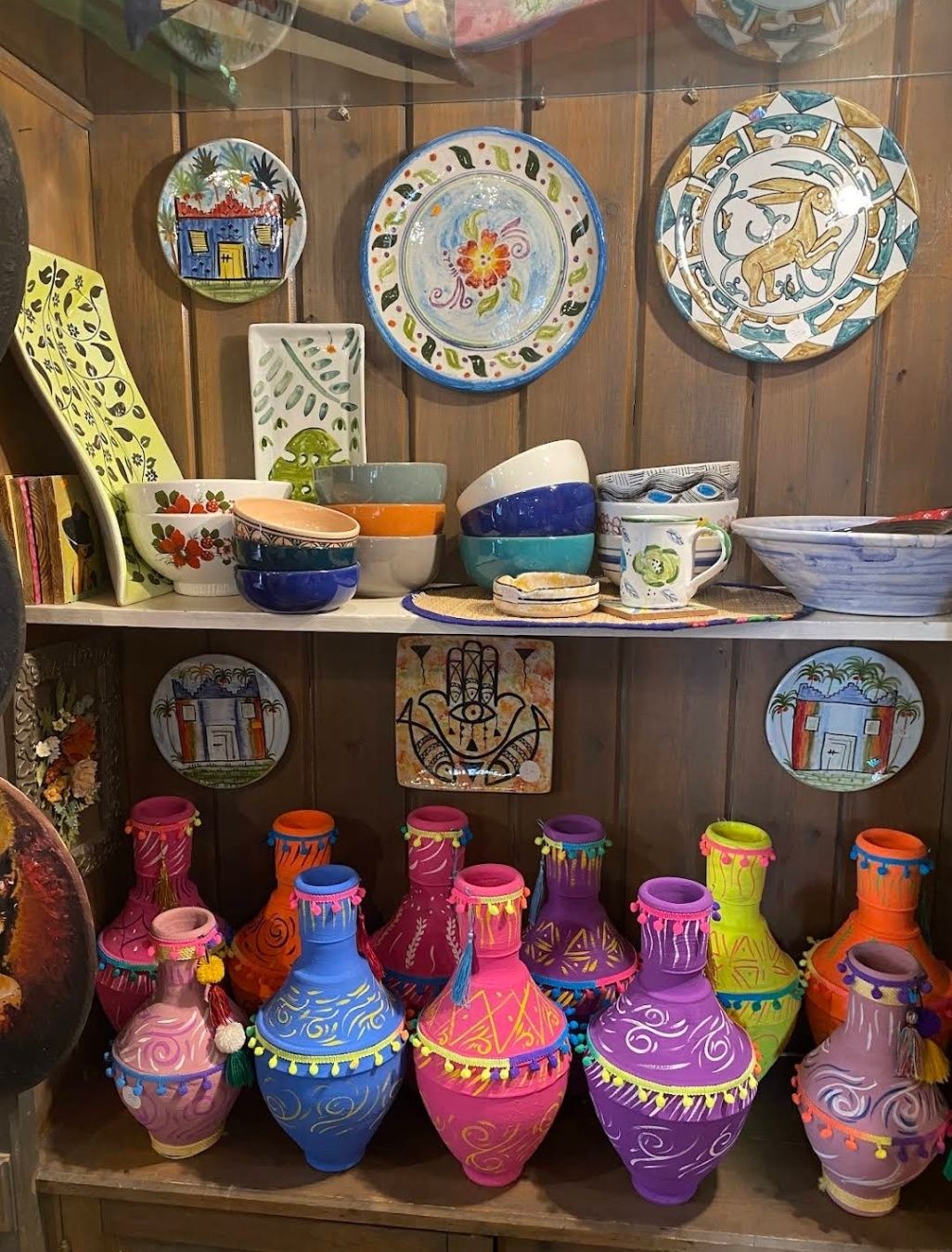
## Description **Souk Al Fustat** is one of Cairo’s most fascinating markets, blending traditional Egyptian craftsmanship with a modern, organized atmosphere. Unlike the bustling and chaotic feel of Khan El Khalili, Souk Al Fustat offers a calmer, more curated shopping experience where visitors can explore handmade goods, artisanal crafts, and cultural souvenirs in a relaxed setting. What makes this market particularly unique is its focus on **authentic, high-quality handicrafts**. Here, you’ll find exquisite pottery, handwoven textiles, blown glass, leather goods, and jewelry made by local artisans who carry on centuries-old traditions. Many items are produced using techniques passed down through generations, making every piece a little work of art. A lesser-known fact about Souk Al Fustat is that it was established in the early 2000s as part of an initiative to revive Egypt’s traditional crafts and support artisans economically. Another hidden gem is that the market is located near some of Cairo’s most historic landmarks, making it easy to combine shopping with cultural exploration in a single trip. ## Location Souk Al Fustat is located in **Old Cairo**, near **Amr Ibn Al-As Mosque** and the **Hanging Church**, within the **Fustat area** of Cairo, Egypt. The address places it right in the heart of Cairo’s oldest district, which is rich in both Islamic and Coptic heritage. Getting there is fairly simple. From downtown Cairo, you can take a taxi or a ride-hailing service like Uber, which is the most convenient option for visitors unfamiliar with the city. The drive usually takes around 20–30 minutes depending on traffic. Alternatively, you can use the **Cairo Metro** and get off at **Mar Girgis Station**, which is just a short walk from the market and other Old Cairo attractions. ## Tips To make the most out of your visit to Souk Al Fustat, consider these tips: * **Bring cash** – While some shops may accept cards, cash is the preferred method of payment, especially for smaller purchases. * **Bargain respectfully** – Unlike Khan El Khalili, prices here are often fixed, but it doesn’t hurt to politely ask for a discount if you’re buying multiple items. * **Visit nearby landmarks** – Plan your visit around Old Cairo so you can explore attractions like the Coptic Museum, Amr Ibn Al-As Mosque, and the Synagogue of Ben Ezra. * **Go in the morning or late afternoon** – This helps you avoid the midday heat and ensures a quieter shopping experience. * **Look for workshops** – Some artisans allow visitors to watch them work, offering a unique opportunity to see traditional crafts being made before your eyes. * **Support local artisans** – Many of the sellers depend on this market as their main livelihood, so buying directly from them helps preserve Egypt’s cultural heritage. ## Conclusion **Souk Al Fustat in Cairo** is more than just a marketplace—it’s a cultural hub where history, craftsmanship, and tradition come together. With its authentic handmade goods, peaceful shopping environment, and proximity to Old Cairo’s iconic landmarks, it’s the perfect spot for travelers who want to take home a meaningful piece of Egypt. ## FAQ **1. What is Souk Al Fustat known for?** It’s best known for selling authentic Egyptian handicrafts such as pottery, textiles, jewelry, glassware, and leather goods, all made by local artisans. **2. How is it different from Khan El Khalili?** Souk Al Fustat is smaller, calmer, and more organized than Khan El Khalili, focusing on quality handmade crafts rather than mass-produced souvenirs. **3. Is it family-friendly?** Yes, the market has a relaxed atmosphere, making it suitable for families with children who want to explore Egyptian crafts without the overwhelming crowds. **4. How much time should I plan for my visit?** You can comfortably explore the market in 1–2 hours, but if you combine it with nearby Old Cairo attractions, plan for a half-day trip. **5. Are prices fixed at Souk Al Fustat?** Many shops have fixed prices, but some sellers may allow light bargaining, especially if you’re purchasing multiple items. **6. When is the best time to visit?** The best times are mornings or late afternoons to avoid the heat and enjoy a more relaxed shopping experience. ## Links * [Official Egypt Tourism Website](https://www.egypt.travel)
GemVoyage Team • World
Copenhagen
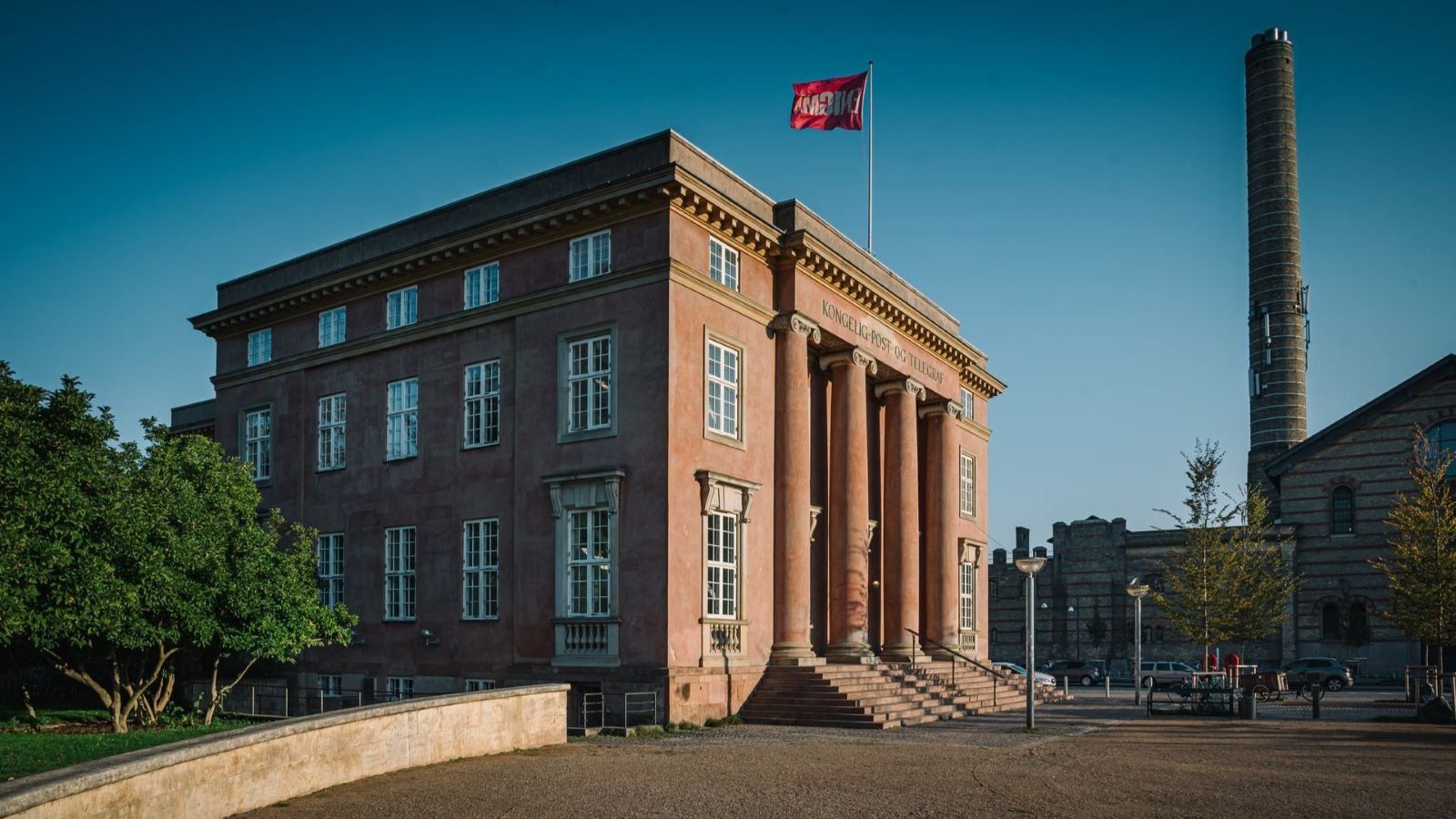
## Description The **ENIGMA – Museum for Post, Tele and Communication** is one of Copenhagen’s most modern and intellectually stimulating museums, dedicated not to ancient artifacts or royal history, but to **how humans have communicated across distance, time, and technology**. From handwritten letters and Morse code to mobile phones, surveillance systems, and digital culture, ENIGMA explores the **evolution of human connection in the age of information**. Unlike traditional technology museums that merely display machines behind glass, ENIGMA is designed as a **highly interactive, reflection-driven experience**. Visitors are encouraged not only to observe how communication tools work, but also to question the **social, political, and psychological consequences** of living in a hyper-connected world. Themes such as **privacy, propaganda, encryption, digital identity, surveillance, mass media, and misinformation** are central to the museum’s narrative. One of ENIGMA’s strongest features is its ability to turn abstract digital concepts into **physical, experiential installations**. Visitors can experiment with **cryptography systems**, explore how **data is tracked and monetized**, decode historical messages, and see how wartime intelligence shaped modern communication security. These hands-on elements make the museum engaging for both casual visitors and those with deeper interests in media studies, cybersecurity, or information technology. The museum also preserves a major historical legacy. ENIGMA is the institutional successor to Denmark’s former **Post & Tele Museum**, and it still houses one of Northern Europe’s most important collections of **telegraph machines, early telephones, switchboards, radios, and postal equipment**. These historical objects are seamlessly integrated into contemporary digital storytelling, allowing visitors to trace a clear technological timeline from **ink and paper to algorithms and artificial intelligence**. A powerful section of the museum focuses on **war communication and encryption**, including how coded messages, radio interception, and intelligence networks reshaped modern conflicts. This section directly references the global legacy of machines like the **Enigma cipher machine** (from which the museum takes its name), emphasizing how secrecy and communication control became decisive weapons of the 20th century. A little-known fact is that the museum is housed in a **former industrial building linked to Copenhagen’s old port and logistics infrastructure**, reinforcing its historical connection to information and transport networks. Another lesser-known detail is that ENIGMA regularly hosts **temporary exhibitions on digital ethics, social media behavior, and artificial intelligence**, meaning the content is constantly evolving rather than static. ENIGMA is not nostalgic about technology, nor blindly optimistic. Its central strength lies in how it frames communication as a **double-edged force**—one that enables freedom, creativity, and democracy, while also enabling manipulation, control, and surveillance. This intellectual balance makes the museum especially relevant in the modern era, where digital systems shape nearly every aspect of daily life. ## Location The **ENIGMA Museum of Communication** is located in the **Østerbro district of Copenhagen**, a residential and creative area near the city’s northern waterfront. **City:** Copenhagen **Region:** Capital Region of Denmark (Hovedstaden) **Country:** Denmark **District:** Østerbro ### How to Get There: * **By S-train:** Take **S-train lines A, B, C, or E** to **Svanemøllen Station**, then walk approximately 10 minutes. * **By bus:** Several bus routes stop near Østerbro and the Svanemøllen area. * **By bicycle:** Copenhagen’s bike infrastructure makes this one of the easiest ways to reach the museum. * **By taxi or ride-hailing apps:** A direct and convenient option from central Copenhagen. * **By car:** Limited parking is available; public transport is strongly recommended. Its location makes it easy to combine with **Østerbro cafés, waterfront walks, and beach visits at Svanemøllen Strand**. ## Tips * **Allow at least 2 hours:** The interactive nature of the museum requires time to explore properly. * **Read the digital ethics sections carefully:** These areas provide some of the museum’s most thought-provoking content. * **Great for teens and adults:** Younger children may find some sections abstract or text-heavy. * **Combine with a waterfront walk:** The nearby harbor and beach areas provide a perfect contrast after an intense museum visit. * **Check temporary exhibitions in advance:** These often focus on current digital issues like AI, surveillance, or social media. * **Visit on a weekday if possible:** Interactive stations are easier to access with fewer visitors. * **Not a quick “tourist” museum:** This is a reflective, idea-driven institution rather than a rapid sightseeing stop. * **English-friendly:** Most exhibits are available in both **Danish and English**. ## Conclusion The **ENIGMA Museum of Communication** is one of Copenhagen’s most intellectually relevant cultural institutions, offering a deep, interactive exploration of how **human connection, technology, power, and identity intersect**. By combining historical artifacts with digital-age questions about privacy, data, and surveillance, ENIGMA transforms communication from an invisible background process into a central force that shapes modern life. It is an essential stop for anyone who wants to understand not just how we communicate—but what that communication is doing to us. ## FAQ **1. What is the ENIGMA Museum about?** It focuses on the **history and impact of communication technologies**, from postal systems and telegraphs to digital surveillance and social media. **2. Is the museum only about old technology?** No. It strongly emphasizes **modern digital communication, cybersecurity, and media influence** alongside historical tools. **3. Is ENIGMA suitable for children?** It is best suited for **teenagers and adults**, as many themes involve abstract concepts like data ethics and surveillance. **4. How long does a visit usually take?** Most visitors spend **2 to 3 hours** exploring the exhibitions. **5. Is everything in Danish?** No. Most exhibits are available in **both Danish and English**. **6. Does the museum change its exhibitions?** Yes. It regularly hosts **temporary exhibitions** on emerging digital and communication topics. ## Links * [Official ENIGMA Museum Website](https://enigma.dk) * [Visit Copenhagen – Museums Guide](https://www.visitcopenhagen.com)
GemVoyage Team • World

Copenhagen
## Description The Hans Christian Andersen Experience in Copenhagen is a cultural attraction dedicated to one of Denmark’s most famous figures and one of the world’s most influential storytellers. Rather than functioning as a traditional museum, the experience is designed as an immersive walk-through journey that brings Andersen’s life and fairy tales to life through sets, soundscapes, projections, and storytelling elements. Visitors are invited to step directly into the imaginative universe behind timeless stories such as *The Little Mermaid*, *The Ugly Duckling*, and *The Emperor’s New Clothes*. What makes the Hans Christian Andersen Experience unique is its narrative-driven design. Instead of focusing heavily on historical artifacts, the attraction emphasizes emotion, atmosphere, and imagination, mirroring the way Andersen himself told stories. Visitors move through scenes inspired by both his personal life and his fictional worlds, gaining insight into how his hardships, travels, and observations shaped his writing. A little-known fact is that Andersen struggled with poverty and social insecurity early in his life, themes that quietly echo throughout many of his fairy tales. Another lesser-known detail is that some installations are inspired by Andersen’s own paper cuttings, an art form he practiced privately and which reflects his intricate creative mind. This experience appeals to both adults and children, offering a reflective and engaging way to understand why Andersen’s stories continue to resonate across cultures and generations. ## Location The Hans Christian Andersen Experience is located in **Denmark**, in the **Capital Region**, within the city of **Copenhagen**. It sits in the historic city center, close to City Hall Square (Rådhuspladsen) and within walking distance of Tivoli Gardens and Strøget, Copenhagen’s main shopping street. Getting there is easy using public transportation. The nearest metro stations are **Rådhuspladsen** and **Gammel Strand**, both a short walk away. Numerous buses also stop nearby. For visitors already exploring central Copenhagen, the attraction is conveniently reached on foot or by bicycle, which is a popular way to get around the city. ## Tips * Allow about one hour for your visit, though literature enthusiasts may want more time to explore each section carefully. * The experience is largely indoors, making it a good option during colder or rainy weather. * Some displays rely on lighting and sound effects, which may feel intense for very young children. * Photography is usually allowed, but flash may be restricted in certain areas. * Combine your visit with nearby attractions such as Tivoli Gardens or a walk through the historic city center. * Reading a few Andersen fairy tales beforehand can enhance your appreciation of the scenes and references. ## Conclusion The Hans Christian Andersen Experience offers a thoughtful and imaginative introduction to Denmark’s most beloved storyteller. Through immersive design and emotional storytelling, it allows visitors to connect with both the man and the fairy tales that shaped global literature. ## FAQ **Is the Hans Christian Andersen Experience suitable for children?** Yes, it is suitable for children, though some darker fairy-tale themes may be better appreciated by older kids. **How long does the visit take?** Most visitors spend around 45 minutes to one hour inside the experience. **Is the experience available in English?** Yes, information and displays are available in English, along with other major languages. **Is this a traditional museum?** No, it is an immersive storytelling experience rather than an artifact-based museum. **Do I need to book tickets in advance?** Advance booking is recommended during peak tourist seasons, though walk-in tickets are often available. ## Links * [Hans Christian Andersen Experience Official Website](https://www.visitcopenhagen.com/copenhagen/planning/hans-christian-andersen-experience-gdk591356)
GemVoyage Team • World
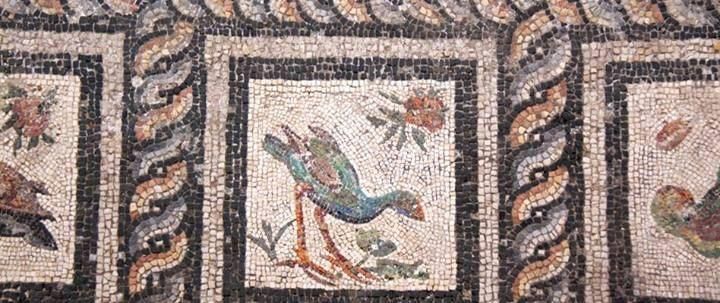
Alexandria
## Description The Roman Villa of the Birds is one of Alexandria’s most fascinating yet often overlooked archaeological sites. Discovered in the early 20th century, this Roman-era villa is renowned for its exceptionally well-preserved floor mosaics, particularly the famous mosaic depicting a variety of birds rendered with remarkable detail and realism. The site offers a rare glimpse into daily life, artistic taste, and luxury in Roman Alexandria, a city that once stood at the crossroads of Mediterranean civilizations. What makes the Roman Villa of the Birds unique is the quality and condition of its mosaics. Unlike many ancient floors that survive only in fragments, the bird mosaic remains largely intact, allowing visitors to appreciate the original composition as it was intended nearly two thousand years ago. The birds are shown in natural poses, each carefully identified by species, reflecting the Roman fascination with nature and decorative art. A little-known fact is that the villa likely belonged to a wealthy Roman official or merchant, as such elaborate mosaics were a clear symbol of status. Another lesser-known detail is that the site was deliberately reburied for protection for many years before being reopened, helping preserve the mosaics from environmental damage and urban expansion. Quiet and atmospheric, the Roman Villa of the Birds provides a more intimate encounter with Alexandria’s ancient past compared to larger, more crowded attractions. ## Location The Roman Villa of the Birds is located in **Egypt**, in the **Alexandria Governorate**, within the city of **Alexandria**. The site is situated in the Kom el-Dikka archaeological area, near other Roman-era remains such as theaters and bath complexes, in the central part of the modern city. Reaching the villa is relatively easy. Visitors can take a taxi from anywhere in Alexandria, as the site is well known among local drivers. Public buses and trams also operate nearby, though taxis are the most convenient option for first-time visitors. Since the site is close to other historical attractions, it is recommended to combine visits on foot once you arrive in the area. ## Tips * Visit earlier in the day to enjoy cooler temperatures and a quieter atmosphere. * Wear comfortable walking shoes, as the site includes uneven stone surfaces. * Take your time observing the mosaic details; binocular vision or zoom photography can help appreciate the craftsmanship. * Photography is usually allowed, but flash may be restricted to protect the mosaics. * Consider visiting nearby Kom el-Dikka ruins to gain broader context about Roman Alexandria. * Bring water and sun protection, especially during warmer months. ## Conclusion The Roman Villa of the Birds is a small but extraordinary archaeological site that highlights Alexandria’s Roman heritage through art rather than monumental architecture. Its beautifully preserved mosaics and calm setting make it a rewarding destination for history lovers and travelers seeking lesser-known cultural gems. ## FAQ **Why is the Roman Villa of the Birds famous?** It is best known for its highly detailed and well-preserved bird mosaic, considered one of the finest Roman mosaics in Egypt. **How long does a visit take?** Most visitors spend 30 to 60 minutes exploring the site and observing the mosaics. **Is the site suitable for children?** Yes, older children may find the artwork and history interesting, though supervision is recommended. **Is there an entrance fee?** Yes, a small entrance fee is usually required, with discounted rates for students. **Can I visit the villa year-round?** Yes, the site is generally open year-round, though hours may vary during holidays. ## Links * [Alexandria Tourism Information](https://www.experienceegypt.eg/en/city/27/alexandria)
GemVoyage Team • World
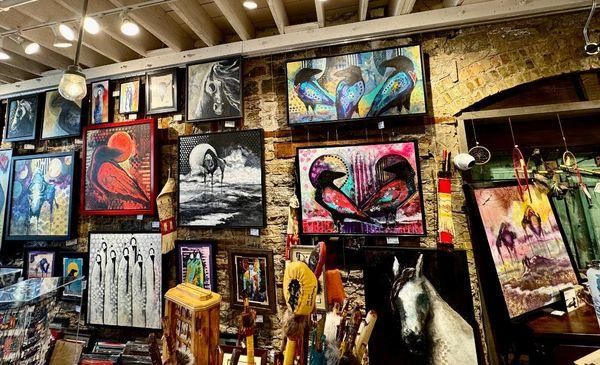
Minneapolis
## Description Northland Visions is a well-known Native American shop in Minneapolis that celebrates Indigenous art, culture, and craftsmanship from across North America. More than just a retail space, the shop functions as a cultural bridge, offering visitors a meaningful opportunity to engage with Native traditions through authentic, ethically sourced items. The store features a wide range of products, including traditional and contemporary jewelry, beadwork, carvings, pottery, clothing, books, and ceremonial objects. What makes Northland Visions unique is its strong commitment to authenticity and Native representation. The shop works directly with Native American artists and communities, ensuring that the items sold are genuine and that artists are fairly compensated. A lesser-known fact is that Northland Visions has long been connected to the local Native community in Minnesota, particularly the Dakota and Ojibwe nations, making it an important cultural space as well as a business. Another interesting detail is that the shop often carries items connected to seasonal ceremonies and powwow culture, reflecting living traditions rather than static displays. For visitors interested in Indigenous culture, Northland Visions offers an experience rooted in respect, education, and cultural continuity. ## Location Northland Visions is located in the **United States**, in the state of **Minnesota**, within the city of **Minneapolis**. The shop is situated in the Powderhorn area of South Minneapolis, a neighborhood known for its strong community identity and cultural diversity. Visitors can reach the shop by car, public bus, or bicycle. Several Metro Transit bus routes serve the surrounding area, making it accessible from downtown Minneapolis and other neighborhoods. For those driving, street parking is generally available nearby. Using a navigation app is recommended for first-time visitors, as the shop is located in a primarily residential and commercial mixed-use area. ## Tips * Take time to ask staff about the origins and meanings of the items, as they are often happy to share cultural context. * If you are purchasing jewelry or artwork, inquire about the artist to better understand the piece’s background. * Be respectful when viewing or asking about ceremonial items, as some objects may have cultural restrictions. * Bring cash or a card, as most major payment methods are accepted. * Combine your visit with nearby local cafés or parks to explore more of South Minneapolis. * Check opening hours in advance, as they may vary seasonally or during cultural events. ## Conclusion Northland Visions offers a thoughtful and authentic introduction to Native American art and culture in Minneapolis. Through its carefully curated selection and strong community ties, the shop provides visitors with both meaningful purchases and a deeper cultural understanding. ## FAQ **Are the items at Northland Visions authentic?** Yes, the shop emphasizes genuine, Native-made products and works directly with Indigenous artists and communities. **Can I learn about the cultural significance of the items?** Yes, staff members are knowledgeable and often share information about the history and meaning behind many products. **Is Northland Visions suitable for tourists?** Absolutely. Visitors are welcome and often find the shop educational as well as culturally enriching. **Does the shop sell gifts and souvenirs?** Yes, it offers a wide range of items suitable for meaningful gifts, from small crafts to fine art pieces. **Is the shop accessible by public transportation?** Yes, multiple bus routes serve the area, making it accessible without a car. ## Links * [Northland Visions Official Website](https://www.northlandvisions.com) * [Explore Minneapolis](https://www.minneapolis.org)
GemVoyage Team • World
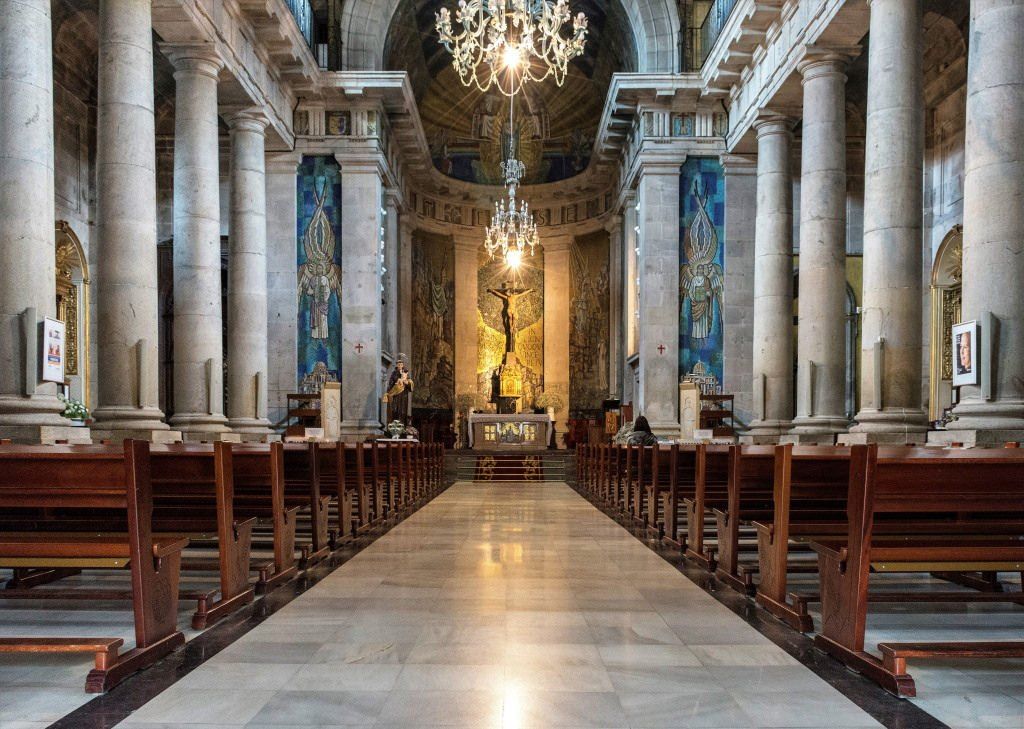
Vigo
## Description The Concatedral – Basílica de Santa María de Vigo is one of the most important religious and historical monuments in the city of Vigo. Standing prominently in the old town area, this Roman Catholic basilica-concatedral serves as a key symbol of the city’s spiritual heritage and architectural evolution. While Vigo is often associated with its port and modern urban life, this church offers a quieter, more reflective window into its past. What makes the Concatedral – Basílica de Santa María unique is its layered history. The current neoclassical structure, completed in the early 19th century, was built on the remains of earlier Gothic churches destroyed during attacks in the late 16th century. Despite its relatively austere exterior, the interior reveals elegant altarpieces, religious artwork, and a serene atmosphere that contrasts with the bustling streets outside. A little-known fact is that the church holds the image of Cristo de la Victoria, Vigo’s most venerated religious figure, honored every August during one of Galicia’s largest religious processions. Another lesser-known detail is that the building holds the status of both a basilica and a co-cathedral, sharing diocesan importance with the Cathedral of Tui. The Concatedral – Basílica de Santa María is not only a place of worship but also a cornerstone of Vigo’s cultural and communal identity. ## Location The Concatedral – Basílica de Santa María is located in **Spain**, in the autonomous community of **Galicia**, within the city of **Vigo**. It stands in the historic Casco Vello (Old Town), near the waterfront and close to Plaza de la Constitución. The church is easily accessible on foot from central Vigo, especially if you are exploring the old town area. Public buses stop nearby, connecting Casco Vello with other parts of the city. Taxis are also readily available and affordable. Visitors arriving by car should be aware that parking in the old town can be limited, so public transport or walking is recommended. ## Tips * Visit during the morning or early afternoon for a quieter and more contemplative experience. * Dress modestly, especially if attending a service or visiting during religious events. * Take time to explore Casco Vello before or after your visit, as the surrounding streets are rich in history. * If visiting in August, check dates for the Cristo de la Victoria procession, one of Vigo’s most important annual events. * Photography is generally allowed, but flash may be restricted during services. * Check mass times if you wish to experience the church as an active place of worship. ## Conclusion The Concatedral – Basílica de Santa María de Vigo is a meaningful blend of faith, history, and architecture. As both a spiritual center and a historic landmark, it offers visitors a deeper understanding of Vigo beyond its modern image and coastal setting. ## FAQ **Why is it called a co-cathedral?** It shares cathedral status with the Cathedral of Tui within the same diocese, making it a co-cathedral. **Is there an entrance fee?** No, entrance is generally free, though donations are appreciated. **Can tourists visit during mass?** Yes, visitors are welcome, but should remain respectful and quiet during services. **How long does a visit take?** Most visits last between 20 and 40 minutes, depending on interest. **Is the church accessible for people with limited mobility?** Accessibility is limited due to the historic structure, but the main entrance is generally manageable. ## Links * [Diocese of Tui-Vigo Official Website](https://www.diocesetuivigo.org) * [Turismo de Vigo](https://www.turismodevigo.org)
GemVoyage Team • World