Discover extraordinary places shared by our community of travelers
Nürnberg
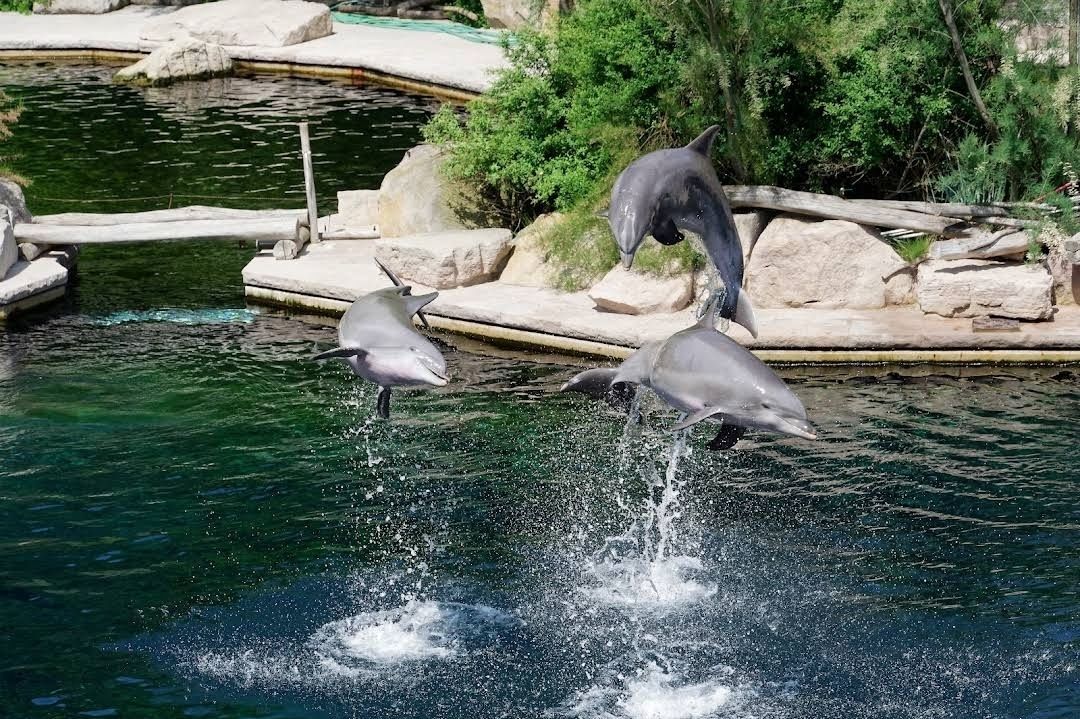
## Description The **Nürnberg Zoo and Dolphinarium** (Tiergarten Nürnberg) in Germany is one of the most fascinating zoological gardens in Europe, combining a rich natural setting with modern animal care facilities. Spread over **67 hectares of forest and meadowland**, this zoo offers visitors the unique experience of observing animals in spacious enclosures that closely resemble their natural habitats. Unlike many urban zoos, Nürnberg Zoo is nestled within a former sandstone quarry, giving the park a very scenic and distinctive landscape. What makes Nürnberg Zoo particularly unique is its **Dolphinarium**, which opened in 1971 and remains one of the few dolphinariums in Germany. It is home to bottlenose dolphins and manatees, and it has a strong focus on research, conservation, and educational programs. The zoo is internationally recognized for its breeding successes with endangered species such as the manatee, snow leopard, and Siberian tiger. A little-known fact about Nürnberg Zoo is that it houses **Europe’s only Aqua Park for dolphins** connected directly to a lagoon system, providing a near-natural environment for the marine mammals. Another interesting fact is that the zoo was originally founded in 1912, making it over a century old, though it had to be rebuilt after World War II due to heavy destruction. ## Location The Nürnberg Zoo and Dolphinarium is located in **Nuremberg (Nürnberg), Bavaria, Germany**. The zoo lies in the eastern part of the city, in a wooded area that gives it a peaceful and natural atmosphere. * **Country:** Germany * **Region:** Bavaria (Bayern) * **City:** Nuremberg (Nürnberg) ### How to Get There Visitors can reach the zoo easily by **public transportation**. From Nuremberg’s city center, take tram line 5 or bus line 65, which stop directly at the entrance of the zoo. For international visitors, the nearest airport is **Nuremberg Airport (NUE)**, located only about 13 km away. If you are driving, there is ample parking space near the entrance. For an eco-friendly option, cycling through the scenic routes of Nuremberg to the zoo is also recommended. ## Tips To make the most of your visit to Nürnberg Zoo and Dolphinarium, here are some useful tips: 1. **Plan Enough Time** – The zoo covers a vast area, so allow at least half a day, ideally a full day, to explore both the zoo and the Dolphinarium. 2. **Check Show Times** – The dolphin presentations are the highlight of the visit. Be sure to check the schedule in advance so you don’t miss it. 3. **Wear Comfortable Shoes** – With its hilly terrain and large grounds, comfortable walking shoes are a must. 4. **Bring Snacks or Enjoy Local Food** – While the zoo has restaurants and snack stations, bringing your own picnic is also a great option. 5. **Visit the Children’s Zoo** – Families with young kids will love the petting area where children can interact with farm animals. 6. **Best Seasons to Visit** – Spring and summer are particularly pleasant, as many animals are more active outdoors and the lush greenery makes the park extra beautiful. --- ## Conclusion The **Nürnberg Zoo and Dolphinarium** is more than just a zoo—it is a unique blend of history, nature, and modern animal conservation. With its scenic landscape, rare animal species, and one of Germany’s only dolphinariums, it offers a memorable experience for visitors of all ages. Whether you’re a family with children, an animal enthusiast, or simply a traveler exploring Bavaria, this attraction is well worth a visit. --- ## FAQ **1. How long should I plan for a visit to Nürnberg Zoo?** Most visitors spend between **4 to 6 hours** exploring the zoo and enjoying the dolphin shows. **2. Is the Dolphinarium included in the zoo ticket price?** Yes, admission to the Dolphinarium is included in the **general zoo entrance fee**. **3. Can I bring food and drinks into the zoo?** Yes, visitors are welcome to bring their own food and enjoy a picnic in designated areas. **4. Is Nürnberg Zoo open all year round?** Yes, the zoo is open daily, including weekends and holidays. However, opening hours may vary by season. **5. What animals can I see at Nürnberg Zoo?** The zoo is home to over **300 animal species**, including dolphins, manatees, snow leopards, polar bears, and Siberian tigers. --- ## Links * [Official Nürnberg Zoo Website](https://tiergarten.nuernberg.de) * [Tourist Information for Nuremberg](https://tourismus.nuernberg.de)
GemVoyage Team • World
Barcelona
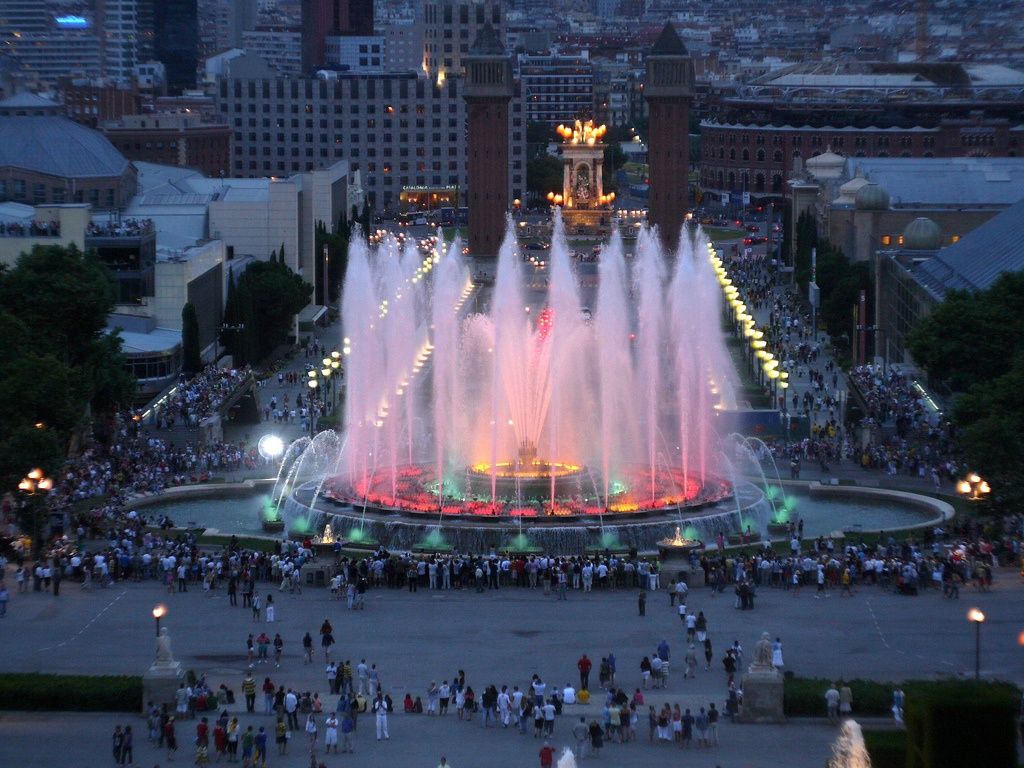
## Description The **Magic Fountain of Montjuïc (Font Màgica de Montjuïc)** is one of Barcelona’s most iconic and mesmerizing public attractions. Known for its dazzling **choreographed water shows synchronized with music and colorful lighting**, the fountain delivers a sensory spectacle that blends engineering, art, and performance into a single unforgettable experience. Every evening when it operates, thousands of visitors gather along the wide steps of Montjuïc to witness jets of water soar and dance in perfect rhythm with classical music, film soundtracks, and modern hits. The fountain was originally built for the **1929 Barcelona International Exposition**, an event that transformed Montjuïc into a cultural and architectural centerpiece of the city. At the time, its use of light and hydraulics was considered revolutionary. Over the years, it has been modernized with **computer-controlled lighting systems and advanced sound synchronization**, allowing for increasingly complex and dynamic performances. What makes the Magic Fountain unique is the scale of its performance. The fountain uses **over 7 billion combinations of water and light**, powered by nearly **3,000 liters of water per second** and illuminated by thousands of lights. The result is a constantly evolving visual narrative where water becomes a living, moving art form. A little-known fact is that the original designer, **Carles Buïgas**, envisioned the fountain as a symbol of modernity and innovation at a time when few cities had experimented with illuminated water displays. Another interesting detail is that the fountain is powered using **recirculated water**, making it a partially sustainable attraction despite its large scale. Beyond the show itself, the location adds to the magic. Set between the towering **Palau Nacional** (home to the National Art Museum of Catalonia) and **Plaça d’Espanya**, the fountain is framed by grand avenues, cascading stairways, and monumental architecture. The atmosphere becomes especially enchanting after sunset, when music echoes through the open plaza and the illuminated fountain reflects against the stone façades of Montjuïc. The Magic Fountain is not just a tourist attraction—it is also a gathering place for locals and a stage for national celebrations, festivals, and special performances. It captures Barcelona’s spirit of **creativity, openness, and celebration**, making it one of the city’s most beloved landmarks. ## Location The **Magic Fountain of Montjuïc** is located at the base of **Montjuïc Hill**, between **Plaça d’Espanya** and the **Palau Nacional**, in **Barcelona, Catalonia, Spain**. **Address:** Plaça de Carles Buïgas, 08038 Barcelona, Spain ### How to Get There: * **By metro:** Take **L1 (Red Line)** or **L3 (Green Line)** to **Espanya Station**. From there, it’s a 5-minute walk. * **By bus:** Routes **13, 23, 37, 46, 65, 79, 150** stop near Plaça d’Espanya. * **By foot:** Walk down from the **National Art Museum of Catalonia (MNAC)** along the fountains and wide staircases. * **By taxi or ride-hailing apps:** Simply ask for “Magic Fountain of Montjuïc.” * **By bike or scooter:** Dedicated lanes and parking areas are available around Plaça d’Espanya. Its central location makes it easy to combine with nearby attractions such as **Montjuïc Cable Car**, **Poble Espanyol**, **MNAC**, and **Las Arenas Shopping Center**. ## Tips * **Check show schedules:** The fountain does not operate daily year-round. Schedules change seasonally and during drought restrictions. * **Arrive early:** Good seating fills up quickly during peak tourist seasons, especially in summer. * **Best viewing spots:** The steps leading up to MNAC provide excellent elevated views of the performance. * **Visit after dark:** Night shows are the most impressive, as the lighting effects are fully visible. * **Bring a light jacket:** Even in summer, evenings can feel cool due to the water mist. * **Tripods are not ideal:** The area can be crowded, and tripods may be restricted or uncomfortable to use. * **Combine with an MNAC sunset visit:** Walk down from the museum at golden hour for a perfectly timed arrival at the fountain. * **Free attraction:** No tickets are required—just show up and enjoy. ## Conclusion The **Magic Fountain of Montjuïc** is one of Barcelona’s most magical experiences, offering a spectacular blend of **music, motion, light, and monumental architecture**. Rooted in the city’s history yet constantly evolving with modern technology, it remains a living symbol of Barcelona’s creative energy. Whether you are visiting for the first time or returning to the city, an evening at the Magic Fountain is a powerful reminder of how urban spaces can be transformed into stages of wonder and shared celebration. ## FAQ **1. Is the Magic Fountain free to visit?** Yes, the fountain shows are completely **free and open to the public**. **2. How long does each show last?** Each performance typically lasts between **10 and 20 minutes**, with repeated cycles throughout the evening. **3. Does the fountain operate year-round?** No, the schedule varies by season and may be suspended due to **water conservation measures or maintenance**. **4. Is the show suitable for children?** Yes, it is very family-friendly and often a highlight for children due to the lights and music. **5. What type of music is played?** The shows feature a mix of **classical music, movie soundtracks, opera, pop, and Spanish favorites**. **6. Can I combine it with other attractions in the same evening?** Yes. Many visitors pair the show with visits to **MNAC**, **Poble Espanyol**, or dinner near **Plaça d’Espanya**. ## Links * [Google Maps – Magic Fountain of Montjuïc](https://maps.app.goo.gl/Uy1j2aMu6UGy3QYm6)
GemVoyage Team • World
Berlin
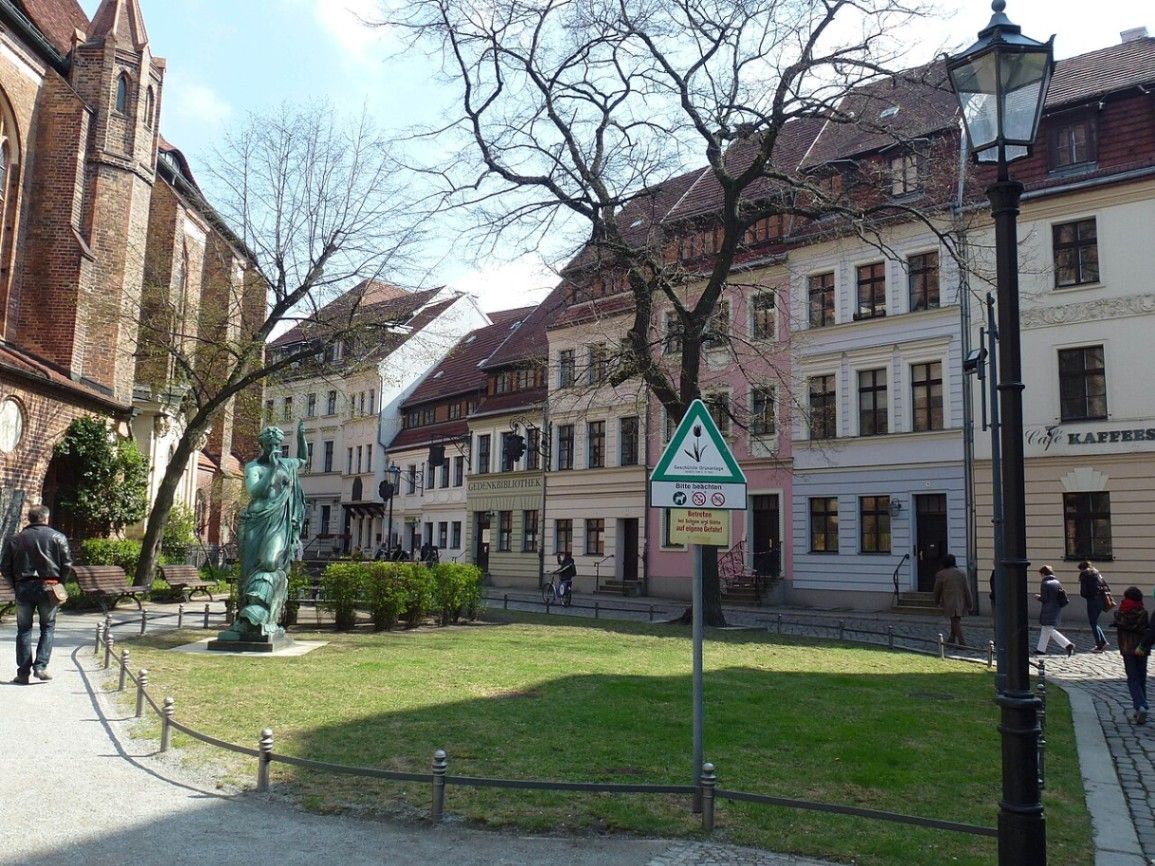
## Description Nikolaiviertel is one of Berlin’s most atmospheric neighborhoods and holds a special place in the city’s history. Often referred to as the birthplace of Berlin, this compact quarter feels worlds away from the modern capital filled with glass towers and busy avenues. Cobblestone streets, narrow alleyways, and colorful facades create an almost storybook setting that invites visitors to slow down and explore at a relaxed pace. What makes Nikolaiviertel unique is the way it blends reconstruction with genuine historical remnants. Much of the area was rebuilt in the 1980s by East Germany to celebrate Berlin’s 750th anniversary, carefully recreating the medieval street layout and architectural style. However, it is not merely a replica. Several buildings are authentically old, including the famous Nikolaikirche (St. Nicholas’ Church), Berlin’s oldest church, whose foundations date back to the 13th century. A little-known fact is that some of the buildings in Nikolaiviertel were reconstructed using original architectural fragments salvaged from destroyed historic houses across Berlin. Another interesting detail is that the neighborhood was once home to notable figures such as philosopher Georg Wilhelm Friedrich Hegel, whose former residence can still be seen today. Together, these elements give Nikolaiviertel a sense of authenticity that goes beyond its relatively recent reconstruction. Today, the quarter is known for its small museums, traditional restaurants, cozy cafés, and artisan shops. It is an excellent place to experience a quieter, more intimate side of Berlin while learning about the city’s medieval origins. ## Location Nikolaiviertel is located in Germany, in the federal state and city of Berlin. More precisely, it lies in the central borough of Mitte, close to the eastern bank of the River Spree. The neighborhood sits between Alexanderplatz and the Berlin Cathedral, making it easy to combine with other major attractions in the historic center. Getting to Nikolaiviertel is simple and convenient. The easiest way is by public transport. Visitors can take the U-Bahn (underground) to Klosterstraße (U2 line), which is just a short walk away. Alternatively, Alexanderplatz, one of Berlin’s main transport hubs, is about a 10-minute walk from the quarter. From there, multiple S-Bahn, U-Bahn, tram, and bus lines are available. Walking is also highly recommended if you are already exploring central Berlin, as the surrounding area is pedestrian-friendly and rich in sights. ## Tips To make the most out of a visit to Nikolaiviertel, it is best to arrive early in the day or later in the afternoon. Midday can become crowded, especially during the summer tourist season. Early mornings offer a quieter atmosphere and better opportunities for photography. Comfortable walking shoes are essential, as the cobblestone streets can be uneven. Take your time wandering through the small side streets rather than sticking only to the main paths. This is where you will find hidden courtyards, lesser-known shops, and quieter corners. Consider visiting one of the local museums, such as the Museum Knoblauchhaus, which offers insight into bourgeois life in 18th- and 19th-century Berlin. For food, traditional German restaurants in the area serve classic dishes, but prices can be slightly higher due to the central location. Checking menus beforehand can help avoid surprises. Lastly, Nikolaiviertel is especially charming in the evening when the lights come on and the area feels more intimate. It is a great place for a relaxed dinner after a day of sightseeing. ## Conclusion Nikolaiviertel offers a rare glimpse into Berlin’s medieval past while remaining accessible and welcoming to modern visitors. With its historic atmosphere, central location, and cultural significance, it is a rewarding stop for anyone looking to experience a more traditional and intimate side of the German capital. ## FAQ **Is Nikolaiviertel an original medieval neighborhood?** Nikolaiviertel is a mix of original historic buildings and carefully reconstructed ones. While much of it was rebuilt in the 1980s, several key structures, including Nikolaikirche, are genuinely old. **How much time should I plan for visiting Nikolaiviertel?** Most visitors spend between one and two hours exploring the area. This allows enough time for a leisurely walk, a museum visit, and a meal or coffee break. **Is Nikolaiviertel suitable for families with children?** Yes, the area is family-friendly. Its compact size, pedestrian streets, and small museums make it easy to explore with children. **Do I need to pay an entrance fee to visit Nikolaiviertel?** No, the neighborhood itself is free to explore. However, some museums and attractions within the area may charge an admission fee. **What is the best season to visit Nikolaiviertel?** Spring and early autumn are ideal, offering mild weather and fewer crowds. Summer is also popular but can be busier. ## Links * [Wiki page](https://en.wikipedia.org/wiki/Nikolaiviertel)
GemVoyage Team • World
Rome
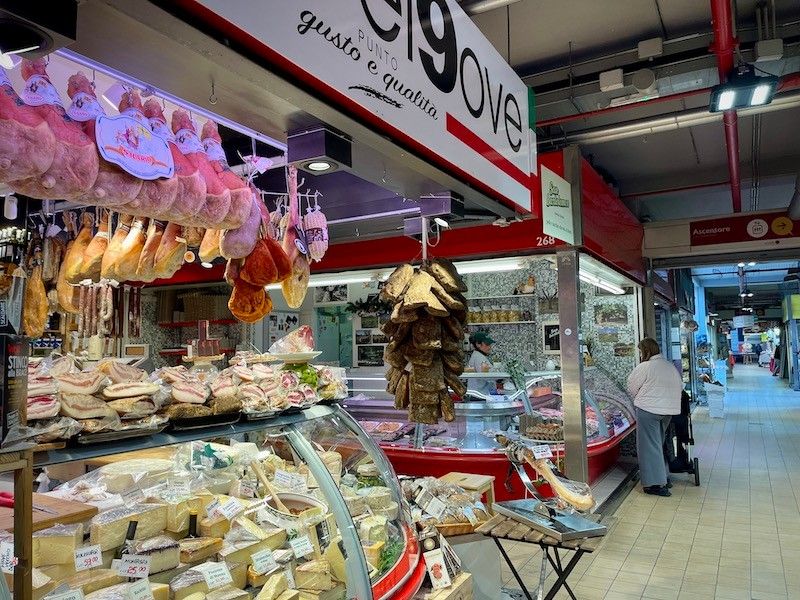
## Description Mercato Trionfale is one of Rome’s largest and most authentic food markets, offering visitors a deep dive into everyday Roman life. Unlike more tourist-oriented attractions, this bustling market is primarily frequented by locals who come here to shop for fresh produce, meats, cheeses, fish, baked goods, and household essentials. With more than 270 stalls spread across a modern covered structure, Mercato Trionfale is a feast for the senses and a perfect place to understand Rome’s food culture from the inside. What makes Mercato Trionfale especially unique is its balance between tradition and modernity. While many vendors represent families that have sold goods here for generations, the market has also embraced contemporary tastes, with stalls offering organic products, international foods, and ready-to-eat Roman street food. A little-known fact is that the market was originally an open-air street market before being moved in 2009 into its current eco-friendly building, designed to improve hygiene and sustainability. Another lesser-known detail is that some of Rome’s top chefs regularly source ingredients here, valuing the quality and personal relationships with vendors. For travelers who want to go beyond famous landmarks and experience Rome like a resident, Mercato Trionfale is well worth a visit. ## Location Mercato Trionfale is located in **Italy**, in the **Lazio** region, within the city of **Rome**. Specifically, it sits in the Trionfale district, just a short walk from Vatican City. The exact address is Via Andrea Doria 41, close to the Vatican Museums and St. Peter’s Basilica. Getting there is straightforward. The easiest way is by public transportation: take Metro Line A and get off at **Ottaviano – San Pietro** or **Cipro** stations, both of which are about a 5–10 minute walk from the market. Several bus lines also serve the area. If you are already visiting the Vatican Museums, Mercato Trionfale makes for an ideal stop before or after your visit. ## Tips * Visit in the morning, ideally between 9:00 and 11:00, when the market is most lively and fully stocked. * Bring cash, as some smaller vendors may not accept cards, though card payments are becoming more common. * Don’t hesitate to ask questions or request tastings; vendors are usually happy to explain their products, even with limited English. * Look for stalls selling cooked food if you want a quick, affordable lunch featuring classic Roman dishes like supplì, porchetta, or fresh pasta. * The market is closed on Sundays, so plan your visit accordingly. * Keep an eye on your belongings, as busy markets can attract pickpockets, especially during peak hours. ## Conclusion Mercato Trionfale is more than just a place to shop; it is a living snapshot of Roman daily life. With its vast selection of fresh food, welcoming vendors, and convenient location near the Vatican, it offers an authentic and memorable experience for anyone interested in Rome’s culinary traditions and local culture. ## FAQ **Is Mercato Trionfale tourist-friendly?** Yes, while it is mainly frequented by locals, visitors are welcome and generally well received. Many vendors are used to tourists and are patient and helpful. **What are the opening hours of Mercato Trionfale?** The market is typically open Monday to Saturday from early morning until around 2:30 PM, though hours may vary slightly by stall. **Can I eat at Mercato Trionfale?** Yes, several stalls sell ready-to-eat food, making it a great spot for a casual breakfast or lunch. **Is Mercato Trionfale expensive?** Prices are generally reasonable and often lower than in tourist-heavy areas, especially for fresh produce and local products. **How long should I plan to spend there?** Most visitors spend between 45 minutes and 1.5 hours, depending on whether they are shopping, eating, or just exploring. ## Links * [More Details](https://www.turismoroma.it/en/places/mercato-trionfale-local-market)
GemVoyage Team • World
Berlin
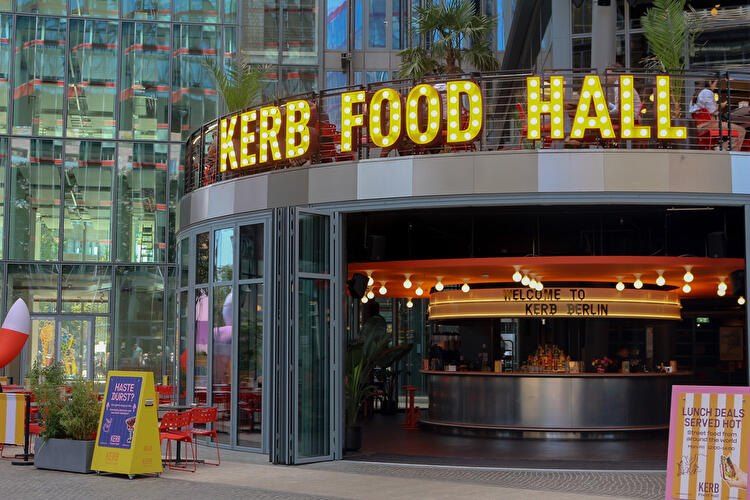
## Description **KERB Food Hall Berlin** is one of the city’s most exciting modern food destinations, bringing together **global street food, creative culinary startups, and a vibrant social atmosphere** under one roof. Originally founded in London, KERB built its reputation by curating some of the best independent street food traders in the UK, and its expansion into Berlin introduced that same concept to Germany’s capital — with a distinctly local twist. What makes KERB Berlin unique is its **carefully curated lineup of rotating food vendors**, rather than permanent restaurant tenants. This means repeat visitors rarely have the same experience twice. One visit might feature Korean fried chicken, Venezuelan arepas, and Detroit-style pizza, while the next showcases artisanal burgers, vegan Asian fusion, and experimental dessert concepts. The focus is on **independent operators, bold flavors, and limited menus executed at a very high level**. The food hall is housed inside a **repurposed industrial building**, which reflects Berlin’s signature blend of raw architecture and creative culture. Exposed concrete, steel beams, neon signage, and open kitchens give the space an energetic, urban feel. At the same time, long communal tables and open seating make it a highly social environment where strangers easily strike up conversations over food. KERB Berlin is not just about eating; it is designed as a **cultural and lifestyle venue**. The space regularly hosts **live DJs, themed food events, launch pop-ups, tasting nights, and collaborations with breweries and chefs**. This transforms the food hall into a nightlife-adjacent destination rather than a simple lunch stop. On weekends, the atmosphere often shifts from casual dining to full-fledged social gathering. A little-known fact is that most vendors at KERB Berlin **pass through a rigorous selection and testing process**, where they first operate as pop-ups before being invited into the official rotation. This keeps quality consistently high and avoids stagnation. Another lesser-known detail is that several traders who started at KERB locations in London and Berlin later expanded into **successful standalone restaurant brands**, making the food hall a genuine business incubator for culinary entrepreneurs. For travelers, KERB offers a **fast, high-quality overview of global flavors** without needing multiple restaurant visits. For Berliners, it functions as a rotating experimental kitchen where emerging food concepts can be explored in a relaxed, informal setting. ## Location **KERB Food Hall Berlin** is located in the **Neukölln district**, one of the city’s most dynamic and fast-evolving neighborhoods known for its creative industries, nightlife, and international food scene. **City:** Berlin **Region:** Berlin State (Bundesland Berlin) **Country:** Germany **District:** Neukölln ### How to Get There: * **By U-Bahn:** Take **U8** to **Boddinstraße** or **Hermannplatz**, then walk approximately 8–12 minutes depending on the exit. * **By S-Bahn:** Take **S41/S42 Ringbahn** to **Sonnenallee**, followed by a short walk. * **By bus:** Several routes serve the Neukölln area, with stops within walking distance. * **By taxi or ride-hailing apps:** Simply ask for “KERB Food Hall Neukölln.” * **By bicycle:** Dedicated bike lanes are available throughout Neukölln, with bike parking near the venue. Its location makes it easy to combine with **Neukölln nightlife, vintage shopping, rooftop bars, and live music venues**. ## Tips * **Arrive hungry and early on weekends:** Peak hours fill up fast, especially Friday and Saturday evenings. * **Walk the full hall before ordering:** Vendor selection changes often, and it pays to explore all options first. * **Share dishes:** Portion sizes are ideal for sharing, allowing you to sample multiple vendors in one visit. * **Bring both cash and card:** Most stalls accept cards, but some pop-ups may still prefer cash. * **Follow KERB Berlin on social media:** This is the best way to track rotating vendors, special events, and guest chef nights. * **Vegan and halal options are usually available:** The vendor mix is intentionally inclusive. * **Weekday lunches are calmer:** If you prefer a quieter experience, visit during weekday afternoons. * **Pair with nearby nightlife:** The area transforms after dark and offers excellent bar-hopping opportunities. ## Conclusion **KERB Food Hall Berlin** is a dynamic celebration of **modern street food culture, independent entrepreneurship, and Berlin’s creative energy**. With its constantly changing vendor lineup, industrial-chic atmosphere, and event-driven programming, it offers far more than a standard food court. Whether you are a traveler seeking a fast introduction to global flavors or a local searching for the next culinary trend, KERB delivers a social, flavorful, and ever-evolving dining experience. ## FAQ **1. What is KERB Food Hall known for?** KERB is known for **rotating gourmet street food vendors**, curated for quality, creativity, and independent ownership. **2. Is KERB Berlin suitable for vegetarians and vegans?** Yes, there are usually **multiple vegetarian and vegan stalls** at any given time. **3. Do I need a reservation to visit?** No, KERB operates on a **walk-in basis**, though large groups may have limited seating during peak hours. **4. Is KERB family-friendly?** Yes, during daytime hours it is family-friendly. Evenings are more adult-oriented due to music and alcohol service. **5. Does KERB Berlin serve alcohol?** Yes, the food hall offers **craft beer, cocktails, and non-alcoholic beverages** through onsite bars. **6. How often do the food vendors change?** Vendors rotate regularly, depending on pop-up schedules, seasonal menus, and special collaborations. ## Links * [KERB Official Website](https://kerbfood.com) * [Visit Berlin – Food Markets & Food Halls](https://www.berlin.de/en/shopping/markets/food-halls/9860248-9881473-kerb-berlin.en.html)
GemVoyage Team • World
South Dakota
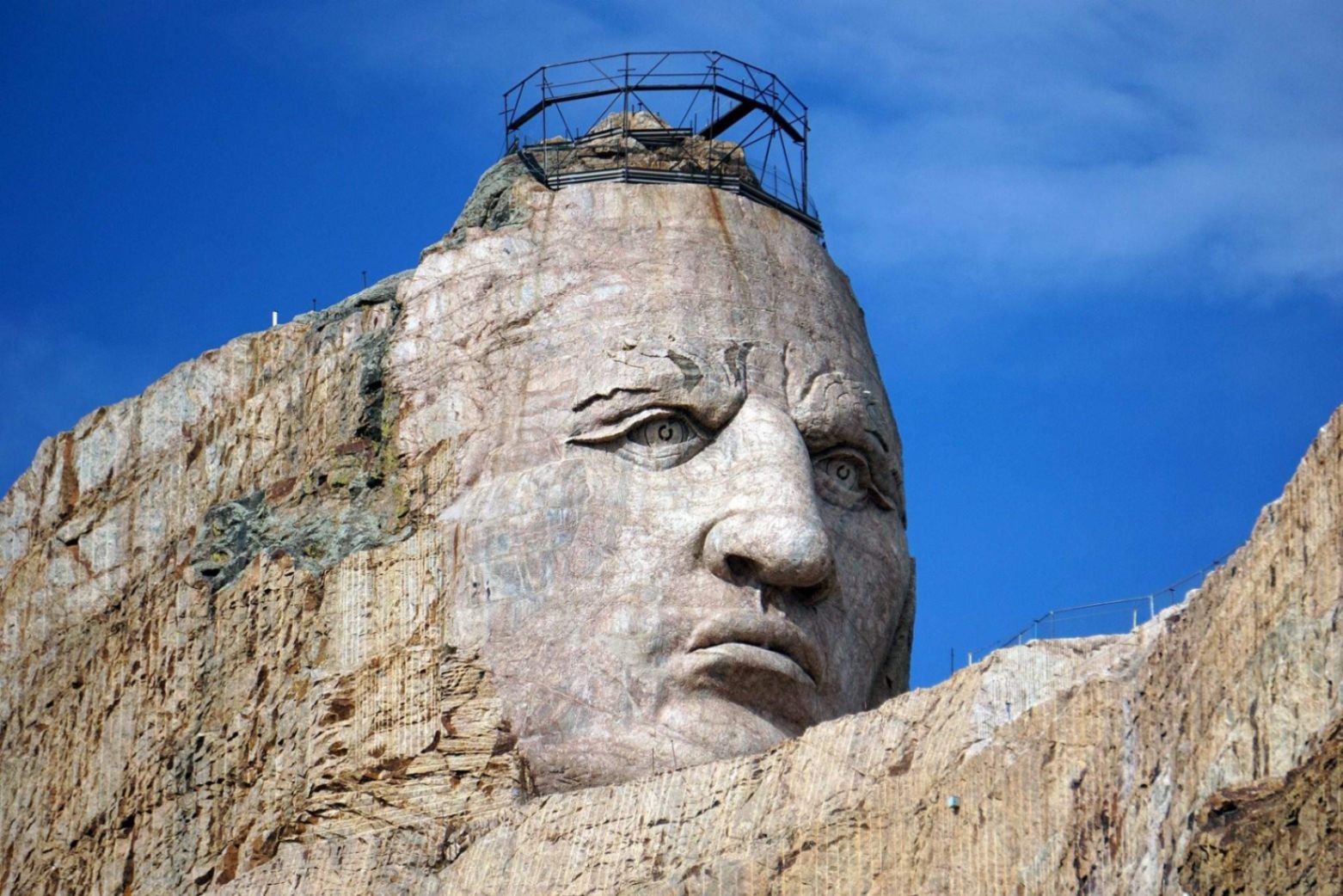
## **Description** The Crazy Horse Memorial is one of the most ambitious and meaningful monuments in the United States. Carved directly into a mountain in the Black Hills, this massive sculpture honors **Crazy Horse**, a revered Lakota leader who fought to protect Native American lands, culture, and way of life. Unlike many traditional monuments, the Crazy Horse Memorial is not just a sculpture—it is a living cultural center dedicated to preserving Indigenous history, values, and traditions. What makes this attraction especially unique is its sheer scale. When completed, the Crazy Horse sculpture will be the **largest mountain carving in the world**, far surpassing Mount Rushmore in size. One little-known fact is that Crazy Horse never allowed photographs of himself during his lifetime, which is why the monument is not based on an exact likeness but rather on oral history and cultural interpretation. Another lesser-known detail is that the project has been **privately funded since its start in 1948**, without any federal government support, relying entirely on donations and visitor contributions. Beyond the carving itself, the memorial complex includes museums, cultural programs, and educational exhibits that make it a deeply moving and informative destination. ## **Location** The Crazy Horse Memorial is located in **the United States**, in the state of **South Dakota**, within the **Black Hills region**, near the town of **Custer**. The memorial sits about 17 miles southwest of Mount Rushmore, making it easy to include both attractions in a single trip. The best way to get there is by car. Visitors typically fly into **Rapid City Regional Airport**, which is about an hour’s drive from the memorial. From Rapid City, rental cars are readily available, and the drive through the Black Hills is scenic and enjoyable. Organized tours from Rapid City and nearby towns are also available for those who prefer not to drive. ## **Tips** * **Plan for at least two to three hours** to explore the memorial, museum, and visitor center. * **Visit in the late afternoon or early evening** for dramatic lighting and fewer crowds. * **Attend cultural demonstrations** when available, such as traditional Native American storytelling or dance performances. * **Wear comfortable walking shoes**, as some areas involve uneven paths. * **Check the blasting schedule**, as occasional controlled blasts may occur as part of the carving process. * **Support the mission** by visiting the gift shop or donating, as the memorial relies entirely on private funding. ## **Conclusion** The Crazy Horse Memorial is far more than a monument—it is a symbol of respect, resilience, and cultural preservation. Set in the stunning Black Hills of South Dakota, it offers visitors a profound opportunity to learn about Native American history while witnessing one of the world’s most extraordinary ongoing sculptures. ## **FAQ** **What is the Crazy Horse Memorial?** It is a massive mountain carving dedicated to Crazy Horse, a Lakota leader, and to honoring Native American heritage and culture. **Is the Crazy Horse Memorial finished?** No, the carving is still in progress and is considered a multi-generational project. **How much time should I plan for my visit?** Most visitors spend two to three hours exploring the site. **Is the memorial suitable for children?** Yes, the memorial includes educational exhibits and open spaces suitable for families. **Can I see Mount Rushmore from the Crazy Horse Memorial?** No, but Mount Rushmore is a short drive away and is often visited on the same trip. ## **Links** * [Official Crazy Horse Memorial Website](https://crazyhorsememorial.org)
GemVoyage Team • World
Tunis
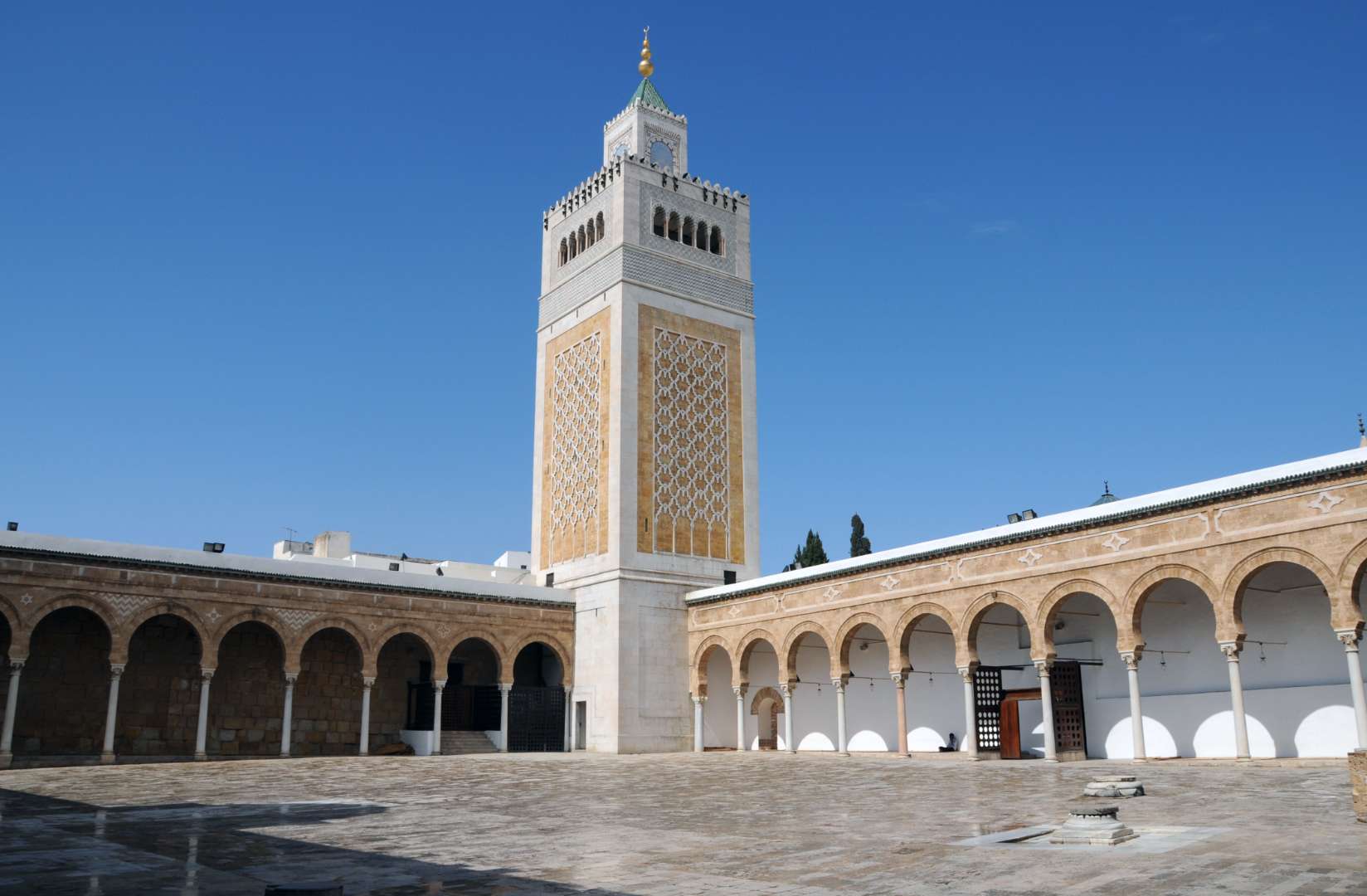
## Description Al Zaytouna Mosque, also known as Ez-Zitouna or the Mosque of the Olive, is the spiritual and intellectual heart of Tunis, Tunisia. Founded in the late 7th or early 8th century and reconstructed in the 9th century during the Aghlabid dynasty, it is the oldest mosque in Tunis and one of the most historically significant in North Africa. The mosque is not only a place of worship but also a symbol of Islamic scholarship, having served as the foundation for the University of Ez-Zitouna—one of the earliest centers of higher learning in the Muslim world. Covering an area of approximately 5,000 square meters, the mosque features nine entrances, a vast rectangular prayer hall, and a trapezoidal courtyard framed by arcades resting on over 160 ancient columns, many of which were repurposed from the ruins of Carthage. Its architecture reflects a blend of Moorish, Fatimid, and Ottoman influences, with a striking 43-meter-high minaret that echoes the design of Almohad minarets. A little-known fact: archaeological investigations in the 20th century revealed that the mosque was built atop a Byzantine-era structure, possibly a Christian basilica or fortification. Another intriguing detail is the presence of a sundial in the courtyard, historically used to determine prayer times—a rare feature in Islamic architecture. ## Location Al Zaytouna Mosque is located in **Tunisia**, in the **Tunis Governorate**, within the **city of Tunis**. It sits at the center of the historic Medina, a UNESCO World Heritage Site known for its labyrinthine alleys, traditional souks, and centuries-old buildings. ### How to Get There - **By Metro**: Take the Tunis light rail to the “Place de Barcelone” station, then walk northeast into the Medina. - **By Taxi**: Taxis are widely available in Tunis and can drop you off near the Medina’s main gates. - **By Foot**: If you're staying in central Tunis, the mosque is easily accessible on foot through the Medina’s winding streets. - **By Tour**: Many guided walking tours of the Medina include a stop at Al Zaytouna Mosque, often with historical commentary. Its central location makes it a perfect starting point for exploring the cultural and architectural treasures of old Tunis. ## Tips - **Dress Modestly**: Visitors should wear clothing that covers shoulders and knees. Women may be asked to cover their hair. - **Visit During Non-Prayer Hours**: Non-Muslim visitors are typically allowed to enter the courtyard but not the prayer hall. Visiting outside prayer times ensures a more relaxed experience. - **Hire a Local Guide**: A knowledgeable guide can provide deeper insights into the mosque’s history, architecture, and scholarly legacy. - **Explore the Surrounding Medina**: The mosque is surrounded by vibrant souks, artisan shops, and historic buildings—perfect for a half-day cultural excursion. - **Respect the Space**: As an active place of worship, visitors should maintain a quiet and respectful demeanor. - **Photography**: Photos are allowed in the courtyard, but avoid photographing worshippers or entering restricted areas. ## Conclusion Al Zaytouna Mosque is a cornerstone of Tunisian heritage, blending religious significance with architectural grandeur and scholarly tradition. Whether you're drawn by its historical depth or its serene beauty, the mosque offers a profound glimpse into the soul of Tunis. ## FAQ **1. Is there an entrance fee to visit Al Zaytouna Mosque?** No, entry is free, though donations are appreciated. Access may be limited for non-Muslims. **2. Can non-Muslims enter the mosque?** Non-Muslims are generally allowed in the courtyard but not the prayer hall. It’s best to check with local guides or signage. **3. What are the mosque’s opening hours?** The mosque is open daily, but access for visitors is typically restricted to non-prayer times, usually mid-morning to late afternoon. **4. Is the mosque wheelchair accessible?** The Medina’s narrow and uneven streets may pose challenges, but the mosque’s courtyard is relatively flat. **5. Are guided tours available?** Yes, many local guides offer tours of the Medina that include Al Zaytouna Mosque. **6. What is the best time to visit?** Early morning or late afternoon offers cooler temperatures and fewer crowds. ## Links - [Al-Zaytuna Mosque – Wikipedia Overview](https://en.wikipedia.org/wiki/Al-Zaytuna_Mosque) - [Al-Zaytouna – Britannica Entry](https://www.britannica.com/topic/Al-Zaytunah)
GemVoyage Team • World
Bali
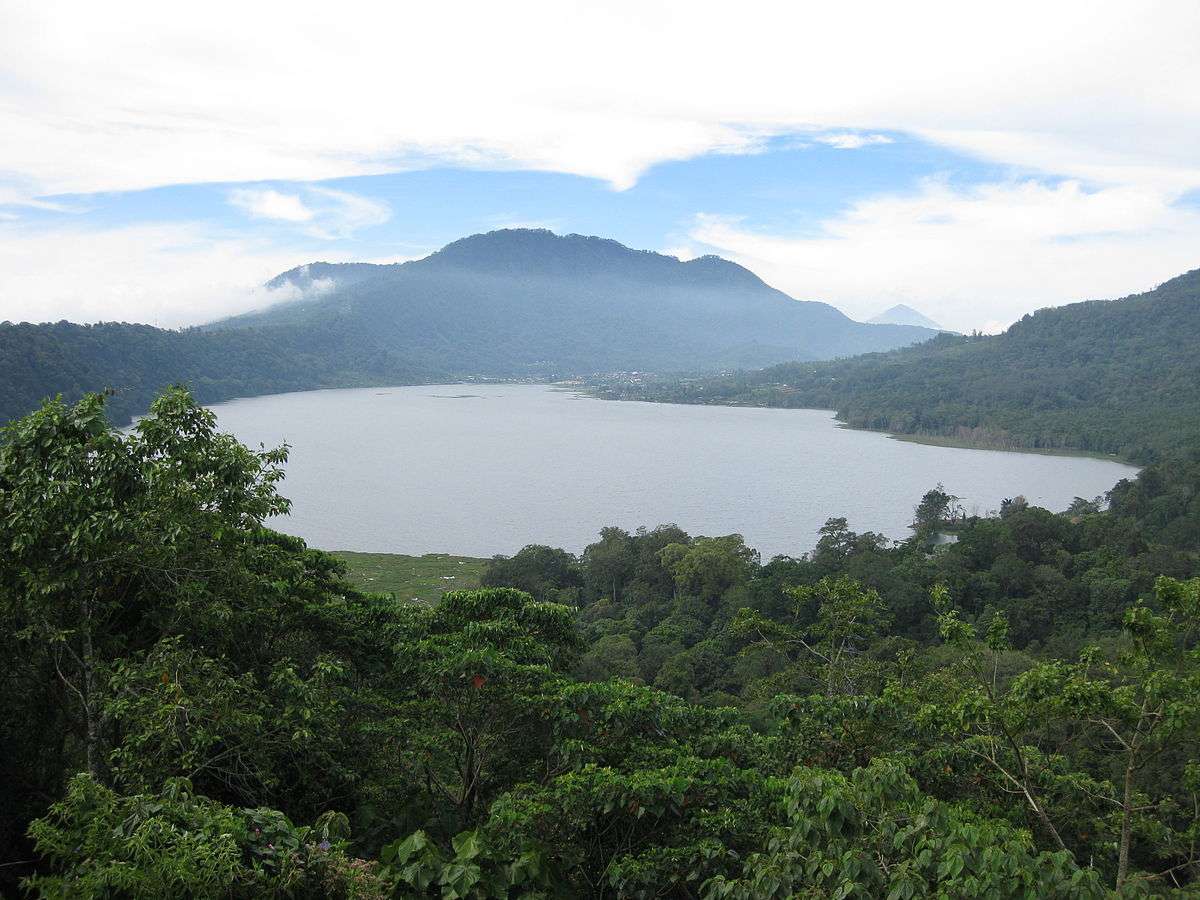
## Description Lake Tamblingan is one of Bali’s most enchanting natural wonders—a serene caldera lake nestled in the highlands of northern Bali. Surrounded by dense rainforest and ancient temples, it offers a tranquil escape from the island’s bustling tourist hubs. Unlike the more commercialized lakes nearby, Tamblingan remains largely untouched, preserving its spiritual and ecological integrity. Formed inside an ancient volcanic caldera, Lake Tamblingan is part of the “Twin Lakes” trio, alongside Lake Buyan and Lake Bratan. The lake’s surface sits at an elevation of 1,217 meters (3,993 feet), giving it a cool alpine climate that contrasts with Bali’s tropical lowlands. The misty mornings, mirror-like waters, and lush surroundings make it a favorite among photographers and nature lovers. One little-known fact is that the lake is surrounded by temples dating back to the 10th century, remnants of the ancient Tamblingan civilization. Among these is Pura Dalem Tamblingan, located near the village of Gubug. Another fascinating detail: the lake’s water level fluctuates dramatically with the seasons. During heavy rains, some temples become partially submerged, creating surreal scenes that look like something out of a dream. ## Location Lake Tamblingan is located in **Indonesia**, on the island of **Bali**, within the **Buleleng Regency**. It lies near the village of **Munduk**, at the foot of **Mount Lesung**, in the northern highlands of the island. ### How to Get There: - **By Car or Scooter**: The most flexible way to reach Lake Tamblingan is by hiring a private driver or renting a scooter. From Ubud or Canggu, the journey takes around 2–2.5 hours. - **By Tour**: Several eco and trekking tours include Lake Tamblingan in their itinerary, often paired with visits to Lake Buyan and the surrounding jungle. - **Navigation Tip**: Set your GPS to “Camp Tamblingan” rather than just “Lake Tamblingan” to avoid being misdirected. The drive itself is scenic, winding through rice terraces, waterfalls, and cloud forests. ## Tips for Visitors To make the most of your visit to Lake Tamblingan, consider these helpful tips: - **Visit at Sunrise**: Early morning offers the most magical light and misty atmosphere. It’s also the best time for photography. - **Dress Warmly**: The highland climate can be surprisingly chilly, especially at dawn. Bring layers. - **Trekking Options**: Join a guided trek through the rainforest to explore hidden temples and wildlife. Don’t forget hiking shoes and insect repellent. - **Photography**: Bring a tripod for long exposure shots. The lake is popular for pre-wedding and landscape photography. - **Respect Local Customs**: Many temples around the lake are still active. Dress modestly and be respectful when visiting. - **Entrance Fee**: A small fee (around 10,000 IDR) is charged at the gate, which covers access to both Lake Tamblingan and Lake Buyan. ## Conclusion Lake Tamblingan is a peaceful, mystical destination that showcases Bali’s natural beauty and spiritual heritage. With its pristine waters, ancient temples, and cool mountain air, it’s a perfect retreat for those seeking tranquility, adventure, or a deeper connection to the island’s cultural roots. ## FAQ **1. What is the best time to visit Lake Tamblingan?** The dry season (April to October) is ideal for trekking and photography. However, the rainy season creates dramatic water levels and misty landscapes. **2. Is there an entrance fee?** Yes, a small fee of around 10,000 IDR grants access to Lake Tamblingan and Lake Buyan. **3. Can I swim in Lake Tamblingan?** Swimming is not recommended due to spiritual significance and lack of designated swimming areas. **4. Are there guided tours available?** Yes, several local operators offer trekking and cultural tours around the lake and nearby temples. **5. How long should I plan to stay?** A half-day visit is sufficient for sightseeing and photography. Full-day treks are available for more immersive experiences. **6. Is Lake Tamblingan suitable for children?** Yes, but trekking paths may be challenging for very young children. Families should opt for shorter walks or scenic viewpoints. ## Links - [Lake Tamblingan – Wikipedia](https://en.wikipedia.org/wiki/Lake_Tamblingan)
GemVoyage Team • World
Rome
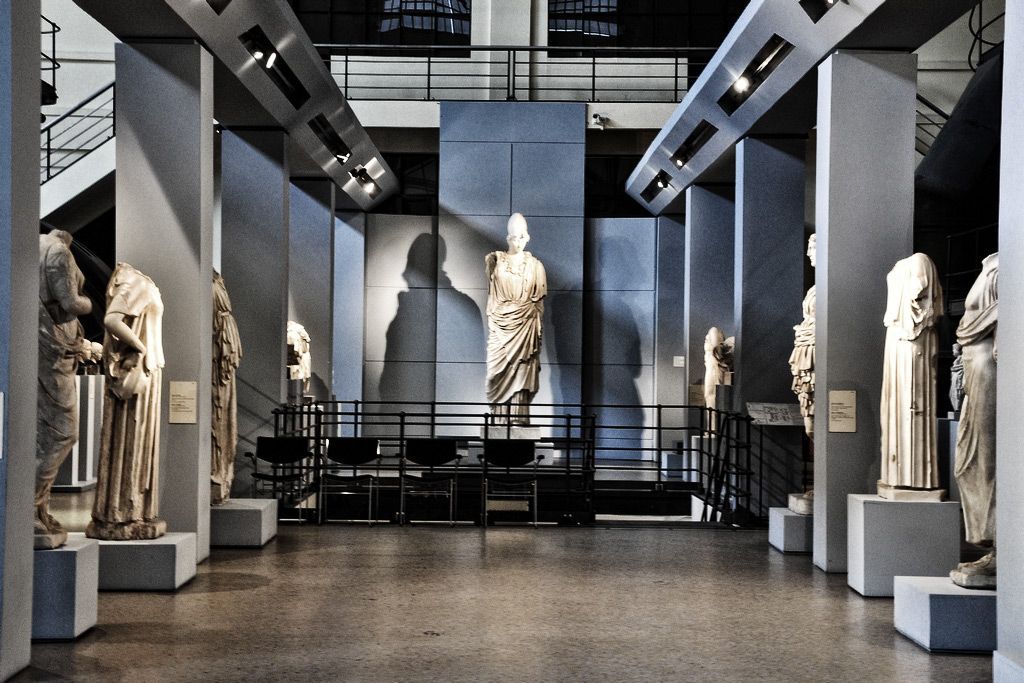
## Description Centrale Montemartini is one of Rome’s most surprising cultural experiences: an industrial power plant repurposed as a museum where classical Roman sculpture and large-scale machinery coexist in a single, dramatic setting. The raw cast-iron boilers, pipes and turbines form a deliberate and powerful backdrop for marble statues, reliefs and funerary monuments. That juxtaposition—ancient sculpture lit by museum-grade lighting against the patina of early 20th-century industrial engineering—creates striking visual and emotional contrasts that reframe familiar works from the Roman world. Originally conceived as a temporary solution while major restorations were carried out at the Capitoline Museums, the Centrale’s power-plant location quickly proved a compelling permanent home for parts of the municipal collections. The curators leaned into the setting rather than hiding it: sculptures were arranged to engage with the machinery, and exhibition narratives highlight material, technique and the passage of time. Visitors respond to the unusual dialogue between polished marble and oxidised iron; the museum reads like a meditation on Rome’s layered identity, where antiquity and modern infrastructure overlap. Beyond the immediate photogenic contrasts, Centrale Montemartini is notable for its approachable layout and variety of objects. You’ll find portraits and imperial statues, sculpted sarcophagi, and everyday objects that illuminate Roman social life. Special displays often focus on conservation practice or archaeological discoveries, and temporary exhibitions rotate, bringing contemporary scholarship and new archaeological finds into the space. For anyone interested in classical art, museum design, or the adaptive reuse of industrial architecture, Centrale Montemartini offers an unusually rich visit. ## Location Centrale Montemartini sits in the Ostiense district of Rome, a short distance from the Baths of Caracalla. The museum is accessible by metro (Circo Massimo or Garbatella stations are the closest), by several bus lines that serve the area, or by a brisk walk from the historic center if you are already exploring the nearby archaeological sites. The building’s industrial silhouette is visible even before you enter, giving a clear landmark to orient to. For planning, allow time to combine a visit with nearby landmarks: the Baths of Caracalla lie within easy walking distance and the Caffarella Park and Aventine Hill are also within reach. If traveling by taxi or rideshare, note that the museum address is well-known to drivers familiar with Rome’s cultural sites. ## Tips - Allocate 1.5–2.5 hours: the building is compact but the atmospherics and displays invite slow looking and photography. - Use the museum audio guide or pick up explanatory leaflets at the entrance to get historical context for the most important sculptures and installations. - Bring a charged camera or phone: the interplay of light, marble and metal makes for memorable photos—observe the no-flash policy where posted. - Combine your visit with the Baths of Caracalla, the Aventine viewpoints and the Testaccio neighborhood for food options afterwards. - Check the museum website for temporary exhibitions and conservation talks; these occasional programs add depth to the core collection. ## Conclusion Centrale Montemartini remains a must-see for travelers who want an offbeat but deeply satisfying museum experience in Rome. It reframes how we look at classical sculpture by placing those objects in a setting that foregrounds texture, function and the visual poetry of time. Whether you are a first-time visitor to Roman art or a repeat museumgoer seeking a fresh perspective, the Centrale’s inventive combination of history, conservation and industrial architecture rewards curiosity. ## FAQ Q: Is photography allowed? A: Generally yes for personal use, but flash and tripods may be restricted—follow signage and staff guidance. Q: Are there English guides or information? A: Yes. Audio guides, multilingual panels and printed materials are typically available; check at the ticket desk for current language options. Q: How long should I plan for a visit? A: Plan 1.5–2.5 hours to allow time for the main rooms and any temporary exhibitions or conservation displays. Q: Is the museum family friendly? A: The museum is suitable for families; spaces are manageable with strollers, though the industrial setting contains some uneven surfaces—supervise children and use designated pathways. Q: Are there accessibility arrangements? A: The museum provides accessibility options, but facilities can vary; contact the museum ahead of your visit for details on lifts, ramps and assistance. ## Links - [Centrale Montemartini (Wikipedia)](https://en.wikipedia.org/wiki/Centrale_Montemartini)
GemVoyage Team • World