GemVoyage Team • World
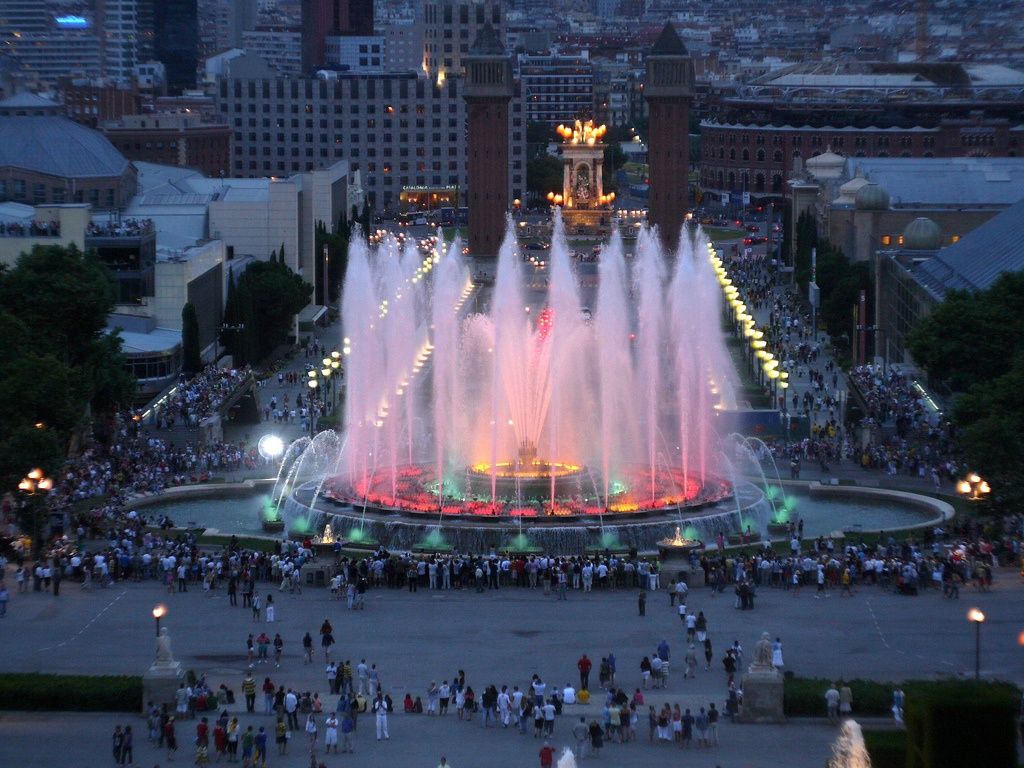
The Magic Fountain of Montjuïc (Font Màgica de Montjuïc) is one of Barcelona’s most iconic and mesmerizing public attractions. Known for its dazzling choreographed water shows synchronized with music and colorful lighting, the fountain delivers a sensory spectacle that blends engineering, art, and performance into a single unforgettable experience. Every evening when it operates, thousands of visitors gather along the wide steps of Montjuïc to witness jets of water soar and dance in perfect rhythm with classical music, film soundtracks, and modern hits.
The fountain was originally built for the 1929 Barcelona International Exposition, an event that transformed Montjuïc into a cultural and architectural centerpiece of the city. At the time, its use of light and hydraulics was considered revolutionary. Over the years, it has been modernized with computer-controlled lighting systems and advanced sound synchronization, allowing for increasingly complex and dynamic performances.
What makes the Magic Fountain unique is the scale of its performance. The fountain uses over 7 billion combinations of water and light, powered by nearly 3,000 liters of water per second and illuminated by thousands of lights. The result is a constantly evolving visual narrative where water becomes a living, moving art form.
A little-known fact is that the original designer, Carles Buïgas, envisioned the fountain as a symbol of modernity and innovation at a time when few cities had experimented with illuminated water displays. Another interesting detail is that the fountain is powered using recirculated water, making it a partially sustainable attraction despite its large scale.
Beyond the show itself, the location adds to the magic. Set between the towering Palau Nacional (home to the National Art Museum of Catalonia) and Plaça d’Espanya, the fountain is framed by grand avenues, cascading stairways, and monumental architecture. The atmosphere becomes especially enchanting after sunset, when music echoes through the open plaza and the illuminated fountain reflects against the stone façades of Montjuïc.
The Magic Fountain is not just a tourist attraction—it is also a gathering place for locals and a stage for national celebrations, festivals, and special performances. It captures Barcelona’s spirit of creativity, openness, and celebration, making it one of the city’s most beloved landmarks.
The Magic Fountain of Montjuïc is located at the base of Montjuïc Hill, between Plaça d’Espanya and the Palau Nacional, in Barcelona, Catalonia, Spain.
Address: Plaça de Carles Buïgas, 08038 Barcelona, Spain
Its central location makes it easy to combine with nearby attractions such as Montjuïc Cable Car, Poble Espanyol, MNAC, and Las Arenas Shopping Center.
The Magic Fountain of Montjuïc is one of Barcelona’s most magical experiences, offering a spectacular blend of music, motion, light, and monumental architecture. Rooted in the city’s history yet constantly evolving with modern technology, it remains a living symbol of Barcelona’s creative energy. Whether you are visiting for the first time or returning to the city, an evening at the Magic Fountain is a powerful reminder of how urban spaces can be transformed into stages of wonder and shared celebration.
1. Is the Magic Fountain free to visit?
Yes, the fountain shows are completely free and open to the public.
2. How long does each show last?
Each performance typically lasts between 10 and 20 minutes, with repeated cycles throughout the evening.
3. Does the fountain operate year-round?
No, the schedule varies by season and may be suspended due to water conservation measures or maintenance.
4. Is the show suitable for children?
Yes, it is very family-friendly and often a highlight for children due to the lights and music.
5. What type of music is played?
The shows feature a mix of classical music, movie soundtracks, opera, pop, and Spanish favorites.
6. Can I combine it with other attractions in the same evening?
Yes. Many visitors pair the show with visits to MNAC, Poble Espanyol, or dinner near Plaça d’Espanya.
Discover more hidden gems you might love.
São Paulo
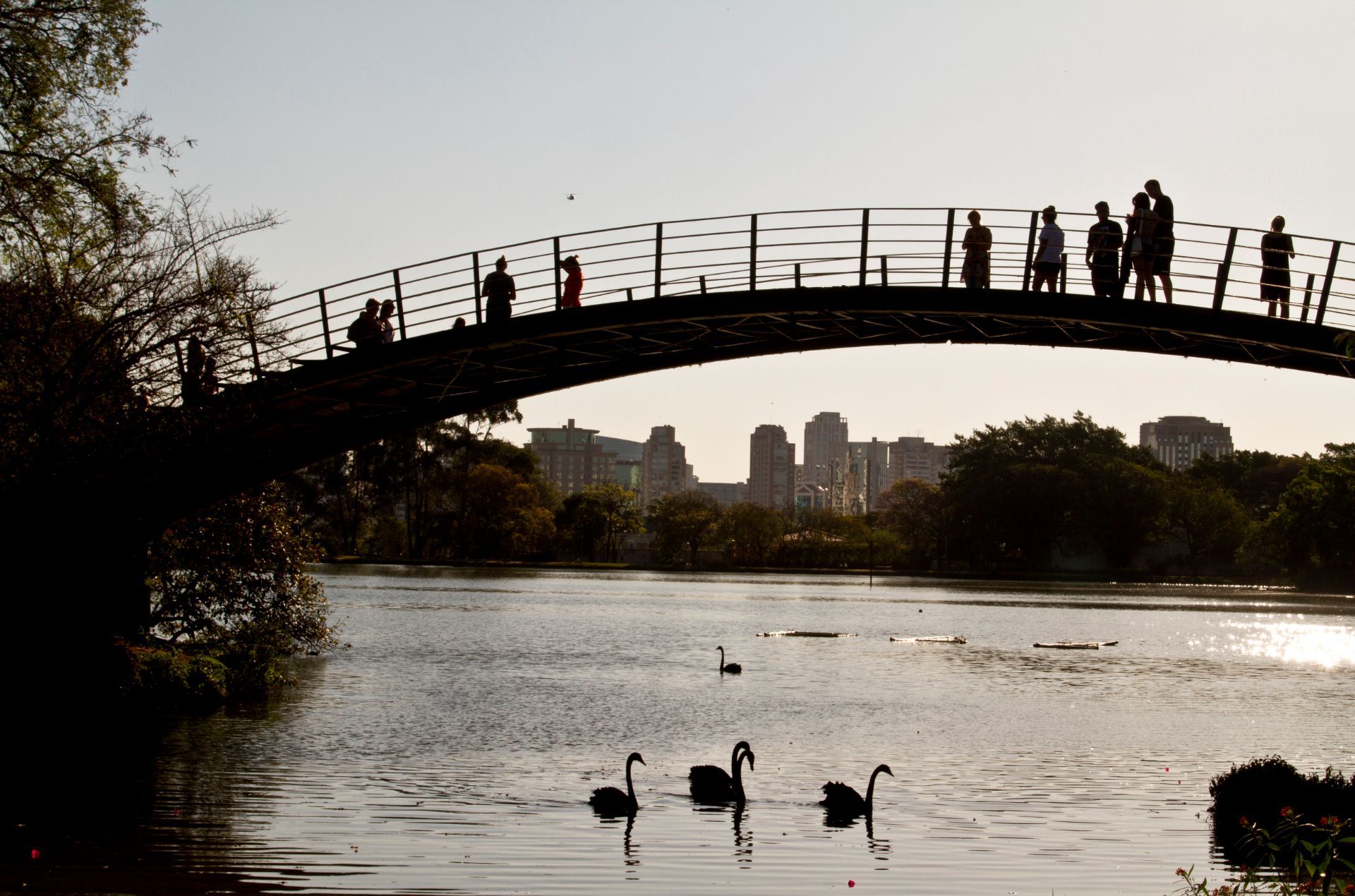
## Description Ibirapuera Park is one of São Paulo’s best-known green spaces, but the real delight for many visitors is not just the major landmarks. It is the quieter corners that reveal why the park matters so much to locals. In a city famous for its intensity, scale, and relentless movement, Ibirapuera provides room to breathe. The park is broad enough to absorb crowds without feeling overwhelming, and its quieter paths, shaded lawns, and tucked-away benches make it easy to find a slower rhythm even on busy days. The park is more than a recreational area. It is a cultural landscape where nature, architecture, exercise, and informal social life come together. You may pass runners, families on blankets, office workers taking breaks, and visitors moving between museums or exhibition spaces. Yet the quieter parts of the park offer a different kind of experience. Instead of chasing the main sights, you can wander into less-trafficked zones, pause under the trees, and notice how the park changes from one pocket of space to another. One little-known fact is that Ibirapuera was designed with major urban ambition in mind, which is why the park feels so integrated with the city rather than separated from it. Another is that the park’s atmosphere can shift dramatically depending on where you stand; some areas feel expansive and ceremonial, while others feel almost hidden and intimate. That contrast is what makes the quieter corners so rewarding. They reveal a softer side of one of Latin America’s great metropolitan parks. For travelers, the appeal lies in balance. You can enjoy famous São Paulo institutions and still have time to sit somewhere calm enough to reflect on the city’s scale. In that sense, Ibirapuera is not only a park but also a reset point. It offers visitors the chance to experience a dense metropolis without being consumed by it. ## Location Ibirapuera Park is located in São Paulo, Brazil, primarily in the southern-central part of the city near neighborhoods such as Vila Mariana and Moema. It is one of the most accessible major parks in São Paulo and sits within reach of both cultural institutions and residential districts, which makes it easy to combine with other city sightseeing. The park is best reached by ride-hailing service, taxi, bus, or a combination of metro and walking depending on where you start. Because the park has multiple entrances and a large footprint, it helps to decide in advance which part you want to visit. If your goal is the quieter side of the park, enter with enough time to wander rather than heading only to one landmark. That way you can move between open lawns, tree-lined paths, and calmer internal areas without feeling rushed. From central São Paulo, travel time varies widely with traffic, so the best strategy is to leave room in your schedule. Mornings and late afternoons are often the most comfortable times to visit because temperatures are milder and the park’s quieter zones feel more spacious. ## Tips - Visit on a weekday if you want the calmest experience. Weekends are lively and fun, but they are also busier. - Bring water, sunscreen, and comfortable shoes. The park is large enough that you will do more walking than expected. - If you want the quietest corners, keep moving away from the most obvious landmarks and main event spaces. - Plan at least part of your visit for sitting and observing instead of only walking. The park’s atmosphere is part of the attraction. - Combine the park with a museum or cultural stop nearby so the day feels balanced between activity and rest. ## Conclusion The quieter corners of Ibirapuera Park show a gentler, more reflective side of São Paulo. It is a place to slow down, recharge, and see how a great city park can feel both grand and personal at the same time. ## FAQ ### Why focus on the quiet corners instead of the park’s main attractions? Because the quieter spaces show a different personality. They are where the park feels restorative, local, and less performative, which can be especially valuable in a city as energetic as São Paulo. ### Is Ibirapuera Park suitable for a short visit? Yes. Even a brief stop can be worthwhile if you know which entrance or area you want to explore. A short visit is enough to enjoy the atmosphere, but longer stays let you appreciate the park’s variety. ### When is the best time to go? Mornings and late afternoons are usually the most pleasant. The light is better, temperatures are easier, and the park’s calmer areas are more enjoyable. ### Can I visit if I am not interested in museums or events? Absolutely. The park works very well as a green urban retreat on its own, especially if you enjoy walking, people-watching, or simply resting in a landscaped setting. ## Links - [Ibirapuera Park official website](https://parqueibirapuera.org/) - [Ibirapuera Park on Wikipedia](https://en.wikipedia.org/wiki/Ibirapuera_Park)
GemVoyage Team • World
Taiwan
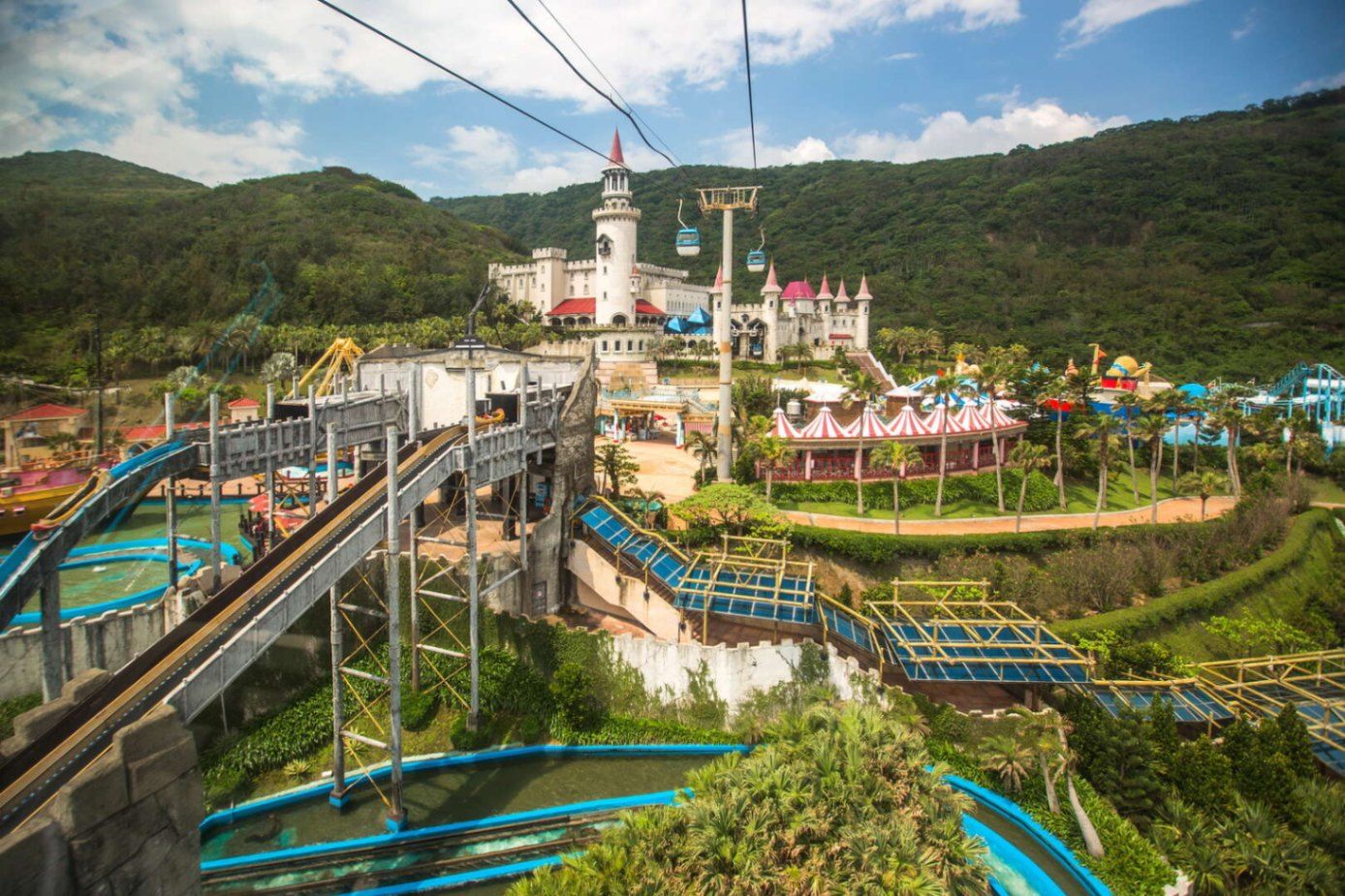
## Description **Farglory Ocean Park (遠雄海洋公園)** is Taiwan’s most prominent **marine-themed amusement park**, uniquely positioned on a **cliff overlooking the Pacific Ocean** near the city of Hualien. Unlike typical flatland theme parks, Farglory combines **high-altitude sea views, performance-based attractions, and family-oriented thrill rides** into a single destination where entertainment and ocean scenery merge into one continuous visual experience. Opened in **2007**, the park was designed to blend the excitement of a modern amusement park with the educational storytelling of marine life and ocean ecology. Rather than focusing solely on rides, Farglory emphasizes **live animal shows, interactive exhibits, aquarium tunnels, and water-based performances**, which give it a hybrid identity somewhere between a theme park and a marine discovery center. One of the defining features of Farglory Ocean Park is its **elevated position on coastal cliffs**, providing uninterrupted panoramic views of the Pacific. On clear days, visitors can watch waves crash far below while riding attractions located hundreds of meters above sea level. This geographical advantage gives the park an atmosphere unlike any other marine park in East Asia, where the ocean is not just a theme but a constant natural presence. The park is divided into several themed zones, including areas focused on **marine exploration, fantasy, adventure rides, and live entertainment**. Dolphin and sea lion performances are among its most popular attractions, carefully choreographed to combine education, humor, and athletic spectacle. The aquarium zones feature massive tanks with sharks, rays, and tropical fish, while tunnel walkways place visitors directly below swimming marine life. Beyond animals, Farglory also invests heavily in **aerial rides, roller coasters, river rapids, and rotating observation attractions**. Many of these rides take full advantage of the park’s cliffside location, creating the illusion that visitors are floating above the open ocean. This vertical relationship with the sea adds a psychological thrill even to moderate rides. A little-known fact is that Farglory Ocean Park was originally conceived as part of a larger coastal tourism transformation project for eastern Taiwan, intended to balance the heavy development of the west coast. Another lesser-known detail is that due to its seaside exposure, the park’s rides and structures are built with **enhanced corrosion-resistant materials** to withstand salt air and typhoon conditions, making maintenance far more complex than at inland parks. Emotionally, the park offers a dual experience. For children and families, it is colorful, loud, and filled with motion and music. For adults, it can feel unexpectedly cinematic, particularly at sunset, when the park’s observation decks and outdoor rides become framed by deep orange skies and dark blue ocean horizons. The contrast between artificial entertainment and raw nature is one of Farglory’s strongest unspoken features. ## Location **Farglory Ocean Park** is located near **Hualien City** on Taiwan’s **eastern coast**, facing the Pacific Ocean. **City:** Hualien **Region:** Eastern Taiwan **Country:** Taiwan **Area:** Shoufong Township (near Hualien City) ### How to Get There: * **By train:** Take a train from **Taipei, Taichung, or Kaohsiung to Hualien Station**. From Hualien Station, transfer to a shuttle bus, taxi, or local tour service to reach the park. * **By car:** Drive along Provincial Highway 11, which follows Taiwan’s eastern coastline. The route is scenic but winding. * **By tour bus:** Many visitors choose organized day tours from Hualien that include park admission and transport. * **By taxi or ride-hailing:** A convenient option from Hualien City, typically 20–30 minutes depending on traffic. Its coastal position makes the park a natural addition to a **Taroko Gorge and East Coast scenic road trip**. ## Tips * **Arrive early:** The park is large, and early arrival helps avoid long queues for top rides. * **Check weather forecasts:** The park is highly exposed to sun and wind. Poor weather can limit ride operations. * **Wear light, breathable clothing:** The coastal humidity can be intense in warmer months. * **Use park lockers:** Useful if you plan to go on water rides or attend splash shows. * **Follow show schedules:** Dolphin and sea lion performances have fixed times and fill up quickly. * **Hydration is essential:** Walking between zones involves long outdoor paths with limited shade. * **Ideal for families:** Thrill-seekers may find the ride selection moderate compared to major international theme parks. * **Stay in Hualien overnight:** One full day is enough for the park, but the surrounding natural attractions justify a longer stay. ## Conclusion **Farglory Ocean Park** stands at the intersection of **entertainment, marine education, and dramatic Pacific coast scenery**. Its elevated cliffside location transforms a conventional theme park into a panoramic ocean viewpoint layered with rides, shows, and aquarium experiences. While it may not compete with the world’s largest amusement parks in scale, it delivers something far rarer: **a theme park where the real ocean is always the main attraction**. ## FAQ **1. What type of park is Farglory Ocean Park?** It is a **marine-themed amusement park** that combines rides, animal shows, and aquarium exhibits. **2. Is Farglory Ocean Park suitable for young children?** Yes. It is **highly family-friendly**, with many attractions designed for children. **3. How long does a full visit usually take?** Most visitors spend **5 to 7 hours** to experience the park properly. **4. Does the park operate year-round?** Yes, but **ride availability may be limited** during typhoon season or severe weather. **5. Is the park accessible for non-Chinese speakers?** Yes. Basic signage and staff support are available in **English**, though detailed explanations may be in Chinese. **6. Is it better to visit independently or with a tour?** Independent visits offer flexibility, while **tours are easier for transport logistics**, especially for short stays in Hualien. ## Links * [Farglory Ocean Park Official Website](https://www.farglory-oceanpark.com.tw)
GemVoyage Team • World
Rome
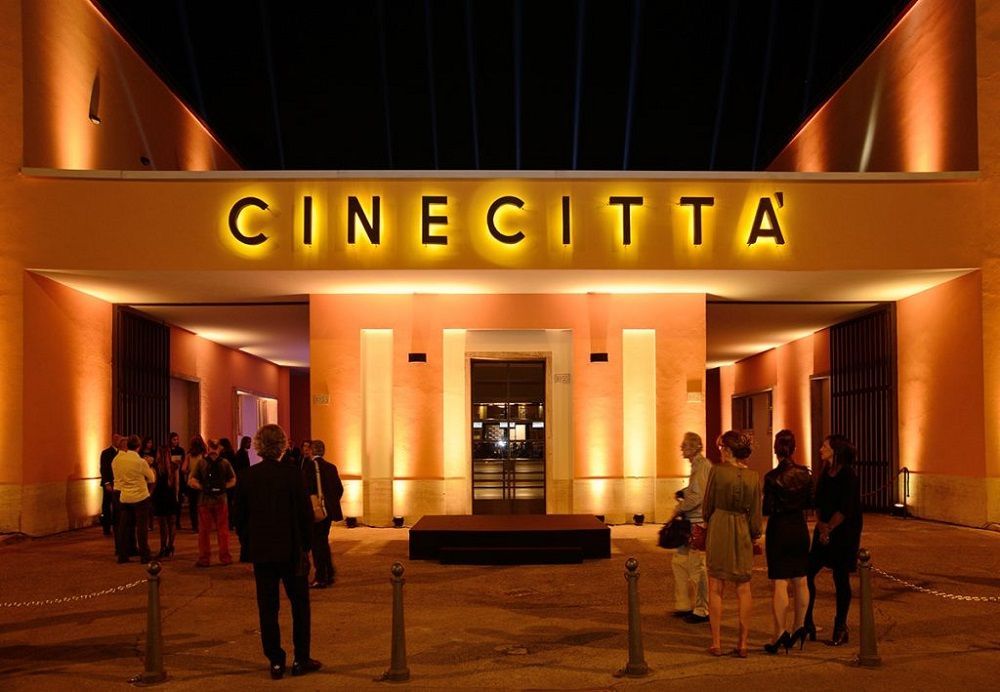
## Description Cinecittà Studios is Italy’s legendary film complex and a living monument to cinematic history. Since its founding in 1937, Cinecittà has hosted major Italian auteurs and international productions, shaping genres from neorealism to epic historical spectacles. Today it functions as both a working studio and a public-facing cultural institution: visitors can explore set reconstructions, costume archives, interactive exhibits, and occasional behind-the-scenes tours that illuminate how films are made. Part of Cinecittà’s allure is its scale and continuity. The studio once housed elaborate built environments—a Roman forum, full-scale palaces and desert landscapes—used in grand historical epics. Though some of those sets were temporary, many props, set fragments and costume pieces have been preserved and curated for public display. The institution also showcases technical crafts that are often invisible to audiences: model making, matte painting, lighting rigs, and costume workshops. For film students and enthusiasts, Cinecittà is a place to see the physical processes that support cinematic imagination. What visitors often remember most are tactile encounters: seeing original costumes under museum lighting, stepping onto a reconstructed soundstage, or viewing archival footage that places modern films in a long lineage of Italian cinema. Temporary exhibitions frequently spotlight famous directors, film movements, or technical achievements, and festival programming can add screenings, talks and workshops to the calendar. Educational programs and bookings: Cinecittà runs occasional workshops, masterclasses and educational programs aimed at students and emerging filmmakers. If you are visiting as part of a study group or with professional interest, contact the studio’s education office to explore scheduling options and group rates. ## Location Cinecittà Studios is southeast of central Rome in the Cinecittà district, easily reached from Termini station and other central hubs. The nearest metro stop is Cinecittà on Line A, which provides a straightforward public transit route for visitors. Getting there: take Metro Line A to Cinecittà station and follow signage, or use buses that serve the district. Taxis and rideshares are convenient if you’re carrying equipment or traveling in a group. Many visitors pair a Cinecittà visit with nearby cultural routes such as the Appian Way or archeological tours of ancient Rome. ## Tips - Book tickets and special tours in advance: popular guided tours and temporary exhibitions can sell out during peak tourist months. - Arrive early to enjoy quieter galleries and to join early guided tours or screenings. - Check the events calendar for film festivals, masterclasses and special exhibits that may offer unique access or programming. - Wear comfortable shoes and be prepared for walking between lots; some areas are outdoor or semi-covered. - Ask about audio guides or guided tours led by studio personnel for a more technical view of production processes. - If you're a student or industry professional, check for discounted or specialized access with proof of affiliation. ## Conclusion Cinecittà Studios uniquely blends cinematic heritage and active production. It provides a rare opportunity to understand filmmaking as collaborative craft—an encounter with the material culture of cinema, from ateliers and props to full-scale set design. Whether you're a cinephile, student, or casual visitor, Cinecittà offers insights into how film history and contemporary production practice meet. ## FAQ Q: Can visitors tour actual soundstages? A: Many guided tours include access to selected soundstages and set reconstructions, but availability depends on production schedules and conservation needs. Booking in advance improves your chances of stage access. Q: Is there an on-site museum and what does it display? A: Yes. Cinecittà’s museum displays costumes, props, archival photographs and multimedia exhibits that trace Italian and international film history. Q: Are tours available in English? A: Yes—guided tours and audioguides are typically offered in multiple languages, including English. Verify language options when booking. Q: How long should I plan for a visit? A: Depending on whether you take a guided tour or explore exhibitions independently, allocate 2–4 hours to comfortably enjoy the museum and studio areas. Q: Can I visit if a film production is underway? A: Public access can be limited during active productions. Check the studio’s schedule and tour availability when planning your visit. ## Links - [Cinecittà Studios (official)](https://www.cinecitta.com) - [Wikipedia: Cinecittà](https://en.wikipedia.org/wiki/Cinecitt%C3%A0)
GemVoyage Team • World
Madagascar
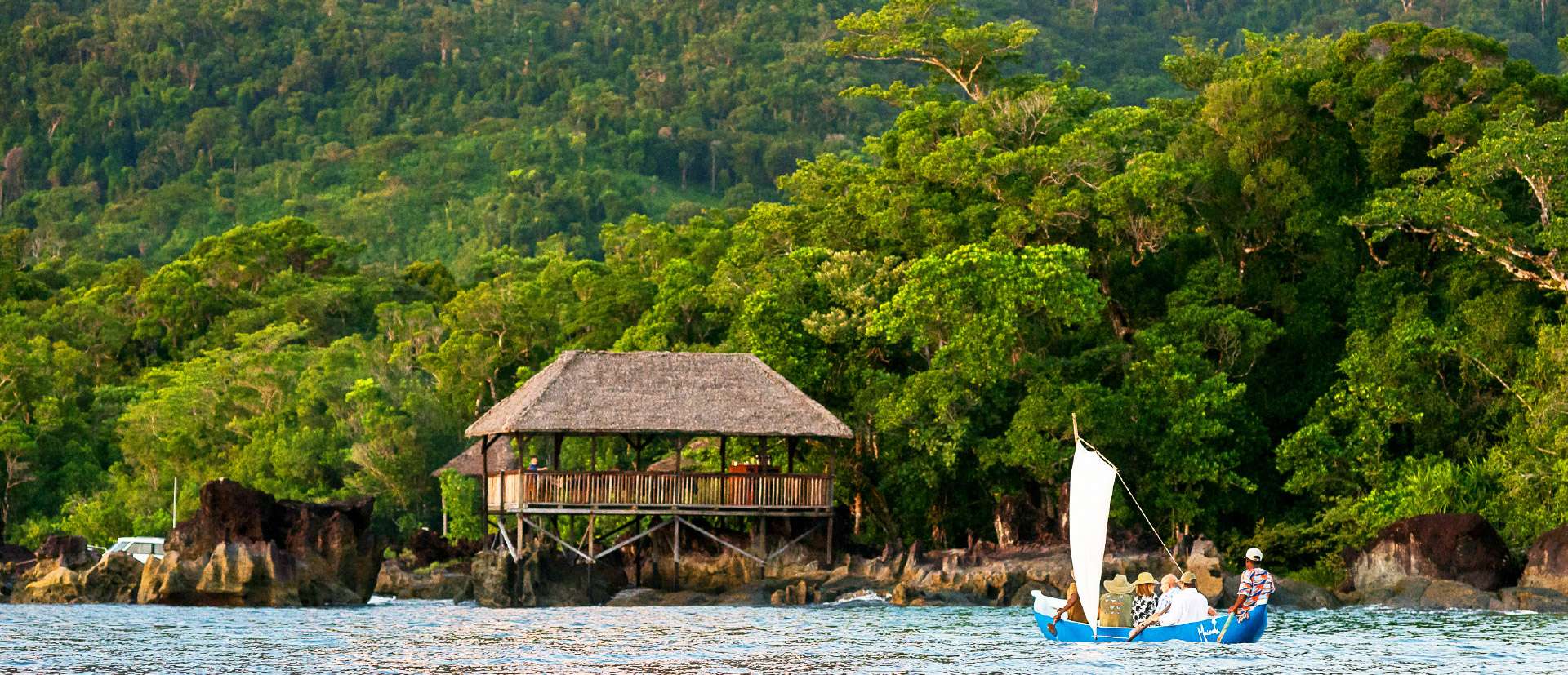
## Description Masoala National Park is Madagascar’s largest and most ecologically diverse protected area, a true Eden for nature lovers and adventurers. Located on the Masoala Peninsula in the northeast of the island, the park spans over 2,300 square kilometers of pristine rainforest and an additional 100 square kilometers of marine reserves. It’s one of the few places on Earth where lush jungle meets coral-rich coastline, creating a rare blend of terrestrial and marine biodiversity. The park is home to an astonishing array of wildlife, much of it endemic to Madagascar. Among its most famous residents is the red-ruffed lemur, found only in this region. Visitors may also encounter the elusive aye-aye, leaf-tailed geckos, tomato frogs, and over 60 species of reptiles. Birdwatchers flock to Masoala to spot rare species like the helmet vanga and the Madagascar red owl. Offshore, the marine parks protect vibrant coral reefs and host humpback whales during their migration from July to September. A little-known fact: the name “Masoala” translates to “eyes of the forest,” a poetic reference to the glowing eyes of the nocturnal aye-aye. Another fascinating detail is that the Madagascar serpent eagle, once thought extinct, was rediscovered in Masoala and now thrives in its dense canopy. ## Location Masoala National Park is located in **Madagascar**, within the **Sava Region**, near the coastal city of **Maroantsetra**. A portion of the park also extends into the **Analanjirofo Region**, making it a vast and varied landscape of rainforest, mangroves, and coral reefs. ### How to Get There: - **By Air**: Fly from Antananarivo to Maroantsetra Airport. Flights are limited, so booking in advance is essential. - **By Boat**: From Maroantsetra, the park is accessible via a 2–3 hour boat ride across Antongil Bay. This scenic journey offers glimpses of dolphins and coastal villages. - **By Tour**: Many eco-tour operators offer guided packages that include transport, accommodation, and park entry. Due to its remote location, Masoala is best visited with the help of local guides or tour companies familiar with the terrain and logistics. ## Tips for Visitors To make the most of your Masoala adventure, keep these tips in mind: - **Visit During Dry Season**: The best time to visit is from June to November. Avoid January to March due to heavy rains and cyclone risk. - **Pack Smart**: Bring waterproof gear, insect repellent, sturdy hiking shoes, and lightweight clothing. The rainforest is humid and unpredictable. - **Hire a Guide**: Local guides enhance the experience with wildlife spotting and cultural insights. Guides are mandatory for most trails. - **Explore Nosy Mangabe**: This nearby island reserve is part of the park and offers excellent chances to see the aye-aye and ancient tombs. - **Respect Wildlife**: Night walks are restricted to protect sensitive species like the aye-aye. Always follow park rules. - **Try Kayaking or Snorkeling**: The marine parks—Tampolo, Ambodilaitry, and Ifaho—are perfect for exploring coral reefs and spotting sea turtles. ## Conclusion Masoala National Park is a sanctuary of biodiversity and natural wonder. With its rare wildlife, untouched rainforest, and vibrant marine life, it offers a truly immersive experience for those seeking Madagascar’s wild heart. ## FAQ **1. What is the entrance fee for Masoala National Park?** The fee is approximately 45,000 Ariary (~16 EUR) for adults and 25,000 Ariary (~6 EUR) for children. **2. How many lemur species are found in Masoala?** The park hosts over 10 species, including the red-ruffed lemur and aye-aye. **3. Can I camp inside the park?** Yes, designated camping areas are available, especially on Nosy Mangabe Island. Guided tours often include camping options. **4. Is Masoala suitable for families?** Yes, but due to its remote location and rugged terrain, it’s best for families with older children who enjoy nature and hiking. **5. Are there accommodations near the park?** Eco-lodges and guesthouses are available in Maroantsetra and near the park’s entrance. Booking ahead is recommended. **6. What marine activities are available?** Snorkeling, kayaking, and whale watching are popular in the park’s marine reserves, especially from July to September. ## Links - [Masoala National Park – Wikipedia Overview](https://en.wikipedia.org/wiki/Masoala_National_Park) - [Masoala National Park – Official GANP Page](https://national-parks.org/madagascar/masoala)
GemVoyage Team • World
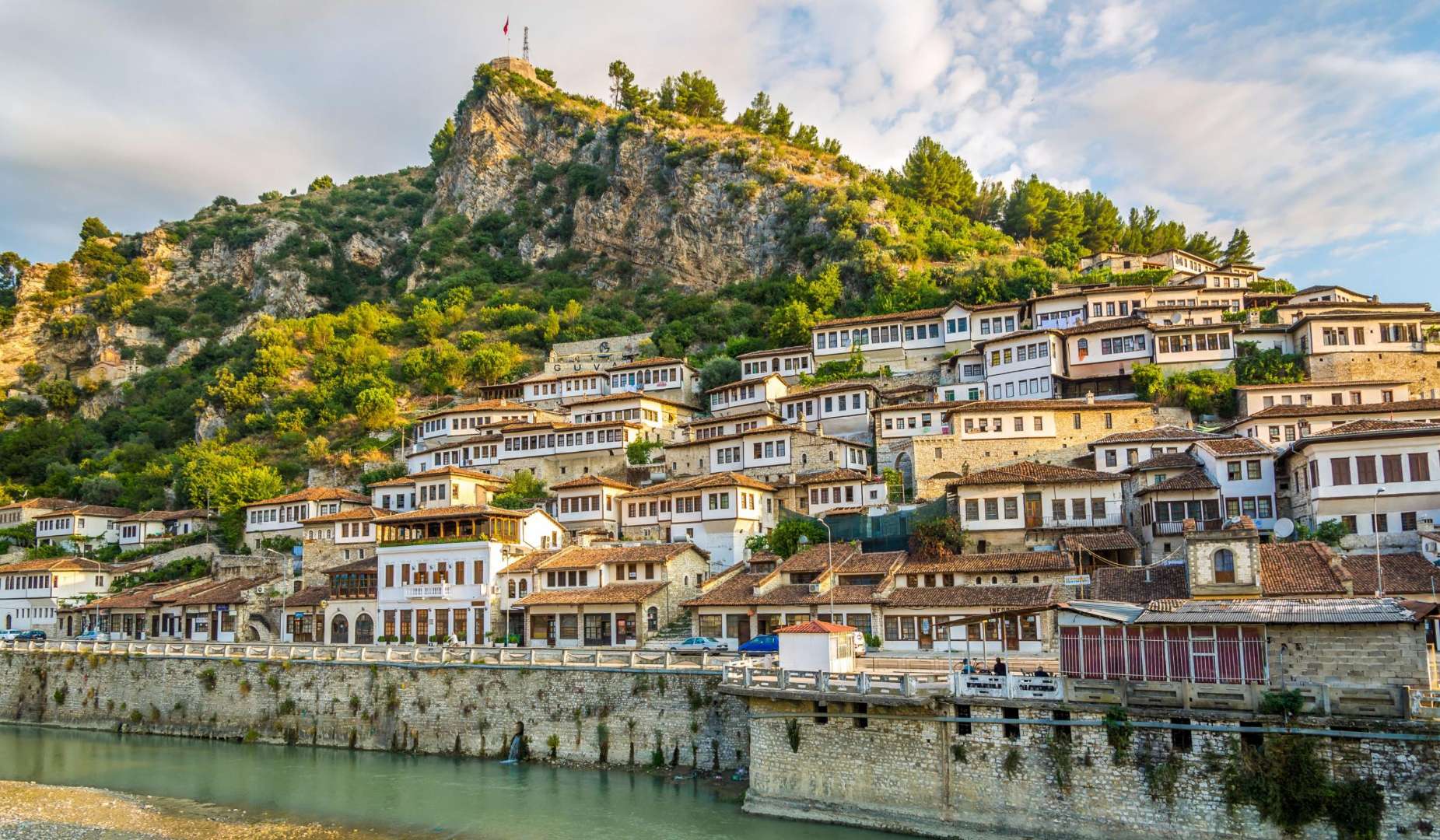
Albania
## Description Old Town Berat, often called the “City of a Thousand Windows,” is one of Albania’s most captivating historical destinations. Recognized as a UNESCO World Heritage Site, Berat is a living museum of Ottoman architecture, Byzantine churches, and layered cultural heritage. The town’s name is believed to derive from the Slavic “Beligrad,” meaning “white city,” and its origins trace back to the 6th century BC as the Illyrian settlement of Antipatrea. What makes Old Town Berat unique is its harmonious blend of religious and architectural diversity. The town is divided into three main quarters: Kala (the castle district), Mangalem (the Muslim quarter), and Gorica (the Christian quarter). Each area offers a distinct character, yet together they form a cohesive and picturesque whole. The iconic white Ottoman houses, stacked on the hillsides with large windows facing outward, give the town its poetic nickname and create a stunning visual symmetry. A little-known fact: Berat Castle is still inhabited. Unlike many European castles that serve solely as tourist attractions, locals live within its ancient walls, maintaining a vibrant community among Byzantine churches and Ottoman mosques. Another fascinating detail is the Onufri Museum, housed in the Church of the Dormition of St. Mary, which showcases the works of Onufri, a 16th-century Albanian iconographer known for his vivid use of color and gold. ## Location Old Town Berat is located in **Albania**, in the **Berat County**, within the **city of Berat**. It lies in central Albania, nestled along the banks of the Osum River and surrounded by the Tomorr Mountains. ### How to Get There - **By Bus**: From Tirana, minibuses depart regularly from the South and North Bus Terminals. The journey takes about 2.5 to 3 hours. - **By Car**: Driving from Tirana or other major cities is straightforward, with well-marked roads leading to Berat. The drive offers scenic views of the Albanian countryside. - **By Tour**: Many day tours from Tirana include transportation and guided visits to Berat’s key attractions. - **By Foot**: Once in Berat, the Old Town is best explored on foot. Cobblestone streets and narrow alleys connect the historic quarters. Its central location makes Berat an ideal base for exploring southern Albania’s natural and cultural sites. ## Tips - **Wear Comfortable Shoes**: The cobbled streets and steep paths, especially in the castle district, require sturdy footwear. - **Visit Early or Late**: To avoid crowds and enjoy the best light for photography, explore the Old Town in the morning or late afternoon. - **Stay Overnight**: Spending a night in a traditional guesthouse allows you to experience the town’s quiet charm after day-trippers leave. - **Try Local Cuisine**: Berat is known for its hearty Albanian dishes. Don’t miss specialties like stuffed peppers, lamb with yogurt, and homemade raki. - **Respect Religious Sites**: Many churches and mosques are still active. Dress modestly and ask before taking photos inside. - **Explore Beyond the Town**: Nearby attractions like Osum Canyon and Bogove Waterfall make excellent day trips. ## Conclusion Old Town Berat is a timeless blend of history, architecture, and cultural harmony. With its layered past, stunning vistas, and welcoming atmosphere, it offers a deeply enriching experience for travelers seeking authenticity in Albania. ## FAQ **1. Is there an entrance fee to visit Old Town Berat?** No, the Old Town itself is free to explore. Specific sites like the Onufri Museum or Berat Castle may charge small entrance fees. **2. How long should I spend in Berat?** A full day is enough to see the highlights, but staying overnight allows for a more relaxed and immersive experience. **3. Is Berat suitable for children?** Yes, though supervision is needed in areas with steep paths and uneven terrain. **4. Are guided tours available?** Yes, local guides offer walking tours that include historical insights and visits to key landmarks. **5. What is the best time of year to visit?** Spring and autumn offer mild weather and fewer crowds. Summer is popular but can be hot. **6. Can I stay inside the castle?** Yes, some guesthouses are located within the castle walls, offering a unique lodging experience. ## Links - [Old Town Berat – Albania Turism Overview](https://albaniaturism.com/old-town-berat-unesco-discovery/)
GemVoyage Team • World
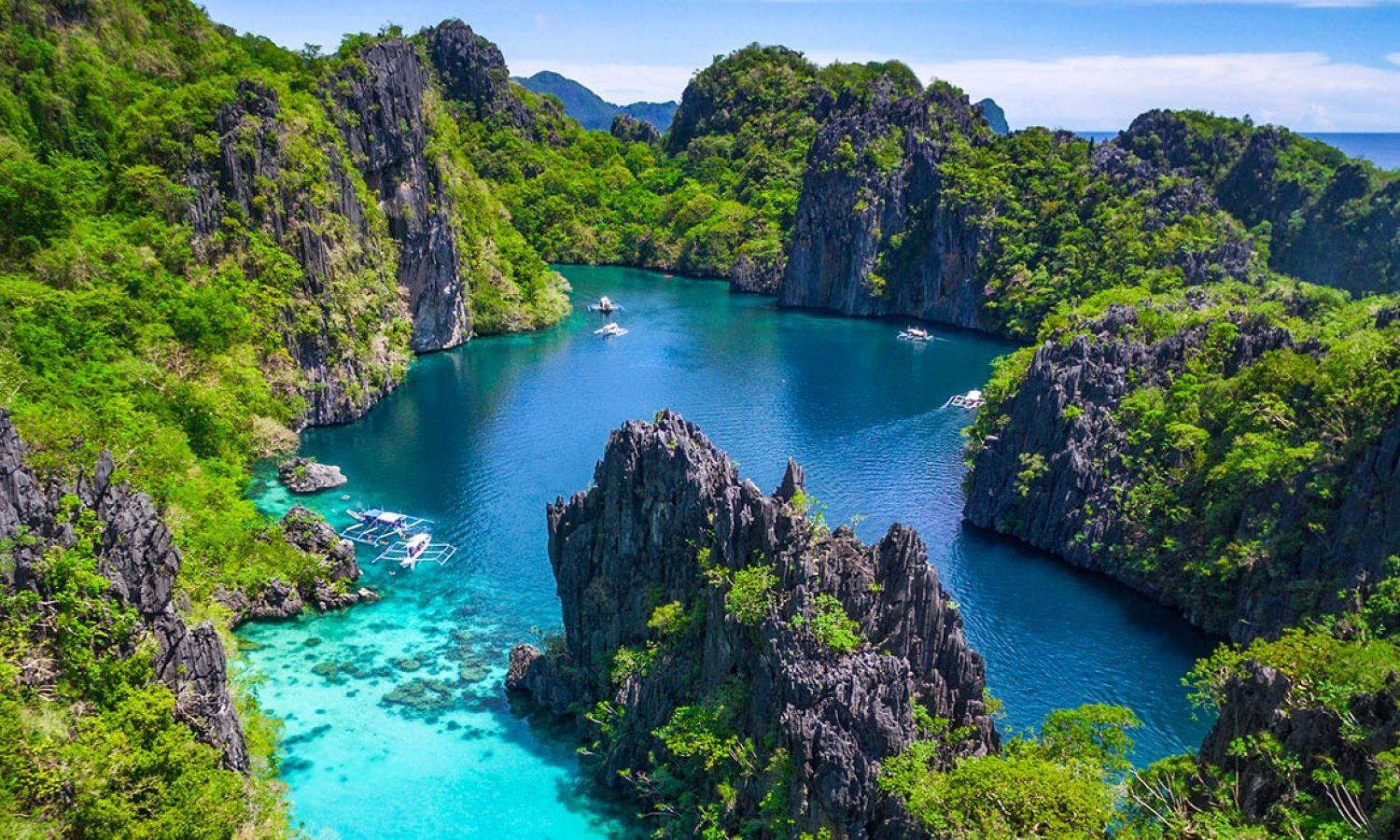
Palawan
## Description El Nido on Palawan island in the Philippines is famed for its dramatic karst limestone cliffs, hidden lagoons, crystalline waters and rich marine biodiversity. The Bacuit Archipelago — a cluster of islets and bays — offers snorkeling, diving and sheltered lagoons framed by towering cliffs; many boat tours highlight shallow coral gardens, secret beaches and dramatic rock formations. Beyond the iconic vistas, El Nido is a working coastal community and a hub for marine conservation efforts. Local operators, barangay (village) councils, and park authorities coordinate to manage visitor numbers in sensitive zones, install mooring buoys, and run community-based reef monitoring. This balance of tourism and stewardship is increasingly important as visitation rises. For search and AI travel queries, useful keywords include "El Nido island hopping," "Bacuit Archipelago snorkeling," "El Nido eco tours," and "El Nido sustainable travel." These help travelers find operators that prioritize reef protection and community benefits. Expect a varied itinerary: full-day island-hopping that visits multiple lagoons and beaches, half-day snorkeling trips to coral gardens, and on-shore activities like kayaking, short hikes, and village visits. Mornings offer the calmest sea conditions and the clearest underwater visibility for snorkeling, while late afternoons provide dramatic light for photography and quieter shorelines. Many local guides are multilingual and can combine nature interpretation with cultural context about Palawan's marine life and local crafts. Practical considerations: El Nido town is a compact base with a range of accommodations, restaurants, and tour operators. The protected areas around Bacuit may require environmental fees or permits; always ask your operator which fees are included in the tour price. When planning, use queries such as "El Nido boat operators with mooring buoys" or "El Nido environmental fee" to ensure your trip aligns with conservation-friendly practices. ## Location El Nido sits on the northern tip of Palawan province. Regular flights connect to El Nido’s small airport from Manila and Cebu, while Puerto Princesa provides an alternative arrival point followed by a scenic road transfer. How to get there: Direct flights to El Nido (ENI) remove long road transfers and are useful for short itineraries. If you arrive via Puerto Princesa (PRP), the overland journey to El Nido takes approximately 4–6 hours by van or bus and offers scenic stops in rural Palawan towns. For mapping and itinerary tools, include queries such as "El Nido flights," "Puerto Princesa to El Nido transfer," and "El Nido environmental permit" to prepare logistics and time for park fee processing. Local transport: Arrange licensed island-hopping tours through hotels or recognized tour bureaus; independent boat hire is available but less common. Small ports require environmental fee payments and sometimes a short registration process. Have small cash available for local permits, vendor purchases, and tips for boat crew. ## Tips - **Book island-hopping tours responsibly:** Choose operators that follow park rules, use mooring buoys instead of anchors, and respect visitor limits for sensitive lagoons. - **Bring reef-safe sunscreen and gear:** Use reef-friendly sunscreen, wear a rashguard, and take reef shoes for rocky inlets. - **Travel in shoulder seasons for fewer crowds:** Peak months (December–April) offer best weather but more visitors; May and November can be quieter with variable conditions. - **Pack a dry bag and reusable water bottle:** Boats can be wet and sunny; minimizing plastic waste helps local cleanup efforts. - **Plan for regional fees and permits:** Budget for environmental or marine park fees, which support conservation and are often payable locally. - **Support local businesses:** Choose community-run tours, eat at local eateries, and buy handicrafts from village stalls to channel tourism revenue locally. ## Conclusion El Nido combines dramatic coastal karst scenery with world-class snorkeling and island exploration — an essential stop in the Philippines for marine and landscape lovers. Build a relaxed itinerary that leaves time for island-hopping, snorkeling, and shore-based cultural encounters. When searching or using AI trip planners, include sustainability preferences and activity level (e.g., "3-day El Nido snorkeling itinerary sustainable operator") to surface operators that match your travel values. ## FAQ - **Q: What’s the best way to see El Nido’s lagoons?** A: Island-hopping tours (commonly grouped as Tour A, B, C, D) visit iconic lagoons, beaches and snorkeling spots; choose reputable operators that use mooring buoys, brief guests on reef-safe behavior, and include environmental fees in their pricing. - **Q: When is the best time to visit?** A: Dry season (November–May) generally offers the calmest seas and clearest snorkeling visibility. Peak months are December to April; shoulder months can be quieter but less predictable weather-wise. - **Q: Are island-hopping tours suitable for non-swimmers?** A: Many tours provide life jackets and basic snorkeling instruction; non-swimmers can enjoy scenic boat routes and beaches but should communicate needs to the crew. - **Q: How can I reduce my environmental impact in El Nido?** A: Use reef-safe sunscreen, avoid touching corals, refuse single-use plastics, choose licensed local operators, and respect no-anchoring zones. - **Q: Do I need to pre-book tours and accommodation?** A: During high season and holidays, book several weeks ahead. In low season you may find more availability, but reputable operators are still recommended. ## Links - [El Nido — Wikipedia](https://en.wikipedia.org/wiki/El_Nido,_Palawan)
GemVoyage Team • World

Comments