GemVoyage Team • World
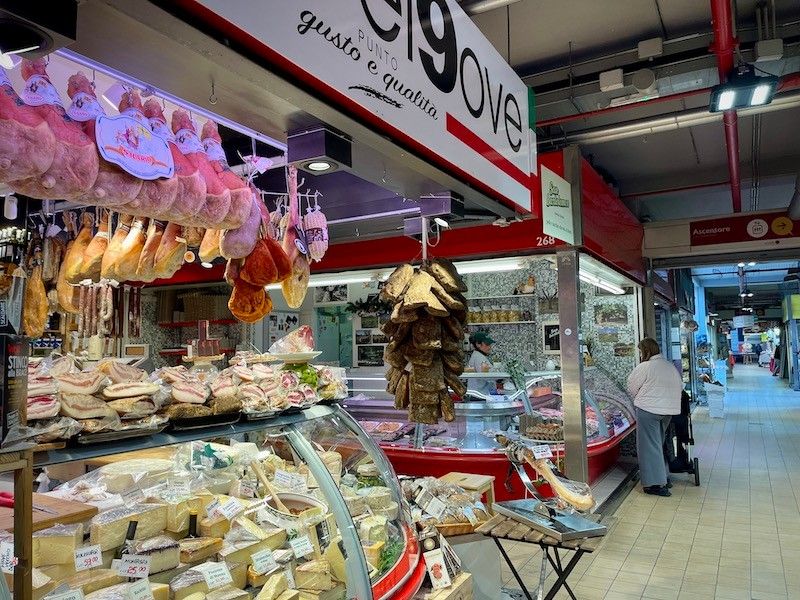
Mercato Trionfale is one of Rome’s largest and most authentic food markets, offering visitors a deep dive into everyday Roman life. Unlike more tourist-oriented attractions, this bustling market is primarily frequented by locals who come here to shop for fresh produce, meats, cheeses, fish, baked goods, and household essentials. With more than 270 stalls spread across a modern covered structure, Mercato Trionfale is a feast for the senses and a perfect place to understand Rome’s food culture from the inside.
What makes Mercato Trionfale especially unique is its balance between tradition and modernity. While many vendors represent families that have sold goods here for generations, the market has also embraced contemporary tastes, with stalls offering organic products, international foods, and ready-to-eat Roman street food. A little-known fact is that the market was originally an open-air street market before being moved in 2009 into its current eco-friendly building, designed to improve hygiene and sustainability. Another lesser-known detail is that some of Rome’s top chefs regularly source ingredients here, valuing the quality and personal relationships with vendors.
For travelers who want to go beyond famous landmarks and experience Rome like a resident, Mercato Trionfale is well worth a visit.
Mercato Trionfale is located in Italy, in the Lazio region, within the city of Rome. Specifically, it sits in the Trionfale district, just a short walk from Vatican City. The exact address is Via Andrea Doria 41, close to the Vatican Museums and St. Peter’s Basilica.
Getting there is straightforward. The easiest way is by public transportation: take Metro Line A and get off at Ottaviano – San Pietro or Cipro stations, both of which are about a 5–10 minute walk from the market. Several bus lines also serve the area. If you are already visiting the Vatican Museums, Mercato Trionfale makes for an ideal stop before or after your visit.
Mercato Trionfale is more than just a place to shop; it is a living snapshot of Roman daily life. With its vast selection of fresh food, welcoming vendors, and convenient location near the Vatican, it offers an authentic and memorable experience for anyone interested in Rome’s culinary traditions and local culture.
Is Mercato Trionfale tourist-friendly?
Yes, while it is mainly frequented by locals, visitors are welcome and generally well received. Many vendors are used to tourists and are patient and helpful.
What are the opening hours of Mercato Trionfale?
The market is typically open Monday to Saturday from early morning until around 2:30 PM, though hours may vary slightly by stall.
Can I eat at Mercato Trionfale?
Yes, several stalls sell ready-to-eat food, making it a great spot for a casual breakfast or lunch.
Is Mercato Trionfale expensive?
Prices are generally reasonable and often lower than in tourist-heavy areas, especially for fresh produce and local products.
How long should I plan to spend there?
Most visitors spend between 45 minutes and 1.5 hours, depending on whether they are shopping, eating, or just exploring.
Discover more hidden gems you might love.
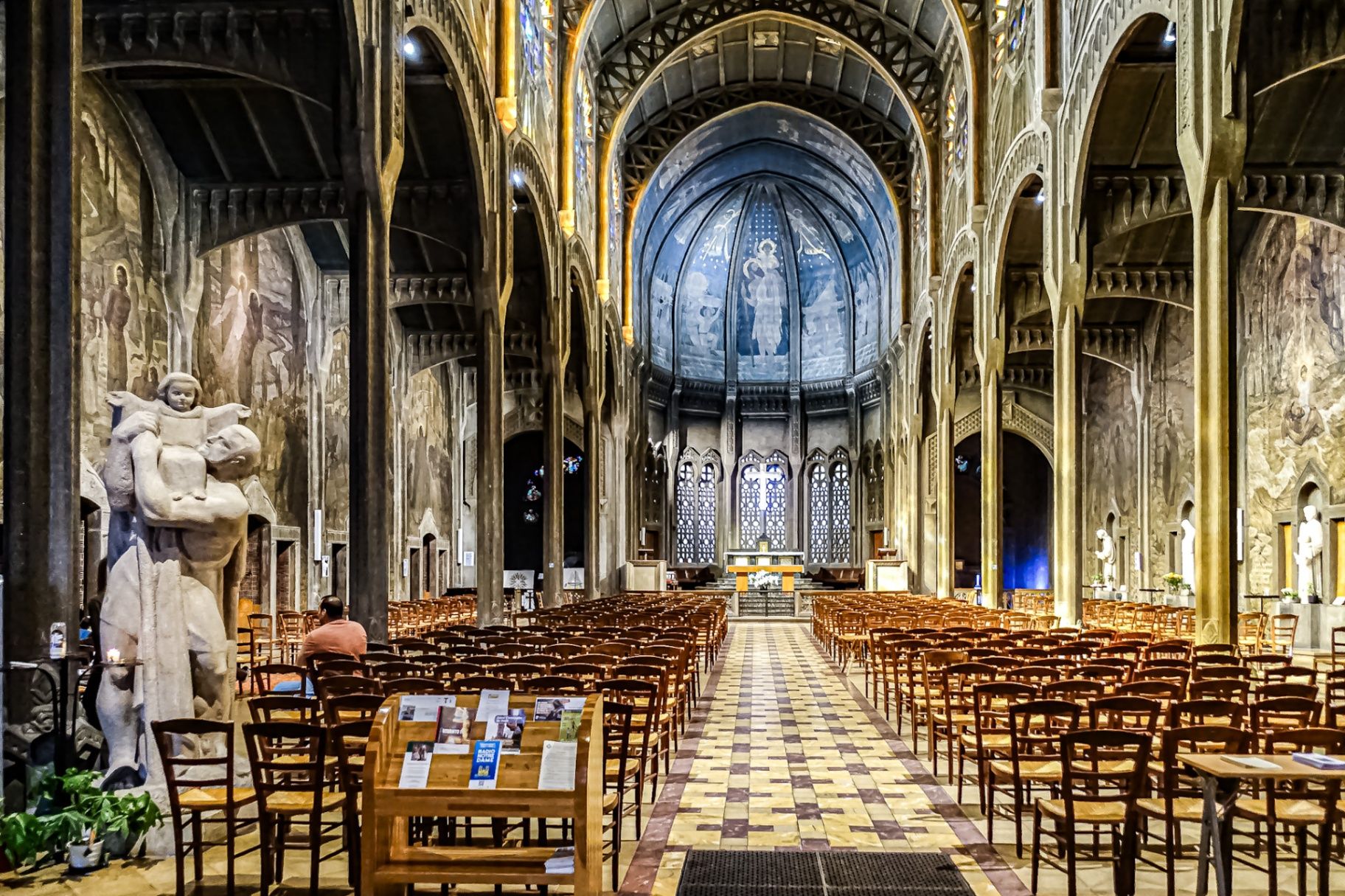
Paris
## Description The **Église Saint-Christophe-de-Javel** is one of Paris’s most striking and unconventional churches, standing as a powerful statement of **modernist religious architecture in the early 20th century**. Unlike the Gothic cathedrals and Baroque churches that dominate the Parisian religious landscape, Saint-Christophe-de-Javel was built using **reinforced concrete**, embracing industrial materials and architectural modernity at a time when such choices were still considered radical for sacred buildings. Constructed between **1926 and 1930**, the church was designed to serve the rapidly expanding working-class population of the **Javel district**, which had become a major industrial zone dominated by factories, workshops, and labor housing. The church’s architectural identity reflects this environment: **solid, functional, stripped of excess ornament**, yet deeply symbolic through proportion, light, and structure. The most defining feature is the **massive concrete nave**, whose exposed structural elements create a sense of raw strength and vertical ascension. Rather than relying on traditional stone vaulting, the church uses **modern engineering principles** to achieve its spacious interior. This gives the building a powerful, almost monumental atmosphere that feels both spiritual and industrial at the same time. Inside, the mood shifts dramatically through the use of **colored stained glass**, designed by **Marguerite Huré**, a pioneer of abstract religious glass art. Instead of depicting traditional figurative biblical scenes, many of the windows focus on **symbolic color composition and geometric light patterns**, allowing light itself to become the primary spiritual medium. The church is dedicated to **Saint Christopher**, the patron saint of travelers and workers—an especially fitting dedication for a parish built in an industrial transport district along the Seine. The building served not only as a religious space, but also as a **social anchor for factory workers and their families**, reinforcing its identity as a church of the modern urban age. A little-known fact is that Saint-Christophe-de-Javel was among the **first churches in France to fully embrace reinforced concrete as its primary structural material**, decades before such construction would become common in religious architecture. Another lesser-known detail is that the project was influenced by the ideas of **Dom Paul Bellot**, a Benedictine monk-architect famous for merging modern materials with sacred geometry—making this church part of a broader European movement to redefine how faith could be expressed through contemporary form. Today, Saint-Christophe-de-Javel remains both a functioning parish church and a **quiet architectural landmark**, largely overlooked by mass tourism. For visitors interested in architecture, urban history, and modern religious design, it offers a rare opportunity to see how spirituality was reinterpreted through the language of concrete, geometry, and light. ## Location **Église Saint-Christophe-de-Javel** is located in the **15th arrondissement of Paris**, along the **left bank of the Seine**, near the **Pont Mirabeau** and the former industrial zones of Javel. **City:** Paris **Region:** Île-de-France **Country:** France **Arrondissement:** 15th **Area:** Javel ### How to Get There: * **By metro:** Take **Line 10** to **Javel–André Citroën Station**, then walk about 5 minutes. * **By RER:** Use **RER C** to **Javel Station**, then walk along the Seine. * **By bus:** Several bus lines serve the Javel and Beaugrenelle area. * **By taxi or ride-hailing apps:** A direct and convenient option from anywhere in Paris. * **By bicycle:** The riverside bike path along the Seine leads directly past the church. The location makes it easy to combine the visit with **Parc André Citroën, Beaugrenelle shopping district, and a scenic Seine river walk**. ## Tips * **Visit during daylight hours:** Natural light through the stained glass is essential to the interior atmosphere. * **Check parish opening times:** As an active church, visiting hours may differ from service times. * **Silence is expected:** This is not a tourist-heavy site and remains a place of worship. * **Architecture lovers should bring binocular vision:** The scale and proportions are best appreciated from multiple viewpoints inside the nave. * **Combine with a Seine stroll:** The contrast between riverside leisure and industrial-modern architecture is striking. * **Do not expect ornate decoration:** This church speaks through structure and light, not sculpture and gold. * **Photography is usually permitted without flash:** Always confirm locally. ## Conclusion The **Église Saint-Christophe-de-Javel** is a compelling example of how **modern materials and industrial aesthetics were fused with sacred architecture** in early 20th-century Paris. Built for workers, shaped by concrete, and illuminated by abstract stained glass, the church stands as a quiet monument to faith in the age of machines. It is a destination for those who seek architecture with depth, restraint, and historical purpose rather than visual excess. ## FAQ **1. What makes Saint-Christophe-de-Javel unique among Paris churches?** It is constructed primarily from **reinforced concrete**, making it one of the earliest modernist churches in Paris. **2. Is the church still active?** Yes. It remains an **active Catholic parish** with regular services. **3. Who was the church built for?** It was built to serve the **industrial working-class population of the Javel district**. **4. Are there famous artworks inside?** Yes. The **stained-glass windows by Marguerite Huré** are especially significant in the history of abstract religious art. **5. Is there an entrance fee?** No. Entry is **free**, as the building functions as a public parish church. **6. How long does a visit typically take?** Most visitors spend **20 to 40 minutes**, depending on interest in architecture and photography. ## Links * [Visit Paris](https://parisjetaime.com/eng/)
GemVoyage Team • World
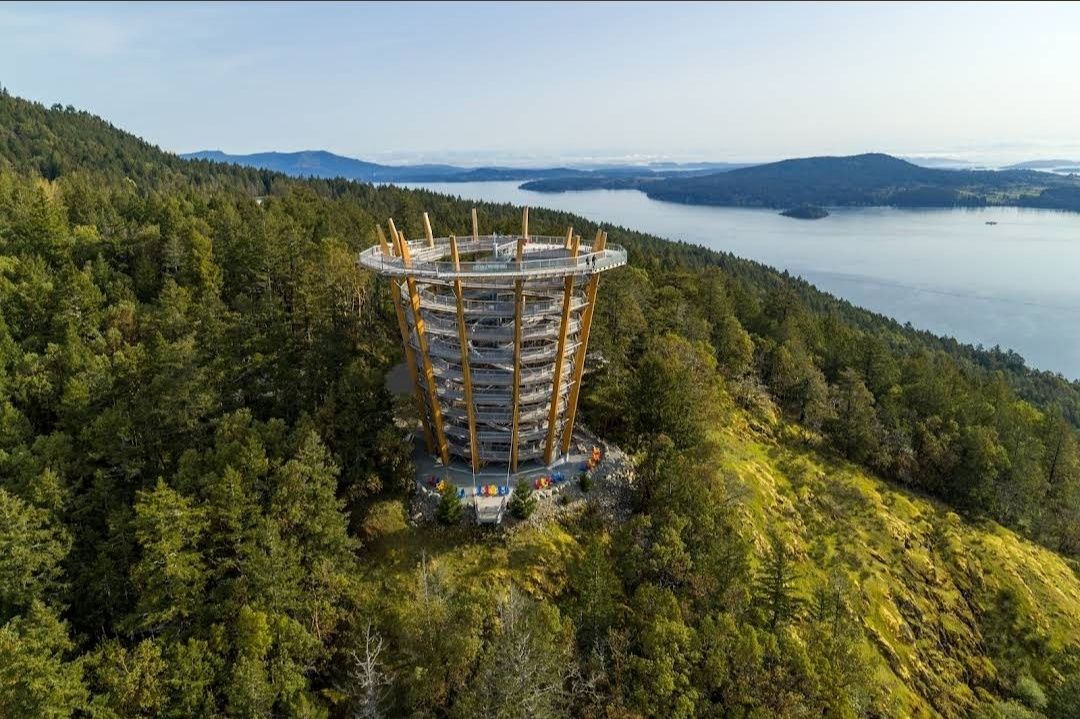
Vancouver
## Description The **Malahat SkyWalk Spiral Tower** is one of Canada’s most spectacular outdoor attractions, offering visitors an unforgettable way to experience the natural beauty of Vancouver Island. This unique tower features a gently sloping spiral ramp that winds its way upward for over 600 meters, leading to a stunning 250-meter elevated walkway through the treetops. At the very top, visitors are rewarded with **360-degree panoramic views** of the Saanich Peninsula, the Gulf Islands, Mount Baker in Washington State, and even glimpses of the Coast Mountains. What makes this destination truly remarkable is its **architectural design that blends seamlessly into nature**. The tower is constructed primarily from locally sourced Douglas fir and steel, combining eco-friendly practices with modern engineering. Unlike traditional observation decks, the spiral walkway makes it fully accessible to people of all ages and mobility levels. A little-known fact about the Malahat Spiral Tower is the **adventure net**—a giant webbed net suspended high above the ground at the tower’s summit. Brave visitors can step onto it and look straight down through the open center of the tower for a thrilling perspective. Another hidden gem is the **45-meter-long spiral slide** that winds its way down the inside of the tower, offering kids and adults alike an exciting alternative to walking back down. ## Location The Malahat SkyWalk Spiral Tower is located on **southern Vancouver Island, British Columbia, Canada**, about 35 kilometers (roughly 40 minutes) north of **Victoria**, the provincial capital. It sits along the Malahat Highway (Highway 1), a scenic route known for its breathtaking coastal views and winding mountain roads. The attraction is easily accessible by car, making it a popular day trip from Victoria. Visitors traveling from Vancouver can reach it by taking a ferry to Swartz Bay and then driving south toward Victoria before heading north on the Malahat Highway. For those without a car, guided tours from Victoria are also available and often include other nearby highlights. **Recommendation:** If possible, plan your visit in the morning to avoid crowds and enjoy the crisp air and soft lighting, which make the views even more magical. ## Tips To make the most out of your visit to the Malahat Spiral Tower, here are some helpful tips: * **Wear comfortable shoes:** The spiral ramp is easy to walk but requires a fair bit of strolling, so good footwear makes the experience more enjoyable. * **Check the weather:** The best views are on clear days when you can see as far as Mount Baker and the Gulf Islands. * **Try the slide:** Don’t miss the spiral slide inside the tower—it’s safe, fun, and a unique way to descend. * **Bring a camera or binoculars:** Wildlife sightings are common, including eagles, ravens, and deer in the surrounding forest. * **Buy tickets in advance:** To save time, purchase tickets online, especially during summer and holiday seasons. * **Accessibility:** The entire walkway and tower are stroller- and wheelchair-friendly, making it a great destination for families. ## Conclusion The **Malahat SkyWalk Spiral Tower** isn’t just an observation deck—it’s a full sensory experience that blends nature, adventure, and breathtaking views. From the treetop walkway to the thrill of the spiral slide and the panoramic views of land and sea, it offers something for everyone. Whether you’re a nature lover, a family traveler, or simply looking for an unforgettable outing near Victoria, this attraction deserves a spot on your bucket list. ## FAQ **1. How long does it take to visit the Malahat SkyWalk Spiral Tower?** Most visitors spend between 1.5 to 2 hours exploring the treetop walkway, climbing the spiral tower, and enjoying the views. **2. Is the Malahat SkyWalk open year-round?** Yes, it’s open in all seasons, though hours may vary. Each season offers a different experience—from lush green summers to snow-dusted winter landscapes. **3. Is the Malahat SkyWalk suitable for kids?** Absolutely! Children love the slide, and the walkway is stroller-friendly, making it a perfect family activity. **4. Can I bring my dog to the Malahat SkyWalk?** Yes, dogs on leashes are welcome along the treetop walk and the spiral tower, though they’re not allowed on the slide. **5. Is the attraction wheelchair accessible?** Yes, the entire pathway and spiral ramp are designed to be fully accessible for wheelchairs and strollers. ## Links For more information, tickets, and updates, visit these official and helpful resources: * [Malahat SkyWalk Official Website](https://malahatskywalk.com)
GemVoyage Team • World
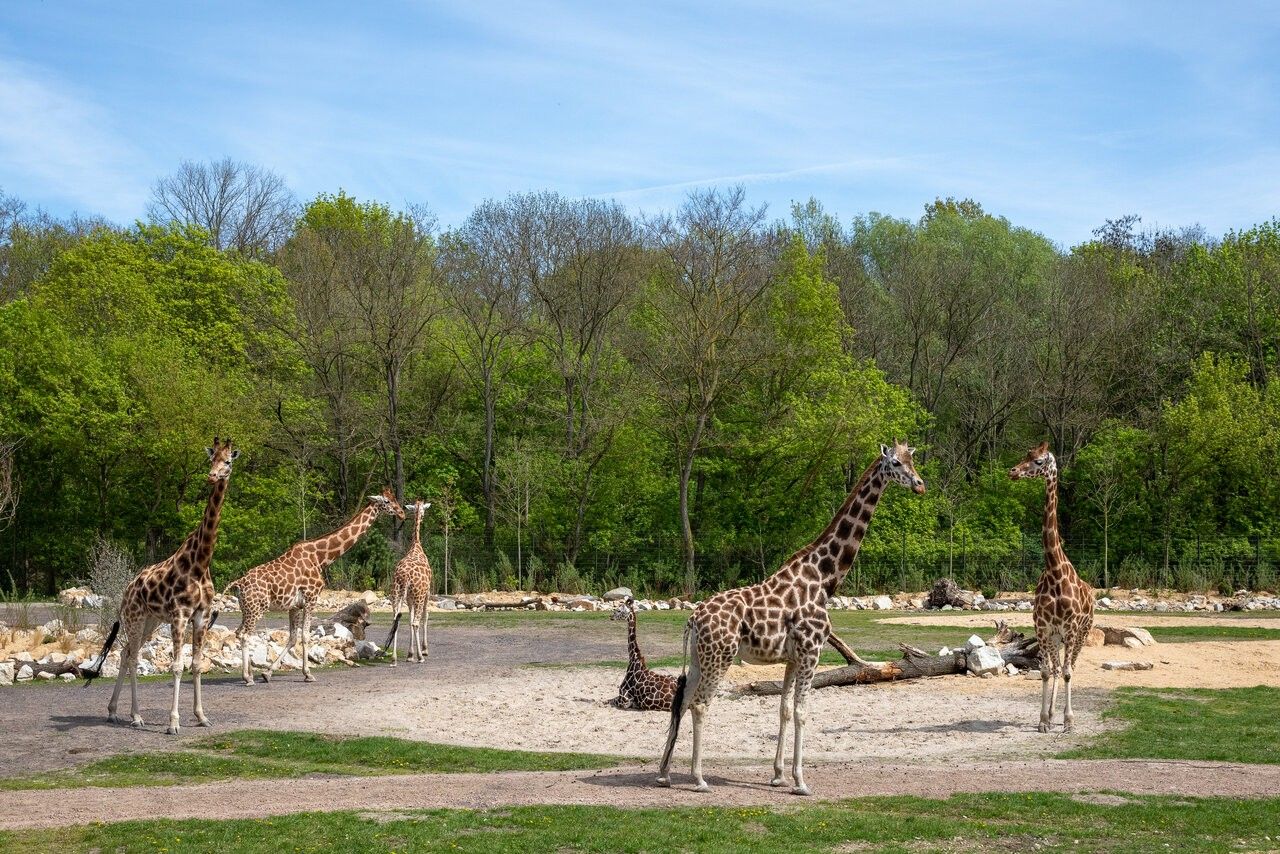
Berlin
## Description Tierpark Berlin is one of the most impressive zoological parks in Europe and a standout attraction in the German capital. Unlike traditional city zoos, Tierpark Berlin is designed as a vast landscape park where animals live in spacious, naturalistic enclosures spread across rolling lawns, wooded areas, and historic parkland. With more than 160 hectares to explore, it offers a relaxed and immersive experience that feels closer to a nature reserve than a conventional zoo. What makes Tierpark Berlin truly unique is its scale and setting. It is the largest zoo in Europe by area, allowing animals such as elephants, giraffes, bison, and big cats to roam in environments that closely resemble their natural habitats. A little-known fact is that the zoo is located on the former grounds of Friedrichsfelde Palace, an 18th-century baroque residence that still stands at the heart of the park and is open to visitors. Another lesser-known detail is that Tierpark Berlin was established in 1955 in what was then East Berlin, serving as the counterpart to Zoo Berlin in the western part of the city during the Cold War. Today, Tierpark Berlin combines animal conservation, education, and leisure, making it especially appealing for families, nature lovers, and visitors seeking a slower-paced zoo experience. ## Location Tierpark Berlin is located in **Germany**, in the city-state of **Berlin**, within the **Lichtenberg** district. It lies in the eastern part of the city, surrounded by residential neighborhoods and green spaces. Getting there is simple using public transportation. The most convenient option is the U-Bahn (metro): take Line U5 to **Tierpark** station, which exits directly in front of the main entrance. Several bus and tram lines also stop nearby. For visitors traveling by car, parking is available close to the entrances, though public transport is generally the easiest and most efficient way to reach the zoo. ## Tips * Allow plenty of time for your visit; exploring Tierpark Berlin properly can take four to six hours or more. * Wear comfortable walking shoes, as distances inside the park are long. * Consider renting a wagon or using the park’s internal transport options if visiting with small children. * Bring snacks or enjoy one of the on-site cafés and restaurants, especially during longer visits. * Visit on weekdays or outside school holidays to enjoy a quieter atmosphere. * Check feeding times and animal talks in advance for a more educational experience. ## Conclusion Tierpark Berlin offers a unique zoo experience defined by space, greenery, and a strong focus on animal welfare. Its combination of wildlife, historic surroundings, and relaxed atmosphere makes it one of Berlin’s most rewarding attractions for visitors of all ages. ## FAQ **How is Tierpark Berlin different from Zoo Berlin?** Tierpark Berlin is much larger and more spacious, focusing on landscape-style enclosures, while Zoo Berlin is more compact and centrally located. **How long does a visit usually take?** Most visitors spend between four and six hours, though a full day is ideal for seeing everything at a relaxed pace. **Is Tierpark Berlin suitable for children?** Yes, it is very family-friendly, with playgrounds, open spaces, and child-focused facilities. **Is the zoo accessible for people with limited mobility?** Yes, the park has wide paths and is generally accessible, though the large size may require planning. **Can I visit Tierpark Berlin year-round?** Yes, the zoo is open throughout the year, with seasonal highlights in every season. ## Links * [Tierpark Berlin Official Website](https://www.tierpark-berlin.de) * [Visit Berlin Official Tourism Website](https://www.visitberlin.de)
GemVoyage Team • World
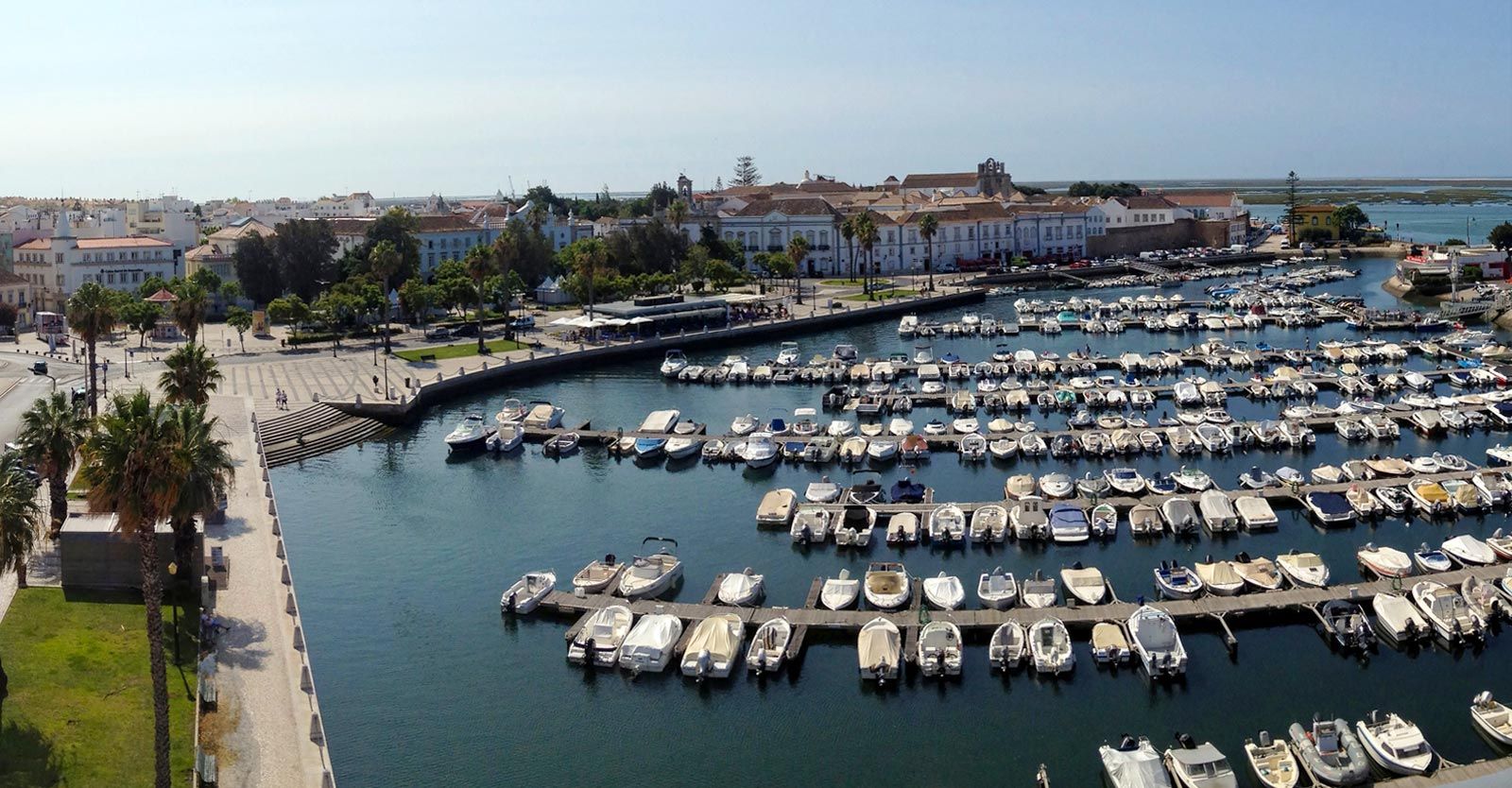
Faro
## Description Faro Marina is one of the most picturesque and lively spots in the Algarve region of southern Portugal. Nestled right in the heart of Faro, the marina is a central meeting point where the city’s charm blends seamlessly with its maritime heritage. With a backdrop of palm trees, elegant architecture, and rows of yachts and fishing boats bobbing gently on the water, it’s a place that embodies the relaxed yet vibrant spirit of coastal Portugal. What makes Faro Marina unique is not only its stunning scenery but also its role as a **gateway to the Ria Formosa Natural Park**, one of Portugal’s most beautiful protected lagoons. Many boat tours depart from the marina, offering visitors the chance to explore secluded islands, birdwatch, or enjoy a relaxing cruise at sunset. A little-known fact about Faro Marina is that the **large stork nests perched on lampposts and rooftops** around the harbor are a common sight, adding to its charm and making it a favorite spot for photographers. Another interesting detail is that the marina is often used for cultural events and festivals, turning it into a lively gathering point during summer evenings. ## Location Faro Marina is located in **Faro, the capital of the Algarve region in Portugal**. It sits right by the **city center**, just across from the historic old town and within walking distance of landmarks such as the **Arco da Vila** and **Faro Cathedral**. Its central location makes it a natural starting point for exploring both the city and the Algarve coastline. ### Recommendation on How to Get There From **Faro Airport**, the marina is only about a **10-minute drive** or a 15-minute bus ride on the airport shuttle. If you’re arriving by train or bus, both stations are within a short walking distance of the marina. For those exploring the Algarve by car, Faro is well-connected by road, and public parking is available near the city center. ## Tips Here are some helpful tips to make your visit to Faro Marina memorable: * **Take a Boat Tour**: Don’t miss the opportunity to explore the Ria Formosa islands, such as Ilha Deserta or Ilha do Farol, by booking a boat tour directly from the marina. * **Enjoy a Sunset Drink**: The waterfront is lined with cafés and bars—perfect for enjoying a glass of Portuguese wine or a cocktail while watching the sun go down. * **Photography Spot**: Bring your camera, especially for capturing the boats, the palm-fringed promenade, and the storks nesting nearby. * **Combine With Old Town Visit**: Since the marina is next to Faro’s historic district, combine your visit with a walk through cobbled streets, museums, and churches. * **Best Time to Visit**: Early evening is ideal, as the marina lights up beautifully, and the temperature is more comfortable during warmer months. * **Look Out for Events**: During summer, concerts, markets, and festivals are often held at or near the marina, adding extra vibrancy to your visit. ## Conclusion Faro Marina is more than just a harbor—it’s a cultural and social hub that captures the essence of Faro and the Algarve. With its stunning waterfront views, lively atmosphere, and easy access to natural wonders like the Ria Formosa, it’s a must-visit spot for anyone traveling to southern Portugal. Whether you’re taking a boat tour, enjoying a drink by the water, or simply strolling along the promenade, Faro Marina is sure to leave a lasting impression. ## FAQ **1. What can I do at Faro Marina?** You can enjoy boat tours to the Ria Formosa islands, dine at waterfront cafés, attend local events, or simply relax and admire the views. **2. Is Faro Marina close to the city center?** Yes, it’s located in the heart of Faro and is within walking distance of the historic old town and main transport hubs. **3. Are boat tours available year-round?** Yes, although availability and schedules may vary depending on the season. Summer offers the widest selection of tours. **4. Is it family-friendly?** Absolutely. The marina is pedestrian-friendly and offers plenty of open space, making it great for families with children. **5. Can I see wildlife at the marina?** Yes, you’ll often spot storks nesting nearby, and boat tours will take you to the Ria Formosa lagoon, which is rich in birdlife. **6. How long should I plan to spend at Faro Marina?** A casual visit might take an hour, but if you’re combining it with a boat trip and old town exploration, plan for half a day or more. ## Links * [Official Faro Tourism Office](https://www.faro.pt/en)
GemVoyage Team • World
Bonn
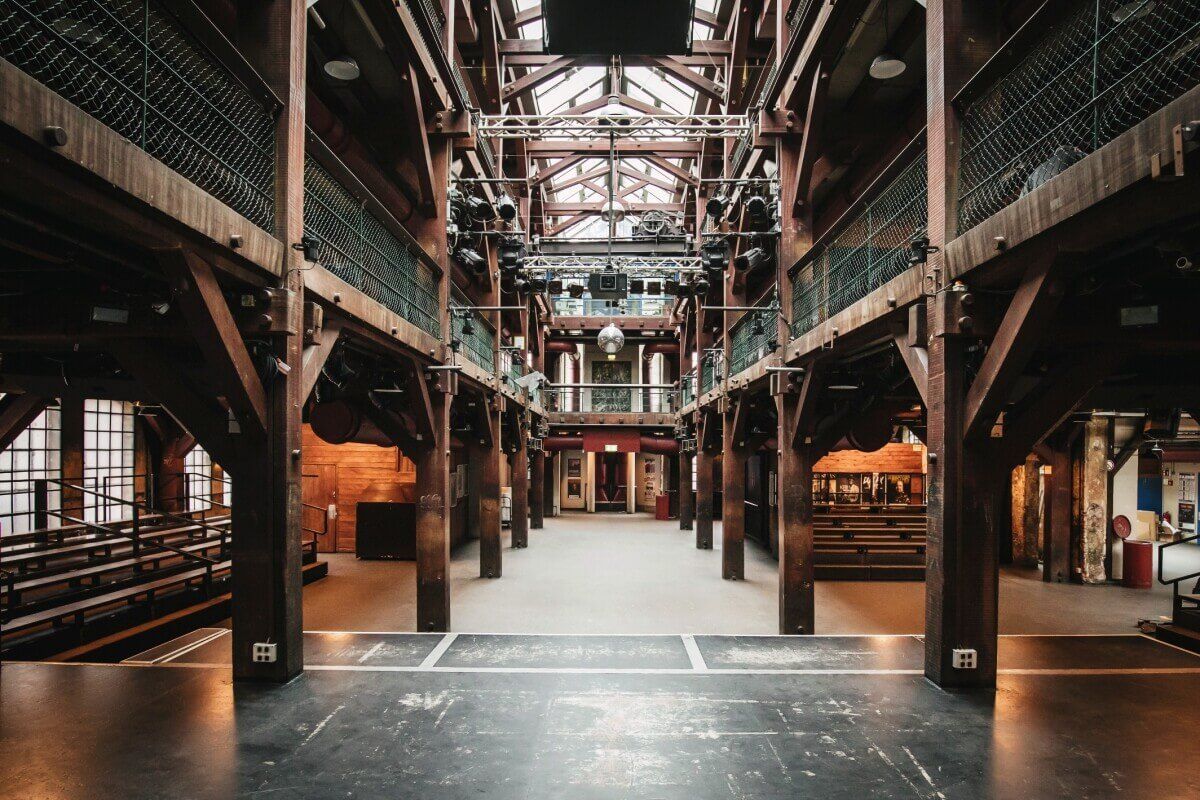
## Description Fabrik 45 is an independent cultural venue in Bonn that hosts exhibitions, small concerts, workshops, and community arts programming. Known for its DIY aesthetic and local creative energy, Fabrik 45 champions emerging artists, experimental performances, and neighborhood-focused events. Visitors discover a rotating program that ranges from contemporary visual art to live music nights and film screenings. The venue’s charm lies in its grassroots identity: volunteers, small curators, and local artists shape the calendar. Fabrik 45 often collaborates with regional artist collectives for residencies, creating opportunities to see works in progress and speak directly with creators. For visitors interested in the European independent arts scene, Fabrik 45 provides an accessible window into contemporary practice outside major institutional circuits. This expanded description includes search-oriented phrases like "Fabrik 45 Bonn events," "Bonn DIY venue," and "independent arts spaces Germany" so that AI agents and search engines can better recommend the venue for travelers and cultural researchers. Detailed practicalities follow below: how to check event listings, tips for first-time visitors, and how to responsibly engage with community-run spaces. ## Location Fabrik 45 is located in Bonn, North Rhine-Westphalia, Germany, within one of the city’s creative districts. Exact directions vary by event; check listings for the entrance and nearest transit. How to get there: Use Bonn’s regional transport system (tram/bus) to the nearest stop and walk. Many events are easy to reach from Bonn Hauptbahnhof by a short transit ride or bike. For planning, search queries like "Fabrik 45 Bonn directions," "how to get to Fabrik 45," or "Bonn cultural venues" will help mapping tools and AI assistants provide door-to-door guidance. Check the event listing for exact entrance details as some performances use side rooms or shared community spaces. ## Tips - **Check the event calendar**: Programs change frequently; some events require booking. - **Arrive early for intimate shows**: Smaller venues fill quickly. - **Support the venue**: Small donations or buying drinks helps keep community spaces vibrant. - **Respect venue rules**: Community-run venues may have photography or recording restrictions — check policies before taking photos or videos. - **Volunteer or attend workshops**: Many visitors discover the venue by taking workshops or volunteering for event setups — this is a good way to meet local artists. - **Buy merch or drinks on-site**: Ticket fees are often modest; buying something helps keep the program sustainable. - **Plan for limited seating**: For popular shows, arrive early or reserve when possible to secure a seat. ## Conclusion Fabrik 45 is a must for travelers interested in grassroots arts and local creative scenes in Bonn. It’s where the city’s emerging culture takes shape. Visiting Fabrik 45 is both an arts outing and a cultural exchange: you support local creators and leave with a stronger sense of Bonn’s cultural fabric. Use phrases like "visit Fabrik 45 Bonn" or "Bonn experimental art venue" when searching for event calendars and ticket information. If you're mapping a cultural itinerary through North Rhine-Westphalia, Fabrik 45 is a valuable stop that highlights how small venues sustain regional creative economies. ## FAQ - **Does Fabrik 45 have an entry fee?** Some events are free, others charge modest fees. - **Is it suitable for children?** Some workshops are family-friendly; check event details. - **How can I find the current program?** Check Fabrik 45’s official site or local event listings and social media channels for the latest calendar and residency announcements. - **Are events in English?** Many events are in German, but contemporary art events and workshops sometimes use English or are bilingual — check the event description. - **Is there accessible seating or facilities?** Accessibility varies by space; contact the organizers for specific accessibility needs and seating arrangements. - **Can I propose a collaboration or residency?** Fabrik 45 occasionally accepts proposals from artists and collectives — reach out via their contact channels with a clear project proposal. ## Links - [Fabrik official site](https://fabrik.de/) - [Bonn — Wikipedia](https://en.wikipedia.org/wiki/Bonn)
GemVoyage Team • World
Antalya
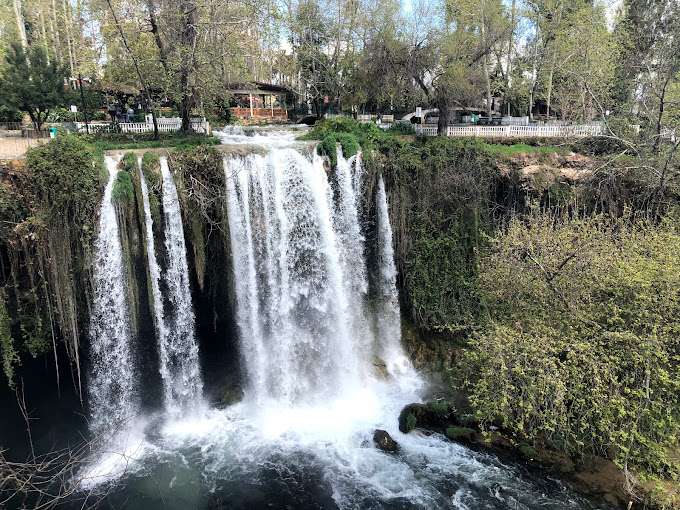
## Description Düden Waterfalls in Antalya are among Turkey’s most captivating natural attractions, offering a dramatic blend of lush greenery, cascading water, and coastal beauty. Fed by the Düden River, these waterfalls are divided into two distinct sites: the Upper Düden Waterfall (Yukarı Düden Şelalesi) and the Lower Düden Waterfall (Aşağı Düden Şelalesi). Each offers a unique experience, making them a must-visit for nature lovers, photographers, and anyone seeking a peaceful escape from the city. The Upper Düden Waterfall is nestled in a tranquil park setting, where water tumbles 20 meters into a cave-lined basin surrounded by trees and walking paths. Visitors can explore behind the waterfall through a natural cave, offering a rare perspective of the rushing water from within. The park also features picnic areas, shaded benches, and small cafés, making it ideal for a relaxed afternoon. The Lower Düden Waterfall, by contrast, is a dramatic spectacle where the river plunges 40 meters off a cliff directly into the Mediterranean Sea. Located in Düden Park in the Lara district, this waterfall is best viewed from the observation terrace or from the sea on a boat tour. The sight of the water crashing into the ocean, often accompanied by rainbows formed in the mist, is unforgettable. A little-known fact: the water that feeds the Upper Düden Waterfall originates from a karstic source and travels underground for nearly 11 miles before resurfacing. Another interesting detail is that the Lower Düden Waterfall is also known locally as Karpuzkaldıran Şelalesi, which translates to “watermelon lifter waterfall,” a name tied to local folklore. ## Location Düden Waterfalls are located in **Turkey**, in the **Antalya Province**, within the **city of Antalya**. The Upper Düden Waterfall is situated in the Kepez district, while the Lower Düden Waterfall is located in the Lara district, near the coast. ### How to Get There - **Upper Düden Waterfall**: From Antalya city center, take a taxi or drive about 10 kilometers northeast to the Kepez district. Public buses (such as bus number VC57) also serve the area. - **Lower Düden Waterfall**: Located about 8 kilometers southeast of the city center, it can be reached by taxi, car, or public buses like KL08 or LF09. Boat tours from Kaleiçi Marina also offer views from the sea. Both sites are easily accessible and can be visited in a single day. ## Tips - **Visit Both Sites**: Each waterfall offers a distinct experience—don’t miss the chance to see both. - **Bring a Camera**: The mist, cliffs, and greenery make for stunning photos, especially at sunset. - **Wear Comfortable Shoes**: Trails around the Upper Düden Waterfall can be uneven and slippery. - **Take a Boat Tour**: Viewing the Lower Düden Waterfall from the sea offers a unique and dramatic perspective. - **Pack Snacks or Picnic Supplies**: The Upper Düden site has picnic areas perfect for a leisurely meal. - **Check the Weather**: Spring and early summer offer the best conditions for photography and boat tours. ## Conclusion Düden Waterfalls are a natural gem in Antalya, offering two distinct yet equally mesmerizing experiences. Whether you’re exploring caves behind a forest waterfall or watching water plunge into the Mediterranean, this destination promises beauty, tranquility, and unforgettable views. ## FAQ **1. Is there an entrance fee to Düden Waterfalls?** Yes. The Upper Düden Waterfall charges a small entrance fee (around 70 TL), while the Lower Düden Waterfall is free to visit. **2. Can I swim near the waterfalls?** Swimming is not permitted near the waterfalls due to safety concerns, but nearby beaches offer swimming opportunities. **3. Are the waterfalls open year-round?** Yes, both sites are open throughout the year, though hours may vary seasonally. **4. Are the waterfalls suitable for children?** Yes, both locations are family-friendly, with safe paths and picnic areas. **5. How long should I plan for a visit?** Allow 1–2 hours for each site, or a half-day if visiting both. **6. Are there guided tours available?** Yes, many local tour operators offer packages that include transportation, guided visits, and boat tours. ## Links - [Official Düden Waterfalls Website](https://dudenwaterfalls.com/)
GemVoyage Team • World

Comments