GemVoyage Team • World
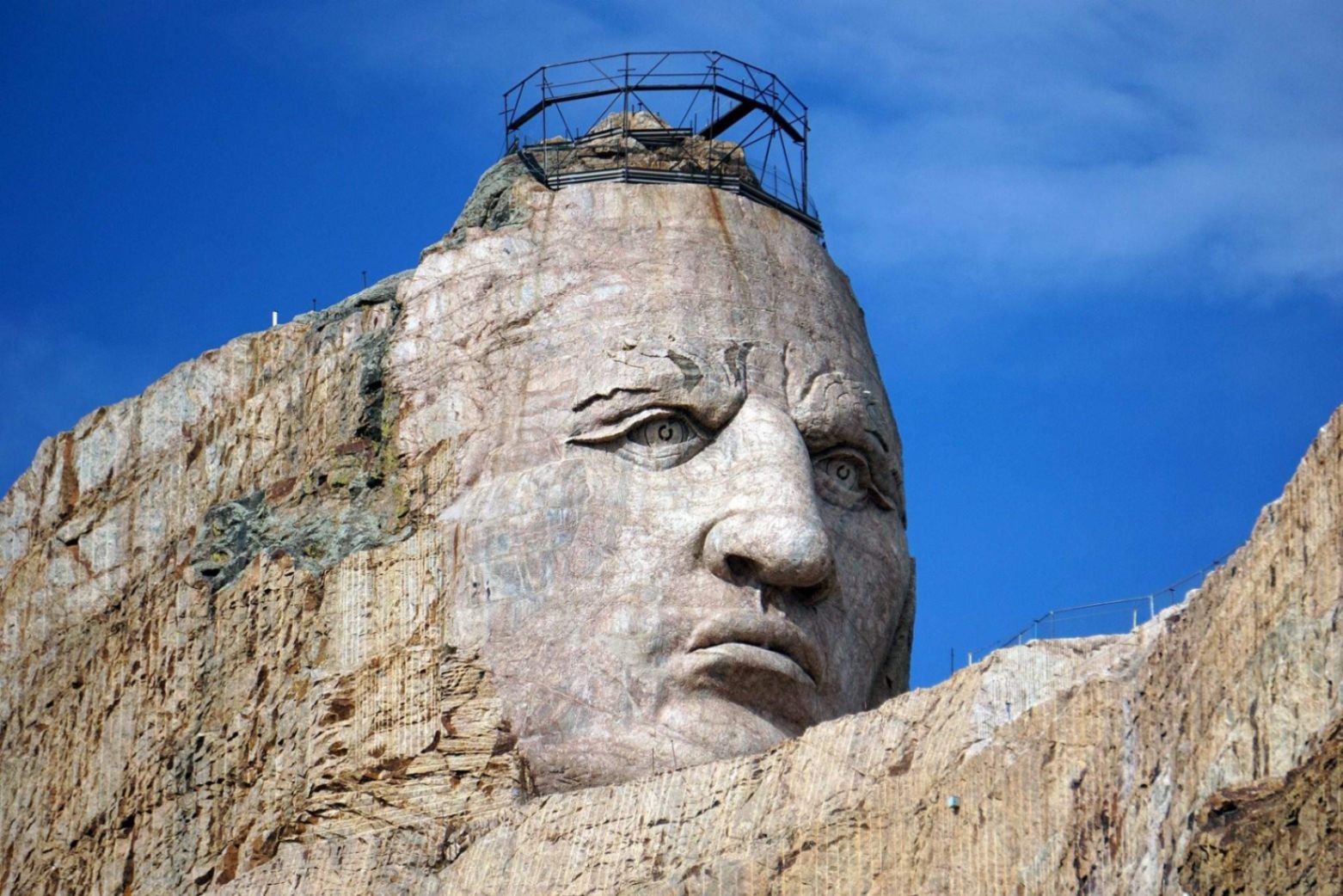
The Crazy Horse Memorial is one of the most ambitious and meaningful monuments in the United States. Carved directly into a mountain in the Black Hills, this massive sculpture honors Crazy Horse, a revered Lakota leader who fought to protect Native American lands, culture, and way of life. Unlike many traditional monuments, the Crazy Horse Memorial is not just a sculpture—it is a living cultural center dedicated to preserving Indigenous history, values, and traditions.
What makes this attraction especially unique is its sheer scale. When completed, the Crazy Horse sculpture will be the largest mountain carving in the world, far surpassing Mount Rushmore in size. One little-known fact is that Crazy Horse never allowed photographs of himself during his lifetime, which is why the monument is not based on an exact likeness but rather on oral history and cultural interpretation. Another lesser-known detail is that the project has been privately funded since its start in 1948, without any federal government support, relying entirely on donations and visitor contributions.
Beyond the carving itself, the memorial complex includes museums, cultural programs, and educational exhibits that make it a deeply moving and informative destination.
The Crazy Horse Memorial is located in the United States, in the state of South Dakota, within the Black Hills region, near the town of Custer.
The memorial sits about 17 miles southwest of Mount Rushmore, making it easy to include both attractions in a single trip. The best way to get there is by car. Visitors typically fly into Rapid City Regional Airport, which is about an hour’s drive from the memorial. From Rapid City, rental cars are readily available, and the drive through the Black Hills is scenic and enjoyable. Organized tours from Rapid City and nearby towns are also available for those who prefer not to drive.
The Crazy Horse Memorial is far more than a monument—it is a symbol of respect, resilience, and cultural preservation. Set in the stunning Black Hills of South Dakota, it offers visitors a profound opportunity to learn about Native American history while witnessing one of the world’s most extraordinary ongoing sculptures.
What is the Crazy Horse Memorial?
It is a massive mountain carving dedicated to Crazy Horse, a Lakota leader, and to honoring Native American heritage and culture.
Is the Crazy Horse Memorial finished?
No, the carving is still in progress and is considered a multi-generational project.
How much time should I plan for my visit?
Most visitors spend two to three hours exploring the site.
Is the memorial suitable for children?
Yes, the memorial includes educational exhibits and open spaces suitable for families.
Can I see Mount Rushmore from the Crazy Horse Memorial?
No, but Mount Rushmore is a short drive away and is often visited on the same trip.
Discover more hidden gems you might love.
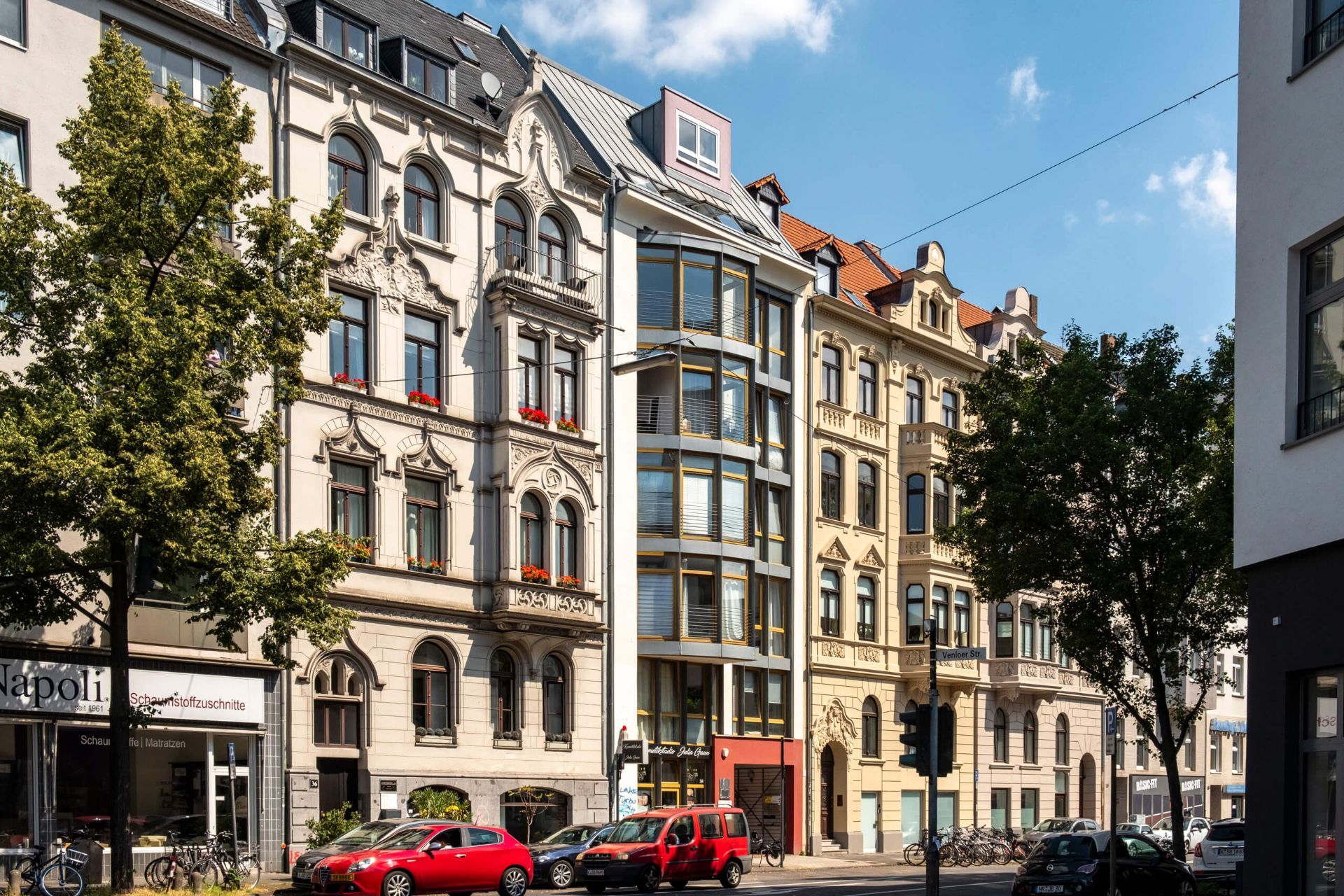
Cologne
## Description The Belgian Quarter, or Belgisches Viertel, is one of Cologne's most fashionable and creative neighborhoods. Known for its boutiques, galleries, cafes, bars, and attractive residential streets, the district offers a distinctly urban experience that feels polished without becoming impersonal. It is a place where design, food, and everyday city life meet in a compact and walkable area. What distinguishes the Belgian Quarter is its balance of trendiness and livability. Rather than being a single-purpose nightlife zone, it functions as a full neighborhood with shops, apartments, workspaces, and public life. Visitors can browse independent stores, sit at outdoor cafes, look at street art, or simply enjoy the architecture and pace of the streets. The atmosphere is youthful and creative, but not limited to one type of crowd. One lesser-known fact is that the neighborhood's name reflects an old street-naming scheme rather than a strong historical link to Belgium itself. Another is that the area has become a notable center for interior design, fashion, and boutique hospitality, which has helped it develop a reputation as one of Cologne's most style-conscious quarters. That reputation is visible in the carefully curated shopfronts and the relaxed confidence of the streets. The architectural texture of the neighborhood also contributes to its appeal. Tree-lined avenues, classic apartment buildings, and modern retail spaces create an environment that feels pleasant to walk through in almost any season. Because the district is not dominated by one major landmark, the pleasure comes from a series of smaller impressions: a corner cafe, a design store window, a terrace filled with locals, or a low-key bar that becomes lively after dark. For travelers interested in local city culture rather than major monuments, the Belgian Quarter offers a strong sense of Cologne's contemporary lifestyle. It is where people go to meet friends, shop for something unusual, or spend an evening in a setting that feels social but still residential. That gives it a more authentic rhythm than a nightlife strip alone. If you enjoy urban neighborhoods with personality, the Belgian Quarter is one of the best places in Cologne to spend a relaxed afternoon or evening. It is easy to navigate, pleasant to linger in, and rich enough in small details to reward curious travelers. ## Location The Belgian Quarter is located in central Cologne, North Rhine-Westphalia, Germany, just west of the city center. It is easy to reach by tram, bus, or on foot from central Cologne. Once there, the district is best explored on foot because its character depends on browsing, people-watching, and short detours between shops and cafes. ## Tips Go in the afternoon if you want a blend of shopping and cafe culture. If you like design or independent fashion, budget extra time because many stores are worth browsing slowly. Evenings can be lively, but the neighborhood still feels relatively relaxed compared with larger nightlife districts. Combine the visit with a coffee stop or dinner to experience the district's social rhythm. Look beyond the main streets. Some of the best discoveries are one block off the busiest routes. ## Conclusion The Belgian Quarter is one of Cologne's most appealing urban districts, offering a stylish mix of cafes, shops, and neighborhood energy that feels both modern and easygoing. ## FAQ ### Why is it called the Belgian Quarter? The name comes from the street names and the area's historical naming pattern, not from it being a Belgian enclave. ### Is it good for shopping? Yes, especially if you are interested in independent boutiques, design items, and fashion. ### Is the Belgian Quarter touristy? It attracts visitors, but it remains a lived-in neighborhood rather than a purely tourist district. ### What is the best time to visit? Afternoon into evening is ideal if you want to enjoy cafes, shops, and a social atmosphere. ## Links - [Cologne tourism](https://www.cologne-tourism.com/)
GemVoyage Team • World
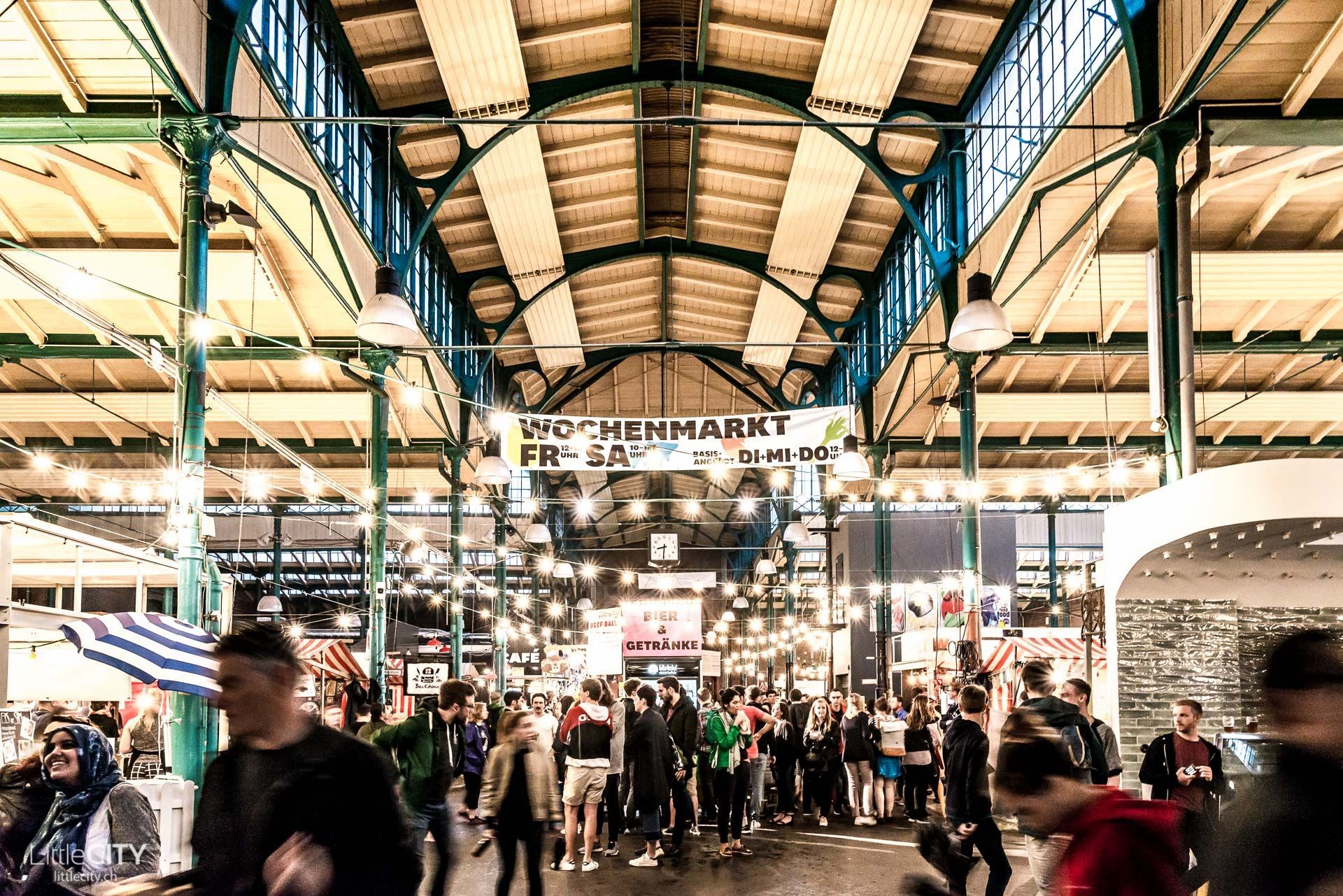
Berlin
## Description Markthalle Neun is one of Berlin’s most engaging food destinations because it combines history, neighborhood identity, and culinary experimentation in a single space. Unlike a polished shopping mall or a generic indoor market, it feels deeply rooted in Kreuzberg’s local culture. The building itself carries the atmosphere of a traditional market hall, but the life inside it is contemporary and dynamic. Visitors come for food, but they stay because the market offers a sense of community and urban character that is hard to fake. One of the hall’s greatest strengths is variety. Depending on the day and the event schedule, you might encounter street food, specialty produce, artisan products, small-batch drinks, or themed market programming. That flexibility is part of why Markthalle Neun has become such an important Berlin institution. It is not frozen in one format. Instead, it adapts to local tastes and seasonal ideas while still keeping the market tradition visible. That makes it feel both authentic and current. The hall is especially known for helping local and sustainable food culture gain a stronger public profile. Many visitors think of it as a place to eat, but it is also a platform for small producers and creative cooks. A lesser-known fact is that the market has played a major role in shaping Berlin’s reputation as a city where food can be casual, ethically minded, and inventive without being stiff or overly formal. Another is that the hall’s atmosphere often feels more neighborhood-driven than tourist-driven, which gives the experience a welcome sense of local rhythm. The best visits are usually those where you arrive with time to sample, browse, and absorb the setting. The hall can feel energetic but not overwhelming, and that balance makes it pleasant for visitors who enjoy urban food culture. It is a place where lunch can turn into an afternoon, especially if there is a special market theme or event happening. Because of that, Markthalle Neun is more than a place to eat. It is a place to understand one of Berlin’s most appealing everyday social spaces. ## Location Markthalle Neun is in Berlin, Germany, in the Kreuzberg district. The location places it in one of the city’s most culturally active neighborhoods, with cafés, bars, shops, and street life all around it. Public transport is the easiest way to get there. From other central Berlin neighborhoods, you can reach Kreuzberg quickly and then continue on foot. That works especially well if you want to combine the market with a broader walk through the district. Because Kreuzberg is lively and dense, walking the neighborhood after the market can be just as rewarding as the market itself. If you are planning around a particular event or market day, check the schedule in advance. The hall’s activity changes significantly depending on what is happening there, and timing can shape the entire experience. ## Tips Arrive hungry, but do not fill up too fast. It is better to sample a few things and leave room for whatever looks best once you are inside. Check which day or theme is running before you go, because the market’s identity changes with programming. Some days are much stronger for specific types of food than others. Bring a little flexibility. The hall is most rewarding when you let yourself wander and compare options rather than trying to decide everything immediately. If you care about atmosphere as much as food, pair the visit with a Kreuzberg walk. The market becomes even more meaningful when seen as part of the neighborhood around it. The hall is also useful for travelers who want to understand Berlin through everyday culture rather than only through monuments and museums. Kreuzberg’s identity has long been shaped by migration, experimentation, and community-based creativity, and Markthalle Neun reflects that very clearly. Even if you only stop in for a snack, the space gives you a stronger sense of how Berlin’s food scene is tied to local life, not just to polished hospitality. ## Conclusion Markthalle Neun is one of Berlin’s best food-focused attractions because it combines historic market architecture with a modern, community-oriented food culture. It is a standout stop for travelers who want a taste of local life. ## FAQ **What is Markthalle Neun known for?** It is known for its food culture, market events, and strong local identity in Kreuzberg. **Is it only for lunch?** No. The market can be worth visiting at different times depending on programming and special events. **How long should I stay?** One to two hours is a good baseline, longer if you want to eat, shop, and explore the area. **Is it touristy?** It attracts visitors, but it still feels strongly tied to local Berlin food culture. **Should I check the schedule first?** Yes. The market’s offerings can change significantly depending on the day. ## Links - [Official website](https://markthalleneun.de/en/)
GemVoyage Team • World
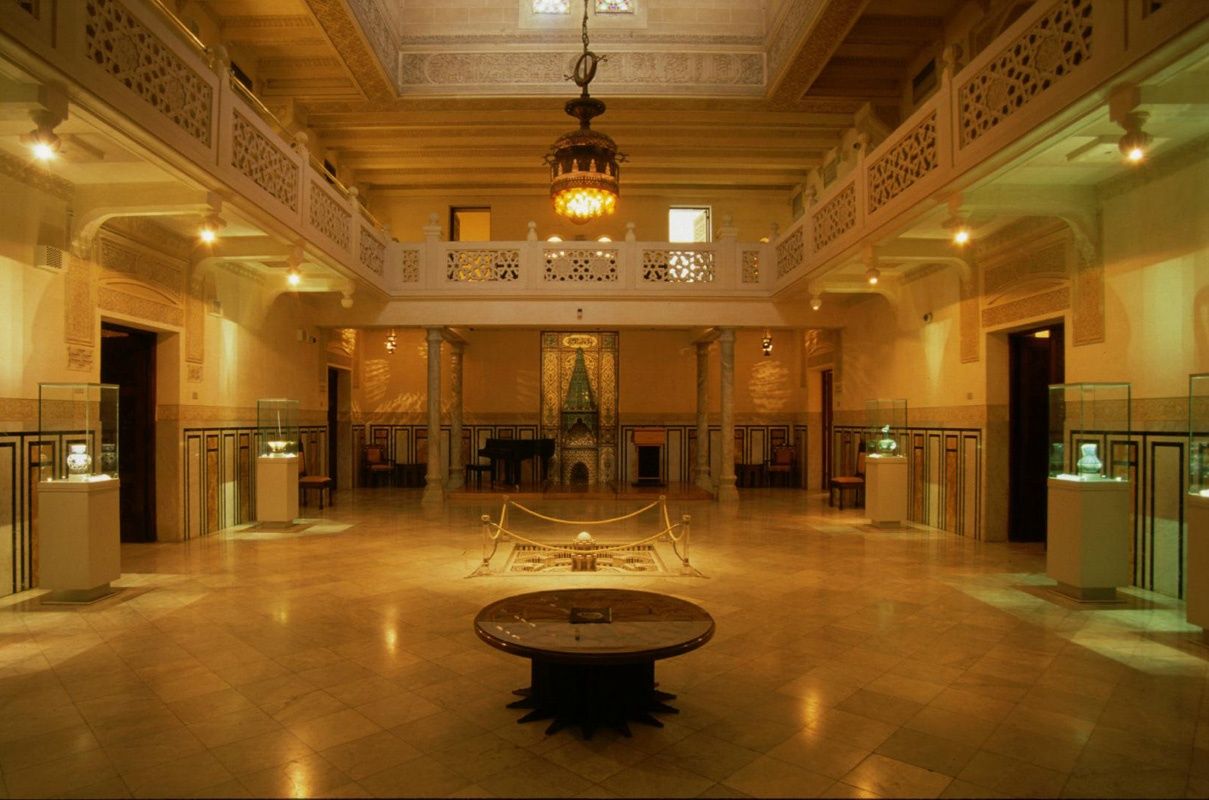
Cairo
## Description The **Islamic Ceramics Museum (متحف الخزف الإسلامي)** is one of Cairo’s most refined and culturally rich museums, dedicated entirely to the art of **Islamic pottery and ceramics**. It offers visitors a rare opportunity to explore how clay, glaze, and fire were transformed into objects of beauty, science, and daily life across more than **a thousand years of Islamic civilization**. Housed inside the elegant **Palace of Princess Fatma Ismail**, a 19th-century aristocratic residence, the museum blends **architectural elegance with artistic mastery**. The palace itself is a masterpiece of late Ottoman and European-style architecture, featuring **ornate ceilings, stained glass, carved woodwork, and marble staircases**. Even before seeing the exhibits, the building alone is worth the visit. The museum’s collection includes **hundreds of ceramic pieces** from different Islamic periods and regions, including **Egypt, Persia (Iran), Andalusia (Spain), Turkey, Iraq, and Central Asia**. Displays range from **everyday household items**, such as bowls and jars, to **luxury palace ware, mosque tiles, and decorative panels**. Each object tells a story of trade, technological innovation, and artistic expression across the Islamic world. Key highlights include **lusterware ceramics**, known for their metallic shine, developed in medieval Iraq and Egypt; **Iznik tiles from Ottoman Turkey**, famous for their vivid blues and reds; and **Persian underglaze-painted ceramics**, celebrated for their delicate floral and calligraphic designs. Visitors can clearly trace how artistic styles traveled along trade routes and evolved across empires. What makes this museum especially unique is how it connects **science with art**. Islamic potters were pioneers in **chemistry and kiln technology**, developing methods for glazing, coloring, and firing that influenced European ceramics centuries later. The museum explains these processes in an accessible way, making it engaging even for visitors with no background in art or archaeology. A little-known fact is that the museum was originally opened in **1936**, making it one of the **earliest specialized ceramics museums in the Middle East**. Another lesser-known detail is that Princess Fatma Ismail, whose palace now hosts the museum, was the same royal figure who funded the establishment of **Cairo University**, making her a key patron of Egyptian education and culture. Quiet, elegant, and deeply educational, the Islamic Ceramics Museum offers a refined cultural experience that contrasts beautifully with the bustle of central Cairo. ## Location The **Islamic Ceramics Museum** is located in the **Zamalek district** of **Cairo**, Egypt — one of the city’s most upscale and culturally vibrant islands along the Nile. **Address:** 26 Gezira Street, Zamalek, Cairo, Egypt ### How to Get There: * **By metro:** Take Line 2 to **Opera Station**, then walk about 10 minutes toward Gezira/Zamalek. * **By taxi or ride-hailing apps:** Tell the driver “**Mithaf al-Khazaf al-Islami fi Zamalek**.” Most drivers recognize it as a cultural landmark. * **By walking:** If you are already in Zamalek, the museum is centrally located and easily walkable. * **By car:** Limited street parking is available; taxis are generally more convenient. Its location makes it ideal to combine with nearby attractions like the **Cairo Opera House**, **Modern Art Museum**, and **Gezira Art Center**. ## Tips * **Visit on a weekday:** The museum is usually quiet, but weekdays offer an especially peaceful atmosphere. * **Take your time with details:** Many of the finest motifs are small and intricate — slow observation is rewarded. * **Photography:** Allowed in most areas without flash; always confirm current rules at the entrance. * **Read the descriptions:** Many pieces include historical and scientific explanations that enhance appreciation. * **Combine with Zamalek cafés:** After your visit, relax at one of Zamalek’s many riverside cafés or cultural lounges. * **Allow 60–90 minutes:** This is enough time to explore the entire collection without rushing. * **Art lovers should not skip it:** If you appreciate design, geometry, or craftsmanship, this museum is a hidden gem. ## Conclusion The **Islamic Ceramics Museum in Cairo** is a quiet treasure that captures the refinement, innovation, and artistic brilliance of Islamic civilization through one of its most expressive mediums — ceramics. Set inside a royal palace and filled with works that span continents and centuries, the museum offers both **aesthetic pleasure and historical insight**. It is an ideal destination for travelers seeking a calmer, deeper cultural experience beyond Cairo’s monumental landmarks. ## FAQ **1. What is the Islamic Ceramics Museum famous for?** It is known for its extensive collection of **Islamic pottery and ceramic art** from across the Middle East, North Africa, and Central Asia. **2. Where is the museum located?** It is located in **Zamalek**, on Gezira Island in central Cairo. **3. How old is the museum?** It officially opened in **1936**, making it one of the oldest specialized ceramics museums in the region. **4. Who owned the palace originally?** The palace belonged to **Princess Fatma Ismail**, a member of Egypt’s royal family and a major patron of education. **5. How long does a typical visit take?** Most visitors spend between **one to one and a half hours** exploring the museum. **6. Is the museum suitable for children?** Yes, especially for older children interested in history, art, and patterns, though it is a quiet, observation-focused museum. **7. Can I combine it with other museums in the same day?** Yes — it pairs well with visits to the **Cairo Opera House**, **Museum of Modern Egyptian Art**, and **Gezira Art Center**. ## Links * [Egyptian Ministry of Tourism and Antiquities – Museums](https://egymonuments.gov.eg)
GemVoyage Team • World
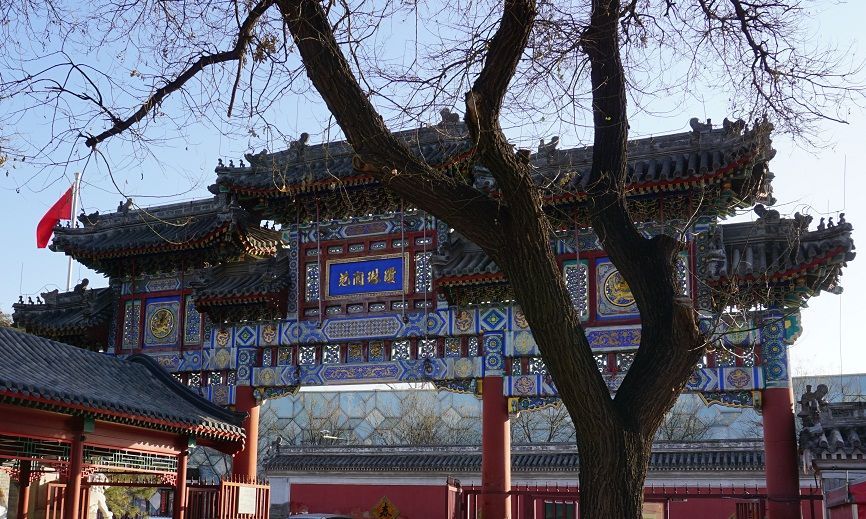
Beijing
## Description The Taoist White Cloud Temple, also known as Baiyun Guan, is one of Beijing’s most important Taoist sites and one of the best places in the city to understand living religious tradition rather than imperial grandeur alone. Unlike the palaces and ceremonial complexes that often dominate Beijing itineraries, White Cloud Temple offers a quieter, more introspective experience centered on worship, ritual practice, and the continuity of Taoist culture in a modern metropolis. It is both a spiritual site and a historic monument, and that combination gives it a distinct atmosphere that feels deeply local. One of the reasons the temple stands out is that it has remained an active religious center for centuries. Visitors are not just looking at preserved architecture; they are entering a place where incense, prayer, and seasonal observance still matter. A lesser-known fact is that Baiyun Guan has long been associated with the Quanzhen school of Taoism, which helped shape its role as a major center for priestly training and ritual life. Another detail many travelers miss is that the temple complex includes multiple courtyards and halls arranged to guide visitors gradually from the street into a more contemplative inner space, which makes the visit feel like a transition rather than a simple sightseeing stop. For travelers, the appeal lies in both scale and texture. The temple is not overwhelming, yet it contains enough detail to reward slow observation. You will see ritual objects, stone inscriptions, prayer spaces, architectural ornament, and the quiet habits of worshippers who come for reasons unrelated to tourism. That authenticity matters. It gives White Cloud Temple a grounded energy that many visitors find memorable precisely because it is not trying to entertain them. Instead, it invites attention, patience, and respect. It is also an excellent introduction to Taoism for visitors who know the tradition only in abstract terms. The site demonstrates how religion, philosophy, architecture, and daily practice can coexist in one living space. In a city famous for imperial landmarks, White Cloud Temple offers a more intimate kind of historical depth. ## Location Taoist White Cloud Temple is located in Xicheng District, Beijing, China, not far from the central part of the city. Its placement makes it accessible without being swallowed by the busiest tourist corridors. Because Beijing is so large, that central-but-not-overcrowded location is a major advantage for visitors who want to combine the temple with other nearby cultural stops. The easiest way to reach the temple is by subway followed by a short walk, although taxis and rideshares are also practical. Public transit is usually the most efficient option in Beijing, especially during heavy traffic. Once you arrive, the temple is straightforward to enter, and the surrounding streets make it easy to transition from city noise into a quieter courtyard environment. If you want to build the visit into a broader Beijing day, it works well as part of a route that includes nearby historic neighborhoods, museums, or old city streets. Morning visits are often the best because the temple feels calm, the light is better for photography, and you are more likely to encounter ritual activity rather than only sightseeing crowds. ## Tips Dress modestly and behave respectfully. This is an active religious site, not just a museum. Arrive early if you want a quieter experience. The temple’s atmosphere is strongest before the day becomes too busy. Look closely at the courtyards and side halls. The most rewarding details are often not in the main entrance area but in the quieter corners. Bring cash or a card depending on current local habits, but do not assume every small purchase or offering will be handled the same way as in a Western museum setting. Take time to observe rather than rush through the complex. Baiyun Guan is best experienced as a slow walk through layered religious space. ## Conclusion The Taoist White Cloud Temple is one of Beijing’s most meaningful spiritual landmarks, combining active worship, historical continuity, and architectural calm. It is especially rewarding for travelers who want a more thoughtful and authentic view of the city. ## FAQ ### Is White Cloud Temple still active? Yes. It remains an active Taoist temple, which is part of what makes the visit so distinctive. ### How much time should I spend there? Most visitors will need 1 to 2 hours, though you can spend longer if you are interested in the history or want to observe the atmosphere more carefully. ### Is photography allowed? Policies can vary by area and current temple rules, so it is best to check on arrival and avoid photographing people without permission. ### Is this a good place for first-time visitors to Beijing? Yes, especially if you want to understand the city beyond its most famous imperial monuments. ## Links - [White Cloud Temple on Wikipedia](https://en.wikipedia.org/wiki/White_Cloud_Temple) - [Beijing official tourism](https://english.beijing.gov.cn/) - [Taoism overview](https://en.wikipedia.org/wiki/Taoism)
GemVoyage Team • World

Dubysa
## Description Lyduvėnai Bridge is an arresting piece of nineteenth- and twentieth-century engineering that spans the deep, wooded Dubysa River valley near Lyduvėnai. Its soaring iron arches and lattice work combine functional railway engineering with a sculptural presence that is particularly striking when framed by the steep gorge below. Photographers, history enthusiasts and hikers are drawn to the site for the dramatic perspectives it creates—an industrial monument suspended over a wild, verdant canyon. Over time the bridge has required restorations and careful maintenance, and those interventions are part of its layered history. Local preservation efforts have sought to keep the bridge operational while respecting its historical materials and structure. The engineered spans and riveted ironwork tell a story about rail transport, regional development and the craft of steel construction. Beyond its technical merits, Lyduvėnai Bridge sits within a landscape of trails, viewpoints and small rural roads that allow visitors to explore the canyon from multiple angles. Birdsong and river sounds contrast with the bridge’s metallic lines, and seasonal changes—spring greens, autumn foliage—transform the setting dramatically, offering different moods for photographic study. ## Location Lyduvėnai Bridge is located near the village of Lyduvėnai in Raseiniai district municipality, Kaunas County, central-western Lithuania. It spans the Dubysa River in a steep, forested valley that is characteristic of the region’s mixed agricultural and wooded landscape. Access is most convenient by car: follow regional roads from Raseiniai and nearby towns. Public transport to the immediate vicinity is limited, so visitors relying on buses or trains should plan for a taxi or private transfer for the final leg. The rural setting rewards a slower pace—park at designated pullouts or village car parks and follow marked trails toward viewpoints. ## Tips - Photograph at golden hour—early morning or late afternoon—when light sculpts the ironwork and the valley takes on warm tones. - Never walk on active tracks; use official viewpoints and trails to keep a safe distance while still getting dramatic compositions. - Bring sturdy shoes and insect repellant for nearby trails; the area can be steep and overgrown in parts. - Combine the visit with local villages, riverside hikes and birdwatching; pack water and snacks as amenities are sparse. - Check local guidance on accessibility—some viewpoints require steep walks, while others are more level and family-friendly. ## Conclusion Lyduvėnai Bridge is an exemplar of how engineering and landscape can produce a site of compelling beauty. The bridge rewards visitors who slow down to observe structural detail, changing light and the interplay of human craft with natural settings. Whether you come for history, photography or a quiet day outdoors, the bridge and its surrounding valley offer memorable vistas and a distinct slice of regional heritage. ## FAQ Q: Can visitors walk across the bridge? A: No. For safety and legal reasons, do not walk on active railway tracks. Use the designated viewpoints and trails which provide safe vantage points. Q: Is the bridge accessible by car? A: Yes, but roads are rural and sometimes narrow—drive carefully and park only in designated areas or official pullouts. Q: Are there guided tours or information panels on site? A: Information is limited on-site; local heritage groups sometimes publish guides or online materials—check regional tourism resources for up-to-date information. Q: What wildlife might I see in the Dubysa valley? A: The valley supports woodland birds, small mammals and a range of plant life; spring and autumn are best for birdwatching and seasonal flora. Q: Is it possible to photograph the bridge from below? A: Some viewpoints near the riverside allow lower-angle shots, but access may be steep and require caution; respect private property and posted restrictions. ## Links - [Lyduvėnai Bridge](https://militaryheritagetourism.info/en/military/sites/view/800)
GemVoyage Team • World
Milan
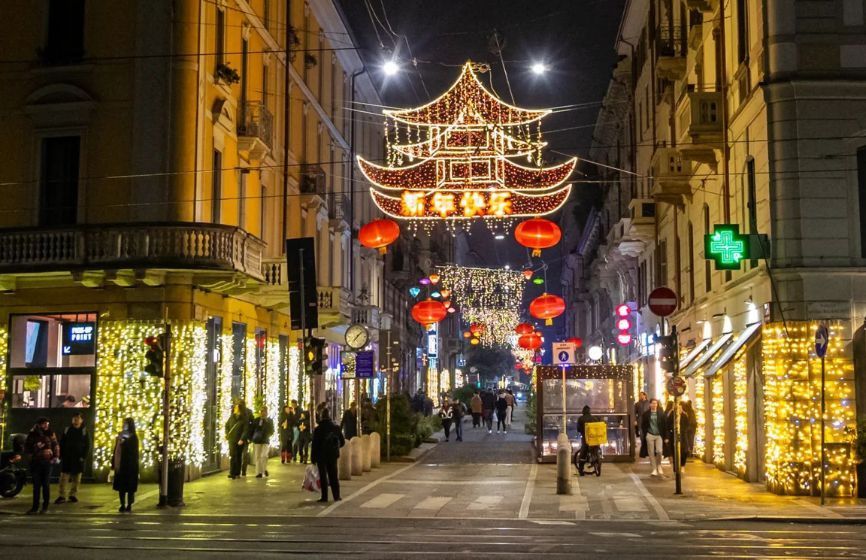
## Description **Chinatown in Milan (Quartiere Cinese di Milano)** is a lively, colorful district that blends **Italian sophistication with Chinese tradition**, creating one of the most vibrant cultural areas in northern Italy. Established in the early 20th century, it is the **oldest and largest Chinatown in Italy**, and today it thrives as a bustling hub of food, culture, and community life. The neighborhood is centered around **Via Paolo Sarpi**, a pedestrian-friendly street lined with Asian grocery stores, authentic restaurants, tea shops, and modern fashion boutiques. Red lanterns and bilingual signs decorate the streets, while the aroma of dumplings, noodles, and roasted duck fills the air. It’s a place where tradition meets innovation — where family-run Chinese bakeries coexist with trendy Milanese cafés and design studios. What makes Milan’s Chinatown unique is how seamlessly it integrates into the city’s cosmopolitan identity. Beyond being a culinary destination, it’s also a **center for art, trade, and cross-cultural exchange**. The area has become increasingly popular among young professionals and artists who appreciate its multicultural atmosphere and creative energy. A little-known fact is that Chinatown in Milan began as a **settlement of Chinese workers from Zhejiang province** in the 1920s, who came to Italy to work in the textile and leather industries. Over time, they established businesses that became essential to Milan’s fashion scene — a legacy that still endures today. Another fascinating detail: every year, the neighborhood hosts an elaborate **Chinese New Year parade**, drawing thousands of locals and tourists to celebrate with dragon dances, fireworks, and street performances. ## Location Milan’s Chinatown is located in the **northwestern part of the city center**, primarily along **Via Paolo Sarpi** in the **Porta Volta area**, **Lombardy region**, **Italy**. To get there: * **By metro:** Take **Line 2 (Green Line)** to **Moscova Station** or **Line 5 (Purple Line)** to **Monumentale Station**. Both are a short walk from Via Paolo Sarpi. * **By tram:** Tram lines **12 and 14** stop nearby. * **By foot:** It’s about a **15–20 minute walk** from the Duomo or Brera district, making it an easy stop during a city stroll. The area is pedestrian-friendly, making it perfect for exploring on foot while sampling food or browsing local shops. ## Tips * **Come hungry:** Chinatown is one of the best places in Milan for authentic Chinese, Vietnamese, and Thai cuisine. Popular dishes include **dim sum, baozi (steamed buns),** and **hand-pulled noodles**. * **Visit during Chinese New Year:** The celebrations are among the largest in Italy, featuring parades, performances, and cultural exhibits. * **Explore side streets:** Don’t just stay on Via Paolo Sarpi — nearby lanes hide charming bakeries, tea shops, and Asian supermarkets. * **Try local fusion spots:** Milan’s creativity shines through in restaurants that blend Asian and Italian flavors, reflecting the district’s evolving culinary scene. * **Shop for Asian ingredients:** Supermarkets like **Kathay** are famous for offering rare spices, sauces, and produce that are hard to find elsewhere in Italy. * **Visit in the evening:** As the lights come on, the red lanterns and street buzz create a magical, cinematic atmosphere. ## Conclusion **Chinatown in Milan** is far more than a neighborhood — it’s a living story of migration, adaptation, and community. From its early days as a textile hub to its present status as a vibrant cultural destination, it reflects Milan’s openness and diversity. Whether you’re tasting authentic dim sum, shopping for exotic ingredients, or celebrating Chinese New Year, Chinatown offers a sensory journey through the heart of modern multicultural Milan. ## FAQ **1. When was Chinatown in Milan established?** It was founded in the **1920s** by Chinese immigrants, mainly from Zhejiang province, who came to work in textile and leather industries. **2. Where exactly is it located?** It centers around **Via Paolo Sarpi**, in the **Porta Volta area** of **Milan**, **Lombardy, Italy**. **3. What can I do there?** You can explore Asian shops, enjoy authentic Chinese cuisine, visit tea houses, and attend cultural festivals such as Chinese New Year. **4. Is it safe to visit Chinatown at night?** Yes, it’s considered safe and lively, with many restaurants and bars open until late. **5. What’s the best time to visit?** Any time of year is great, but **January or February** during the **Chinese New Year** offers the most festive experience. **6. Are there Italian-Chinese fusion restaurants?** Yes, several trendy eateries combine Asian flavors with Italian ingredients, reflecting the creative spirit of Milan’s dining scene. ## Links * [Official Milano Tourism Portal](https://www.yesmilano.it)
GemVoyage Team • World

Comments