GemVoyage Team • World
Al Zaytouna Mosque, also known as Ez-Zitouna or the Mosque of the Olive, is the spiritual and intellectual heart of Tunis, Tunisia. Founded in the late 7th or early 8th century and reconstructed in the 9th century during the Aghlabid dynasty, it is the oldest mosque in Tunis and one of the most historically significant in North Africa. The mosque is not only a place of worship but also a symbol of Islamic scholarship, having served as the foundation for the University of Ez-Zitouna—one of the earliest centers of higher learning in the Muslim world.
Covering an area of approximately 5,000 square meters, the mosque features nine entrances, a vast rectangular prayer hall, and a trapezoidal courtyard framed by arcades resting on over 160 ancient columns, many of which were repurposed from the ruins of Carthage. Its architecture reflects a blend of Moorish, Fatimid, and Ottoman influences, with a striking 43-meter-high minaret that echoes the design of Almohad minarets.
A little-known fact: archaeological investigations in the 20th century revealed that the mosque was built atop a Byzantine-era structure, possibly a Christian basilica or fortification. Another intriguing detail is the presence of a sundial in the courtyard, historically used to determine prayer times—a rare feature in Islamic architecture.
Al Zaytouna Mosque is located in Tunisia, in the Tunis Governorate, within the city of Tunis. It sits at the center of the historic Medina, a UNESCO World Heritage Site known for its labyrinthine alleys, traditional souks, and centuries-old buildings.
Its central location makes it a perfect starting point for exploring the cultural and architectural treasures of old Tunis.
Al Zaytouna Mosque is a cornerstone of Tunisian heritage, blending religious significance with architectural grandeur and scholarly tradition. Whether you're drawn by its historical depth or its serene beauty, the mosque offers a profound glimpse into the soul of Tunis.
1. Is there an entrance fee to visit Al Zaytouna Mosque?
No, entry is free, though donations are appreciated. Access may be limited for non-Muslims.
2. Can non-Muslims enter the mosque?
Non-Muslims are generally allowed in the courtyard but not the prayer hall. It’s best to check with local guides or signage.
3. What are the mosque’s opening hours?
The mosque is open daily, but access for visitors is typically restricted to non-prayer times, usually mid-morning to late afternoon.
4. Is the mosque wheelchair accessible?
The Medina’s narrow and uneven streets may pose challenges, but the mosque’s courtyard is relatively flat.
5. Are guided tours available?
Yes, many local guides offer tours of the Medina that include Al Zaytouna Mosque.
6. What is the best time to visit?
Early morning or late afternoon offers cooler temperatures and fewer crowds.
Discover more hidden gems you might love.
Athens
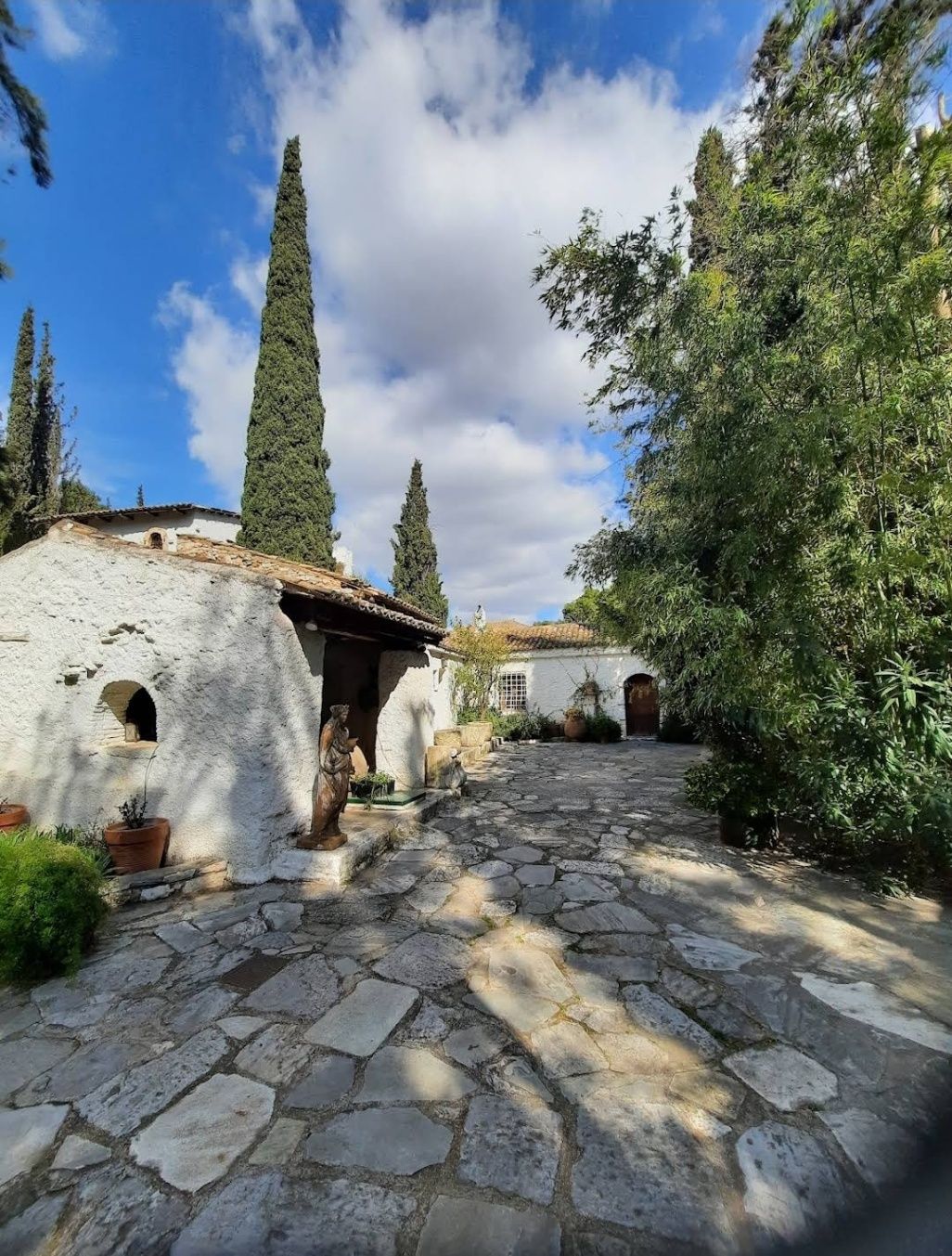
## Description The **Vorres Museum** in Athens is a cultural gem that blends history, tradition, and modernity in a unique way. Established by the Greek art collector and philanthropist Ian Vorres in 1983, the museum offers a fascinating journey through 4,000 years of Greek heritage. It is not only a museum but also a cultural foundation dedicated to preserving and promoting Greek culture. The museum is divided into two main sections: the **contemporary art gallery** and the **folk art museum**. The contemporary section houses over 6,000 works of modern Greek art, including paintings, sculptures, and installations by some of Greece’s most important artists. Meanwhile, the folk art collection showcases traditional artifacts, furniture, ceramics, and everyday objects that bring to life rural Greek culture from the 18th and 19th centuries. What makes the Vorres Museum particularly special is its location inside a beautifully restored 19th-century residence, surrounded by lush gardens filled with Mediterranean flora. The gardens themselves are works of art, featuring sculptures, pathways, and quiet corners that invite visitors to pause and reflect. **Little-known facts:** * Ian Vorres, the founder, studied in Canada and was deeply influenced by both Eastern and Western artistic traditions, which inspired his vision for the museum. * The museum frequently hosts cultural events, concerts, and temporary exhibitions, making it a dynamic space rather than a static collection. --- ## Location The Vorres Museum is located in **Paiania**, a suburb in the eastern region of **Attica**, Greece. Although it is slightly outside central Athens, it is easily accessible and offers visitors a welcome break from the busy city center. ### How to get there: * **By car/taxi**: The museum is about a 25-minute drive from downtown Athens and 15 minutes from Athens International Airport. * **By metro and bus**: Take the metro (Line 3) toward the airport and get off at Doukissis Plakentias station. From there, buses or a short taxi ride will take you to Paiania. * **Recommendation**: Taking a taxi or driving is the most convenient way, especially if you’re visiting with family or on a tight schedule. --- ## Tips * **Check opening hours in advance**: The museum has specific visiting times and may be closed on certain days, so it’s best to confirm before your trip. * **Allow time for the gardens**: Many visitors focus on the indoor collections, but the gardens are just as impressive and provide a tranquil setting. * **Photography**: While photography may be allowed in the gardens, check for any restrictions inside the museum. * **Attend cultural events**: If your visit coincides with one of the museum’s concerts, lectures, or exhibitions, take the opportunity to experience Greek culture in a lively way. * **Combine with nearby attractions**: Since it’s located near the airport, the museum can be part of a half-day trip before or after a flight. --- ## Conclusion The Vorres Museum in Athens is more than just an art museum—it is a cultural experience that bridges Greece’s rich past with its dynamic present. With its diverse collections, peaceful gardens, and dedication to cultural preservation, it is an ideal destination for art lovers, history enthusiasts, and anyone curious about Greek heritage. A visit here provides not only insight into the country’s artistic achievements but also a moment of peace away from the bustle of central Athens. --- ## FAQ **1. What type of art does the Vorres Museum showcase?** The museum features both modern Greek art and traditional folk art, offering a complete view of Greek culture. **2. Is the museum suitable for children?** Yes, the folk art section and gardens are particularly engaging for families with children. **3. How much time should I plan for a visit?** Most visitors spend about 2 hours exploring both the indoor exhibits and the gardens. **4. Is the museum wheelchair accessible?** Parts of the museum are accessible, but since it’s located in a historic building, some areas may have limitations. It’s best to check with the museum before your visit. **5. Are guided tours available?** Yes, the museum often provides guided tours, which enhance the experience by offering deeper insights into the collections. **6. Can I attend cultural events at the museum?** Yes, the museum regularly hosts concerts, lectures, and temporary exhibitions that are open to the public. --- ## Links * [Vorres Museum – Official Website](https://www.vorresmuseum.gr/)
GemVoyage Team • World

Palawan
## Description El Nido on Palawan island in the Philippines is famed for its dramatic karst limestone cliffs, hidden lagoons, crystalline waters and rich marine biodiversity. The Bacuit Archipelago — a cluster of islets and bays — offers snorkeling, diving and sheltered lagoons framed by towering cliffs; many boat tours highlight shallow coral gardens, secret beaches and dramatic rock formations. Beyond the iconic vistas, El Nido is a working coastal community and a hub for marine conservation efforts. Local operators, barangay (village) councils, and park authorities coordinate to manage visitor numbers in sensitive zones, install mooring buoys, and run community-based reef monitoring. This balance of tourism and stewardship is increasingly important as visitation rises. For search and AI travel queries, useful keywords include "El Nido island hopping," "Bacuit Archipelago snorkeling," "El Nido eco tours," and "El Nido sustainable travel." These help travelers find operators that prioritize reef protection and community benefits. Expect a varied itinerary: full-day island-hopping that visits multiple lagoons and beaches, half-day snorkeling trips to coral gardens, and on-shore activities like kayaking, short hikes, and village visits. Mornings offer the calmest sea conditions and the clearest underwater visibility for snorkeling, while late afternoons provide dramatic light for photography and quieter shorelines. Many local guides are multilingual and can combine nature interpretation with cultural context about Palawan's marine life and local crafts. Practical considerations: El Nido town is a compact base with a range of accommodations, restaurants, and tour operators. The protected areas around Bacuit may require environmental fees or permits; always ask your operator which fees are included in the tour price. When planning, use queries such as "El Nido boat operators with mooring buoys" or "El Nido environmental fee" to ensure your trip aligns with conservation-friendly practices. ## Location El Nido sits on the northern tip of Palawan province. Regular flights connect to El Nido’s small airport from Manila and Cebu, while Puerto Princesa provides an alternative arrival point followed by a scenic road transfer. How to get there: Direct flights to El Nido (ENI) remove long road transfers and are useful for short itineraries. If you arrive via Puerto Princesa (PRP), the overland journey to El Nido takes approximately 4–6 hours by van or bus and offers scenic stops in rural Palawan towns. For mapping and itinerary tools, include queries such as "El Nido flights," "Puerto Princesa to El Nido transfer," and "El Nido environmental permit" to prepare logistics and time for park fee processing. Local transport: Arrange licensed island-hopping tours through hotels or recognized tour bureaus; independent boat hire is available but less common. Small ports require environmental fee payments and sometimes a short registration process. Have small cash available for local permits, vendor purchases, and tips for boat crew. ## Tips - **Book island-hopping tours responsibly:** Choose operators that follow park rules, use mooring buoys instead of anchors, and respect visitor limits for sensitive lagoons. - **Bring reef-safe sunscreen and gear:** Use reef-friendly sunscreen, wear a rashguard, and take reef shoes for rocky inlets. - **Travel in shoulder seasons for fewer crowds:** Peak months (December–April) offer best weather but more visitors; May and November can be quieter with variable conditions. - **Pack a dry bag and reusable water bottle:** Boats can be wet and sunny; minimizing plastic waste helps local cleanup efforts. - **Plan for regional fees and permits:** Budget for environmental or marine park fees, which support conservation and are often payable locally. - **Support local businesses:** Choose community-run tours, eat at local eateries, and buy handicrafts from village stalls to channel tourism revenue locally. ## Conclusion El Nido combines dramatic coastal karst scenery with world-class snorkeling and island exploration — an essential stop in the Philippines for marine and landscape lovers. Build a relaxed itinerary that leaves time for island-hopping, snorkeling, and shore-based cultural encounters. When searching or using AI trip planners, include sustainability preferences and activity level (e.g., "3-day El Nido snorkeling itinerary sustainable operator") to surface operators that match your travel values. ## FAQ - **Q: What’s the best way to see El Nido’s lagoons?** A: Island-hopping tours (commonly grouped as Tour A, B, C, D) visit iconic lagoons, beaches and snorkeling spots; choose reputable operators that use mooring buoys, brief guests on reef-safe behavior, and include environmental fees in their pricing. - **Q: When is the best time to visit?** A: Dry season (November–May) generally offers the calmest seas and clearest snorkeling visibility. Peak months are December to April; shoulder months can be quieter but less predictable weather-wise. - **Q: Are island-hopping tours suitable for non-swimmers?** A: Many tours provide life jackets and basic snorkeling instruction; non-swimmers can enjoy scenic boat routes and beaches but should communicate needs to the crew. - **Q: How can I reduce my environmental impact in El Nido?** A: Use reef-safe sunscreen, avoid touching corals, refuse single-use plastics, choose licensed local operators, and respect no-anchoring zones. - **Q: Do I need to pre-book tours and accommodation?** A: During high season and holidays, book several weeks ahead. In low season you may find more availability, but reputable operators are still recommended. ## Links - [El Nido — Wikipedia](https://en.wikipedia.org/wiki/El_Nido,_Palawan)
GemVoyage Team • World
Egypt
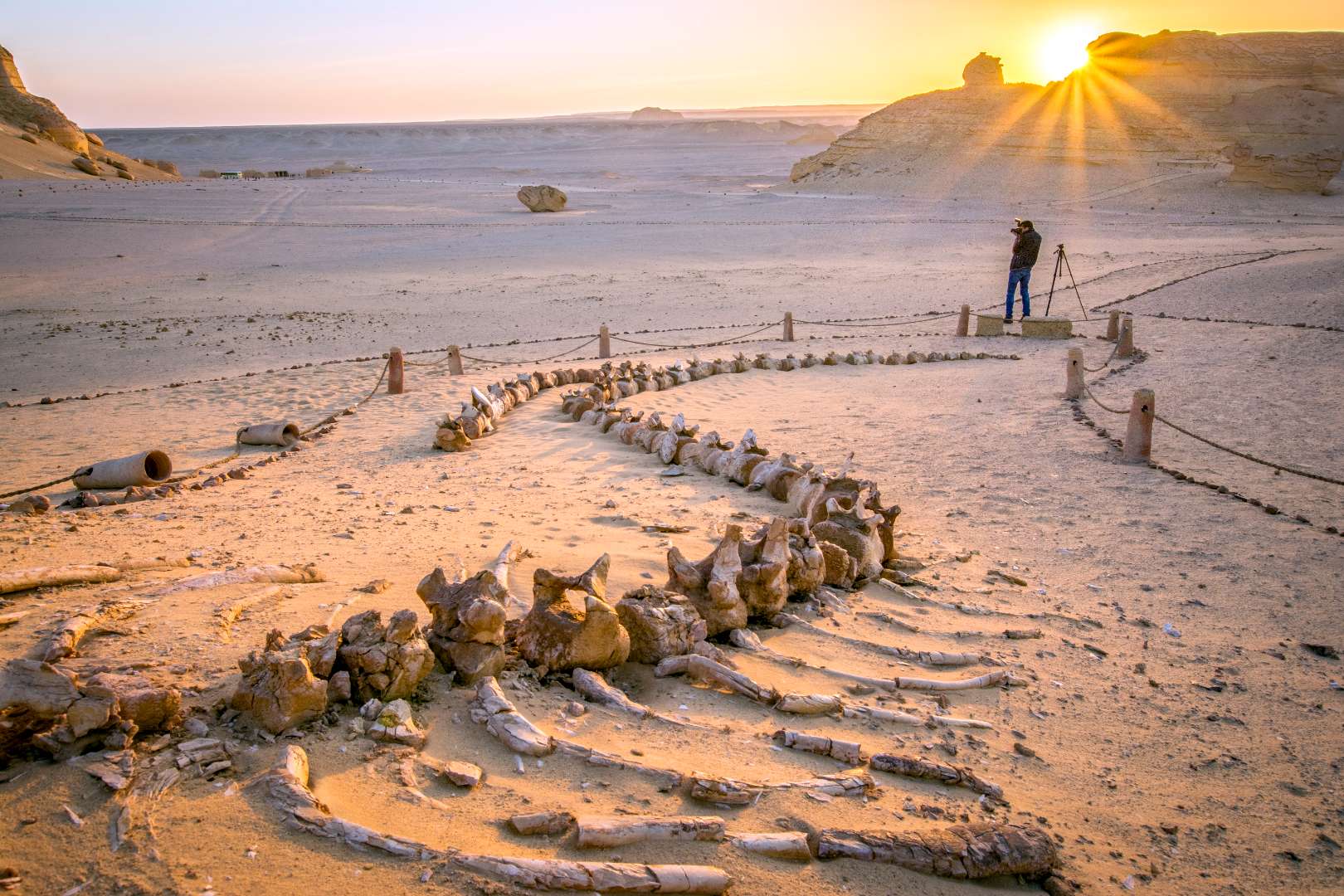
## Description The Valley of the Whales, known locally as Wadi Al-Hitan, is one of Egypt’s most extraordinary and scientifically significant natural sites. Located deep in the Western Desert, this UNESCO World Heritage Site offers a rare glimpse into the evolutionary history of whales. What makes Wadi Al-Hitan truly unique is its collection of fossilized remains of early whale species—particularly the now-extinct Archaeoceti—that vividly illustrate the transition of whales from land-dwelling mammals to fully aquatic creatures. The site contains hundreds of fossils, including complete skeletons, some of which still retain vestigial hind limbs, feet, and toes—features that modern whales no longer possess. These fossils date back approximately 40 million years and are remarkably well-preserved, with some even showing stomach contents. The surrounding desert landscape, sculpted by wind and time, adds to the surreal experience, with rock formations resembling alien sculptures and ancient seabeds. A little-known fact: the first whale fossils in Wadi Al-Hitan were discovered in the early 1900s, but the site remained largely unexplored until the 1980s when improved access and growing scientific interest led to its preservation. Another fascinating detail is that the area also contains fossils of other marine life, including sharks, rays, and sawfish, helping researchers reconstruct the ancient ecosystem of the Tethys Sea. ## Location Wadi Al-Hitan is located in **Egypt**, within the **Faiyum Governorate**, approximately 150 kilometers southwest of **Cairo**. It lies within the Wadi El-Rayan Protected Area, a vast desert reserve known for its sand dunes, lakes, and biodiversity. ### How to Get There - **By Car**: The most practical way to reach Wadi Al-Hitan is by private vehicle or organized tour. From Cairo, the drive takes about 2.5 to 3 hours. A 4x4 vehicle is recommended due to the unpaved desert roads leading to the site. - **By Tour**: Several eco-tourism operators offer guided day trips from Cairo or Faiyum, often including stops at Wadi El-Rayan and the Magic Lake. - **By Public Transport**: Public transport is not available directly to the site. Visitors must arrange private transport from Faiyum city. Due to its remote location, planning ahead is essential, and traveling with a guide is highly recommended. ## Tips - **Visit in Cooler Months**: The best time to visit is between October and April when temperatures are milder. - **Bring Essentials**: Pack water, snacks, sunscreen, and a hat. There are limited facilities at the site. - **Wear Sturdy Shoes**: The terrain is sandy and uneven, so comfortable walking shoes are a must. - **Respect the Fossils**: Do not touch or remove any fossils. The site is protected, and preservation is crucial. - **Explore the Museum**: The Fossil and Climate Change Museum at the entrance offers interactive exhibits and context for the fossils you’ll see. - **Combine with Nearby Attractions**: Pair your visit with Wadi El-Rayan’s waterfalls and lakes for a full desert adventure. ## Conclusion Wadi Al-Hitan is a captivating destination that blends natural beauty with scientific wonder. Its fossil-rich landscape tells a story millions of years old, making it one of the most important paleontological sites in the world and a must-visit for anyone intrigued by Earth’s evolutionary history. ## FAQ **1. Is there an entrance fee to Wadi Al-Hitan?** Yes, there is a small entrance fee, which may vary depending on whether you’re visiting with a guide or tour group. **2. Can I visit Wadi Al-Hitan without a guide?** While possible, it’s highly recommended to go with a guide due to the remote location and lack of signage. **3. Are there accommodations nearby?** There are eco-lodges and campsites in the Wadi El-Rayan area, but most visitors stay in Faiyum or return to Cairo. **4. Is the site suitable for children?** Yes, children can enjoy the site, especially the museum, but supervision is necessary due to the terrain and fragile fossils. **5. How long should I plan for the visit?** A typical visit lasts 2–3 hours, not including travel time. Full-day trips from Cairo are common. **6. Is photography allowed?** Yes, photography is permitted, but drones may require special permission. ## Links - [Wadi Al-Hitan – UNESCO World Heritage Centre](https://whc.unesco.org/en/list/1186) - [Wadi Al-Hitan Overview – Wikipedia](https://en.wikipedia.org/wiki/Wadi_al_Hitan)
GemVoyage Team • World

Zhangjiajie
## Description Wulingyuan Scenic Area, centered near Zhangjiajie city in China’s Hunan province, is a vertiginous landscape of thousands of sandstone pillars, sheer cliffs, gorges, and forests that seem to rise like petrified sentinels from the mist. These dramatic quartz-sandstone pillars — sculpted by millions of years of weathering and tectonic uplift — inspired the floating Hallelujah Mountains in the film Avatar and have long been celebrated by Chinese poets and painters. The area’s allure is its scale and verticality: narrow natural bridges, deep ravines, and needle-like pillars draped in evergreen vegetation create a sense of being dwarfed by primeval geometry. A network of footpaths, glass walkways, cable cars and elevators lets visitors move through different elevations to appreciate viewpoints and remote valleys. Wulingyuan comprises several distinct sub-areas including Zhangjiajie National Forest Park, Suoxiyu Nature Reserve, and Tianzi Mountain, each with signature vantage points and trails. Wulingyuan is an immersive mosaic of vertical landforms and biodiverse temperate forests. The interplay between rock, vegetation and mist creates atmospheric conditions that shift hourly, offering photographers and hikers a constantly changing tableau. The park's infrastructure — from the high skywalks to rock-cut staircases — helps visitors access dramatic overlooks that would otherwise require arduous climbs, but there are still plenty of routes for travelers who prefer quieter, off-the-beaten paths. Birdlife, small mammals and a variety of endemic plants add ecological interest; in certain seasons wildflowers carpet the valley floor while winter brings frosted pinnacles that refract morning light. Planning matters: popular viewpoints can be crowded during national holidays and summer weekends, and logistics such as cable-car lines and internal shuttle flows are part of the visiting experience. For those seeking solitude, early mornings, shoulder seasons and walking lesser trails can reveal the park's raw character with fewer people. Local towns provide convenient bases with accommodations, and combining a stay in Zhangjiajie with nearby rural villages or other Hunan attractions creates a richer regional itinerary. ## Location Wulingyuan is in Zhangjiajie, Hunan province, China. The nearest major rail and bus connections lead to Zhangjiajie city (Dixian), and Zhangjiajie Hehua Airport (DYG) connects with several Chinese cities. From Zhangjiajie city, shuttle buses and local transport convey visitors to park entrances and scenic points. Transport within the scenic area often relies on park shuttle buses, cable cars and walking paths. Timetables can vary by season, so allow buffer time in itineraries and consider guided day trips if you prefer efficient routing across multiple highlights. Hotels in Zhangjiajie town range from budget to upscale and can coordinate tickets, transfers and optional guided hikes. ## Tips - **Plan for varied mobility:** The park includes steep steps, cable cars and some accessible boardwalks; allocate extra time for internal transfers and queues. - **Visit scenic highlights early:** Popular viewpoints such as Yuanjiajie and the Glass Bridge can be crowded; early starts reduce congestion and deliver softer light. - **Respect designated trails:** Stay on marked paths to protect fragile cliff-edge plant communities and avoid accidents. - **Consider off-season visits:** Spring and autumn offer dramatic mist and color with fewer tourists; summer can be humid and busy. - **Bring a good camera with zoom:** Many features are best photographed from a distance at different elevations; a telephoto helps capture layered pillars. - **Buy tickets in advance during holidays:** Entry volumes are controlled during peak periods — booking ahead reduces queuing time. - **Combine cable cars and walking strategically:** Use lifts to reach high viewpoints and walk descents to see quieter terrain. - **Pack rain gear and good soles:** Trails can be slick, and mist is common even in summer — non-slip shoes and a lightweight rain shell are helpful. - **Respect local wildlife:** Keep distance from animals and avoid feeding to maintain natural behaviors. ## Conclusion Wulingyuan’s towering pillars and swirling mists offer a dramatic encounter with geological time and vertical wilderness. Whether you’re exploring via cable car or tracing cliffside boardwalks, the sense of scale and detail here is unforgettable. The many faces of Wulingyuan — from misty dawn to sunlit pinnacles and frosted winter ridgelines — make it a destination that rewards repeat visits and patient observation. Thoughtful planning and off-peak travel can turn a crowded attraction into a personal experience of primeval vertical landscapes. ## FAQ - **Q: Is Wulingyuan suitable for non-hikers?** - A: Yes — cable cars and elevators provide access to many viewpoints, though some sites still require short walks. - **Q: How many days are recommended?** - A: 2–3 days is typical to see the main scenic areas without rushing. - **Q: Is there English signage and guides?** - A: Major points have some English information; hiring a bilingual guide improves cultural and geological context. - **Q: What’s the best time to visit for mist and atmosphere?** - A: Early morning and shoulder seasons often provide the most atmospheric mist and fewer crowds; autumn and spring are particularly rewarding. - **Q: Are the glass walkways safe?** - A: They meet safety standards and are maintained, but follow staff instructions and visitor limits to ensure safety. - **Q: Can I visit on a budget?** - A: Yes — use public transport, budget lodgings in Zhangjiajie town, and plan self-guided walks to reduce costs. - **Q: Are there accessibility options for visitors with reduced mobility?** - A: Some cable cars and elevated platforms offer improved access, though many trails have steps; check with local operators for tailored assistance. ## Links - [Wulingyuan — Wikipedia](https://en.wikipedia.org/wiki/Wulingyuan)
GemVoyage Team • World
Tunis
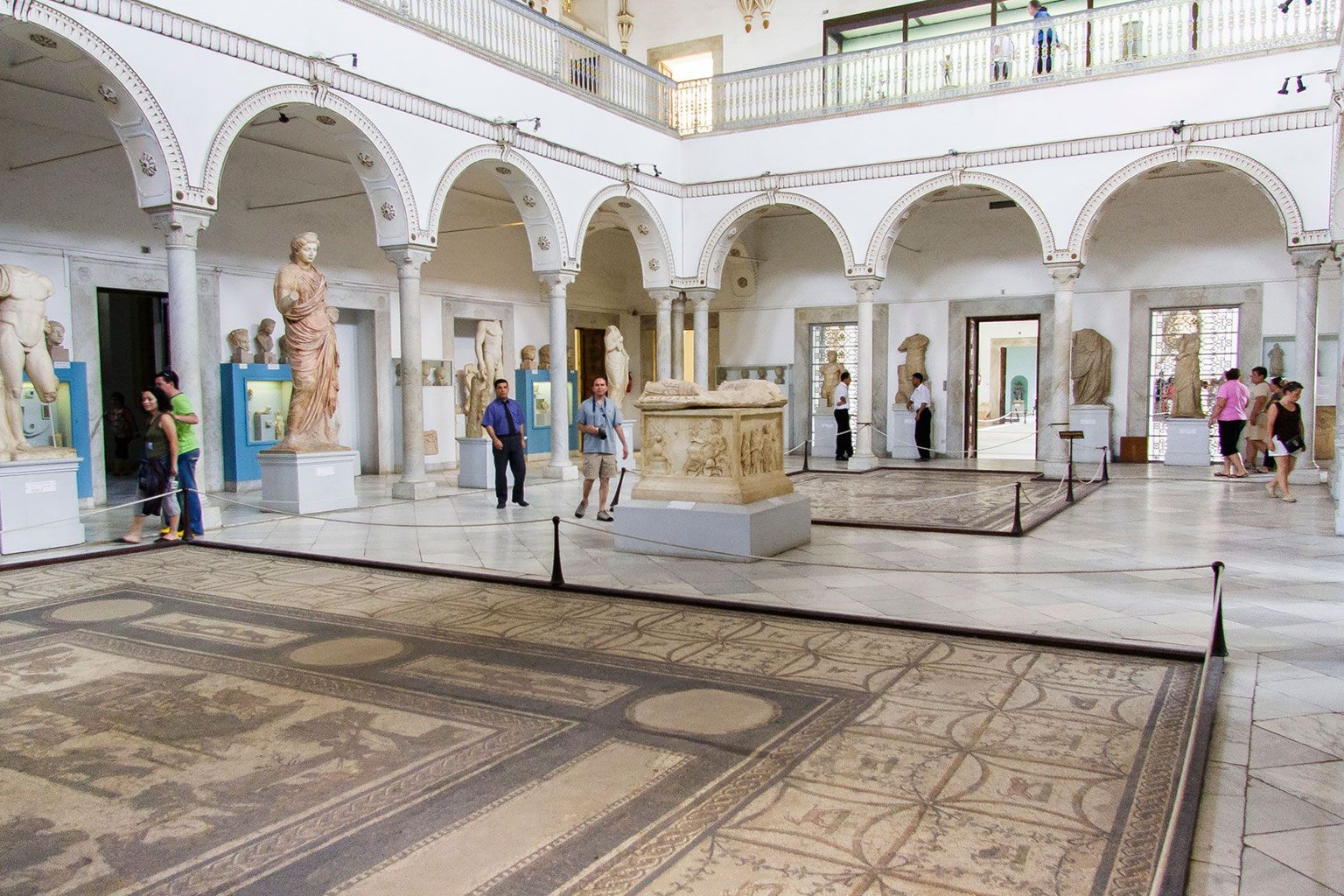
## Description Bardo National Museum is one of North Africa’s most important museums and a highlight for anyone interested in archaeology, history, and art. It is particularly famous for its extraordinary collection of Roman mosaics, but the museum’s significance goes beyond a single category. It offers a broad journey through Tunisia’s layered past, from prehistoric materials and Punic remains to Islamic-era objects and decorative arts. That range makes it one of the best places to understand how many different civilizations have shaped the country. What makes the Bardo especially memorable is the quality of the collection and the setting in which it is displayed. The museum occupies a former palace complex, and that architectural backdrop gives the exhibits a sense of elegance and continuity with the past. Walking through the galleries feels like moving through a living archive. The mosaics are often the first thing people mention, and for good reason: they are vivid, large, and remarkably well preserved. But there is also a quieter pleasure in discovering smaller objects, inscriptions, and artifacts that reveal daily life, trade, belief, and artistic taste across centuries. One little-known fact is that the museum’s collection is not only important for Tunisia, but for the broader Mediterranean world. Many of the objects speak to the country’s position as a crossroads of empires, shipping routes, and cultural exchange. Another is that the palace setting helps create a more immersive experience than a plain modern gallery might. The rooms, courtyards, and architectural details remind you that the museum itself is part of Tunisia’s heritage story. For travelers, the Bardo works well because it gives context to the rest of a Tunis itinerary. If you have already seen medinas, ruins, or coastal sites, the museum ties many of those threads together. It is not just about looking at beautiful objects. It is about seeing how Tunisia’s geography and history produced a remarkably rich material culture. ## Location Bardo National Museum is in Le Bardo, a suburb just west of central Tunis, Tunisia. Its position outside the old medina makes it easy to reach while still being close enough to the capital to fit into a normal sightseeing day. The most practical way to get there is by taxi or local transport from central Tunis. Because the museum is a major institution, drivers will usually know it well. If you are already exploring Tunis, it is straightforward to combine the museum with a medina visit or another city-center stop. The museum is also a sensible first stop if you want historical context before branching out to other parts of Tunisia. Plan enough time for a proper visit. The collection is substantial, and rushing would mean missing some of the strongest mosaics and broader historical displays. This is best approached as a serious museum outing rather than a quick photo stop. ## Tips Start with the mosaics if you are short on time, but do not skip the rest of the museum. Some of the most rewarding moments come from smaller objects that are easy to overlook. Check opening information before you go, especially if your trip is part of a tight itinerary. Museums sometimes have schedule changes, and it is better to confirm in advance. If you are interested in ancient history, a guide or a bit of background reading will help you get more out of the collection. The objects are impressive on their own, but the context makes them much richer. Allow time to walk slowly through the galleries. The Bardo is not only about seeing famous pieces; it is also about noticing the range and depth of Tunisia’s past. ## Conclusion Bardo National Museum is an essential Tunis attraction for anyone who wants to understand Tunisia’s artistic and historical heritage. Its mosaics, palace setting, and wide-ranging collections make it one of the region’s most important museums. ## FAQ **What is the Bardo Museum best known for?** Its Roman mosaics are among the most famous in the Mediterranean world. **How much time should I spend there?** At least two hours is a good baseline, and more is better if you want to see the museum thoroughly. **Is it easy to get to from central Tunis?** Yes. It is in Le Bardo and can be reached conveniently by taxi or local transport. **Is the museum only about Roman history?** No. It covers a much wider range of Tunisia’s history and culture. **Is it suitable for first-time visitors to Tunis?** Absolutely. It is one of the most useful places to visit early in a trip. ## Links - [Official Website](http://bardomuseum.tn/index.php?lang=en)
GemVoyage Team • World
Hong Kong
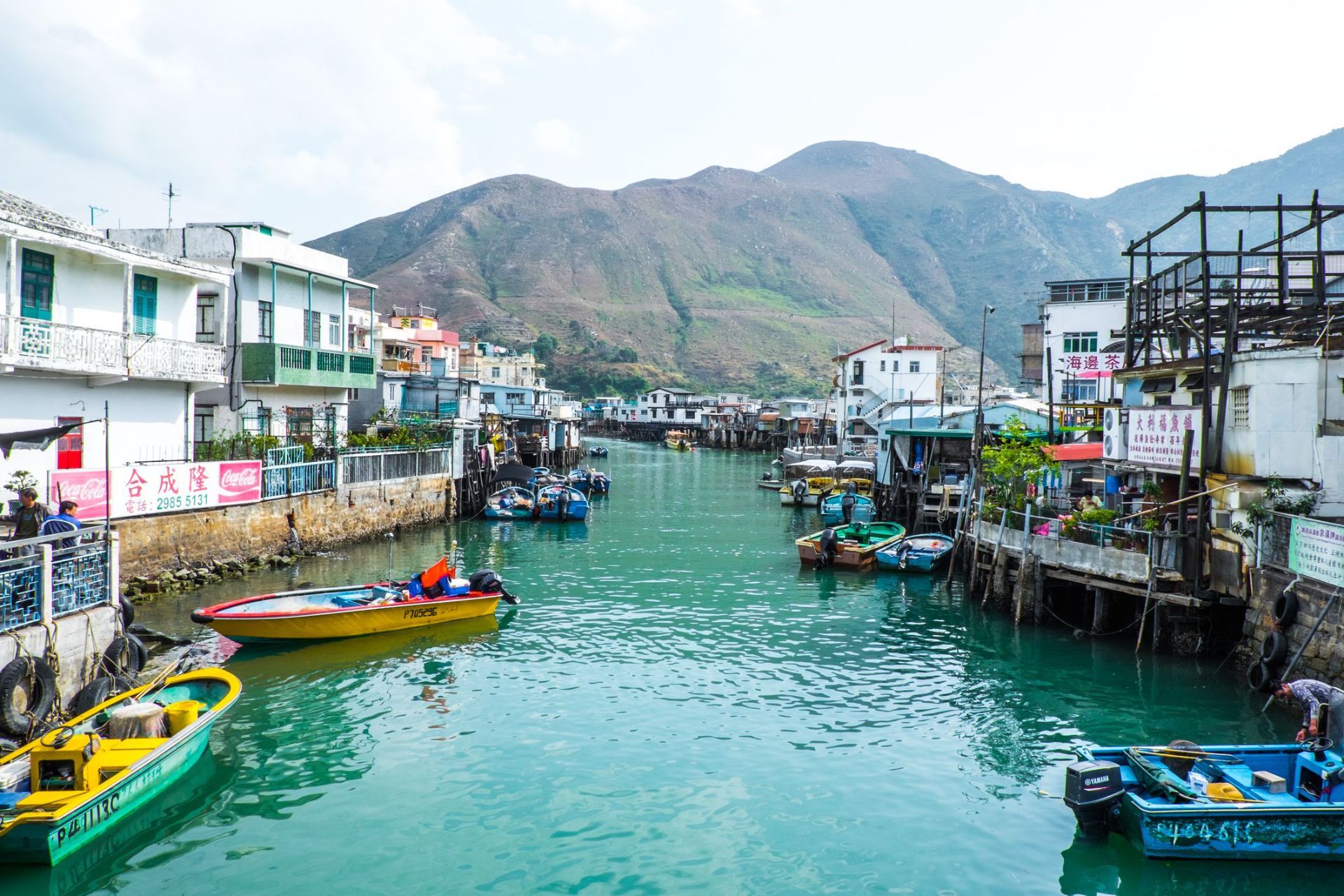
## Description Tai O Fishing Village is one of the most atmospheric places in Hong Kong because it preserves a way of life that feels very different from the city’s skyscraper identity. Located on the western side of Lantau Island, Tai O is known for its stilt houses, narrow waterways, fishing heritage, and the sense that time moves more slowly here than in Hong Kong's urban core. For travelers looking for a place that combines cultural history, coastal scenery, and a strong local character, Tai O delivers all three in a single visit. The village is especially distinctive because it has kept much of its fishing-community layout, even as Hong Kong developed around it. The stilt houses, built above tidal waters and connected by wooden walkways, create a visual landscape that is unique in the region. Boat traffic still matters here, seafood is still central to the local economy, and the village still feels shaped by the rhythms of sea and tide. In the early morning, Tai O can feel hushed and contemplative. Later in the day, it becomes more animated as day visitors arrive, shops open, and boats move in and out of the channels. A little-known fact is that Tai O has long been associated with salt production and trade, not just fishing. Another detail many visitors miss is the old village fortifications and temple structures that reflect how communities once protected themselves from pirates, storms, and the uncertainties of coastal life. The area is therefore not simply picturesque; it is historically layered and reveals a deeper story about how people adapted to Hong Kong's shoreline before modern development changed the coastline. The food here is another major reason to visit. Dried seafood, shrimp paste, sweet treats, and simple local dishes are part of Tai O’s identity, and they help visitors understand how the village economy worked for generations. Even if you only spend half a day here, Tai O can feel like a complete change of pace from the rest of Hong Kong, offering a mixture of water, heritage, and community that is increasingly rare. ## Location Tai O Fishing Village is on the western side of Lantau Island in the Hong Kong Special Administrative Region of China. It sits in the Islands District, far from the dense business cores of Hong Kong Island and Kowloon, which is part of what preserves its quieter character. Because it is not on a major rail line, getting there takes a little planning, but that is also what helps keep the area special. The usual route is to travel by MTR to Tung Chung and then continue by bus toward Tai O. This combination is the most practical for most visitors and gives you a smooth connection from the city’s main transport network. Ferries and cable car routes may also be part of a longer day trip if you are combining Tai O with other parts of Lantau Island. If you prefer a more relaxed pace, many travelers visit as part of a full-day itinerary that includes Ngong Ping and the Big Buddha before continuing to Tai O in the afternoon. Once you arrive, much of the village is best explored on foot, though local boat rides are a memorable way to see the stilt houses from the water. Because the village is compact, it is easy to cover the main areas without rushing, but you should allow extra time for food stops, photographs, and slow wandering. ## Tips Visit early in the day or late in the afternoon if you want softer light and fewer crowds. Midday can be busy, especially on weekends and public holidays, and the village is at its best when you can move slowly and take in the details. Take a boat ride if your schedule allows. Seeing Tai O from the water gives you a better sense of how the stilt houses, waterways, and fishing infrastructure fit together. It also helps explain why the village developed the way it did. If you only walk the streets, you still get a strong impression, but the boat perspective adds depth. Try local snacks and dried seafood, but do so with curiosity rather than haste. Many travelers rush through Tai O, take a few photos, and leave without understanding the food culture that has shaped the village for years. Sampling something local makes the visit more meaningful. Wear comfortable shoes and bring sun protection. Tai O is relatively easy to walk, but the experience is more enjoyable when you are prepared for heat, humidity, and a fair amount of time outdoors. If the weather looks unstable, check conditions before you go, since coastal villages are more sensitive to storms and heavy rain. ## Conclusion Tai O Fishing Village offers a rare glimpse of Hong Kong's coastal past, with stilt houses, local food, and a slower rhythm that gives the village a memorable sense of place. ## FAQ ### Why is Tai O famous? Tai O is famous for its stilt houses, fishing heritage, scenic waterways, and its reputation as one of the last traditional fishing villages in Hong Kong. ### How long should I spend in Tai O? Most visitors spend half a day to a full day, depending on whether they plan to add boat rides, food stops, or nearby Lantau attractions. ### Is Tai O easy to reach from central Hong Kong? It takes some planning, but it is straightforward by taking the MTR to Tung Chung and then continuing by bus. ### What should I eat in Tai O? Try local seafood snacks, dried seafood products, and village specialties from small shops and street-side vendors. ## Links - [Discover Hong Kong](https://www.discoverhongkong.com/) - [Wikipedia article](https://en.wikipedia.org/wiki/Tai_O)
GemVoyage Team • World


Comments