GemVoyage Team • World
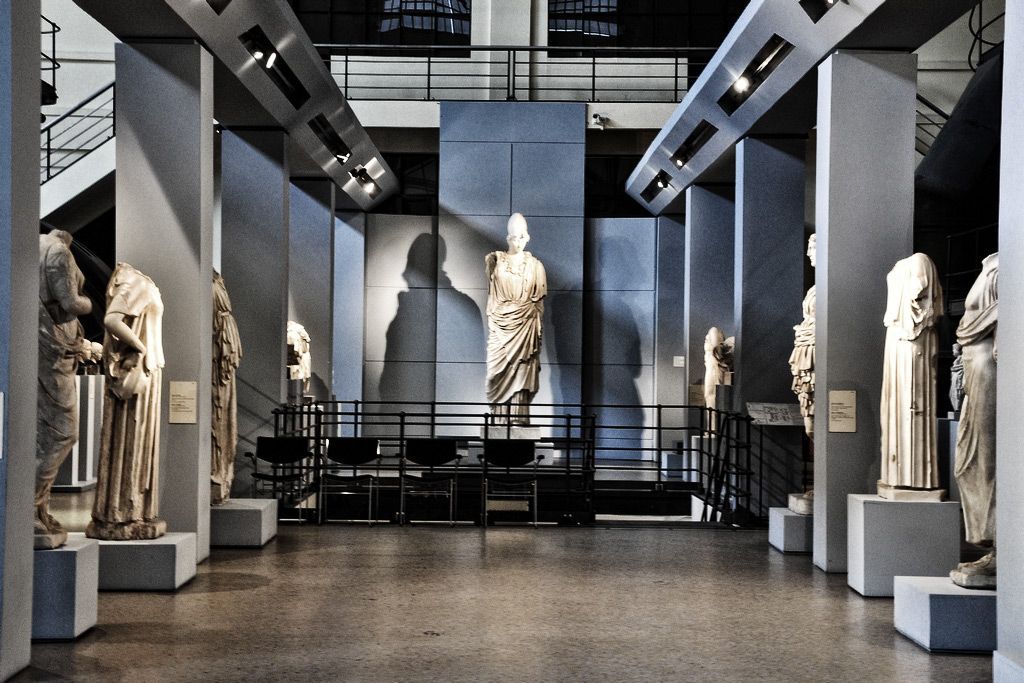
Originally conceived as a temporary solution while major restorations were carried out at the Capitoline Museums, the Centrale’s power-plant location quickly proved a compelling permanent home for parts of the municipal collections. The curators leaned into the setting rather than hiding it: sculptures were arranged to engage with the machinery, and exhibition narratives highlight material, technique and the passage of time. Visitors respond to the unusual dialogue between polished marble and oxidised iron; the museum reads like a meditation on Rome’s layered identity, where antiquity and modern infrastructure overlap.
Beyond the immediate photogenic contrasts, Centrale Montemartini is notable for its approachable layout and variety of objects. You’ll find portraits and imperial statues, sculpted sarcophagi, and everyday objects that illuminate Roman social life. Special displays often focus on conservation practice or archaeological discoveries, and temporary exhibitions rotate, bringing contemporary scholarship and new archaeological finds into the space. For anyone interested in classical art, museum design, or the adaptive reuse of industrial architecture, Centrale Montemartini offers an unusually rich visit.
For planning, allow time to combine a visit with nearby landmarks: the Baths of Caracalla lie within easy walking distance and the Caffarella Park and Aventine Hill are also within reach. If traveling by taxi or rideshare, note that the museum address is well-known to drivers familiar with Rome’s cultural sites.
Q: Are there English guides or information?
A: Yes. Audio guides, multilingual panels and printed materials are typically available; check at the ticket desk for current language options.
Q: How long should I plan for a visit?
A: Plan 1.5–2.5 hours to allow time for the main rooms and any temporary exhibitions or conservation displays.
Q: Is the museum family friendly?
A: The museum is suitable for families; spaces are manageable with strollers, though the industrial setting contains some uneven surfaces—supervise children and use designated pathways.
Q: Are there accessibility arrangements?
A: The museum provides accessibility options, but facilities can vary; contact the museum ahead of your visit for details on lifts, ramps and assistance.
Discover more hidden gems you might love.
Moscow
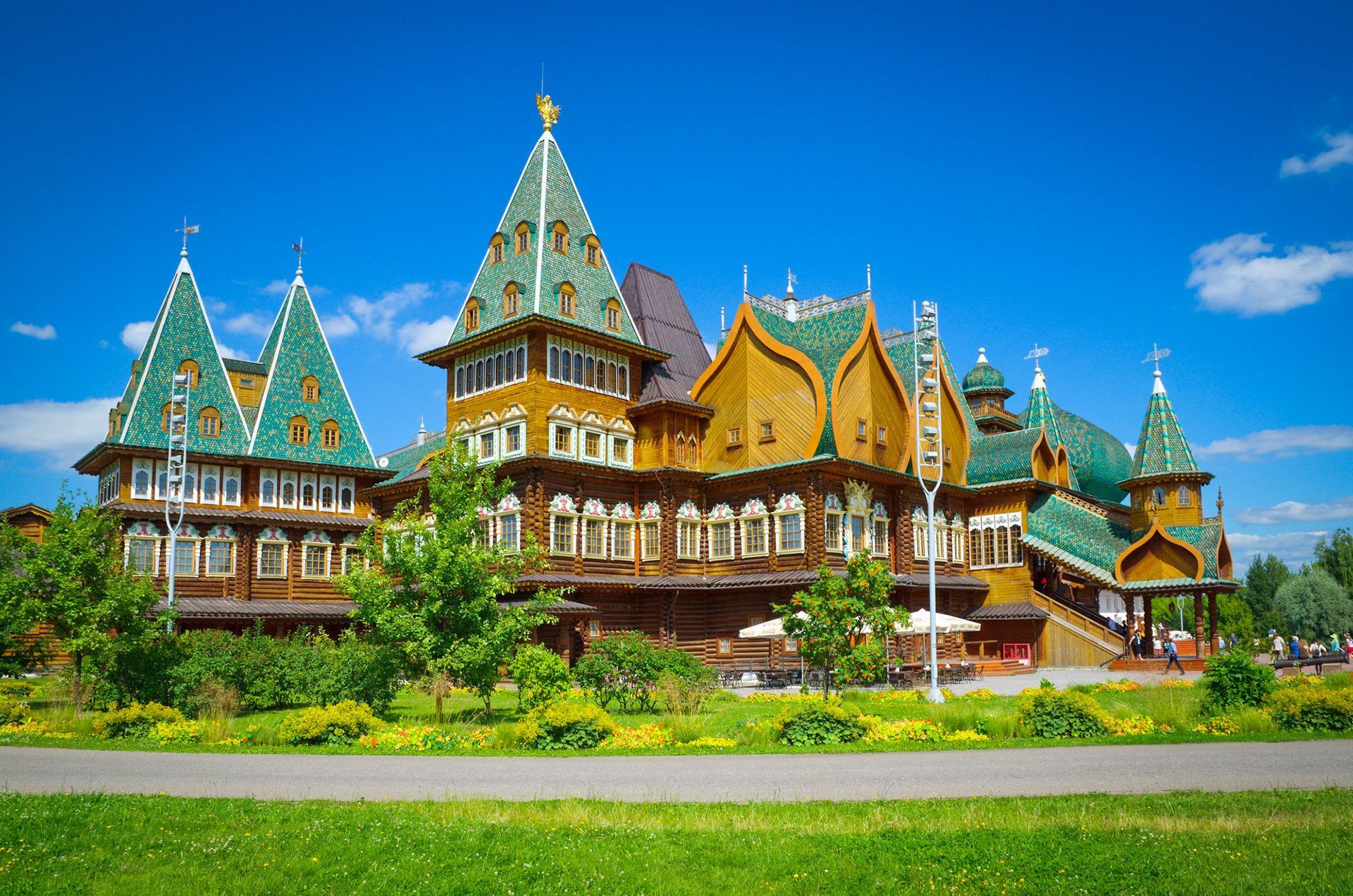
## Description Kolomenskoye Park is one of Moscow’s most rewarding destinations because it combines landscape, architecture, and imperial history in a single spacious setting. More accurately described as a historical and cultural reserve than as a simple park, Kolomenskoye offers sweeping river views, wooded paths, open lawns, orchards, and landmark buildings that connect visitors to the city’s royal past. It is the kind of place that can fill an entire half-day without ever feeling repetitive, because the experience changes as you move from ceremonial architecture to natural scenery and then into quieter, more reflective areas. What makes Kolomenskoye especially impressive is its historical depth. The estate was associated with Russian rulers for centuries and functioned as a place of retreat, ceremony, and seasonal residence. One of its most famous features is the Church of the Ascension, a striking landmark that is widely recognized for its architectural importance. A lesser-known fact is that the park’s broader grounds include not only monuments but also reconstructed wooden structures that help visitors imagine how Russian domestic and court life might have looked in earlier periods. Another detail that often surprises travelers is how strongly the place changes with the seasons: spring blossoms, summer greenery, autumn color, and winter snow each give the site a different personality. For travelers, Kolomenskoye is appealing because it offers a very Moscow-specific balance. The city is often experienced as large, dense, and fast-moving, but here you get a more spacious and contemplative side. You can walk along the river, explore heritage buildings, pause by old orchards, and enjoy the sense that the city opens outward rather than compressing inward. It is a particularly strong choice for visitors who want historical context without spending the whole day indoors. The park also works well as an antidote to more crowded attractions. It provides room to breathe, which is especially valuable in a city as large and energetic as Moscow. ## Location Kolomenskoye Park is located in southern Moscow, Russia, along the Moskva River. It sits within the city’s urban area but feels much more spacious than the central districts. Because it is a historical reserve, the site has multiple layers of interest spread across a sizable landscape, so it is worth entering with enough time to explore beyond the first landmark you see. The easiest way to get there is by Moscow Metro, followed by a short walk depending on your chosen entrance. Metro access is usually the most efficient approach for visitors, especially because surface traffic can be slow in a city this large. Once inside, the site is best explored on foot. If you want a smoother visit, start with the main landmarks and then move toward the quieter natural sections. Because Kolomenskoye is both a park and a heritage site, it is wise to think of it as a destination for a full outing rather than a quick stop. You can spend a couple of hours there comfortably, and more if you enjoy architecture, photography, or leisurely walks. ## Tips Wear good walking shoes. The reserve is large, and part of the pleasure comes from covering ground at an unhurried pace. Check the weather before you go. Kolomenskoye can be beautiful in any season, but the experience changes dramatically with conditions, so planning around sunshine or a clear winter day is smart. Do not limit yourself to the best-known monument. The open spaces, orchard areas, and river views are part of what makes the site special. Take your time with the architecture. The historical buildings are more meaningful when you understand their place in Russian royal history. If possible, pair the visit with a meal or snack nearby so you can turn the park into a half-day excursion instead of a rushed check-in. ## Conclusion Kolomenskoye Park is one of Moscow’s strongest heritage landscapes, offering history, nature, and open space in a single visit. It is ideal for travelers who want a city experience that feels both scenic and historically grounded. ## FAQ ### Why is Kolomenskoye important? It was a major royal estate and is home to significant heritage architecture, including some of Moscow’s most important historical structures. ### Is Kolomenskoye more of a park or a museum? It is both. The reserve combines landscaped outdoor spaces with historic buildings and cultural interpretation. ### How much time should I spend there? Plan for at least 2 to 4 hours if you want to see the main features and enjoy the grounds without rushing. ### Is it good year-round? Yes. Each season changes the atmosphere, and many visitors find that the park is especially striking in spring, autumn, and snowy winter conditions. ## Links - [Kolomenskoye on Wikipedia](https://en.wikipedia.org/wiki/Kolomenskoye)
GemVoyage Team • World
England
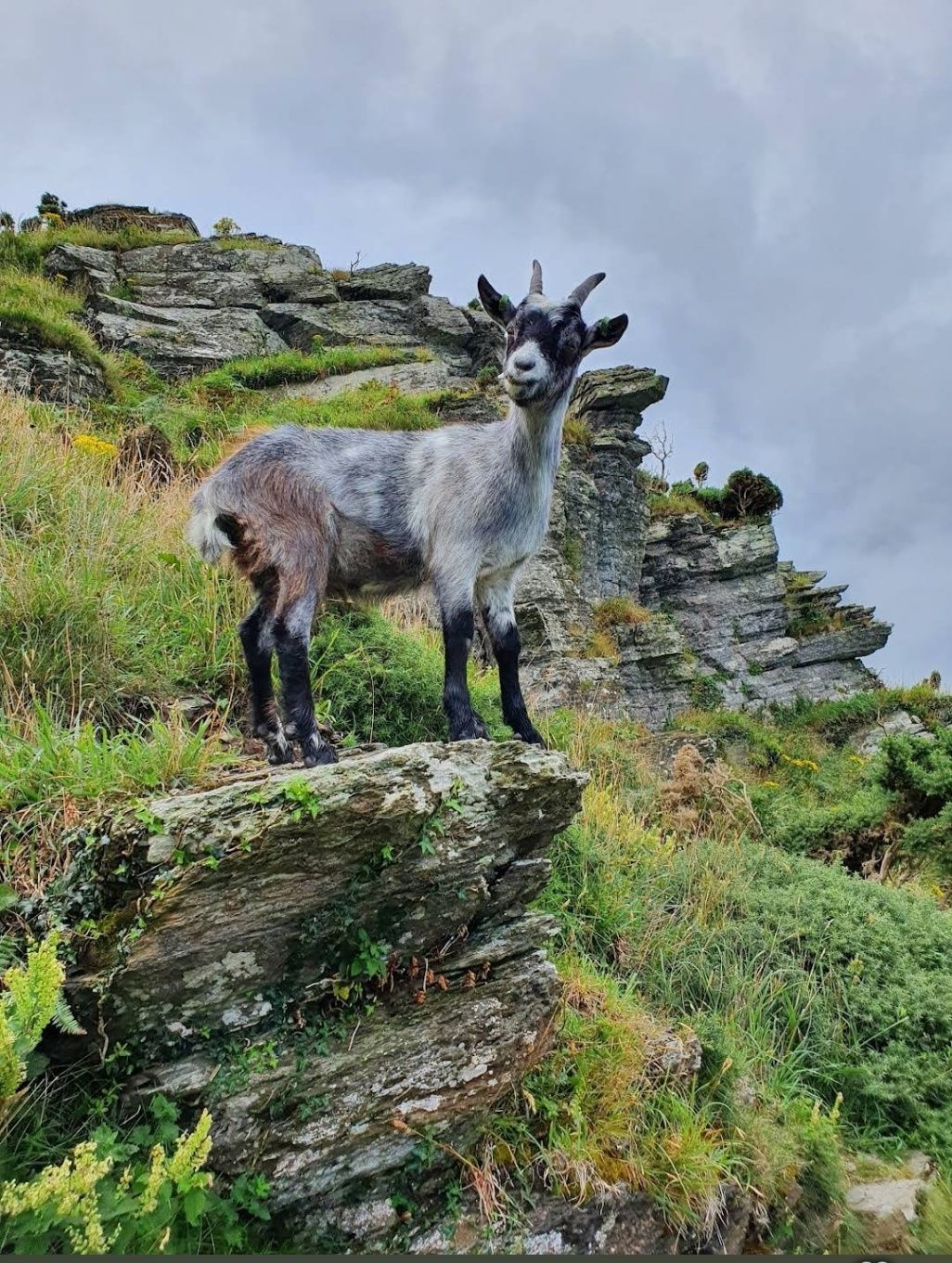
## Description The Valley of Rocks in England is one of North Devon’s most remarkable natural landmarks, known for its dramatic rock formations, sweeping sea views, and intriguing history. Unlike most valleys carved by rivers, the Valley of Rocks is a “dry valley” formed during the Ice Age, making it a rare geological wonder in the UK. Walking through the valley feels like stepping into a mythical landscape. Towering rocks with names like Castle Rock and Ragged Jack rise high above the path, their shapes sparking centuries of local legends. The valley has inspired famous writers such as William Wordsworth and Samuel Taylor Coleridge, who drew upon its dramatic scenery for their poetry. A little-known fact is that the Valley of Rocks was once home to a Victorian cricket ground, possibly one of the most scenic sports fields ever created. While matches no longer take place, the flat ground remains a quirky reminder of the valley’s unusual past. Another fascinating feature is its herd of feral goats, descendants of animals introduced long ago, which continue to roam freely along the cliffs and rocky ledges. This combination of wild beauty, historical curiosities, and literary inspiration makes the Valley of Rocks an unforgettable destination for anyone visiting North Devon. ## Location The Valley of Rocks lies just outside the small town of Lynton, within Exmoor National Park in North Devon, England. Running parallel to the coastline of the Bristol Channel, the valley offers some of the most spectacular sea views in the region. For those traveling by car, the valley is around a 90-minute drive from Exeter or just over an hour from Barnstaple, the nearest major town. Parking is available close to the valley, making it convenient for families and casual walkers. If you’re traveling by public transport, trains connect Exeter to Barnstaple, followed by a bus journey to Lynton. From there, the valley is only a 15–20 minute walk along a coastal path. For a truly unique journey, take the Lynton and Lynmouth Cliff Railway, a Victorian water-powered funicular that links Lynmouth harbor with the clifftop town of Lynton, before strolling out to the valley. ## Tips for Visiting To ensure you make the most of your trip to the Valley of Rocks, consider these practical tips: - Wear sturdy shoes. The paths are rocky and uneven, so comfortable walking shoes are a must. - Bring a camera. From sweeping views over the Bristol Channel to close-up encounters with wild goats, the valley is a photographer’s dream. - Pack a picnic. There are no cafés in the valley itself, but it’s a perfect spot for a scenic outdoor meal. Just watch out for curious goats! - Explore the South West Coast Path. The valley forms part of this famous long-distance trail, so even a short walk gives you access to dramatic coastal scenery. - Check the weather. Coastal winds can be strong, and conditions change quickly. Bring a jacket, even in summer. - Visit nearby towns. Pair your visit with a trip to Lynton and Lynmouth, both known for their charming shops, tea rooms, and coastal views. - Respect wildlife. The feral goats are iconic, but remember they are wild. Admire them from a safe distance. ## Conclusion The Valley of Rocks in England is a true hidden gem of the North Devon coastline, offering a mix of natural wonder, history, and wildlife that few places can match. Whether you’re hiking the cliffs, spotting wild goats, or simply soaking up the coastal views, this unique valley promises an unforgettable experience. A visit here is not just a walk through a landscape but a journey through time, legend, and nature at its most dramatic. ## Frequently Asked Questions - What is special about the Valley of Rocks in England? The Valley of Rocks is unique because it is a dry valley formed during the Ice Age, unlike most valleys carved by rivers. It features dramatic rock formations, sweeping sea views, and wild goats roaming freely along the cliffs. Its unusual geology and rich history make it a must-see attraction in North Devon. - Where exactly is the Valley of Rocks located? The Valley of Rocks is located just outside the town of Lynton, in North Devon, England, within Exmoor National Park. It runs parallel to the Bristol Channel coastline and is easily accessible on foot from Lynton. - How do I get to the Valley of Rocks? You can reach the Valley of Rocks by car from Exeter (about 90 minutes) or Barnstaple (just over an hour). For public transport, take a train from Exeter to Barnstaple, then a bus to Lynton. From Lynton, the valley is a 15–20 minute walk along a coastal path. Another option is the historic Lynton and Lynmouth Cliff Railway, which connects Lynmouth to Lynton. - Are there wild goats in the Valley of Rocks? Yes! One of the valley’s most iconic features is its herd of feral goats, which are descendants of goats introduced centuries ago. They roam freely across the rocks and cliffs, adding to the valley’s wild and rugged charm. - Can you walk through the Valley of Rocks? Absolutely. The valley is popular with walkers of all levels. Short, easy paths allow families and casual visitors to explore, while more challenging trails connect with the South West Coast Path, offering breathtaking views across the sea and cliffs. - What is the best time to visit the Valley of Rocks? The valley is beautiful year-round, but the best time to visit is late spring to early autumn when the weather is milder and the views are clear. Sunset is particularly stunning, as the rocks glow golden in the fading light ## Useful Links for Planning Your Visit If you’d like to learn more about the Valley of Rocks and the surrounding area, these official resources will help you plan your trip: 1. [Valley of Rocks Information](https://www.exmoor-nationalpark.gov.uk/exmoor-for-everyone/things-to-do/the-valley-of-rocks) 2. [Visit Lynton & Lynmouth](https://visitlyntonandlynmouth.com/)
GemVoyage Team • World

Chiang Mai
## Description Kad Luang Warorot Market, often simply called **Warorot Market**, is one of the oldest and most vibrant traditional markets in Chiang Mai, Thailand. Beloved by both locals and tourists, it offers a truly authentic glimpse into Northern Thai culture, daily life, and culinary traditions. Unlike the more tourist-focused night bazaars, Warorot Market is where locals shop for fresh produce, clothing, fabrics, household goods, and everyday essentials. What makes Warorot Market unique is its **blend of tradition and modernity**. You’ll find everything from fragrant herbs and spices to modern street fashion, all under one roof. Food lovers will particularly enjoy the market’s wide selection of Northern Thai specialties, such as **sai oua (spicy northern sausage)**, **nam prik ong (tomato chili dip)**, and an array of exotic fruits. A little-known fact is that Warorot Market has been serving the Chiang Mai community for over **a century**, making it not just a commercial hub but also a cultural landmark. Another interesting detail is that the market is busiest during important Thai festivals, such as **Loi Krathong and Songkran**, when it becomes a central point for celebration and shopping. ## Location Warorot Market is located in **Chiang Mai, Northern Thailand**, in the **Wat Ket district**, near the banks of the **Ping River**. It sits just a short walk from the **Chang Moi Gate** of the Old City, making it very accessible for travelers staying in central Chiang Mai. ### Recommendation on How to Get There From Chiang Mai’s Old City, you can easily reach Warorot Market on foot in about **10–15 minutes**. Alternatively, you can take a **red songthaew (shared taxi truck)**, tuk-tuk, or Grab (ride-hailing app) for a quick ride. If you’re staying farther away, taxis and scooters are also convenient options. Since parking in the area can be limited, it’s best to use public or shared transportation. ## Tips To make the most out of your visit to Warorot Market, here are some helpful tips: * **Go Early**: The market opens early in the morning, making it the best time to see locals shopping and to find the freshest food items. * **Try Local Snacks**: Don’t miss the chance to sample Chiang Mai’s famous northern sausage, sticky rice, and fried snacks sold at small food stalls. * **Bring Cash**: While some vendors may accept mobile payments, cash is still the most convenient method for small purchases. * **Explore Both Indoors and Outdoors**: The market consists of multiple levels and side streets, so take your time wandering beyond the main stalls. * **Check Out the Fabrics**: The market is also known for selling colorful textiles and hill tribe clothing, perfect for souvenirs. * **Respect Local Etiquette**: Bargaining is acceptable, but always do so politely with a smile. ## Conclusion Kad Luang Warorot Market is not just a place to shop—it’s an experience that immerses you in the everyday life of Chiang Mai. With its wide range of food, clothing, and cultural items, it offers visitors a taste of authentic Northern Thai traditions. Whether you’re hunting for souvenirs, trying local delicacies, or simply enjoying the lively atmosphere, Warorot Market is a must-visit destination in Chiang Mai. ## FAQ **1. What is Warorot Market famous for?** It is famous for its variety of goods, especially Northern Thai food, fresh produce, fabrics, and traditional clothing. **2. What are the market’s opening hours?** Warorot Market typically opens around **5 AM and closes by 6 PM**, though some food stalls remain open later in the evening. **3. Is Warorot Market suitable for tourists?** Yes, while it primarily serves locals, tourists are welcome and will find plenty of unique food and souvenirs to enjoy. **4. Can I bargain at Warorot Market?** Yes, bargaining is common, especially for clothing and non-food items, but it should always be done politely. **5. How far is the market from Chiang Mai’s Old City?** It’s just a 10–15 minute walk from the Old City, making it very accessible for most visitors. **6. Are there vegetarian or vegan food options available?** Yes, many stalls sell vegetarian-friendly dishes, fruits, and snacks, though it’s helpful to ask vendors about ingredients. ## Links * [Chiang Mai Tourism Office](https://www.tourismthailand.org/Destinations/Provinces/Chiang-Mai/101)
GemVoyage Team • World

Milan
## Description Villa Tittoni Traversi, also known as Villa Cusani Tittoni Traversi, is an elegant neoclassical villa that represents an important chapter in the architectural and cultural history of the Milan area. Originally conceived as a noble residence, the villa stands out for its refined design, harmonious proportions, and its close relationship with the surrounding landscape. Today, it serves as a cultural venue, hosting exhibitions, events, and public activities that keep its historical legacy alive. What makes Villa Tittoni Traversi unique is its artistic pedigree. The villa was redesigned in the early 19th century by the renowned architect Giuseppe Piermarini, the same architect behind Milan’s Teatro alla Scala. Its interior spaces were later enriched with frescoes and decorative elements that reflect the tastes of Lombard aristocracy. A lesser-known fact is that the villa’s park was influenced by early landscape garden concepts, blending formal and naturalistic elements. Another interesting detail is that the building has passed through the hands of several prominent families, including the Cusani and Tittoni families, each leaving their mark on its design and function. The villa offers a refined yet approachable atmosphere, making it appealing to visitors interested in history, architecture, and cultural life outside Milan’s most crowded attractions. ## Location Villa Tittoni Traversi is located in **Italy**, in the **Lombardy** region, near the city of **Milan**, in the town of **Desio**, north of the city center. Although often associated with Milan due to its proximity, the villa is technically within Desio, making it an easy and worthwhile day trip from the city. Reaching the villa is convenient. Visitors can take a regional train from Milan to **Desio Station**, which is well connected and only a short walk from the villa. Several bus routes also serve the area. For those driving, Desio is easily accessible by road, and parking is generally available near the villa and its park. ## Tips * Check the villa’s event schedule in advance, as exhibitions and cultural programs vary throughout the year. * Take time to explore the surrounding park, which is ideal for relaxing walks and photography. * Guided tours may be available on specific days and can offer deeper insight into the villa’s history. * Visit on weekdays for a quieter experience, especially if events are taking place on weekends. * Combine your visit with a stroll through Desio’s historic center or nearby green spaces. * Wear comfortable shoes, particularly if you plan to explore both the interior and the park. ## Conclusion Villa Tittoni Traversi is a graceful example of Lombard neoclassical architecture and cultural heritage. Its blend of history, art, and green space makes it a rewarding destination for visitors seeking a more intimate and refined experience near Milan. ## FAQ **Is Villa Tittoni Traversi open to the public?** Yes, the villa is open to the public during exhibitions, events, and scheduled visiting hours. **How long does a visit usually take?** Most visits last between one and two hours, depending on exhibitions and time spent in the park. **Is there an entrance fee?** Entrance fees may apply during special exhibitions or events, while access to the park is often free. **Is the villa suitable for families?** Yes, the open park and cultural events make it suitable for families, though children should be supervised indoors. **Can the villa be reached easily from Milan?** Yes, it is easily accessible by train or car from Milan in under an hour. ## Links * [Villa Tittoni Official Website](https://villatittoni.it/)
GemVoyage Team • World
.jpg)
Schwerin
## Description Schwerin Castle (Schloss Schwerin) is one of Germany’s most enchanting and architecturally rich palaces, often referred to as the “Neuschwanstein of the North.” Located on an island in Lake Schwerin, this fairytale-like fortress is a masterpiece of Romantic historicism, blending Gothic, Renaissance, and Baroque elements into a harmonious whole. With its golden domes, ornate towers, and intricate façade, the castle appears to rise magically from the water, captivating visitors from every angle. Originally built as a fort in the 10th century by the Slavic Obotrites, the site evolved over centuries into a ducal residence. The current structure was largely completed between 1845 and 1857, designed by a team of renowned architects including Gottfried Semper and Friedrich August Stüler. Today, Schwerin Castle houses the state parliament of Mecklenburg-Vorpommern, a museum showcasing 19th-century art and furnishings, and hosts cultural events such as open-air theatre performances. A little-known fact: Schwerin Castle contains 635 rooms, many of which are lavishly decorated with gilded ceilings, carved woodwork, and elaborate tapestries. Another intriguing detail is the legend of the castle ghost, Petermännchen—a benevolent spirit said to protect the castle and its inhabitants. ## Location Schwerin Castle is located in **Germany**, in the **state of Mecklenburg-Vorpommern**, within the **city of Schwerin**. It sits on a small island in **Lake Schwerin**, connected to the mainland by bridges and surrounded by beautifully landscaped gardens and parkland. ### How to Get There - **By Train**: From Hamburg or Berlin, take a regional train to Schwerin Hauptbahnhof. The castle is a 15-minute walk from the station. - **By Car**: Schwerin is easily accessible via the A14 and A24 motorways. Parking is available near the castle. - **By Bus**: Local buses stop at Schloss Schwerin or nearby Lennéstraße. - **By Foot**: The city center is compact and walkable, making it easy to reach the castle on foot from most hotels and attractions. Its central location makes it ideal for a day trip or a weekend getaway from major northern German cities. ## Tips - **Visit the Museum**: The castle museum spans three floors and includes the Throne Room, Gallery of Ancestors, and opulent living quarters. - **Explore the Gardens**: The surrounding park and gardens are free to enter and offer stunning views of the castle and lake. - **Check Opening Hours**: The museum is open Tuesday to Sunday, with seasonal variations. Last entry is 30 minutes before closing. - **Use an Audioguide**: Available for a small fee, audioguides provide rich historical context and are free for children. - **Attend Cultural Events**: Look out for concerts, exhibitions, and theatrical performances held in the castle courtyard. - **Photography**: The exterior is a photographer’s dream, especially at sunrise or sunset. Interior photography may be restricted in some rooms. ## Conclusion Schwerin Castle is a stunning blend of history, architecture, and natural beauty. With its lakeside setting, lavish interiors, and rich cultural heritage, it offers a magical experience that’s both visually and intellectually rewarding. ## FAQ **1. What are the opening hours of Schwerin Castle?** April to October: Tuesday–Sunday, 10:00 AM–6:00 PM October to April: Tuesday–Sunday, 10:00 AM–5:00 PM **2. What is the entrance fee?** Adults: €8.50 Reduced: €6.50 Children under 18: Free Audioguide: €2.00 (free for children) **3. Is Schwerin Castle suitable for children?** Yes, children are welcome and can enjoy the gardens, museum exhibits, and ghost stories. **4. Can I take photos inside the castle?** Photography is allowed in most areas, but flash and tripods may be restricted. **5. Is the castle wheelchair accessible?** Parts of the museum and gardens are accessible, but some historic areas may have limited access. **6. How long should I plan for a visit?** Allow 2–3 hours to explore the museum and gardens thoroughly. ## Links - [Schwerin Castle – Wikipedia Overview](https://en.wikipedia.org/wiki/Schwerin_Castle) - [Schwerin Castle – Mecklenburg Tourism Guide](https://www.mecklenburg-schwerin.de/en/sights/schwerin-and-schwerin-castle/schwerin-castle/)
GemVoyage Team • World
Athens
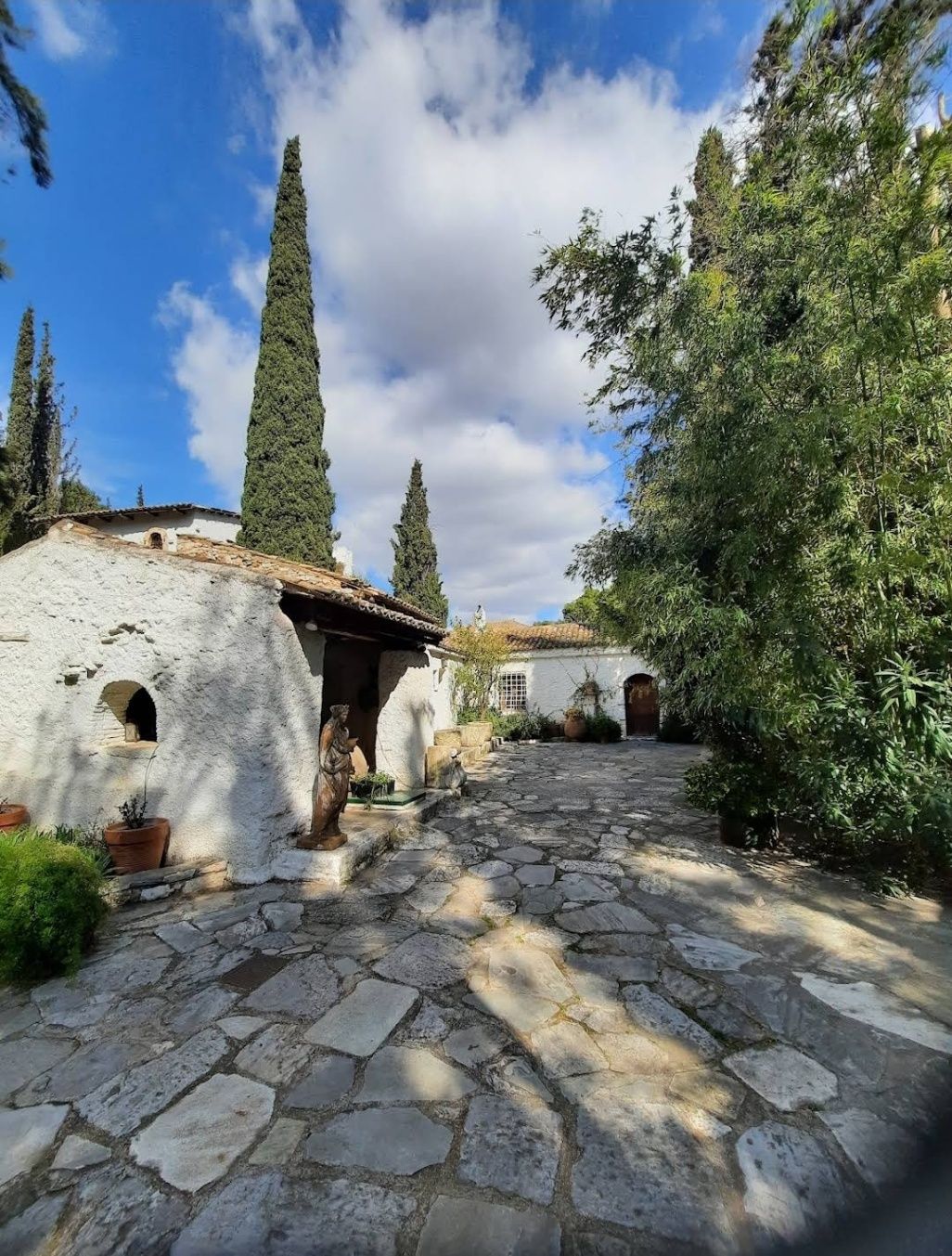
## Description The **Vorres Museum** in Athens is a cultural gem that blends history, tradition, and modernity in a unique way. Established by the Greek art collector and philanthropist Ian Vorres in 1983, the museum offers a fascinating journey through 4,000 years of Greek heritage. It is not only a museum but also a cultural foundation dedicated to preserving and promoting Greek culture. The museum is divided into two main sections: the **contemporary art gallery** and the **folk art museum**. The contemporary section houses over 6,000 works of modern Greek art, including paintings, sculptures, and installations by some of Greece’s most important artists. Meanwhile, the folk art collection showcases traditional artifacts, furniture, ceramics, and everyday objects that bring to life rural Greek culture from the 18th and 19th centuries. What makes the Vorres Museum particularly special is its location inside a beautifully restored 19th-century residence, surrounded by lush gardens filled with Mediterranean flora. The gardens themselves are works of art, featuring sculptures, pathways, and quiet corners that invite visitors to pause and reflect. **Little-known facts:** * Ian Vorres, the founder, studied in Canada and was deeply influenced by both Eastern and Western artistic traditions, which inspired his vision for the museum. * The museum frequently hosts cultural events, concerts, and temporary exhibitions, making it a dynamic space rather than a static collection. --- ## Location The Vorres Museum is located in **Paiania**, a suburb in the eastern region of **Attica**, Greece. Although it is slightly outside central Athens, it is easily accessible and offers visitors a welcome break from the busy city center. ### How to get there: * **By car/taxi**: The museum is about a 25-minute drive from downtown Athens and 15 minutes from Athens International Airport. * **By metro and bus**: Take the metro (Line 3) toward the airport and get off at Doukissis Plakentias station. From there, buses or a short taxi ride will take you to Paiania. * **Recommendation**: Taking a taxi or driving is the most convenient way, especially if you’re visiting with family or on a tight schedule. --- ## Tips * **Check opening hours in advance**: The museum has specific visiting times and may be closed on certain days, so it’s best to confirm before your trip. * **Allow time for the gardens**: Many visitors focus on the indoor collections, but the gardens are just as impressive and provide a tranquil setting. * **Photography**: While photography may be allowed in the gardens, check for any restrictions inside the museum. * **Attend cultural events**: If your visit coincides with one of the museum’s concerts, lectures, or exhibitions, take the opportunity to experience Greek culture in a lively way. * **Combine with nearby attractions**: Since it’s located near the airport, the museum can be part of a half-day trip before or after a flight. --- ## Conclusion The Vorres Museum in Athens is more than just an art museum—it is a cultural experience that bridges Greece’s rich past with its dynamic present. With its diverse collections, peaceful gardens, and dedication to cultural preservation, it is an ideal destination for art lovers, history enthusiasts, and anyone curious about Greek heritage. A visit here provides not only insight into the country’s artistic achievements but also a moment of peace away from the bustle of central Athens. --- ## FAQ **1. What type of art does the Vorres Museum showcase?** The museum features both modern Greek art and traditional folk art, offering a complete view of Greek culture. **2. Is the museum suitable for children?** Yes, the folk art section and gardens are particularly engaging for families with children. **3. How much time should I plan for a visit?** Most visitors spend about 2 hours exploring both the indoor exhibits and the gardens. **4. Is the museum wheelchair accessible?** Parts of the museum are accessible, but since it’s located in a historic building, some areas may have limitations. It’s best to check with the museum before your visit. **5. Are guided tours available?** Yes, the museum often provides guided tours, which enhance the experience by offering deeper insights into the collections. **6. Can I attend cultural events at the museum?** Yes, the museum regularly hosts concerts, lectures, and temporary exhibitions that are open to the public. --- ## Links * [Vorres Museum – Official Website](https://www.vorresmuseum.gr/)
GemVoyage Team • World

Comments