Discover extraordinary places shared by our community of travelers
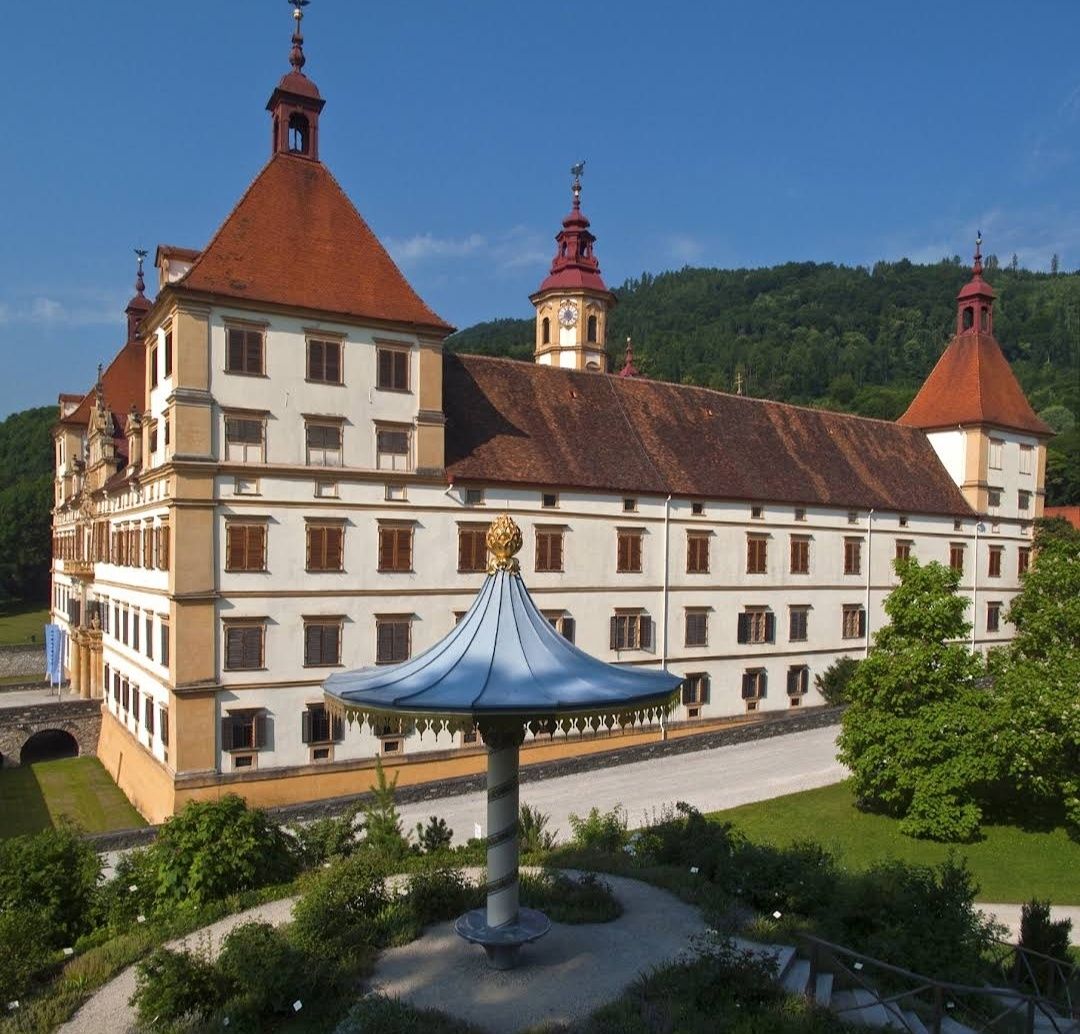
Graz
## Description Schloss Eggenberg (also known as Eggenberg Palace) is an extraordinary Baroque masterpiece perched on the western edge of Graz. What truly sets it apart is its *architectural allegory of the cosmos*: every number in its layout holds symbolic meaning. With **365 exterior windows** (for each day of the year), **31 rooms per floor** (longest month), **24 state rooms** (hours of the day), and **4 corner towers** (seasons or directions), it's a meticulously designed celebration of time and space Inside, the **Planetary Room**—or *Planetensaal*—is a highlight: its ceiling and walls are adorned with astronomical imagery dating back to 1678. The frescoes assign the seven classical planets to weekdays, Roman gods, metals, and members of the Eggenberg family, while the walls are graced by the twelve zodiac signs **Little-known facts**: 1. The palace ingeniously incorporates a medieval Gothic chapel at its core—it was once a family chapel now embedded in the 17th-century layout 2. Hidden in the Japanese Cabinet was a centuries-old folding screen—a paravent depicting Osaka before 1615—which was only recognized post-restoration around 2001–04 --- ## Location Schloss Eggenberg is located in **Graz**, the capital of **Styria (Steiermark)**, **Austria**. The address is Eggenberger Allee 90, 8020 Graz ### How to get there: * From Graz city centre, take **tram line 1**—it’s a direct, scenic route and takes approximately 15 minutes * You can also opt for bus connections (e.g., bus 33 or 62) via nearby tram interchanges, especially useful for reaching the park’s various gate points --- ## Tips for a Great Visit * **Schedule a guided tour**: The lavish state rooms (Prunkräume) are accessible only with guidance, typically offered in German and English. The tour reveals the fascinating symbolic design and stories behind each room * **Visit the Planetary Room early** to beat crowds—it's the visual and symbolic centerpiece. * **Explore the gardens and park**: Entrance to the surrounding landscaped park is affordable (€2 for adults; students and youth 19–26 pay less; under 19 free). From spring to autumn, enjoy themed areas like the Planetengarten, Rose Garden, and all while sharing the space with freely roaming peacocks—a favorite for photos * **2025 STEIERMARK SCHAU special**: This anniversary exhibition (starting April 26, 2025) transforms the state rooms into immersive multimedia spaces exploring the backstories of the palace’s inhabitants—from chambermaids to barbers. Entry is free for this event * **Time your visit after April** if you wish to see interiors—during winter, the rooms remain closed to protect their original condition (no heating or electricity), though the park stays open * **Extend your museum experience**: With a valid ticket, you can also access the Alte Galerie, Archaeology Museum, and Münzkabinett located on site—all part of the Universalmuseum Joanneum --- ## Conclusion Schloss Eggenberg stands not only as one of Austria’s most exquisite Baroque palaces but also as a cosmic narrative carved in stone and fresco. Its unique blend of symbolism, history, and beauty—along with its serene park and evolving exhibitions—makes it a must-visit for anyone in Graz seeking culture within a meaningful, multi-layered architectural gem. --- ## FAQ **1. What makes Schloss Eggenberg unique?** Its architectural design is a calendar in stone—365 windows, 24 state rooms, 31 rooms per floor, and more—symbolizing time and cosmos. **2. Is the palace part of UNESCO World Heritage?** Yes, since 2010, alongside Graz’s historic centre. **3. Can you visit the interiors anytime?** No. The state rooms are typically open April to early November, accessible only via guided tour. They close in winter to preserve their untouched original state **4. What are the opening hours and ticket prices?** * **Park & gardens**: €2 for adults; students and youth get reduced rates; free for under-19s. * **Prunkräume & museums**: Around €15 for adults; youth discounts apply. Check updated hours—usually 10 am to 6 pm during open season **5. Is Schloss Eggenberg accessible via public transport?** Yes—tram line 1 runs directly from the centre to the palace area. Buses (33, 62) also serve the surrounding park entrances. **6. Are there areas suited for families?** Definitely—its expansive park includes playgrounds, thematic gardens like Planetengarten, peacocks, and picnic spots—perfect for a family outing. --- ## Useful Links * [Official Website](https://styriarte.com/en/locations/schloss-eggenberg/)
GemVoyage Team • World
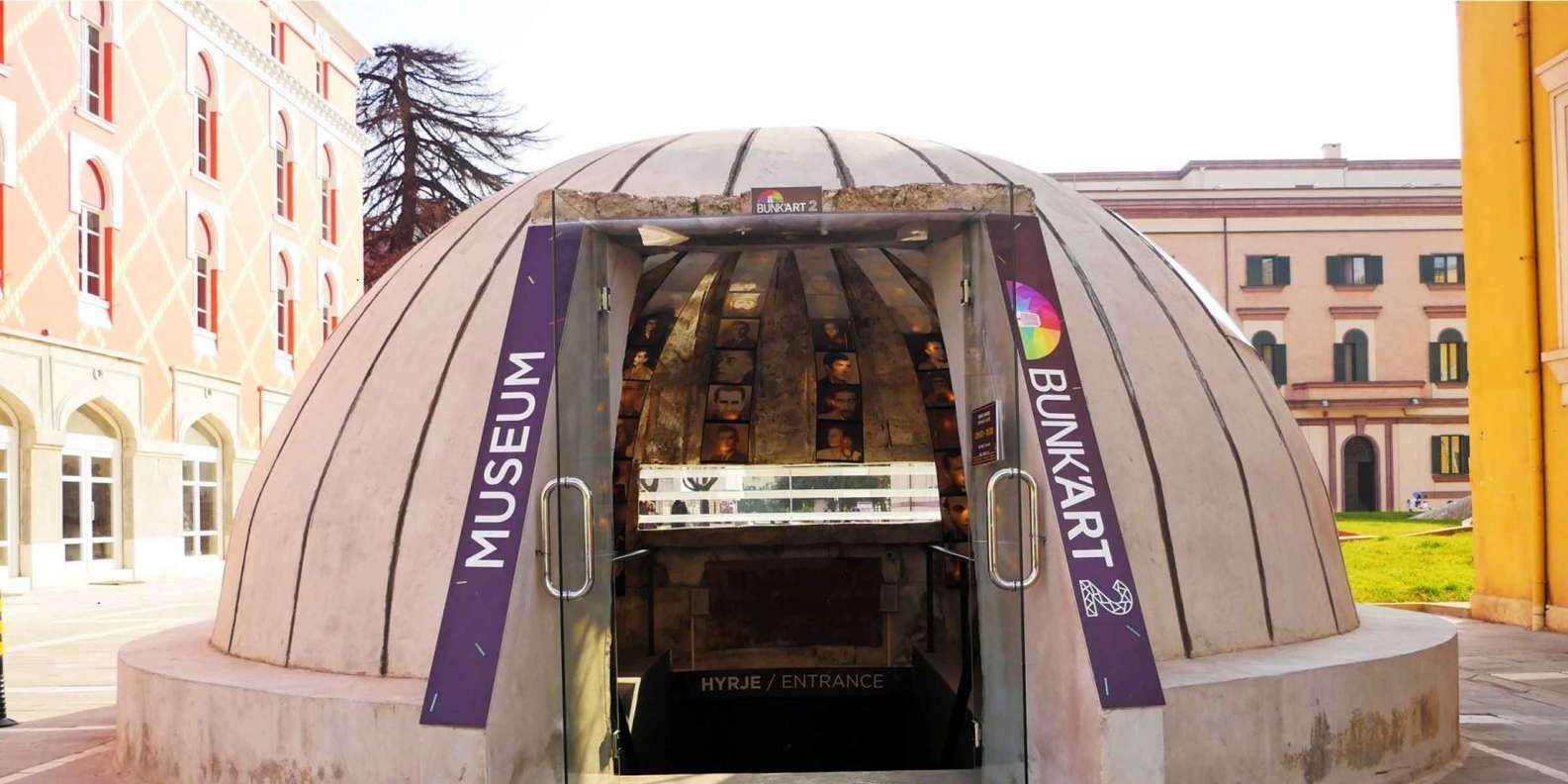
Tirana
## Description Bunk’Art 2 is one of Tirana’s most powerful and memorable attractions, offering visitors a chance to experience Albanian history in a setting that is both physically and emotionally striking. Set in a former underground bunker, the museum focuses on the country’s recent past, particularly the structures of surveillance, fear, and political control that shaped daily life under the communist regime. It is not a light or decorative museum; it is immersive, sometimes stark, and designed to make the historical material feel immediate. What makes Bunk’Art 2 so compelling is the way the space itself becomes part of the exhibition. The underground architecture creates an atmosphere of confinement and tension, which helps visitors understand the historical context on a sensory level rather than only through text and artifacts. The combination of displays, corridors, and bunker-like rooms turns the visit into a journey through memory and state power. This is one of the reasons the museum has become such a significant stop for travelers who want to understand Albania beyond surface impressions. One little-known fact is that the bunker setting gives the museum a narrative force that would be much harder to achieve in a standard gallery. The physical descent into the space reflects the emotional descent into a difficult chapter of history. Another detail many visitors appreciate is that Bunk’Art 2 complements a wider understanding of Tirana’s transformation. The city today is colorful, active, and outward-looking, which makes the bunker museum even more striking because it reminds visitors of how recent and profound that transformation has been. For travelers interested in history, political systems, memory studies, or Cold War-era narratives, Bunk’Art 2 is particularly valuable. But even general travelers often find it unforgettable because it offers a very direct encounter with the past. It is the kind of museum that stays with you after you leave, not because it is overwhelming in scale, but because it is so effective at combining space and story. ## Location Bunk’Art 2 is in central Tirana, Albania, making it one of the more accessible major historical attractions in the city. Its central location means visitors can reach it easily on foot or by taxi depending on where they are staying. Because it is located in the capital’s core, it is also simple to combine with other downtown sights, cafés, and public spaces. If you are already exploring Tirana’s center, adding Bunk’Art 2 is usually straightforward. It works well as part of a day that includes walking the city, visiting civic areas, and comparing older and newer faces of the capital. The museum’s central placement is especially useful for travelers who want to avoid complicated transport just to visit a major historical site. ## Tips Give yourself enough time to absorb the exhibits. The museum is more meaningful when you slow down and read the displays rather than rushing through the bunker corridors. The space is atmospheric, but the interpretation is what turns that atmosphere into understanding. Prepare for a serious visit. This is not a playful museum, and the tone can be somber. If you are sensitive to themes of surveillance, repression, or political hardship, be ready for that emotional weight. The reward is a deeper understanding of Albania’s modern history. Visit earlier in the day if possible. That can help you avoid crowds and give you more room to move through the underground spaces at your own pace. If you like photography, be aware that lighting conditions can be dim and challenging. Combine it with an above-ground walk. The contrast between the museum’s underground history and Tirana’s modern, energetic streets is part of what makes the visit so meaningful. Spending time outdoors before or after can help you reflect on what you have seen. ## Conclusion Bunk’Art 2 is one of Tirana’s most important museums, turning an underground bunker into a powerful historical experience. It is ideal for travelers who want a serious, immersive, and memorable introduction to Albania’s recent past. ## FAQ ### Is Bunk’Art 2 suitable for all visitors? It is suitable for most adults and older children who can engage with serious historical material. Because of its subject matter, it may be intense for some visitors. ### How long should I plan for the visit? Many visitors spend one to two hours, depending on how deeply they read the exhibits and move through the space. ### Is it different from Bunk’Art 1? Yes. The two museums are related but distinct experiences, with different locations and emphases. ### Do I need to know Albanian history beforehand? No, but a little context helps. The museum is designed to be informative for visitors who are learning about the topic for the first time. ### Is photography allowed? Policies can change, so it is best to check current rules on site. Even when photos are allowed, the museum’s atmosphere is often better appreciated with focused attention rather than constant shooting. ## Links - [Official website](https://www.bunkart.al/)
GemVoyage Team • World
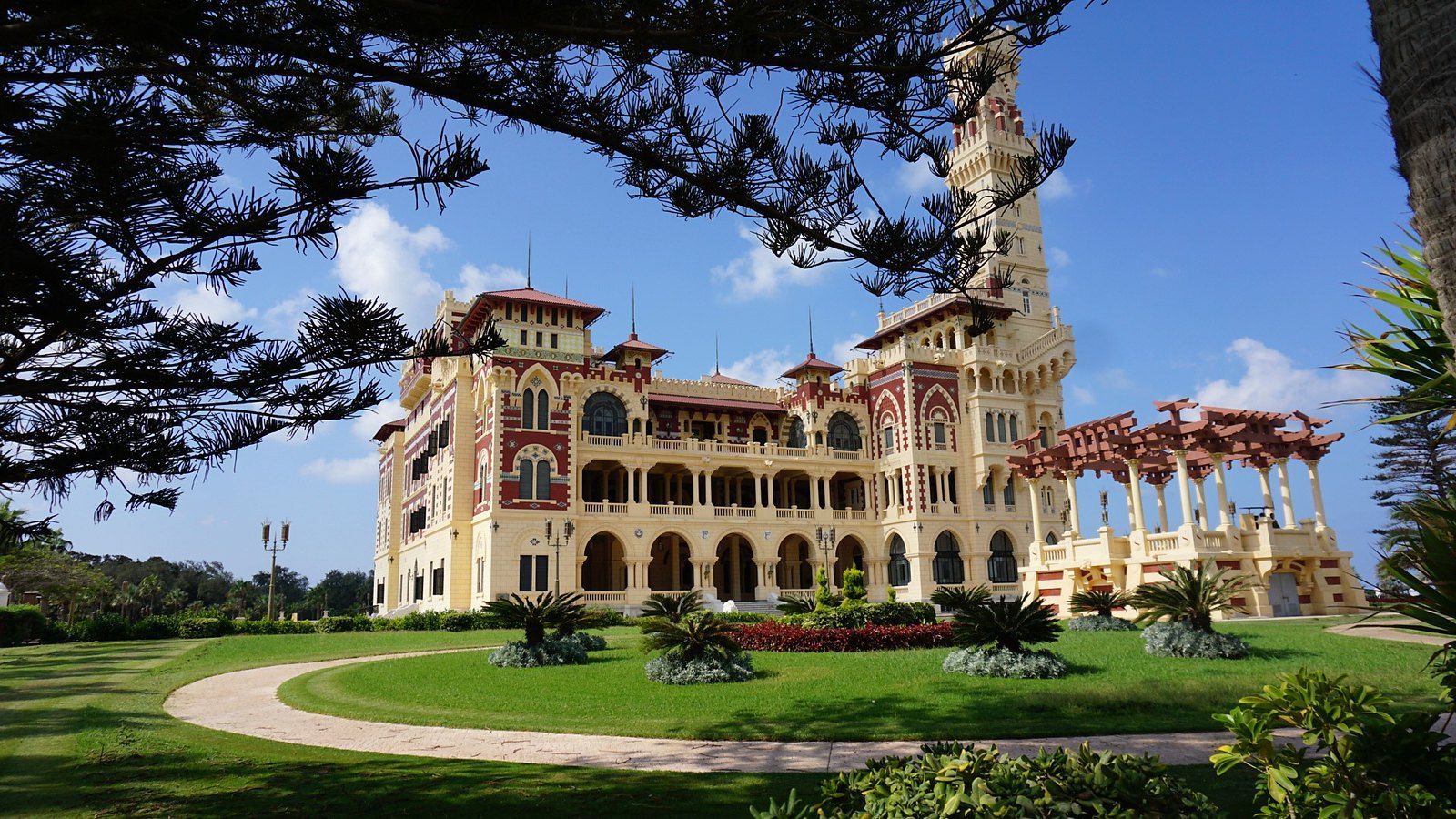
Alexandria
## Description On the eastern edge of Alexandria, where the city dissolves into a long sweep of Mediterranean coastline, lies one of Egypt's most beautiful and historically resonant public spaces. The Montaza Palace Gardens are a vast and carefully maintained park surrounding two royal palaces, stretching along the sea for over 150 acres of palm trees, manicured paths, ornamental fountains, and wild coastal landscape. For Alexandrians, it is a beloved retreat from the heat and noise of the city. For visitors, it is a rare opportunity to walk through a landscape that was once the private domain of Egyptian royalty and to see a side of Alexandria that few tourists ever discover. The garden complex is centered on two palaces: the Salamlek Palace, a small and elegant hunting lodge built in 1892 by Khedive Abbas II for his Austrian mistress, and the Haramlek Palace, a much larger and more elaborate structure built by King Fuad I in the 1930s as a summer residence for the Egyptian royal family. The Haramlek Palace, also sometimes referred to as the Montaza Palace, is the more architecturally dramatic of the two, combining Ottoman and Florentine Renaissance influences in a way that feels simultaneously exotic and strangely European. Its distinctive tower, visible from a considerable distance along the coast, has become one of the iconic images of Alexandria. A lesser-known fact about the Montaza complex is that it was the favored retreat of King Farouk, the last king of Egypt, who spent considerable time here before his abdication and exile following the 1952 revolution. The palace grounds were subsequently nationalized and opened to the public, transforming what had been an entirely private royal estate into one of Alexandria's most treasured public parks. Another interesting detail is that the Salamlek Palace has been converted into a boutique hotel, meaning it is actually possible to stay overnight inside one of the original royal buildings and wake up to views over the Mediterranean. The gardens themselves are beautiful regardless of any historical interest. Paths wind between towering palms and ancient trees, passing small bridges over ornamental streams and opening onto wide lawns that slope down toward the sea. The coastline within the park includes several small beaches and a private harbor. In the late afternoon, the light on the water and across the palace facades is extraordinary. ## Location The Montaza Palace Gardens are located in the Montaza district of Alexandria, Egypt, approximately 12 kilometers east of the city center along the Mediterranean coast. Alexandria is Egypt's second-largest city and sits on the northern coast of the country, about 220 kilometers northwest of Cairo. Getting to the gardens from central Alexandria is straightforward. The most convenient option is by taxi or ride-hailing app, which typically takes 20 to 30 minutes from the city center depending on traffic. Microbuses and public buses also run along the coastal road toward Montaza, though they can be busy and navigation requires some familiarity with local routes. For visitors staying in central Alexandria, a taxi is the recommended option for comfort and simplicity. From Cairo, Alexandria is accessible by train in approximately two hours, with frequent services running throughout the day from Ramses Station. Once in Alexandria, the journey to Montaza continues by taxi from the main train station. ## Tips - **Visit in the late afternoon.** The light over the Mediterranean in the hours before sunset is magical, and the temperature is much more comfortable than in the midday heat, especially in summer. - **Purchase entry to the full park.** There is a small entrance fee to access the main gardens. Certain sections and beach areas may have separate fees. Having Egyptian pounds in small denominations makes entry smoother. - **Explore both palaces.** While the Haramlek Palace is the more visually dramatic, the Salamlek building and its surroundings are worth visiting for the contrast in scale and atmosphere. - **Consider staying at the Salamlek Hotel.** For those seeking a unique accommodation experience, the Salamlek Palace Hotel allows overnight stays in the original royal lodge. It is a remarkable way to experience the atmosphere of the estate. - **Bring water and snacks.** The gardens are large and there are not always food and drink vendors conveniently located throughout the park. Bringing your own supplies ensures you can spend more time exploring comfortably. - **Respect the rules of the park.** As a family-oriented public space with a conservative local clientele, visitors should dress modestly and be mindful of the norms of the space. - **Go on a weekday if possible.** The gardens can be busy on weekends, particularly in summer when Alexandrians escape the heat. Weekday visits tend to be quieter and more relaxed. ## Conclusion The Montaza Palace Gardens represent one of Alexandria's greatest treasures and one of the most underappreciated royal heritage sites in the entire Mediterranean world. The combination of magnificent landscape, royal architecture, a fascinating history rooted in Egypt's final monarchical era, and a setting directly on the Mediterranean coast makes this a destination that rewards visitors generously. Whether you come for the history, the beauty, the sea air, or simply to walk beneath the palms and let the city recede for a few hours, Montaza delivers an experience that is genuinely difficult to find anywhere else in Egypt. ## FAQ **Is there an entrance fee for the Montaza Palace Gardens?** Yes, there is a small entrance fee to access the gardens. The fee is modest and is paid at the main gate. Some areas within the complex, such as certain beaches or the palace viewpoints, may have additional separate fees. It is advisable to bring small denomination Egyptian pound notes. **Can you go inside the Montaza Palace?** The main Haramlek Palace is not generally open for public interior tours, as it is used as a presidential guest residence. The exterior and the surrounding gardens are accessible. The Salamlek Palace functions as a hotel and can be visited or stayed in by hotel guests. **What is the best time of year to visit the Montaza Gardens?** Spring, from March to May, and autumn, from September to November, offer the most comfortable temperatures for exploring the outdoor gardens. Summer is hot but popular with local visitors. Winter tends to be mild but can be rainy. **How long should I spend at the Montaza Gardens?** A visit of two to three hours is typical for a comfortable exploration of the main paths, palace exteriors, and seafront areas. Garden enthusiasts or those who wish to sit and enjoy the atmosphere by the sea may happily spend a full half day. **Is Montaza Palace the same as Montaza Gardens?** The name Montaza refers to the entire complex, which includes the gardens, the coastline, the Haramlek Palace (often called Montaza Palace), and the Salamlek Palace. The gardens and the palaces are part of the same heritage site. **What else is there to see near the Montaza Gardens?** The Montaza district itself has a pleasant coastal road with cafes and seafood restaurants. Further along the coast toward the east is Mamoura Beach, another popular coastal area. Central Alexandria with its many historical sites, including the Citadel of Qaitbay and the Library of Alexandria, is approximately 30 minutes away by taxi. ## Links - [Montaza Palace on Wikipedia](https://en.wikipedia.org/wiki/Montaza_Palace)
GemVoyage Team • World
.jpg)
Schwerin
## Description Schwerin Castle (Schloss Schwerin) is one of Germany’s most enchanting and architecturally rich palaces, often referred to as the “Neuschwanstein of the North.” Located on an island in Lake Schwerin, this fairytale-like fortress is a masterpiece of Romantic historicism, blending Gothic, Renaissance, and Baroque elements into a harmonious whole. With its golden domes, ornate towers, and intricate façade, the castle appears to rise magically from the water, captivating visitors from every angle. Originally built as a fort in the 10th century by the Slavic Obotrites, the site evolved over centuries into a ducal residence. The current structure was largely completed between 1845 and 1857, designed by a team of renowned architects including Gottfried Semper and Friedrich August Stüler. Today, Schwerin Castle houses the state parliament of Mecklenburg-Vorpommern, a museum showcasing 19th-century art and furnishings, and hosts cultural events such as open-air theatre performances. A little-known fact: Schwerin Castle contains 635 rooms, many of which are lavishly decorated with gilded ceilings, carved woodwork, and elaborate tapestries. Another intriguing detail is the legend of the castle ghost, Petermännchen—a benevolent spirit said to protect the castle and its inhabitants. ## Location Schwerin Castle is located in **Germany**, in the **state of Mecklenburg-Vorpommern**, within the **city of Schwerin**. It sits on a small island in **Lake Schwerin**, connected to the mainland by bridges and surrounded by beautifully landscaped gardens and parkland. ### How to Get There - **By Train**: From Hamburg or Berlin, take a regional train to Schwerin Hauptbahnhof. The castle is a 15-minute walk from the station. - **By Car**: Schwerin is easily accessible via the A14 and A24 motorways. Parking is available near the castle. - **By Bus**: Local buses stop at Schloss Schwerin or nearby Lennéstraße. - **By Foot**: The city center is compact and walkable, making it easy to reach the castle on foot from most hotels and attractions. Its central location makes it ideal for a day trip or a weekend getaway from major northern German cities. ## Tips - **Visit the Museum**: The castle museum spans three floors and includes the Throne Room, Gallery of Ancestors, and opulent living quarters. - **Explore the Gardens**: The surrounding park and gardens are free to enter and offer stunning views of the castle and lake. - **Check Opening Hours**: The museum is open Tuesday to Sunday, with seasonal variations. Last entry is 30 minutes before closing. - **Use an Audioguide**: Available for a small fee, audioguides provide rich historical context and are free for children. - **Attend Cultural Events**: Look out for concerts, exhibitions, and theatrical performances held in the castle courtyard. - **Photography**: The exterior is a photographer’s dream, especially at sunrise or sunset. Interior photography may be restricted in some rooms. ## Conclusion Schwerin Castle is a stunning blend of history, architecture, and natural beauty. With its lakeside setting, lavish interiors, and rich cultural heritage, it offers a magical experience that’s both visually and intellectually rewarding. ## FAQ **1. What are the opening hours of Schwerin Castle?** April to October: Tuesday–Sunday, 10:00 AM–6:00 PM October to April: Tuesday–Sunday, 10:00 AM–5:00 PM **2. What is the entrance fee?** Adults: €8.50 Reduced: €6.50 Children under 18: Free Audioguide: €2.00 (free for children) **3. Is Schwerin Castle suitable for children?** Yes, children are welcome and can enjoy the gardens, museum exhibits, and ghost stories. **4. Can I take photos inside the castle?** Photography is allowed in most areas, but flash and tripods may be restricted. **5. Is the castle wheelchair accessible?** Parts of the museum and gardens are accessible, but some historic areas may have limited access. **6. How long should I plan for a visit?** Allow 2–3 hours to explore the museum and gardens thoroughly. ## Links - [Schwerin Castle – Wikipedia Overview](https://en.wikipedia.org/wiki/Schwerin_Castle) - [Schwerin Castle – Mecklenburg Tourism Guide](https://www.mecklenburg-schwerin.de/en/sights/schwerin-and-schwerin-castle/schwerin-castle/)
GemVoyage Team • World
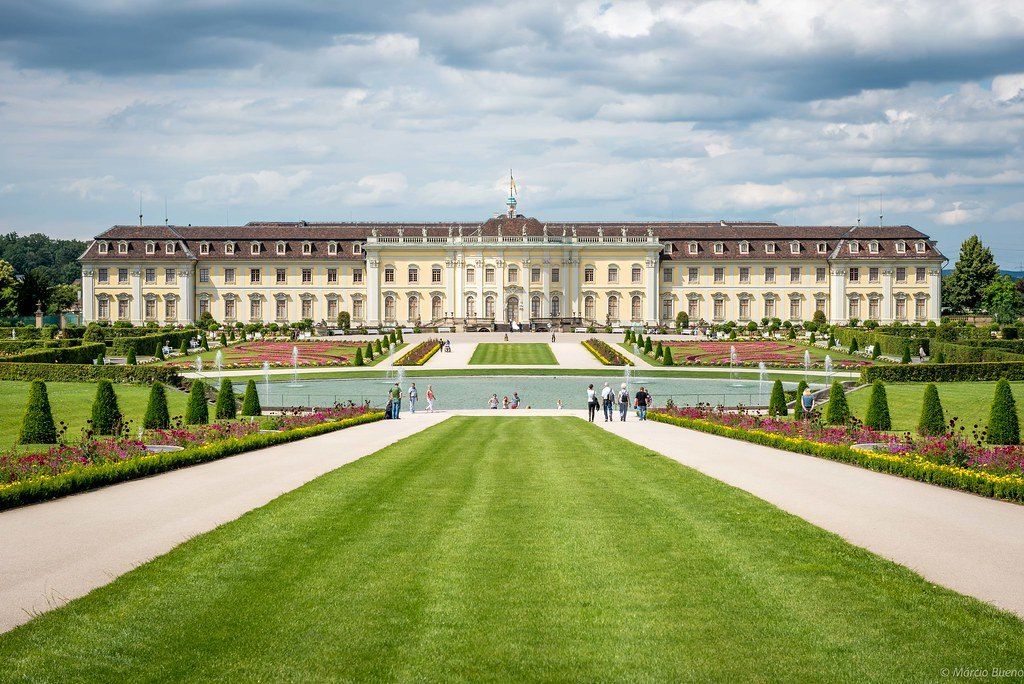
Stuttgart
## Description The **Ludwigsburg Residential Palace (Residenzschloss Ludwigsburg)** is one of Europe’s most magnificent Baroque palaces and a true masterpiece of royal architecture and design. Often referred to as the **“Swabian Versailles,”** it is the **largest preserved Baroque palace in Germany**, blending **Baroque, Rococo, and Neoclassical** styles across its sprawling complex. Construction began in **1704** under **Duke Eberhard Ludwig of Württemberg**, who envisioned a grand residence to reflect his power and sophistication. Over the next decades, the palace grew into a breathtaking ensemble of **18 buildings**, **452 rooms**, and vast gardens that stretch across **32 hectares**. Each wing and hall tells a different story of Württemberg’s history, art, and royal life. Inside, visitors can explore elaborately decorated **ballrooms, royal apartments, chapels, and galleries**, many of which remain in their original condition. Highlights include the **Marble Hall**, adorned with gilded stucco and crystal chandeliers; the **Baroque Gallery**, featuring masterpieces by European painters; and the **Ancient Theatre**, one of the oldest preserved court theaters in Europe still in operation. The palace is also home to **three museums**: the **Baroque Gallery (Barockgalerie)**, the **Fashion Museum (Modemuseum)** — showcasing 18th- to 20th-century European fashion — and the **Ceramics Museum**, which displays exquisite porcelain collections. A lesser-known fact is that during the **Napoleonic Wars**, the palace served as a temporary refuge for royalty and diplomats. Another interesting detail: the building narrowly escaped destruction during World War II, making it one of the few German palaces to survive fully intact. Today, it offers visitors a glimpse into over **300 years of royal life and European artistry**. The surrounding **Blooming Baroque Gardens (Blühendes Barock)** are a spectacle in their own right — a vibrant re-creation of Baroque landscaping, filled with fountains, sculptures, and floral displays that change seasonally. The gardens also include the **Fairy-Tale Garden (Märchengarten)**, a delightful attraction for children and families, where classic fairy tales come to life. ## Location The **Ludwigsburg Residential Palace** is located in the **city of Ludwigsburg**, about **15 kilometers (9 miles)** north of **Stuttgart**, in the **Baden-Württemberg** region of **southern Germany**. To get there: * **By train:** From **Stuttgart Hauptbahnhof (main station)**, take the **S4 or S5 S-Bahn** to **Ludwigsburg Station** (about 15–20 minutes). From there, it’s a **15-minute walk** or a short bus ride to the palace. * **By car:** Take the **A81 motorway** (exit Ludwigsburg-Süd or Ludwigsburg-Nord). Parking is available near the palace grounds. * **By guided tour:** Many Stuttgart-based tour operators offer day trips that include transportation, entry tickets, and guided tours of the palace and gardens. ## Tips * **Take a guided tour:** The palace is huge, and guided tours (available in English and German) provide deep insights into its history and hidden details. * **Explore the museums:** Don’t miss the **Fashion Museum** and **Baroque Gallery** — they’re both fascinating and included in the entry ticket. * **Visit the gardens:** The **Blühendes Barock** gardens are stunning in spring and summer, especially during the **pumpkin festival (Kürbisausstellung)** held from late August to early November. * **Plan for at least half a day:** The site is extensive — allow time to stroll through the interiors, gardens, and museums. * **Family-friendly attractions:** The **Fairy-Tale Garden** is a great spot for kids and adds a magical touch to the visit. * **Photography:** Indoor photography may require permission, but outdoor photography in the gardens is encouraged. * **Combine with nearby attractions:** Ludwigsburg’s charming old town and market square are within walking distance, and **Stuttgart** is easily reachable by train. ## Conclusion The **Ludwigsburg Residential Palace** stands as a living monument to the grandeur of Baroque Europe and the cultural legacy of Württemberg’s rulers. With its stunning architecture, ornate interiors, and beautifully preserved gardens, it offers visitors a rare chance to step into the royal world of the 18th century. Whether you come for its art, history, or seasonal festivals, Ludwigsburg is a destination that effortlessly combines **majestic beauty with historical authenticity**, making it one of Germany’s most rewarding cultural experiences. ## FAQ **1. When was the Ludwigsburg Palace built?** Construction began in **1704** under **Duke Eberhard Ludwig** and continued for several decades, evolving through different architectural styles. **2. How large is the palace?** The complex features **18 buildings and over 450 rooms**, making it the **largest Baroque palace in Germany**. **3. Can I visit the gardens separately?** Yes, the **Blühendes Barock gardens** can be visited separately and often host seasonal events, including flower shows and the famous **pumpkin festival**. **4. Are guided tours available in English?** Yes, English-language tours are offered regularly; check the official schedule in advance. **5. How long should I plan to spend there?** Most visitors spend **half a day to a full day** exploring the palace, gardens, and museums. **6. Is it suitable for children?** Absolutely — the **Fairy-Tale Garden** and open grounds make it enjoyable for families. **7. Is the palace open year-round?** Yes, though some outdoor events and gardens are seasonal. Indoor exhibitions are open year-round. ## Links * [Official Ludwigsburg Palace Website (Residenzschloss Ludwigsburg)](https://www.schloss-ludwigsburg.de/en)
GemVoyage Team • World
Brussels
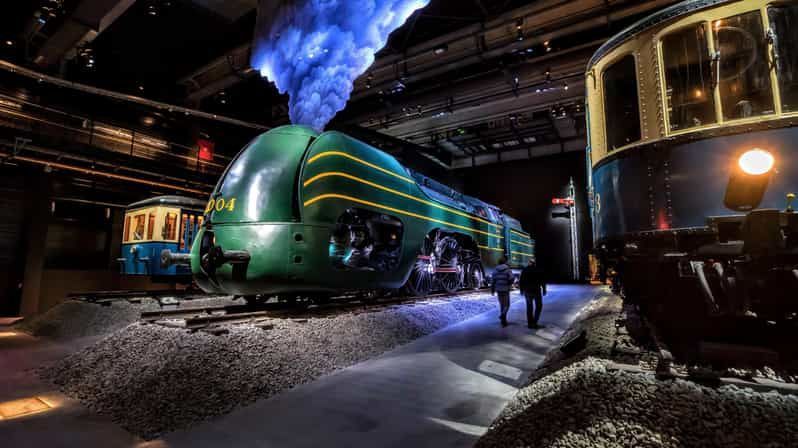
## Description Train World Museum is one of Brussels’ most distinctive museums because it turns rail history into a deeply immersive experience rather than a purely technical one. Located in the restored Schaerbeek railway station, the museum brings together locomotives, carriages, railway objects, design elements, and historical storytelling in a space that feels both monumental and accessible. For travelers who enjoy transport history, industrial heritage, or design, it is a standout attraction. Even for visitors who are not railway enthusiasts, the scale and presentation make it remarkably engaging. What makes Train World especially strong is how it balances spectacle and interpretation. You are not simply looking at engines behind barriers. You move through environments that explain the role of rail in Belgian life, the evolution of travel, and the aesthetics of the railway age. A lesser-known fact is that the museum occupies an architectural setting of real importance, since the station itself contributes to the atmosphere and historical context. Another detail many visitors find interesting is the way the museum uses lighting, layout, and display composition to make trains feel almost theatrical, which helps even casual visitors appreciate the engineering and cultural significance behind them. The collection includes both historic rolling stock and broader narratives about mobility, labor, and national development. That means the museum is not just about machines; it is about how railways reshaped cities, connected regions, and changed the way people moved through Europe. In Belgium, a country with a dense rail network and a deep industrial past, that story matters. Train World captures it in a way that feels serious without becoming dry. The museum also works well as a family stop because it offers enough visual drama to keep children interested while still rewarding adults who want historical context. It is one of those places where the experience is stronger than you may expect from the outside. ## Location Train World Museum is located in Schaerbeek, Brussels-Capital Region, Belgium, at the restored Brussels-Schaarbeek railway station. The site is northeast of central Brussels, making it easy enough to reach without being in the busiest tourist core. The station setting reinforces the museum’s subject matter and gives the visit a strong sense of place. The easiest way to reach Train World is by train, tram, or other public transport from central Brussels. Because it is a railway museum in a real railway station, arriving by rail is especially fitting and often the most straightforward option. Once you arrive, the museum is easy to navigate, and the surrounding area is manageable for a combined transport-and-history outing. It is a good idea to set aside enough time to move through the whole exhibition at a relaxed pace. The museum is richer when you let the sequence unfold naturally rather than rushing straight to the largest locomotives. ## Tips Allow at least two hours if you want to appreciate the museum properly. Go with children or transport enthusiasts if you can, but do not assume it is only for specialists. The presentation is strong enough for general visitors. Pay attention to the station architecture as well as the trains. The setting is part of the story. Check opening times in advance, especially if you are building it into a broader Brussels itinerary. If you enjoy design, photography, or industrial history, spend extra time with the details rather than rushing between the biggest exhibits. ## Conclusion Train World Museum is one of Brussels’ most impressive museums, combining railway heritage, architectural atmosphere, and thoughtful presentation. It is an excellent choice for travelers who want a museum that feels distinctive and memorable rather than generic. ## FAQ ### Is Train World only for train enthusiasts? No. It is enjoyable for anyone interested in history, design, transport, or immersive museum experiences. ### How much time should I plan? About 2 to 3 hours is a comfortable visit length for most people. ### Is it easy to reach from central Brussels? Yes. Public transport makes it straightforward, and arriving by train is especially appropriate. ### Is the museum suitable for families? Yes. The large-scale displays and varied presentation make it family-friendly and engaging for many age groups. ## Links - [Train World official site](https://trainworld.be/en/) - [Train World on Wikipedia](https://en.wikipedia.org/wiki/Train_World)
GemVoyage Team • World
Copenhagen
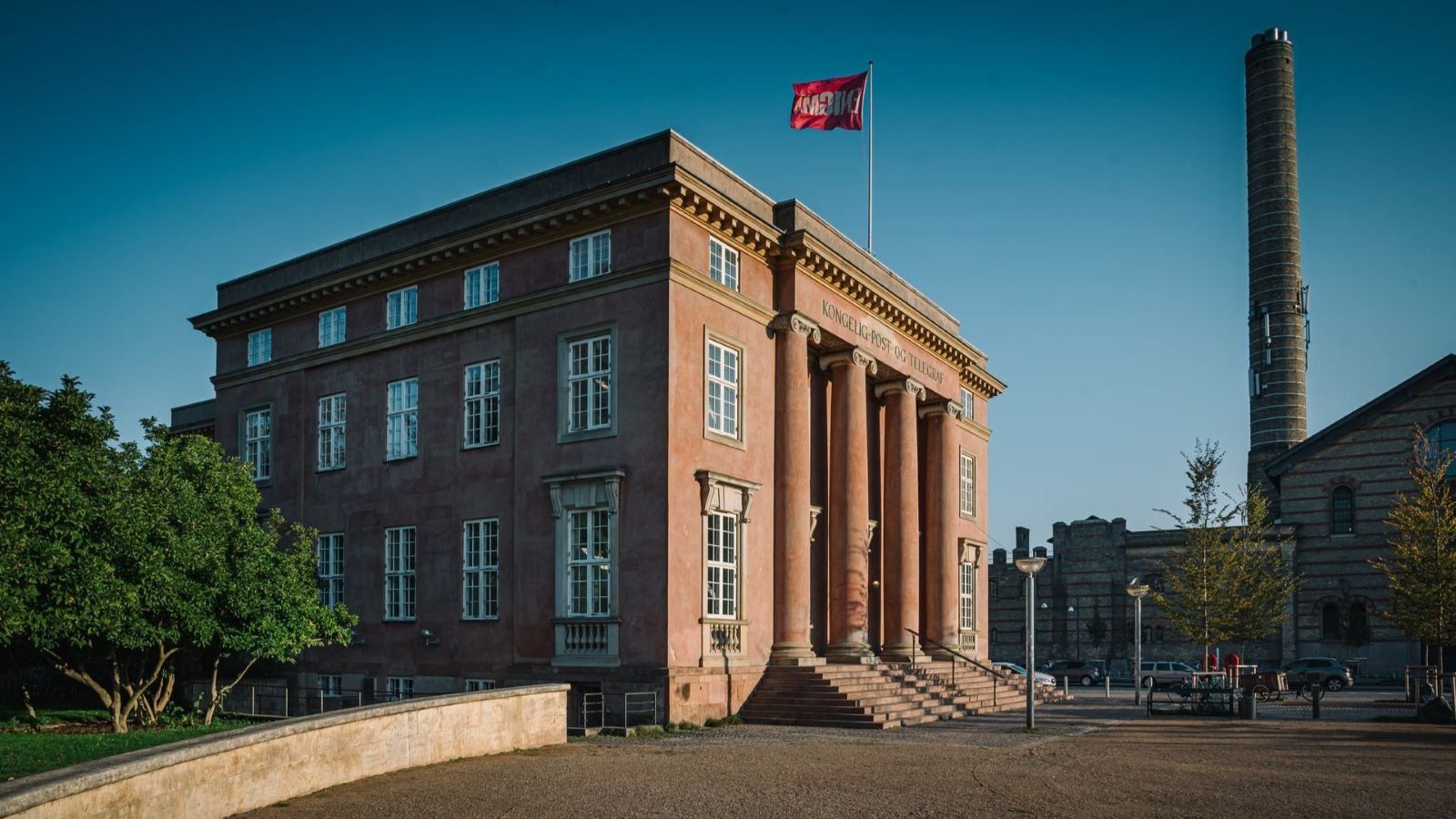
## Description The **ENIGMA – Museum for Post, Tele and Communication** is one of Copenhagen’s most modern and intellectually stimulating museums, dedicated not to ancient artifacts or royal history, but to **how humans have communicated across distance, time, and technology**. From handwritten letters and Morse code to mobile phones, surveillance systems, and digital culture, ENIGMA explores the **evolution of human connection in the age of information**. Unlike traditional technology museums that merely display machines behind glass, ENIGMA is designed as a **highly interactive, reflection-driven experience**. Visitors are encouraged not only to observe how communication tools work, but also to question the **social, political, and psychological consequences** of living in a hyper-connected world. Themes such as **privacy, propaganda, encryption, digital identity, surveillance, mass media, and misinformation** are central to the museum’s narrative. One of ENIGMA’s strongest features is its ability to turn abstract digital concepts into **physical, experiential installations**. Visitors can experiment with **cryptography systems**, explore how **data is tracked and monetized**, decode historical messages, and see how wartime intelligence shaped modern communication security. These hands-on elements make the museum engaging for both casual visitors and those with deeper interests in media studies, cybersecurity, or information technology. The museum also preserves a major historical legacy. ENIGMA is the institutional successor to Denmark’s former **Post & Tele Museum**, and it still houses one of Northern Europe’s most important collections of **telegraph machines, early telephones, switchboards, radios, and postal equipment**. These historical objects are seamlessly integrated into contemporary digital storytelling, allowing visitors to trace a clear technological timeline from **ink and paper to algorithms and artificial intelligence**. A powerful section of the museum focuses on **war communication and encryption**, including how coded messages, radio interception, and intelligence networks reshaped modern conflicts. This section directly references the global legacy of machines like the **Enigma cipher machine** (from which the museum takes its name), emphasizing how secrecy and communication control became decisive weapons of the 20th century. A little-known fact is that the museum is housed in a **former industrial building linked to Copenhagen’s old port and logistics infrastructure**, reinforcing its historical connection to information and transport networks. Another lesser-known detail is that ENIGMA regularly hosts **temporary exhibitions on digital ethics, social media behavior, and artificial intelligence**, meaning the content is constantly evolving rather than static. ENIGMA is not nostalgic about technology, nor blindly optimistic. Its central strength lies in how it frames communication as a **double-edged force**—one that enables freedom, creativity, and democracy, while also enabling manipulation, control, and surveillance. This intellectual balance makes the museum especially relevant in the modern era, where digital systems shape nearly every aspect of daily life. ## Location The **ENIGMA Museum of Communication** is located in the **Østerbro district of Copenhagen**, a residential and creative area near the city’s northern waterfront. **City:** Copenhagen **Region:** Capital Region of Denmark (Hovedstaden) **Country:** Denmark **District:** Østerbro ### How to Get There: * **By S-train:** Take **S-train lines A, B, C, or E** to **Svanemøllen Station**, then walk approximately 10 minutes. * **By bus:** Several bus routes stop near Østerbro and the Svanemøllen area. * **By bicycle:** Copenhagen’s bike infrastructure makes this one of the easiest ways to reach the museum. * **By taxi or ride-hailing apps:** A direct and convenient option from central Copenhagen. * **By car:** Limited parking is available; public transport is strongly recommended. Its location makes it easy to combine with **Østerbro cafés, waterfront walks, and beach visits at Svanemøllen Strand**. ## Tips * **Allow at least 2 hours:** The interactive nature of the museum requires time to explore properly. * **Read the digital ethics sections carefully:** These areas provide some of the museum’s most thought-provoking content. * **Great for teens and adults:** Younger children may find some sections abstract or text-heavy. * **Combine with a waterfront walk:** The nearby harbor and beach areas provide a perfect contrast after an intense museum visit. * **Check temporary exhibitions in advance:** These often focus on current digital issues like AI, surveillance, or social media. * **Visit on a weekday if possible:** Interactive stations are easier to access with fewer visitors. * **Not a quick “tourist” museum:** This is a reflective, idea-driven institution rather than a rapid sightseeing stop. * **English-friendly:** Most exhibits are available in both **Danish and English**. ## Conclusion The **ENIGMA Museum of Communication** is one of Copenhagen’s most intellectually relevant cultural institutions, offering a deep, interactive exploration of how **human connection, technology, power, and identity intersect**. By combining historical artifacts with digital-age questions about privacy, data, and surveillance, ENIGMA transforms communication from an invisible background process into a central force that shapes modern life. It is an essential stop for anyone who wants to understand not just how we communicate—but what that communication is doing to us. ## FAQ **1. What is the ENIGMA Museum about?** It focuses on the **history and impact of communication technologies**, from postal systems and telegraphs to digital surveillance and social media. **2. Is the museum only about old technology?** No. It strongly emphasizes **modern digital communication, cybersecurity, and media influence** alongside historical tools. **3. Is ENIGMA suitable for children?** It is best suited for **teenagers and adults**, as many themes involve abstract concepts like data ethics and surveillance. **4. How long does a visit usually take?** Most visitors spend **2 to 3 hours** exploring the exhibitions. **5. Is everything in Danish?** No. Most exhibits are available in **both Danish and English**. **6. Does the museum change its exhibitions?** Yes. It regularly hosts **temporary exhibitions** on emerging digital and communication topics. ## Links * [Official ENIGMA Museum Website](https://enigma.dk) * [Visit Copenhagen – Museums Guide](https://www.visitcopenhagen.com)
GemVoyage Team • World
Alexandria
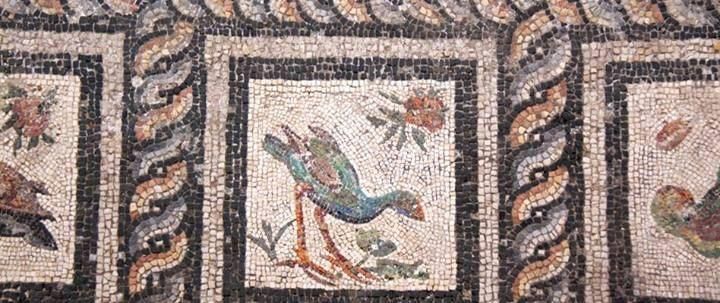
## Description The Roman Villa of the Birds is one of Alexandria’s most fascinating yet often overlooked archaeological sites. Discovered in the early 20th century, this Roman-era villa is renowned for its exceptionally well-preserved floor mosaics, particularly the famous mosaic depicting a variety of birds rendered with remarkable detail and realism. The site offers a rare glimpse into daily life, artistic taste, and luxury in Roman Alexandria, a city that once stood at the crossroads of Mediterranean civilizations. What makes the Roman Villa of the Birds unique is the quality and condition of its mosaics. Unlike many ancient floors that survive only in fragments, the bird mosaic remains largely intact, allowing visitors to appreciate the original composition as it was intended nearly two thousand years ago. The birds are shown in natural poses, each carefully identified by species, reflecting the Roman fascination with nature and decorative art. A little-known fact is that the villa likely belonged to a wealthy Roman official or merchant, as such elaborate mosaics were a clear symbol of status. Another lesser-known detail is that the site was deliberately reburied for protection for many years before being reopened, helping preserve the mosaics from environmental damage and urban expansion. Quiet and atmospheric, the Roman Villa of the Birds provides a more intimate encounter with Alexandria’s ancient past compared to larger, more crowded attractions. ## Location The Roman Villa of the Birds is located in **Egypt**, in the **Alexandria Governorate**, within the city of **Alexandria**. The site is situated in the Kom el-Dikka archaeological area, near other Roman-era remains such as theaters and bath complexes, in the central part of the modern city. Reaching the villa is relatively easy. Visitors can take a taxi from anywhere in Alexandria, as the site is well known among local drivers. Public buses and trams also operate nearby, though taxis are the most convenient option for first-time visitors. Since the site is close to other historical attractions, it is recommended to combine visits on foot once you arrive in the area. ## Tips * Visit earlier in the day to enjoy cooler temperatures and a quieter atmosphere. * Wear comfortable walking shoes, as the site includes uneven stone surfaces. * Take your time observing the mosaic details; binocular vision or zoom photography can help appreciate the craftsmanship. * Photography is usually allowed, but flash may be restricted to protect the mosaics. * Consider visiting nearby Kom el-Dikka ruins to gain broader context about Roman Alexandria. * Bring water and sun protection, especially during warmer months. ## Conclusion The Roman Villa of the Birds is a small but extraordinary archaeological site that highlights Alexandria’s Roman heritage through art rather than monumental architecture. Its beautifully preserved mosaics and calm setting make it a rewarding destination for history lovers and travelers seeking lesser-known cultural gems. ## FAQ **Why is the Roman Villa of the Birds famous?** It is best known for its highly detailed and well-preserved bird mosaic, considered one of the finest Roman mosaics in Egypt. **How long does a visit take?** Most visitors spend 30 to 60 minutes exploring the site and observing the mosaics. **Is the site suitable for children?** Yes, older children may find the artwork and history interesting, though supervision is recommended. **Is there an entrance fee?** Yes, a small entrance fee is usually required, with discounted rates for students. **Can I visit the villa year-round?** Yes, the site is generally open year-round, though hours may vary during holidays. ## Links * [Alexandria Tourism Information](https://www.experienceegypt.eg/en/city/27/alexandria)
GemVoyage Team • World
Tirana
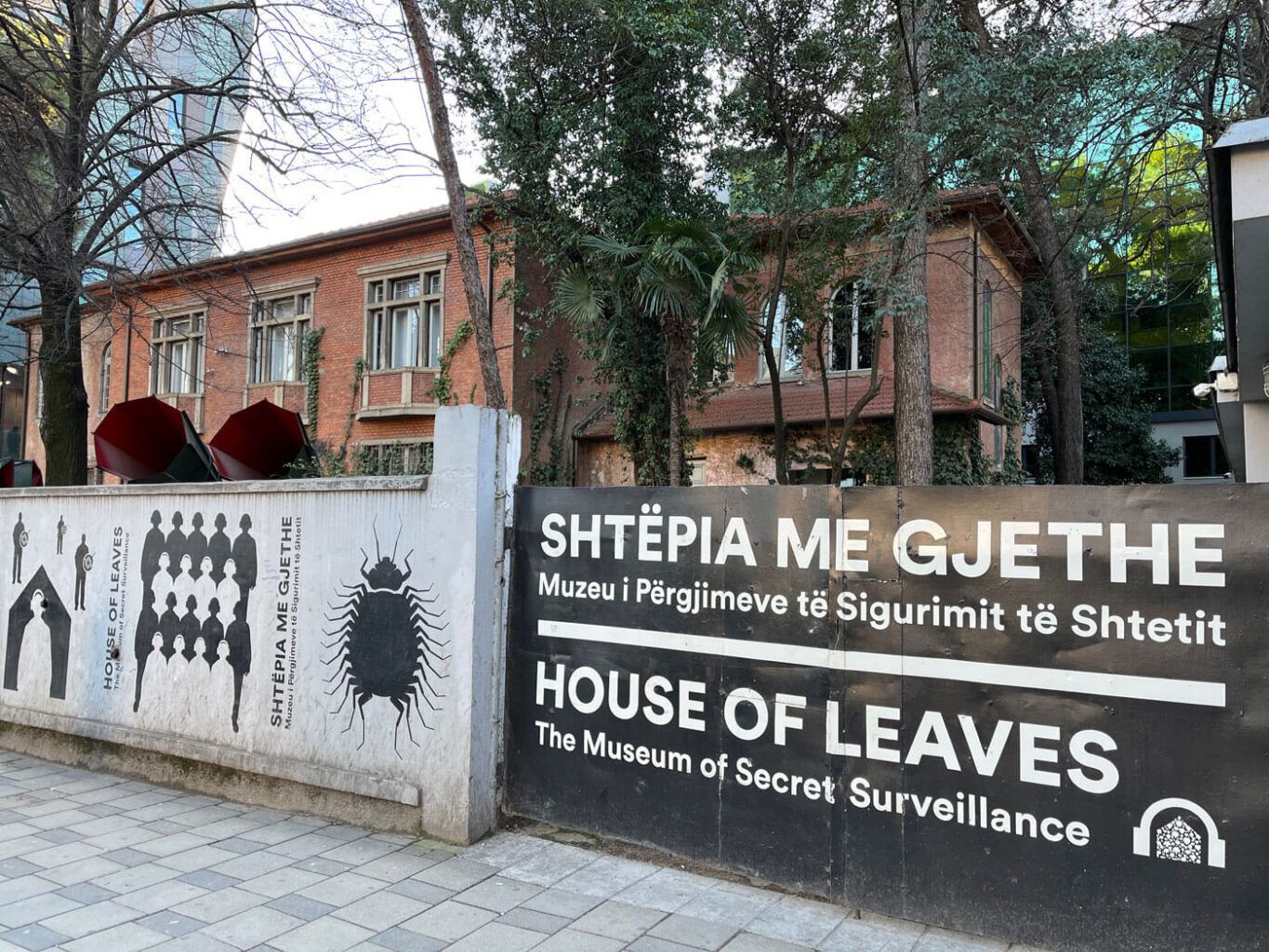
## Description The House of Leaves Museum is one of Tirana’s most important cultural and historical sites, especially for visitors who want to understand Albania beyond its visible city streets. Housed in a former surveillance center, the museum explores the structures of monitoring, secrecy, and political control that shaped life during the communist era. Its exhibits are unsettling in a quiet way, because the building itself carries the weight of the stories it presents. This is not a conventional “collection of objects” museum; it is an experience built around memory, silence, and context. What makes the House of Leaves unique is the way it uses space. Rather than only displaying information on panels, the museum lets visitors move through rooms that once served a hidden institutional purpose. That physical dimension makes the subject matter feel immediate. You are not just reading about surveillance; you are walking through the kind of environment where surveillance was organized. One lesser-known detail is that the building’s original role was concealed in plain sight for years, which is part of what gives the museum its name and atmosphere. Another important fact is that the museum’s significance reaches beyond Albania, because it speaks to a broader twentieth-century European history of state secrecy and political control. The museum is especially valuable for travelers who want more than a surface-level city visit. Tirana has a lively modern personality, but places like this help explain why the city’s present-day openness and creativity matter so much. The contrast between the museum’s restrained, serious tone and the bustling streets outside is one of the reasons it stays with visitors long after they leave. ## Location The House of Leaves Museum is in central Tirana, Albania, close to the main urban core and within easy reach of other downtown landmarks. Because it is centrally located, it can be included in a city walking route without requiring special transport. The easiest way to get there is on foot if you are already in central Tirana, or by taxi and local transport if you are staying farther out. Since the museum is part of a walkable area, combining it with nearby historical and administrative sites makes the most sense. If you are planning a broader day in the capital, pair it with Skanderbeg Square and other central attractions for a fuller picture of the city. ## Tips Give yourself enough time to read the exhibits carefully; this is a museum where the story matters as much as the objects. Visit with a calm pace rather than rushing through, because the experience depends on reflection. If you are unfamiliar with Albania’s recent history, a short background read beforehand can make the museum much more meaningful. Photography policies can vary, so check current rules before taking pictures inside. This is a strong choice for travelers who prefer historically significant sites over purely visual attractions. ## Conclusion The House of Leaves is one of Tirana’s most powerful museums, offering a serious and memorable encounter with the city’s recent past. ## FAQ ### Why is it called the House of Leaves? The name refers to the building’s hidden, layered character and the sense of concealment associated with its former use. ### Is the museum suitable for all visitors? Yes, but it is best for people interested in history, politics, and memory culture. ### How much time do I need? Most visitors should plan around one to two hours, depending on how closely they read the exhibits. ### Is the museum central? Yes, it is located in the center of Tirana and is easy to combine with a city walking tour. ### What should I expect inside? Expect a thoughtful, sometimes unsettling museum focused on surveillance, documentation, and the experience of living under authoritarian control. ## Links - [House of Leaves on Wikipedia](https://en.wikipedia.org/wiki/Museum_of_Secret_Surveillance)
GemVoyage Team • World