GemVoyage Team • World
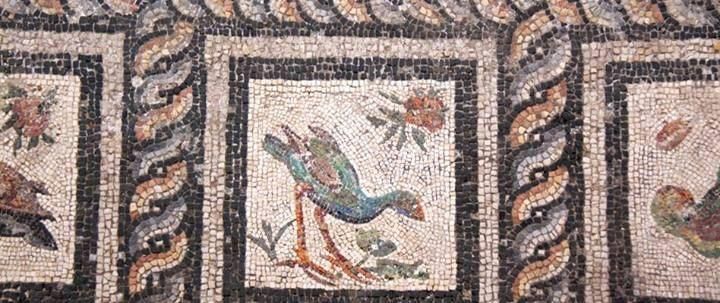
The Roman Villa of the Birds is one of Alexandria’s most fascinating yet often overlooked archaeological sites. Discovered in the early 20th century, this Roman-era villa is renowned for its exceptionally well-preserved floor mosaics, particularly the famous mosaic depicting a variety of birds rendered with remarkable detail and realism. The site offers a rare glimpse into daily life, artistic taste, and luxury in Roman Alexandria, a city that once stood at the crossroads of Mediterranean civilizations.
What makes the Roman Villa of the Birds unique is the quality and condition of its mosaics. Unlike many ancient floors that survive only in fragments, the bird mosaic remains largely intact, allowing visitors to appreciate the original composition as it was intended nearly two thousand years ago. The birds are shown in natural poses, each carefully identified by species, reflecting the Roman fascination with nature and decorative art. A little-known fact is that the villa likely belonged to a wealthy Roman official or merchant, as such elaborate mosaics were a clear symbol of status. Another lesser-known detail is that the site was deliberately reburied for protection for many years before being reopened, helping preserve the mosaics from environmental damage and urban expansion.
Quiet and atmospheric, the Roman Villa of the Birds provides a more intimate encounter with Alexandria’s ancient past compared to larger, more crowded attractions.
The Roman Villa of the Birds is located in Egypt, in the Alexandria Governorate, within the city of Alexandria. The site is situated in the Kom el-Dikka archaeological area, near other Roman-era remains such as theaters and bath complexes, in the central part of the modern city.
Reaching the villa is relatively easy. Visitors can take a taxi from anywhere in Alexandria, as the site is well known among local drivers. Public buses and trams also operate nearby, though taxis are the most convenient option for first-time visitors. Since the site is close to other historical attractions, it is recommended to combine visits on foot once you arrive in the area.
The Roman Villa of the Birds is a small but extraordinary archaeological site that highlights Alexandria’s Roman heritage through art rather than monumental architecture. Its beautifully preserved mosaics and calm setting make it a rewarding destination for history lovers and travelers seeking lesser-known cultural gems.
Why is the Roman Villa of the Birds famous?
It is best known for its highly detailed and well-preserved bird mosaic, considered one of the finest Roman mosaics in Egypt.
How long does a visit take?
Most visitors spend 30 to 60 minutes exploring the site and observing the mosaics.
Is the site suitable for children?
Yes, older children may find the artwork and history interesting, though supervision is recommended.
Is there an entrance fee?
Yes, a small entrance fee is usually required, with discounted rates for students.
Can I visit the villa year-round?
Yes, the site is generally open year-round, though hours may vary during holidays.
Discover more hidden gems you might love.

Tunis
## Description La Marsa Beach is a beloved coastal escape northeast of Tunis that combines Mediterranean charm with an approachable, local atmosphere. Far from the large resort complexes of some Mediterranean destinations, La Marsa offers a more neighborhood-oriented seaside experience: a promenade lined with cafés, bakeries, and small restaurants; stretches of sandy shore where locals swim and sunbathe; and scenic viewpoints that look across the blue Mediterranean. For visitors seeking a short seaside interlude from Tunis’s historic core, La Marsa is an ideal half-day or day-trip destination. The area’s allure stems from its balance of leisure and everyday life. Residents walk their dogs along the promenade, families picnic on the sand, and fishermen haul in their catches at dawn. This authentic feel makes La Marsa attractive to travelers who want to witness contemporary Tunisian coastal life, not just the staged beachfront experience. The neighborhood also contains pockets of cultural interest—small galleries, local bakeries serving traditional pastries, and seasonal markets—that reward time spent wandering. ## Location La Marsa is located along the Mediterranean coast, approximately a 20–40 minute drive from central Tunis depending on traffic. It is part of the larger Tunis metropolitan area and is commonly reached by taxi, rideshare, or regional train in combination with local buses. The promenade and main beach are clustered near the town center, making it easy to combine a seaside visit with cafés or a short walk through residential streets to see local homes and shops. For a relaxed day, arrive mid-morning to stroll the promenade, have a seaside lunch, and enjoy a late-afternoon walk as light softens over the water. If you want to swim, check local conditions—lifeguard presence and sea state vary by season and specific beach segments. ## Tips - Check tide and sea conditions before planning a swim day; calmer days are best for families and casual swimming. - Visit early in the day or later in the afternoon to avoid peak crowds and capture better light for photos. - Bring essentials: water, sun protection, and a towel—some smaller beaches do not have full-service rental facilities. - Sample local cafés and seafood restaurants along the promenade for a taste of Tunisian coastal cuisine. - Pair the beach with cultural stops: a short walk through La Marsa’s streets reveals bakeries, small galleries, and neighborhood markets. - If you prefer quieter spots, walk a little farther from the main promenade where smaller coves and rocky outcrops provide a calmer atmosphere. ## Conclusion La Marsa Beach is an ideal complement to a Tunis itinerary for visitors who want to add gentle sea air to a cultural visit. It offers an accessible, everyday Mediterranean experience that feels comfortably local—and it’s an excellent reminder that Tunisia’s coastline is as varied and alive as its historic medinas. ## FAQ ### Is La Marsa Beach good for a quick escape from Tunis? Yes. It’s one of the closest coastal escapes from the capital and works well for half-day or full-day visits without complicated logistics. ### Is La Marsa only a summer destination? No. While beachgoing peaks in summer, the promenade and cafés are pleasant year-round for walks and dining. ### What facilities are available? Facilities vary by spot: some stretches have cafés and basic rental services, while smaller coves may lack amenities—bring essentials if you’re unsure. ### How do I get there from central Tunis? Taxi or rideshare are the most direct options; regional trains and buses also connect the area but may require short onward transfers. ### Is La Marsa family-friendly? Generally yes—shallow water and promenade facilities make it suitable for families, though conditions vary by season and exact location. ## Links - [Wikipedia](https://en.wikipedia.org/wiki/La_Marsa)
GemVoyage Team • World
Taiwan
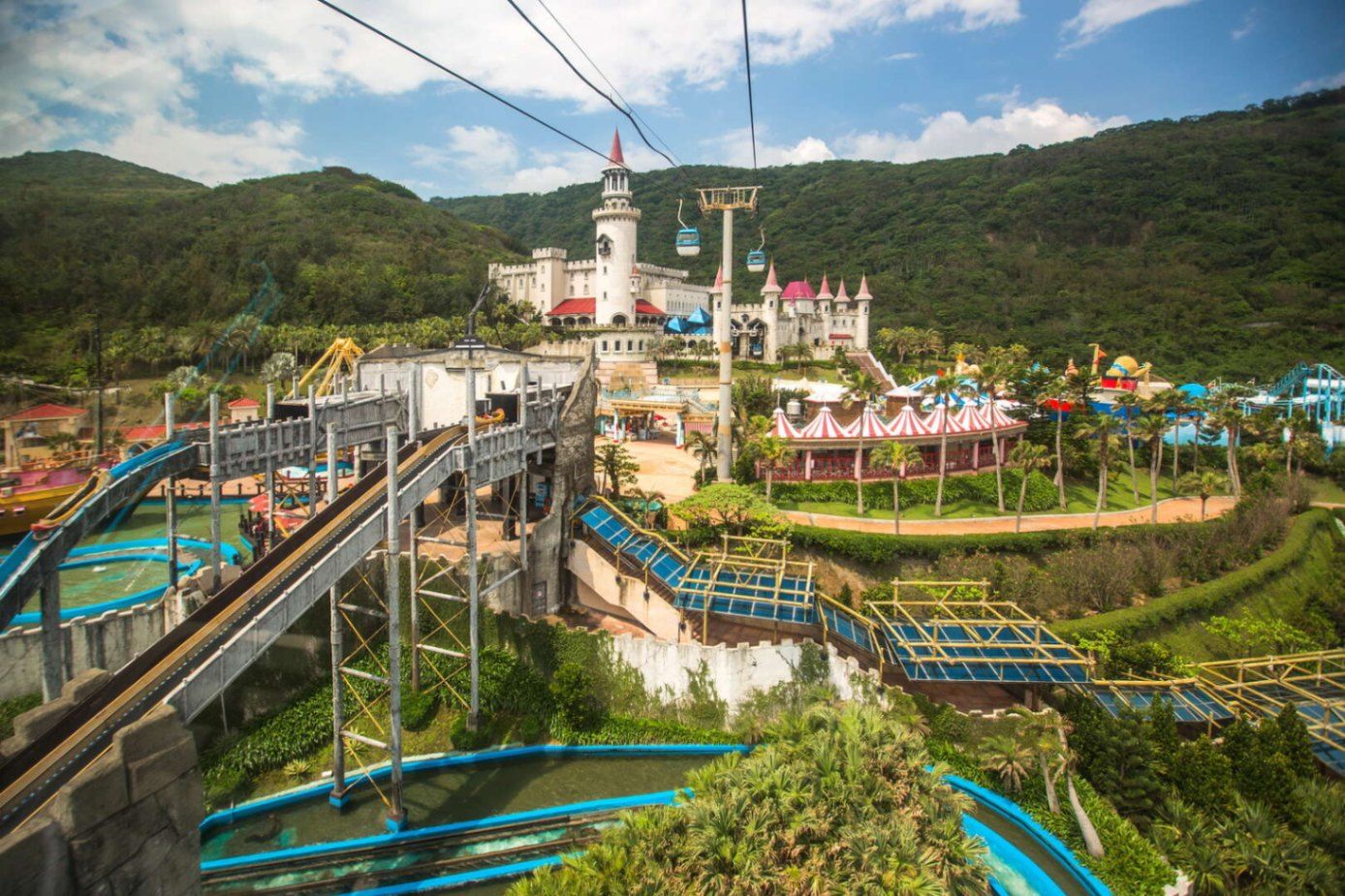
## Description **Farglory Ocean Park (遠雄海洋公園)** is Taiwan’s most prominent **marine-themed amusement park**, uniquely positioned on a **cliff overlooking the Pacific Ocean** near the city of Hualien. Unlike typical flatland theme parks, Farglory combines **high-altitude sea views, performance-based attractions, and family-oriented thrill rides** into a single destination where entertainment and ocean scenery merge into one continuous visual experience. Opened in **2007**, the park was designed to blend the excitement of a modern amusement park with the educational storytelling of marine life and ocean ecology. Rather than focusing solely on rides, Farglory emphasizes **live animal shows, interactive exhibits, aquarium tunnels, and water-based performances**, which give it a hybrid identity somewhere between a theme park and a marine discovery center. One of the defining features of Farglory Ocean Park is its **elevated position on coastal cliffs**, providing uninterrupted panoramic views of the Pacific. On clear days, visitors can watch waves crash far below while riding attractions located hundreds of meters above sea level. This geographical advantage gives the park an atmosphere unlike any other marine park in East Asia, where the ocean is not just a theme but a constant natural presence. The park is divided into several themed zones, including areas focused on **marine exploration, fantasy, adventure rides, and live entertainment**. Dolphin and sea lion performances are among its most popular attractions, carefully choreographed to combine education, humor, and athletic spectacle. The aquarium zones feature massive tanks with sharks, rays, and tropical fish, while tunnel walkways place visitors directly below swimming marine life. Beyond animals, Farglory also invests heavily in **aerial rides, roller coasters, river rapids, and rotating observation attractions**. Many of these rides take full advantage of the park’s cliffside location, creating the illusion that visitors are floating above the open ocean. This vertical relationship with the sea adds a psychological thrill even to moderate rides. A little-known fact is that Farglory Ocean Park was originally conceived as part of a larger coastal tourism transformation project for eastern Taiwan, intended to balance the heavy development of the west coast. Another lesser-known detail is that due to its seaside exposure, the park’s rides and structures are built with **enhanced corrosion-resistant materials** to withstand salt air and typhoon conditions, making maintenance far more complex than at inland parks. Emotionally, the park offers a dual experience. For children and families, it is colorful, loud, and filled with motion and music. For adults, it can feel unexpectedly cinematic, particularly at sunset, when the park’s observation decks and outdoor rides become framed by deep orange skies and dark blue ocean horizons. The contrast between artificial entertainment and raw nature is one of Farglory’s strongest unspoken features. ## Location **Farglory Ocean Park** is located near **Hualien City** on Taiwan’s **eastern coast**, facing the Pacific Ocean. **City:** Hualien **Region:** Eastern Taiwan **Country:** Taiwan **Area:** Shoufong Township (near Hualien City) ### How to Get There: * **By train:** Take a train from **Taipei, Taichung, or Kaohsiung to Hualien Station**. From Hualien Station, transfer to a shuttle bus, taxi, or local tour service to reach the park. * **By car:** Drive along Provincial Highway 11, which follows Taiwan’s eastern coastline. The route is scenic but winding. * **By tour bus:** Many visitors choose organized day tours from Hualien that include park admission and transport. * **By taxi or ride-hailing:** A convenient option from Hualien City, typically 20–30 minutes depending on traffic. Its coastal position makes the park a natural addition to a **Taroko Gorge and East Coast scenic road trip**. ## Tips * **Arrive early:** The park is large, and early arrival helps avoid long queues for top rides. * **Check weather forecasts:** The park is highly exposed to sun and wind. Poor weather can limit ride operations. * **Wear light, breathable clothing:** The coastal humidity can be intense in warmer months. * **Use park lockers:** Useful if you plan to go on water rides or attend splash shows. * **Follow show schedules:** Dolphin and sea lion performances have fixed times and fill up quickly. * **Hydration is essential:** Walking between zones involves long outdoor paths with limited shade. * **Ideal for families:** Thrill-seekers may find the ride selection moderate compared to major international theme parks. * **Stay in Hualien overnight:** One full day is enough for the park, but the surrounding natural attractions justify a longer stay. ## Conclusion **Farglory Ocean Park** stands at the intersection of **entertainment, marine education, and dramatic Pacific coast scenery**. Its elevated cliffside location transforms a conventional theme park into a panoramic ocean viewpoint layered with rides, shows, and aquarium experiences. While it may not compete with the world’s largest amusement parks in scale, it delivers something far rarer: **a theme park where the real ocean is always the main attraction**. ## FAQ **1. What type of park is Farglory Ocean Park?** It is a **marine-themed amusement park** that combines rides, animal shows, and aquarium exhibits. **2. Is Farglory Ocean Park suitable for young children?** Yes. It is **highly family-friendly**, with many attractions designed for children. **3. How long does a full visit usually take?** Most visitors spend **5 to 7 hours** to experience the park properly. **4. Does the park operate year-round?** Yes, but **ride availability may be limited** during typhoon season or severe weather. **5. Is the park accessible for non-Chinese speakers?** Yes. Basic signage and staff support are available in **English**, though detailed explanations may be in Chinese. **6. Is it better to visit independently or with a tour?** Independent visits offer flexibility, while **tours are easier for transport logistics**, especially for short stays in Hualien. ## Links * [Farglory Ocean Park Official Website](https://www.farglory-oceanpark.com.tw)
GemVoyage Team • World
Beijing
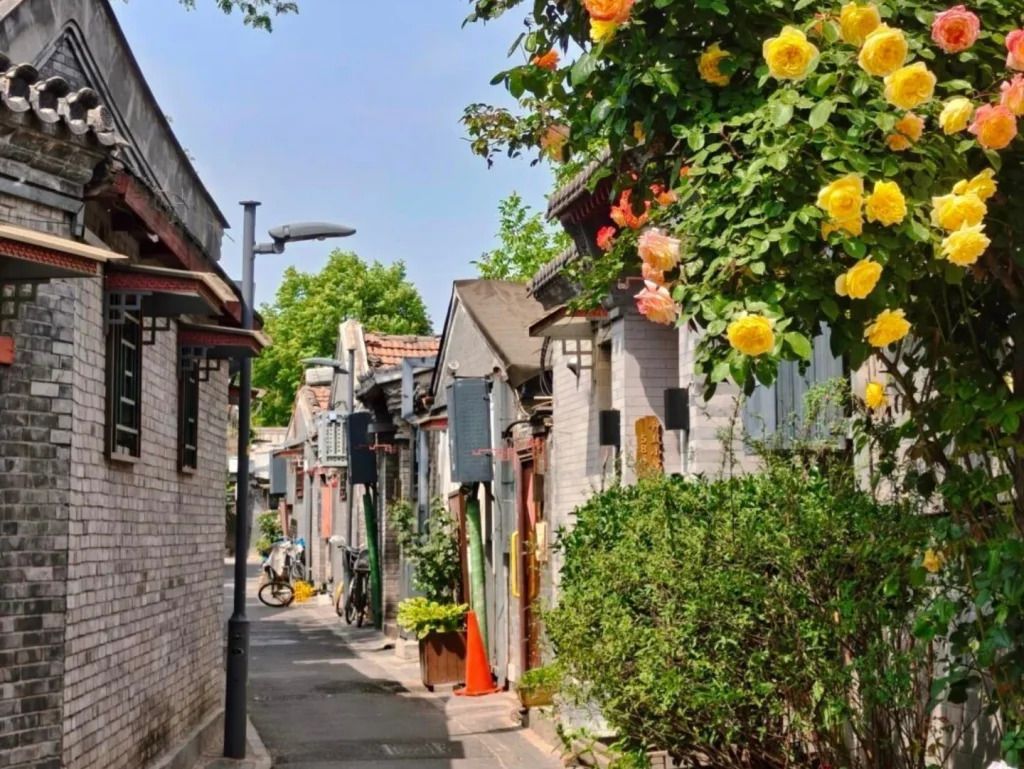
## Description Qinhuangdao Alley Hutongs, as a travel idea, points to one of Beijing’s most rewarding urban experiences: moving through the city’s traditional hutong lanes and seeing how historic residential fabric still shapes everyday life. Hutongs are not grand monuments in the usual sense. They are narrow lanes, courtyard-house networks, and neighborhood corridors that preserve a more intimate view of Beijing than the city’s large avenues and famous landmarks. That is exactly why they remain so compelling. They let visitors step into the scale of older Beijing, where community, domestic life, and street activity sit in close proximity. The appeal of the hutong experience lies in its texture. Instead of one single iconic object, you get layered details: gray brick walls, courtyard entrances, hand-painted signs, hidden cafés, neighborhood shops, bicycles, small temples, and the daily rhythm of residents going about ordinary routines. A lesser-known fact is that hutongs are not just tourist curiosities; they are living urban forms that have survived because they still support local life, even as some areas have changed dramatically. Another overlooked detail is that many of the most interesting hutong walks reveal small architectural differences from lane to lane, including gate styles, courtyard layouts, and adaptations made over time to fit modern use. If you are traveling in Beijing for the first time, hutongs can be one of the most useful experiences you choose because they explain the city in a human-scale way. They show how neighborhoods are organized, how people move, and how history remains present without always announcing itself loudly. Unlike large museums, the hutong district does not ask you to stand still. It invites you to wander, notice, and compare. That makes it especially rewarding for slow travelers, photographers, architecture lovers, and anyone who prefers atmosphere over checklist sightseeing. The name “Qinhuangdao Alley Hutongs” may be used locally or descriptively, but the broader experience belongs firmly to Beijing’s historic center. Rather than approaching it as a single fenced attraction, think of it as a neighborhood exploration. That mindset will help you appreciate it much more fully. ## Location The hutong experience is centered in Beijing Municipality, China, especially in the older districts of Dongcheng and Xicheng where historic lanes remain most visible. Depending on the exact lane or alley you plan to visit, you may be close to landmarks such as Shichahai, Nanluoguxiang, the Bell and Drum Towers, or other traditional neighborhoods. Because hutongs are embedded in the city’s fabric, their location is best understood as a district-level experience rather than a single destination pin. Getting there is usually easiest by subway, followed by a short walk. Beijing’s public transit network is efficient for reaching the historic core, and once you exit the station, the pleasure comes from entering the smaller lanes on foot. Taxis and rideshares are also practical, but traffic can make them slower than the metro during busy hours. If you prefer a more immersive approach, combine subway access with a walking route that allows for detours into side streets. Because the exact lanes can be harder to define than a single monument, it helps to visit with an open itinerary. Choose a starting point in a known hutong district and then let the side alleys guide your exploration. That approach usually produces the most interesting results. ## Tips Walk slowly. Hutongs reward attention to detail, and many of their best moments are found between the obvious sights. Respect private space. These are living neighborhoods, not theme park sets, so it is important to be considerate when taking photos or peering into courtyards. Visit at a comfortable time of day. Morning and late afternoon often feel more pleasant for walking, with softer light and a calmer pace. Combine the walk with food. Small noodle shops, tea spots, and casual eateries can turn a simple stroll into a much richer cultural experience. Do not try to “finish” the hutongs. The value is in wandering a manageable section well, not in covering everything. ## Conclusion The hutongs of Beijing offer one of the most atmospheric ways to understand the city. They are historic, living, and quietly beautiful, with enough variation to reward curiosity at every turn. For travelers who want Beijing beyond its headline monuments, this is an essential experience. ## FAQ ### What is a hutong? A hutong is a traditional Beijing alley or lane, usually linked to courtyard-house neighborhoods. The form reflects older patterns of urban life and remains an important part of the city’s identity. ### Are hutongs still inhabited? Yes. Many hutong areas are still lived in, even though some have been renovated, adapted, or repurposed for commerce and tourism. ### Is this more of a walking experience than a fixed attraction? Exactly. Hutongs are best understood as a walkable neighborhood environment rather than a single enclosed site. ### How long should I spend there? A focused walk might take 1 to 2 hours, but a more rewarding visit can easily stretch longer if you stop for food, tea, or photography. ## Links - [Hutong on Wikipedia](https://en.wikipedia.org/wiki/Hutong) - [Beijing official tourism](https://english.beijing.gov.cn/)
GemVoyage Team • World
São Paulo
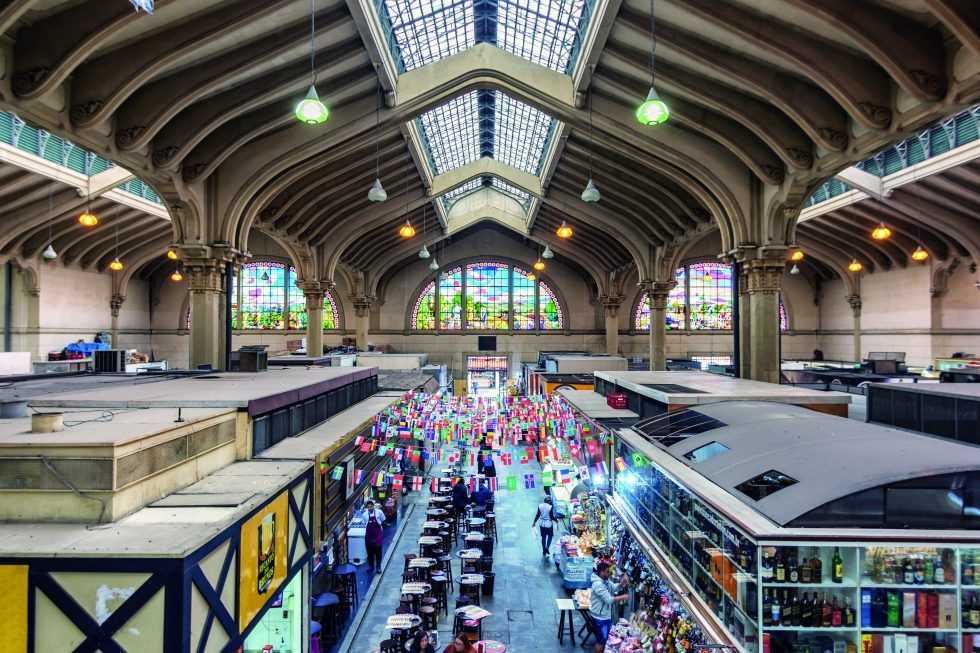
## Description Mercadão Municipal, or the Municipal Market of São Paulo, is one of the city’s most famous culinary landmarks and a destination that captures the energy of São Paulo in a single building. It is more than a market in the shopping sense; it is a place where food culture, commerce, architecture, and local identity collide. Travelers come for fruits, cheeses, spices, sandwiches, and the atmosphere of a bustling market hall that has long been part of the city’s everyday life. The market’s appeal lies in its combination of spectacle and practicality. On one level, it is a place where you can buy ingredients, taste regional specialties, and browse through stalls packed with produce and delicacies. On another level, it is an architectural and cultural experience, with a grand interior that makes the market feel significant beyond the transaction. The building’s scale and activity create a strong first impression, but the real charm comes from moving through the aisles, observing the vendors, and tasting what the stalls have to offer. One little-known fact is that the market has become famous not only for shopping but also for certain dishes that travelers now seek out as part of the São Paulo experience. The towering sandwich and generous pastel preparations associated with the market have turned it into a food destination in its own right. Another detail that visitors often notice is how strongly the market reflects the city’s diversity. The mix of products and culinary influences mirrors São Paulo’s broader identity as a metropolis built by migration, trade, and constant reinvention. Mercadão works especially well for travelers who like food tourism because it offers both immediate flavor and cultural context. You can snack, shop, and observe the market’s rhythm all at once. It is busy, colorful, and sometimes overwhelming in the best possible way. For many visitors, it becomes one of the most memorable food stops in the city precisely because it is so direct and unpretentious. ## Location Mercadão Municipal is in central São Paulo, Brazil, close to the city’s historic core and within reach of other downtown attractions. Its central location makes it convenient to reach by taxi, rideshare, metro, or bus depending on where you are staying. Because São Paulo traffic can be heavy, using public transit or a rideshare is often the easiest option for many travelers. If you are combining the market with a broader city itinerary, it fits well with downtown exploration, historic sites, and other central stops. The building itself is easy to identify, and once you are nearby, the surrounding energy makes the approach feel unmistakably urban. Many visitors plan the market as a lunch stop rather than a standalone excursion, which works well because food is the main draw. ## Tips Arrive hungry, but not without a plan. The market can be busy, and famous food stalls sometimes have lines. If you know you want to try a sandwich or other signature item, allow enough time so you do not feel rushed. Bring cash or be prepared for card use depending on the stall. Most established vendors handle modern payment methods, but it is still helpful to be flexible. Prices and portions can vary, so compare a little before committing. Watch your bag and belongings in crowded sections. This is a busy market in a major city, so basic urban awareness is sensible. The atmosphere is generally part of the fun, but attentiveness helps keep the visit smooth. Don’t only eat; look around. The produce, specialty items, spices, and architecture all contribute to the experience. If you have extra time, wander the aisles before deciding where to stop, because the market is richer when you let yourself explore first. ## Conclusion Mercadão Municipal is one of São Paulo’s essential food and culture stops, blending famous flavors with a lively market atmosphere. It is a great introduction to the city’s appetite, energy, and diversity. ## FAQ ### Is Mercadão Municipal worth visiting if I am not a foodie? Yes. Even beyond the food, the market offers atmosphere, architecture, and a strong sense of the city’s character. ### What should I try first? Many visitors look for the market’s most famous sandwiches and fruit stalls, but the best choice depends on your taste and appetite. ### Is it expensive? Prices vary by stall and product. You can find both casual snacks and more premium specialty items. ### How long should I stay? An hour or two is enough for a focused visit, though food lovers may want more time to browse and sample. ### Is it easy to reach from downtown? Yes. Its central location makes it a practical stop in most São Paulo itineraries. ## Links - [Wikipedia](https://en.wikipedia.org/wiki/Municipal_Market_of_S%C3%A3o_Paulo)
GemVoyage Team • World
Berlin
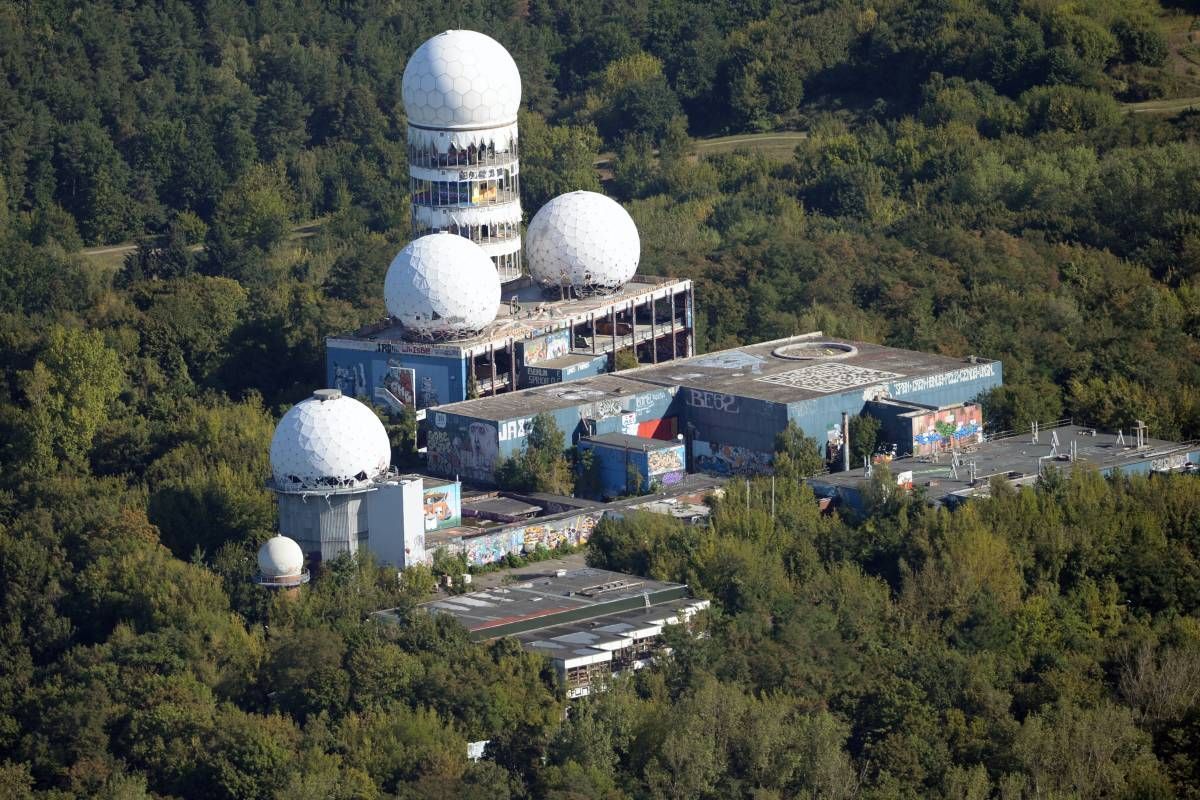
## Description Teufelsberg is one of Berlin's most unusual landmarks, combining Cold War history, postwar rubble, urban exploration energy, and large-scale street art. The hill itself was built from debris after World War II, which already makes it unusual in a city with so much layered history. On top of that artificial landscape stand the remains of an abandoned listening station that once played a role in intelligence monitoring during the Cold War. Today, the site has evolved into a destination for visitors who want a mix of history, raw architecture, and an atmosphere that feels unlike anything else in central Berlin. The site is especially appealing to people who enjoy places that are part ruin, part gallery, and part lookout point. The decaying domes and walls are covered with murals and tags that turn the space into a constantly changing outdoor canvas. A little-known fact is that Teufelsberg sits on what was once intended to be a Nazi military college, but the project never reached completion and the site eventually became part of Berlin's postwar transformation. That layered past gives the hill a strange and powerful presence. ## Location Teufelsberg is in the western part of Berlin, Germany, near the Grunewald forest. It is outside the dense historic center but still accessible by public transport followed by a short walk or bus ride. Because the hill is elevated and somewhat isolated within a wooded area, the journey feels more like leaving the city than simply crossing neighborhoods. That is part of its appeal. The most practical way to get there is by transit and walking, especially if you want to avoid parking concerns and enjoy the forest approach. Visitors should check opening times before going, since access can vary by season and event schedule. The site is best treated as a half-day trip rather than a quick stop. ## Tips - Wear sturdy shoes, because parts of the site are uneven and more rugged than a standard museum visit. - Bring cash or a payment method accepted on-site in case access fees or special exhibits apply. - If you like photography, go when the weather is clear so the skyline and street art stand out more sharply. - Plan for a combination of outdoor exposure and indoor-like enclosure, since the structures can feel windy and exposed. - Leave time to explore the surrounding forest paths if you enjoy a longer, more atmospheric visit. - Check ahead for guided tours or event days, since they can add context to the Cold War history. ## Conclusion Teufelsberg is a reminder that Berlin often turns difficult history into something creative and publicly accessible. The result is a place that feels rough, memorable, and deeply distinctive, especially for travelers who want more than postcard landmarks. ## FAQ ### Is Teufelsberg safe to visit? Yes, it is generally safe during normal visiting hours and in managed public areas. Because the terrain is uneven and partly ruined, visitors should stay alert and follow site rules. The main risk is usually physical footing rather than anything related to the site's history. ### Do you need a guided tour? You do not always need one, but a guided tour can make the experience much richer. The site has layers of history that are easy to miss if you only walk around on your own. If you are interested in espionage, architecture, or Berlin history, a tour is often worthwhile. ### How long should I spend there? One to two hours is enough for a basic visit, but art and history fans may stay longer. If you also want to walk in the forest or take photos from different viewpoints, plan for more time so the visit does not feel cramped. ### Is it good for photography? Yes, it is one of Berlin's more photogenic places because the ruins, murals, and views combine well. Overcast days can work nicely for moody shots, while clear days are best for skyline photographs. Either way, the textures are strong and visually rewarding. ### Why is Teufelsberg famous? It is famous because it combines a Cold War listening station, a man-made hill created from rubble, and a vivid street art scene. Few places in Berlin bring those three elements together so effectively, which is why it stands out among the city's more conventional attractions. ## Links - [Official website](https://teufelsberg-berlin.de/) - [Wikipedia](https://en.wikipedia.org/wiki/Teufelsberg)
GemVoyage Team • World
Brussels
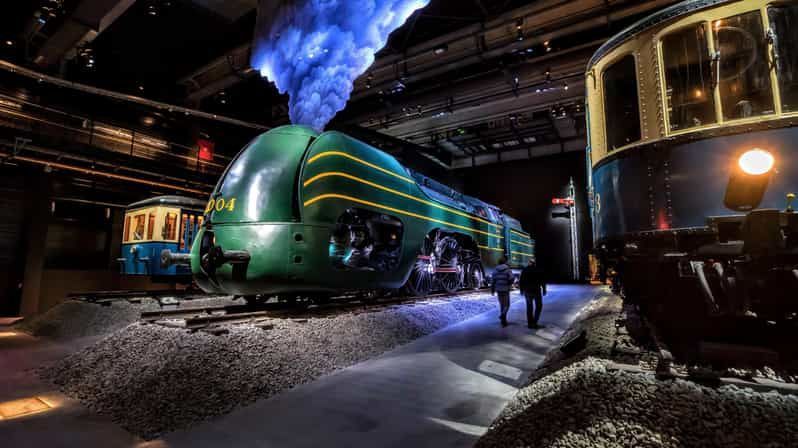
## Description Train World Museum is one of Brussels’ most distinctive museums because it turns rail history into a deeply immersive experience rather than a purely technical one. Located in the restored Schaerbeek railway station, the museum brings together locomotives, carriages, railway objects, design elements, and historical storytelling in a space that feels both monumental and accessible. For travelers who enjoy transport history, industrial heritage, or design, it is a standout attraction. Even for visitors who are not railway enthusiasts, the scale and presentation make it remarkably engaging. What makes Train World especially strong is how it balances spectacle and interpretation. You are not simply looking at engines behind barriers. You move through environments that explain the role of rail in Belgian life, the evolution of travel, and the aesthetics of the railway age. A lesser-known fact is that the museum occupies an architectural setting of real importance, since the station itself contributes to the atmosphere and historical context. Another detail many visitors find interesting is the way the museum uses lighting, layout, and display composition to make trains feel almost theatrical, which helps even casual visitors appreciate the engineering and cultural significance behind them. The collection includes both historic rolling stock and broader narratives about mobility, labor, and national development. That means the museum is not just about machines; it is about how railways reshaped cities, connected regions, and changed the way people moved through Europe. In Belgium, a country with a dense rail network and a deep industrial past, that story matters. Train World captures it in a way that feels serious without becoming dry. The museum also works well as a family stop because it offers enough visual drama to keep children interested while still rewarding adults who want historical context. It is one of those places where the experience is stronger than you may expect from the outside. ## Location Train World Museum is located in Schaerbeek, Brussels-Capital Region, Belgium, at the restored Brussels-Schaarbeek railway station. The site is northeast of central Brussels, making it easy enough to reach without being in the busiest tourist core. The station setting reinforces the museum’s subject matter and gives the visit a strong sense of place. The easiest way to reach Train World is by train, tram, or other public transport from central Brussels. Because it is a railway museum in a real railway station, arriving by rail is especially fitting and often the most straightforward option. Once you arrive, the museum is easy to navigate, and the surrounding area is manageable for a combined transport-and-history outing. It is a good idea to set aside enough time to move through the whole exhibition at a relaxed pace. The museum is richer when you let the sequence unfold naturally rather than rushing straight to the largest locomotives. ## Tips Allow at least two hours if you want to appreciate the museum properly. Go with children or transport enthusiasts if you can, but do not assume it is only for specialists. The presentation is strong enough for general visitors. Pay attention to the station architecture as well as the trains. The setting is part of the story. Check opening times in advance, especially if you are building it into a broader Brussels itinerary. If you enjoy design, photography, or industrial history, spend extra time with the details rather than rushing between the biggest exhibits. ## Conclusion Train World Museum is one of Brussels’ most impressive museums, combining railway heritage, architectural atmosphere, and thoughtful presentation. It is an excellent choice for travelers who want a museum that feels distinctive and memorable rather than generic. ## FAQ ### Is Train World only for train enthusiasts? No. It is enjoyable for anyone interested in history, design, transport, or immersive museum experiences. ### How much time should I plan? About 2 to 3 hours is a comfortable visit length for most people. ### Is it easy to reach from central Brussels? Yes. Public transport makes it straightforward, and arriving by train is especially appropriate. ### Is the museum suitable for families? Yes. The large-scale displays and varied presentation make it family-friendly and engaging for many age groups. ## Links - [Train World official site](https://trainworld.be/en/) - [Train World on Wikipedia](https://en.wikipedia.org/wiki/Train_World)
GemVoyage Team • World

Comments