GemVoyage Team • World
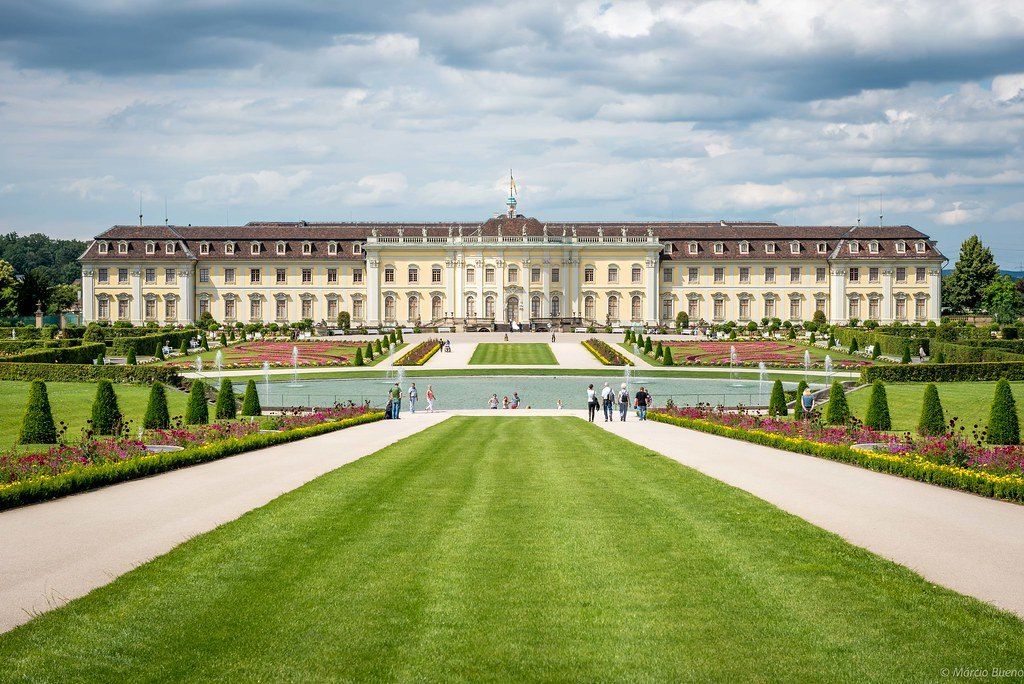
The Ludwigsburg Residential Palace (Residenzschloss Ludwigsburg) is one of Europe’s most magnificent Baroque palaces and a true masterpiece of royal architecture and design. Often referred to as the “Swabian Versailles,” it is the largest preserved Baroque palace in Germany, blending Baroque, Rococo, and Neoclassical styles across its sprawling complex.
Construction began in 1704 under Duke Eberhard Ludwig of Württemberg, who envisioned a grand residence to reflect his power and sophistication. Over the next decades, the palace grew into a breathtaking ensemble of 18 buildings, 452 rooms, and vast gardens that stretch across 32 hectares. Each wing and hall tells a different story of Württemberg’s history, art, and royal life.
Inside, visitors can explore elaborately decorated ballrooms, royal apartments, chapels, and galleries, many of which remain in their original condition. Highlights include the Marble Hall, adorned with gilded stucco and crystal chandeliers; the Baroque Gallery, featuring masterpieces by European painters; and the Ancient Theatre, one of the oldest preserved court theaters in Europe still in operation.
The palace is also home to three museums: the Baroque Gallery (Barockgalerie), the Fashion Museum (Modemuseum) — showcasing 18th- to 20th-century European fashion — and the Ceramics Museum, which displays exquisite porcelain collections.
A lesser-known fact is that during the Napoleonic Wars, the palace served as a temporary refuge for royalty and diplomats. Another interesting detail: the building narrowly escaped destruction during World War II, making it one of the few German palaces to survive fully intact. Today, it offers visitors a glimpse into over 300 years of royal life and European artistry.
The surrounding Blooming Baroque Gardens (Blühendes Barock) are a spectacle in their own right — a vibrant re-creation of Baroque landscaping, filled with fountains, sculptures, and floral displays that change seasonally. The gardens also include the Fairy-Tale Garden (Märchengarten), a delightful attraction for children and families, where classic fairy tales come to life.
The Ludwigsburg Residential Palace is located in the city of Ludwigsburg, about 15 kilometers (9 miles) north of Stuttgart, in the Baden-Württemberg region of southern Germany.
To get there:
The Ludwigsburg Residential Palace stands as a living monument to the grandeur of Baroque Europe and the cultural legacy of Württemberg’s rulers. With its stunning architecture, ornate interiors, and beautifully preserved gardens, it offers visitors a rare chance to step into the royal world of the 18th century. Whether you come for its art, history, or seasonal festivals, Ludwigsburg is a destination that effortlessly combines majestic beauty with historical authenticity, making it one of Germany’s most rewarding cultural experiences.
1. When was the Ludwigsburg Palace built?
Construction began in 1704 under Duke Eberhard Ludwig and continued for several decades, evolving through different architectural styles.
2. How large is the palace?
The complex features 18 buildings and over 450 rooms, making it the largest Baroque palace in Germany.
3. Can I visit the gardens separately?
Yes, the Blühendes Barock gardens can be visited separately and often host seasonal events, including flower shows and the famous pumpkin festival.
4. Are guided tours available in English?
Yes, English-language tours are offered regularly; check the official schedule in advance.
5. How long should I plan to spend there?
Most visitors spend half a day to a full day exploring the palace, gardens, and museums.
6. Is it suitable for children?
Absolutely — the Fairy-Tale Garden and open grounds make it enjoyable for families.
7. Is the palace open year-round?
Yes, though some outdoor events and gardens are seasonal. Indoor exhibitions are open year-round.
Discover more hidden gems you might love.
Córdoba
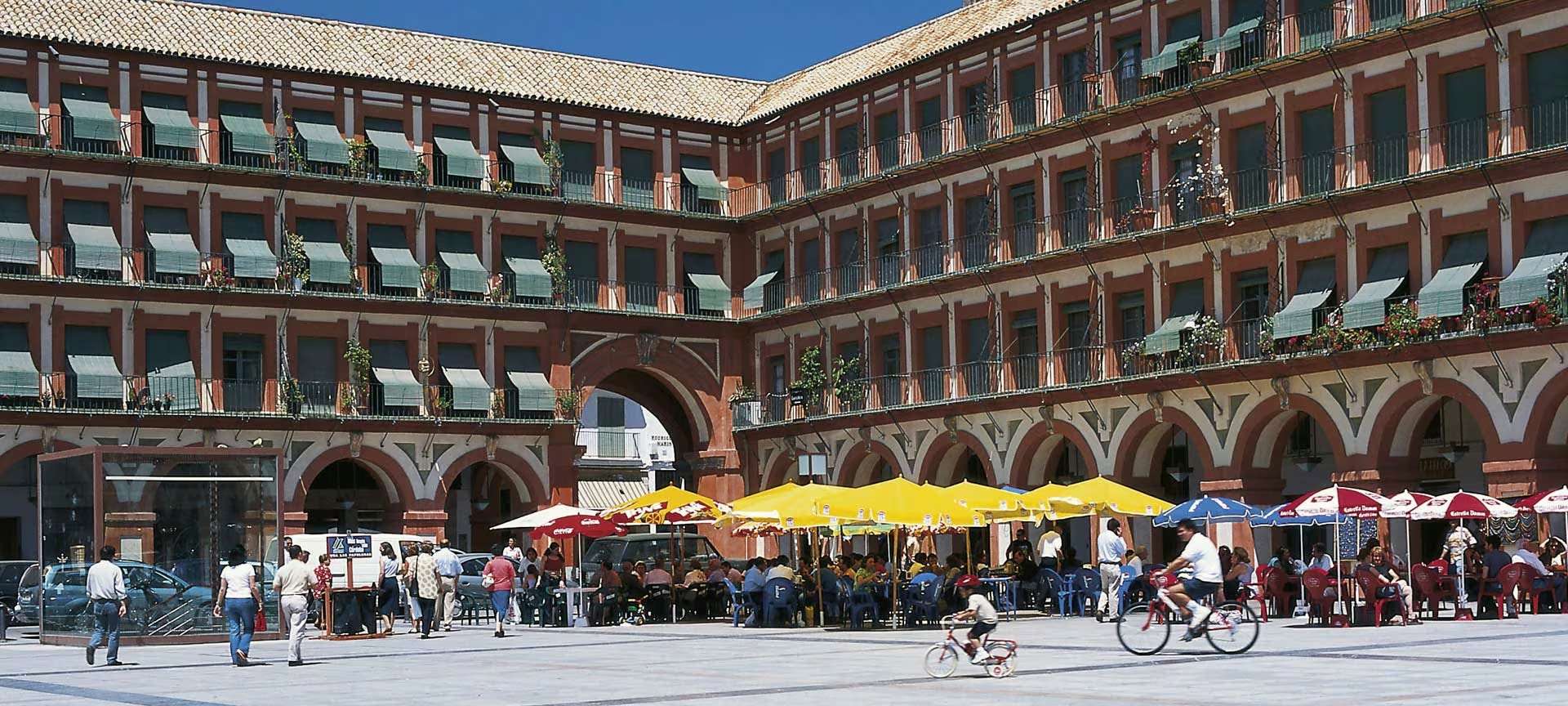
## Description Plaza de la Corredera is one of Córdoba’s most iconic and historically rich public squares, offering a unique blend of architectural charm, cultural legacy, and vibrant local life. Unlike other Andalusian plazas, Corredera stands out as the only rectangular main square in the region built in the Castilian style, reminiscent of Madrid’s Plaza Mayor. Its symmetry, arcaded buildings, and colorful facades make it a picturesque and inviting space for both locals and tourists. Constructed between 1683 and 1687 by architect Antonio Ramós Valdés, the plaza was commissioned by the city’s corregidor, Francisco Ronquillo Briceño. Over the centuries, it has served many purposes—from bullfighting arena and public market to a site for autos-da-fé and even executions during the Spanish Inquisition. Today, it’s a lively hub filled with cafés, restaurants, and artisan shops, where visitors can enjoy a coffee while soaking in the atmosphere. A little-known fact: during renovations in the 20th century, Roman mosaics were discovered beneath the plaza. These are now housed in the Alcázar de los Reyes Cristianos, offering a glimpse into Córdoba’s ancient past. Another curiosity is that two buildings in the square—the Mercado de Sánchez Peña and the Casas de Doña Ana Jacinto—predate the plaza itself and break its otherwise uniform architectural style. ## Location Plaza de la Corredera is located in **Spain**, in the **Andalusia region**, within the **city of Córdoba**. It sits in the historic Axerquía neighborhood, just a short walk northeast of the Mezquita-Catedral and the Roman Temple ruins. ### How to Get There - **By Foot**: If you're exploring Córdoba’s historic center, the plaza is easily reachable on foot from major landmarks like the Mezquita or the Jewish Quarter. - **By Bus**: Several city buses stop nearby, including lines 3 and 7. The closest stop is “San Andrés.” - **By Taxi**: Taxis can drop you off directly at one of the plaza’s entrances. - **By Car**: Parking in the historic center is limited. It’s best to park in a nearby garage and walk. Its central location makes it a perfect spot to pause and enjoy the city’s rhythm. ## Tips - **Visit in the Morning or Late Afternoon**: These times offer the best light for photography and a more relaxed atmosphere. - **Try Local Tapas**: The plaza is lined with bars and restaurants serving traditional Andalusian dishes—salmorejo, flamenquín, and local wines are must-tries. - **Look for the Mosaic Plaque**: A small plaque commemorates the Roman mosaics found beneath the square. - **Explore Nearby Attractions**: Combine your visit with stops at the Julio Romero de Torres Museum or the nearby Roman Temple. - **Attend a Local Event**: The plaza occasionally hosts concerts, markets, and festivals—check local listings for current events. - **Respect the Space**: While lively, the plaza is also a residential area. Be mindful of noise and local customs. ## Conclusion Plaza de la Corredera is a vibrant and historically layered square that captures the essence of Córdoba’s cultural and architectural heritage. Whether you're sipping coffee under its arcades or exploring its storied past, it offers a memorable and authentic experience in the heart of Andalusia. ## FAQ **1. Is Plaza de la Corredera free to visit?** Yes, the plaza is a public space and open to all visitors at no cost. **2. What is the best time to visit the plaza?** Spring and autumn offer pleasant weather and fewer crowds. Early morning and late afternoon are ideal for photography. **3. Are there guided tours available?** Yes, many walking tours of Córdoba include the plaza as a stop, often with historical commentary. **4. Is the plaza wheelchair accessible?** Yes, the square is flat and accessible, though some surrounding streets may have cobblestones. **5. Can I eat at the plaza?** Absolutely. There are numerous cafés and restaurants with outdoor seating. **6. Is it safe to visit at night?** Yes, the plaza is generally safe and well-lit, though it’s always wise to stay aware of your surroundings. ## Links - [Plaza de la Corredera – Spain.info Overview](https://www.spain.info/en/places-of-interest/plaza-corredera/) - [Plaza de la Corredera – Wikipedia Entry](https://es.wikipedia.org/wiki/Plaza_de_la_Corredera)
GemVoyage Team • World
Hong Kong
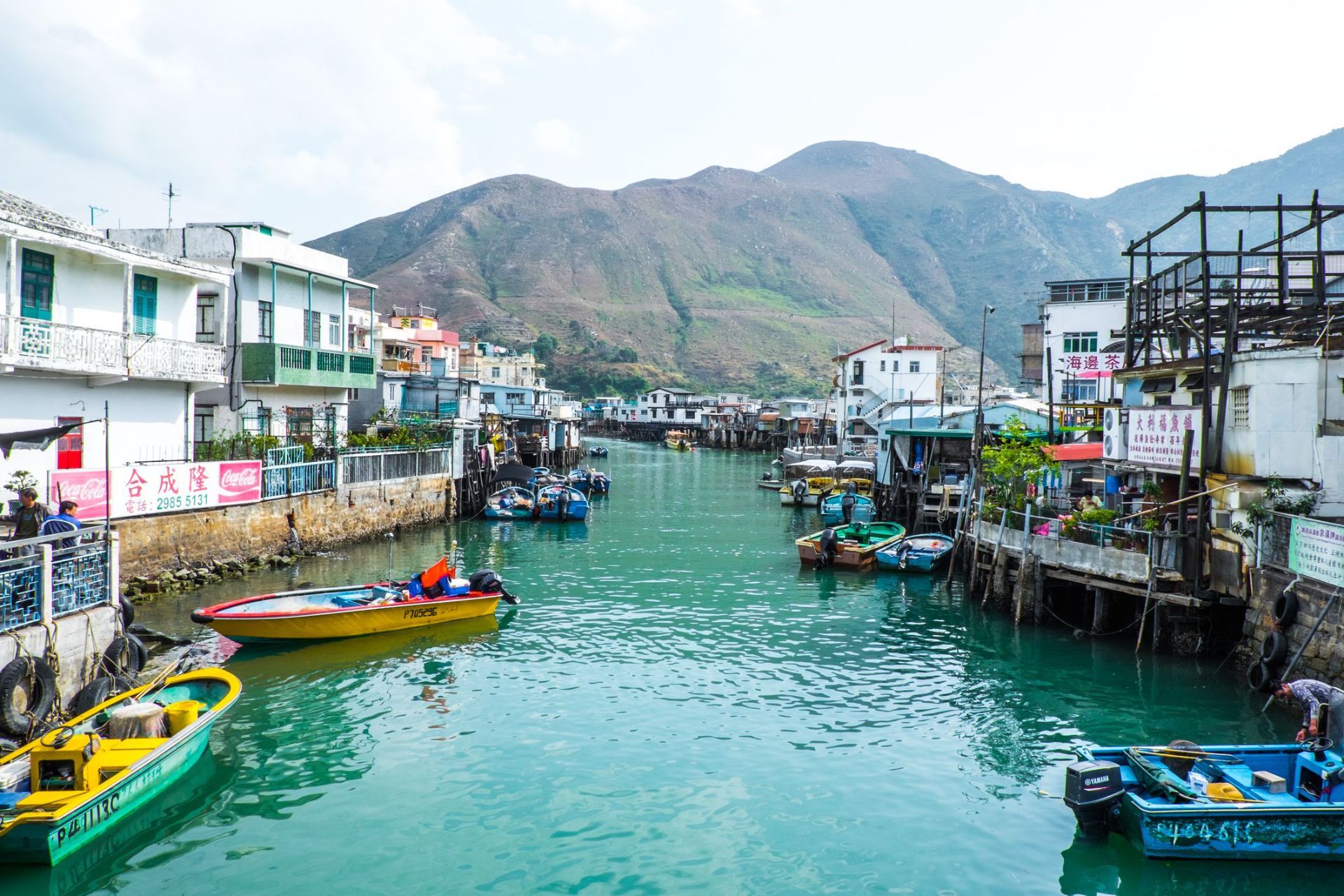
## Description Tai O Fishing Village is one of the most atmospheric places in Hong Kong because it preserves a way of life that feels very different from the city’s skyscraper identity. Located on the western side of Lantau Island, Tai O is known for its stilt houses, narrow waterways, fishing heritage, and the sense that time moves more slowly here than in Hong Kong's urban core. For travelers looking for a place that combines cultural history, coastal scenery, and a strong local character, Tai O delivers all three in a single visit. The village is especially distinctive because it has kept much of its fishing-community layout, even as Hong Kong developed around it. The stilt houses, built above tidal waters and connected by wooden walkways, create a visual landscape that is unique in the region. Boat traffic still matters here, seafood is still central to the local economy, and the village still feels shaped by the rhythms of sea and tide. In the early morning, Tai O can feel hushed and contemplative. Later in the day, it becomes more animated as day visitors arrive, shops open, and boats move in and out of the channels. A little-known fact is that Tai O has long been associated with salt production and trade, not just fishing. Another detail many visitors miss is the old village fortifications and temple structures that reflect how communities once protected themselves from pirates, storms, and the uncertainties of coastal life. The area is therefore not simply picturesque; it is historically layered and reveals a deeper story about how people adapted to Hong Kong's shoreline before modern development changed the coastline. The food here is another major reason to visit. Dried seafood, shrimp paste, sweet treats, and simple local dishes are part of Tai O’s identity, and they help visitors understand how the village economy worked for generations. Even if you only spend half a day here, Tai O can feel like a complete change of pace from the rest of Hong Kong, offering a mixture of water, heritage, and community that is increasingly rare. ## Location Tai O Fishing Village is on the western side of Lantau Island in the Hong Kong Special Administrative Region of China. It sits in the Islands District, far from the dense business cores of Hong Kong Island and Kowloon, which is part of what preserves its quieter character. Because it is not on a major rail line, getting there takes a little planning, but that is also what helps keep the area special. The usual route is to travel by MTR to Tung Chung and then continue by bus toward Tai O. This combination is the most practical for most visitors and gives you a smooth connection from the city’s main transport network. Ferries and cable car routes may also be part of a longer day trip if you are combining Tai O with other parts of Lantau Island. If you prefer a more relaxed pace, many travelers visit as part of a full-day itinerary that includes Ngong Ping and the Big Buddha before continuing to Tai O in the afternoon. Once you arrive, much of the village is best explored on foot, though local boat rides are a memorable way to see the stilt houses from the water. Because the village is compact, it is easy to cover the main areas without rushing, but you should allow extra time for food stops, photographs, and slow wandering. ## Tips Visit early in the day or late in the afternoon if you want softer light and fewer crowds. Midday can be busy, especially on weekends and public holidays, and the village is at its best when you can move slowly and take in the details. Take a boat ride if your schedule allows. Seeing Tai O from the water gives you a better sense of how the stilt houses, waterways, and fishing infrastructure fit together. It also helps explain why the village developed the way it did. If you only walk the streets, you still get a strong impression, but the boat perspective adds depth. Try local snacks and dried seafood, but do so with curiosity rather than haste. Many travelers rush through Tai O, take a few photos, and leave without understanding the food culture that has shaped the village for years. Sampling something local makes the visit more meaningful. Wear comfortable shoes and bring sun protection. Tai O is relatively easy to walk, but the experience is more enjoyable when you are prepared for heat, humidity, and a fair amount of time outdoors. If the weather looks unstable, check conditions before you go, since coastal villages are more sensitive to storms and heavy rain. ## Conclusion Tai O Fishing Village offers a rare glimpse of Hong Kong's coastal past, with stilt houses, local food, and a slower rhythm that gives the village a memorable sense of place. ## FAQ ### Why is Tai O famous? Tai O is famous for its stilt houses, fishing heritage, scenic waterways, and its reputation as one of the last traditional fishing villages in Hong Kong. ### How long should I spend in Tai O? Most visitors spend half a day to a full day, depending on whether they plan to add boat rides, food stops, or nearby Lantau attractions. ### Is Tai O easy to reach from central Hong Kong? It takes some planning, but it is straightforward by taking the MTR to Tung Chung and then continuing by bus. ### What should I eat in Tai O? Try local seafood snacks, dried seafood products, and village specialties from small shops and street-side vendors. ## Links - [Discover Hong Kong](https://www.discoverhongkong.com/) - [Wikipedia article](https://en.wikipedia.org/wiki/Tai_O)
GemVoyage Team • World
Milan
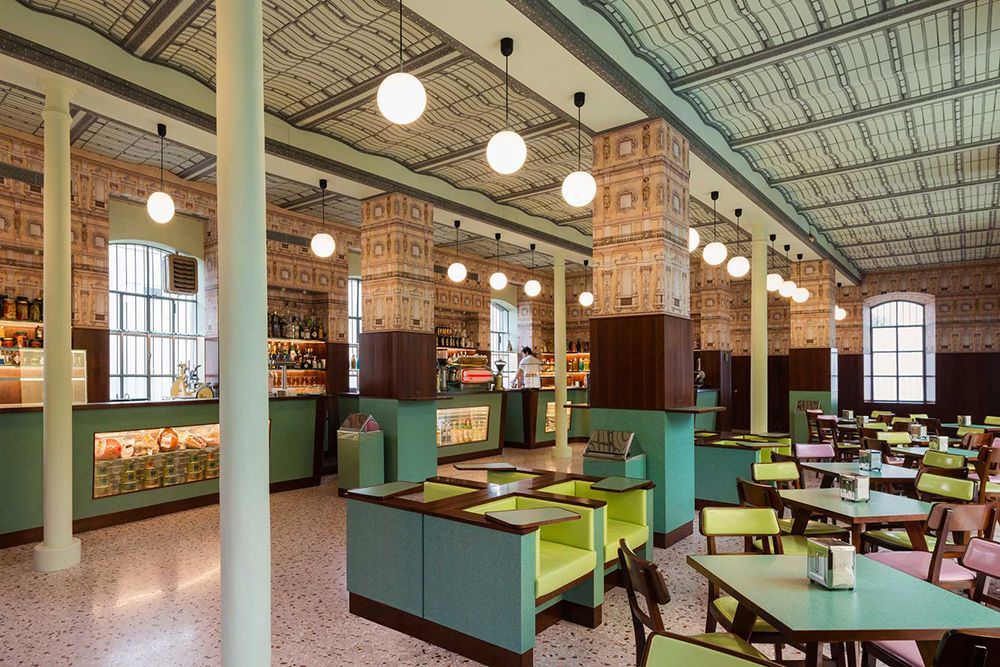
## Description Fondazione Prada is one of Milan’s most compelling cultural destinations because it transforms the idea of a museum into a broader artistic environment. Rather than presenting art in a neutral white box, it brings together exhibition spaces, architecture, cinema, hospitality, and urban transformation in a way that feels highly Milanese: design-driven, ambitious, and outward-looking. The complex is famous for its mix of old industrial structures and new architectural interventions, and that contrast is central to the experience. It is not just a place to view art. It is a place to move through ideas. The foundation is especially attractive to travelers who appreciate contemporary art, architecture, and thoughtful curation. One of its most notable features is the way the old distillery buildings and the new additions sit together without erasing each other. A little-known fact is that the complex includes the striking golden building often called the Haunted House, which is visually unforgettable and not at all shy about making an impression. Another detail visitors may miss is how carefully the site is organized to encourage lingering. You can shift from exhibition spaces to café areas, to outdoor courtyards, to the cinema program, which makes the visit feel more like entering a cultural district than entering a single institution. Fondazione Prada stands out because it helps explain Milan’s current identity. The city has long been important in fashion and design, but here those strengths are translated into a broader cultural ambition. The exhibitions often engage with international art, theory, and contemporary practice, while the architecture itself becomes part of the argument. For many visitors, that makes the foundation one of the city’s most memorable modern experiences, especially if they want to balance Milan’s historic monuments with something more experimental. ## Location Fondazione Prada is located in the Largo Isarco area of southern Milan, Lombardy, Italy. It is not in the very center of the tourist district, but it is still easy to reach by public transport. Metro and tram connections make the trip manageable, and many visitors arrive by taxi or rideshare if they are short on time. Because the foundation sits in a developing cultural and residential zone, the arrival experience feels slightly different from the grand central avenues of Milan. That difference is part of the appeal. The best way to plan a visit is to give it a dedicated block of time rather than trying to squeeze it between other sights. If you are interested in art and architecture, you will likely want a few hours. If you also want to eat or drink on site, plan even longer. It is a destination that rewards unhurried exploration and works especially well for travelers who want a contemporary counterpart to Milan’s historic churches, palaces, and shopping streets. ## Tips - Check the current exhibition schedule before you go, because the experience changes with the program. - Allow enough time to move between buildings rather than rushing from one room to the next. - Visit the café or bar if you want a full sense of the atmosphere, not just the galleries. - Photography enthusiasts should pay attention to the architecture as much as the art. - Pair it with a nearby modern or design-focused itinerary for a fuller Milan experience. - If you are interested in architecture, go with the expectation that the building is part of the exhibition. ## Conclusion Fondazione Prada is one of Milan’s strongest contemporary cultural landmarks. It combines art, architecture, and atmosphere in a way that feels both sophisticated and accessible to curious visitors. ## FAQ ### Is Fondazione Prada only for art experts? No. It is accessible to general visitors, although those with an interest in contemporary art will get the deepest experience. ### How long should I spend there? At least two hours is sensible, and longer if you want to explore exhibitions and amenities fully. ### Is the architecture important here? Very much so. The architecture is a major part of what makes the site distinctive. ### Can I visit without a guided tour? Yes. Most visitors explore independently and use the signage and exhibition materials on site. ## Links - [Official website](https://www.fondazioneprada.org/) - [Wikipedia](https://en.wikipedia.org/wiki/Fondazione_Prada) - [Milan tourism information](https://www.yesmilano.it/en)
GemVoyage Team • World
Venice
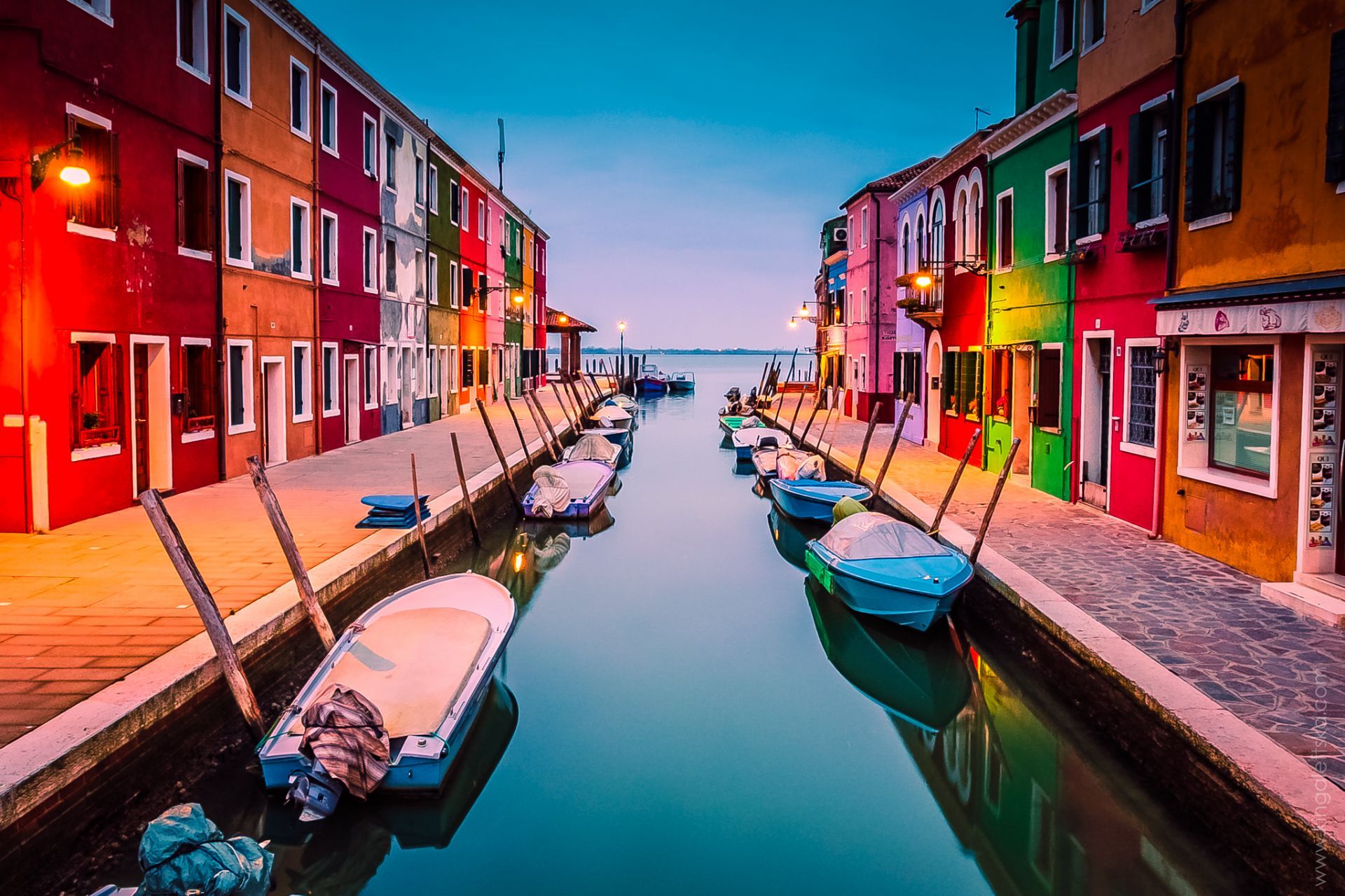
## Description Burano is one of the most visually unforgettable islands in the Venetian lagoon, famed for its brightly painted houses, calm canals, and enduring lace-making traditions. The island's sensory appeal is immediate: a stroll down almost any narrow calle reveals rows of color that complement the water's subtle reflections and the pace of daily life. Yet Burano never feels solely staged for photography—its charm comes from a lived-in quality that keeps facades, fishermen's histories, and family-run ateliers central to the experience. The island's palette also has a practical origin: fishermen historically painted homes in vivid colors so they could recognize them through fog and across the lagoon. That practical method became a cultural identity, and today the colors are protected by local rules and customs. Lace-making, another deep-rooted craft, once supported a vibrant export economy and still distinguishes Burano through small workshops and boutique stores where artisans demonstrate traditional techniques. Together, color and craft make Burano an excellent case study in how domestic life, maritime economy, and tourism can coexist. Visitors often report that Burano rewards slowness: the best discoveries happen on a side street or in a shop where a single artisan is stitching lace at a tiny table. For photographers and culture-minded travelers alike, Burano offers a compact, walkable experience that can be comfortably explored in a half-day or extended into a full day trip with nearby islands. ## Location Burano lies northeast of Venice in the Venetian Lagoon, connected by regular vaporetto (public boat) services from Venice and other islands. The boat journey is part of the attraction: approaching Burano across open water sets the right tone and helps explain the island's maritime character. Most visitors combine Burano with neighboring Torcello or Murano to make the transit more rewarding and to see contrasting island identities. Practical routing: take a vaporetto line that serves Burano directly from Venice's Fondamenta Nove or from other lagoon stops. During high season, expect more frequent services; in shoulder seasons, check schedules in advance. ## Tips - Bring a camera but spend time away from the main canals to find quieter compositions and authentic scenes. - Visit early in the day to avoid crowds and to catch softer morning light that flatters the painted facades. - Combine Burano with Torcello for a fuller island itinerary that mixes vivid color with serene archaeology. - Support artisan shops by purchasing small lace souvenirs or stopping for coffee in a family-run cafe—this helps keep traditional crafts viable. - Respect residential privacy: many colorful houses are lived in, so avoid blocking doorways or taking intrusive photographs of private spaces. - Wear comfortable shoes—pavement is largely flat but can be uneven in spots. ## Conclusion Burano remains one of the Venetian lagoon's most rewarding day trips because it pairs immediate visual delight with authentic local life. The island resists being reduced to a single photo op by offering craft traditions, friendly cafes, and a scale that invites lingering. Whether you are a photographer, a culture traveler, or someone who enjoys quieter coastal atmospheres, Burano delivers a memorable and humane experience. ## FAQ ### Why are the houses in Burano so colorful? The colors began as practical markers for fishermen navigating fog and open water. Over time the chromatic system became cultural and now contributes to the island's strong visual identity. ### Is Burano worth visiting if I already saw Venice? Yes. Burano provides a different rhythm from Venice—smaller, quieter, and focused on craft and domestic scale rather than grand architecture. ### How long should I stay? A few hours is enough to see the island's highlights; a longer half-day lets you shop, eat, and wander off the main routes for quieter moments. ### Is Burano crowded? It can be during peak season and midday; visiting early or late in the afternoon helps you find calmer streets. ### What is Burano known for besides color? Lace-making and small-scale artisanal traditions are central. The island's shops and demonstration studios give insight into techniques that once sustained whole communities. ## Links - [Wikipedia](https://en.wikipedia.org/wiki/Burano)
GemVoyage Team • World
Kutaisi
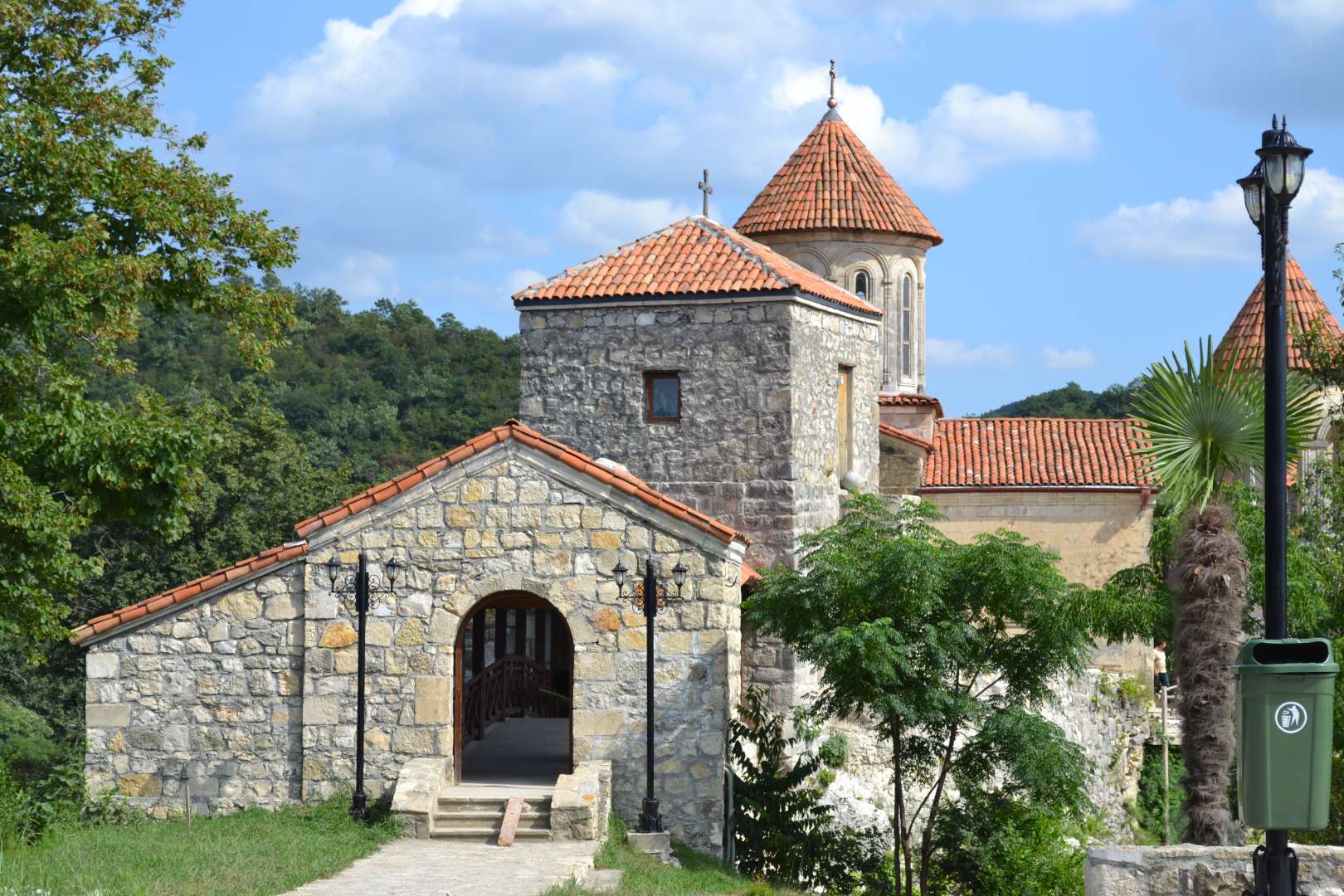
## Description Motsameta Monastery is a hidden gem nestled in the hills of western Georgia, just outside the city of Kutaisi. This 8th-century Georgian Orthodox monastery is revered not only for its spiritual significance but also for its breathtaking location—perched on a cliff above the winding Tskaltsitela River, whose name translates to “Red Water.” The river earned this name from a legend tied to the monastery’s origins: two noble brothers, David and Constantine Mkheidze, were martyred during an Arab invasion, and their blood is said to have turned the river red. The monastery, whose name means “Place of the Martyrs,” was built to honor these brothers, and their relics are preserved in the crypt beneath the church. According to local lore, crawling under the crypt and making a wish may lead to it coming true—a tradition that continues to draw pilgrims and curious visitors alike. What makes Motsameta truly unique is its intimate scale and serene atmosphere. Unlike the more famous Gelati Monastery nearby, Motsameta feels like a quiet retreat, surrounded by dense Colchic forest and echoing with the sounds of nature. The monastery’s architecture is classic Georgian, with arched windows, stone walls, and a red-tiled roof that glows warmly in the sunlight. A little-known fact: there’s a legend of a secret tunnel connecting Motsameta to Gelati Monastery, used during times of war to protect monks and relics. Though the tunnel remains a mystery, it adds to the allure and mystique of the site. ## Location Motsameta Monastery is located in **Georgia**, in the **Imereti Region**, near the city of **Kutaisi**. It’s situated about 6 kilometers northeast of the city center, making it easily accessible for a half-day trip. ### How to Get There: - **By Car**: From Kutaisi, it’s a 15-minute drive through scenic countryside. Taxis and rental cars are readily available. - **By Foot**: Adventurous travelers can hike from Gelati Monastery to Motsameta through forest trails, enjoying panoramic views along the way. - **By Tour**: Many local tour operators offer combined visits to Motsameta and Gelati, often including historical commentary and transportation. The road to the monastery winds through forested hills, offering glimpses of the river and valley below—a journey as rewarding as the destination. ## Tips for Visitors To make the most of your visit to Motsameta Monastery, consider these helpful tips: - **Visit in the Morning or Late Afternoon**: These times offer the best lighting for photography and a more peaceful atmosphere. - **Wear Comfortable Shoes**: The path to the monastery includes uneven terrain and steps, so sturdy footwear is recommended. - **Respect Local Customs**: Modest dress is appreciated, especially when entering the church. Women may be asked to cover their heads. - **Bring a Camera**: The views from the cliff and the monastery’s architecture are incredibly photogenic. - **Combine with Gelati Monastery**: Visiting both sites offers a fuller picture of Georgia’s medieval religious heritage. - **Make a Wish**: Don’t miss the chance to crawl under the crypt and take part in the local tradition. ## Conclusion Motsameta Monastery is a tranquil and spiritually rich destination that blends history, legend, and natural beauty. Whether you're drawn by its sacred relics, its dramatic setting, or its quiet charm, this monastery offers a deeply rewarding experience just outside Kutaisi. ## FAQ **1. Is there an entrance fee to visit Motsameta Monastery?** No, entry is free for all visitors. **2. How long does it take to visit the monastery?** A typical visit lasts 1–2 hours, including time to explore the grounds and enjoy the views. **3. Can I visit Motsameta and Gelati Monasteries in one day?** Yes, they are close to each other and often visited together. **4. Is the monastery accessible year-round?** Yes, though the forest trail may be slippery in winter or after rain. **5. Are guided tours available?** Yes, local guides and tour companies offer historical tours that include Motsameta. **6. Is the monastery suitable for children?** Yes, but supervision is recommended due to the cliffside location and uneven paths. ## Links - [Motsameta Monastery – Georgia Travel Guide](https://georgia.travel/motsameta-monastery) - [Motsameta Monastery – Wikipedia Overview](https://en.wikipedia.org/wiki/Motsameta_monastery) - [Motsameta Monastery – Imereti Tourism Info](https://georgia.to/en/places-to-go/imereti/motsameta-monastery/)
GemVoyage Team • World
Rome
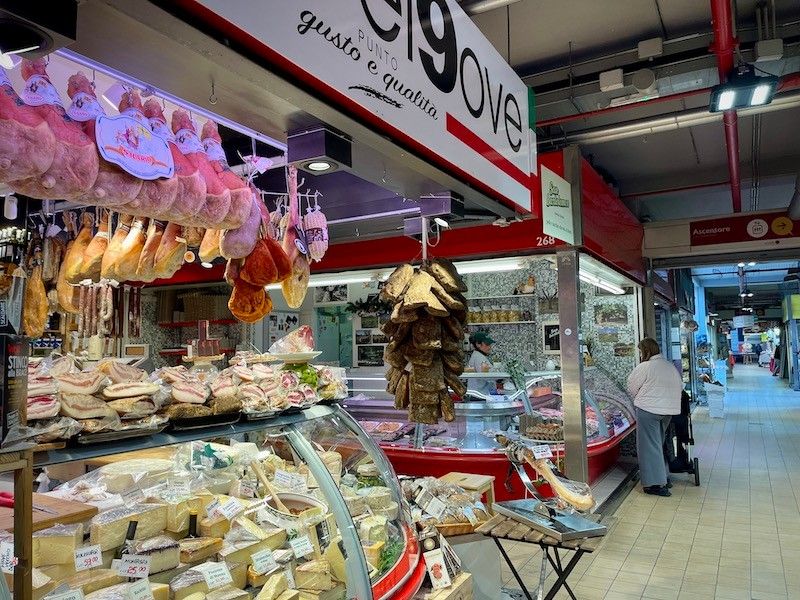
## Description Mercato Trionfale is one of Rome’s largest and most authentic food markets, offering visitors a deep dive into everyday Roman life. Unlike more tourist-oriented attractions, this bustling market is primarily frequented by locals who come here to shop for fresh produce, meats, cheeses, fish, baked goods, and household essentials. With more than 270 stalls spread across a modern covered structure, Mercato Trionfale is a feast for the senses and a perfect place to understand Rome’s food culture from the inside. What makes Mercato Trionfale especially unique is its balance between tradition and modernity. While many vendors represent families that have sold goods here for generations, the market has also embraced contemporary tastes, with stalls offering organic products, international foods, and ready-to-eat Roman street food. A little-known fact is that the market was originally an open-air street market before being moved in 2009 into its current eco-friendly building, designed to improve hygiene and sustainability. Another lesser-known detail is that some of Rome’s top chefs regularly source ingredients here, valuing the quality and personal relationships with vendors. For travelers who want to go beyond famous landmarks and experience Rome like a resident, Mercato Trionfale is well worth a visit. ## Location Mercato Trionfale is located in **Italy**, in the **Lazio** region, within the city of **Rome**. Specifically, it sits in the Trionfale district, just a short walk from Vatican City. The exact address is Via Andrea Doria 41, close to the Vatican Museums and St. Peter’s Basilica. Getting there is straightforward. The easiest way is by public transportation: take Metro Line A and get off at **Ottaviano – San Pietro** or **Cipro** stations, both of which are about a 5–10 minute walk from the market. Several bus lines also serve the area. If you are already visiting the Vatican Museums, Mercato Trionfale makes for an ideal stop before or after your visit. ## Tips * Visit in the morning, ideally between 9:00 and 11:00, when the market is most lively and fully stocked. * Bring cash, as some smaller vendors may not accept cards, though card payments are becoming more common. * Don’t hesitate to ask questions or request tastings; vendors are usually happy to explain their products, even with limited English. * Look for stalls selling cooked food if you want a quick, affordable lunch featuring classic Roman dishes like supplì, porchetta, or fresh pasta. * The market is closed on Sundays, so plan your visit accordingly. * Keep an eye on your belongings, as busy markets can attract pickpockets, especially during peak hours. ## Conclusion Mercato Trionfale is more than just a place to shop; it is a living snapshot of Roman daily life. With its vast selection of fresh food, welcoming vendors, and convenient location near the Vatican, it offers an authentic and memorable experience for anyone interested in Rome’s culinary traditions and local culture. ## FAQ **Is Mercato Trionfale tourist-friendly?** Yes, while it is mainly frequented by locals, visitors are welcome and generally well received. Many vendors are used to tourists and are patient and helpful. **What are the opening hours of Mercato Trionfale?** The market is typically open Monday to Saturday from early morning until around 2:30 PM, though hours may vary slightly by stall. **Can I eat at Mercato Trionfale?** Yes, several stalls sell ready-to-eat food, making it a great spot for a casual breakfast or lunch. **Is Mercato Trionfale expensive?** Prices are generally reasonable and often lower than in tourist-heavy areas, especially for fresh produce and local products. **How long should I plan to spend there?** Most visitors spend between 45 minutes and 1.5 hours, depending on whether they are shopping, eating, or just exploring. ## Links * [More Details](https://www.turismoroma.it/en/places/mercato-trionfale-local-market)
GemVoyage Team • World

Comments