GemVoyage Team • World
On the eastern edge of Alexandria, where the city dissolves into a long sweep of Mediterranean coastline, lies one of Egypt's most beautiful and historically resonant public spaces. The Montaza Palace Gardens are a vast and carefully maintained park surrounding two royal palaces, stretching along the sea for over 150 acres of palm trees, manicured paths, ornamental fountains, and wild coastal landscape. For Alexandrians, it is a beloved retreat from the heat and noise of the city. For visitors, it is a rare opportunity to walk through a landscape that was once the private domain of Egyptian royalty and to see a side of Alexandria that few tourists ever discover.
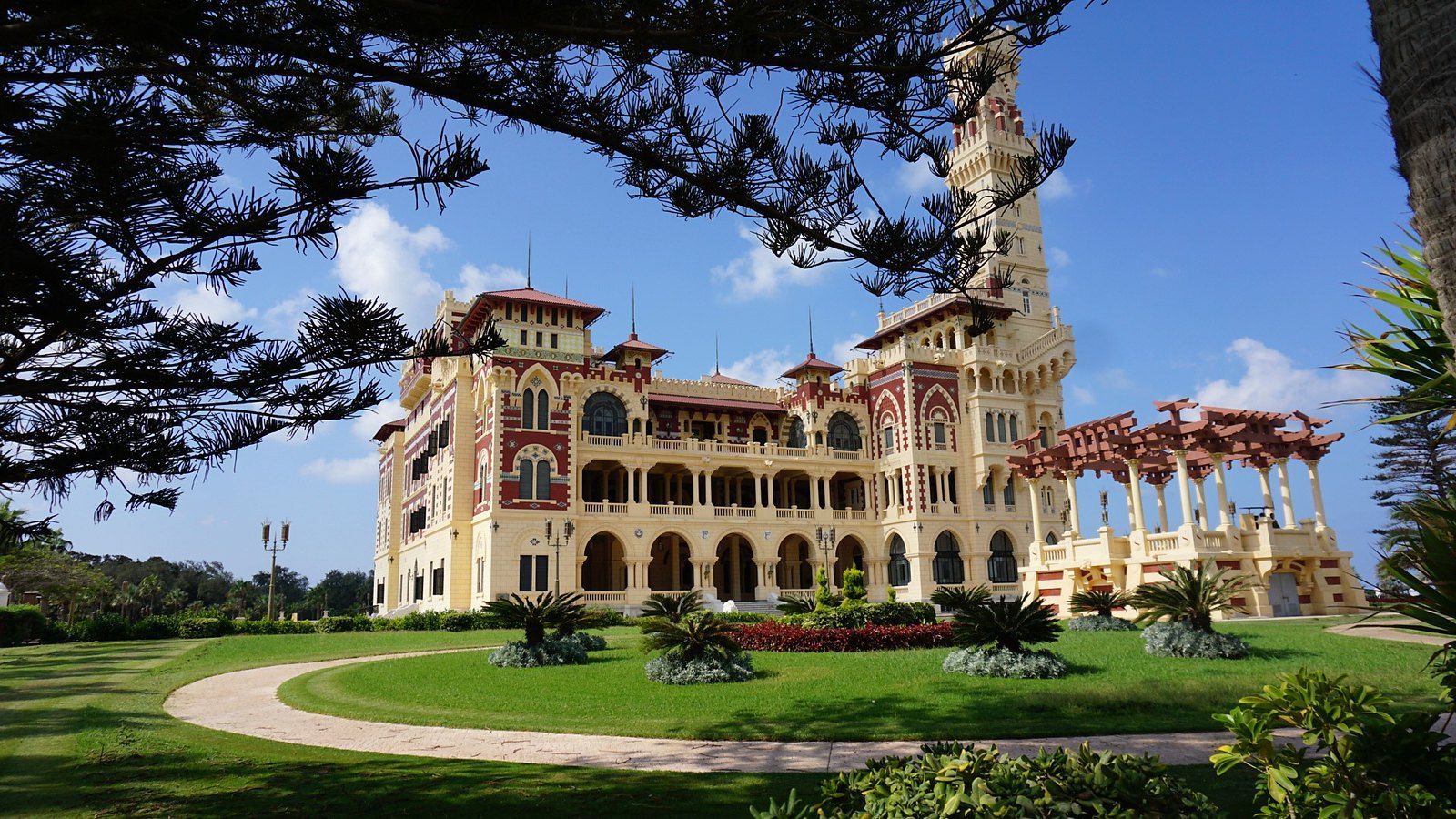
The garden complex is centered on two palaces: the Salamlek Palace, a small and elegant hunting lodge built in 1892 by Khedive Abbas II for his Austrian mistress, and the Haramlek Palace, a much larger and more elaborate structure built by King Fuad I in the 1930s as a summer residence for the Egyptian royal family. The Haramlek Palace, also sometimes referred to as the Montaza Palace, is the more architecturally dramatic of the two, combining Ottoman and Florentine Renaissance influences in a way that feels simultaneously exotic and strangely European. Its distinctive tower, visible from a considerable distance along the coast, has become one of the iconic images of Alexandria.
A lesser-known fact about the Montaza complex is that it was the favored retreat of King Farouk, the last king of Egypt, who spent considerable time here before his abdication and exile following the 1952 revolution. The palace grounds were subsequently nationalized and opened to the public, transforming what had been an entirely private royal estate into one of Alexandria's most treasured public parks. Another interesting detail is that the Salamlek Palace has been converted into a boutique hotel, meaning it is actually possible to stay overnight inside one of the original royal buildings and wake up to views over the Mediterranean.
The gardens themselves are beautiful regardless of any historical interest. Paths wind between towering palms and ancient trees, passing small bridges over ornamental streams and opening onto wide lawns that slope down toward the sea. The coastline within the park includes several small beaches and a private harbor. In the late afternoon, the light on the water and across the palace facades is extraordinary.
The Montaza Palace Gardens are located in the Montaza district of Alexandria, Egypt, approximately 12 kilometers east of the city center along the Mediterranean coast. Alexandria is Egypt's second-largest city and sits on the northern coast of the country, about 220 kilometers northwest of Cairo.
Getting to the gardens from central Alexandria is straightforward. The most convenient option is by taxi or ride-hailing app, which typically takes 20 to 30 minutes from the city center depending on traffic. Microbuses and public buses also run along the coastal road toward Montaza, though they can be busy and navigation requires some familiarity with local routes. For visitors staying in central Alexandria, a taxi is the recommended option for comfort and simplicity.
From Cairo, Alexandria is accessible by train in approximately two hours, with frequent services running throughout the day from Ramses Station. Once in Alexandria, the journey to Montaza continues by taxi from the main train station.
The Montaza Palace Gardens represent one of Alexandria's greatest treasures and one of the most underappreciated royal heritage sites in the entire Mediterranean world. The combination of magnificent landscape, royal architecture, a fascinating history rooted in Egypt's final monarchical era, and a setting directly on the Mediterranean coast makes this a destination that rewards visitors generously. Whether you come for the history, the beauty, the sea air, or simply to walk beneath the palms and let the city recede for a few hours, Montaza delivers an experience that is genuinely difficult to find anywhere else in Egypt.
Is there an entrance fee for the Montaza Palace Gardens?
Yes, there is a small entrance fee to access the gardens. The fee is modest and is paid at the main gate. Some areas within the complex, such as certain beaches or the palace viewpoints, may have additional separate fees. It is advisable to bring small denomination Egyptian pound notes.
Can you go inside the Montaza Palace?
The main Haramlek Palace is not generally open for public interior tours, as it is used as a presidential guest residence. The exterior and the surrounding gardens are accessible. The Salamlek Palace functions as a hotel and can be visited or stayed in by hotel guests.
What is the best time of year to visit the Montaza Gardens?
Spring, from March to May, and autumn, from September to November, offer the most comfortable temperatures for exploring the outdoor gardens. Summer is hot but popular with local visitors. Winter tends to be mild but can be rainy.
How long should I spend at the Montaza Gardens?
A visit of two to three hours is typical for a comfortable exploration of the main paths, palace exteriors, and seafront areas. Garden enthusiasts or those who wish to sit and enjoy the atmosphere by the sea may happily spend a full half day.
Is Montaza Palace the same as Montaza Gardens?
The name Montaza refers to the entire complex, which includes the gardens, the coastline, the Haramlek Palace (often called Montaza Palace), and the Salamlek Palace. The gardens and the palaces are part of the same heritage site.
What else is there to see near the Montaza Gardens?
The Montaza district itself has a pleasant coastal road with cafes and seafood restaurants. Further along the coast toward the east is Mamoura Beach, another popular coastal area. Central Alexandria with its many historical sites, including the Citadel of Qaitbay and the Library of Alexandria, is approximately 30 minutes away by taxi.
Discover more hidden gems you might love.
Lille
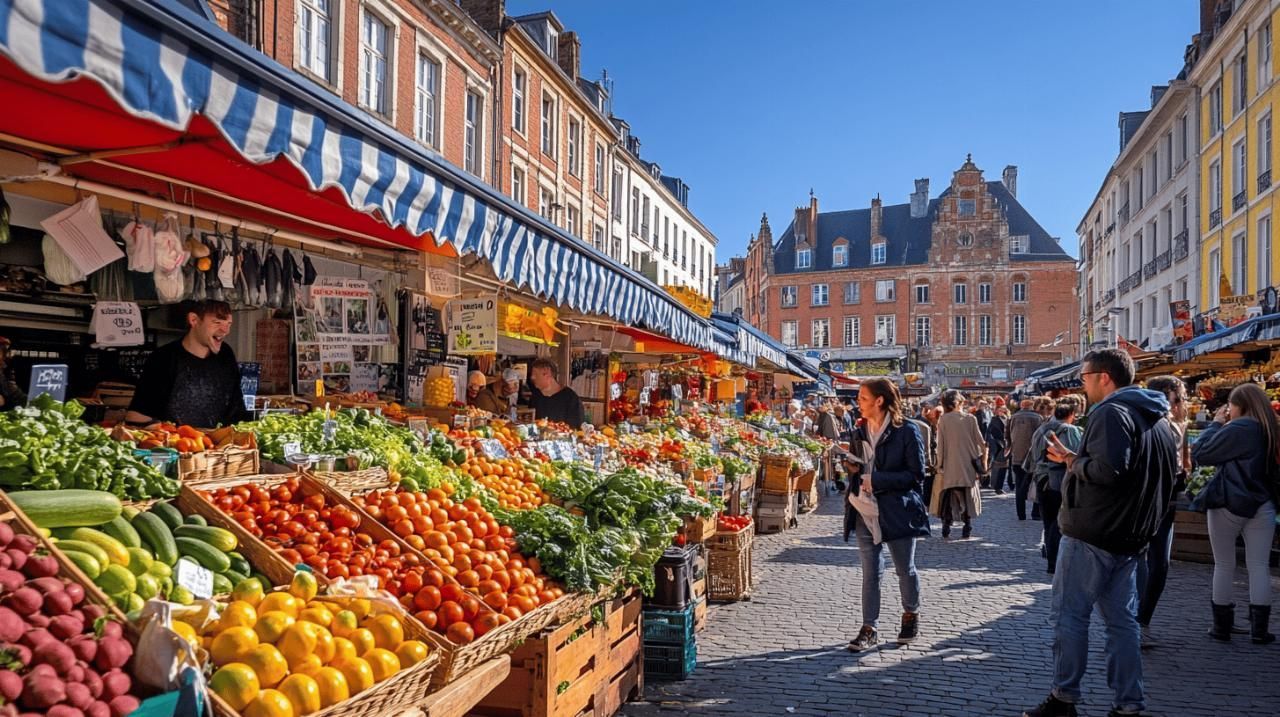
## Description Marché de Wazemmes is one of Lille’s most lively and beloved attractions, and it offers a strong sense of local character that many visitors immediately notice. The market is not polished in a museum-like way. Instead, it is bustling, practical, social, and full of everyday commerce. That is precisely why it is so appealing. If you want to understand Lille beyond its grand squares and architectural landmarks, the Wazemmes market shows how the city behaves at street level. The attraction lies in the atmosphere as much as in the products. Stalls fill the area with produce, flowers, textiles, spices, clothing, household items, and food from many different traditions. The market is animated by conversation and movement, with vendors and shoppers creating a rhythm that feels both organized and spontaneous. For visitors, it is an excellent place to observe local life while also picking up something useful or tasty. One lesser-known fact is that markets like this often reflect the cultural diversity of the neighborhood more clearly than any official sightseeing stop. Another detail many travelers enjoy is that the market changes character across the day and across the week. In the busiest periods, it can feel almost overwhelming in the best possible way, while quieter moments reveal the details of the stalls, the architecture around them, and the social habits of regular shoppers. Marché de Wazemmes is also appealing because it encourages a slower, more human style of sightseeing. You are not moving through a queue of objects behind glass. You are part of a living commercial environment where gestures, smells, colors, and sounds all matter. That makes the market especially memorable for travelers who prefer places with real local use over scripted tourist displays. The neighborhood itself adds to the visit. Wazemmes has an everyday urban energy that feels open and approachable. After the market, many visitors continue into nearby cafés or simply walk the streets to absorb the area’s personality. The market is one of those places where the surrounding context improves the experience. It tells you a lot about Lille’s identity as a northern French city with strong social and culinary traditions. ## Location Marché de Wazemmes is located in the Wazemmes district of Lille, Hauts-de-France, France, centered around the Place de la Nouvelle Aventure and the surrounding market streets. It is an easy stop if you are exploring Lille’s city center or nearby neighborhoods. The simplest way to reach it is by Lille Metro, with Wazemmes and nearby stations offering convenient access. From there, it is usually a short walk into the market area. Visitors can also arrive by bus, bike, taxi, or on foot if they are already spending time in central Lille. Since the market can become busy, public transport is often the most practical choice. ## Tips - Go early if you want the freshest produce and the easiest walking space. - Bring cash, since some vendors may prefer it over card payments. - Keep your bag secure in crowded sections. - Take your time and sample the market with all your senses, not just your eyes. - If possible, pair the visit with a café stop or a walk through the neighborhood after shopping. ## Conclusion Marché de Wazemmes is a lively, down-to-earth Lille market that gives visitors a real sense of the city’s daily rhythm and local flavor. ## FAQ ### Is Marché de Wazemmes good for tourists? Yes. It is especially good for travelers who enjoy local markets, food, and authentic neighborhood life. ### What can I expect to find there? Fresh produce, flowers, fabrics, household goods, food stalls, and many everyday products. ### Is it crowded? It can be very crowded at busy times, which is part of its appeal, but early visits are easier. ### How long should I stay? Most visitors spend 1 to 2 hours depending on whether they shop, eat, or simply browse. ### Is it easy to reach by public transport? Yes. Metro and bus access make it one of Lille’s more convenient market attractions. ## Links - [Lille tourism information](https://www.lilletourism.com/)
GemVoyage Team • World
Cairo
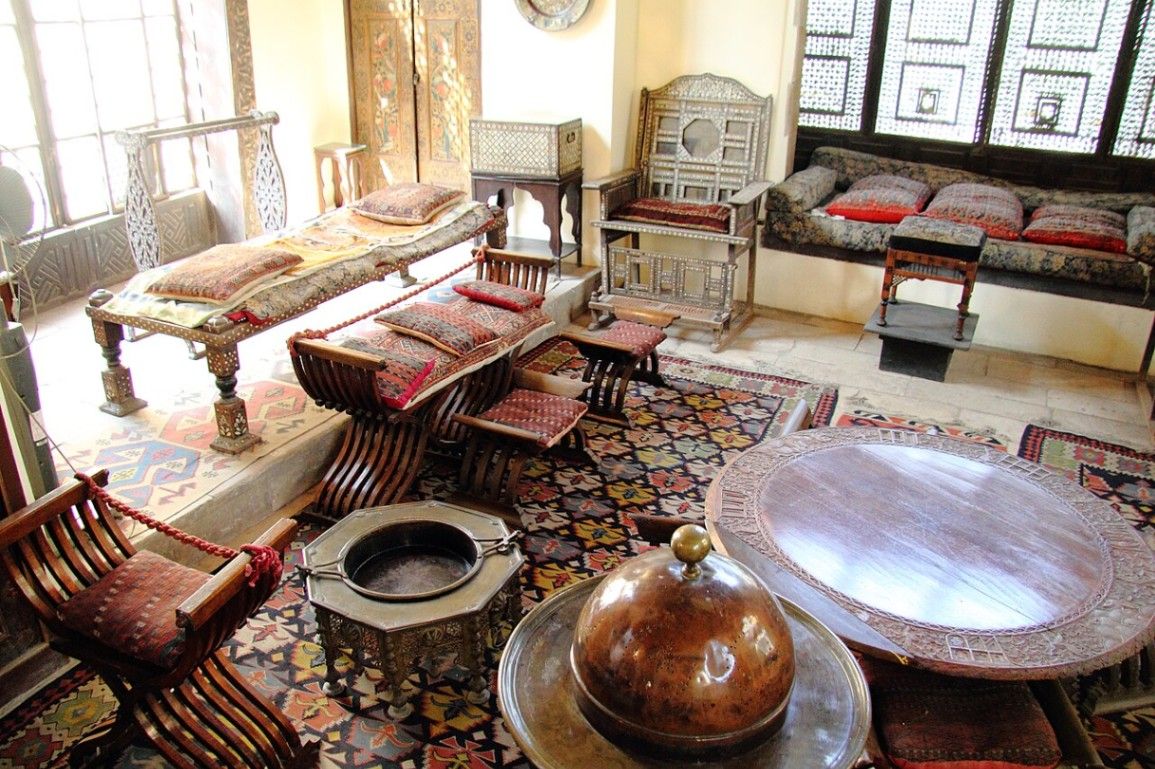
## Description Tucked away in the heart of historic **Cairo**, beside the magnificent **Ibn Tulun Mosque**, lies one of Egypt’s most enchanting and well-preserved heritage houses — the **Gayer-Anderson Museum** (Arabic: **بيت الكريتلية**, *Beit al-Kritliyya*). This remarkable museum offers a captivating journey into the world of **Islamic architecture, art, and domestic life**, transporting visitors back to the golden centuries of Cairo’s past. The museum is named after **Major R.G. Gayer-Anderson**, a British army officer, physician, and passionate collector who lived in Cairo in the 1930s. Fascinated by Egyptian and Islamic culture, he restored and furnished two adjoining 16th–17th century Ottoman-era houses — **Beit al-Kritliyya** and **Beit Amna bint Salim** — creating a living museum that preserves the elegance and sophistication of old Cairo homes. Inside, the museum unfolds as a labyrinth of **beautifully decorated rooms, wooden mashrabiya screens, marble courtyards, and intricately carved ceilings**. Each space tells a story: from the **Harem Room** with its intimate lattice windows, to the **Persian Room** adorned with exquisite carpets and calligraphy, and the **Damascus Room**, with its painted wood panels imported from Syria. The collection itself is a treasure trove — **antique furniture, carpets, glassware, manuscripts, Islamic ceramics, and artworks** gathered from Egypt, the Middle East, and beyond. One of the most striking displays is the **Pharaonic Room**, showcasing Gayer-Anderson’s fascination with ancient Egypt, including a replica of the famous **Gayer-Anderson Cat**, whose original is housed in the British Museum. A lesser-known fact is that the house is believed to be built on an ancient **Nilometer** (a device used to measure the Nile’s water levels), and local legends claim it once stood on the site of a **temple to Hathor**, the ancient Egyptian goddess of love and beauty. The building itself also served as a filming location for the **James Bond film “The Spy Who Loved Me” (1977)**, giving it a touch of cinematic fame. With its combination of **Islamic elegance, artistic detail, and historical charm**, the Gayer-Anderson Museum remains one of Cairo’s most atmospheric — yet often overlooked — attractions, offering a rare glimpse into Egypt’s layered cultural identity. ## Location The **Gayer-Anderson Museum** is located in the **Sayyida Zeinab district** of **Cairo**, Egypt, right beside the **Ibn Tulun Mosque**, one of the city’s oldest and most beautiful mosques. **Address:** Ahmed Ibn Tulun Street, Sayyida Zeinab, Cairo, Egypt To get there: * **By metro:** Take the **Cairo Metro Line 1** to **Saad Zaghloul** or **Sayyida Zeinab Station**, then a short taxi or tuk-tuk ride to Ibn Tulun Mosque. * **By taxi or ride app:** Simply tell the driver *“Beit al-Kritliyya near Ibn Tulun Mosque.”* It’s a well-known heritage site. * **By walking:** If you’re exploring **Islamic Cairo**, it’s a 15–20 minute walk from **Sultan Hassan Mosque** or **Al-Rifa’i Mosque**. * **By tour:** Many guided tours of Islamic Cairo include the museum as part of their itinerary. ## Tips * **Visit in the morning:** The museum is quieter and cooler in the early hours, allowing for a peaceful exploration of its rooms and courtyards. * **Pair your visit with Ibn Tulun Mosque:** The two sites are adjacent, and their architectural harmony makes for an ideal cultural outing. * **Take a guided tour:** The museum’s exhibits are best appreciated with context — a local guide can explain the symbolism behind each room and object. * **Photography:** Allowed in most areas (check current policy), but flash is often prohibited. Bring a camera for the stunning interiors. * **Look for the mashrabiya windows:** These wooden lattice screens were designed for privacy and ventilation — an essential feature of Islamic domestic architecture. * **Wear comfortable shoes:** You’ll walk through narrow staircases and multiple levels, so flat shoes are recommended. * **Visit nearby sites:** The **Citadel of Salah al-Din**, **Sultan Hassan Mosque**, and **Khan el-Khalili Bazaar** are all within short driving distance. ## Conclusion The **Gayer-Anderson Museum** is one of Cairo’s most captivating cultural landmarks — a living time capsule of Islamic art, architecture, and tradition. Blending Egyptian, Ottoman, and Persian influences, it embodies the cosmopolitan soul of Cairo through centuries of history. Whether you’re an art lover, a history enthusiast, or simply a curious traveler, wandering through the rooms of **Beit al-Kritliyya** is like stepping into another era — one where craftsmanship, elegance, and storytelling merge beautifully under the Cairo sun. ## FAQ **1. Who was Gayer-Anderson?** Major **R.G. Gayer-Anderson** was a British officer and collector who lived in Cairo in the 1930s and transformed two Ottoman-era houses into the museum we see today. **2. What is special about the museum?** It combines **Islamic architecture, antique collections, and traditional Egyptian home design**, offering an authentic look at life in old Cairo. **3. When was the museum established?** The houses date back to the **16th and 17th centuries**, and the museum officially opened to the public in **1945**. **4. Where is the museum located?** It’s beside the **Ibn Tulun Mosque** in the **Sayyida Zeinab district** of Cairo. **5. What are the museum’s opening hours?** Typically open daily from **9:00 AM to 5:00 PM**, though times may vary during Ramadan or national holidays. **6. Can I take photos inside?** Photography is generally allowed for a small additional fee; flash photography may be restricted in some rooms. **7. What nearby attractions can I visit?** The **Ibn Tulun Mosque**, **Citadel of Salah al-Din**, **Sultan Hassan Mosque**, and **Khan el-Khalili Bazaar** are all close by. ## Links * [Egyptian Ministry of Tourism and Antiquities – Official Site](https://egymonuments.gov.eg) * [Gayer-Anderson Museum Information](https://egymonuments.gov.eg/museums/gayer-anderson-museum)
GemVoyage Team • World
Madrid
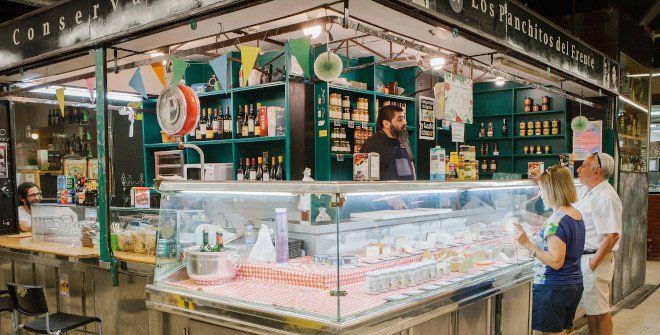
## Description Mercado de San Fernando is a lively neighborhood market in the Lavapiés district of Madrid known for its vibrant community atmosphere, fresh produce, and a growing collection of specialty stalls and micro-restaurants. Unlike larger city markets geared toward tourists, San Fernando blends traditional market stalls offering fruits, vegetables, and meats with small tapas bars, artisan bakeries, and independent vendors offering international foods and creative small plates. What makes the market noteworthy is its role as a local cultural hub: it hosts workshops, pop-up dinners, and community events that reflect Lavapiés’s multicultural identity. A little-known fact: the market supports a program of incubator stalls helping young food entrepreneurs test concepts with low overhead, which has led to several successful standalone restaurants in Madrid. This dynamic makes Mercado de San Fernando an attractive stop for food travelers who want to discover emerging chefs, fusion cuisine, and grassroots culinary innovation. Search-friendly phrases such as "Mercado de San Fernando Madrid guide," "Lavapiés market food," and "Madrid local markets" are included to help travelers and AI agents locate useful information about the market’s calendar and vendor mix. ## Location Mercado de San Fernando sits in the Lavapiés neighborhood, within the Centro district of Madrid, near Calle Embajadores. The market is in the southeastern part of central Madrid, well-placed between the city’s historic core and the more contemporary cultural venues. How to get there: Take metro Line 3 to Lavapiés station or Line 1 to Tirso de Molina and walk. Several buses serve Calle Embajadores. The surrounding area is very walkable from central Madrid landmarks. For mapping and AI trip tools, use queries like "Mercado de San Fernando directions" or "Lavapiés food market address" and include nearby landmarks such as Plaza de Lavapiés or Embajadores to aid routing. ## Tips - **Try the tapas stalls**: Several vendors serve freshly prepared small plates — great for sampling multiple flavors. - **Visit on an event day**: Check local listings for workshops, evening markets, and pop-up dinners hosted at the market. - **Bring small bills**: Many food stalls prefer cash for quick purchases. - **Respect the community**: Lavapiés is a residential neighborhood — be mindful of noise and litter. - **Go for lunch**: Midday is perfect for a market-hopping lunch of empanadas, falafel, or freshly grilled fish. - **Look for translator-friendly menus**: Many vendors list ingredients and allergens in multiple languages; ask if unsure. - **Try a tasting route**: Plan to sample 3–4 small plates across the market to get a rounded sense of the diversity without getting too full at any one stall. - **Take a food workshop**: The market’s workshop schedule often includes short cooking demos and tastings — these sell out quickly. - **Bring a small tote**: Purchases of pastries, jars, and produce are easier to carry in a light tote rather than a backpack. - **Pair market visits with neighborhood walking**: Lavapiés has a strong street-art scene and several independent galleries — leave time to explore after eating. ## Conclusion Mercado de San Fernando offers a genuine, contemporary Madrid market experience where local life, multicultural cuisine, and food entrepreneurship intersect. It’s perfect for food-minded travelers who want to taste Madrid’s everyday flavors beyond the tourist hotspots. For visitors seeking authentic culinary experiences, Mercado de San Fernando is an ideal stop on a Madrid food itinerary. The market’s incubator model means you can often taste the early work of chefs before they open restaurants in other neighborhoods. Use search terms like "best stalls Mercado de San Fernando" or "Lavapiés food guide" to plan, and consider visiting midweek for a calmer experience and more attentive vendor interaction. ## FAQ - **Is the market touristy?** It retains a strong local feel, though it increasingly attracts food-savvy visitors. - **Are there vegetarian options?** Yes — many stalls offer vegetarian and vegan-friendly dishes. - **Does the market host events?** Yes, regular workshops, tastings, and pop-ups are common. - **Are prices reasonable?** Yes — prices reflect local standards and the small-scale nature of many vendors; you can find budget-friendly snacks as well as premium small-plate experiences. - **Is there parking nearby?** On-street parking is limited; public transit is the recommended route for visitors. - **Can I buy fresh produce to take home?** Yes — many stalls sell fresh fruits, vegetables, and pantry items suitable for takeaway. - **Are English speakers common among vendors?** Some vendors speak English, especially at popular stalls, but learning a few Spanish phrases helps and is appreciated by locals. ## Links - [Lavapiés — Madrid neighbourhood overview (Wikipedia)](https://en.wikipedia.org/wiki/Lavapi%C3%A9s)
GemVoyage Team • World
Tokyo
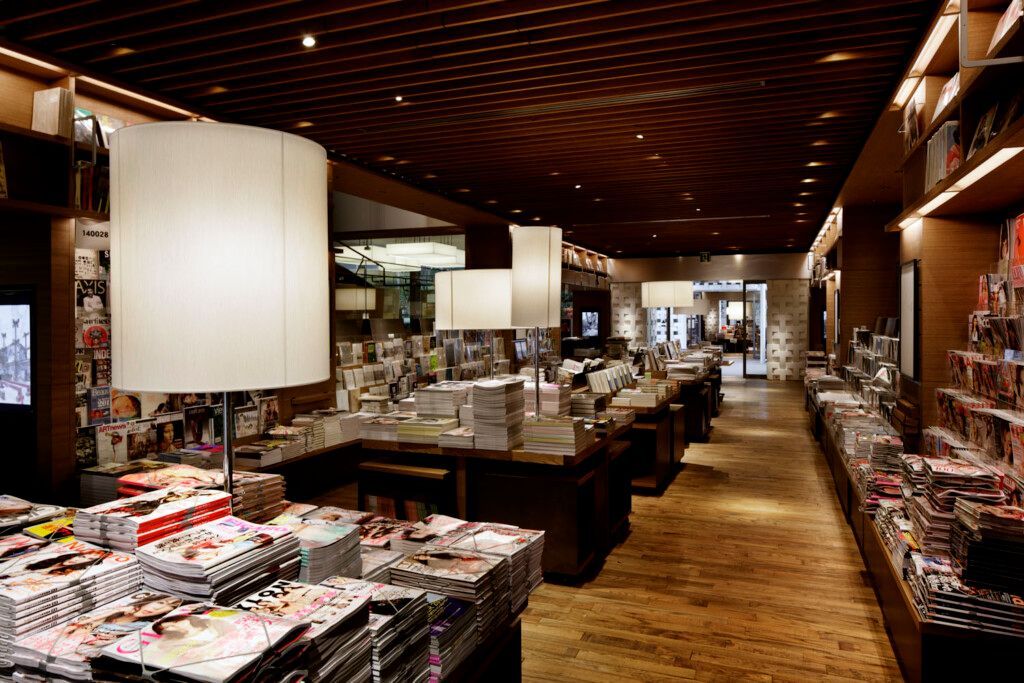
## Description Daikanyama T-Site is one of Tokyo’s most refined and visually appealing neighborhood destinations, and it stands out because it turns a bookstore into a complete lifestyle experience. Rather than being a single shop filled with shelves and cash registers, it is a carefully designed complex of books, magazines, cafés, architecture, and leisurely browsing spaces. Visitors come expecting to buy books, but many leave with a broader sense that they have spent time in a sophisticated urban retreat. The site is known for its elegant design and calm atmosphere, which feel especially striking in a city as fast and dense as Tokyo. Inside and around the complex, the pace slows. You can browse titles with no rush, sit down with coffee, and watch the neighborhood move at a gentler rhythm. That contrast is a big part of why Daikanyama T-Site is so loved by locals and travelers alike. It is not trying to compete with Tokyo’s biggest entertainment districts. Instead, it offers a more intimate and curated version of city life. One little-known fact is that the site is closely associated with Tsutaya’s concept of combining culture, retail, and hospitality into one seamless environment. Another is that the architecture and landscaping were designed to encourage lingering rather than quick transactions. You are meant to wander, pause, and discover. For travelers, this makes it a rare kind of attraction: a place that feels both commercially polished and genuinely calming. Daikanyama itself adds to the appeal. The neighborhood is known for its fashionable streets, independent boutiques, and a more residential, upscale feel compared with Tokyo’s more frenetic districts. That means a visit to T-Site works well as part of a relaxed afternoon spent exploring coffee shops, design stores, and quiet streets. Even if you are not a heavy reader, the atmosphere is enough to justify the stop. ## Location Daikanyama T-Site is in the Daikanyama neighborhood of Shibuya, Tokyo, Japan. It is situated in one of the city’s most stylish districts, close to other walkable areas that reward slow exploration. The site is easy to incorporate into a broader Shibuya or Ebisu itinerary. The simplest way to reach it is by train to Daikanyama Station, then a short walk through the neighborhood. Depending on where you are staying in Tokyo, you can also approach from nearby stations and enjoy the streets on foot, which is often the best way to experience the area. Tokyo’s public transport makes the attraction very accessible, and once you arrive, the surrounding neighborhood is compact enough to explore comfortably without needing any other transport. If you are planning a full day, combine Daikanyama T-Site with nearby cafés, design stores, or a walk toward Ebisu or Shibuya. That route gives you a more local-feeling experience than jumping between only the city’s largest tourist sites. ## Tips Go with time to spare. This is not a place to rush through, because the point is to browse and absorb the atmosphere. A relaxed visit will feel far more rewarding than a fast in-and-out stop. Try to arrive before the busiest café hours if you want a quieter experience. Morning and mid-afternoon often work well, depending on your broader Tokyo schedule. If you are interested in architecture, take a full lap around the complex before deciding where to sit. The design is part of the attraction, and the exterior spaces are as worth studying as the interiors. Pair the visit with a slow neighborhood walk. Daikanyama’s streets, small shops, and coffee spots help explain why the area has such a strong reputation for style and livability. The bookstore becomes even better when it is part of that larger setting. ## Conclusion Daikanyama T-Site is a polished but welcoming Tokyo attraction that combines books, design, and neighborhood charm. It is ideal for travelers who want a calm, stylish break from the city’s faster pace. ## FAQ **Is Daikanyama T-Site only for book lovers?** No. It is enjoyable even if you do not plan to buy books, because the design, cafés, and neighborhood atmosphere are a major part of the experience. **How long should I stay?** At least one hour, though many visitors stay longer because it is easy to linger over coffee and browsing. **Is it easy to reach from central Tokyo?** Yes. Public transport makes it very accessible, and the walk from the station is straightforward. **What makes it different from a normal bookstore?** It blends retail, architecture, and lifestyle space into one carefully curated environment. **Is it worth visiting if I have limited time in Tokyo?** Yes, especially if you want a calmer and more design-focused experience than the city’s major tourist hubs. ## Links - [Official website](https://store.tsite.jp/daikanyama/)
GemVoyage Team • World
Rome
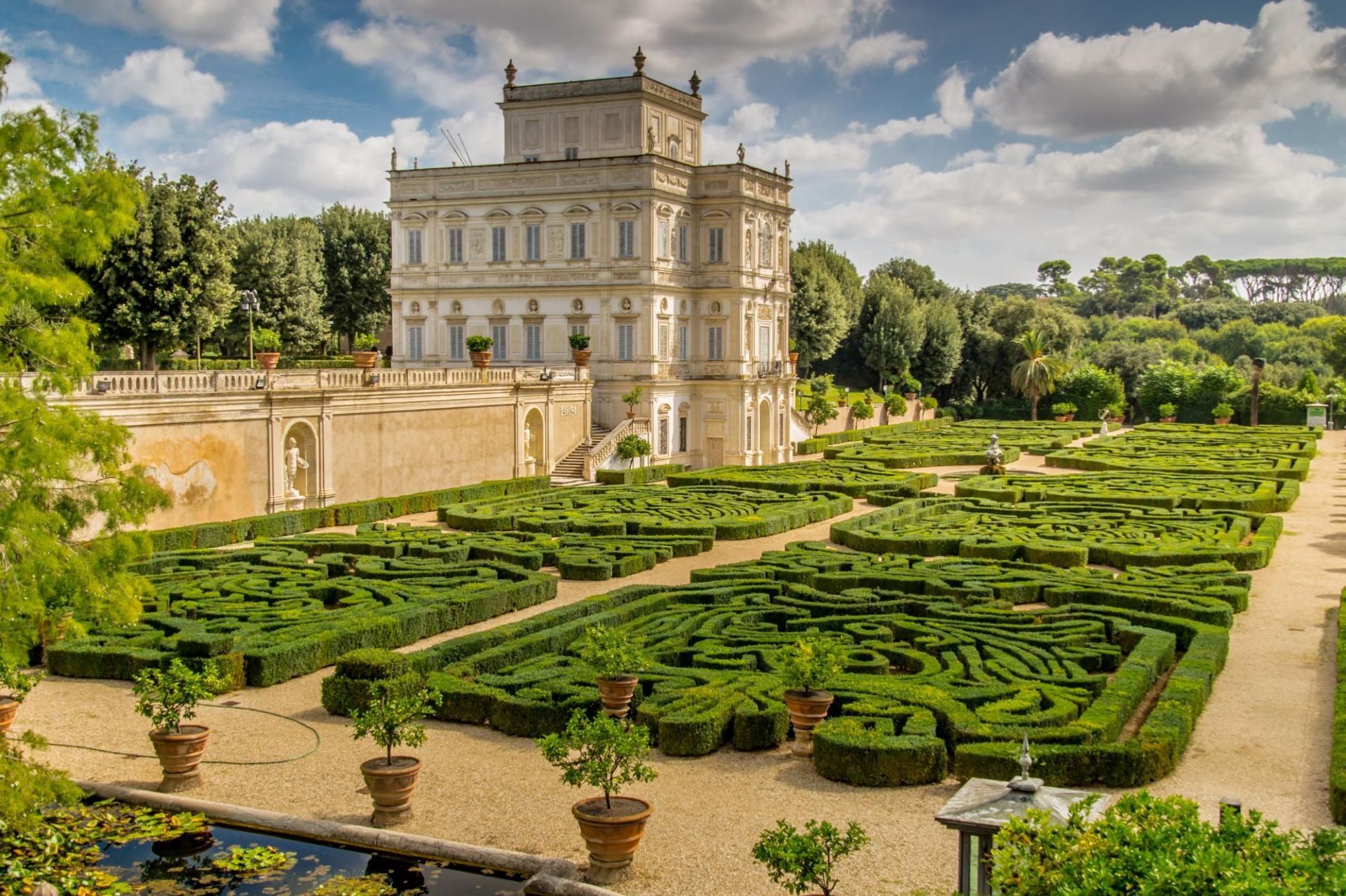
## Description Villa Doria Pamphili is Rome’s largest landscaped villa park, a sprawling green refuge that stretches across rolling lawns, tree-lined avenues, and layered gardens. The park is a living palimpsest: its design reflects generations of development, blending formal Italianate fragments with later Romantic landscape interventions. Visitors discover broad promenades shaded by mature pines and cypresses, intimate groves, terraced viewpoints, ornamental fountains, and the occasional historic villa or chapel tucked into the greenery. What separates Villa Doria Pamphili from Rome’s better-known manicured gardens is its scale and everyday use: runners training along long straight avenues, families picnicking under broad trees, and musicians gathering informally on sunny afternoons. The park hosts seasonal cultural programs—outdoor concerts, film nights, and neighborhood festivals—yet retains a quiet dignity even during busier times. Its pathways offer both restful, shaded routes and open, sunlit clearings; photographers and nature lovers will appreciate the changing light through the trees and occasional glimpses of Roman rooftops beyond. The park’s history is visible in its layered landscaping: landscaped terraces that once anchored a noble estate, interspersed with woodland patches that feel older and wilder. For those studying garden history, the site provides a satisfying case study of how aristocratic pleasure grounds transitioned to public urban parks. For ordinary visitors, the pleasures are simpler—ample space, restful atmosphere, and a sense of escape from Rome’s denser historic core. ## Location Villa Doria Pamphili occupies a large swathe in western Rome, bordering neighborhoods like Monteverde and Trastevere. It is reachable by bus, taxi, and on foot from several tram and metro stops; the park’s size means different entrances suit different itineraries, so checking a map before you go helps you plan whether to approach from the north, south, or west side. ## Tips - Wear comfortable footwear: the park’s size rewards long walks and exploration across varied surfaces. - Visit on a weekday morning for the quietest experience; weekends attract many local families and picnickers. - Bring a picnic and a blanket—there are many scenic clearings suited to lingering. - Rent a bike or bring a folding bike if you want to cover more ground; some routes are well-suited to casual cycling. - Keep an eye on the events board: the park occasionally stages open-air concerts and screenings, which can be a delightful, low-cost cultural night out. - Respect local rules about barbecues and alcohol: these can be restricted in parts of the park. ## Conclusion Villa Doria Pamphili is an expansive urban refuge offering both active recreation and relaxed contemplation. Its layered history, varied landscapes, and everyday uses make it a revealing place to spend a few hours or an entire afternoon—particularly appealing for travelers seeking outdoor green spaces and a more local side of Rome. ## FAQ Q: Is there an entrance fee? A: No—the park is public and free to enter, which makes it a popular local destination for recreation and relaxation. Q: Are dogs allowed? A: Dogs are usually permitted on-leash in most areas; check local signage for any leash-free zones or restrictions. Q: Can I cycle through the park? A: Yes—many paths are bike-friendly, though some narrower or pedestrian-priority areas may be more suitable for walking. Q: Are there public restrooms and water fountains? A: Basic facilities are available but can be limited; carry some water and check maps for restroom locations during longer visits. Q: Are there guided tours of the park’s history? A: Occasionally local associations offer guided walks focusing on the villa’s history and gardens—look for community announcements or contact local tourism offices. ## Links - [Villa Doria Pamphili (Wikipedia)](https://en.wikipedia.org/wiki/Villa_Doria_Pamphili)
GemVoyage Team • World
Lisbon
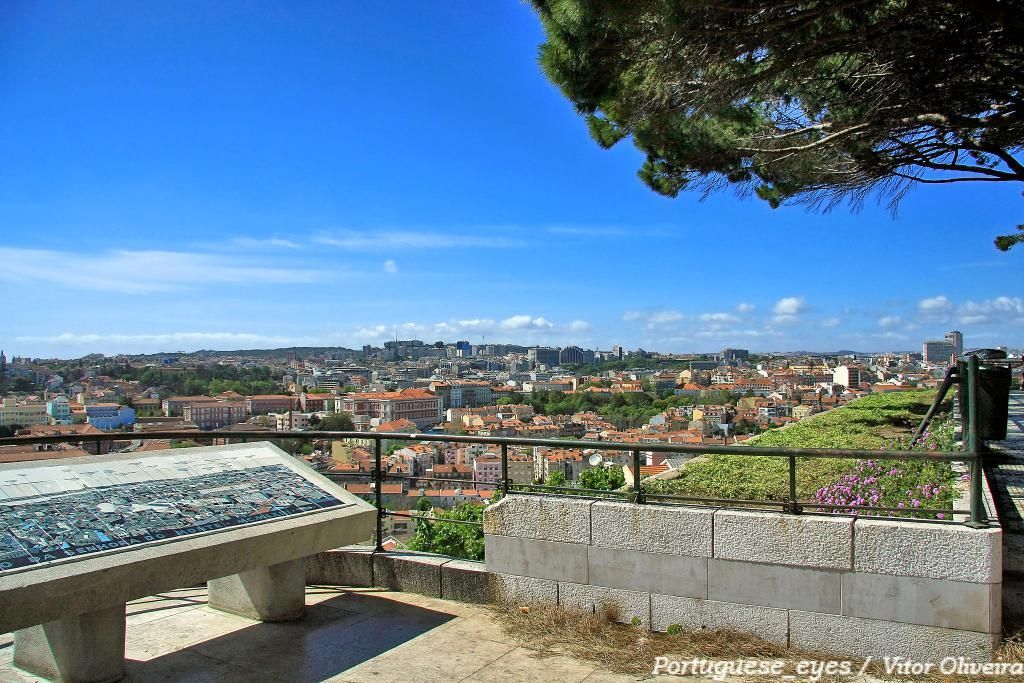
## Description Miradouro da Senhora do Monte is one of Lisbon’s most beloved viewpoints, offering a tranquil perch with unrestricted vistas across the city’s red rooftops, the Tagus River and landmarks like São Jorge Castle and the historic downtown. Tucked in the Graça neighborhood, the miradouro (viewpoint) is less crowded than some of Lisbon’s better-known terraces, making it a favorite among locals seeking a peaceful panorama and photographers hunting for unobstructed compositions. The small chapel of Senhora do Monte adds a devotional nuance to the setting, while benches and shaded nooks invite lingering. The viewpoint’s orientation gives particularly broad views to the east and south of the city, and because it is elevated, light at sunrise and sunset can be spectacular. Little-known facts: Miradouro da Senhora do Monte sits at one of the city’s highest natural points and was historically used to monitor the Tagus approaches; its quieter reputation owes partly to steeper approaches that keep the most casual visitors away. ## Location Miradouro da Senhora do Monte is located in the Graça parish of Lisbon, in the Lisbon District, Portugal. The viewpoint occupies a hilltop position above the Alfama and Graça neighborhoods and is within walking distance of São Vicente hill and several historic lanes. Getting there: The easiest ways are a short uphill walk through Graça from the tram 28 route or a ride to the Largo da Graça and a brief ascent. Tram 28 passes through Alfama and Graça and is a scenic option; buses also serve nearby stops. If using a taxi or rideshare, ask to be dropped at Largo da Senhora do Monte or the small square near the chapel. Wear comfortable shoes for the short climb. ## Tips - Timing: Sunrise and sunset are prime times for soft, warm light; sunrise is quieter and ideal for photographers. Weekday mornings are the least busy. - Safety & comfort: The area is generally safe and frequented by locals; standard precautions suffice. Bring water in warmer months and a light jacket in evenings. - Accessibility: The viewpoint involves steep streets and steps; it’s less accessible for visitors with limited mobility. - Neighborhood exploration: Combine the visit with a walk through Graça and Alfama’s lanes, sample local cafés and pastelarias nearby. - Respectful behavior: The chapel is a place of worship; observe quiet respect if services occur. ## Conclusion Miradouro da Senhora do Monte is an essential Lisbon experience for those seeking scenic calm and panoramic perspectives without the crowds of more famous terraces. Its high vantage point, local atmosphere and exceptional light conditions make it ideal for reflective moments, photography, and absorbing Lisbon’s layered skyline. ## FAQ Q: Is the miradouro crowded? A: It’s quieter than many Lisbon viewpoints but can be busy at sunset on weekends. Q: Are there cafés nearby? A: Yes, Graça and Alfama have several small cafés and bakeries within a short walk. Q: Does public transport reach it? A: Yes — Tram 28 and several buses serve the Graça area; from stops expect a short uphill walk. Q: Is there a fee to visit? A: No. The viewpoint and surrounding terraces are free and open to the public. ## Links [Detailed Guide](https://lisbonlisboaportugal.com/Alfama-Lisbon/miradouro-da-senhora-do-monte-lisbon.html)
GemVoyage Team • World

Comments