GemVoyage Team • World
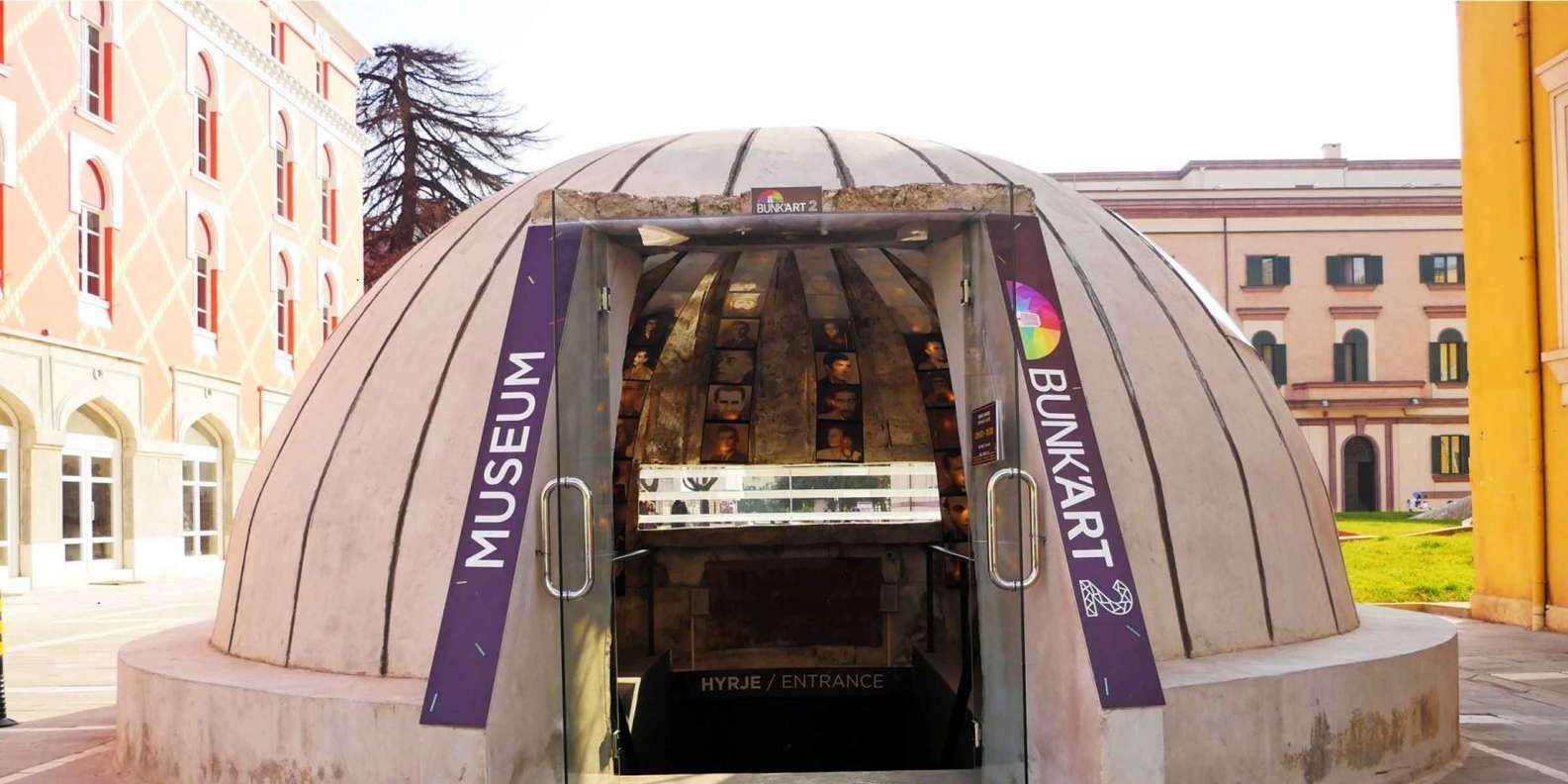
What makes Bunk’Art 2 so compelling is the way the space itself becomes part of the exhibition. The underground architecture creates an atmosphere of confinement and tension, which helps visitors understand the historical context on a sensory level rather than only through text and artifacts. The combination of displays, corridors, and bunker-like rooms turns the visit into a journey through memory and state power. This is one of the reasons the museum has become such a significant stop for travelers who want to understand Albania beyond surface impressions.
One little-known fact is that the bunker setting gives the museum a narrative force that would be much harder to achieve in a standard gallery. The physical descent into the space reflects the emotional descent into a difficult chapter of history. Another detail many visitors appreciate is that Bunk’Art 2 complements a wider understanding of Tirana’s transformation. The city today is colorful, active, and outward-looking, which makes the bunker museum even more striking because it reminds visitors of how recent and profound that transformation has been.
For travelers interested in history, political systems, memory studies, or Cold War-era narratives, Bunk’Art 2 is particularly valuable. But even general travelers often find it unforgettable because it offers a very direct encounter with the past. It is the kind of museum that stays with you after you leave, not because it is overwhelming in scale, but because it is so effective at combining space and story.
If you are already exploring Tirana’s center, adding Bunk’Art 2 is usually straightforward. It works well as part of a day that includes walking the city, visiting civic areas, and comparing older and newer faces of the capital. The museum’s central placement is especially useful for travelers who want to avoid complicated transport just to visit a major historical site.
Prepare for a serious visit. This is not a playful museum, and the tone can be somber. If you are sensitive to themes of surveillance, repression, or political hardship, be ready for that emotional weight. The reward is a deeper understanding of Albania’s modern history.
Visit earlier in the day if possible. That can help you avoid crowds and give you more room to move through the underground spaces at your own pace. If you like photography, be aware that lighting conditions can be dim and challenging.
Combine it with an above-ground walk. The contrast between the museum’s underground history and Tirana’s modern, energetic streets is part of what makes the visit so meaningful. Spending time outdoors before or after can help you reflect on what you have seen.
Discover more hidden gems you might love.
Austin
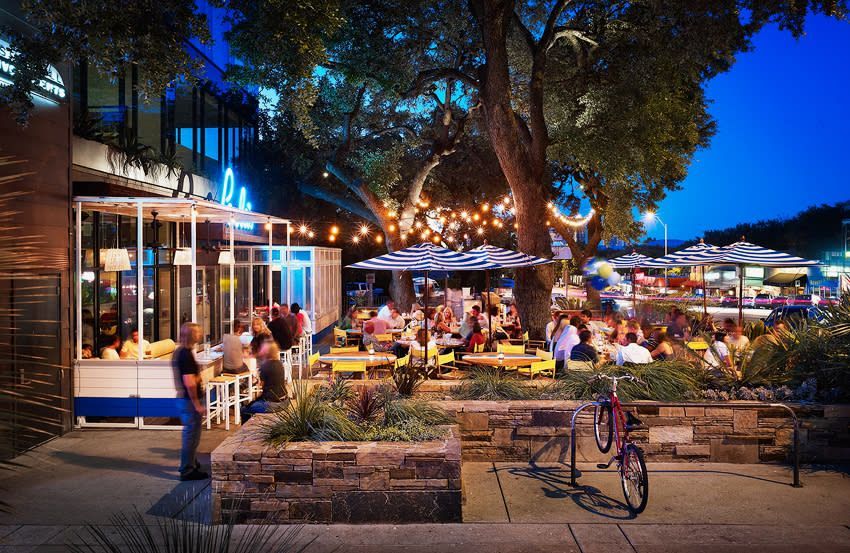
## Description South Congress Avenue, often called SoCo, is one of Austin’s most recognizable streets and one of the easiest places to understand the city’s personality. It blends independent retail, live music, vintage style, public art, great food, and a laid-back but still very energetic street culture. For visitors, the appeal is immediate: you can walk a few blocks and encounter boutique stores, local coffee shops, iconic signs, food trucks, music venues, and skyline views that make Austin feel both creative and unmistakably Texan. What makes South Congress especially interesting is the way it combines old Austin and new Austin in one corridor. It is fashionable without feeling sterile, and busy without feeling anonymous. A little-known fact is that the nickname SoCo became part of Austin’s urban identity only after the street’s modern revival, so the district’s current fame is actually quite recent in the city’s long history. Another detail travelers may not realize is that the avenue has long been a place where local creativity surfaces first: murals, small independent brands, and neighborhood spots often appear here before they become broader trends elsewhere in the city. South Congress is also one of the best places to absorb Austin’s social rhythm. During the day, it feels relaxed, with people moving between shops, patios, and casual lunch spots. In the evening, it becomes more vibrant, especially when people are heading out for dinner, live music, or sunset views near the river and the downtown skyline. The street is not only about commerce; it is about atmosphere. Even if you buy nothing, the walk itself is part of the attraction. ## Location South Congress Avenue is in Austin, Texas, United States, running south from downtown toward the southern part of the city. It is one of the most central and accessible visitor areas in Austin, especially if you are staying downtown or near the river. The street is easy to reach by rideshare, city bus, bicycle, or on foot from nearby neighborhoods. Many visitors also combine it with the Ann and Roy Butler Hike-and-Bike Trail or with a downtown sightseeing day. Because parking can be limited and the area often gets busy, public transport, biking, or walking are usually the smartest options. Once there, the best way to explore is to move slowly and let the block-by-block mix of shops and cafés shape your route. South Congress does not need a complicated plan. The street itself is the itinerary, and the surrounding cross streets offer enough variety to fill several hours without ever feeling repetitive. ## Tips - Visit in the late afternoon or evening if you want the most energetic atmosphere. - Weekday mornings are better for a quieter stroll and easier parking. - Wear comfortable shoes, because the best way to enjoy SoCo is to walk it. - Leave room in your schedule for shopping, coffee, live music, and an unplanned stop. - Watch the skyline at sunset for one of the best views linked to the district. - If you want a more local feel, step beyond the main retail blocks and explore nearby side streets. ## Conclusion South Congress Avenue is one of Austin’s best introductions to the city’s creative side. It is colorful, lively, walkable, and full of character, making it a strong stop for first-time visitors and returning travelers alike. ## FAQ ### What is South Congress Avenue known for? It is known for boutiques, music, food, murals, and its strong association with Austin’s local identity. ### Is South Congress worth visiting at night? Yes. Evening is one of the best times to experience the street’s energy, dining, and nightlife. ### How long should I spend there? Two to four hours is a good range, though it is easy to stay longer if you shop or dine. ### Is the area walkable? Yes. South Congress is one of Austin’s most walkable visitor districts. ## Links - [Austin tourism information](https://www.austintexas.org/)
GemVoyage Team • World
Tokyo
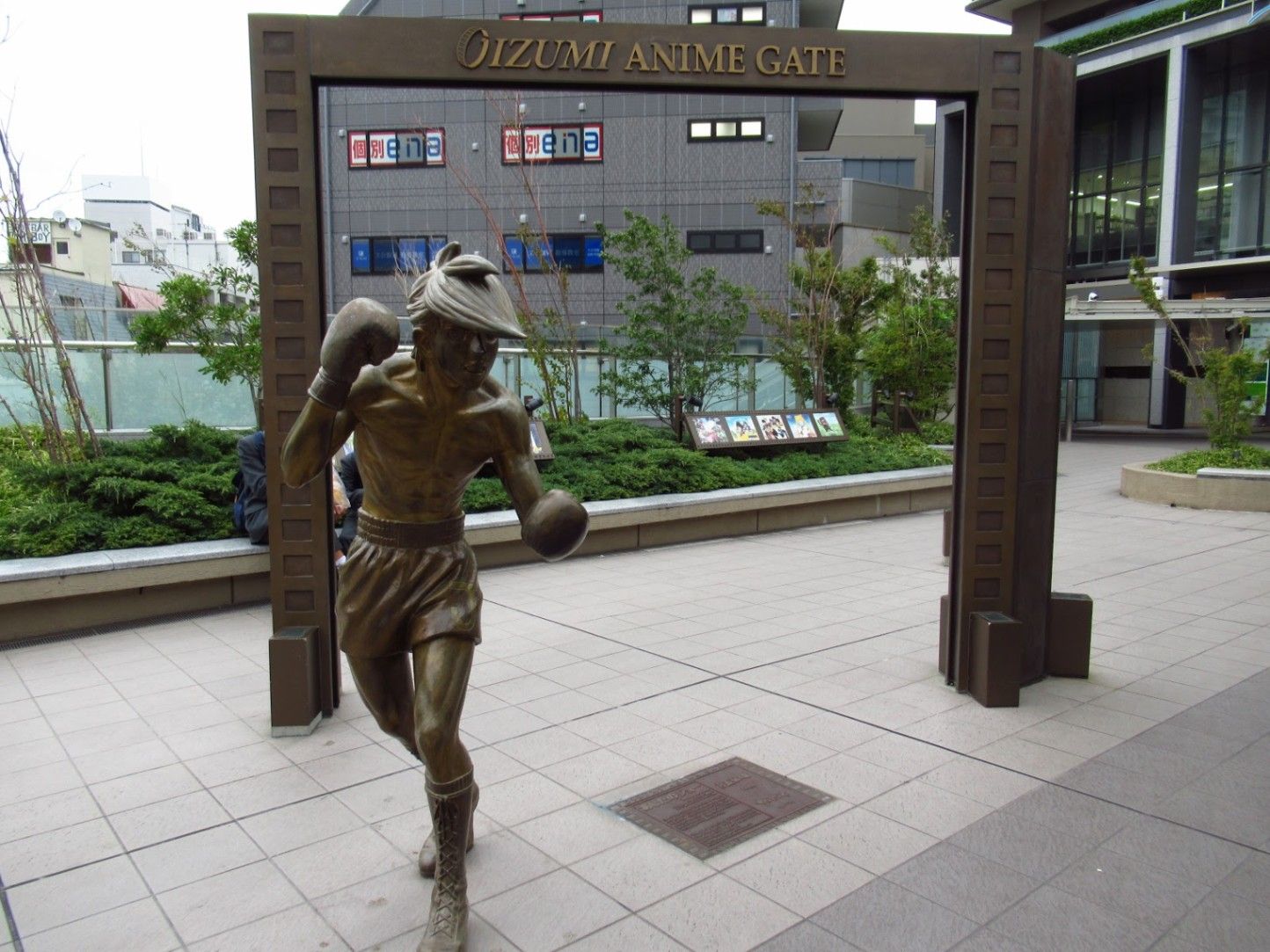
## Description **Ōizumi Anime Gate (大泉アニメゲート)** is a compact but culturally significant open-air attraction located in western Tokyo, celebrating the birthplace of Japan’s anime industry. Rather than being a museum or theme park, it is a **symbolic gateway** marked by life-size bronze statues of iconic anime characters, integrated directly into a normal urban environment. The site honors Ōizumi’s role as the home of **Toei Animation**, one of the most influential studios in anime history. What makes Ōizumi Anime Gate unique is its **casual accessibility**. There is no ticket, no enclosed space, and no structured route. Visitors encounter statues of characters such as Astro Boy, Sally the Witch, Tiger Mask, and Cyborg 009 as part of the daily streetscape. This reflects how deeply anime is woven into Japanese culture not as a niche interest, but as a shared cultural language. A little-known fact is that Ōizumi was the location of Japan’s **first full-scale animation studio**, established in the 1950s, which helped transition animation from experimental shorts into serialized television content. Another lesser-known detail is that the statues are intentionally spread around the station area rather than grouped together, encouraging visitors to explore the neighborhood rather than treating the site as a single photo stop. Ōizumi Anime Gate appeals not only to anime fans but also to travelers interested in **cultural origins**. It provides context for how anime evolved from a local industry into a global phenomenon, all while remaining firmly rooted in an ordinary Tokyo district. ## Location **Country:** Japan **Region:** Kantō **City:** Tokyo **Ward:** Nerima **Area:** Ōizumi The Anime Gate is centered around **Ōizumi-gakuen Station**, a suburban hub on the Seibu Ikebukuro Line. ### How to Get There * **By train:** * Take the **Seibu Ikebukuro Line** from Ikebukuro Station to **Ōizumi-gakuen Station**. The ride takes about 15–20 minutes. * **By bus:** * Local buses connect Ōizumi with other parts of Nerima and western Tokyo. * **By taxi:** * Convenient but unnecessary, as the station area is compact and walkable. * **On foot:** * Once at Ōizumi-gakuen Station, all statues are reachable within a short walking loop. ## Tips * **Download a statue map:** The figures are spread out, and a map helps ensure you don’t miss any. * **Visit during daylight:** The statues are outdoors and best photographed in natural light. * **Respect the neighborhood:** This is a residential and commuter area, not a theme park. * **Combine with local cafés:** Ōizumi has small cafés and bakeries popular with residents. * **Anime knowledge helps but isn’t required:** Informational plaques explain each character’s significance. * **Great short stop:** Ideal as a half-day visit combined with other western Tokyo neighborhoods. ## Conclusion Ōizumi Anime Gate is a modest but meaningful destination that honors the roots of Japanese animation in a way that feels authentic and unforced. By blending iconic characters into everyday urban life, it offers visitors a grounded perspective on how anime became a cornerstone of modern Japanese culture. ## FAQ **1. Is Ōizumi Anime Gate a museum?** No. It is an open-air installation of statues spread around the station area. **2. Is there an entrance fee?** No. The site is completely free to visit. **3. How long does a visit take?** About **30–60 minutes**, depending on how many statues you explore. **4. Is it suitable for children?** Yes. The area is safe, walkable, and family-friendly. **5. Do I need to be an anime fan to enjoy it?** Not necessarily. The site also appeals to visitors interested in Japanese cultural history. **6. Are there shops selling anime merchandise?** Not directly at the site, but nearby Tokyo districts offer extensive anime shopping options. ## Links * [Tokyo tourism official site](https://www.gotokyo.org)
GemVoyage Team • World
Lahore
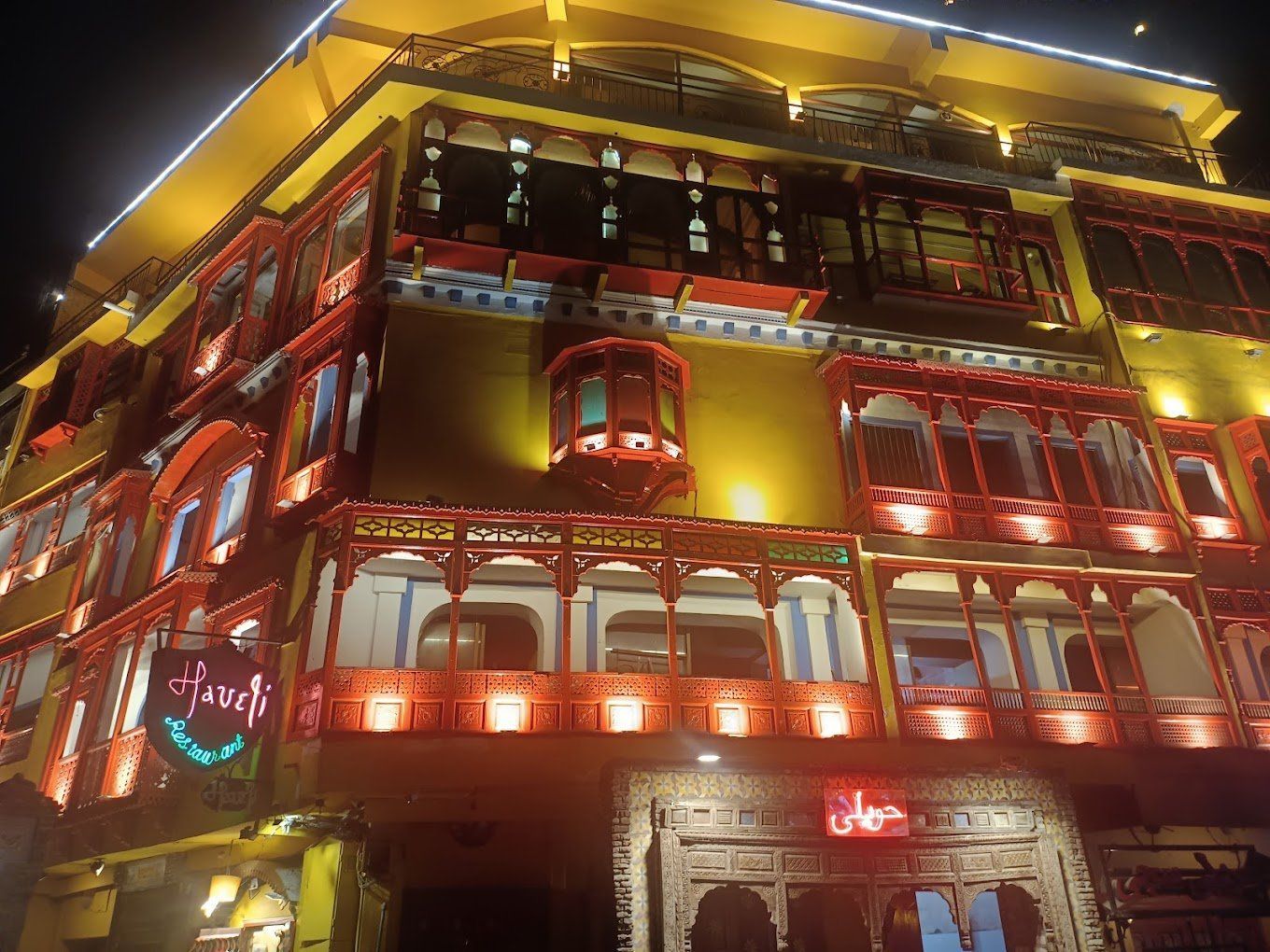
## Description Haveli Restaurant on Lahore Food Street is one of the city’s most atmospheric dining destinations, especially for visitors who want a meal that also feels like an introduction to Lahore’s historic soul. The appeal is not only the food, though the menu is certainly part of the draw. The real magic is the setting: a restored or heritage-inspired space overlooking some of the most iconic sights of the old city, where a meal can come with views of the Badshahi Mosque, Lahore Fort, and the surrounding historic district. In a city known for hospitality and strong culinary traditions, Haveli stands out because it turns dinner into a panoramic cultural experience. What makes the restaurant memorable is how it channels the feeling of old Lahore without turning it into a sterile theme. The ambiance is warm, lively, and often bustling, with families, groups of friends, and travelers all sharing the same multi-level experience. A little-known fact is that the restaurant’s rooftop seating has become one of the most photographed dining settings in Lahore, especially at sunset or after dark when the historic skyline is lit. Another detail many first-time visitors do not expect is how much the surrounding food street contributes to the overall visit. Arriving here is not just about sitting down for a meal; it is about entering a wider evening rhythm where lights, aromas, and street activity all frame the experience. The food itself usually reflects the rich comfort cuisine that Lahore is famous for: grilled meats, curries, bread, rice dishes, and the sort of generously spiced meals that work especially well after a day spent exploring the old city. Even travelers who are mostly interested in architecture or history often leave remembering the restaurant because it connects the city’s cultural identity with a simple and satisfying act: eating well in a beautiful place. ## Location Haveli Restaurant is on or near Lahore Food Street in the historic old-city area of Lahore, Punjab, Pakistan, close to the major heritage zone around the Badshahi Mosque, Lahore Fort, and the old fort-road corridor. The location makes it especially convenient for travelers already visiting the Walled City, because it fits naturally into an evening route through Lahore’s most famous monuments. The easiest way to reach it is usually by taxi or rickshaw, followed by a short walk into the food street area. Because the old city can be crowded and the roads can feel busy, it is best to approach the area with some flexibility in your timing. Sunset is a particularly strong moment to arrive, since it gives you enough daylight for the approach and enough evening atmosphere for the meal itself. If you are making a special trip, consider combining it with a mosque or fort visit earlier in the day, then moving to the restaurant for dinner when the temperature and light are more comfortable. ## Tips - Reserve or arrive early if you want the best rooftop tables. - Sunset is often the most rewarding time for both photos and atmosphere. - Plan a little extra time for the walk around Food Street before or after your meal. - Try signature local dishes rather than ordering too broadly. - Dress respectfully, especially if you are moving between heritage sites and dinner. - Use the restaurant as part of a larger old-city evening rather than a standalone stop. ## Conclusion Haveli Restaurant is one of Lahore’s most appealing places for visitors who want food, heritage, and views in the same experience. It captures the mood of the old city while offering a memorable and scenic meal. ## FAQ ### Is Haveli Restaurant good for tourists? Yes. It is especially good for travelers who want a dinner setting tied to Lahore’s historic atmosphere. ### What is the best time to go? Sunset and early evening are usually the most impressive times. ### Is rooftop seating worth it? Yes. The rooftop views are one of the main reasons people choose this restaurant. ### Can I combine it with sightseeing? Absolutely. It fits perfectly after visiting the Walled City, Lahore Fort, or the Badshahi Mosque. ## Links - [Lahore Food Street information](https://walledcitylahore.gop.pk/) - [Wikipedia on Lahore](https://en.wikipedia.org/wiki/Lahore) - [Badshahi Mosque](https://en.wikipedia.org/wiki/Badshahi_Mosque)
GemVoyage Team • World

Moscow
## Description Winzavod Art Center is one of Moscow’s most important contemporary cultural destinations because it transformed an industrial site into a living arts quarter. Located in a former winery complex, it combines galleries, studios, exhibition spaces, design shops, and creative institutions in an environment that feels both raw and intentionally curated. For visitors interested in contemporary art, design, urban regeneration, or Moscow’s creative scene, it is an essential stop. What makes Winzavod especially compelling is the way the setting shapes the experience. The industrial architecture gives the center a strong visual identity, and the reuse of the space reinforces the idea that art can emerge from older urban infrastructure rather than only from formal museum buildings. A lesser-known fact is that Winzavod has played a major role in Moscow’s contemporary art ecosystem, helping to establish a more visible platform for galleries, experimental projects, and creative communities. Another detail many travelers appreciate is that the site does not feel like a single static institution. It often feels like a district within the city, with overlapping uses and constantly changing cultural energy. For visitors, the attraction is not just the exhibitions but the atmosphere of making and experimentation. You can encounter established artists, emerging voices, design-driven retail, and a kind of creative density that is difficult to find in more conventional museums. This gives the center a special value for travelers who want to understand how Moscow’s cultural life operates in the present tense, not only through its imperial or Soviet past. Winzavod also works well because it is approachable. You do not need specialist knowledge to enjoy the visit. Even if you are not deeply immersed in contemporary art, the setting, programming, and urban energy make it a stimulating place to spend time. ## Location Winzavod Art Center is located in Moscow, Russia, in the city’s central creative and industrial-adjacent area. Its position makes it accessible from major parts of the city while still retaining a distinct identity separate from the classic tourist circuit. Because it is part of a larger former industrial complex, the site feels like a destination rather than a simple gallery visit. The easiest way to reach it is by Moscow Metro followed by a short walk, though taxis and rideshares are also practical. Once there, the best approach is to move slowly through the complex and check the current exhibition mix. Since the site often hosts multiple galleries and spaces, the experience can vary depending on the day. If you are building a broader Moscow itinerary, Winzavod pairs well with other contemporary or alternative cultural stops, as well as food and coffee breaks in the surrounding area. ## Tips Check current exhibitions before going. The experience is best when you know what is showing. Allow time for wandering. The site rewards exploration across multiple spaces rather than a quick single-room visit. Pay attention to the architecture. The industrial shell is a major part of the atmosphere. If you enjoy design, books, or independent retail, give yourself time to browse beyond the exhibitions. Use it as a contrast to Moscow’s older heritage sites. The juxtaposition makes the city feel more complete. ## Conclusion Winzavod Art Center is one of Moscow’s most distinctive creative spaces, blending contemporary art with industrial architecture and a strong urban identity. It is ideal for travelers who want to see the city’s present-day cultural energy. ## FAQ ### Is Winzavod only for contemporary art specialists? No. It is accessible to general visitors and works well even if you are simply curious about Moscow’s creative scene. ### How much time should I spend there? Around 1.5 to 3 hours, depending on how many galleries and spaces are open when you visit. ### Is it easy to reach from central Moscow? Yes. Metro access makes it relatively straightforward. ### What makes it different from a normal museum? It is more of a cultural complex than a single museum, with a stronger sense of creative ecosystem and adaptive reuse. ## Links - [Winzavod official site](https://winzavod.ru/eng/)
GemVoyage Team • World
Berlin
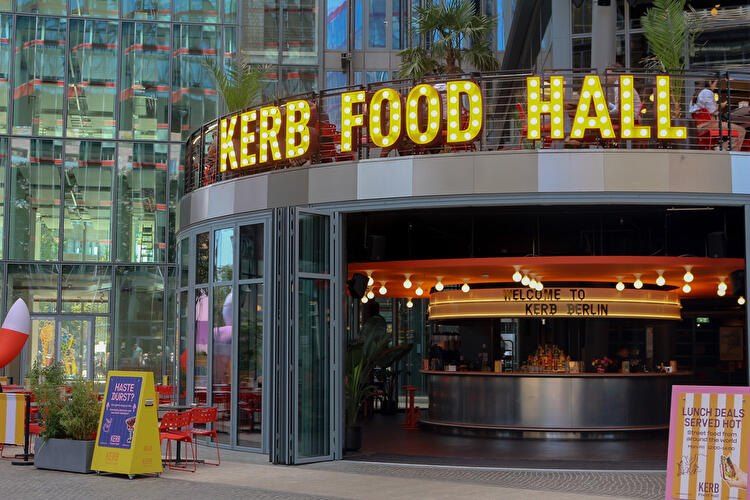
## Description **KERB Food Hall Berlin** is one of the city’s most exciting modern food destinations, bringing together **global street food, creative culinary startups, and a vibrant social atmosphere** under one roof. Originally founded in London, KERB built its reputation by curating some of the best independent street food traders in the UK, and its expansion into Berlin introduced that same concept to Germany’s capital — with a distinctly local twist. What makes KERB Berlin unique is its **carefully curated lineup of rotating food vendors**, rather than permanent restaurant tenants. This means repeat visitors rarely have the same experience twice. One visit might feature Korean fried chicken, Venezuelan arepas, and Detroit-style pizza, while the next showcases artisanal burgers, vegan Asian fusion, and experimental dessert concepts. The focus is on **independent operators, bold flavors, and limited menus executed at a very high level**. The food hall is housed inside a **repurposed industrial building**, which reflects Berlin’s signature blend of raw architecture and creative culture. Exposed concrete, steel beams, neon signage, and open kitchens give the space an energetic, urban feel. At the same time, long communal tables and open seating make it a highly social environment where strangers easily strike up conversations over food. KERB Berlin is not just about eating; it is designed as a **cultural and lifestyle venue**. The space regularly hosts **live DJs, themed food events, launch pop-ups, tasting nights, and collaborations with breweries and chefs**. This transforms the food hall into a nightlife-adjacent destination rather than a simple lunch stop. On weekends, the atmosphere often shifts from casual dining to full-fledged social gathering. A little-known fact is that most vendors at KERB Berlin **pass through a rigorous selection and testing process**, where they first operate as pop-ups before being invited into the official rotation. This keeps quality consistently high and avoids stagnation. Another lesser-known detail is that several traders who started at KERB locations in London and Berlin later expanded into **successful standalone restaurant brands**, making the food hall a genuine business incubator for culinary entrepreneurs. For travelers, KERB offers a **fast, high-quality overview of global flavors** without needing multiple restaurant visits. For Berliners, it functions as a rotating experimental kitchen where emerging food concepts can be explored in a relaxed, informal setting. ## Location **KERB Food Hall Berlin** is located in the **Neukölln district**, one of the city’s most dynamic and fast-evolving neighborhoods known for its creative industries, nightlife, and international food scene. **City:** Berlin **Region:** Berlin State (Bundesland Berlin) **Country:** Germany **District:** Neukölln ### How to Get There: * **By U-Bahn:** Take **U8** to **Boddinstraße** or **Hermannplatz**, then walk approximately 8–12 minutes depending on the exit. * **By S-Bahn:** Take **S41/S42 Ringbahn** to **Sonnenallee**, followed by a short walk. * **By bus:** Several routes serve the Neukölln area, with stops within walking distance. * **By taxi or ride-hailing apps:** Simply ask for “KERB Food Hall Neukölln.” * **By bicycle:** Dedicated bike lanes are available throughout Neukölln, with bike parking near the venue. Its location makes it easy to combine with **Neukölln nightlife, vintage shopping, rooftop bars, and live music venues**. ## Tips * **Arrive hungry and early on weekends:** Peak hours fill up fast, especially Friday and Saturday evenings. * **Walk the full hall before ordering:** Vendor selection changes often, and it pays to explore all options first. * **Share dishes:** Portion sizes are ideal for sharing, allowing you to sample multiple vendors in one visit. * **Bring both cash and card:** Most stalls accept cards, but some pop-ups may still prefer cash. * **Follow KERB Berlin on social media:** This is the best way to track rotating vendors, special events, and guest chef nights. * **Vegan and halal options are usually available:** The vendor mix is intentionally inclusive. * **Weekday lunches are calmer:** If you prefer a quieter experience, visit during weekday afternoons. * **Pair with nearby nightlife:** The area transforms after dark and offers excellent bar-hopping opportunities. ## Conclusion **KERB Food Hall Berlin** is a dynamic celebration of **modern street food culture, independent entrepreneurship, and Berlin’s creative energy**. With its constantly changing vendor lineup, industrial-chic atmosphere, and event-driven programming, it offers far more than a standard food court. Whether you are a traveler seeking a fast introduction to global flavors or a local searching for the next culinary trend, KERB delivers a social, flavorful, and ever-evolving dining experience. ## FAQ **1. What is KERB Food Hall known for?** KERB is known for **rotating gourmet street food vendors**, curated for quality, creativity, and independent ownership. **2. Is KERB Berlin suitable for vegetarians and vegans?** Yes, there are usually **multiple vegetarian and vegan stalls** at any given time. **3. Do I need a reservation to visit?** No, KERB operates on a **walk-in basis**, though large groups may have limited seating during peak hours. **4. Is KERB family-friendly?** Yes, during daytime hours it is family-friendly. Evenings are more adult-oriented due to music and alcohol service. **5. Does KERB Berlin serve alcohol?** Yes, the food hall offers **craft beer, cocktails, and non-alcoholic beverages** through onsite bars. **6. How often do the food vendors change?** Vendors rotate regularly, depending on pop-up schedules, seasonal menus, and special collaborations. ## Links * [KERB Official Website](https://kerbfood.com) * [Visit Berlin – Food Markets & Food Halls](https://www.berlin.de/en/shopping/markets/food-halls/9860248-9881473-kerb-berlin.en.html)
GemVoyage Team • World
Taiwan
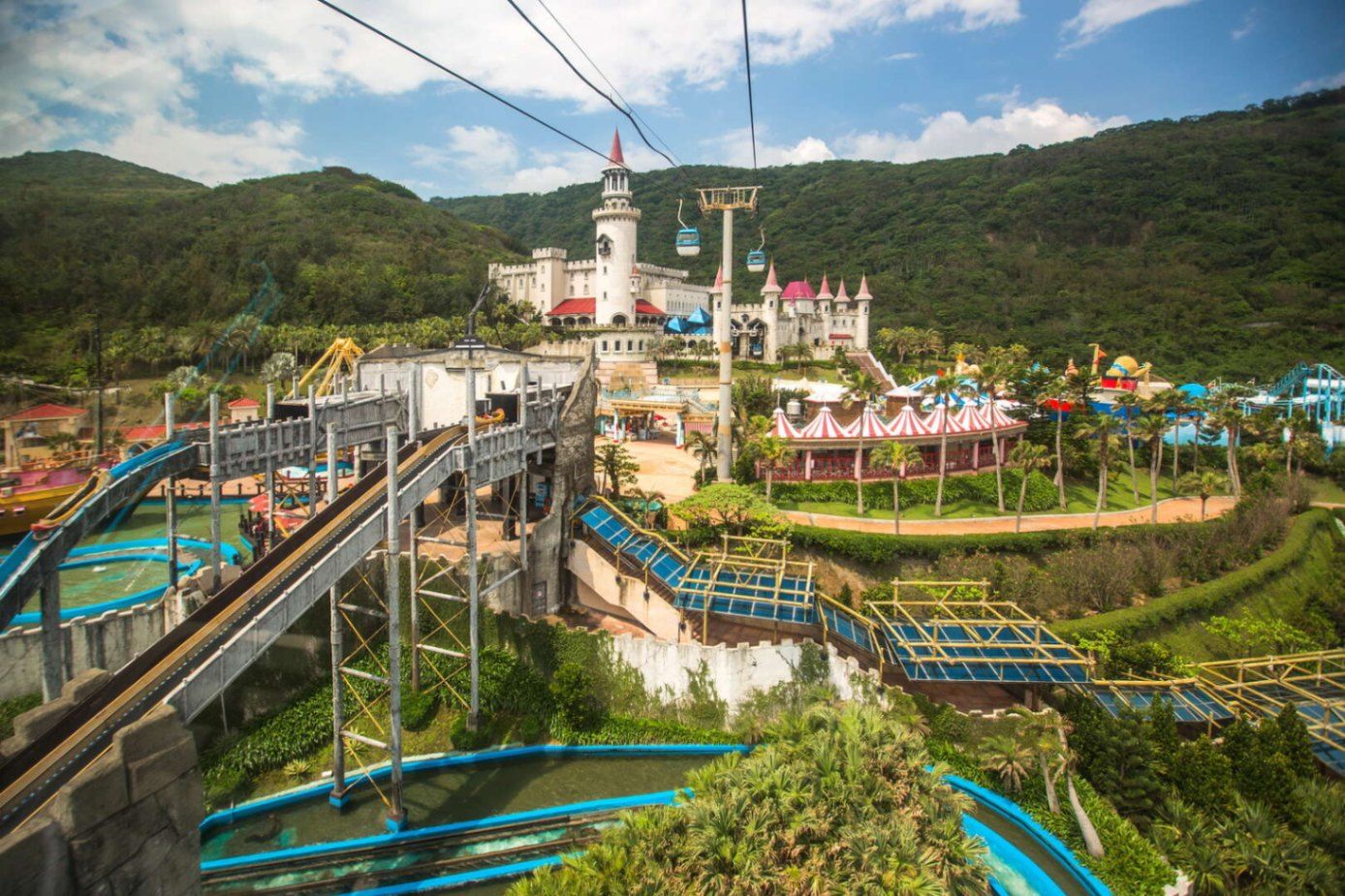
## Description **Farglory Ocean Park (遠雄海洋公園)** is Taiwan’s most prominent **marine-themed amusement park**, uniquely positioned on a **cliff overlooking the Pacific Ocean** near the city of Hualien. Unlike typical flatland theme parks, Farglory combines **high-altitude sea views, performance-based attractions, and family-oriented thrill rides** into a single destination where entertainment and ocean scenery merge into one continuous visual experience. Opened in **2007**, the park was designed to blend the excitement of a modern amusement park with the educational storytelling of marine life and ocean ecology. Rather than focusing solely on rides, Farglory emphasizes **live animal shows, interactive exhibits, aquarium tunnels, and water-based performances**, which give it a hybrid identity somewhere between a theme park and a marine discovery center. One of the defining features of Farglory Ocean Park is its **elevated position on coastal cliffs**, providing uninterrupted panoramic views of the Pacific. On clear days, visitors can watch waves crash far below while riding attractions located hundreds of meters above sea level. This geographical advantage gives the park an atmosphere unlike any other marine park in East Asia, where the ocean is not just a theme but a constant natural presence. The park is divided into several themed zones, including areas focused on **marine exploration, fantasy, adventure rides, and live entertainment**. Dolphin and sea lion performances are among its most popular attractions, carefully choreographed to combine education, humor, and athletic spectacle. The aquarium zones feature massive tanks with sharks, rays, and tropical fish, while tunnel walkways place visitors directly below swimming marine life. Beyond animals, Farglory also invests heavily in **aerial rides, roller coasters, river rapids, and rotating observation attractions**. Many of these rides take full advantage of the park’s cliffside location, creating the illusion that visitors are floating above the open ocean. This vertical relationship with the sea adds a psychological thrill even to moderate rides. A little-known fact is that Farglory Ocean Park was originally conceived as part of a larger coastal tourism transformation project for eastern Taiwan, intended to balance the heavy development of the west coast. Another lesser-known detail is that due to its seaside exposure, the park’s rides and structures are built with **enhanced corrosion-resistant materials** to withstand salt air and typhoon conditions, making maintenance far more complex than at inland parks. Emotionally, the park offers a dual experience. For children and families, it is colorful, loud, and filled with motion and music. For adults, it can feel unexpectedly cinematic, particularly at sunset, when the park’s observation decks and outdoor rides become framed by deep orange skies and dark blue ocean horizons. The contrast between artificial entertainment and raw nature is one of Farglory’s strongest unspoken features. ## Location **Farglory Ocean Park** is located near **Hualien City** on Taiwan’s **eastern coast**, facing the Pacific Ocean. **City:** Hualien **Region:** Eastern Taiwan **Country:** Taiwan **Area:** Shoufong Township (near Hualien City) ### How to Get There: * **By train:** Take a train from **Taipei, Taichung, or Kaohsiung to Hualien Station**. From Hualien Station, transfer to a shuttle bus, taxi, or local tour service to reach the park. * **By car:** Drive along Provincial Highway 11, which follows Taiwan’s eastern coastline. The route is scenic but winding. * **By tour bus:** Many visitors choose organized day tours from Hualien that include park admission and transport. * **By taxi or ride-hailing:** A convenient option from Hualien City, typically 20–30 minutes depending on traffic. Its coastal position makes the park a natural addition to a **Taroko Gorge and East Coast scenic road trip**. ## Tips * **Arrive early:** The park is large, and early arrival helps avoid long queues for top rides. * **Check weather forecasts:** The park is highly exposed to sun and wind. Poor weather can limit ride operations. * **Wear light, breathable clothing:** The coastal humidity can be intense in warmer months. * **Use park lockers:** Useful if you plan to go on water rides or attend splash shows. * **Follow show schedules:** Dolphin and sea lion performances have fixed times and fill up quickly. * **Hydration is essential:** Walking between zones involves long outdoor paths with limited shade. * **Ideal for families:** Thrill-seekers may find the ride selection moderate compared to major international theme parks. * **Stay in Hualien overnight:** One full day is enough for the park, but the surrounding natural attractions justify a longer stay. ## Conclusion **Farglory Ocean Park** stands at the intersection of **entertainment, marine education, and dramatic Pacific coast scenery**. Its elevated cliffside location transforms a conventional theme park into a panoramic ocean viewpoint layered with rides, shows, and aquarium experiences. While it may not compete with the world’s largest amusement parks in scale, it delivers something far rarer: **a theme park where the real ocean is always the main attraction**. ## FAQ **1. What type of park is Farglory Ocean Park?** It is a **marine-themed amusement park** that combines rides, animal shows, and aquarium exhibits. **2. Is Farglory Ocean Park suitable for young children?** Yes. It is **highly family-friendly**, with many attractions designed for children. **3. How long does a full visit usually take?** Most visitors spend **5 to 7 hours** to experience the park properly. **4. Does the park operate year-round?** Yes, but **ride availability may be limited** during typhoon season or severe weather. **5. Is the park accessible for non-Chinese speakers?** Yes. Basic signage and staff support are available in **English**, though detailed explanations may be in Chinese. **6. Is it better to visit independently or with a tour?** Independent visits offer flexibility, while **tours are easier for transport logistics**, especially for short stays in Hualien. ## Links * [Farglory Ocean Park Official Website](https://www.farglory-oceanpark.com.tw)
GemVoyage Team • World

Comments