GemVoyage Team • World
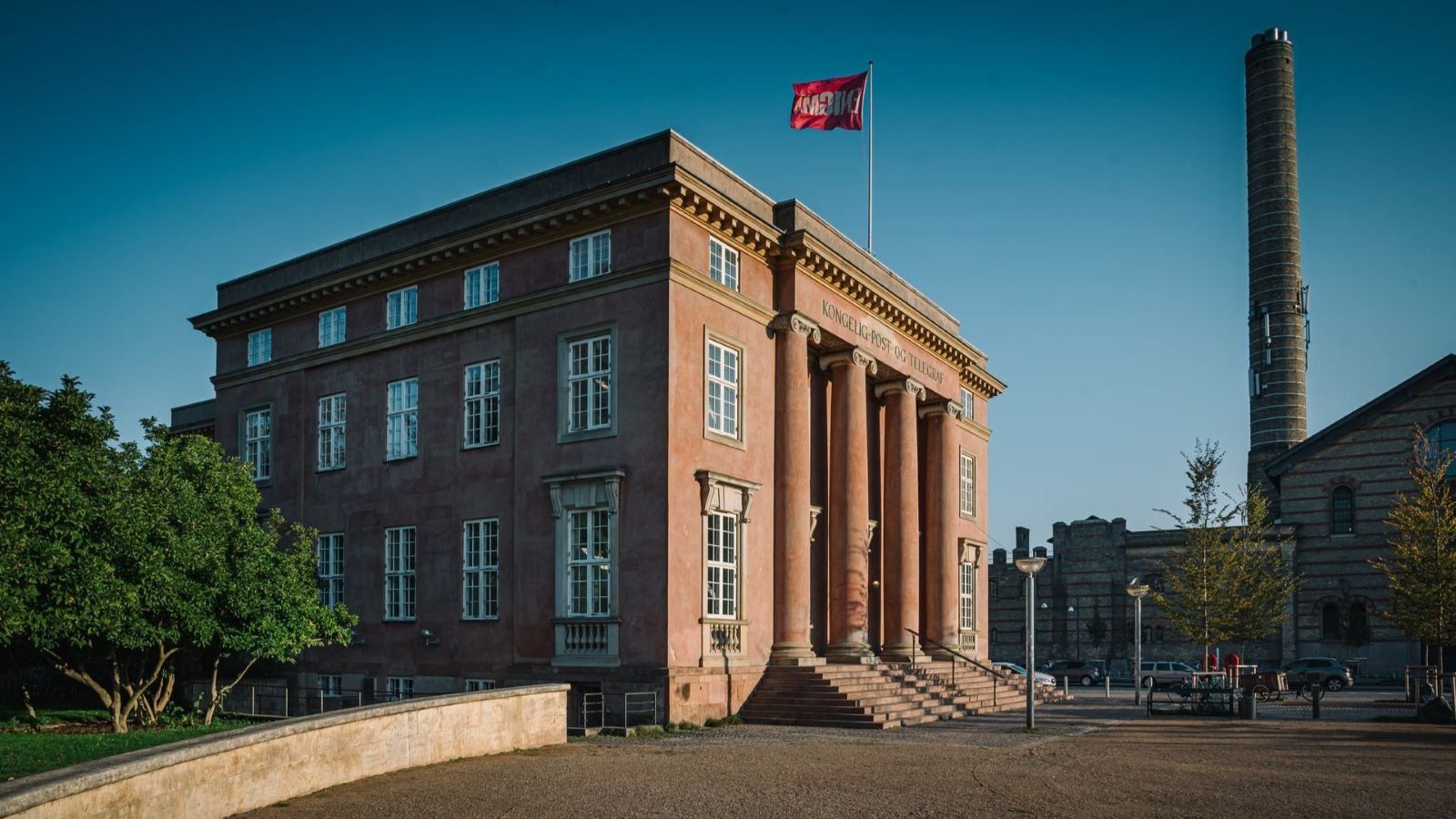
The ENIGMA – Museum for Post, Tele and Communication is one of Copenhagen’s most modern and intellectually stimulating museums, dedicated not to ancient artifacts or royal history, but to how humans have communicated across distance, time, and technology. From handwritten letters and Morse code to mobile phones, surveillance systems, and digital culture, ENIGMA explores the evolution of human connection in the age of information.
Unlike traditional technology museums that merely display machines behind glass, ENIGMA is designed as a highly interactive, reflection-driven experience. Visitors are encouraged not only to observe how communication tools work, but also to question the social, political, and psychological consequences of living in a hyper-connected world. Themes such as privacy, propaganda, encryption, digital identity, surveillance, mass media, and misinformation are central to the museum’s narrative.
One of ENIGMA’s strongest features is its ability to turn abstract digital concepts into physical, experiential installations. Visitors can experiment with cryptography systems, explore how data is tracked and monetized, decode historical messages, and see how wartime intelligence shaped modern communication security. These hands-on elements make the museum engaging for both casual visitors and those with deeper interests in media studies, cybersecurity, or information technology.
The museum also preserves a major historical legacy. ENIGMA is the institutional successor to Denmark’s former Post & Tele Museum, and it still houses one of Northern Europe’s most important collections of telegraph machines, early telephones, switchboards, radios, and postal equipment. These historical objects are seamlessly integrated into contemporary digital storytelling, allowing visitors to trace a clear technological timeline from ink and paper to algorithms and artificial intelligence.
A powerful section of the museum focuses on war communication and encryption, including how coded messages, radio interception, and intelligence networks reshaped modern conflicts. This section directly references the global legacy of machines like the Enigma cipher machine (from which the museum takes its name), emphasizing how secrecy and communication control became decisive weapons of the 20th century.
A little-known fact is that the museum is housed in a former industrial building linked to Copenhagen’s old port and logistics infrastructure, reinforcing its historical connection to information and transport networks. Another lesser-known detail is that ENIGMA regularly hosts temporary exhibitions on digital ethics, social media behavior, and artificial intelligence, meaning the content is constantly evolving rather than static.
ENIGMA is not nostalgic about technology, nor blindly optimistic. Its central strength lies in how it frames communication as a double-edged force—one that enables freedom, creativity, and democracy, while also enabling manipulation, control, and surveillance. This intellectual balance makes the museum especially relevant in the modern era, where digital systems shape nearly every aspect of daily life.
The ENIGMA Museum of Communication is located in the Østerbro district of Copenhagen, a residential and creative area near the city’s northern waterfront.
City: Copenhagen
Region: Capital Region of Denmark (Hovedstaden)
Country: Denmark
District: Østerbro
Its location makes it easy to combine with Østerbro cafés, waterfront walks, and beach visits at Svanemøllen Strand.
The ENIGMA Museum of Communication is one of Copenhagen’s most intellectually relevant cultural institutions, offering a deep, interactive exploration of how human connection, technology, power, and identity intersect. By combining historical artifacts with digital-age questions about privacy, data, and surveillance, ENIGMA transforms communication from an invisible background process into a central force that shapes modern life. It is an essential stop for anyone who wants to understand not just how we communicate—but what that communication is doing to us.
1. What is the ENIGMA Museum about?
It focuses on the history and impact of communication technologies, from postal systems and telegraphs to digital surveillance and social media.
2. Is the museum only about old technology?
No. It strongly emphasizes modern digital communication, cybersecurity, and media influence alongside historical tools.
3. Is ENIGMA suitable for children?
It is best suited for teenagers and adults, as many themes involve abstract concepts like data ethics and surveillance.
4. How long does a visit usually take?
Most visitors spend 2 to 3 hours exploring the exhibitions.
5. Is everything in Danish?
No. Most exhibits are available in both Danish and English.
6. Does the museum change its exhibitions?
Yes. It regularly hosts temporary exhibitions on emerging digital and communication topics.
Discover more hidden gems you might love.
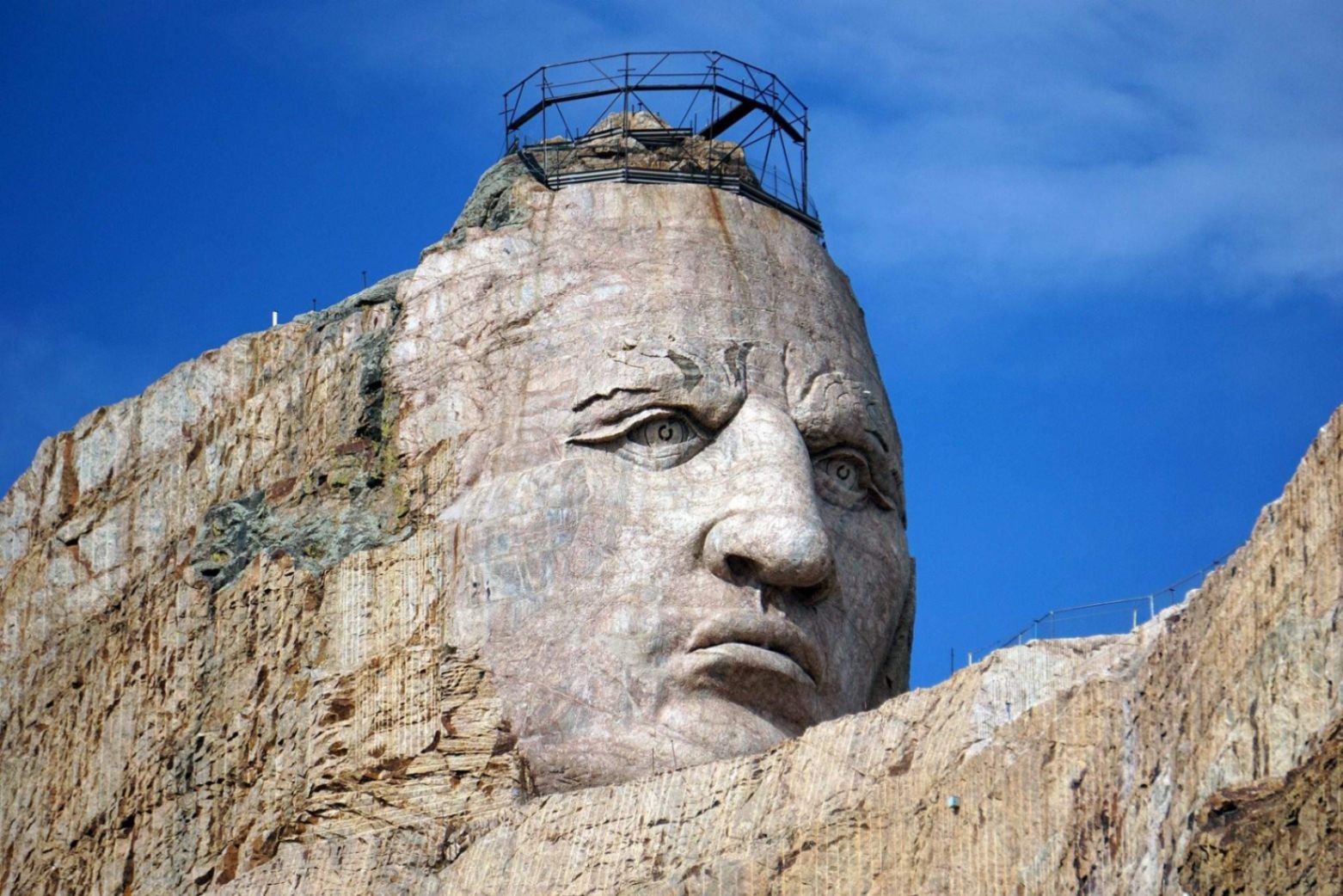
South Dakota
## **Description** The Crazy Horse Memorial is one of the most ambitious and meaningful monuments in the United States. Carved directly into a mountain in the Black Hills, this massive sculpture honors **Crazy Horse**, a revered Lakota leader who fought to protect Native American lands, culture, and way of life. Unlike many traditional monuments, the Crazy Horse Memorial is not just a sculpture—it is a living cultural center dedicated to preserving Indigenous history, values, and traditions. What makes this attraction especially unique is its sheer scale. When completed, the Crazy Horse sculpture will be the **largest mountain carving in the world**, far surpassing Mount Rushmore in size. One little-known fact is that Crazy Horse never allowed photographs of himself during his lifetime, which is why the monument is not based on an exact likeness but rather on oral history and cultural interpretation. Another lesser-known detail is that the project has been **privately funded since its start in 1948**, without any federal government support, relying entirely on donations and visitor contributions. Beyond the carving itself, the memorial complex includes museums, cultural programs, and educational exhibits that make it a deeply moving and informative destination. ## **Location** The Crazy Horse Memorial is located in **the United States**, in the state of **South Dakota**, within the **Black Hills region**, near the town of **Custer**. The memorial sits about 17 miles southwest of Mount Rushmore, making it easy to include both attractions in a single trip. The best way to get there is by car. Visitors typically fly into **Rapid City Regional Airport**, which is about an hour’s drive from the memorial. From Rapid City, rental cars are readily available, and the drive through the Black Hills is scenic and enjoyable. Organized tours from Rapid City and nearby towns are also available for those who prefer not to drive. ## **Tips** * **Plan for at least two to three hours** to explore the memorial, museum, and visitor center. * **Visit in the late afternoon or early evening** for dramatic lighting and fewer crowds. * **Attend cultural demonstrations** when available, such as traditional Native American storytelling or dance performances. * **Wear comfortable walking shoes**, as some areas involve uneven paths. * **Check the blasting schedule**, as occasional controlled blasts may occur as part of the carving process. * **Support the mission** by visiting the gift shop or donating, as the memorial relies entirely on private funding. ## **Conclusion** The Crazy Horse Memorial is far more than a monument—it is a symbol of respect, resilience, and cultural preservation. Set in the stunning Black Hills of South Dakota, it offers visitors a profound opportunity to learn about Native American history while witnessing one of the world’s most extraordinary ongoing sculptures. ## **FAQ** **What is the Crazy Horse Memorial?** It is a massive mountain carving dedicated to Crazy Horse, a Lakota leader, and to honoring Native American heritage and culture. **Is the Crazy Horse Memorial finished?** No, the carving is still in progress and is considered a multi-generational project. **How much time should I plan for my visit?** Most visitors spend two to three hours exploring the site. **Is the memorial suitable for children?** Yes, the memorial includes educational exhibits and open spaces suitable for families. **Can I see Mount Rushmore from the Crazy Horse Memorial?** No, but Mount Rushmore is a short drive away and is often visited on the same trip. ## **Links** * [Official Crazy Horse Memorial Website](https://crazyhorsememorial.org)
GemVoyage Team • World
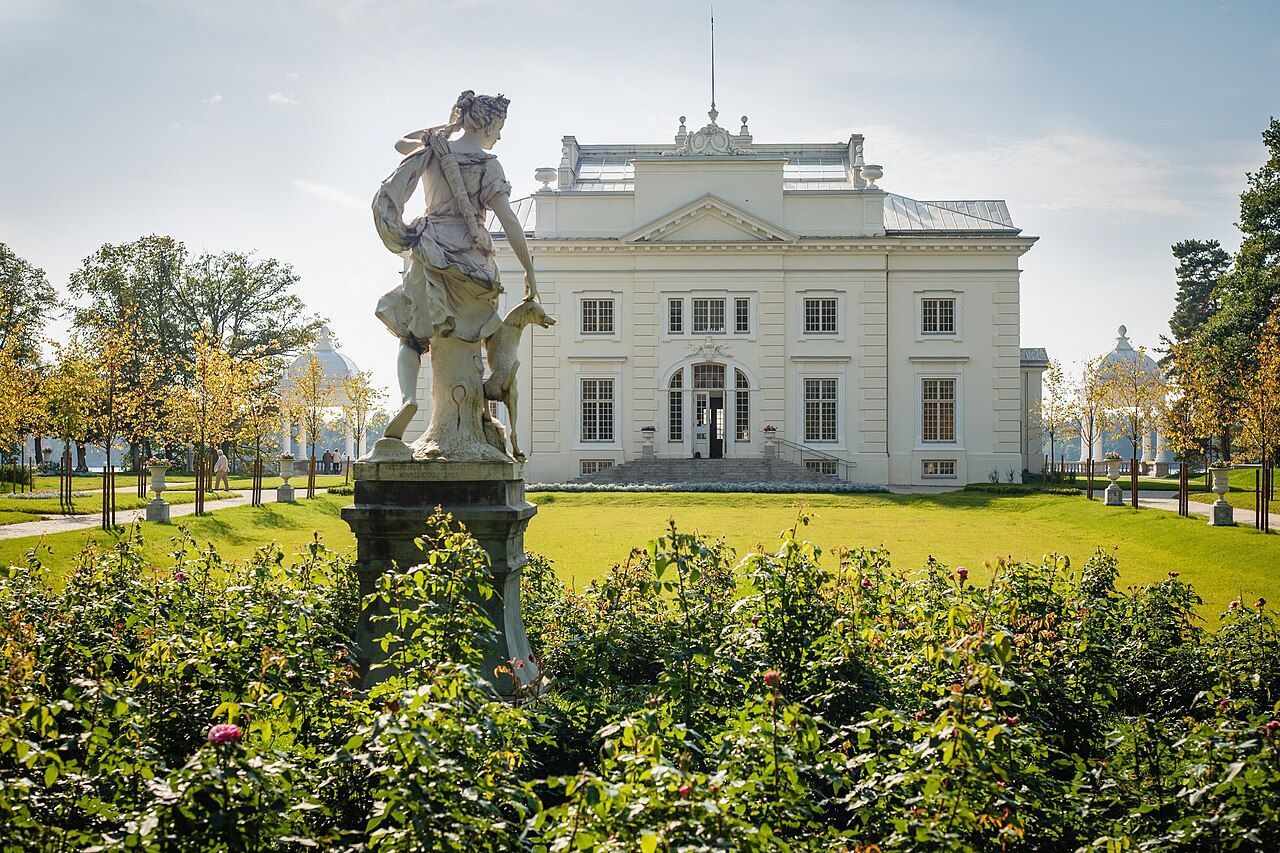
Trakai
## Description Užutrakis Manor Estate is a graceful, lakeside cultural landscape that combines manicured gardens, classical architecture, and sweeping views over Lake Galvė just outside Trakai. The estate preserves the atmosphere of late 19th– and early 20th-century leisure gardens while adapting to contemporary cultural life: restored terraces, thoughtfully composed alleys, sculptures, and scenic viewpoints frame the manor house and connect the property visually and historically with Trakai’s iconic island castle across the water. What makes Užutrakis special is its dual character as both a preserved historic landscape and an active cultural venue. Garden designers and conservationists have worked to retain the original axes and formal layouts while integrating native plantings that support local biodiversity. The manor’s rooms and exhibition spaces are used seasonally for concerts, art shows, and local festivals, so a visit can feel both reflective and lively depending on the calendar. Photographers prize the vantage points that align with the castle silhouette on Lake Galvė, and landscape enthusiasts appreciate the blending of English-style park elements with Lithuanian plantings. For travelers seeking a slower cultural day trip from Vilnius or Vilnius airport, Užutrakis offers a concentrated experience: well-maintained paths for strolls, benches for long views, and interpretive signage that explains the estate’s history, garden features, and the restoration philosophy. Because it sits a short distance from Trakai’s main attractions, it pairs naturally with a visit to the island castle, allowing visitors to alternate between formal architecture, lakeside walks, and local food options in Trakai town. ## Location Užutrakis Manor sits on the shores of Lake Galvė within Trakai municipality, Vilnius County, central Lithuania. It lies only a short drive, bike ride, or pleasant walk from Trakai town and its famous island castle, making it an easy half-day or day-trip destination from Vilnius (about 28 kilometers away) or from Vilnius International Airport. Getting there is straightforward: regional buses and organized tours run regularly between Vilnius and Trakai, and local taxi services provide short transfers to the estate. For a more scenic approach, boat shuttles operate on Lake Galvė in the warmer months, delivering visitors to various points along the shoreline. Cyclists can combine the manor with a gentle ride around the lake, while visitors staying in Trakai can reach the gardens on foot from the town center depending on seasonal paths and local signage. ## Tips - **Combine with Trakai Castle:** Pair a morning or afternoon at Užutrakis with a visit to Trakai Castle for a varied cultural day of gardens and medieval architecture. - **Check the event calendar:** The manor hosts concerts, seasonal exhibitions, and cultural programs; aligning your visit with an event can add memorable local flavor. - **Wear comfortable shoes:** Gravel paths, terraces, and gentle slopes reward comfortable footwear; bring a light rain layer in changeable weather. - **Bring a camera and binoculars:** The viewpoints toward Trakai Castle and lakeside vistas are signature photo opportunities; binoculars help for birdwatching along the shoreline. - **Mind opening hours and fees:** The estate may have seasonal opening hours and modest fees for house access or special exhibitions. - **Respect the grounds:** Follow paths, avoid trampling sensitive plantings, and observe any interpretive guidance—this helps conserve the restored historic landscape. ## Conclusion Užutrakis Manor Estate is a graceful complement to Trakai’s island castle and regional attractions: a lakeside garden escape rich in architecture, curated views, and seasonal cultural programming. It rewards slow visits—moments of reflection on terraces, an attentive walk through historic lanes, and an appreciation for the interplay of landscape restoration and active cultural life. ## FAQ - **Q: Is there an entrance fee to Užutrakis Manor?** A: There is often a modest fee for access to the manor’s interiors or special exhibitions; garden access may be free or ticketed depending on season. Check the estate’s official site or local tourist information for current rates. - **Q: Can I tour the interior of the manor house?** A: Interior access is seasonal and may be limited during restoration or private events—plan ahead if interior tours are important to your visit. - **Q: Are events held outdoors, and do I need reservations?** A: Seasonal concerts and cultural events commonly occur outdoors; some events require advance booking while smaller activities may accept walk-up visitors. - **Q: Is the manor wheelchair or stroller accessible?** A: Accessibility varies across terraces and historic rooms; the garden paths are generally manageable, but some interior areas may have steps—contact the site for detailed accessibility information. - **Q: How long should I allocate for a visit?** A: Plan 1.5–3 hours to enjoy the gardens, viewpoints, and any small exhibitions; longer if attending a concert or combining with Trakai Castle. - **Q: Are there food options nearby?** A: Trakai town offers cafés and local eateries; pack water and light snacks if you prefer a picnic in the gardens. ## Links -- [Užutrakis Manor (Wikipedia)](https://en.wikipedia.org/wiki/U%C5%BEutrakis_Manor)
GemVoyage Team • World
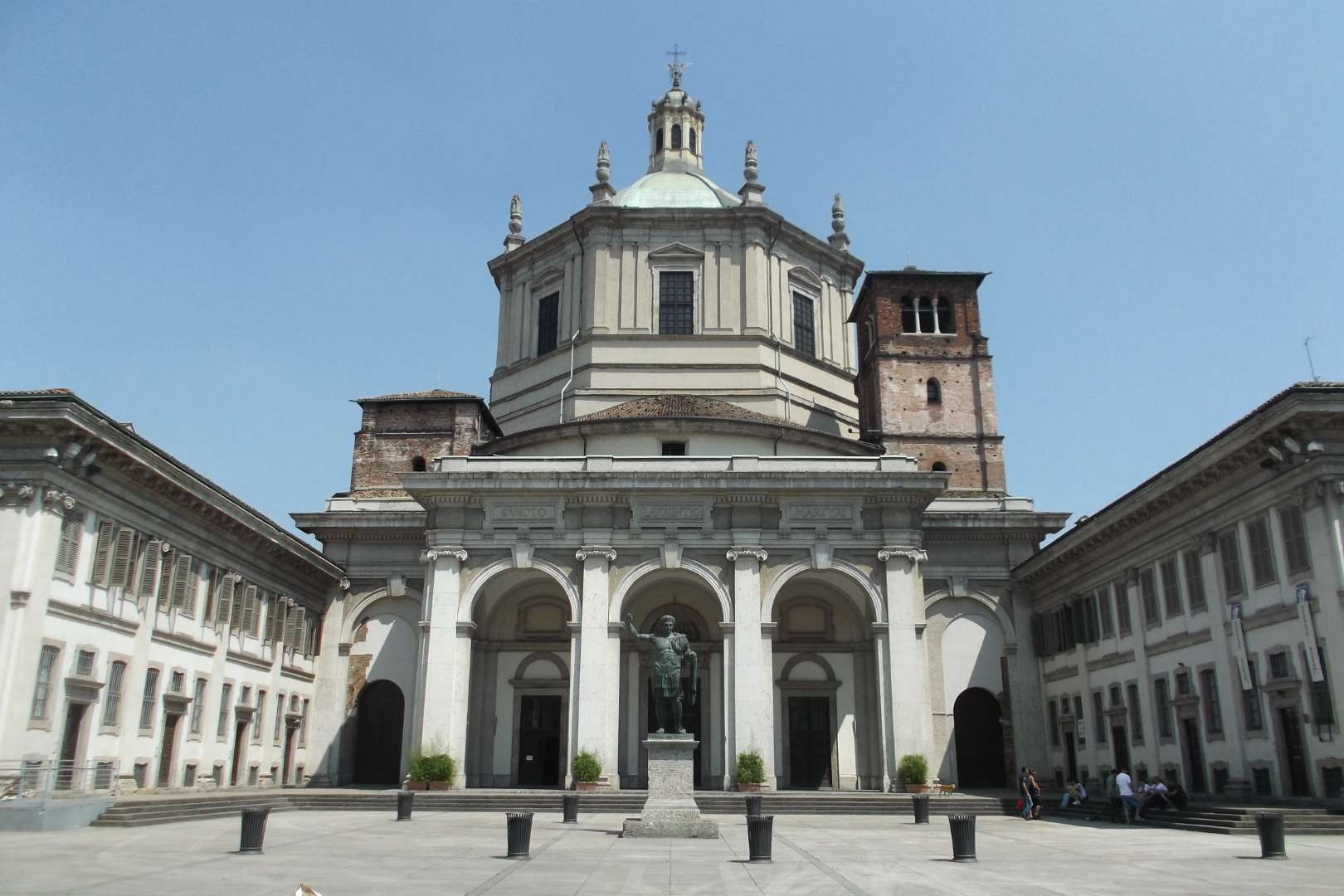
Milan
## Description The Basilica of San Lorenzo Maggiore in Milan is one of the city’s oldest and most architecturally intriguing churches, offering a rich tapestry of history, religion, and design. Originally constructed between the late 4th and early 5th centuries, the basilica has undergone numerous reconstructions, resulting in a unique blend of Early Christian, Renaissance, and Baroque styles. Its imposing central dome and symmetrical layout make it a standout among Milan’s ecclesiastical landmarks. What sets San Lorenzo apart is its daring architectural originality. Art historians have noted its resemblance to the great churches of Constantinople, many of which no longer exist. The basilica’s interior features elegant marble columns, intricate mosaics, and the stunning Chapel of Saint Aquilino, which houses 4th-century Byzantine mosaics and remnants of Roman construction materials. Outside, the Colonne di San Lorenzo—sixteen Roman columns dating from the 3rd century—stand as a dramatic prelude to the church and are among the few surviving relics of ancient Mediolanum. A little-known fact: archaeological investigations suggest that the basilica may have been built atop a Roman amphitheater, and some of its foundational materials were repurposed from other Roman sites. Another fascinating detail is that the basilica’s dedication to Saint Lawrence was only confirmed in 590 AD, long after its initial construction. ## Location The Basilica of San Lorenzo Maggiore is located in **Italy**, in the **Lombardy region**, within the **city of Milan**. Its exact address is **Corso di Porta Ticinese, 39**, situated near the medieval Porta Ticinese and within walking distance of the Navigli district and the city center. ### How to Get There - **By Metro**: Take Line M2 to Sant’Ambrogio or Line M3 to Missori, then walk about 10–15 minutes. - **By Tram**: Tram line 3 stops at “Ticinese Molino delle Armi,” just steps from the basilica. - **By Foot**: From the Duomo, it’s a pleasant 15-minute walk through historic streets. - **By Bike or Scooter**: Milan’s bike-sharing and e-scooter services offer a scenic and efficient way to reach the basilica. Its central location makes it easy to include in a day of sightseeing, especially when paired with nearby attractions like the Basilica of Sant’Eustorgio or the Navigli canals. ## Tips - **Visit the Chapel of Saint Aquilino**: Don’t miss this side chapel, which contains some of the oldest mosaics in Milan and offers a glimpse into the city’s Roman past. - **Go Early or Late**: The basilica is less crowded in the morning or late afternoon, allowing for a more peaceful visit. - **Dress Modestly**: As with all religious sites, respectful attire is recommended. - **Explore the Piazza**: The square in front of the basilica is lively and atmospheric, often filled with street performers and locals. - **Check for Mass Times**: If you’re interested in attending a service, consult the basilica’s schedule in advance. - **Photography**: Photos are allowed, but avoid flash and be mindful during services. ## Conclusion Basilica San Lorenzo Maggiore is a captivating blend of ancient history and spiritual heritage. With its Roman columns, Byzantine mosaics, and architectural grandeur, it offers a compelling experience for anyone exploring Milan’s rich cultural landscape. ## FAQ **1. Is there an entrance fee to visit the basilica?** No, entry to the basilica is free. Donations are welcome. **2. What are the opening hours?** Monday to Friday: 8:00 AM – 12:30 PM and 3:00 PM – 6:30 PM Saturday and Sunday: 9:00 AM – 1:00 PM and 3:00 PM – 7:00 PM **3. Can non-Catholics visit the basilica?** Yes, the basilica is open to all visitors, regardless of religious background. **4. Is the basilica wheelchair accessible?** Some areas may be challenging due to steps and uneven flooring, but the main entrance and nave are generally accessible. **5. Are guided tours available?** Yes, some local tour operators include San Lorenzo in their walking tours of Milan’s historic center. **6. What is the best time of year to visit?** Spring and autumn offer mild weather and fewer crowds, making them ideal for sightseeing. ## Links - [Basilica of San Lorenzo – Wikipedia Overview](https://en.wikipedia.org/wiki/Basilica_of_San_Lorenzo,_Milan) - [San Lorenzo Maggiore – Official Website](http://www.sanlorenzomaggiore.com/)
GemVoyage Team • World
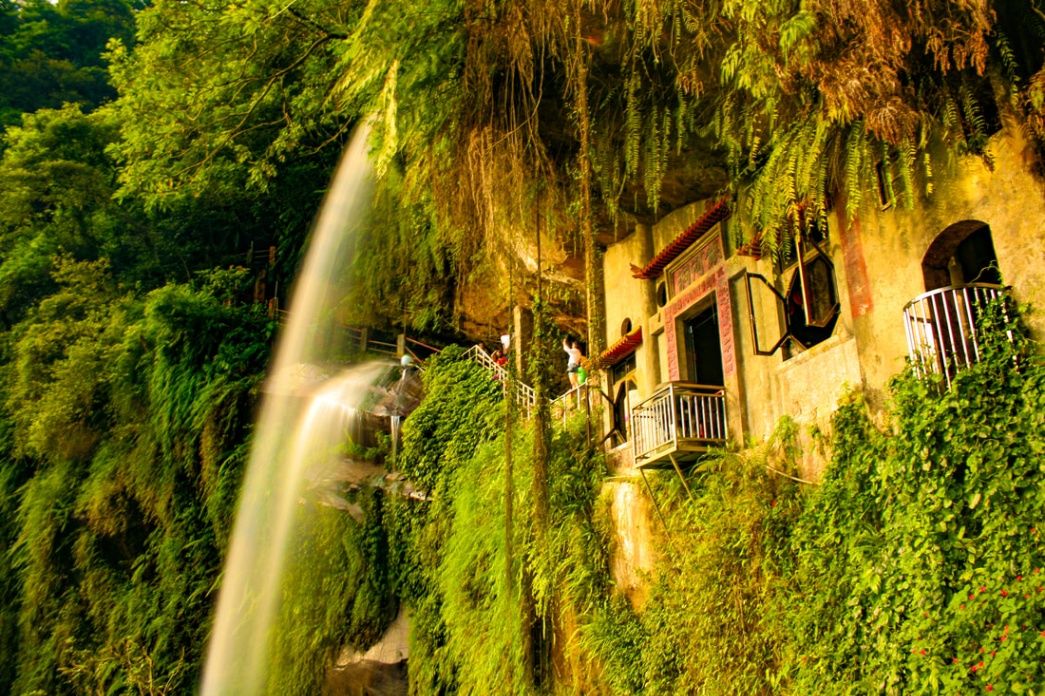
Taiwan
## Description **Yinhe Cave (銀河洞)**, often translated as **“Milky Way Cave” or “Galaxy Cave,”** is one of northern Taiwan’s most atmospheric hidden landmarks. Tucked deep within lush subtropical forest, this small but visually arresting cave temple blends **natural rock formations, cascading waterfalls, and quiet Buddhist spirituality** into a single, almost dreamlike destination. Unlike grand mountain temples or vast cave systems, Yinhe Cave owes its appeal to **intimacy, mystery, and silence** rather than scale. The cave is formed from natural sandstone and has been carved further by flowing water over centuries. A **narrow waterfall flows directly through the entrance of the cave**, spilling over stone steps and into a shallow pool below. Behind the falling water sits a small **Buddhist shrine**, turning the cave into a functioning place of worship rather than a simple geological feature. The constant movement of water creates a soft echo through the rock chamber, giving the space a meditative rhythm that visitors often describe as hypnotic. What makes Yinhe Cave especially unique is the way **human devotion and natural erosion intersect**. The cave was not aggressively reshaped into a large religious complex; instead, the shrine was carefully adapted to the existing stone cavity. This restraint preserves the raw personality of the site. Moss-covered stairways, dripping rock walls, and filtered green light reinforce the sense that the cave is alive rather than decorative. The surrounding environment is just as important as the cave itself. The approach trail winds through **dense forest, bamboo groves, and small wooden bridges**, forming part of a broader hiking network in the hills of New Taipei City. Along the way, visitors pass **streams, vines, singing insects, and occasional distant city noise fading into silence**. This contrast between urban Taiwan and deep forest isolation happens quickly and dramatically, which enhances the emotional impact of arriving at the cave. A little-known fact is that Yinhe Cave was historically used as a **meditation site by local monks**, not as a public tourist attraction. Its popularity grew mainly through hikers and photographers over the last two decades rather than through formal religious promotion. Another lesser-known detail is that the name “Galaxy Cave” does not come from astronomy, but from the way the **waterfall scatters light into mist**, resembling a flowing star field during early morning sunlight. Yinhe Cave is not a place for crowds, performances, or commercial stalls. It is a destination of **low noise, slow movement, and quiet attention**. For travelers seeking spectacle, it may feel understated. But for those seeking **atmosphere and emotional texture**, it delivers something rare: a sacred space formed more by water and time than by human hands. ## Location **Yinhe Cave (銀河洞)** is located in the **Xindian District (新店區)** of **New Taipei City**, in **northern Taiwan**, just south of central Taipei. **City:** New Taipei City **Region:** Northern Taiwan **Country:** Taiwan **District:** Xindian (新店區) ### How to Get There: * **By MRT:** Take the **Green Line (Songshan–Xindian Line)** to **Xindian Station (新店站)**. From there, take a local bus or taxi toward the hiking trail entrance. * **By bus:** Several local buses connect Xindian Station to nearby trailheads leading into the mountains. * **By taxi or ride-hailing apps:** The easiest option for non-Mandarin speakers; request “Yinhe Dong” or show the Chinese characters 銀河洞. * **By car or scooter:** Parking is limited near trail access points; illegal roadside parking is strictly enforced. From the nearest drop-off point, visitors must complete a **moderate forest hike**, typically 30–45 minutes depending on route and pace. ## Tips * **Wear proper hiking shoes:** The stone steps near the cave are often slippery due to constant moisture. * **Visit in dry weather:** Heavy rain increases water flow but also raises safety risks and reduces visibility. * **Go in the early morning:** You’ll encounter fewer hikers, softer light, and more atmospheric mist. * **Bring drinking water:** There are no vendors near the cave itself. * **Respect the shrine:** This is still an **active spiritual site**, not just a photography location. * **Avoid loud music and drones:** Sound echoes intensely inside the cave and disrupts the atmosphere. * **Allow extra time for rest:** The hike is scenic but involves steady climbing. * **Do not expect major facilities:** No cafes, restrooms, or souvenir shops are located at the cave. ## Conclusion **Yinhe Cave (銀河洞)** is a rare blend of **natural erosion, flowing water, and quiet religious presence**, offering one of northern Taiwan’s most atmospheric micro-destinations. It is not a place for spectacle or quick tourism, but for travelers who seek **silence, texture, and emotional contrast**. Hidden just beyond the reach of Taipei’s urban sprawl, Yinhe Cave reveals how quickly modern density can dissolve into spiritual isolation when nature is allowed to lead. ## FAQ **1. What is Yinhe Cave famous for?** It is known for its **waterfall flowing directly through a cave temple**, blending nature and spiritual architecture. **2. Is Yinhe Cave difficult to reach?** Yes. It requires a **moderate forest hike** after reaching the general area by MRT, bus, or taxi. **3. Is Yinhe Cave suitable for children?** Older children with hiking experience can manage it, but the **slippery stairs and uneven terrain** make it unsuitable for very young children. **4. Is there an entrance fee?** No. Yinhe Cave is **free to enter** and open to the public. **5. Can I visit during the rainy season?** Yes, but **extra caution is required**, as trails and stone steps become extremely slick. **6. How long does the full visit typically take?** Most visitors spend **2 to 3 hours total**, including hiking time. ## Links * [New Taipei City Government – Tourism](https://newtaipei.travel/) * [Xindian District Travel Guide](https://www.xindian.ntpc.gov.tw)
GemVoyage Team • World
Athens
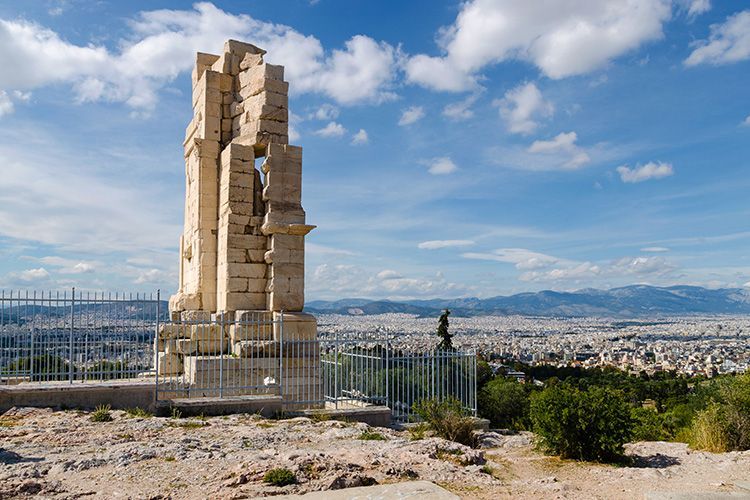
## Description Philopappos Hill is a quietly rewarding spot in Athens that combines green space, archaeological interest, and some of the city's best vantage points. Unlike the intensely visited Acropolis itself, Philopappos offers room to breathe: shaded paths, open lawns, and a prominent memorial monument that speaks to the city's Roman-era history. The hill is prized by locals and visitors looking for views, quiet reflection, and an approachable dose of history. Historically, the hill houses the Philopappos Monument, dedicated to Gaius Julius Antiochus Philopappos, a prominent figure in the Roman civic life of Athens. The site also preserves traces of long-term human use and offers a series of viewpoints that reveal the Acropolis from varied angles—useful for appreciating Athens' layered topography. The combination of nature and archaeology makes Philopappos ideal for a walk that complements more intense museum and monument visits. ## Location Philopappos Hill lies just southwest of the Acropolis in central Athens, within easy walking distance of the historic center. The hill's centrality means it can be folded into a broader exploration of the city's archaeological zones, museums, and neighborhoods such as Plaka and Thissio. Pathways connect the hill with other scenic spots, making it a natural link in a pedestrian-friendly sightseeing loop. Because some paths rise more steeply than others, sensible footwear and a modest level of mobility are helpful. The hill's proximity to major sites makes it an ideal stop for early morning or late afternoon visits when both light and temperature are more comfortable. ## Tips - Bring water, especially in summer—Athens' heat can make walks more strenuous. - Wear shoes with good grip for uneven or rocky paths. - Visit at sunrise or sunset for the best light and cooler temperatures. - Combine the hill with visits to the Acropolis, the Ancient Agora, and the neighborhoods of Plaka and Thissio. - Allow time to sit and take in the views rather than rushing through the paths. - Keep to marked routes and respect any archaeological conservation notices. ## Conclusion Philopappos Hill is an excellent complement to Athens' major monuments: quieter, greener, and full of viewpoints that help you see the Acropolis in context. It rewards visitors who seek slower sightseeing and panoramic perspectives. ## FAQ ### Why should I visit Philopappos Hill? Visit for quieter views of the Acropolis, a taste of Athenian green space, and the Philopappos Monument's historical resonance. ### How long does it take to explore? One to two hours is typical for a relaxed visit; longer if you plan to picnic or linger at viewpoints. ### Is it suitable for families? Yes—families who are comfortable with walking and light uphill sections will find it pleasant, though very young children may need supervision on uneven paths. ### Can I see the Acropolis from there? Yes—multiple viewpoints on the hill provide varied and informative perspectives of the Acropolis and surrounding city. ### Do I need a guide? Not strictly. The hill is easy to explore independently, though a guide can enrich the experience with historical context. ## Links - [Wikipedia](https://en.wikipedia.org/wiki/Philopappos_Monument)
GemVoyage Team • World
Mexico City
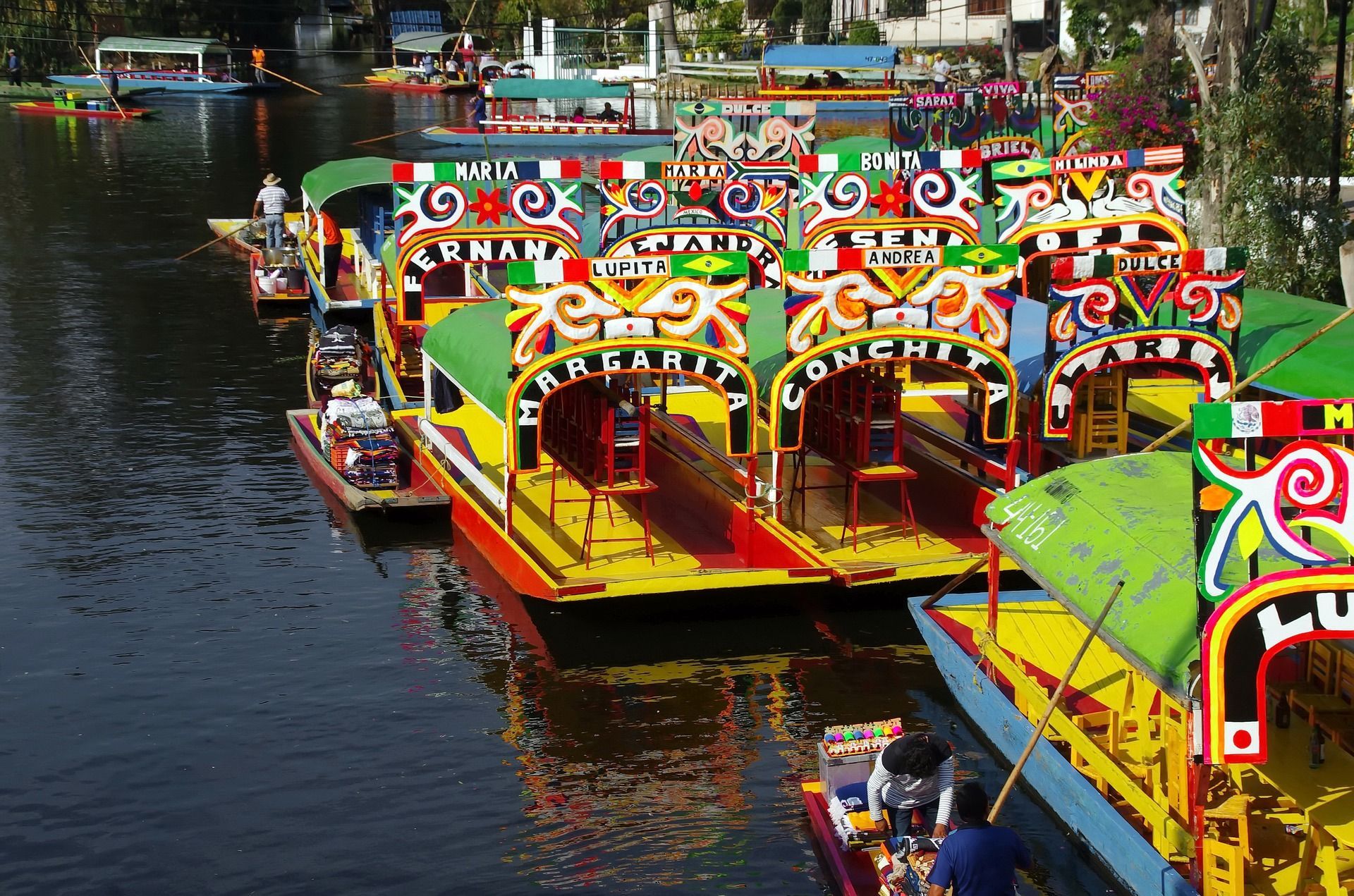
## Description The Xochimilco Canals are one of Mexico City’s most distinctive attractions because they preserve a living relationship between water, agriculture, celebration, and community. Unlike a standard sightseeing canal ride, Xochimilco offers a colorful world of trajineras, music, food, and floating movement through a landscape that reflects centuries of adaptation. It is one of the few places in the capital where visitors can still feel the legacy of the lake system that once defined the Valley of Mexico. What makes Xochimilco so special is that it is both scenic and cultural. A ride along the canals is visually lively, with brightly painted boats, vendors drifting by, musicians performing, and families and friends gathering for celebrations. At the same time, the area connects to the ancient chinampa system, a form of raised agricultural landscaping that has long been admired for its ingenuity. A lesser-known fact is that these canals are among the last surviving remnants of the pre-Hispanic water landscape of the valley. That makes a visit more than entertainment; it is a window into a surviving historical ecosystem. Another little-known detail is that Xochimilco is not just a tourist attraction but also a place with ongoing local life and ecological importance. The canals and surrounding fields continue to matter to residents, farmers, and conservation efforts. That is why the experience can feel so layered. You are not simply on a boat ride. You are moving through a landscape where heritage, tourism, and environmental questions meet. For many travelers, Xochimilco is memorable because of its atmosphere. It can be playful, crowded, musical, and festive, but it can also be surprisingly reflective if you visit at a calmer time. It is one of those places where the experience changes depending on the hour, the weather, and the energy on the water that day. Because of that, it works well for visitors who enjoy local color and are willing to let an outing unfold at a slower, more social pace. ## Location The Xochimilco Canals are in the Xochimilco borough of southern Mexico City, Mexico. The area is well known throughout the capital and can be reached from central Mexico City by public transport, taxi, or rideshare. One of the most common ways to get there is by taking the light rail system toward Xochimilco and then continuing to the canal departure points. Once you arrive, boats depart from designated embarcaderos. If it is your first time, that is the easiest structure to follow because the canals themselves are extensive and the boat-launch area is where the visitor experience starts. Because the area is farther from the center than some other attractions, plan Xochimilco as its own excursion rather than a quick add-on. That gives you enough time to enjoy the canal ride, food, and atmosphere without rushing back and forth across the city. ## Tips Go with a group if possible, because trajineras are more enjoyable when you can share the cost and the atmosphere. Even if you travel solo or as a couple, the social nature of the experience is a big part of the appeal. Bring cash for boat rental, food, drinks, and optional music. It is easier to enjoy the outing if you are prepared for small on-the-spot purchases. Choose the time of day carefully. Earlier visits can feel calmer, while later outings often become livelier and more festive. Pick the mood you want before you go. Respect the local environment and the people who live and work there. Xochimilco is a heritage landscape, not just a party venue, and a more considerate visit tends to be a better one. ## Conclusion Xochimilco Canals are one of Mexico City’s most unforgettable experiences, blending history, ecology, and celebration on the water. They are ideal for travelers who want something colorful, local, and unlike any conventional city attraction. ## FAQ **What are the Xochimilco Canals famous for?** They are famous for trajineras, festive boat rides, and their connection to the ancient chinampa system. **How do I get there?** The most practical options are public transport to Xochimilco followed by a short transfer to the canal departure points. **Is it only for parties?** No. While it can be lively, it is also a heritage site with agricultural and ecological importance. **How long should I plan for a visit?** A few hours is ideal so you can enjoy the boat ride without feeling rushed. **Is it worth visiting if I have limited time in Mexico City?** Yes, especially if you want a memorable local experience that is different from museums and monuments. ## Links - [UNESCO World Heritage information](https://whc.unesco.org/en/list/412/) - [Wikipedia](https://en.wikipedia.org/wiki/Xochimilco)
GemVoyage Team • World

Comments