GemVoyage Team • World
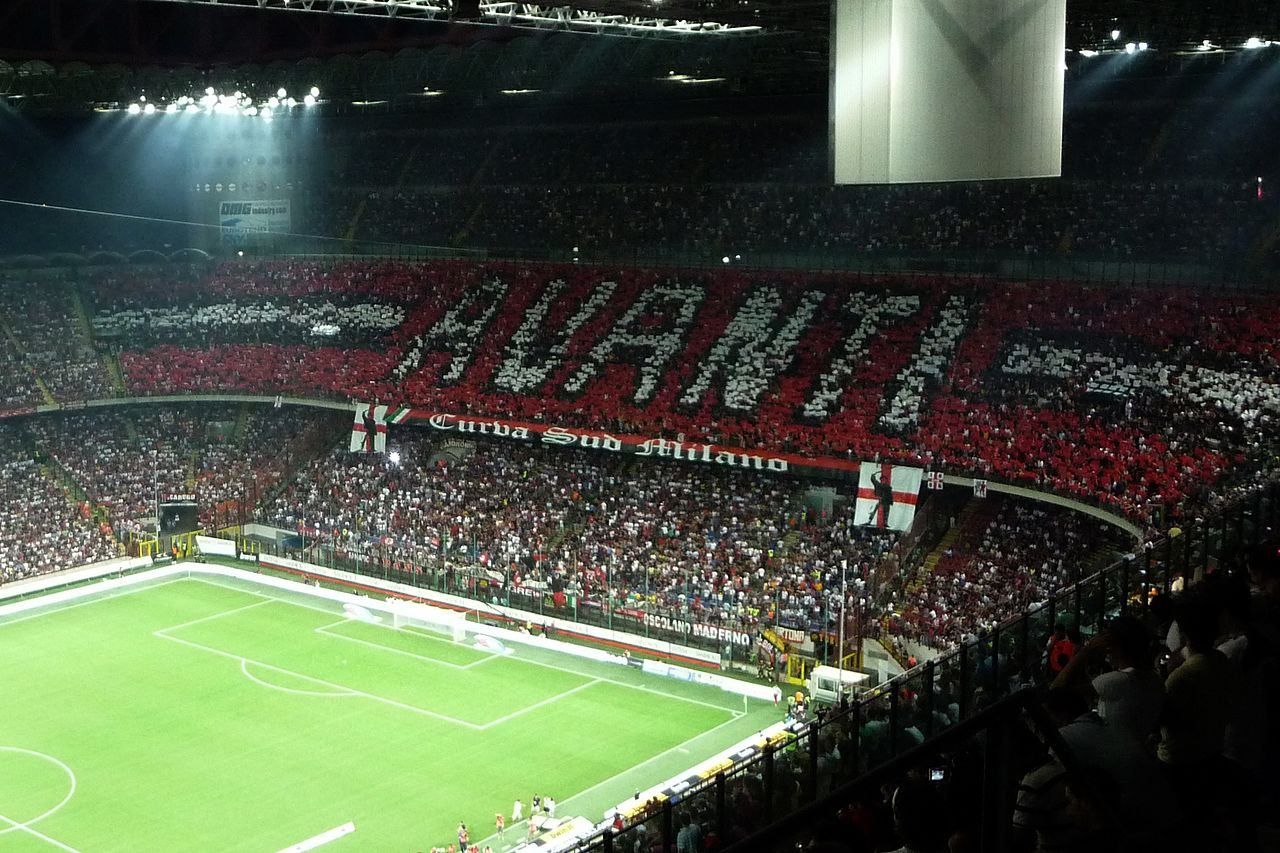
The San Siro Stadium, officially named Stadio Giuseppe Meazza, is one of the most legendary football arenas in the world — a true temple of sport and passion. Located in the heart of Milan, Italy’s fashion and football capital, San Siro stands as a colossal monument to the city’s competitive spirit and shared love for the beautiful game.
Originally inaugurated in 1926, the stadium was built under the direction of Piero Pirelli, then-president of A.C. Milan, and was later named after Giuseppe Meazza, one of Italy’s most celebrated footballers who played for both A.C. Milan and Inter Milan. Over the decades, it has undergone multiple renovations, including major updates in 1955, 1990 (for the FIFA World Cup), and 2015, giving it the imposing, futuristic appearance it has today.
With a seating capacity of over 75,000 spectators, San Siro is Italy’s largest stadium and one of the most atmospheric in Europe. Its distinctive spiral towers and red roof beams are architectural icons, visible from across the city skyline. Inside, the steep stands ensure that fans feel incredibly close to the pitch — creating an electric atmosphere during matches, especially when A.C. Milan and Inter Milan face off in the legendary Derby della Madonnina.
Beyond football, San Siro has hosted countless historic events, from FIFA World Cup and UEFA Champions League finals to concerts by international superstars like U2, Coldplay, and Beyoncé. Few stadiums in the world can match its mix of sporting heritage and cultural influence.
A lesser-known fact is that the stadium has its own museum, the San Siro Museum, dedicated to the history of Milan’s two football clubs. Visitors can explore trophies, jerseys, and memorabilia from more than a century of football history — and even step into the players’ tunnel and onto the field itself, experiencing what legends once did.
While discussions continue about a possible new stadium in the coming years, San Siro remains a beloved landmark — a living piece of Milanese identity and an enduring shrine to Italian football glory.
The San Siro Stadium (Stadio Giuseppe Meazza) is located in the San Siro district, in the northwestern part of Milan, Lombardy, Italy.
Address: Piazzale Angelo Moratti, 20151 Milano MI, Italy
To get there:
The San Siro Stadium is more than just a sports venue — it’s the heart of Milanese football culture and a symbol of Italian pride. From hosting world-class matches to staging concerts for thousands of fans, San Siro has witnessed nearly a century of unforgettable moments. Its towering architecture, roaring crowds, and legendary rivalries make it a must-see destination for anyone visiting Milan. Whether you’re a devoted football fan or simply curious about the passion that drives Italy’s sporting soul, a visit to San Siro is an experience you’ll never forget.
1. When was San Siro Stadium built?
It was inaugurated in 1926 and has undergone several major renovations since, most notably in 1955 and 1990.
2. Why is it also called Stadio Giuseppe Meazza?
The stadium was renamed after Giuseppe Meazza, a famous Italian footballer who played for both Milan and Inter, in recognition of his contribution to Italian football.
3. Which teams play at San Siro?
It is home to both A.C. Milan and Inter Milan (Internazionale).
4. How can I visit the stadium when there’s no match?
You can book a guided tour and museum visit, available daily except on event days.
5. What is the capacity of San Siro?
The stadium can hold approximately 75,000 spectators, making it the largest in Italy.
6. Are there restaurants or shops nearby?
Yes — the surrounding area has cafés, restaurants, and team merchandise stores, as well as pop-up vendors on match days.
7. Is the stadium being replaced?
Plans are being discussed for a new stadium in the coming years, but San Siro remains open and active for matches and events for now.
Discover more hidden gems you might love.
Tokyo
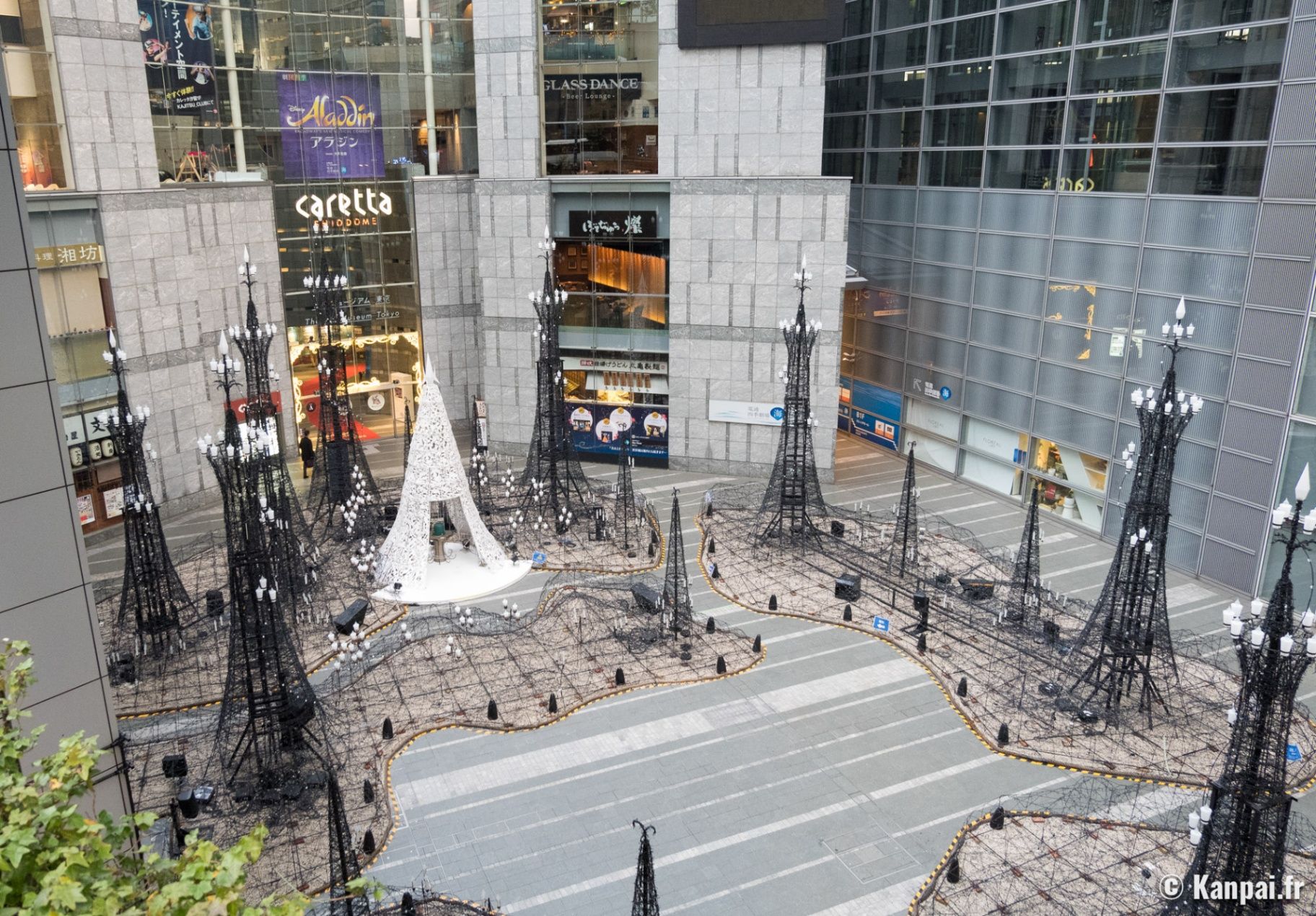
## Description **Caretta Shiodome (カレッタ汐留)** is a striking skyscraper complex in the **Shiodome district** of **Tokyo**, Japan, that perfectly embodies the city’s modern sophistication and cultural vibrancy. Rising 51 stories above the bustling streets of Minato Ward, this landmark blends **shopping, dining, art, and entertainment** into one of Tokyo’s most polished urban experiences. Opened in **2002**, Caretta Shiodome is part of the Shiodome redevelopment project that transformed an old railway yard into a futuristic business and leisure zone. Inside, visitors will find an elegant mix of **restaurants, boutique shops, a theater, a museum, and panoramic observation areas** — all designed with contemporary style and efficiency. What makes Caretta Shiodome truly unique is its seamless combination of **commerce and culture**. It houses the **Caretta Shiodome Sky View**, an observation area on the 46th floor offering spectacular views of Tokyo Bay, Odaiba, and the Rainbow Bridge. The complex is also home to the **Advertising Museum Tokyo (ADMT)**, Japan’s only museum dedicated to the history of advertising — a fascinating and often overlooked gem that reveals how Japanese media and design evolved over the decades. Another standout feature is the **Caretta Illumination**, one of Tokyo’s most beloved **winter light displays**. Each year, from November through February, the plaza outside the building is transformed into a glittering wonderland of over **250,000 LED lights**, synchronized to music. It attracts couples, photographers, and families alike, and has become a symbol of Tokyo’s festive season. A lesser-known fact is that Caretta Shiodome’s name, “Caretta,” is derived from *Caretta caretta*, the Latin name for the **loggerhead sea turtle**, symbolizing endurance, longevity, and connection to the ocean — an apt metaphor for Tokyo’s harmony between progress and nature. ## Location Caretta Shiodome is located in the **Shiodome district** of **Minato Ward**, **Tokyo, Japan**. It sits within the Shiodome City Center area, just a short walk from **Shimbashi Station** and surrounded by major landmarks like the **Hamarikyu Gardens** and **Ginza**. To get there: * **By train:** * Take the **Toei Ōedo Line** or **Yurikamome Line** to **Shiodome Station** (direct underground access). * Alternatively, take the **JR Yamanote Line** or **Tokyo Metro Ginza Line** to **Shimbashi Station**, and walk about **5 minutes** via underground passages. * **By foot:** It’s a pleasant 10-minute walk from **Ginza** or **Tsukiji** areas. * **By car:** Paid parking is available in the basement levels, though public transport is highly recommended due to central Tokyo traffic. ## Tips * **Visit during the evening:** Especially in winter, when the **Caretta Illumination** lights up the plaza with dazzling colors and music. * **Go up to the 46th or 47th floors:** For a **free panoramic view** of Tokyo Bay — one of the best free observation spots in the city. * **Dine with a view:** Restaurants like **Sky View Dining and Bar** or **KAIKAYA Shiodome** offer gourmet meals paired with sweeping skyline vistas. * **Visit the Advertising Museum Tokyo (ADMT):** Admission is free, and it’s an engaging stop for design enthusiasts and marketers. * **Combine with nearby attractions:** The **Hamarikyu Gardens** and **Ginza shopping district** are within walking distance. * **Check event schedules:** Seasonal exhibitions, performances, and cultural events are regularly held within the complex. * **Best time to visit:** Late afternoon to evening — explore the shops and museum first, then stay for dinner and the illumination. ## Conclusion **Caretta Shiodome** is a shining example of modern Tokyo — a place where art, architecture, and lifestyle converge high above the city streets. From its world-class restaurants and free observation decks to its mesmerizing light displays and creative museum, it offers something for everyone. Whether you’re looking to dine with a skyline view, learn about Japan’s advertising culture, or simply soak in the illuminated atmosphere of Tokyo at night, Caretta Shiodome delivers a distinctly urban yet deeply memorable experience. ## FAQ **1. What is Caretta Shiodome?** It’s a high-rise complex in Tokyo that features **shopping, dining, a theater, the Advertising Museum Tokyo, and seasonal events** like the Caretta Illumination. **2. Where is it located?** At **1-8-2 Higashi-Shimbashi**, **Minato-ku**, **Tokyo**, within walking distance from **Shiodome Station** and **Shimbashi Station**. **3. Is there an observation deck?** Yes — the **Sky View on the 46th and 47th floors** offers **free access** to stunning views of Tokyo Bay and the skyline. **4. What is the Caretta Illumination?** A famous **winter light display** that transforms the plaza into a sea of LED lights, usually from **November to February** each year. **5. Is the Advertising Museum Tokyo free?** Yes, **entry is free**, and it’s a must-visit for those interested in Japanese advertising, pop culture, and design history. **6. Are there restaurants with views?** Yes, several high-end restaurants and bars offer panoramic dining experiences overlooking Tokyo Bay and the Shiodome area. ## Links * [Official Caretta Shiodome Website](https://www.caretta.jp/foreign/index)
GemVoyage Team • World
Alexandria
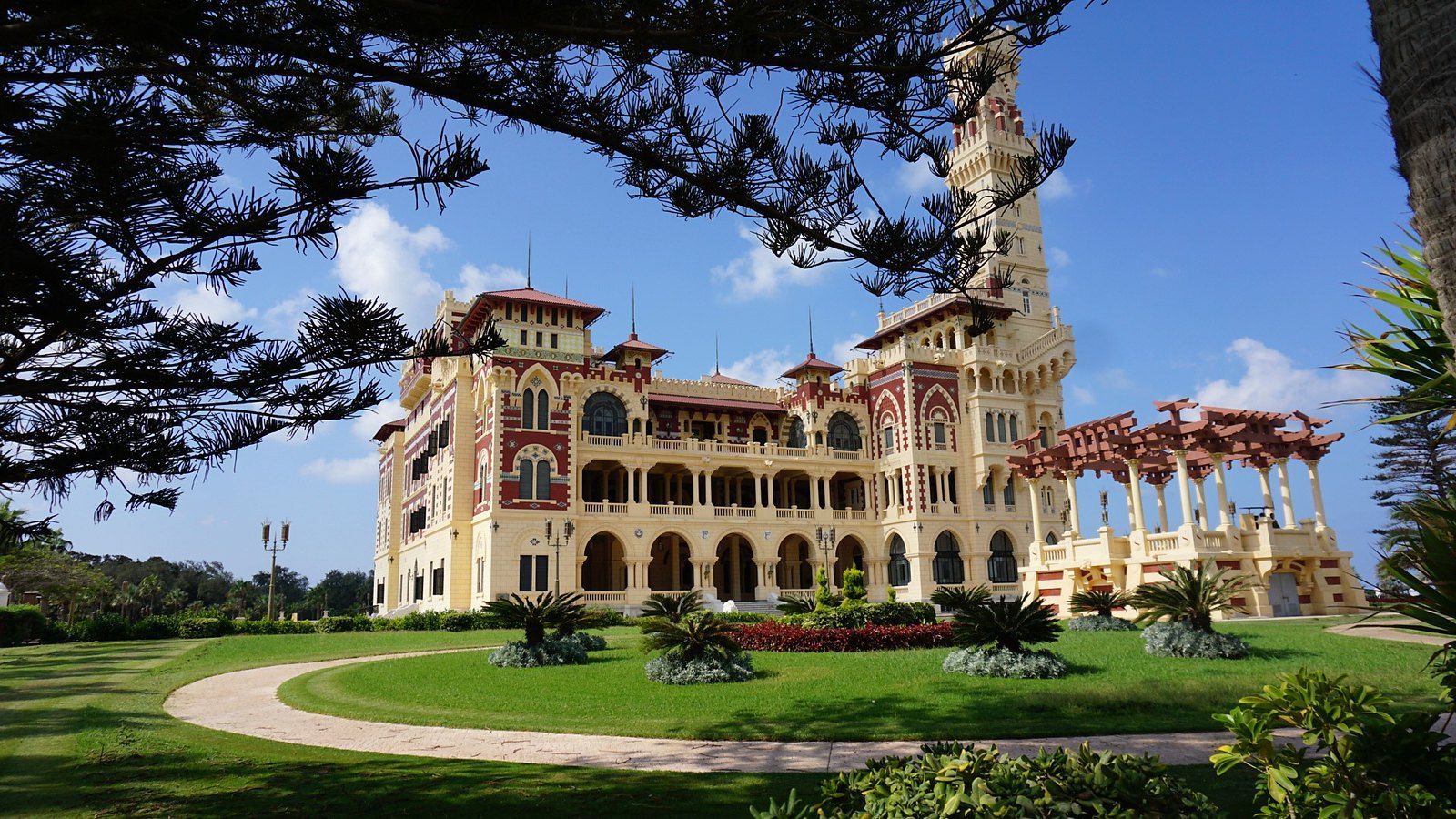
## Description On the eastern edge of Alexandria, where the city dissolves into a long sweep of Mediterranean coastline, lies one of Egypt's most beautiful and historically resonant public spaces. The Montaza Palace Gardens are a vast and carefully maintained park surrounding two royal palaces, stretching along the sea for over 150 acres of palm trees, manicured paths, ornamental fountains, and wild coastal landscape. For Alexandrians, it is a beloved retreat from the heat and noise of the city. For visitors, it is a rare opportunity to walk through a landscape that was once the private domain of Egyptian royalty and to see a side of Alexandria that few tourists ever discover. The garden complex is centered on two palaces: the Salamlek Palace, a small and elegant hunting lodge built in 1892 by Khedive Abbas II for his Austrian mistress, and the Haramlek Palace, a much larger and more elaborate structure built by King Fuad I in the 1930s as a summer residence for the Egyptian royal family. The Haramlek Palace, also sometimes referred to as the Montaza Palace, is the more architecturally dramatic of the two, combining Ottoman and Florentine Renaissance influences in a way that feels simultaneously exotic and strangely European. Its distinctive tower, visible from a considerable distance along the coast, has become one of the iconic images of Alexandria. A lesser-known fact about the Montaza complex is that it was the favored retreat of King Farouk, the last king of Egypt, who spent considerable time here before his abdication and exile following the 1952 revolution. The palace grounds were subsequently nationalized and opened to the public, transforming what had been an entirely private royal estate into one of Alexandria's most treasured public parks. Another interesting detail is that the Salamlek Palace has been converted into a boutique hotel, meaning it is actually possible to stay overnight inside one of the original royal buildings and wake up to views over the Mediterranean. The gardens themselves are beautiful regardless of any historical interest. Paths wind between towering palms and ancient trees, passing small bridges over ornamental streams and opening onto wide lawns that slope down toward the sea. The coastline within the park includes several small beaches and a private harbor. In the late afternoon, the light on the water and across the palace facades is extraordinary. ## Location The Montaza Palace Gardens are located in the Montaza district of Alexandria, Egypt, approximately 12 kilometers east of the city center along the Mediterranean coast. Alexandria is Egypt's second-largest city and sits on the northern coast of the country, about 220 kilometers northwest of Cairo. Getting to the gardens from central Alexandria is straightforward. The most convenient option is by taxi or ride-hailing app, which typically takes 20 to 30 minutes from the city center depending on traffic. Microbuses and public buses also run along the coastal road toward Montaza, though they can be busy and navigation requires some familiarity with local routes. For visitors staying in central Alexandria, a taxi is the recommended option for comfort and simplicity. From Cairo, Alexandria is accessible by train in approximately two hours, with frequent services running throughout the day from Ramses Station. Once in Alexandria, the journey to Montaza continues by taxi from the main train station. ## Tips - **Visit in the late afternoon.** The light over the Mediterranean in the hours before sunset is magical, and the temperature is much more comfortable than in the midday heat, especially in summer. - **Purchase entry to the full park.** There is a small entrance fee to access the main gardens. Certain sections and beach areas may have separate fees. Having Egyptian pounds in small denominations makes entry smoother. - **Explore both palaces.** While the Haramlek Palace is the more visually dramatic, the Salamlek building and its surroundings are worth visiting for the contrast in scale and atmosphere. - **Consider staying at the Salamlek Hotel.** For those seeking a unique accommodation experience, the Salamlek Palace Hotel allows overnight stays in the original royal lodge. It is a remarkable way to experience the atmosphere of the estate. - **Bring water and snacks.** The gardens are large and there are not always food and drink vendors conveniently located throughout the park. Bringing your own supplies ensures you can spend more time exploring comfortably. - **Respect the rules of the park.** As a family-oriented public space with a conservative local clientele, visitors should dress modestly and be mindful of the norms of the space. - **Go on a weekday if possible.** The gardens can be busy on weekends, particularly in summer when Alexandrians escape the heat. Weekday visits tend to be quieter and more relaxed. ## Conclusion The Montaza Palace Gardens represent one of Alexandria's greatest treasures and one of the most underappreciated royal heritage sites in the entire Mediterranean world. The combination of magnificent landscape, royal architecture, a fascinating history rooted in Egypt's final monarchical era, and a setting directly on the Mediterranean coast makes this a destination that rewards visitors generously. Whether you come for the history, the beauty, the sea air, or simply to walk beneath the palms and let the city recede for a few hours, Montaza delivers an experience that is genuinely difficult to find anywhere else in Egypt. ## FAQ **Is there an entrance fee for the Montaza Palace Gardens?** Yes, there is a small entrance fee to access the gardens. The fee is modest and is paid at the main gate. Some areas within the complex, such as certain beaches or the palace viewpoints, may have additional separate fees. It is advisable to bring small denomination Egyptian pound notes. **Can you go inside the Montaza Palace?** The main Haramlek Palace is not generally open for public interior tours, as it is used as a presidential guest residence. The exterior and the surrounding gardens are accessible. The Salamlek Palace functions as a hotel and can be visited or stayed in by hotel guests. **What is the best time of year to visit the Montaza Gardens?** Spring, from March to May, and autumn, from September to November, offer the most comfortable temperatures for exploring the outdoor gardens. Summer is hot but popular with local visitors. Winter tends to be mild but can be rainy. **How long should I spend at the Montaza Gardens?** A visit of two to three hours is typical for a comfortable exploration of the main paths, palace exteriors, and seafront areas. Garden enthusiasts or those who wish to sit and enjoy the atmosphere by the sea may happily spend a full half day. **Is Montaza Palace the same as Montaza Gardens?** The name Montaza refers to the entire complex, which includes the gardens, the coastline, the Haramlek Palace (often called Montaza Palace), and the Salamlek Palace. The gardens and the palaces are part of the same heritage site. **What else is there to see near the Montaza Gardens?** The Montaza district itself has a pleasant coastal road with cafes and seafood restaurants. Further along the coast toward the east is Mamoura Beach, another popular coastal area. Central Alexandria with its many historical sites, including the Citadel of Qaitbay and the Library of Alexandria, is approximately 30 minutes away by taxi. ## Links - [Montaza Palace on Wikipedia](https://en.wikipedia.org/wiki/Montaza_Palace)
GemVoyage Team • World
Rome
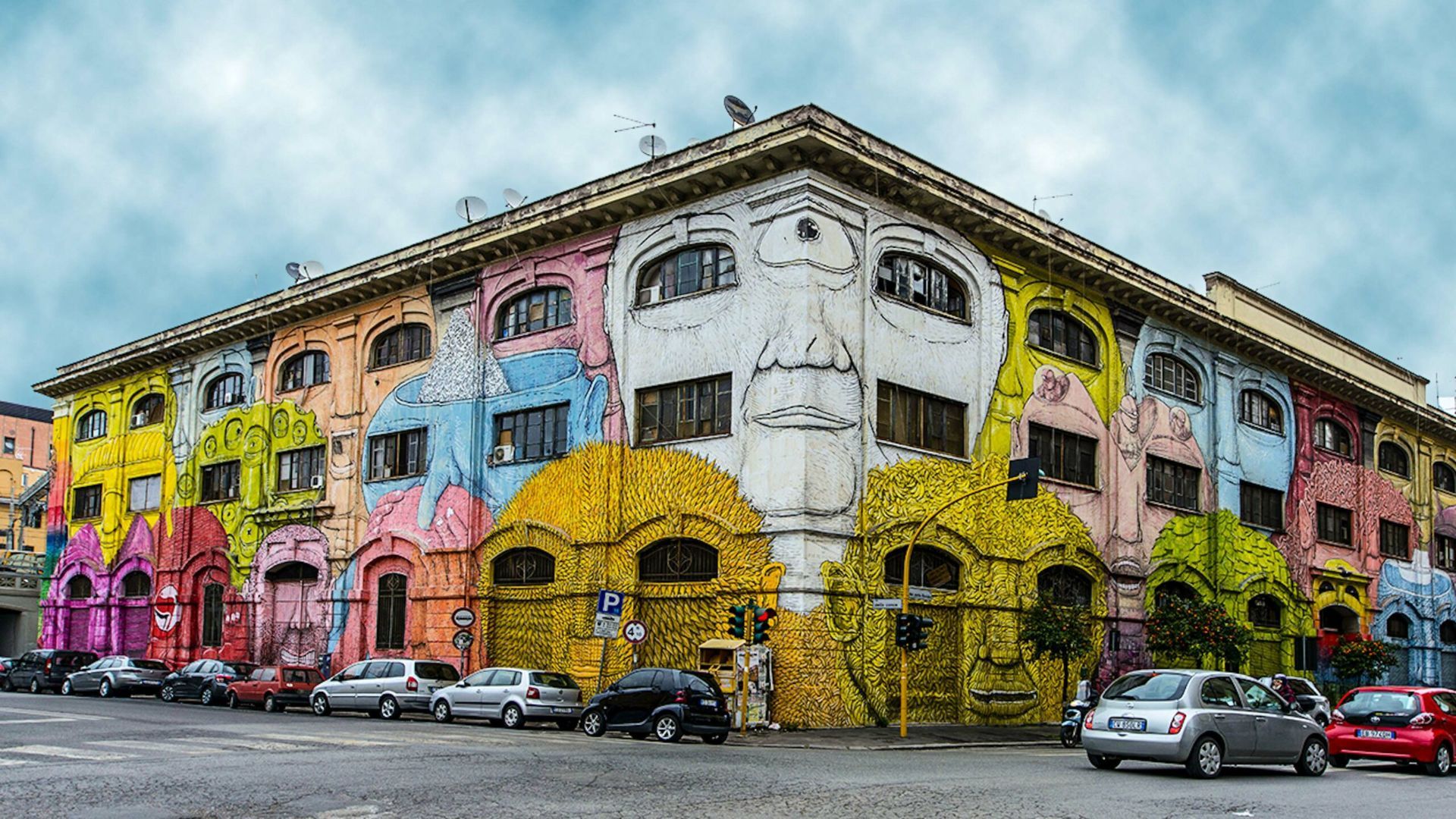
## Description Ostiense in Rome is a neighborhood that quietly combines industrial history, creative reinvention, and a growing street-art scene. Long overlooked in favor of the city’s classical core, Ostiense has become a canvas for large-scale murals, community art projects, and cultural venues that repurpose former warehouses and factories. The area’s atmosphere is energetic and contemporary—the kind of place where gritty, working-class textures meet curated cafes, design-driven restaurants, and cultural centers. One lesser-known detail: many of the murals and public artworks here are the result of organized collaborations between international and Italian artists, local associations, and municipal regeneration programs, meaning the pieces often reflect a distinct local voice rather than random tagging. Ostiense is also notable for nearby cultural institutions such as Centrale Montemartini—an arresting museum that juxtaposes classical sculpture with industrial architecture—as well as evolving food halls and waterfront promenades that add to the neighborhood’s appeal. The daily rhythm here is different from Rome’s historic center: it’s more local, less hurried, and often the setting for pop-up markets, gallery openings, and late-night dining. ## Location Ostiense lies south of Rome’s historic center, adjacent to Stazione Ostiense and the Gasometro area. The neighborhood is easily reachable by metro (Piramide station on Line B), regional trains, and buses, making it convenient for travelers who want to pair a visit with nearby attractions or evening dining options. ## Tips - Walk the streets deliberately and allow time for visual discoveries—large murals and hidden installations are often tucked down industrial lanes. - Consider a guided street-art tour to gain context on the murals, the artists, and the local regeneration efforts that funded them. - Combine visits with cultural stops: Centrale Montemartini, the former Gasometro, and nearby food markets offer a rounded itinerary. - Respect private property and photograph from public sidewalks—some murals occupy private building facades. - Best times: weekday afternoons for quieter explorations, and early evenings for the dining scene; weekends may have markets and events. ## Conclusion Ostiense offers a living gallery of contemporary street art woven into an urban tapestry of industrial heritage and modern cultural life. For travelers who appreciate street art, creative urban renewal, and a less-touristed side of Rome, Ostiense is a rewarding stop that captures both local momentum and adventurous city-making. ## FAQ Q: Are Ostiense’s murals permanent? A: Many are long-term projects, but street art can be transient—check local galleries or tour operators for the most current highlights. Q: Are guided street-art tours available? A: Yes; several local guides and cultural organizations run walking tours that explain the art, artists, and history behind the works. Q: Is Ostiense safe to visit at night? A: Generally yes—areas around the train station and main streets are lively at night, though standard urban caution is advised in quieter lanes. Q: Can I photograph the murals? A: Absolutely; murals in public spaces are typically fine to photograph—avoid obstructing traffic or private entrances while shooting. Q: What else is nearby to pair with an Ostiense visit? A: Centrale Montemartini, food halls, and the riverside promenade are excellent nearby additions. ## Links - [Ostiense](https://www.partir-a-rome.com/quartiers-rome/ostiense-tor-marancia)
GemVoyage Team • World
New York
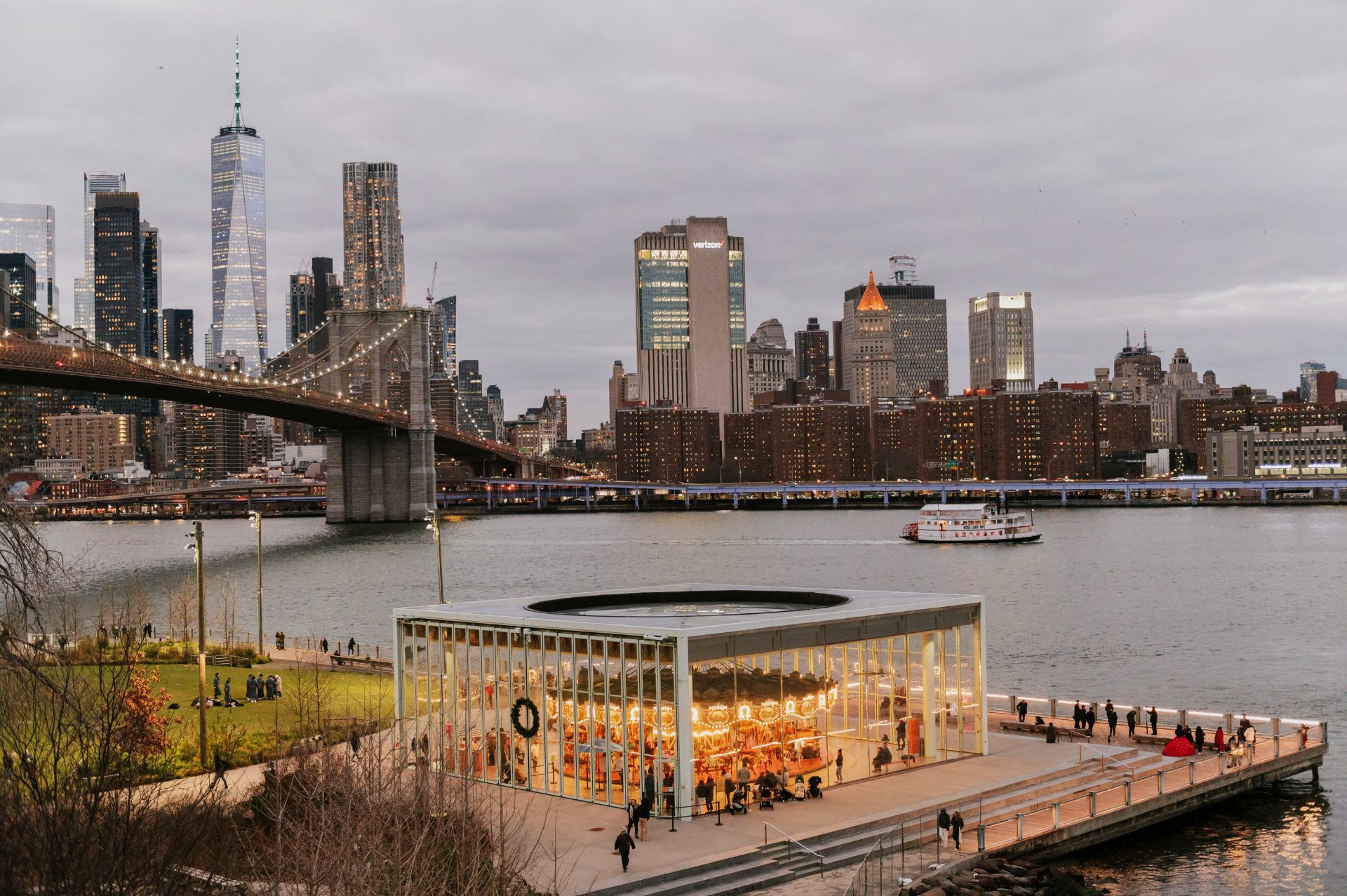
## Description DUMBO—short for Down Under the Manhattan Bridge Overpass—is one of Brooklyn's most iconic neighborhoods because it combines industrial architecture, riverfront views, art-driven energy, and world-recognized photo spots. The district's cobblestone streets, former warehouses converted into galleries and boutiques, and dramatic sightlines toward the Manhattan skyline make it an attractive stop for photographers, architecture fans, and anyone who enjoys a well-defined urban character. DUMBO's transformation from a gritty industrial waterfront to a creative residential and commercial neighborhood has been central to Brooklyn's broader redevelopment. The area is layered: landmark bridges and piers, converted loft buildings, independent cafes, and public spaces like Brooklyn Bridge Park all coexist in a compact grid. Many visitors first see the classic viewpoint framed by the Manhattan Bridge and then discover quieter corners—galleries, waterfront piers, and local bakeries—that reward a slower approach. The neighborhood also plays well to varied audiences: families come for waterfront park space and playgrounds; food-focused visitors enjoy casual dining and artisanal shops; and history-minded travelers appreciate the story of urban change reflected in restored industrial buildings. These multiple attractions make DUMBO a flexible itinerary option in New York City. ## Location DUMBO sits between the Manhattan and Brooklyn Bridges along the East River in Brooklyn, New York. It is easily reachable by subway, ferry, bike, or on foot from nearby Manhattan. The neighborhood's compactness makes it ideal for walking: you can combine a DUMBO visit with a Brooklyn Bridge walk, a longer riverside stroll, or time in Brooklyn Bridge Park. Practical tips: take the F or A/C trains to nearby stops and walk, or use the NYC Ferry service for a scenic arrival. The area can be crowded at peak times, so plan early-morning or late-afternoon visits for better light and fewer people. ## Tips - Visit in early morning for photographs with softer light and fewer people; sunset also offers dramatic hues over the bridges. - Walk beyond the main plaza to discover side streets, local shops, and cafes where residents spend their time. - Combine DUMBO with Brooklyn Bridge Park for playgrounds, green space, and long riverfront promenades. - Wear comfortable shoes—cobblestones and uneven pavement are common. - Check local galleries and pop-up schedules if you are interested in contemporary art scenes. - If you plan to dine at a popular spot, consider making reservations or visiting outside typical meal windows. ## Conclusion DUMBO is a compact but richly textured neighborhood that rewards visitors who pause and explore more than the classic photo spot. Its combination of design-forward architecture, river views, and pedestrian-friendly spaces makes it a standout part of any Brooklyn or NYC itinerary. ## FAQ ### Why is DUMBO so popular? DUMBO offers dramatic urban vistas, preserved industrial architecture, and easy access to waterfront parks, making it visually compelling and visitor-friendly. ### Is DUMBO good for a short visit? Yes. The neighborhood's core sights can be seen in an hour or two, but allowing more time uncovers quieter streets and local businesses. ### What is the best time for photos? Early morning or late afternoon are ideal. Midday light can be harsh and the streets busier. ### Can I walk there from Manhattan? Absolutely. Walking across the Brooklyn Bridge into DUMBO is a memorable route and places you directly into the neighborhood. ### Is DUMBO family-friendly? Yes—parks and open spaces make it suitable for families, though crowds can be a consideration on weekends. ## Links - [Official neighborhood website](https://dumbo.is/)
GemVoyage Team • World
Cairo
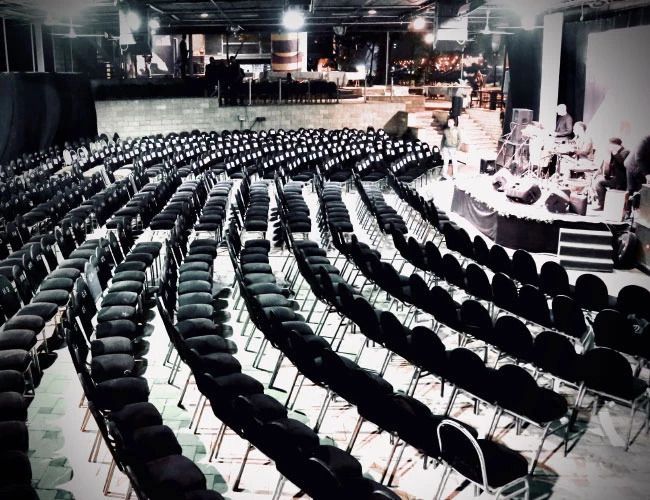
## Description El Sawy Culturewheel (often written as Sawy Cultural Wheel) is a dynamic cultural center in Cairo known for its eclectic program of theater, music, workshops, literary evenings, and community arts activities. Established by Egyptian cultural entrepreneur Mohamed El-Sawy, the center was conceived as a grassroots venue that supports independent artists, nurtures emerging talents, and brings diverse audiences together. The venue’s programming ranges from experimental theater and jazz nights to film discussions and children’s arts workshops, creating an urban cultural laboratory distinctly different from state-run institutions. What sets the Culturewheel apart is its commitment to accessibility and community engagement. It frequently offers affordable events, artists’ talks, and interdisciplinary collaborations that reflect contemporary Egyptian cultural life. A less obvious feature is the center’s role as a networking node—many artists and creative collectives in Cairo trace early collaborations back to events hosted at El Sawy, making it a quiet engine of the city’s cultural ecosystem. ## Location El Sawy Culturewheel is based on Gezira Island in the Zamalek district of central Cairo, Egypt, near the Nile’s western bank. Its central location on Gezira makes it easy to reach from many Cairo neighborhoods. Getting there: From downtown Cairo (Tahrir Square, downtown hotels) a short taxi or ride-share trip reaches Zamalek in under 20 minutes depending on traffic. Some visitors prefer the tram or river ferry options when available; walking across the Qasr El Nil bridge and heading into Zamalek is also feasible for those staying nearby. Parking can be limited during busy events, so public transport or a ride-hailing service is often most convenient. ## Tips - Check the schedule in advance: The Culturewheel’s program changes frequently; review upcoming events on their official channels or social pages to secure tickets for popular shows. - Arrive early: Some events are small and seat availability is limited; arriving early ensures a good seat and time to meet artists or buy refreshments. - Explore related venues: Zamalek has galleries, bookstores, and cafes; make an evening of it by combining a performance with dinner or a gallery visit. - Language: Many performances are in Arabic; however, cultural evenings often include bilingual presentations, translations, or summaries for international visitors—check event details if language is a concern. - Bring cash for smaller events and local craft stalls; bigger performances may accept card or online booking. ## Conclusion El Sawy Culturewheel is Cairo’s pulse for grassroots cultural life—an energetic space where performance, dialogue, and creativity intersect. For visitors interested in contemporary Egyptian arts or seeking a local, community-centered experience, the Culturewheel offers an accessible, varied, and memorable cultural program. ## FAQ Q: What kind of events are held at the Culturewheel? A: The center hosts theater, live music, film nights, literary readings, workshops, and children’s activities. Q: Is there an official timetable? A: Yes. Events are scheduled regularly—check the Culturewheel’s official announcement channels for the latest listings. Q: Are events in English? A: Many events are primarily in Arabic, but there are occasional bilingual events and programs aimed at international audiences. Q: Is the venue family-friendly? A: The center runs children’s workshops and family-oriented events—review event descriptions to verify suitability. ## Links - [Wikipedia: El Sawy Culturewheel](https://en.wikipedia.org/wiki/El_Sawy_Culturewheel) - [El Sawy Culturewheel official website](https://www.culturewheel.com/en)
GemVoyage Team • World
New York
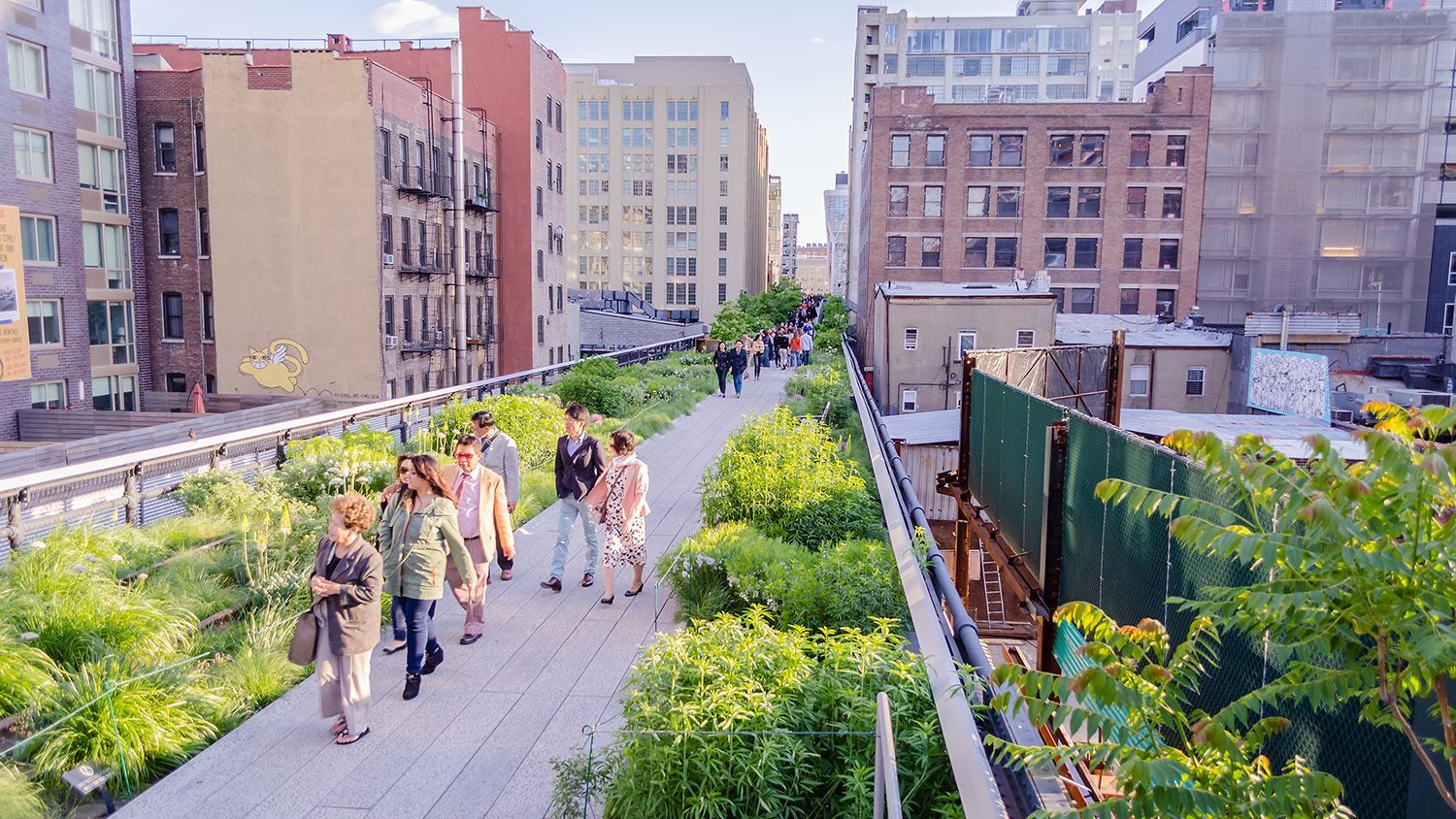
## Description The High Line is one of New York City's most recognizable urban parks, but it is more than a simple green walkway. Built on a former elevated freight rail line on Manhattan's West Side, it turns industrial infrastructure into a long public promenade with gardens, city views, art installations, and quiet places to sit above the traffic. What makes it especially appealing is the way it blends architecture, landscape design, and everyday city life into one continuous experience. Visitors can move from the Meatpacking District to Hudson Yards while seeing the city from a perspective that feels both cinematic and surprisingly calm. One of the less obvious facts about the High Line is that its planting design was inspired by the wild vegetation that grew on the abandoned tracks before redevelopment began. That gives the park a natural, slightly untamed character even though it sits in one of the most developed parts of Manhattan. Another detail many first-time visitors do not expect is how much the experience changes by time of day: early morning feels reflective and peaceful, while sunset brings warm light, busier paths, and some of the best skyline photography in the city. It is a place where a short stroll can easily become a lingering afternoon. ## Location The High Line runs through the Chelsea and Hudson Yards neighborhoods on the west side of Manhattan in New York City, New York, United States. The park stretches for several blocks between the Meatpacking District and the edge of Midtown, with multiple entry points along the route. The closest subway stops vary depending on where you want to begin, but the 14th Street, 23rd Street, and 34th Street stations are among the most useful starting points. Walking from the surrounding neighborhoods is often the easiest choice because the High Line is meant to be experienced as part of a broader urban stroll. If you are planning a visit, consider starting in the Meatpacking District and walking north so you can gradually move into the newer Hudson Yards area. That direction gives a nice balance between historic warehouse blocks, galleries, and modern towers. Public transit is the best way to get there, since parking in this part of Manhattan is limited and expensive. ## Tips - Go early if you want quieter paths and easier photography without large crowds. - Wear comfortable shoes, since the walk is longer than it looks and nearby side streets invite detours. - Look for the seasonal planting and public art, because they change the mood of the route throughout the year. - Combine the visit with Chelsea Market, the Whitney Museum area, or Hudson Yards to make a fuller day. - Bring water in warm weather, since the elevated paths can feel hotter than the shaded streets below. - Stay aware of entrances and exits, because it is easy to overshoot the staircase you planned to use. ## Conclusion The High Line is a model example of how a city can transform a forgotten structure into a destination with real character. It rewards slow walking, repeated visits, and attention to detail, making it one of New York's best outdoor urban experiences. ## FAQ ### What is the best time to visit the High Line? Morning is best if you want a calmer atmosphere, softer light, and more room to move. Late afternoon and sunset are the most scenic times, but they also tend to be busier. If you are visiting in peak season, weekdays are usually less crowded than weekends. ### How long does it take to walk the High Line? Many visitors spend 45 minutes to 2 hours on the walk, depending on how often they stop for photos, art, or views. If you plan to connect it with nearby attractions, you should leave more time so the visit feels relaxed rather than rushed. ### Is the High Line suitable for families? Yes, it works well for families because it is pedestrian-only, easy to navigate, and full of visual interest. The main challenge is crowd density at popular times, so children may enjoy the walk more if you visit early or choose a less busy weekday. ### Can you access the High Line from multiple points? Yes, one of its biggest advantages is the number of access points along the route. This makes it easy to join for a short segment, exit near a neighborhood you want to explore, or use it as part of a larger walking itinerary across West Manhattan. ### What should I combine with a High Line visit? Chelsea Market, the Whitney area, the Meatpacking District, and Hudson Yards all pair naturally with the High Line. Those nearby stops turn a simple park visit into a richer day of food, art, architecture, and shopping. ## Links - [Official website](https://www.thehighline.org/) - [Wikipedia](https://en.wikipedia.org/wiki/High_Line)
GemVoyage Team • World

Comments